From 11:00 pm to 12:00 pm EST ( 8:00 pm to 9:00 pm PST ) on January 6th, the website will be under maintenance. We are sorry for the inconvenience. Please arrange your schedule properly.
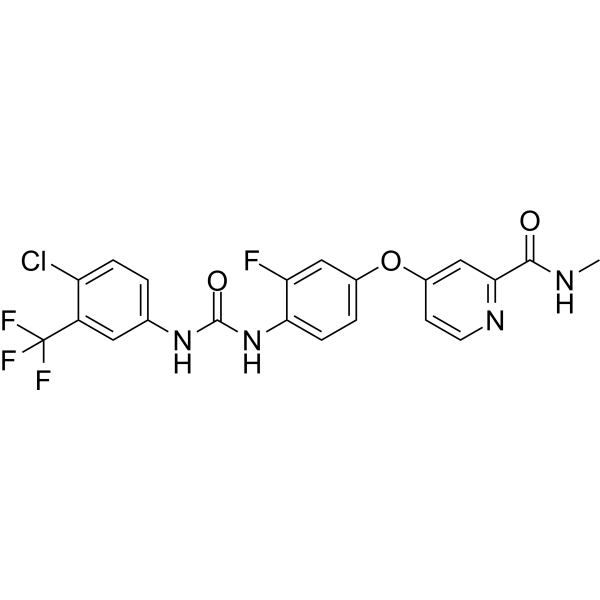
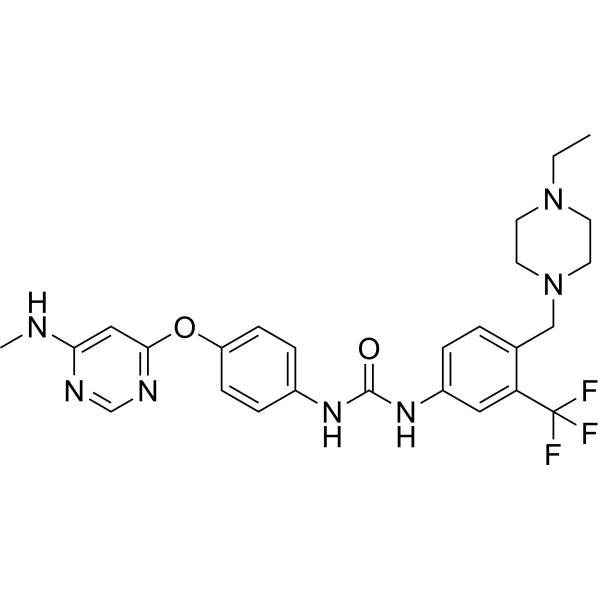
Regorafenib (BAY 73-4506) is an orally active and potent multi-targeted receptor tyrosine kinase inhibitor, with IC50 values of 13/4.2/46, 22, 7, 1.5 and 2.5 nM for VEGFR1/2/3, PDGFRβ, Kit, RET and Raf-1, respectively. Regorafenib shows very robust antitumor and antiangiogenic activity .
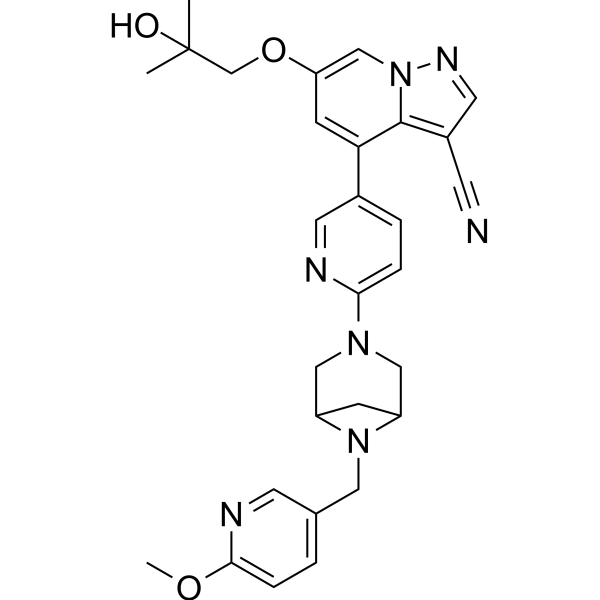
Selpercatinib (LOXO-292) is a potent, selective RETkinase inhibitor with IC50 values of 14.0 nM, 24.1 nM, and 530.7 nM for RET (WT), RET (V804M), and RET (G810R), respectively. Selpercatinib has anticancer activity .
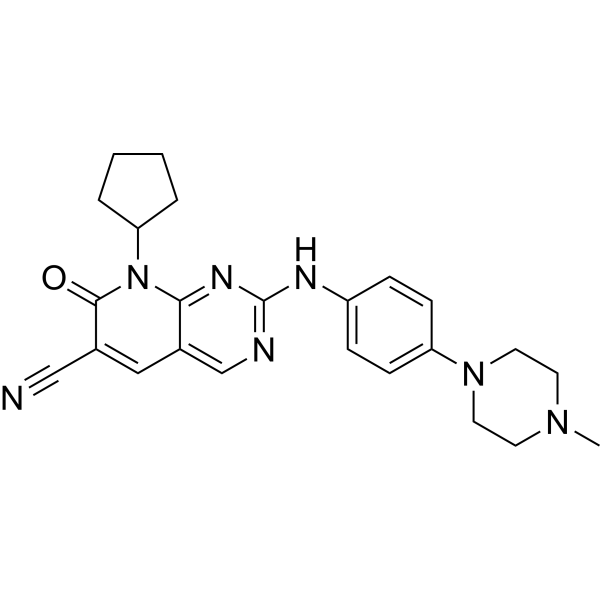
Narazaciclib (ON123300), a strong and brain-penetrant multi-kinase inhibitor, inhibits CDK4 (IC50=3.9 nM), Ark5 (IC50=5 nM), PDGFRβ (IC50=26 nM), FGFR1 (IC50=26 nM), RET (IC50=9.2 nM), and FYN (IC50=11 nM). Single agent Narazaciclib causes a dose-dependent suppression of phosphorylation of Akt as well as activation of Erk in brain tumors . Narazaciclib inhibits CDK6 with an IC50 of 9.82 nM .
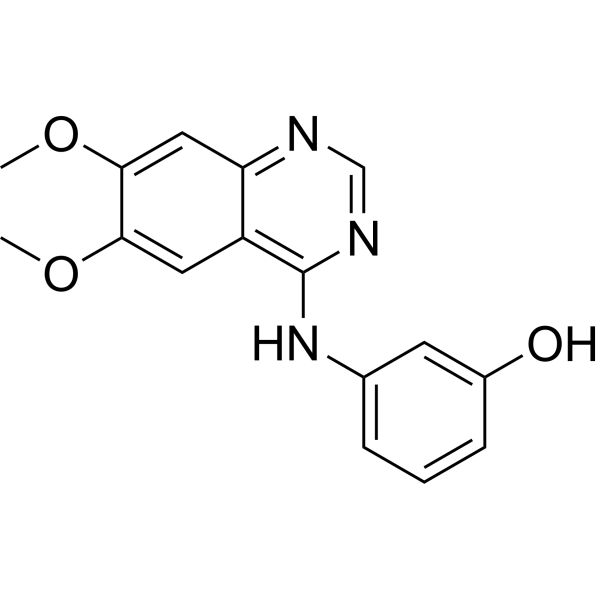
AST 487 is a RETkinase inhibitor with IC50 of 880 nM, inhibits RET autophosphorylation and activation of downstream effectors, also inhibits Flt-3 with IC50 of 520 nM.
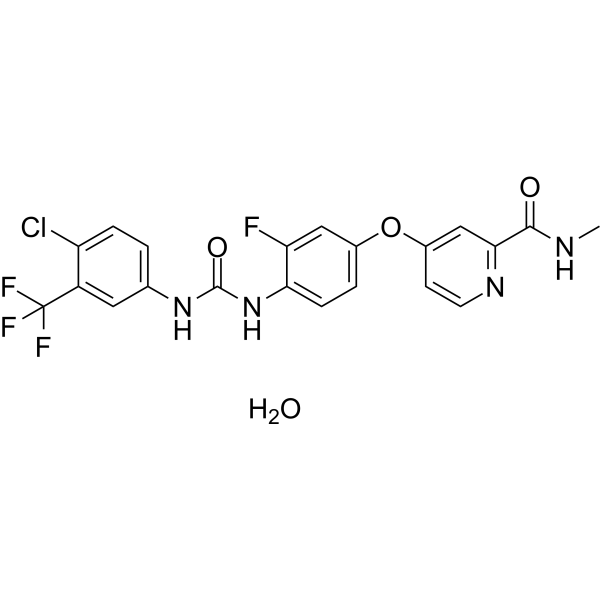
Regorafenib (BAY 73-4506) monohydrate is an orally active and potent multi-targeted receptor tyrosine kinase inhibitor, with IC50 values of 13/4.2/46, 22, 7, 1.5 and 2.5 nM for VEGFR1/2/3, PDGFRβ, Kit, RET and Raf-1, respectively. Regorafenib monohydrate shows very robust antitumor and antiangiogenic activity .
Amuvatinib (MP470) is an orally bioavailable multi-targeted tyrosine kinase inhibitor with potent activity against mutant c-Kit, PDGFRα, Flt3, c-Met and c-Ret. Amuvatinib (MP470) is also a DNA repair suppressor through suppression of DNA repair protein RAD51, thereby disrupting DNA damage repair . Antineoplastic activity .
GSK3179106 is an orally active and selective RETkinase inhibitor with IC50s of 0.4 nM, 0.2 nM for human RET and rat RET, respectively. GSK3179106 has the potential for irritable bowel syndrome (IBS) through the attenuation of post-inflammatory and stress-induced visceral hypersensitivity .
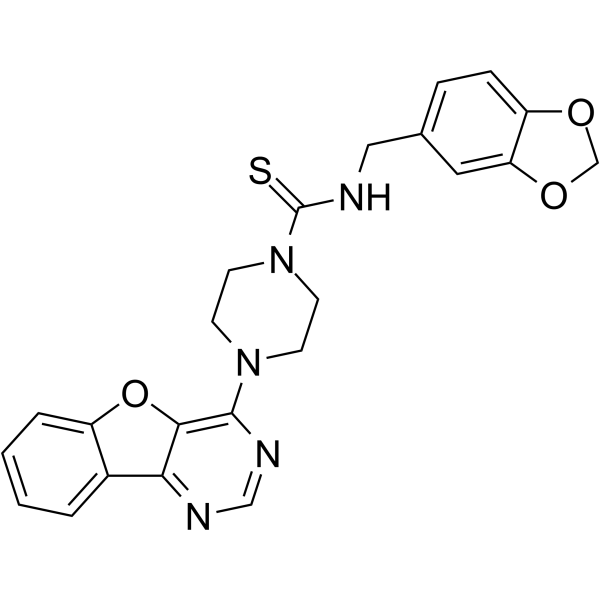
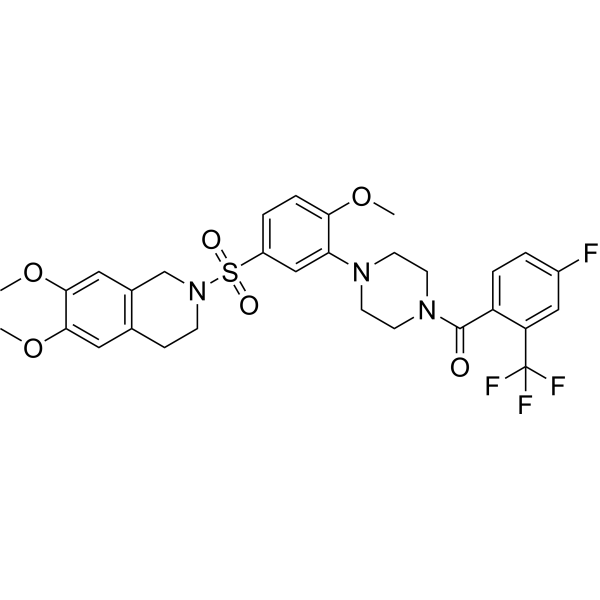
Cevidoplenib (SKI-O-703) is an orally available inhibitor of spleen tyrosine kinase (Syk), with potential anti-inflammatory and immunomodulating activities. Cevidoplenib is also the mesylate form of SKI-O-592. Cevidoplenib and SKI-O-592 inhibits BCR-mediated survival, proliferation, and differentiation of B cells. And SKI-O-592 potently inhibits multiple kinases with IC50s of 6.2 nM (Syk), 1.859 μM (Jak2), 5.807 μM (Jak3), 0.412 μM (RET), 0.687 μM (KOR), 1.783 μM (FLT3), 16.96 μM (FGFR1), 5.662 μM (FGFR3), and 0.709 μM (Pyk2), respectively .
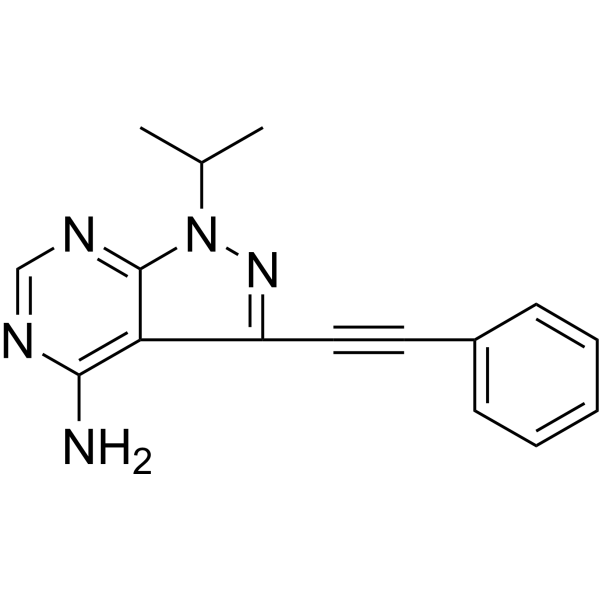
SPP-86 is a potent and selective cell permeable inhibitor of RET tyrosine kinase, with an IC50 of 8 nM. SPP-86 inhibits RET-induced phosphatidylinositide 3-kinases (PI3K)/Akt and MAPK signaling, also inhibits RET-induced estrogen receptorα (ERα) phosphorylation in MCF7 cells . SPP-86 is a click chemistry reagent, it contains an Alkyne group and can undergo copper-catalyzed azide-alkyne cycloaddition (CuAAc) with molecules containing Azide groups.
BT18 is a molecule mimic with function similar to glial cell line-derived neurotrophic factor (GDNF) . BT18 shows an effect on GDNF family receptor GFRα1 and RET receptor tyrosine kinase RetA function .
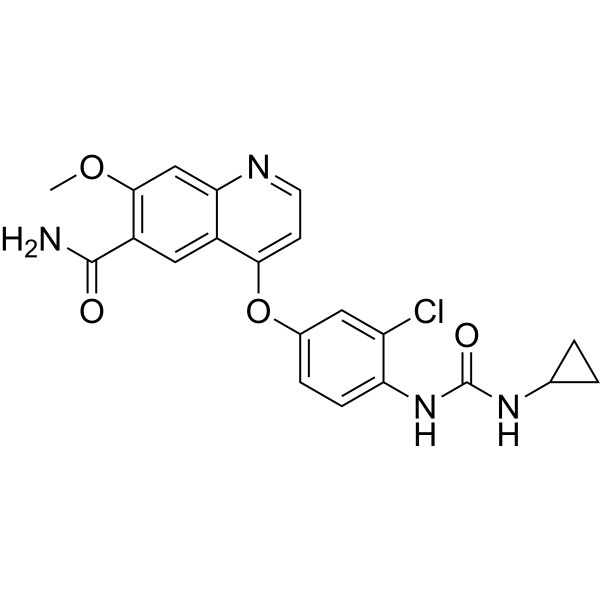
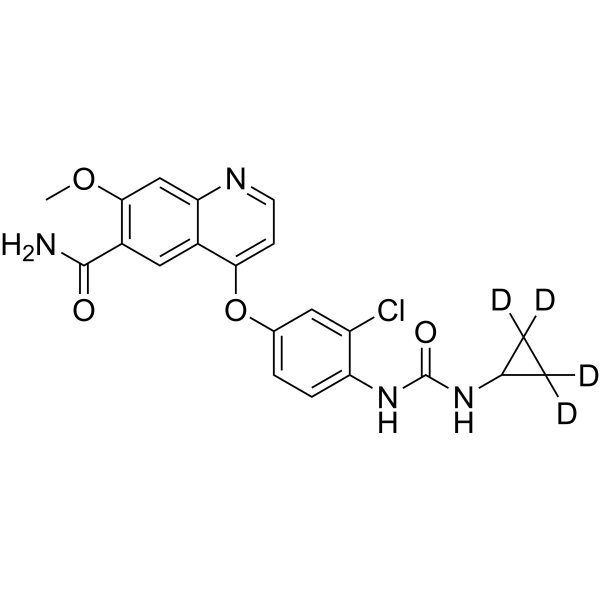
Lenvatinib-d4 is the deuterium labeled Lenvatinib. Lenvatinib (E7080) is an oral, multi-targeted tyrosine kinase inhibitor that inhibits VEGFR1-3, FGFR1-4, PDGFR, KIT, and RET, shows potent antitumor activities .
HG-7-85-01 is a type II ATP competitive inhibitor of wild-type and gatekeeper mutations forms of Bcr-Abl, PDGFRα, Kit, and Src kinases. HG-7-85-01 inhibits T315I mutant Bcr-Abl kinase, KDR and RET with IC50s of 3 nM, 20 nM and 30 nM, and is only weak or no inhibition of other kinases (IC50>2 μM). HG-7-85-01 inhibits the cell proliferation, which is mediated by the induction of apoptosis, and inhibition of cell-cycle progression .
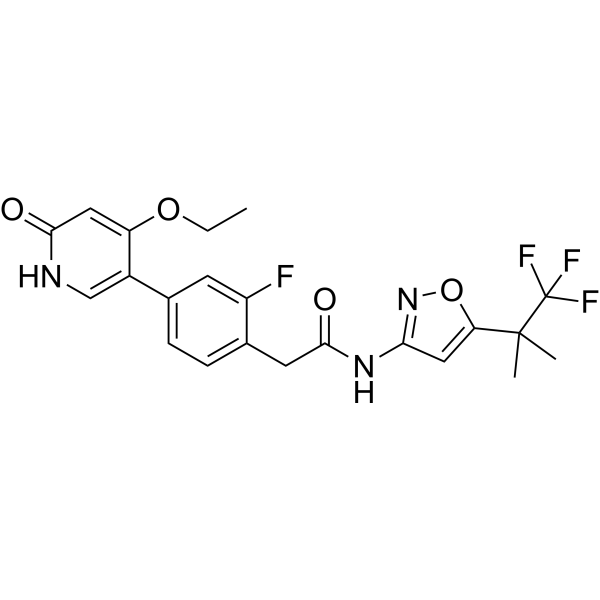
Zeteletinib (BOS-172738; DS-5010) is an orally active, selective RETkinase inhibitor with nanomolar potency against RET and >300-fold selectivity against VEGFR2. Zeteletinib shows exquisite potency for the wild type RET, RETV804M/L gatekeeper mutants, and the most common oncogenic RET mutation M918T. Zeteletinib has potent antitumor activity .
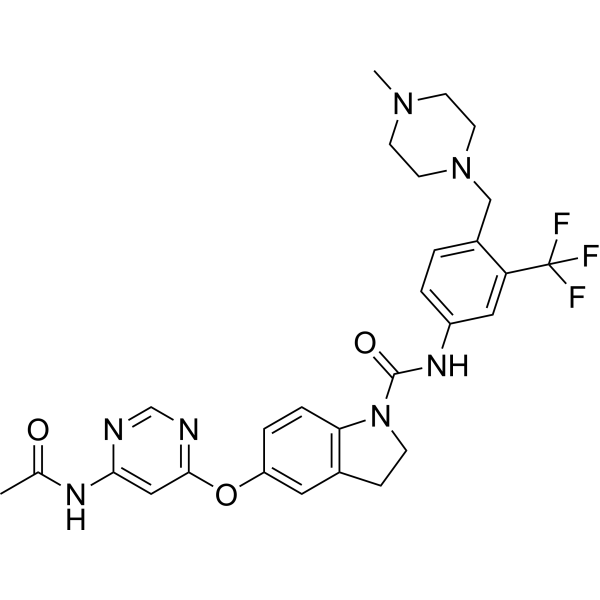
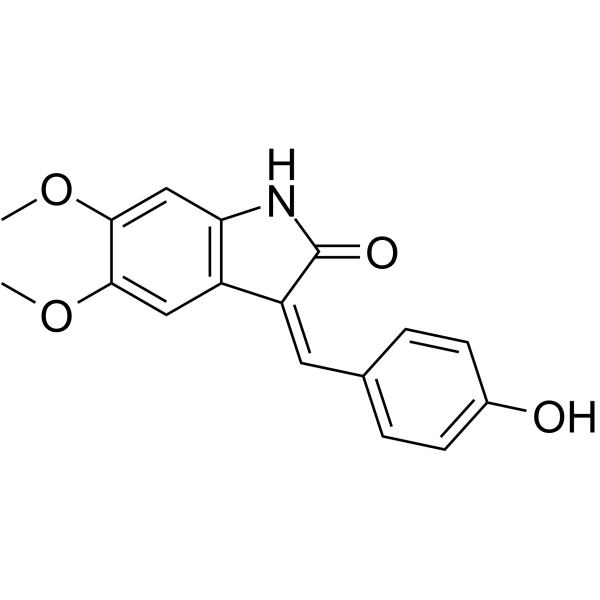
RPI-1 is a specific, orally available 2-indolinone Ret tyrosine kinase inhibitor. RPI-1 inhibits proliferation, Ret tyrosine phosphorylation, Ret protein expression, and the activation of PLCgamma, ERKs and AKT in human medullary thyroid carcinoma TT cells. Antitumor activity .
Srctide is a biological active peptide. (This is a peptide substrate for many protein kinases, such as Blk, BTK, cKit, EPHA1, EPHB2, EPHB3, ERBB4, FAK, Flt3, IGF-1R, ITK, Lck, MET, MUSK, Ret, Src, TIE2, TrkB, VEGF-R1 (Flt-1) and VEGF-R2 (KDR).)
Lenvatinib (Standard) is the analytical standard of Lenvatinib. This product is intended for research and analytical applications. Lenvatinib (E7080) is an oral, multi-targeted tyrosine kinase inhibitor that inhibits VEGFR1-3, FGFR1-4, PDGFR, KIT, and RET, shows potent antitumor activities .
O-Demethyl Lenvatinib hydrochloride is a metabolite of Lenvatinib (HY-10981). Lenvatinib (E7080) is an oral, multi-targeted tyrosine kinase inhibitor that inhibits VEGFR1-3, FGFR1-4, PDGFR, KIT, and RET. Lenvatinib shows potent antitumor activities .
WF-47-JS03 is a potent, selective and brain-penetrantRETkinase inhibitor with IC50s of 1.7 nM and 5.3 nM for KIF5B-RET transfected Ba/F3 cells and CCDC6-RET transfected LC-2/ad lung cancer cells, respectively. WF-47-JS03 demonstrates >500-fold selectivity against kinase insert domain receptor (KDR) .
APS03118 is an orally active, potent and selective rearranged during transfection (RET) inhibitor. APS03118 broadly inhibits RET fusions and mutations (including G810, V804, L730, and Y806 variants), with IC50 values predominantly below 1 nM (0.095 nM for WT; ranging from 0.00438 to 5.72 nM for mutants), and demonstrates marked superiority against RET G810 mutations. APS03118 inhibits the entire RET signaling pathway (including RET, Shc, and ERK1/2), with >20-fold selectivity over most off-target kinases (except FLT3 and YES). APS03118 induces complete tumor regression in KIF5B-RET and CCDC6-RET V804 M patient derived xenografts (PDXs) and significantly prolongs survival in an intracranial CCDC6-RET metastasis mice model. APS03118 can be used for selective RET inhibitor (SRI)-resistant, RET-driven cancer research .
O-Demethyl Lenvatinib is a metabolite of Lenvatinib (HY-10981). Lenvatinib (E7080) is an oral, multi-targeted tyrosine kinase inhibitor that inhibits VEGFR1-3, FGFR1-4, PDGFR, KIT, and RET, shows potent antitumor activities .
Amuvatinib hydrochloride (MP470 hydrochloride) is an orally bioavailable multi-targeted tyrosine kinase inhibitor with potent activity against mutant c-Kit, PDGFRα, Flt3, c-Met and c-Ret. Amuvatinib hydrochloride (MP470 hydrochloride) is also a DNA repair suppressor through suppression of DNA repair protein RAD51, thereby disrupting DNA damage repair . Antineoplastic activity .
2-Chloro-4-nitropyridine is a drug intermediate in synthesizing other organic compounds, such as 2-chloro-4-ethoxypyridine and various RETkinase inhibitors .
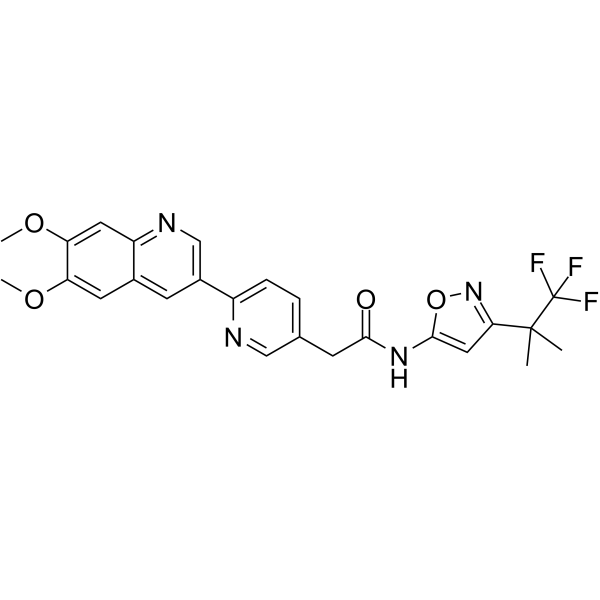
RET-IN-15 is a rearranged during transfection (RET) kinase inhibitor extracted from patent WO2021115457A1 compound 51. RET-IN-15 can be used for the research of cancer .
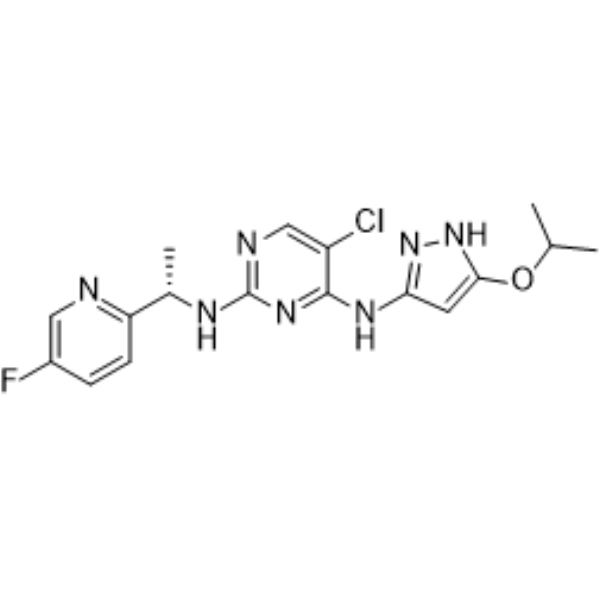
FHND5071 is a potent and selective RETkinase inhibitor, FHND5071 can exert antitumor effects by inhibiting RET autophosphorylation. FHND5071 can be used for tumor diseases research .
Selpercatinib (Standard) is the analytical standard of Selpercatinib. This product is intended for research and analytical applications. Selpercatinib (LOXO-292) is a potent, selective RETkinase inhibitor with IC50 values of 14.0 nM, 24.1 nM, and 530.7 nM for RET (WT), RET (V804M), and RET (G810R), respectively. Selpercatinib has anticancer activity .
Multi-kinase-IN-5 (compound 15c) is a promising multi-kinase inhibitory agent. Multi-kinase-IN-5 inhibits a panel of protein kinases (RET, KIT, cMet, VEGFR1,2, FGFR1, PDGFR and BRAF), showing % inhibition of 74%, 31%, 62%, 40%, 73%, 74%, 59%, and 69%, respectively, and IC50 of 1.287, 0.117 and 1.185 μM against FGFR1, VEGFR, and RETkinases, respectively .
Zeteletinib (BOS-172738; DS-5010) hemiadipate is an orally active, selective RETkinase inhibitor with nanomolar potency against RET and >300-fold selectivity against VEGFR2. Zeteletinib hemiadipate shows exquisite potency for the wild type RET, RETV804M/L gatekeeper mutants, and the most common oncogenic RET mutation M918T. Zeteletinib hemiadipate has potent antitumor activity .
Lenvatinib-d5 is the deuterium labeled Lenvatinib. Lenvatinib (E7080) is an oral, multi-targeted tyrosine kinase inhibitor that inhibits VEGFR1-3, FGFR1-4, PDGFR, KIT, and RET, shows potent antitumor activities .
KBP-7018 is a tyrosine kinase-selective inhibitor. KBP-7018 has potent inhibitory effects on c-KIT, PDGFR, and RET with IC50 values of 10 nM, 7.6 nM and 25 nM, respectively. KBP-7018 can be used for the research of idiopathic pulmonary fibrosis .
KBP-7018 hydrochloride is a tyrosine kinase-selective inhibitor. KBP-7018 hydrochloride has potent inhibitory effects on c-KIT, PDGFR, and RET with IC50 values of 10 nM, 7.6 nM and 25 nM, respectively. KBP-7018 hydrochloride can be used for the research of idiopathic pulmonary fibrosis .
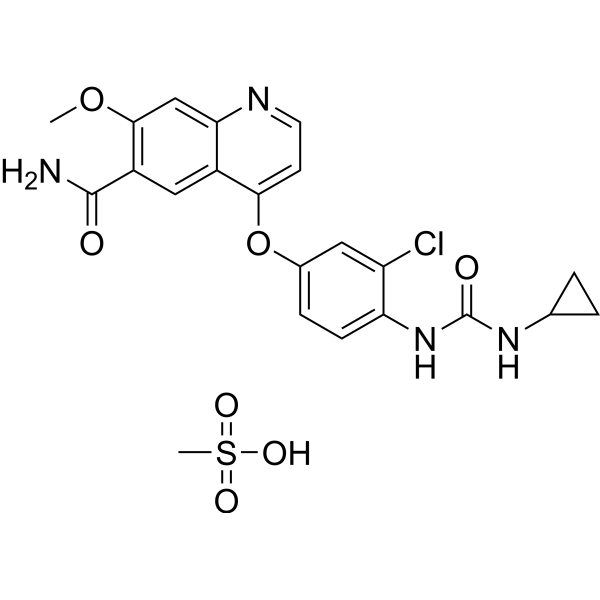
Lenvatinib (mesylate) (Standard) is the analytical standard of Lenvatinib (mesylate). This product is intended for research and analytical applications. Lenvatinib mesylate (E7080 mesylate), an oral, multi-targeted tyrosine kinase inhibitor that inhibits VEGFR1-3, FGFR1-4, PDGFR, KIT, and RET, shows potent antitumor activities .
CDD-2211 is a STK33 inhibitor, with a Kd of 0.018 nM and an IC50 of 5 nM. CDD-2211 has relatively weak inhibitory effects on off-target kinases, with IC50 values of 115 nM for CLK1, 48 nM for CLK2, 187 nM for CLK4, and 78 nM for RET. CDD-2211 can be used for the study of contraception .
CDD-2212 is a STK33 inhibitor, with a Kd of 1.9 nM and an IC50 of 999 nM. CDD-2212 has relatively weak inhibitory effects on off-target kinases, with IC50 values of 3223 nM for CLK1, 1555 nM for CLK2, 5884 nM for CLK4, and 1093 nM for RET. CDD-2212 can be used for the study of contraception .
Regorafenib (BAY 73-4506) mesylate is an orally active and potent multi-targeted receptor tyrosine kinase inhibitor, with IC50 values of 13/4.2/46, 22, 7, 1.5 and 2.5 nM for VEGFR1/2/3, PDGFRβ, Kit, RET and Raf-1, respectively. Regorafenib mesylate shows very robust antitumor and antiangiogenic activity .
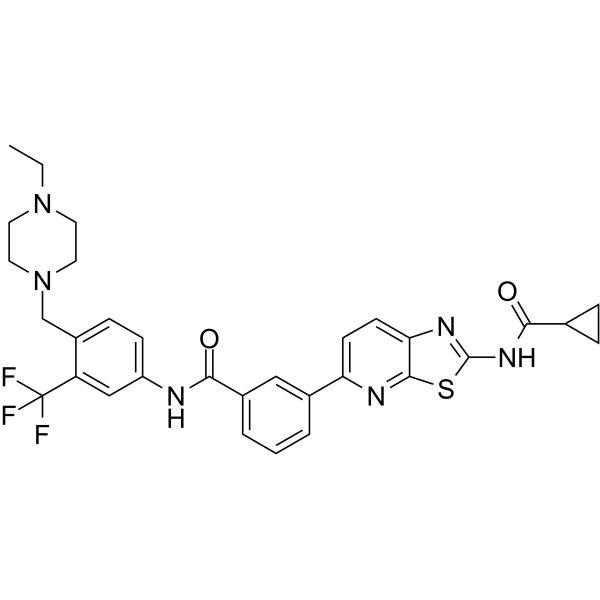
HSN748 is a Ponatinib (HY-12047) analogue and a multikinase inhibitor. HSN748 has inhibitory activity on FLT3, ABL1, RET, PDGFRα/β, MNK1, MNK2 and other kinases. HSN748 can inhibit the growth of chronic myeloid leukemia and acute myeloid leukemia cell lines and can be used in the study of leukemia .
Regorafenib- 13C,d3 is the 13C- and deuterium labeled Regorafenib. Regorafenib (BAY 73-4506) is a multi-targeted receptor tyrosine kinase inhibitor with IC50s of 13/4.2/46, 22, 7, 1.5 and 2.5 nM for VEGFR1/2/3, PDGFRβ, Kit, RET and Raf-1, respectively.
Amuvatinib (Standard) is the analytical standard of Amuvatinib. This product is intended for research and analytical applications. Amuvatinib (MP470) is an orally bioavailable multi-targeted tyrosine kinase inhibitor with potent activity against mutant c-Kit, PDGFRα, Flt3, c-Met and c-Ret. Amuvatinib (MP470) is also a DNA repair suppressor through suppression of DNA repair protein RAD51, thereby disrupting DNA damage repair . Antineoplastic activity .
Regorafenib (Standard) is the analytical standard of Regorafenib. This product is intended for research and analytical applications. Regorafenib (BAY 73-4506) is an orally active and potent multi-targeted receptor tyrosine kinase inhibitor, with IC50 values of 13/4.2/46, 22, 7, 1.5 and 2.5 nM for VEGFR1/2/3, PDGFRβ, Kit, RET and Raf-1, respectively. Regorafenib shows very robust antitumor and antiangiogenic activity .
Regorafenib (monohydrate) (Standard) is the analytical standard of Regorafenib (monohydrate). This product is intended for research and analytical applications. Regorafenib (BAY 73-4506) monohydrate is an orally active and potent multi-targeted receptor tyrosine kinase inhibitor, with IC50 values of 13/4.2/46, 22, 7, 1.5 and 2.5 nM for VEGFR1/2/3, PDGFRβ, Kit, RET and Raf-1, respectively. Regorafenib monohydrate shows very robust antitumor and antiangiogenic activity .
RET-IN-29 (Compound 8W) is a selective RETkinase inhibitor. RET-IN-29 exhibits inhibitory potency against the BaF3 cells harboring CCDC6-RETV804M mutation with an IC50 value of 0.715 μM. RET-IN-29 is promising for research of non-small cell lung cancer (NSCLC) .
Rearranged during transfection (RET) is a transmembrane receptor protein tyrosine kinase (PTK) activated normally by forming ternary complexes with its cognate ligands and co-receptors. RET alterations by point mutations and gene fusions were found in diverse cancers. RET S891A is a mutant of RET. RET S891A Recombinant Human Active Protein Kinase is a recombinant RET S891A protein that can be used to study RET S891A-related functions .
Rearranged during transfection (RET) is a transmembrane receptor protein tyrosine kinase (PTK) activated normally by forming ternary complexes with its cognate ligands and co-receptors. RET alterations by point mutations and gene fusions were found in diverse cancers. RET V804L is a mutant of RET. RET V804L Recombinant Human Active Protein Kinase is a recombinant RET V804L protein that can be used to study RET V804L-related functions .
PROTAC RET Degrader 1 (Compound 20) is an orally active and blood-brain barrier-crossing RET PROTAC degrader with DC50 values for RET (WT), RET (G810S), RET (G810C), and RET (G810R) of 1.7, 3, 12, and 21 nM, respectively. PROTAC RET Degrader 1 exhibits potent anti-proliferative activity in cancer cell lines carrying oncogenic RET fusions (such as KIF5B-RET, CCDC6-RET) or mutations (such as RET (C634W)). PROTAC RET Degrader 1 shows significant anti-tumor activity in human tumor xenograft (PDX) mouse models. PROTAC RET Degrader 1 can be used for the study of RET-positive cancers Pink: RET ligand (HY-179308); Blue: CRBN ligand (HY-179307); Black: Linker) .
Rearranged during transfection (RET) is a transmembrane receptor protein tyrosine kinase (PTK) activated normally by forming ternary complexes with its cognate ligands and co-receptors. RET alterations by point mutations and gene fusions were found in diverse cancers. RET V804E is a mutant of RET. RET V804E Recombinant Human Active Protein Kinase is a recombinant RET V804E protein that can be used to study RET V804E-related functions .
Rearranged during transfection (RET) is a transmembrane receptor protein tyrosine kinase (PTK) activated normally by forming ternary complexes with its cognate ligands and co-receptors. RET alterations by point mutations and gene fusions were found in diverse cancers. RET L790F is a mutant of RET. RET L790F Recombinant Human Active Protein Kinase is a recombinant RET L790F protein that can be used to study RET L790F-related functions .
Rearranged during transfection (RET) is a transmembrane receptor protein tyrosine kinase (PTK) activated normally by forming ternary complexes with its cognate ligands and co-receptors. RET alterations by point mutations and gene fusions were found in diverse cancers. RET L730I is a mutant of RET. RET L730I Recombinant Human Active Protein Kinase is a recombinant RET L730I protein that can be used to study RET L730I-related functions .
Rearranged during transfection (RET) is a transmembrane receptor protein tyrosine kinase (PTK) activated normally by forming ternary complexes with its cognate ligands and co-receptors. RET alterations by point mutations and gene fusions were found in diverse cancers. RET V804M is a mutant of RET. RET V804M Recombinant Human Active Protein Kinase is a recombinant RET V804M protein that can be used to study RET V804M-related functions .
Rearranged during transfection (RET) is a transmembrane receptor protein tyrosine kinase (PTK) activated normally by forming ternary complexes with its cognate ligands and co-receptors. RET alterations by point mutations and gene fusions were found in diverse cancers. RET G691S is a mutant of RET. RET G691S Recombinant Human Active Protein Kinase is a recombinant RET G691S protein that can be used to study RET G691S-related functions .
Rearranged during transfection (RET) is a transmembrane receptor protein tyrosine kinase (PTK) activated normally by forming ternary complexes with its cognate ligands and co-receptors. RET alterations by point mutations and gene fusions were found in diverse cancers. RET G810C is a mutant of RET. RET G810C Recombinant Human Active Protein Kinase is a recombinant RET G810C protein that can be used to study RET G810C-related functions .
Rearranged during transfection (RET) is a transmembrane receptor protein tyrosine kinase (PTK) activated normally by forming ternary complexes with its cognate ligands and co-receptors. RET alterations by point mutations and gene fusions were found in diverse cancers. RET M918T is a mutant of RET. RET M918T Recombinant Human Active Protein Kinase is a recombinant RET M918T protein that can be used to study RET M918T-related functions .
Rearranged during transfection (RET) is a transmembrane receptor protein tyrosine kinase (PTK) activated normally by forming ternary complexes with its cognate ligands and co-receptors. RET alterations by point mutations and gene fusions were found in diverse cancers. RET R813Q is a mutant of RET. RET R813Q Recombinant Human Active Protein Kinase is a recombinant RET R813Q protein that can be used to study RET R813Q-related functions .
Rearranged during transfection (RET) is a transmembrane receptor protein tyrosine kinase (PTK) activated normally by forming ternary complexes with its cognate ligands and co-receptors. RET alterations by point mutations and gene fusions were found in diverse cancers. RET L730M is a mutant of RET. RET L730M Recombinant Human Active Protein Kinase is a recombinant RET L730M protein that can be used to study RET L730M-related functions .
Rearranged during transfection (RET) is a transmembrane receptor protein tyrosine kinase (PTK) activated normally by forming ternary complexes with its cognate ligands and co-receptors. RET alterations by point mutations and gene fusions were found in diverse cancers. RET R749T is a mutant of RET. RET R749T Recombinant Human Active Protein Kinase is a recombinant RET R749T protein that can be used to study RET R749T-related functions .
Rearranged during transfection (RET) is a transmembrane receptor protein tyrosine kinase (PTK) activated normally by forming ternary complexes with its cognate ligands and co-receptors. RET alterations by point mutations and gene fusions were found in diverse cancers. RET G810R is a mutant of RET. RET G810R Recombinant Human Active Protein Kinase is a recombinant RET G810R protein that can be used to study RET G810R-related functions .
Rearranged during transfection (RET) is a transmembrane receptor protein tyrosine kinase (PTK) activated normally by forming ternary complexes with its cognate ligands and co-receptors. RET alterations by point mutations and gene fusions were found in diverse cancers. RET E762Q is a mutant of RET. RET E762Q Recombinant Human Active Protein Kinase is a recombinant RET E762Q protein that can be used to study RET E762Q-related functions .
Rearranged during transfection (RET) is a transmembrane receptor protein tyrosine kinase (PTK) activated normally by forming ternary complexes with its cognate ligands and co-receptors. RET alterations by point mutations and gene fusions were found in diverse cancers. RET Y791F is a mutant of RET. RET Y791F Recombinant Human Active Protein Kinase is a recombinant RET Y791F protein that can be used to study RET Y791F-related functions .
Rearranged during transfection (RET) is a transmembrane receptor protein tyrosine kinase (PTK) activated normally by forming ternary complexes with its cognate ligands and co-receptors. RET alterations by point mutations and gene fusions were found in diverse cancers. RET Y806H is a mutant of RET. RET Y806H Recombinant Human Active Protein Kinase is a recombinant RET Y806H protein that can be used to study RET Y806H-related functions .
Rearranged during transfection (RET) is a transmembrane receptor protein tyrosine kinase (PTK) activated normally by forming ternary complexes with its cognate ligands and co-receptors. RET alterations by point mutations and gene fusions were found in diverse cancers. RET G810S is a mutant of RET. RET G810S Recombinant Human Active Protein Kinase is a recombinant RET G810S protein that can be used to study RET G810S-related functions .
BCR-RET Recombinant Human Active Protein Kinase is a BCR-RET fusion protein in hematopoietic malignancies. BCR-RET overactivates the Ras-ERK pathway, in addition to JAK/STAT3 and PI3K/AKT pathways .
XMD15-44 is a RETkinase inhibitor.XMD15-44 has a growth-inhibitory effect on RET/C634R and RET/M918T transformed RAT1 cells, with IC50 values of 11.5 nM and 8.3 nM, respectively. XMD15-44 can inhibit RETkinase and signaling in human thyroid cancer cell lines carrying oncogenic RET alleles, reducing cell proliferation .
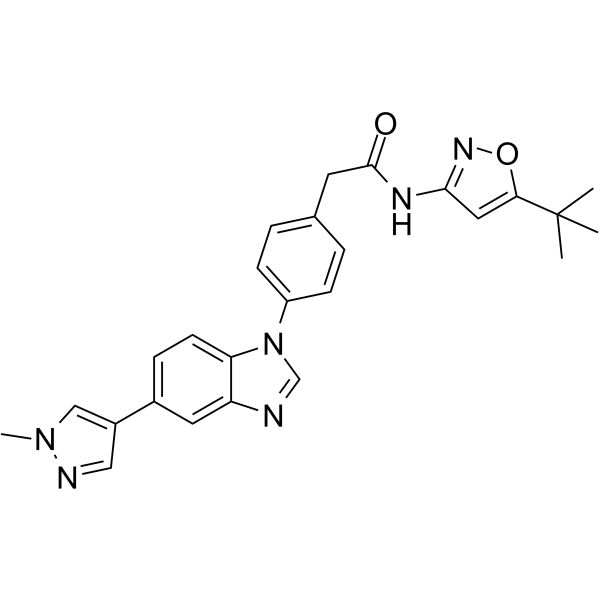
RET-IN-17 is a potent inhibitor of RET. RET-IN-17 has the potential for the research of pain associated with IBS and other gastrointestinal disorders and for the research of cancers with constitutive RETkinase activity (extracted from patent WO2016038552A1, compound 1) .
RET-IN-9 is a potent inhibitor of RET. RETkinase is a single-pass transmembrane receptor tyrosine kinase that plays an important role in the development of the kidney and enteric nervous system, and the maintenance of homeostasis in the nervous, endocrine, hematopoietic, and male reproductive systems. RET-IN-9 has the potential for the research of RET-related disease including non-small cell lung cancer and medullary thyroid cancer (extracted from patent WO2021115457A1, compound 29) .
RET-IN-28 (Compound 16) is a RET (transmembrane receptor tyrosine protein kinase) inhibitor. RET-IN-28 inhibits the activity of the mutant RET enzyme (RET-V804M), and can be applied to cancer research .
RET-IN-1 is a RETkinase inhibitor extracted from patent WO2018071447A1, Compound Example 552, has IC50s of 1 nM, 7 nM, and 101 nM for RET (WT), RET (V804M) , and RET (G810R), respectively .
HG-6-63-01 is a type II RET tyrosine kinase inhibitor (TKI). HG-6-63-01 also inhibits REarranged during Transfection (RET)kinase and signaling in human thyroid cancer cell lines carrying oncogenic RET alleles. HG-6-63-01 impairs phosphorylation and signalling of RET oncogenic mutants. HG-6-63-01 blunts proliferation of RET/C634R and RET/M918T-transformed fibroblasts and of RET mutant thyroid cancer cells, which is promising for research of cancers harboring oncogenic activation of RET .
RET-IN-8 is a rearranged during transfection (RET) kinase inhibitor extracted from patent WO2021093720A1 compound I-1. RET-IN-8 can be used for the research of cancer .
RET-IN-22 (compound 17b) is a potent, selective and orally active RET inhibitor with an IC50 of 20.9 nM and 18.3 nM for wild-type RET and RET-V804M, respectively. RET-IN-22 shows highly selective profile to most kinases, especially to EGFR and VEGFR2. RET-IN-22 has anticancer effects .
RET-IN-4 is a potent, selective and orally active RET inhibitor with IC50s of 1.29 nM, 1.97 nM, and 0.99 nM for RET (WT), RET (V804M), and RET (M918T), respectively. RET-IN-4 exhibits better kinases selectivity against JAK2 (IC50 of 4.4 nM) and FLT3 (IC50 of 30.8 nM). RET-IN-4 has anticancer effects .
Selpercatinib-d3 (LOXO-292-d3) is deuterium labeled Selpercatinib. Selpercatinib (LOXO-292) is a potent, selective RETkinase inhibitor with IC50 values of 14.0 nM, 24.1 nM, and 530.7 nM for RET (WT), RET (V804M), and RET (G810R), respectively. Selpercatinib has anticancer activity .
FHND5071 (1H) is a selective inhibitor targeting the RET (rearrangement during transfection) tyrosine kinase. FHND5071 (1H) is promising for research of RET-driven cancers (such as thyroid cancer, lung cancer, etc.) .
RET-IN-25 (compound 6b) is a RETkinase inhibitor with anticancer activity. RET-IN-25 inhibits medullary thyroid carcinoma (MTC) with IC50s of 3.6 μM (3 days) and 3.0 μM (6 days) against TT(C634R) MTC .
Selpercatinib- 13C,d3 (LOXO-292- 13C,d3) is 13C labeled Selpercatinib. Selpercatinib (LOXO-292) is a potent, selective RETkinase inhibitor with IC50 values of 14.0 nM, 24.1 nM, and 530.7 nM for RET (WT), RET (V804M), and RET (G810R), respectively. Selpercatinib has anticancer activity .
RET ligand-4 is the target protein ligand of YW-N-7 (TFA) (HY-170855A). YW-N-7 (TFA) is a PROTAC targeting RETkinase, which can be used for research in the field of cancer .
AFG210 is a potent multi-target kinase inhibitor that primarily inhibits Abl kinase (IC50=330 nM), and also has inhibitory effects on other kinases such as B-Raf, C-Raf, FGFR-1, RET and VEGF receptors. AFG210 can be used to study chronic myeloid leukemia and other diseases with abnormal activation of Ablkinase .
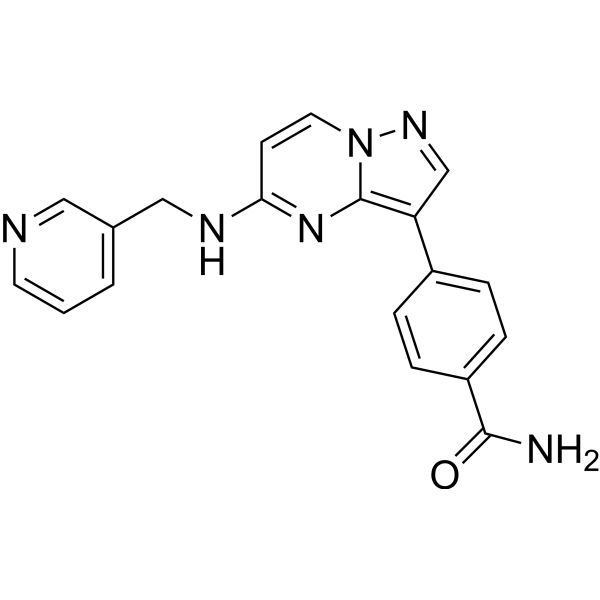
CLM3, a pyrazolopyrimidine derivative, is a multiple tyrosinekinase inhibitor. CLM3 shows antiproliferative and proapoptotic activity on endothelial and cancer cells, synergistically enhanced by SN38 (HY-13704). These effects are mainly due to its inhibition of phosphorylation of VEGFR-2, EGFR and RET tyrosine kinases and their related signaling pathways .
YW-N-7 (TFA) is a PROTAC that targets both the inhibition and degradation of RETkinase, with a DC50 of 88 nM. YW-N-7 (TFA) exhibits antitumor activity in a KIF5B-RET-driven xenograft mouse tumor model and can be used in the area of cancer (Structure: red part represents the target protein ligand: HY-170856; blue part represents the E3 ligase ligand: HY-1708557; black part represents the linker; E3 ligase ligand + linker: HY-170858) .
TAS05567 is a potent, highly selective, ATP-competitive and orally active Syk inhibitor with an IC50 of 0.37 nM. In a panel of 192 kinases, TAS05567 only shows >70% inhibition of Syk and 4 other kinases (FLT3, JAK2, KDR and RET with IC50s of 10 nM, 4.8 nM, 600 nM and 29 nM, respectively). TAS05567 can be used for humoral immune-mediated inflammatory conditions such as autoimmune and allergic diseases .
CDD-2210 is a STK33 inhibitor, with a Kd of 0.1 nM and an IC50 of 38 nM. CDD-2210 has relatively weak inhibitory effects on off-target kinases, with IC50 values of 1209 nM for CLK1, 917 nM for CLK2, 544 nM for CLK4, and 746 nM for RET. CDD-2210 can be used for the study of contraception .
LRRK2-IN-17 (Compound 6) is an orally active LRRK2 inhibitor (IC50: 3.5 and 3.3 nM for WT and G2019S, respectively). LRRK2-IN-17 inhibits RETkinase (IC50: 59 nM). LRRK2-IN-17 can be used in cancer and Parkinson's disease (PD) research .
NPA101.3 is an orally active RET receptor tyrosine kinase and VEGFR2 inhibitor (RETIC50 = 0.001 μM, RETV804MIC50 = 0.008 μM, VEGFR2 IC50 = 0.003 μM). NPA101.3 inhibits purified TRKA (IC50 = 32 nM) and CSF1R (IC50 = 46 nM). NPA101.3 completely suppresses tumor formation in RET/C634Y-transformed cells and also attenuates tumor formation in HRAS/G12V-transformed cells. NPA101.3 can be used in the research of RET-driven cancers .
RET-IN-33 (Compound CN-3) is a moderately selective inhibitor of RET mutants. RET-IN-33 potently inhibits G810 mutants, with IC50 values of 4.43 nM (G810R), 3.28 nM (G810C) and 0.51 nM (G810S), respectively. RET-IN-33 also inhibits other RET mutants: V804M (IC50 0.73 nM), V804L (IC50 0.36 nM), Y806H (IC50 0.74 nM) and M918T (IC50 0.55 nM). RET-IN-33 also inhibits other kinases, with an IC50 of 1.50 nM against VEGFR2 and 1.60 nM against PDGFRα. RET-IN-33 blocks the autophosphorylation of RET mutants and the downstream SHC/AKT/ERK signaling pathway. RET-IN-33 selectively inhibits the proliferation of RET-driven cell models without affecting non-RET-dependent or normal cells. RET-IN-33 exhibits dose-dependent antitumor efficacy in RET-driven xenograft models. RET-IN-33 can be used for the research of medullary thyroid carcinoma, papillary thyroid carcinoma and non-small cell lung cancer .
GSK3179106 (Standard) is the analytical standard of GSK3179106 (HY-100459). This product is intended for research and analytical applications. GSK3179106 is an orally active and selective RETkinase inhibitor with IC50s of 0.4 nM, 0.2 nM for human RET and rat RET, respectively. GSK3179106 has the potential for irritable bowel syndrome (IBS) through the attenuation of post-inflammatory and stress-induced visceral hypersensitivity .
E3 Ligase Ligand-linker Conjugate 162 is an E3 ligase ligand-linker conjugate of YW-N-7 (TFA) (HY-170855A). YW-N-7 (TFA) is a PROTAC that targets the degradation of RETkinase and can be used in cancer research applications .
PROTAC RET Degrader 2 is a RET degrader with a target IC50 of 0.36 nM. PROTAC RET Degrader 2 is mainly composed of RET-IN-34 (HY-183729) and Thalidomide (HY-14658). PROTAC RET Degrader 2 mediates RET degradation via the ubiquitin-proteasome system. PROTAC RET Degrader 2 induces apoptosis, inhibits colony-forming ability, and exhibits antiproliferative activity in cancer cells. PROTAC RET Degrader 2 suppresses tumor growth in xenograft models. PROTAC RET Degrader 2 can be used in research related to medullary thyroid carcinoma, papillary thyroid carcinoma, and RET fusion-positive lung adenocarcinoma .
RET-IN-32 is an orally active RET inhibitor with IC50 values of 0.285, 4.602 and 103.5 nM against wild-type, V804M and G810S mutant forms, respectively. RET-IN-32 inhibits the autophosphorylation of Tyr1062. RET-IN-32 completely suppresses tumor growth induced by BAF3-KIF3B-RET-WT xenografts. RET-IN-32 can be used in the research of thyroid cancer and lung cancer .
RET-IN-34 (Compound EV1) is a RET inhibitor with an IC50 of 0.89 nM. RET-IN-34 serves as a target protein ligand for PROTAC synthesis (Ligand for Target Protein for PROTAC). RET-IN-34 is applicable for the synthesis of PROTAC RET Degrader 2 (HY-183783). RET-IN-34 exhibits anticancer activity against medullary thyroid carcinoma. RET-IN-34 can be used in studies related to medullary thyroid carcinoma .
BRD4-IN-41 is a BRD4 inhibitor with an IC50 of 34 nM. BRD4-IN-41 also inhibits JAK2, FLT3, RET, ROS1, NTRK3, PDGFRb, and FGFR1kinases with IC50 values ranging from 0.9 nM to 43 nM. BRD4-IN-41 inhibits acetyl-lysine binding site of BRD4, downregulates c-MYC, reduces phosphorylated STAT3 levels, induces G1 cell cycle arrest and apoptosis, thereby inhibiting cancer cells growth. BRD4-IN-41 can be used for the research of cancer, such as multiple myeloma and acute myeloid leukemia .
Apatinib-d8 (free base) is the deuterium labeled Apatinib free base . Apatinib free base (YN968D1 free base) is an orally bioavailable tyrosine kinase inhibitor, which selectively targets VEGFR-2 (IC50=1 nM). Apatinib free base (YN968D1 free base) is an anti-angiogenic drug for the research of advanced or metastatic gastric cancer. Apatinib free base (YN968D1 free base) potently inhibits Ret, c-Kit and c-Src with IC50s of 13, 429 and 530 nM, respectively. It also inhibits cellular phosphorylation of VEGFR-2, c-kit and PDGFRβ .
VEGFR2-IN-84 is an orally active, multi-targeted tyrosine kinase inhibitor based on a naphthalene ring scaffold. VEGFR2-IN-84 inhibits VEGFR2 with sub-nanomolar affinity and broadly targets kinases including Kit, FGFR, PDGFR, and Ret. By competitively binding to the ATP-binding pocket, VEGFR2-IN-84 blocks the phosphorylation of VEGFR2 and its downstream AKT/ERK signaling pathway, thereby significantly inhibiting endothelial cell proliferation, migration, and tumor angiogenesis. VEGFR2-IN-84 exhibits broad-spectrum antiproliferative activity against various solid tumors such as liver cancer, lung cancer, and renal cancer, shows weak toxicity to normal cells, and has superior potency to Lenvatinib (HY-10981). VEGFR2-IN-84 possesses favorable pharmacokinetic properties and high safety (LD50>2000 mg/kg), and can be used in related studies of various malignant tumors .
2-Chloro-4-nitropyridine is a drug intermediate in synthesizing other organic compounds, such as 2-chloro-4-ethoxypyridine and various RETkinase inhibitors .
Srctide is a biological active peptide. (This is a peptide substrate for many protein kinases, such as Blk, BTK, cKit, EPHA1, EPHB2, EPHB3, ERBB4, FAK, Flt3, IGF-1R, ITK, Lck, MET, MUSK, Ret, Src, TIE2, TrkB, VEGF-R1 (Flt-1) and VEGF-R2 (KDR).)
FAM-CSKtide is a biological active peptide. (This is a FAM labeled peptide substrate (Abs/Em = 494/521 nm) for C-terminal Src kinase (Csk) and many other kinases such as Axl, cKit, ERBB4, Fes, Flt3, IGF-1 R, MET, MUSK, PYK2, Ret, TIE2, TrkA, VEGF-R1 and VEGF-R2.)
RET protein is a receptor tyrosine protein kinase that plays a key role in cell proliferation, neuronal navigation, and differentiation upon binding to glial cell-derived neurotrophic factor family ligands. It regulates the delicate balance between cell death and survival, influences positional information, and is critical for intestinal organogenesis, enteric nervous system development, renal organogenesis, and Peyer's patch formation. RET Protein, Human (HEK293, His) is the recombinant human-derived RET protein, expressed by HEK293 , with N-His labeled tag.
RET protein is a receptor tyrosine protein kinase that plays a key role in cell proliferation, neuronal navigation, and differentiation upon binding to glial cell-derived neurotrophic factor family ligands. It regulates the delicate balance between cell death and survival, influences positional information, and is critical for intestinal organogenesis, enteric nervous system development, renal organogenesis, and Peyer's patch formation. RET Protein, Human (sf9, His-GST) is the recombinant human-derived RET protein, expressed by Sf9 insect cells , with N-His, N-GST labeled tag.
Lenvatinib-d4 is the deuterium labeled Lenvatinib. Lenvatinib (E7080) is an oral, multi-targeted tyrosine kinase inhibitor that inhibits VEGFR1-3, FGFR1-4, PDGFR, KIT, and RET, shows potent antitumor activities .
Apatinib-d8 (free base) is the deuterium labeled Apatinib free base . Apatinib free base (YN968D1 free base) is an orally bioavailable tyrosine kinase inhibitor, which selectively targets VEGFR-2 (IC50=1 nM). Apatinib free base (YN968D1 free base) is an anti-angiogenic drug for the research of advanced or metastatic gastric cancer. Apatinib free base (YN968D1 free base) potently inhibits Ret, c-Kit and c-Src with IC50s of 13, 429 and 530 nM, respectively. It also inhibits cellular phosphorylation of VEGFR-2, c-kit and PDGFRβ .
FHND5071 is a potent and selective RETkinase inhibitor, FHND5071 can exert antitumor effects by inhibiting RET autophosphorylation. FHND5071 can be used for tumor diseases research .
Lenvatinib-d5 is the deuterium labeled Lenvatinib. Lenvatinib (E7080) is an oral, multi-targeted tyrosine kinase inhibitor that inhibits VEGFR1-3, FGFR1-4, PDGFR, KIT, and RET, shows potent antitumor activities .
Regorafenib- 13C,d3 is the 13C- and deuterium labeled Regorafenib. Regorafenib (BAY 73-4506) is a multi-targeted receptor tyrosine kinase inhibitor with IC50s of 13/4.2/46, 22, 7, 1.5 and 2.5 nM for VEGFR1/2/3, PDGFRβ, Kit, RET and Raf-1, respectively.
Selpercatinib-d3 (LOXO-292-d3) is deuterium labeled Selpercatinib. Selpercatinib (LOXO-292) is a potent, selective RETkinase inhibitor with IC50 values of 14.0 nM, 24.1 nM, and 530.7 nM for RET (WT), RET (V804M), and RET (G810R), respectively. Selpercatinib has anticancer activity .
Selpercatinib- 13C,d3 (LOXO-292- 13C,d3) is 13C labeled Selpercatinib. Selpercatinib (LOXO-292) is a potent, selective RETkinase inhibitor with IC50 values of 14.0 nM, 24.1 nM, and 530.7 nM for RET (WT), RET (V804M), and RET (G810R), respectively. Selpercatinib has anticancer activity .
Western blot analysis of extracts from THP-1(lane 2(20μg), Jurkat (lane 3(20μg) and NIH3T3(lane 4(20μg) using FOXO1A (HY-P80132) Rabbit mAb. Proteins were transferred
to a PVDF membrane and blocked with 5% non-fat milk in TBST for 2 hour at room temperature. The primary antibody (1/1000) and Loading control antibody (Beta Actin, HY-P80438, 1/10000) was
used in 5% non-fat milk in TBST at 4°C overnight. Goat Anti-Mouse/Rabbit IgG-HRP Secondary Antibody (1/10000) was used for 1 hour at room temperature.
Western blot analysis of extracts from THP-1(lane 2(20μg), Jurkat (lane 3(20μg) and NIH3T3(lane 4(20μg) using FOXO1A (HY-P80132) Rabbit mAb. Proteins were transferred
to a PVDF membrane and blocked with 5% non-fat milk in TBST for 2 hour at room temperature. The primary antibody (1/1000) and Loading control antibody (Beta Actin, HY-P80438, 1/10000) was
used in 5% non-fat milk in TBST at 4°C overnight. Goat Anti-Mouse/Rabbit IgG-HRP Secondary Antibody (1/10000) was used for 1 hour at room temperature.
Western blot analysis of extracts from THP-1(lane 2(20μg), Jurkat (lane 3(20μg) and NIH3T3(lane 4(20μg) using FOXO1A (HY-P80132) Rabbit mAb. Proteins were transferred
to a PVDF membrane and blocked with 5% non-fat milk in TBST for 2 hour at room temperature. The primary antibody (1/1000) and Loading control antibody (Beta Actin, HY-P80438, 1/10000) was
used in 5% non-fat milk in TBST at 4°C overnight. Goat Anti-Mouse/Rabbit IgG-HRP Secondary Antibody (1/10000) was used for 1 hour at room temperature.
Western blot analysis of extracts from THP-1(lane 2(20μg), Jurkat (lane 3(20μg) and NIH3T3(lane 4(20μg) using FOXO1A (HY-P80132) Rabbit mAb. Proteins were transferred
to a PVDF membrane and blocked with 5% non-fat milk in TBST for 2 hour at room temperature. The primary antibody (1/1000) and Loading control antibody (Beta Actin, HY-P80438, 1/10000) was
MedchemExpress Validation 03
Western blot analysis of extracts from THP-1(lane 2(20μg), Jurkat (lane 3(20μg) and NIH3T3(lane 4(20μg) using FOXO1A (HY-P80132) Rabbit mAb. Proteins were transferred
MedchemExpress Validation 04
Western blot analysis of extracts from THP-1(lane 2(20μg), Jurkat (lane 3(20μg) and NIH3T3(lane 4(20μg) using FOXO1A (HY-P80132) Rabbit mAb. Proteins were transferred
to a PVDF membrane and blocked with 5% non-fat milk in TBST for 2 hour at room temperature. The primary antibody (1/1000) and Loading control antibody (Beta Actin, HY-P80438, 1/10000) was
used in 5% non-fat milk in TBST at 4°C overnight. Goat Anti-Mouse/Rabbit IgG-HRP Secondary Antibody (1/10000) was used for 1 hour at room temperature.
MedchemExpress Validation
Western blot analysis of extracts from THP-1(lane 2(20μg), Jurkat (lane 3(20μg) and NIH3T3(lane 4(20μg) using FOXO1A (HY-P80132) Rabbit mAb. Proteins were transferred
to a PVDF membrane and blocked with 5% non-fat milk in TBST for 2 hour at room temperature. The primary antibody (1/1000) and Loading control antibody (Beta Actin, HY-P80438, 1/10000) was
used in 5% non-fat milk in TBST at 4°C overnight. Goat Anti-Mouse/Rabbit IgG-HRP Secondary Antibody (1/10000) was used for 1 hour at room temperature.
Western blot analysis of extracts from THP-1(lane 2(20μg), Jurkat (lane 3(20μg) and NIH3T3(lane 4(20μg) using FOXO1A (HY-P80132) Rabbit mAb. Proteins were transferred
to a PVDF membrane and blocked with 5% non-fat milk in TBST for 2 hour at room temperature. The primary antibody (1/1000) and Loading control antibody (Beta Actin, HY-P80438, 1/10000) was
used in 5% non-fat milk in TBST at 4°C overnight. Goat Anti-Mouse/Rabbit IgG-HRP Secondary Antibody (1/10000) was used for 1 hour at room temperature.
MedchemExpress Validation
Western blot analysis of extracts from THP-1(lane 2(20μg), Jurkat (lane 3(20μg) and NIH3T3(lane 4(20μg) using FOXO1A (HY-P80132) Rabbit mAb. Proteins were transferred
to a PVDF membrane and blocked with 5% non-fat milk in TBST for 2 hour at room temperature. The primary antibody (1/1000) and Loading control antibody (Beta Actin, HY-P80438, 1/10000) was
used in 5% non-fat milk in TBST at 4°C overnight. Goat Anti-Mouse/Rabbit IgG-HRP Secondary Antibody (1/10000) was used for 1 hour at room temperature.
MedchemExpress Validation
Western blot analysis of extracts from THP-1(lane 2(20μg), Jurkat (lane 3(20μg) and NIH3T3(lane 4(20μg) using FOXO1A (HY-P80132) Rabbit mAb. Proteins were transferred
to a PVDF membrane and blocked with 5% non-fat milk in TBST for 2 hour at room temperature. The primary antibody (1/1000) and Loading control antibody (Beta Actin, HY-P80438, 1/10000) was
used in 5% non-fat milk in TBST at 4°C overnight. Goat Anti-Mouse/Rabbit IgG-HRP Secondary Antibody (1/10000) was used for 1 hour at room temperature.
MedchemExpress Validation
Western blot analysis of extracts from THP-1(lane 2(20μg), Jurkat (lane 3(20μg) and NIH3T3(lane 4(20μg) using FOXO1A (HY-P80132) Rabbit mAb. Proteins were transferred
to a PVDF membrane and blocked with 5% non-fat milk in TBST for 2 hour at room temperature. The primary antibody (1/1000) and Loading control antibody (Beta Actin, HY-P80438, 1/10000) was
used in 5% non-fat milk in TBST at 4°C overnight. Goat Anti-Mouse/Rabbit IgG-HRP Secondary Antibody (1/10000) was used for 1 hour at room temperature.
MedchemExpress Validation
Western blot analysis of extracts from THP-1(lane 2(20μg), Jurkat (lane 3(20μg) and NIH3T3(lane 4(20μg) using FOXO1A (HY-P80132) Rabbit mAb. Proteins were transferred
to a PVDF membrane and blocked with 5% non-fat milk in TBST for 2 hour at room temperature. The primary antibody (1/1000) and Loading control antibody (Beta Actin, HY-P80438, 1/10000) was
used in 5% non-fat milk in TBST at 4°C overnight. Goat Anti-Mouse/Rabbit IgG-HRP Secondary Antibody (1/10000) was used for 1 hour at room temperature.
MedchemExpress Validation
Western blot analysis of extracts from THP-1(lane 2(20μg), Jurkat (lane 3(20μg) and NIH3T3(lane 4(20μg) using FOXO1A (HY-P80132) Rabbit mAb. Proteins were transferred
to a PVDF membrane and blocked with 5% non-fat milk in TBST for 2 hour at room temperature. The primary antibody (1/1000) and Loading control antibody (Beta Actin, HY-P80438, 1/10000) was
used in 5% non-fat milk in TBST at 4°C overnight. Goat Anti-Mouse/Rabbit IgG-HRP Secondary Antibody (1/10000) was used for 1 hour at room temperature.
MedchemExpress Validation
Western blot analysis of extracts from THP-1(lane 2(20μg), Jurkat (lane 3(20μg) and NIH3T3(lane 4(20μg) using FOXO1A (HY-P80132) Rabbit mAb. Proteins were transferred
to a PVDF membrane and blocked with 5% non-fat milk in TBST for 2 hour at room temperature. The primary antibody (1/1000) and Loading control antibody (Beta Actin, HY-P80438, 1/10000) was
used in 5% non-fat milk in TBST at 4°C overnight. Goat Anti-Mouse/Rabbit IgG-HRP Secondary Antibody (1/10000) was used for 1 hour at room temperature.
MedChemExpress values your privacy and your trust is important to us. We use cookies to enhance your website experience. Some cookies are necessary to run the website.
Privacy and Cookie Policy

