
1. Search Result
Search Result
Results for "

TLR ligands

" in MedChemExpress (MCE) Product Catalog:

26

Inhibitors & Agonists

1

Screening Libraries

1

Biochemical Assay Reagents

2

Peptides

1

Click Chemistry

9

Oligonucleotides

Cat. No. Product Name Target Research Areas Chemical Structure
  • HY-134581
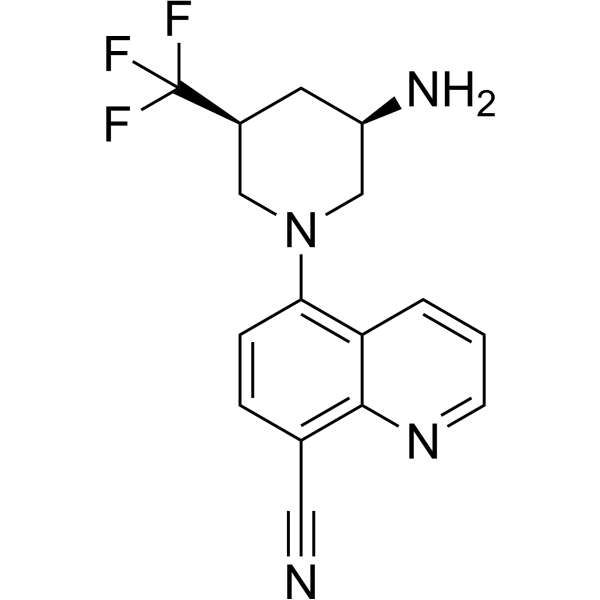
    Enpatoran
    Maximum Cited Publications
    16 Publications Verification

    M5049

    Toll-like Receptor (TLR) Inflammation/Immunology
    Enpatoran (M5049) is a potent, orally active and dual TLR7/8 inhibitor with IC50s of 11.1 nM and 24.1 nM in HEK293 cells, respectively. Enpatoran is inactive against TLR3, TLR4 and TLR9. Enpatoran can block molecule synthetic ligands and natural endogenous RNA ligands. Enpatoran exhibits excellent pharmacokinetic properties in vivo. Enpatoran can be used for both innate and adaptive autoimmunity blocking research .
    Enpatoran
  • HY-153808
    Complete Freund's adjuvant (CFA)
    10+ Cited Publications

    Toll-like Receptor (TLR) Inflammation/Immunology
    Complete Freund's adjuvant (CFA) is an immunoadjuvant emulsified with antigen by its discoverer Jules T. Freund to enhance an animal's immune response to an antigen. Complete Freund's adjuvant (CFA) is also an inducer of the Th1 immune response and a ligand of TLRs. Complete Freund's adjuvant (CFA) contains heat-killed inactive tuberculosis bacilli and consists of a paraffin oil-in-water emulsion. Complete Freund's adjuvant (CFA) stimulates a strong and durable immune response and can be used to induce persistent inflammatory pain models in mice, experimental autoimmune myocarditis (EAM) models, and more. Incomplete Freund's adjuvant (IFA) (HY-153808A) is another type of Freund's Adjuvant that stimulates a weaker immune response .
    Complete Freund's adjuvant (CFA)
  • HY-153808B

    Toll-like Receptor (TLR) Inflammation/Immunology
    Complete Freund's adjuvant (CFA, 1 mg/ml) is an immunoadjuvant emulsified with antigen that can enhance an animal's immune response to an antigen. Complete Freund's adjuvant (CFA, 1 mg/ml) is also an inducer of the Th1 immune response and a ligand of TLRs. Complete Freund's adjuvant (CFA, 1 mg/ml) contains heat-killed inactive tuberculosis bacilli and consists of a paraffin oil-in-water emulsion. Complete Freund's adjuvant (CFA, 1 mg/ml) stimulates a strong and durable immune response and can be used to induce rheumatoid arthritis in rats, and more .
    Complete Freund's adjuvant (CFA, 1 mg/ml)
  • HY-134581A
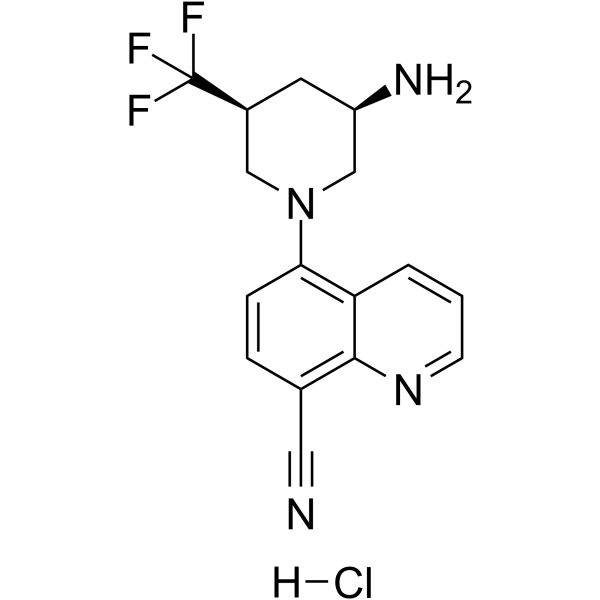
    Enpatoran hydrochloride
    Maximum Cited Publications
    16 Publications Verification

    M5049 hydrochloride

    Toll-like Receptor (TLR) Inflammation/Immunology
    Enpatoran (M5049) hydrochloride is a potent, orally active and dual TLR7/8 inhibitor with IC50s of 11.1 nM and 24.1 nM in HEK293 cells, respectively. Enpatoran hydrochloride is inactive against TLR3, TLR4 and TLR9. Enpatoran hydrochloride can block molecule synthetic ligands and natural endogenous RNA ligands. Enpatoran hydrochloride exhibits excellent pharmacokinetic properties in vivo. Enpatoran hydrochloride can be used for both innate and adaptive autoimmunity blocking research .
    Enpatoran hydrochloride
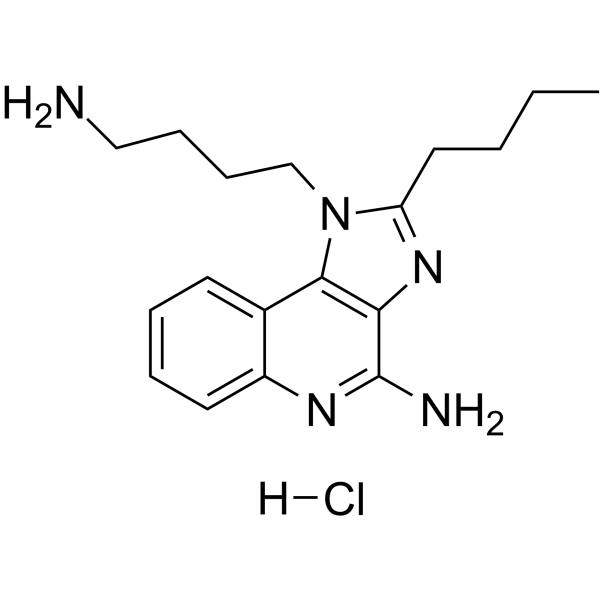
  • HY-138139A

    T785 hydrochloride

    Toll-like Receptor (TLR) Inflammation/Immunology Cancer
    AXC-715 (T785) hydrochloride is a TLR7/TLR8 dual agonist. AXC-715 can be used for synthesis of antibody-adjuvant immunoconjugates, comprising an antibody construct that binds programmed death-ligand 1 (PD-L1) linked to one or more adjuvants .
    AXC-715 hydrochloride
  • HY-103241
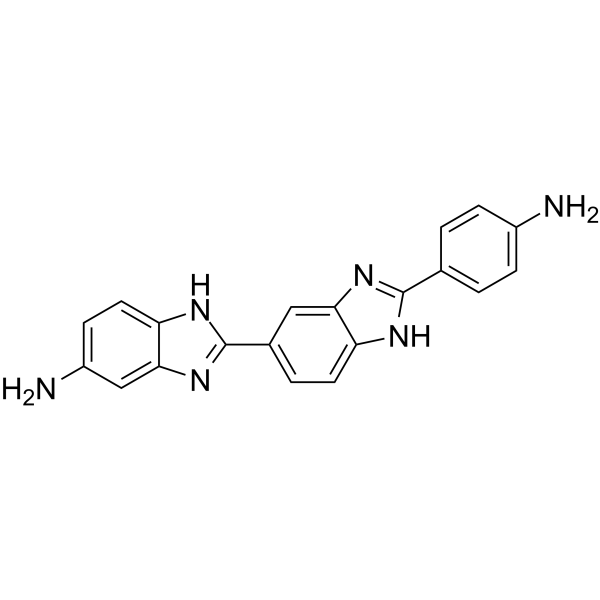
    Ro 90-7501
    3 Publications Verification

    Amyloid-β ATM/ATR Phosphatase Apoptosis Neurological Disease Cancer
    Ro 90-7501 is an amyloid β42 (Aβ42) fibril assembly inhibitor that reduces 42-induced cytotoxicity (EC50 of 2 μM). Ro 90-7501 inhibits ATM phosphorylation and DNA repair. RO 90-7501 selectively enhances toll-like receptor 3 (TLR3) and RIG-I-like receptor (RLR) ligand-induced IFN-β gene expression and antiviral response . Ro 90-7501 also inhibits protein phosphatase 5 (PP5) in a TPR-dependent manner . Ro 90-7501 has significant radiosensitizing effects on cervical cancer cells .
    Ro 90-7501
  • HY-D1056F

    Biotin-LPS, from Escherichia coli (O111:B4)

    Biochemical Assay Reagents Inflammation/Immunology
    Biotin-Lipopolysaccharide, from E.coli O111:B4 (Biotin-LPS, from Escherichia coli (O111:B4)) is a biotin-conjugated Lipopolysaccharide (LPS) (HY-D1056A1) that can be coupled with streptavidin protein. Biotin-Lipopolysaccharide, from E.coli O111:B4 can be used to identify Lipopolysaccharide ligands. Lipopolysaccharides, from E. coli O111:B4 (LPS, from Escherichia coli (O111:B4)) are endotoxins and TLR4 activators extracted from Escherichia coli (E. coli O111:B4) and are classified as S (smooth) type LPS. Lipopolysaccharides, from E. coli O111:B4 possess the typical three-part structure: O-antigen, R3-type core oligosaccharide, and lipid A. Lipopolysaccharides, from E. coli O111:B4 activate TLR-4 in immune cells and can cause significant gastric diseases. Lipopolysaccharides, from E. coli O111:B4 can also induce M1-type polarization in mouse macrophages .
    It is recommended to prepare a solution with concentration ≥2 mg/mL. Vortex thoroughly for more than 10 minutes. Due to the adsorption characteristics of LPS, silanized container or low adsorption centrifuge tubes should be used for aliquoting and storage, and mix thoroughly before use.
    Biotin-Lipopolysaccharide, from E.coli O111:B4
  • HY-148980A
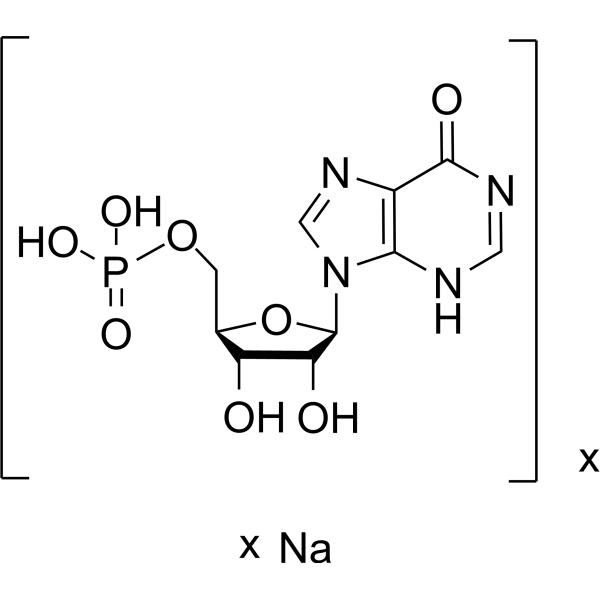
    Polyinosinic acid sodium
    1 Publications Verification

    Toll-like Receptor (TLR) Inflammation/Immunology
    Polyinosinic acid sodium is the sodium form of Polyinosinic acid (HY-148980). Polyinosinic acid is a single stranded homonucleic acid, which is a Toll-like Receptor 3 (TLR3) ligand. Polyinosinic acid enhances cellular immune response through TLR3 and TRIF. Polyinosinic acid has potential applications in immune regulation .
    Polyinosinic acid sodium
  • HY-150734A

    Toll-like Receptor (TLR) Infection
    ODN 2007 sodium, a class B CpG ODN (oligodeoxynucleotide), is a Toll-like receptor (TLR) ligand. ODN 2007 sodium can be used as an immunomodulator, vaccine adjuvant, and enhance immune responses in mammals, fish, and humans. ODN 2007 sequence: 5'-TCGTCGTTGTCGTTTTGTCGTT-3' .
    ODN 2007 sodium
  • HY-153840A

    Toll-like Receptor (TLR) Inflammation/Immunology
    ODN INH-18 sodium is a linear 24-mer class B INH-ODN in which the 5' INH-ODN 4084-F sequence was followed by a random stretch of 12 nucleotides lacking the ability to form significant secondary structures. ODN INH-18 sodium showes inhibitory potency for TLR9 ligand-induced IFN-α production.
    ODN INH 18 sodium
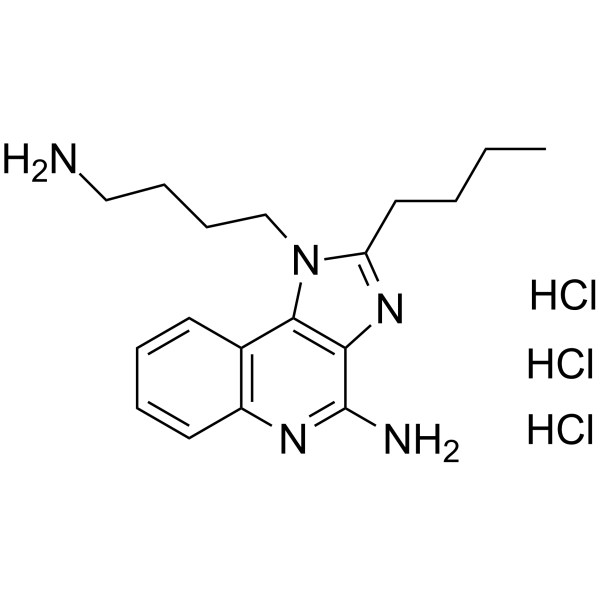
  • HY-138139B

    T785 trihydrochloride

    Toll-like Receptor (TLR) Inflammation/Immunology Cancer
    AXC-715 (T785) trihydrochloride is a TLR7/TLR8 dual agonist. AXC-715 trihydrochloride can be used for synthesis of antibody-adjuvant immunoconjugates, comprising an antibody construct that binds programmed death-ligand 1 (PD-L1) linked to one or more adjuvants .
    AXC-715 trihydrochloride
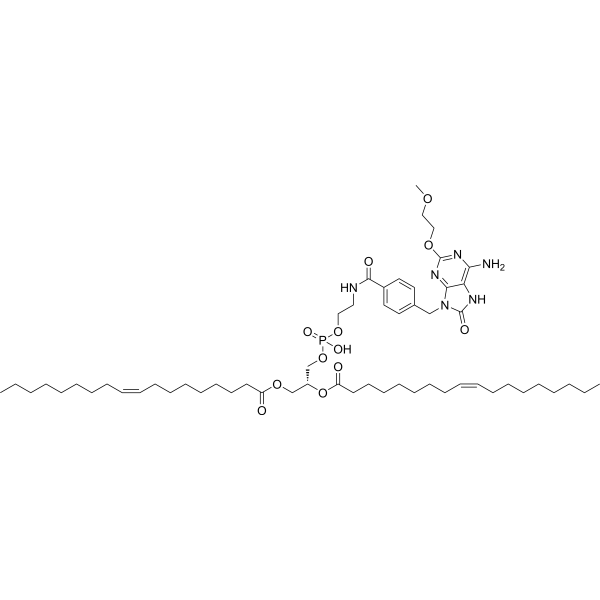
  • HY-150158

    Toll-like Receptor (TLR) Cancer
    TMX-201 is a TLR7 ligand-phospholipid conjugate. TMX-201 shows potent immune stimulatory activity. TMX-201 can be used for breast cancer and melanoma research .
    TMX-201
  • HY-150741B

    Toll-like Receptor (TLR) Interleukin Related Inflammation/Immunology
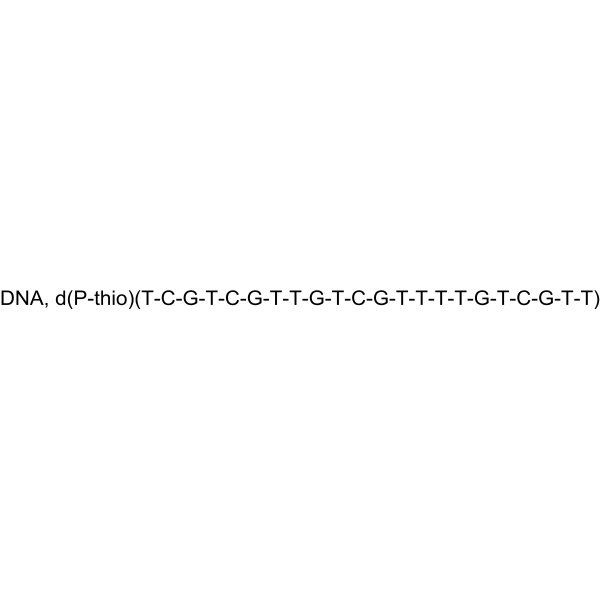
    FITC-labeled ODN 2216 (sodium) is a human-specific TLR9 (toll-like receptor 9) ligand or agonist. FITC-labeled ODN 2216 (sodium) can be used to evaluate CpG ODN cellular uptake and localization by confocal laser-scanning microscopy (excitation 495 nm, emission 520 nm) or flow cytometry.
    FITC-labeled ODN 2216 sodium
  • HY-175022

    PROTACs IRAK Toll-like Receptor (TLR) Interleukin Related Inflammation/Immunology
    PROTAC IRAK4 degrader-13 (Degrader 1) is a selective IRAK4 PROTAC degrader with DC50s of 0.86 and 1.1 nM for monocytes and lymphocytes in PBMCs, respectively. PROTAC IRAK4 degrader-13 significantly induces TIR signal activation, and inhibits the expression of circulating proinflammatory cytokines in Imiquimod (HY-B0180) induced psoriasis mice model. PROTAC IRAK4 degrader-13 can be used for TLR- and IL-1R-driven driven neutrophilic inflammation diseases like hidradenitis suppurativa (HS) and atopic dermatitis (AD) research . Pink: IRAK4 ligand; Blue: E3 ligase ligand; Black: linker
    PROTAC IRAK4 degrader-13
  • HY-148980

    Toll-like Receptor (TLR) Inflammation/Immunology
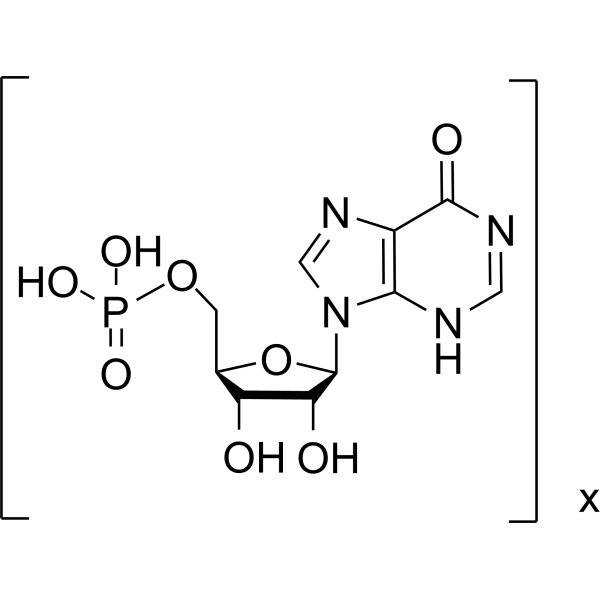
    Polyinosinic acid is a single stranded homonucleic acid, which is a Toll-like Receptor 3 (TLR3) ligand. Polyinosinic acid enhances cellular immune response through TLR3 and TRIF. Polyinosinic acid has potential applications in immune regulation .
    Polyinosinic acid
  • HY-150741A

    Toll-like Receptor (TLR) Inflammation/Immunology
    Biotin-labeled ODN 2216 (sodium) is a human-specific TLR9 (toll-like receptor 9) ligand or agonist. Biotin-labeled ODN 2216 (sodium) can be used to evaluate CpG ODN cellular uptake and localization using a biotin detection system and light microscopy.
    Biotin-labeled ODN 2216 sodium
  • HY-150734

    Toll-like Receptor (TLR) Infection Inflammation/Immunology
    ODN 2007, a class B CpG ODN (oligodeoxynucleotide), is a Toll-like receptor (TLR) ligand. ODN 2007 can be used as an immunomodulator, vaccine adjuvant, and enhance immune responses in mammals, fish, and humans. ODN 2007 sequence: 5'-TCGTCGTTGTCGTTTTGTCGTT-3' .
    ODN 2007
  • HY-174465

    Toll-like Receptor (TLR) Interleukin Related Inflammation/Immunology
    TLR4L 10 is a TLR4 ligand. TLR4L 10 induces cells to produce IL-6. TLR4L 10 has immunostimulatory activity .
    TLR4L 10
  • HY-117573

    Toll-like Receptor (TLR) Inflammation/Immunology
    1Z105 is an oral active TLR4/MD2 ligand. 1Z105 enhances dendritic cell maturation and antigen presentation and prevents rthritis .
    1Z105
  • HY-172934

    Toll-like Receptor (TLR) NO Synthase PROTACs Inflammation/Immunology Cancer
    FGT-4 is a folate receptor β (FR-β) targeting chimeric molecule. FGT-4 is a TLR7 agonist. FGT-4 facilitates the secretion of iNOS and proinflammatory cytokine IL-6 associated with M1 macrophages and enhances the proliferation of cytotoxic CD8 + T cells. FGT-4 has anti-tumor activity in the 4T1 breast cancer mouse model. FGT-4 can be used for the study of cancer immunity. (Pink: target protein TLR7/8 agonist 1 ligand (HY-103698); black: linker (HY-172936); blue: FR-β ligand (HY-172935)) .
    FGT-4
  • HY-153840

    Toll-like Receptor (TLR) Inflammation/Immunology
    ODN INH-18 is a linear 24-mer class B INH-ODN in which the 5' INH-ODN 4084-F sequence was followed by a random stretch of 12 nucleotides lacking the ability to form significant secondary structures. ODN INH-18 showes inhibitory potency for TLR9 ligand-induced IFN-α production.
    ODN INH 18
  • HY-161043

    Pyroptosis Inflammation/Immunology
    ECDD-S16 is a potent inhibitor of pyroptosis. ECDD-S16 inhibits surface and endosomal TLR ligands activated pyroptosis in Raw264.7 cells .
    ECDD-S16
  • HY-153840B

    Toll-like Receptor (TLR) Inflammation/Immunology
    ODN INH-18 triethylamine is a linear 24-mer class B INH-ODN in which the 5' INH-ODN 4084-F sequence was followed by a random stretch of 12 nucleotides lacking the ability to form significant secondary structures. ODN INH-18 triethylamine showes inhibitory potency for TLR9 ligand-induced IFN-α production.
    ODN INH 18 triethylamine
  • HY-P5762A

    PNX-14 TFA

    Orphan GPCR Glutathione Peroxidase Ferroptosis ERK Toll-like Receptor (TLR) Sirtuin FOXO Akt PKA MyD88 Reactive Oxygen Species (ROS) Apoptosis NF-κB Cardiovascular Disease Neurological Disease Metabolic Disease Inflammation/Immunology
    Phoenixin-14 (PNX-14) TFA is an endogenous neuropeptide with multiple biological activities, and serves as the endogenous ligand of GPR173. Phoenixin-14 TFA reduces ROS production by inhibiting the HMGB1/TLR4/MyD88/NF-κB signaling axis, thereby exerting antioxidant and mitochondrial protective effects. Phoenixin-14 TFA inhibits FOXO3 phosphorylation by upregulating SIRT3 expression, suppresses apoptosis, and improves myocardial systolic/diastolic function. Phoenixin-14 TFA resists ferroptosis by activating the ATF4/SLC7A11/GPX4 axis; it activates ERK1/2 phosphorylation via GPR173. Phoenixin-14 TFA can be used in researches on neuroprotection, diabetes, cardiomyopathy, reproductive protection and so on .
    Phoenixin-14 TFA
  • HY-P11580

    Toll-like Receptor (TLR) Bacterial Infection
    Pap12-6-10 is an MD-2 ligand that binds to the hydrophobic pocket of MD-2 to inhibit the dimerization of the TLR4/MD-2 complex and downstream inflammatory signal transduction. Pap12-6-10 also binds to LPS to permeabilize bacterial cell membranes and induce oxidative stress, leading to bacterial death. Pap12-6-10 regulates LPS-induced inflammatory responses through the TLR4 signaling pathway and exhibits antibacterial activity against multidrug-resistant Gram-negative bacteria. Pap12-6-10 shows low tendency to induce drug resistance and low preclinical cytotoxicity, and it prevents organ damage in a mouse model of sepsis. Pap12-6-10 can be used for research related to Gram-negative sepsis and carbapenem-resistant Acinetobacter baumannii infections .
    Pap12-6-10
  • HY-103241R

    Reference Standards Amyloid-β ATM/ATR Phosphatase Apoptosis Neurological Disease Cancer
    Ro 90-7501 (Standard) is the analytical standard of Ro 90-7501 (HY-103241). This product is intended for research and analytical applications. Ro 90-7501 is an amyloid β42 (Aβ42) fibril assembly inhibitor that reduces Aβ42-induced cytotoxicity (EC50 of 2 μM). Ro 90-7501 inhibits ATM phosphorylation and DNA repair. RO 90-7501 selectively enhances toll-like receptor 3 (TLR3) and RIG-I-like receptor (RLR) ligand-induced IFN-β gene expression and antiviral response . Ro 90-7501 also inhibits protein phosphatase 5 (PP5) in a TPR-dependent manner . Ro 90-7501 has significant radiosensitizing effects on cervical cancer cells .
    Ro 90-7501 (Standard)

Inquiry Online

Your information is safe with us. * Required Fields.

Salutation


Country or Region *

Applicant Name *


Organization Name *

Department *


Email Address *


Product Name *

Cat. No.


Requested quantity *

Phone Number *


Remarks

Inquiry Online

Inquiry Information

Product Name:
Cat. No.:
Quantity:
MCE Japan Authorized Agent:

