1. Search Result
Search Result
Results for "

alpha-melanocyte-stimulating

" in MedChemExpress (MCE) Product Catalog:

17

Inhibitors & Agonists

15

Peptides

Cat. No. Product Name Target Research Areas Chemical Structure
  • HY-P0252
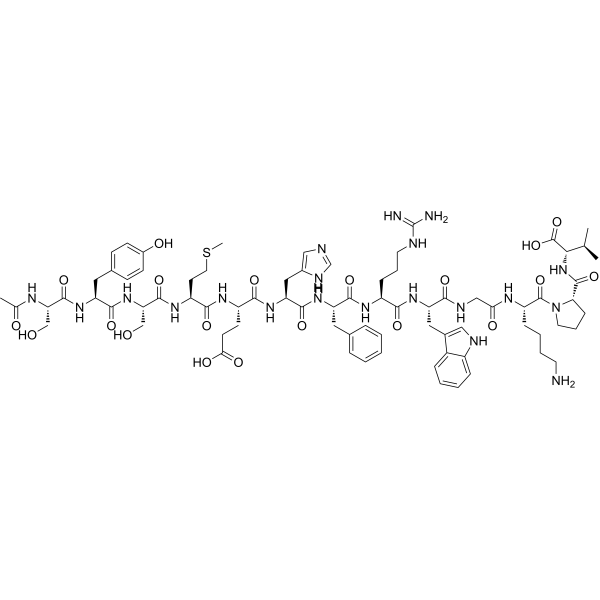
    α-MSH
    Maximum Cited Publications
    23 Publications Verification

    α-melanocyte-stimulating Hormone

    Melanocortin Receptor Neurological Disease Metabolic Disease Inflammation/Immunology
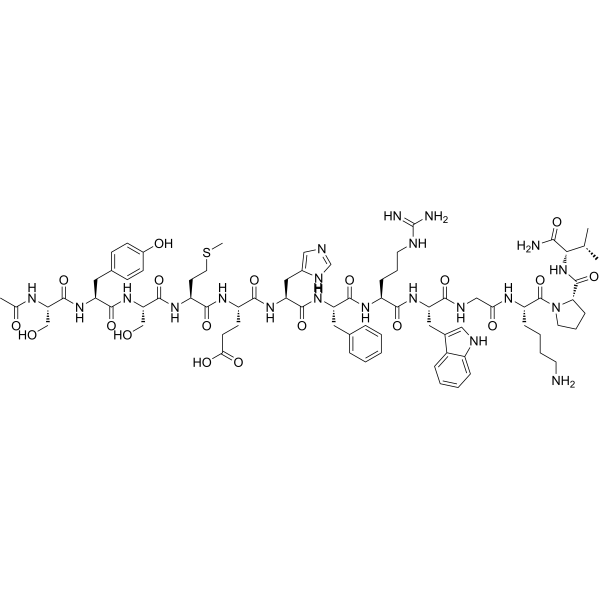
    α-MSH (α-Melanocyte-Stimulating Hormone), an endogenous neuropeptide, is an endogenous melanocortin receptor 4 (MC4R) agonist with anti-inflammatory and antipyretic activities. α-MSH is a post-translational derivative of pro-opiomelanocortin (POMC) .
    α-MSH
  • HY-N2466
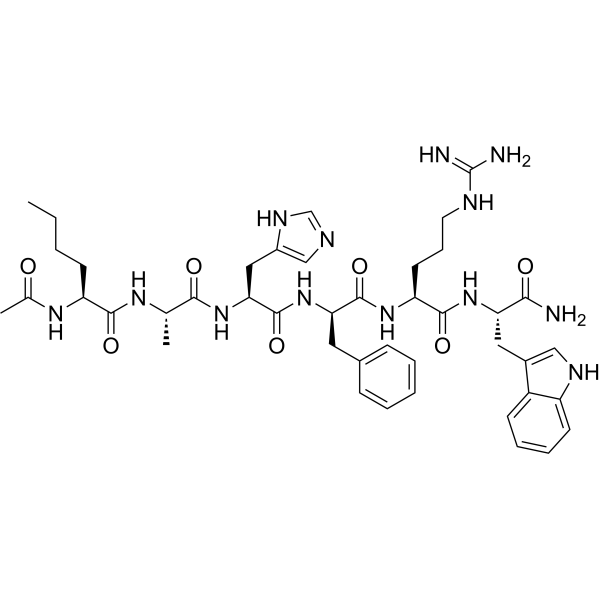
    Melanotan I
    1 Publications Verification

    MT-I; [Nle4,D-Phe7]-α-MSH

    Melanocortin Receptor Neurological Disease Cancer
    Melanotan I is a potent non-selective melanocortin receptor (MCR) agonist. Melanotan I is a synthetic analogue of α-melanocyte stimulating hormone (α-MSH) that stimulates melanogenesis. Melanotan I can induce skin tanning by mimicking the actions of a-MSH on the melanocortin type 1 receptors (MC1R) of melanocytes. Melanotan I can be used for the research of sun-induced skin cancer, melanoma, inflammation and male erectile dysfunction .
    Melanotan I
  • HY-P0252A
    α-MSH TFA
    Maximum Cited Publications
    23 Publications Verification

    α-melanocyte-stimulating Hormone TFA

    Melanocortin Receptor Neurological Disease Metabolic Disease Inflammation/Immunology
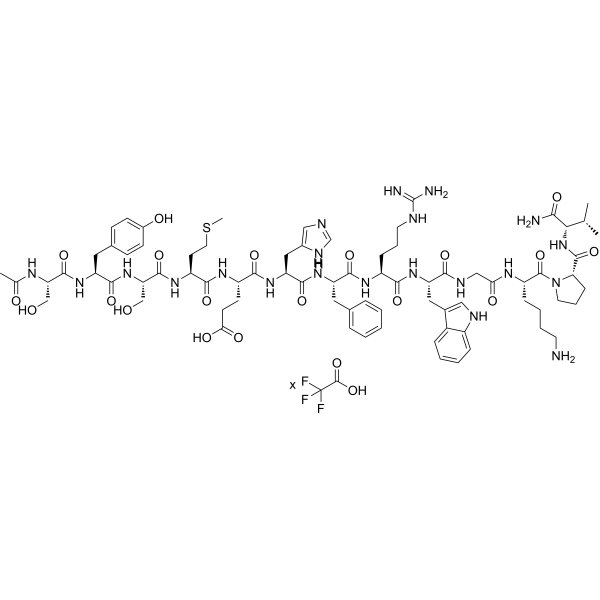
    α-MSH (α-Melanocyte-Stimulating Hormone) TFA, an endogenous neuropeptide, is an endogenous melanocortin receptor 4 (MC4R) agonist with anti-inflammatory and antipyretic activities. α-MSH TFA is a post-translational derivative of pro-opiomelanocortin (POMC) .
    α-MSH TFA
  • HY-107648
    McN-A-343
    2 Publications Verification

    mAChR Neurological Disease Inflammation/Immunology
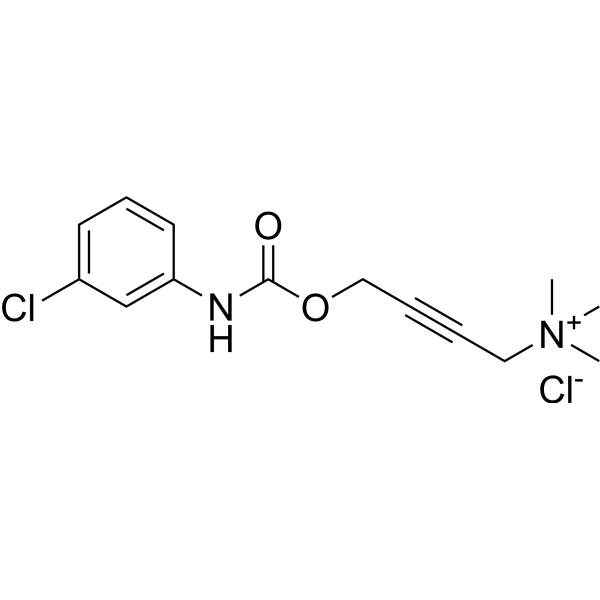
    McN-A-343 is a selective M1 muscarinic agonist that stimulates muscarinic transmission in sympathetic ganglia. McN-A-343 produces a significant inhibitory effect on Muscarine (HY-121404)-evoked catecholamine secretion from the isolated perfused rat adrenal gland. McN-A-343 is involved in the regulation of neuronal firing and activates enteroendocrine L cells to release glucagon-like peptide 1 (GLP-1) and modulates the secretion of α-melanocyte stimulating hormone (α-MSH) from the pituitary gland in the central nervous system. McN-A-343 reduces colonic inflammation and oxidative stress in Acetic acid (HY-Y0319)-induced ulcerative colitis (UC) mice. McN-A-343 can be used for the study of ulcerative colitis .
    McN-A-343
  • HY-135014

    Melanocortin Receptor Adrenergic Receptor Others
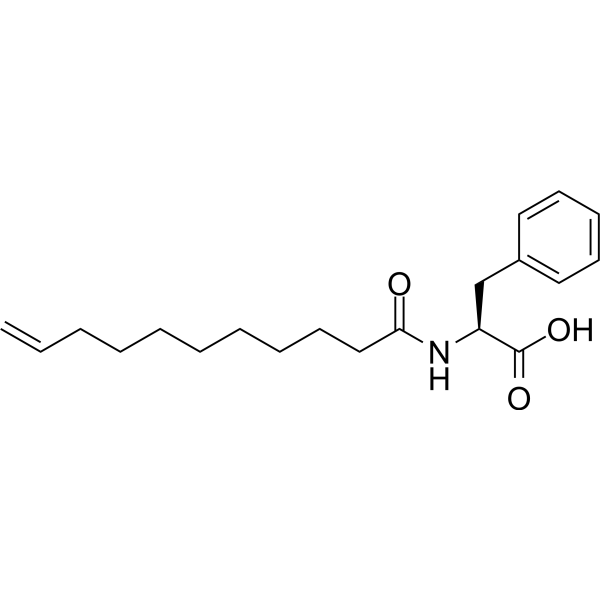
    Undecylenoyl phenylalanine is an antagonist for α-melanocyte-stimulating hormone (MSH) and β-adrenergic receptor (β-ADR) to reduce the melanogenesis in melanocytes, reduces hyperpigmentation and thus ameliorates melasma lesions and solar lentigines .
    Undecylenoyl phenylalanine
  • HY-P5220

    Melitane

    Melanocortin Receptor Others
    Acetyl hexapeptide-1 (Melitane) is a biomimetic peptide that mimics the activity of α-melanocyte-stimulating hormone (α-MSH). Acetyl hexapeptide-1 regulates muscle contraction, thereby reducing facial expression lines. Acetyl hexapeptide-1 is one of the components of anti-aging skincare serums targeting dynamic wrinkles. Acetyl hexapeptide-1 can be used in research related to mild photoaged facial skin and premature gray hair .
    Acetyl hexapeptide-1
  • HY-P5220A

    Melitane acetate

    Melanocortin Receptor Others
    Acetyl hexapeptide-1 (Melitane) acetate is a biomimetic peptide that mimics the activity of α-melanocyte-stimulating hormone (α-MSH). Acetyl hexapeptide-1 acetate can regulate muscle contraction, thereby reducing facial expression lines. Acetyl hexapeptide-1 acetate is one of the components of anti-aging skin care essences targeting dynamic wrinkles. Acetyl hexapeptide-1 acetate can be used in studies related to mild photo-aged facial skin and premature graying of hair .
    Acetyl hexapeptide-1 acetate
  • HY-P1518

    Melanocortin Receptor Metabolic Disease
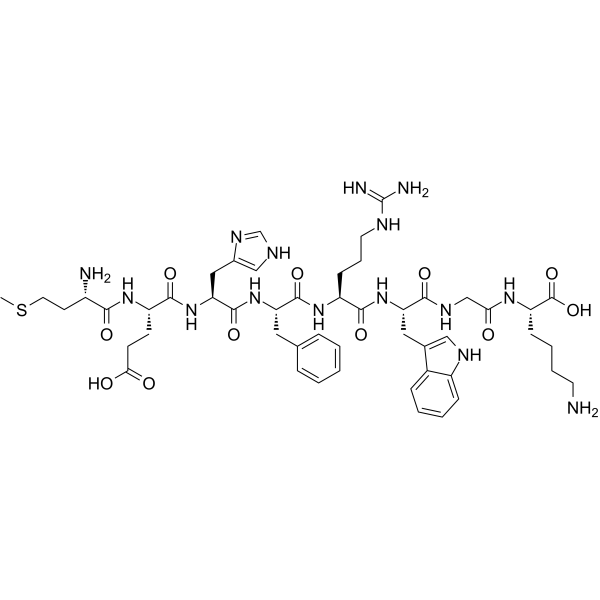
    Adrenocorticotropic Hormone (ACTH) (1-10), human, an adrenocorticotropin hormone fragment, possesses a weak α-melanocyte stimulating hormone (α-MSH) potency only at high doses (100 and 1000 nM).
    Adrenocorticotropic Hormone (ACTH) (1-10), human
  • HY-P0252B

    α-melanocyte-stimulating Hormone free acid

    Melanocortin Receptor Neurological Disease
    α-MSH free acid (α-Melanocyte-Stimulating Hormone free acid) is an MC3R and MC4R agonist with EC50s of 0.16 nM and 5.6 nM, respectively. α-MSH free acid activates cAMP generation at MC3R and MC4R .
    α-MSH free acid
  • HY-105305

    ABT-719; AP-214

    Melanocortin Receptor Inflammation/Immunology
    Modimelanotide (ABT-719) is an α-melanocyte-stimulating hormone analog. Modimelanotide has high specific binding ability to melanocortin receptors (MCR1, 3, 4, 5). Modimelanotide possesses anti-inflammatory and organ-protective effects. Modimelanotide can be used in the research of diseases such as acute kidney injury .
    Modimelanotide
  • HY-N2466A
    Melanotan I acetate
    1 Publications Verification

    MT-I acetate; [Nle4,D-Phe7]-α-MSH acetate

    Melanocortin Receptor Cancer
    Melanotan I acetate is a potent non-selective melanocortin receptor (MCR) agonist. Melanotan I acetate is a synthetic analogue of α-melanocyte stimulating hormone (α-MSH) that stimulates melanogenesis. Melanotan I acetate can induce skin tanning by mimicking the actions of a-MSH on the melanocortin type 1 receptors (MC1R) of melanocytes. Melanotan I acetate can be used for sunlight-induced skin cancers research .
    Melanotan I acetate
  • HY-P1503

    Adrenocorticotropic Hormone (4-11), human

    Melanocortin Receptor Metabolic Disease
    ACTH (4-11), an adrenocorticotropin hormone fragment, possesses a weak α-melanocyte stimulating hormone (α-MSH) potency only at high doses (100 and 1000 nM).
    ACTH (4-11)
  • HY-P2336

    Melanocortin Receptor Cancer
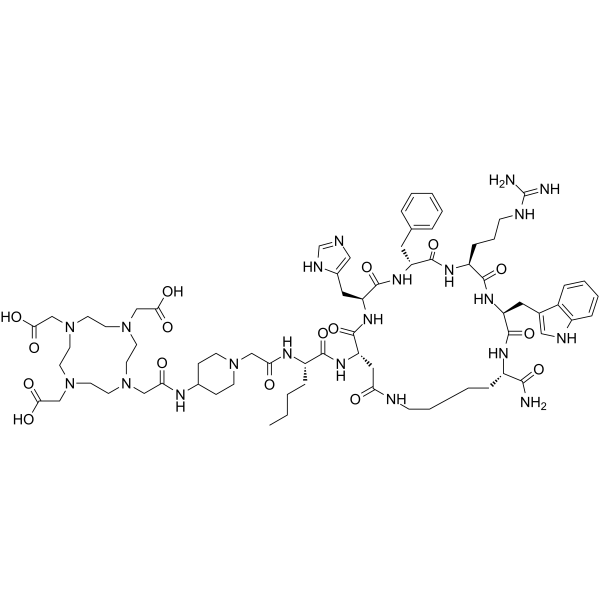
    CCZ01048, a α-melanocyte-stimulating hormone (α-MSH) analogue, exhibits high binding affinity to melanocortin 1 receptor (MC1R) with a Ki of 0.31 nM. CCZ01048 shows rapid internalization into B16F10 melanoma cells and high in vivo stability. CCZ01048 is a promising candidate for PET imaging of malignant melanoma .
    CCZ01048
  • HY-P10693

    TNF Receptor Bacterial Infection Inflammation/Immunology
    CZEN-002 is a derivative of alpha-melanocyte-stimulating hormone that has anti-inflammatory and antibacterial properties, inhibiting the production of TNF-α .
    CZEN-002
  • HY-P10265

    Melanocortin Receptor Others
    Melanostatin, frog is an inhibitor for α-melanocyte-stimulating hormone (α-MSH) release, with an IC50 of 60 nM .
    Melanostatin, frog
  • HY-P3567

    Melanocortin Receptor Neurological Disease
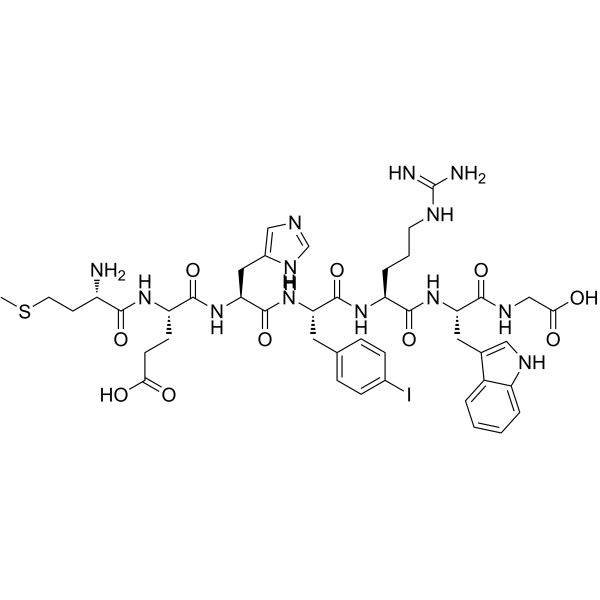
    (p-Iodo-Phe7)-ACTH (4-10) is a adrenocorticotrophic hormone (ACTH) derivative, which is produced and secreted by the anterior pituitary gland. (p-Iodo-Phe7)-ACTH (4-10) serves as a melanocortin (MC) receptor antagonist and inhibits α-melanocyte-stimulating hormone (α-MSH)-induced excessive grooming behavior in rats .
    (p-Iodo-Phe7)-ACTH (4-10)
  • HY-105305A

    ABT-719 acetate; AP-214 acetate

    Melanocortin Receptor Endocrinology
    Modimelanotide (ABT-719) acetate is an α-melanocyte-stimulating hormone analog. Modimelanotide acetate has high specific binding ability to melanocortin receptors (MCR1, 3, 4, 5). Modimelanotide acetate possesses anti-inflammatory and organ-protective effects. Modimelanotide acetate can be used in the research of diseases such as acute kidney injury .
    Modimelanotide acetate

Inquiry Online

Your information is safe with us. * Required Fields.

Salutation


Country or Region *

Applicant Name *


Organization Name *

Department *


Email Address *


Product Name *

Cat. No.


Requested quantity *

Phone Number *


Remarks

Inquiry Online

Inquiry Information

Product Name:
Cat. No.:
Quantity:
MCE Japan Authorized Agent:

