Search Result
Results for "
bacteria label
" in MedChemExpress (MCE) Product Catalog:
2
Biochemical Assay Reagents
157
Isotope-Labeled Compounds
| Cat. No. |
Product Name |
Target |
Research Areas |
Chemical Structure |
-
- HY-A0107S
-
|
|
Bacterial
Antibiotic
|
Infection
|
|
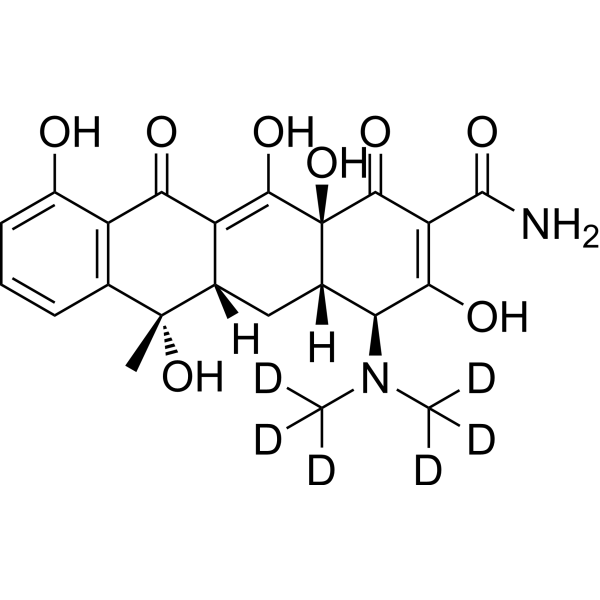
Tetracycline-d6 is the deuterium labeled Tetracycline. Tetracycline is a broad-spectrum antibiotic, exhibiting activity against a wide range of gram-positive and gram-negative bacteria.
|
-
-
- HY-151642
-
|
|
Amino Acid Derivatives
|
Infection
|
|
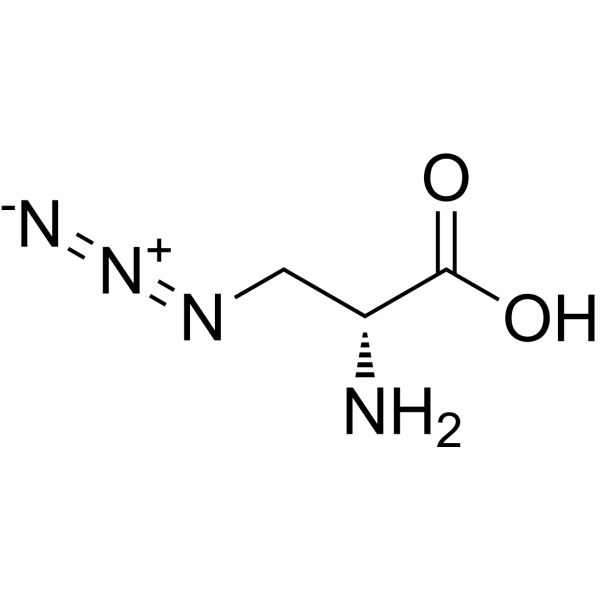
3-Azido-D-alanine is an azido-modified D-alanine (HY-41700). 3-Azido-D-alanine can be used in the research of click chemistry labeling . It contains an azide group and can undergo copper-catalyzed azide-alkyne cycloaddition (CuAAc) with molecules containing alkyne groups. It can also undergo ring strain-promoted alkyne-azide cycloaddition (SPAAC) with molecules containing DBCO or BCN groups.
|
-
-
- HY-B0510S
-
|
|
Antifolate
Bacterial
Antibiotic
|
Infection
|
|
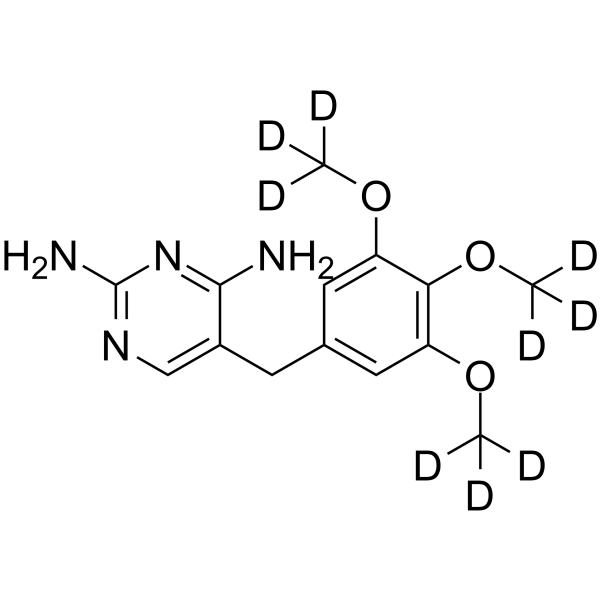
Trimethoprim-d9 is the deuterium labeled Trimethoprim. Trimethoprim is a bacteriostatic antibiotic and an orally active dihydrofolate reductase inhibitor. Trimethoprim is active against a wide range of Gram-positive and Gram-negative aerobic bacteria. Trimethoprim has the potential for urinary tract infections, Shigellosis and Pneumocystis pneumonia treatment .
|
-
-
- HY-151642A
-
|
|
Amino Acid Derivatives
|
Infection
|
|
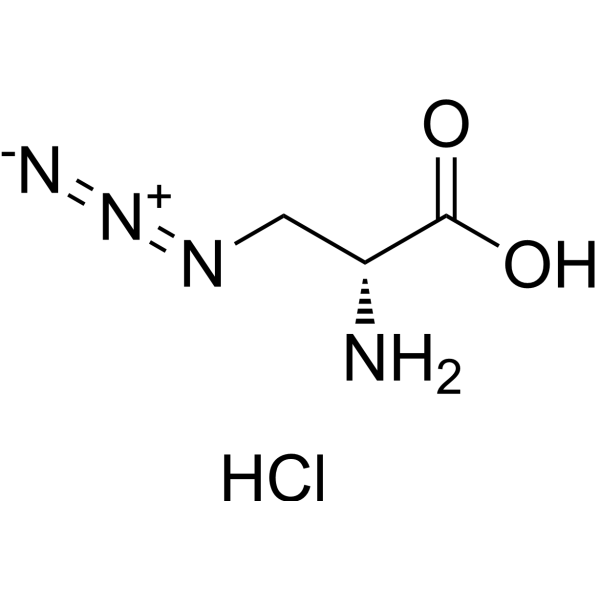
3-Azido-D-alanine hydrochloride is an azido-modified D-alanine (HY-41700) hydrochloride. 3-Azido-D-alanine hydrochloride can be used in the research of click chemistry labeling . It contains an azide group and can undergo copper-catalyzed azide-alkyne cycloaddition (CuAAc) with molecules containing alkyne groups. It can also undergo ring strain-promoted alkyne-azide cycloaddition (SPAAC) with molecules containing DBCO or BCN groups.
|
-
-
- HY-B1008S
-
|
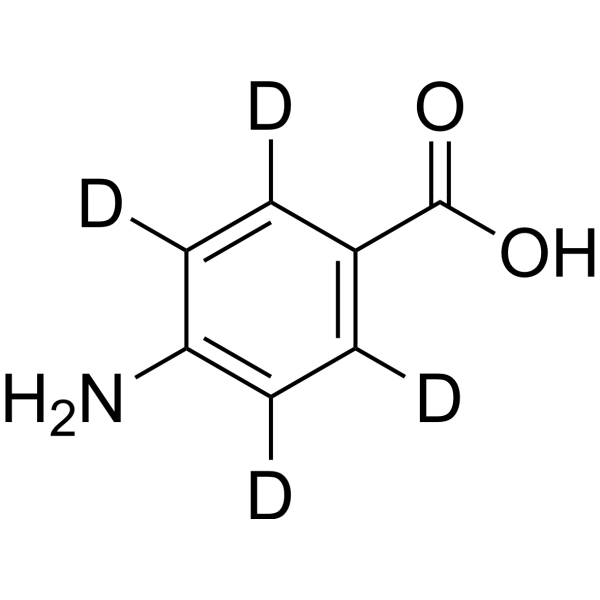
PABA-d4; Vitamin Bx-d4; Vitamin H1-d4; p-Aminobenzoic acid-d4
|
Isotope-Labeled Compounds
Endogenous Metabolite
|
Others
|
|
4-Aminobenzoic acid-d4 is the deuterium labeled 4-Aminobenzoic acid. 4-Aminobenzoic acid is an intermediate in the synthesis of folate by bacteria, plants, and fungi.
|
-
-
- HY-N0216S1
-
|
|
Bacterial
Fungal
Endogenous Metabolite
|
Infection
|
|
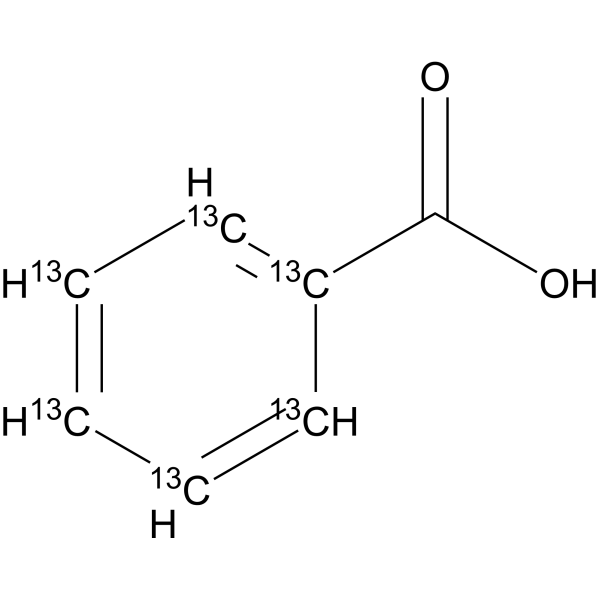
Benzoic acid- 13C6 is the 13C-labeled Benzoic acid. Benzoic acid is an aromatic alcohol existing naturally in many plants and is a common additive to food, drinks, cosmetics and other products. It acts as preservatives through inhibiting both bacteria and fungi.
|
-
-
- HY-17586AS
-
|
MDL-63397-d6; BI-397-d6
|
Bacterial
Antibiotic
|
Infection
|
|
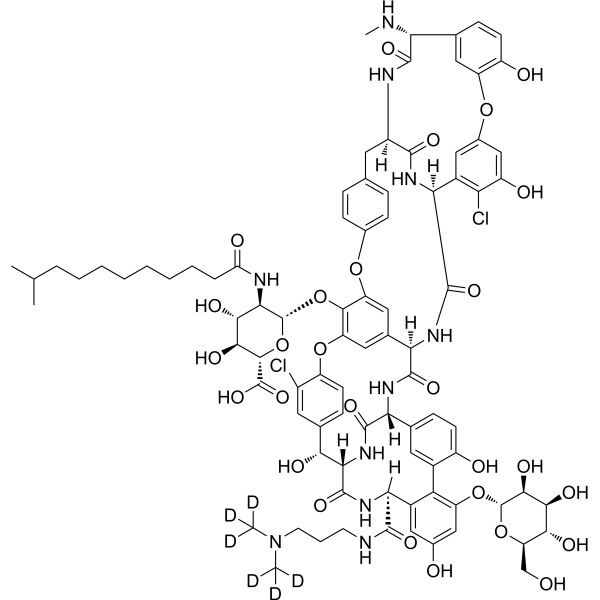
Dalbavancin-d6 is the deuterium labeled Dalbavancin . Dalbavancin (MDL-63397) is a semisynthetic lipoglycopeptide antibiotic with potent bactericidal activity against Gram-positive bacteria. Dalbavancin inhibits Staphylococcus aureus and Bacillus anthracis with MIC90s of 0.06 μg/mL and 0.25 μg/mL, respectively .
|
-
-
- HY-Y0882S1
-
|
|
Monoamine Oxidase
|
Cardiovascular Disease
|
|
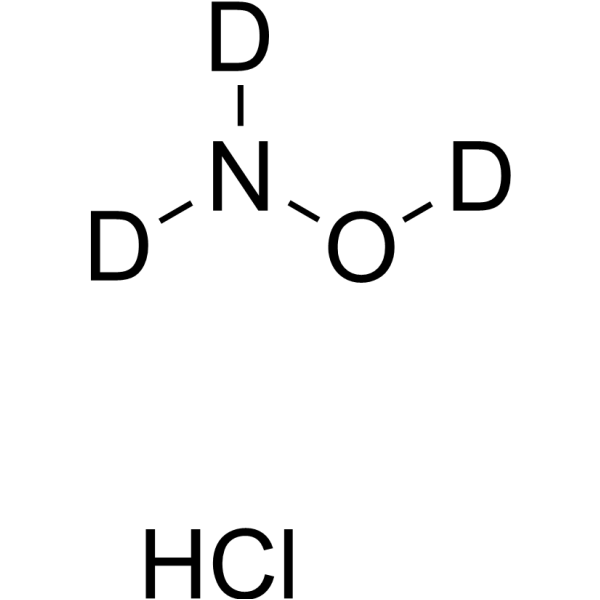
Hydroxylamine-d3 (hydrochloride) is the deuterium labeled Hydroxyamine hydrochloride. Hydroxylamine hydrochloride is a selective Monoamine oxidase (MAO) inhibitor used for inhibiting of platelet aggregation. Hydroxylamine hydrochloride is an intermediate of nitrogen cycle in aerobic ammonium oxidizers microorganisms, such as ammonium oxidizing bacteria (AOB), ammonium oxidizing archaea (AOA) and complete ammonium oxidizing bacteria (comammox). Hydroxylamine hydrochloride impacts NO and N2O emissions by aerobic ammonium oxidizers microorganisms and inhibits nitrite oxidizing bacteria (NOB) activity .
|
-
-
- HY-B0522S
-
|
|
Bacterial
Antibiotic
|
Infection
|
|
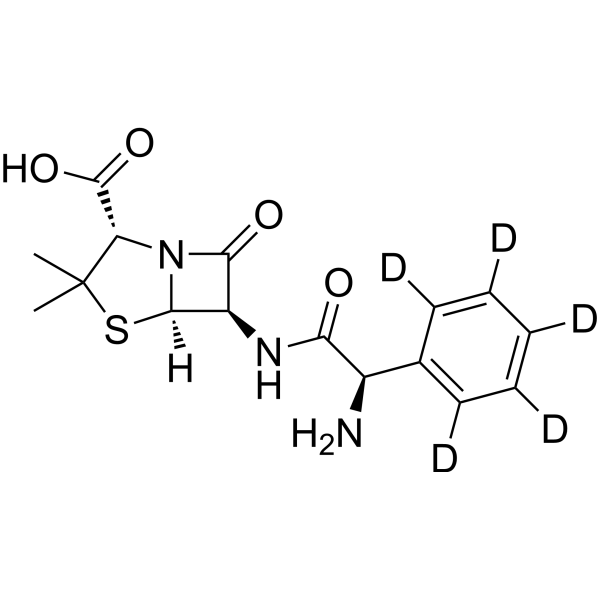
Ampicillin-d5 is the deuterium labeled Ampicillin. Ampicillin is a broad-spectrum beta-lactam antibiotic against a variety of gram-positive and gram-negative bacteria .
|
-
-
- HY-B1923S
-
-
-
- HY-B0671S
-
|
|
Isotope-Labeled Compounds
Antibiotic
Autophagy
Bacterial
|
Infection
Cancer
|
|
Vancomycin-d12 TFA is a deuterium labeled Vancomycin (HY-B0671). Vancomycin is an antibiotic for the treatment of bacterial infections. It acts by inhibiting the second stage of cell wall synthesis of susceptible bacteria. Vancomycin also alters the permeability of the cell membrane and selectively inhibits ribonucleic acid synthesis .
|
-
-
- HY-17580S
-
|
|
Isotope-Labeled Compounds
DNA/RNA Synthesis
Bacterial
Apoptosis
Antibiotic
|
Infection
|
|
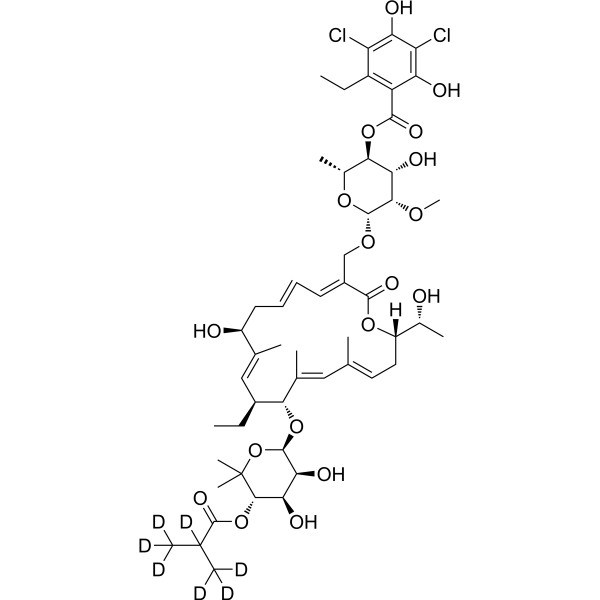
Fidaxomicin-d7 (OPT-80-D7) is the deuterium labeled Fidaxomicin. Fidaxomicin (OPT-80), a macrocyclic RNA polymerase inhibitor, has a narrow spectrum of activity. Fidaxomicin selectively eradicates pathogenic Clostridium difficile with minimal disruption to the multiple species of bacteria that make up the normal, healthy intestinal flora .
|
-
-
- HY-B0318S
-
|
|
Bacterial
Parasite
Apoptosis
Antibiotic
|
Infection
|
|
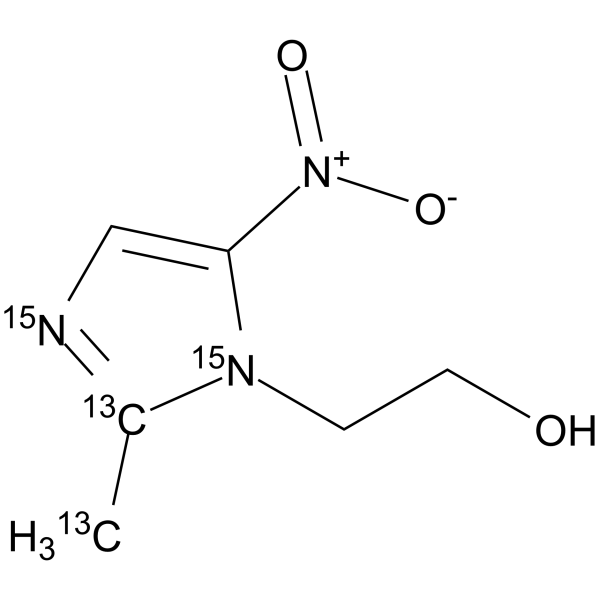
Metronidazole- 13C2, 15N2 is the 13C-labeled and 15N-labeled Metronidazole. Metronidazole is a nitroimidazole antibiotic medication used particularly for anaerobic bacteria and protozoa.
|
-
-
- HY-W007355S
-
-
-
- HY-N1914S1
-
|
L-(+)-Ergothioneine-d9
|
Endogenous Metabolite
|
Others
|
|
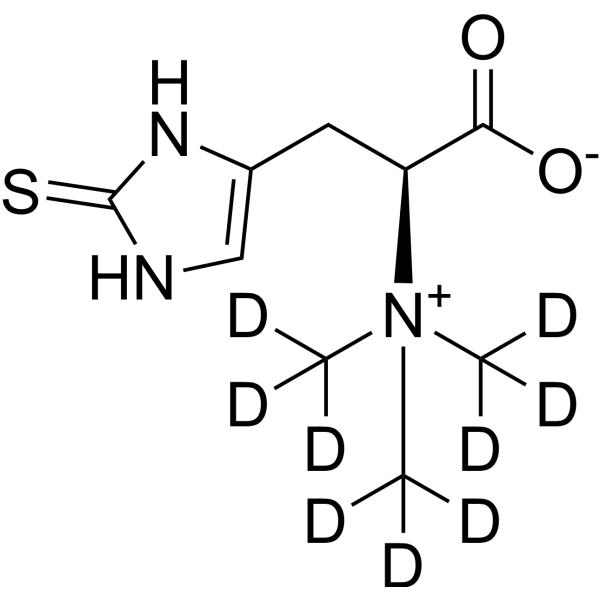
Ergothioneine-d9 is the deuterium labeled Ergothioneine. Ergothioneine, an imidazole-2-thione derivative of histidine betaine, is synthesized by certain bacteria and fungi. Ergothioneine is generally considered an antioxidant .
|
-
-
- HY-B0132S
-
|
|
Bacterial
Antibiotic
|
Infection
|
|
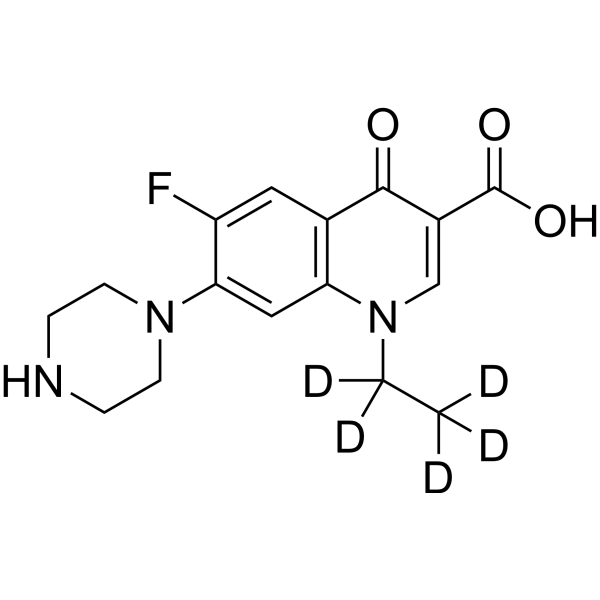
Norfloxacin-d5 is the deuterium labeled Norfloxacin. Norfloxacin is a broad-spectrum antibiotic that is active against both Gram-positive and Gram-negative bacteria, which functions by inhibiting DNA gyrase .
|
-
-
- HY-Y0264S1
-
|
|
Endogenous Metabolite
Bacterial
|
Infection
|
|
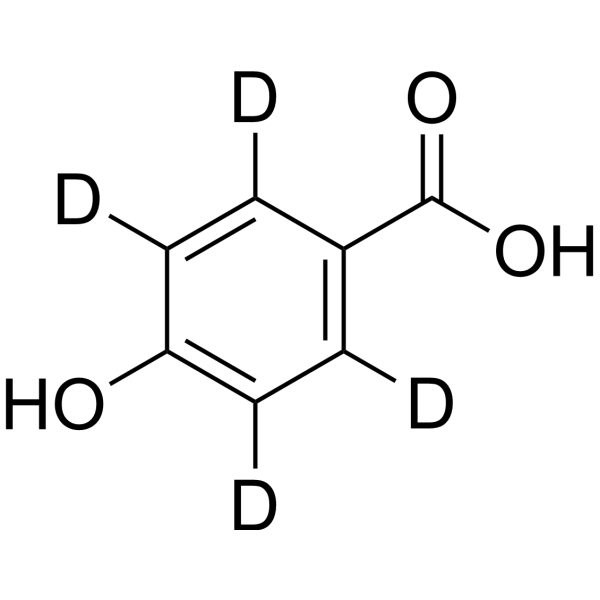
4-Hydroxybenzoic acid-d4 is the deuterium labeled 4-Hydroxybenzoic acid. 4-Hydroxybenzoic acid, a phenolic derivative of benzoic acid, could inhibit most gram-positive and some gram-negative bacteria, with an IC50 of 160 μg/mL.
|
-
-
- HY-143831S
-
|
|
Isotope-Labeled Compounds
Antibiotic
Bacterial
GABA Receptor
|
Infection
|
|
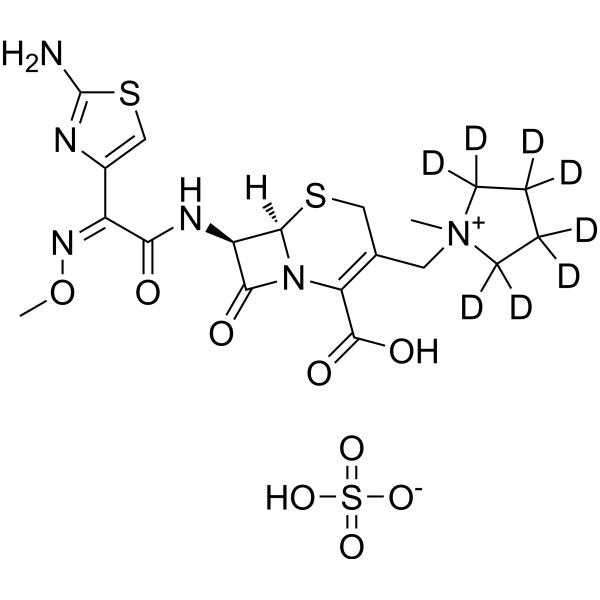
Cefepime-d8 (BMY-28142-d8) sulfate is deuterium labeled Cefepime sulfate. Cefepime sulfate is a broad-spectrum, blood-brain barrier-permeable cephalosporin antibiotic with hPON1 inhibitory activity, with an IC50 of 21.115 mM and a Ki of 35.092 mM. Cefepime sulfate inhibits hPON1 via a non-competitive mechanism and blocks GABAA receptors. Cefepime sulfate penetrates the outer membrane of Gram-negative bacteria, inhibits the growth of Gram-positive and Gram-negative bacteria, and does not induce the production of β-lactamase.
|
-
-
- HY-B0479S
-
|
Thiophenicol-d3; Dextrosulphenidol-d3
|
Isotope-Labeled Compounds
Bacterial
Antibiotic
|
Infection
|
|
Thiamphenicol-d3 is a deuterium labeled Thiamphenicol. Thiamphenicol, a methyl-sulfonyl derivative of Chloramphenicol, is a broad-spectrum antimicrobial antibiotic. Thiamphenicol acts by binding to the 50S ribosomal subunit, leading to inhibition of protein synthesis and bacteriostatic effect (against Gram-negative, Gram-positive aerobic and anaerobic bacteria) .
|
-
-
- HY-B0519AS
-
|
|
Isotope-Labeled Compounds
Bacterial
Antibiotic
|
Infection
|
|
Tylosin-d3 is the deuterium labeled Tylosin. Tylosin (Tylosin A) is a macrolide antibiotic found naturally as a fermentation product of Streptomyces fradiae. Tylosin exerts potent antimicrobial activity against Gram-positive bacteria. Tylosin is widely used as a feed additive for promoting animal growth. Tylosin is used for veterinary purposes against bacterial dysentery and respiratory diseases in poultry, pigs and cattle .
|
-
-
- HY-D1690A
-
|
|
Fluorescent Dye
|
Others
|
|
sBADA is a potent green fluorescent dye that targets and labels peptidoglycan in the cell walls of live bacteria(Ex/Em = 490/510 nm) .
|
-
-
- HY-Y0264S
-
|
|
Isotope-Labeled Compounds
|
Infection
|
|
4-Hydroxybenzoic acid- 13C6 is the 13C labeled isotope of 4-Hydroxybenzoic acid- 13C6.4-Hydroxybenzoic acid is a phenolic derivative of benzoic acid, which can inhibit most Gram-positive bacteria and some Gram-negative bacteria with an IC50 value of 160 μg/mL.
|
-
-
- HY-W007355S1
-
-
-
- HY-N0172S
-
|
3,4-Dihydroxycinnamic acid-13C3
|
Bacterial
Fungal
|
Infection
|
|
Caffeic acid- 13C3 is an 13C labeled caffeic acid. Caffeic acid is a phytonutrient belonging to the flavonoids. Caffeic acid and its derivatives, are potential antimicrobial agents, chronic infection induced by microbes such as bacteria, fungi, and viruses .
|
-
-
- HY-B2233AS
-
-
-
- HY-W654100
-
|
|
Isotope-Labeled Compounds
Antibiotic
Bacterial
GABA Receptor
|
Infection
|
|
Cefepime-d3 (BMY-28142-d3) sulfate is deuterium labeled Cefepime sulfate. Cefepime sulfate is a broad-spectrum, blood-brain barrier-permeable cephalosporin antibiotic with hPON1 inhibitory activity, with an IC50 of 21.115 mM and a Ki of 35.092 mM. Cefepime sulfate inhibits hPON1 via a non-competitive mechanism and blocks GABAA receptors. Cefepime sulfate penetrates the outer membrane of Gram-negative bacteria, inhibits the growth of Gram-positive and Gram-negative bacteria, and does not induce the production of β-lactamase.
|
-
-
- HY-B0510S2
-
|
|
Antifolate
Bacterial
Antibiotic
|
Infection
|
|
Trimethoprim-d3is the deuterium labeled Trimethoprim. Trimethoprim is a bacteriostatic antibiotic and an orally active dihydrofolate reductase inhibitor. Trimethoprim is active against a wide range of Gram-positive and Gram-negative aerobic bacteria. Trimethoprim has the potential for urinary tract infections, Shigellosis and Pneumocystis pneumonia treatment .
|
-
-
- HY-B0275S
-
|
|
Isotope-Labeled Compounds
Antibiotic
Bacterial
Endogenous Metabolite
HSV
|
Infection
|
|
Oxytetracycline-d6 is deuterium labeled Oxytetracycline. Oxytetracycline is an antibiotic belonging to the tetracycline class. Oxytetracycline potent inhibits Gram-negative and Gram-positive bacteria. Oxytetracycline is a protein synthesis inhibitor and prevents the binding from aminoacil-tRNA to the complex m-ribosomal RNA. Oxytetracycline also possesses anti-HSV-1 activity .
|
-
-
- HY-W005288S
-
|
4-Hydroxystyrene-d4
|
Apoptosis
Endogenous Metabolite
Isotope-Labeled Compounds
|
Cancer
|
|
4-Vinylphenol-d4 is deuterated labeled 4-Vinylphenol (HY-W005288). 4-Vinylphenol is found in the medicinal herb Hedyotis diffusa Willd, wild rice and is also the metabolite of p-coumaric and ferulic acid by lactic acid bacteria in wine. 4-Vinylphenol induces apoptosis and inhibits blood vessels formation and suppresses invasive breast tumor growth in vivo .
|
-
-
- HY-D1689
-
|
|
Bacterial
|
Infection
|
|
Rf470DL is a rotor-fluorogenic D-amino acid (RfDAA). Rf470DL can be used for labeling bacteria (Ex=470 nm, Em=640 nm) .
|
-
-
- HY-147097A
-
|
|
Bacterial
|
Infection
|
|
EDA-DA is a N-terminally tagged dipeptide probe, can be used to label Peptidoglycan (PG) of bacteria. EDA-DA is a click chemistry reagent, it contains an Alkyne group and can undergo copper-catalyzed azide-alkyne cycloaddition (CuAAc) with molecules containing Azide groups .
|
-
-
- HY-Y0264S2
-
|
|
Bacterial
Endogenous Metabolite
|
Infection
|
|
4-Hydroxybenzoic acid- 13C is the 13C labeled 4-Hydroxybenzoic acid . 4-Hydroxybenzoic acid, a phenolic derivative of benzoic acid, could inhibit most gram-positive and some gram-negative bacteria, with an IC50 of 160 μg/mL .
|
-
-
- HY-17395S
-
|
TDT 067-d3 hydrochloride
|
Isotope-Labeled Compounds
Fungal
Bacterial
Antibiotic
|
Infection
|
|
Terbinafine-d3 hydrochloride is the deuterium labeled Terbinafine hydrochloride. Terbinafine hydrochloride (TDT 067 hydrochloride) is an antifungal medication used to treat fungal infections. It is a potent non-competitive inhibitor of squalene epoxidase from Candida with a Ki of 30 nM . Terbinafine hydrochloride also antibacterial activity against certain Gram-positive and Gram-negative bacteria .
|
-
-
- HY-B0200S
-
|
Cefalexin-d5; Cephacillin-d5
|
Antibiotic
Bacterial
|
Infection
|
|
Cephalexin-d5 is deuterium labeled Cephalexin. Cephalexin (Cefalexin; Cephacillin) is a potent, orally active and the first-generation?cephalosporin antibiotic. Cephalexin kills?gram-positive?and some?gram-negative bacteria?by disrupting the growth of the bacterial cell wall. Cephalexin monohydrate is used for the research of?pneumonia,?strep throat, and bacterial endocarditis, et al .
|
-
-
- HY-N5142S
-
|
|
Bacterial
|
Infection
|
|
α-Terpineol-d3 is the deuterium labeled α-Terpineol . α-Terpineol is isolated from Eucalyptus globulus Labill, exhibits strong antimicrobial activity against periodontopathic and cariogenic bacteria .α-Terpineol possesses antifungal activity against T. mentagrophytes, and the activity might lead to irreversible cellular disruption .
|
-
-
- HY-B0275S1
-
|
|
Isotope-Labeled Compounds
Endogenous Metabolite
Bacterial
Antibiotic
HSV
|
Infection
|
|
Oxytetracycline-d3 is the deuterium labeled Oxytetracycline (HY-B0275). Oxytetracycline is an antibiotic belonging to the tetracycline class. Oxytetracycline potent inhibits Gram-negative and Gram-positive bacteria. Oxytetracycline is a protein synthesis inhibitor and prevents the binding from aminoacil-tRNA to the complex m-ribosomal RNA. Oxytetracycline also possesses anti-HSV-1 activity .
|
-
-
- HY-D1697
-
|
|
Fluorescent Dye
|
Infection
|
|
OGDA is a green fluorescent D-amino acid. OGDA is suitable for labeling peptidoglycan in Gram-positive and Gram-negative bacteria .
|
-
-
- HY-B0318S1
-
-
-
- HY-B1414S
-
-
-
- HY-136382S
-
|
Sulfachlorpyridazine-d4
|
Antibiotic
Bacterial
|
Inflammation/Immunology
|
|
Sulfachloropyridazine-d4 is the deuterium labeled Sulfachloropyridazine. Sulfachloropyridazine is a broad spectrum sulfonamide used against both Gram-positive and Gram-negative aerobic bacteria .
|
-
-
- HY-N1420AS
-
|
L-Rhamnose-13C monohydrate
|
Isotope-Labeled Compounds
Endogenous Metabolite
|
Cancer
|
|
Rhamnose- 13C (monohydrate) is the 13C labeled Rhamnose monohydrate. Rhamnose monohydrate (L-Rhamnose monohydrate) is a monosaccharide found in plants and bacteria. Rhamnose monohydrate-conjugated immunogens is used in immunotherapies. Rhamnose monohydrate c
|
-
-
- HY-N1420AS2
-
|
L-Rhamnose-13C-2 monohydrate
|
Isotope-Labeled Compounds
Endogenous Metabolite
|
Cancer
|
|
Rhamnose- 13C-2 (monohydrate) is the 13C labeled Rhamnose monohydrate. Rhamnose monohydrate (L-Rhamnose monohydrate) is a monosaccharide found in plants and bacteria. Rhamnose monohydrate-conjugated immunogens is used in immunotherapies. Rhamnose monohydrate
|
-
-
- HY-N0216S2
-
|
|
Bacterial
Fungal
Endogenous Metabolite
|
Infection
|
|
Benzoic acid- 13C is the 13C-labeled Benzoic acid. Benzoic acid is an aromatic alcohol existing naturally in many plants and is a common additive to food, drinks, cosmetics and other products. It acts as preservatives through inhibiting both bacteria and fungi.
|
-
-
- HY-B1256S
-
|
|
Isotope-Labeled Compounds
Bacterial
Antibiotic
|
Infection
|
|
Cefuroxime-d3 is deuterium labeled Cefuroxime (sodium). Cefuroxime sodium is an orally active second-generation cephalosporin antibiotic with increased stability to β-lactamase. Cefuroxime sodium has a broad spectrum activity against Gram-positive and Gram-negative bacteria .
|
-
-
- HY-W654101
-
|
Cefotaxim-d3; HR-756-d3
|
Isotope-Labeled Compounds
Antibiotic
Bacterial
|
Infection
|
|
Cefotaxime-d3 is the deuterium labeled Cefotaxime (HY-A0088A). Cefotaxime is the β-lactamase stable cephalosporin and the third-generation cephalosporin antibiotic. Cefotaxime possesses broad-spectrum antibiotic activity against numerous Gram-positive and Gram-negative bacteria .
|
-
-
- HY-17395AS
-
|
TDT 067-d7
|
Isotope-Labeled Compounds
Fungal
Bacterial
Antibiotic
|
Infection
|
|
Terbinafine-d7 is the deuterium labeled Terbinafine. Terbinafine (TDT 067) is an antifungal medication used to treat fungal infections. It is a potent non-competitive inhibitor of squalene epoxidase from Candida with a Ki of 30 nM . Terbinafine also antibacterial activity against certain Gram-positive and Gram-negative bacteria .
|
-
-
- HY-W654157
-
|
|
Antibiotic
Isotope-Labeled Compounds
Bacterial
|
Infection
|
|
Dicloxacillin- 13C4 sodium hydrate is the 13C-labeled Dicloxacillin Sodium hydrate (HY-B0977). Dicloxacillin Sodium hydrate (Dicloxacillin sodium salt monohydrate) is a narrow-spectrum β-Lactam antibiotic of the penicillin class, is used to study infections caused by susceptible Gram-positive bacteria, active against beta-lactamase-producing organisms such as Staphylococcus aureus .
|
-
-
- HY-B0324AS
-
|
Basic Violet 3-d6; Gentian Violet-d6; Methyl Violet 10B-d6
|
Isotope-Labeled Compounds
|
Others
|
|
Crystal Violet-d6 is the deuterium labeled Crystal Violet (HY-B0324A). Crystal Violet, also known as Gentian violet, methyl violet 10B, is a triphenyl-methane, an alkaline dye that binds to DNA in the nucleus of a cell, staining it a deep purple. It is often used for Gram staining to classify bacteria, or for cell or histological staining .
|
-
-
- HY-136406S
-
|
|
Isotope-Labeled Compounds
ATP Synthase
|
Cancer
|
|
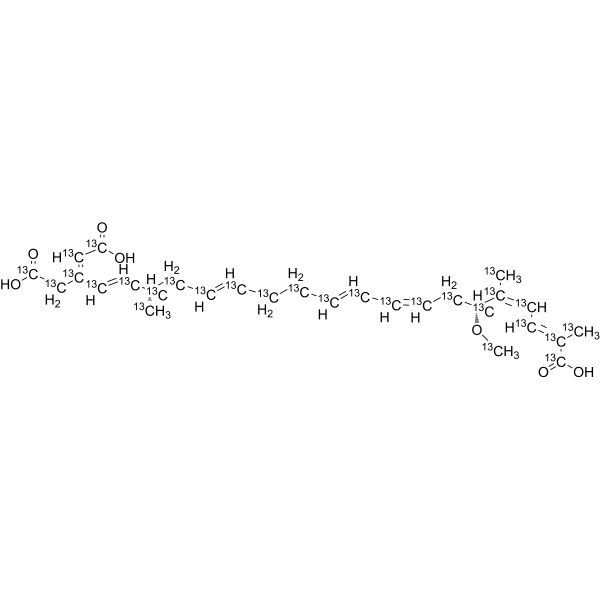
Bongkrekic acid- 13C28 is the 13C labeled Bongkrekic acid (HY-136406). Bongkrekic acid is a mitochondrial toxin secreted by the bacteria Pseudomonas cocovenenans. Bongkrekic acid specific ligand for mitochondrial adenine nucleotide translocase (ANT) rather than the electron transport chain. Bongkrekic acid has to cross the mitochondrial inner membrane to produce its inhibitory effect on ADP/ATP transport .
|
-
-
- HY-10394S1
-
|
PNU-100766-d8
|
Antibiotic
Bacterial
Isotope-Labeled Compounds
|
Infection
|
|
PNU-100766-d8 is deuterated labeled Linezolid (HY-10394). Linezolid (PNU-100766) is the first member of the class of oxazolidinone synthetic antibiotic. Linezolid acts by inhibiting the initiation of bacterial protein synthesis. Linezolid is used for the treatment of serious infections caused by Gram-positive bacteria that are resistant to several other antibiotics .
|
-
- HY-147097
-
|
|
Bacterial
|
Infection
|
|
EDA-DA, a N-terminally tagged dipeptide probe, can be used to label Peptidoglycan (PG) of bacteria. Peptidoglycan (PG), an essential structure in the cell walls of the vast majority of bacteria, is critical for division and maintaining cell shape and hydrostatic pressure . EDA-DA is a click chemistry reagent, itcontains an Alkyne group and can undergo copper-catalyzed azide-alkyne cycloaddition (CuAAc) with molecules containing Azide groups.
|
-
- HY-B1075AS
-
|
MK-0955 (benzylamine)-13C3
|
Bacterial
Antibiotic
|
Infection
|
|
(Rac)-Fosfomycin (benzylamine)- 13C3 is the 13C labeled Fosfomycin . Fosfomycin (MK-0955) is a broad-spectrum antibiotic. Fosfomycin can cross blood-brain barrier penetrating, and irreversibly inhibits an early stage in cell wall synthesis. Fosfomycin shows anti-bacteria activity for a range of bacteria, including multidrug-resistant (MDR), extensively drug-resistant (XDR), and pan-drug-resistant (PDR) bacteria .
|
-
- HY-B0398S
-
|
|
Isotope-Labeled Compounds
Bacterial
Antibiotic
Topoisomerase
|
Infection
|
|
Nalidixic Acid-d5 is the deuterium labeled Nalidixic acid. Nalidixic acid, a quinolone antibiotic, is effective against both gram-positive and gram-negative bacteria. Nalidixic acid acts in a bacteriostatic manner in lower concentrations and is bactericidal in higher concentrations. Nalidixic acid inhibits a subunit of DNA gyrase and topoisomerase IV and reversibly blocks DNA replication in susceptible bacteria .
|
-
- HY-B0177S
-
|
|
Isotope-Labeled Compounds
Bacterial
|
Infection
|
|
Tinidazole-d5 is the deuterium labeled Tinidazole. Tinidazole, an orally available antibacterial agent, is a 5-nitroimidazole with selective activity against anaerobic bacteria and protozoa .
|
-
- HY-N1914S
-
|
L-(+)-Ergothioneine-d3
|
Isotope-Labeled Compounds
Endogenous Metabolite
|
Others
|
|
Ergothioneine-d3 is the deuterium labeled Ergothioneine. Ergothioneine, an imidazole-2-thione derivative of histidine betaine, is synthesized by certain bacteria and fungi. Ergothioneine is generally considered an antioxidant .
|
-
- HY-B0724BS
-
|
T3761-d4
|
Isotope-Labeled Compounds
Bacterial
DNA/RNA Synthesis
|
Infection
|
|
Pazufloxacin-d4 is deuterium labeled Pazufloxacin (HY-B0724B). Pazufloxacin is an orally active fluoroquinolone antimicrobial agent. Pazufloxacin inhibits DNA gyrase with IC50 values of 0.88 μg/mL (E. coli) and 1.9 μg/mL (P. aeruginosa). Pazufloxacin exhibits broad-spectrum antimicrobial activity, with MIC90 values ranging from 0.025 to 100 μg/mL against Gram-positive and Gram-negative bacteria, non-fermenting bacteria, Legionella spp., and anaerobic bacteria. Pazufloxacin is indicated for research on systemic infections, lung infections, urinary tract infections, and Legionella pneumonia .
|
-
- HY-B1282S
-
|
|
Isotope-Labeled Compounds
Bacterial
Parasite
Antibiotic
|
Infection
|
|
Sulfaquinoxaline-d4 is the deuterium labeled Sulfaquinoxaline. Sulfaquinoxaline is an antimicrobial for veterinary use, with activity against a broad spectrum of Gram-negative and Gram-positive bacteria. Sulfaquinoxaline is used to prevent coccidiosis and bacterial infections .
|
-
- HY-12687S
-
|
|
Isotope-Labeled Compounds
Bacterial
HIV
Autophagy
|
Infection
|
|
Tizoxanide-d4 is the deuterium labeled Tizoxanide. Tizoxanide is the active metabolite of Nitazoxanide, which is a thiazolide anti-infective compound against anaerobic bacteria, protozoa, and a range of viruses. Tizoxanide has anti-HIV-1 activities .
|
-
- HY-A0088S
-
|
Cefotaxim-d3 sodium; HR-756-d3 sodium
|
Isotope-Labeled Compounds
Beta-lactamase
Bacterial
Antibiotic
|
Infection
|
|
Cefotaxime-d3 (sodium) is the deuterium labeled Cefotaxime (sodium salt). Cefotaxime sodium salt, a β-lactamase stable cephalosporin and a third-generation cephalosporin antibiotic, possesses broad-spectrum antibiotic activity against numerous Gram-positive and Gram-negative bacteria .
|
-
- HY-B1118S
-
|
RP-14539-d6; PM-185184-d6
|
Isotope-Labeled Compounds
Parasite
Antibiotic
|
Infection
|
|
Secnidazole-d6 is the deuterium labeled Secnidazole. Secnidazole (RP-14539;PM-185184) is an orally active azole antibiotic with a longer half-life than metronidazole (HY-B0318). Secnidazole is against the vaginosis-associated bacteria and has the potential for bacterial vaginosis research .
|
-
- HY-D2430
-
|
|
Fluorescent Dye
Bacterial
Fungal
|
Infection
Cancer
|
|
Chitosan-PEG-Cy3 is a fluorescent labeling reagent that combines Cy3 (HY-D0822) fluorescent dye, Chitosan and polyethylene glycol (PEG). The Cy3 fluorophore is commonly used in applications such as immunolabeling, nucleic acid labeling, fluorescence microscopy, and flow cytometry. Cy3 has an emission maximum around 562-570 nm. Chitosan exhibits antimicrobial activity against various bacteria and fungi .
|
-
- HY-B1350S
-
|
Fusidate-d6; SQ-16603-d6
|
Bacterial
Antibiotic
|
Infection
|
|
Fusidic acid-d6 is the deuterium labeled Fusidic acid. Fusidic acid (Fusidate) a bacteriostatic antibiotic produced from the Fusidium coccineum fungus, belongs to the class of steroids. Fusidic acid has no corticosteroid effects. Fusidic acid inhibits the growth of bacteria by preventing the release of translation elongation factor G (EF-G) from the ribosome .
|
-
- HY-B0200BS
-
|
Cefalexin hydrate-d5; Cephacillin hydrate-d5
|
Isotope-Labeled Compounds
Antibiotic
Bacterial
|
Infection
|
|
Cephalexin-d5 (monohydrate) is the deuterium labeled Cephalexin monohydrate. Cephalexin monohydrate is a potent, orally active and the first-generation?cephalosporin antibiotic. Cephalexin monohydrate kills?gram-positive?and some?gram-negative bacteria?by disrupting the growth of the bacterial cell wall. Cephalexin monohydrate is used for the research of?pneumonia,?strep throat, and bacterial endocarditis, et al .
|
-
- HY-B1002S
-
|
|
Isotope-Labeled Compounds
Bacterial
Antibiotic
DNA/RNA Synthesis
|
Infection
|
|
Oxolinic acid-d5 is the deuterium labeled Oxolinic acid. Oxolinic acid is an antibiotic against both Gram-negative and Gram-positive bacteria. Oxolinic acid can be used for the research of acute and chronic urinary tract infections. Oxolinic acid is a DNA/RNA synthesis inhibitor. Oxolinic acid acts a dopamine uptake inhibitor and stimulants locomotor effect in mice .
|
-
- HY-W743473
-
|
Ro 15-8074-d3; Deacetoxycefotaxime-d3
|
Isotope-Labeled Compounds
Bacterial
Antibiotic
Penicillin-binding protein (PBP)
Drug Metabolite
|
Infection
|
|
Cefetamet-d3 (Ro 15-8074-d3; Deacetoxycefotaxime-d3) is the deuterium labeled Cefetamet (HY-A0111). Cefetamet (Ro 15-8074) is a cephalosporin antibiotic and the active metabolite of Cefetamet pivoxil (HY-B1894A). Cefetamet binds to bacterial penicillin-binding protein (PBP) (IC50 for PBP3 in Escherichia coli W3110 is 2.5 μg/mL). Cefetamet has significant activity against Gram-negative bacteria such as Enterobacteriaceae, Neisseria species, and Haemophilus influenzae, as well as Gram-positive bacteria such as Streptococcus. Cefetamet kills and lyses Treponema pallidum. Cefetamet can be used in the research of respiratory tract, urinary tract, ear, nose and throat infections, and syphilis .
|
-
- HY-W705820
-
|
|
Isotope-Labeled Compounds
Apoptosis
Endogenous Metabolite
|
Cancer
|
|
(±)-Enterodiol-d6 is the deuterium labeled (±)-Enterodiol (HY-108695B). (±)-Enterodiol is the racemate of Enterodiol (HY-108695). Enterodiol is transformed by human intestinal bacteria from lignans contained in various whole-grain cereals, nuts, legumes, flaxseed, and vegetables. Enterodiol has an apoptotic effect in colorectal cancer (CRC) cells. Enterodiol has anti-cancer activities .
|
-
- HY-B0508S1
-
|
Ro 7-0207-13C2,15N2
|
Isotope-Labeled Compounds
Bacterial
Parasite
Antibiotic
Hedgehog
|
Infection
|
|
Ornidazole- 13C2, 15N2 is the 13C, 15N labeled Ornidazole. Ornidazole (Ro 7-0207) is a nitroimidazole derivative with anti-trichomonad activity and in vitro activity against a variety of anaerobic bacteria. Ornidazole inhibits Sonic hedgehog (Shh) signaling pathway, exhibits antitumor activity. Ornidazole can be used in research of Crohn’s disease .
|
-
- HY-W750848
-
|
|
Isotope-Labeled Compounds
Bacterial
Antibiotic
|
Infection
|
|
Raja 42-d10 is the deuterium labeled Raja 42 (HY-W749146). Raja 42 is a gamma lactam antibiotic. Raja 42 is effective against a variety of different bacterias, including Gram-positive and Gram-negative bacteria, such as C. difficile strains .
|
-
- HY-D1690
-
|
|
Fluorescent Dye
|
Others
|
|
sBADA TFA is a potent green fluorescent dye that targets and labels peptidoglycan in the cell walls of live bacteria(Ex/Em = 490/510 nm) .
|
-
- HY-B1781S
-
|
Sulfachlorpyridazine-13C6
|
Isotope-Labeled Compounds
Bacterial
Antibiotic
|
Infection
|
|
Sulfachloropyridazine- 13C6 is the 13C6 labeled Sulfachloropyridazine. Sulfachloropyridazine is a broad spectrum sulfonamide used against both Gram-positive and Gram-negative aerobic bacteria.
|
-
- HY-B1584S
-
|
|
Bacterial
|
Others
|
|
Captan-d6 is the deuterium labeled Captan . Captan is a common agricultural fungicide used to control Botrytis, Fusarium, Fusicoccum, Pythium. Captan enhances denitrifying and total culturable bacteria .
|
-
- HY-B0395S
-
|
DU6859a-d4
|
Isotope-Labeled Compounds
Bacterial
Antibiotic
|
Infection
|
|
Sitafloxacin-d4 (DU6859a-d4) is deuterium labeled Sitafloxacin. Sitafloxacin (DU6859a) is a potent, orally active fluoroquinolone antibiotic. Sitafloxacin shows antichlamydial activity and antibacterial activities against a broad range of gram-positive and gram-negative bacteria, including anaerobic bacteria, as well as against atypical pathogens. Sitafloxacin can be used for the research of respiratory tract infection and urinary tract infection .
|
-
- HY-B0132S1
-
|
MK-0366-d8
|
Bacterial
Endogenous Metabolite
Antibiotic
|
Infection
|
|
Norfloxacin-d8 is the deuterium labeled Norfloxacin. Norfloxacin (MK-0366) is a broad-spectrum antibiotic that is active against both Gram-positive and Gram-negative bacteria, which functions by inhibiting DNA gyrase.
|
-
- HY-Y1313S
-
|
m-Carboxynitrobenzene-d4; m-Nitrobenzenecarboxylic acid-d4; m-Nitrobenzoic acid-d4
|
Isotope-Labeled Compounds
Bacterial
Fungal
|
Infection
|
|
3-Nitrobenzoic acid-d4 (m-Carboxynitrobenzene-d4; m-Nitrobenzenecarboxylic acid-d4; m-Nitrobenzoic acid-d4) is the deuterium labeled 3-Nitrobenzoic acid (HY-Y1313). 3-Nitrobenzoic acid is an antioxidant and antibacterial agent that can kill bacteria and fungi. 3-Nitrobenzoic acid can be degraded or reduced by certain bacteria (such as Pseudomonas) and fungi (such as white rot fungi) into aldehydes and alcohols.
|
-
- HY-19581S
-
|
|
Isotope-Labeled Compounds
Antibiotic
Bacterial
|
Infection
|
|
Baquiloprim-d6 is deuterium labeled Baquiloprim. Baquiloprim, an antibiotic, is a selective inhibitor of bacterial dihydrofolate reductases. Baquiloprim possesses in vitro bacteriostatic activity against both Gram-negative and Gram-positive bacteria .
|
-
- HY-N0285S
-
-
- HY-B0885S
-
|
(±)-Econazol-d6
|
Isotope-Labeled Compounds
Fungal
Bacterial
Calcium Channel
Cytochrome P450
|
Infection
Metabolic Disease
|
|
Econazole-d6 ((±)-Econazol-d6) is the deuterium labeled Econazole (HY-B0885). Econazole is an orally active imidazole antifungal agent, as well as a cytochrome P-450 inhibitor and a blocker of calcium and manganese ion uptake. Econazole is active against a variety of fungi and some Gram-positive bacteria, but has no significant activity against Gram-negative bacteria. Econazole can inhibit the synthesis of prostaglandins and can also induce liver damage .
|
-
- HY-121341S
-
|
Ro 10-5970-d6
|
Isotope-Labeled Compounds
Bacterial
|
Infection
|
|
Brodimoprim-d6 (Ro 10-5970-d6) is a deuterium labeled Brodimoprim. Brodimoprim, a trimethoprim analogue, is an orally active dihydrofolate reductase inhibitor. Brodimoprim is highly active against a broad spectrum of gram-negative and gram-positive bacteria .
|
-
- HY-B1252AS
-
|
|
Isotope-Labeled Compounds
|
Infection
|
|
Cefalonium-d4 (hydrate) is the deuterium labeled Cefalonium (hydrate)(HY-B1252A).Cefalonium hydrate is the first-generation β-lactam cephalosporin antibiotic that is widely used to research bovine mastitis caused by Gram-positive bacteria including staphylococci .
|
-
- HY-B1217S
-
|
BNPD-d4; BNPK-d4
|
Isotope-Labeled Compounds
Bacterial
|
Infection
|
|
Bronopol-d4 is deuterium labeled Bronopol. Bronopol is an antibacterial agent with low toxicity (to mammals) and high activity (especially against Gram-negative bacteria). Bronopol oxidizes protein thiols, inhibits enzymatic activity, and exhibits antibacterial activity. Bronopol is also a formaldehyde releaser .
|
-
- HY-B0126S
-
|
|
Isotope-Labeled Compounds
Bacterial
Antibiotic
|
Infection
|
|
Marbofloxacin-d8 is the deuterium labeled Marbofloxacin. Marbofloxacin is a third generation fluoroquinolone and orally active antimicrobial agent, which has a broad spectrum bactericidal activity and good efficacy. Marbofloxacin can be used for the research of infections by Gram-positive and Gram-negative bacteria and Mycoplasma .
|
-
- HY-B0126AS
-
|
|
Isotope-Labeled Compounds
Antibiotic
Bacterial
|
Infection
|
|
Marbofloxacin-d8 (hydrochloride) is deuterium labeled Marbofloxacin (hydrochloride). Marbofloxacin hydrochloride is a third generation fluoroquinolone and orally active antimicrobial agent, which has a broad spectrum bactericidal activity and good efficacy. Marbofloxacin hydrochloride can be used for the research of infections by Gram-positive and Gram-negative bacteria and Mycoplasma .
|
-
- HY-B1459AS
-
|
|
Bacterial
Antibiotic
|
Infection
|
|
Dicloxacillin- 13C4 is the 13C labeled Dicloxacillin (HY-B1459A) . Dicloxacillin is a β-lactam antibiotic of the penicillin family. Dicloxacillin against Gram-positive bacteria. Dicloxacillin is active against β-lactamase-producing organisms such as Staphylococcus aureus .
|
-
- HY-B0213S
-
|
Sulfametoxydiazine-d4; 5-Methoxysulfadiazine-d4; NSC 683528-d4
|
Isotope-Labeled Compounds
Antibiotic
Bacterial
|
Infection
|
|
Sulfameter-d4 (Sulfametoxydiazine-d4) is the deuterium labeled Sulfameter (HY-B0213) . Sulfameter (Sulfametoxydiazine) is an orally active long-acting sulfonamide antibiotic. Sulfameter is active against both Gram-positive and Gram-negative bacteria. Sulfameter can be used for the research of diseases such as respiratory and urinary tract infections .
|
-
- HY-B0508S
-
|
Ro 7-0207-d5
|
Isotope-Labeled Compounds
Bacterial
Parasite
Antibiotic
Hedgehog
|
Infection
Cancer
|
|
Ornidazole-d5 is deuterium labeled Ornidazole. Ornidazole (Ro 7-0207) is a nitroimidazole derivative with anti-trichomonad activity and in vitro activity against a variety of anaerobic bacteria. Ornidazole inhibits Sonic hedgehog (Shh) signaling pathway, exhibits antitumor activity. Ornidazole can be used in research of Crohn’s disease .
|
-
- HY-W770956
-
|
SCE-963-15N2; Cefotiam Dihydrochloride-15N2
|
Isotope-Labeled Compounds
Bacterial
Antibiotic
|
Infection
|
|
Cefotiam- 13C, 15N2 (SCE-963- 13C, 15N2) is the 13C- and 15N-labeled Cefotiam (HY-B0734). Cefotiam (SCE-963) is a parenteral cephalosporin antibiotic. Cefotiam has broad-spectrum activity against Gram-positive and Gram-negative bacteria .
|
-
- HY-W713126
-
|
|
Isotope-Labeled Compounds
Endogenous Metabolite
|
Infection
|
|
Indole-d4 is the deuterium labeled Indole (HY-W001132). Indole is an aromatic, heterocyclic, organic compound which widely distributed in the natural environment and can be produced by a variety of bacteria. Indole regulates various aspects of bacterial physiology, including spore formation, plasmid stability, resistance to drugs, biofilm formation, and virulence as an intercellular signal molecule .
|
-
- HY-B1118S1
-
|
RP-14539-13C2, 15N2; PM-185184-13C2, 15N2
|
Isotope-Labeled Compounds
Parasite
Antibiotic
|
Infection
|
|
Secnidazole- 13C2, 15N2 is the 13C2, 15N2 labeled Secnidazole. Secnidazole (RP-14539;PM-185184) is an orally active azole antibiotic with a longer half-life than metronidazole (HY-B0318). Secnidazole is against the vaginosis-associated bacteria and has the potential for bacterial vaginosis research.
|
-
- HY-B0213S1
-
|
Sulfametoxydiazine-13C6; 5-Methoxysulfadiazine-13C6; NSC 683528-13C6
|
Isotope-Labeled Compounds
Antibiotic
Bacterial
|
Infection
|
|
Sulfameter- 13C6 (Sulfametoxydiazine- 13C6) is the 13C6 labeled Sulfameter (HY-B0213). Sulfameter (Sulfametoxydiazine) is an orally active long-acting sulfonamide antibiotic. Sulfameter is active against both Gram-positive and Gram-negative bacteria. Sulfameter can be used for the research of diseases such as respiratory and urinary tract infections .
|
-
- HY-W020183S
-
|
|
Isotope-Labeled Compounds
|
Neurological Disease
|
|
γ-Terpinene-d3 is deuterated labeled γ-Terpinene (HY-W020183). γ-Terpinene, a monoterpene, is an orally active antioxidant compound which can scavenge radicals directly. γ-Terpinene has potent antinociception activity. γ-Terpinene exhibits antimicrobial efficacy against various bacteria and fungi .
|
-
- HY-N1500S1
-
-
- HY-P11330
-
|
|
Bacterial
|
Infection
|
|
L-Ala-D-Glu-m-DAP-D-Ala-D-Ala is a key structured peptide of peptidoglycan of gram-negative bacteria. Peptidoglycan is a network of L-Ala-D-Glu-m-DAP-D-Ala-D-Ala cross-linking the repeated units of N-acetylglucosamine (GlcNAc) and N-acetylmuramic acid (MurNAc). L-Ala-D-Glu-m-DAP-D-Ala-D-Ala can be used for bacterial metabolic labeling research .
|
-
- HY-Y0882S
-
|
|
Isotope-Labeled Compounds
Monoamine Oxidase
|
Cardiovascular Disease
|
|
Hydroxylamine- 15N hydrochloride is the 15N-labeled Hydroxylamine hydrochloride (HY-Y0882). Hydroxylamine hydrochloride is a selective Monoamine oxidase (MAO) inhibitor used for inhibiting of platelet aggregation. Hydroxylamine hydrochloride is an intermediate of nitrogen cycle in aerobic ammonium oxidizers microorganisms, such as ammonium oxidizing bacteria (AOB), ammonium oxidizing archaea (AOA) and complete ammonium oxidizing bacteria (comammox). Hydroxylamine hydrochloride impacts NO and N2O emissions by aerobic ammonium oxidizers microorganisms and inhibits nitrite oxidizing bacteria (NOB) activity .
|
-
- HY-N6728S
-
|
Fumigacin-13C33
|
Isotope-Labeled Compounds
Antibiotic
Bacterial
|
Infection
|
|
Helvolic acid- 13C33 (Fumigacin- 13C33) is the 13C-labeled Helvolic acid (HY-N6728). Helvolic acid (Fumigacin) is an antibiotic isolated from Xylaria sp, active against the Gram-positive bacteria .
|
-
- HY-126818S
-
|
|
Isotope-Labeled Compounds
Bacterial
Drug Metabolite
|
Infection
|
|
Desfuroylceftiofur-d3 sodium is the deuterium labeled Desfuroylceftiofur sodium (HY-126818). Desfuroylceftiofur is a metabolite of Ceftiofur (HY-N7102) and an Antibacterial agent. Desfuroylceftiofur exhibits comparable activity against Gram-negative bacteria to that of Ceftiofur .
|
-
- HY-101409S
-
|
O-Acetyl-L-serine-13C
|
Isotope-Labeled Compounds
Endogenous Metabolite
|
Infection
|
|
O-Acetylserine- 13C (O-Acetyl-L-serine- 13C) is the 13C-labeled O-Acetylserine (HY-101409). O-Acetylserine (O-Acetyl-L-serine) is an intermediate in the biosynthesis of the amino acid cysteine in bacteria and plants .
|
-
- HY-N0216S7
-
-
- HY-N0216S6
-
-
- HY-D3389
-
|
|
Fluorescent Dye
Bacterial
|
Infection
|
|
sCy5DL-amide is an amidated fluorescent D-amino acid conjugated to Sulfo-Cyanine 5, and a peptidoglycan labeling agent. sCy5DL-amide incorporates into bacterial peptidoglycan cell wall via transpeptidase-mediated reactions, replacing the fourth or fifth D-amino acid of the peptidoglycan stem peptide for visualization of nascent peptidoglycan biosynthesis. sCy5DL-amide produces clear cell outline, septum labeling, and high localization density in Bacillus subtilis, including a 'V-shape' pattern at cell-cell contact areas. sCy5DL-amide exhibits robust incorporation into Gram-positive bacteria and mycobacteria, with reduced incorporation into Gram-negative bacteria (Ex/Em = 646/666 nm) .
|
-
- HY-W016456S
-
|
|
Isotope-Labeled Compounds
|
Others
|
|
5-Bromopentanoic-3,3,4,4 Acid-d4 is the deuterium labeled 5-Bromopentanoic-3,3,4,4 Acid (HY-W016456). 5-Bromopentanoic acid can be used for the synthesis of inhibitors for aminoglycoside resistant bacteria .
|
-
- HY-W778288
-
|
|
Isotope-Labeled Compounds
Apoptosis
Endogenous Metabolite
|
Cancer
|
|
(±)-Enterodiol- 13C3 is the 13C-labeled (±)-Enterodiol (HY-108695B). (±)-Enterodiol is the racemate of Enterodiol (HY-108695). Enterodiol is transformed by human intestinal bacteria from lignans contained in various whole-grain cereals, nuts, legumes, flaxseed, and vegetables. Enterodiol has an apoptotic effect in colorectal cancer (CRC) cells. Enterodiol has anti-cancer activities .
|
-
- HY-B1085S
-
|
|
Isotope-Labeled Compounds
|
Infection
|
|
Cinoxacin-d5 is the deuterium-labeled Cinoxacin (HY-B1085) . Cinoxacin (Compound 64716),a synthetic antimicrobial related to the quinolone class of orally active antibacterial agent. Cinoxacin has antibacterial activity against many gram-negative aerobic bacteria and inhibits bacterial DNA synthesis. Cinoxacin can be used for the research of urinary tract infections and bacterial prostatitis .
|
-
- HY-W004292S1
-
|
Undecyl alcohol-d4
|
Isotope-Labeled Compounds
Drug Derivative
Insecticide
|
Infection
|
|
1-Undecanol-d4 (Undecyl alcohol-d4) is the deuterium labeled 1-Undecanol (HY-W004292). 1-Undecanol (Undecyl alcohol) is the main product generated from the degradation of 2-tridecanone by Pseudomonas bacteria isolated from the soil. 1-Undecanol can enhance the attraction of Grapholita molesta to sex pheromone traps .
|
-
- HY-B0593S
-
|
GR20263-d5
|
Isotope-Labeled Compounds
Antibiotic
Beta-lactamase
Bacterial
|
Infection
Cancer
|
|
Ceftazidime-d5 (GR20263-d5) is the deuterium labeled Ceftazidime (HY-B0593). Ceftazidime (GR20263), an antibiotic, has a broad spectrum activity against Gram-positive and Gram-negative aerobic bacteria. Ceftazidime is also active against Enterobacteriaceae (including β-lactamase-positive strains) and is resistant to hydrolysis by most β-lactamases .
|
-
- HY-W004292S
-
|
Undecyl alcohol-d23
|
Isotope-Labeled Compounds
Drug Derivative
Insecticide
|
Infection
|
|
1-Undecanol-d23 (Undecyl alcohol-d23) is the deuterium labeled 1-Undecanol (HY-W004292). 1-Undecanol (Undecyl alcohol) is the main product generated from the degradation of 2-tridecanone by Pseudomonas bacteria isolated from the soil. 1-Undecanol can enhance the attraction of Grapholita molesta to sex pheromone traps .
|
-
- HY-130187S
-
|
|
Isotope-Labeled Compounds
Bacterial
|
Infection
|
|
Sapienic acid-d19 is a deuterated labeled Sapienic acid . Sapienic acid is a fatty acid commonly found on the skin and in mucosa. Sapienic acid has variable antimicrobial activities against Gram-positive and Gram-negative bacteria found on the skin and in the oral cavity. Sapienic acid is active against Streptococcus sanguinis, Streptococcus mitis and Fusobacterium nucleatum with MBC values of 31.3 μg/mL, 375.0 μg/mL and 93.8 μg/mL, respectively .
|
-
- HY-B0330BS1
-
|
(-)-Ofloxacin-d3 hydrochloride
|
Isotope-Labeled Compounds
Antibiotic
Bacterial
Topoisomerase
DNA/RNA Synthesis
Orthopoxvirus
|
Infection
Cancer
|
|
Levofloxacin-d3 ((-)-Ofloxacin-d3) hydrochlorideis deuterium labeled Levofloxacin (hydrochloride). Levofloxacin ((-)-Ofloxacin) hydrochloride is an orally active antibiotic and is active against both Gram-positive and Gram-negative bacteria. Levofloxacin hydrochloride inhibits the DNA gyrase and topoisomerase IV. Levofloxacin hydrochloride can be used for chronic periodontitis, airway inflammation and BK Viremia research. Levofloxacin hydrochloride shows anti-orthopoxvirus activity .
|
-
- HY-W746564
-
|
L-(+)-α-Aminobenzylpenicillin-d5
|
Isotope-Labeled Compounds
Antibiotic
|
Infection
|
|
L-(+)-Ampicillin-d5 (L-(+)-α-Aminobenzylpenicillin-d5) is the deuterium labeled L-(+)-Ampicillin (HY-B0522C). L-(+)-Ampicillin (L-(2S) ampicillin) is the L-isomer of Ampicillin (HY-B0522). Ampicillin is a broad-spectrum beta-lactam antibiotic against a variety of gram-positive and gram-negative bacteria .
|
-
- HY-W012444S
-
|
|
Isotope-Labeled Compounds
Antibiotic
Fungal
|
Infection
|
|
Glyceryl 1-monooctanoate-d15 is the deuterium labeled Glyceryl 1-monooctanoate (HY-W012444). Glyceryl 1-monooctanoate is a glycerol monolaurate derivative. Glyceryl 1-monooctanoate is a broad-spectrum antimicrobial, suppresses the growth of pathogenic yeast (Candida albicans and Candida parapsilosis), as well as Gram-positive (Staphylococcus aureus) and Gram-negative (Escherichia coli, Klebsiella pneumoniae) bacteria .
|
-
- HY-W713010
-
|
|
Isotope-Labeled Compounds
FXR
Endogenous Metabolite
|
Inflammation/Immunology
|
|
3-Epideoxycholic acid-d5 is the deuterium labeled 3-Epideoxycholic acid (HY-48814). 3-Epideoxycholic acid is the microbial metabolite of Deoxycholic acid (HY-N0593). 3-Epideoxycholic acid targets FXR of dendritic cells, reduces their immunostimulatory properties, promotes the generation of Treg cells, and exhibits anti-inflammatory activity. 3-Epideoxycholic acid promotes the growth of bacteria Bacteroides .
|
-
- HY-W704402
-
|
|
Isotope-Labeled Compounds
Antibiotic
Fungal
|
Infection
|
|
Glyceryl 1-monooctanoate-d5 is the deuterium labeled Glyceryl 1-monooctanoate (HY-W012444). Glyceryl 1-monooctanoate is a glycerol monolaurate derivative. Glyceryl 1-monooctanoate is a broad-spectrum antimicrobial, suppresses the growth of pathogenic yeast (Candida albicans and Candida parapsilosis), as well as Gram-positive (Staphylococcus aureus) and Gram-negative (Escherichia coli, Klebsiella pneumoniae) bacteria .
|
-
- HY-W744235
-
-
- HY-178305S
-
|
|
Isotope-Labeled Compounds
Bacterial
Arginase
Akt
|
Infection
|
|
L-Valine-d is the deuterium labeled L-Valine (HY-N0717). L-Valine ((S)-Valine) is a nonlinear semiorganic material. L-Valine causes lipid peroxidation and accumulation of malondialdehyde (MDA), exhibits inhibitory activity against cyanobacteria. L-Valine inhibits multidrug-resistant bacteria through activation of PI3K/Akt signaling pathway and inhibition of arginase .
|
-
- HY-B0510S3
-
|
|
Isotope-Labeled Compounds
Antibiotic
Bacterial
Antifolate
Influenza Virus
|
Others
|
|
Trimethoprim- 13C3 is the deuterium labeled Trimethoprim (HY-B0510) . Trimethoprim is a bacteriostatic antibiotic and an orally active dihydrofolate reductase inhibitor. Trimethoprim is active against a wide range of Gram-positive and Gram-negative aerobic bacteria. Trimethoprim has the potential for the research of urinary tract infections, Shigellosis and Pneumocystis pneumonia. Trimethoprim can inhibit infection of Influenza A virus in chick embryo when combinated with zinc .
|
-
- HY-135111S
-
|
|
Isotope-Labeled Compounds
Drug Metabolite
|
Infection
Metabolic Disease
Cancer
|
|
4-Desmethoxy Omeprazole-d3 is the deuterium labeled 4-Desmethoxy Omeprazole. 4-Desmethoxy Omeprazole is the active metabolite of Omeprazole. Omeprazole, a proton pump inhibitor (PPI), is available for treatment of acid-related gastrointestinal disorders. Omeprazole shows competitive inhibition of CYP2C19 activity with a Kiof 2 to 6 μM . Omeprazole also inhibits growth of Gram-positive and Gram-negative bacteria .
|
-
- HY-W654020
-
|
Propyl parahydroxybenzoate-13C6; Propyl 4-hydroxybenzoate-13C6
|
Isotope-Labeled Compounds
Apoptosis
Endogenous Metabolite
Bacterial
|
Infection
|
|
Propyl paraben- 13C6 (Propyl parahydroxybenzoate- 13C6) is 13C labeled Propylparaben. Propylparaben (Propyl parahydroxybenzoate) is an antibacterial preservative that can be produced by plants and bacteria. Propylparaben is commonly used in cosmetics, pharmaceuticals and foods. Propylparaben disrupts follicular growth and steroidogenic function by altering cell cycle, apoptosis and steroidogenic pathways. Propylparaben also reduced sperm count and motility in rats .
|
-
- HY-A0294S
-
|
MK-0826-d4
|
Isotope-Labeled Compounds
Bacterial
Antibiotic
|
Infection
Cancer
|
|
Ertapenem-d4 (MK-0826-d4) is deuterium labeled Ertapenem. Ertapenem (MK-0826) is a broad spectrum and long acting β-lactam antibiotic. Ertapenem has a broad-spectrum anti-anaerobic activity against a variety of anaerobes with a mode MIC of 0.12 μg/mL. Ertapenem can be used for the research of severe infections caused by bacteria in the skin, lungs, stomach, pelvis, and urinary tract .
|
-
- HY-W653977
-
|
7-Chlorotetracycline-13C,d3 hydrochloride
|
Isotope-Labeled Compounds
Antibiotic
Bacterial
Parasite
|
Infection
|
|
Chlortetracycline-13C,d3 hydrochloride (7-Chlorotetracycline-13C,d3 hydrochloride) is the 13C- and deuterium labeled Chlortetracycline hydrochloride (HY-B1327). Chlortetracycline hydrochloride is an orally active, selective antibiotic, that inhibits methanogenic bacteria through inhibition of bacterial protein synthesis. Chlortetracycline hydrochloride is a specific and potent calcium ionophore antibiotic, that inhibits binding of aminoacyl-tRNA to ribosomes .
|
-
- HY-B0330DS
-
|
|
Isotope-Labeled Compounds
Bacterial
Antibiotic
|
Infection
|
|
(R)-Ofloxacin-d3 is the deuterium labeled (R)-Ofloxacin. (R)-Ofloxacin is the dextrorotatory enantiomer of Ofloxacin (HY-B0125) and is an orally effective fluoroquinolone antibiotic. (R)-Ofloxacin can inhibit the activity of bacterial DNA topoisomerase II, interfere with bacterial DNA replication and repair, and exert a bactericidal effect. (R)-Ofloxacin has a broad-spectrum antibacterial activity and has inhibitory effects on both Gram-negative and Gram-positive bacteria .
|
-
- HY-W653936
-
|
|
Isotope-Labeled Compounds
Bacterial
Antibiotic
Penicillin-binding protein (PBP)
|
Cancer
|
|
Cephalexin-d5 (hydrate) is deuterium labeled Cephalexin (monohydrate). Cephalexin (Cefalexin) monohydrate is a potent, orally active new semisynthetic cephalosporin antibiotic with a broad antibacterial spectrum. Cephalexin (Cefalexin) monohydrate has antibacterial activity against a wide variety of gram-positive and gram-negative bacteria. Cephalexin (Cefalexin) monohydrate targets penicillin-binding proteins (PBPs) to inhibit bacterial cell wall assembly. Cephalexin (Cefalexin) monohydrate is used for the research of pneumonia, strep throat, and bacterial endocarditis, et al .
|
-
- HY-W012669S
-
|
Phthaldialdehyde-d4
|
Isotope-Labeled Compounds
Bacterial
|
Infection
|
|
Phthalaldehyde-d4 (Phthaldialdehyde-d4) is the deuterium labeled Phthalaldehyde (HY-W012669). Phthalaldehyde reacts with proteins containing primary amines and blocked amino-terminal peptides of amino acids. Phthalaldehyde stabilizes bacterial outer membranes and cell walls, increases the optical density of bacterial cell suspensions, and inhibits bacterial lysis induced by ethylenediaminetetraacetic acid and sodium dodecyl sulfate. Phthalaldehyde exhibits bactericidal activity against Gram-negative vegetative bacteria.
|
-
- HY-W716702
-
|
Lexamine M-13-d6; MAPD-d6
|
Isotope-Labeled Compounds
Fungal
Bacterial
Antibiotic
Biochemical Assay Reagents
Insecticide
|
Inflammation/Immunology
|
|
Aldox-d6 (Lexamine M-13-d6; MAPD-d6) is the deuterium labeled Myristamidopropyl dimethylamine (HY-W099582). Myristamidopropyl dimethylamine (MAPD) is an antimicrobial agent (including against bacteria and fungi) and an insecticide, exhibiting inhibitory activity against Pseudomonas aeruginosa, Staphylococcus aureus, Candida albicans, Fusarium solani, and Acanthamoeba polyphaga. Myristamidopropyl dimethylamine can be used in research on microbial-induced keratitis .
|
-
- HY-N6748S
-
|
|
Isotope-Labeled Compounds
P-glycoprotein
Cytochrome P450
Bacterial
c-Met/HGFR
|
Infection
|
|
Roquefortine C- 13C22 is the 13C-labeled Roquefortine C (HY-N6748). Roquefortine C is a mycotoxin that can be isolated from Penicillium species. Roquefortine C is an agonist of P-gp and an inhibitor of P450 3A and P450 1A. Roquefortine C can inhibit Gram-positive bacteria and also has certain neurotoxicity. Additionally, Roquefortine C can exert antitumor activity .
|
-
- HY-B0136S
-
|
FK-482-13C,15N2; CI-983-13C,15N2
|
Isotope-Labeled Compounds
Antibiotic
Bacterial
|
Infection
|
|
Cefdinir- 13C, 15N2 (FK-482- 13C, 15N2) is 13C and 15N labeled Cefdinir. Cefdinir (FK-482) is a semi-synthetic, broad-spectrum antibiotic in the third generation of the cephalosporin class, which is proved to be effective for infections caused by several Gram-negative and Gram-positive bacteria. Cefdinir can be used for the research of common bacterial infections of the ear, sinus, throat, and skin .
|
-
- HY-B0479S1
-
|
Thiophenicol-d3-1; Dextrosulphenidol-d3-1
|
Isotope-Labeled Compounds
|
Infection
|
|
Thiamphenicol-d3-1 (Thiophenicol-d3-1; Dextrosulphenidol-d3-1) is the deuterium-labeled Thiamphenicol (HY-B0479) . Thiamphenicol (Thiophenicol),a methyl-sulfonyl derivative of Chloramphenicol,is a broad-spectrum antimicrobial antibiotic. Thiamphenicol acts by binding to the 50S ribosomal subunit,leading to inhibition of protein synthesis and bacteriostatic effect (against Gram-negative,Gram-positive aerobic and anaerobic bacteria) .
|
-
- HY-W007355S2
-
|
3-Methylindole-13C6; 3-Methyl-1H-indole-13C6
|
Isotope-Labeled Compounds
Aryl Hydrocarbon Receptor
p38 MAPK
Endogenous Metabolite
Apoptosis
|
Others
|
|
Skatole- 13C6 is the 13C-labeled Skatole (HY-W007355). Skatole (3-methylindole) is a heterocyclic compound naturally found in the feces of vertebrates and can be found in certain plants. Skatole can be produced by intestinal bacteria, inducing apoptosis of intestinal epithelial cells through activating aryl hydrocarbon receptors (AhR) and p38. Skatole has been used in specific products of the perfume industry or as a flavor additive in ice cream.
|
-
- HY-178304S
-
|
|
Isotope-Labeled Compounds
Bacterial
Arginase
Akt
|
Infection
|
|
L-Valine-d7 is the deuterium labeled L-Valine (HY-N0717). L-Valine ((S)-Valine) is a nonlinear semiorganic material. L-Valine causes lipid peroxidation and accumulation of malondialdehyde (MDA), exhibits inhibitory activity against cyanobacteria. L-Valine inhibits multidrug-resistant bacteria through activation of PI3K/Akt signaling pathway and inhibition of arginase .
|
-
- HY-P10913
-
|
|
Bacterial
|
Infection
|
|
HYNIC-UBI29-41 is composed of a bifunctional chelator HYNIC and an antimicrobial peptide UBI 29-41 (HY-P10364) (HY-P10364). HYNIC-UBI29-41 retains the antibacterial properties of UBI 29-41, and exhibits good affinity to Gram-positive and Gram-negative bacteria. HYNIC-UBI29-41 can be used as an imaging agent for bacterial infection detection in mouse models, when labeled with the radioactive element technetium (99mTc) .
|
-
- HY-N0717S
-
|
(S)-Valine-15N
|
Isotope-Labeled Compounds
Arginase
Akt
Bacterial
|
Infection
|
|
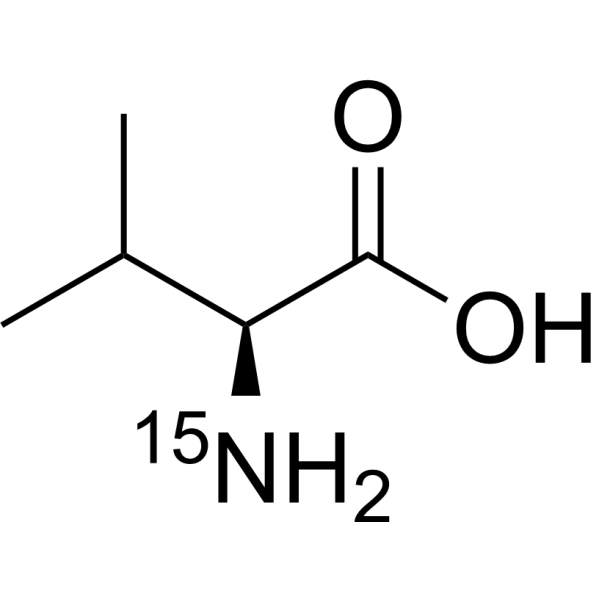
L-Valine- 15N ((S)-Valine- 15N) is the 15N-labeled L-Valine (HY-N0717). L-Valine ((S)-Valine) is a nonlinear semiorganic material. L-Valine causes lipid peroxidation and accumulation of malondialdehyde (MDA), exhibits inhibitory activity against cyanobacteria. L-Valine inhibits multidrug-resistant bacteria through activation of PI3K/Akt signaling pathway and inhibition of arginase .
|
-
- HY-W747751
-
|
|
Isotope-Labeled Compounds
Fungal
IGF-1R
Bacterial
Endogenous Metabolite
Antibiotic
|
Infection
|
|
Sorbic acid- 13C2 is the 13C-labeled Sorbic acid (HY-N0626). Sorbic acid is an effective, safe, and non-toxic food preservative. It can effectively inhibit most molds, yeasts, and certain bacteria. Sorbic acid is orally active and can enhance the growth performance of economically important animals (Duroc × Landrace × Yorkshire piglets) by activating the insulin-like growth factor system (IGF), and it can also lead to lipid accumulation by disrupting lipid clearance pathways .
|
-
- HY-N0717S6
-
|
(S)-Valine-13C5
|
Isotope-Labeled Compounds
Arginase
Akt
Bacterial
|
Infection
|
|
L-Valine- 13C5 ((S)-Valine- 13C5) is the 13C-labeled L-Valine (HY-N0717). L-Valine ((S)-Valine) is a nonlinear semiorganic material. L-Valine causes lipid peroxidation and accumulation of malondialdehyde (MDA), exhibits inhibitory activity against cyanobacteria. L-Valine inhibits multidrug-resistant bacteria through activation of PI3K/Akt signaling pathway and inhibition of arginase .
|
-
- HY-N0717S8
-
|
(S)-Valine-d1
|
Isotope-Labeled Compounds
Arginase
Akt
Bacterial
|
Infection
|
|
L-Valine-d1 ((S)-Valine-d1) is the deuterium labeled L-Valine (HY-N0717). L-Valine ((S)-Valine) is a nonlinear semiorganic material. L-Valine causes lipid peroxidation and accumulation of malondialdehyde (MDA), exhibits inhibitory activity against cyanobacteria. L-Valine inhibits multidrug-resistant bacteria through activation of PI3K/Akt signaling pathway and inhibition of arginase .
|
-
- HY-P10913A
-
|
|
Bacterial
|
Infection
|
|
HYNIC-UBI29-41 TFA is composed of a bifunctional chelator HYNIC and an antimicrobial peptide UBI 29-41 (HY-P10364). HYNIC-UBI29-41 TFA retains the antibacterial properties of UBI 29-41, and exhibits good affinity to Gram-positive and Gram-negative bacteria. HYNIC-UBI29-41 TFA can be used as an imaging agent for bacterial infection detection in mouse models, when labeled with the radioactive element technetium (99mTc) .
|
-
- HY-117660S
-
|
U-10149-d3
|
Isotope-Labeled Compounds
DNA/RNA Synthesis
Antibiotic
Bacterial
|
Infection
Metabolic Disease
|
|
Lincomycin-d3 (U-10149-d3) is the deuterium labeled Lincomycin. Lincomycin is an orally active lincosamide antibiotic. Lincomycin binds to the ribosomes of Gram-positive bacteria to inhibit protein synthesis. Lincomycin can inhibit chloroplast translation, disrupt chloroplast integrity, and activate chloroplast-to-nucleus retrograde signaling in Arabidopsis thaliana seedlings. Lincomycin induces alterations in lipid profiles and liver injury, disrupts blood glucose and insulin levels, and increases growth rate in mice.
|
-
- HY-D1189
-
|
Lucifer Yellow 3-amino-D-alanine
|
Fluorescent Dye
|
Others
|
|
YADA (Lucifer Yellow 3-amino-D-alanine) is a conjugate of the fluorescent dyes Lucifer yellow and D-alanine, which is a green-yellow fluorescent dye. YADA is suitable for labeling peptidoglycans in living bacteria that can be incorporated into the cell wall where they are being synthesized. YADA has a large Stokes shift and a wide emission spectrum, allowing excitation through a purple light source and detection using a green filter. YADA showed good water solubility, light stability and thermal stability.
|
-
- HY-17395AS1
-
|
TDT 067-d3
|
Isotope-Labeled Compounds
Antibiotic
Fungal
Bacterial
|
Infection
|
|
Terbinafine-d3 (TDT 067-d3) is deuterium labeled Terbinafine. Terbinafine (TDT 067) is an orally active and potent antifungal agent. Terbinafine is a potent non-competitive inhibitor of squalene epoxidase from Candida, with a Ki of 30 nM. Terbinafine also shows antibacterial activity against certain Gram-positive and Gram-negative bacteria . Terbinafine is a click chemistry reagent, it contains an Alkyne group and can undergo copper-catalyzed azide-alkyne cycloaddition (CuAAc) with molecules containing Azide groups.
|
-
- HY-N0717S5
-
|
(S)-Valine-13C
|
Isotope-Labeled Compounds
Arginase
Akt
Bacterial
|
Infection
|
|
L-Valine-2- 13C ((S)-Valine-2- 13C) is the 13C-labeled L-Valine (HY-N0717). L-Valine ((S)-Valine) is a nonlinear semiorganic material. L-Valine causes lipid peroxidation and accumulation of malondialdehyde (MDA), exhibits inhibitory activity against cyanobacteria. L-Valine inhibits multidrug-resistant bacteria through activation of PI3K/Akt signaling pathway and inhibition of arginase .
|
-
- HY-B1190S
-
|
BL-S 578-d4 hydrate
|
Isotope-Labeled Compounds
Bacterial
Antibiotic
EAAT
|
Infection
Neurological Disease
|
|
Cefadroxil-d4 (hydrate) is the deuterium labeled Cefadroxil hydrate (HY-B1190A). Cefadroxil hydrate is an orally active broad-spectrum cephalosporin antibiotic. Cefadroxil hydrate inhibits bacterial cell wall synthesis and enhances the expression of glutamate transporter-1. Cefadroxil hydrate is dependent on the intestinal peptide transporter PepT1 for small intestinal absorption. Cefadroxil hydrate has inhibitory and bactericidal activity against a variety of Gram-positive and Gram-negative bacteria and has analgesic effects on neuropathic pain .
|
-
- HY-13771S1
-
|
Ursodeoxycholate-13C; Ursodiol-13C; UDCA-13C
|
Isotope-Labeled Compounds
G protein-coupled Bile Acid Receptor 1
FXR
Endogenous Metabolite
|
Cancer
|
|
Ursodeoxycholic acid- 13C is the 13C labeled Ursodeoxycholic acid. Ursodeoxycholic acid (Ursodeoxycholate) is a secondary bile acid issued from the transformation of (cheno)deoxycholic acid by intestinal bacteria, acting as a key regulator of the intestinal barrier integrity and essential for lipid metabolism. Ursodeoxycholic acid acts as signaling molecule, exerting its effects by interacting with bile acid activated receptors, including G-protein coupled bile acid receptor 5 (TGR5, GPCR19) and the farnesoid X receptor (FXR). Ursodeoxycholic acid can be used for the research of a variety of hepatic and gastrointestinal diseases. Orally active .
|
-
- HY-N0717S4
-
|
(S)-Valine-1-13C
|
Isotope-Labeled Compounds
Arginase
Akt
Bacterial
|
Infection
|
|
L-Valine-1- 13C ((S)-Valine-1- 13C) is the 13C-labeled L-Valine (HY-N0717). L-Valine ((S)-Valine) is a nonlinear semiorganic material. L-Valine causes lipid peroxidation and accumulation of malondialdehyde (MDA), exhibits inhibitory activity against cyanobacteria. L-Valine inhibits multidrug-resistant bacteria through activation of PI3K/Akt signaling pathway and inhibition of arginase .
|
-
- HY-N0717S9
-
|
(S)-Valine-15N,d8
|
Isotope-Labeled Compounds
Arginase
Akt
Bacterial
|
Infection
|
|
L-Valine- 15N,d8 ((S)-Valine- 15N,d8) is the deuterium and 15N labeled L-Valine (HY-N0717). L-Valine ((S)-Valine) is a nonlinear semiorganic material. L-Valine causes lipid peroxidation and accumulation of malondialdehyde (MDA), exhibits inhibitory activity against cyanobacteria. L-Valine inhibits multidrug-resistant bacteria through activation of PI3K/Akt signaling pathway and inhibition of arginase .
|
-
- HY-B1145S
-
|
|
Isotope-Labeled Compounds
Antibiotic
Bacterial
Necroptosis
Apoptosis
|
Infection
|
|
Chlorhexidine-d8 (dihydrochloride) is the deuterium labeled Chlorhexidine dihydrochloride (HY-B1145). Chlorhexidine dihydrochloride is a orally active cationic antimicrobial agent that targets microbial cell membranes. Chlorhexidine dihydrochloride binds to cell membrane phospholipids non-specifically, destroys membrane structure and induces leakage of cell contents. Chlorhexidine dihydrochloride has broad-spectrum bactericidal activity against both Gram-positive and Gram-negative bacteria. Chlorhexidine dihydrochloride can interfere with membrane permeability, cause protein precipitation and energy metabolism disorders, such as rapid inhibition of microbial growth and induction of cell death (necrosis or apoptosis) .
|
-
- HY-178400S
-
|
|
Isotope-Labeled Compounds
Biochemical Assay Reagents
|
Others
|
|
Ethyl heptanoate-d13 is the deuterium labeled Ethyl heptanoate (HY-W010177). Ethyl heptanoate, Ethyl heptanoate is commonly used as a fragrance ingredient in a variety of products, including food, beverages, and personal care products, it can also be used as a solvent, and a building block for the synthesis of various organic compounds, including pharmaceuticals and agrochemicals, in addition , due to its low toxicity and biodegradability, Ethyl heptanoate has been investigated for its potential use as a bio-based solvent, as well as for its potential antimicrobial properties against certain bacteria and fungi.
|
-
- HY-N0717S1
-
|
(S)-Valine-13C5,15N
|
Isotope-Labeled Compounds
Arginase
Akt
Bacterial
|
Infection
|
|
L-Valine- 13C5, 15N ((S)-Valine- 13C5, 15) is the 13C- and 15N-labeled L-Valine (HY-N0717). L-Valine ((S)-Valine) is a nonlinear semiorganic material. L-Valine causes lipid peroxidation and accumulation of malondialdehyde (MDA), exhibits inhibitory activity against cyanobacteria. L-Valine inhibits multidrug-resistant bacteria through activation of PI3K/Akt signaling pathway and inhibition of arginase .
|
-
- HY-N0717S7
-
|
(S)-Valine-1-13C,15N
|
Isotope-Labeled Compounds
Arginase
Akt
Bacterial
|
Infection
|
|
L-Valine-1- 13C, 15N ((S)-Valine-1- 13C, 15N) is the 13C- and 15N-labeled L-Valine (HY-N0717). L-Valine ((S)-Valine) is a nonlinear semiorganic material. L-Valine causes lipid peroxidation and accumulation of malondialdehyde (MDA), exhibits inhibitory activity against cyanobacteria. L-Valine inhibits multidrug-resistant bacteria through activation of PI3K/Akt signaling pathway and inhibition of arginase .
|
-
- HY-N2024AS
-
|
|
Isotope-Labeled Compounds
Endogenous Metabolite
Glycosidase
|
Metabolic Disease
|
|
Maltose monohydrate-d14 is the deuterium labeled Maltose monohydrate. Maltose monohydrate is a disaccharide composed of two glucose molecules linked together. Maltose monohydrate is an endogenous metabolic product in plants, yeast, or bacteria, and it participates in carbon source storage and metabolism. Maltose monohydrate is a key core metabolite and main transport form in the temporary starch degradation, carbon output, and subsequent sucrose synthesis metabolism of the night chloroplast. In X. dendrorhous, maltose can act as a sugar donor and is converted into isomaltulose by α-glucosidase. Maltose monohydrate can act as a osmotic agent, supporting continuous capillary ultrafiltration and preventing severe metabolic disorders.
|
-
- HY-N2024AS2
-
|
|
Isotope-Labeled Compounds
Endogenous Metabolite
Glycosidase
|
Metabolic Disease
|
|
Maltose monohydrate- 13C is the 13C labeled isotope of Maltose monohydrate. Maltose monohydrate is a disaccharide composed of two glucose molecules linked together. Maltose monohydrate is an endogenous metabolic product in plants, yeast, or bacteria, and it participates in carbon source storage and metabolism. Maltose monohydrate is a key core metabolite and main transport form in the temporary starch degradation, carbon output, and subsequent sucrose synthesis metabolism of the night chloroplast. In X. dendrorhous, maltose can act as a sugar donor and is converted into isomaltulose by α-glucosidase. Maltose monohydrate can act as a osmotic agent, supporting continuous capillary ultrafiltration and preventing severe metabolic disorders.
|
-
- HY-N2026S
-
|
Propyl parahydroxybenzoate-d7; Propyl 4-hydroxybenzoate-d7
|
Isotope-Labeled Compounds
Apoptosis
Bacterial
Estrogen Receptor/ERR
Sodium Channel
PI3K
JNK
Akt
|
Cardiovascular Disease
Infection
Neurological Disease
|
|
Propylparaben-d7 (Propyl parahydroxybenzoate-d7) is the deuterium labeled Propylparaben (HY-N2026) . Propylparaben (Propyl parahydroxybenzoate) is an antibacterial preservative that can be produced by plants and bacteria. Propylparaben is an orally active weak estrogen receptor agonist. Propylparaben regulates the PI3K-AKT and JNK signaling pathways, and induces oxidative stress. Propylparaben is commonly used in cosmetics, pharmaceuticals and foods, and can be used in studies related to ovarian aging and myocardial ischemia-reperfusion injury .
|
-
- HY-N2026S1
-
|
Propyl parahydroxybenzoate-d4; Propyl 4-hydroxybenzoate-d4
|
Isotope-Labeled Compounds
Apoptosis
Bacterial
Estrogen Receptor/ERR
Sodium Channel
PI3K
JNK
Akt
|
Cardiovascular Disease
Infection
Neurological Disease
|
|
Propylparaben-d4 (Propyl parahydroxybenzoate-d4) is the deuterium labeled Propylparaben (HY-N2026). Propylparaben (Propyl parahydroxybenzoate) is an antibacterial preservative that can be produced by plants and bacteria. Propylparaben is an orally active weak estrogen receptor agonist. Propylparaben regulates the PI3K-AKT and JNK signaling pathways, and induces oxidative stress. Propylparaben is commonly used in cosmetics, pharmaceuticals and foods, and can be used in studies related to ovarian aging and myocardial ischemia-reperfusion injury .
|
-
- HY-B1190S2
-
|
BL-S 578-13C6
|
Isotope-Labeled Compounds
Bacterial
Antibiotic
EAAT
|
Infection
Neurological Disease
|
|
Cefadroxil- 13C6 (BL-S 578- 13C6) is 13C labeled Cefadroxil (HY-B1190). Cefadroxil is an orally active broad-spectrum cephalosporin antibiotic. Cefadroxil inhibits bacterial cell wall synthesis and enhances the expression of glutamate transporter-1. Cefadroxil is dependent on the intestinal peptide transporter PepT1 for small intestinal absorption. Cefadroxil has inhibitory and bactericidal activity against a variety of Gram-positive and Gram-negative bacteria and has analgesic effects on neuropathic pain .
|
-
- HY-N2024AS1
-
|
|
Isotope-Labeled Compounds
Endogenous Metabolite
Glycosidase
|
Metabolic Disease
|
|
Maltose monohydrate- 13C12 is the 13C labeled isotope of Maltose monohydrate. Maltose monohydrate is a disaccharide composed of two glucose molecules linked together. Maltose monohydrate is an endogenous metabolic product in plants, yeast, or bacteria, and it participates in carbon source storage and metabolism. Maltose monohydrate is a key core metabolite and main transport form in the temporary starch degradation, carbon output, and subsequent sucrose synthesis metabolism of the night chloroplast. In X. dendrorhous, maltose can act as a sugar donor and is converted into isomaltulose by α-glucosidase. Maltose monohydrate can act as a osmotic agent, supporting continuous capillary ultrafiltration and preventing severe metabolic disorders.
|
-
- HY-B0268S2
-
|
|
Isotope-Labeled Compounds
Antibiotic
MicroRNA
DNA/RNA Synthesis
Bacterial
|
Infection
Cancer
|
|
Enoxacin-d8 (hydrate) is deuterium labeled Enoxacin. Enoxacin (AT 2266), a fluoroquinolone, interferes with DNA replication and inhibits bacterial DNA gyrase (IC50=126 μg/ml) and topoisomerase IV (IC50=26.5 μg/ml). Enoxacin is a miRNA processing activator and enhances siRNA-mediated mRNA degradation and promotes the biogenesis of endogenous miRNAs. Enoxacin has potent activities against gram-positive and -negative bacteria. Enoxacin is a cancer-specific growth inhibitor that acts by enhancing TAR RNA-binding protein 2 (TRBP)-mediated microRNA processing .
|
-
- HY-B0268S1
-
|
|
Isotope-Labeled Compounds
Bacterial
DNA/RNA Synthesis
MicroRNA
Antibiotic
|
Infection
Cancer
|
|
Enoxacin-d8 (hydrochloride) is deuterium labeled Enoxacin. Enoxacin (AT 2266), a fluoroquinolone, interferes with DNA replication and inhibits bacterial DNA gyrase (IC50=126 μg/ml) and topoisomerase IV (IC50=26.5 μg/ml). Enoxacin is a miRNA processing activator and enhances siRNA-mediated mRNA degradation and promotes the biogenesis of endogenous miRNAs. Enoxacin has potent activities against gram-positive and -negative bacteria. Enoxacin is a cancer-specific growth inhibitor that acts by enhancing TAR RNA-binding protein 2 (TRBP)-mediated microRNA processing .
|
-
- HY-W738281
-
|
|
Isotope-Labeled Compounds
Antibiotic
Bacterial
Necroptosis
Apoptosis
|
Infection
|
|
Chlorhexidine-d8 is deuterium-labeled Chlorhexidine (HY-B1248) . Chlorhexidine is a orally active cationic antimicrobial agent that targets microbial cell membranes. Chlorhexidine binds to cell membrane phospholipids non-specifically, destroys membrane structure and induces leakage of cell contents. Chlorhexidine has broad-spectrum bactericidal activity against both Gram-positive and Gram-negative bacteria. Chlorhexidine can interfere with membrane permeability, cause protein precipitation and energy metabolism disorders, such as rapid inhibition of microbial growth and induction of cell death (necrosis or apoptosis) .
|
-
- HY-117660S1
-
|
U-10149-13C,d3
|
Isotope-Labeled Compounds
DNA/RNA Synthesis
Antibiotic
Bacterial
|
Infection
Metabolic Disease
|
|
Lincomycin- 13C,d3 (U-10149- 13C,d3) is the deuterium and 13C-labeled Lincomycin (HY-117660). Lincomycin (U-10149) is an orally active lincosamide antibiotic. Lincomycin binds to the ribosomes of Gram-positive bacteria to inhibit protein synthesis. Lincomycin can inhibit chloroplast translation, disrupt chloroplast integrity, and activate chloroplast-to-nucleus retrograde signaling in Arabidopsis thaliana seedlings. Lincomycin induces alterations in lipid profiles and liver injury, disrupts blood glucose and insulin levels, and increases growth rate in mice .
|
-
- HY-N5142S1
-
|
|
Bacterial
Isotope-Labeled Compounds
|
Infection
|
|
α-Terpineol-d6 is deuterated labeled α-Terpineol (HY-N5142). α-Terpineol (with oral activity) can be found in Eucalyptus globulus Labill. α-Terpineol exhibits strong antimicrobial activity against periodontopathic and cariogenic bacteria.α-Terpineol possesses antifungal activity against T. mentagrophytes, and the activity might lead to irreversible cellular disruption. In addition, α-Terpineol exhibits antineuropathic and anti-inflammatory activities.
α-Terpineol can be utilized in research related to diarrhea, neuropathic pain, infections, and inflammation .
|
-
- HY-N0717S2
-
|
(S)-Valine-13C5,15N,d8
|
Isotope-Labeled Compounds
Arginase
Akt
Bacterial
|
Infection
|
|
L-Valine- 13C5, 15N,d8 ((S)-Valine- 13C5, 15N,d8) is the deuterium, 13C-, and 15N-labeled L-Valine (HY-N0717). L-Valine ((S)-Valine) is a nonlinear semiorganic material. L-Valine causes lipid peroxidation and accumulation of malondialdehyde (MDA), exhibits inhibitory activity against cyanobacteria. L-Valine inhibits multidrug-resistant bacteria through activation of PI3K/Akt signaling pathway and inhibition of arginase .
|
-
- HY-N0717S3
-
|
(S)-Valine-13C5,15N,d2
|
Isotope-Labeled Compounds
Arginase
Akt
Bacterial
|
Infection
|
|
L-Valine- 13C5, 15N,d2 ((S)-Valine- 13C5, 15N,d2) is the deuterium, 13C-, and 15N-labeled L-Valine (HY-N0717). L-Valine ((S)-Valine) is a nonlinear semiorganic material. L-Valine causes lipid peroxidation and accumulation of malondialdehyde (MDA), exhibits inhibitory activity against cyanobacteria. L-Valine inhibits multidrug-resistant bacteria through activation of PI3K/Akt signaling pathway and inhibition of arginase .
|
-
- HY-B1773AS5
-
|
|
Isotope-Labeled Compounds
Apoptosis
NF-κB
Bacterial
PPAR
COX
NO Synthase
Autophagy
HSV
Endogenous Metabolite
|
Infection
Neurological Disease
Inflammation/Immunology
Cancer
|
|
Sodium propionate-d3 is the deuterium labeled Propionate sodium (HY-B1773A). Sodium propionate is an orally active short-chain fatty acid. Sodium propionate can be produced by intestinal bacteria from the metabolism of dietary fiber. Sodium propionate increases PPAR-γ, inhibits NF-κB activation, and reduces COX-2 expression and NO production. Sodium propionate also induces Apoptosis and Autophagy. Sodium propionate reduces HSV-1-induced keratitis. Sodium propionate has anticancer effects against glioblastoma. Sodium propionate exhibits neuroprotective, antioxidant, and anti-inflammatory activities. Sodium propionate can be used in the research of spinal cord injury and Alzheimer's disease .
|
-
- HY-B0712S1
-
|
Ro 13-9904-13C2,d32 triethylammonium salt
|
Antibiotic
Aurora Kinase
GSK-3
Bacterial
Isotope-Labeled Compounds
|
Infection
Inflammation/Immunology
Cancer
|
|
Ceftriaxone-13C2,d3 triethylammonium salt is 13C and deuterated labeled Ceftriaxone (HY-B0712). Ceftriaxone (Ro 13-9904 free acid) is a broad spectrum β-lactam third-generation cephalosporin antibiotic, which has good antibacterial activity against a variety of gram-negative and positive bacteria. Ceftriaxone is a covalent inhibitor of GSK3β with IC50 value of 0.78 mM. Ceftriaxone is an inhibitor of Aurora B. Ceftriaxone has anti-inflammatory, antitumor and antioxidant activities. Ceftriaxone can be used in the study of bacterial infections and meningitis .
|
-
- HY-B1773AS4
-
|
|
Isotope-Labeled Compounds
Apoptosis
NF-κB
Bacterial
PPAR
COX
NO Synthase
Autophagy
HSV
Endogenous Metabolite
|
Infection
Neurological Disease
Inflammation/Immunology
Cancer
|
|
Sodium propionate-d5 is the deuterium labeled Propionate sodium (HY-B1773A). Sodium propionate is an orally active short-chain fatty acid. Sodium propionate can be produced by intestinal bacteria from the metabolism of dietary fiber. Sodium propionate increases PPAR-γ, inhibits NF-κB activation, and reduces COX-2 expression and NO production. Sodium propionate also induces Apoptosis and Autophagy. Sodium propionate reduces HSV-1-induced keratitis. Sodium propionate has anticancer effects against glioblastoma. Sodium propionate exhibits neuroprotective, antioxidant, and anti-inflammatory activities. Sodium propionate can be used in the research of spinal cord injury and Alzheimer's disease .
|
-
- HY-B1773AS
-
|
|
Isotope-Labeled Compounds
Apoptosis
NF-κB
Bacterial
PPAR
COX
NO Synthase
Autophagy
HSV
Endogenous Metabolite
|
Infection
Neurological Disease
Inflammation/Immunology
Cancer
|
|
Sodium propionate- 13C is the 13C labeled Propionate sodium (HY-B1773A). Sodium propionate is an orally active short-chain fatty acid. Sodium propionate can be produced by intestinal bacteria from the metabolism of dietary fiber. Sodium propionate increases PPAR-γ, inhibits NF-κB activation, and reduces COX-2 expression and NO production. Sodium propionate also induces Apoptosis and Autophagy. Sodium propionate reduces HSV-1-induced keratitis. Sodium propionate has anticancer effects against glioblastoma. Sodium propionate exhibits neuroprotective, antioxidant, and anti-inflammatory activities. Sodium propionate can be used in the research of spinal cord injury and Alzheimer's disease .
|
-
- HY-B1773AS1
-
|
|
Isotope-Labeled Compounds
Apoptosis
NF-κB
Bacterial
PPAR
COX
NO Synthase
Autophagy
HSV
Endogenous Metabolite
|
Infection
Neurological Disease
Inflammation/Immunology
Cancer
|
|
Sodium propionate- 13C-1 is the 13C-labeled Propionate sodium (HY-B1773A). Sodium propionate is an orally active short-chain fatty acid. Sodium propionate can be produced by intestinal bacteria from the metabolism of dietary fiber. Sodium propionate increases PPAR-γ, inhibits NF-κB activation, and reduces COX-2 expression and NO production. Sodium propionate also induces Apoptosis and Autophagy. Sodium propionate reduces HSV-1-induced keratitis. Sodium propionate has anticancer effects against glioblastoma. Sodium propionate exhibits neuroprotective, antioxidant, and anti-inflammatory activities. Sodium propionate can be used in the research of spinal cord injury and Alzheimer's disease .
|
-
- HY-124352S
-
|
C9-PQS-d4
|
Isotope-Labeled Compounds
Bacterial
|
Others
|
|
2-Nonyl-3-hydroxy-4-quinolone-d4 (C9-PQS-d4) is deuterium labeled 2-Nonyl-3-hydroxy-4-quinolone. 2-nonyl-3-hydroxy-4-Quinolone (C9-PQS) is a quinolone compound produced by P. aeruginosa and other related bacterias. 2-nonyl-3-hydroxy-4-Quinolone is a quorum sensing (QS) signal molecule that controls the expression of many virulence genes as a function of cell population density .
|
-
- HY-NP0147
-
|
WGA (Fluorescein)
|
Fluorescent Dye
|
Infection
Neurological Disease
|
|
Wheat Germ Agglutinin (WGA) Fluorescein is a classic fluorescent label that specifically binds to sugar residues such as N-acetylglucosamine, N-acetylneuraminic acid and sialic acid. Wheat Germ Agglutinin Fluorescein performs regionally differential fluorescent staining of the ocular surface epithelial glycocalyx to assess its integrity, and causes no damage to the eye at safe concentrations. Wheat Germ Agglutinin Fluorescein is also used for staining structures including red blood cells, cultured cells, bacteria and pine wood nematodes, and facilitates the isolation of wheat-associated plant-growth-promoting rhizobacterial strains. Wheat Germ Agglutinin Fluorescein can be applied to the detection of ocular glycocalyx integrity and the research of related diseases such as pine wilt disease .
|
-
- HY-B1773AS3
-
|
|
Isotope-Labeled Compounds
Apoptosis
NF-κB
Bacterial
PPAR
COX
NO Synthase
Autophagy
HSV
Endogenous Metabolite
|
Infection
Neurological Disease
Inflammation/Immunology
Cancer
|
|
Sodium propionate- 13C-3 is the 13C-labeled Propionate sodium (HY-B1773A). Sodium propionate is an orally active short-chain fatty acid. Sodium propionate can be produced by intestinal bacteria from the metabolism of dietary fiber. Sodium propionate increases PPAR-γ, inhibits NF-κB activation, and reduces COX-2 expression and NO production. Sodium propionate also induces Apoptosis and Autophagy. Sodium propionate reduces HSV-1-induced keratitis. Sodium propionate has anticancer effects against glioblastoma. Sodium propionate exhibits neuroprotective, antioxidant, and anti-inflammatory activities. Sodium propionate can be used in the research of spinal cord injury and Alzheimer's disease .
|
-
- HY-B1773AS2
-
|
|
Isotope-Labeled Compounds
Apoptosis
NF-κB
Bacterial
PPAR
COX
NO Synthase
Autophagy
HSV
Endogenous Metabolite
|
Infection
Neurological Disease
Inflammation/Immunology
Cancer
|
|
Sodium propionate- 13C-2 is the 13C-labeled Propionate sodium (HY-B1773A). Sodium propionate is an orally active short-chain fatty acid. Sodium propionate can be produced by intestinal bacteria from the metabolism of dietary fiber. Sodium propionate increases PPAR-γ, inhibits NF-κB activation, and reduces COX-2 expression and NO production. Sodium propionate also induces Apoptosis and Autophagy. Sodium propionate reduces HSV-1-induced keratitis. Sodium propionate has anticancer effects against glioblastoma. Sodium propionate exhibits neuroprotective, antioxidant, and anti-inflammatory activities. Sodium propionate can be used in the research of spinal cord injury and Alzheimer's disease .
|
-
- HY-113478S
-
|
Ursodeoxycholate-d4; Ursodiol-d4; UDCA-d4
|
Isotope-Labeled Compounds
|
Infection
Metabolic Disease
|
|
Ursodeoxycholic acid-2,2,4,4-d4 is the deuterium labeled Ursodeoxycholic acid (HY-13771). Ursodeoxycholic acid is a secondary bile acid issued from the transformation of (cheno)deoxycholic acid by intestinal bacteria, acting as a key regulator of the intestinal barrier integrity and essential for lipid metabolism. Ursodeoxycholic acid acts as signaling molecule, exerting its effects by interacting with bile acid activated receptors, including G-protein coupled bile acid receptor 5 (TGR5, GPCR19) and the farnesoid X receptor (FXR). Ursodeoxycholic acid can be used for the research of a variety of hepatic and gastrointestinal diseases. Ursodeoxycholic acid also reduces ACE2 expression and is beneficial for reducing SARS-CoV-2 infection .
|
-
- HY-B1777AS
-
|
|
Isotope-Labeled Compounds
Endogenous Metabolite
Reactive Oxygen Species (ROS)
Bacterial
DNA/RNA Synthesis
|
Metabolic Disease
|
|
Spermine-d8 (tetrahydrochloride) is the deuterium labeled Spermine tetrahydrochloride. Spermine tetrahydrochloride is a polyamine nitric oxide donor that can provide nitric oxide to platelets and inhibit platelet activation to a certain extent concentration-dependently. Spermine tetrahydrochloride occurs in mammalian tissues, plants, bacteria, ribosomes and bacteriophage. Spermine tetrahydrochloride inhibits primary human embryo lung fibroblasts in vitro. Spermine is a natural antioxidant and anti-inflammatory agent. Spermine is known to inhibit some bacterial cultures, especially strains of Staphylococcus aureus. Spermine induces neurotoxicity in the striarum dose-dependently. Spermine can reversibly inhibits DNA synthetic response, mixed lymphocyte response and the induction of cytolytic lymphocyte response in primary cultures of murine spleen cells .
|
-
- HY-D3391
-
|
|
Bacterial
|
Infection
|
|
RMR-Tre is a fluorescent probe targeting the mycobacterial acyltransferase Ag85. Under the catalysis of Ag85, RMR-Tre undergoes 6-position mycoloylation and anchors to the mycobacterial membrane, while achieving fluorescence activation by inhibiting the intramolecular twisted charge transfer state transition. RMR-Tre can distinguish live mycobacteria from dead ones through metabolism-driven labeling, enabling rapid, wash-free, low-background detection of viable bacteria. RMR-Tre reports the drug resistance of Mycobacterium tuberculosis via the trehalose catalytic shift activity readout associated with TreS. In addition, RMR-Tre can be combined with flow cytometry or high-content imaging techniques to visualize and quantitatively analyze the metabolic heterogeneity of Mycobacterium tuberculosis related to persistence and drug resistance. RMR-Tre is widely used in tuberculosis-related research .
|
-
- HY-B1777S
-
|
NSC 268508-15N2; Neuridine-15N2
|
Isotope-Labeled Compounds
Endogenous Metabolite
Bacterial
Reactive Oxygen Species (ROS)
DNA/RNA Synthesis
|
Infection
Neurological Disease
Inflammation/Immunology
|
|
Spermine- 15N2 (NSC 268508- 15N2) is the 15N-labeled Spermine (HY-B1777). Spermine is a natural antioxidant and anti-inflammatory agent. Spermine is known to inhibit some bacterial cultures, especially strains of Staphylococcus aureus. Spermine induces neurotoxicity in the striarum dose-dependently. Spermine can reversibly inhibits DNA synthetic response, mixed lymphocyte response and the induction of cytolytic lymphocyte response in primary cultures of murine spleen cells. Spermine tetrahydrochloride is a polyamine nitric oxide donor that can provide nitric oxide to platelets and inhibit platelet activation to a certain extent concentration-dependently. Spermine tetrahydrochloride occurs in mammalian tissues, plants, bacteria, ribosomes and bacteriophage. Spermine tetrahydrochloride inhibits primary human embryo lung fibroblasts in vitro .
|
-
- HY-W010639S
-
|
Pent-4-en-1-ol-d9
|
Isotope-Labeled Compounds
Biochemical Assay Reagents
|
Others
|
|
4-Penten-ol-d9 (Pent-4-en-1-ol-d9) is the deuterium labeled 4-Penten-1-ol (HY-W010639). 4-Penten-1-ol is commonly used as a flavor ingredient in various products, including food, beverages, and perfumes, and can also be used as a starting material for the synthesis of various organic compounds, including pharmaceuticals and agrochemicals. In addition, 4-Penten -1-ol has been investigated for its potential use as a biobased solvent due to its low toxicity and biodegradability, and its antimicrobial properties against certain bacteria and fungi, which may make it useful for developing new Antibacterial agents.
|
-
- HY-N7101S
-
|
U-76-d7,252-d7; CS-807-d7
|
Isotope-Labeled Compounds
Bacterial
Antibiotic
Penicillin-binding protein (PBP)
|
Infection
|
|
Cefpodoxime proxetil-d7 (U-76-d7,252-d7; CS-807-d7) is the deuterium labeled Cefpodoxime Proxetil (HY-N7101). Cefpodoxime Proxetil is an orally active broad spectrum third-generation cephalosporin with potent antibacterial activity against both Gram-positive and Gram-negative bacteria including staphylococci, streptococci, Haemophilus influenzae, Neisseria gonorrhoeae, Escherichia coli, Klebsiella pnuemoniae, Citrobacter spp, and Proteus spp. Cefpodoxime Proxetil binds to penicillin binding proteins (PBPs), which inhibits peptidoglycan synthesis, finally results in interfering bacterial cell wall biosynthesis. Cefpodoxime Proxetil can be used against skin structure infections, acute otitis media, pharyngitis, tonsillitis, upper respiratory tract infection, urinary tract infections and sexually transmitted diseases .
|
-
- HY-W001952
-
|
|
Fluorescent Dye
Drug Intermediate
|
Others
|
|
6-Bromo-2-naphthol is an RTP (real-time polymerase chain reaction) probe that forms a 1:1 or 2:1 complex with β-cyclodextrin (β-CD). 6-Bromo-2-naphthol is capable of real-time monitoring of PCR reactions and quantification of specific nucleic acid sequences. RTP probes are a class of small DNA or RNA sequences labeled with fluorescent dyes and quencher molecules, which can be widely used in gene expression analysis, SNP genotyping, and pathogen detection. 6-Bromo-2-naphthol embeds into the cyclodextrin cavity through hydrophobic interactions, inhibits the oxygen quenching effect, and emits a phosphorescent signal at room temperature. 6-Bromo-2-naphthol can also be used as an intermediate for the synthesis of antibacterial azo dyes, and its derivatives show antibacterial activity against Staphylococcus aureus, Escherichia coli and other bacteria .
|
-
| Cat. No. |
Product Name |
Type |
-
- HY-D1689
-
|
|
Fluorescent Dyes
|
|
Rf470DL is a rotor-fluorogenic D-amino acid (RfDAA). Rf470DL can be used for labeling bacteria (Ex=470 nm, Em=640 nm) .
|
-
- HY-D2430
-
|
|
Fluorescent Dyes
|
|
Chitosan-PEG-Cy3 is a fluorescent labeling reagent that combines Cy3 (HY-D0822) fluorescent dye, Chitosan and polyethylene glycol (PEG). The Cy3 fluorophore is commonly used in applications such as immunolabeling, nucleic acid labeling, fluorescence microscopy, and flow cytometry. Cy3 has an emission maximum around 562-570 nm. Chitosan exhibits antimicrobial activity against various bacteria and fungi .
|
-
- HY-D1189
-
|
Lucifer Yellow 3-amino-D-alanine
|
Fluorescent Dyes
|
|
YADA (Lucifer Yellow 3-amino-D-alanine) is a conjugate of the fluorescent dyes Lucifer yellow and D-alanine, which is a green-yellow fluorescent dye. YADA is suitable for labeling peptidoglycans in living bacteria that can be incorporated into the cell wall where they are being synthesized. YADA has a large Stokes shift and a wide emission spectrum, allowing excitation through a purple light source and detection using a green filter. YADA showed good water solubility, light stability and thermal stability.
|
-
- HY-D1690
-
|
|
Fluorescent Dyes
|
|
sBADA TFA is a potent green fluorescent dye that targets and labels peptidoglycan in the cell walls of live bacteria(Ex/Em = 490/510 nm) .
|
-
- HY-D3389
-
|
|
Fluorescent Dyes
|
|
sCy5DL-amide is an amidated fluorescent D-amino acid conjugated to Sulfo-Cyanine 5, and a peptidoglycan labeling agent. sCy5DL-amide incorporates into bacterial peptidoglycan cell wall via transpeptidase-mediated reactions, replacing the fourth or fifth D-amino acid of the peptidoglycan stem peptide for visualization of nascent peptidoglycan biosynthesis. sCy5DL-amide produces clear cell outline, septum labeling, and high localization density in Bacillus subtilis, including a 'V-shape' pattern at cell-cell contact areas. sCy5DL-amide exhibits robust incorporation into Gram-positive bacteria and mycobacteria, with reduced incorporation into Gram-negative bacteria (Ex/Em = 646/666 nm) .
|
-
- HY-D3391
-
|
|
Fluorescent Dyes
|
|
RMR-Tre is a fluorescent probe targeting the mycobacterial acyltransferase Ag85. Under the catalysis of Ag85, RMR-Tre undergoes 6-position mycoloylation and anchors to the mycobacterial membrane, while achieving fluorescence activation by inhibiting the intramolecular twisted charge transfer state transition. RMR-Tre can distinguish live mycobacteria from dead ones through metabolism-driven labeling, enabling rapid, wash-free, low-background detection of viable bacteria. RMR-Tre reports the drug resistance of Mycobacterium tuberculosis via the trehalose catalytic shift activity readout associated with TreS. In addition, RMR-Tre can be combined with flow cytometry or high-content imaging techniques to visualize and quantitatively analyze the metabolic heterogeneity of Mycobacterium tuberculosis related to persistence and drug resistance. RMR-Tre is widely used in tuberculosis-related research .
|
| Cat. No. |
Product Name |
Type |
-
- HY-NP0147
-
|
WGA (Fluorescein)
|
Biochemical Assay Reagents
|
|
Wheat Germ Agglutinin (WGA) Fluorescein is a classic fluorescent label that specifically binds to sugar residues such as N-acetylglucosamine, N-acetylneuraminic acid and sialic acid. Wheat Germ Agglutinin Fluorescein performs regionally differential fluorescent staining of the ocular surface epithelial glycocalyx to assess its integrity, and causes no damage to the eye at safe concentrations. Wheat Germ Agglutinin Fluorescein is also used for staining structures including red blood cells, cultured cells, bacteria and pine wood nematodes, and facilitates the isolation of wheat-associated plant-growth-promoting rhizobacterial strains. Wheat Germ Agglutinin Fluorescein can be applied to the detection of ocular glycocalyx integrity and the research of related diseases such as pine wilt disease .
|
-
- HY-W001952
-
|
|
Biochemical Assay Reagents
|
|
6-Bromo-2-naphthol is an RTP (real-time polymerase chain reaction) probe that forms a 1:1 or 2:1 complex with β-cyclodextrin (β-CD). 6-Bromo-2-naphthol is capable of real-time monitoring of PCR reactions and quantification of specific nucleic acid sequences. RTP probes are a class of small DNA or RNA sequences labeled with fluorescent dyes and quencher molecules, which can be widely used in gene expression analysis, SNP genotyping, and pathogen detection. 6-Bromo-2-naphthol embeds into the cyclodextrin cavity through hydrophobic interactions, inhibits the oxygen quenching effect, and emits a phosphorescent signal at room temperature. 6-Bromo-2-naphthol can also be used as an intermediate for the synthesis of antibacterial azo dyes, and its derivatives show antibacterial activity against Staphylococcus aureus, Escherichia coli and other bacteria .
|
| Cat. No. |
Product Name |
Target |
Research Area |
-
- HY-P10913
-
|
|
Bacterial
|
Infection
|
|
HYNIC-UBI29-41 is composed of a bifunctional chelator HYNIC and an antimicrobial peptide UBI 29-41 (HY-P10364) (HY-P10364). HYNIC-UBI29-41 retains the antibacterial properties of UBI 29-41, and exhibits good affinity to Gram-positive and Gram-negative bacteria. HYNIC-UBI29-41 can be used as an imaging agent for bacterial infection detection in mouse models, when labeled with the radioactive element technetium (99mTc) .
|
-
- HY-P10913A
-
|
|
Bacterial
|
Infection
|
|
HYNIC-UBI29-41 TFA is composed of a bifunctional chelator HYNIC and an antimicrobial peptide UBI 29-41 (HY-P10364). HYNIC-UBI29-41 TFA retains the antibacterial properties of UBI 29-41, and exhibits good affinity to Gram-positive and Gram-negative bacteria. HYNIC-UBI29-41 TFA can be used as an imaging agent for bacterial infection detection in mouse models, when labeled with the radioactive element technetium (99mTc) .
|
-
- HY-P11330
-
|
|
Bacterial
|
Infection
|
|
L-Ala-D-Glu-m-DAP-D-Ala-D-Ala is a key structured peptide of peptidoglycan of gram-negative bacteria. Peptidoglycan is a network of L-Ala-D-Glu-m-DAP-D-Ala-D-Ala cross-linking the repeated units of N-acetylglucosamine (GlcNAc) and N-acetylmuramic acid (MurNAc). L-Ala-D-Glu-m-DAP-D-Ala-D-Ala can be used for bacterial metabolic labeling research .
|
| Cat. No. |
Product Name |
Chemical Structure |
-
- HY-A0107S
-
|
|
|
Tetracycline-d6 is the deuterium labeled Tetracycline. Tetracycline is a broad-spectrum antibiotic, exhibiting activity against a wide range of gram-positive and gram-negative bacteria.
|
-
-
- HY-B0510S
-
|
|
|
Trimethoprim-d9 is the deuterium labeled Trimethoprim. Trimethoprim is a bacteriostatic antibiotic and an orally active dihydrofolate reductase inhibitor. Trimethoprim is active against a wide range of Gram-positive and Gram-negative aerobic bacteria. Trimethoprim has the potential for urinary tract infections, Shigellosis and Pneumocystis pneumonia treatment .
|
-
-
- HY-B1008S
-
|
|
|
4-Aminobenzoic acid-d4 is the deuterium labeled 4-Aminobenzoic acid. 4-Aminobenzoic acid is an intermediate in the synthesis of folate by bacteria, plants, and fungi.
|
-
-
- HY-N0216S1
-
|
|
|
Benzoic acid- 13C6 is the 13C-labeled Benzoic acid. Benzoic acid is an aromatic alcohol existing naturally in many plants and is a common additive to food, drinks, cosmetics and other products. It acts as preservatives through inhibiting both bacteria and fungi.
|
-
-
- HY-17586AS
-
|
|
|
Dalbavancin-d6 is the deuterium labeled Dalbavancin . Dalbavancin (MDL-63397) is a semisynthetic lipoglycopeptide antibiotic with potent bactericidal activity against Gram-positive bacteria. Dalbavancin inhibits Staphylococcus aureus and Bacillus anthracis with MIC90s of 0.06 μg/mL and 0.25 μg/mL, respectively .
|
-
-
- HY-Y0882S1
-
|
|
|
Hydroxylamine-d3 (hydrochloride) is the deuterium labeled Hydroxyamine hydrochloride. Hydroxylamine hydrochloride is a selective Monoamine oxidase (MAO) inhibitor used for inhibiting of platelet aggregation. Hydroxylamine hydrochloride is an intermediate of nitrogen cycle in aerobic ammonium oxidizers microorganisms, such as ammonium oxidizing bacteria (AOB), ammonium oxidizing archaea (AOA) and complete ammonium oxidizing bacteria (comammox). Hydroxylamine hydrochloride impacts NO and N2O emissions by aerobic ammonium oxidizers microorganisms and inhibits nitrite oxidizing bacteria (NOB) activity .
|
-
-
- HY-B0522S
-
|
|
|
Ampicillin-d5 is the deuterium labeled Ampicillin. Ampicillin is a broad-spectrum beta-lactam antibiotic against a variety of gram-positive and gram-negative bacteria .
|
-
-
- HY-B1923S
-
|
|
|
Piperacillin-d5 is deuterium labeled Piperacillin. Piperacillin is kind of semisynthetic penicillins. Piperacillin has a broad spectrum of activity against Gram-positive and Gram-negative aerobic and anaerobic bacteria. Piperacillin has shown greater activity against β-lactamase-producing organisms than the other penicillins .
|
-
-
- HY-B0671S
-
|
|
|
Vancomycin-d12 TFA is a deuterium labeled Vancomycin (HY-B0671). Vancomycin is an antibiotic for the treatment of bacterial infections. It acts by inhibiting the second stage of cell wall synthesis of susceptible bacteria. Vancomycin also alters the permeability of the cell membrane and selectively inhibits ribonucleic acid synthesis .
|
-
-
- HY-17580S
-
|
|
|
Fidaxomicin-d7 (OPT-80-D7) is the deuterium labeled Fidaxomicin. Fidaxomicin (OPT-80), a macrocyclic RNA polymerase inhibitor, has a narrow spectrum of activity. Fidaxomicin selectively eradicates pathogenic Clostridium difficile with minimal disruption to the multiple species of bacteria that make up the normal, healthy intestinal flora .
|
-
-
- HY-B0318S
-
1 Publications Verification
|
|
Metronidazole- 13C2, 15N2 is the 13C-labeled and 15N-labeled Metronidazole. Metronidazole is a nitroimidazole antibiotic medication used particularly for anaerobic bacteria and protozoa.
|
-
-
- HY-W007355S
-
|
|
|
Skatole-d3 is the deuterium labeled Skatole. Skatole is produced by intestinal bacteria, regulates intestinal epithelial cellular functions through activating aryl hydrocarbon receptors and p38 .
|
-
-
- HY-N1914S1
-
1 Publications Verification
|
|
Ergothioneine-d9 is the deuterium labeled Ergothioneine. Ergothioneine, an imidazole-2-thione derivative of histidine betaine, is synthesized by certain bacteria and fungi. Ergothioneine is generally considered an antioxidant .
|
-
-
- HY-B0132S
-
|
|
|
Norfloxacin-d5 is the deuterium labeled Norfloxacin. Norfloxacin is a broad-spectrum antibiotic that is active against both Gram-positive and Gram-negative bacteria, which functions by inhibiting DNA gyrase .
|
-
-
- HY-Y0264S1
-
|
|
|
4-Hydroxybenzoic acid-d4 is the deuterium labeled 4-Hydroxybenzoic acid. 4-Hydroxybenzoic acid, a phenolic derivative of benzoic acid, could inhibit most gram-positive and some gram-negative bacteria, with an IC50 of 160 μg/mL.
|
-
-
- HY-143831S
-
|
|
|
Cefepime-d8 (BMY-28142-d8) sulfate is deuterium labeled Cefepime sulfate. Cefepime sulfate is a broad-spectrum, blood-brain barrier-permeable cephalosporin antibiotic with hPON1 inhibitory activity, with an IC50 of 21.115 mM and a Ki of 35.092 mM. Cefepime sulfate inhibits hPON1 via a non-competitive mechanism and blocks GABAA receptors. Cefepime sulfate penetrates the outer membrane of Gram-negative bacteria, inhibits the growth of Gram-positive and Gram-negative bacteria, and does not induce the production of β-lactamase.
|
-
-
- HY-B0479S
-
|
|
|
Thiamphenicol-d3 is a deuterium labeled Thiamphenicol. Thiamphenicol, a methyl-sulfonyl derivative of Chloramphenicol, is a broad-spectrum antimicrobial antibiotic. Thiamphenicol acts by binding to the 50S ribosomal subunit, leading to inhibition of protein synthesis and bacteriostatic effect (against Gram-negative, Gram-positive aerobic and anaerobic bacteria) .
|
-
-
- HY-B0519AS
-
|
|
|
Tylosin-d3 is the deuterium labeled Tylosin. Tylosin (Tylosin A) is a macrolide antibiotic found naturally as a fermentation product of Streptomyces fradiae. Tylosin exerts potent antimicrobial activity against Gram-positive bacteria. Tylosin is widely used as a feed additive for promoting animal growth. Tylosin is used for veterinary purposes against bacterial dysentery and respiratory diseases in poultry, pigs and cattle .
|
-
-
- HY-Y0264S
-
|
|
|
4-Hydroxybenzoic acid- 13C6 is the 13C labeled isotope of 4-Hydroxybenzoic acid- 13C6.4-Hydroxybenzoic acid is a phenolic derivative of benzoic acid, which can inhibit most Gram-positive bacteria and some Gram-negative bacteria with an IC50 value of 160 μg/mL.
|
-
-
- HY-W007355S1
-
|
|
|
Skatole-d8 is the deuterium labeled Skatole. Skatole is produced by intestinal bacteria, regulates intestinal epithelial cellular functions through activating aryl hydrocarbon receptors and p38 .
|
-
-
- HY-N0172S
-
|
|
|
Caffeic acid- 13C3 is an 13C labeled caffeic acid. Caffeic acid is a phytonutrient belonging to the flavonoids. Caffeic acid and its derivatives, are potential antimicrobial agents, chronic infection induced by microbes such as bacteria, fungi, and viruses .
|
-
-
- HY-B2233AS
-
|
|
|
Calcium phosphorylcholine-d9 (chloride) is the deuterium labeled Calcium phosphorylcholine chloride. Calcium phosphorylcholine chloride is the main phospholipid component in eukaryotic biofilms. Calcium phosphorylcholine chloride exists in commensal or pathogenic bacteria associated with eukaryotes in prokaryotes. Calcium phosphorylcholine chloride exhibits a surprising range of immunomodulatory properties .
|
-
-
- HY-W654100
-
|
|
|
Cefepime-d3 (BMY-28142-d3) sulfate is deuterium labeled Cefepime sulfate. Cefepime sulfate is a broad-spectrum, blood-brain barrier-permeable cephalosporin antibiotic with hPON1 inhibitory activity, with an IC50 of 21.115 mM and a Ki of 35.092 mM. Cefepime sulfate inhibits hPON1 via a non-competitive mechanism and blocks GABAA receptors. Cefepime sulfate penetrates the outer membrane of Gram-negative bacteria, inhibits the growth of Gram-positive and Gram-negative bacteria, and does not induce the production of β-lactamase.
|
-
-
- HY-B0510S2
-
|
|
|
Trimethoprim-d3is the deuterium labeled Trimethoprim. Trimethoprim is a bacteriostatic antibiotic and an orally active dihydrofolate reductase inhibitor. Trimethoprim is active against a wide range of Gram-positive and Gram-negative aerobic bacteria. Trimethoprim has the potential for urinary tract infections, Shigellosis and Pneumocystis pneumonia treatment .
|
-
-
- HY-B0275S
-
|
|
|
Oxytetracycline-d6 is deuterium labeled Oxytetracycline. Oxytetracycline is an antibiotic belonging to the tetracycline class. Oxytetracycline potent inhibits Gram-negative and Gram-positive bacteria. Oxytetracycline is a protein synthesis inhibitor and prevents the binding from aminoacil-tRNA to the complex m-ribosomal RNA. Oxytetracycline also possesses anti-HSV-1 activity .
|
-
-
- HY-B0593S
-
|
|
|
Ceftazidime-d5 (GR20263-d5) is the deuterium labeled Ceftazidime (HY-B0593). Ceftazidime (GR20263), an antibiotic, has a broad spectrum activity against Gram-positive and Gram-negative aerobic bacteria. Ceftazidime is also active against Enterobacteriaceae (including β-lactamase-positive strains) and is resistant to hydrolysis by most β-lactamases .
|
-
-
- HY-W005288S
-
|
|
|
4-Vinylphenol-d4 is deuterated labeled 4-Vinylphenol (HY-W005288). 4-Vinylphenol is found in the medicinal herb Hedyotis diffusa Willd, wild rice and is also the metabolite of p-coumaric and ferulic acid by lactic acid bacteria in wine. 4-Vinylphenol induces apoptosis and inhibits blood vessels formation and suppresses invasive breast tumor growth in vivo .
|
-
-
- HY-Y0264S2
-
|
|
|
4-Hydroxybenzoic acid- 13C is the 13C labeled 4-Hydroxybenzoic acid . 4-Hydroxybenzoic acid, a phenolic derivative of benzoic acid, could inhibit most gram-positive and some gram-negative bacteria, with an IC50 of 160 μg/mL .
|
-
-
- HY-17395S
-
|
|
|
Terbinafine-d3 hydrochloride is the deuterium labeled Terbinafine hydrochloride. Terbinafine hydrochloride (TDT 067 hydrochloride) is an antifungal medication used to treat fungal infections. It is a potent non-competitive inhibitor of squalene epoxidase from Candida with a Ki of 30 nM . Terbinafine hydrochloride also antibacterial activity against certain Gram-positive and Gram-negative bacteria .
|
-
-
- HY-B0200S
-
|
|
|
Cephalexin-d5 is deuterium labeled Cephalexin. Cephalexin (Cefalexin; Cephacillin) is a potent, orally active and the first-generation?cephalosporin antibiotic. Cephalexin kills?gram-positive?and some?gram-negative bacteria?by disrupting the growth of the bacterial cell wall. Cephalexin monohydrate is used for the research of?pneumonia,?strep throat, and bacterial endocarditis, et al .
|
-
-
- HY-N5142S
-
|
|
|
α-Terpineol-d3 is the deuterium labeled α-Terpineol . α-Terpineol is isolated from Eucalyptus globulus Labill, exhibits strong antimicrobial activity against periodontopathic and cariogenic bacteria .α-Terpineol possesses antifungal activity against T. mentagrophytes, and the activity might lead to irreversible cellular disruption .
|
-
-
- HY-B0275S1
-
|
|
|
Oxytetracycline-d3 is the deuterium labeled Oxytetracycline (HY-B0275). Oxytetracycline is an antibiotic belonging to the tetracycline class. Oxytetracycline potent inhibits Gram-negative and Gram-positive bacteria. Oxytetracycline is a protein synthesis inhibitor and prevents the binding from aminoacil-tRNA to the complex m-ribosomal RNA. Oxytetracycline also possesses anti-HSV-1 activity .
|
-
-
- HY-B0318S1
-
|
|
|
Metronidazole-d4 is the deuterium labeled Metronidazole. Metronidazole is a nitroimidazole antibiotic medication used particularly for anaerobic bacteria and protozoa.
|
-
-
- HY-B1414S
-
|
|
|
Chloroxylenol-d6 is the deuterium labeled Chloroxylenol. Chloroxylenol is a broad spectrum antimicrobial chemical compound used to control bacteria, algae, fungi and virus.
|
-
-
- HY-136382S
-
|
|
|
Sulfachloropyridazine-d4 is the deuterium labeled Sulfachloropyridazine. Sulfachloropyridazine is a broad spectrum sulfonamide used against both Gram-positive and Gram-negative aerobic bacteria .
|
-
-
- HY-N1420AS
-
|
|
|
Rhamnose- 13C (monohydrate) is the 13C labeled Rhamnose monohydrate. Rhamnose monohydrate (L-Rhamnose monohydrate) is a monosaccharide found in plants and bacteria. Rhamnose monohydrate-conjugated immunogens is used in immunotherapies. Rhamnose monohydrate c
|
-
-
- HY-N1420AS2
-
|
|
|
Rhamnose- 13C-2 (monohydrate) is the 13C labeled Rhamnose monohydrate. Rhamnose monohydrate (L-Rhamnose monohydrate) is a monosaccharide found in plants and bacteria. Rhamnose monohydrate-conjugated immunogens is used in immunotherapies. Rhamnose monohydrate
|
-
-
- HY-N0216S2
-
|
|
|
Benzoic acid- 13C is the 13C-labeled Benzoic acid. Benzoic acid is an aromatic alcohol existing naturally in many plants and is a common additive to food, drinks, cosmetics and other products. It acts as preservatives through inhibiting both bacteria and fungi.
|
-
-
- HY-B1256S
-
|
|
|
Cefuroxime-d3 is deuterium labeled Cefuroxime (sodium). Cefuroxime sodium is an orally active second-generation cephalosporin antibiotic with increased stability to β-lactamase. Cefuroxime sodium has a broad spectrum activity against Gram-positive and Gram-negative bacteria .
|
-
-
- HY-W654101
-
|
|
|
Cefotaxime-d3 is the deuterium labeled Cefotaxime (HY-A0088A). Cefotaxime is the β-lactamase stable cephalosporin and the third-generation cephalosporin antibiotic. Cefotaxime possesses broad-spectrum antibiotic activity against numerous Gram-positive and Gram-negative bacteria .
|
-
-
- HY-17395AS
-
|
|
|
Terbinafine-d7 is the deuterium labeled Terbinafine. Terbinafine (TDT 067) is an antifungal medication used to treat fungal infections. It is a potent non-competitive inhibitor of squalene epoxidase from Candida with a Ki of 30 nM . Terbinafine also antibacterial activity against certain Gram-positive and Gram-negative bacteria .
|
-
-
- HY-W654157
-
|
|
|
Dicloxacillin- 13C4 sodium hydrate is the 13C-labeled Dicloxacillin Sodium hydrate (HY-B0977). Dicloxacillin Sodium hydrate (Dicloxacillin sodium salt monohydrate) is a narrow-spectrum β-Lactam antibiotic of the penicillin class, is used to study infections caused by susceptible Gram-positive bacteria, active against beta-lactamase-producing organisms such as Staphylococcus aureus .
|
-
-
- HY-B0324AS
-
|
|
|
Crystal Violet-d6 is the deuterium labeled Crystal Violet (HY-B0324A). Crystal Violet, also known as Gentian violet, methyl violet 10B, is a triphenyl-methane, an alkaline dye that binds to DNA in the nucleus of a cell, staining it a deep purple. It is often used for Gram staining to classify bacteria, or for cell or histological staining .
|
-
-
- HY-136406S
-
1 Publications Verification
|
|
Bongkrekic acid- 13C28 is the 13C labeled Bongkrekic acid (HY-136406). Bongkrekic acid is a mitochondrial toxin secreted by the bacteria Pseudomonas cocovenenans. Bongkrekic acid specific ligand for mitochondrial adenine nucleotide translocase (ANT) rather than the electron transport chain. Bongkrekic acid has to cross the mitochondrial inner membrane to produce its inhibitory effect on ADP/ATP transport .
|
-
-
- HY-10394S1
-
|
|
|
PNU-100766-d8 is deuterated labeled Linezolid (HY-10394). Linezolid (PNU-100766) is the first member of the class of oxazolidinone synthetic antibiotic. Linezolid acts by inhibiting the initiation of bacterial protein synthesis. Linezolid is used for the treatment of serious infections caused by Gram-positive bacteria that are resistant to several other antibiotics .
|
-
-
- HY-W004292S
-
|
|
|
1-Undecanol-d23 (Undecyl alcohol-d23) is the deuterium labeled 1-Undecanol (HY-W004292). 1-Undecanol (Undecyl alcohol) is the main product generated from the degradation of 2-tridecanone by Pseudomonas bacteria isolated from the soil. 1-Undecanol can enhance the attraction of Grapholita molesta to sex pheromone traps .
|
-
-
- HY-B1075AS
-
|
|
|
(Rac)-Fosfomycin (benzylamine)- 13C3 is the 13C labeled Fosfomycin . Fosfomycin (MK-0955) is a broad-spectrum antibiotic. Fosfomycin can cross blood-brain barrier penetrating, and irreversibly inhibits an early stage in cell wall synthesis. Fosfomycin shows anti-bacteria activity for a range of bacteria, including multidrug-resistant (MDR), extensively drug-resistant (XDR), and pan-drug-resistant (PDR) bacteria .
|
-
-
- HY-B0398S
-
|
|
|
Nalidixic Acid-d5 is the deuterium labeled Nalidixic acid. Nalidixic acid, a quinolone antibiotic, is effective against both gram-positive and gram-negative bacteria. Nalidixic acid acts in a bacteriostatic manner in lower concentrations and is bactericidal in higher concentrations. Nalidixic acid inhibits a subunit of DNA gyrase and topoisomerase IV and reversibly blocks DNA replication in susceptible bacteria .
|
-
-
- HY-B0177S
-
|
|
|
Tinidazole-d5 is the deuterium labeled Tinidazole. Tinidazole, an orally available antibacterial agent, is a 5-nitroimidazole with selective activity against anaerobic bacteria and protozoa .
|
-
-
- HY-N1914S
-
|
|
|
Ergothioneine-d3 is the deuterium labeled Ergothioneine. Ergothioneine, an imidazole-2-thione derivative of histidine betaine, is synthesized by certain bacteria and fungi. Ergothioneine is generally considered an antioxidant .
|
-
- HY-B0724BS
-
|
|
|
Pazufloxacin-d4 is deuterium labeled Pazufloxacin (HY-B0724B). Pazufloxacin is an orally active fluoroquinolone antimicrobial agent. Pazufloxacin inhibits DNA gyrase with IC50 values of 0.88 μg/mL (E. coli) and 1.9 μg/mL (P. aeruginosa). Pazufloxacin exhibits broad-spectrum antimicrobial activity, with MIC90 values ranging from 0.025 to 100 μg/mL against Gram-positive and Gram-negative bacteria, non-fermenting bacteria, Legionella spp., and anaerobic bacteria. Pazufloxacin is indicated for research on systemic infections, lung infections, urinary tract infections, and Legionella pneumonia .
|
-
- HY-B1282S
-
|
|
|
Sulfaquinoxaline-d4 is the deuterium labeled Sulfaquinoxaline. Sulfaquinoxaline is an antimicrobial for veterinary use, with activity against a broad spectrum of Gram-negative and Gram-positive bacteria. Sulfaquinoxaline is used to prevent coccidiosis and bacterial infections .
|
-
- HY-12687S
-
|
|
|
Tizoxanide-d4 is the deuterium labeled Tizoxanide. Tizoxanide is the active metabolite of Nitazoxanide, which is a thiazolide anti-infective compound against anaerobic bacteria, protozoa, and a range of viruses. Tizoxanide has anti-HIV-1 activities .
|
-
- HY-A0088S
-
|
|
|
Cefotaxime-d3 (sodium) is the deuterium labeled Cefotaxime (sodium salt). Cefotaxime sodium salt, a β-lactamase stable cephalosporin and a third-generation cephalosporin antibiotic, possesses broad-spectrum antibiotic activity against numerous Gram-positive and Gram-negative bacteria .
|
-
- HY-B1118S
-
|
|
|
Secnidazole-d6 is the deuterium labeled Secnidazole. Secnidazole (RP-14539;PM-185184) is an orally active azole antibiotic with a longer half-life than metronidazole (HY-B0318). Secnidazole is against the vaginosis-associated bacteria and has the potential for bacterial vaginosis research .
|
-
- HY-B1350S
-
|
|
|
Fusidic acid-d6 is the deuterium labeled Fusidic acid. Fusidic acid (Fusidate) a bacteriostatic antibiotic produced from the Fusidium coccineum fungus, belongs to the class of steroids. Fusidic acid has no corticosteroid effects. Fusidic acid inhibits the growth of bacteria by preventing the release of translation elongation factor G (EF-G) from the ribosome .
|
-
- HY-B0200BS
-
|
|
|
Cephalexin-d5 (monohydrate) is the deuterium labeled Cephalexin monohydrate. Cephalexin monohydrate is a potent, orally active and the first-generation?cephalosporin antibiotic. Cephalexin monohydrate kills?gram-positive?and some?gram-negative bacteria?by disrupting the growth of the bacterial cell wall. Cephalexin monohydrate is used for the research of?pneumonia,?strep throat, and bacterial endocarditis, et al .
|
-
- HY-B1002S
-
|
|
|
Oxolinic acid-d5 is the deuterium labeled Oxolinic acid. Oxolinic acid is an antibiotic against both Gram-negative and Gram-positive bacteria. Oxolinic acid can be used for the research of acute and chronic urinary tract infections. Oxolinic acid is a DNA/RNA synthesis inhibitor. Oxolinic acid acts a dopamine uptake inhibitor and stimulants locomotor effect in mice .
|
-
- HY-W743473
-
|
|
|
Cefetamet-d3 (Ro 15-8074-d3; Deacetoxycefotaxime-d3) is the deuterium labeled Cefetamet (HY-A0111). Cefetamet (Ro 15-8074) is a cephalosporin antibiotic and the active metabolite of Cefetamet pivoxil (HY-B1894A). Cefetamet binds to bacterial penicillin-binding protein (PBP) (IC50 for PBP3 in Escherichia coli W3110 is 2.5 μg/mL). Cefetamet has significant activity against Gram-negative bacteria such as Enterobacteriaceae, Neisseria species, and Haemophilus influenzae, as well as Gram-positive bacteria such as Streptococcus. Cefetamet kills and lyses Treponema pallidum. Cefetamet can be used in the research of respiratory tract, urinary tract, ear, nose and throat infections, and syphilis .
|
-
- HY-W705820
-
|
|
|
(±)-Enterodiol-d6 is the deuterium labeled (±)-Enterodiol (HY-108695B). (±)-Enterodiol is the racemate of Enterodiol (HY-108695). Enterodiol is transformed by human intestinal bacteria from lignans contained in various whole-grain cereals, nuts, legumes, flaxseed, and vegetables. Enterodiol has an apoptotic effect in colorectal cancer (CRC) cells. Enterodiol has anti-cancer activities .
|
-
- HY-B0508S1
-
|
|
|
Ornidazole- 13C2, 15N2 is the 13C, 15N labeled Ornidazole. Ornidazole (Ro 7-0207) is a nitroimidazole derivative with anti-trichomonad activity and in vitro activity against a variety of anaerobic bacteria. Ornidazole inhibits Sonic hedgehog (Shh) signaling pathway, exhibits antitumor activity. Ornidazole can be used in research of Crohn’s disease .
|
-
- HY-W750848
-
|
|
|
Raja 42-d10 is the deuterium labeled Raja 42 (HY-W749146). Raja 42 is a gamma lactam antibiotic. Raja 42 is effective against a variety of different bacterias, including Gram-positive and Gram-negative bacteria, such as C. difficile strains .
|
-
- HY-B1781S
-
|
|
|
Sulfachloropyridazine- 13C6 is the 13C6 labeled Sulfachloropyridazine. Sulfachloropyridazine is a broad spectrum sulfonamide used against both Gram-positive and Gram-negative aerobic bacteria.
|
-
- HY-B1584S
-
|
|
|
Captan-d6 is the deuterium labeled Captan . Captan is a common agricultural fungicide used to control Botrytis, Fusarium, Fusicoccum, Pythium. Captan enhances denitrifying and total culturable bacteria .
|
-
- HY-B0395S
-
|
|
|
Sitafloxacin-d4 (DU6859a-d4) is deuterium labeled Sitafloxacin. Sitafloxacin (DU6859a) is a potent, orally active fluoroquinolone antibiotic. Sitafloxacin shows antichlamydial activity and antibacterial activities against a broad range of gram-positive and gram-negative bacteria, including anaerobic bacteria, as well as against atypical pathogens. Sitafloxacin can be used for the research of respiratory tract infection and urinary tract infection .
|
-
- HY-B0132S1
-
|
|
|
Norfloxacin-d8 is the deuterium labeled Norfloxacin. Norfloxacin (MK-0366) is a broad-spectrum antibiotic that is active against both Gram-positive and Gram-negative bacteria, which functions by inhibiting DNA gyrase.
|
-
- HY-Y1313S
-
|
|
|
3-Nitrobenzoic acid-d4 (m-Carboxynitrobenzene-d4; m-Nitrobenzenecarboxylic acid-d4; m-Nitrobenzoic acid-d4) is the deuterium labeled 3-Nitrobenzoic acid (HY-Y1313). 3-Nitrobenzoic acid is an antioxidant and antibacterial agent that can kill bacteria and fungi. 3-Nitrobenzoic acid can be degraded or reduced by certain bacteria (such as Pseudomonas) and fungi (such as white rot fungi) into aldehydes and alcohols.
|
-
- HY-19581S
-
|
|
|
Baquiloprim-d6 is deuterium labeled Baquiloprim. Baquiloprim, an antibiotic, is a selective inhibitor of bacterial dihydrofolate reductases. Baquiloprim possesses in vitro bacteriostatic activity against both Gram-negative and Gram-positive bacteria .
|
-
- HY-N0285S
-
|
|
|
Imperatorin-d6 (Ammidin-d6) is the deuterium labeled Imperatorin. Imperatorin is a BChE inhibitor and HIV-1 replication inhibitor. Imperatorin shows mild activity against Gram-negative bacteria .
|
-
- HY-B0885S
-
|
|
|
Econazole-d6 ((±)-Econazol-d6) is the deuterium labeled Econazole (HY-B0885). Econazole is an orally active imidazole antifungal agent, as well as a cytochrome P-450 inhibitor and a blocker of calcium and manganese ion uptake. Econazole is active against a variety of fungi and some Gram-positive bacteria, but has no significant activity against Gram-negative bacteria. Econazole can inhibit the synthesis of prostaglandins and can also induce liver damage .
|
-
- HY-121341S
-
|
|
|
Brodimoprim-d6 (Ro 10-5970-d6) is a deuterium labeled Brodimoprim. Brodimoprim, a trimethoprim analogue, is an orally active dihydrofolate reductase inhibitor. Brodimoprim is highly active against a broad spectrum of gram-negative and gram-positive bacteria .
|
-
- HY-B1252AS
-
|
|
|
Cefalonium-d4 (hydrate) is the deuterium labeled Cefalonium (hydrate)(HY-B1252A).Cefalonium hydrate is the first-generation β-lactam cephalosporin antibiotic that is widely used to research bovine mastitis caused by Gram-positive bacteria including staphylococci .
|
-
- HY-B1217S
-
|
|
|
Bronopol-d4 is deuterium labeled Bronopol. Bronopol is an antibacterial agent with low toxicity (to mammals) and high activity (especially against Gram-negative bacteria). Bronopol oxidizes protein thiols, inhibits enzymatic activity, and exhibits antibacterial activity. Bronopol is also a formaldehyde releaser .
|
-
- HY-B0126S
-
|
|
|
Marbofloxacin-d8 is the deuterium labeled Marbofloxacin. Marbofloxacin is a third generation fluoroquinolone and orally active antimicrobial agent, which has a broad spectrum bactericidal activity and good efficacy. Marbofloxacin can be used for the research of infections by Gram-positive and Gram-negative bacteria and Mycoplasma .
|
-
- HY-B0126AS
-
|
|
|
Marbofloxacin-d8 (hydrochloride) is deuterium labeled Marbofloxacin (hydrochloride). Marbofloxacin hydrochloride is a third generation fluoroquinolone and orally active antimicrobial agent, which has a broad spectrum bactericidal activity and good efficacy. Marbofloxacin hydrochloride can be used for the research of infections by Gram-positive and Gram-negative bacteria and Mycoplasma .
|
-
- HY-B1459AS
-
|
|
|
Dicloxacillin- 13C4 is the 13C labeled Dicloxacillin (HY-B1459A) . Dicloxacillin is a β-lactam antibiotic of the penicillin family. Dicloxacillin against Gram-positive bacteria. Dicloxacillin is active against β-lactamase-producing organisms such as Staphylococcus aureus .
|
-
- HY-B0213S
-
|
|
|
Sulfameter-d4 (Sulfametoxydiazine-d4) is the deuterium labeled Sulfameter (HY-B0213) . Sulfameter (Sulfametoxydiazine) is an orally active long-acting sulfonamide antibiotic. Sulfameter is active against both Gram-positive and Gram-negative bacteria. Sulfameter can be used for the research of diseases such as respiratory and urinary tract infections .
|
-
- HY-B0508S
-
|
|
|
Ornidazole-d5 is deuterium labeled Ornidazole. Ornidazole (Ro 7-0207) is a nitroimidazole derivative with anti-trichomonad activity and in vitro activity against a variety of anaerobic bacteria. Ornidazole inhibits Sonic hedgehog (Shh) signaling pathway, exhibits antitumor activity. Ornidazole can be used in research of Crohn’s disease .
|
-
- HY-W770956
-
|
|
|
Cefotiam- 13C, 15N2 (SCE-963- 13C, 15N2) is the 13C- and 15N-labeled Cefotiam (HY-B0734). Cefotiam (SCE-963) is a parenteral cephalosporin antibiotic. Cefotiam has broad-spectrum activity against Gram-positive and Gram-negative bacteria .
|
-
- HY-W713126
-
|
|
|
Indole-d4 is the deuterium labeled Indole (HY-W001132). Indole is an aromatic, heterocyclic, organic compound which widely distributed in the natural environment and can be produced by a variety of bacteria. Indole regulates various aspects of bacterial physiology, including spore formation, plasmid stability, resistance to drugs, biofilm formation, and virulence as an intercellular signal molecule .
|
-
- HY-B1118S1
-
|
|
|
Secnidazole- 13C2, 15N2 is the 13C2, 15N2 labeled Secnidazole. Secnidazole (RP-14539;PM-185184) is an orally active azole antibiotic with a longer half-life than metronidazole (HY-B0318). Secnidazole is against the vaginosis-associated bacteria and has the potential for bacterial vaginosis research.
|
-
- HY-B0213S1
-
|
|
|
Sulfameter- 13C6 (Sulfametoxydiazine- 13C6) is the 13C6 labeled Sulfameter (HY-B0213). Sulfameter (Sulfametoxydiazine) is an orally active long-acting sulfonamide antibiotic. Sulfameter is active against both Gram-positive and Gram-negative bacteria. Sulfameter can be used for the research of diseases such as respiratory and urinary tract infections .
|
-
- HY-W020183S
-
|
|
|
γ-Terpinene-d3 is deuterated labeled γ-Terpinene (HY-W020183). γ-Terpinene, a monoterpene, is an orally active antioxidant compound which can scavenge radicals directly. γ-Terpinene has potent antinociception activity. γ-Terpinene exhibits antimicrobial efficacy against various bacteria and fungi .
|
-
- HY-N1500S1
-
|
|
|
Pulegone-d8 is deuterated labeled Pulegone (HY-N1500). Pulegone is a monoterpene ketone compound widely present in the essential oils of many plants. Pulegone can also be used as a bird repellent. Pulegone has multiple activities such as anti-inflammatory, antibacterial, antifungal, and anti-hyperalgesic effects. Pulegone is particularly effective against bacteria of the Salmonella species .
|
-
- HY-W778288
-
|
|
|
(±)-Enterodiol- 13C3 is the 13C-labeled (±)-Enterodiol (HY-108695B). (±)-Enterodiol is the racemate of Enterodiol (HY-108695). Enterodiol is transformed by human intestinal bacteria from lignans contained in various whole-grain cereals, nuts, legumes, flaxseed, and vegetables. Enterodiol has an apoptotic effect in colorectal cancer (CRC) cells. Enterodiol has anti-cancer activities .
|
-
- HY-B1085S
-
|
|
|
Cinoxacin-d5 is the deuterium-labeled Cinoxacin (HY-B1085) . Cinoxacin (Compound 64716),a synthetic antimicrobial related to the quinolone class of orally active antibacterial agent. Cinoxacin has antibacterial activity against many gram-negative aerobic bacteria and inhibits bacterial DNA synthesis. Cinoxacin can be used for the research of urinary tract infections and bacterial prostatitis .
|
-
- HY-W004292S1
-
|
|
|
1-Undecanol-d4 (Undecyl alcohol-d4) is the deuterium labeled 1-Undecanol (HY-W004292). 1-Undecanol (Undecyl alcohol) is the main product generated from the degradation of 2-tridecanone by Pseudomonas bacteria isolated from the soil. 1-Undecanol can enhance the attraction of Grapholita molesta to sex pheromone traps .
|
-
- HY-130187S
-
|
|
|
Sapienic acid-d19 is a deuterated labeled Sapienic acid . Sapienic acid is a fatty acid commonly found on the skin and in mucosa. Sapienic acid has variable antimicrobial activities against Gram-positive and Gram-negative bacteria found on the skin and in the oral cavity. Sapienic acid is active against Streptococcus sanguinis, Streptococcus mitis and Fusobacterium nucleatum with MBC values of 31.3 μg/mL, 375.0 μg/mL and 93.8 μg/mL, respectively .
|
-
- HY-W746564
-
|
|
|
L-(+)-Ampicillin-d5 (L-(+)-α-Aminobenzylpenicillin-d5) is the deuterium labeled L-(+)-Ampicillin (HY-B0522C). L-(+)-Ampicillin (L-(2S) ampicillin) is the L-isomer of Ampicillin (HY-B0522). Ampicillin is a broad-spectrum beta-lactam antibiotic against a variety of gram-positive and gram-negative bacteria .
|
-
- HY-B0330BS1
-
|
|
|
Levofloxacin-d3 ((-)-Ofloxacin-d3) hydrochlorideis deuterium labeled Levofloxacin (hydrochloride). Levofloxacin ((-)-Ofloxacin) hydrochloride is an orally active antibiotic and is active against both Gram-positive and Gram-negative bacteria. Levofloxacin hydrochloride inhibits the DNA gyrase and topoisomerase IV. Levofloxacin hydrochloride can be used for chronic periodontitis, airway inflammation and BK Viremia research. Levofloxacin hydrochloride shows anti-orthopoxvirus activity .
|
-
- HY-W713010
-
|
|
|
3-Epideoxycholic acid-d5 is the deuterium labeled 3-Epideoxycholic acid (HY-48814). 3-Epideoxycholic acid is the microbial metabolite of Deoxycholic acid (HY-N0593). 3-Epideoxycholic acid targets FXR of dendritic cells, reduces their immunostimulatory properties, promotes the generation of Treg cells, and exhibits anti-inflammatory activity. 3-Epideoxycholic acid promotes the growth of bacteria Bacteroides .
|
-
- HY-Y0882S
-
|
|
|
Hydroxylamine- 15N hydrochloride is the 15N-labeled Hydroxylamine hydrochloride (HY-Y0882). Hydroxylamine hydrochloride is a selective Monoamine oxidase (MAO) inhibitor used for inhibiting of platelet aggregation. Hydroxylamine hydrochloride is an intermediate of nitrogen cycle in aerobic ammonium oxidizers microorganisms, such as ammonium oxidizing bacteria (AOB), ammonium oxidizing archaea (AOA) and complete ammonium oxidizing bacteria (comammox). Hydroxylamine hydrochloride impacts NO and N2O emissions by aerobic ammonium oxidizers microorganisms and inhibits nitrite oxidizing bacteria (NOB) activity .
|
-
- HY-N6728S
-
|
|
|
Helvolic acid- 13C33 (Fumigacin- 13C33) is the 13C-labeled Helvolic acid (HY-N6728). Helvolic acid (Fumigacin) is an antibiotic isolated from Xylaria sp, active against the Gram-positive bacteria .
|
-
- HY-126818S
-
|
|
|
Desfuroylceftiofur-d3 sodium is the deuterium labeled Desfuroylceftiofur sodium (HY-126818). Desfuroylceftiofur is a metabolite of Ceftiofur (HY-N7102) and an Antibacterial agent. Desfuroylceftiofur exhibits comparable activity against Gram-negative bacteria to that of Ceftiofur .
|
-
- HY-101409S
-
|
|
|
O-Acetylserine- 13C (O-Acetyl-L-serine- 13C) is the 13C-labeled O-Acetylserine (HY-101409). O-Acetylserine (O-Acetyl-L-serine) is an intermediate in the biosynthesis of the amino acid cysteine in bacteria and plants .
|
-
- HY-N0216S7
-
|
|
|
Benzoic acid-d is the deuterium labeled Benzoic acid (HY-N0216). Benzoic acid is an aromatic alcohol existing naturally in many plants and is a common additive to food, drinks, cosmetics and other products. It acts as preservatives through inhibiting both bacteria and fungi .
|
-
- HY-N0216S6
-
|
|
|
Benzoic acid- 13C7 is the 13C-labeled Benzoic acid (HY-N0216). Benzoic acid is an aromatic alcohol existing naturally in many?plants?and is a common additive to food, drinks, cosmetics and?other?products. It acts as?preservatives?through inhibiting both?bacteria?and?fungi.
|
-
- HY-W016456S
-
|
|
|
5-Bromopentanoic-3,3,4,4 Acid-d4 is the deuterium labeled 5-Bromopentanoic-3,3,4,4 Acid (HY-W016456). 5-Bromopentanoic acid can be used for the synthesis of inhibitors for aminoglycoside resistant bacteria .
|
-
- HY-W012444S
-
|
|
|
Glyceryl 1-monooctanoate-d15 is the deuterium labeled Glyceryl 1-monooctanoate (HY-W012444). Glyceryl 1-monooctanoate is a glycerol monolaurate derivative. Glyceryl 1-monooctanoate is a broad-spectrum antimicrobial, suppresses the growth of pathogenic yeast (Candida albicans and Candida parapsilosis), as well as Gram-positive (Staphylococcus aureus) and Gram-negative (Escherichia coli, Klebsiella pneumoniae) bacteria .
|
-
- HY-W704402
-
|
|
|
Glyceryl 1-monooctanoate-d5 is the deuterium labeled Glyceryl 1-monooctanoate (HY-W012444). Glyceryl 1-monooctanoate is a glycerol monolaurate derivative. Glyceryl 1-monooctanoate is a broad-spectrum antimicrobial, suppresses the growth of pathogenic yeast (Candida albicans and Candida parapsilosis), as well as Gram-positive (Staphylococcus aureus) and Gram-negative (Escherichia coli, Klebsiella pneumoniae) bacteria .
|
-
- HY-W744235
-
|
|
|
Levofloxacin-d3 sodium is the deuterium labeled Levofloxacin sodium (HY-B0330C). Levofloxacin ((-)-Ofloxacin) sodium is an orally active antibiotic and is active against both Gram-positive and Gram-negative bacteria. Levofloxacin sodium inhibits the DNA gyrase and topoisomerase IV. Levofloxacin sodium can be used for chronic periodontitis, airway inflammation and BK Viremia research. Levofloxacin sodium shows anti-orthopoxvirus activity .
|
-
- HY-178305S
-
|
|
|
L-Valine-d is the deuterium labeled L-Valine (HY-N0717). L-Valine ((S)-Valine) is a nonlinear semiorganic material. L-Valine causes lipid peroxidation and accumulation of malondialdehyde (MDA), exhibits inhibitory activity against cyanobacteria. L-Valine inhibits multidrug-resistant bacteria through activation of PI3K/Akt signaling pathway and inhibition of arginase .
|
-
- HY-B0510S3
-
|
|
|
Trimethoprim- 13C3 is the deuterium labeled Trimethoprim (HY-B0510) . Trimethoprim is a bacteriostatic antibiotic and an orally active dihydrofolate reductase inhibitor. Trimethoprim is active against a wide range of Gram-positive and Gram-negative aerobic bacteria. Trimethoprim has the potential for the research of urinary tract infections, Shigellosis and Pneumocystis pneumonia. Trimethoprim can inhibit infection of Influenza A virus in chick embryo when combinated with zinc .
|
-
- HY-135111S
-
|
|
|
4-Desmethoxy Omeprazole-d3 is the deuterium labeled 4-Desmethoxy Omeprazole. 4-Desmethoxy Omeprazole is the active metabolite of Omeprazole. Omeprazole, a proton pump inhibitor (PPI), is available for treatment of acid-related gastrointestinal disorders. Omeprazole shows competitive inhibition of CYP2C19 activity with a Kiof 2 to 6 μM . Omeprazole also inhibits growth of Gram-positive and Gram-negative bacteria .
|
-
- HY-W654020
-
|
|
|
Propyl paraben- 13C6 (Propyl parahydroxybenzoate- 13C6) is 13C labeled Propylparaben. Propylparaben (Propyl parahydroxybenzoate) is an antibacterial preservative that can be produced by plants and bacteria. Propylparaben is commonly used in cosmetics, pharmaceuticals and foods. Propylparaben disrupts follicular growth and steroidogenic function by altering cell cycle, apoptosis and steroidogenic pathways. Propylparaben also reduced sperm count and motility in rats .
|
-
- HY-A0294S
-
|
|
|
Ertapenem-d4 (MK-0826-d4) is deuterium labeled Ertapenem. Ertapenem (MK-0826) is a broad spectrum and long acting β-lactam antibiotic. Ertapenem has a broad-spectrum anti-anaerobic activity against a variety of anaerobes with a mode MIC of 0.12 μg/mL. Ertapenem can be used for the research of severe infections caused by bacteria in the skin, lungs, stomach, pelvis, and urinary tract .
|
-
- HY-W653977
-
|
|
|
Chlortetracycline-13C,d3 hydrochloride (7-Chlorotetracycline-13C,d3 hydrochloride) is the 13C- and deuterium labeled Chlortetracycline hydrochloride (HY-B1327). Chlortetracycline hydrochloride is an orally active, selective antibiotic, that inhibits methanogenic bacteria through inhibition of bacterial protein synthesis. Chlortetracycline hydrochloride is a specific and potent calcium ionophore antibiotic, that inhibits binding of aminoacyl-tRNA to ribosomes .
|
-
- HY-B0330DS
-
|
|
|
(R)-Ofloxacin-d3 is the deuterium labeled (R)-Ofloxacin. (R)-Ofloxacin is the dextrorotatory enantiomer of Ofloxacin (HY-B0125) and is an orally effective fluoroquinolone antibiotic. (R)-Ofloxacin can inhibit the activity of bacterial DNA topoisomerase II, interfere with bacterial DNA replication and repair, and exert a bactericidal effect. (R)-Ofloxacin has a broad-spectrum antibacterial activity and has inhibitory effects on both Gram-negative and Gram-positive bacteria .
|
-
- HY-W653936
-
|
|
|
Cephalexin-d5 (hydrate) is deuterium labeled Cephalexin (monohydrate). Cephalexin (Cefalexin) monohydrate is a potent, orally active new semisynthetic cephalosporin antibiotic with a broad antibacterial spectrum. Cephalexin (Cefalexin) monohydrate has antibacterial activity against a wide variety of gram-positive and gram-negative bacteria. Cephalexin (Cefalexin) monohydrate targets penicillin-binding proteins (PBPs) to inhibit bacterial cell wall assembly. Cephalexin (Cefalexin) monohydrate is used for the research of pneumonia, strep throat, and bacterial endocarditis, et al .
|
-
- HY-W012669S
-
|
|
|
Phthalaldehyde-d4 (Phthaldialdehyde-d4) is the deuterium labeled Phthalaldehyde (HY-W012669). Phthalaldehyde reacts with proteins containing primary amines and blocked amino-terminal peptides of amino acids. Phthalaldehyde stabilizes bacterial outer membranes and cell walls, increases the optical density of bacterial cell suspensions, and inhibits bacterial lysis induced by ethylenediaminetetraacetic acid and sodium dodecyl sulfate. Phthalaldehyde exhibits bactericidal activity against Gram-negative vegetative bacteria.
|
-
- HY-W716702
-
|
|
|
Aldox-d6 (Lexamine M-13-d6; MAPD-d6) is the deuterium labeled Myristamidopropyl dimethylamine (HY-W099582). Myristamidopropyl dimethylamine (MAPD) is an antimicrobial agent (including against bacteria and fungi) and an insecticide, exhibiting inhibitory activity against Pseudomonas aeruginosa, Staphylococcus aureus, Candida albicans, Fusarium solani, and Acanthamoeba polyphaga. Myristamidopropyl dimethylamine can be used in research on microbial-induced keratitis .
|
-
- HY-N6748S
-
|
|
|
Roquefortine C- 13C22 is the 13C-labeled Roquefortine C (HY-N6748). Roquefortine C is a mycotoxin that can be isolated from Penicillium species. Roquefortine C is an agonist of P-gp and an inhibitor of P450 3A and P450 1A. Roquefortine C can inhibit Gram-positive bacteria and also has certain neurotoxicity. Additionally, Roquefortine C can exert antitumor activity .
|
-
- HY-B0136S
-
|
|
|
Cefdinir- 13C, 15N2 (FK-482- 13C, 15N2) is 13C and 15N labeled Cefdinir. Cefdinir (FK-482) is a semi-synthetic, broad-spectrum antibiotic in the third generation of the cephalosporin class, which is proved to be effective for infections caused by several Gram-negative and Gram-positive bacteria. Cefdinir can be used for the research of common bacterial infections of the ear, sinus, throat, and skin .
|
-
- HY-B0479S1
-
|
|
|
Thiamphenicol-d3-1 (Thiophenicol-d3-1; Dextrosulphenidol-d3-1) is the deuterium-labeled Thiamphenicol (HY-B0479) . Thiamphenicol (Thiophenicol),a methyl-sulfonyl derivative of Chloramphenicol,is a broad-spectrum antimicrobial antibiotic. Thiamphenicol acts by binding to the 50S ribosomal subunit,leading to inhibition of protein synthesis and bacteriostatic effect (against Gram-negative,Gram-positive aerobic and anaerobic bacteria) .
|
-
- HY-W007355S2
-
|
|
|
Skatole- 13C6 is the 13C-labeled Skatole (HY-W007355). Skatole (3-methylindole) is a heterocyclic compound naturally found in the feces of vertebrates and can be found in certain plants. Skatole can be produced by intestinal bacteria, inducing apoptosis of intestinal epithelial cells through activating aryl hydrocarbon receptors (AhR) and p38. Skatole has been used in specific products of the perfume industry or as a flavor additive in ice cream.
|
-
- HY-178304S
-
|
|
|
L-Valine-d7 is the deuterium labeled L-Valine (HY-N0717). L-Valine ((S)-Valine) is a nonlinear semiorganic material. L-Valine causes lipid peroxidation and accumulation of malondialdehyde (MDA), exhibits inhibitory activity against cyanobacteria. L-Valine inhibits multidrug-resistant bacteria through activation of PI3K/Akt signaling pathway and inhibition of arginase .
|
-
- HY-N0717S
-
|
|
|
L-Valine- 15N ((S)-Valine- 15N) is the 15N-labeled L-Valine (HY-N0717). L-Valine ((S)-Valine) is a nonlinear semiorganic material. L-Valine causes lipid peroxidation and accumulation of malondialdehyde (MDA), exhibits inhibitory activity against cyanobacteria. L-Valine inhibits multidrug-resistant bacteria through activation of PI3K/Akt signaling pathway and inhibition of arginase .
|
-
- HY-W747751
-
|
|
|
Sorbic acid- 13C2 is the 13C-labeled Sorbic acid (HY-N0626). Sorbic acid is an effective, safe, and non-toxic food preservative. It can effectively inhibit most molds, yeasts, and certain bacteria. Sorbic acid is orally active and can enhance the growth performance of economically important animals (Duroc × Landrace × Yorkshire piglets) by activating the insulin-like growth factor system (IGF), and it can also lead to lipid accumulation by disrupting lipid clearance pathways .
|
-
- HY-N0717S6
-
|
|
|
L-Valine- 13C5 ((S)-Valine- 13C5) is the 13C-labeled L-Valine (HY-N0717). L-Valine ((S)-Valine) is a nonlinear semiorganic material. L-Valine causes lipid peroxidation and accumulation of malondialdehyde (MDA), exhibits inhibitory activity against cyanobacteria. L-Valine inhibits multidrug-resistant bacteria through activation of PI3K/Akt signaling pathway and inhibition of arginase .
|
-
- HY-N0717S8
-
|
|
|
L-Valine-d1 ((S)-Valine-d1) is the deuterium labeled L-Valine (HY-N0717). L-Valine ((S)-Valine) is a nonlinear semiorganic material. L-Valine causes lipid peroxidation and accumulation of malondialdehyde (MDA), exhibits inhibitory activity against cyanobacteria. L-Valine inhibits multidrug-resistant bacteria through activation of PI3K/Akt signaling pathway and inhibition of arginase .
|
-
- HY-117660S
-
|
|
|
Lincomycin-d3 (U-10149-d3) is the deuterium labeled Lincomycin. Lincomycin is an orally active lincosamide antibiotic. Lincomycin binds to the ribosomes of Gram-positive bacteria to inhibit protein synthesis. Lincomycin can inhibit chloroplast translation, disrupt chloroplast integrity, and activate chloroplast-to-nucleus retrograde signaling in Arabidopsis thaliana seedlings. Lincomycin induces alterations in lipid profiles and liver injury, disrupts blood glucose and insulin levels, and increases growth rate in mice.
|
-
- HY-17395AS1
-
|
|
|
Terbinafine-d3 (TDT 067-d3) is deuterium labeled Terbinafine. Terbinafine (TDT 067) is an orally active and potent antifungal agent. Terbinafine is a potent non-competitive inhibitor of squalene epoxidase from Candida, with a Ki of 30 nM. Terbinafine also shows antibacterial activity against certain Gram-positive and Gram-negative bacteria . Terbinafine is a click chemistry reagent, it contains an Alkyne group and can undergo copper-catalyzed azide-alkyne cycloaddition (CuAAc) with molecules containing Azide groups.
|
-
- HY-N0717S5
-
|
|
|
L-Valine-2- 13C ((S)-Valine-2- 13C) is the 13C-labeled L-Valine (HY-N0717). L-Valine ((S)-Valine) is a nonlinear semiorganic material. L-Valine causes lipid peroxidation and accumulation of malondialdehyde (MDA), exhibits inhibitory activity against cyanobacteria. L-Valine inhibits multidrug-resistant bacteria through activation of PI3K/Akt signaling pathway and inhibition of arginase .
|
-
- HY-B1190S
-
|
|
|
Cefadroxil-d4 (hydrate) is the deuterium labeled Cefadroxil hydrate (HY-B1190A). Cefadroxil hydrate is an orally active broad-spectrum cephalosporin antibiotic. Cefadroxil hydrate inhibits bacterial cell wall synthesis and enhances the expression of glutamate transporter-1. Cefadroxil hydrate is dependent on the intestinal peptide transporter PepT1 for small intestinal absorption. Cefadroxil hydrate has inhibitory and bactericidal activity against a variety of Gram-positive and Gram-negative bacteria and has analgesic effects on neuropathic pain .
|
-
- HY-13771S1
-
|
|
|
Ursodeoxycholic acid- 13C is the 13C labeled Ursodeoxycholic acid. Ursodeoxycholic acid (Ursodeoxycholate) is a secondary bile acid issued from the transformation of (cheno)deoxycholic acid by intestinal bacteria, acting as a key regulator of the intestinal barrier integrity and essential for lipid metabolism. Ursodeoxycholic acid acts as signaling molecule, exerting its effects by interacting with bile acid activated receptors, including G-protein coupled bile acid receptor 5 (TGR5, GPCR19) and the farnesoid X receptor (FXR). Ursodeoxycholic acid can be used for the research of a variety of hepatic and gastrointestinal diseases. Orally active .
|
-
- HY-N0717S4
-
|
|
|
L-Valine-1- 13C ((S)-Valine-1- 13C) is the 13C-labeled L-Valine (HY-N0717). L-Valine ((S)-Valine) is a nonlinear semiorganic material. L-Valine causes lipid peroxidation and accumulation of malondialdehyde (MDA), exhibits inhibitory activity against cyanobacteria. L-Valine inhibits multidrug-resistant bacteria through activation of PI3K/Akt signaling pathway and inhibition of arginase .
|
-
- HY-N0717S9
-
|
|
|
L-Valine- 15N,d8 ((S)-Valine- 15N,d8) is the deuterium and 15N labeled L-Valine (HY-N0717). L-Valine ((S)-Valine) is a nonlinear semiorganic material. L-Valine causes lipid peroxidation and accumulation of malondialdehyde (MDA), exhibits inhibitory activity against cyanobacteria. L-Valine inhibits multidrug-resistant bacteria through activation of PI3K/Akt signaling pathway and inhibition of arginase .
|
-
- HY-B1145S
-
|
|
|
Chlorhexidine-d8 (dihydrochloride) is the deuterium labeled Chlorhexidine dihydrochloride (HY-B1145). Chlorhexidine dihydrochloride is a orally active cationic antimicrobial agent that targets microbial cell membranes. Chlorhexidine dihydrochloride binds to cell membrane phospholipids non-specifically, destroys membrane structure and induces leakage of cell contents. Chlorhexidine dihydrochloride has broad-spectrum bactericidal activity against both Gram-positive and Gram-negative bacteria. Chlorhexidine dihydrochloride can interfere with membrane permeability, cause protein precipitation and energy metabolism disorders, such as rapid inhibition of microbial growth and induction of cell death (necrosis or apoptosis) .
|
-
- HY-178400S
-
|
|
|
Ethyl heptanoate-d13 is the deuterium labeled Ethyl heptanoate (HY-W010177). Ethyl heptanoate, Ethyl heptanoate is commonly used as a fragrance ingredient in a variety of products, including food, beverages, and personal care products, it can also be used as a solvent, and a building block for the synthesis of various organic compounds, including pharmaceuticals and agrochemicals, in addition , due to its low toxicity and biodegradability, Ethyl heptanoate has been investigated for its potential use as a bio-based solvent, as well as for its potential antimicrobial properties against certain bacteria and fungi.
|
-
- HY-N0717S1
-
|
|
|
L-Valine- 13C5, 15N ((S)-Valine- 13C5, 15) is the 13C- and 15N-labeled L-Valine (HY-N0717). L-Valine ((S)-Valine) is a nonlinear semiorganic material. L-Valine causes lipid peroxidation and accumulation of malondialdehyde (MDA), exhibits inhibitory activity against cyanobacteria. L-Valine inhibits multidrug-resistant bacteria through activation of PI3K/Akt signaling pathway and inhibition of arginase .
|
-
- HY-N0717S7
-
|
|
|
L-Valine-1- 13C, 15N ((S)-Valine-1- 13C, 15N) is the 13C- and 15N-labeled L-Valine (HY-N0717). L-Valine ((S)-Valine) is a nonlinear semiorganic material. L-Valine causes lipid peroxidation and accumulation of malondialdehyde (MDA), exhibits inhibitory activity against cyanobacteria. L-Valine inhibits multidrug-resistant bacteria through activation of PI3K/Akt signaling pathway and inhibition of arginase .
|
-
- HY-N2024AS
-
|
|
|
Maltose monohydrate-d14 is the deuterium labeled Maltose monohydrate. Maltose monohydrate is a disaccharide composed of two glucose molecules linked together. Maltose monohydrate is an endogenous metabolic product in plants, yeast, or bacteria, and it participates in carbon source storage and metabolism. Maltose monohydrate is a key core metabolite and main transport form in the temporary starch degradation, carbon output, and subsequent sucrose synthesis metabolism of the night chloroplast. In X. dendrorhous, maltose can act as a sugar donor and is converted into isomaltulose by α-glucosidase. Maltose monohydrate can act as a osmotic agent, supporting continuous capillary ultrafiltration and preventing severe metabolic disorders.
|
-
- HY-N2024AS2
-
|
|
|
Maltose monohydrate- 13C is the 13C labeled isotope of Maltose monohydrate. Maltose monohydrate is a disaccharide composed of two glucose molecules linked together. Maltose monohydrate is an endogenous metabolic product in plants, yeast, or bacteria, and it participates in carbon source storage and metabolism. Maltose monohydrate is a key core metabolite and main transport form in the temporary starch degradation, carbon output, and subsequent sucrose synthesis metabolism of the night chloroplast. In X. dendrorhous, maltose can act as a sugar donor and is converted into isomaltulose by α-glucosidase. Maltose monohydrate can act as a osmotic agent, supporting continuous capillary ultrafiltration and preventing severe metabolic disorders.
|
-
- HY-N2026S
-
|
|
|
Propylparaben-d7 (Propyl parahydroxybenzoate-d7) is the deuterium labeled Propylparaben (HY-N2026) . Propylparaben (Propyl parahydroxybenzoate) is an antibacterial preservative that can be produced by plants and bacteria. Propylparaben is an orally active weak estrogen receptor agonist. Propylparaben regulates the PI3K-AKT and JNK signaling pathways, and induces oxidative stress. Propylparaben is commonly used in cosmetics, pharmaceuticals and foods, and can be used in studies related to ovarian aging and myocardial ischemia-reperfusion injury .
|
-
- HY-N2026S1
-
|
|
|
Propylparaben-d4 (Propyl parahydroxybenzoate-d4) is the deuterium labeled Propylparaben (HY-N2026). Propylparaben (Propyl parahydroxybenzoate) is an antibacterial preservative that can be produced by plants and bacteria. Propylparaben is an orally active weak estrogen receptor agonist. Propylparaben regulates the PI3K-AKT and JNK signaling pathways, and induces oxidative stress. Propylparaben is commonly used in cosmetics, pharmaceuticals and foods, and can be used in studies related to ovarian aging and myocardial ischemia-reperfusion injury .
|
-
- HY-B1190S2
-
|
|
|
Cefadroxil- 13C6 (BL-S 578- 13C6) is 13C labeled Cefadroxil (HY-B1190). Cefadroxil is an orally active broad-spectrum cephalosporin antibiotic. Cefadroxil inhibits bacterial cell wall synthesis and enhances the expression of glutamate transporter-1. Cefadroxil is dependent on the intestinal peptide transporter PepT1 for small intestinal absorption. Cefadroxil has inhibitory and bactericidal activity against a variety of Gram-positive and Gram-negative bacteria and has analgesic effects on neuropathic pain .
|
-
- HY-N2024AS1
-
|
|
|
Maltose monohydrate- 13C12 is the 13C labeled isotope of Maltose monohydrate. Maltose monohydrate is a disaccharide composed of two glucose molecules linked together. Maltose monohydrate is an endogenous metabolic product in plants, yeast, or bacteria, and it participates in carbon source storage and metabolism. Maltose monohydrate is a key core metabolite and main transport form in the temporary starch degradation, carbon output, and subsequent sucrose synthesis metabolism of the night chloroplast. In X. dendrorhous, maltose can act as a sugar donor and is converted into isomaltulose by α-glucosidase. Maltose monohydrate can act as a osmotic agent, supporting continuous capillary ultrafiltration and preventing severe metabolic disorders.
|
-
- HY-B0268S2
-
|
|
|
Enoxacin-d8 (hydrate) is deuterium labeled Enoxacin. Enoxacin (AT 2266), a fluoroquinolone, interferes with DNA replication and inhibits bacterial DNA gyrase (IC50=126 μg/ml) and topoisomerase IV (IC50=26.5 μg/ml). Enoxacin is a miRNA processing activator and enhances siRNA-mediated mRNA degradation and promotes the biogenesis of endogenous miRNAs. Enoxacin has potent activities against gram-positive and -negative bacteria. Enoxacin is a cancer-specific growth inhibitor that acts by enhancing TAR RNA-binding protein 2 (TRBP)-mediated microRNA processing .
|
-
- HY-B0268S1
-
|
|
|
Enoxacin-d8 (hydrochloride) is deuterium labeled Enoxacin. Enoxacin (AT 2266), a fluoroquinolone, interferes with DNA replication and inhibits bacterial DNA gyrase (IC50=126 μg/ml) and topoisomerase IV (IC50=26.5 μg/ml). Enoxacin is a miRNA processing activator and enhances siRNA-mediated mRNA degradation and promotes the biogenesis of endogenous miRNAs. Enoxacin has potent activities against gram-positive and -negative bacteria. Enoxacin is a cancer-specific growth inhibitor that acts by enhancing TAR RNA-binding protein 2 (TRBP)-mediated microRNA processing .
|
-
- HY-W738281
-
|
|
|
Chlorhexidine-d8 is deuterium-labeled Chlorhexidine (HY-B1248) . Chlorhexidine is a orally active cationic antimicrobial agent that targets microbial cell membranes. Chlorhexidine binds to cell membrane phospholipids non-specifically, destroys membrane structure and induces leakage of cell contents. Chlorhexidine has broad-spectrum bactericidal activity against both Gram-positive and Gram-negative bacteria. Chlorhexidine can interfere with membrane permeability, cause protein precipitation and energy metabolism disorders, such as rapid inhibition of microbial growth and induction of cell death (necrosis or apoptosis) .
|
-
- HY-117660S1
-
|
|
|
Lincomycin- 13C,d3 (U-10149- 13C,d3) is the deuterium and 13C-labeled Lincomycin (HY-117660). Lincomycin (U-10149) is an orally active lincosamide antibiotic. Lincomycin binds to the ribosomes of Gram-positive bacteria to inhibit protein synthesis. Lincomycin can inhibit chloroplast translation, disrupt chloroplast integrity, and activate chloroplast-to-nucleus retrograde signaling in Arabidopsis thaliana seedlings. Lincomycin induces alterations in lipid profiles and liver injury, disrupts blood glucose and insulin levels, and increases growth rate in mice .
|
-
- HY-N5142S1
-
|
|
|
α-Terpineol-d6 is deuterated labeled α-Terpineol (HY-N5142). α-Terpineol (with oral activity) can be found in Eucalyptus globulus Labill. α-Terpineol exhibits strong antimicrobial activity against periodontopathic and cariogenic bacteria.α-Terpineol possesses antifungal activity against T. mentagrophytes, and the activity might lead to irreversible cellular disruption. In addition, α-Terpineol exhibits antineuropathic and anti-inflammatory activities.
α-Terpineol can be utilized in research related to diarrhea, neuropathic pain, infections, and inflammation .
|
-
- HY-N0717S2
-
|
|
|
L-Valine- 13C5, 15N,d8 ((S)-Valine- 13C5, 15N,d8) is the deuterium, 13C-, and 15N-labeled L-Valine (HY-N0717). L-Valine ((S)-Valine) is a nonlinear semiorganic material. L-Valine causes lipid peroxidation and accumulation of malondialdehyde (MDA), exhibits inhibitory activity against cyanobacteria. L-Valine inhibits multidrug-resistant bacteria through activation of PI3K/Akt signaling pathway and inhibition of arginase .
|
-
- HY-N0717S3
-
|
|
|
L-Valine- 13C5, 15N,d2 ((S)-Valine- 13C5, 15N,d2) is the deuterium, 13C-, and 15N-labeled L-Valine (HY-N0717). L-Valine ((S)-Valine) is a nonlinear semiorganic material. L-Valine causes lipid peroxidation and accumulation of malondialdehyde (MDA), exhibits inhibitory activity against cyanobacteria. L-Valine inhibits multidrug-resistant bacteria through activation of PI3K/Akt signaling pathway and inhibition of arginase .
|
-
- HY-B1773AS5
-
|
|
|
Sodium propionate-d3 is the deuterium labeled Propionate sodium (HY-B1773A). Sodium propionate is an orally active short-chain fatty acid. Sodium propionate can be produced by intestinal bacteria from the metabolism of dietary fiber. Sodium propionate increases PPAR-γ, inhibits NF-κB activation, and reduces COX-2 expression and NO production. Sodium propionate also induces Apoptosis and Autophagy. Sodium propionate reduces HSV-1-induced keratitis. Sodium propionate has anticancer effects against glioblastoma. Sodium propionate exhibits neuroprotective, antioxidant, and anti-inflammatory activities. Sodium propionate can be used in the research of spinal cord injury and Alzheimer's disease .
|
-
- HY-B0712S1
-
|
|
|
Ceftriaxone-13C2,d3 triethylammonium salt is 13C and deuterated labeled Ceftriaxone (HY-B0712). Ceftriaxone (Ro 13-9904 free acid) is a broad spectrum β-lactam third-generation cephalosporin antibiotic, which has good antibacterial activity against a variety of gram-negative and positive bacteria. Ceftriaxone is a covalent inhibitor of GSK3β with IC50 value of 0.78 mM. Ceftriaxone is an inhibitor of Aurora B. Ceftriaxone has anti-inflammatory, antitumor and antioxidant activities. Ceftriaxone can be used in the study of bacterial infections and meningitis .
|
-
- HY-B1773AS4
-
|
|
|
Sodium propionate-d5 is the deuterium labeled Propionate sodium (HY-B1773A). Sodium propionate is an orally active short-chain fatty acid. Sodium propionate can be produced by intestinal bacteria from the metabolism of dietary fiber. Sodium propionate increases PPAR-γ, inhibits NF-κB activation, and reduces COX-2 expression and NO production. Sodium propionate also induces Apoptosis and Autophagy. Sodium propionate reduces HSV-1-induced keratitis. Sodium propionate has anticancer effects against glioblastoma. Sodium propionate exhibits neuroprotective, antioxidant, and anti-inflammatory activities. Sodium propionate can be used in the research of spinal cord injury and Alzheimer's disease .
|
-
- HY-B1773AS
-
|
|
|
Sodium propionate- 13C is the 13C labeled Propionate sodium (HY-B1773A). Sodium propionate is an orally active short-chain fatty acid. Sodium propionate can be produced by intestinal bacteria from the metabolism of dietary fiber. Sodium propionate increases PPAR-γ, inhibits NF-κB activation, and reduces COX-2 expression and NO production. Sodium propionate also induces Apoptosis and Autophagy. Sodium propionate reduces HSV-1-induced keratitis. Sodium propionate has anticancer effects against glioblastoma. Sodium propionate exhibits neuroprotective, antioxidant, and anti-inflammatory activities. Sodium propionate can be used in the research of spinal cord injury and Alzheimer's disease .
|
-
- HY-B1773AS1
-
|
|
|
Sodium propionate- 13C-1 is the 13C-labeled Propionate sodium (HY-B1773A). Sodium propionate is an orally active short-chain fatty acid. Sodium propionate can be produced by intestinal bacteria from the metabolism of dietary fiber. Sodium propionate increases PPAR-γ, inhibits NF-κB activation, and reduces COX-2 expression and NO production. Sodium propionate also induces Apoptosis and Autophagy. Sodium propionate reduces HSV-1-induced keratitis. Sodium propionate has anticancer effects against glioblastoma. Sodium propionate exhibits neuroprotective, antioxidant, and anti-inflammatory activities. Sodium propionate can be used in the research of spinal cord injury and Alzheimer's disease .
|
-
- HY-124352S
-
|
|
|
2-Nonyl-3-hydroxy-4-quinolone-d4 (C9-PQS-d4) is deuterium labeled 2-Nonyl-3-hydroxy-4-quinolone. 2-nonyl-3-hydroxy-4-Quinolone (C9-PQS) is a quinolone compound produced by P. aeruginosa and other related bacterias. 2-nonyl-3-hydroxy-4-Quinolone is a quorum sensing (QS) signal molecule that controls the expression of many virulence genes as a function of cell population density .
|
-
- HY-B1773AS3
-
|
|
|
Sodium propionate- 13C-3 is the 13C-labeled Propionate sodium (HY-B1773A). Sodium propionate is an orally active short-chain fatty acid. Sodium propionate can be produced by intestinal bacteria from the metabolism of dietary fiber. Sodium propionate increases PPAR-γ, inhibits NF-κB activation, and reduces COX-2 expression and NO production. Sodium propionate also induces Apoptosis and Autophagy. Sodium propionate reduces HSV-1-induced keratitis. Sodium propionate has anticancer effects against glioblastoma. Sodium propionate exhibits neuroprotective, antioxidant, and anti-inflammatory activities. Sodium propionate can be used in the research of spinal cord injury and Alzheimer's disease .
|
-
- HY-B1773AS2
-
|
|
|
Sodium propionate- 13C-2 is the 13C-labeled Propionate sodium (HY-B1773A). Sodium propionate is an orally active short-chain fatty acid. Sodium propionate can be produced by intestinal bacteria from the metabolism of dietary fiber. Sodium propionate increases PPAR-γ, inhibits NF-κB activation, and reduces COX-2 expression and NO production. Sodium propionate also induces Apoptosis and Autophagy. Sodium propionate reduces HSV-1-induced keratitis. Sodium propionate has anticancer effects against glioblastoma. Sodium propionate exhibits neuroprotective, antioxidant, and anti-inflammatory activities. Sodium propionate can be used in the research of spinal cord injury and Alzheimer's disease .
|
-
- HY-113478S
-
|
|
|
Ursodeoxycholic acid-2,2,4,4-d4 is the deuterium labeled Ursodeoxycholic acid (HY-13771). Ursodeoxycholic acid is a secondary bile acid issued from the transformation of (cheno)deoxycholic acid by intestinal bacteria, acting as a key regulator of the intestinal barrier integrity and essential for lipid metabolism. Ursodeoxycholic acid acts as signaling molecule, exerting its effects by interacting with bile acid activated receptors, including G-protein coupled bile acid receptor 5 (TGR5, GPCR19) and the farnesoid X receptor (FXR). Ursodeoxycholic acid can be used for the research of a variety of hepatic and gastrointestinal diseases. Ursodeoxycholic acid also reduces ACE2 expression and is beneficial for reducing SARS-CoV-2 infection .
|
-
- HY-B1777AS
-
|
|
|
Spermine-d8 (tetrahydrochloride) is the deuterium labeled Spermine tetrahydrochloride. Spermine tetrahydrochloride is a polyamine nitric oxide donor that can provide nitric oxide to platelets and inhibit platelet activation to a certain extent concentration-dependently. Spermine tetrahydrochloride occurs in mammalian tissues, plants, bacteria, ribosomes and bacteriophage. Spermine tetrahydrochloride inhibits primary human embryo lung fibroblasts in vitro. Spermine is a natural antioxidant and anti-inflammatory agent. Spermine is known to inhibit some bacterial cultures, especially strains of Staphylococcus aureus. Spermine induces neurotoxicity in the striarum dose-dependently. Spermine can reversibly inhibits DNA synthetic response, mixed lymphocyte response and the induction of cytolytic lymphocyte response in primary cultures of murine spleen cells .
|
-
- HY-B1777S
-
|
|
|
Spermine- 15N2 (NSC 268508- 15N2) is the 15N-labeled Spermine (HY-B1777). Spermine is a natural antioxidant and anti-inflammatory agent. Spermine is known to inhibit some bacterial cultures, especially strains of Staphylococcus aureus. Spermine induces neurotoxicity in the striarum dose-dependently. Spermine can reversibly inhibits DNA synthetic response, mixed lymphocyte response and the induction of cytolytic lymphocyte response in primary cultures of murine spleen cells. Spermine tetrahydrochloride is a polyamine nitric oxide donor that can provide nitric oxide to platelets and inhibit platelet activation to a certain extent concentration-dependently. Spermine tetrahydrochloride occurs in mammalian tissues, plants, bacteria, ribosomes and bacteriophage. Spermine tetrahydrochloride inhibits primary human embryo lung fibroblasts in vitro .
|
-
- HY-W010639S
-
|
|
|
4-Penten-ol-d9 (Pent-4-en-1-ol-d9) is the deuterium labeled 4-Penten-1-ol (HY-W010639). 4-Penten-1-ol is commonly used as a flavor ingredient in various products, including food, beverages, and perfumes, and can also be used as a starting material for the synthesis of various organic compounds, including pharmaceuticals and agrochemicals. In addition, 4-Penten -1-ol has been investigated for its potential use as a biobased solvent due to its low toxicity and biodegradability, and its antimicrobial properties against certain bacteria and fungi, which may make it useful for developing new Antibacterial agents.
|
-
- HY-N7101S
-
|
|
|
Cefpodoxime proxetil-d7 (U-76-d7,252-d7; CS-807-d7) is the deuterium labeled Cefpodoxime Proxetil (HY-N7101). Cefpodoxime Proxetil is an orally active broad spectrum third-generation cephalosporin with potent antibacterial activity against both Gram-positive and Gram-negative bacteria including staphylococci, streptococci, Haemophilus influenzae, Neisseria gonorrhoeae, Escherichia coli, Klebsiella pnuemoniae, Citrobacter spp, and Proteus spp. Cefpodoxime Proxetil binds to penicillin binding proteins (PBPs), which inhibits peptidoglycan synthesis, finally results in interfering bacterial cell wall biosynthesis. Cefpodoxime Proxetil can be used against skin structure infections, acute otitis media, pharyngitis, tonsillitis, upper respiratory tract infection, urinary tract infections and sexually transmitted diseases .
|
-
| Cat. No. |
Product Name |
|
Classification |
-
- HY-151642
-
|
|
|
Labeling and Fluorescence Imaging
Azide
|
|
3-Azido-D-alanine is an azido-modified D-alanine (HY-41700). 3-Azido-D-alanine can be used in the research of click chemistry labeling . It contains an azide group and can undergo copper-catalyzed azide-alkyne cycloaddition (CuAAc) with molecules containing alkyne groups. It can also undergo ring strain-promoted alkyne-azide cycloaddition (SPAAC) with molecules containing DBCO or BCN groups.
|
-
- HY-151642A
-
|
|
|
Labeling and Fluorescence Imaging
Azide
|
|
3-Azido-D-alanine hydrochloride is an azido-modified D-alanine (HY-41700) hydrochloride. 3-Azido-D-alanine hydrochloride can be used in the research of click chemistry labeling . It contains an azide group and can undergo copper-catalyzed azide-alkyne cycloaddition (CuAAc) with molecules containing alkyne groups. It can also undergo ring strain-promoted alkyne-azide cycloaddition (SPAAC) with molecules containing DBCO or BCN groups.
|
-
- HY-147097A
-
|
|
|
Alkynes
|
|
EDA-DA is a N-terminally tagged dipeptide probe, can be used to label Peptidoglycan (PG) of bacteria. EDA-DA is a click chemistry reagent, it contains an Alkyne group and can undergo copper-catalyzed azide-alkyne cycloaddition (CuAAc) with molecules containing Azide groups .
|
-
- HY-147097
-
|
|
|
Alkynes
|
|
EDA-DA, a N-terminally tagged dipeptide probe, can be used to label Peptidoglycan (PG) of bacteria. Peptidoglycan (PG), an essential structure in the cell walls of the vast majority of bacteria, is critical for division and maintaining cell shape and hydrostatic pressure . EDA-DA is a click chemistry reagent, itcontains an Alkyne group and can undergo copper-catalyzed azide-alkyne cycloaddition (CuAAc) with molecules containing Azide groups.
|
Your information is safe with us. * Required Fields.
Inquiry Information
- Product Name:
- Cat. No.:
- Quantity:
- MCE Japan Authorized Agent:

