1. Search Result
Search Result
Results for "

dots

" in MedChemExpress (MCE) Product Catalog:

60

Inhibitors & Agonists

10

Fluorescent Dye

9

Biochemical Assay Reagents

1

Peptides

3

Natural
Products

1

Click Chemistry

3

Oligonucleotides

Cat. No. Product Name Target Research Areas Chemical Structure
  • HY-15593
    Pinometostat
    Maximum Cited Publications
    28 Publications Verification

    EPZ-5676

    Histone Methyltransferase Cancer
    Pinometostat (EPZ-5676) is a potent DOT1L histone methyltransferase inhibitor with a Ki of 80 pM.
    Pinometostat
  • HY-15227
    EPZ004777
    5+ Cited Publications

    Histone Methyltransferase Apoptosis Inflammation/Immunology Cancer
    EPZ004777 is an effective and selective DOT1L inhibitor, with IC50 being 0.4 nM. EPZ004777 reduces the levels of H3K79me2 and H3K79me1, significantly down-regulating the expression of HOXA9 and MEIS1. EPZ004777 selectively inhibits the proliferation of MLL rearrangement cells and promotes the differentiation and subsequent apoptosis (apoptosis) of leukemia cells. EPZ004777 can be used for the study of leukemia .
    EPZ004777
  • HY-126505
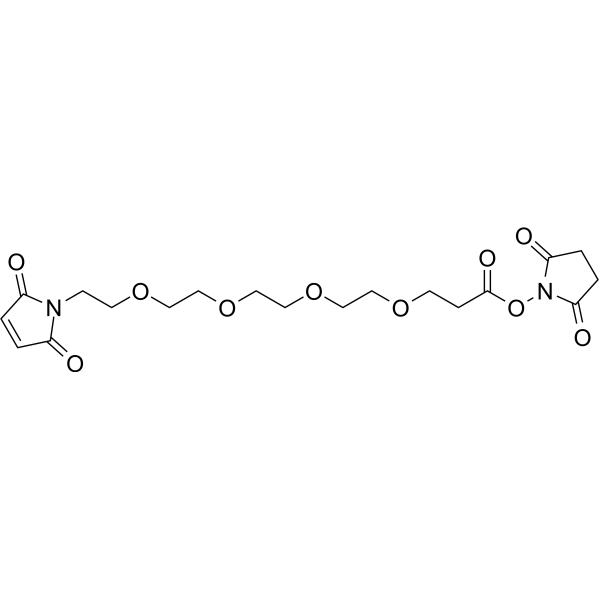
    Mal-​PEG4-​NHS ester
    2 Publications Verification

    ADC Linker Cancer
    Mal-PEG4-NHS ester is a non-cleavable ADC linker which links Quantum dots (QDs) with PEGylated liposomes .
    Mal-​PEG4-​NHS ester
  • HY-15650
    SGC0946
    10+ Cited Publications

    Histone Methyltransferase Cancer
    SGC0946 is a selective DOT1L inhibitor with an IC50 value of 0.3 nM. By inhibiting DOT1L, SGC0946 can induce G1 phase arrest, suppress cell self-renewal and metastatic potential, and induce cell differentiation in cancer cells. SGC0946 can be used in the research of tumors such as leukemia and breast cancer, and also serves as a probe to further investigate the cellular mechanisms of DOT1L in normal and diseased cells .
    SGC0946
  • HY-D0791
    TRITC
    1 Publications Verification

    5(6)-Tetramethylrhodamine isothiocyanate

    Fluorescent Dye Others
    TRITC (5(6)-Tetramethylrhodamine isothiocyanate) is a commonly used fluorescent dye, belonging to the Rhodamine derivative family. It exhibits red fluorescence properties (Ex/Em ≈ 550/580 nm). TRITC can be used for cell labeling and imaging .
    TRITC
  • HY-W019831
    Silicon dioxide
    1 Publications Verification

    Silica; Colloidal anhydrous silica

    Biochemical Assay Reagents Others
    Silicon dioxide (Silica) is the core of gold-coated silica nanoparticles. Silicon dioxide has the characteristic of a spherical structure, with a layer of gold nanoparticles covering its surface. Silicon dioxide can be used as a coating material for quantum dots, enhancing their stability, reducing toxicity and improving hydrophilicity .
    Silicon dioxide
  • HY-B1529A
    Citric acid triammonium
    5+ Cited Publications

    Triammonium citrate

    Apoptosis Endogenous Metabolite Bacterial Others Cancer
    Citric acid triammonium (Triammonium citrate) is formed by Citric acid (HY-N1428) reacting with ammonia in a molar ratio of 1:3. Citric acid triammonium can be used as the carbon source to prepare carbon quantum dots (CDs). Citric acid triammonium with higher nitrogen components might promote the nitrogen-based functional groups in CDs, leading to a more efficient emission-color tunability .
    Citric acid triammonium
  • HY-135127
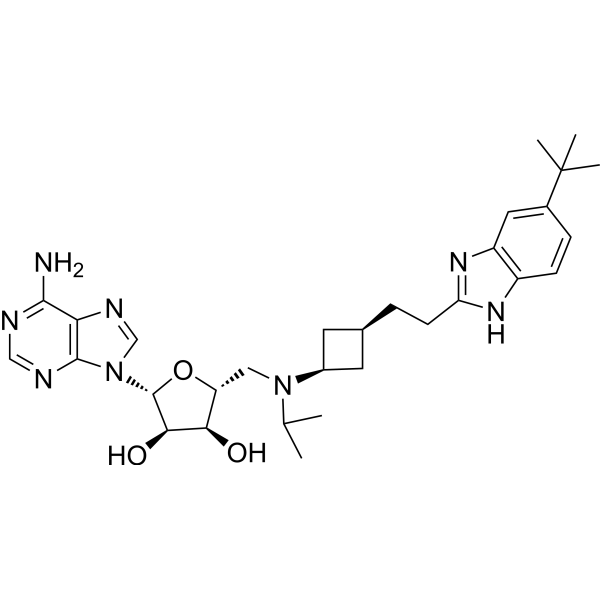
    Dot1L-IN-4
    1 Publications Verification

    Histone Methyltransferase Cancer
    Dot1L-IN-4 is a potent disruptor of telomeric silencing 1-like protein (DOT1L) inhibitor with an IC50 SPA DOT1L of 0.11 nM .
    Dot1L-IN-4
  • HY-B1529
    Ammonium citrate dibasic, 99%
    5+ Cited Publications

    Ammonium hydrogencitrate, 99%; Diammonium hydrogen citrate, 99%

    Environmental Pollutants Endogenous Metabolite Biochemical Assay Reagents Apoptosis Others
    Ammonium citrate dibasic, 99% (Ammonium hydrogencitrate, 99%) can be used as the carbon source to prepare carbon quantum dots (CDs). Ammonium citrate dibasic, 99% is a buffering agent .
    Ammonium citrate dibasic, 99%
  • HY-W127716
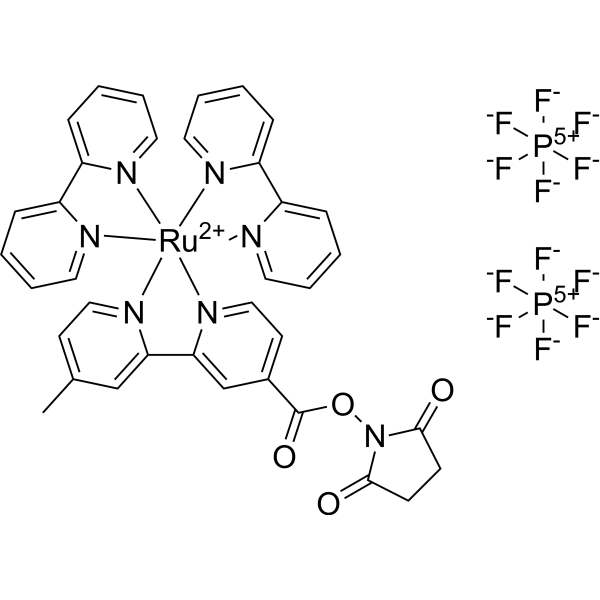
    Ru(bpy)2(mcbpy-O-Su-ester)(PF6)2
    1 Publications Verification

    Fluorescent Dye Cancer
    Ru(bpy)2(mcbpy-O-Su-ester)(PF6)2 is a potent ruthenium-based dye. Ru(bpy)2(mcbpy-O-Su-ester)(PF6)2 can bu used as an effective quencher of quantum dots (QDs) fluorescence and the capture probe of virus antigen EV71. Ru(bpy)2(mcbpy-O-Su-ester)(PF6)2 can be used sensitive electrogenerated chemiluminescence (ECL) labels for detection of matrix metalloproteinases (MMPs) .
    Ru(bpy)2(mcbpy-O-Su-ester)(PF6)2
  • HY-135128
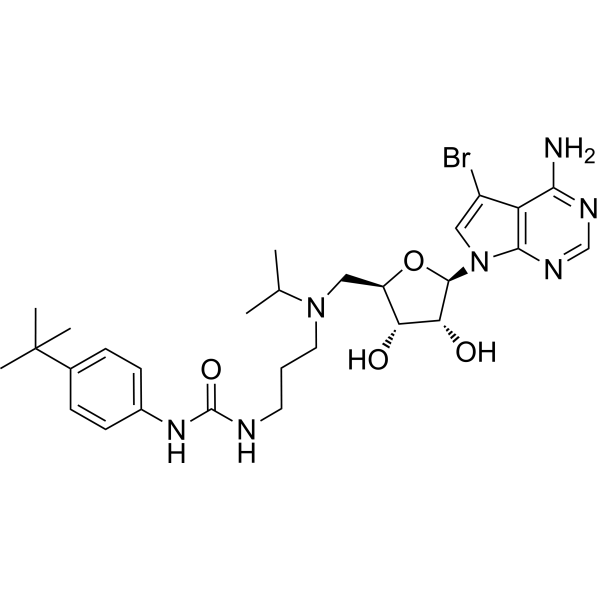
    Dot1L-IN-5
    2 Publications Verification

    Histone Methyltransferase Cancer
    Dot1L-IN-5 is a potent disruptor of telomeric silencing 1-like protein (DOT1L) inhibitor with an IC50 of 0.17 nM .
    Dot1L-IN-5
  • HY-121093

    Histone Methyltransferase Cancer
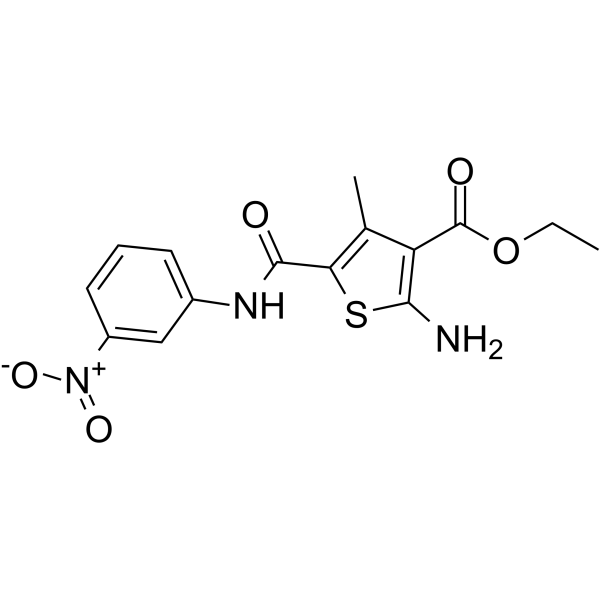
    DC-S239 is a selective histone methyltransferase SET7 inhibitor with an IC50 value of 4.59 μM. DC-S239 also displays selectivity for DNMT1, DOT1L, EZH2, NSD1, SETD8 and G9a. DC-S239 has anticancer activity .
    DC-S239
  • HY-D1703

    Fluorescent Dye Others
    Oxazine 170 perchlorate is a laser dye with a wide excitation spectrum range (300−550 nm), which strongly absorbs light with a wavelength greater than 550 nm, and it emits fluorescence with a wavelength of about 645 nm .
    Oxazine 170 perchlorate
  • HY-15227A
    EPZ004777 hydrochloride
    5+ Cited Publications

    Histone Methyltransferase Apoptosis Inflammation/Immunology Cancer
    EPZ004777 hydrochloride is an effective and selective DOT1L inhibitor, with IC50 being 0.4 nM. EPZ004777 hydrochloride reduces the levels of H3K79me2 and H3K79me1, significantly down-regulating the expression of HOXA9 and MEIS1. EPZ004777 hydrochloride selectively inhibits the proliferation of MLL rearrangement cells and promotes the differentiation and subsequent apoptosis (apoptosis) of leukemia cells. EPZ004777 hydrochloride can be used for the study of leukemia .
    EPZ004777 hydrochloride
  • HY-101520A

    Histone Methyltransferase Cancer
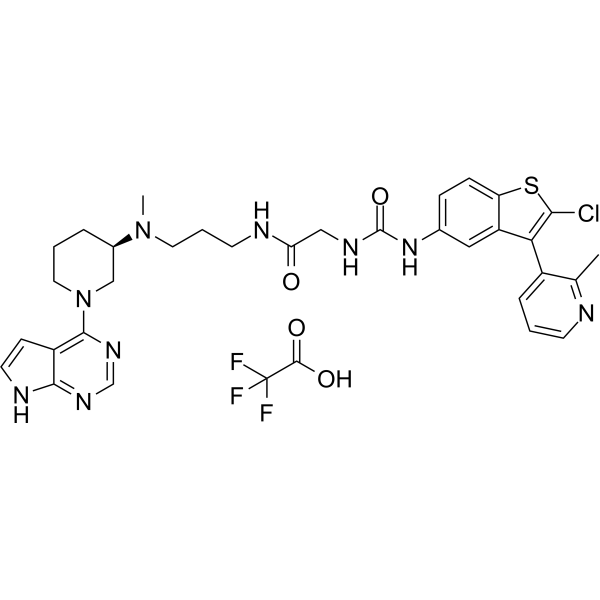
    Dot1L-IN-1 TFA is a highly potent and selective Dot1L inhibitor with a Ki of 2 pM and an IC50 of <0.1 nM. Dot1L-IN-1 TFA potently suppresses H3K79 dimethylation (IC50=3 nM), as well as the activity of the HoxA9 promoter (IC50=17 nM) in HeLa and Molm-13 cells, respectively .
    Dot1L-IN-1 TFA
  • HY-W007671
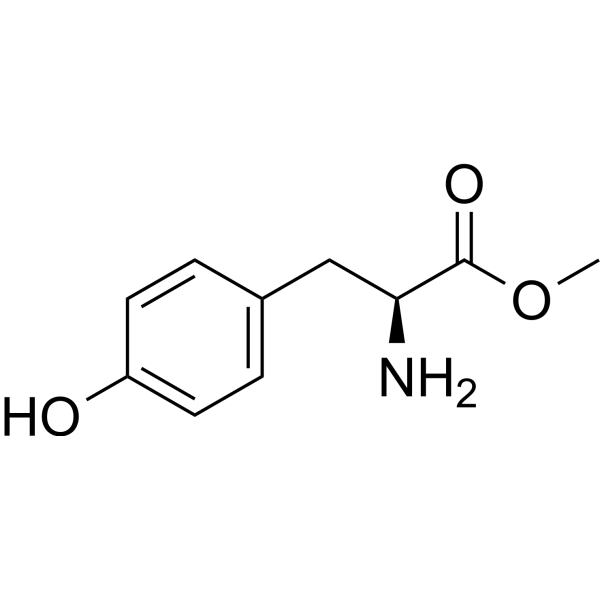
    H-Tyr-OMe
    1 Publications Verification

    Endogenous Metabolite Tyrosinase Others
    H-Tyr-OMe is an endogenous metabolite. H-Tyr-OMe quenches the fluorescence of carbon dots by oxidizing the phenolic hydroxyl group to quinone under the catalysis of Tyrosinase, and its amino and thiol binding ability can respond to changes in the concentration of biothiols .
    H-Tyr-OMe
  • HY-173422

    PROTACs Histone Methyltransferase Cancer
    MS2133 is a DOT1L PROTAC degrader. MS2133 promotes ubiquitination and degradation of DOT1L in THP-1 and MV4-11 cells (DC50: 56 nM and 25 nM, respectively), and reduces H3K79 methylation. MS2133 inhibits the growth of MLL-r leukemia cells and has anticancer activity. (Pink: DOT1L ligand (HY-173423); Blue: E3 ligase VHL ligand (HY-47070); Black: Linker (HY-79577); E3 ligase VHL ligand-linker conjugate (HY-173424)) .
    MS2133
  • HY-130197

    PROTAC Linkers Cancer
    Lipoamido-PEG4-azide is a PEG-based PROTAC linker can be used in the synthesis of PROTACs. Lipoamido-PEG4-azide is a click chemistry reagent, it contains an Azide group and can undergo copper-catalyzed azide-alkyne cycloaddition reaction (CuAAc) with molecules containing Alkyne groups. It can also undergo strain-promoted alkyne-azide cycloaddition (SPAAC) reactions with molecules containing DBCO or BCN groups.
    Lipoamido-PEG4-azide
  • HY-D2195

    Fluorescent Dye Others
    AgAuSe-PEG-NH2 (1000 nm) is a fluorescent quantum dot that emits fluorescence in the near-infrared II region, with an emission peak reaching 1000 nm that can be used in bioimaging.
    AgAuSe-PEG-NH2 (1000 nm)
  • HY-D2198

    Fluorescent Dye Others
    AgAuSe-PEG-NH2 (1120 nm) is a fluorescent quantum dot that emits fluorescence in the near-infrared II region, with an emission peak reaching 1120 nm that can be used in bioimaging .
    AgAuSe-PEG-NH2 (1120 nm)
  • HY-D2956

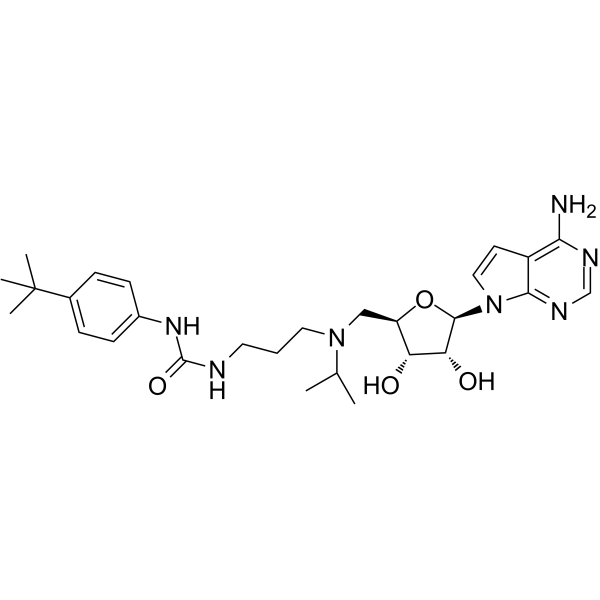
    CLIP-GLA-NHS

    Biochemical Assay Reagents Others
    BC-GLA-NHS (CLIP-GLA-NHS) is a NHS-labeled CLIP tag, which is an amine-reactive crosslinker and can achieve site-specific protein labeling. The NHS ester of BC-GLA-NHS reacts with the primary amine of the target molecule (such as antibodies, quantum dots) in a pH 7.5-8.5 buffer solution to form a stable amide bond. After coupling, the BC molecule undergoes a nucleophilic substitution reaction with the active site (Cys) of the CLIP-tagged fusion protein, releasing benzylcytosine and forming an irreversible thioether bond, achieving covalent labeling. BC-GLA-NHS can be used for click chemistry labeling .
    BC-GLA-NHS
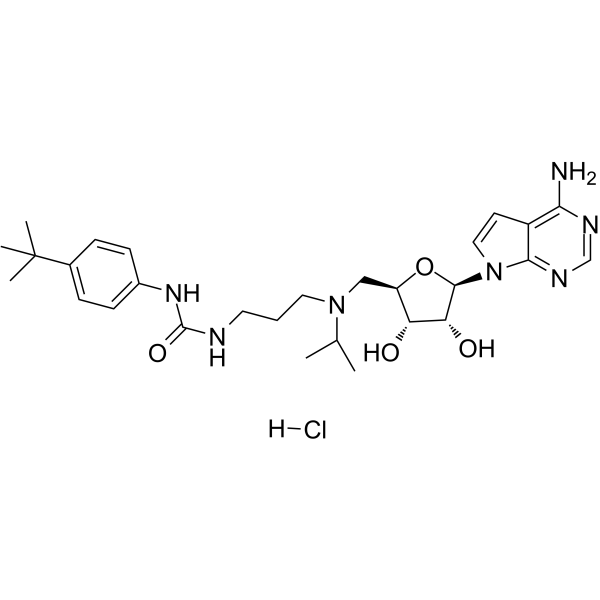
  • HY-135129

    Histone Methyltransferase Cancer
    Dot1L-IN-6 is a potent disruptor of telomeric silencing 1-like protein (DOT1L) inhibitor with an IC50 SPA DOT1L of 0.19 nM .
    Dot1L-IN-6
  • HY-101520

    Histone Methyltransferase Cancer
    Dot1L-IN-1 is a highly potent and selective Dot1L inhibitor with a Ki of 2 pM and an IC50 of <0.1 nM. Dot1L-IN-1 potently suppresses H3K79 dimethylation (IC50=3 nM), as well as the activity of the HoxA9 promoter (IC50=17 nM) in HeLa and Molm-13 cells, respectively .
    Dot1L-IN-1
  • HY-178172

    Histone Methyltransferase c-Myc Epigenetic Reader Domain HOXA Cancer
    AF9/ENL-DOT1L/AF4 PPI-IN-1 is a potent AF9/ENL and histone methyltransferase DOT1L/AF4 protein-protein interactions (PPI) inhibitor. AF9/ENL-DOT1L/AF4 PPI-IN-1 can inhibit the AF9-DOT1L (IC50 = 1.5 μM), AF9-AF4 (IC50 = 1 μM), ENL-AF4 (IC50 = 1.2 μM) interactions. AF9/ENL-DOT1L/AF4 PPI-IN-1 can suppress the expression of Mixed lineage leukemia (MLL) target genes Myc and Meis1 and selectively block the proliferation of MLL-r and several other leukemia cells. AF9/ENL-DOT1L/AF4 PPI-IN-1 exhibits significant antitumor activities in a mouse model of MLL-r leukemia without overt toxicities. AF9/ENL-DOT1L/AF4 PPI-IN-1 can be used for the study of MLL-r leukemia .
    AF9/ENL-DOT1L PPI-IN-1
  • HY-111589

    Histone Methyltransferase Cancer
    EPZ-4777 is a selective DOT1L inhibitor which inhibits H3K79 methylation in cancer cells, blocks the expression of leukemogenic genes, and selectively kills cells that contain the translocation. EPZ-4777 can be used for cancer research .
    EPZ-4777
  • HY-D1391

    PbS/CdSe QD

    Fluorescent Dye Others
    PbS/CdS QDs (PbS/CdSe QD) is a fluorescent probe that can be used for in vivo fluorescence imaging in the second near-infrared window .
    PbS/CdS QDs
  • HY-P11088

    Transmembrane Glycoprotein Radionuclide-Drug Conjugates (RDCs) Inflammation/Immunology
    VCAM1 binding peptide is a VCAM1 binder with internalization activity. VCAM1 binding peptide can be labeled with 5-FAM. VCAM1 binding peptide serves as a component of biosensing systems for visualizing in vitro VCAM1 endocytic pathways. VCAM1 binding peptide forms the research and development basis for MacroP and NAMP, PET radiotracers targeting VCAM1. VCAM1 binding peptide is applicable to studies related to atherosclerosis .
    VCAM1 binding peptide
  • HY-D1394

    AgAuSe

    Fluorescent Dye Others
    AgAuSe QDs (AgAuSe) is a near infrared (NIR) fluorescent quantum dots (QDs), with a bright emission from 820 to 1170 nm. AgAuSe QDs can be used for the research in biomedical imaging and NIR devices .
    AgAuSe QDs
  • HY-168083

    Histone Methyltransferase Cancer
    Dot1L-IN-9 (Compound 12) is a DOT1L inhibitor (IC50: 125 nM). Dot1L-IN-9 reduces H3K79 dimethylation. Dot1L-IN-9 can be used for anti-leukemia research .
    Dot1L-IN-9
  • HY-111390

    Histone Methyltransferase Cancer
    Dot1L-IN-2 is a potent, selective and orally bioavailable inhibitor of Dot1L (a histone methyltransferase), with an IC50 and Ki of 0.4 nM and 0.08 nM, respectively.
    Dot1L-IN-2
  • HY-168082

    Histone Methyltransferase Cancer
    Dot1L-IN-8 (Compound 15) is a potent Dot1L inhibitor. Dot1L-IN-8 inhibits HL-60, K562, MV4-11, HH, and KG-1 cells vitality with IC50s of 0.45, 1.03, 0.68, 1.66, and 1.12 μM, respectively .
    Dot1L-IN-8
  • HY-146724

    Histone Methyltransferase Cancer
    Dot1L-IN-7 (compound 25) is a potent and selective disruptor of telomeric silencing 1-like protein (DOT1L) inhibitor with an IC50 of 1.0 μM. Dot1L-IN-7 selectively killed Mixed Lineage Leukemia (MLL)-AF9 without showing any effect on the growth of E2A-HLF cells .
    Dot1L-IN-7
  • HY-173423

    Ligands for Target Protein for PROTAC Histone Methyltransferase Cancer
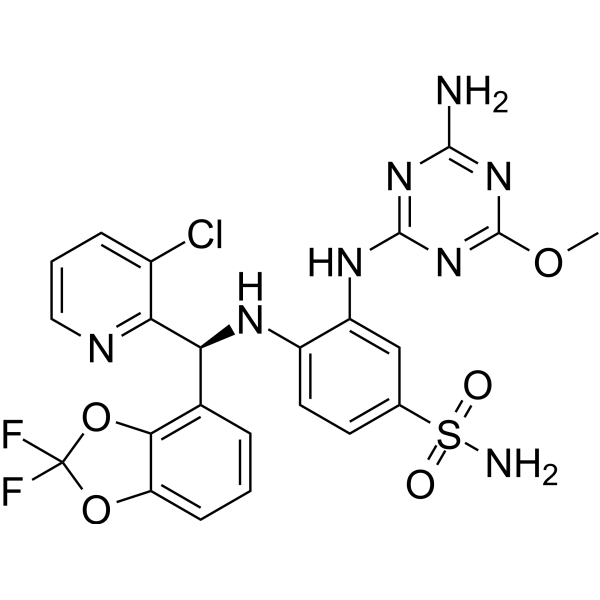
    DOT1L ligand-1 is a DOT1L ligand. DOT1L ligand-1 can be used as a Ligands for Target Protein for PROTAC synthesis, such as MS2133 (HY-173422) .
    DOT1L ligand-1
  • HY-RS03942

    Small Interfering RNA (siRNA) Others

    DOT1L Human Pre-designed siRNA Set A contains three designed siRNAs for DOT1L gene (Human), as well as a negative control, a positive control, and a FAM-labeled negative control.

    DOT1L Human Pre-designed siRNA Set A
    DOT1L Human Pre-designed siRNA Set A
  • HY-RS03944

    Small Interfering RNA (siRNA) Others

    Dot1l Rat Pre-designed siRNA Set A contains three designed siRNAs for Dot1l gene (Rat), as well as a negative control, a positive control, and a FAM-labeled negative control.

    Dot1l Rat Pre-designed siRNA Set A
    Dot1l Rat Pre-designed siRNA Set A
  • HY-RS03943

    Small Interfering RNA (siRNA) Others

    Dot1l Mouse Pre-designed siRNA Set A contains three designed siRNAs for Dot1l gene (Mouse), as well as a negative control, a positive control, and a FAM-labeled negative control.

    Dot1l Mouse Pre-designed siRNA Set A
    Dot1l Mouse Pre-designed siRNA Set A
  • HY-15650A

    Histone Methyltransferase Cancer
    SGC0946 TFA is a selective DOT1L inhibitor with an IC50 value of 0.3 nM. By inhibiting DOT1L, SGC0946 TFA can induce G1 phase arrest, suppress cell self-renewal and metastatic potential, and induce cell differentiation in cancer cells. SGC0946 TFA can be used in the research of tumors such as leukemia and breast cancer, and also serves as a probe to further investigate the cellular mechanisms of DOT1L in normal and diseased cells .
    SGC0946 TFA
  • HY-139824

    Biochemical Assay Reagents Cancer
    Nitro-coronene can be used to prepare near-infrared light-triggered lysosome-targetable carbon dots for photothermal research of cancer.
    Nitro-coronene
  • HY-145813

    Histone Methyltransferase Cancer
    MU1656 is a potent and selective inhibitor of histone methyltransferase DOT1L, with an IC50 of 2 nM. MU1656 can be used for the research of hematological malignancies .
    MU1656
  • HY-15593R

    EPZ-5676 (Standard)

    Histone Methyltransferase Reference Standards Cancer
    Pinometostat (Standard) is the analytical standard of Pinometostat. This product is intended for research and analytical applications. Pinometostat (EPZ-5676) is a potent DOT1L histone methyltransferase inhibitor with a Ki of 80 pM.
    Pinometostat (Standard)
  • HY-164982

    Histone Methyltransferase Cancer
    S-N6-Methyladenosylhomocysteine (Chart 1-1) is a potent inhibitor of histone methyltransferase DOT1L, with the IC50 of 0.29 μM. S-N6-Methyladenosylhomocysteine plays an important role in cancer research .
    S-N6-Methyladenosylhomocysteine
  • HY-W007671R

    Reference Standards Endogenous Metabolite Tyrosinase Others
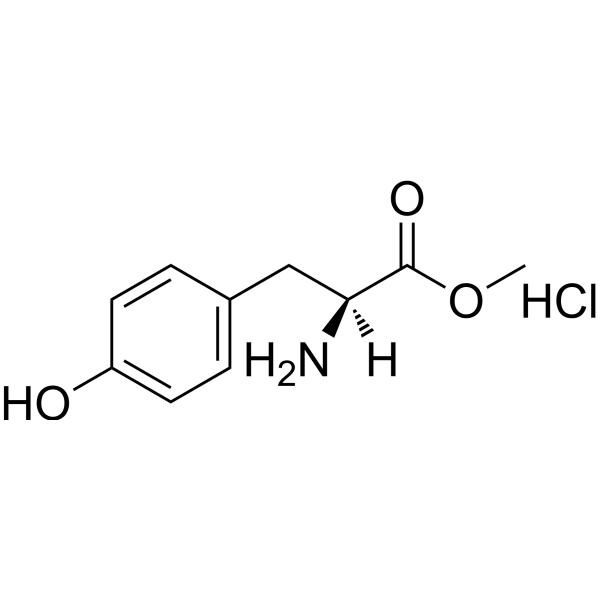
    H-Tyr-OMe is an endogenous metabolite. H-Tyr-OMe quenches the fluorescence of carbon dots by oxidizing the phenolic hydroxyl group to quinone under the catalysis of Tyrosinase, and its amino and thiol binding ability can respond to changes in the concentration of biothiols .
    H-Tyr-OMe (Standard)
  • HY-D1393

    Pb:Ag2Se

    Fluorescent Dye Others
    Pb:Ag2Se QDs (Pb:Ag2Se) is an effective biological probe in the second near-infrared window (NIR-II) that can be used in bioimaging with high tissue penetration depth and high spatiotemporal resolution .
    Pb:Ag2Se QDs
  • HY-153959

    E3 Ligase Ligand-Linker Conjugates Cancer
    Thalidomide-O-amido-C11-COOH (compound IMiD acid 1) is an E3 ligase ligand and linker CRBN (Cereblon) conjugate. Thalidomide-O-amido-C11-COOH can be used to synthesize PROTAC that target the degradation of DOT1L .
    Thalidomide-O-amido-C11-COOH
  • HY-146187

    Histone Methyltransferase Cancer
    Antitumor agent-69 (compound 12) is a potent inhibitor of protein-protein interaction between DOT1L and MLL-AF9/MLL-ENL, with Kis of 9 nM and 109 nM for AF9 and ENL, respectively. Antitumor agent-69 exhibits anticancer cellular activitiy .
    Antitumor agent-69
  • HY-162939

    Histone Methyltransferase Cancer
    TB22 is a non-nucleoside inhibitor of DOT1LR231Q, possessing anticancer activity. TB22 inhibits the malignant phenotype of lung cancer cells carrying the R231Q mutation through the MAPK/ERK signaling pathway, and can be used for lung cancer research .
    TB22
  • HY-D2194

    Fluorescent Dye Others
    AgAuSe-COOH (1000 nm) is a fluorescent quantum dot that emits fluorescence in the near-infrared II region, with an emission peak reaching 1000 nm. AgAuSe-COOH (1000 nm) has the advantages of narrow band gap, large Stokes shift, and good photostability. AgAuSe-COOH (1000 nm) can bind proteins, antibodies, peptides, PEG, etc., and can be widely used in the field of biological imaging.
    AgAuSe-COOH (1000 nm)
  • HY-181787

    PROTACs Histone Methyltransferase Cardiovascular Disease
    DOT1L705 is a PROTAC degrader that targets DOT1L. DOT1L705 recruits the VHL E3 ubiquitin ligase to induce proteasomal degradation of DOT1L. DOT1L705 reduces the viability of leukemia cells. DOT1L705 inhibits H3K79 methylation. DOT1L705 can be used in studies related to MLL-rearranged leukemia .
    DOT1L705
  • HY-181789

    PROTACs Histone Methyltransferase Cancer
    DOT1L808 is a potent and highly selective DOT1L PROTAC degrader with a DC50 value of 5 nM. DOT1L808 can promote the ubiquitination and degradation of DOT1L. DOT1L808 exhibits antitumor activity in an orthotopic leukemia model .
    DOT1L808
  • HY-181790

    Ligands for Target Protein for PROTAC Histone Methyltransferase Cancer
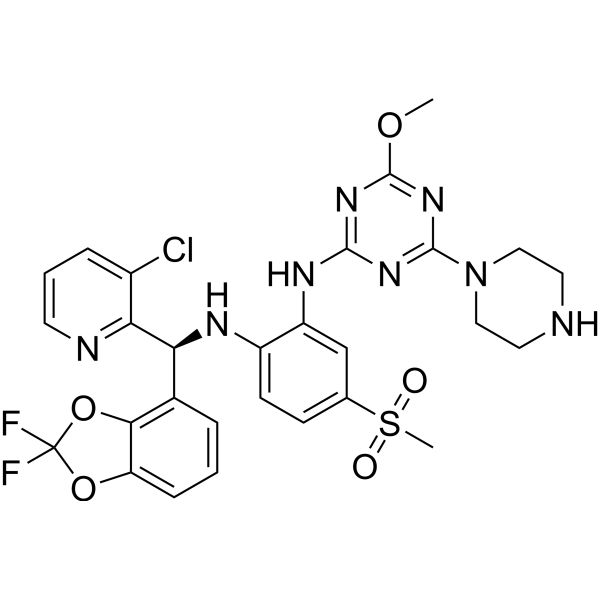
    DOT1L ligand-2 (Compound 52) is a DOT1L ligand. DOT1L ligand-2 acts as a Ligand for Target Protein for PROTAC, which is used to develop and design degraders of PROTAC DOT1L, such as DOT1L808 (HY-181789). DOT1L ligand-2 is applicable to research related to MLL-rearranged leukemia .
    DOT1L ligand-2

Inquiry Online

Your information is safe with us. * Required Fields.

Salutation


Country or Region *

Applicant Name *


Organization Name *

Department *


Email Address *


Product Name *

Cat. No.


Requested quantity *

Phone Number *


Remarks

Inquiry Online

Inquiry Information

Product Name:
Cat. No.:
Quantity:
MCE Japan Authorized Agent:

