Search Result
Results for "
fluorinated
" in MedChemExpress (MCE) Product Catalog:
15
Biochemical Assay Reagents
2
Isotope-Labeled Compounds
| Cat. No. |
Product Name |
Target |
Research Areas |
Chemical Structure |
-
- HY-B0069
-
Fludarabine
Maximum Cited Publications
106 Publications Verification
F-ara-A; NSC 118218
|
Nucleoside Antimetabolite/Analog
DNA/RNA Synthesis
STAT
Apoptosis
|
Cancer
|
|
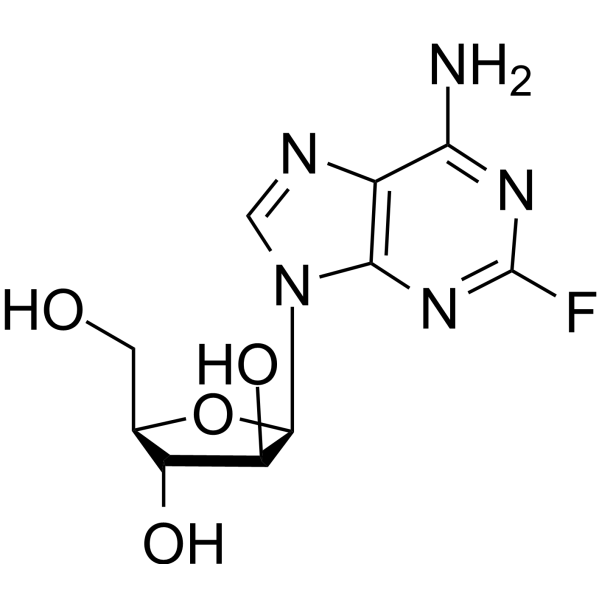
Fludarabine (NSC 118218) is a DNA synthesis inhibitor and a fluorinated purine analogue with antineoplastic activity in lymphoproliferative malignancies. Fludarabine inhibits the cytokine-induced activation of STAT1 and STAT1-dependent gene transcription in normal resting or activated lymphocytes .
|
-
-
- HY-B0139
-
|
5-Fluorocytosine; NSC 103805; Ro 2-9915
|
Fungal
Antibiotic
|
Infection
Cancer
|
|
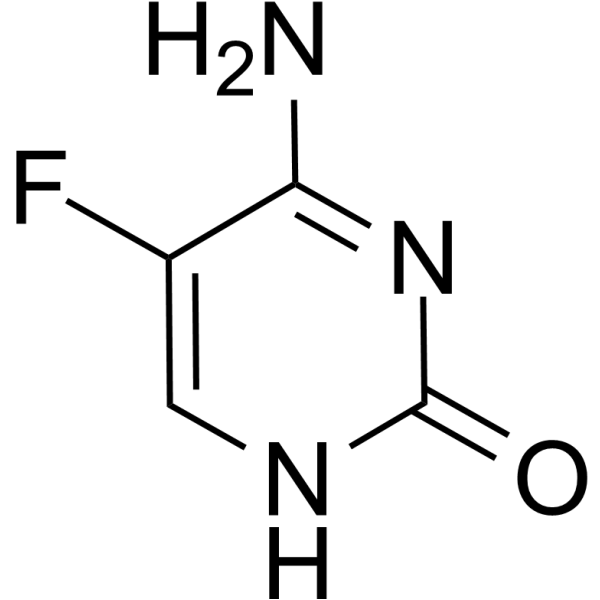
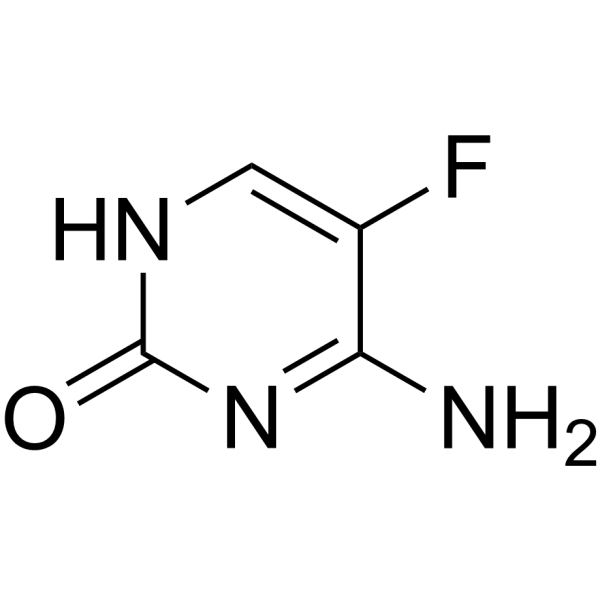
Flucytosine (5-Fluorocytosine) is an antifungal compound with oral activity. Flucytosine is a widely used cytotoxic drug that, after further metabolism, produces fluorinated ribonucleotides and deoxyribonucleotides, inhibits DNA and protein synthesis, and has multiple effects such as inhibiting candida and candida neoplasm infection and producies cytotoxicity to cancer cells .
|
-
-
- HY-111343
-
ONC212
5 Publications Verification
|
Apoptosis
|
Endocrinology
Cancer
|
|
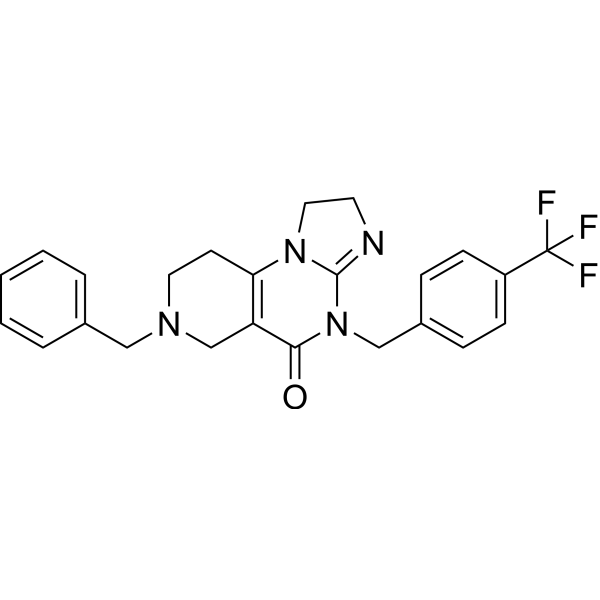
ONC212, a fluorinated-ONC201 analogue, is a promising anti-cancer agent and also a selective agonist of GPR132. ONC212 also induces apoptosis .
|
-
-
- HY-15234
-
|
|
Glucocorticoid Receptor
|
Inflammation/Immunology
|
|
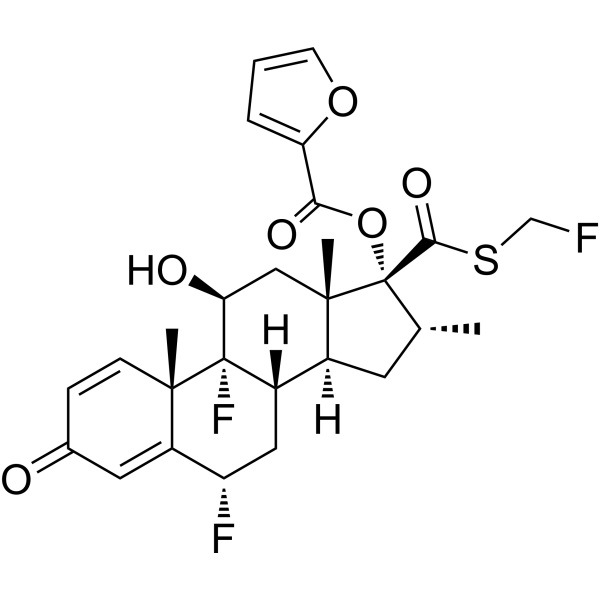
Fluticasone furoate is a topical, intranasal, enhanced-affinity synthetic trifluorinated corticosteroid with a Kd of 0.3 nM. Fluticasone furoate has potent anti-inflamatory and anti-asthmatic activity, and low systemic exposure. Fluticasone furoate has the potential for allergic rhinitis treatment .
|
-
-
- HY-B0248
-
|
|
Glucocorticoid Receptor
Huntingtin
Apoptosis
|
Neurological Disease
Inflammation/Immunology
|
|
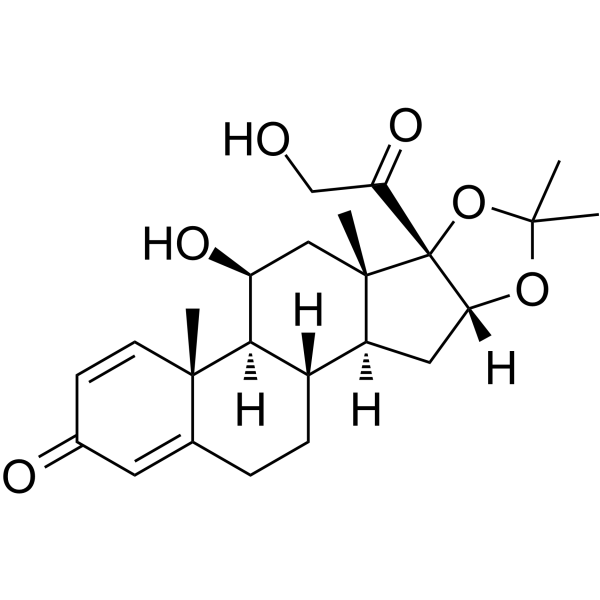
Desonide is a non-fluorinated corticosteroid anti-inflammatory agent that acts on the glucocorticoid receptor. Desonide can also specifically bind to the mutant huntingtin protein (mHTT), reducing the level and toxicity of mHTT. Desonide can be used in the research of Huntington's disease and inflammatory diseases such as atopic dermatitis .
|
-
-
- HY-W127717
-
|
Perfluoro-compound FC-40
|
Biochemical Assay Reagents
|
Others
|
|
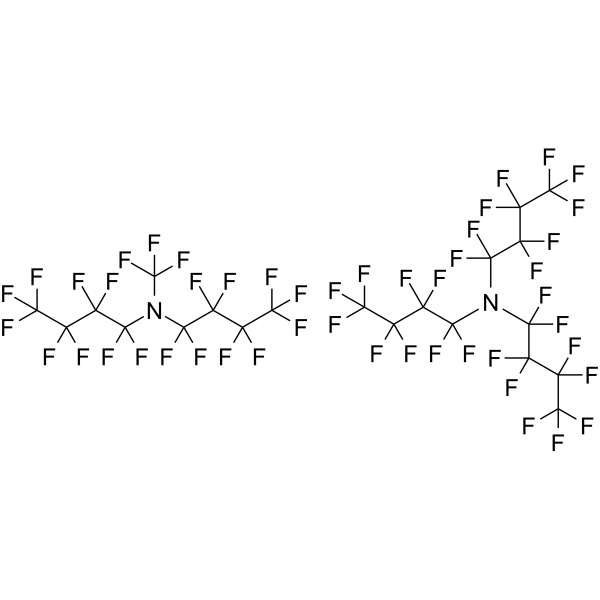
Fluorinert FC-40 is a non-conductive liquid containing a mixture of fluorinated compounds. It is commonly used as a cooling and heat transfer fluid in electronics, especially in high-performance computer systems and electronic components that generate a lot of heat. Fluorinert FC-40 has various properties that make it ideal for these applications, including its low viscosity, high thermal stability and excellent dielectric strength. In addition, it can be used as an inert solvent in chemical reactions and a lubricant in mechanical systems.
|
-
-
- HY-W039442
-
|
|
Nucleoside Antimetabolite/Analog
|
Infection
Cancer
|
|
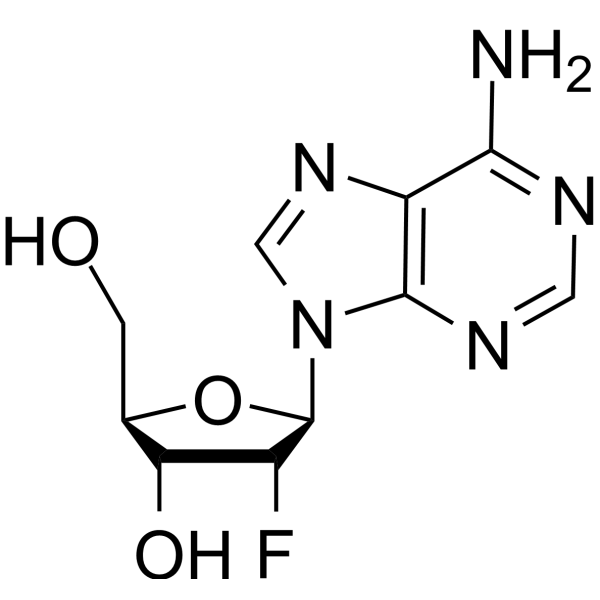
2′-Deoxy-2′-fluoroadenosine is a fluorinated deoxyadenosine with antitumor and antiviral activity, able to interfere with viral or cancer cell replication by being incorporated into DNA. 2′-Deoxy-2′-fluoroadenosine can be used for the synthesis of 2′-Deoxy-2′-fluoro-modified oligonucleotides hybridized with RNA. 2′-Deoxy-2′-fluoroadenosine can be cleaved efficiently by E. coli purine nucleoside phosphorylase (PNP) to the toxic agent 2-fluoroadenine (FAde). 2′-Deoxy-2′-fluoroadenosine shows excellent in vivo activity against tumors expressing E. coli PNP .
|
-
-
- HY-21179
-
|
|
Biochemical Assay Reagents
|
Others
|
|
Trimethylsilyl trifluoromethylsulfonate is a metal-free catalyst. Trimethylsilyl trifluoromethylsulfonate can be used for the synthesis of biologically active fluorinated heterocyclic compounds .
|
-
-
- HY-B0983
-
|
Cortisol 17-butyrate; Hydrocortisone butyrate
|
Adrenergic Receptor
|
Inflammation/Immunology
Endocrinology
|
|
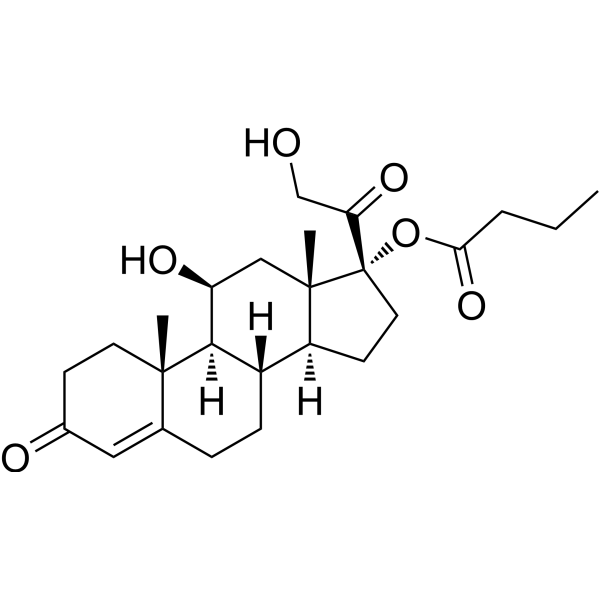
Hydrocortisone 17-butyrate is a non-fluorinated topical corticosteroid for use in psoriasis, eczema, and other inflammatory dermatoses. Hydrocortisone 17-butyrate inhibits granuloma formation in rats. Hydrocortisone 17-butyrate can induce vasoconstriction .
|
-
-
- HY-132978
-
|
|
Biochemical Assay Reagents
|
Others
|
|
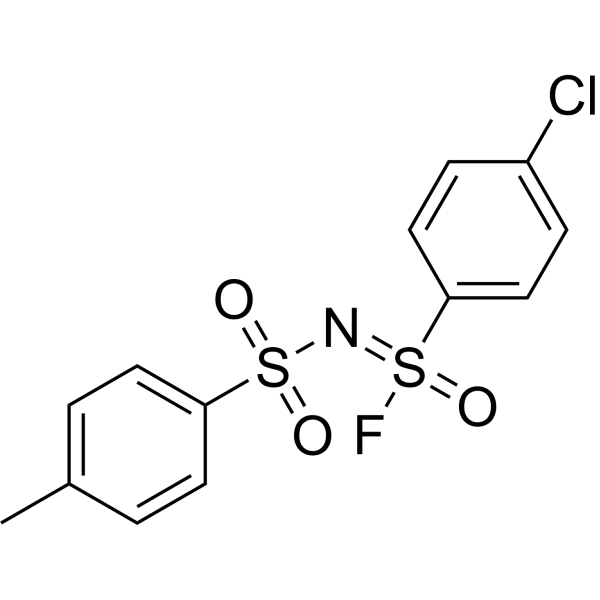
SulfoxFluor is a fluorinated sulfoximine compound that can be used in the rapid deoxyfluorination and selective deoxyazidation reactions of various alcohols. SulfoxFluor is characterized by high reactivity, rapid reaction, simple operation, easy scale-up, and high selectivity .
|
-
-
- HY-32126
-
|
|
Drug Intermediate
|
Others
|
|
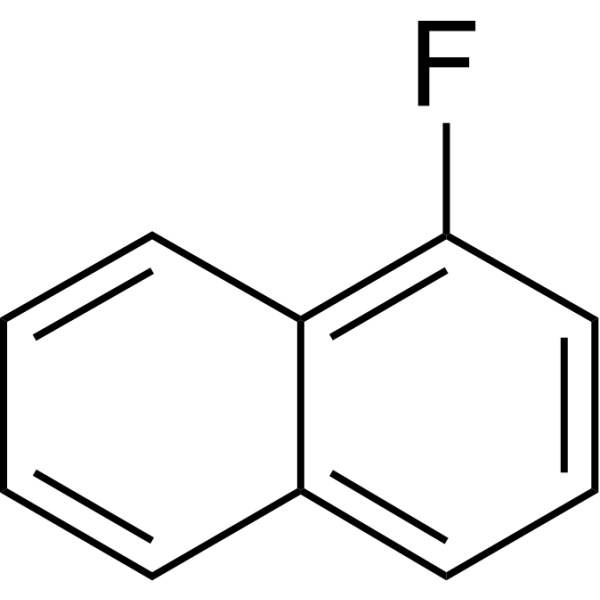
1-Fluoronaphthalene is an organofluorine compound derived from naphthalene derivatives and fluorinated aromatics. 1-Fluoronaphthalene can be used to synthesize LY248686, a potent inhibitor of serotonin and noradrenaline uptake .
|
-
-
- HY-W075766
-
|
Nickel difluoride
|
Biochemical Assay Reagents
|
Others
|
|
Nickel(II) fluoride (Nickel difluoride) is a fluorinating agent and catalyst suitable for surface treatment of aluminum profiles and the production of inks, fluorescent lamps, and organic synthesis. Nickel(II) fluoride is a kind of biological materials or organic compounds that are widely used in life science research .
|
-
-
- HY-32884
-
|
|
Drug Intermediate
|
Others
|
|
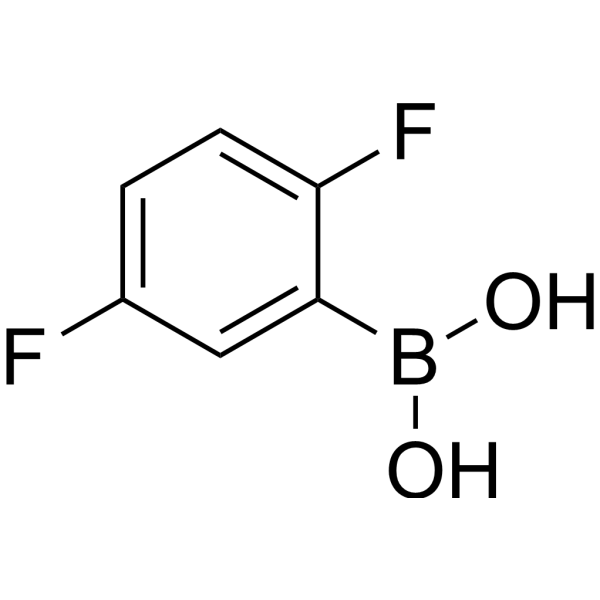
2,5-Difluorophenylboronic acid is a phenylboronic acid substituted with 2,5-difluorine groups. 2,5-Difluorophenylboronic acid serves as an organic synthesis intermediate belonging to the fluorinated phenylboronic acid class .
|
-
-
- HY-109534
-
|
fluorinated polymer; Fluoropolymer; PTFE; Polytetrafluoroethylene
|
Biochemical Assay Reagents
|
Others
|
|
Poly(tetrafluoroethylene) (Fluorinated polymer; Fluoropolymer; PTFE) is a biochemical reagent that can be used as a biological material or organic compound for life science related research .
|
-
-
- HY-W002291
-
|
4-Fluoro-L-phenylalanine
|
Drug Derivative
|
Infection
|
|
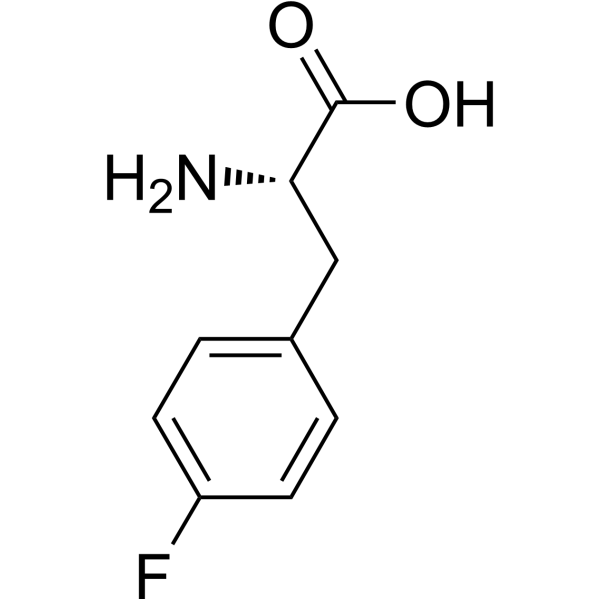
p-Fluoro-L-phenylalanine (4-Fluoro-L-phenylalanine) is a fluorinated derivative of L-phenylalanine (HY-N0215). p-Fluoro-L-phenylalanine specifically binds to the L-leucine-specific receptor of Escherichia coli, with a Kd value of 0.26 μM .
|
-
-
- HY-32887
-
-
-
- HY-W050049
-
|
|
Biochemical Assay Reagents
|
Others
|
|
2-Deoxy-2,2-difluoro-D-erythro-pentonic acid γ-Lactone 3,5-dibenzoate is a chemically synthesized fluorinated carbohydrate derivative that can be used in glycobiology research .
|
-
-
- HY-W021482
-
|
|
Amino Acid Derivatives
Drug Intermediate
|
Others
|
|
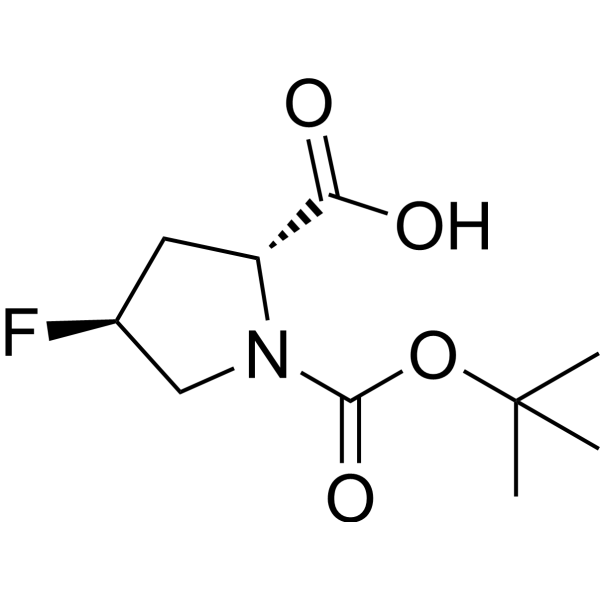
(4S)-1-Benzoylcarbonyl-4-fluorobutylproline ((2R,4R)-1-tert-butoxycarbonyl-4-fluoropyrrolidine-2-carboxylic acid) is a derivative of fluorinated proline and can be used as a pharmaceutical intermediate for the synthesis of various active compounds .
|
-
-
- HY-B0139R
-
|
5-Fluorocytosine (Standard); NSC 103805 (Standard); Ro 2-9915 (Standard)
|
Reference Standards
Fungal
Antibiotic
|
Infection
Cancer
|
|
Flucytosine (Standard) is the analytical standard of Flucytosine. This product is intended for research and analytical applications. Flucytosine (5-Fluorocytosine) is an antifungal compound with oral activity. Flucytosine is a widely used cytotoxic drug that, after further metabolism, produces fluorinated ribonucleotides and deoxyribonucleotides, inhibits DNA and protein synthesis, and has multiple effects such as inhibiting candida and candida neoplasm infection and producies cytotoxicity to cancer cells .
|
-
-
- HY-W012911
-
|
|
Biochemical Assay Reagents
|
Others
|
|
2,6-Difluoropyridine is a fluorinated pyridine derivative. 2,6-Difluoropyridine adopts a planar conformation in its S0 electronic ground state and S1(π,π) excited state .
|
-
-
- HY-124472
-
-
-
- HY-115859
-
-
-
- HY-P2496
-
|
|
Endothelin Receptor
Fluorescent Dye
NF-κB
COX
Prostaglandin Receptor
Apoptosis
TNF Receptor
Interleukin Related
MMP
|
Cardiovascular Disease
Inflammation/Immunology
Cancer
|
|
Endothelin 1 (swine, human), Alexa Fluor 488-labeled is an Endothelin-1 conjugated with Alexa Fluor 488 (HY-D1304). Endothelin-1 is an endogenous vasoconstrictor and agonist of ETA/ETB receptor. Endothelin 1 (swine, human) exerts effects including promoting mitosis, angiogenesis, tumor invasion and metastasis, and inhibiting apoptosis. Endothelin 1 (swine, human) induces inflammation and oxidative stress by activating the NF-κB pathway. Endothelin 1 (swine, human), Alexa Fluor 488-labeled is specifically designed for fluorescence imaging, flow cytometry or receptor localization studies, and can be used in research related to sepsis, atherosclerosis, systemic inflammatory response syndrome, cancer and congestive heart failure .
|
-
-
- HY-W010023
-
|
3-Bromo-5-fluoro-2-pyridinamine
|
Drug Intermediate
|
Others
|
|
2-Amino-3-bromo-5-fluoropyridine (3-Bromo-5-fluoro-2-pyridinamine) is a drug intermediate that can be used for the synthesis fluorinated pyridines .
|
-
-
- HY-136595
-
|
|
Phosphatase
|
Others
|
|
3,5-Difluoro-L-tyrosine is a functional, tyrosinase-resistant mimetic of tyrosine. 3,5-Difluoro-L-tyrosine can be used to analyze the substrate specificity of protein tyrosine phosphatases (PTPs) .
|
-
-
- HY-15234R
-
|
|
Reference Standards
Glucocorticoid Receptor
|
Inflammation/Immunology
|
|
Fluticasone furoate (Standard) is the analytical standard of Fluticasone furoate. This product is intended for research and analytical applications. Fluticasone furoate is a topical, intranasal, enhanced-affinity synthetic trifluorinated corticosteroid with a Kd of 0.3 nM. Fluticasone furoate has potent anti-inflamatory and anti-asthmatic activity, and low systemic exposure. Fluticasone furoate has the potential for allergic rhinitis treatment .
|
-
-
- HY-W127832
-
|
|
Fluorescent Dye
|
Others
|
|
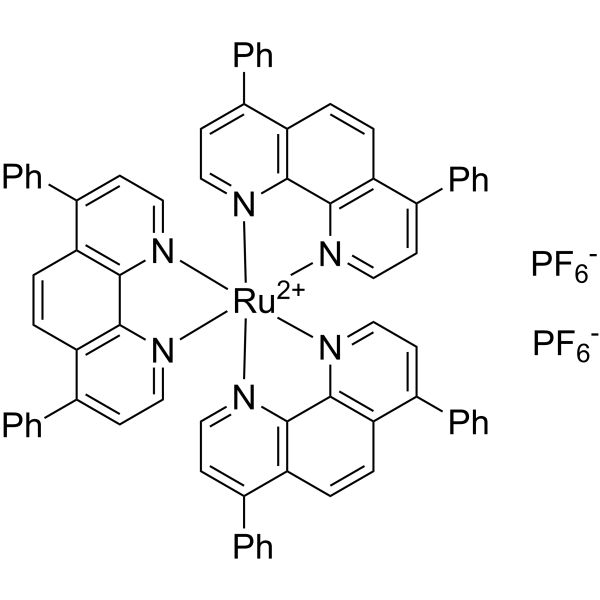
Ru(dpp)3(PF6)2 is a ruthenium (II) polypyridine complex and oxygen-sensing luminophore with excellent photostability and bright orange emission properties based on metal-to-ligand charge transfer (MLCT). Ru(dpp)3(PF6)2 undergoes oxygen-induced collisional luminescence quenching following the Stern-Volmer relationship, and can also engage in Förster-type resonance energy transfer with closed-form BTF6. Featuring excellent photophysical and electrochemical properties, Ru(dpp)3(PF6)2 is applied in studies on quenching-type oxygen sensors based on fluorinated ORMOSIL/xerogels and solid-state light-emitting devices .
|
-
-
- HY-172337
-
|
3-Fluoro-2-oxo PCE hydrochloride; FXE hydrochloride
|
Drug Derivative
|
Neurological Disease
|
|
Fluorexetamine (3-Fluoro-2-oxo PCE) hydrochloride is a fluorinated β-ketoarylcyclohexylamine .
|
-
-
- HY-106218
-
|
5-Fluorocyclocytidine; 5'-Fluorocyclocytidine
|
Nucleoside Antimetabolite/Analog
|
Cancer
|
|
Flurocitabine (5-Fluorocyclocytidine) is a fluorinated anlydride analog of cytosine arabinoside, partially hydrolysecl in vivo into two active antitumor substances (arabinosyl-tluorocytosine (ara-FC) and arabinosyl-fluorouracil (ara-FU)). Flurocitabine (5-Fluorocyclocytidine) has antitumor activity during phase I studies in acute leukemia and solid tumors .
|
-
-
- HY-W095635
-
|
|
Biochemical Assay Reagents
|
Others
|
|
Tetramethylammonium fluoride tetrahydrate (TMAF) is a quaternary ammonium salt. TMAF is commonly used as a weak base and a source of fluoride ions in various organic reactions, including nucleophilic substitution, functional group deprotection, and ring-opening polymerization. Unlike other fluoride sources, TMAF is compatible with many functional groups, making it a versatile tool in synthetic chemistry. Functional reagents, In addition, TMAF has been used as a fluorinating agent in medicinal chemistry, for the preparation of radiotracers and protein modification in biochemistry, and the tetrahydrate form of TMAF is more stable and easier to handle than the anhydrous form.
|
-
-
- HY-40156
-
|
|
Bacterial
Reactive Oxygen Species (ROS)
Apoptosis
|
Infection
|
|
5-Fluoroindole is an orally active fluorinated indole derivative and antibacterial agent. 5-Fluoroindole induces ROS accumulation and triggers Apoptosis. 5-Fluoroindole inhibits the growth of pan-susceptible Mycobacterium tuberculosis (Mtb) H37Rv strains. 5-Fluoroindole has significant bactericidal activity against Pseudomonas syringae pv. actinidiae (Psa) with an EC50 of 15.34 μg/mL. 5-Fluoroindole introduces fluorine labeling for protein research. 5-Fluoroindole can be used in the study of tuberculosis and kiwifruit bacterial canker .
|
-
-
- HY-B0069R
-
|
F-ara-A (Standard); NSC 118218 (Standard)
|
Reference Standards
Nucleoside Antimetabolite/Analog
DNA/RNA Synthesis
STAT
Apoptosis
|
Cancer
|
|
Fludarabine (Standard) is the analytical standard of Fludarabine. This product is intended for research and analytical applications. Fludarabine (NSC 118218) is a DNA synthesis inhibitor and a fluorinated purine analogue with antineoplastic activity in lymphoproliferative malignancies. Fludarabine inhibits the cytokine-induced activation of STAT1 and STAT1-dependent gene transcription in normal resting or activated lymphocytes .
|
-
-
- HY-65254
-
-
-
- HY-155869
-
|
5-Fluoro-2′-deoxycytidine 5′-triphosphate
|
DNA/RNA Synthesis
|
Others
|
|
5-fluoro-dCTP is a fluorinated pyrimidine dNTP that can be used as a substrate for the incorporation of fluorine modification into specific DNA sequences by primer extension (PEX) catalyzed by Pwo polymerase .
|
-
-
- HY-W007614
-
|
3-Fluoro-para-anisaldehyde
|
Drug Intermediate
|
Cancer
|
|
3-Fluoro-4-methoxybenzaldehyde (3-Fluoro-para-anisaldehyde) is a drug intermediate that can be used to synthesize the fluorinated derivative of Combretastatin A-4 (HY-N2146), which has anti-cancer activity.
|
-
-
- HY-139211
-
|
3,4-Difluorobenzylidene curcumin
|
Reactive Oxygen Species (ROS)
|
Cancer
|
|
Difluorinated Curcumin (3,4-Difluorobenzylidene curcumin) is a fluorinated curcumin analog with high bioavailability and anticancer activity. Difluorinated Curcumin inhibits the self-renewal ability of tumor stem/stem-like cells, clonogenicity, invasiveness and angiogenesis of tumor cells. Difluorinated Curcumin also increases cell sensitivity to chemotherapy .
|
-
-
- HY-105211
-
|
|
Biochemical Assay Reagents
|
Cancer
|
|
KU-2285 is an orally active fluorinated 2-nitroimidazole hypoxic cell radiosensitizer. KU-2285 has higher lipophilicity, superior sensitizing activity to Etanidazole (HY-116972), and lower neurotoxicity. KU-2285 can be used in research related to tumor diagnosis .
|
-
-
- HY-W250129
-
|
|
Biochemical Assay Reagents
|
Others
|
|
2,3,4,5-Tetrafluorobenzoyl chloride is a fluorinated organic compound that belongs to the class of benzoyl chlorides. It is a colorless liquid with a pungent smell and is mainly used as an intermediate in the synthesis of various pharmaceutical and pesticide compounds. 2,3,4,5-Tetrafluorobenzoyl chloride is an acylating agent that can react with a variety of nucleophiles, including amines, alcohols, and thiols, to form amides, esters, or thioesters, respectively. Its unique fluorine-containing structure can impart desired properties to target molecules, such as increased lipophilicity or increased stability against metabolic degradation. However, due to its high reactivity and potential health hazards, proper safety measures and handling procedures must be followed when using this compound.
|
-
-
- HY-175149A
-
|
|
Tyrosinase
|
Others
|
|
(+)-2-Fluorodeoxyarbutin is a fluorinated derivative of the tyrosinase inhibitor deoxyarbutin (HY-B1461).
|
-
-
- HY-32126R
-
|
|
Adrenergic Receptor
Serotonin Transporter
Reference Standards
|
Others
|
|
1-Fluoronaphthalene (Standard) is the analytical standard of 1-Fluoronaphthalene. This product is intended for research and analytical applications. 1-Fluoronaphthalene is an organofluorine compound derived from naphthalene derivatives and fluorinated aromatics. 1-Fluoronaphthalene can be used to synthesize LY248686, a potent inhibitor of serotonin and noradrenaline uptake .
|
-
-
- HY-134033A
-
|
2'-Fluoro dATP sodium
|
Nucleoside Antimetabolite/Analog
|
Infection
|
|
2'-Deoxy-2'-fluoroadenosine-5'-O-triphosphate sodium (2'-fluoro dATP) is a fluorinated derivative of ATP (HY-B2176). 2'-Deoxy-2'-fluoroadenosine-5'-O-triphosphate sodium is a substrate and an inhibitor for E.coli DNA-dependent RNA polymerase, with a Ki of 200 µM .
|
-
-
- HY-175377
-
|
|
Tyrosinase
|
Others
|
|
(-)-2-Fluorodeoxyarbutin is a fluorinated derivative of the tyrosinase inhibitor deoxyarbutin .
|
-
-
- HY-79171
-
-
-
- HY-155869A
-
|
5-Fluoro-2′-deoxycytidine 5′-triphosphate sodium
|
DNA/RNA Synthesis
|
Others
|
|
5-fluoro-dCTP sodium is a fluorinated pyrimidine dNTP that can be used as a substrate for the incorporation of fluorine modification into specific DNA sequences by primer extension (PEX) catalyzed by Pwo polymerase .
|
-
-
- HY-113719
-
|
|
Carbonic Anhydrase
|
Cancer
|
|
VM4-037 can be used for the synthesis of VM4-037(18F). VM4-037(18F) is a fluorinated PET imaging agent for carbonic anhydrase IX .
|
-
-
- HY-162453
-
|
|
Apoptosis
MMP
|
Cancer
|
|
Anticancer agent 204 (Compound 6), a cinnamide fluorinated derivative, possesses anticancer activity. Anticancer agent 204 can arrest the cell cycle of HepG2 cells in the G1 phase and induce apoptosis by reducing the level of mitochondrial membrane polarization (MMP) .
|
-
-
- HY-121571
-
|
|
Insecticide
|
Infection
Cancer
|
|
Prallethrin, a spatial mosquito repellent, is a non-fluorinated pyrethroid targeting lung surfactant proteins (SPs). prallethrin has vapor toxicity and can bind with the lung SPs by hydrogen and hydrophobic interactions, impairing functions of SPs. Prallethrin can be used for respiratory illness, pathogenic infections and malignancy research .
|
-
-
- HY-B0983R
-
|
Cortisol 17-butyrate (Standard); Hydrocortisone butyrate (Standard)
|
Reference Standards
Adrenergic Receptor
|
Inflammation/Immunology
Endocrinology
|
|
Hydrocortisone 17-butyrate (Standard) is the analytical standard of Hydrocortisone 17-butyrate. This product is intended for research and analytical applications. Hydrocortisone 17-butyrate is a non-fluorinated topical corticosteroid for use in psoriasis, eczema, and other inflammatory dermatoses. Hydrocortisone 17-butyrate inhibits granuloma formation in rats. Hydrocortisone 17-butyrate can induce vasoconstriction .
|
-
-
- HY-B0248R
-
|
|
Reference Standards
Glucocorticoid Receptor
Huntingtin
Apoptosis
|
Neurological Disease
Inflammation/Immunology
|
|
Desonide (Standard) is the analytical standard of Desonide. This product is intended for research and analytical applications. Desonide is a non-fluorinated corticosteroid anti-inflammatory agent that acts on the glucocorticoid receptor. Desonide can also specifically bind to the mutant huntingtin protein (mHTT), reducing the level and toxicity of mHTT. Desonide can be used in the research of Huntington's disease and inflammatory diseases such as atopic dermatitis.
|
-
-
- HY-W422400
-
|
|
Biochemical Assay Reagents
|
Others
Cancer
|
|
Fluoroglutamine (2S,4R) is a fluorinated derivative of glutamine. As a substrate for various aminotransferases, Fluoroglutamine (2S,4R) can be used as a tracer for positron emission tomography (PET) imaging. Fluoroglutamine (2S,4R) is applied in the research fields of tumor metabolism and imaging .
|
-
- HY-W653989
-
|
|
Isotope-Labeled Compounds
|
Others
|
|
Desonide- 13C3 is the 13C labeled isotope of Desonide (HY-B0248). Desonide is a non-fluorinated corticosteroid anti-inflammatory agent that acts on the glucocorticoid receptor. Desonide can also specifically bind to the mutant huntingtin protein (mHTT), reducing the level and toxicity of mHTT. Desonide can be used in the research of Huntington's disease and inflammatory diseases such as atopic dermatitis .
|
-
- HY-149558
-
|
|
Apoptosis
CXCR
|
Cancer
|
|
CXCR4-IN-2 (compound A1) is a bifunctional fluorinated small molecule that is a potent CXCR4 inhibitor with anticancer activity. CXCR4-IN-2 has cytotoxic (IC50: 60 μg/mL; 72 h) and antiproliferative effects on mouse colorectal cancer (CRC) cells. CXCR4-IN-2 induces cell arrest in the G2/M phase and induces apoptosis .
|
-
- HY-D1447
-
|
|
Fluorescent Dye
|
Others
|
|
Fluo-3FF pentapotassium is a cell-impermeant fluorescent calcium indicator. Fluo-3FF is a di-fluorinated analog of Fluo-3 with a 100-fold lower affinity than Fluo-3 for calcium (Kds=42 and 0.4 μM, respectively). For its low affinity, Fluo-3FF is used for studying compartments with high concentrations of calcium, such as endoplasmic reticulum, where high affinity dyes will be insensitive to luminal fluctuations.
|
-
- HY-W1027410
-
-
- HY-111654
-
-
- HY-158882
-
|
|
Biochemical Assay Reagents
Adenosine Receptor
|
Others
|
|
FLAC6 is a potent fluorinated detergent that can be used to solubilize membrane proteins (the native adenosine receptor A2AR, a G protein-coupled receptor, and two native transporters AcrB and BmrA). FLAC6 can maintain the structural and functional integrity of different membrane proteins .
|
-
- HY-123980
-
-
- HY-163474
-
-
- HY-W576868
-
|
|
Ligands for E3 Ligase
|
Cancer
|
|
Thalidomide-4,5-F is a fluorinated Thalidomide analogue. Thalidomide promotes the ubiquitinylation of proteins. The structure may be further derivatized via substitution at its fluorines.
|
-
- HY-172295
-
|
|
Ligands for E3 Ligase
|
Cancer
|
|
Tetrafluoro-thalidomide is a fluorinated Thalidomide analogue. Tetrafluoro-thalidomide is an activator of E3 ligase, which ubiquitinylates proteins for later proteolysis. The structure may be further derivatized via substitution at its fluorines.
|
-
- HY-173387
-
|
4FDT
|
Drug Derivative
|
Cancer
|
|
4F-Docetaxel (4FDT) is a fluorinated docetaxel analog. 4F-Docetaxel has anti-hepatoma activity and can be used for research of hepatocellular carcinoma (HCC) .
|
-
- HY-W727209
-
|
|
Parasite
|
Infection
|
|
Fluazaindolizine is a fluorinated nematicide. Fluazaindolizine induces mortality in second-stage juveniles (J2) of Meloidogyne incognita and Tylenchulus semipenetrans in vitro. Fluazaindolizine impacts plant-parasitic nematode parasitism. Fluazaindolizine can be used for the research of plant-parasitic nematode infestation .
|
-
- HY-143330
-
|
|
Monoamine Oxidase
|
Neurological Disease
|
|
MAO-B-IN-4 (Compound 26) is an orally active and reversible MAO-B inhibitor with an IC50 of 9 nM. MAO-B-IN-4 has good metabolic stability, safety profile and brain permeability. MAO-B-IN-4 shows antidepressant activity in rats and mice. MAO-B-IN-4 can be used in studies related to Alzheimer's disease .
|
-
- HY-W577257
-
|
|
Ligands for E3 Ligase
|
Cancer
|
|
5-Fluoro-2-(1-methyl-2,6-dioxo-3-piperidinyl)-1H-Isoindole-1,3(2H)-dione is a fluorinated E3 ligase activator. Thalidomide-1-Me,5-F may be used for further derivitization by SNAr.
|
-
- HY-185564
-
|
|
Biochemical Assay Reagents
|
Others
|
|
F6OM, a nonionic fluorinated octyl maltoside derivative, is a surfactant. F6OM readily interacts with and completely solubilizes phospholipid vesicles via a heterogeneous solubilization mechanism, without compromising membrane order at subsolubilizing concentrations. F6OM promotes bilayer insertion of an integral membrane enzyme in the absence of micelles to support functional refolding of integral membrane proteins. F6OM can be used for membrane-protein applications .
|
-
- HY-B0139AS1
-
|
5-Fluorocytosine-15N2 hydrochloride; NSC 103805-15N2 hydrochloride; Ro 2-9915-15N2 hydrochloride
|
Isotope-Labeled Compounds
Antibiotic
Fungal
|
Others
|
|
Flucytosine- 15N2 (5-Fluorocytosine- 15N2) hydrochloride is the 15N-labeled Flucytosine hydrochloride (HY-B0139). Flucytosine (5-Fluorocytosine) is an antifungal compound with oral activity. Flucytosine is a widely used cytotoxic drug that, after further metabolism, produces fluorinated ribonucleotides and deoxyribonucleotides, inhibits DNA and protein synthesis, and has multiple effects such as inhibiting candida and candida neoplasm infection and producies cytotoxicity to cancer cells.
|
-
- HY-W040279
-
|
|
Herbicide
Acetolactate Synthase (ALS)
|
Others
|
|
Prosulfuron is a fluorinated sulfonylurea herbicide with a reported acute oral LD50 of 546 mg/kg in female rats. Prosulfuron acts by inhibiting acetolactate synthase (ALS) to block the biosynthesis of branched-chain amino acids (valine, leucine and isoleucine) in plants, thereby suppressing weed growth. Prosulfuron may disrupt the soil microbial community balance in alkaline soils with minimal chemical degradation. Prosulfuron has low toxicity to humans and mammals, and can be used for the research of broadleaf weed control in maize and sweet corn .
|
-
- HY-182746
-
|
|
MDM-2/p53
Drug Derivative
|
Cancer
|
|
RG7388-PEG3-Click-F is a fluorinated analog of the MDM2 inhibitor RG7388 (HY-15676), with an IC50 of 16.8 nM against MDM2. [ 18F]RG7388-PEG3-Click-F exhibits high uptake and specificity in MDM2-expressing myeloma cells, and can be used for non-invasive assessment of MDM2 protein expression levels in tumors .
|
-
- HY-116156
-
|
|
Biochemical Assay Reagents
|
Cancer
|
|
SR-4554 is a probe for the measurement of tumor hypoxia. SR-4554 undergoes enzymatic single-electron reduction reactions within hypoxic cells. SR-4554 determines the 19F retention index for four commonly used mouse tumors (EMT6, SCCVII, KILT and RIF-I) through 19F MRS technique. SR-4554 can used to detect tumor Hypoxia noninvasively by 19F magnetic resonance spectroscopy ( 19F MRS) .
|
-
- HY-172728
-
|
|
Fluorescent Dye
|
Others
|
|
Difluorocarboxyfluorescein NHS Ester, 6-isomer is an amine-reactive fluorinated analog of fluorescein that overcomes some of the key limitations of fluorescein, including greater photostability and a lower pKa (pKa ~ 4.7 versus 6.4 for fluorescein), making its fluorescence essentially pH insensitive in the physiological pH range. Although the mixed isomers of Difluorocarboxyfluorescein NHS Ester, is a preferred, routinely used fluorescent dye for labeling proteins, peptides and nucleotides, purification of peptide and nucleotides labeled with 5(6) isomers might be troublesome due to significant signal broadening in HPLC purification. Peptides and nucleotides labeled with a single isomer usually give better resolution in HPLC purification that is often required in the conjugation processes.
|
-
- HY-179636
-
|
|
Drug Intermediate
|
Cardiovascular Disease
|
|
DS-1040 Tosylate prodrug-1 (Compound 2) is a prodrug of DS-1040 Tosylate (Compound 1) (HY-101918). DS-1040 Tosylate prodrug-1 can be used to study thromboembolic diseases .
|
-
- HY-P11615
-
|
|
Bacterial
|
Infection
|
|
FuK is a WK2-analog antimicrobial peptide modified with fluorinated unnatural amino acids. FuK has an LD50 of 72.34 mg/kg in mice, shows no hemolytic activity, with high stability against trypsin, chymotrypsin, and saline environments. FuK exerts bactericidal effects by enhancing the permeability of bacterial outer membranes, inducing depolarization of cytoplasmic membranes, and disrupting membrane potential balance against bacterias such as Staphylococcus aureus, Escherichia coli, Klebsiella pneumoniae, and MRSA. FuK exhibits synergistic antimicrobial activity with polymyxin B (HY-149179), vancomycin (HY-B0671), and ciprofloxacin (HY-B0356), and also inhibits Ciprofloxacin-induced bacterial drug resistance. FuK has in vivo safety, effectively reduces bacterial load and inflammatory cell infiltration in a mouse MRSA model, and promotes collagen fiber formation in skin wounds .
|
-
| Cat. No. |
Product Name |
Type |
-
- HY-D1447
-
|
|
Fluorescent Dyes
|
|
Fluo-3FF pentapotassium is a cell-impermeant fluorescent calcium indicator. Fluo-3FF is a di-fluorinated analog of Fluo-3 with a 100-fold lower affinity than Fluo-3 for calcium (Kds=42 and 0.4 μM, respectively). For its low affinity, Fluo-3FF is used for studying compartments with high concentrations of calcium, such as endoplasmic reticulum, where high affinity dyes will be insensitive to luminal fluctuations.
|
| Cat. No. |
Product Name |
Type |
-
- HY-W127717
-
|
Perfluoro-compound FC-40
|
Biochemical Assay Reagents
|
|
Fluorinert FC-40 is a non-conductive liquid containing a mixture of fluorinated compounds. It is commonly used as a cooling and heat transfer fluid in electronics, especially in high-performance computer systems and electronic components that generate a lot of heat. Fluorinert FC-40 has various properties that make it ideal for these applications, including its low viscosity, high thermal stability and excellent dielectric strength. In addition, it can be used as an inert solvent in chemical reactions and a lubricant in mechanical systems.
|
-
- HY-W075766
-
|
Nickel difluoride
|
Biochemical Assay Reagents
|
|
Nickel(II) fluoride (Nickel difluoride) is a fluorinating agent and catalyst suitable for surface treatment of aluminum profiles and the production of inks, fluorescent lamps, and organic synthesis. Nickel(II) fluoride is a kind of biological materials or organic compounds that are widely used in life science research .
|
-
- HY-32884
-
|
|
Biochemical Assay Reagents
|
|
2,5-Difluorophenylboronic acid is a phenylboronic acid substituted with 2,5-difluorine groups. 2,5-Difluorophenylboronic acid serves as an organic synthesis intermediate belonging to the fluorinated phenylboronic acid class .
|
-
- HY-109534
-
|
fluorinated polymer; Fluoropolymer; PTFE; Polytetrafluoroethylene
|
Biochemical Assay Reagents
|
|
Poly(tetrafluoroethylene) (Fluorinated polymer; Fluoropolymer; PTFE) is a biochemical reagent that can be used as a biological material or organic compound for life science related research .
|
-
- HY-W002291
-
|
4-Fluoro-L-phenylalanine
|
Biochemical Assay Reagents
|
|
p-Fluoro-L-phenylalanine (4-Fluoro-L-phenylalanine) is a fluorinated derivative of L-phenylalanine (HY-N0215). p-Fluoro-L-phenylalanine specifically binds to the L-leucine-specific receptor of Escherichia coli, with a Kd value of 0.26 μM .
|
-
- HY-32887
-
|
|
Biochemical Assay Reagents
|
|
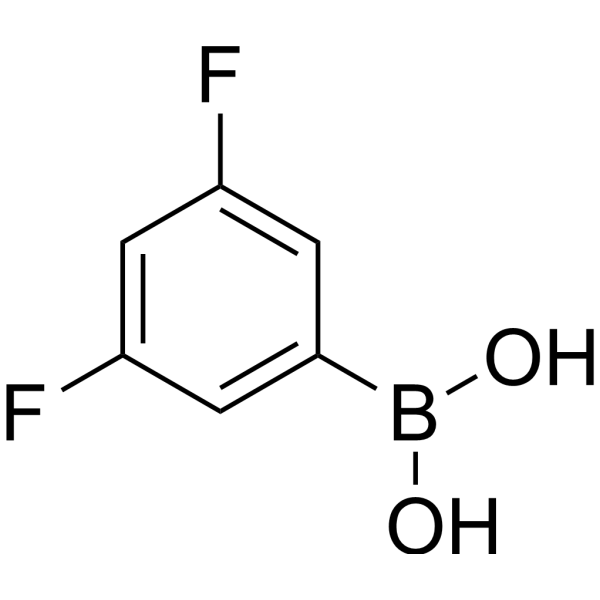
3,5-Difluorophenylboronic acid is a fluorinated arylboronic acid compound. As an important intermediate, 3,5-difluorophenylboronic acid can be used in the synthesis of other active compounds .
|
-
- HY-W050049
-
|
|
Biochemical Assay Reagents
|
|
2-Deoxy-2,2-difluoro-D-erythro-pentonic acid γ-Lactone 3,5-dibenzoate is a chemically synthesized fluorinated carbohydrate derivative that can be used in glycobiology research .
|
-
- HY-W012911
-
|
|
Biochemical Assay Reagents
|
|
2,6-Difluoropyridine is a fluorinated pyridine derivative. 2,6-Difluoropyridine adopts a planar conformation in its S0 electronic ground state and S1(π,π) excited state .
|
-
- HY-W010023
-
|
3-Bromo-5-fluoro-2-pyridinamine
|
Biochemical Assay Reagents
|
|
2-Amino-3-bromo-5-fluoropyridine (3-Bromo-5-fluoro-2-pyridinamine) is a drug intermediate that can be used for the synthesis fluorinated pyridines .
|
-
- HY-W127832
-
|
|
Biochemical Assay Reagents
|
|
Ru(dpp)3(PF6)2 is a ruthenium (II) polypyridine complex and oxygen-sensing luminophore with excellent photostability and bright orange emission properties based on metal-to-ligand charge transfer (MLCT). Ru(dpp)3(PF6)2 undergoes oxygen-induced collisional luminescence quenching following the Stern-Volmer relationship, and can also engage in Förster-type resonance energy transfer with closed-form BTF6. Featuring excellent photophysical and electrochemical properties, Ru(dpp)3(PF6)2 is applied in studies on quenching-type oxygen sensors based on fluorinated ORMOSIL/xerogels and solid-state light-emitting devices .
|
-
- HY-W095635
-
|
|
Biochemical Assay Reagents
|
|
Tetramethylammonium fluoride tetrahydrate (TMAF) is a quaternary ammonium salt. TMAF is commonly used as a weak base and a source of fluoride ions in various organic reactions, including nucleophilic substitution, functional group deprotection, and ring-opening polymerization. Unlike other fluoride sources, TMAF is compatible with many functional groups, making it a versatile tool in synthetic chemistry. Functional reagents, In addition, TMAF has been used as a fluorinating agent in medicinal chemistry, for the preparation of radiotracers and protein modification in biochemistry, and the tetrahydrate form of TMAF is more stable and easier to handle than the anhydrous form.
|
-
- HY-40156
-
|
|
Biochemical Assay Reagents
|
|
5-Fluoroindole is an orally active fluorinated indole derivative and antibacterial agent. 5-Fluoroindole induces ROS accumulation and triggers Apoptosis. 5-Fluoroindole inhibits the growth of pan-susceptible Mycobacterium tuberculosis (Mtb) H37Rv strains. 5-Fluoroindole has significant bactericidal activity against Pseudomonas syringae pv. actinidiae (Psa) with an EC50 of 15.34 μg/mL. 5-Fluoroindole introduces fluorine labeling for protein research. 5-Fluoroindole can be used in the study of tuberculosis and kiwifruit bacterial canker .
|
-
- HY-65254
-
|
|
Biochemical Assay Reagents
|
|
5-Amino-2-fluoropyridine is a fluorinated heterocyclic compound, which can be used for the synthesis of other active compounds .
|
-
- HY-W007614
-
|
3-Fluoro-para-anisaldehyde
|
Biochemical Assay Reagents
|
|
3-Fluoro-4-methoxybenzaldehyde (3-Fluoro-para-anisaldehyde) is a drug intermediate that can be used to synthesize the fluorinated derivative of Combretastatin A-4 (HY-N2146), which has anti-cancer activity.
|
-
- HY-W250129
-
|
|
Biochemical Assay Reagents
|
|
2,3,4,5-Tetrafluorobenzoyl chloride is a fluorinated organic compound that belongs to the class of benzoyl chlorides. It is a colorless liquid with a pungent smell and is mainly used as an intermediate in the synthesis of various pharmaceutical and pesticide compounds. 2,3,4,5-Tetrafluorobenzoyl chloride is an acylating agent that can react with a variety of nucleophiles, including amines, alcohols, and thiols, to form amides, esters, or thioesters, respectively. Its unique fluorine-containing structure can impart desired properties to target molecules, such as increased lipophilicity or increased stability against metabolic degradation. However, due to its high reactivity and potential health hazards, proper safety measures and handling procedures must be followed when using this compound.
|
| Cat. No. |
Product Name |
Target |
Research Area |
-
- HY-W021482
-
|
|
Amino Acid Derivatives
Drug Intermediate
|
Others
|
|
(4S)-1-Benzoylcarbonyl-4-fluorobutylproline ((2R,4R)-1-tert-butoxycarbonyl-4-fluoropyrrolidine-2-carboxylic acid) is a derivative of fluorinated proline and can be used as a pharmaceutical intermediate for the synthesis of various active compounds .
|
-
- HY-P2496
-
|
|
Endothelin Receptor
Fluorescent Dye
NF-κB
COX
Prostaglandin Receptor
Apoptosis
TNF Receptor
Interleukin Related
MMP
|
Cardiovascular Disease
Inflammation/Immunology
Cancer
|
|
Endothelin 1 (swine, human), Alexa Fluor 488-labeled is an Endothelin-1 conjugated with Alexa Fluor 488 (HY-D1304). Endothelin-1 is an endogenous vasoconstrictor and agonist of ETA/ETB receptor. Endothelin 1 (swine, human) exerts effects including promoting mitosis, angiogenesis, tumor invasion and metastasis, and inhibiting apoptosis. Endothelin 1 (swine, human) induces inflammation and oxidative stress by activating the NF-κB pathway. Endothelin 1 (swine, human), Alexa Fluor 488-labeled is specifically designed for fluorescence imaging, flow cytometry or receptor localization studies, and can be used in research related to sepsis, atherosclerosis, systemic inflammatory response syndrome, cancer and congestive heart failure .
|
-
- HY-79171
-
-
- HY-P11615
-
|
|
Bacterial
|
Infection
|
|
FuK is a WK2-analog antimicrobial peptide modified with fluorinated unnatural amino acids. FuK has an LD50 of 72.34 mg/kg in mice, shows no hemolytic activity, with high stability against trypsin, chymotrypsin, and saline environments. FuK exerts bactericidal effects by enhancing the permeability of bacterial outer membranes, inducing depolarization of cytoplasmic membranes, and disrupting membrane potential balance against bacterias such as Staphylococcus aureus, Escherichia coli, Klebsiella pneumoniae, and MRSA. FuK exhibits synergistic antimicrobial activity with polymyxin B (HY-149179), vancomycin (HY-B0671), and ciprofloxacin (HY-B0356), and also inhibits Ciprofloxacin-induced bacterial drug resistance. FuK has in vivo safety, effectively reduces bacterial load and inflammatory cell infiltration in a mouse MRSA model, and promotes collagen fiber formation in skin wounds .
|
| Cat. No. |
Product Name |
Chemical Structure |
-
- HY-W653989
-
|
|
|
Desonide- 13C3 is the 13C labeled isotope of Desonide (HY-B0248). Desonide is a non-fluorinated corticosteroid anti-inflammatory agent that acts on the glucocorticoid receptor. Desonide can also specifically bind to the mutant huntingtin protein (mHTT), reducing the level and toxicity of mHTT. Desonide can be used in the research of Huntington's disease and inflammatory diseases such as atopic dermatitis .
|
-
-
- HY-B0139AS1
-
|
|
|
Flucytosine- 15N2 (5-Fluorocytosine- 15N2) hydrochloride is the 15N-labeled Flucytosine hydrochloride (HY-B0139). Flucytosine (5-Fluorocytosine) is an antifungal compound with oral activity. Flucytosine is a widely used cytotoxic drug that, after further metabolism, produces fluorinated ribonucleotides and deoxyribonucleotides, inhibits DNA and protein synthesis, and has multiple effects such as inhibiting candida and candida neoplasm infection and producies cytotoxicity to cancer cells.
|
-
| Cat. No. |
Product Name |
|
Classification |
-
- HY-W039442
-
|
|
|
Nucleoside Analogs
Adenosine
|
|
2′-Deoxy-2′-fluoroadenosine is a fluorinated deoxyadenosine with antitumor and antiviral activity, able to interfere with viral or cancer cell replication by being incorporated into DNA. 2′-Deoxy-2′-fluoroadenosine can be used for the synthesis of 2′-Deoxy-2′-fluoro-modified oligonucleotides hybridized with RNA. 2′-Deoxy-2′-fluoroadenosine can be cleaved efficiently by E. coli purine nucleoside phosphorylase (PNP) to the toxic agent 2-fluoroadenine (FAde). 2′-Deoxy-2′-fluoroadenosine shows excellent in vivo activity against tumors expressing E. coli PNP .
|
Your information is safe with us. * Required Fields.
Inquiry Information
- Product Name:
- Cat. No.:
- Quantity:
- MCE Japan Authorized Agent:

