From 11:00 pm to 12:00 pm EST ( 8:00 pm to 9:00 pm PST ) on January 6th, the website will be under maintenance. We are sorry for the inconvenience. Please arrange your schedule properly.
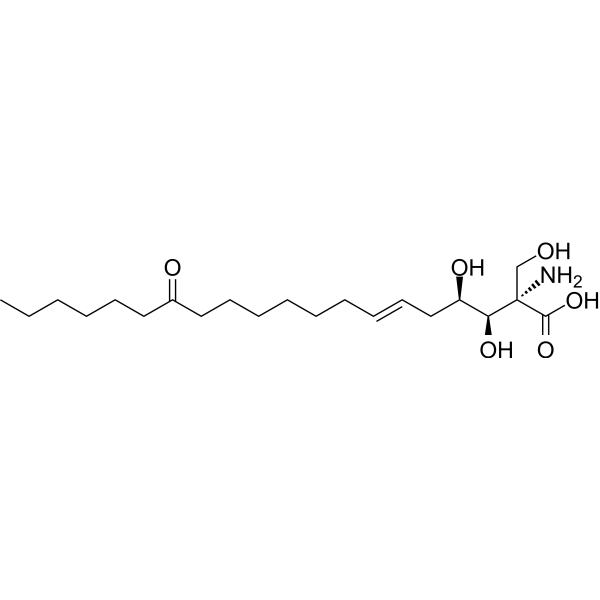
Myriocin (Thermozymocidin), a fungal metabolite could be isolated from Myriococcum albomyces, Isaria sinclairi and Mycelia sterilia, is a potent inhibitor of serine-palmitoyl-transferase (SPT) and a key enzyme in de novo synthesis of sphingolipids. Myriocin suppresses replication of both the subgenomic HCV-1b replicon and the JFH-1 strain of genotype 2a infectious HCV, with an IC50 of 3.5 μg/mL for inhibiting HCV infection .
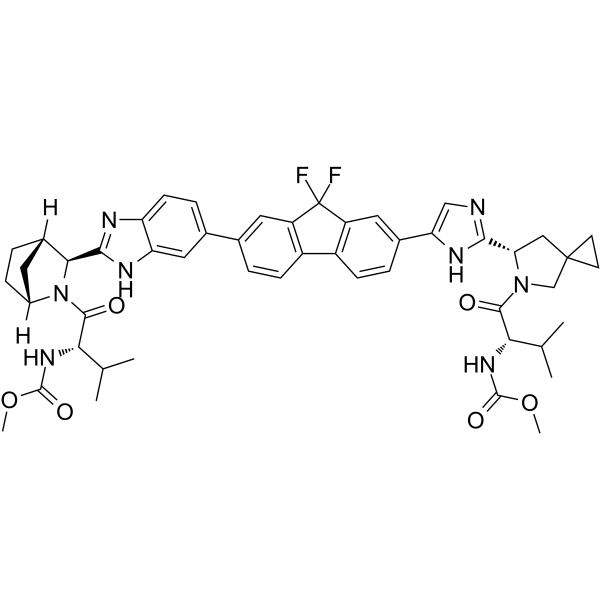
Ledipasvir (GS-5885) is an inhibitor of the hepatitis C virus NS5A, with EC50s of 34 pM and 4 pM against genotype 1a and 1b replicon, respectively. Ledipasvir is also a SARS-CoV 3CL pro inhibitor with an IC50 of 1.62 μM .
Mitapivat (AG-348) is an orally active pyruvate kinase allosteric activator. Mitapivat increases enzymatic activity, protein stability, and ATP levels over a broad range of PKLRgenotypes, shows the potential to restore the activity of PK (pyruvate kinase)-deficient glycolytic pathways. Mitapivat can be used in study of PK deficiency .
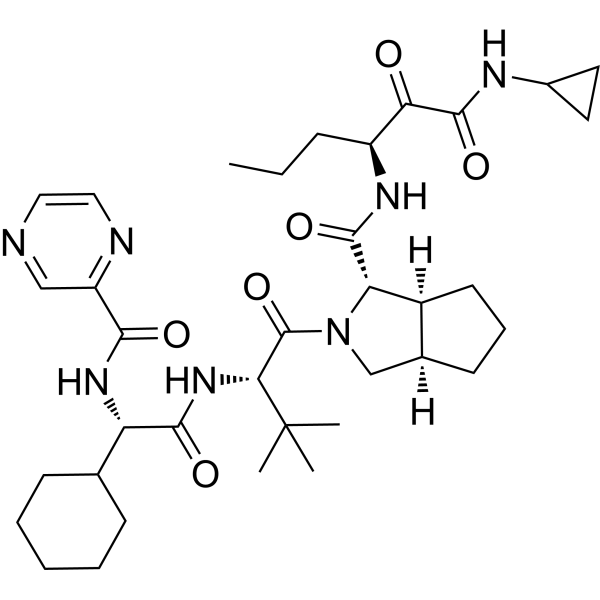
Telaprevir (VX-950) is a highly selective, reversible, and potent peptidomimetic inhibitor of the HCV NS3-4A protease, the steady-state inhibitory constant (Ki) of Telaprevir is 7 nM against a genotype 1 (H strain) NS3 protease domain plus a NS4A cofactor peptide . Telaprevir inhibits SARS-CoV-2 3CL pro activity .
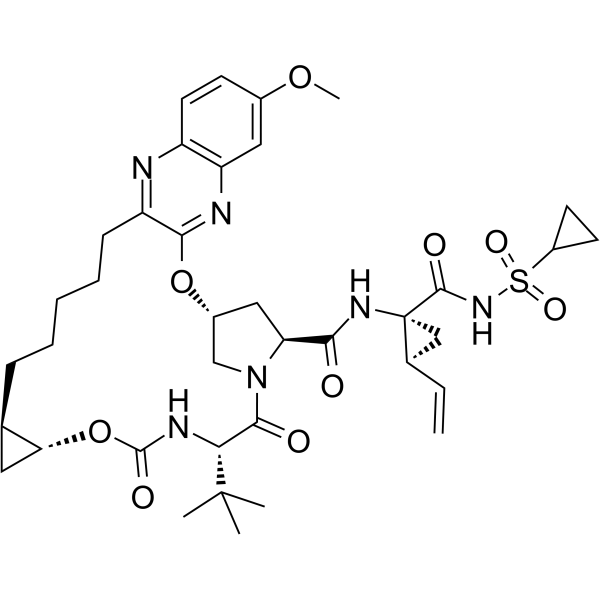
Grazoprevir (MK-5172) is a selective inhibitor of Hepatitis C virus NS3/4a protease with broad activity across genotypes and resistant variants, with Kis of 0.01 nM (gt1b), 0.01 nM (gt1a), 0.08 nM (gt2a), 0.15 nM (gt2b), 0.90 nM (gt3a), respectively . Grazoprevir inhibits SARS-CoV-2 3CL pro activity .
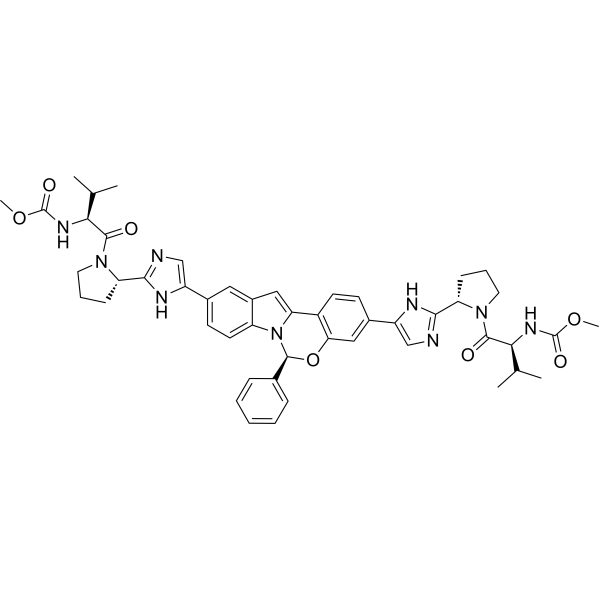
Velpatasvir (VEL, GS-5816) is a novel pan-genotypic hepatitis C virus (HCV) nonstructural protein 5A (NS5A) inhibitor with activity against genotype 1 (GT1) to GT6 HCV replicons. Velpatasvir is also a SARS-CoV 3CL pro inhibitor with an IC50 of 2.16 μM .
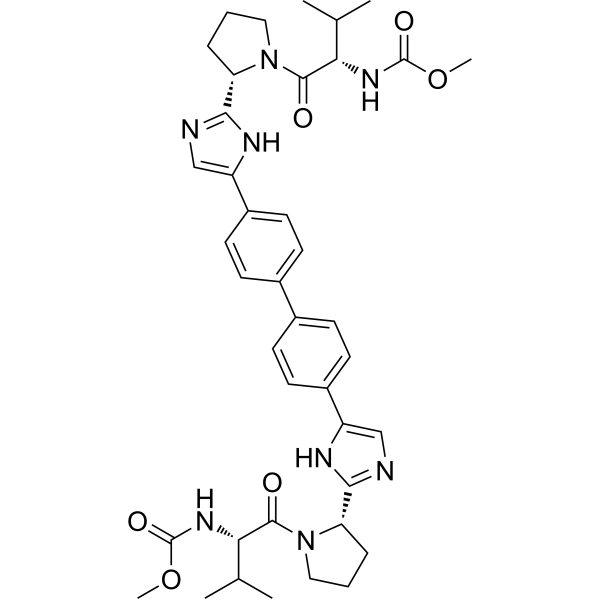
Daclatasvir (BMS-790052) is a potent and orally active HCV NS5A protein inhibitor with EC50s range of 9-146 pM for multiple HCV replicon genotypes. Daclatasvir is also a organic anion transporting polypeptide 1B (OATP1B) and OATP1B3 inhibitor with IC50s of 1.5 µM and 3.27 µM, respectively .
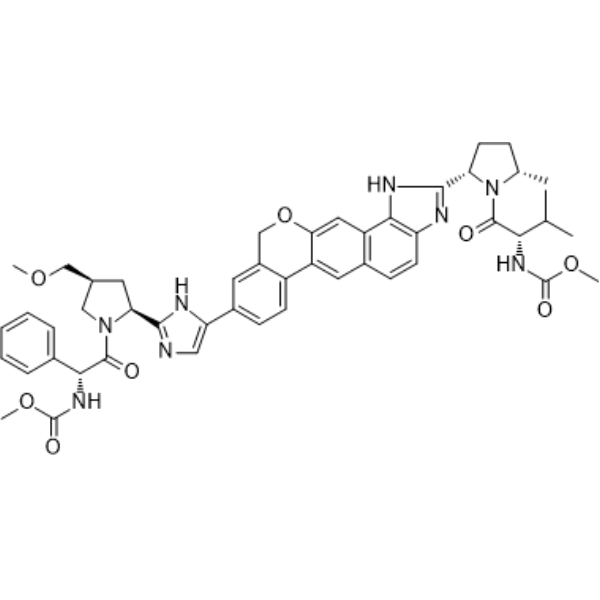
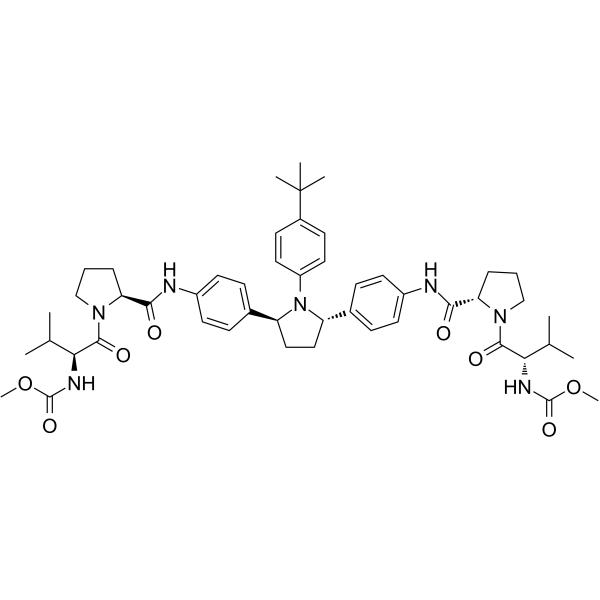
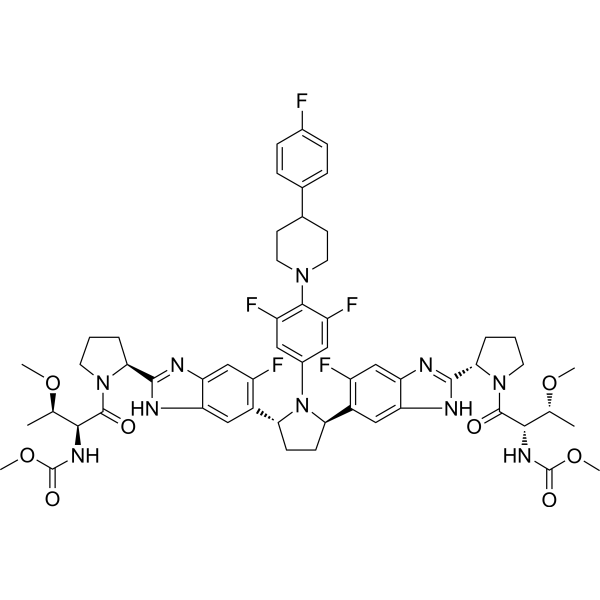
Elbasvir (MK-8742) is a hepatitis C virus nonstructural protein 5A (HCV NS5A) inhibitor with EC50s of 4, 3 and 3 nM against genotype 1a, 1b, and 2a, respectively.
Voxilaprevir (GS-9857) is a noncovalent, reversible inhibitor of HCV NS3/4A protease inhibitor (PI) with pangenotypic antiviral activity . Voxilaprevir inhibits genotype 1b and 3a wild-type NS3 proteases with Ki values of 0.038 nM and 0.066 nM, respectively . Voxilaprevir is an orally active direct-acting antiviral agent (DAA) and can be used for HCV infection research .
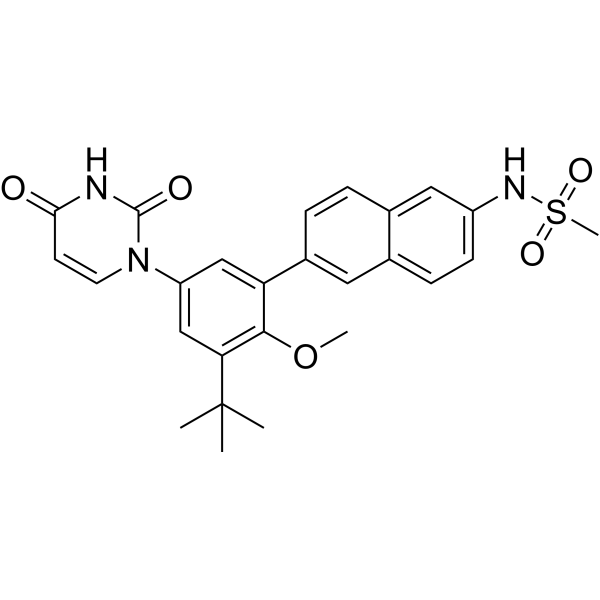
Dasabuvir (ABT-333) is a nonnucleoside hepatitis C virus (HCV) polymerase inhibitor. Dasabuvir inhibits RNA-dependent RNA polymerase encoded by the HCV NS5B gene. Dasabuvir inhibits genotype 1a (strain H77) and 1b (strain Con1) replicons, with EC50 values of 7.7 and 1.8 nM, respectively .
Danoprevir (ITMN-191) is an orally active NS3/4A protease inhibitor for hepatitis C virus (HCV) with an IC50 of 0.29 nM and is selective for NS3/4A over a panel of 53 proteases (IC50 higher than 10 μM). Danoprevir (ITMN-191) inhibits HCV genotypes 1a, 1b, 4, 5, and 6 (IC50s=0.2-0.4 nM) as well as 2b and 3a (IC50s=1.6, 3.5 nM) . Danoprevir is also a SARS-CoV 3CL pro inhibitor with an IC50 of 0.05 μM .
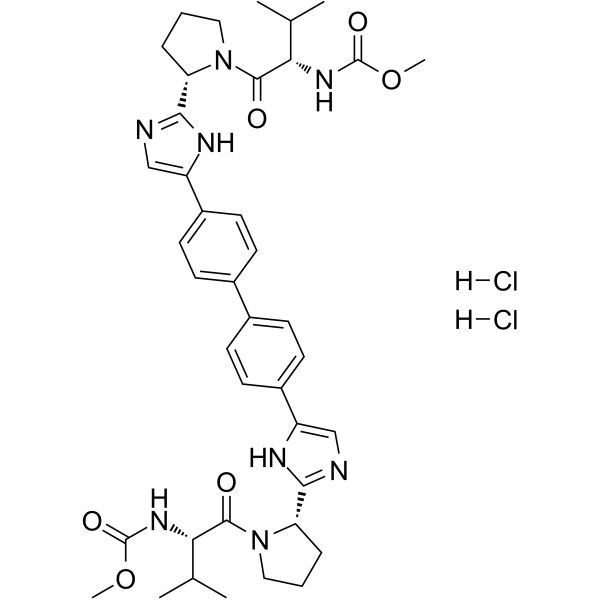
Daclatasvir dihydrochloride (BMS-790052 dihydrochloride) is a potent and orally active HCV NS5A protein inhibitor with EC50s range of 9-146 pM for multiple HCV replicon genotypes. Daclatasvir dihydrochloride is also an organic anion transporting polypeptide 1B (OATP1B) and OATP1B3 inhibitor with IC50s of 1.5 μM and 3.27 μM, respectively .
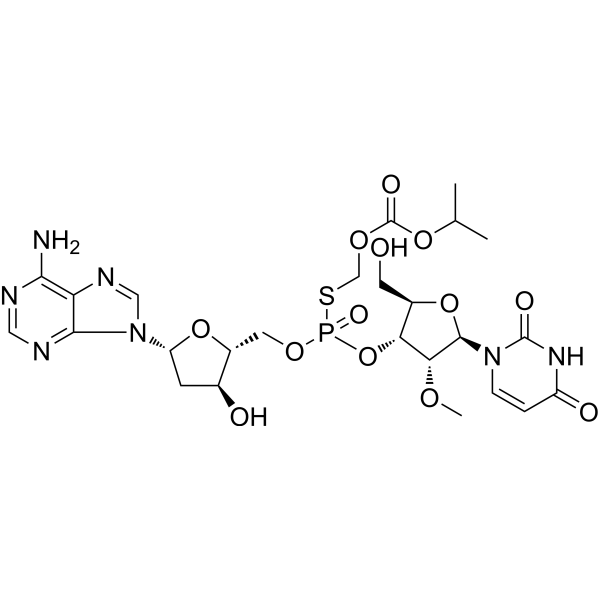
Inarigivir soproxil (SB9200) is an agonist of innate immunity and shows potent antiviral activity against resistant HCV variants, with EC50s of 2.2 and 1.0 μM for HCV 1a/1b in cells of genotype 1 HCV replicon systems. Inarigivir soproxil, an orally bioavailable proagent of SB 9000, has broad-spectrum antiviral activity against RNA viruses including HCV, norovirus, respiratory syncytial virus and influenza and HBV .
Ombitasvir is a potent inhibitor of the hepatitis C virus protein NS5A, with EC50s of 0.82 to 19.3 pM against HCV genotypes 1 to 5, and 366 pM against genotype 6a.
Pibrentasvir is a novel and pan-genotypic hepatitis C virus (HCV) NS5A inhibitor with EC50s ranging from 1.4 to 5.0 pM against HCV replicons containing NS5A from genotypes 1 to 6.
Tobevibart (VIR-3434) is a human IgG1 lambda monoclonal antibody against hepatitis B virus (HBV) surface antigen (HBsAg). Tobevibart shows potent neutralization against HBsAg from all HBV genotypes in vitro and inhibits viral entry of HBV and hepatitis delta virus (HDV). Recommend Isotype Controls: Human IgG1 lambda2, Isotype Control (HY-P990096) .
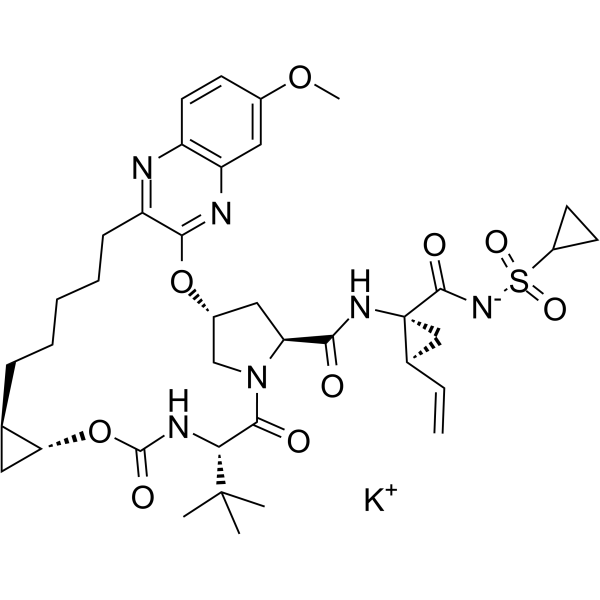
Grazoprevir potassium salt (MK-5172 potassium salt) is a selective inhibitor of Hepatitis C virus NS3/4a protease with broad activity across genotypes and resistant variants, with Kis of 0.01 nM (gt1b), 0.01 nM (gt1a), 0.08 nM (gt2a), 0.15 nM (gt2b), 0.90 nM (gt3a), respectively . Grazoprevir potassium salt inhibits SARS-CoV-2 3CL pro activity .
Ciluprevir (BILN 2061; BILN 2061ZW) is an orally active macrocyclic peptide inhibitor of hepatitis C virus (HCV)NS3 protease, with an IC50 of 3 nM. Ciluprevir has Kᵢ values of 0.66 nM and 0.30 nM against genotypes 1b and 1a, respectively. Ciluprevir inhibits HCV RNA replication with an EC50 of 1.2 nM, and its EC50 values against genotypes 1b and 1a are 3 nM and 4 nM, respectively. Ciluprevir shows no significant inhibition against human leukocyte elastase and hepatic cathepsin B. Ciluprevir can be used for genotype 1 HCV infection .
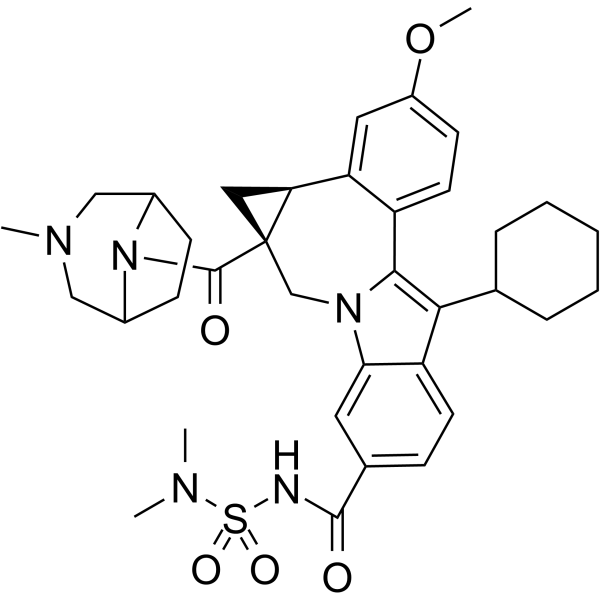
Beclabuvir is an allosteric inhibitor that binds to thumb site 1 of the hepatitis C virus (HCV) NS5B RNA-dependent RNA polymerase, and inhibits recombinant NS5B proteins from HCV genotypes 1, 3, 4, and 5 with IC50 of < 28 nM .
Indole-3-methanamine is an indole derivative, stress-related metabolite, and also a biosynthetic precursor of Gramine (HY-N0166). The accumulation level of Indole-3-methanamine increases in susceptible barley varieties infected with Bipolaris sorokiniana. Indole-3-methanamine can be used in studies related to barley spot blotch .
Faldaprevir (BI 201335) is a potent, orally active and selective noncovalent inhibitor of NS3/4A protease of HCV (hepatitis C virus) genotypes 1a and 1b, with Ki values of 2.6 and 2.0 nM, respectively. Faldaprevir inhibits HCV RNA replication, with EC50 values of 6.5 and 3.1 nM, respectively. Faldaprevir has potent antiviral activity against chronic HCV infection .
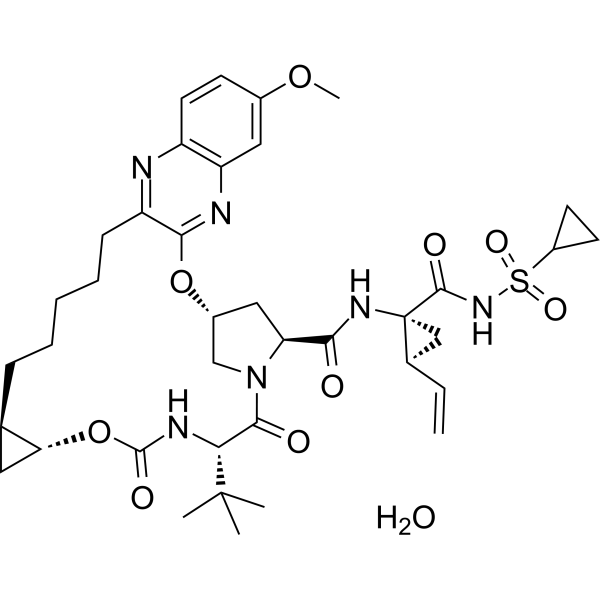
Grazoprevir hydrate (MK-5172 hydrate) is a selective inhibitor of Hepatitis C virus NS3/4a protease with broad activity across genotypes and resistant variants, with Kis of 0.01 nM (gt1b), 0.01 nM (gt1a), 0.08 nM (gt2a), 0.15 nM (gt2b), 0.90 nM (gt3a), respectively . Grazoprevir hydrate inhibits SARS-CoV-2 3CL pro activity .
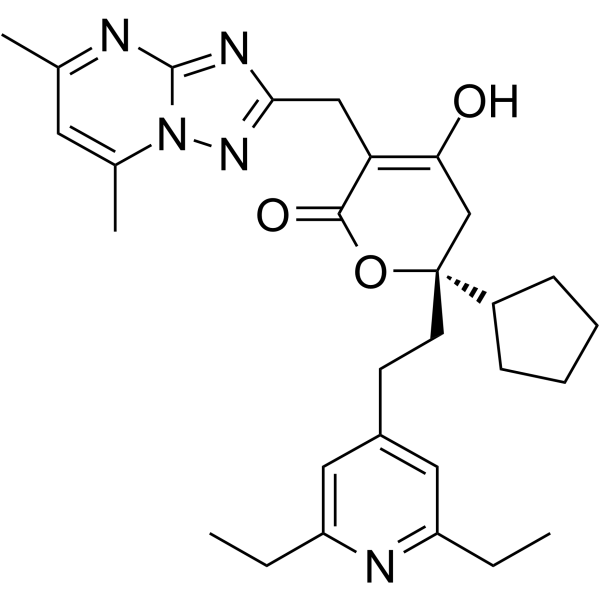
Filibuvir is an orally active, selective non-nucleoside inhibitor of the HCV nonstructural 5B protein (NS5B) RNA-dependent RNA polymerase (RdRp). Filibuvir binds noncovalently in the thumb II allosteric pocket of NS5B. Filibuvir inhibits genotype 1a and 1b replicons with EC50s of 59 nM for both isoforms, respectively . Filibuvir preferentially inhibits elongative RNA synthesis and potently decreases viral RNA accumulation .
Brelovitug (BJT-778) is a humanized IgG1 neutralizing monoclonal antibody targeting hepatitis B surface antigen (HBsAg). Brelovitug binds with high affinity to HBsAg purified from HBV serotypes ad and ay, with Kd values of 0.22 nM and 0.39 nM, respectively. Brelovitug binds with high affinity to HBsAg of HBV genotypes A, B, C and D, with IC50 values of 0.07, 0.02, 0.02 and 0.07 nM, respectively. Brelovitug can be used in research related to chronic hepatitis B and chronic hepatitis D .
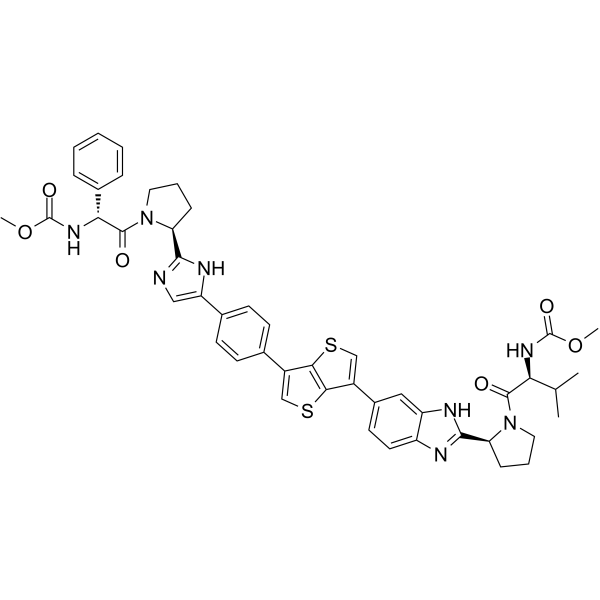
Yimitasvir diphosphate (Emitasvir diphosphate; DAG-181 diphosphate) is an orally active inhibitor of hepatitis C virus (HCV) nonstructural protein 5A (NS5A). Yimitasvir diphosphate is applicable to research related to HCV infection .
VCH-916 is a thiophene derivative and non-nucleoside inhibitor of HCVNS5B polymerase with sub-micromolar IC50 values versus genotype 1a and 1b replicons. VCH-916 binds to Thumb Site II. VCH-916 can be used for the research of hepatitis c virus (hcv) infection .
Olanzapine N-oxide is a compound under investigation for the metabolism of antipsychotic compounds. Olanzapine N-oxidation and N-demethylation are catalyzed by different enzymes, and its plasma concentration and clearance are not affected by a single factor, such as a specific genotype or smoking behavior.
Samatasvir (IDX71) is a potent, orally active NS5A inhibitor of HCV replication. Samatasvir is effective and selective against infectious HCV and replicons, with EC50s falling within a tight range of 2 to 24 pM in genotype 1 through 5 replicons .
β-Thujaplicinol (3-Hydroxy-5-isopropyltropolone) is an inhibitor of hepatitis B virus (HBV) ribonuclease H. β-Thujaplicinol inhibits RNAseHs of HBVgenotypes D and H with IC50 values of 5.9 and 2.3 μM, respectively .
1-Formyl-beta-carboline is an alkaloid with inhibitory activity against Newcastle disease virus (NDV). 1-Formyl-beta-carboline can effectively inhibit different genotypes of NDV with IC50 values within 10 μM, and its inhibition rate is more than 90% at a concentration of 20 μM. 1-Formyl-beta-carboline mainly exerts its effects by inhibiting the adsorption and entry processes in the NDV life cycle. 1-Formyl-beta-carboline has been identified as a novel HN inhibitor that can directly interact with the NDV HN protein and affect the adsorption of NDV. 1-Formyl-beta-carboline also inhibits the entry of NDV by inhibiting the PI3K/Akt signaling pathway rather than the ERK pathway .
6-Bromo-2-naphthol is an RTP (real-time polymerase chain reaction) probe that forms a 1:1 or 2:1 complex with β-cyclodextrin (β-CD). 6-Bromo-2-naphthol is capable of real-time monitoring of PCR reactions and quantification of specific nucleic acid sequences. RTP probes are a class of small DNA or RNA sequences labeled with fluorescent dyes and quencher molecules, which can be widely used in gene expression analysis, SNP genotyping, and pathogen detection. 6-Bromo-2-naphthol embeds into the cyclodextrin cavity through hydrophobic interactions, inhibits the oxygen quenching effect, and emits a phosphorescent signal at room temperature. 6-Bromo-2-naphthol can also be used as an intermediate for the synthesis of antibacterial azo dyes, and its derivatives show antibacterial activity against Staphylococcus aureus, Escherichia coli and other bacteria .
Daclatasvir (dihydrochloride) (Standard) is the analytical standard of Daclatasvir (dihydrochloride). This product is intended for research and analytical applications. Daclatasvir dihydrochloride (BMS-790052 dihydrochloride) is a potent and orally active HCV NS5A protein inhibitor with EC50s range of 9-146 pM for multiple HCV replicon genotypes. Daclatasvir dihydrochloride is also an organic anion transporting polypeptide 1B (OATP1B) and OATP1B3 inhibitor with IC50s of 1.5 µM and 3.27 µM, respectively .
Ledipasvir (GS-5885) hydrochloride is an inhibitor of the hepatitis C virus NS5A, with EC50s of 34 pM and 4 pM against genotype 1a and 1b replicon, respectively. Ledipasvir hydrochloride is also a SARS-CoV 3CL pro inhibitor with an IC50 of 1.62 μM .
Velpatasvir (Standard) is the analytical standard of Velpatasvir. This product is intended for research and analytical applications. Velpatasvir (VEL, GS-5816) is a novel pan-genotypic hepatitis C virus (HCV) nonstructural protein 5A (NS5A) inhibitor with activity against genotype 1 (GT1) to GT6 HCV replicons. Velpatasvir is also a SARS-CoV 3CL pro inhibitor with an IC50 of 2.16 μM .
(S)-β-Aminoisobutyric acid hydrochloride is a cytoprotective agent, which is a non-proteinogenic amino acid enantiomer derived from valine metabolism in skeletal muscle mitochondria. The plasma level of (S)-β-Aminoisobutyric acid hydrochloride increases significantly after acute aerobic exercise (and is not affected by the AGXT2 rs37369 genotype), and it is secreted by mouse extensor digitorum longus and soleus muscles in ex vivo contraction assays. (S)-β-Aminoisobutyric acid hydrochloride specifically protects osteocytes from oxidative stress-induced cell death .
Dehydrojuncusol, a potent HCV inhibitor, targets HCV NS5A and is able to inhibit RNA replication of replicons harboring resistance mutations to anti-NS5A direct-acting antivirals. Dehydrojuncusol significantly inhibits HCV infection when added after virus inoculation of HCV genotype 2a (EC50=1.35?μM) .
Trachelogenin ((-)-Trachelogenin) is an HCV entry inhibitor without genotype specificity, and with low cytotoxicity. Trachelogenin inhibits HCVcc infection and HCVpp cell entry in a dose-dependent manner with an IC50 of 0.325 and 0.259 μg/mL in HCVcc and HCVpp models, respectively. Trachelogenin exhibits effective antiviral, anti-inflammatory and analgesic effects .
Yimitasvir (Emitasvir; DAG-181) is an orally active inhibitor of hepatitis C virus (HCV) nonstructural protein 5A (NS5A). Yimitasvir is applicable to research related to HCV infection .
BMS-986144 is a third-generation, pan-genotype (GT) NS3/4A protease inhibitor. BMS-986144 inhibits HCV replicon with EC50s of 2.3, 0.7, 1.0, 12, 8.0, and 5.8 nM for GT-1a, GT-1b, GT-2a, GT-3a, 1a R155X, and 1b D168V, respectively. BMS-986144 has the potential for the research of HCV infection .
Furaprofen (R803) is an effective HCV replication inhibitor. Furaprofen (R803) is substantially more potent against genotype1a and 1b replicons (EC50, ~30 nM) than against the genotype 2a replicon (EC50, ~1,000 nM).
GS-6620 is potent and selective HCV inhibitor. GS-6620 inhibits HCV replication in genotype 1-6 subgenomic replicons and genotype 2a infectious virus, with EC50 values of 0.048-0.68 μM. GS-6620 can be used for the researches of infection and inflammation, such as Hepatitis C Virus (HCV) .
Elbasvir (Standard) is the analytical standard of Elbasvir. This product is intended for research and analytical applications. Elbasvir (MK-8742) is a hepatitis C virus nonstructural protein 5A (HCV NS5A) inhibitor with EC50s of 4, 3 and 3 nM against genotype 1a, 1b, and 2a, respectively.
Sifuvirtide (SFT) is a potent HIV fusion inhibitor. Sifuvirtide inhibits HIV-1 mediated cell fusion in a dose-dependent manner and is highly potent against infection by primary and laboratory-adapted HIV-1 isolates of multiple genotypes. Sifuvirtide can be used in the research of anti-HIV drugs .
GSK5852 (GSK2485852) is an HCV NS5B polymerase inhibitor, with an IC50 value of 50 nM. GSK5852 displays antiviral activity and inhibits HCV with EC50s of 3.0 nM (genotype 1a, GT1a) and 1.7 nM (GT1b), respectively .
IDX-320 is a Pipecolic acid (HY-Y0669) derivative. IDX-320 inhibits NS3/4a proteases across genotypes 1a, 1b, 2a, and 4a with an IC50 0.8-1.9 nM. IDX-320 can be used in the research of HCV infection .
Ledipasvir-d6 is the deuterium labeled Ledipasvir. Ledipasvir (GS-5885) is an inhibitor of the hepatitis C virus NS5A, with EC50s of 34 pM and 4 pM against genotype 1a and 1b replicon, respectively. Ledipasvir is also a SARS-CoV 3CLpro inhibitor with an IC50 of 1.62 μM .
BMS-961955 is an orally active inhibitor of HCV NS5B polymerase. BMS-961955 exhibits potent inhibitory activity against HCVgenotype 1 (GT-1a/1b) replicons with EC50s of 4.3 nM and 7.9 nM, respectively. BMS-961955 can be used for the study of HCV infection .
HCV Core Protein (107-114) is a least immunogenic residue of the major linear HCV core regions. HCV Core Protein (107-114) is identified as the binding site within the region 101-118, which contains two residues differing between genotypes Ⅰ/Ⅱ and Ⅲ/Ⅵ. HCV Core Protein (107-114) might be a potential site for dissemination of HCV serotypes .
VNRX-9945 is a potent, broadly and orally active HBV CAM (capsid assembly modulator) with an EC50 of 2.6 nM. VNRX-9945 exhibits excellent and broad antiviral activity against multiple HBV genotypes in vitro, along with favorable pharmacokinetic profiles across multiple species. VNRX-9945 demonstrates robust antiviral efficacy in the adeno-associated virus mice models of HBV (AAV-HBV) infection .
Grazoprevir sodium salt (MK-5172 sodium salt) is a selective inhibitor of Hepatitis C virus NS3/4a protease with broad activity across genotypes and resistant variants, with Kis of 0.01 nM (gt1b), 0.01 nM (gt1a), 0.08 nM (gt2a), 0.15 nM (gt2b), 0.90 nM (gt3a), respectively . Grazoprevir sodium salt inhibits SARS-CoV-2 3CL pro activity .
Velpatasvir-d3 (GS-5816-d3) is deuterium labeled Velpatasvir. Velpatasvir (VEL, GS-5816) is a novel pan-genotypic hepatitis C virus (HCV) nonstructural protein 5A (NS5A) inhibitor with activity against genotype 1 (GT1) to GT6 HCV replicons. Velpatasvir is also a SARS-CoV 3CL pro inhibitor with an IC50 of 2.16 μM .
Telaprevir-d4 is the deuterium labeled Telaprevir. Telaprevir (VX-950) is a highly selective, reversible, and potent peptidomimetic inhibitor of the HCV NS3-4A protease, the steady-state inhibitory constant (Ki) of Telaprevir is 7 nM against a genotype 1 (H strain) NS3 protease domain plus a NS4A cofactor peptide . Telaprevir inhibits SARS-CoV-2 3CLpro activity .
Anti-Dengue virus type 4 E protein DIII Antibody (DV4-E88) reacts with the DIII domain on the E protein of dengue virus serotype 4 (DENV-4). Anti-Dengue virus type 4 E protein DIII Antibody (DV4-E88) neutralizes 1036, TVP-376, and TVP-986 genotype II strains of DENV-4. Recommend Isotype Controls: Mouse IgG2c kappa, Isotype Control (HY-P99981) .
MK-2748 is a hepatitis C virus (HCV) NS3/4a protease inhibitor. MK-2748 exhibits broad-spectrum and potent antiviral activity, with nanomolar-level activity against all genotypes (gt1a-gt6) (IC₅₀ < 0.115 nM), showing only slightly weaker activity against gt3a (1.212 nM), and maintaining high inhibitory activity against drug-resistant mutant strains such as gt1b R155K (IC₅₀ = 0.032 nM) and D168Y (IC₅₀ = 0.057 nM). MK-2748 can be used in the research of HCV infection .
NS5A-IN-3 (Compound 15) is a potent inhibitor of NS5A. NS5A-IN-3 has extremely high potency against HCV genotype 1b, improved activity against genotype 3a (GT 3a) and good metabolic stability. NS5A-IN-3 exhibits a higher resistance barrier than daclatasvir against genotype 1b . NS5A-IN-3 is a click chemistry reagent, it contains an Alkyne group and can undergo copper-catalyzed azide-alkyne cycloaddition (CuAAc) with molecules containing Azide groups.
Dasabuvir (Standard) is the analytical standard of Dasabuvir. This product is intended for research and analytical applications. Dasabuvir (ABT-333) is a nonnucleoside hepatitis C virus (HCV) polymerase inhibitor. Dasabuvir inhibits RNA-dependent RNA polymerase encoded by the HCV NS5B gene. Dasabuvir inhibits genotype 1a (strain H77) and 1b (strain Con1) replicons, with EC50 values of 7.7 and 1.8 nM, respectively .
Daclatasvir (Standard) is the analytical standard of Daclatasvir. This product is intended for research and analytical applications. Daclatasvir (BMS-790052) is a potent and orally active HCV NS5A protein inhibitor with EC50s range of 9-146 pM for multiple HCV replicon genotypes. Daclatasvir is also a organic anion transporting polypeptide 1B (OATP1B) and OATP1B3 inhibitor with IC50s of 1.5 µM and 3.27 µM, respectively .
Ombitasvir (Standard) is the analytical standard of Ombitasvir. This product is intended for research and analytical applications. Ombitasvir is a potent inhibitor of the hepatitis C virus protein NS5A, with EC50s of 0.82 to 19.3 pM against HCV genotypes 1 to 5, and 366 pM against genotype 6a.
3,5-DMA (3,5-Dimethoxyamphetamine) hydrochloride is an alkylphenylamine compound primarily catalyzed by NAT2. The metabolic rate of 3,5-DMA hydrochloride is closely related to the NAT2 acetylator genotype variation. 3,5-DMA is useful for studying the role of NAT2 acetylator genotype variation in the metabolism of alkylphenylamine carcinogens .
5-ROX-alkyne is a rhodamine dye that labels DNA fragments. It enables visualization of the results of capillary electrophoresis genotyping experiments and gel shift experiments.
NS5A-IN-2 (Compound 33) is a potent inhibitor of NS5A. NS5A-IN-2 has extremely high potency against HCV genotype 1b, improved activity against genotype 3a (GT 3a) and good metabolic stability . NS5A-IN-2 is a click chemistry reagent, it contains an Alkyne group and can undergo copper-catalyzed azide-alkyne cycloaddition (CuAAc) with molecules containing Azide groups.
R110 azide, 6-isomer is an isomer of rhodamine dye with an azide group that labels DNA fragments. It enables visualization of the results of capillary electrophoresis genotyping experiments and gel shift experiments.
MK 6325 is a HCV NS3/4a protease inhibitor. MK 6325 displays the broad genotype and mutant potency. MK 6325 can be used for the research of infection .
MK-4882 is an HCV NS5A inhibitor with activity in reducing viral load in a chimpanzee model of HCV infection, but with issues of viral breakthrough, prompting the development of compounds with greater potency against more genotypes and NS5A resistance mutations.
IDX375 is a novel non-nucleoside inhibitor with selective inhibitory activity against HCV NS5B. IDX375 has good selectivity for genotypes 1a and 1b. The structure and binding site of IDX375 were confirmed by X-ray cocrystal studies .
Sifuvirtide (SFT) acetate is a potent HIV fusion inhibitor. Sifuvirtide acetate inhibits HIV-1 mediated cell fusion in a dose-dependent manner and is highly potent against infection by primary and laboratory-adapted HIV-1 isolates of multiple genotypes. Sifuvirtide acetate can be used in the research of anti-HIV drugs .
Beclabuvir (BMS-791325) hydrochloride is an allosteric inhibitor that binds to thumb site 1 of the hepatitis C virus (HCV) NS5B RNA-dependent RNA polymerase, and inhibits recombinant NS5B proteins from HCV genotypes 1, 3, 4, and 5 with IC50 of < 28 nM .
HCV-IN-41 (compound 4) is a highly potent hepatitis C virus (HCV) inhibitor with an EC50 value of 0.006762 nM, 5.183 nM, 1.365 nM and 142.2 nM for HCV genotype 1b, 2a, 3a and 4a, respectively. HCV-IN-41 reduces HCV RNA replication .
JTK-853 is a novel, non-nucleoside Hepatitis C Virus (HCV) polymerase inhibitor which shows effective antiviral activity in HCV replicon cells with EC50s of 0.38 and 0.035 µM in genotype 1a H77 and 1b Con1 strains, respectively.
Mitapivat hemisulfate is an orally active pyruvate kinase allosteric activator. Mitapivat hemisulfate increases enzymatic activity, protein stability, and ATP levels over a broad range of PKLRgenotypes, shows the potential to restore the activity of PK (pyruvate kinase)-deficient glycolytic pathways. Mitapivat hemisulfate can be used in study of PK deficiency .
Mitapivat hemisulfate sesquihydrate (AG-348) is an orally active pyruvate kinase allosteric activator. Mitapivat increases enzymatic activity, protein stability, and ATP levels over a broad range of PKLRgenotypes, shows the potential to restore the activity of PK (pyruvate kinase)-deficient glycolytic pathways. Mitapivat can be used in study of PK deficiency .
GS-9851 (PSI-7851) is a HCV nonstructural protein 5B (NS5B) inhibitor with potential activity for the study of HCV infection. GS-9851 shows good tolerability with initial HCV genotype 1 infection. GS-9851 is rapidly cleared from the body with a half-life of approximately 1 hour .
Ledipasvir-d16 (GS-5885-d16) is deuterium labeled Ledipasvir. Ledipasvir (GS-5885) is an inhibitor of the hepatitis C virus NS5A, with EC50s of 34 pM and 4 pM against genotype 1a and 1b replicon, respectively. Ledipasvir is also a SARS-CoV 3CL pro inhibitor with an IC50 of 1.62 μM .
Faldaprevir sodium is a potent, orally active and selective noncovalent inhibitor of NS3/4A protease of HCV (hepatitis C virus) genotypes 1a and 1b, with Ki values of 2.6 and 2.0 nM, respectively. Faldaprevir sodium inhibits HCV RNA replication, with EC50 values of 6.5 and 3.1 nM, respectively. Faldaprevir sodium has potent antiviral activity against chronic HCV infection .
Daclatasvir-d6 is deuterium labeled Daclatasvir. Daclatasvir (BMS-790052) is a potent and orally active HCV NS5A protein inhibitor with EC50s range of 9-146 pM for multiple HCV replicon genotypes. Daclatasvir is also a organic anion transporting polypeptide 1B (OATP1B) and OATP1B3 inhibitor with IC50s of 1.5 μM and 3.27 μM, respectively .
Daclatasvir-d16 is deuterium labeled Daclatasvir. Daclatasvir (BMS-790052) is a potent and orally active HCV NS5A protein inhibitor with EC50s range of 9-146 pM for multiple HCV replicon genotypes. Daclatasvir is also a organic anion transporting polypeptide 1B (OATP1B) and OATP1B3 inhibitor with IC50s of 1.5 μM and 3.27 μM, respectively .
Telaprevir (Standard) is the analytical standard of Telaprevir. This product is intended for research and analytical applications. Telaprevir (VX-950) is a highly selective, reversible, and potent peptidomimetic inhibitor of the HCV NS3-4A protease, the steady-state inhibitory constant (Ki) of Telaprevir is 7 nM against a genotype 1 (H strain) NS3 protease domain plus a NS4A cofactor peptide . Telaprevir inhibits SARS-CoV-2 3CLpro activity .
(S)-Velpatasvir- 13C,d3 ((S)-GS-5816- 13C,d3) is 13C labeled Velpatasvir. Velpatasvir (VEL, GS-5816) is a novel pan-genotypic hepatitis C virus (HCV) nonstructural protein 5A (NS5A) inhibitor with activity against genotype 1 (GT1) to GT6 HCV replicons. Velpatasvir is also a SARS-CoV 3CL pro inhibitor with an IC50 of 2.16 μM .
Myriocin (Standard) is the analytical standard of Myriocin. This product is intended for research and analytical applications. Myriocin (Thermozymocidin), a fungal metabolite could be isolated from Myriococcum albomyces, Isaria sinclairi and Mycelia sterilia, is a potent inhibitor of serine-palmitoyl-transferase (SPT) and a key enzyme in de novo synthesis of sphingolipids. Myriocin suppresses replication of both the subgenomic HCV-1b replicon and the JFH-1 strain of genotype 2a infectious HCV, with an IC50 of 3.5 μg/mL for inhibiting HCV infection[1][2][3].
Velpatasvir- 13C,d3 (GS-5816- 13C,d3) is 13C and deuterium labeled Velpatasvir. Velpatasvir (VEL, GS-5816) is a novel pan-genotypic hepatitis C virus (HCV) nonstructural protein 5A (NS5A) inhibitor with activity against genotype 1 (GT1) to GT6 HCV replicons. Velpatasvir is also a SARS-CoV 3CL pro inhibitor with an IC50 of 2.16 μM .
Daclatasvir- 13C2,d6 (BMS-790052- 13C2,d6) is 13C and deuterium labeled Daclatasvir. Daclatasvir (BMS-790052) is a potent and orally active HCV NS5A protein inhibitor with EC50s range of 9-146 pM for multiple HCV replicon genotypes. Daclatasvir is also a organic anion transporting polypeptide 1B (OATP1B) and OATP1B3 inhibitor with IC50s of 1.5 μM and 3.27 μM, respectively .
Fluorescein-12-dGTP is a fluorescein-labeled deoxyguanosine triphosphate. Fluorescein-12-dGTP incorporates into complementary allele-specific primers at SNP sites, enabling FRET with cationic conjugated polymer PFP via DNA-PFP electrostatic interactions. Fluorescein-12-dGTP incorporates into G-allele-specific primers for homozygous G/G SNP genotypes to enable genotype discrimination. Fluorescein-12-dGTP serves as a fluorescently labeled nucleotide for homogeneous solution-based SNP and FRET genotyping assays (Ex/Em = 498/517 nm) .
Amphihevir is an orally active HCV NS4B inhibitor. Amphihevir exhibits activity against HCVgenotype 1a and 1b replicons and reduces HCV RNA levels. Amphihevir can be used in the research of chronic hepatitis C .
Ravidasvir (PPI-668) is an orally active pan-genotypic NS5A inhibitor and antiviral agent. Ravidasvir exhibits antiviral activity against HCVgenotypes 1 to 6, with EC50 values ranging from 0.04 to 1.14 nM. Ravidasvir shows no or extremely low activity against feline infectious peritonitis virus type II. Ravidasvir can be used in research related to hepatitis C virus infection .
Deldeprevir (ACH-2684; Neceprevir) sodium is a HCV NS3/4A protease inhibitor and resistance inhibitor. Deldeprevir sodium exhibits activity against wild-typegenotype1a and 1bHCV, including mutant strains resistant to other NS3 protease inhibitors. Deldeprevir sodium blocks the emergence of HCV mutant strains resistant to ACH-3422 in vitro, with enhanced efficacy when used in triple combination with ACH-3422 and ACH-3102 (HY-124182). Deldeprevir sodium shows additive antiviral potency when combined with ACH-3422, and exerts antiviral activity against HCV replicons carrying ACH-3102. Deldeprevir sodium is applicable to research related to hepatitis C .
HBV-IN-57 is an orally active HBV inhibitor with pan-genotypic efficacy against HBV genotypes B/C. HBV-IN-57 inhibits HBV DNA replication and HBV capsid assembly. HBV-IN-57 can be used for the research of chronic hepatitis B .
AZD2836 (A-831) is a 4-aminopyrazolone compound with anti-HCV activity. AZD2836 inhibits the activity of the host cell kinase PI4KIIIα, causing metabolic disorder of the cell membrane component PI4P that is necessary for viral replication. In the HCV subgenomic replicon cell model, the EC50 values of AZD2836 for genotype 1b (Con1 strain) and genotype 1a (Lemon strain) are 270 nM and 550 nM, respectively .
(+)-Mosnodenvir is an isomer of Mosnodenvir (HY-153810). Mosnodenvir (JNJ-1802) is an orally active pan serotype dengue virus (DENV) inhibitor, with EC50 values ranging from 0.057 to 11 nM for four dengue virus (DENV) serotypes. Mosnodenvir blocks viral replication by inhibiting the formation of complexes between two viral proteins, nonstructural protein 3 (NS3) and NS4B, thereby preventing the formation of new viral RNA. Mosnodenvir exhibits picomolar to nanomolar antiviral activity in vitro and has antiviral efficacy in mice and non-human primates .
Deldeprevir (ACH-2684) is a HCV NS3 protease inhibitor. Deldeprevir has potent antiviral activities against different genotypes and against known resistant variants (such as R155, Al56 and D168) by the formation a highly stable complex with NS3 prolease. Deldeprevir can be used for Hepatitis C virus infection research .
A-837093 sodium is a potent and orally active inhibitor of the hepatitis C virus (HCV) nonstructural protein 5B (NS5B) polymerase. A-837093 sodium shows potencies against polymerases derived from both HCV genotypes 1a (IC50 = 1.25 nM) and 1b (IC50 = 0.33 nM). A-837093 sodium exhibits antiviral efficacy in HCV-infected chimpanzees. A-837093 sodium can be used for HCV infection research .
BI-1388 is a macrocyclic acylsulfonamide-based HCVNS3-4A protease inhibitor. BI-1388 inhibits clinically relevant drug-resistant mutant strains (KRAS D168V gt 1b and KRAS R155K gt 1a) and exhibits high liver distribution. BI-1388 is applicable for the research of HCV infection .
L0909 is an HCV inhibitor with an EC50 of 0.022 μM. L0909 blocks HCV replication by inhibiting E1-mediated viral entry. L0909 exhibits sensitivity to clinical resistant HCV mutants. L0909 displays synergistic effects with clinical HCV drugs. L0909 can be used for the research of hepatitis c virus (HCV) infection .
Danoprevir (Standard) is the analytical standard of Danoprevir (HY-10238). This product is intended for research and analytical applications. Danoprevir (ITMN-191) is an orally active NS3/4A protease inhibitor for hepatitis C virus (HCV) with an IC50 of 0.29 nM and is selective for NS3/4A over a panel of 53 proteases (IC50 higher than 10 μM). Danoprevir (ITMN-191) inhibits HCV genotypes 1a, 1b, 4, 5, and 6 (IC50s=0.2-0.4 nM) as well as 2b and 3a (IC50s=1.6, 3.5 nM) . Danoprevir is also a SARS-CoV 3CLpro inhibitor with an IC50 of 0.05 μM .
Ly101-4B is an apoptosis inducer and multi-target inhibitor with antiproliferative, antitumor and cycytotoxic effects. Ly101-4B reduces HSF1 expression, inhibits microRNA-214 synthesis, downregulates HSP27, HSP70 and HSP90 expression, while suppressing E2F-dependent transcriptional activity and downregulating its target genes. Ly101-4B induces caspase 3/7-mediated apoptosis by reducing DNA synthesis, inhibiting the cell cycle and G1/S phase transition, without affecting RNA synthesis or inducing necrosis. Ly101-4B is selective for pancreatic ductal adenocarcinoma cells with different genotypes and varying degrees of E2F dependence. Ly101-4B can be used in research related to epithelial ovarian cancer and pancreatic ductal adenocarcinoma .
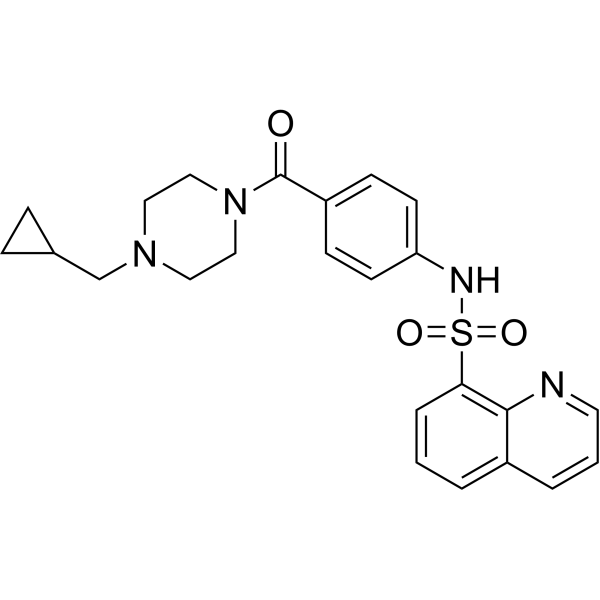
CID-50930756 is an HCV NS3 helicase inhibitor with an IC50 of 22 μM.CID-50930756 inhibits HCV NS3 helicase-catalyzed nucleic acid unwinding.CID-50930756 inhibits HCV replication in hepatoma cells harboring a stably transfected subgenomic HCV replicon.CID-50930756 does not exhibit toxicity to hepatoma cells at 10 μM.CID-50930756 shows weak DNA-binding activity, displacing less than 20% of SYBR Green I from DNA at 100 μM.CID-50930756 can be used for the research of hepatitis c .
5-ROX-alkyne is a rhodamine dye that labels DNA fragments. It enables visualization of the results of capillary electrophoresis genotyping experiments and gel shift experiments.
R110 azide, 6-isomer is an isomer of rhodamine dye with an azide group that labels DNA fragments. It enables visualization of the results of capillary electrophoresis genotyping experiments and gel shift experiments.
Fluorescein-12-dGTP is a fluorescein-labeled deoxyguanosine triphosphate. Fluorescein-12-dGTP incorporates into complementary allele-specific primers at SNP sites, enabling FRET with cationic conjugated polymer PFP via DNA-PFP electrostatic interactions. Fluorescein-12-dGTP incorporates into G-allele-specific primers for homozygous G/G SNP genotypes to enable genotype discrimination. Fluorescein-12-dGTP serves as a fluorescently labeled nucleotide for homogeneous solution-based SNP and FRET genotyping assays (Ex/Em = 498/517 nm) .
6-Bromo-2-naphthol is an RTP (real-time polymerase chain reaction) probe that forms a 1:1 or 2:1 complex with β-cyclodextrin (β-CD). 6-Bromo-2-naphthol is capable of real-time monitoring of PCR reactions and quantification of specific nucleic acid sequences. RTP probes are a class of small DNA or RNA sequences labeled with fluorescent dyes and quencher molecules, which can be widely used in gene expression analysis, SNP genotyping, and pathogen detection. 6-Bromo-2-naphthol embeds into the cyclodextrin cavity through hydrophobic interactions, inhibits the oxygen quenching effect, and emits a phosphorescent signal at room temperature. 6-Bromo-2-naphthol can also be used as an intermediate for the synthesis of antibacterial azo dyes, and its derivatives show antibacterial activity against Staphylococcus aureus, Escherichia coli and other bacteria .
Sifuvirtide (SFT) is a potent HIV fusion inhibitor. Sifuvirtide inhibits HIV-1 mediated cell fusion in a dose-dependent manner and is highly potent against infection by primary and laboratory-adapted HIV-1 isolates of multiple genotypes. Sifuvirtide can be used in the research of anti-HIV drugs .
HCV Core Protein (107-114) is a least immunogenic residue of the major linear HCV core regions. HCV Core Protein (107-114) is identified as the binding site within the region 101-118, which contains two residues differing between genotypes Ⅰ/Ⅱ and Ⅲ/Ⅵ. HCV Core Protein (107-114) might be a potential site for dissemination of HCV serotypes .
Sifuvirtide (SFT) acetate is a potent HIV fusion inhibitor. Sifuvirtide acetate inhibits HIV-1 mediated cell fusion in a dose-dependent manner and is highly potent against infection by primary and laboratory-adapted HIV-1 isolates of multiple genotypes. Sifuvirtide acetate can be used in the research of anti-HIV drugs .
Tobevibart (VIR-3434) is a human IgG1 lambda monoclonal antibody against hepatitis B virus (HBV) surface antigen (HBsAg). Tobevibart shows potent neutralization against HBsAg from all HBV genotypes in vitro and inhibits viral entry of HBV and hepatitis delta virus (HDV). Recommend Isotype Controls: Human IgG1 lambda2, Isotype Control (HY-P990096) .
Brelovitug (BJT-778) is a humanized IgG1 neutralizing monoclonal antibody targeting hepatitis B surface antigen (HBsAg). Brelovitug binds with high affinity to HBsAg purified from HBV serotypes ad and ay, with Kd values of 0.22 nM and 0.39 nM, respectively. Brelovitug binds with high affinity to HBsAg of HBV genotypes A, B, C and D, with IC50 values of 0.07, 0.02, 0.02 and 0.07 nM, respectively. Brelovitug can be used in research related to chronic hepatitis B and chronic hepatitis D .
Anti-Dengue virus type 4 E protein DIII Antibody (DV4-E88) reacts with the DIII domain on the E protein of dengue virus serotype 4 (DENV-4). Anti-Dengue virus type 4 E protein DIII Antibody (DV4-E88) neutralizes 1036, TVP-376, and TVP-986 genotype II strains of DENV-4. Recommend Isotype Controls: Mouse IgG2c kappa, Isotype Control (HY-P99981) .
Myriocin (Thermozymocidin), a fungal metabolite could be isolated from Myriococcum albomyces, Isaria sinclairi and Mycelia sterilia, is a potent inhibitor of serine-palmitoyl-transferase (SPT) and a key enzyme in de novo synthesis of sphingolipids. Myriocin suppresses replication of both the subgenomic HCV-1b replicon and the JFH-1 strain of genotype 2a infectious HCV, with an IC50 of 3.5 μg/mL for inhibiting HCV infection .
Indole-3-methanamine is an indole derivative, stress-related metabolite, and also a biosynthetic precursor of Gramine (HY-N0166). The accumulation level of Indole-3-methanamine increases in susceptible barley varieties infected with Bipolaris sorokiniana. Indole-3-methanamine can be used in studies related to barley spot blotch .
β-Thujaplicinol (3-Hydroxy-5-isopropyltropolone) is an inhibitor of hepatitis B virus (HBV) ribonuclease H. β-Thujaplicinol inhibits RNAseHs of HBVgenotypes D and H with IC50 values of 5.9 and 2.3 μM, respectively .
1-Formyl-beta-carboline is an alkaloid with inhibitory activity against Newcastle disease virus (NDV). 1-Formyl-beta-carboline can effectively inhibit different genotypes of NDV with IC50 values within 10 μM, and its inhibition rate is more than 90% at a concentration of 20 μM. 1-Formyl-beta-carboline mainly exerts its effects by inhibiting the adsorption and entry processes in the NDV life cycle. 1-Formyl-beta-carboline has been identified as a novel HN inhibitor that can directly interact with the NDV HN protein and affect the adsorption of NDV. 1-Formyl-beta-carboline also inhibits the entry of NDV by inhibiting the PI3K/Akt signaling pathway rather than the ERK pathway .
Dehydrojuncusol, a potent HCV inhibitor, targets HCV NS5A and is able to inhibit RNA replication of replicons harboring resistance mutations to anti-NS5A direct-acting antivirals. Dehydrojuncusol significantly inhibits HCV infection when added after virus inoculation of HCV genotype 2a (EC50=1.35?μM) .
Trachelogenin ((-)-Trachelogenin) is an HCV entry inhibitor without genotype specificity, and with low cytotoxicity. Trachelogenin inhibits HCVcc infection and HCVpp cell entry in a dose-dependent manner with an IC50 of 0.325 and 0.259 μg/mL in HCVcc and HCVpp models, respectively. Trachelogenin exhibits effective antiviral, anti-inflammatory and analgesic effects .
Myriocin (Standard) is the analytical standard of Myriocin. This product is intended for research and analytical applications. Myriocin (Thermozymocidin), a fungal metabolite could be isolated from Myriococcum albomyces, Isaria sinclairi and Mycelia sterilia, is a potent inhibitor of serine-palmitoyl-transferase (SPT) and a key enzyme in de novo synthesis of sphingolipids. Myriocin suppresses replication of both the subgenomic HCV-1b replicon and the JFH-1 strain of genotype 2a infectious HCV, with an IC50 of 3.5 μg/mL for inhibiting HCV infection[1][2][3].
POLG proteins play multiple roles in the viral life cycle, contributing to viral RNA packaging, budding, and particle production. It exhibits RNA-binding and RNA chaperone activities, affecting translation initiation through interactions with viral IRES and ribosomal subunits. POLG Protein, Hepatitis C virus genotype 1b is the recombinant Virus-derived POLG protein, expressed by E. coli , with tag free.
POLG proteins play multiple roles in the viral life cycle, contributing to viral RNA packaging, budding, and particle production. It exhibits RNA-binding and RNA chaperone activities, affecting translation initiation through interactions with viral IRES and ribosomal subunits. POLG Protein, Hepatitis C virus genotype 1b (His) is the recombinant Virus-derived POLG protein, expressed by E. coli , with N-6*His labeled tag.
POLG proteins play multiple roles in the viral life cycle, contributing to viral RNA packaging, budding, and particle production. It exhibits RNA-binding and RNA chaperone activities, affecting translation initiation through interactions with viral IRES and ribosomal subunits. HCVNS5B Protein, HCV is the recombinant HCVNS5B, expressed by E. coli, with tag-free.
BMS-986144 is a third-generation, pan-genotype (GT) NS3/4A protease inhibitor. BMS-986144 inhibits HCV replicon with EC50s of 2.3, 0.7, 1.0, 12, 8.0, and 5.8 nM for GT-1a, GT-1b, GT-2a, GT-3a, 1a R155X, and 1b D168V, respectively. BMS-986144 has the potential for the research of HCV infection .
Ledipasvir-d6 is the deuterium labeled Ledipasvir. Ledipasvir (GS-5885) is an inhibitor of the hepatitis C virus NS5A, with EC50s of 34 pM and 4 pM against genotype 1a and 1b replicon, respectively. Ledipasvir is also a SARS-CoV 3CLpro inhibitor with an IC50 of 1.62 μM .
Velpatasvir-d3 (GS-5816-d3) is deuterium labeled Velpatasvir. Velpatasvir (VEL, GS-5816) is a novel pan-genotypic hepatitis C virus (HCV) nonstructural protein 5A (NS5A) inhibitor with activity against genotype 1 (GT1) to GT6 HCV replicons. Velpatasvir is also a SARS-CoV 3CL pro inhibitor with an IC50 of 2.16 μM .
Telaprevir-d4 is the deuterium labeled Telaprevir. Telaprevir (VX-950) is a highly selective, reversible, and potent peptidomimetic inhibitor of the HCV NS3-4A protease, the steady-state inhibitory constant (Ki) of Telaprevir is 7 nM against a genotype 1 (H strain) NS3 protease domain plus a NS4A cofactor peptide . Telaprevir inhibits SARS-CoV-2 3CLpro activity .
Ledipasvir-d16 (GS-5885-d16) is deuterium labeled Ledipasvir. Ledipasvir (GS-5885) is an inhibitor of the hepatitis C virus NS5A, with EC50s of 34 pM and 4 pM against genotype 1a and 1b replicon, respectively. Ledipasvir is also a SARS-CoV 3CL pro inhibitor with an IC50 of 1.62 μM .
Daclatasvir-d6 is deuterium labeled Daclatasvir. Daclatasvir (BMS-790052) is a potent and orally active HCV NS5A protein inhibitor with EC50s range of 9-146 pM for multiple HCV replicon genotypes. Daclatasvir is also a organic anion transporting polypeptide 1B (OATP1B) and OATP1B3 inhibitor with IC50s of 1.5 μM and 3.27 μM, respectively .
Daclatasvir-d16 is deuterium labeled Daclatasvir. Daclatasvir (BMS-790052) is a potent and orally active HCV NS5A protein inhibitor with EC50s range of 9-146 pM for multiple HCV replicon genotypes. Daclatasvir is also a organic anion transporting polypeptide 1B (OATP1B) and OATP1B3 inhibitor with IC50s of 1.5 μM and 3.27 μM, respectively .
(S)-Velpatasvir- 13C,d3 ((S)-GS-5816- 13C,d3) is 13C labeled Velpatasvir. Velpatasvir (VEL, GS-5816) is a novel pan-genotypic hepatitis C virus (HCV) nonstructural protein 5A (NS5A) inhibitor with activity against genotype 1 (GT1) to GT6 HCV replicons. Velpatasvir is also a SARS-CoV 3CL pro inhibitor with an IC50 of 2.16 μM .
Velpatasvir- 13C,d3 (GS-5816- 13C,d3) is 13C and deuterium labeled Velpatasvir. Velpatasvir (VEL, GS-5816) is a novel pan-genotypic hepatitis C virus (HCV) nonstructural protein 5A (NS5A) inhibitor with activity against genotype 1 (GT1) to GT6 HCV replicons. Velpatasvir is also a SARS-CoV 3CL pro inhibitor with an IC50 of 2.16 μM .
Daclatasvir- 13C2,d6 (BMS-790052- 13C2,d6) is 13C and deuterium labeled Daclatasvir. Daclatasvir (BMS-790052) is a potent and orally active HCV NS5A protein inhibitor with EC50s range of 9-146 pM for multiple HCV replicon genotypes. Daclatasvir is also a organic anion transporting polypeptide 1B (OATP1B) and OATP1B3 inhibitor with IC50s of 1.5 μM and 3.27 μM, respectively .
5-ROX-alkyne is a rhodamine dye that labels DNA fragments. It enables visualization of the results of capillary electrophoresis genotyping experiments and gel shift experiments.
R110 azide, 6-isomer is an isomer of rhodamine dye with an azide group that labels DNA fragments. It enables visualization of the results of capillary electrophoresis genotyping experiments and gel shift experiments.
Inquiry Online
Your information is safe with us. * Required Fields.
Western blot analysis of extracts from THP-1(lane 2(20μg), Jurkat (lane 3(20μg) and NIH3T3(lane 4(20μg) using FOXO1A (HY-P80132) Rabbit mAb. Proteins were transferred
to a PVDF membrane and blocked with 5% non-fat milk in TBST for 2 hour at room temperature. The primary antibody (1/1000) and Loading control antibody (Beta Actin, HY-P80438, 1/10000) was
used in 5% non-fat milk in TBST at 4°C overnight. Goat Anti-Mouse/Rabbit IgG-HRP Secondary Antibody (1/10000) was used for 1 hour at room temperature.
Western blot analysis of extracts from THP-1(lane 2(20μg), Jurkat (lane 3(20μg) and NIH3T3(lane 4(20μg) using FOXO1A (HY-P80132) Rabbit mAb. Proteins were transferred
to a PVDF membrane and blocked with 5% non-fat milk in TBST for 2 hour at room temperature. The primary antibody (1/1000) and Loading control antibody (Beta Actin, HY-P80438, 1/10000) was
used in 5% non-fat milk in TBST at 4°C overnight. Goat Anti-Mouse/Rabbit IgG-HRP Secondary Antibody (1/10000) was used for 1 hour at room temperature.
Western blot analysis of extracts from THP-1(lane 2(20μg), Jurkat (lane 3(20μg) and NIH3T3(lane 4(20μg) using FOXO1A (HY-P80132) Rabbit mAb. Proteins were transferred
to a PVDF membrane and blocked with 5% non-fat milk in TBST for 2 hour at room temperature. The primary antibody (1/1000) and Loading control antibody (Beta Actin, HY-P80438, 1/10000) was
used in 5% non-fat milk in TBST at 4°C overnight. Goat Anti-Mouse/Rabbit IgG-HRP Secondary Antibody (1/10000) was used for 1 hour at room temperature.
Western blot analysis of extracts from THP-1(lane 2(20μg), Jurkat (lane 3(20μg) and NIH3T3(lane 4(20μg) using FOXO1A (HY-P80132) Rabbit mAb. Proteins were transferred
to a PVDF membrane and blocked with 5% non-fat milk in TBST for 2 hour at room temperature. The primary antibody (1/1000) and Loading control antibody (Beta Actin, HY-P80438, 1/10000) was
MedchemExpress Validation 03
Western blot analysis of extracts from THP-1(lane 2(20μg), Jurkat (lane 3(20μg) and NIH3T3(lane 4(20μg) using FOXO1A (HY-P80132) Rabbit mAb. Proteins were transferred
MedchemExpress Validation 04
Western blot analysis of extracts from THP-1(lane 2(20μg), Jurkat (lane 3(20μg) and NIH3T3(lane 4(20μg) using FOXO1A (HY-P80132) Rabbit mAb. Proteins were transferred
to a PVDF membrane and blocked with 5% non-fat milk in TBST for 2 hour at room temperature. The primary antibody (1/1000) and Loading control antibody (Beta Actin, HY-P80438, 1/10000) was
used in 5% non-fat milk in TBST at 4°C overnight. Goat Anti-Mouse/Rabbit IgG-HRP Secondary Antibody (1/10000) was used for 1 hour at room temperature.
MedchemExpress Validation
Western blot analysis of extracts from THP-1(lane 2(20μg), Jurkat (lane 3(20μg) and NIH3T3(lane 4(20μg) using FOXO1A (HY-P80132) Rabbit mAb. Proteins were transferred
to a PVDF membrane and blocked with 5% non-fat milk in TBST for 2 hour at room temperature. The primary antibody (1/1000) and Loading control antibody (Beta Actin, HY-P80438, 1/10000) was
used in 5% non-fat milk in TBST at 4°C overnight. Goat Anti-Mouse/Rabbit IgG-HRP Secondary Antibody (1/10000) was used for 1 hour at room temperature.
Western blot analysis of extracts from THP-1(lane 2(20μg), Jurkat (lane 3(20μg) and NIH3T3(lane 4(20μg) using FOXO1A (HY-P80132) Rabbit mAb. Proteins were transferred
to a PVDF membrane and blocked with 5% non-fat milk in TBST for 2 hour at room temperature. The primary antibody (1/1000) and Loading control antibody (Beta Actin, HY-P80438, 1/10000) was
used in 5% non-fat milk in TBST at 4°C overnight. Goat Anti-Mouse/Rabbit IgG-HRP Secondary Antibody (1/10000) was used for 1 hour at room temperature.
MedchemExpress Validation
Western blot analysis of extracts from THP-1(lane 2(20μg), Jurkat (lane 3(20μg) and NIH3T3(lane 4(20μg) using FOXO1A (HY-P80132) Rabbit mAb. Proteins were transferred
to a PVDF membrane and blocked with 5% non-fat milk in TBST for 2 hour at room temperature. The primary antibody (1/1000) and Loading control antibody (Beta Actin, HY-P80438, 1/10000) was
used in 5% non-fat milk in TBST at 4°C overnight. Goat Anti-Mouse/Rabbit IgG-HRP Secondary Antibody (1/10000) was used for 1 hour at room temperature.
MedchemExpress Validation
Western blot analysis of extracts from THP-1(lane 2(20μg), Jurkat (lane 3(20μg) and NIH3T3(lane 4(20μg) using FOXO1A (HY-P80132) Rabbit mAb. Proteins were transferred
to a PVDF membrane and blocked with 5% non-fat milk in TBST for 2 hour at room temperature. The primary antibody (1/1000) and Loading control antibody (Beta Actin, HY-P80438, 1/10000) was
used in 5% non-fat milk in TBST at 4°C overnight. Goat Anti-Mouse/Rabbit IgG-HRP Secondary Antibody (1/10000) was used for 1 hour at room temperature.
MedchemExpress Validation
Western blot analysis of extracts from THP-1(lane 2(20μg), Jurkat (lane 3(20μg) and NIH3T3(lane 4(20μg) using FOXO1A (HY-P80132) Rabbit mAb. Proteins were transferred
to a PVDF membrane and blocked with 5% non-fat milk in TBST for 2 hour at room temperature. The primary antibody (1/1000) and Loading control antibody (Beta Actin, HY-P80438, 1/10000) was
used in 5% non-fat milk in TBST at 4°C overnight. Goat Anti-Mouse/Rabbit IgG-HRP Secondary Antibody (1/10000) was used for 1 hour at room temperature.
MedchemExpress Validation
Western blot analysis of extracts from THP-1(lane 2(20μg), Jurkat (lane 3(20μg) and NIH3T3(lane 4(20μg) using FOXO1A (HY-P80132) Rabbit mAb. Proteins were transferred
to a PVDF membrane and blocked with 5% non-fat milk in TBST for 2 hour at room temperature. The primary antibody (1/1000) and Loading control antibody (Beta Actin, HY-P80438, 1/10000) was
used in 5% non-fat milk in TBST at 4°C overnight. Goat Anti-Mouse/Rabbit IgG-HRP Secondary Antibody (1/10000) was used for 1 hour at room temperature.
MedchemExpress Validation
Western blot analysis of extracts from THP-1(lane 2(20μg), Jurkat (lane 3(20μg) and NIH3T3(lane 4(20μg) using FOXO1A (HY-P80132) Rabbit mAb. Proteins were transferred
to a PVDF membrane and blocked with 5% non-fat milk in TBST for 2 hour at room temperature. The primary antibody (1/1000) and Loading control antibody (Beta Actin, HY-P80438, 1/10000) was
used in 5% non-fat milk in TBST at 4°C overnight. Goat Anti-Mouse/Rabbit IgG-HRP Secondary Antibody (1/10000) was used for 1 hour at room temperature.
MedchemExpress Validation
Western blot analysis of extracts from THP-1(lane 2(20μg), Jurkat (lane 3(20μg) and NIH3T3(lane 4(20μg) using FOXO1A (HY-P80132) Rabbit mAb. Proteins were transferred
to a PVDF membrane and blocked with 5% non-fat milk in TBST for 2 hour at room temperature. The primary antibody (1/1000) and Loading control antibody (Beta Actin, HY-P80438, 1/10000) was
used in 5% non-fat milk in TBST at 4°C overnight. Goat Anti-Mouse/Rabbit IgG-HRP Secondary Antibody (1/10000) was used for 1 hour at room temperature.
MedChemExpress values your privacy and your trust is important to us. We use cookies to enhance your website experience. Some cookies are necessary to run the website.
Privacy and Cookie Policy

