
Search Result
Results for "
low PH
" in MedChemExpress (MCE) Product Catalog:
9
Biochemical Assay Reagents
1
Isotope-Labeled Compounds
| Cat. No. |
Product Name |
Target |
Research Areas |
Chemical Structure |
-
- HY-D0227A
-
|
Tris HCl; Tris(hydroxymethyl)aminomethane hydrochloride
|
Biochemical Assay Reagents
|
Metabolic Disease
Cancer
|
|
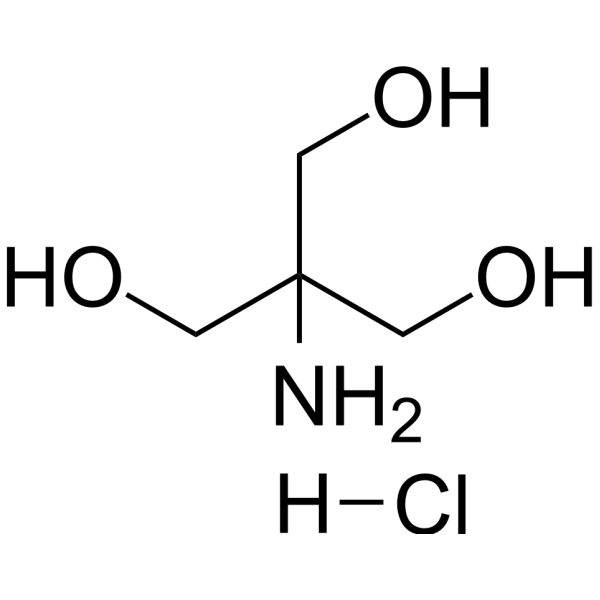
THAM hydrochloride (Tris HCl) is a biologically inert amino alcohol of low toxicity, which buffers carbon dioxide and acids in vitro and in vivo. THAM hydrochloride is an effective amine compound for pH control in the physiological range .
|
-
-
- HY-W014837
-
|
3-(1-Pyridinio)-1-propanesulfonate
|
Biochemical Assay Reagents
|
Others
|
|
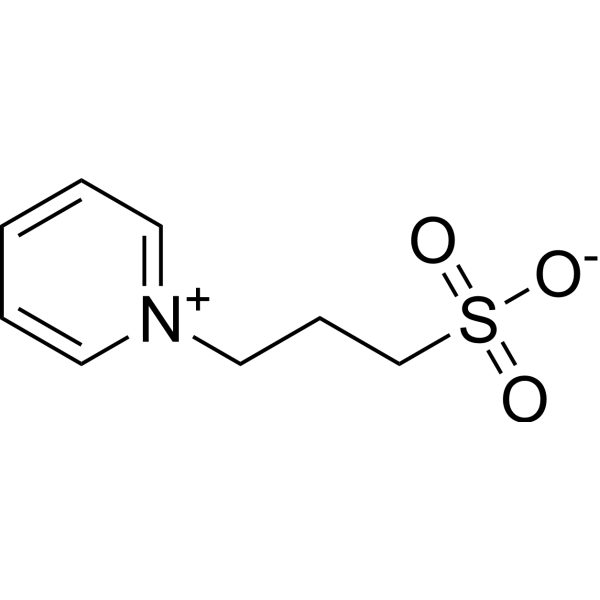
NDSB-201 consists of a pyridine group attached to a propane chain, which in turn is attached to a sulfonate group. This compound is commonly used as a buffer in biochemical and biological research, especially in electrophoretic applications. It maintains a stable pH in aqueous solutions and has low UV absorption, making it suitable for use in the UV spectrum. Furthermore, due to its ability to form stable complexes with DNA and other biomolecules, 3-(pyridin-1-ium-1-yl)propane-1-sulfonate has been investigated for its potential in drug delivery and genetic research.
|
-
-
- HY-E70336
-
|
|
Endogenous Metabolite
|
Others
|
|
Peroxidase, Lignin is a biocatalyst and a key enzyme in new biocatalyst technology. Enzyme engineering focuses on enhancing enzyme reaction kinetics, substrate selectivity, and activity under harsh conditions such as low or high pH. By introducing stimulus responsiveness to these enzyme modifications, dynamic control of activity is also possible .
|
-
-
- HY-D1694
-
|
|
Fluorescent Dye
|
Others
|
|
LysoTracker Yellow HCK 123 is a potent yellow membrane-permeable fluorescent probe. LysoTracker Yellow HCK 123 is a weakly basic amine that selectively accumulates in cellular compartments with low luminal pH .
|
-
-
- HY-W105423
-
|
NHS-MA
|
Biochemical Assay Reagents
|
Others
|
|
Methacrylic acid N-hydroxysuccinimide ester (NHS-MA) is a polymer that serves as a monomer to prepare degradable amphiphilic block copolymer microparticles via RAFT polymerization for low pH-triggered drug delivery. Methacrylic acid N-hydroxysuccinimide ester is used for the synthesis of nanogels .
|
-
-
- HY-137873
-
|
4-Methylumbelliferyl-α-D-Glucose; 4-Methylumbelliferyl-α-D-Glucoside; 4-MU-α-D-Glucopyranoside
|
Fluorescent Dye
Glycosidase
|
Others
|
|
4-Methylumbelliferyl-α-D-Glucopyranoside (4-Methylumbelliferyl-α-D-Glucose) is a fluorescent substrate for α-glucosidase, which releases the fluorescent moiety 4-methylumbelliferyl (4-MU) upon cleavage. 4-MU has pH-dependent fluorescence excitation activity, with excitation wavelengths of 320 nm at low pH (1.97-6.72) and 360 nm at high pH (7.12-10.3), respectively. The emission wavelength of 4-Methylumbelliferyl-α-D-Glucopyranoside increases with decreasing pH, ranging from 445-455 nm. 4-Methylumbelliferyl-α-D-Glucopyranoside can be used as a biomarker for Fabry and Pompe diseases to quantify α-glucosidase activity in infant blood spot samples.
|
-
-
- HY-P10294
-
|
|
Amyloid-β
|
Others
|
|
Oligopeptide P11-4 is an α-peptide that can be self-assembled into β-sheet amyloids with a hydrogel appearance at low pH. Oligopeptide P11-4 can be used in biomimetic mineralization, enamel regeneration and oral care agent .
|
-
-
- HY-Y0286
-
|
Hartshorn salt, 99%
|
Environmental Pollutants
Biochemical Assay Reagents
|
Others
|
|
Ammonium carbonate (Ammonium carbonate), 99% is a solid amino compound that functions as a buffer, pH regulator, pore-forming agent, and electrocatalytic oxidation substrate. Ammonium carbonate, 99% is a GRAS-grade direct food additive with no restricted daily intake specified by FAO/WHO, and it shows no acute skin toxicity, clinical signs of toxicity, or effects on body weight in rats. Ammonium carbonate, 99% undergoes electrocatalytic oxidation in alkaline solutions with a Pt/C catalyst (carbonate adsorption interferes with activity). Ammonium carbonate, 99% can serve as a fuel for low-temperature polymer fuel cells and anion exchange membrane fuel cells (with performance superior to pure ammonia), and can also form pores in the carrier-free Pt cathode catalyst layer after low-temperature decomposition, thereby enhancing catalyst activity under low-humidity conditions and the performance of proton exchange membrane fuel cells .
|
-
-
- HY-D0874
-
|
|
Biochemical Assay Reagents
|
Others
|
|
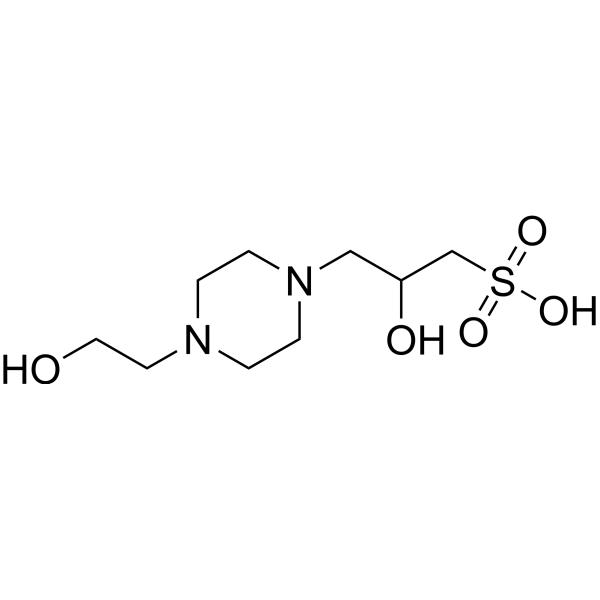
HEPPSO is a zwitterionic Good's buffer suitable for physiological pH conditions. HEPPSO forms high-order oligomers in aqueous solutions and can form a 1:1 complex with Cu 2+ via its hydroxyalkyl and tertiary amine groups. However, HEPPSO contains a structurally similar trace impurity lacking an alkanesulfonic acid side chain. The complex formed by this impurity and Cu 2+ has a very low Ka; therefore, HEPPSO may interfere with studies on copper speciation analysis in natural water bodies .
|
-
-
- HY-W250308A
-
|
Epsilon-polylysine hydrochloride (MV 2000-5000); ε-Polylysine hydrochloride (MV 2000-5000); ε-PL hydrochloride (MV 2000-5000)
|
Bacterial
Fungal
Reactive Oxygen Species (ROS)
|
Infection
|
|
ε-Poly-L-lysine (Epsilon-polylysine; ε-Polylysine) hydrochloride (MV 2000-5000) is a polycationic antibacterial agent with broad-spectrum activity against Gram-positive bacteria, Gram-negative bacteria, fungi, yeasts and specific bacteriophages. ε-Poly-L-lysine hydrochloride (MV 2000-5000) exerts bactericidal effects through mechanisms such as disrupting microbial membranes, inducing ROS production, inhibiting metabolism and spore germination. ε-Poly-L-lysine hydrochloride (MV 2000-5000) also regulates the expression of multiple key genes including sodA, oxyR and recA. ε-Poly-L-lysine hydrochloride (MV 2000-5000) exhibits properties such as low eukaryotic cytotoxicity, thermal stability and pH stability, and supports tissue regeneration and anti-tumor applications. ε-Poly-L-lysine hydrochloride (MV 2000-5000) can be applied in research fields including bacterial and fungal infections, diabetic ulcers, and methicillin-resistant Staphylococcus aureus infections .
|
-
-
- HY-W393372
-
-
-
- HY-W460471
-
|
|
Biochemical Assay Reagents
|
Others
|
|
Tris Buffered Saline is a common buffer reagent in molecular biology, consisting of Tris and NaCl. Tris Buffered Saline can adjust pH and ionic strength and is widely used in DNA/RNA extraction, PCR and protein electrophoresis. Tris Buffered Saline can purify and protect nucleic acid materials and improve reaction efficiency and concentration. In protein electrophoresis, Tris Buffered Saline stabilizes gels and maintains pH. Overall, Tris Buffered Saline offers versatility, good solubility, and low toxicity in molecular biology applications.
|
-
-
- HY-18071
-
BI-9627
3 Publications Verification
|
Na+/H+ Exchanger (NHE)
Autophagy
|
Cardiovascular Disease
|
|
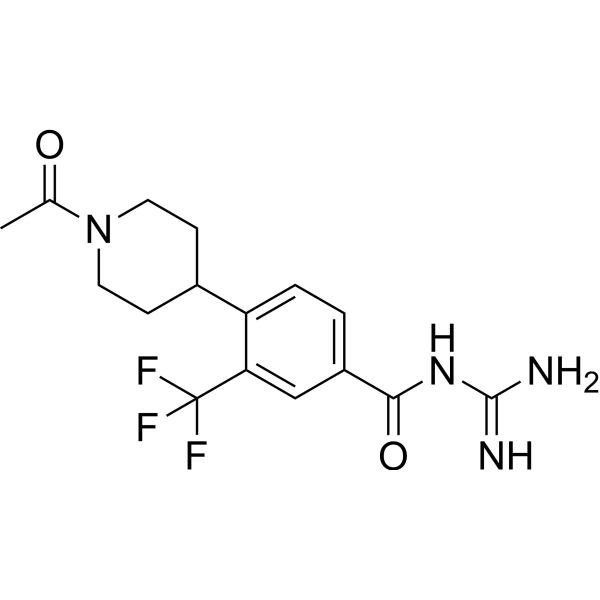
BI-9627, a chemical probe, is a potent sodium-hydrogen exchanger isoform 1 (NHE1) inhibitor (IC50 = 6 and 31 nM in intracellular pH recovery (pHi) and human platelet swelling assays). BI-9627 displays >30-fold selectivity against NHE2 and with no measurable inhibitory activity against the NHE3 isoform. BI-9627 decreases autophagy in HTR-8/SVneo cells. BI-9627 can significantly reduce the pHi of human sperm and partially reverse the effect of DMA. BI-9627 prolongs Ca 2+ recovery time in KO hiPSC-CMs. BI-9627 shows low DDI (agent-agent interaction) potential, excellent pharmacokinetics in rat and dog, and remarkably potent activity in the isolated heart model of ischemia-reperfusion injury .
|
-
-
- HY-D1457
-
|
|
Fluorescent Dye
|
Others
|
|
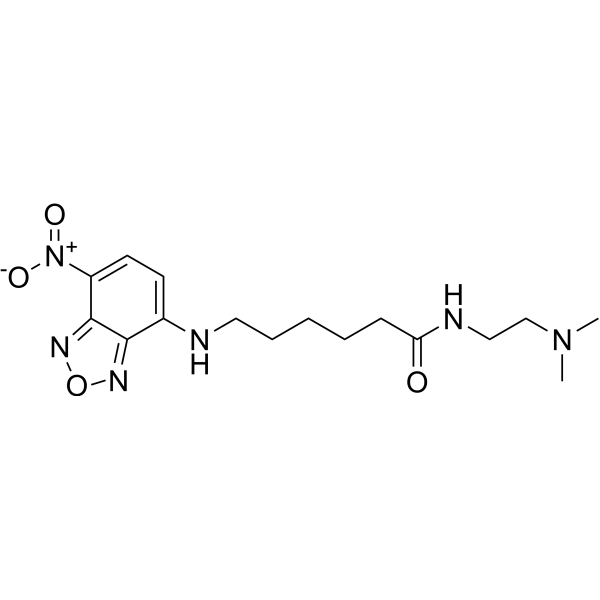
DND-189, a low-pH fluorescent probe, is sensitive to neutral and low pH range. DND-189 can be used to measure the pH of acidic organelles .
|
-
-
- HY-E70333
-
|
AR2000
|
Endogenous Metabolite
|
Others
|
|
Microgranulated pectolytic enzyme is a biocatalyst and a key enzyme in new biocatalyst technology. Enzyme engineering focuses on enhancing enzyme reaction kinetics, substrate selectivity, and activity under harsh conditions such as low or high pH. By introducing stimulus responsiveness to these enzyme modifications, dynamic control of activity is also possible .
|
-
-
- HY-E70332
-
|
|
Endogenous Metabolite
|
Others
|
|
Lipase, Aspergillus niger is a biocatalyst and a key enzyme in new biocatalyst technology. Enzyme engineering focuses on enhancing enzyme reaction kinetics, substrate selectivity, and activity under harsh conditions such as low or high pH. By introducing stimulus responsiveness to these enzyme modifications, dynamic control of activity is also possible .
|
-
-
- HY-P11085
-
|
|
Bacterial
|
Infection
|
|
WLBU2 is a engineered cationic antimicrobial peptide (eCAP) that overcomes the environmental sensitivity of natural antimicrobial peptides (AMPs). WLBU2 exhibits rapid bactericidal effect, with the MIC values of ≤ 10 μM against both Gram-negative and Gram-positive bacteria including MRSA, vancomycin-resistant enterococci, K. pneumoniae, E.aerogenes, E. cloacae, Escherichia coli, et, al. WLBU2 prevents P. aeruginosa biofilm growth and retains its activity in an environment rich in mucus, low pH and high salt concentrations without negative effects on human airway epithelial cells. WLBU2 can be used for the studies of cystic fibrosis (CF) and Pseudomonas aeruginosa infections .
|
-
-
- HY-E70335
-
|
|
Endogenous Metabolite
|
Others
|
|
Colipase, Porcine is a biocatalyst and a key enzyme in new biocatalyst technology. Enzyme engineering focuses on enhancing enzyme reaction kinetics, substrate selectivity, and activity under harsh conditions such as low or high pH. By introducing stimulus responsiveness to these enzyme modifications, dynamic control of activity is also possible .
|
-
-
- HY-E70353
-
|
|
Endogenous Metabolite
|
Others
|
|
Trypsin-Chymotrypsin 6:1 is a biocatalyst and a key enzyme in new biocatalyst technology. Enzyme engineering focuses on enhancing enzyme reaction kinetics, substrate selectivity, and activity under harsh conditions such as low or high pH. By introducing stimulus responsiveness to these enzyme modifications, dynamic control of activity is also possible .
|
-
-
- HY-W009245
-
|
|
HIV
|
Infection
Cancer
|
|
Bz-RS-iSer(3-Ph)-OMe (compound 2), a Taxol derivative, inhibits HSV replication cycle at low cytotoxicity, blocks mitotic divisions of Vero cells, influences M-MSV induced tumor size and affects immune response by inhibiting PHA-induced T lymphocyte proliferation .
|
-
-
- HY-108798
-
|
|
VEGFR
|
Cardiovascular Disease
Cancer
|
|
Ziv-aflibercept is a soluble inhibitor of vascular endothelial growth factor (VEGF). Ziv-aflibercept is an adaptive variant of Aflibercept (HY-108801), Ziv-aflibercept has a low PH value and high osmotic pressure when compared to Aflibercept. Ziv-aflibercept has potential applications in metastatic colorectal carcinoma and retinal diseases .
|
-
-
- HY-E70312
-
|
|
Endogenous Metabolite
|
Others
|
|
High-efficiency lipase,Candida antarctica (Immobilized on hydrophilic carrier) is a biocatalyst and a key enzyme in new biocatalyst technology. Enzyme engineering focuses on enhancing enzyme reaction kinetics, substrate selectivity, and activity under harsh conditions such as low or high pH. By introducing stimulus responsiveness to these enzyme modifications, dynamic control of activity is also possible .
|
-
-
- HY-108460
-
|
|
TRP Channel
|
Neurological Disease
|
|
A-784168 is a potent and orally active inhibitor of vanilloid receptor type 1 (TRPV1). Vanilloid receptor type 1 (TRPV1) is a ligand-gated nonselective cation channel that is considered to be an important integrator of various pain stimuli such as endogenous lipids, capsaicin, heat, and low pH. A-784168 has good CNS penetration .
|
-
-
- HY-Y1422E
-
|
|
Biochemical Assay Reagents
Lipase
|
Others
|
Lipase, Aspergillus niger (Immobilized) is an immobilized triacylglycerol acyl hydrolase and biocatalyst. Lipase, Aspergillus niger (Immobilized) broadly catalyzes the hydrolysis of glycerol-long-chain fatty acid esters, exhibits positional selectivity for the 1,3-positions of glycerol, but shows low hydrolysis efficiency for castor oil. Lipase, Aspergillus niger (Immobilized) displays optimal activity at 45°C and pH 7.0, and remains stable at temperatures up to 60°C and over a broad pH range of 2.0-9.0. Lipase, Aspergillus niger (Immobilized) is activated by Ca 2+ and Mg 2+, but inhibited by Mn 2+, Fe 2+ and Zn 2+ .
|
-
-
- HY-W412175
-
|
ZincPHyrin dihydrochloride
|
Bacterial
|
Infection
|
|
Coproporphyrin III dihydrochloride is a bioactive molecule excreted by nostril- and skin-associated Propionibacterium species that induces aggregation of Staphylococcus aureus (conditions: during early stationary phase growth, low pH: 4-6). Coproporphyrin III dihydrochloride also induces plasma-independent biofilm formation on abiotic surfaces by Staphylococcus aureus. Coproporphyrin III dihydrochloride may be an important mediator of S. aureus accumulation and/or biofilm formation in the nostrils or other sites where Propionibacterium and S. aureus inhabit .
|
-
-
- HY-P2866A
-
|
NAG, Porcine kidney
|
Others
|
Others
|
|
β-N-Acetylhexosaminidase, Porcine kidney is a glycosidase with transglycosylation activity, used to generate health-beneficial human milk oligosaccharides, and it effectively interacts with low molecular weight sugar alcohols (such as glycerol, erythritol, and xylitol). The enzyme exhibits optimal activity at pH 5 and 40 °C, and shows high thermal stability (up to 55°C) when bound to the cell wall. β-N-Acetylhexosaminidase holds promise for applications in the biotransformation of Chitin (HY-126389) and research in the food health sector .
|
-
-
- HY-18071A
-
|
|
Na+/H+ Exchanger (NHE)
Autophagy
|
Cardiovascular Disease
|
|
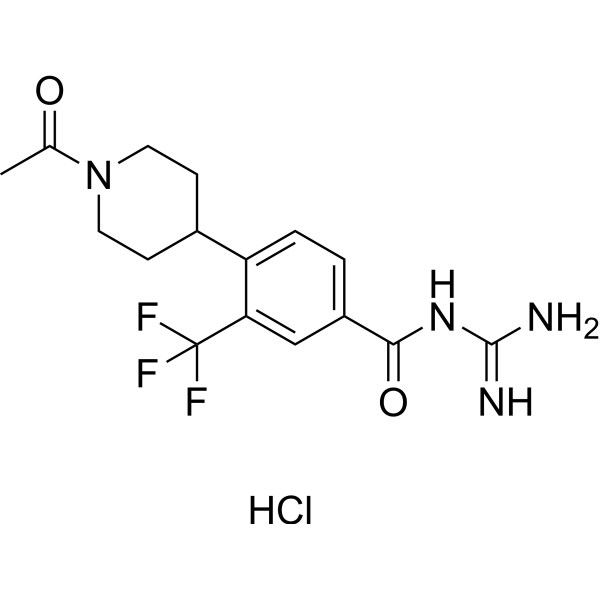
BI-9627 hydrochloride is a potent sodium-hydrogen exchanger isoform 1 (NHE1) inhibitor (IC50 = 6 and 31 nM in intracellular pH recovery (pHi) and human platelet swelling assays). BI-9627 hydrochloride displays >30-fold selectivity against NHE2 and with no measurable inhibitory activity against the NHE3 isoform. BI-9627 hydrochloride decreases autophagy in HTR-8/SVneo cells. BI-9627 hydrochloride can significantly reduce the pHi of human sperm and partially reverse the effect of DMA. BI-9627 hydrochloride prolongs Ca 2+ recovery time in KO hiPSC-CMs. BI-9627 hydrochloride shows low DDI (agent-agent interaction) potential, excellent pharmacokinetics in rat and dog, and remarkably potent activity in the isolated heart model of ischemia-reperfusion injury .
|
-
-
- HY-W025785
-
|
Solvent Yellow 2; Dimethyl yellow
|
Biochemical Assay Reagents
|
Cancer
|
|
Methyl yellow (Solvent Yellow 2) is a pH indicator. Methyl yellow appears red at low pH, and becomes yellow above pH 4.0 .
|
-
-
- HY-E70337
-
|
|
Endogenous Metabolite
|
Others
|
|
Heparanase 1, Human is a biocatalyst and a key enzyme in new biocatalyst technology. Enzyme engineering focuses on enhancing enzyme reaction kinetics, substrate selectivity, and activity under harsh conditions such as low or high pH. By introducing stimulus responsiveness to these enzyme modifications, dynamic control of activity is also possible .
|
-
-
- HY-P2807J
-
|
|
Lactate Dehydrogenase
|
Metabolic Disease
|
L-Lactate Dehydrogenase (L-LDH), pig muscle is an L-lactate dehydrogenase found in pig muscle, mainly present in anaerobic tissues (skeletal muscle, red blood cells). L-Lactate Dehydrogenase (L-LDH), pig muscle can interact with acidic liposomes at low pH, causing protein to adsorb onto the liposomes and inhibit enzyme activity. The IC50 values for L-Lactate Dehydrogenase (L-LDH), pig muscle are 0.05 μM for cardiolipin and 1.3 μM for phosphatidylserine liposomes .
|
-
-
- HY-D1366
-
|
|
Fluorescent Dye
|
|
|
Sulfo-Cyanine5.5 carboxylic acidCI Pigment violet 32 is a water-soluble, far-red emitting fluorophore. Due to its four sulfo groups, this dye has a negative charge at neutral pH and is very hydrophilic. As a cyanine dye, sulfo-Cyanine5.5 shows a very low dependence of fluorescence on pH and a very high extinction coefficient.
|
-
-
- HY-D0227R
-
|
Tris (Standard); Tris(hydroxymethyl)aminomethane (Standard)
|
Biochemical Assay Reagents
Reference Standards
|
Metabolic Disease
Cancer
|
|
THAM (Standard) is the analytical standard of THAM. This product is intended for research and analytical applications. THAM (Tris) is a biologically inert amino alcohol of low toxicity, which buffers carbon dioxide and acids in vitro and in vivo. THAM is an effective amine compound for pH control in the physiological range .
|
-
-
- HY-E70331
-
|
|
Endogenous Metabolite
|
Others
|
|
Acid Stable Protease is a biocatalyst and a key enzyme in new biocatalyst technology. Enzyme engineering focuses on enhancing enzyme reaction kinetics, substrate selectivity, and activity under harsh conditions such as low or high pH. By introducing stimulus responsiveness to these enzyme modifications, dynamic control of activity is also possible .
|
-
-
- HY-E70354
-
|
|
Endogenous Metabolite
|
Others
|
|
Protease for flavors is a biocatalyst and a key enzyme in new biocatalyst technology. Enzyme engineering focuses on enhancing enzyme reaction kinetics, substrate selectivity, and activity under harsh conditions such as low or high pH. By introducing stimulus responsiveness to these enzyme modifications, dynamic control of activity is also possible .
|
-
-
- HY-E70347
-
|
|
Endogenous Metabolite
|
Others
|
|
Tn5 Transposase is a biocatalyst and a key enzyme in new biocatalyst technology. Enzyme engineering focuses on enhancing enzyme reaction kinetics, substrate selectivity, and activity under harsh conditions such as low or high pH. By introducing stimulus responsiveness to these enzyme modifications, dynamic control of activity is also possible .
|
-
-
- HY-D0234
-
|
ortho-CresolPHthalein
|
Endogenous Metabolite
|
Others
|
|
o-Cresolphthalein (ortho-Cresolphthalein) is a biocatalyst and a key enzyme in new biocatalyst technology. Enzyme engineering focuses on enhancing enzyme reaction kinetics, substrate selectivity, and activity under harsh conditions such as low or high pH. By introducing stimulus responsiveness to these enzyme modifications, dynamic control of activity is also possible .
|
-
-
- HY-E70352
-
|
|
Endogenous Metabolite
|
Others
|
|
Trypsin-Chymotrypsin 1:250 is a biocatalyst and a key enzyme in new biocatalyst technology. Enzyme engineering focuses on enhancing enzyme reaction kinetics, substrate selectivity, and activity under harsh conditions such as low or high pH. By introducing stimulus responsiveness to these enzyme modifications, dynamic control of activity is also possible .
|
-
-
- HY-143285
-
|
|
Fluorescent Dye
|
Infection
|
|
AMC-GlcNAc (compound 1) is a potent fluorogenic probe for detection and characterization of β-hexosaminidase enzyme activity. AMC-GlcNAc enables continuous monitoring by turn-on fluorescence and fluorescence signal is constant over a wide pH range (Ex=325 nm, Em=390 nm). AMC-GlcNAc enables ratiometric fluorescence detection with high sensitivity and low background, which can be used to screen for recombinant dispersin B activity in E. coli cell lysate .
|
-
-
- HY-117683
-
|
|
TRP Channel
|
Neurological Disease
|
|
BCTP is a TRPV1 antagonist. BCTP activated at low pH showed functional antagonist activity against human TRPV1 in CHO cells (IC50=18 nM). BCTP can be used in the study of chronic pain .
|
-
-
- HY-157379
-
-
-
- HY-P4579
-
|
|
Biochemical Assay Reagents
|
Others
|
|
Pyr-Phe-OH is an effective pyrene-based hydrogel. Pyr Phe OH can self-assemble into hydrogels in the range of pH=7.5-14.0, and also shows a very low gel concentration (0.037% (w/v)) in phosphate buffer .
|
-
-
- HY-W800702
-
|
|
Fluorescent Dye
|
Others
|
|
BP Fluor 555 Azide is a water-soluble, bright orange-fluorescent dye with excitation ideally suited for the 532 nm or 555 nm laser lines and visualized with TRITC (tetramethylrhodamine) filter sets. BP Fluor 555 conjugates of antibodies, peptides, and proteins are pH insensitive from pH 4 to pH 10. AF 555 conjugates ideally suited for detection of low abundance targets.
BP Fluor 555 Azide can be reacted with terminal alkynes via a copper-catalyzed click reaction (CuAAC). It also reacts with strained cyclooctyne via a copper-free “click chemistry” reaction to form a stable triazole and does not require Cu-catalyst or elevated temperatures. The brightness and photostability of this dye are best suited to direct imaging of low-abundance targets.
|
-
-
- HY-E70338
-
|
|
Endogenous Metabolite
|
Others
|
|
Ketoamine oxidase is a biocatalyst and a key enzyme in new biocatalyst technology. Enzyme engineering focuses on enhancing enzyme reaction kinetics, substrate selectivity, and activity under harsh conditions such as low or high pH. By introducing stimulus responsiveness to these enzyme modifications, dynamic control of activity is also possible .
|
-
-
- HY-E70345
-
|
|
Endogenous Metabolite
|
Others
|
|
Homocysteine methyltransferase is a biocatalyst and a key enzyme in new biocatalyst technology. Enzyme engineering focuses on enhancing enzyme reaction kinetics, substrate selectivity, and activity under harsh conditions such as low or high pH. By introducing stimulus responsiveness to these enzyme modifications, dynamic control of activity is also possible .
|
-
-
- HY-D0227AR
-
|
Tris HCl (Standard); Tris(hydroxymethyl)aminomethane hydrochloride (Standard)
|
Biochemical Assay Reagents
Reference Standards
|
Metabolic Disease
Cancer
|
|
THAM (hydrochloride) (Standard) is the analytical standard of THAM (hydrochloride). This product is intended for research and analytical applications. THAM hydrochloride (Tris HCl) is a biologically inert amino alcohol of low toxicity, which buffers carbon dioxide and acids in vitro and in vivo. THAM hydrochloride is an effective amine compound for pH control in the physiological range .
|
-
-
- HY-E70325
-
|
|
Endogenous Metabolite
|
Others
|
|
Maltogenic amylase is a biocatalyst and a key enzyme in new biocatalyst technology. Enzyme engineering focuses on enhancing enzyme reaction kinetics, substrate selectivity, and activity under harsh conditions such as low or high pH. By introducing stimulus responsiveness to these enzyme modifications, dynamic control of activity is also possible .
|
-
-
- HY-E70324
-
|
|
Endogenous Metabolite
|
Others
|
|
Amoxicillin acylase (Immobilized) is a biocatalyst and a key enzyme in new biocatalyst technology. Enzyme engineering focuses on enhancing enzyme reaction kinetics, substrate selectivity, and activity under harsh conditions such as low or high pH. By introducing stimulus responsiveness to these enzyme modifications, dynamic control of activity is also possible .
|
-
-
- HY-E70322
-
|
|
Endogenous Metabolite
|
Others
|
|
Cefaclor acylase (Immobilized) is a biocatalyst and a key enzyme in new biocatalyst technology. Enzyme engineering focuses on enhancing enzyme reaction kinetics, substrate selectivity, and activity under harsh conditions such as low or high pH. By introducing stimulus responsiveness to these enzyme modifications, dynamic control of activity is also possible .
|
-
-
- HY-E70323
-
|
|
Endogenous Metabolite
|
Others
|
|
Cephalexin acylase (Immobilized) is a biocatalyst and a key enzyme in new biocatalyst technology. Enzyme engineering focuses on enhancing enzyme reaction kinetics, substrate selectivity, and activity under harsh conditions such as low or high pH. By introducing stimulus responsiveness to these enzyme modifications, dynamic control of activity is also possible .
|
-
-
- HY-E70346
-
|
|
Endogenous Metabolite
|
Others
|
|
S-Adenosylmethionine synthetase is a biocatalyst and a key enzyme in new biocatalyst technology. Enzyme engineering focuses on enhancing enzyme reaction kinetics, substrate selectivity, and activity under harsh conditions such as low or high pH. By introducing stimulus responsiveness to these enzyme modifications, dynamic control of activity is also possible .
|
-
- HY-E70326
-
|
|
Endogenous Metabolite
|
Others
|
|
Acid Protease, Aspergillus niger is a biocatalyst and a key enzyme in new biocatalyst technology. Enzyme engineering focuses on enhancing enzyme reaction kinetics, substrate selectivity, and activity under harsh conditions such as low or high pH. By introducing stimulus responsiveness to these enzyme modifications, dynamic control of activity is also possible .
|
-
- HY-E70320
-
|
|
Endogenous Metabolite
|
Others
|
|
Cefadroxil acylase (Immobilized) is a biocatalyst and a key enzyme in new biocatalyst technology. Enzyme engineering focuses on enhancing enzyme reaction kinetics, substrate selectivity, and activity under harsh conditions such as low or high pH. By introducing stimulus responsiveness to these enzyme modifications, dynamic control of activity is also possible .
|
-
- HY-E70340
-
|
|
Endogenous Metabolite
|
Others
|
|
Lipoamide dehydrogenase, porcine is a biocatalyst and a key enzyme in new biocatalyst technology. Enzyme engineering focuses on enhancing enzyme reaction kinetics, substrate selectivity, and activity under harsh conditions such as low or high pH. By introducing stimulus responsiveness to these enzyme modifications, dynamic control of activity is also possible .
|
-
- HY-E70344
-
|
|
Endogenous Metabolite
|
Others
|
|
Cystathionine γ-lyase is a biocatalyst and a key enzyme in new biocatalyst technology. Enzyme engineering focuses on enhancing enzyme reaction kinetics, substrate selectivity, and activity under harsh conditions such as low or high pH. By introducing stimulus responsiveness to these enzyme modifications, dynamic control of activity is also possible .
|
-
- HY-E70330
-
|
|
Endogenous Metabolite
|
Others
|
|
Neutral Proteinase, Bacillus sp. is a biocatalyst and a key enzyme in new biocatalyst technology. Enzyme engineering focuses on enhancing enzyme reaction kinetics, substrate selectivity, and activity under harsh conditions such as low or high pH. By introducing stimulus responsiveness to these enzyme modifications, dynamic control of activity is also possible .
|
-
- HY-W702290
-
|
|
Endogenous Metabolite
|
Others
|
|
2-Methyldecanenitrile is a compound with biological activity for fragrance applications. 2-Methyldecanenitrile exhibits a rich peach aroma with frankincense undertones in perfume compositions. 2-Methyldecanenitrile is stable across the entire pH range, enabling it to create a stable fruity effect at low concentrations in any application .
|
-
- HY-E70328
-
|
|
Endogenous Metabolite
|
Others
|
|
Alkalophilic Proteinase, Streptomyces sp is a biocatalyst and a key enzyme in new biocatalyst technology. Enzyme engineering focuses on enhancing enzyme reaction kinetics, substrate selectivity, and activity under harsh conditions such as low or high pH. By introducing stimulus responsiveness to these enzyme modifications, dynamic control of activity is also possible .
|
-
- HY-E70315
-
|
|
Endogenous Metabolite
|
Others
|
|
Fungal Endo- and Exo- chitosanases is a biocatalyst and a key enzyme in new biocatalyst technology. Enzyme engineering focuses on enhancing enzyme reaction kinetics, substrate selectivity, and activity under harsh conditions such as low or high pH. By introducing stimulus responsiveness to these enzyme modifications, dynamic control of activity is also possible .
|
-
- HY-W800696
-
|
|
Fluorescent Dye
|
Others
|
|
BP Fluor 430 Azide is a water-soluble, green-fluorescent, azide-activated probe that reacts with terminal alkynes via a copper-catalyzed click reaction (CuAAC). It also reacts with strained cyclooctyne via a copper-free click chemistry reaction to form a stable triazole and does not require a Cu-catalyst or elevated temperatures.
BP Fluor 430 is a bright, photostable, green-fluorescent probe with excitation near its absorption maximum at 432 nm and emission maximum at 539 nm. This probe is water soluble and pH-insensitive from pH 4 to pH 10.
A next generation probe, BP Fluor 430 Picolyl Azide, is also available for detection of low abundance alkyne-tagged biomolecules.
|
-
- HY-E70329
-
|
|
Endogenous Metabolite
|
Others
|
|
P-Hydroxybenzoate hydroxylase, native microorganism is a biocatalyst and a key enzyme in new biocatalyst technology. Enzyme engineering focuses on enhancing enzyme reaction kinetics, substrate selectivity, and activity under harsh conditions such as low or high pH. By introducing stimulus responsiveness to these enzyme modifications, dynamic control of activity is also possible .
|
-
- HY-E70341
-
|
|
Endogenous Metabolite
|
Others
|
|
Histamine N-methyl transferase, rat is a biocatalyst and a key enzyme in new biocatalyst technology. Enzyme engineering focuses on enhancing enzyme reaction kinetics, substrate selectivity, and activity under harsh conditions such as low or high pH. By introducing stimulus responsiveness to these enzyme modifications, dynamic control of activity is also possible .
|
-
- HY-E70283
-
|
rEGCase II assisted by Activator II
|
Endogenous Metabolite
|
Others
|
|
Recombinant endoglycoceramidase II assisted by activator II is a biocatalyst and a key enzyme in new biocatalyst technology. Enzyme engineering focuses on enhancing enzyme reaction kinetics, substrate selectivity, and activity under harsh conditions such as low or high pH. By introducing stimulus responsiveness to these enzyme modifications, dynamic control of activity is also possible .
|
-
- HY-E70334
-
|
|
Endogenous Metabolite
|
Others
|
|
Carboxypeptidase Y, Baker's yeast (S. cerevisiae) is a biocatalyst and a key enzyme in new biocatalyst technology. Enzyme engineering focuses on enhancing enzyme reaction kinetics, substrate selectivity, and activity under harsh conditions such as low or high pH. By introducing stimulus responsiveness to these enzyme modifications, dynamic control of activity is also possible .
|
-
- HY-15351
-
|
NSC 675186
|
HIV
|
Infection
|
|
UC-781 (NSC 675186) is a highly potent and selective nonnucleoside reverse transcriptase inhibitor (NNRTI) of HIV-1 with an IC50 value of 5 nM. UC-781 is stable under low PH or various temperatures conditions. UC-781 has antiviral activity and resistance .
|
-
- HY-E70348
-
|
|
Endogenous Metabolite
|
Others
|
|
L-Methionine γ-lyase, pseudomonas putida is a biocatalyst and a key enzyme in new biocatalyst technology. Enzyme engineering focuses on enhancing enzyme reaction kinetics, substrate selectivity, and activity under harsh conditions such as low or high pH. By introducing stimulus responsiveness to these enzyme modifications, dynamic control of activity is also possible .
|
-
- HY-116182
-
|
|
Influenza Virus
|
Infection
|
|
RO5487624, an analogue of RO5464466 (HY-120690), is an orally active hemagglutinin (HA) inhibitor of influenza H1N1 viruses that abolishes influenza virus fusion by blocking HA conformational changes in low pH environments. RO5487624 displays a protective effect on mice that are lethally challenged with influenza H1N1 virus .
|
-
- HY-E70532
-
|
|
Biochemical Assay Reagents
|
Others
|
|
Ribonuclease T2 (animal free) (EC 4.6.1.19) is a biocatalyst and a key enzyme in new biocatalyst technologies. Enzyme engineering aims to enhance enzyme reaction kinetics, substrate selectivity and activity under adverse conditions (e.g., low or high pH). By introducing stimulus responsiveness to these enzyme modifications, dynamic control of activity is also possible. This product does not contain animal-derived ingredients .
|
-
- HY-115312
-
|
|
Na+/K+ ATPase
|
Others
|
|
Ro 18-5364 is an inhibitor of gastric H+/K+ ATPase, which has the effect of inhibiting the activity of the enzyme. Ro 18-5364 has a very strong inhibitory effect on gastric mucosal H+/K+ ATPase, and the inhibitory effect is more significant at low pH. At the same time, there is no selectivity difference between the two enantiomers of H+/K+ ATPase, and its inhibitory effect can be studied and verified by a variety of experimental methods, including inhibition of enzyme activity, proton transport, and studies on its binding.
|
-
- HY-W025785S1
-
|
Solvent Yellow 2-d6; Dimethyl yellow-d6
|
Isotope-Labeled Compounds
Biochemical Assay Reagents
|
Cancer
|
|
Methyl yellow-d6 (Solvent Yellow 2-d6) is the deuterium labeled Methyl yellow (HY-W025785). Methyl yellow (Solvent Yellow 2) is a pH indicator. Methyl yellow appears red at low pH, and becomes yellow above pH 4.0 .
|
-
- HY-167160
-
|
|
TRP Channel
|
Neurological Disease
|
|
AZ12099548 is a TRPV1 antagonist. AZ12099548 inhibits both Capsaicin (HY-10448)- and low pH-induced calcium mobilization .
|
-
- HY-D3167
-
|
|
Fluorescent Dye
HDAC
|
Cancer
|
|
HDAC-IN-101 (compound H6M) is a HDAC1 inhibitor and NTR/pH-activated fluorescent inducer, with an IC50 of 65 nM against human HDAC1. HDAC-IN-101 blocks cancer cell proliferation by inhibiting HDAC1. HDAC-IN-101 is reduced by overexpressed nitroreductase to generate H6AQ, a product that emits fluorescence under low pH conditions. HDAC-IN-101 is applicable for cancer-related research .
|
-
- HY-E70327
-
|
|
Endogenous Metabolite
|
Others
|
|
Aspartate Aminotransferase, Human is a biocatalyst and a key enzyme in new biocatalyst technology. Enzyme engineering focuses on enhancing enzyme reaction kinetics, substrate selectivity, and activity under harsh conditions such as low or high pH. By introducing stimulus responsiveness to these enzyme modifications, dynamic control of activity is also possible .
|
-
- HY-E70321
-
|
|
Endogenous Metabolite
|
Others
|
|
Cefradine acylase (Immobilized) is a biocatalyst and a key enzyme in new biocatalyst technology. Enzyme engineering focuses on enhancing enzyme reaction kinetics, substrate selectivity, and activity under harsh conditions such as low or high pH. By introducing stimulus responsiveness to these enzyme modifications, dynamic control of activity is also possible .
|
-
- HY-E70351
-
|
|
Endogenous Metabolite
|
Others
|
|
Trypsin-Chymotrypsin 1:1 is a biocatalyst and a key enzyme in new biocatalyst technology. Enzyme engineering focuses on enhancing enzyme reaction kinetics, substrate selectivity, and activity under harsh conditions such as low or high pH. By introducing stimulus responsiveness to these enzyme modifications, dynamic control of activity is also possible .
|
-
- HY-E70349
-
|
|
Endogenous Metabolite
|
Others
|
|
Betaine homocysteine S-methyltransferase is a biocatalyst and a key enzyme in new biocatalyst technology. Enzyme engineering focuses on enhancing enzyme reaction kinetics, substrate selectivity, and activity under harsh conditions such as low or high pH. By introducing stimulus responsiveness to these enzyme modifications, dynamic control of activity is also possible .
|
-
- HY-165459
-
|
MK-056
|
TRP Channel
|
Infection
Inflammation/Immunology
|
|
KJM429 (MK-056) is a high-affinity ligand for the rat vanilloid receptor rTRPV1 (Ki=30-63 nM) with a unique dual regulatory function. KJM429 acts as a competitive antagonist to inhibit TRPV1 receptor activation induced by Capsaicin (HY-10448), resiniferatoxin, thermal stimulation and weak acid (pH 6.0), and switches to a TRPV1 agonist under strong acid conditions (pH<5.5). KJM429 effectively blocks calcium influx induced by Capsaicin and partial thermal stimulation, and triggers calcium uptake under low pH conditions, with minimal effects on non-TRPV1-mediated calcium signaling. KJM429 can be used for research on the mechanisms of pain-related diseases such as postherpetic neuralgia, diabetic neuropathy, cluster headache, osteoarthritis and pruritus .
|
-
- HY-D2763
-
|
|
Fluorescent Dye
|
Others
|
|
BP Fluor 532 maleimide is a photostable, bright yellow-fluorescent dye with pH insensitive emission from pH 4 to pH 10. The excitation of BP Fluor 532 is ideally suited for the frequency-doubled Nd:YAG laser line. BP Fluor 532 dye can be conjugated to a variety of antibodies, peptides, proteins, tracers, and amplification substrates, and is often used for the generation of stable signals in imaging and flow cytometry.
Maleimide is the most popular sulfhydryl-reactive group for conjugating the dye to a thiol group on a protein, oligonucleotide thiophosphate, or low molecular weight ligand. The maleimide group specifically and efficiently reacts with reduced thiols (sulfhydryl groups, –SH) at pH 6.5 to 7.5 to form a stable thioether bond. The resulting conjugates exhibit brighter fluorescence and greater photostability than the conjugates of many other spectrally similar fluorophores.
|
-
- HY-E70339
-
|
|
Endogenous Metabolite
|
Others
|
|
Phenylethanolamine N-methyl transferase, bovine is a biocatalyst and a key enzyme in new biocatalyst technology. Enzyme engineering focuses on enhancing enzyme reaction kinetics, substrate selectivity, and activity under harsh conditions such as low or high pH. By introducing stimulus responsiveness to these enzyme modifications, dynamic control of activity is also possible .
|
-
- HY-E70350
-
|
|
Endogenous Metabolite
|
Others
|
|
Ribonuclease T2, Aspergillus oryzae is a biocatalyst and a key enzyme in new biocatalyst technology. Enzyme engineering focuses on enhancing enzyme reaction kinetics, substrate selectivity, and activity under harsh conditions such as low or high pH. By introducing stimulus responsiveness to these enzyme modifications, dynamic control of activity is also possible .
|
-
- HY-172754
-
|
|
Fluorescent Dye
|
Cancer
|
|
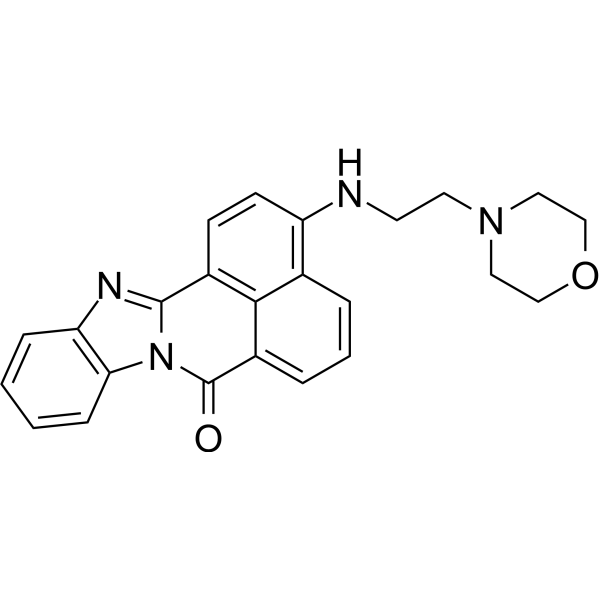
ICAAc is a solvatochromic fluorophore with reduced basicity. ICAAc demonstrates significant solvatochromic behavior across solvents of varying polarity, with a large dipole moment difference and low quantum yield in water, making it a tunable solvatochromic fluorophore. ICAAc enables pH sensing via UV-vis/fluorescence detection and in microenvironments including sodium lauryl sulfate micelle Stern layers. ICAAc acts as a supravital cell stain for epifluorescence imaging of live cancer cells .
|
-
- HY-108460R
-
|
|
Reference Standards
TRP Channel
|
Neurological Disease
|
|
A-784168 (Standard) is the analytical standard of A-784168 (HY-108460). This product is intended for research and analytical applications. A-784168 is a potent and orally active inhibitor of vanilloid receptor type 1 (TRPV1). Vanilloid receptor type 1 (TRPV1) is a ligand-gated nonselective cation channel that is considered to be an important integrator of various pain stimuli such as endogenous lipids, capsaicin, heat, and low pH. A-784168 has good CNS penetration .
|
-
- HY-P11085A
-
|
|
Bacterial
|
Infection
|
|
WLBU2 acetate is a engineered cationic antimicrobial peptide (eCAP) that overcomes the environmental sensitivity of natural antimicrobial peptides (AMPs). WLBU2 acetate exhibits rapid bactericidal effect, with the MIC values of ≤ 10 μM against both Gram-negative and Gram-positive bacteria including MRSA, vancomycin-resistant enterococci, K. pneumoniae, E.aerogenes, E. cloacae, Escherichia coli, et, al. WLBU2 acetate prevents P. aeruginosa biofilm growth and retains its activity in an environment rich in mucus, low pH and high salt concentrations without negative effects on human airway epithelial cells. WLBU2 acetate can be used for the studies of cystic fibrosis (CF) and Pseudomonas aeruginosa infections .
|
-
| Cat. No. |
Product Name |
Type |
-
- HY-D1694
-
|
|
Fluorescent Dye
|
|
LysoTracker Yellow HCK 123 is a potent yellow membrane-permeable fluorescent probe. LysoTracker Yellow HCK 123 is a weakly basic amine that selectively accumulates in cellular compartments with low luminal pH .
|
-
- HY-D1457
-
|
|
Fluorescent Dye
|
|
DND-189, a low-pH fluorescent probe, is sensitive to neutral and low pH range. DND-189 can be used to measure the pH of acidic organelles .
|
-
- HY-D1366
-
|
|
Fluorescent Dye
|
|
Sulfo-Cyanine5.5 carboxylic acidCI Pigment violet 32 is a water-soluble, far-red emitting fluorophore. Due to its four sulfo groups, this dye has a negative charge at neutral pH and is very hydrophilic. As a cyanine dye, sulfo-Cyanine5.5 shows a very low dependence of fluorescence on pH and a very high extinction coefficient.
|
-
- HY-143285
-
|
|
Fluorescent Dye
|
|
AMC-GlcNAc (compound 1) is a potent fluorogenic probe for detection and characterization of β-hexosaminidase enzyme activity. AMC-GlcNAc enables continuous monitoring by turn-on fluorescence and fluorescence signal is constant over a wide pH range (Ex=325 nm, Em=390 nm). AMC-GlcNAc enables ratiometric fluorescence detection with high sensitivity and low background, which can be used to screen for recombinant dispersin B activity in E. coli cell lysate .
|
-
- HY-W800702
-
|
|
Fluorescent Dye
|
|
BP Fluor 555 Azide is a water-soluble, bright orange-fluorescent dye with excitation ideally suited for the 532 nm or 555 nm laser lines and visualized with TRITC (tetramethylrhodamine) filter sets. BP Fluor 555 conjugates of antibodies, peptides, and proteins are pH insensitive from pH 4 to pH 10. AF 555 conjugates ideally suited for detection of low abundance targets.
BP Fluor 555 Azide can be reacted with terminal alkynes via a copper-catalyzed click reaction (CuAAC). It also reacts with strained cyclooctyne via a copper-free “click chemistry” reaction to form a stable triazole and does not require Cu-catalyst or elevated temperatures. The brightness and photostability of this dye are best suited to direct imaging of low-abundance targets.
|
-
- HY-W800696
-
|
|
Fluorescent Dye
|
|
BP Fluor 430 Azide is a water-soluble, green-fluorescent, azide-activated probe that reacts with terminal alkynes via a copper-catalyzed click reaction (CuAAC). It also reacts with strained cyclooctyne via a copper-free click chemistry reaction to form a stable triazole and does not require a Cu-catalyst or elevated temperatures.
BP Fluor 430 is a bright, photostable, green-fluorescent probe with excitation near its absorption maximum at 432 nm and emission maximum at 539 nm. This probe is water soluble and pH-insensitive from pH 4 to pH 10.
A next generation probe, BP Fluor 430 Picolyl Azide, is also available for detection of low abundance alkyne-tagged biomolecules.
|
-
- HY-D3167
-
|
|
Fluorescent Dye
|
|
HDAC-IN-101 (compound H6M) is a HDAC1 inhibitor and NTR/pH-activated fluorescent inducer, with an IC50 of 65 nM against human HDAC1. HDAC-IN-101 blocks cancer cell proliferation by inhibiting HDAC1. HDAC-IN-101 is reduced by overexpressed nitroreductase to generate H6AQ, a product that emits fluorescence under low pH conditions. HDAC-IN-101 is applicable for cancer-related research .
|
-
- HY-D2763
-
|
|
Fluorescent Dye
|
|
BP Fluor 532 maleimide is a photostable, bright yellow-fluorescent dye with pH insensitive emission from pH 4 to pH 10. The excitation of BP Fluor 532 is ideally suited for the frequency-doubled Nd:YAG laser line. BP Fluor 532 dye can be conjugated to a variety of antibodies, peptides, proteins, tracers, and amplification substrates, and is often used for the generation of stable signals in imaging and flow cytometry.
Maleimide is the most popular sulfhydryl-reactive group for conjugating the dye to a thiol group on a protein, oligonucleotide thiophosphate, or low molecular weight ligand. The maleimide group specifically and efficiently reacts with reduced thiols (sulfhydryl groups, –SH) at pH 6.5 to 7.5 to form a stable thioether bond. The resulting conjugates exhibit brighter fluorescence and greater photostability than the conjugates of many other spectrally similar fluorophores.
|
-
- HY-172754
-
|
|
Fluorescent Dye
|
|
ICAAc is a solvatochromic fluorophore with reduced basicity. ICAAc demonstrates significant solvatochromic behavior across solvents of varying polarity, with a large dipole moment difference and low quantum yield in water, making it a tunable solvatochromic fluorophore. ICAAc enables pH sensing via UV-vis/fluorescence detection and in microenvironments including sodium lauryl sulfate micelle Stern layers. ICAAc acts as a supravital cell stain for epifluorescence imaging of live cancer cells .
|
| Cat. No. |
Product Name |
Type |
-
- HY-W014837
-
|
3-(1-Pyridinio)-1-propanesulfonate
|
Biochemical Assay Reagents
|
|
NDSB-201 consists of a pyridine group attached to a propane chain, which in turn is attached to a sulfonate group. This compound is commonly used as a buffer in biochemical and biological research, especially in electrophoretic applications. It maintains a stable pH in aqueous solutions and has low UV absorption, making it suitable for use in the UV spectrum. Furthermore, due to its ability to form stable complexes with DNA and other biomolecules, 3-(pyridin-1-ium-1-yl)propane-1-sulfonate has been investigated for its potential in drug delivery and genetic research.
|
-
- HY-W105423
-
|
NHS-MA
|
Biochemical Assay Reagents
|
|
Methacrylic acid N-hydroxysuccinimide ester (NHS-MA) is a polymer that serves as a monomer to prepare degradable amphiphilic block copolymer microparticles via RAFT polymerization for low pH-triggered drug delivery. Methacrylic acid N-hydroxysuccinimide ester is used for the synthesis of nanogels .
|
-
- HY-Y0286
-
|
Hartshorn salt, 99%
|
Biochemical Assay Reagents
|
|
Ammonium carbonate (Ammonium carbonate), 99% is a solid amino compound that functions as a buffer, pH regulator, pore-forming agent, and electrocatalytic oxidation substrate. Ammonium carbonate, 99% is a GRAS-grade direct food additive with no restricted daily intake specified by FAO/WHO, and it shows no acute skin toxicity, clinical signs of toxicity, or effects on body weight in rats. Ammonium carbonate, 99% undergoes electrocatalytic oxidation in alkaline solutions with a Pt/C catalyst (carbonate adsorption interferes with activity). Ammonium carbonate, 99% can serve as a fuel for low-temperature polymer fuel cells and anion exchange membrane fuel cells (with performance superior to pure ammonia), and can also form pores in the carrier-free Pt cathode catalyst layer after low-temperature decomposition, thereby enhancing catalyst activity under low-humidity conditions and the performance of proton exchange membrane fuel cells .
|
-
- HY-D0874
-
|
|
Biochemical Assay Reagents
|
|
HEPPSO is a zwitterionic Good's buffer suitable for physiological pH conditions. HEPPSO forms high-order oligomers in aqueous solutions and can form a 1:1 complex with Cu 2+ via its hydroxyalkyl and tertiary amine groups. However, HEPPSO contains a structurally similar trace impurity lacking an alkanesulfonic acid side chain. The complex formed by this impurity and Cu 2+ has a very low Ka; therefore, HEPPSO may interfere with studies on copper speciation analysis in natural water bodies .
|
-
- HY-W250308A
-
|
Epsilon-polylysine hydrochloride (MV 2000-5000); ε-Polylysine hydrochloride (MV 2000-5000); ε-PL hydrochloride (MV 2000-5000)
|
Biochemical Assay Reagents
|
|
ε-Poly-L-lysine (Epsilon-polylysine; ε-Polylysine) hydrochloride (MV 2000-5000) is a polycationic antibacterial agent with broad-spectrum activity against Gram-positive bacteria, Gram-negative bacteria, fungi, yeasts and specific bacteriophages. ε-Poly-L-lysine hydrochloride (MV 2000-5000) exerts bactericidal effects through mechanisms such as disrupting microbial membranes, inducing ROS production, inhibiting metabolism and spore germination. ε-Poly-L-lysine hydrochloride (MV 2000-5000) also regulates the expression of multiple key genes including sodA, oxyR and recA. ε-Poly-L-lysine hydrochloride (MV 2000-5000) exhibits properties such as low eukaryotic cytotoxicity, thermal stability and pH stability, and supports tissue regeneration and anti-tumor applications. ε-Poly-L-lysine hydrochloride (MV 2000-5000) can be applied in research fields including bacterial and fungal infections, diabetic ulcers, and methicillin-resistant Staphylococcus aureus infections .
|
-
- HY-W393372
-
|
Tris maleate; Tris(hydroxymethyl)aminomethane maleate
|
Biochemical Assay Reagents
|
|
THAM (Tris) maleate is a biologically inert amino alcohol of low toxicity, which buffers carbon dioxide and acids in vitro and in vivo. THAM maleate is an effective amine compound for pH control in the physiological range .
|
-
- HY-W460471
-
|
|
Biochemical Assay Reagents
|
|
Tris Buffered Saline is a common buffer reagent in molecular biology, consisting of Tris and NaCl. Tris Buffered Saline can adjust pH and ionic strength and is widely used in DNA/RNA extraction, PCR and protein electrophoresis. Tris Buffered Saline can purify and protect nucleic acid materials and improve reaction efficiency and concentration. In protein electrophoresis, Tris Buffered Saline stabilizes gels and maintains pH. Overall, Tris Buffered Saline offers versatility, good solubility, and low toxicity in molecular biology applications.
|
-
- HY-D0234
-
|
ortho-CresolPHthalein
|
Biochemical Assay Reagents
|
|
o-Cresolphthalein (ortho-Cresolphthalein) is a biocatalyst and a key enzyme in new biocatalyst technology. Enzyme engineering focuses on enhancing enzyme reaction kinetics, substrate selectivity, and activity under harsh conditions such as low or high pH. By introducing stimulus responsiveness to these enzyme modifications, dynamic control of activity is also possible .
|
-
- HY-157379
-
|
|
Biochemical Assay Reagents
|
|
YM Agar is a low pH growth medium for the cultivation of yeasts, molds and other acid-resistant microorganisms .
|
| Cat. No. |
Product Name |
Target |
Research Area |
-
- HY-P4116
-
|
PHLIP
|
Peptides
|
Metabolic Disease
Cancer
|
|
pH-Low Insertion Peptide (pHLIP) is a short, pH-responsive peptide capable of inserting across a cell membrane to form a transmembrane helix at acidic pH. pH-Low Insertion Peptide targets the acidic tumor microenvironment for tumors at early and metastatic stages with high specificity, used as a specific ligand. pH-Low Insertion Peptide successfully modify polylysine polymers to have the pH-responsive capability. pH-Low Insertion Peptide-based targeting of cancer presents an opportunity to monitor metabolic changes, and to selectively deliver imaging and therapeutic agents to tumors .
|
-
- HY-P10294
-
|
|
Amyloid-β
|
Others
|
|
Oligopeptide P11-4 is an α-peptide that can be self-assembled into β-sheet amyloids with a hydrogel appearance at low pH. Oligopeptide P11-4 can be used in biomimetic mineralization, enamel regeneration and oral care agent .
|
-
- HY-P11085
-
|
|
Bacterial
|
Infection
|
|
WLBU2 is a engineered cationic antimicrobial peptide (eCAP) that overcomes the environmental sensitivity of natural antimicrobial peptides (AMPs). WLBU2 exhibits rapid bactericidal effect, with the MIC values of ≤ 10 μM against both Gram-negative and Gram-positive bacteria including MRSA, vancomycin-resistant enterococci, K. pneumoniae, E.aerogenes, E. cloacae, Escherichia coli, et, al. WLBU2 prevents P. aeruginosa biofilm growth and retains its activity in an environment rich in mucus, low pH and high salt concentrations without negative effects on human airway epithelial cells. WLBU2 can be used for the studies of cystic fibrosis (CF) and Pseudomonas aeruginosa infections .
|
-
- HY-P4116A
-
|
PHLIP TFA
|
Peptides
|
Metabolic Disease
Cancer
|
|
pH-Low Insertion Peptide TFA (pHLIP TFA) is a short, pH-responsive peptide capable of inserting across a cell membrane to form a transmembrane helix at acidic pH. pH-Low Insertion Peptide TFA targets the acidic tumor microenvironment for tumors at early and metastatic stages with high specificity, used as a specific ligand. pH-Low Insertion Peptide TFA successfully modifys polylysine polymers to have the pH-responsive capability. pH-Low Insertion Peptide TFA -based targeting of cancer presents an opportunity to monitor metabolic changes and to selectively deliver imaging and therapeutic agents to tumors .
|
-
- HY-P4579
-
|
|
Biochemical Assay Reagents
|
Others
|
|
Pyr-Phe-OH is an effective pyrene-based hydrogel. Pyr Phe OH can self-assemble into hydrogels in the range of pH=7.5-14.0, and also shows a very low gel concentration (0.037% (w/v)) in phosphate buffer .
|
-
- HY-P11085A
-
|
|
Bacterial
|
Infection
|
|
WLBU2 acetate is a engineered cationic antimicrobial peptide (eCAP) that overcomes the environmental sensitivity of natural antimicrobial peptides (AMPs). WLBU2 acetate exhibits rapid bactericidal effect, with the MIC values of ≤ 10 μM against both Gram-negative and Gram-positive bacteria including MRSA, vancomycin-resistant enterococci, K. pneumoniae, E.aerogenes, E. cloacae, Escherichia coli, et, al. WLBU2 acetate prevents P. aeruginosa biofilm growth and retains its activity in an environment rich in mucus, low pH and high salt concentrations without negative effects on human airway epithelial cells. WLBU2 acetate can be used for the studies of cystic fibrosis (CF) and Pseudomonas aeruginosa infections .
|
| Cat. No. |
Product Name |
Target |
Research Area |
Image |
-
- HY-108798
-
|
|
VEGFR
|
Cardiovascular Disease
Cancer
|
|
Ziv-aflibercept is a soluble inhibitor of vascular endothelial growth factor (VEGF). Ziv-aflibercept is an adaptive variant of Aflibercept (HY-108801), Ziv-aflibercept has a low PH value and high osmotic pressure when compared to Aflibercept. Ziv-aflibercept has potential applications in metastatic colorectal carcinoma and retinal diseases .
|
-
(5)
| Cat. No. |
Product Name |
Chemical Structure |
-
- HY-W025785S1
-
|
|
|
Methyl yellow-d6 (Solvent Yellow 2-d6) is the deuterium labeled Methyl yellow (HY-W025785). Methyl yellow (Solvent Yellow 2) is a pH indicator. Methyl yellow appears red at low pH, and becomes yellow above pH 4.0 .
|
-
Your information is safe with us. * Required Fields.
Inquiry Information
- Product Name:
- Cat. No.:
- Quantity:
- MCE Japan Authorized Agent:

