
1. Search Result
Search Result
Results for "

lubricant

" in MedChemExpress (MCE) Product Catalog:

101

Inhibitors & Agonists

52

Biochemical Assay Reagents

11

Natural
Products

12

Isotope-Labeled Compounds

17

Oligonucleotides

Cat. No. Nombre del producto Target Áreas de investigación Chemical Structure
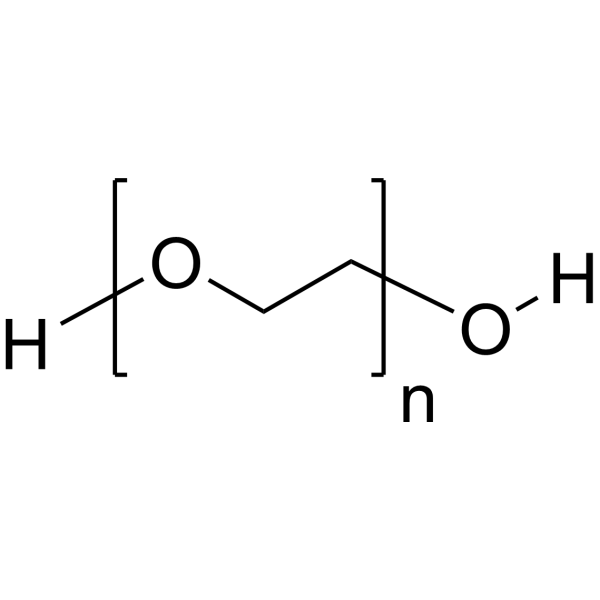
  • HY-Y0873I
    PEG6000
    3 Publications Verification

    Polyethylene glycol 6000

    Environmental Pollutants Biochemical Assay Reagents Others
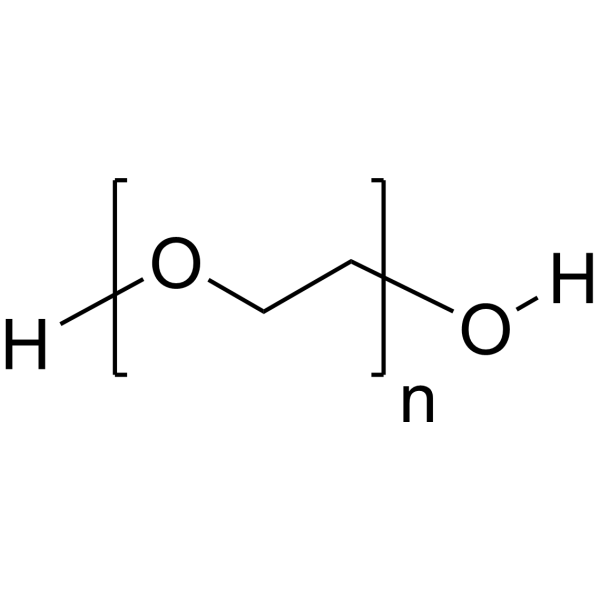
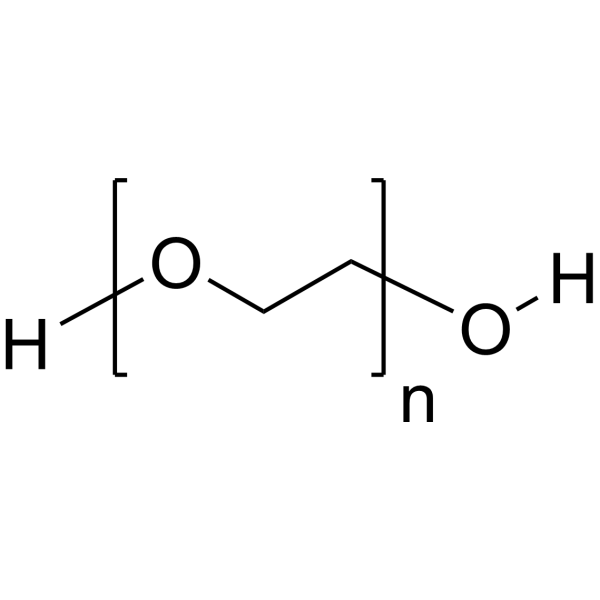
    PEG6000 can be used as an excipient, such as Ointment base, lubricant, etc. Pharmaceutical excipients, or pharmaceutical auxiliaries, refer to other chemical substances used in the pharmaceutical process other than pharmaceutical ingredients. Pharmaceutical excipients generally refer to inactive ingredients in pharmaceutical preparations, which can improve the stability, solubility and processability of pharmaceutical preparations. Pharmaceutical excipients also affect the absorption, distribution, metabolism, and elimination (ADME) processes of co-administered drugs .
    PEG6000
  • HY-Y0873H
    PEG4000
    3 Publications Verification

    Polyethylene glycol 4000

    Environmental Pollutants Biochemical Assay Reagents Others
    PEG4000 can be used as an excipient, such as Ointment base, lubricant, etc. Pharmaceutical excipients, or pharmaceutical auxiliaries, refer to other chemical substances used in the pharmaceutical process other than pharmaceutical ingredients. Pharmaceutical excipients generally refer to inactive ingredients in pharmaceutical preparations, which can improve the stability, solubility and processability of pharmaceutical preparations. Pharmaceutical excipients also affect the absorption, distribution, metabolism, and elimination (ADME) processes of co-administered drugs .
    PEG4000
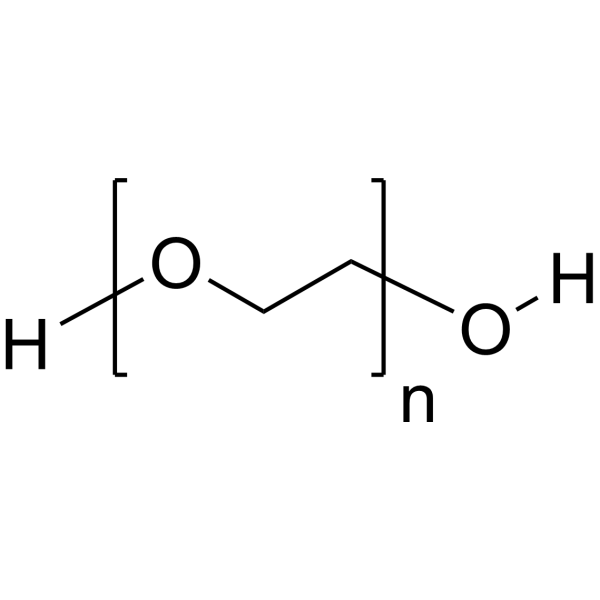
  • HY-Y0873G

    Polyethylene glycol 1000

    Environmental Pollutants Biochemical Assay Reagents Others
    PEG1000 can be used as an excipient, such as Ointment base, lubricant, etc. Pharmaceutical excipients, or pharmaceutical auxiliaries, refer to other chemical substances used in the pharmaceutical process other than pharmaceutical ingredients. Pharmaceutical excipients generally refer to inactive ingredients in pharmaceutical preparations, which can improve the stability, solubility and processability of pharmaceutical preparations. Pharmaceutical excipients also affect the absorption, distribution, metabolism, and elimination (ADME) processes of co-administered drugs .
    PEG1000
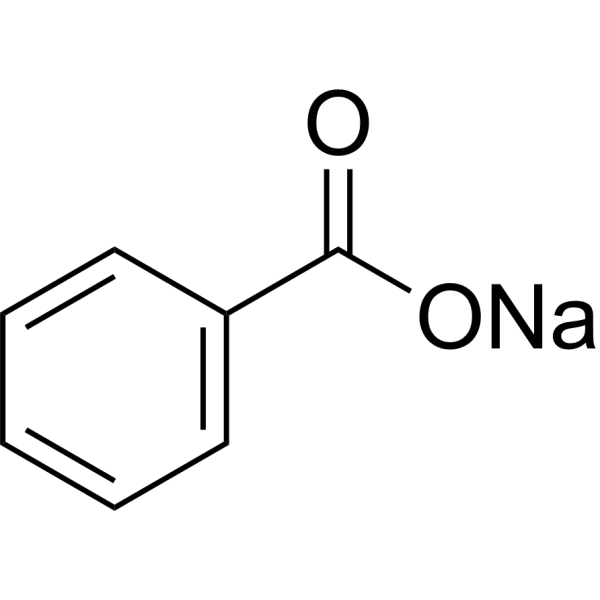
  • HY-Y1316
    Sodium benzoate
    2 Publications Verification

    Environmental Pollutants Biochemical Assay Reagents Apoptosis NF-κB Inflammation/Immunology Cancer
    Sodium benzoate is an orally active pharmaceutical excipient, such as an antibacterial agent, preservative, lubricant, etc. Pharmaceutical excipients, or pharmaceutical auxiliaries, refer to other chemical substances used in the pharmaceutical process other than pharmaceutical ingredients. Pharmaceutical excipients generally refer to inactive ingredients in pharmaceutical preparations, which can improve the stability, solubility and processability of pharmaceutical preparations. Pharmaceutical excipients also affect the absorption, distribution, metabolism, and elimination (ADME) processes of co-administered drugs.Sodium benzoate activates NF-κB and induces Apoptosis. Sodium benzoate induces immune suppression and produces reproductively toxic. Sodium benzoate can be used for colon cancer and immune disease research .
    Sodium benzoate
  • HY-N6070

    Environmental Pollutants Prostaglandin Receptor Inflammation/Immunology
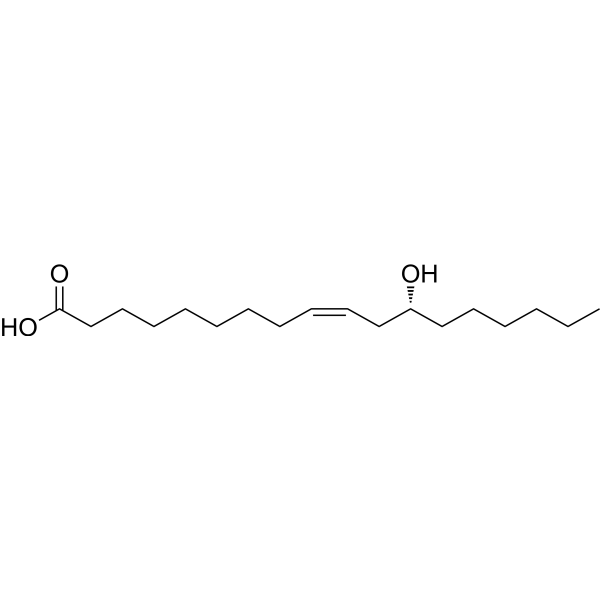
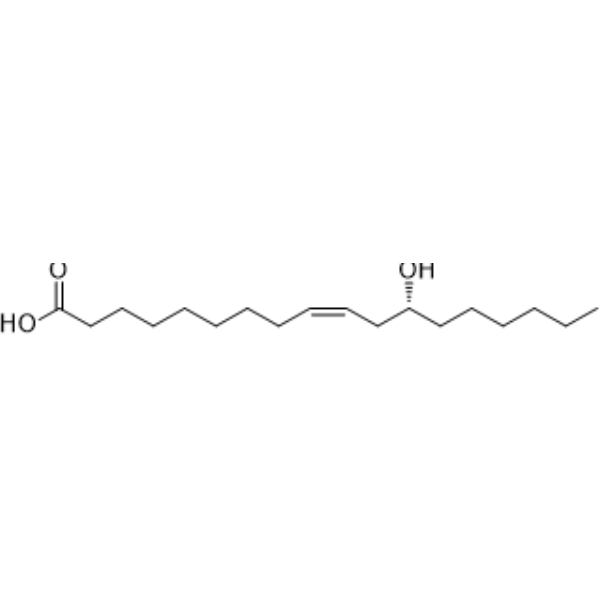
    Ricinoleic acid (purity≥85%), a hydroxy fatty acid, is an attractive feedstock for the production of high-performance lubricants, cosmetics, polymers, surfactants, and coatings. Ricinoleic acid is the main active ingredient of Castor oil (HY-107799). Ricinoleic acid is the agonist for prostaglandin EP3 receptor (EP3 receptor) (EC50 in MEG-01 is 0.5 μM), that causes laxative effects and uterine contraction. Ricinoleic acid exhibits antianxiety-like, anti-inflammatory and pro-inflammatory properties .
    Ricinoleic acid (purity≥85%)
  • HY-Y0873M

    Polyethylene glycol 500

    Environmental Pollutants Biochemical Assay Reagents Others
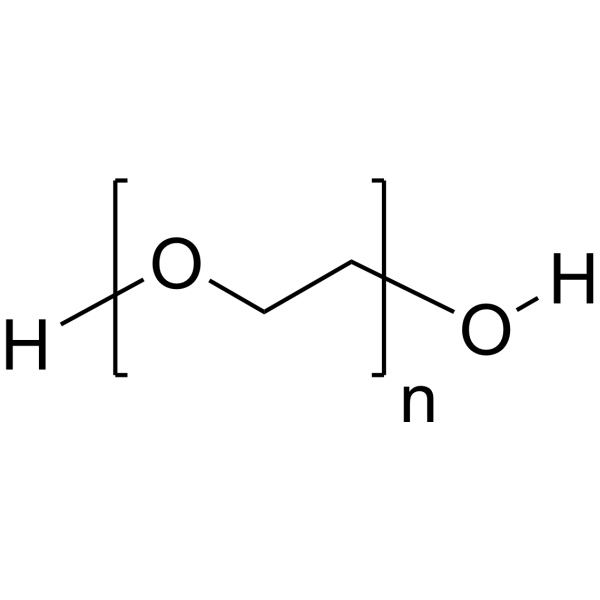
    PEG500 (Polyethylene glycol 500) is a versatile polymer that's used as a solvent, dispersant, lubricant, and more in industries like pharmaceuticals and biotechnology, and it can also modify liposomes. PEG500 is commonly used as a solvent or carrier for drugs, helping with capsule endoscopy to improve image quality and cecum completion rates .
    PEG500
  • HY-W017522

    Hexanedioic acid

    Environmental Pollutants Endogenous Metabolite HSV Infection Metabolic Disease
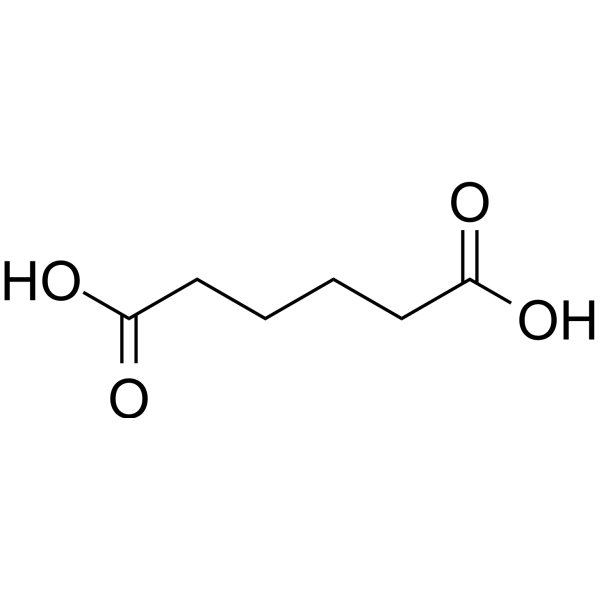
    Adipic acid (Hexanedioic acid) is an orally active compound with anti-HSV-1 activity. Adipic acid has low toxicity and can be used as a food additive and a gelling agent. Adipic acid can also be used in the synthesis of lubricants, artificial resins, plastics, etc .
    Adipic acid
  • HY-Y0873F

    Polyethylene glycol 600

    Environmental Pollutants Biochemical Assay Reagents Others
    PEG600 can be used as an excipient, such as ointment base, lubricant. Pharmaceutical excipients, or pharmaceutical auxiliaries, refer to other chemical substances used in the pharmaceutical process other than pharmaceutical ingredients. Pharmaceutical excipients generally refer to inactive ingredients in pharmaceutical preparations, which can improve the stability, solubility and processability of pharmaceutical preparations. Pharmaceutical excipients also affect the absorption, distribution, metabolism, and elimination (ADME) processes of co-administered drugs .
    PEG600
  • HY-Y1054

    Stearic Acid Magnesium(II) Salt

    Environmental Pollutants Biochemical Assay Reagents Others
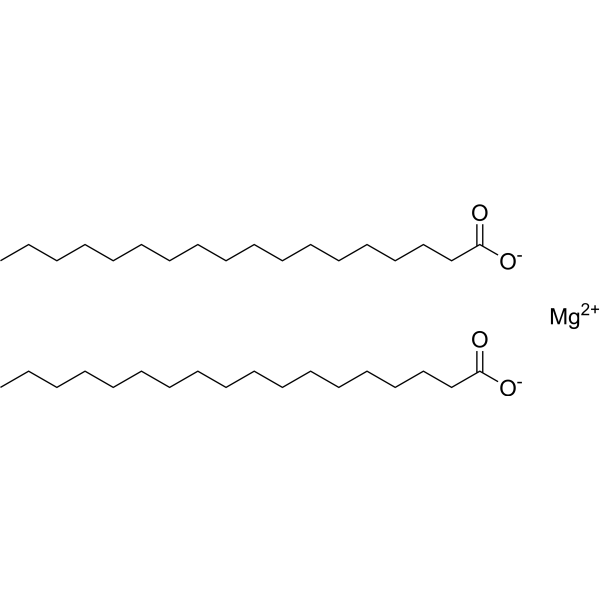
    Magnesium stearate is a commonly used pharmaceutical lubricant. But Magnesium stearate leads to an adverse effect on bonding between particles. Magnesium stearate can be used as an excipient, such as lubricant. Pharmaceutical excipients, or pharmaceutical auxiliaries, refer to other chemical substances used in the pharmaceutical process other than pharmaceutical ingredients. Pharmaceutical excipients generally refer to inactive ingredients in pharmaceutical preparations, which can improve the stability, solubility and processability of pharmaceutical preparations. Pharmaceutical excipients also affect the absorption, distribution, metabolism, and elimination (ADME) processes of co-administered drugs .
    Magnesium stearate
  • HY-Y0873E

    Polyethylene glycol 1500

    Environmental Pollutants Biochemical Assay Reagents Others
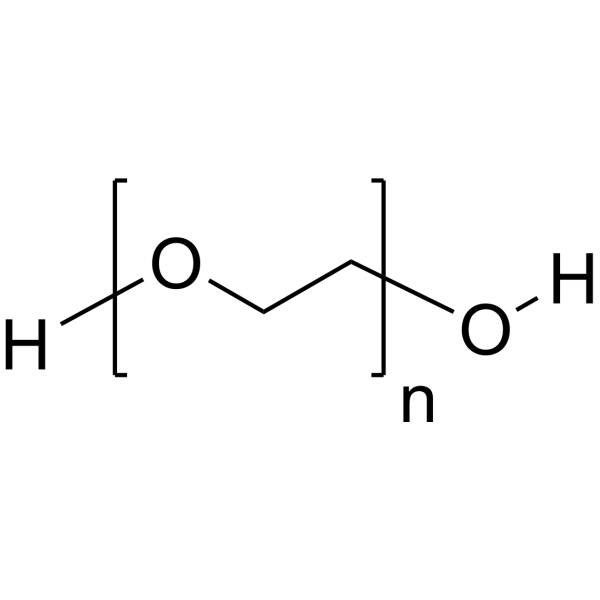
    PEG1500 can be used as an excipient, such as ointment base, lubricant. Pharmaceutical excipients, or pharmaceutical auxiliaries, refer to other chemical substances used in the pharmaceutical process other than pharmaceutical ingredients. Pharmaceutical excipients generally refer to inactive ingredients in pharmaceutical preparations, which can improve the stability, solubility and processability of pharmaceutical preparations. Pharmaceutical excipients also affect the absorption, distribution, metabolism, and elimination (ADME) processes of co-administered drugs .
    PEG1500
  • HY-W127717

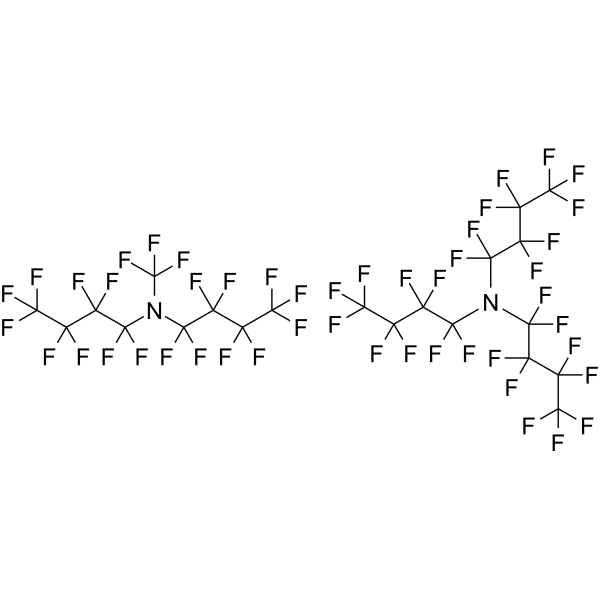
    Perfluoro-compound FC-40

    Biochemical Assay Reagents Others
    Fluorinert FC-40 is a non-conductive liquid containing a mixture of fluorinated compounds. It is commonly used as a cooling and heat transfer fluid in electronics, especially in high-performance computer systems and electronic components that generate a lot of heat. Fluorinert FC-40 has various properties that make it ideal for these applications, including its low viscosity, high thermal stability and excellent dielectric strength. In addition, it can be used as an inert solvent in chemical reactions and a lubricant in mechanical systems.
    Fluorinert FC-40
  • HY-N6070A

    Environmental Pollutants Prostaglandin Receptor Inflammation/Immunology
    Ricinoleic acid (purity≥99%), a hydroxy fatty acid, is an attractive feedstock for the production of high-performance lubricants, cosmetics, polymers, surfactants, and coatings. Ricinoleic acid is the main active ingredient of Castor oil (HY-107799). Ricinoleic acid is the agonist for prostaglandin EP3 receptor (EP3 receptor) (EC50 in MEG-01 is 0.5 μM), that causes laxative effects and uterine contraction. Ricinoleic acid exhibits antianxiety-like, anti-inflammatory and pro-inflammatory properties .
    Ricinoleic acid (purity≥99%)
  • HY-W127329

    Biochemical Assay Reagents Others
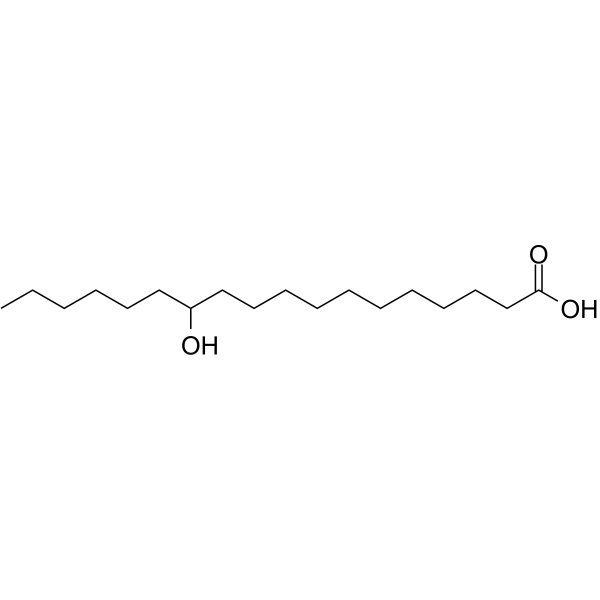
    12-Hydroxystearic acid is a structurally simple and cost-effective low molecular weight organogelator, and its metal salts and derivatives find roles in many important applications .
    12-Hydroxystearic acid
  • HY-N11684

    Biochemical Assay Reagents Others
    Cocoa butter can be used as an excipient, such as lubricants, suppository bases. Pharmaceutical excipients, or pharmaceutical auxiliaries, refer to other chemical substances used in the pharmaceutical process other than pharmaceutical ingredients. Pharmaceutical excipients generally refer to inactive ingredients in pharmaceutical preparations, which can improve the stability, solubility and processability of pharmaceutical preparations. Pharmaceutical excipients also affect the absorption, distribution, metabolism, and elimination (ADME) processes of co-administered drugs .
    Cocoa butter
  • HY-W011426

    Propan-2-yl hexadecanoate

    Environmental Pollutants Biochemical Assay Reagents Liposome Others
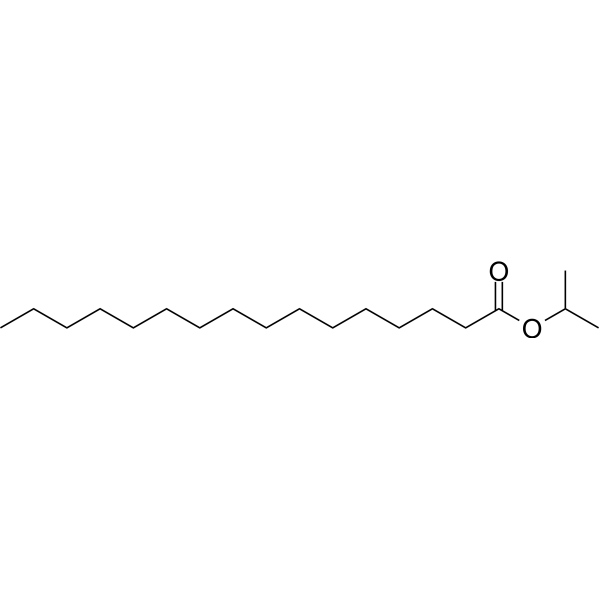
    Isopropyl palmitate is an fatty acid ester. Isopropyl palmitate can be used for design and characterization of bioactive bilayer films. The bilayer membrane not only has the ability to scavenge free radicals and inhibit lipid peroxidation, but also can inhibit the growth of known foodborne pathogens. Isopropyl palmitate can be used as an excipient, such as lubricant, oily carrier, solvent, controlled-release transdermal film. Pharmaceutical excipients, or pharmaceutical auxiliaries, refer to other chemical substances used in the pharmaceutical process other than pharmaceutical ingredients. Pharmaceutical excipients generally refer to inactive ingredients in pharmaceutical preparations, which can improve the stability, solubility and processability of pharmaceutical preparations. Pharmaceutical excipients also affect the absorption, distribution, metabolism, and elimination (ADME) processes of co-administered drugs .
    Isopropyl palmitate
  • HY-W004295

    Biochemical Assay Reagents Inflammation/Immunology
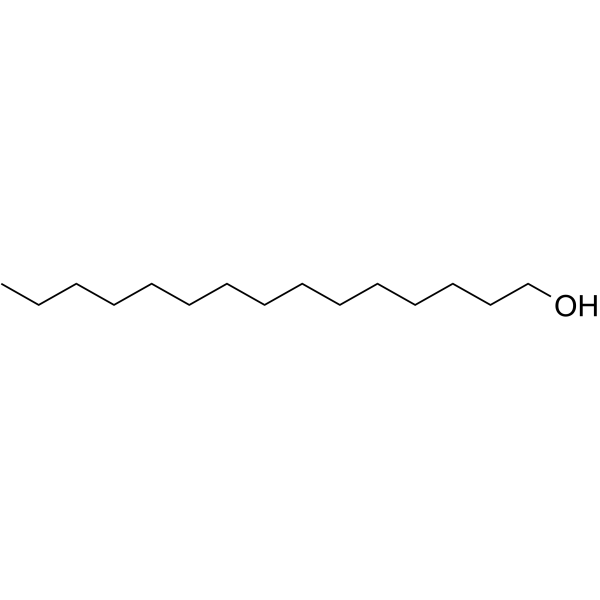
    1-Pentadecanol is a long-chain fatty alcohol. 1-Pentadecanol has anti-comedone activity. 1-Pentadecanol has moisturizing and hydrating properties and can be applied to skin care products. 1-Pentadecanol can be used in the production of surfactants, emulsifiers and lubricants .
    1-Pentadecanol
  • HY-W127534

    Trihexanoin

    Biochemical Assay Reagents Others
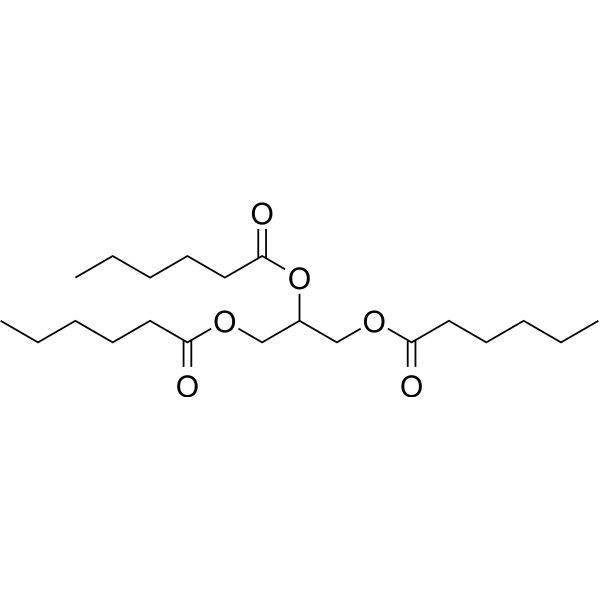
    TricaproinIt is an organic compound belonging to the class of triacylglycerols. It consists of three molecules of caproic acid esterified to the glycerin backbone, with a mild fatty smell. TricaproinIt has a variety of applications in the cosmetic and personal care industries, especially as an emollient and conditioning agent in skin and hair care products. Additionally, it is used as a lubricant and surfactant in industrial settings.
    Tricaproin
  • HY-W127445

    Docosanamide

    Biochemical Assay Reagents Others
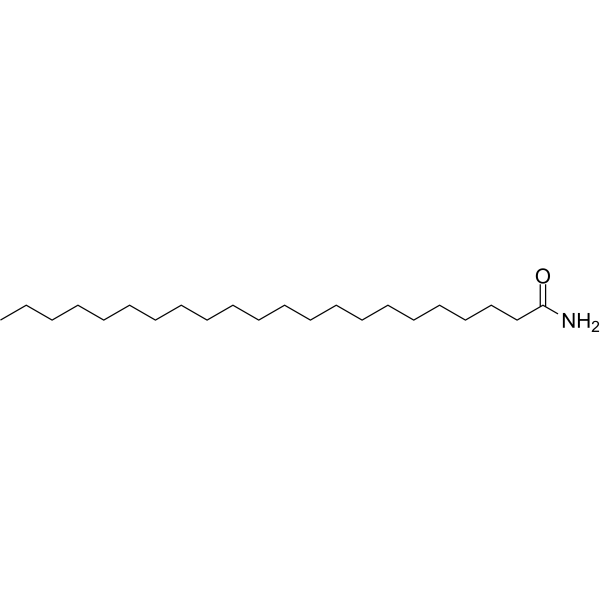
    Behenamide is a fatty acid derived from plants such as rapeseed oil and can be synthesized by a variety of processes. Behenamide has unique properties that make it useful as a slip agent, A lubricant and release agent, it is also used in personal care products, including cosmetics and hair care, as a thickener and emollient because of its ability to improve the consistency and texture of formulations.
    Behenamide
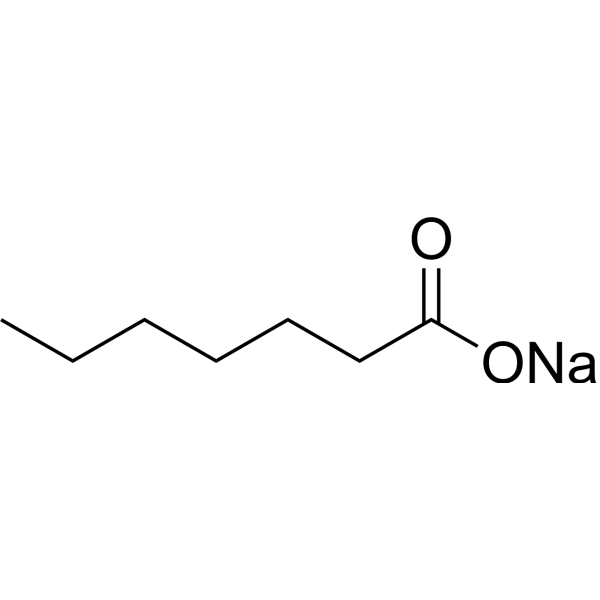
  • HY-42935A
    Heptanoate sodium
    1 Publications Verification

    Enanthate sodium

    Biochemical Assay Reagents Others
    Heptanoate sodium is an organic sodium salt compound widely used in various industries and laboratories. It can be used as surfactant, emulsifier, lubricant and preservative, etc., and plays an important role in some electronic devices. In addition, Heptanoate sodium is also used in the preparation of certain chemicals and raw materials such as paints, plastics, fragrances, etc. Although the compound has no direct medical application, it plays an important role in chemical research and industrial production.
    Heptanoate sodium
  • HY-104035E

    Poly(dimethylsiloxane) (PDMS), viscosity 100 cSt (25 °C); Dimethylsilcone fluid, viscosity 100 cSt (25 °C)

    Environmental Pollutants Biochemical Assay Reagents Others
    Dimethyl silicone oil, viscosity 100 cSt (25 °C) (Poly(dimethylsiloxane) (PDMS), viscosity 100 cSt (25 °C); Dimethylsilcone fluid, viscosity 100 cSt (25 °C)) is a transparent, colorless, and inert polydimethylsiloxane liquid with stable properties. Dimethyl silicone oil, viscosity 100 cSt (25 °C) exhibits high dielectric strength and excellent lubrication, cushioning, and thermal conductivity. Dimethyl silicone oil, viscosity 100 cSt (25 °C) can be used in cosmetics, lubricants, and electronics.
    Dimethyl silicone oil, viscosity 100 cSt (25 °C)
  • HY-D1005F

    PEG-PPG-PEG, 2500(Average Mn)

    Environmental Pollutants Biochemical Assay Reagents Others
    Poloxamer 182 (L62) can be used as an excipient, such as Emulsifier, solubilizer, lubricant, etc. Pharmaceutical excipients, or pharmaceutical auxiliaries, refer to other chemical substances used in the pharmaceutical process other than pharmaceutical ingredients. Pharmaceutical excipients generally refer to inactive ingredients in pharmaceutical preparations, which can improve the stability, solubility and processability of pharmaceutical preparations. Pharmaceutical excipients also affect the absorption, distribution, metabolism, and elimination (ADME) processes of co-administered drugs .
    Poloxamer 182 (L62)
  • HY-W013809

    Stearic acid ethyl ester

    Biochemical Assay Reagents Others
    Ethyl stearate is an ester compound produced by the reaction of ethanol and stearic acid. It is commonly used as a flavoring agent in various foods such as baked goods, beverages and desserts. Ethyl stearate is also used as a fragrance ingredient in the manufacture of perfume, cologne and personal care products. Additionally, it has applications in industrial settings such as the production of lubricants and plasticizers.
    Ethyl stearate
  • HY-N8451

    Triacontanoic acid

    Biochemical Assay Reagents Others
    Melissic acid, which belongs to the category of long-chain saturated fatty acids. It is a 30-carbon straight-chain fatty acid found in a variety of natural sources, including beeswax and coconut oil. Due to its unique physical properties, such as high melting point and viscosity, Melissic acid has a variety of uses in industry. It can be used as a lubricant in the production of some plastics and rubber, and is also used in the manufacture of surfactants and detergents.
    Melissic acid
  • HY-W010807

    Environmental Pollutants Biochemical Assay Reagents Others
    Hexadecyl palmitate is an organic compound commonly used in the cosmetic industry as an emollient, thickener and skin conditioning agent. Cetyl palmitate is derived from a mixture of cetyl alcohol (a fatty alcohol) and palmitic acid (a saturated fatty acid). It is often used in skin care products such as moisturizers, lotions, and creams to improve their texture and Helps them glide smoothly on the skin. In addition to its use in cosmetics, cetyl palmitate is used in other industries including pharmaceuticals, food additives and lubricants. Overall, it's considered safe for use in personal care products, but like any other ingredient, it may cause irritation or an allergic reaction in some people.
    Hexadecyl palmitate
  • HY-154636

    Biochemical Assay Reagents Endocrinology
    Liquid Paraffin is a petroleum-derived mixture of saturated hydrocarbons and an orally active fecal lubricant. Liquid Paraffin is widely used in studies of constipation and fecal incontinence in children through its lubricating effect and the osmotic effect generated by its conversion to hydroxy fatty acids. Liquid Paraffin has high safety, is non-carcinogenic, and does not affect fat-soluble vitamin levels with long-term use. Liquid Paraffin does not cause abdominal pain or electrolyte disorders, but may lead to lipoid pneumonia and granulomas caused by rectal administration. Liquid Paraffin can also be used as a phase change material for thermal energy storage, or combined with nanoparticles to form a protective boundary film to reduce mechanical wear .
    Liquid Paraffin
  • HY-W001942

    2-Methylbutyric acid

    Environmental Pollutants Biochemical Assay Reagents Others
    2-Methylbutanoic acid is a chemical intermediate for a variety of applications such as plasticizers, lubricants and pharmaceuticals .
    2-Methylbutanoic acid
  • HY-W099558

    Sodium 2-octadecylfumarate

    Biochemical Assay Reagents Others
    Sodium stearyl fumarate is a tablet lubricant. Sodium stearyl fumarate improves tablet compressibility .
    Sodium stearyl fumarate
  • HY-W115716

    Span 85

    Environmental Pollutants Biochemical Assay Reagents Others
    Sorbitan trioleate (Span 85) is an orally active non-ionic surface active agent. Sorbitan trioleate can be used as an excipient, such as surfactant, emulsifier, lubricant, wetting agent, dispersant, thickener, defoamer .
    Sorbitan trioleate
  • HY-23059
    4-Dodecylbenzenesulfonic acid
    1 Publications Verification

    p-Dodecylbenzenesulphonic acid

    Environmental Pollutants Biochemical Assay Reagents Others
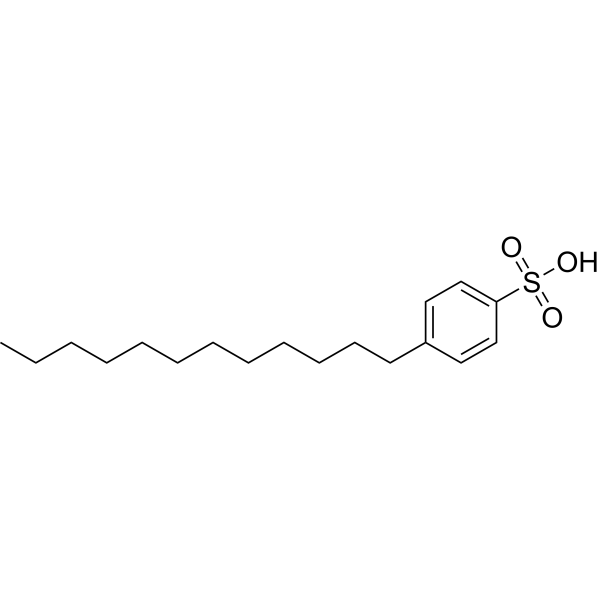
    4-Dodecylbenzenesulfonic acid is an organosulfur compound commonly used in various industrial applications. It is usually used as a surfactant, emulsifier and auxiliary agent, etc., and is widely used in lubricants, paints, resins and other fields. In addition, due to its good water solubility and cleaning ability, it can also be used in the preparation of products such as detergents and cleaners.
    4-Dodecylbenzenesulfonic acid
  • HY-W093183

    Palmitic acid anhydride

    Biochemical Assay Reagents Others
    Palmitic anhydride, a saturated fatty acid found in many natural sources such as animal fats and vegetable oils, is commonly used as a reagent in organic synthesis to introduce palmitoyl(hexadecanoyl) functional groups into other organic molecules, moreover, Palmitic anhydride has been Used in the production of surfactants, lubricants and plasticizers, as well as in the preparation of cosmetics and pharmaceuticals.
    Palmitic anhydride
  • HY-W004293

    Tridecyl Alcohol

    Environmental Pollutants Biochemical Assay Reagents Others
    1-Tridecanol is an organic compound commonly used as a surfactant, lubricant, and stabilizer, among others. It can be used in some cleaning products, preservatives and plastic additives, and can help enhance their performance and stability. In addition, the compound is used in some industrial fields, for example in the manufacture of products such as cellulose and paints. Although the compound has no direct medical application, it plays an important role in consumer products and industrial production.
    1-Tridecanol
  • HY-W017522S4

    Hexanedioic acid-d8

    Isotope-Labeled Compounds Endogenous Metabolite HSV Infection Metabolic Disease
    Adipic acid-d8 (Hexanedioic acid-d8) is the deuterium labeled Adipic acid (HY-W017522). Adipic acid (Hexanedioic acid) is an orally active compound with anti-HSV-1 activity. Adipic acid has low toxicity and can be used as a food additive and a gelling agent. Adipic acid can also be used in the synthesis of lubricants, artificial resins, plastics, etc .
    Adipic acid-d8
  • HY-W010695

    Biochemical Assay Reagents Others
    Cholesteryl stearate is a compound belonging to the class of esters. It is a cholesterol ester commonly found in animal and plant sources. Cholesteryl stearate consists of two naturally occurring substances, cholesteryl alcohol and stearic acid. The combination of the two creates a stable compound that is commonly used in a variety of industrial and biomedical applications. Cholesteryl stearate is commonly used as a lubricant, thickener and emollient in cosmetic formulations such as lotions and creams. It is also used to produce certain types of polymers and plastics.
    Cholesteryl stearate
  • HY-W099538

    Dilauryl 3,3'-Thiodipropionate

    Environmental Pollutants Biochemical Assay Reagents Others
    Dilauryl thiodipropionate (DLTDP), which is a sulfur-containing antioxidant commonly used to stabilize polymers and plastics against degradation caused by heat, oxygen, and UV light, acts to scavenge free radicals and others that may cause polymer chain scission and cross-linked active substances, in addition, DLTDP has been used as an additive to lubricants, oils and other industrial fluids to improve their oxidation stability, the long hydrocarbon chain in DLTDP makes it low volatility and compatible with many materials and Good compatibility with substrates.
    Dilauryl thiodipropionate
  • HY-W127474

    Biochemical Assay Reagents Others
    Ethyl pentadecanoate is an organic compound that is commonly used as a flavoring and food additive, and can also be used in industrial manufacturing, such as the production of lubricants and surfactants. In addition, Ethyl pentadecanoate has biological activities such as antibacterial, insecticidal and antiseptic.
    Ethyl pentadecanoate
  • HY-W004963

    TBAT

    Biochemical Assay Reagents Others
    Tetrabutylammonium difluorotriphenylsilicate(IV) (TBAT) is an organic compound commonly used as a catalyst and surfactant. It can play a catalytic role in some organic synthesis reactions, and can be used as a cleaning agent, lubricant and stabilizer. In addition, the compound is widely used in certain industrial fields, such as in the plastic, rubber and textile manufacturing processes.
    Tetrabutylammonium difluorotriphenylsilicate(IV)
  • HY-W127330

    Biochemical Assay Reagents Others
    Butyl Laurate is an ester compound with a fruity odor commonly used as a flavoring agent in the food and beverage industry. In addition, it is used as a solvent, plasticizer or lubricant in various industrial applications. Its unique chemical properties make it an important ingredient in a variety of commercial products, including cosmetics, personal care products and cleaners.
    Butyl Laurate
  • HY-W127338

    Biochemical Assay Reagents Others
    Butyl Palmitate is an ester compound commonly used as a conditioning, emollient or fragrance in a variety of cosmetic and personal care products. In addition, it can be used as a solvent or lubricant in various industrial applications. Its unique chemical properties make it an important ingredient in a variety of commercial products, including perfumes, lotions and hair care products.
    Butyl Palmitate
  • HY-W017522S3

    Hexanedioic acid-13C

    Isotope-Labeled Compounds Endogenous Metabolite HSV Infection Metabolic Disease
    Adipic acid- 13C (Hexanedioic acid- 13C) is the 13C labeled Adipic acid (HY-W017522). Adipic acid (Hexanedioic acid) is an orally active compound with anti-HSV-1 activity. Adipic acid has low toxicity and can be used as a food additive and a gelling agent. Adipic acid can also be used in the synthesis of lubricants, artificial resins, plastics, etc .
    Adipic acid-13C
  • HY-W778240

    Naphthalene-2-carboxylic acid-13C6

    Isotope-Labeled Compounds Biochemical Assay Reagents Others
    2-Naphthoic acid- 13C6 (Naphthalene-2-carboxylic acid- 13C6) is the 13C-labeled 2-Naphthoic acid (HY-W007437). 2-Naphthoic acid is an organic compound commonly used as a raw material for dyes and the production of other chemicals. It can form dyes with other organic substances and is widely used in textile, printing and manufacturing fields. In addition, the compound is also used as a photosensitive material and a lubricant.
    2-Naphthoic acid-13C6
  • HY-W099583

    Myristic acid amide

    Drug Intermediate Metabolic Disease
    Myristic amide (Myristic acid amide) is an ester product. Myristic amide can be used as a chemical additive, lubricant and pharmaceutical intermediate.
    Myristic amide
  • HY-W007437

    Naphthalene-2-carboxylic acid

    Biochemical Assay Reagents Others
    2-Naphthoic acid is an organic compound commonly used as a raw material for dyes and the production of other chemicals. It can form dyes with other organic substances and is widely used in textile, printing and manufacturing fields. In addition, the compound is also used as a photosensitive material and a lubricant.
    2-Naphthoic acid
  • HY-ER019

    N-Benzyl-N,N-dibutylbutan-1-aminium chloride

    Biochemical Assay Reagents Others
    Benzyltributylammonium chloride is an organic salt compound, usually used in catalytic reactions and surfactants. It can play a catalytic role in some organic synthesis reactions, and can be used as a cleaning agent, lubricant and emulsifier. In addition, the compound is widely used in certain industrial fields, such as in the plastic, rubber and textile manufacturing processes.
    Benzyltributylammonium chloride
  • HY-134645

    Heneicosyl alcohol

    Biochemical Assay Reagents Others
    1-Heneicosanol is a long-chain alcohol with 21 carbon atoms commonly used in the production of surfactants, lubricants and pharmaceuticals. It can be found in various natural sources such as vegetable waxes and insect pheromones. Additionally, it has been shown to be bioactive against plants and animals and has antimicrobial properties.
    1-Heneicosanol
  • HY-D0902

    Biochemical Assay Reagents Others
    Triethanolamine borate is a compound belonging to the class of borates. It is commonly used in the manufacture of personal care and cosmetics as an emulsifier, pH adjuster and buffer. Triethanolamine borate helps stabilize and thicken products such as lotions and creams and can improve their overall texture. It is also used in industrial applications such as the production of lubricants and metalworking fluids.
    Triethanolamine borate
  • HY-W009235

    Tetraethylammonium 4-methylbenzenesulfonate

    Biochemical Assay Reagents Others
    Tetraethylammonium p-toluenesulfonate p-toluenesulfonate is an organic compound commonly used as a catalyst and surfactant. It can be used to catalyze or promote reactions in certain organic synthesis reactions, and is widely used in the fields of surfactants, lubricants and antistatic agents. In addition, the compound is also used for metallization, silver plating and electroplating of circuit boards.
    Tetraethylammonium p-toluenesulfonate
  • HY-W008816

    Octyl carbinol; Pelargonic alcohol

    Environmental Pollutants Others
    Nonan-1-ol is an organic compound commonly used in the manufacture of surfactants and lubricants, among others. It can be used as a detergent, emulsifier and stabilizer, and is widely used in some cosmetics, personal care products and printing inks. In addition, the compound has important applications in certain industrial fields, for example in the production of plastics and rubber.
    Nonanol
  • HY-W099600

    Bisdodecanoic anhydride

    Biochemical Assay Reagents Others
    Lauric anhydride is a white waxy solid used as an intermediate in the production of various chemicals. It is primarily used in the synthesis of surfactants, emulsifiers, and lubricants, and as a raw material for other important industrial chemicals such as plasticizers and flavoring agents. It can be obtained from natural sources such as palm kernel oil and coconut oil, and its unique chemical structure allows it to be used to create compounds with specific surface and interfacial properties.
    Lauric anhydride
  • HY-W017522S

    Hexanedioic acid-d10

    Isotope-Labeled Compounds Endogenous Metabolite HSV Infection Metabolic Disease
    Adipic acid-d10 (Hexanedioic acid-d10) is the deuterium labeled Adipic acid (HY-W017522). Adipic acid (Hexanedioic acid) is an orally active compound with anti-HSV-1 activity. Adipic acid has low toxicity and can be used as a food additive and a gelling agent. Adipic acid can also be used in the synthesis of lubricants, artificial resins, plastics, etc .
    Adipic acid-d10
  • HY-W017522S1

    Hexanedioic acid-13C6

    Isotope-Labeled Compounds Endogenous Metabolite HSV Infection Metabolic Disease
    Adipic acid- 13C6 (Hexanedioic acid- 13C6) is the 13C labeled Adipic acid (HY-W017522). Adipic acid (Hexanedioic acid) is an orally active compound with anti-HSV-1 activity. Adipic acid has low toxicity and can be used as a food additive and a gelling agent. Adipic acid can also be used in the synthesis of lubricants, artificial resins, plastics, etc .
    Adipic acid-13C6

Consulta en línea

Your information is safe with us. * Required Fields.

Saludo


Country or Region *

Nombre del solicitante *


Nombre de la Organizaciòn *

Department *


Direcciòn del E-mail *


Nombre del producto *

Cat. No.


Requested quantity *

Número de teléfono *


Observaciones

Consulta en línea

Inquiry Information

Nombre del producto:
Cat. No.:
Cantidad:
MCE Japan Authorized Agent:

