
1. Search Result
Search Result
Results for "

lysosomes kit

" in MedChemExpress (MCE) Product Catalog:

457

Inhibitors & Agonists

5

Screening Libraries

29

Fluorescent Dyes

11

Biochemical Assay Reagents

7

Peptides

196

MCE Kits

17

Inhibitory Antibodies

21

Natural
Products

29

Recombinant Proteins

40

Isotope-Labeled Compounds

10

Antibodies

2

Click Chemistry

7

Oligonucleotides

Targets Recommended:
Cat. No. Product Name Target Research Areas Chemical Structure
  • HY-Y1269
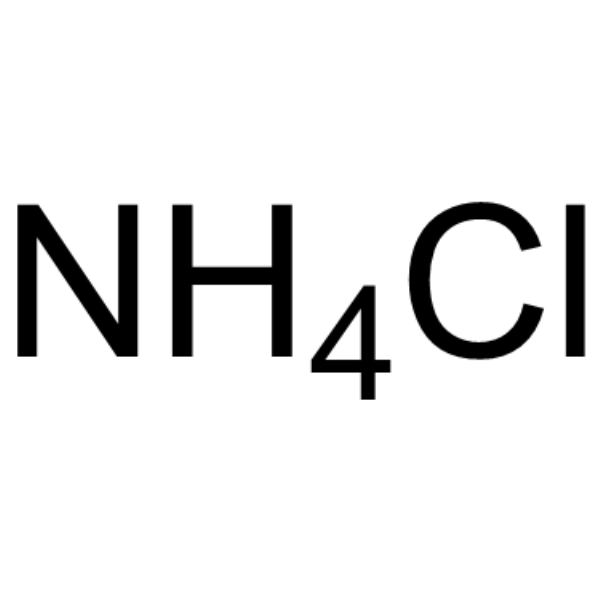
    Ammonium chloride, AR, 99.5%
    Maximum Cited Publications
    47 Publications Verification

    Environmental Pollutants Autophagy Cancer
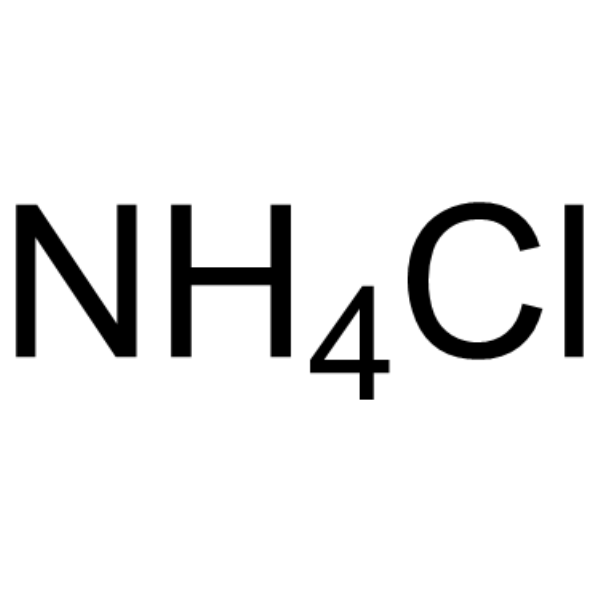
    Ammonium chloride, as a heteropolar compound with pH value regulation, can cause intracellular alkalization and metabolic acidosis thus effecting enzymatic activity and influencing the process of biological system. Ammonium chloride is an autophagy inhibitor. Ammonium chloride is also a lysosome inhibitor .
    Ammonium chloride, AR, 99.5%
  • HY-D0857
    HEPES
    5+ Cited Publications

    Biochemical Assay Reagents Others
    HEPES, a nonvolatile zwitterionic chemical buffering agent, is broadly applied in cell culture. HEPES is effective at pH 6.8 to 8.2. HEPES is also a potent inducer of lysosome biogenesis .
    HEPES
  • HY-Y1269C
    Ammonium chloride, for cell culture
    Maximum Cited Publications
    47 Publications Verification

    Salmiac, for cell culture

    Environmental Pollutants Biochemical Assay Reagents Autophagy Cancer
    Ammonium chloride, for cell culture (Salmiac, for cell culture) is a reagent that can be used in cell culture to provide a source of nitrogen. Ammonium chloride can be used as a heteropolar compound to regulate pH value, which can cause intracellular alkalination and metabolic acidosis, thus affecting the activity of enzymes and affecting the process of biological systems. Ammonium chloride acts as an autophagy inhibitor.Ammonium chloride is also a lysosome inhibitor.
    Ammonium chloride, for cell culture
  • HY-D1300
    LysoTracker Red
    Maximum Cited Publications
    15 Publications Verification

    LysoTracker Red DND-99

    Biochemical Assay Reagents Fluorescent Dye Others
    LysoTracker Red is a Red fluorescently labeled lysosomal probe with a maximum excitation/emission wavelength of 577/590 nm. The structure is composed of a fluorescein group and linked weak bases, which can freely cross the cell membrane and gather on spherical organelles. It is suitable for observing the internal biosynthesis and related pathogenesis of lysosomes .
    LysoTracker Red
  • HY-13001
    Quizartinib
    40+ Cited Publications

    AC220

    FLT3 Apoptosis PDGFR c-Kit Cancer
    Quizartinib (AC220) is an orally active, potent and selective FLT3 inhibitor. Quizartinib inhibits kinase activity of mutant-FLT3, -PDGFRA and -KIT isoforms and inhibits autophosphorylation. Quizartinib inhibits cellular proliferation, induces apoptosis in cancer cells. Quizartinib can be used for the research of cancer .
    Quizartinib
  • HY-108535
    HEPES sodium
    5+ Cited Publications

    Biochemical Assay Reagents Others
    HEPES sodium, a nonvolatile zwitterionic chemical buffering agent, is broadly applied in cell culture. HEPES sodium is effective at pH 6.8 to 8.2. HEPES sodium is also a potent inducer of lysosome biogenesis .
    HEPES sodium
  • HY-16961
    Sitravatinib
    5+ Cited Publications

    MGCD516; MG-516

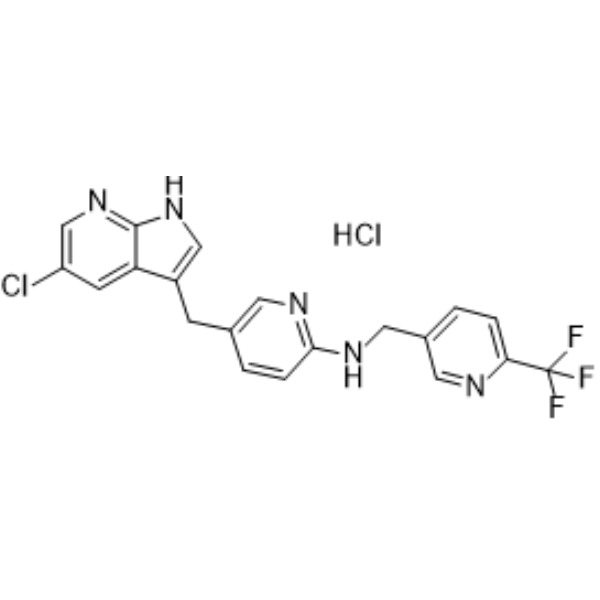
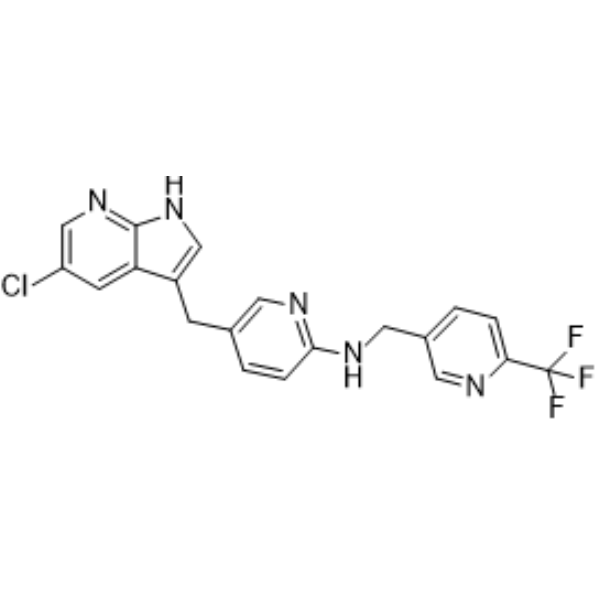
    VEGFR c-Kit FLT3 Discoidin Domain Receptor Trk Receptor Inflammation/Immunology Cancer
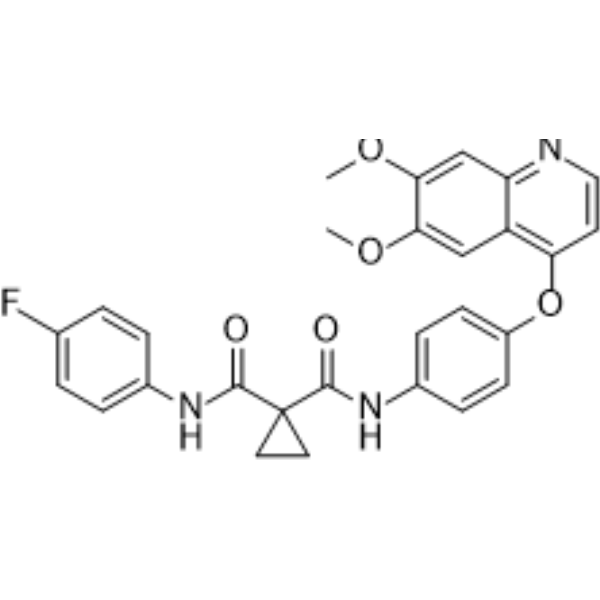
    Sitravatinib (MGCD516) is an orally bioavailable receptor tyrosine kinase (RTK) inhibitor with IC50s of 1.5 nM, 2 nM, 2 nM, 5 nM, 6 nM, 6 nM, 8 nM, 0.5 nM, 29 nM, 5 nM, and 9 nM for Axl, MER, VEGFR3, VEGFR2, VEGFR1, KIT, FLT3, DDR2, DDR1, TRKA, TRKB, respectively . Sitravatinib shows potent single-agent antitumor efficacy and enhances the activity of PD-1 blockade through promoting an antitumor immune microenvironment .
    Sitravatinib
  • HY-D1711

    IR-808

    Fluorescent Dye Cancer
    MHI-148 is a near-infrared heptamethine cyanine dye with tumor-targeting properties for cancer detection, diagnosis and research. MHI-148 is immediately taken up and accumulated by lysosomes and mitochondria of tumor cells, but not in lysosomes and mitochondria of normal cells .
    MHI-148
  • HY-DY1040

    Fluorescent Dye Biochemical Assay Reagents Others
    LysoTracker Red (solution) is a Red fluorescently labeled lysosomal probe with a maximum excitation/emission wavelength of 577/590 nm. The structure is composed of a fluorescein group and linked weak bases, which can freely cross the cell membrane and gather on spherical organelles. It is suitable for observing the internal biosynthesis and related pathogenesis of lysosomes .
    Solvent and concentration: DMSO: 1 mM
    LysoTracker Red (solution)
  • HY-145557
    Bezuclastinib
    1 Publications Verification

    CGT9486; PLX 9486

    c-Kit Cancer
    Bezuclastinib (CGT9486) is an orally active, highly selective tyrosine kinase inhibitor with potent activity against KIT D816V. Bezuclastinib can be used for the research of nonadvanced systemic mastocytosis (NonAdvSM) .
    Bezuclastinib
  • HY-P99462

    c-Kit Inflammation/Immunology
    Barzolvolimab is a humanized anti-KIT IgG1 monoclonal antibody. Barzolvolimab specificity and potently inhibits KIT activation by SCF. Barzolvolimab can reduce skin mast cells and disease activity in chronic inducible urticaria .
    Barzolvolimab
  • HY-D1296
    Green DND-26
    2 Publications Verification

    Fluorescent Dye Others
    Green DND-26 is a green fluorescently labeled lysosomal probe with a maximum excitation/emission wavelength of 504/511 nm. The structure is composed of a fluorescein group and linked weak bases, which can freely cross the cell membrane and generally gather on spherical organelles. Green DND-26 is suitable for observing the internal biosynthesis and related pathogenesis of lysosomes .
    Green DND-26
  • HY-15240
    c-Kit-IN-1
    1 Publications Verification

    c-Kit c-Met/HGFR Cancer
    c-Kit-IN-1 is a potent inhibitor of c-Kit and c-Met with IC50s of <200 nM.
    c-Kit-IN-1
  • HY-103706
    ROC-325
    3 Publications Verification

    Autophagy Apoptosis Cancer
    ROC-325 is a potent and orally active autophagy inhibitor with a strong anticancer activity. ROC-325 induces the deacidification of lysosomes, accumulation of autophagosomes, and disrupted autophagic flux. ROC-325 also induces renal cell carcinoma apoptosis .
    ROC-325
  • HY-14221A
    Siramesine hydrochloride
    5 Publications Verification

    Lu 28-179 hydrochloride

    Sigma Receptor Ferroptosis Cancer
    Siramesine (Lu 28-179) hydrochloride is a potent sigma-2 receptor agonist. Siramesine hydrochloride has a subnanomolar affinity for sigma-2 receptors (IC50=0.12 nM) and exhibits a 140-fold selectivity for sigma-2 receptors over sigma-1 receptors (IC50=17 nM). Siramesine hydrochloride triggers cell death through destabilisation of mitochondria, but not lysosomes. Anti-cancer activity .
    Siramesine hydrochloride
  • HY-P991728

    TORL-3-600 antibody

    Cadherin ADC Antibody Cancer
    Zarutatug (TORL-3-600 antibody) is an IgG1κ humanized antibody targeting cadherin 17 (CDH17). It selectively binds to cell-surface CDH17, triggering endocytosis and trafficking to lysosomes. Zarutatug can be used to construct ADCs, such as TORL-3-600 .
    Zarutatug
  • HY-D1445
    LysoSensor PDMPO
    1 Publications Verification

    Fluorescent Dye Metabolic Disease
    PDMPO, a lysosome pH indicator, is an excellent fluorescent acidotropic reagent for fluorescence imaging. PDMPO is a potent tool with which to study acidic organelles of live cells. PDMPO exhibits pH-dependent dual-excitation and dual-emission spectral peaks. PDMPO produces a blue fluorescence in weakly acidic organelles and shifts to yellow in more acidic lysosomes. (Abs=329 nm; Em=440/540 nm) .
    LysoSensor PDMPO
  • HY-14221
    Siramesine
    5 Publications Verification

    Lu 28-179

    Sigma Receptor Cancer
    Siramesine (Lu 28-179) is a potent sigma-2 receptor agonist. Siramesine has a subnanomolar affinity for sigma-2 receptors (IC50=0.12 nM) and exhibits a 140-fold selectivity for sigma-2 receptors over sigma-1 receptors (IC50=17 nM). Siramesine triggers cell death through destabilisation of mitochondria, but not lysosomes. Anti-cancer activity .
    Siramesine
  • HY-D2119
    CQ-Lyso
    2 Publications Verification

    Fluorescent Dye Cancer
    CQ-Lyso is a lysosome-targeting chromenoquinoline. CQ-Lyso is a fluorescent probe for measuring the pH of lysosomes in living cells using only single wavelength excitation. CQ-Lyso can visualize the dynamic pH changes in lysosomes .
    CQ-Lyso
  • HY-18302
    c-Kit-IN-5-1
    1 Publications Verification

    c-Kit Inflammation/Immunology
    c-Kit-IN-5 is potent inhibitor of c-Kit, with IC50s of 22 nM and 16 nM in kinase assay and cell assay, respectively. c-Kit-IN-5 shows more than 200-fold selectivity for c-Kit over KDR, p38, Lck, and Src. c-Kit-IN-5 also exhibits desirable pharmacokinetic properties .
    c-Kit-IN-5-1
  • HY-147102

    LYTACs Metabolic Disease
    tri-GalNAc biotin is a biotinylated ASGPR (Asialoglycoprotein receptor) ligand. tri-GalNAc biotin promotes cellular uptake of neutravidin (NA) via ASGPR. tri-GalNAc biotin delivers neutravidin to lysosomes for degradation. tri-GalNAc biotin can be used for research of LYsosome TArgeting Chimera (LYTAC) .
    tri-GalNAc biotin
  • HY-W143698

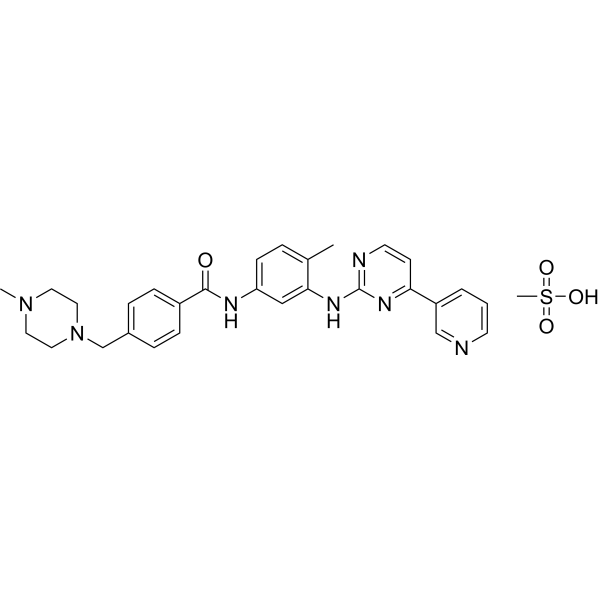
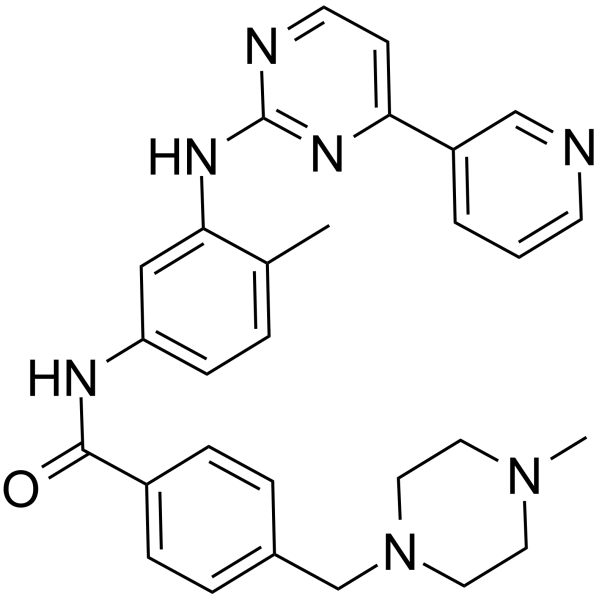
    Bcr-Abl c-Kit PDGFR Cancer
    PDGFRα kinase inhibitor 2 (compound 1), an Imatinib (HY-15463) analogue, is a covalent and irreversible kinase inhibitor with IC50s of 6.95 μM, 2.45 μM, 1.39 μM for ABL1 wt, KIT wt, PDGFRR wt .
    PDGFRα kinase inhibitor 2
  • HY-161724

    Amyloid-β Dopamine Transporter CDK Autophagy Neurological Disease
    TFEB activator 2 is an orally active compound that can cross the blood-brain barrier. TFEB activator 2 can bind to the dopamine transporter (DAT). TFEB activator 2 promotes TFEB nuclear translocation and lysosome biogenesis by targeting the DAT-CDK9-TFEB pathway. TFEB activator 2 has neuroprotective activity and can be used in the research of Alzheimer's disease and other diseases .
    TFEB activator 2
  • HY-P990615

    LOP628 antibody

    c-Kit Inflammation/Immunology
    Anti-c-Kit Antibody (LMJ729) (LOP628 antibody) is a CHO-expressed human antibody that targets SCFR/c-Kit/CD117. The predicted molecular weight (MW) of Anti-c-Kit Antibody (LMJ729) is 146.9 kDa. The isotype control for Anti-c-Kit Antibody (LMJ729) can refer to Human IgG1 kappa, Isotype Control (HY-P99001).
    Anti-c-Kit Antibody (LMJ729)
  • HY-P990002

    c-Kit Inflammation/Immunology Cancer
    Anti-Mouse CD117/c-Kit Antibody (2B8) is an IgG2b antibody, targeting to mouse CD117/c-Kit. Anti-Mouse CD117/c-Kit Antibody (2B8) reacts with mouse c-Kit (also known as CD117), which is expressed on hematopoietic progenitor cells, mast cells, and acute myeloid leukemia (AML) cells. Anti-Mouse CD117/c-Kit Antibody (2B8) can be used for the detection of flow cytometry, immunofluorescence and immunohistochemistry in cancer and inflammation .
    Anti-Mouse CD117/c-Kit Antibody (2B8)
  • HY-157036

    Fluorescent Dye Others
    INSA is a a pH-sensitive fluorescent probe. INSA can simultaneously light up mitochondria (red emission) and lysosomes (green emission) for their internal pH differences .
    INSA
  • HY-161723

    Dopamine Transporter CDK Neurological Disease
    LH2-051, a lysosome-enhancing compound (LYEC), is a brain-penetrant dopamine transporter (DAT) inhibitor (Ki: 0.95 μM). LH2-051 inhibits DAT-mediated dopamine uptake with an IC50 of 3.0 μM. LH2-051 promotes nuclear translocation of TFEB and lysosome biogenesis. LH2-051 improves the memory of amyloid precursor protein (APP)/Presenilin 1 (PS1) mice. LH2-051 can be used for the study of Alzheimer’s disease .
    LH2-051
  • HY-178155

    DNA/RNA Synthesis Autophagy Cancer
    AP232 is a selective U2AF1-UHM Inhibitor with an IC50 of 7.96 μM. AP232 exhibits 2.8-24-fold selectivity against other UHM-containing proteins. AP232 exerts anti-leukemia activity and shows higher activities in cell lines carrying splicing factor mutations. AP232 can induce leukemia cells G2/M and G1 arrest, impair lysosome acidification, and inhibit autophagy. AP232 can be used for the research of cancer, such as Leukemia .
    AP232
  • HY-KT001

    E3 Ligase Ligand-Linker Conjugates Cancer
    E3 Ligase Ligand-Linker Conjugate Kit is a series of synthesized compounds that incorporate an E3 ligase ligand and a linker used in PROTAC technology.
    E3 Ligase Ligand-Linker Conjugate Kit
  • HY-18317

    VEGFR RET c-Kit Cancer
    JNJ-38158471 is a well tolerated, orally available, highly selective VEGFR-2 inhibitor, with an IC50 of 40 nM. JNJ-38158471 also inhibits Ret and Kit with IC50s of 180 and 500 nM, respectively .
    JNJ-38158471
  • HY-10331S

    BAY 73-4506-d3

    VEGFR Autophagy PDGFR Raf RET Cancer
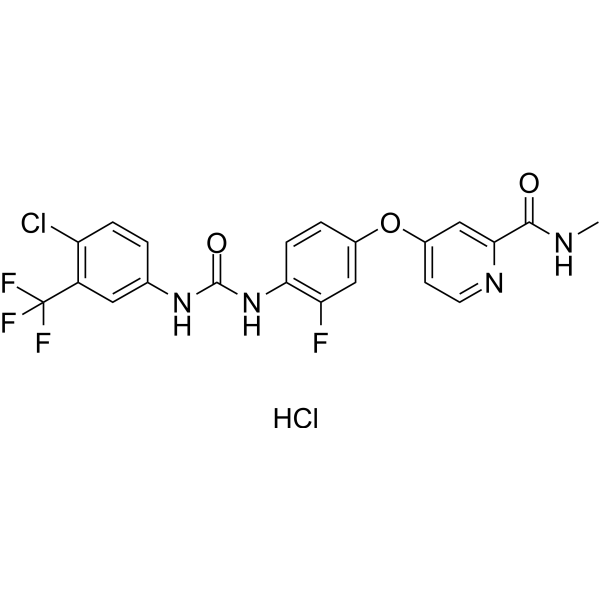
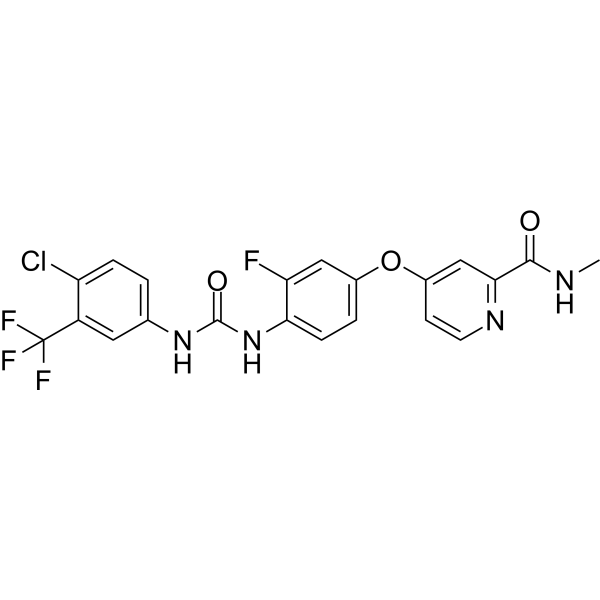
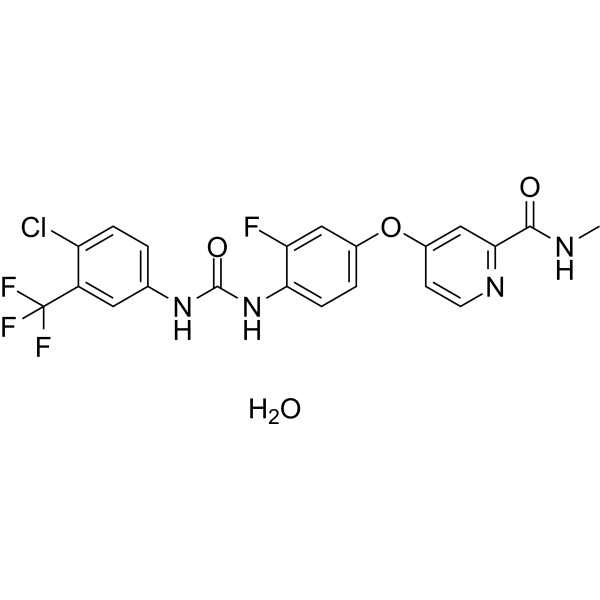
    Regorafenib-d3 (BAY 73-4506-d3) is a deuterium labeled Regorafenib (HY-10331). Regorafenib is a multi-targeted receptor tyrosine kinase inhibitor .
    Regorafenib-d3
  • HY-176266

    Mitochondrial Metabolism Neurological Disease
    KIT-13 is an orally active plasmalogen derivative to inhibit neuroinflammation and mitochondrial DNA leakage associated with Mecp2 deficiency. KIT-13 significantly reduce neurological symptoms and improves the life span of the Rett Syndrome (RTT) model mice. KIT-13 can be used for the study of RTT and other neuroinflammation-related diseases.
    KIT-13
  • HY-101034

    CHMFL-ABL-kit-155

    Bcr-Abl c-Kit Apoptosis PDGFR Discoidin Domain Receptor Cancer
    CHMFL-ABL/KIT-155 (CHMFL-ABL-KIT-155; compound 34) is a highly potent and orally active type II ABL/c-KIT dual kinase inhibitor (IC50s of 46 nM and 75 nM, respectively), and it also presents significant inhibitory activities to BLK (IC50=81 nM), CSF1R (IC50=227 nM), DDR1 (IC50=116 nM), DDR2 (IC50=325 nM), LCK (IC50=12 nM) and PDGFRβ (IC50=80 nM) kinases. CHMFL-ABL/KIT-155 (CHMFL-ABL-KIT-155) arrests cell cycle progression and induces apoptosis .
    CHMFL-ABL/KIT-155
  • HY-15198

    Raf PDGFR FLT3 c-Kit Cancer
    KG5 is an orally active dual PDGFRβ and B-Raf allosteric inhibitor. KG5 also inhibits Flt3, KIT and c-Raf. KG5 has anticancer, antiangiogenic activities .
    KG5
  • HY-14397S

    Indometacin-d4

    Isotope-Labeled Compounds COX Autophagy Inflammation/Immunology Cancer
    Indomethacin-d4 (Indometacin-d4) is a deuterium labeled Indomethacin. Indomethacin is a potent, blood-brain permeable and nonselective inhibitor of COX1 and COX2, with IC50s of 18 nM and 26 nM for human COX-1 and COX-2, respectively, in CHO cells . Indomethacin disrupts autophagic flux by disturbing the normal functioning of lysosomes .
    Indomethacin-d4
  • HY-144605

    EGFR PROTACs Cancer
    PROTAC EGFR degrader 3 is a potent PROTAC EGFR degrader. PROTAC EGFR degrader 3 shows excellent cellular activity against the H1975 and HCC827 cells with high selectively. PROTAC EGFR degrader 3 shows that the lysosome is involved in the degradation process of EGFR mutant degradation .
    PROTAC EGFR degrader 3
  • HY-150636

    Autophagy Apoptosis Cancer
    Autophagy-IN-1 is a potent autophagy/mitophagy inhibitor, acts by selectively increasing the autophagic flux while blocking the autophagosome-lysosome fusion in cancer cells. Autophagy-IN-1 can induce apoptosis and cell cycle arrest. Autophagy-IN-1 significantly inhibits tumor growth in an HCT116 xenograft mouse model and with low toxicity. Autophagy-IN-1 can be used for researching colorectal cancer .
    Autophagy-IN-1
  • HY-103305

    Fluorescent Dye Calcium Channel Others
    cis-Ned19 is an irreversible nicotinic acid adenine dinucleotide phosphate (NAADP) antagonist. cis-Ned19 localizes to lysosomes and endolysosomal vesicles, stains two-pore calcium channels and fluorescently labels NAADP receptors (Ex/Em = 365/410 nm) .
    cis-Ned19
  • HY-178155A

    DNA/RNA Synthesis Autophagy Cancer
    AP232 dihydrochloride is a selective U2AF1-UHM Inhibitor with an IC50 of 7.96 μM. AP232 dihydrochloride exhibits 2.8-24-fold selectivity against other UHM-containing proteins. AP232 dihydrochloride exerts anti-leukemia activity and shows higher activities in cell lines carrying splicing factor mutations. AP232 dihydrochloride can induce leukemia cells G2/M and G1 arrest, impair lysosome acidification, and inhibit autophagy. AP232 dihydrochloride can be used for the research of cancer, such as Leukemia .
    AP232 dihydrochloride
  • HY-16961A

    MGCD516 malate; MG-516 malate

    VEGFR c-Kit FLT3 Discoidin Domain Receptor Trk Receptor Inflammation/Immunology Cancer
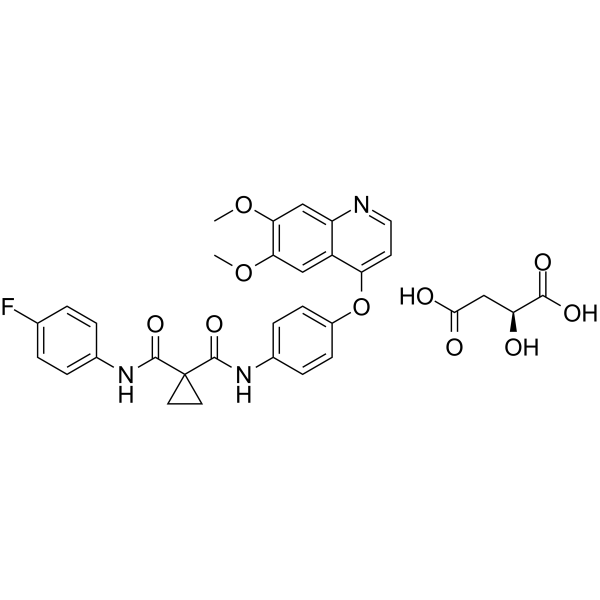
    Sitravatinib malate (MGCD516 malate) is an orally bioavailable receptor tyrosine kinase (RTK) inhibitor with IC50s of 1.5 nM, 2 nM, 2 nM, 5 nM, 6 nM, 6 nM, 8 nM, 0.5 nM, 29 nM, 5 nM, and 9 nM for Axl, MER, VEGFR3, VEGFR2, VEGFR1, KIT, FLT3, DDR2, DDR1, TRKA, TRKB, respectively . Sitravatinib malate shows potent single-agent antitumor efficacy and enhances the activity of PD-1 blockade through promoting an antitumor immune microenvironment .
    Sitravatinib malate
  • HY-122849

    c-Kit Cancer
    CHMFL-KIT-031 is a highly selective KIT V559D inhibitor, with an IC50 of 28 nM. CHMFL-KIT-031 potently affects KIT V559D mutant’s phosphorylation at Y703/719/823 sites. CHMFL-KIT-031 inhibits the tumor growth in BaF3-TEL-KIT-V559D cell inoculated mouse model .
    CHMFL-KIT-031
  • HY-128589

    c-Kit Cancer
    CHMFL-KIT-033 is a potent and selective inhibitor of c-KIT T670I mutant for gastrointestinal stromal tumors (GISTs), with an IC50 of 0.045 μM .
    CHMFL-KIT-033
  • HY-170911

    PDGFR Cancer
    KIT/PDGFRA-IN-1 (compound 19) is a stem cell growth factor receptor (KIT) and platelet-derived growth factor receptor alpha (PDGFRA) inhibitor. KIT/PDGFRA-IN-1 inhibits KIT-wt, KIT-D816H, KIT-T670I, PDGFRA-wt, PDGFRA-D842V, PDGFRA-T674I and PDGFRA-G680R with IC50s of 2.3, 12, 492, 0.8, 99.9, 42.3, and 4.3 μM, respectively. KIT/PDGFRA-IN-1 inhibits GIST-T1, T1-a-D842V and GIST-48B cells (PDGFR- and KIT-Mutant GIST cell Lines) with GR50s of 12, 8900, ≥10 000 nM, respectively .
    KIT/PDGFRA-IN-1
  • HY-177275

    c-Kit Cancer
    c-Kit Receptor modulator-1 (Compound #22) is a c-Kit Receptor modulator. c-Kit Receptor modulator-1 can be used for malignant cancers such as canine mastocytoma, human gastrointestinal stromal tumor and small cell lung cancer research .
    c-Kit Receptor modulator-1
  • HY-P990851

    c-Kit Inflammation/Immunology Cancer
    Anti-c-Kit/CD117 Antibody (SR-1) is a kind of mouse IgG2a κ chimeric antibody inhibitor, targeting to human c-Kit/CD117. Anti-c-Kit/CD117 Antibody (SR-1) binds to the extracellular domain of human c-Kit (also known as CD117) and blocks stem cell factor (SCF) binding to CD117. Anti-c-Kit/CD117 Antibody (SR-1) can be used for the researches of cancer and immunology, such as gastrointestinal stromal tumor (GIST) and xenograft .
    Anti-c-Kit/CD117 Antibody (SR-1)
  • HY-D2321

    Fluorescent Dye Others
    Lyso Flipper-TR 29 is a Flipper probe that can label lysosomes. Lyso Flipper-TR 29 enters lysosomes and late endosomes by transient deprotonation to cross their membranes in neutral form .
    Lyso Flipper-TR 29
  • HY-D2338

    Fluorescent Dye Others
    PMBD is a lysosome (Lyso)-targeting fluorescent probe. PMBD selectively and sensitively detects endogenous N-acylethanolamine amidase (NAAA), allowing real-time visual monitoring of endogenous NAAA in living cells. PMBD has a maximum absorption peak at 350 nm. After the metabolism of NAAA, the maximum absorption peak of the product AMBD shifts red to 450 nm, and a significant fluorescence emission signal appears at 550 nm .
    PMBD
  • HY-159894

    Autophagy Cancer
    Autophagy-lysosome activator-1 (Compound F1) is a Autophagy-lysosome activator. Autophagy-lysosome activator-1 effectively induces PD-L1 or VISTA degradation in tumor cells .
    Autophagy-lysosome activator-1
  • HY-139996

    PROTACs Apoptosis FLT3 c-Kit FGFR VEGFR PDGFR c-Fms Cancer
    Pomalidomide-C5-Dovitinib (compound 2) is a PROTAC containing Pomalidomide, Dovitinib and connected with CRBN. Pomalidomide-C5-Dovitinib shows enhanced antiproliferative effects against FLT3-ITD+ AML cells. Pomalidomide-C5-Dovitinib induces the degradation of the FLT3-ITD and KIT proteins in a ubiquitin-proteasome-dependent manner and completely blocks their downstream signaling pathway. Pomalidomide-C5-Dovitinib has the potential for the research of FLT3-ITD + acute myeloid leukemia .
    Pomalidomide-C5-Dovitinib
  • HY-156066

    Fer-1 diyne

    Ferroptosis Cancer
    Ferrostatin-1 diyne (Fer-1 diyne) (compound 2) is a ferroptosis inhibitor that accumulates in lysosomes, mitochondria, and endoplasmic reticulum in cells, but its inhibition of ferroptosis is not dependent on the activity of lysosomes and mitochondria.
    Ferrostatin-1 diyne

Inquiry Online

Your information is safe with us. * Required Fields.

Salutation


Country or Region *

Applicant Name *


Organization Name *

Department *


Email Address *


Product Name *

Cat. No.


Requested quantity *

Phone Number *


Remarks

Inquiry Online

Inquiry Information

Product Name:
Cat. No.:
Quantity:
MCE Japan Authorized Agent:

