Search Result
Results for "
mitochondrial labeling
" in MedChemExpress (MCE) Product Catalog:
115
Isotope-Labeled Compounds
| Cat. No. |
Product Name |
Target |
Research Areas |
Chemical Structure |
-
- HY-131442
-
|
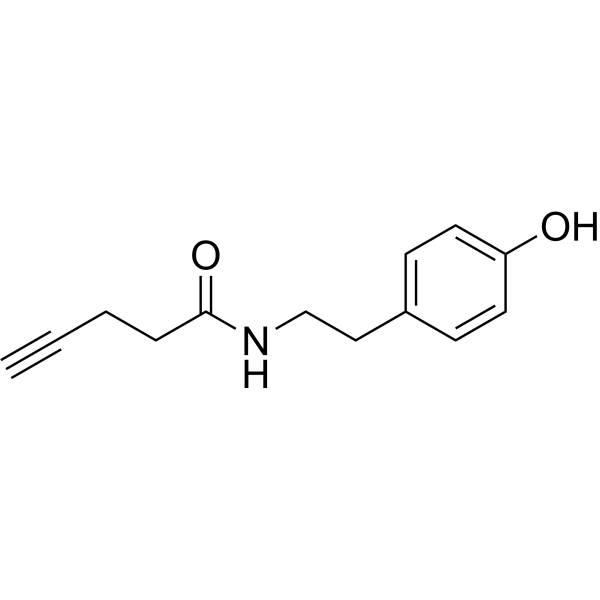
Alkyne tyramide; Alk-Ph
|
Biochemical Assay Reagents
|
Others
|
|
Alkyne-phenol (Alk-Ph) is a clickable ascorbate peroxidase 2 (APEX2) probe. Alkyne-phenol substantially improves APEX-labeling efficiency in intact yeast cells, as it is more cell wall-permeant than APEX2 substrate biotin-phenol (BP). Alkyne-phenol also facilitates the identification of APEX-labeling sites, allowing the unambiguous assignment of membrane topology of mitochondrial proteins . Alkyne-phenol is a click chemistry reagent, it contains an Alkyne group and can undergo copper-catalyzed azide-alkyne cycloaddition (CuAAc) with molecules containing Azide groups.
|
-
-
- HY-D1696
-
|
|
Fluorescent Dye
|
Others
|
|
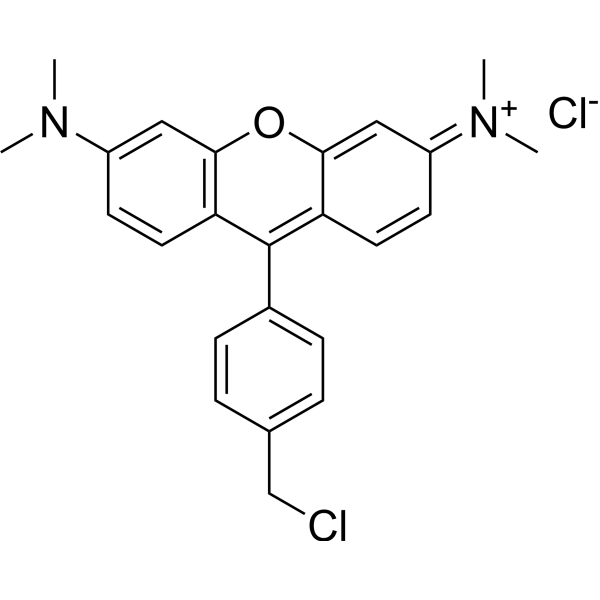
MitoTracker Orange CMTMRos is a fluorescent dye that labels mitochondria within live cells utilizing the mitochondrial membrane potential (Ex/Em: 551/576 nm) .
|
-
-
- HY-110228
-
|
1,1-Dimethylbiguanide-d6 hydrochloride
|
Isotope-Labeled Compounds
AMPK
Autophagy
Mitophagy
Apoptosis
mTOR
|
Cardiovascular Disease
Metabolic Disease
|
|
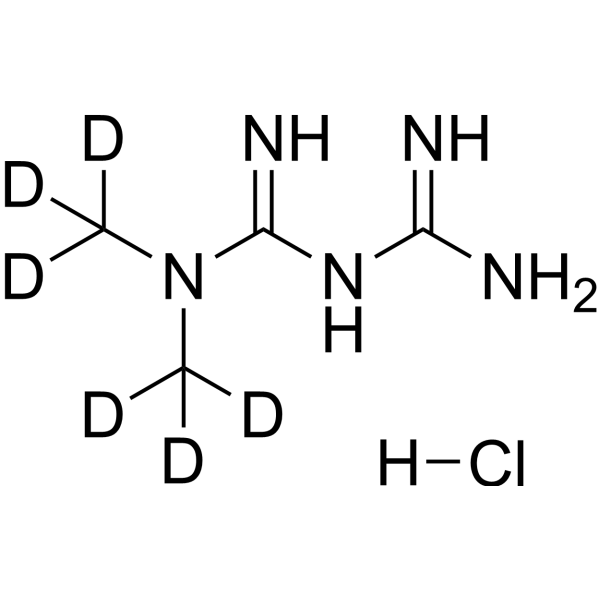
Metformin-d6 hydrochloride is a deuterium labeled Metformin hydrochloride. Metformin hydrochloride inhibits the mitochondrial respiratory chain in the liver, leading to AMPK activation and enhancing insulin sensitivity, and can be used in the study of type 2 diabetes. Metformin hydrochloride also inhibits liver oxidative stress, nitrosative stress, inflammation, and apoptosis caused by liver ischemia/reperfusion injury. In addition, metformin hydrochloride regulates the expression of autophagy-related proteins by activating AMPK and inhibiting the mTOR signaling pathway, thereby inducing tumor cell autophagy and inhibiting the growth of renal cell carcinoma in vitro and in vivo .
|
-
-
- HY-N1423S
-
|
|
Isotope-Labeled Compounds
P-glycoprotein
Bcl-2 Family
G protein-coupled Bile Acid Receptor 1
Endogenous Metabolite
Bacterial
Apoptosis
FXR
Caspase
MDM-2/p53
LPL Receptor
|
Metabolic Disease
Cancer
|
|
Glycocholic acid-d4 is the deuterium labeled Glycocholic acid (HY-N1423). Glycocholic acid is a bile acid derivative. Glycocholic acid downregulates MDR1, Bcl-2, MRP1, MRP2 and FXR, upregulates Bax, p53, caspase-9, caspase-3, TGR5 and S1PR2. Glycocholic acid inhibits multidrug resistance and efflux pumps, induces mitochondrial apoptosis, and enhances chemosensitivity. Glycocholic acid modulates related bile acid receptor signaling. Glycocholic acid suppresses growth and conjugation of Enterobacteriaceae and increases their antibiotic susceptibility. Glycocholic acid can be used for the research of colon adenocarcinoma and cholangiocarcinoma (CCA).
|
-
-
- HY-B0762S
-
|
O-Acetyl-L-carnitine-d3 hydrochloride
|
Isotope-Labeled Compounds
Caspase
Apoptosis
|
Neurological Disease
|
|
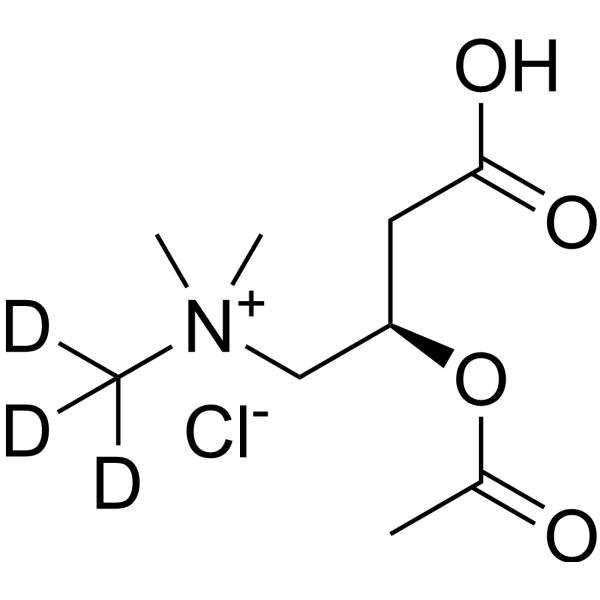
Acetyl-L-carnitine-d3 (O-Acetyl-L-carnitine-d3) hydrochloride is the deuterium labeled Acetyl-L-carnitine hydrochloride (HY-B0762). Acetyl-L-carnitine (O-Acetyl-L-carnitine; ALCAR) hydrochloride is an orally active mitochondrial energy metabolism regulator and neuroprotectant that can penetrate the blood-brain barrier. Acetyl-L-carnitine hydrochloride selectively enters cells and the brain through the organic cation transporter OCTN2. Acetyl-L-carnitine hydrochloride can participate in fatty acid β-oxidation, promote acetylcholine synthesis, regulate mitochondrial function and inhibit oxidative stress as an acetyl donor. Acetyl-L-carnitine hydrochloride exerts its activity by enhancing energy metabolism, protecting neurons and improving synaptic plasticity. Acetyl-L-carnitine hydrochloride is mainly used in the study of neurodegenerative diseases and metabolic disorder-related diseases such as neonatal hypoxic-ischemic brain damage, Alzheimer's disease, and depression .
|
-
-
- HY-D0060
-
|
|
Fluorescent Dye
|
Others
|
|
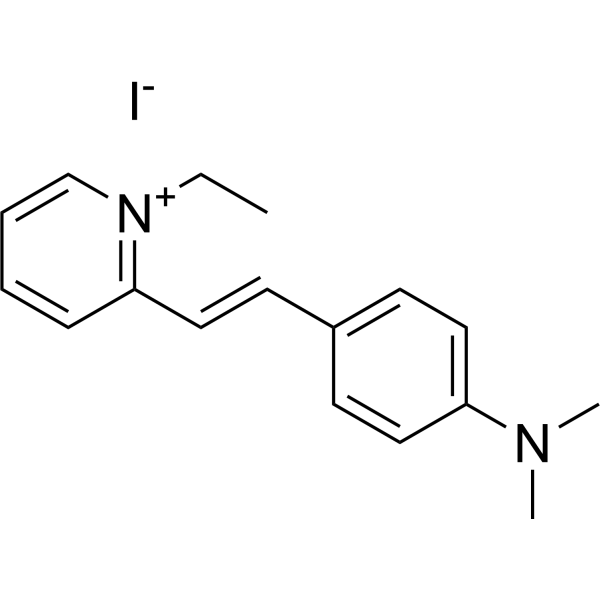
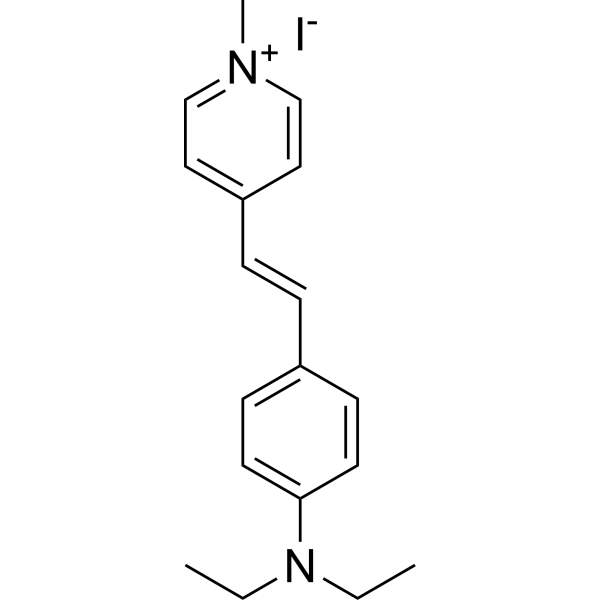
4-Di-2-ASP, a styryl pyridinium fluorescent dye, is a vital mitochondrial marker. 4-Di-2-ASP shows reliable and specific labelling of pulmonary NEBs (neuroepithelial bodies) .
|
-
-
- HY-W247131
-
DASPEI
2 Publications Verification
|
Fluorescent Dye
|
Neurological Disease
|
|
DASPEI is a cationic styrenyl mitochondrial dye with large Stokes shift. DASPEI has excitation and emission wavelength at 550/573 nm, which has good light chromogenic property. DASPEI can stain mitochondria in living cells with good labeling property. And DASPEI can also be used to stain presynaptic nerve endings independently of neuronal activity .
|
-
-
- HY-N0492S
-
-
-
- HY-B2246S
-
|
(R)-Carnitine-d9 chloride; Levocarnitine-d9 chloride
|
Isotope-Labeled Compounds
Endogenous Metabolite
|
Metabolic Disease
|
|
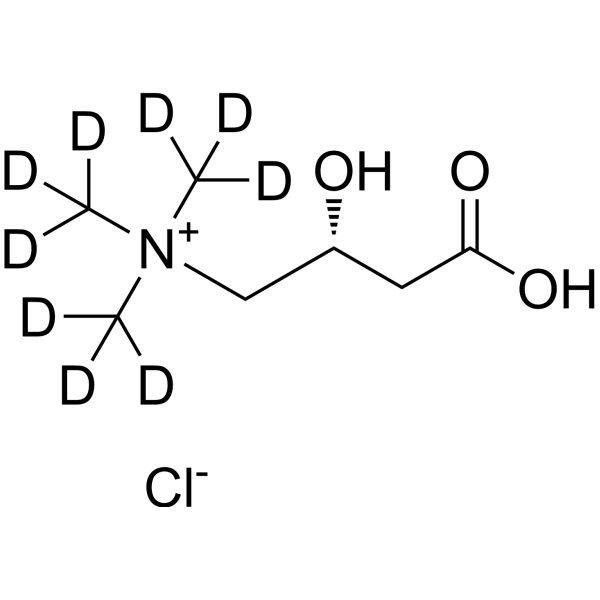
L-Carnitine-d9 (chloride)e is the deuterium labeled L-Carnitine chloride. L-Carnitine chloride, a highly polar, small zwitterion, is an essential co-factor for the mitochondrial β-oxidation pathway. L-Carnitine chloride functions to transport long chain fatty acyl-CoAs into the mitochondria for degradation by β-oxidation. L-Carnitine chloride is an antioxidant. L-Carnitine chloride can ameliorate metabolic imbalances in many inborn errors of metabolism .
|
-
-
- HY-137042
-
|
Alkyne-Cy5
|
Oxidative Phosphorylation
Mitochondrial Metabolism
|
Cancer
|
|
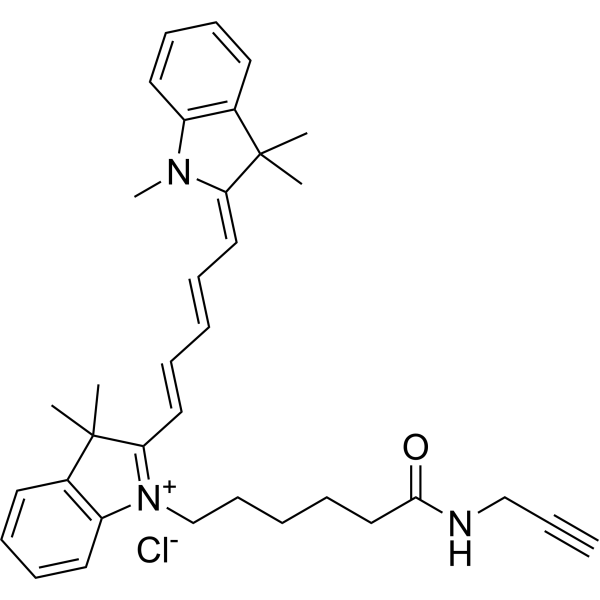
Cyanine5 alkyne (Alkyne-Cy5) is a fluorescent dye used to label azide proteins and can be used to analyse post-translational modifications of proteins, glycosylation etc. Cyanine5 alkyne can also be used as a mitochondrial OXPHOS inhibitor to inhibit the growth of cancer stem cells (CSC) . Cyanine5 alkyne is a click chemistry reagent, it contains an Alkyne group and can undergo copper-catalyzed azide-alkyne cycloaddition (CuAAc) with molecules containing Azide groups.
|
-
-
- HY-15206S1
-
|
Glyburide-d3
|
Potassium Channel
Mitochondrial Metabolism
Autophagy
CFTR
P-glycoprotein
|
Metabolic Disease
|
|
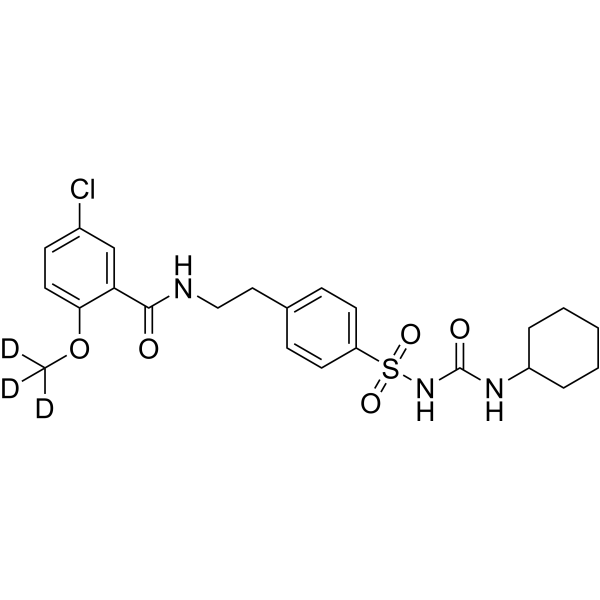
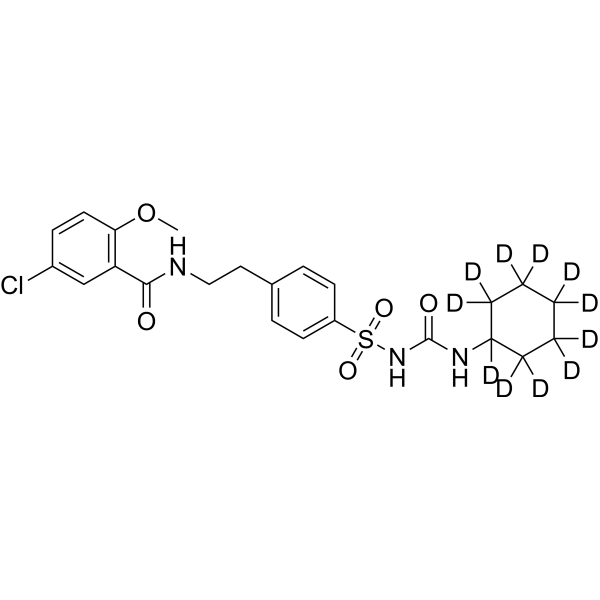
Glyburide-d3 is the deuterium labeled Glibenclamide. Glibenclamide (Glyburide) is an orally active ATP-sensitive K+ channel (KATP) inhibitor and can be used for the research of diabetes and obesity[1]. Glibenclamide inhibits P-glycoprotein. Glibenclamide directly binds and blocks the SUR1 subunits of KATP and inhibits the cystic fibrosis transmembrane conductance regulator protein (CFTR)[3]. Glibenclamide interferes with mitochondrial bioenergetics by inducing changes on membrane ion permeability[4]. Glibenclamide can induce autophagy[5].
|
-
-
- HY-B0263S1
-
-
-
- HY-34740S
-
|
|
Mitochondrial Metabolism
Isotope-Labeled Compounds
|
Neurological Disease
Metabolic Disease
|
|
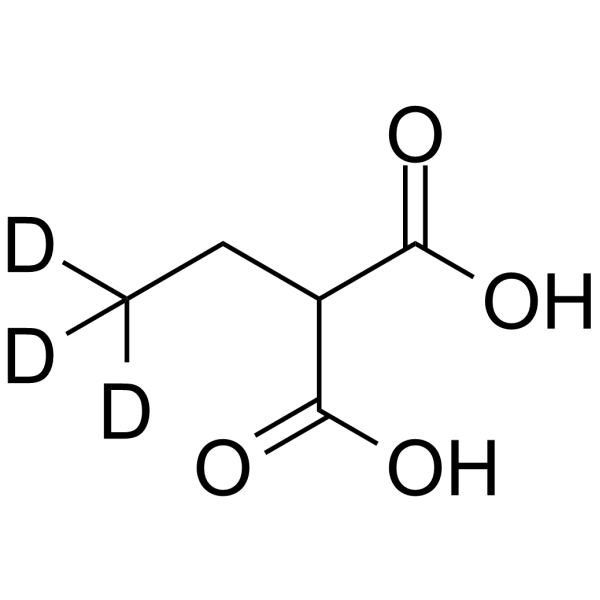
Ethylmalonic acid-d3 is the deuterium labeled Ethylmalonic acid (HY-34740). Ethylmalonic acid is a short-chain organic dicarboxylic acid. Ethylmalonic acid synergistically induces mitochondrial permeability transition (MP) with Ca 2+, inhibits Mi-CK, and disrupts mitochondrial energy metabolism. Ethylmalonic acid can be used in the research of SCADD, EE and other genetic metabolic diseases characterized by EMA accumulation .
|
-
-
- HY-N0832S1
-
-
-
- HY-B0158S7
-
|
Cytosine β-D-riboside-13C9; Cytosine-1-β-D-ribofuranoside-13C9
|
Nucleoside Antimetabolite/Analog
Endogenous Metabolite
Isotope-Labeled Compounds
|
Neurological Disease
|
|
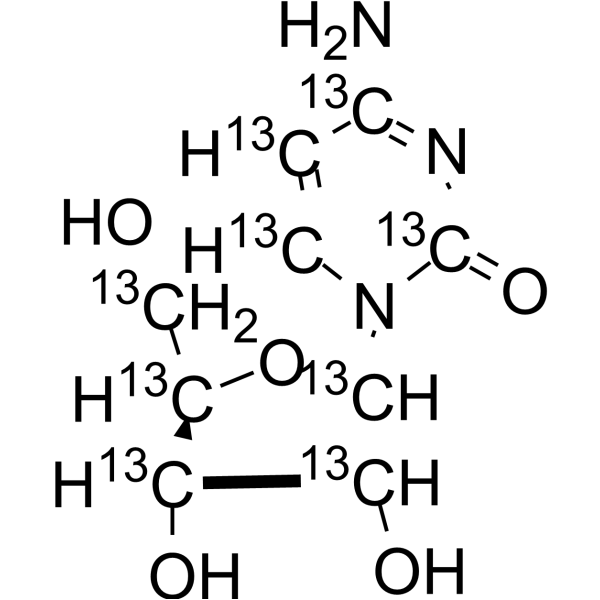
Cytidine- 13C9 (Cytosine β-D-riboside- 13C9) is 13C labeled Cytidine (HY-B0158). Cytidine is a pyrimidine nucleoside and acts as a component of RNA. Cytidine is a precursor of uridine. Cytidine controls neuronal-glial glutamate cycling, affecting cerebral phospholipid metabolism, catecholamine synthesis, and mitochondrial function .
|
-
-
- HY-15206S
-
|
|
Isotope-Labeled Compounds
Potassium Channel
Mitochondrial Metabolism
Autophagy
CFTR
P-glycoprotein
|
Metabolic Disease
|
|
Glyburide-d11 is the deuterium labeled Glibenclamide. Glibenclamide (Glyburide) is an orally active ATP-sensitive K+ channel (KATP) inhibitor and can be used for the research of diabetes and obesity . Glibenclamide inhibits P-glycoprotein. Glibenclamide directly binds and blocks the SUR1 subunits of KATP and inhibits the cystic fibrosis transmembrane conductance regulator protein (CFTR) . Glibenclamide interferes with mitochondrial bioenergetics by inducing changes on membrane ion permeability . Glibenclamide can induce autophagy .
|
-
-
- HY-W747676
-
|
|
Isotope-Labeled Compounds
Apoptosis
Autophagy
Necroptosis
|
Neurological Disease
|
|
Glyphosate- 13C is the 13C-labeled Glyphosate (HY-B0863). Glyphosate, a non-selective systemic biocide with broad-spectrum activity, is an herbicidal derivative of the amino acid glycine. Glyphosate inhibits the enzymatic activity of the 5-endopyruvylshikimate 3-phosphate synthase (EPSPS) in the shikimic acid pathway, preventing the synthesis of the aromatic amino acids tyrosine, phenylalanine, and tryptophan. Glyphosate induces oxidative stress, neuroinflammation, and mitochondrial dysfunction, processes that lead to neuronal death by autophagia, necrosis, or apoptosis, as well as the appearance of behavioral and motor disorders .
|
-
-
- HY-W782122
-
|
|
Biochemical Assay Reagents
|
Cancer
|
|
Photoclick cholesterol is a photoreactive cholesterol analog capable of undergoing click reactions. Photoclick cholesterol enables specific, saturable photoaffinity labeling of the mitochondrial translocator protein TSPO .
|
-
-
- HY-B0158S6
-
|
Cytosine β-D-riboside-15N3; Cytosine-1-β-D-ribofuranoside-15N3
|
Nucleoside Antimetabolite/Analog
Endogenous Metabolite
|
Neurological Disease
|
|
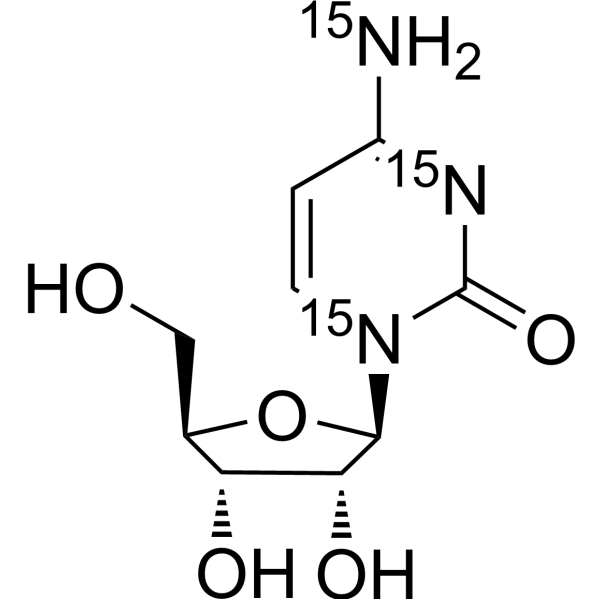
Cytidine- 15N3 is the 15N labeled Cytidine . Cytidine is a pyrimidine nucleoside and acts as a component of RNA. Cytidine is a precursor of uridine. Cytidine controls neuronal-glial glutamate cycling, affecting cerebral phospholipid metabolism, catecholamine synthesis, and mitochondrial function .
|
-
-
- HY-W020784
-
|
|
Biochemical Assay Reagents
|
Others
|
|
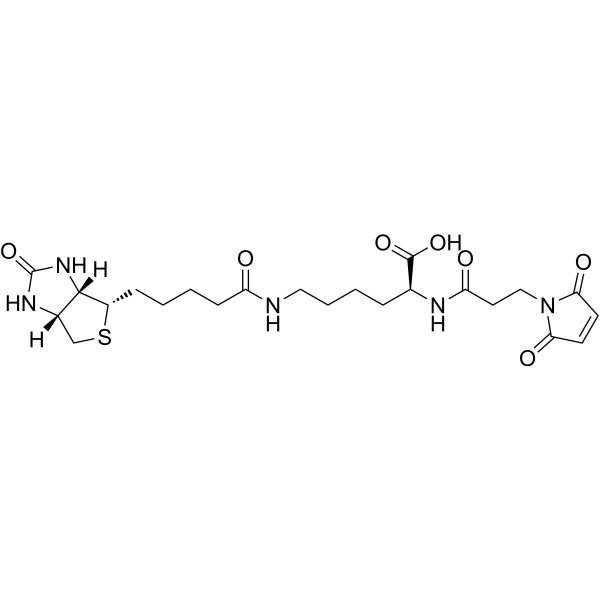
3-(N-Maleimidopropionyl)biocytin is a cysteine-specific labeling reagent and non-membrane-permeable probe. 3-(N-Maleimidopropionyl)biocytin covalently modifies the exposed cysteine residues of yeast Tim44, conjugating the biotin moiety to the polypeptide chain. 3-(N-Maleimidopropionyl)biocytin determines the topology of membrane proteins by modifying the exposed cysteine residues on the outer side of the inner mitochondrial membrane .
|
-
-
- HY-B1899S
-
|
Taurodeoxycholate-d5
|
Isotope-Labeled Compounds
Endogenous Metabolite
Apoptosis
|
Others
|
|
Taurodeoxycholic acid-d5 is the deuterium labeled Taurodeoxycholic acid (HY-B1899) . Taurodeoxycholic acid, a bile acid, stabilizes the mitochondrial membrane, decreases free radical formation. Taurodeoxycholic acid inhibits apoptosis by blocking a calcium-mediated apoptotic pathway as well as caspase-12 activation. Taurodeoxycholic acid exhibits neuroprotective effect in 3-nitropropionic acid induced mouse model or genetic mouse model of Huntington's disease (HD) .
|
-
-
- HY-B0762S1
-
|
O-Acetyl-L-carnitine-d3-1 hydrochloride
|
Isotope-Labeled Compounds
Caspase
Apoptosis
|
Neurological Disease
|
|
Acetyl-L-carnitine-d3-1 (O-Acetyl-L-carnitine-d3-1) hydrochloride is the deuterium labeled Acetyl-L-carnitine hydrochloride (HY-B0762). Acetyl-L-carnitine (O-Acetyl-L-carnitine; ALCAR) hydrochloride is an orally active mitochondrial energy metabolism regulator and neuroprotectant that can penetrate the blood-brain barrier. Acetyl-L-carnitine hydrochloride selectively enters cells and the brain through the organic cation transporter OCTN2. Acetyl-L-carnitine hydrochloride can participate in fatty acid β-oxidation, promote acetylcholine synthesis, regulate mitochondrial function and inhibit oxidative stress as an acetyl donor. Acetyl-L-carnitine hydrochloride exerts its activity by enhancing energy metabolism, protecting neurons and improving synaptic plasticity. Acetyl-L-carnitine hydrochloride is mainly used in the study of neurodegenerative diseases and metabolic disorder-related diseases such as neonatal hypoxic-ischemic brain damage, Alzheimer's disease, and depression .
|
-
-
- HY-117433S
-
|
|
DNA Alkylator/Crosslinker
Apoptosis
Reactive Oxygen Species (ROS)
Drug Metabolite
|
Inflammation/Immunology
|
|
4-Hydroperoxy Cyclophosphamide-d4 is the deuterium labeled 4-Hydroperoxy cyclophosphamide. 4-Hydroperoxy cyclophosphamide is the active metabolite form of the proagent Cyclophosphamide. 4-Hydroperoxy cyclophosphamide crosslinks DNA and induces T cell apoptosis independent of death receptor activation, but activates mitochondrial death pathways through production of reactive oxygen species (ROS). 4-Hydroperoxy cyclophosphamide has the potential for lymphomas and autoimmune disorders .
|
-
-
- HY-W010243S
-
|
|
Isotope-Labeled Compounds
Bacterial
MMP
Apoptosis
Fungal
|
Infection
Inflammation/Immunology
|
|
Methylisothiazolinone-d3 hydrochloride is the deuterium labeled Methylisothiazolinone hydrochloride (HY-W010243). Methylisothiazolinone hydrochloride is a bacterial and fungal inhibitor and preservative, as well as a sensitizer. Methylisothiazolinone hydrochloride can activate matrix metalloproteinases (MMPs) in human bronchial epithelial cells to induce apoptosis and inflammatory response. Methylisothiazolinone hydrochloride can promote the development of atopic dermatitis in mice by disrupting Th2/Th17 related immune responses. Methylisothiazolinone hydrochloride can cause mitochondrial damage in the endothelium of rat cerebral blood vessels .
|
-
-
- HY-W013175S2
-
|
5'-Uridylic acid-13C9,15N2 disodium
|
Isotope-Labeled Compounds
Endogenous Metabolite
Cholinesterase (ChE)
Potassium Channel
Apoptosis
|
Cardiovascular Disease
Metabolic Disease
|
|
Uridine 5'-monophosphate- 13C9, 15N2 disodium is the 13C and 15N labeled Uridine 5'-monophosphate disodium salt (HY-W013175). Uridine 5'-monophosphate (5'-Uridylic acid) disodium salt is an orally active mitochondrial ATP-dependent potassium channel activator that has a protective effect on the heart. Uridine 5'-monophosphate disodium salt can promote the synthesis of CDP-choline and induce apoptosis in intestinal epithelial cells, which is beneficial for gut development and reduces diarrhea .
|
-
-
- HY-107855S
-
|
(±)-Mevalonolactone-d7; Mevalolactone-d7
|
Endogenous Metabolite
|
Metabolic Disease
|
|
DL-Mevalonolactone-d7 is the deuterium labeled DL-Mevalonolactone. DL-Mevalonolactone ((±)-Mevalonolactone) is the δ-lactone form of mevalonic acid, a precursor in the mevalonate pathway. DL-Mevalonolactone (Mevalonolactone) decreases mitochondrial membrane potential (?Ψm), NAD(P)H content and the capacity to retain Ca2+ in the brain, besides inducing mitochondrial swelling .
|
-
-
- HY-N0832S
-
-
-
- HY-W032022S
-
|
|
Isotope-Labeled Compounds
Mitochondrial Metabolism
|
Others
|
|
1-Hexanol-d13 is the deuterium labeled 1-Hexanol . 1-Hexanol, a primary alcohol, is a surfactant that can be employed in industrial processes to enhance interfacial properties . 1-Hexanol uncouples mitochondrial respiration by a non-protonophoric mechanism .
|
-
-
- HY-W032022S1
-
|
|
Isotope-Labeled Compounds
Mitochondrial Metabolism
|
Others
|
|
1-Hexanol-d11 is the deuterium labeled 1-Hexanol . 1-Hexanol, a primary alcohol, is a surfactant that can be employed in industrial processes to enhance interfacial properties . 1-Hexanol uncouples mitochondrial respiration by a non-protonophoric mechanism .
|
-
-
- HY-136406S
-
|
|
Isotope-Labeled Compounds
ATP Synthase
|
Cancer
|
|
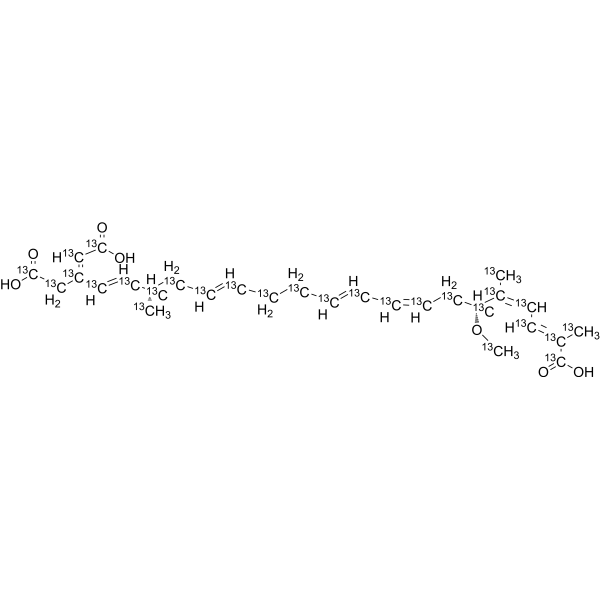
Bongkrekic acid- 13C28 is the 13C labeled Bongkrekic acid (HY-136406). Bongkrekic acid is a mitochondrial toxin secreted by the bacteria Pseudomonas cocovenenans. Bongkrekic acid specific ligand for mitochondrial adenine nucleotide translocase (ANT) rather than the electron transport chain. Bongkrekic acid has to cross the mitochondrial inner membrane to produce its inhibitory effect on ADP/ATP transport .
|
-
-
- HY-17355BS
-
|
(R)-Pramipexole-d3 dihydrochloride; R-(+)-Pramipexole-d3 dihydrochloride; KNS-760704-d3 dihydrochloride
|
Isotope-Labeled Compounds
ATP Synthase
Sodium Channel
Glutathione Peroxidase
NOD-like Receptor (NLR)
Mitophagy
Ferroptosis
PINK1/Parkin
Autophagy
Apoptosis
Reactive Oxygen Species (ROS)
|
Cardiovascular Disease
Neurological Disease
Inflammation/Immunology
|
|
Dexpramipexole-d3 ((R)-Pramipexole-d3) dihydrochloride is the deuterium labeled Dexpramipexole. Dexpramipexole ((R)-Pramipexole) dihydrochloride is an orally active, blood-brain barrier permeable mitochondrial protective agent. Dexpramipexole dihydrochloride upregulates the expression of Parkin, PINK1, GPX4 and FSP1; binds to mitochondrial F1/Fo-ATP synthase; blocks the Nav1.8 sodium channel; and inhibits the activation of the NLRP3 inflammasome. Dexpramipexole dihydrochloride induces mitophagy, inhibits ferroptosis, pyroptosis, apoptosis, neuroinflammation and eosinophilopoiesis; maintains mitochondrial function and redox homeostasis; reduces reactive oxygen species production; and decreases myocardial infarct size. Dexpramipexole dihydrochloride is applicable to studies on eosinophilic asthma, myocardial ischemia/reperfusion injury, sepsis-associated encephalopathy, analgesia, and more.
|
-
-
- HY-B0158S
-
|
Cytosine β-D-riboside-d2; Cytosine-1-β-D-ribofuranoside-d2
|
Nucleoside Antimetabolite/Analog
Endogenous Metabolite
|
Neurological Disease
|
|
Cytidine-d2 is the deuterium labeled Cytidine. Cytidine is a pyrimidine nucleoside and acts as a component of RNA. Cytidine is a precursor of uridine. Cytidine controls neuronal-glial glutamate cycling, affecting cerebral phospholipid metabolism, catecholamine synthesis, and mitochondrial function .
|
-
-
- HY-B0124S
-
-
-
- HY-14605BS
-
|
AGN1135-13C3; TVP1012-13C3 racemic
|
Isotope-Labeled Compounds
Monoamine Oxidase
|
Neurological Disease
|
|
Rasagiline- 13C3 (mesylate racemic) is a 13C-labeled Rasagiline mesylate racemic. Rasagiline mesylate racemic is a highly potent selective irreversible mitochondrial monoamine oxidase (MAO) inhibitor . Rasagiline-13C3 (mesylate racemic) is a click chemistry reagent, it contains an Alkyne group and can undergo copper-catalyzed azide-alkyne cycloaddition (CuAAc) with molecules containing Azide groups.
|
-
-
- HY-N0157S1
-
|
6-Carboxyuracil-13C,15N2 monohydrate; Vitamin B13-13C,15N2 monohydrate
|
Nucleoside Antimetabolite/Analog
Endogenous Metabolite
|
Metabolic Disease
|
|
Orotic acid- 13C, 15N2 (monohydrate) is the 13C and 15N labeled Orotic acid . Orotic acid (6-Carboxyuracil), a precursor in biosynthesis of pyrimidine nucleotides and RNA, is released from the mitochondrial dihydroorotate dehydrogenase (DHODH) for conversion to UMP by the cytoplasmic UMP synthase enzyme. Orotic acid is a marker for measurement in routine newborn screening for urea cycle disorders. Orotic acid can induce hepatic steatosis and hepatomegaly in rats .
|
-
-
- HY-101981S
-
-
-
- HY-W777283
-
|
|
Isotope-Labeled Compounds
Apoptosis
Mitochondrial Metabolism
|
Neurological Disease
|
|
Idebenone- 13C,d3 is the deuterium labeled and 13C-labeled Idebenone (HY-N0303). Idebenone, a well-appreciated mitochondrial protectant, exhibits protective efficacy against neurotoxicity and can be used for the research of Alzheimer's disease, Huntington's disease. Idebenone (oxidised form) has a dose-dependent inhibitory effect on the enzymatic metabolism of arachidonic acid in astroglial homogenates (IC50=16.65 μM) . Idebenone, a coenzyme Q10 analog and an antioxidant, induces apoptotic cell death in the human dopaminergic neuroblastoma SHSY-5Y cells . Idebenone quickly crosses the blood-brain barrier.
|
-
-
- HY-B1756S
-
-
-
- HY-14771S
-
-
-
- HY-B0158S5
-
|
Cytosine β-D-riboside-13C9,15N3; Cytosine-1-β-D-ribofuranoside-13C9,15N3
|
Nucleoside Antimetabolite/Analog
Endogenous Metabolite
|
Neurological Disease
|
|
Cytidine- 13C9, 15N3 is the 13C and 15N labeled Cytidine . Cytidine is a pyrimidine nucleoside and acts as a component of RNA. Cytidine is a precursor of uridine. Cytidine controls neuronal-glial glutamate cycling, affecting cerebral phospholipid metabolism, catecholamine synthesis, and mitochondrial function .
|
-
-
- HY-W768207
-
-
-
- HY-117727S
-
|
MIN-102-d4; Hydroxypioglitazone-d4
|
Isotope-Labeled Compounds
PPAR
|
Neurological Disease
Metabolic Disease
Inflammation/Immunology
|
|
Leriglitazone-d4 (MIN-102-d4; Hydroxypioglitazone-d4) is deuterium labeled Leriglitazone. Leriglitazone is an orally active and a BBB-penetrable PPARγ agonist with an EC50 of 9 μM. Leriglitazone, as a regulator of mitochondrial function, has neuroprotective, anti-inflammatory and antioxidant effects. Leriglitazone can be used in the study of neuroinflammatory and neurodegenerative diseases .
|
-
-
- HY-B0399S2
-
|
(R)-Carnitine-13C3; Levocarnitine-13C3
|
Isotope-Labeled Compounds
Endogenous Metabolite
|
Neurological Disease
Cancer
|
|
L-Carnitine- 13C3 ((R)-Carnitine- 13C3) is the 13C--labeled L-Carnitine (HY-B0399). L-Carnitine ((R)-Carnitine), a highly polar, small zwitterion, is an essential co-factor for the mitochondrial β-oxidation pathway. L-Carnitine functions to transport long chain fatty acyl-CoAs into the mitochondria for degradation by β-oxidation. L-Carnitine is an antioxidant. L-Carnitine can ameliorate metabolic imbalances in many inborn errors of metabolism .
|
-
-
- HY-N1423S1
-
|
|
Isotope-Labeled Compounds
P-glycoprotein
Bcl-2 Family
G protein-coupled Bile Acid Receptor 1
Endogenous Metabolite
Bacterial
Apoptosis
FXR
Caspase
MDM-2/p53
LPL Receptor
|
Metabolic Disease
Cancer
|
|
Glycocholic acid-d5 is the deuterium labeled Glycocholic acid (HY-N1423). Glycocholic acid is a bile acid derivative. Glycocholic acid downregulates MDR1, Bcl-2, MRP1, MRP2 and FXR, upregulates Bax, p53, caspase-9, caspase-3, TGR5 and S1PR2. Glycocholic acid inhibits multidrug resistance and efflux pumps, induces mitochondrial apoptosis, and enhances chemosensitivity. Glycocholic acid modulates related bile acid receptor signaling. Glycocholic acid suppresses growth and conjugation of Enterobacteriaceae and increases their antibiotic susceptibility. Glycocholic acid can be used for the research of colon adenocarcinoma and cholangiocarcinoma (CCA).
|
-
-
- HY-129846
-
|
|
Biochemical Assay Reagents
|
Others
|
|
IBTP iodide is a lipophilic cation and can be accumulated by mitochondria and yields stable thioether adducts in a thiol-specific
reaction. IBTP iodide can be used for specific labeling of mitochondrial protein thiols .
|
-
-
- HY-107855S1
-
|
(±)-Mevalonolactone-d3; Mevalolactone-d3
|
Endogenous Metabolite
|
Metabolic Disease
|
|
DL-Mevalonolactone-d3 is the deuterium labeled DL-Mevalonolactone . DL-Mevalonolactone ((±)-Mevalonolactone;Mevalolactone) is the δ-lactone form of mevalonic acid, a precursor in the mevalonate pathway. DL-Mevalonolactone (Mevalonolactone) decreases mitochondrial membrane potential ( Ψm), NAD(P)H content and the capacity to retain Ca2+ in the brain, besides inducing mitochondrial swelling .
|
-
-
- HY-B0817S
-
|
|
Parasite
|
Infection
|
|
Pyridaben-d13 is the deuterium labeled Pyridaben . Pyridaben is a mitochondrial electron transport inhibitor (METI) acaricide that promotes the formation of damaging oxygen and nitrogen radicals. Pyridaben selectively inhibits complex I (NADH dehydrogenase) with an IC50 value of 2.4 nM (assay sites: rat liver and bovine heart mitochondria). Pyridaben also significantly inhibits rat mitochondrial mtNOS function .
|
-
-
- HY-34740S1
-
|
|
Mitochondrial Metabolism
Isotope-Labeled Compounds
|
Neurological Disease
Metabolic Disease
|
|
Ethylmalonic acid-d5 is the deuterium labeled Ethylmalonic acid (HY-34740). Ethylmalonic acid is a short-chain organic dicarboxylic acid. Ethylmalonic acid synergistically induces mitochondrial permeability transition (MP) with Ca 2+, inhibits Mi-CK, and disrupts mitochondrial energy metabolism. Ethylmalonic acid can be used in the research of SCADD, EE and other genetic metabolic diseases characterized by EMA accumulation .
|
-
-
- HY-B0356S2
-
-
-
- HY-119976S
-
|
|
Isotope-Labeled Compounds
Apoptosis
Fungal
Mitochondrial Metabolism
Succinate Dehydrogenase
|
Others
|
|
Boscalid-d4 is the deuterium labeled Boscalid. Boscalid is a succinate dehydrogenase (SDHI) inhibitor with antifungal activity. Boscalid binds to the ubiquinone-binding site of fungal mitochondrial complex II, blocks ATP production and aerobic respiration, exhibits good control efficacy against a variety of plant fungal diseases including gray mold, sclerotinia rot and powdery mildew, and is widely used for disease control in agriculture. Boscalid induces apoptosis, altered lipid metabolism, mitochondrial dysfunction, respiratory impairment, oxidative stress, ROS accumulation and neurodevelopmental disorders in zebrafish. Boscalid reduces foraging ability, shortens median death time and causes chronic toxicity in exposed honeybees. Boscalid also possesses genotoxicity, cytotoxicity, elevated mitochondrial superoxide levels and early-stage apoptosis .
|
-
- HY-W082452S
-
|
|
Isotope-Labeled Compounds
|
Others
|
|
N-Boc-N-methoxy-N-methyl-L-phenyl-alaninamide-d5 is the deuterium labeled Picoxystrobin. Picoxystrobin is a primary strobilurin fungicide that is widely applied for plant disease control. Picoxystrobin inhibits mitochondrial respiration via blocking elect
|
-
- HY-N7063S1
-
-
- HY-N7063S
-
-
- HY-136355S
-
-
- HY-B1914S
-
-
- HY-126474S
-
-
- HY-18733S
-
-
- HY-W725476
-
|
|
Reactive Oxygen Species (ROS)
|
Infection
|
|
Bifenazate-d5 is the deuterium labeled Bifenazate (HY-119687). Bifenazate is a carbazate acaricide that control 100% of mites at a concentration of 25 ppm . Bifenazate is a positive allosteric modulator of GABA receptor . Bifenazate is the inhibitor for the mitochondrial electron transport chain complex III .
|
-
- HY-W032022S3
-
|
|
Mitochondrial Metabolism
|
Others
|
|
1-Hexanol-d5 is the deuterium labeled 1-Hexanol . 1-Hexanol, a primary alcohol, is a surfactant that can be employed in industrial processes to enhance interfacial properties . 1-Hexanol uncouples mitochondrial respiration by a non-protonophoric mechanism .
|
-
- HY-W032022S2
-
|
|
Isotope-Labeled Compounds
Mitochondrial Metabolism
|
Others
|
|
1-Hexanol-d3 is the deuterium labeled 1-Hexanol . 1-Hexanol, a primary alcohol, is a surfactant that can be employed in industrial processes to enhance interfacial properties . 1-Hexanol uncouples mitochondrial respiration by a non-protonophoric mechanism .
|
-
- HY-B0849S
-
|
|
Isotope-Labeled Compounds
Fungal
Reactive Oxygen Species (ROS)
Apoptosis
|
Infection
|
|
Azoxystrobin-d4 is deuterium labeled Azoxystrobin. Azoxystrobin is a broad-spectrum β-methoxyacrylate fungicide. Azoxystrobin inhibits mitochondrial respiration by binding to the Qo site of the cytochrome bc1 complex and inhibiting electron transfer. Azoxystrobin induces the production of reactive oxygen species (ROS) and induces cell apoptosis.
|
-
- HY-W032022S4
-
|
|
Isotope-Labeled Compounds
Mitochondrial Metabolism
|
Others
|
|
1-Hexanol-d2 is deuterated labeled 1-Hexanol (HY-W032022). 1-Hexanol, a primary alcohol, is a surfactant that can be employed in industrial processes to enhance interfacial properties . 1-Hexanol uncouples mitochondrial respiration by a non-protonophoric mechanism .
|
-
- HY-B0849S1
-
|
|
Isotope-Labeled Compounds
Fungal
Reactive Oxygen Species (ROS)
Apoptosis
|
Infection
|
|
Azoxystrobin-d3 is deuterium labeled Azoxystrobin. Azoxystrobin is a broad-spectrum β-methoxyacrylate fungicide. Azoxystrobin inhibits mitochondrial respiration by binding to the Qo site of the cytochrome bc1 complex and inhibiting electron transfer. Azoxystrobin induces the production of reactive oxygen species (ROS) and induces cell apoptosis .
|
-
- HY-113410S
-
|
|
Isotope-Labeled Compounds
Na+/K+ ATPase
Mitochondrial Metabolism
Reactive Oxygen Species (ROS)
|
Neurological Disease
Metabolic Disease
|
|
3-Methylglutaric acid-d4 is the deuterium labeled 3-Methylglutaric acid (HY-113410). 3-Methylglutaric acid is a non-selective inhibitor of mitochondrial function and Na +, K +-ATPase, with an inhibition rate of 30% on rat cortical synaptosomal Na +, K +-ATPase. 3-Methylglutaric acid can induce reactive oxygen species (ROS) generation, thereby causing oxidative damage and inhibiting mitochondrial redox potential and ion pump function of cell membranes. 3-Methylglutaric acid can be used to study the neuropathological mechanisms of metabolic diseases and the role of oxidative stress-mediated neuronal damage in neurodegeneration .
|
-
- HY-B0926S
-
|
Diatrizoate-d6; Amidotrizoic acid-d6
|
Isotope-Labeled Compounds
Apoptosis
|
Inflammation/Immunology
|
|
Diatrizoic acid-d6 (Diatrizoate-d6; Amidotrizoic acid-d6) is the deuterium labeled Diatrizoic acid (HY-B0926). Diatrizoic acid (Diatrizoate) is an iodinated radiocontrast agent and has the potential for radiographic imaging of the airways. Diatrizoic acid induces mitochondrial turnover and oxidative stress, and activating apoptosis by dysregulating calcium .
|
-
- HY-B0158S8
-
|
Cytosine β-D-riboside-d13; Cytosine-1-β-D-ribofuranoside-d13
|
Nucleoside Antimetabolite/Analog
Endogenous Metabolite
Isotope-Labeled Compounds
|
Neurological Disease
|
|
Cytidine-d13 (Cytosine β-D-riboside-d13) is deuterium labeled Cytidine (HY-B0158). Cytidine is a pyrimidine nucleoside and acts as a component of RNA. Cytidine is a precursor of uridine. Cytidine controls neuronal-glial glutamate cycling, affecting cerebral phospholipid metabolism, catecholamine synthesis, and mitochondrial function .
|
-
- HY-N6779S
-
|
Terinin-13C7
|
Isotope-Labeled Compounds
|
Infection
|
|
Patulin- 13C7 (Terinin- 13C7) is the 13C labeled Patulin (HY-N6779) . Patulin (Terinin) is a mycotoxin produced by fungi including the Aspergillus, Penicillium, and Byssochlamys species, is suspected to be clastogenic, mutagenic, teratogenic and cytotoxic. Patulin induces autophagy-dependent apoptosis through lysosomal-mitochondrial axis, and causes DNA damage .
|
-
- HY-14605S
-
|
(R)-AGN1135-13C3 mesylate; TVP1012-13C3 mesylate
|
Isotope-Labeled Compounds
Autophagy
Monoamine Oxidase
Apoptosis
|
Others
|
|
Rasagiline- 13C3 ((R)-AGN1135- 13C3; TVP1012- 13C3) mesylate is the deuterium labeled Rasagiline (mesylate) (HY-14605) . Rasagiline (R-AGN1135) mesylate is a highly potent selective irreversible mitochondrial monoamine oxidase (MAO) inhibitor with IC50s of 4.43 nM and 412 nM for rat brain MAO B and A activity, respectively .
|
-
- HY-16397AS
-
|
Phenethylbiguanide-d5 hydrochloride
|
Isotope-Labeled Compounds
Apoptosis
mTOR
Autophagy
Mitochondrial Metabolism
AMPK
|
Neurological Disease
Metabolic Disease
Cancer
|
|
Phenformin-d5 (Phenethylbiguanide-d5) hydrochloride is the deuterium labeled Phenformin hydrochloride. Phenformin hydrochloride is an orally active biguanide hypoglycemic agent. Phenformin hydrochloride inhibits mitochondrial respiratory chain complex I, leading to an increased AMP/ATP ratio, activation of AMPK, and subsequent inhibition of the mTOR pathway, thereby suppressing cell proliferation, inducing apoptosis and autophagy. Phenformin hydrochloride inhibits cancer stem cells (CSCs) and possesses potent antitumor potential.
|
-
- HY-114977S
-
|
|
Isotope-Labeled Compounds
Apoptosis
DNA/RNA Synthesis
Reactive Oxygen Species (ROS)
|
Inflammation/Immunology
Cancer
|
|
Avenanthramide A-d4 is the deuterium labeled Avenanthramide A (HY-114977). Avenanthramide A is an orally active phytoalexin that targets the RNA helicase DDX3 with a KD of 8.8 μM. Avenanthramide A induces mitochondrial swelling and increased ROS production, and triggers apoptosis in CRC cells. Avenanthramide A inhibits smooth muscle cell proliferation and enhances nitric oxide production. Avenanthramide A can be used in research on colorectal cancer and atherosclerosis .
|
-
- HY-B0116S
-
-
- HY-13832S2
-
|
Atavaquone-d5
|
Isotope-Labeled Compounds
Parasite
Cytochrome P450
Antibiotic
|
Infection
|
|
Atovaquone-d5 is the deuterium labeled Atovaquone. Atovaquone (Atavaquone) is a potent, selective and orally active inhibitor of the parasite’s mitochondrial cytochrome?bc1?complex. Atovaquone is against human and ?P. falciparum?cytochrome?bc1?activity with IC50 values of 460 nM and 2.0 nM, respectively. Atovaquone is an antimalarial agent and has the potential for the investigation of neumocystis pneumonia, toxoplasmosis, malaria, and babesia .
|
-
- HY-13832S3
-
|
cis-Atavaquone-d4
|
Isotope-Labeled Compounds
Parasite
Cytochrome P450
Antibiotic
|
Infection
|
|
cis-Atovaquone-d4 is deuterium labeled Atovaquone. Atovaquone (Atavaquone) is a potent, selective and orally active inhibitor of the parasite’s mitochondrial cytochrome bc1 complex. Atovaquone is against human and P. falciparum cytochrome bc1 activity with IC50 values of 460 nM and 2.0 nM, respectively. Atovaquone is an antimalarial agent and has the potential for the investigation of neumocystis pneumonia, toxoplasmosis, malaria, and babesia[1][2].
|
-
- HY-113212S
-
|
|
Isotope-Labeled Compounds
Apoptosis
Endogenous Metabolite
|
Metabolic Disease
Inflammation/Immunology
|
|
Ursocholic acid-d4 is deuterium labeled Ursocholic acid. Ursocholic acid, a bile acid present in mammalian bile, is converted to deoxycholic acid (UDC) by the mouse intestinal flora. Ursocholic acid acts as a gallstone dissolving agent in the liver through anti-apoptosis, anti-inflammatory, immunomodulatory, bile regulation, and coordinated changes in mitochondrial integrity and cell signaling, Ursocholic acid also has favorable effects on bones in patients with chronic cholestasis .
|
-
- HY-W765177
-
|
O-Acetyl-L-carnitine hydrochloride-13C3; ALCAR hydrochloride-13C3
|
Isotope-Labeled Compounds
Apoptosis
Caspase
|
Neurological Disease
|
|
Acetyl-L-carnitine hydrochloride- 13C3 (O-Acetyl-L-carnitine hydrochloride- 13C3) is the 13C-labeled Acetyl-L-carnitine hydrochloride (HY-B0762). Acetyl-L-carnitine (O-Acetyl-L-carnitine; ALCAR) hydrochloride is an orally active mitochondrial energy metabolism regulator and neuroprotectant that can penetrate the blood-brain barrier. Acetyl-L-carnitine hydrochloride selectively enters cells and the brain through the organic cation transporter OCTN2. Acetyl-L-carnitine hydrochloride can participate in fatty acid β-oxidation, promote acetylcholine synthesis, regulate mitochondrial function and inhibit oxidative stress as an acetyl donor. Acetyl-L-carnitine hydrochloride exerts its activity by enhancing energy metabolism, protecting neurons and improving synaptic plasticity. Acetyl-L-carnitine hydrochloride is mainly used in the study of neurodegenerative diseases and metabolic disorder-related diseases such as neonatal hypoxic-ischemic brain damage, Alzheimer's disease, and depression .
|
-
- HY-124410S
-
|
|
Isotope-Labeled Compounds
Reactive Oxygen Species (ROS)
|
Metabolic Disease
Inflammation/Immunology
|
|
Mitoquinol-d15 is deuterium labeled Mitoquinol (HY-124410). Mitoquinol is an orally active mitochondria-targeted antioxidant. Mitoquinol can regulate mitochondrial respiration and oxidation. Mitoquinol inhibits ROS production, and improves phagocytosis and glycolysis in ethanol-exposed macrophages via the HIF-1α-PFKP axis. Additionally, Mitoquinol can partially alleviate heat stress-induced decreases in growth performance, inflammatory responses, and metabolic disorders in pigs .
|
-
- HY-W758421
-
-
- HY-W774926
-
|
NRDC-143-d6
|
Isotope-Labeled Compounds
Na+/K+ ATPase
Parasite
Sodium Channel
Mitochondrial Metabolism
|
Infection
Neurological Disease
|
|
Permethrin-d6 (NRDC-143-d6) is deuterium labeled Permethrin. Permethrin (NRDC-143) is an insecticide, acaricide and a high selectively inhibitor of the Mitochondrial complex I, found in sediment and water samples. Permethrin shows estrogenic in vivo and anti-estrogenic activity in vitro. Permethrin also acts as a neurotoxin affecting neuron membranes by prolonging Sodium channel activation. Permethrin decreases resistance to bacterial infections in medaka (Oryzias latipes) .
|
-
- HY-100490S
-
|
|
Isotope-Labeled Compounds
Imidazoline Receptor
Adrenergic Receptor
Apoptosis
Autophagy
|
Cardiovascular Disease
Cancer
|
|
Rilmenidine-d4 is the deuterium labeled Rilmenidine. Rilmenidine, an innovative antihypertensive agent, is an orally active, selective I1 imidazoline receptor agonist. Rilmenidine is an alpha 2-adrenoceptor agonist. Rilmenidine induces autophagy. Rilmenidine acts both centrally by reducing sympathetic overactivity and in the kidney by inhibiting the Na+/H+ antiport. Rilmenidine modulates proliferation and stimulates the proapoptotic protein Bax thus inducing the perturbation of the mitochondrial pathway and apoptosis in human leukemic K562 cells .
|
-
- HY-P10285S
-
|
D-(KLAKLAK)2-d30
|
Isotope-Labeled Compounds
Mitochondrial Metabolism
Apoptosis
Caspase
|
Cancer
|
|
d-KLA Peptide (D-(KLAKLAK)2)-d30 is the deuterium labeled d-KLA Peptide (HY-P10285). d-KLA Peptide, KLA peptide (HY-P5345) isomer, is a pro-apoptosis peptide. d-KLA Peptide can specifically target mitochondria and induce apoptosis by destroying the mitochondrial membrane. d-KLA Peptide increases caspase 3/7 activity, exerts proapoptotic activity and enhances antitumor efficacy in mouse melanoma models .
|
-
- HY-101981S2
-
-
- HY-101981S5
-
-
- HY-15206S2
-
|
Glyburide-13C6
|
Isotope-Labeled Compounds
Autophagy
Mitochondrial Metabolism
Potassium Channel
CFTR
P-glycoprotein
|
Metabolic Disease
|
|
Glibenclamide- 13C6 (Glyburide- 13C6) is 13C labeled Glibenclamide. Glibenclamide (Glyburide) is an orally active ATP-sensitive K + channel (KATP) inhibitor and can be used for the research of diabetes and obesity . Glibenclamide inhibits P-glycoprotein. Glibenclamide directly binds and blocks the SUR1 subunits of KATP and inhibits the cystic fibrosis transmembrane conductance regulator protein (CFTR) . Glibenclamide interferes with mitochondrial bioenergetics by inducing changes on membrane ion permeability . Glibenclamide can induce autophagy .
|
-
- HY-101981S4
-
-
- HY-W754548
-
|
|
Isotope-Labeled Compounds
Endogenous Metabolite
P-glycoprotein
Bcl-2 Family
G protein-coupled Bile Acid Receptor 1
Bacterial
Apoptosis
FXR
Caspase
MDM-2/p53
LPL Receptor
|
Metabolic Disease
Cancer
|
|
Glycocholic acid- 13C2,d4 is the deuterium labeled and 13C-labeled Glycocholic acid (HY-N1423). Glycocholic acid is a bile acid derivative. Glycocholic acid downregulates MDR1, Bcl-2, MRP1, MRP2 and FXR, upregulates Bax, p53, caspase-9, caspase-3, TGR5 and S1PR2. Glycocholic acid inhibits multidrug resistance and efflux pumps, induces mitochondrial apoptosis, and enhances chemosensitivity. Glycocholic acid modulates related bile acid receptor signaling. Glycocholic acid suppresses growth and conjugation of Enterobacteriaceae and increases their antibiotic susceptibility. Glycocholic acid can be used for the research of colon adenocarcinoma and cholangiocarcinoma (CCA).
|
-
- HY-B0863S5
-
|
|
Isotope-Labeled Compounds
Apoptosis
Autophagy
Necroptosis
|
Neurological Disease
|
|
Glyphosate- 13C, 15N-1 is the 13C- and 15N-labeled Glyphosate (HY-B0863). Glyphosate, a non-selective systemic biocide with broad-spectrum activity, is an herbicidal derivative of the amino acid glycine. Glyphosate inhibits the enzymatic activity of the 5-endopyruvylshikimate 3-phosphate synthase (EPSPS) in the shikimic acid pathway, preventing the synthesis of the aromatic amino acids tyrosine, phenylalanine, and tryptophan. Glyphosate induces oxidative stress, neuroinflammation, and mitochondrial dysfunction, processes that lead to neuronal death by autophagia, necrosis, or apoptosis, as well as the appearance of behavioral and motor disorders .
|
-
- HY-101981S3
-
|
5'-Uridylic acid-13C9,15N2 dilithium
|
Isotope-Labeled Compounds
Endogenous Metabolite
Apoptosis
Potassium Channel
Cholinesterase (ChE)
|
Cardiovascular Disease
Metabolic Disease
|
|
Uridine 5'-monophosphate- 13C9, 15N2 (5'- Uridylic acid- 13C9, 15N2) dilithium is 13C and 15N-labeled Uridine 5'-monophosphate (HY-101981). Uridine 5'-monophosphate (5'-Uridylic acid) is an orally active mitochondrial ATP-dependent potassium channel activator that has a protective effect on the heart. Uridine 5'-monophosphate can promote the synthesis of CDP-choline and induce apoptosis in intestinal epithelial cells, which is beneficial for gut development and reduces diarrhea .
|
-
- HY-B1272AS
-
-
- HY-P0119S
-
-
- HY-B1272AS1
-
-
- HY-B1474S1
-
|
|
Isotope-Labeled Compounds
Fungal
|
Infection
Cancer
|
|
Alexidine-d10 is the deuterium labeled Alexidine (HY-B1474). Alexidine, a bis-biguanide, exhibits antifungal and antibiofilm activity against a diverse range of fungal pathogens. Alexidine is an anticancer agent that targets a mitochondrial tyrosine phosphatase, PTPMT1, in mammalian cells and causes mitochondrial apoptosis .
|
-
- HY-23127S
-
-
- HY-W752587
-
|
(±)-Mevalonolactone-d4; Mevalolactone-d4
|
Isotope-Labeled Compounds
Endogenous Metabolite
|
Metabolic Disease
Inflammation/Immunology
|
|
DL-Mevalonolactone-d4 ( (±)-Mevalonolactone-d4) is the deuterium labeled DL-Mevalonolactone (HY-107855). DL-Mevalonolactone ((±)-Mevalonolactone;Mevalolactone) is the δ-lactone form of mevalonic acid, a precursor in the mevalonate pathway. DL-Mevalonolactone is orally active against HMGCR mutation and statin caused myopathy . DL-Mevalonolactone induces inflammation and oxidative stress response with decreased mitochondrial membrane potential (MMP) and induces mitochondrial swelling .
|
-
- HY-112798S
-
|
|
Isotope-Labeled Compounds
Apolipoprotein
|
Neurological Disease
|
|
PH-002-d8 is the deuterium labeled PH-002 (HY-112798). PH-002 is an inhibitor of apolipoprotein (apo) E4 intramolecular domain interaction in neuronal cells that could rescue impairments of mitochondrial motility and neurite outgrowth.
|
-
- HY-128853S1
-
-
- HY-W754236
-
|
|
Isotope-Labeled Compounds
Endogenous Metabolite
|
Metabolic Disease
|
|
(R)-Carnitine Hydrochloride- 13C3 is the 13C-labeled L-Carnitine hydrochloride (HY-B2246). L-Carnitine hydrochloride ((R)-Carnitine hydrochloride), a highly polar, small zwitterion, is an essential co-factor for the mitochondrial β-oxidation pathway. L-Carnitine hydrochloride functions to transport long chain fatty acyl-CoAs into the mitochondria for degradation by β-oxidation. L-Carnitine hydrochloride is an antioxidant. L-Carnitine hydrochloride can ameliorate metabolic imbalances in many inborn errors of metabolism .
|
-
- HY-122984S1
-
-
- HY-B1218S
-
|
|
Isotope-Labeled Compounds
Cytochrome P450
Antibiotic
Bacterial
Necroptosis
Apoptosis
|
Infection
|
|
Sulfaphenazole-d4 is the deuterium labeled Sulfaphenazole (HY-B1218). Sulfaphenazole is a selective inhibitor of human cytochrome P450 (CYP) 2C9 enzyme. Sulfaphenazole is a cytoprotective agent against light-induced death of photoreceptors. Sulfaphenazole inhibits light-induced necrosis and mitochondrial stress-initiated apoptosis. Sulfaphenazole is an off patent sulfonamide antibiotic and demonstrates bactericidal activity through enhanced M1 macrophage activity. Sulfaphenazole can significantly reduce infarct size and restore post-ischemic coronary flow following ischemia and reperfusion .
|
-
- HY-W738413
-
|
Quinol-d4; 1,4-Benzenediol-d4; 1,4-Dihydroxybenzene-d4; HQ-d4
|
Isotope-Labeled Compounds
Drug Metabolite
DNA/RNA Synthesis
Apoptosis
Caspase
|
Inflammation/Immunology
Cancer
|
|
Hydroquinone-d4 (Quinol-d4) is the deuterium labeled Hydroquinone (HY-B0951). Hydroquinone (Quinol; 1,4-Benzenediol) is an antioxidant that can be used as a dye, an engine fuel, and a synthetic intermediate in the production of oil. Hydroquinone is a major benzene metabolite. Hydroquinone is able to enhance carcinogenic risk by generating DNA damage. Hydroquinone promotes tumor cell growth and suppresses the immune response. Hydroquinone induces apoptosis in neutrophils and eosinophils via the mitochondrial apoptosis pathway (Caspase 9/3). Hydroquinone shows increased toxicity for aquatic organisms, being less harmful for bacteria and fungi .
|
-
- HY-W010203S1
-
|
|
Isotope-Labeled Compounds
Fungal
|
Infection
|
|
2-Decanone-d5-1 is the deuterium labeled 2-Decanone (HY-W010203). 2-Decanone is an antifungal agent. 2-Decanone inhibits pathogen mycelial growth, spore germination, and appressorium formation. 2-Decanone downregulates spore germination-related genes (MfBmp1) and penetration structure formation genes (MfPls1), inducing reactive oxygen species (ROS) accumulation to trigger mitochondrial damage and subsequent spore apoptosis. 2-Decanone is promising for research of postharvest disease control in fruits and vegetables .
|
-
- HY-101981S1
-
|
5'-Uridylic acid-15N2,d11 dilithium
|
Isotope-Labeled Compounds
Endogenous Metabolite
Apoptosis
Potassium Channel
Cholinesterase (ChE)
|
Cardiovascular Disease
Metabolic Disease
|
|
Uridine 5'-monophosphate- 15N2,d11 (5'- Uridylic acid- 15N2,d11) dilithium is deuterium and 15N labeled Uridine 5'-monophosphate (HY-101981). Uridine 5'-monophosphate (5'-Uridylic acid) is an orally active mitochondrial ATP-dependent potassium channel activator that has a protective effect on the heart. Uridine 5'-monophosphate can promote the synthesis of CDP-choline and induce apoptosis in intestinal epithelial cells, which is beneficial for gut development and reduces diarrhea .
|
-
- HY-107859S
-
|
TCEP-d12
|
Isotope-Labeled Compounds
Reactive Oxygen Species (ROS)
Apoptosis
DNA/RNA Synthesis
Calcium Channel
FXR
Toll-like Receptor (TLR)
NF-κB
SOD
Interleukin Related
TNF Receptor
|
Others
|
|
Tris(2-chloroethyl)phosphate-d12 is the deuterium labeled Tris(β-chloroethyl) phosphate. Tris(2-chloroethyl) phosphate is a widely used organic phosphorus flame retardant, mainly used as a plasticizer. Tris(2-chloroethyl) phosphate has orally active hepatotoxicity, inducing an increase in reactive oxygen species (ROS) and calcium ions (Ca²⁺) influx, a decrease in mitochondrial membrane potential (△Ψm), and causing DNA damage and cell apoptosis. Tris(2-chloroethyl) phosphate directly binds to FXR, inducing obesity and the formation of fatty liver in mice. Chloroethyl) phosphate activates the TLR4/NF-κB pathway, triggering liver inflammation.
|
-
- HY-W744986
-
|
(2S)-2-Hydroxyglutaric acid-d5 disodium
|
Isotope-Labeled Compounds
Histone Demethylase
Mitochondrial Metabolism
Endogenous Metabolite
|
Cancer
|
|
L-2-Hydroxyglutaric acid-d5 disodium ((2S)-2-Hydroxyglutaric acid-d5 disodium) is the deuterium labeled L-2-Hydroxyglutaric acid disodium (HY-W015114). L-2-Hydroxyglutaric acid disodium is an epigenetic modifier and putative oncometabolite in renal cancer. L-2-Hydroxyglutaric acid disodium can inhibit histone demethylases and hence promote histone methylation . L-2-Hydroxyglutaric acid inhibits mitochondrial creatine kinase (Mi-CK) activity with Km and Ki of 2.52 mM and 11.13 mM, respectively .
|
-
- HY-W016773S
-
|
|
Isotope-Labeled Compounds
|
Others
|
|
1,10-Decanediol-d20 is the deuterium labeled 1,10-Decanediol . 1,10-Decanediol is a diol compound that can react with α-ketoglutarate (aKG) to generate polymeric microparticles (termed paKG MPs) for the sustained release of aKG, thereby promoting immunosuppressive regulation. Additionally, paKG MPs can bind to dendritic cells (DCs), reducing their glycolysis and mitochondrial respiration in vitro. These metabolic changes lead to the modulation of MHC-II and CD86 expression in DCs and alter the frequency of regulatory T cells (Tregs) as well as T-helper type 1/2/17 cells in vitro. 1,10-Decanediol can be used in research within the field of immunometabolism. can be used as a surfactant/stabilizer in the synthesis of nanomaterials .
|
-
- HY-108385
-
|
|
Isotope-Labeled Compounds
Endogenous Metabolite
DNA/RNA Synthesis
PPAR
Reactive Oxygen Species (ROS)
Apoptosis
Fungal
|
Inflammation/Immunology
Cancer
|
|
Ochratoxin A-D4 (Phe-OTA-D4) is the deuterium labeled Ochratoxin A. Ochratoxin A is an orally active food-borne mycotoxin that can cross the blood-brain barrier. Ochratoxin A is a secondary metabolite of fungi belonging to the genera Aspergillus and Penicillium, and is classified as a Group 2B carcinogen. Ochratoxin A exerts its effects through multiple pathways, including inducing oxidative stress, inhibiting mitochondrial respiration, causing oxidative DNA damage, disrupting the PPAR-γ-CD36 axis, inducing immunosuppression, generating ROS, mediating mitochondria-dependent apoptosis, inhibiting glutamate uptake, triggering demyelination and neuroinflammation, inducing DNA hypomethylation, and inhibiting cell proliferation. Ochratoxin A can induce nephrotoxicity, hepatotoxicity, immunotoxicity, and neurotoxicity, and also exhibits mutagenicity, teratogenicity, and carcinogenicity.
|
-
- HY-107641S
-
|
α-Cyano-4-hydroxycinnamate-d4
|
Isotope-Labeled Compounds
Monocarboxylate Transporter
|
Metabolic Disease
|
|
α-Cyano-4-hydroxycinnamic acid-d4 (α-Cyano-4-hydroxycinnamate-d4) is the deuterium labeled α-Cyano-4-hydroxycinnamic acid (HY-107641). α-Cyano-4-hydroxycinnamic acid (α-Cyano-4-hydroxycinnamate) is a potent and non-competitive inhibitor of monocarboxylate transporters (MCTs). α-Cyano-4-hydroxycinnamic acid inhibits mitochondrial pyruvate transporter with a Ki of 6.3 μM. α-Cyano-4-hydroxycinnamic acid is used as a matrix to facilitate peptide ionization in matrix-assisted laser desorption/ionization time-of-flight (MALDI-TOF) mass spectrometry applications .
|
-
- HY-Y0136S1
-
|
|
Isotope-Labeled Compounds
Endogenous Metabolite
Influenza Virus
HSV
VSV
|
Infection
|
|
3-Indoleacetonitrile-d4 is deuterium labeled 3-Indoleacetonitrile (HY-Y0136). 3-Indoleacetonitrile is an indole derivative with anti-influenza activity. 3-Indoleacetonitrile is a plant hormone produced by cruxiferous vegetables. 3-Indoleacetonitrile exerts profound antiviral activity against a broad spectrum of influenza A viruses, HSV-1 and VSV viruses in vitro. 3-Indoleacetonitrile diminishes lung virus titers and alleviates lung lesions in vivo. 3-Indoleacetonitrile induces an increase in mitochondrial antiviral-signaling (MAVS) protein levels. 3-Indoleacetonitrile can be used in research for combating viral infections including COVID-19, HSV-1, and VSV.
|
-
- HY-W013150S
-
|
|
Isotope-Labeled Compounds
GABA Receptor
|
Neurological Disease
|
|
Alpidem-d14 is the deuterium labeled Alpidem (HY-W013150) . Alpidem, an anxiolytic agent, is an orally active and brain-penetrant GABAA receptor ligand, binds to α1β2γ2 subunit-containing GABAA receptors (IC50 of 17 nM) over α5β2γ2 subunit-containing GABAA receptors (IC50 of >10 μM). Alpidem modulates calcium-induced mitochondrial permeability transition, induces glutathione depletion and hepatocyte necrosis, potentiates TNF-α toxicity, inhibits marble-burying and locomotor activity, enhances stressed rodent feeding behavior, and exerts anticonvulsant effects. Alpidem can be used for the research of anxiety, anxiety disorders, and convulsions.
|
-
- HY-Y1322S
-
|
Celluflex TPP-d15; DHPF 005-d15; Disflamol TP-d15; Disflamoll TP-d15; NSC 57868-d15; Phenyl phosphate ((PhO)3PO)-d15; Phoscon FR 903N-d15
|
Isotope-Labeled Compounds
Environmental Pollutants
ERK
Indoleamine 2,3-Dioxygenase (IDO)
p38 MAPK
NF-κB
Akt
Monoamine Oxidase
Mitophagy
Reactive Oxygen Species (ROS)
JNK
PI3K
PPAR
Apoptosis
|
Cardiovascular Disease
Neurological Disease
Metabolic Disease
Inflammation/Immunology
Endocrinology
|
|
Triphenyl phosphate-d15 is the deuterium labeled Triphenyl phosphate. Triphenyl phosphate is an orally active, blood-brain barrier-permeable aryl organophosphate flame retardant and endocrine disruptor. Triphenyl phosphate disrupts mitochondrial dynamic balance through oxidative stress, induces excessive mitophagy and apoptosis, and ultimately leads to myocardial fibrosis. In the brain, Triphenyl phosphate activates the NF-κB inflammatory pathway by disrupting the gut microbiota, alters tryptophan metabolism and elevates neurotoxins, thereby inducing anxiety- and depression-like behaviors. In the skeletal and reproductive systems, Triphenyl phosphate inhibits osteoblast differentiation and induces germ cell apoptosis by suppressing the MAPK/ERK pathway and activating the JNK signal, respectively. In adipose and placental tissues, Triphenyl phosphate promotes lipid accumulation by activating the PI3K/AKT-PPARγ axis, and disrupts placental metabolism via the MAOA/ROS/NF-κB cascade, impairing neurodevelopment of offspring.
|
-
- HY-114118S1
-
|
|
Isotope-Labeled Compounds
GLP Receptor
Insulin Receptor
α-synuclein
Apoptosis
p38 MAPK
Autophagy
Bcl-2 Family
|
Neurological Disease
Metabolic Disease
Cancer
|
|
Semaglutide-d8 tetraTFA is the deuterium labeled Semaglutide (HY-114118). Semaglutide is a long-acting, selective, competitive GLP-1R agonist that can penetrate the blood-brain barrier. After activating GLP-1R, Semaglutide promotes insulin secretion, inhibits gastric emptying and appetite, and at the same time enhances autophagy, inhibits oxidative stress and apoptosis. Semaglutide also regulates mitochondrial function and lipid metabolism (such as reducing de novo lipogenesis in the liver). Semaglutide has activities such as lowering blood sugar, reducing weight, neuroprotection (such as improving motor function in Parkinson's disease models, reducing α-synuclein aggregation) and improving hepatic steatosis. Semaglutide can be used for the study of neurodegenerative diseases and liver diseases such as type 2 diabetes, obesity, Parkinson's disease, metabolic associated fatty liver disease (MASLD), and cancer .
|
-
- HY-W010201S
-
|
(±)-Citronellol-d6; (±)-β-Citronellol-d6
|
Reactive Oxygen Species (ROS)
Isotope-Labeled Compounds
|
Cancer
|
|
Citronellol-d6 is deuterated labeled Citronellol (HY-W010201). Citronellol ((±)-Citronellol) is an orally active inducer of apoptosis. Citronellol can prevent oxidative stress, mitochondrial dysfunction, and apoptosis in the SH-SY5Y cell Parkinson's disease model induced by 6-OHDA by regulating the ROS-NO, MAPK/ERK, and PI3K/Akt signaling pathways. Citronellol can induce necroptosis in human lung cancer cells through the TNF-α pathway and accumulation of ROS. Citronellol can reduce the levels of LC-3 and p62 to regulate the autophagy pathway, inhibit oxidative stress and neuroinflammation, and thus have neuroprotective effects on Parkinson's rats. Citronellol exhibits anti-fungal activity against Trichophyton rubrum by inhibiting ergosterol synthesis .
|
-
- HY-W010201S1
-
|
(±)-Citronelloll-d3; (±)-β-Citronelloll-d3
|
Isotope-Labeled Compounds
Fungal
PI3K
Apoptosis
ERK
Autophagy
TNF Receptor
Reactive Oxygen Species (ROS)
Atg8/LC3
Necroptosis
p62
|
Cardiovascular Disease
Neurological Disease
Cancer
|
|
Citronellol-d3 ( (±)-Citronelloll-d3) is the deuterium labeled Citronellol (HY-W010201). Citronellol ((±)-Citronellol) is an orally active inducer of apoptosis. Citronellol can prevent oxidative stress, mitochondrial dysfunction, and apoptosis in the SH-SY5Y cell Parkinson's disease model induced by 6-OHDA by regulating the ROS-NO, MAPK/ERK, and PI3K/Akt signaling pathways. Citronellol can induce necroptosis in human lung cancer cells through the TNF-α pathway and accumulation of ROS. Citronellol can reduce the levels of LC-3 and p62 to regulate the autophagy pathway, inhibit oxidative stress and neuroinflammation, and thus have neuroprotective effects on Parkinson's rats. Citronellol exhibits anti-fungal activity against Trichophyton rubrum by inhibiting ergosterol synthesis .
|
-
- HY-114118S
-
|
|
Isotope-Labeled Compounds
GLP Receptor
Insulin Receptor
α-synuclein
Apoptosis
p38 MAPK
Autophagy
Bcl-2 Family
|
Neurological Disease
Metabolic Disease
Cancer
|
|
Semaglutide-d8 is the deuterium labeled Semaglutide (HY-114118). Semaglutide is a long-acting, selective, competitive GLP-1R agonist that can penetrate the blood-brain barrier. After activating GLP-1R, Semaglutide promotes insulin secretion, inhibits gastric emptying and appetite, and at the same time enhances autophagy, inhibits oxidative stress and apoptosis. Semaglutide also regulates mitochondrial function and lipid metabolism (such as reducing de novo lipogenesis in the liver). Semaglutide has activities such as lowering blood sugar, reducing weight, neuroprotection (such as improving motor function in Parkinson's disease models, reducing α-synuclein aggregation) and improving hepatic steatosis. Semaglutide can be used for the study of neurodegenerative diseases and liver diseases such as type 2 diabetes, obesity, Parkinson's disease, metabolic associated fatty liver disease (MASLD), and cancer .
|
-
- HY-B0627S1
-
|
1,1-Dimethylbiguanide-13C2 hydrochloride
|
Isotope-Labeled Compounds
AMPK
Autophagy
Mitophagy
Apoptosis
mTOR
|
Cardiovascular Disease
Metabolic Disease
Cancer
|
|
Metformin- 13C2 (1,1-Dimethylbiguanide- 13C2) hydrochloride is the 13C-labeled Metformin hydrochloride (HY-17471A). Metformin (1,1-Dimethylbiguanide) hydrochloride inhibits the mitochondrial respiratory chain in the liver, leading to AMPK activation and enhancing insulin sensitivity, and can be used in the study of type 2 diabetes. Metformin hydrochloride exerts central glucose-lowering effects by inhibiting Ras-related protein 1 (Rap1) in SF1 hypothalamic neurons. Metformin hydrochloride also inhibits liver oxidative stress, nitrosative stress, inflammation, and apoptosis caused by liver ischemia/reperfusion injury. In addition, Metformin hydrochloride regulates the expression of autophagy-related proteins by activating AMPK and inhibiting the mTOR signaling pathway, thereby inducing tumor cell autophagy and inhibiting the growth of renal cell carcinoma in vitro and in vivo .
|
-
- HY-B0627S
-
|
1,1-Dimethylbiguanide-d6
|
Isotope-Labeled Compounds
AMPK
Autophagy
Mitophagy
Apoptosis
mTOR
|
Cardiovascular Disease
Cancer
|
|
Metformin-d6 (1,1-Dimethylbiguanide-d6) is a deuterated labeled Metformin (HY-B0627). Metformin (1,1-Dimethylbiguanide) inhibits the mitochondrial respiratory chain in the liver, leading to AMPK activation and enhancing insulin sensitivity, and can be used in the study of type 2 diabetes. Metformin exerts central glucose-lowering effects by inhibiting Ras-related protein 1 (Rap1) in SF1 hypothalamic neurons. Metformin also inhibits liver oxidative stress, nitrosative stress, inflammation, and apoptosis caused by liver ischemia/reperfusion injury. In addition, Metformin regulates the expression of autophagy-related proteins by activating AMPK and inhibiting the mTOR signaling pathway, thereby inducing tumor cell autophagy and inhibiting the growth of renal cell carcinoma in vitro and in vivo .
|
-
- HY-W770410
-
|
|
Isotope-Labeled Compounds
CGRP Receptor
NF-κB
|
Others
|
|
9-PAHSA- 13C4 is 13C-labeled 9-PAHSA. 9-PAHSAis an orally active endogenous GPR120 agonist (EC50=18 μM). 9-PAHSAsignificantly inhibits LPS-induced inflammatory responses by blocking the NF-κB pathway. 9-PAHSAinduces adipocyte browning, enhances glucose uptake and reduces lipid accumulation, while improving mitochondrial function and the survival rate of steatotic hepatocytes. In terms of neuroprotection, 9-PAHSAregulates the expression of REST and BDNF in the prefrontal cortex of diabetic mice, and effectively prevents spatial working memory deficits and abnormal social behaviors. 9-PAHSAdoes not directly regulate insulin secretion or improve systemic insulin sensitivity, and possesses specific anti-inflammatory, metabolic regulatory and neuroprotective properties. 9-PAHSAcan be used in the research of diabetes-related cognitive impairment, obesity and non-alcoholic fatty liver disease .
|
-
- HY-114118S3
-
|
|
Isotope-Labeled Compounds
GLP Receptor
Insulin Receptor
α-synuclein
Apoptosis
p38 MAPK
Autophagy
Bcl-2 Family
|
Metabolic Disease
|
|
Semaglutide- 13C6, 15N TFA is the 13C- and 15N-labeled Semaglutide TFA (HY-114118A). Semaglutide TFA is a long-acting, selective, competitive GLP-1R agonist that can penetrate the blood-brain barrier. After activating GLP-1R, Semaglutide TFA promotes insulin secretion, inhibits gastric emptying and appetite, and at the same time enhances autophagy, inhibits oxidative stress and apoptosis. Semaglutide TFA also regulates mitochondrial function and lipid metabolism (such as reducing de novo lipogenesis in the liver). Semaglutide TFA has activities such as lowering blood sugar, reducing weight, neuroprotection (such as improving motor function in Parkinson's disease models, reducing α-synuclein aggregation) and improving hepatic steatosis. Semaglutide TFA can be used for the study of neurodegenerative diseases and liver diseases such as type 2 diabetes, obesity, Parkinson's disease, metabolic associated fatty liver disease (MASLD), and cancer .
|
-
- HY-144026S
-
|
|
CGRP Receptor
NF-κB
|
Inflammation/Immunology
|
|
9-PAHSA-d9 is the deuterium labeled 9-PAHSA (HY-120657). 9-PAHSA is an orally active endogenous GPR120 agonist (EC50=18 μM). 9-PAHSA significantly inhibits LPS-induced inflammatory responses by blocking the NF-κB pathway. 9-PAHSA induces adipocyte browning, enhances glucose uptake and reduces lipid accumulation, while improving mitochondrial function and the survival rate of steatotic hepatocytes. In terms of neuroprotection, 9-PAHSA regulates the expression of REST and BDNF in the prefrontal cortex of diabetic mice, and effectively prevents spatial working memory deficits and abnormal social behaviors. 9-PAHSA does not directly regulate insulin secretion or improve systemic insulin sensitivity, and possesses specific anti-inflammatory, metabolic regulatory and neuroprotective properties. 9-PAHSA can be used in the research of diabetes-related cognitive impairment, obesity and non-alcoholic fatty liver disease .
|
-
- HY-N0565AS
-
|
|
Isotope-Labeled Compounds
MMP
Parasite
Bacterial
Antibiotic
Apoptosis
Akt
PI3K
|
Infection
Neurological Disease
Inflammation/Immunology
Cancer
|
|
Doxycycline-d3 hydrochloride is deuterium labeled Doxycycline hydrochloride (HY-N0565A). Doxycycline hydrochloride is an orally active highly lipophilic, tissue-permeable MMP inhibitor with broad-spectrum antibacterial activity. Doxycycline hydrochloride is also a semi-synthetic antibiotic with chelating properties, which blocks bacterial protein synthesis and inhibits extracellular matrix degradation through interactions with zinc and calcium atoms. Doxycycline hydrochloride also inhibits mitochondrial biogenesis, translation, and the expression of respiratory chain proteins. Doxycycline hydrochloride induces apoptosis, inhibits autophagy and EMT, downregulates stem cell markers, and activates the PI3K-AKT pathway, thereby effectively inhibiting the viability and proliferation of cancer cells such as breast cancer cells. Doxycycline hydrochloride also promotes the survival and self-renewal of embryonic stem cells and neural stem cells, and reduces the frequency of medium changes in culture. Doxycycline hydrochloride has been applied in studies related to breast cancer, prostate cancer, bladder cancer, and other cancers .
|
-
- HY-N0565S3
-
|
|
Isotope-Labeled Compounds
MMP
Parasite
Bacterial
Antibiotic
Apoptosis
Akt
PI3K
|
Infection
Neurological Disease
Inflammation/Immunology
Cancer
|
|
Doxycycline- 13C,d3 is 13C and deuterium labeled Doxycycline (HY-N0565). Doxycycline is an orally active highly lipophilic, tissue-permeable MMP inhibitor with broad-spectrum antibacterial activity. Doxycycline is also a semi-synthetic antibiotic with chelating properties, which blocks bacterial protein synthesis and inhibits extracellular matrix degradation through interactions with zinc and calcium atoms. Doxycycline also inhibits mitochondrial biogenesis, translation, and the expression of respiratory chain proteins. Doxycycline induces apoptosis, inhibits autophagy and EMT, downregulates stem cell markers, and activates the PI3K-AKT pathway, thereby effectively inhibiting the viability and proliferation of cancer cells such as breast cancer cells. Doxycycline also promotes the survival and self-renewal of embryonic stem cells and neural stem cells, and reduces the frequency of medium changes in culture. Doxycycline has been applied in studies related to breast cancer, prostate cancer, bladder cancer, and other cancers .
|
-
- HY-120657S
-
|
|
Isotope-Labeled Compounds
CGRP Receptor
NF-κB
|
Others
|
|
9-PAHSA-d4 is the deuterium labeled 9-PAHSA. 9-PAHSA is an orally active endogenous GPR120 agonist (EC50=18 μM). 9-PAHSA significantly inhibits LPS-induced inflammatory responses by blocking the NF-κB pathway. 9-PAHSA induces adipocyte browning, enhances glucose uptake and reduces lipid accumulation, while improving mitochondrial function and the survival rate of steatotic hepatocytes. In terms of neuroprotection, 9-PAHSA regulates the expression of REST and BDNF in the prefrontal cortex of diabetic mice, and effectively prevents spatial working memory deficits and abnormal social behaviors. 9-PAHSA does not directly regulate insulin secretion or improve systemic insulin sensitivity, and possesses specific anti-inflammatory, metabolic regulatory and neuroprotective properties. 9-PAHSA can be used in the research of diabetes-related cognitive impairment, obesity and non-alcoholic fatty liver disease .
|
-
- HY-120657S1
-
|
|
Isotope-Labeled Compounds
CGRP Receptor
NF-κB
|
Others
|
|
9-PAHSA-d31 is the deuterium labeled 9-PAHSA. 9-PAHSA is an orally active endogenous GPR120 agonist (EC50=18 μM). 9-PAHSA significantly inhibits LPS-induced inflammatory responses by blocking the NF-κB pathway. 9-PAHSA induces adipocyte browning, enhances glucose uptake and reduces lipid accumulation, while improving mitochondrial function and the survival rate of steatotic hepatocytes. In terms of neuroprotection, 9-PAHSA regulates the expression of REST and BDNF in the prefrontal cortex of diabetic mice, and effectively prevents spatial working memory deficits and abnormal social behaviors. 9-PAHSA does not directly regulate insulin secretion or improve systemic insulin sensitivity, and possesses specific anti-inflammatory, metabolic regulatory and neuroprotective properties. 9-PAHSA can be used in the research of diabetes-related cognitive impairment, obesity and non-alcoholic fatty liver disease .
|
-
- HY-N0565S1
-
|
|
Isotope-Labeled Compounds
MMP
Parasite
Bacterial
Antibiotic
Apoptosis
Akt
PI3K
|
Infection
Neurological Disease
Inflammation/Immunology
Cancer
|
|
Doxycycline-d3 hyclate (major) is the deuterium labeled Doxycycline hyclate (HY-N0565B). Doxycycline hyclate is an orally active highly lipophilic, tissue-permeable MMP inhibitor with broad-spectrum antibacterial activity. Doxycycline hyclate is also a semi-synthetic antibiotic with chelating properties, which blocks bacterial protein synthesis and inhibits extracellular matrix degradation through interactions with zinc and calcium atoms. Doxycycline hyclate also inhibits mitochondrial biogenesis, translation, and the expression of respiratory chain proteins. Doxycycline hyclate induces apoptosis, inhibits autophagy and EMT, downregulates stem cell markers, and activates the PI3K-AKT pathway, thereby effectively inhibiting the viability and proliferation of cancer cells such as breast cancer cells. Doxycycline hyclate also promotes the survival and self-renewal of embryonic stem cells and neural stem cells, and reduces the frequency of medium changes in culture. Doxycycline hyclate has been applied in studies related to breast cancer, prostate cancer, bladder cancer, and other cancers .
|
-
- HY-W015551S
-
|
(E)-Dec-2-enal-d2
|
Biochemical Assay Reagents
Isotope-Labeled Compounds
|
Infection
|
|
trans-2-Decenal-d2 ((E)-Dec-2-enal-d2) is deuterated labeled trans-2-Decenal (HY-W015551). trans-2-Decenal ((E)-Dec-2-enal) acts as a urease inhibitor and antibacterial agent against Helicobacter pylori, with an IC50 of 9.484 μg/mL against Helicobacter pylori urease. trans-2-Decenal reduces the urease activity of Helicobacter pylori, and possesses antibacterial, bactericidal, anti-biofilm and anti-migratory activities. It alters the morphology of Helicobacter pylori, induces bacterial rupture, inhibits biofilm formation, reduces the number of mature biofilms and impairs the migratory capacity of Helicobacter pylori. trans-2-Decenal disrupts the cell wall integrity of Phytophthora capsici, damages membrane integrity and permeability, triggers intracellular reactive oxygen species (ROS) accumulation, decreases glutathione levels and disrupts the mitochondrial membrane potential of Phytophthora capsici. trans-2-Decenal is applicable to studies related to Helicobacter pylori and plant diseases induced by and Phytophthora capsici .
|
-
| Cat. No. |
Product Name |
Type |
-
- HY-D1696
-
|
|
Fluorescent Dye
|
|
MitoTracker Orange CMTMRos is a fluorescent dye that labels mitochondria within live cells utilizing the mitochondrial membrane potential (Ex/Em: 551/576 nm) .
|
-
- HY-D0060
-
|
|
Fluorescent Dye
|
|
4-Di-2-ASP, a styryl pyridinium fluorescent dye, is a vital mitochondrial marker. 4-Di-2-ASP shows reliable and specific labelling of pulmonary NEBs (neuroepithelial bodies) .
|
-
- HY-W247131
-
DASPEI
2 Publications Verification
|
Fluorescent Dye
|
|
DASPEI is a cationic styrenyl mitochondrial dye with large Stokes shift. DASPEI has excitation and emission wavelength at 550/573 nm, which has good light chromogenic property. DASPEI can stain mitochondria in living cells with good labeling property. And DASPEI can also be used to stain presynaptic nerve endings independently of neuronal activity .
|
-
- HY-137042
-
|
Alkyne-Cy5
|
Fluorescent Dye
|
|
Cyanine5 alkyne (Alkyne-Cy5) is a fluorescent dye used to label azide proteins and can be used to analyse post-translational modifications of proteins, glycosylation etc. Cyanine5 alkyne can also be used as a mitochondrial OXPHOS inhibitor to inhibit the growth of cancer stem cells (CSC) . Cyanine5 alkyne is a click chemistry reagent, it contains an Alkyne group and can undergo copper-catalyzed azide-alkyne cycloaddition (CuAAc) with molecules containing Azide groups.
|
| Cat. No. |
Product Name |
Target |
Research Area |
-
- HY-114118S1
-
|
|
Isotope-Labeled Compounds
GLP Receptor
Insulin Receptor
α-synuclein
Apoptosis
p38 MAPK
Autophagy
Bcl-2 Family
|
Neurological Disease
Metabolic Disease
Cancer
|
|
Semaglutide-d8 tetraTFA is the deuterium labeled Semaglutide (HY-114118). Semaglutide is a long-acting, selective, competitive GLP-1R agonist that can penetrate the blood-brain barrier. After activating GLP-1R, Semaglutide promotes insulin secretion, inhibits gastric emptying and appetite, and at the same time enhances autophagy, inhibits oxidative stress and apoptosis. Semaglutide also regulates mitochondrial function and lipid metabolism (such as reducing de novo lipogenesis in the liver). Semaglutide has activities such as lowering blood sugar, reducing weight, neuroprotection (such as improving motor function in Parkinson's disease models, reducing α-synuclein aggregation) and improving hepatic steatosis. Semaglutide can be used for the study of neurodegenerative diseases and liver diseases such as type 2 diabetes, obesity, Parkinson's disease, metabolic associated fatty liver disease (MASLD), and cancer .
|
-
- HY-114118S
-
|
|
Isotope-Labeled Compounds
GLP Receptor
Insulin Receptor
α-synuclein
Apoptosis
p38 MAPK
Autophagy
Bcl-2 Family
|
Neurological Disease
Metabolic Disease
Cancer
|
|
Semaglutide-d8 is the deuterium labeled Semaglutide (HY-114118). Semaglutide is a long-acting, selective, competitive GLP-1R agonist that can penetrate the blood-brain barrier. After activating GLP-1R, Semaglutide promotes insulin secretion, inhibits gastric emptying and appetite, and at the same time enhances autophagy, inhibits oxidative stress and apoptosis. Semaglutide also regulates mitochondrial function and lipid metabolism (such as reducing de novo lipogenesis in the liver). Semaglutide has activities such as lowering blood sugar, reducing weight, neuroprotection (such as improving motor function in Parkinson's disease models, reducing α-synuclein aggregation) and improving hepatic steatosis. Semaglutide can be used for the study of neurodegenerative diseases and liver diseases such as type 2 diabetes, obesity, Parkinson's disease, metabolic associated fatty liver disease (MASLD), and cancer .
|
-
- HY-P10285S
-
|
D-(KLAKLAK)2-d30
|
Isotope-Labeled Compounds
Mitochondrial Metabolism
Apoptosis
Caspase
|
Cancer
|
|
d-KLA Peptide (D-(KLAKLAK)2)-d30 is the deuterium labeled d-KLA Peptide (HY-P10285). d-KLA Peptide, KLA peptide (HY-P5345) isomer, is a pro-apoptosis peptide. d-KLA Peptide can specifically target mitochondria and induce apoptosis by destroying the mitochondrial membrane. d-KLA Peptide increases caspase 3/7 activity, exerts proapoptotic activity and enhances antitumor efficacy in mouse melanoma models .
|
-
- HY-P0119S
-
-
- HY-KD1029
-
|
|
|
Mito Red is a red-fluorescent fluorescent probe that specifically labels mitochondria in living mammalian cells.
|
| Cat. No. |
Product Name |
Chemical Structure |
-
- HY-110228
-
|
|
|
Metformin-d6 hydrochloride is a deuterium labeled Metformin hydrochloride. Metformin hydrochloride inhibits the mitochondrial respiratory chain in the liver, leading to AMPK activation and enhancing insulin sensitivity, and can be used in the study of type 2 diabetes. Metformin hydrochloride also inhibits liver oxidative stress, nitrosative stress, inflammation, and apoptosis caused by liver ischemia/reperfusion injury. In addition, metformin hydrochloride regulates the expression of autophagy-related proteins by activating AMPK and inhibiting the mTOR signaling pathway, thereby inducing tumor cell autophagy and inhibiting the growth of renal cell carcinoma in vitro and in vivo .
|
-
-
- HY-N1423S
-
|
|
|
Glycocholic acid-d4 is the deuterium labeled Glycocholic acid (HY-N1423). Glycocholic acid is a bile acid derivative. Glycocholic acid downregulates MDR1, Bcl-2, MRP1, MRP2 and FXR, upregulates Bax, p53, caspase-9, caspase-3, TGR5 and S1PR2. Glycocholic acid inhibits multidrug resistance and efflux pumps, induces mitochondrial apoptosis, and enhances chemosensitivity. Glycocholic acid modulates related bile acid receptor signaling. Glycocholic acid suppresses growth and conjugation of Enterobacteriaceae and increases their antibiotic susceptibility. Glycocholic acid can be used for the research of colon adenocarcinoma and cholangiocarcinoma (CCA).
|
-
-
- HY-B0762S
-
|
|
|
Acetyl-L-carnitine-d3 (O-Acetyl-L-carnitine-d3) hydrochloride is the deuterium labeled Acetyl-L-carnitine hydrochloride (HY-B0762). Acetyl-L-carnitine (O-Acetyl-L-carnitine; ALCAR) hydrochloride is an orally active mitochondrial energy metabolism regulator and neuroprotectant that can penetrate the blood-brain barrier. Acetyl-L-carnitine hydrochloride selectively enters cells and the brain through the organic cation transporter OCTN2. Acetyl-L-carnitine hydrochloride can participate in fatty acid β-oxidation, promote acetylcholine synthesis, regulate mitochondrial function and inhibit oxidative stress as an acetyl donor. Acetyl-L-carnitine hydrochloride exerts its activity by enhancing energy metabolism, protecting neurons and improving synaptic plasticity. Acetyl-L-carnitine hydrochloride is mainly used in the study of neurodegenerative diseases and metabolic disorder-related diseases such as neonatal hypoxic-ischemic brain damage, Alzheimer's disease, and depression .
|
-
-
- HY-N0492S
-
|
|
|
α-Lipoic Acid-d5 is the deuterium labeled α-Lipoic Acid. α-Lipoic Acid is an antioxidant, which is an essential cofactor of mitochondrial enzyme complexes. α-Lipoic Acid inhibits NF-κB-dependent HIV-1 LTR activation . α-Lipoic Acid induces endoplasmic reticulum (ER) stress-mediated apoptosis in hepatoma cells .
|
-
-
- HY-B2246S
-
1 Publications Verification
|
|
L-Carnitine-d9 (chloride)e is the deuterium labeled L-Carnitine chloride. L-Carnitine chloride, a highly polar, small zwitterion, is an essential co-factor for the mitochondrial β-oxidation pathway. L-Carnitine chloride functions to transport long chain fatty acyl-CoAs into the mitochondria for degradation by β-oxidation. L-Carnitine chloride is an antioxidant. L-Carnitine chloride can ameliorate metabolic imbalances in many inborn errors of metabolism .
|
-
-
- HY-15206S1
-
|
|
|
Glyburide-d3 is the deuterium labeled Glibenclamide. Glibenclamide (Glyburide) is an orally active ATP-sensitive K+ channel (KATP) inhibitor and can be used for the research of diabetes and obesity[1]. Glibenclamide inhibits P-glycoprotein. Glibenclamide directly binds and blocks the SUR1 subunits of KATP and inhibits the cystic fibrosis transmembrane conductance regulator protein (CFTR)[3]. Glibenclamide interferes with mitochondrial bioenergetics by inducing changes on membrane ion permeability[4]. Glibenclamide can induce autophagy[5].
|
-
-
- HY-B0263S1
-
|
|
|
Thiabendazole- 13C6 is the 13C6 labeled Thiabendazole. Thiabendazole inhibites the mitochondrial helminth-specific enzyme, fumarate reductase, with anthelminthic property.
|
-
-
- HY-34740S
-
|
|
|
Ethylmalonic acid-d3 is the deuterium labeled Ethylmalonic acid (HY-34740). Ethylmalonic acid is a short-chain organic dicarboxylic acid. Ethylmalonic acid synergistically induces mitochondrial permeability transition (MP) with Ca 2+, inhibits Mi-CK, and disrupts mitochondrial energy metabolism. Ethylmalonic acid can be used in the research of SCADD, EE and other genetic metabolic diseases characterized by EMA accumulation .
|
-
-
- HY-N0832S1
-
|
|
|
L-Histidine- 13C6, 15N3 is 13C and 15N-labeled L-Histidine (HY-N0832). L-Histidine is an essential amino acid for infants. L-Histidine is an inhibitor of mitochondrial glutamine transport.
|
-
-
- HY-B0158S7
-
|
|
|
Cytidine- 13C9 (Cytosine β-D-riboside- 13C9) is 13C labeled Cytidine (HY-B0158). Cytidine is a pyrimidine nucleoside and acts as a component of RNA. Cytidine is a precursor of uridine. Cytidine controls neuronal-glial glutamate cycling, affecting cerebral phospholipid metabolism, catecholamine synthesis, and mitochondrial function .
|
-
-
- HY-15206S
-
|
|
|
Glyburide-d11 is the deuterium labeled Glibenclamide. Glibenclamide (Glyburide) is an orally active ATP-sensitive K+ channel (KATP) inhibitor and can be used for the research of diabetes and obesity . Glibenclamide inhibits P-glycoprotein. Glibenclamide directly binds and blocks the SUR1 subunits of KATP and inhibits the cystic fibrosis transmembrane conductance regulator protein (CFTR) . Glibenclamide interferes with mitochondrial bioenergetics by inducing changes on membrane ion permeability . Glibenclamide can induce autophagy .
|
-
-
- HY-W747676
-
|
|
|
Glyphosate- 13C is the 13C-labeled Glyphosate (HY-B0863). Glyphosate, a non-selective systemic biocide with broad-spectrum activity, is an herbicidal derivative of the amino acid glycine. Glyphosate inhibits the enzymatic activity of the 5-endopyruvylshikimate 3-phosphate synthase (EPSPS) in the shikimic acid pathway, preventing the synthesis of the aromatic amino acids tyrosine, phenylalanine, and tryptophan. Glyphosate induces oxidative stress, neuroinflammation, and mitochondrial dysfunction, processes that lead to neuronal death by autophagia, necrosis, or apoptosis, as well as the appearance of behavioral and motor disorders .
|
-
-
- HY-B0158S6
-
|
|
|
Cytidine- 15N3 is the 15N labeled Cytidine . Cytidine is a pyrimidine nucleoside and acts as a component of RNA. Cytidine is a precursor of uridine. Cytidine controls neuronal-glial glutamate cycling, affecting cerebral phospholipid metabolism, catecholamine synthesis, and mitochondrial function .
|
-
-
- HY-B1899S
-
|
|
|
Taurodeoxycholic acid-d5 is the deuterium labeled Taurodeoxycholic acid (HY-B1899) . Taurodeoxycholic acid, a bile acid, stabilizes the mitochondrial membrane, decreases free radical formation. Taurodeoxycholic acid inhibits apoptosis by blocking a calcium-mediated apoptotic pathway as well as caspase-12 activation. Taurodeoxycholic acid exhibits neuroprotective effect in 3-nitropropionic acid induced mouse model or genetic mouse model of Huntington's disease (HD) .
|
-
-
- HY-B0762S1
-
|
|
|
Acetyl-L-carnitine-d3-1 (O-Acetyl-L-carnitine-d3-1) hydrochloride is the deuterium labeled Acetyl-L-carnitine hydrochloride (HY-B0762). Acetyl-L-carnitine (O-Acetyl-L-carnitine; ALCAR) hydrochloride is an orally active mitochondrial energy metabolism regulator and neuroprotectant that can penetrate the blood-brain barrier. Acetyl-L-carnitine hydrochloride selectively enters cells and the brain through the organic cation transporter OCTN2. Acetyl-L-carnitine hydrochloride can participate in fatty acid β-oxidation, promote acetylcholine synthesis, regulate mitochondrial function and inhibit oxidative stress as an acetyl donor. Acetyl-L-carnitine hydrochloride exerts its activity by enhancing energy metabolism, protecting neurons and improving synaptic plasticity. Acetyl-L-carnitine hydrochloride is mainly used in the study of neurodegenerative diseases and metabolic disorder-related diseases such as neonatal hypoxic-ischemic brain damage, Alzheimer's disease, and depression .
|
-
-
- HY-117433S
-
|
|
|
4-Hydroperoxy Cyclophosphamide-d4 is the deuterium labeled 4-Hydroperoxy cyclophosphamide. 4-Hydroperoxy cyclophosphamide is the active metabolite form of the proagent Cyclophosphamide. 4-Hydroperoxy cyclophosphamide crosslinks DNA and induces T cell apoptosis independent of death receptor activation, but activates mitochondrial death pathways through production of reactive oxygen species (ROS). 4-Hydroperoxy cyclophosphamide has the potential for lymphomas and autoimmune disorders .
|
-
-
- HY-W010243S
-
|
|
|
Methylisothiazolinone-d3 hydrochloride is the deuterium labeled Methylisothiazolinone hydrochloride (HY-W010243). Methylisothiazolinone hydrochloride is a bacterial and fungal inhibitor and preservative, as well as a sensitizer. Methylisothiazolinone hydrochloride can activate matrix metalloproteinases (MMPs) in human bronchial epithelial cells to induce apoptosis and inflammatory response. Methylisothiazolinone hydrochloride can promote the development of atopic dermatitis in mice by disrupting Th2/Th17 related immune responses. Methylisothiazolinone hydrochloride can cause mitochondrial damage in the endothelium of rat cerebral blood vessels .
|
-
-
- HY-W013175S2
-
|
|
|
Uridine 5'-monophosphate- 13C9, 15N2 disodium is the 13C and 15N labeled Uridine 5'-monophosphate disodium salt (HY-W013175). Uridine 5'-monophosphate (5'-Uridylic acid) disodium salt is an orally active mitochondrial ATP-dependent potassium channel activator that has a protective effect on the heart. Uridine 5'-monophosphate disodium salt can promote the synthesis of CDP-choline and induce apoptosis in intestinal epithelial cells, which is beneficial for gut development and reduces diarrhea .
|
-
-
- HY-107855S
-
|
|
|
DL-Mevalonolactone-d7 is the deuterium labeled DL-Mevalonolactone. DL-Mevalonolactone ((±)-Mevalonolactone) is the δ-lactone form of mevalonic acid, a precursor in the mevalonate pathway. DL-Mevalonolactone (Mevalonolactone) decreases mitochondrial membrane potential (?Ψm), NAD(P)H content and the capacity to retain Ca2+ in the brain, besides inducing mitochondrial swelling .
|
-
-
- HY-N0832S
-
|
|
|
L-Histidine- 15N3 is the 15N-labeled L-Histidine. L-Histidine is an essential amino acid for infants. L-Histidine is an inhibitor of mitochondrial glutamine transport.
|
-
-
- HY-W032022S
-
|
|
|
1-Hexanol-d13 is the deuterium labeled 1-Hexanol . 1-Hexanol, a primary alcohol, is a surfactant that can be employed in industrial processes to enhance interfacial properties . 1-Hexanol uncouples mitochondrial respiration by a non-protonophoric mechanism .
|
-
-
- HY-W032022S1
-
|
|
|
1-Hexanol-d11 is the deuterium labeled 1-Hexanol . 1-Hexanol, a primary alcohol, is a surfactant that can be employed in industrial processes to enhance interfacial properties . 1-Hexanol uncouples mitochondrial respiration by a non-protonophoric mechanism .
|
-
-
- HY-Y0136S1
-
|
|
|
3-Indoleacetonitrile-d4 is deuterium labeled 3-Indoleacetonitrile (HY-Y0136). 3-Indoleacetonitrile is an indole derivative with anti-influenza activity. 3-Indoleacetonitrile is a plant hormone produced by cruxiferous vegetables. 3-Indoleacetonitrile exerts profound antiviral activity against a broad spectrum of influenza A viruses, HSV-1 and VSV viruses in vitro. 3-Indoleacetonitrile diminishes lung virus titers and alleviates lung lesions in vivo. 3-Indoleacetonitrile induces an increase in mitochondrial antiviral-signaling (MAVS) protein levels. 3-Indoleacetonitrile can be used in research for combating viral infections including COVID-19, HSV-1, and VSV.
|
-
-
- HY-136406S
-
1 Publications Verification
|
|
Bongkrekic acid- 13C28 is the 13C labeled Bongkrekic acid (HY-136406). Bongkrekic acid is a mitochondrial toxin secreted by the bacteria Pseudomonas cocovenenans. Bongkrekic acid specific ligand for mitochondrial adenine nucleotide translocase (ANT) rather than the electron transport chain. Bongkrekic acid has to cross the mitochondrial inner membrane to produce its inhibitory effect on ADP/ATP transport .
|
-
-
- HY-17355BS
-
|
|
|
Dexpramipexole-d3 ((R)-Pramipexole-d3) dihydrochloride is the deuterium labeled Dexpramipexole. Dexpramipexole ((R)-Pramipexole) dihydrochloride is an orally active, blood-brain barrier permeable mitochondrial protective agent. Dexpramipexole dihydrochloride upregulates the expression of Parkin, PINK1, GPX4 and FSP1; binds to mitochondrial F1/Fo-ATP synthase; blocks the Nav1.8 sodium channel; and inhibits the activation of the NLRP3 inflammasome. Dexpramipexole dihydrochloride induces mitophagy, inhibits ferroptosis, pyroptosis, apoptosis, neuroinflammation and eosinophilopoiesis; maintains mitochondrial function and redox homeostasis; reduces reactive oxygen species production; and decreases myocardial infarct size. Dexpramipexole dihydrochloride is applicable to studies on eosinophilic asthma, myocardial ischemia/reperfusion injury, sepsis-associated encephalopathy, analgesia, and more.
|
-
-
- HY-B0158S
-
|
|
|
Cytidine-d2 is the deuterium labeled Cytidine. Cytidine is a pyrimidine nucleoside and acts as a component of RNA. Cytidine is a precursor of uridine. Cytidine controls neuronal-glial glutamate cycling, affecting cerebral phospholipid metabolism, catecholamine synthesis, and mitochondrial function .
|
-
-
- HY-B0124S
-
|
|
|
Zonisamide-d4 is the deuterium labeled Zonisamide. Zonisamide (AD 810) is an inhibitor of zinc enzyme carbonic anhydrase (CA), with Kis of 35.2 nM and 20.6 nM for human mitochondrial isozyme hCA II and hCA V, respectively. Zonisamide has antiepileptic activity. Zonisamide can be used for the rsearch for epilepsy, seizures and Parkinson's disease .
|
-
-
- HY-14605BS
-
|
|
|
Rasagiline- 13C3 (mesylate racemic) is a 13C-labeled Rasagiline mesylate racemic. Rasagiline mesylate racemic is a highly potent selective irreversible mitochondrial monoamine oxidase (MAO) inhibitor . Rasagiline-13C3 (mesylate racemic) is a click chemistry reagent, it contains an Alkyne group and can undergo copper-catalyzed azide-alkyne cycloaddition (CuAAc) with molecules containing Azide groups.
|
-
-
- HY-N0157S1
-
|
|
|
Orotic acid- 13C, 15N2 (monohydrate) is the 13C and 15N labeled Orotic acid . Orotic acid (6-Carboxyuracil), a precursor in biosynthesis of pyrimidine nucleotides and RNA, is released from the mitochondrial dihydroorotate dehydrogenase (DHODH) for conversion to UMP by the cytoplasmic UMP synthase enzyme. Orotic acid is a marker for measurement in routine newborn screening for urea cycle disorders. Orotic acid can induce hepatic steatosis and hepatomegaly in rats .
|
-
-
- HY-101981S
-
|
|
|
Uridine 5'-monophosphate- 15N2 (5'-Uridylic acid- 15N2) is the 15N labeled Uridine 5'-monophosphate (HY-101981). Uridine 5'-monophosphate (5'-Uridylic acid) is an orally active mitochondrial ATP-dependent potassium channel activator that has a protective effect on the heart. Uridine 5'-monophosphate can promote the synthesis of CDP-choline and induce apoptosis in intestinal epithelial cells, which is beneficial for gut development and reduces diarrhea .
|
-
-
- HY-W777283
-
|
|
|
Idebenone- 13C,d3 is the deuterium labeled and 13C-labeled Idebenone (HY-N0303). Idebenone, a well-appreciated mitochondrial protectant, exhibits protective efficacy against neurotoxicity and can be used for the research of Alzheimer's disease, Huntington's disease. Idebenone (oxidised form) has a dose-dependent inhibitory effect on the enzymatic metabolism of arachidonic acid in astroglial homogenates (IC50=16.65 μM) . Idebenone, a coenzyme Q10 analog and an antioxidant, induces apoptotic cell death in the human dopaminergic neuroblastoma SHSY-5Y cells . Idebenone quickly crosses the blood-brain barrier.
|
-
-
- HY-107859S
-
|
|
|
Tris(2-chloroethyl)phosphate-d12 is the deuterium labeled Tris(β-chloroethyl) phosphate. Tris(2-chloroethyl) phosphate is a widely used organic phosphorus flame retardant, mainly used as a plasticizer. Tris(2-chloroethyl) phosphate has orally active hepatotoxicity, inducing an increase in reactive oxygen species (ROS) and calcium ions (Ca²⁺) influx, a decrease in mitochondrial membrane potential (△Ψm), and causing DNA damage and cell apoptosis. Tris(2-chloroethyl) phosphate directly binds to FXR, inducing obesity and the formation of fatty liver in mice. Chloroethyl) phosphate activates the TLR4/NF-κB pathway, triggering liver inflammation.
|
-
-
- HY-Y1322S
-
|
|
|
Triphenyl phosphate-d15 is the deuterium labeled Triphenyl phosphate. Triphenyl phosphate is an orally active, blood-brain barrier-permeable aryl organophosphate flame retardant and endocrine disruptor. Triphenyl phosphate disrupts mitochondrial dynamic balance through oxidative stress, induces excessive mitophagy and apoptosis, and ultimately leads to myocardial fibrosis. In the brain, Triphenyl phosphate activates the NF-κB inflammatory pathway by disrupting the gut microbiota, alters tryptophan metabolism and elevates neurotoxins, thereby inducing anxiety- and depression-like behaviors. In the skeletal and reproductive systems, Triphenyl phosphate inhibits osteoblast differentiation and induces germ cell apoptosis by suppressing the MAPK/ERK pathway and activating the JNK signal, respectively. In adipose and placental tissues, Triphenyl phosphate promotes lipid accumulation by activating the PI3K/AKT-PPARγ axis, and disrupts placental metabolism via the MAOA/ROS/NF-κB cascade, impairing neurodevelopment of offspring.
|
-
-
- HY-B1756S
-
|
|
|
Rotenone-d3 is the deuterium labeled Rotenone (HY-B1756). Rotenone is a mitochondrial electron transport chain complex I inhibitor. Rotenone induces apoptosis through enhancing mitochondrial reactive oxygen species production.
|
-
-
- HY-14771S
-
|
|
|
Imeglimin-d3 (EMD 387008-d3) is deuterium labeled Imeglimin. Imeglimin (EMD 387008) is an oral glucose-lowering agent. Imeglimin improves insulin sensitivity. Imeglimin also reduces reactive oxygen species (ROS) production, increases mitochondrial DNA and improves mitochondrial function .
|
-
-
- HY-B0158S5
-
|
|
|
Cytidine- 13C9, 15N3 is the 13C and 15N labeled Cytidine . Cytidine is a pyrimidine nucleoside and acts as a component of RNA. Cytidine is a precursor of uridine. Cytidine controls neuronal-glial glutamate cycling, affecting cerebral phospholipid metabolism, catecholamine synthesis, and mitochondrial function .
|
-
-
- HY-W768207
-
|
|
|
Cytidine-1',2',3',4',5'- 13C5 is the 13C-labeled Cytidine (HY-B0158). Cytidine is a pyrimidine nucleoside and acts as a component of RNA. Cytidine is a precursor of uridine. Cytidine controls neuronal-glial glutamate cycling, affecting cerebral phospholipid metabolism, catecholamine synthesis, and mitochondrial function .
|
-
-
- HY-117727S
-
|
|
|
Leriglitazone-d4 (MIN-102-d4; Hydroxypioglitazone-d4) is deuterium labeled Leriglitazone. Leriglitazone is an orally active and a BBB-penetrable PPARγ agonist with an EC50 of 9 μM. Leriglitazone, as a regulator of mitochondrial function, has neuroprotective, anti-inflammatory and antioxidant effects. Leriglitazone can be used in the study of neuroinflammatory and neurodegenerative diseases .
|
-
-
- HY-B0399S2
-
|
|
|
L-Carnitine- 13C3 ((R)-Carnitine- 13C3) is the 13C--labeled L-Carnitine (HY-B0399). L-Carnitine ((R)-Carnitine), a highly polar, small zwitterion, is an essential co-factor for the mitochondrial β-oxidation pathway. L-Carnitine functions to transport long chain fatty acyl-CoAs into the mitochondria for degradation by β-oxidation. L-Carnitine is an antioxidant. L-Carnitine can ameliorate metabolic imbalances in many inborn errors of metabolism .
|
-
-
- HY-N1423S1
-
|
|
|
Glycocholic acid-d5 is the deuterium labeled Glycocholic acid (HY-N1423). Glycocholic acid is a bile acid derivative. Glycocholic acid downregulates MDR1, Bcl-2, MRP1, MRP2 and FXR, upregulates Bax, p53, caspase-9, caspase-3, TGR5 and S1PR2. Glycocholic acid inhibits multidrug resistance and efflux pumps, induces mitochondrial apoptosis, and enhances chemosensitivity. Glycocholic acid modulates related bile acid receptor signaling. Glycocholic acid suppresses growth and conjugation of Enterobacteriaceae and increases their antibiotic susceptibility. Glycocholic acid can be used for the research of colon adenocarcinoma and cholangiocarcinoma (CCA).
|
-
-
- HY-107855S1
-
|
|
|
DL-Mevalonolactone-d3 is the deuterium labeled DL-Mevalonolactone . DL-Mevalonolactone ((±)-Mevalonolactone;Mevalolactone) is the δ-lactone form of mevalonic acid, a precursor in the mevalonate pathway. DL-Mevalonolactone (Mevalonolactone) decreases mitochondrial membrane potential ( Ψm), NAD(P)H content and the capacity to retain Ca2+ in the brain, besides inducing mitochondrial swelling .
|
-
-
- HY-B0817S
-
|
|
|
Pyridaben-d13 is the deuterium labeled Pyridaben . Pyridaben is a mitochondrial electron transport inhibitor (METI) acaricide that promotes the formation of damaging oxygen and nitrogen radicals. Pyridaben selectively inhibits complex I (NADH dehydrogenase) with an IC50 value of 2.4 nM (assay sites: rat liver and bovine heart mitochondria). Pyridaben also significantly inhibits rat mitochondrial mtNOS function .
|
-
-
- HY-34740S1
-
|
|
|
Ethylmalonic acid-d5 is the deuterium labeled Ethylmalonic acid (HY-34740). Ethylmalonic acid is a short-chain organic dicarboxylic acid. Ethylmalonic acid synergistically induces mitochondrial permeability transition (MP) with Ca 2+, inhibits Mi-CK, and disrupts mitochondrial energy metabolism. Ethylmalonic acid can be used in the research of SCADD, EE and other genetic metabolic diseases characterized by EMA accumulation .
|
-
-
- HY-B0356S2
-
|
|
|
Ciprofloxacin-d4 (Bay-09867-d4) is deuterium labeled Ciprofloxacin. Ciprofloxacin (Bay-09867) is a potent, orally active topoisomerase IV inhibitor. Ciprofloxacin induces mitochondrial DNA and nuclear DNA damage and lead to mitochondrial dysfunction, ROS production. Ciprofloxacin has anti-proliferative activity and induces apoptosis. Ciprofloxacin is a fluoroquinolone antibiotic, exhibiting potent antibacterial activity .
|
-
-
- HY-119976S
-
|
|
|
Boscalid-d4 is the deuterium labeled Boscalid. Boscalid is a succinate dehydrogenase (SDHI) inhibitor with antifungal activity. Boscalid binds to the ubiquinone-binding site of fungal mitochondrial complex II, blocks ATP production and aerobic respiration, exhibits good control efficacy against a variety of plant fungal diseases including gray mold, sclerotinia rot and powdery mildew, and is widely used for disease control in agriculture. Boscalid induces apoptosis, altered lipid metabolism, mitochondrial dysfunction, respiratory impairment, oxidative stress, ROS accumulation and neurodevelopmental disorders in zebrafish. Boscalid reduces foraging ability, shortens median death time and causes chronic toxicity in exposed honeybees. Boscalid also possesses genotoxicity, cytotoxicity, elevated mitochondrial superoxide levels and early-stage apoptosis .
|
-
-
- HY-W082452S
-
|
|
|
N-Boc-N-methoxy-N-methyl-L-phenyl-alaninamide-d5 is the deuterium labeled Picoxystrobin. Picoxystrobin is a primary strobilurin fungicide that is widely applied for plant disease control. Picoxystrobin inhibits mitochondrial respiration via blocking elect
|
-
-
- HY-N7063S1
-
|
|
|
Nerol-d6 is deuterated labeled Nerol (HY-N7063). Nerol is a constituent of neroli oil. Nerol Nerol triggers mitochondrial dysfunction and induces apoptosis via elevation of Ca2+ and ROS. Antifungal activity .
|
-
-
- HY-N7063S
-
|
|
|
Nerol-d2 is deuterated labeled Nerol (HY-N7063). Nerol is a constituent of neroli oil. Nerol Nerol triggers mitochondrial dysfunction and induces apoptosis via elevation of Ca2+ and ROS. Antifungal activity .
|
-
-
- HY-136355S
-
|
|
|
Picoxystrobin-d3 is the deuterium labeled Picoxystrobin (HY-136355). Picoxystrobin is a strobilurin fungicide. Picoxystrobin controls plant diseases by inhibiting mitochondrial respiration. Picoxystrobin is highly toxic to zebrafish embryos, causing developmental abnormalities, oxidative stress, and immunotoxicity .
|
-
-
- HY-B1914S
-
|
|
|
Tebufenpyrad-d3 is the deuterium labeled Tebufenpyrad (HY-B1914). Tebufenpyrad can induce mitochondrial dysfunction and oxidative damage. Tebufenpyrad induces dose-dependent cell death on N27 cells, with an EC50 value of 3.98 μM .
|
-
- HY-126474S
-
|
|
|
MitoB-d15 (bromide) is deuterium labeled MitoB (bromide). MitoB bromide is an exomarker of mitochondrial hydrogen peroxide. MitoB bromide is a mitochondria-targeted ratiometric probe, and can be used to measure levels of one major ROS, hydrogen peroxide, within living animals .
|
-
- HY-18733S
-
|
|
|
Lipoic acid-d4 ((R)-(+)-α-Lipoic acid-d4) is deuterium labeled Lipoic acid. Lipoic acid ((R)-(+)-α-Lipoic acid) is an antioxidant, which is an essential cofactor of mitochondrial enzyme complexes. (R)-(+)-α-Lipoic acid is more effective than racemic Lipoic acid .
|
-
- HY-W725476
-
|
|
|
Bifenazate-d5 is the deuterium labeled Bifenazate (HY-119687). Bifenazate is a carbazate acaricide that control 100% of mites at a concentration of 25 ppm . Bifenazate is a positive allosteric modulator of GABA receptor . Bifenazate is the inhibitor for the mitochondrial electron transport chain complex III .
|
-
- HY-W032022S3
-
|
|
|
1-Hexanol-d5 is the deuterium labeled 1-Hexanol . 1-Hexanol, a primary alcohol, is a surfactant that can be employed in industrial processes to enhance interfacial properties . 1-Hexanol uncouples mitochondrial respiration by a non-protonophoric mechanism .
|
-
- HY-W032022S2
-
|
|
|
1-Hexanol-d3 is the deuterium labeled 1-Hexanol . 1-Hexanol, a primary alcohol, is a surfactant that can be employed in industrial processes to enhance interfacial properties . 1-Hexanol uncouples mitochondrial respiration by a non-protonophoric mechanism .
|
-
- HY-B0849S
-
|
|
|
Azoxystrobin-d4 is deuterium labeled Azoxystrobin. Azoxystrobin is a broad-spectrum β-methoxyacrylate fungicide. Azoxystrobin inhibits mitochondrial respiration by binding to the Qo site of the cytochrome bc1 complex and inhibiting electron transfer. Azoxystrobin induces the production of reactive oxygen species (ROS) and induces cell apoptosis.
|
-
- HY-W032022S4
-
|
|
|
1-Hexanol-d2 is deuterated labeled 1-Hexanol (HY-W032022). 1-Hexanol, a primary alcohol, is a surfactant that can be employed in industrial processes to enhance interfacial properties . 1-Hexanol uncouples mitochondrial respiration by a non-protonophoric mechanism .
|
-
- HY-B0849S1
-
|
|
|
Azoxystrobin-d3 is deuterium labeled Azoxystrobin. Azoxystrobin is a broad-spectrum β-methoxyacrylate fungicide. Azoxystrobin inhibits mitochondrial respiration by binding to the Qo site of the cytochrome bc1 complex and inhibiting electron transfer. Azoxystrobin induces the production of reactive oxygen species (ROS) and induces cell apoptosis .
|
-
- HY-113410S
-
|
|
|
3-Methylglutaric acid-d4 is the deuterium labeled 3-Methylglutaric acid (HY-113410). 3-Methylglutaric acid is a non-selective inhibitor of mitochondrial function and Na +, K +-ATPase, with an inhibition rate of 30% on rat cortical synaptosomal Na +, K +-ATPase. 3-Methylglutaric acid can induce reactive oxygen species (ROS) generation, thereby causing oxidative damage and inhibiting mitochondrial redox potential and ion pump function of cell membranes. 3-Methylglutaric acid can be used to study the neuropathological mechanisms of metabolic diseases and the role of oxidative stress-mediated neuronal damage in neurodegeneration .
|
-
- HY-B0926S
-
|
|
|
Diatrizoic acid-d6 (Diatrizoate-d6; Amidotrizoic acid-d6) is the deuterium labeled Diatrizoic acid (HY-B0926). Diatrizoic acid (Diatrizoate) is an iodinated radiocontrast agent and has the potential for radiographic imaging of the airways. Diatrizoic acid induces mitochondrial turnover and oxidative stress, and activating apoptosis by dysregulating calcium .
|
-
- HY-B0158S8
-
|
|
|
Cytidine-d13 (Cytosine β-D-riboside-d13) is deuterium labeled Cytidine (HY-B0158). Cytidine is a pyrimidine nucleoside and acts as a component of RNA. Cytidine is a precursor of uridine. Cytidine controls neuronal-glial glutamate cycling, affecting cerebral phospholipid metabolism, catecholamine synthesis, and mitochondrial function .
|
-
- HY-N6779S
-
|
|
|
Patulin- 13C7 (Terinin- 13C7) is the 13C labeled Patulin (HY-N6779) . Patulin (Terinin) is a mycotoxin produced by fungi including the Aspergillus, Penicillium, and Byssochlamys species, is suspected to be clastogenic, mutagenic, teratogenic and cytotoxic. Patulin induces autophagy-dependent apoptosis through lysosomal-mitochondrial axis, and causes DNA damage .
|
-
- HY-14605S
-
|
|
|
Rasagiline- 13C3 ((R)-AGN1135- 13C3; TVP1012- 13C3) mesylate is the deuterium labeled Rasagiline (mesylate) (HY-14605) . Rasagiline (R-AGN1135) mesylate is a highly potent selective irreversible mitochondrial monoamine oxidase (MAO) inhibitor with IC50s of 4.43 nM and 412 nM for rat brain MAO B and A activity, respectively .
|
-
- HY-16397AS
-
|
|
|
Phenformin-d5 (Phenethylbiguanide-d5) hydrochloride is the deuterium labeled Phenformin hydrochloride. Phenformin hydrochloride is an orally active biguanide hypoglycemic agent. Phenformin hydrochloride inhibits mitochondrial respiratory chain complex I, leading to an increased AMP/ATP ratio, activation of AMPK, and subsequent inhibition of the mTOR pathway, thereby suppressing cell proliferation, inducing apoptosis and autophagy. Phenformin hydrochloride inhibits cancer stem cells (CSCs) and possesses potent antitumor potential.
|
-
- HY-114977S
-
|
|
|
Avenanthramide A-d4 is the deuterium labeled Avenanthramide A (HY-114977). Avenanthramide A is an orally active phytoalexin that targets the RNA helicase DDX3 with a KD of 8.8 μM. Avenanthramide A induces mitochondrial swelling and increased ROS production, and triggers apoptosis in CRC cells. Avenanthramide A inhibits smooth muscle cell proliferation and enhances nitric oxide production. Avenanthramide A can be used in research on colorectal cancer and atherosclerosis .
|
-
- HY-B0116S
-
|
|
|
Stavudine-d4 is the deuterium labeled Stavudine. Stavudine (d4T) is an orally active nucleoside reverse transcriptase inhibitor (NRTI). Stavudine has activity against HIV-1 and HIV-2. Stavudine also inhibits the replication of mitochondrial DNA (mtDNA). Stavudine reduces NLRP3 inflammasome activation and modulates Amyloid-β autophagy. Stavudine induces apoptosis .
|
-
- HY-13832S2
-
|
|
|
Atovaquone-d5 is the deuterium labeled Atovaquone. Atovaquone (Atavaquone) is a potent, selective and orally active inhibitor of the parasite’s mitochondrial cytochrome?bc1?complex. Atovaquone is against human and ?P. falciparum?cytochrome?bc1?activity with IC50 values of 460 nM and 2.0 nM, respectively. Atovaquone is an antimalarial agent and has the potential for the investigation of neumocystis pneumonia, toxoplasmosis, malaria, and babesia .
|
-
- HY-13832S3
-
|
|
|
cis-Atovaquone-d4 is deuterium labeled Atovaquone. Atovaquone (Atavaquone) is a potent, selective and orally active inhibitor of the parasite’s mitochondrial cytochrome bc1 complex. Atovaquone is against human and P. falciparum cytochrome bc1 activity with IC50 values of 460 nM and 2.0 nM, respectively. Atovaquone is an antimalarial agent and has the potential for the investigation of neumocystis pneumonia, toxoplasmosis, malaria, and babesia[1][2].
|
-
- HY-113212S
-
|
|
|
Ursocholic acid-d4 is deuterium labeled Ursocholic acid. Ursocholic acid, a bile acid present in mammalian bile, is converted to deoxycholic acid (UDC) by the mouse intestinal flora. Ursocholic acid acts as a gallstone dissolving agent in the liver through anti-apoptosis, anti-inflammatory, immunomodulatory, bile regulation, and coordinated changes in mitochondrial integrity and cell signaling, Ursocholic acid also has favorable effects on bones in patients with chronic cholestasis .
|
-
- HY-W765177
-
|
|
|
Acetyl-L-carnitine hydrochloride- 13C3 (O-Acetyl-L-carnitine hydrochloride- 13C3) is the 13C-labeled Acetyl-L-carnitine hydrochloride (HY-B0762). Acetyl-L-carnitine (O-Acetyl-L-carnitine; ALCAR) hydrochloride is an orally active mitochondrial energy metabolism regulator and neuroprotectant that can penetrate the blood-brain barrier. Acetyl-L-carnitine hydrochloride selectively enters cells and the brain through the organic cation transporter OCTN2. Acetyl-L-carnitine hydrochloride can participate in fatty acid β-oxidation, promote acetylcholine synthesis, regulate mitochondrial function and inhibit oxidative stress as an acetyl donor. Acetyl-L-carnitine hydrochloride exerts its activity by enhancing energy metabolism, protecting neurons and improving synaptic plasticity. Acetyl-L-carnitine hydrochloride is mainly used in the study of neurodegenerative diseases and metabolic disorder-related diseases such as neonatal hypoxic-ischemic brain damage, Alzheimer's disease, and depression .
|
-
- HY-124410S
-
|
|
|
Mitoquinol-d15 is deuterium labeled Mitoquinol (HY-124410). Mitoquinol is an orally active mitochondria-targeted antioxidant. Mitoquinol can regulate mitochondrial respiration and oxidation. Mitoquinol inhibits ROS production, and improves phagocytosis and glycolysis in ethanol-exposed macrophages via the HIF-1α-PFKP axis. Additionally, Mitoquinol can partially alleviate heat stress-induced decreases in growth performance, inflammatory responses, and metabolic disorders in pigs .
|
-
- HY-W758421
-
|
|
|
Diquat-d8 dibromide is a deuterium labeled Diquat dibromide (HY-122984). Diquat dibromide is a comprehensive herbicide. Diquat dibromide increases the production of ROS and triggers mitochondrial Autophagy. Diquat dibromide generates free radicals such as superoxide anions through redox cycles, which induce oxidative stress. Diquat dibromide is cytotoxic, reproductive, and neurotoxic. Diquat dibromide is used in cotton, soybean, and other crops to combat noxious weeds .
|
-
- HY-W774926
-
|
|
|
Permethrin-d6 (NRDC-143-d6) is deuterium labeled Permethrin. Permethrin (NRDC-143) is an insecticide, acaricide and a high selectively inhibitor of the Mitochondrial complex I, found in sediment and water samples. Permethrin shows estrogenic in vivo and anti-estrogenic activity in vitro. Permethrin also acts as a neurotoxin affecting neuron membranes by prolonging Sodium channel activation. Permethrin decreases resistance to bacterial infections in medaka (Oryzias latipes) .
|
-
- HY-100490S
-
|
|
|
Rilmenidine-d4 is the deuterium labeled Rilmenidine. Rilmenidine, an innovative antihypertensive agent, is an orally active, selective I1 imidazoline receptor agonist. Rilmenidine is an alpha 2-adrenoceptor agonist. Rilmenidine induces autophagy. Rilmenidine acts both centrally by reducing sympathetic overactivity and in the kidney by inhibiting the Na+/H+ antiport. Rilmenidine modulates proliferation and stimulates the proapoptotic protein Bax thus inducing the perturbation of the mitochondrial pathway and apoptosis in human leukemic K562 cells .
|
-
- HY-P10285S
-
|
|
|
d-KLA Peptide (D-(KLAKLAK)2)-d30 is the deuterium labeled d-KLA Peptide (HY-P10285). d-KLA Peptide, KLA peptide (HY-P5345) isomer, is a pro-apoptosis peptide. d-KLA Peptide can specifically target mitochondria and induce apoptosis by destroying the mitochondrial membrane. d-KLA Peptide increases caspase 3/7 activity, exerts proapoptotic activity and enhances antitumor efficacy in mouse melanoma models .
|
-
- HY-101981S2
-
|
|
|
Uridine 5'-monophosphate-d11 (5'- Uridylic acid-d11) dilithium is deuterium labeled Uridine 5'-monophosphate (HY-101981). Uridine 5'-monophosphate (5'-Uridylic acid) is an orally active mitochondrial ATP-dependent potassium channel activator that has a protective effect on the heart. Uridine 5'-monophosphate can promote the synthesis of CDP-choline and induce apoptosis in intestinal epithelial cells, which is beneficial for gut development and reduces diarrhea .
|
-
- HY-101981S5
-
|
|
|
Uridine 5'-monophosphate- 15N2 (5'- Uridylic acid- 15N2) dilithium is 15N labeled Uridine 5'-monophosphate (HY-101981). Uridine 5'-monophosphate (5'-Uridylic acid) is an orally active mitochondrial ATP-dependent potassium channel activator that has a protective effect on the heart. Uridine 5'-monophosphate can promote the synthesis of CDP-choline and induce apoptosis in intestinal epithelial cells, which is beneficial for gut development and reduces diarrhea .
|
-
- HY-15206S2
-
|
|
|
Glibenclamide- 13C6 (Glyburide- 13C6) is 13C labeled Glibenclamide. Glibenclamide (Glyburide) is an orally active ATP-sensitive K + channel (KATP) inhibitor and can be used for the research of diabetes and obesity . Glibenclamide inhibits P-glycoprotein. Glibenclamide directly binds and blocks the SUR1 subunits of KATP and inhibits the cystic fibrosis transmembrane conductance regulator protein (CFTR) . Glibenclamide interferes with mitochondrial bioenergetics by inducing changes on membrane ion permeability . Glibenclamide can induce autophagy .
|
-
- HY-101981S4
-
|
|
|
Uridine 5'-monophosphate- 13C9 (5'- Uridylic acid- 13C9) dilithium is 13C-labeled Uridine 5'-monophosphate (HY-101981). Uridine 5'-monophosphate (5'-Uridylic acid) is an orally active mitochondrial ATP-dependent potassium channel activator that has a protective effect on the heart. Uridine 5'-monophosphate can promote the synthesis of CDP-choline and induce apoptosis in intestinal epithelial cells, which is beneficial for gut development and reduces diarrhea .
|
-
- HY-W754548
-
|
|
|
Glycocholic acid- 13C2,d4 is the deuterium labeled and 13C-labeled Glycocholic acid (HY-N1423). Glycocholic acid is a bile acid derivative. Glycocholic acid downregulates MDR1, Bcl-2, MRP1, MRP2 and FXR, upregulates Bax, p53, caspase-9, caspase-3, TGR5 and S1PR2. Glycocholic acid inhibits multidrug resistance and efflux pumps, induces mitochondrial apoptosis, and enhances chemosensitivity. Glycocholic acid modulates related bile acid receptor signaling. Glycocholic acid suppresses growth and conjugation of Enterobacteriaceae and increases their antibiotic susceptibility. Glycocholic acid can be used for the research of colon adenocarcinoma and cholangiocarcinoma (CCA).
|
-
- HY-B0863S5
-
|
|
|
Glyphosate- 13C, 15N-1 is the 13C- and 15N-labeled Glyphosate (HY-B0863). Glyphosate, a non-selective systemic biocide with broad-spectrum activity, is an herbicidal derivative of the amino acid glycine. Glyphosate inhibits the enzymatic activity of the 5-endopyruvylshikimate 3-phosphate synthase (EPSPS) in the shikimic acid pathway, preventing the synthesis of the aromatic amino acids tyrosine, phenylalanine, and tryptophan. Glyphosate induces oxidative stress, neuroinflammation, and mitochondrial dysfunction, processes that lead to neuronal death by autophagia, necrosis, or apoptosis, as well as the appearance of behavioral and motor disorders .
|
-
- HY-101981S3
-
|
|
|
Uridine 5'-monophosphate- 13C9, 15N2 (5'- Uridylic acid- 13C9, 15N2) dilithium is 13C and 15N-labeled Uridine 5'-monophosphate (HY-101981). Uridine 5'-monophosphate (5'-Uridylic acid) is an orally active mitochondrial ATP-dependent potassium channel activator that has a protective effect on the heart. Uridine 5'-monophosphate can promote the synthesis of CDP-choline and induce apoptosis in intestinal epithelial cells, which is beneficial for gut development and reduces diarrhea .
|
-
- HY-B1272AS
-
|
|
|
Desipramine-d4 is the deuterium labeled Desipramine (HY-B1272A). Desipramine is a first-generation tricyclic antidepressant. Desipramine selectively binds to norepinephrine transporter and blocks neuronal norepinephrine reuptake. Desipramine activates MAPK signaling via ERK1/2, JNK, and p38, represses NF-κB and AP-1 activity, and induces apoptosis via ROS elevation, mitochondrial membrane potential reduction, and intracellular calcium increase. Desipramine also shows anyi-inflammatory activity, inhibiting TNF-α production. Desipramine can be used for the research of hepatocellular cancer, inflammation, and neurological diseases .
|
-
- HY-P0119S
-
|
|
|
Lixisenatide (Leu- 13C6, 15N) TFA is the 13C- and 15N-labeled Lixisenatide (HY-P0119). Lixisenatide is a glucagon-like peptide-1 (GLP-1) receptor agonist. Lixisenatide inhibits the inflammatory response through down regulation of pro-inflammatory cytokines, and suppresses of the Akt-MEK1/2 signaling pathway. Lixisenatide can inhibit oxidative stress, mitochondrial dysfunction and apoptosis. Lixisenatide can be used for the researches of inflammation, metabolic disease, neurological disease and cardiovascular disease, such as rheumatoid arthritis, diabetes, Alzheimer's disease and atherosclerosis .
|
-
- HY-B1272AS1
-
|
|
|
Desipramine-d3 is the deuterium labeled Desipramine (HY-B1272A). Desipramine is a first-generation tricyclic antidepressant. Desipramine selectively binds to norepinephrine transporter and blocks neuronal norepinephrine reuptake. Desipramine activates MAPK signaling via ERK1/2, JNK, and p38, represses NF-κB and AP-1 activity, and induces apoptosis via ROS elevation, mitochondrial membrane potential reduction, and intracellular calcium increase. Desipramine also shows anyi-inflammatory activity, inhibiting TNF-α production. Desipramine can be used for the research of hepatocellular cancer, inflammation, and neurological diseases .
|
-
- HY-101981S1
-
|
|
|
Uridine 5'-monophosphate- 15N2,d11 (5'- Uridylic acid- 15N2,d11) dilithium is deuterium and 15N labeled Uridine 5'-monophosphate (HY-101981). Uridine 5'-monophosphate (5'-Uridylic acid) is an orally active mitochondrial ATP-dependent potassium channel activator that has a protective effect on the heart. Uridine 5'-monophosphate can promote the synthesis of CDP-choline and induce apoptosis in intestinal epithelial cells, which is beneficial for gut development and reduces diarrhea .
|
-
- HY-W744986
-
|
|
|
L-2-Hydroxyglutaric acid-d5 disodium ((2S)-2-Hydroxyglutaric acid-d5 disodium) is the deuterium labeled L-2-Hydroxyglutaric acid disodium (HY-W015114). L-2-Hydroxyglutaric acid disodium is an epigenetic modifier and putative oncometabolite in renal cancer. L-2-Hydroxyglutaric acid disodium can inhibit histone demethylases and hence promote histone methylation . L-2-Hydroxyglutaric acid inhibits mitochondrial creatine kinase (Mi-CK) activity with Km and Ki of 2.52 mM and 11.13 mM, respectively .
|
-
- HY-W016773S
-
|
|
|
1,10-Decanediol-d20 is the deuterium labeled 1,10-Decanediol . 1,10-Decanediol is a diol compound that can react with α-ketoglutarate (aKG) to generate polymeric microparticles (termed paKG MPs) for the sustained release of aKG, thereby promoting immunosuppressive regulation. Additionally, paKG MPs can bind to dendritic cells (DCs), reducing their glycolysis and mitochondrial respiration in vitro. These metabolic changes lead to the modulation of MHC-II and CD86 expression in DCs and alter the frequency of regulatory T cells (Tregs) as well as T-helper type 1/2/17 cells in vitro. 1,10-Decanediol can be used in research within the field of immunometabolism. can be used as a surfactant/stabilizer in the synthesis of nanomaterials .
|
-
- HY-W013150S
-
|
|
|
Alpidem-d14 is the deuterium labeled Alpidem (HY-W013150) . Alpidem, an anxiolytic agent, is an orally active and brain-penetrant GABAA receptor ligand, binds to α1β2γ2 subunit-containing GABAA receptors (IC50 of 17 nM) over α5β2γ2 subunit-containing GABAA receptors (IC50 of >10 μM). Alpidem modulates calcium-induced mitochondrial permeability transition, induces glutathione depletion and hepatocyte necrosis, potentiates TNF-α toxicity, inhibits marble-burying and locomotor activity, enhances stressed rodent feeding behavior, and exerts anticonvulsant effects. Alpidem can be used for the research of anxiety, anxiety disorders, and convulsions.
|
-
- HY-B1474S1
-
|
|
|
Alexidine-d10 is the deuterium labeled Alexidine (HY-B1474). Alexidine, a bis-biguanide, exhibits antifungal and antibiofilm activity against a diverse range of fungal pathogens. Alexidine is an anticancer agent that targets a mitochondrial tyrosine phosphatase, PTPMT1, in mammalian cells and causes mitochondrial apoptosis .
|
-
- HY-23127S
-
|
|
|
Decyltriphenylphosphonium-d5 bromide is the deuterium labeled Decyltriphenylphosphonium bromide (HY-23127). Decyltriphenylphosphonium bromide is a mitochondrial antioxidant with oral activity. Decyltriphenylphosphonium bromide can be used in the research of autoimmune arthritis .
|
-
- HY-W752587
-
|
|
|
DL-Mevalonolactone-d4 ( (±)-Mevalonolactone-d4) is the deuterium labeled DL-Mevalonolactone (HY-107855). DL-Mevalonolactone ((±)-Mevalonolactone;Mevalolactone) is the δ-lactone form of mevalonic acid, a precursor in the mevalonate pathway. DL-Mevalonolactone is orally active against HMGCR mutation and statin caused myopathy . DL-Mevalonolactone induces inflammation and oxidative stress response with decreased mitochondrial membrane potential (MMP) and induces mitochondrial swelling .
|
-
- HY-112798S
-
|
|
|
PH-002-d8 is the deuterium labeled PH-002 (HY-112798). PH-002 is an inhibitor of apolipoprotein (apo) E4 intramolecular domain interaction in neuronal cells that could rescue impairments of mitochondrial motility and neurite outgrowth.
|
-
- HY-128853S1
-
|
|
|
Taurodeoxycholat-d4 sodium is the deuterium labeled Taurodeoxycholate sodium (HY-128853). Taurodeoxycholate sodium salt is a bile salt-related anionic detergent. Taurodeoxycholate sodium salt is formed in the liver by conjugation of deoxycholate with Taurine (HY-B0351). Taurodeoxycholate sodium salt is used for isolation of membrane proteins including inner mitochondrial membrane proteins. Taurodeoxycholate (TDCA) exhibits anti-inflammatory and neuroprotective effects .
|
-
- HY-W754236
-
|
|
|
(R)-Carnitine Hydrochloride- 13C3 is the 13C-labeled L-Carnitine hydrochloride (HY-B2246). L-Carnitine hydrochloride ((R)-Carnitine hydrochloride), a highly polar, small zwitterion, is an essential co-factor for the mitochondrial β-oxidation pathway. L-Carnitine hydrochloride functions to transport long chain fatty acyl-CoAs into the mitochondria for degradation by β-oxidation. L-Carnitine hydrochloride is an antioxidant. L-Carnitine hydrochloride can ameliorate metabolic imbalances in many inborn errors of metabolism .
|
-
- HY-122984S1
-
|
|
|
Diquat-d12 dibromide 1 is the deuterium labeled Diquat dibromide (HY-122984). Diquat dibromide is a comprehensive herbicide. Diquat dibromide increases the production of ROS and triggers mitochondrial Autophagy. Diquat dibromide generates free radicals such as superoxide anions through redox cycles, which induce oxidative stress. Diquat dibromide is cytotoxic, reproductive, and neurotoxic. Diquat dibromide is used in cotton, soybean, and other crops to combat noxious weeds .
|
-
- HY-B1218S
-
|
|
|
Sulfaphenazole-d4 is the deuterium labeled Sulfaphenazole (HY-B1218). Sulfaphenazole is a selective inhibitor of human cytochrome P450 (CYP) 2C9 enzyme. Sulfaphenazole is a cytoprotective agent against light-induced death of photoreceptors. Sulfaphenazole inhibits light-induced necrosis and mitochondrial stress-initiated apoptosis. Sulfaphenazole is an off patent sulfonamide antibiotic and demonstrates bactericidal activity through enhanced M1 macrophage activity. Sulfaphenazole can significantly reduce infarct size and restore post-ischemic coronary flow following ischemia and reperfusion .
|
-
- HY-W738413
-
|
|
|
Hydroquinone-d4 (Quinol-d4) is the deuterium labeled Hydroquinone (HY-B0951). Hydroquinone (Quinol; 1,4-Benzenediol) is an antioxidant that can be used as a dye, an engine fuel, and a synthetic intermediate in the production of oil. Hydroquinone is a major benzene metabolite. Hydroquinone is able to enhance carcinogenic risk by generating DNA damage. Hydroquinone promotes tumor cell growth and suppresses the immune response. Hydroquinone induces apoptosis in neutrophils and eosinophils via the mitochondrial apoptosis pathway (Caspase 9/3). Hydroquinone shows increased toxicity for aquatic organisms, being less harmful for bacteria and fungi .
|
-
- HY-W010203S1
-
|
|
|
2-Decanone-d5-1 is the deuterium labeled 2-Decanone (HY-W010203). 2-Decanone is an antifungal agent. 2-Decanone inhibits pathogen mycelial growth, spore germination, and appressorium formation. 2-Decanone downregulates spore germination-related genes (MfBmp1) and penetration structure formation genes (MfPls1), inducing reactive oxygen species (ROS) accumulation to trigger mitochondrial damage and subsequent spore apoptosis. 2-Decanone is promising for research of postharvest disease control in fruits and vegetables .
|
-
- HY-107641S
-
|
|
|
α-Cyano-4-hydroxycinnamic acid-d4 (α-Cyano-4-hydroxycinnamate-d4) is the deuterium labeled α-Cyano-4-hydroxycinnamic acid (HY-107641). α-Cyano-4-hydroxycinnamic acid (α-Cyano-4-hydroxycinnamate) is a potent and non-competitive inhibitor of monocarboxylate transporters (MCTs). α-Cyano-4-hydroxycinnamic acid inhibits mitochondrial pyruvate transporter with a Ki of 6.3 μM. α-Cyano-4-hydroxycinnamic acid is used as a matrix to facilitate peptide ionization in matrix-assisted laser desorption/ionization time-of-flight (MALDI-TOF) mass spectrometry applications .
|
-
- HY-114118S1
-
|
|
|
Semaglutide-d8 tetraTFA is the deuterium labeled Semaglutide (HY-114118). Semaglutide is a long-acting, selective, competitive GLP-1R agonist that can penetrate the blood-brain barrier. After activating GLP-1R, Semaglutide promotes insulin secretion, inhibits gastric emptying and appetite, and at the same time enhances autophagy, inhibits oxidative stress and apoptosis. Semaglutide also regulates mitochondrial function and lipid metabolism (such as reducing de novo lipogenesis in the liver). Semaglutide has activities such as lowering blood sugar, reducing weight, neuroprotection (such as improving motor function in Parkinson's disease models, reducing α-synuclein aggregation) and improving hepatic steatosis. Semaglutide can be used for the study of neurodegenerative diseases and liver diseases such as type 2 diabetes, obesity, Parkinson's disease, metabolic associated fatty liver disease (MASLD), and cancer .
|
-
- HY-W010201S
-
|
|
|
Citronellol-d6 is deuterated labeled Citronellol (HY-W010201). Citronellol ((±)-Citronellol) is an orally active inducer of apoptosis. Citronellol can prevent oxidative stress, mitochondrial dysfunction, and apoptosis in the SH-SY5Y cell Parkinson's disease model induced by 6-OHDA by regulating the ROS-NO, MAPK/ERK, and PI3K/Akt signaling pathways. Citronellol can induce necroptosis in human lung cancer cells through the TNF-α pathway and accumulation of ROS. Citronellol can reduce the levels of LC-3 and p62 to regulate the autophagy pathway, inhibit oxidative stress and neuroinflammation, and thus have neuroprotective effects on Parkinson's rats. Citronellol exhibits anti-fungal activity against Trichophyton rubrum by inhibiting ergosterol synthesis .
|
-
- HY-W010201S1
-
|
|
|
Citronellol-d3 ( (±)-Citronelloll-d3) is the deuterium labeled Citronellol (HY-W010201). Citronellol ((±)-Citronellol) is an orally active inducer of apoptosis. Citronellol can prevent oxidative stress, mitochondrial dysfunction, and apoptosis in the SH-SY5Y cell Parkinson's disease model induced by 6-OHDA by regulating the ROS-NO, MAPK/ERK, and PI3K/Akt signaling pathways. Citronellol can induce necroptosis in human lung cancer cells through the TNF-α pathway and accumulation of ROS. Citronellol can reduce the levels of LC-3 and p62 to regulate the autophagy pathway, inhibit oxidative stress and neuroinflammation, and thus have neuroprotective effects on Parkinson's rats. Citronellol exhibits anti-fungal activity against Trichophyton rubrum by inhibiting ergosterol synthesis .
|
-
- HY-114118S
-
|
|
|
Semaglutide-d8 is the deuterium labeled Semaglutide (HY-114118). Semaglutide is a long-acting, selective, competitive GLP-1R agonist that can penetrate the blood-brain barrier. After activating GLP-1R, Semaglutide promotes insulin secretion, inhibits gastric emptying and appetite, and at the same time enhances autophagy, inhibits oxidative stress and apoptosis. Semaglutide also regulates mitochondrial function and lipid metabolism (such as reducing de novo lipogenesis in the liver). Semaglutide has activities such as lowering blood sugar, reducing weight, neuroprotection (such as improving motor function in Parkinson's disease models, reducing α-synuclein aggregation) and improving hepatic steatosis. Semaglutide can be used for the study of neurodegenerative diseases and liver diseases such as type 2 diabetes, obesity, Parkinson's disease, metabolic associated fatty liver disease (MASLD), and cancer .
|
-
- HY-B0627S1
-
|
|
|
Metformin- 13C2 (1,1-Dimethylbiguanide- 13C2) hydrochloride is the 13C-labeled Metformin hydrochloride (HY-17471A). Metformin (1,1-Dimethylbiguanide) hydrochloride inhibits the mitochondrial respiratory chain in the liver, leading to AMPK activation and enhancing insulin sensitivity, and can be used in the study of type 2 diabetes. Metformin hydrochloride exerts central glucose-lowering effects by inhibiting Ras-related protein 1 (Rap1) in SF1 hypothalamic neurons. Metformin hydrochloride also inhibits liver oxidative stress, nitrosative stress, inflammation, and apoptosis caused by liver ischemia/reperfusion injury. In addition, Metformin hydrochloride regulates the expression of autophagy-related proteins by activating AMPK and inhibiting the mTOR signaling pathway, thereby inducing tumor cell autophagy and inhibiting the growth of renal cell carcinoma in vitro and in vivo .
|
-
- HY-B0627S
-
|
|
|
Metformin-d6 (1,1-Dimethylbiguanide-d6) is a deuterated labeled Metformin (HY-B0627). Metformin (1,1-Dimethylbiguanide) inhibits the mitochondrial respiratory chain in the liver, leading to AMPK activation and enhancing insulin sensitivity, and can be used in the study of type 2 diabetes. Metformin exerts central glucose-lowering effects by inhibiting Ras-related protein 1 (Rap1) in SF1 hypothalamic neurons. Metformin also inhibits liver oxidative stress, nitrosative stress, inflammation, and apoptosis caused by liver ischemia/reperfusion injury. In addition, Metformin regulates the expression of autophagy-related proteins by activating AMPK and inhibiting the mTOR signaling pathway, thereby inducing tumor cell autophagy and inhibiting the growth of renal cell carcinoma in vitro and in vivo .
|
-
- HY-W770410
-
|
|
|
9-PAHSA- 13C4 is 13C-labeled 9-PAHSA. 9-PAHSAis an orally active endogenous GPR120 agonist (EC50=18 μM). 9-PAHSAsignificantly inhibits LPS-induced inflammatory responses by blocking the NF-κB pathway. 9-PAHSAinduces adipocyte browning, enhances glucose uptake and reduces lipid accumulation, while improving mitochondrial function and the survival rate of steatotic hepatocytes. In terms of neuroprotection, 9-PAHSAregulates the expression of REST and BDNF in the prefrontal cortex of diabetic mice, and effectively prevents spatial working memory deficits and abnormal social behaviors. 9-PAHSAdoes not directly regulate insulin secretion or improve systemic insulin sensitivity, and possesses specific anti-inflammatory, metabolic regulatory and neuroprotective properties. 9-PAHSAcan be used in the research of diabetes-related cognitive impairment, obesity and non-alcoholic fatty liver disease .
|
-
- HY-114118S3
-
|
|
|
Semaglutide- 13C6, 15N TFA is the 13C- and 15N-labeled Semaglutide TFA (HY-114118A). Semaglutide TFA is a long-acting, selective, competitive GLP-1R agonist that can penetrate the blood-brain barrier. After activating GLP-1R, Semaglutide TFA promotes insulin secretion, inhibits gastric emptying and appetite, and at the same time enhances autophagy, inhibits oxidative stress and apoptosis. Semaglutide TFA also regulates mitochondrial function and lipid metabolism (such as reducing de novo lipogenesis in the liver). Semaglutide TFA has activities such as lowering blood sugar, reducing weight, neuroprotection (such as improving motor function in Parkinson's disease models, reducing α-synuclein aggregation) and improving hepatic steatosis. Semaglutide TFA can be used for the study of neurodegenerative diseases and liver diseases such as type 2 diabetes, obesity, Parkinson's disease, metabolic associated fatty liver disease (MASLD), and cancer .
|
-
- HY-144026S
-
|
|
|
9-PAHSA-d9 is the deuterium labeled 9-PAHSA (HY-120657). 9-PAHSA is an orally active endogenous GPR120 agonist (EC50=18 μM). 9-PAHSA significantly inhibits LPS-induced inflammatory responses by blocking the NF-κB pathway. 9-PAHSA induces adipocyte browning, enhances glucose uptake and reduces lipid accumulation, while improving mitochondrial function and the survival rate of steatotic hepatocytes. In terms of neuroprotection, 9-PAHSA regulates the expression of REST and BDNF in the prefrontal cortex of diabetic mice, and effectively prevents spatial working memory deficits and abnormal social behaviors. 9-PAHSA does not directly regulate insulin secretion or improve systemic insulin sensitivity, and possesses specific anti-inflammatory, metabolic regulatory and neuroprotective properties. 9-PAHSA can be used in the research of diabetes-related cognitive impairment, obesity and non-alcoholic fatty liver disease .
|
-
- HY-N0565AS
-
|
|
|
Doxycycline-d3 hydrochloride is deuterium labeled Doxycycline hydrochloride (HY-N0565A). Doxycycline hydrochloride is an orally active highly lipophilic, tissue-permeable MMP inhibitor with broad-spectrum antibacterial activity. Doxycycline hydrochloride is also a semi-synthetic antibiotic with chelating properties, which blocks bacterial protein synthesis and inhibits extracellular matrix degradation through interactions with zinc and calcium atoms. Doxycycline hydrochloride also inhibits mitochondrial biogenesis, translation, and the expression of respiratory chain proteins. Doxycycline hydrochloride induces apoptosis, inhibits autophagy and EMT, downregulates stem cell markers, and activates the PI3K-AKT pathway, thereby effectively inhibiting the viability and proliferation of cancer cells such as breast cancer cells. Doxycycline hydrochloride also promotes the survival and self-renewal of embryonic stem cells and neural stem cells, and reduces the frequency of medium changes in culture. Doxycycline hydrochloride has been applied in studies related to breast cancer, prostate cancer, bladder cancer, and other cancers .
|
-
- HY-N0565S3
-
|
|
|
Doxycycline- 13C,d3 is 13C and deuterium labeled Doxycycline (HY-N0565). Doxycycline is an orally active highly lipophilic, tissue-permeable MMP inhibitor with broad-spectrum antibacterial activity. Doxycycline is also a semi-synthetic antibiotic with chelating properties, which blocks bacterial protein synthesis and inhibits extracellular matrix degradation through interactions with zinc and calcium atoms. Doxycycline also inhibits mitochondrial biogenesis, translation, and the expression of respiratory chain proteins. Doxycycline induces apoptosis, inhibits autophagy and EMT, downregulates stem cell markers, and activates the PI3K-AKT pathway, thereby effectively inhibiting the viability and proliferation of cancer cells such as breast cancer cells. Doxycycline also promotes the survival and self-renewal of embryonic stem cells and neural stem cells, and reduces the frequency of medium changes in culture. Doxycycline has been applied in studies related to breast cancer, prostate cancer, bladder cancer, and other cancers .
|
-
- HY-120657S
-
|
|
|
9-PAHSA-d4 is the deuterium labeled 9-PAHSA. 9-PAHSA is an orally active endogenous GPR120 agonist (EC50=18 μM). 9-PAHSA significantly inhibits LPS-induced inflammatory responses by blocking the NF-κB pathway. 9-PAHSA induces adipocyte browning, enhances glucose uptake and reduces lipid accumulation, while improving mitochondrial function and the survival rate of steatotic hepatocytes. In terms of neuroprotection, 9-PAHSA regulates the expression of REST and BDNF in the prefrontal cortex of diabetic mice, and effectively prevents spatial working memory deficits and abnormal social behaviors. 9-PAHSA does not directly regulate insulin secretion or improve systemic insulin sensitivity, and possesses specific anti-inflammatory, metabolic regulatory and neuroprotective properties. 9-PAHSA can be used in the research of diabetes-related cognitive impairment, obesity and non-alcoholic fatty liver disease .
|
-
- HY-120657S1
-
|
|
|
9-PAHSA-d31 is the deuterium labeled 9-PAHSA. 9-PAHSA is an orally active endogenous GPR120 agonist (EC50=18 μM). 9-PAHSA significantly inhibits LPS-induced inflammatory responses by blocking the NF-κB pathway. 9-PAHSA induces adipocyte browning, enhances glucose uptake and reduces lipid accumulation, while improving mitochondrial function and the survival rate of steatotic hepatocytes. In terms of neuroprotection, 9-PAHSA regulates the expression of REST and BDNF in the prefrontal cortex of diabetic mice, and effectively prevents spatial working memory deficits and abnormal social behaviors. 9-PAHSA does not directly regulate insulin secretion or improve systemic insulin sensitivity, and possesses specific anti-inflammatory, metabolic regulatory and neuroprotective properties. 9-PAHSA can be used in the research of diabetes-related cognitive impairment, obesity and non-alcoholic fatty liver disease .
|
-
- HY-N0565S1
-
|
|
|
Doxycycline-d3 hyclate (major) is the deuterium labeled Doxycycline hyclate (HY-N0565B). Doxycycline hyclate is an orally active highly lipophilic, tissue-permeable MMP inhibitor with broad-spectrum antibacterial activity. Doxycycline hyclate is also a semi-synthetic antibiotic with chelating properties, which blocks bacterial protein synthesis and inhibits extracellular matrix degradation through interactions with zinc and calcium atoms. Doxycycline hyclate also inhibits mitochondrial biogenesis, translation, and the expression of respiratory chain proteins. Doxycycline hyclate induces apoptosis, inhibits autophagy and EMT, downregulates stem cell markers, and activates the PI3K-AKT pathway, thereby effectively inhibiting the viability and proliferation of cancer cells such as breast cancer cells. Doxycycline hyclate also promotes the survival and self-renewal of embryonic stem cells and neural stem cells, and reduces the frequency of medium changes in culture. Doxycycline hyclate has been applied in studies related to breast cancer, prostate cancer, bladder cancer, and other cancers .
|
-
- HY-W015551S
-
|
|
|
trans-2-Decenal-d2 ((E)-Dec-2-enal-d2) is deuterated labeled trans-2-Decenal (HY-W015551). trans-2-Decenal ((E)-Dec-2-enal) acts as a urease inhibitor and antibacterial agent against Helicobacter pylori, with an IC50 of 9.484 μg/mL against Helicobacter pylori urease. trans-2-Decenal reduces the urease activity of Helicobacter pylori, and possesses antibacterial, bactericidal, anti-biofilm and anti-migratory activities. It alters the morphology of Helicobacter pylori, induces bacterial rupture, inhibits biofilm formation, reduces the number of mature biofilms and impairs the migratory capacity of Helicobacter pylori. trans-2-Decenal disrupts the cell wall integrity of Phytophthora capsici, damages membrane integrity and permeability, triggers intracellular reactive oxygen species (ROS) accumulation, decreases glutathione levels and disrupts the mitochondrial membrane potential of Phytophthora capsici. trans-2-Decenal is applicable to studies related to Helicobacter pylori and plant diseases induced by and Phytophthora capsici .
|
-
| Cat. No. |
Product Name |
|
Classification |
-
- HY-131442
-
|
Alkyne tyramide; Alk-Ph
|
|
Alkynes
Labeling and Fluorescence Imaging
|
|
Alkyne-phenol (Alk-Ph) is a clickable ascorbate peroxidase 2 (APEX2) probe. Alkyne-phenol substantially improves APEX-labeling efficiency in intact yeast cells, as it is more cell wall-permeant than APEX2 substrate biotin-phenol (BP). Alkyne-phenol also facilitates the identification of APEX-labeling sites, allowing the unambiguous assignment of membrane topology of mitochondrial proteins . Alkyne-phenol is a click chemistry reagent, it contains an Alkyne group and can undergo copper-catalyzed azide-alkyne cycloaddition (CuAAc) with molecules containing Azide groups.
|
-
- HY-137042
-
|
Alkyne-Cy5
|
|
Labeling and Fluorescence Imaging
Alkynes
|
|
Cyanine5 alkyne (Alkyne-Cy5) is a fluorescent dye used to label azide proteins and can be used to analyse post-translational modifications of proteins, glycosylation etc. Cyanine5 alkyne can also be used as a mitochondrial OXPHOS inhibitor to inhibit the growth of cancer stem cells (CSC) . Cyanine5 alkyne is a click chemistry reagent, it contains an Alkyne group and can undergo copper-catalyzed azide-alkyne cycloaddition (CuAAc) with molecules containing Azide groups.
|
-
- HY-W782122
-
|
|
|
Alkynes
|
|
Photoclick cholesterol is a photoreactive cholesterol analog capable of undergoing click reactions. Photoclick cholesterol enables specific, saturable photoaffinity labeling of the mitochondrial translocator protein TSPO .
|
-
- HY-14605BS
-
|
AGN1135-13C3; TVP1012-13C3 racemic
|
|
Alkynes
|
|
Rasagiline- 13C3 (mesylate racemic) is a 13C-labeled Rasagiline mesylate racemic. Rasagiline mesylate racemic is a highly potent selective irreversible mitochondrial monoamine oxidase (MAO) inhibitor . Rasagiline-13C3 (mesylate racemic) is a click chemistry reagent, it contains an Alkyne group and can undergo copper-catalyzed azide-alkyne cycloaddition (CuAAc) with molecules containing Azide groups.
|
Your information is safe with us. * Required Fields.
Inquiry Information
- Product Name:
- Cat. No.:
- Quantity:
- MCE Japan Authorized Agent:

