




1. Search Result
Search Result
Results for "

persistent

" in MedChemExpress (MCE) Product Catalog:

101

Inhibitors & Agonists

1

Screening Libraries

9

Biochemical Assay Reagents

7

Peptides

1

Inhibitory Antibodies

4

Natural
Products

4

Isotope-Labeled Compounds

1

Click Chemistry

4

Oligonucleotides

Cat. No. Product Name Target Research Areas Chemical Structure
  • HY-12495A
    ISRIB
    25+ Cited Publications

    Biochemical Assay Reagents Eukaryotic Initiation Factor (eIF) Neurological Disease
    ISRIB is a brain-penetrant inhibitor of integrated stress response (ISR). Persistent activation of the ISR has been linked to the development of several neurological disorders as ISR represses translation through inhibiting eIF2B. ISRIB inhibits the ISR by promoting the nucleotide exchange activity of eIF2B and recovering the translation, and thus can be used for neurological disorders research .
    ISRIB
  • HY-153808
    Complete Freund's adjuvant (CFA)
    10+ Cited Publications

    Toll-like Receptor (TLR) Inflammation/Immunology
    Complete Freund's adjuvant (CFA) is an immunoadjuvant emulsified with antigen by its discoverer Jules T. Freund to enhance an animal's immune response to an antigen. Complete Freund's adjuvant (CFA) is also an inducer of the Th1 immune response and a ligand of TLRs. Complete Freund's adjuvant (CFA) contains heat-killed inactive tuberculosis bacilli and consists of a paraffin oil-in-water emulsion. Complete Freund's adjuvant (CFA) stimulates a strong and durable immune response and can be used to induce persistent inflammatory pain models in mice, experimental autoimmune myocarditis (EAM) models, and more. Incomplete Freund's adjuvant (IFA) (HY-153808A) is another type of Freund's Adjuvant that stimulates a weaker immune response .
    Complete Freund's adjuvant (CFA)
  • HY-100001
    SKF-96365 hydrochloride
    Maximum Cited Publications
    27 Publications Verification

    TRP Channel CRAC Channel Autophagy CaMK Akt Apoptosis Na+/Ca2+ Exchanger Calcium Channel Neurological Disease Inflammation/Immunology Cancer
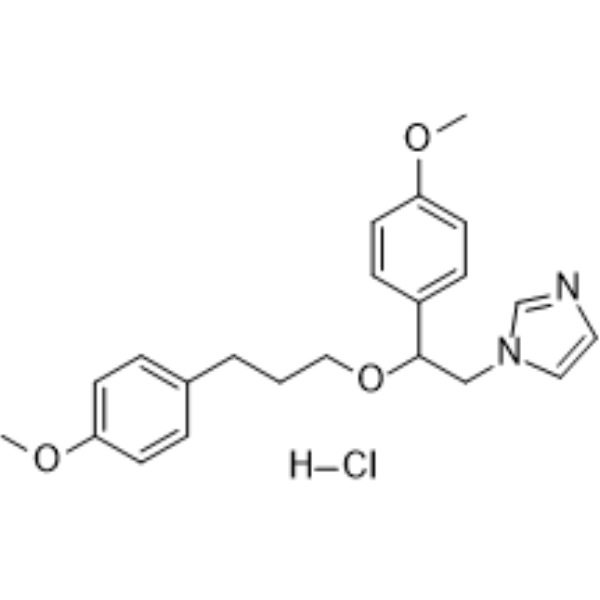
    SKF-96365 hydrochloride is a TRPC channel antagonist and store-operated calcium entry (SOCE) inhibitor. SKF-96365 hydrochloride reduces calcium ion influx by inhibiting the activity and expression of TRPC6, STIM1 and Orai1. SKF-96365 hydrochloride inhibits voltage-gated sodium current (cardiac INa/NaV1.5) and slows myocardial conduction. SKF-96365 hydrochloride inhibits phosphorylation/activation of CaMKIIγ and suppresses the downstream AKT signaling pathway. SKF-96365 hydrochloride induces G2/M phase cell cycle arrest, apoptosis and cytoprotective autophagy in colorectal cancer cells. SKF-96365 hydrochloride alleviates allergic rhinitis symptoms by reducing inflammatory cytokine levels. SKF-96365 hydrochloride reduces intracellular calcium overload, inhibits Homer1 expression, prevents nuclear damage and suppresses apoptosis. SKF-96365 hydrochloride inhibits the growth of colorectal cancer xenografts in nude mice . SKF-96365 hydrochloride is applicable to research related to allergic rhinitis, colorectal cancer, Parkinson's disease, persistent spontaneous nociception and hyperalgesia .
    SKF-96365 hydrochloride
  • HY-P9950
    Omalizumab
    1 Publications Verification

    Olizumab; rhuMab-E25; IGE25; RG-3648

    Interleukin Related Inflammation/Immunology Cancer
    Omalizumab is a recombinant, humanized, monoclonal antibody against human immunoglobulin E (IgE) with a KD of 0.393 nM. Omalizumab binds to the human FcγRIIb receptors with a KD of 6.37 uM. Omalizumab has the potential for persistent allergic asthma research . The component ratio of this product is Active ingredient : Excipients = 1:1.3-1:1.5.
    Omalizumab
  • HY-W1126504

    MC339

    Notch Cancer
    ETN029 (MC339) is a selective DLL3 ligand. ETN029 labeled with 225Ac has dose-dependent cytotoxicity in SCLC, NEPC and metastatic melanoma cells and increases the phosphorylation of H2AX expression. ETN029 labeled with 177Lu shows rapid uptake persistent tumor retention and favorable tumor-to-kidney ratio. ETN029 can be used for cancers like SCLC and NEPC imaging and research .
    ETN029
  • HY-P3160C

    Biochemical Assay Reagents Infection
    Fibronectin, bovine plasma is a fibronectin derived from bovine plasma. Fibronectin is an extracellular matrix protein that is upregulated and essential in many developmental processes, and also exists in the pathological progression of tissues and wound healing. Fibronectin specifically binds to a large number of molecules, including other components of the extracellular matrix, signaling molecules and cell adhesion molecules. The interaction between cells and fibronectin leads to bidirectional crosstalk, which regulates cell functions and induces cell-dependent changes in the extracellular matrix. Fibronectin, bovine plasma inhibits the production of bovine leukemia virus (BLV) p24 core protein in naturally infected bovine peripheral blood mononuclear cells .
    Fibronectin, bovine plasma
  • HY-125474
    Carrageenan
    1 Publications Verification

    Environmental Pollutants HIV HSV Infection Cancer
    Carrageenan is an antiviral and anticancer agent. Carrageenan inhibits herpes simplex virus (HSV), HIV, and hepatitis A virus (HAV) by directly binding to the viral capsid to block the attachment of viruses such as HPV to HSPG factors on the cell surface. Carrageenan delays and arrests cell cycle progression, exhibits cytotoxicity against HeLa cancer cells, and can be applied to studies related to cervical cancer, genital warts, hepatitis A, and other conditions. Carrageenan also induces acute non-immune inflammation, triggers a three-phase inflammatory response involving the release of multiple proinflammatory mediators, and causes persistent edema, hyperalgesia, and neutrophil recruitment in mice .
    Carrageenan
  • HY-147423
    Zandatrigine
    1 Publications Verification

    NBI-921352; XEN901

    Sodium Channel Neurological Disease
    Zandatrigine (NBI-921352; XEN901) is a selective, orally active, voltage-gated sodium channel NaV1.6/SCN8A inhibitor that can penetrate the blood-brain barrier. Zandatrigine inhibits sodium influx by non-covalently binding to the VSD4 structure of NaV1.6, blocking the persistent and resuscitative currents under pathological conditions. Zandatrigine can reduce neuronal hyperexcitability and reduce epileptic seizures. Zandatrigine is 134-756-fold selective for other isoforms such as NaV1.1 and NaV1.2, and has minimal effect on NaV1.1 expressed by inhibitory interneurons. Zandatrigine can be used to study NaV1.6-mediated neuroexcitability diseases such as SCN8A-related developmental epileptic encephalopathy (SCN8A-DEE) and adult focal epilepsy .
    Zandatrigine
  • HY-148792

    PRAX-562

    Sodium Channel Neurological Disease
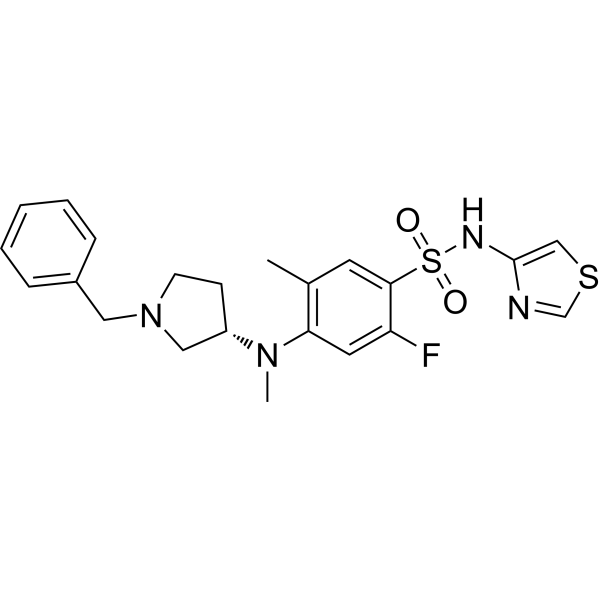
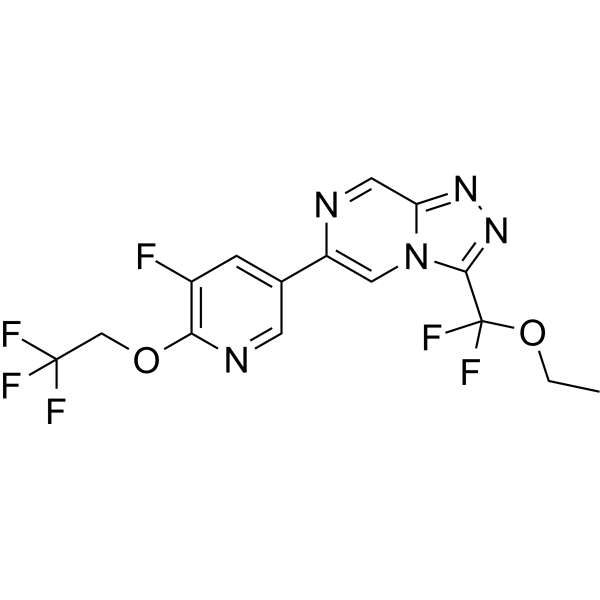
    Relutrigine (PRAX-562) is an orally active inhibitor of persistent sodium channel. Relutrigine potently and preferentially inhibits persistent INa induced by ATX-II (Nav 1.5 activator) or the SCN8A mutation N1768D with IC50 values of 141 nM and 75 nM, respectively. Relutrigine exhibits potent use-dependent block and reduces neuronal intrinsic excitability. Relutrigine has effective anticonvulsant activity .
    Relutrigine
  • HY-B1986
    p,p'-DDE
    2 Publications Verification

    4,4'-DDE; p,p'-Dichlorodiphenyldichloroethylene

    Environmental Pollutants Drug Metabolite Androgen Receptor Metabolic Disease Endocrinology
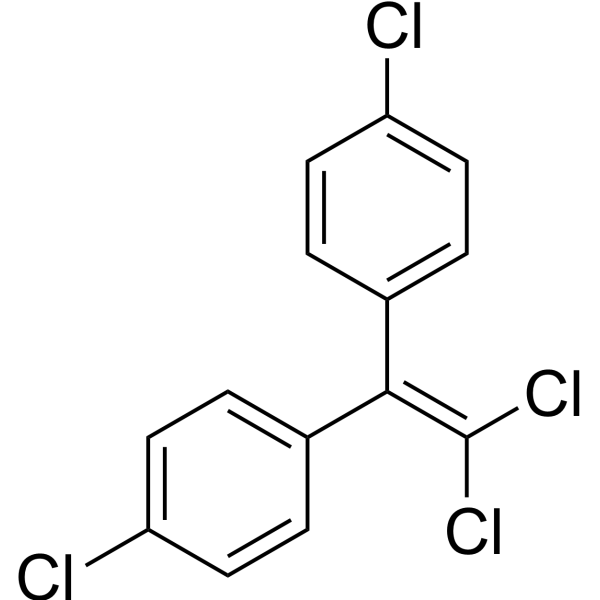
    p,p'-DDE (4,4'-DDE) is the major and persistent metabolite of DDT. p,p'-DDE is a orally active androgen receptor antagonist with an IC50 of 5 μM and a Ki of 3.5 μM. p,p'-DDE can affect the development and function of the male reproductive system. Additionally, high serum concentrations of p,p'-DDE may be a risk factor for type 2 diabetes in women .
    p,p'-DDE
  • HY-W116336D

    Biochemical Assay Reagents Fungal Bacterial Infection Cancer
    Zinc oxide, <100 nm particle size is a nitrate reductase modulator and growth promoter with plant stress resistance activity and oral toxicity. Zinc oxide, <100 nm particle size acts as a nutrient source for maize plants. By enhancing nitrate reductase activity and reducing free proline levels, it significantly improves plant height, root length and dry matter weight of maize, and its growth-promoting effect is comparable to that of traditional zinc sulfate fertilizer. Zinc oxide, <100 nm particle size induces anemia-related and persistent tissue inflammatory damage, leading to obvious histopathological adverse reactions in the stomach, pancreas, eyes and prostate of rats. Zinc oxide, <100 nm particle size acts as a non-toxic antibacterial agent and selective cytotoxin against multiple bacteria, fungi and spores .
    Zinc oxide, <100 nm particle size
  • HY-144007

    Liposome Others
    Chol-PEG is a nonionic surfactant vesicles and can be used for a blood-persistent drug delivery system .
    Chol-PEG
  • HY-112665

    Streptogramin; Mikamycin; RP 7293

    Antibiotic Bacterial Infection
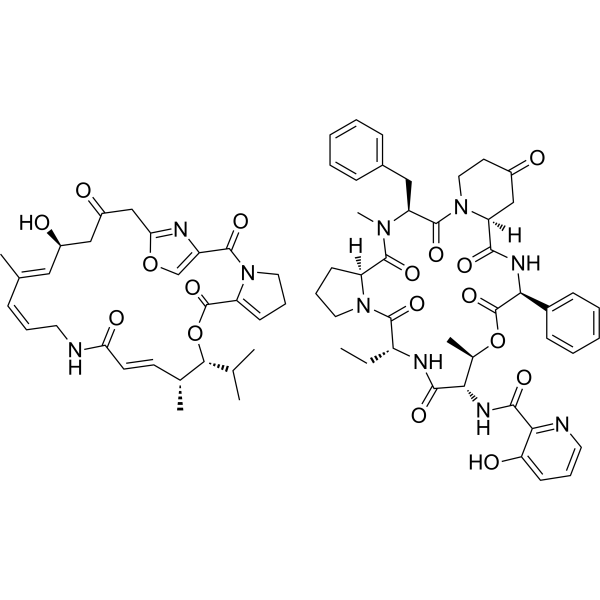
    Virginiamycin Complex (Streptogramin) is an antibiotic containing two streptogramins, virginiamycin M (VM) and virginiamycin S (VS), which are produced by S. virginiae. As a complex, these two antibiotics in Virginiamycin Complex act synergistically. The action of VM is persistent and catalytic, and it can alter the affinity of ribosomes for VS. Virginiamycin Complex irreversibly inhibits protein synthesis in bacteria and has antibacterial activity .
    Virginiamycin Complex
  • HY-148457

    Izervay

    Complement System Infection Neurological Disease Inflammation/Immunology
    Avacincaptad pegol (Izervay) is a selective inhibitor targeting complement component C5, and is a pegylated ribonucleic acid aptamer. Avacincaptad pegol inhibits the cleavage of C5 into pro-inflammatory C5a and C5b, which forms the membrane attack complex (C5b-9), thereby reducing inflammatory cell recruitment and retinal cell damage. Avacincaptad pegol can slow the growth of geographic atrophy (GA) lesions and reduce the risk of persistent vision loss. Avacincaptad pegol can be used in research of geographic atrophy associated with age-related macular degeneration (AMD) and has been approved by the FDA .
    Avacincaptad pegol
  • HY-P2866

    Endogenous Metabolite Bacterial Infection Inflammation/Immunology
    β-N-Acetylhexosaminidase, Streptococcus pneumoniae is a cell surface virulence factor of Streptococcus pneumoniae, which contains two synergistically acting GH20 domains (with higher activity in GH20-2). β-N-Acetylhexosaminidase, Streptococcus pneumoniae specifically recognizes and hydrolyzes substrates with β(1,2) glycosidic bonds via Trp-443 and Tyr-482 residues. β-N-Acetylhexosaminidase, Streptococcus pneumoniae catalyzes the hydrolysis of β(1,2)-linked N-acetylglucosamine groups and related disaccharides, and promotes persistent colonization of bacteria in the airway by modifying host defense molecules and releasing monosaccharides for bacterial growth. β-N-Acetylhexosaminidase, Streptococcus pneumoniae can be used in studies related to Streptococcus pneumoniae infection, acute pneumonia, otitis media and meningitis .
    β-N-Acetylhexosaminidase, Streptococcus pneumoniae
  • HY-132234

    Epigenetic Reader Domain Cancer
    M‑1121 is a covalent and orally active inhibitor of the menin-MLL interaction capable of achieving complete and persistent tumor regression .
    M-1211
  • HY-B0570
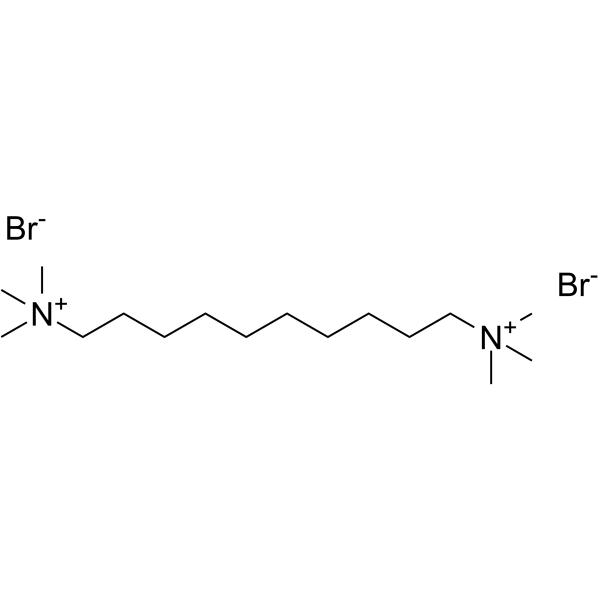
    Decamethonium Bromide
    1 Publications Verification

    nAChR Neurological Disease
    Decamethonium Bromide is an acetylcholine receptor inhibitor and muscle relaxant. Decamethonium Bromide first induces depolarization of skeletal muscles, and then binds to postsynaptic acetylcholine receptors to induce persistent paralysis .\n
    Decamethonium Bromide
  • HY-131122S

    4-n-Nonylphenol-2,3,5,6-d4,OD

    Isotope-Labeled Compounds Estrogen Receptor/ERR Others
    4-Nonylphenol-d5 is the deuterium labeled 4-Nonylphenol. 4-Nonylphenol, a major degradation product of Nonylphenol ethoxylates (NPEOs), is a persistent organic pollutant with endocrine-disrupting properties and exerts estrogenic activity .
    4-Nonylphenol-d5
  • HY-W099689

    Autophagy Bacterial Antibiotic Others
    3-Octanol is a fragrance ingredient. 3-octanol not to be persistent, bioaccumulative, and toxic .
    3-Octanol
  • HY-41465

    Drug Intermediate Others
    4-Chlorobenzoic acid is a halogenated aromatic compound that can be used as an industrial chemical and an intermediate in drug synthesis. 4-Chlorobenzoic acid is a persistent organic micropollutant and can be biodegraded through a direct dehalogenation pathway .
    4-Chlorobenzoic acid
  • HY-45509

    RAD150

    Androgen Receptor Neurological Disease
    TLB 150 Benzoate (RAD150) is a nonsteroidal androgen receptor modulator with an IC50 value of 0.13 μM. TLB 150 Benzoate spontaneously cyclizes under physiological conditions to form RAD 179, resulting in a persistent, reversible, and slow neuronal conduction blockade. TLB 150 Benzoate can be used for research on neurological diseases .
    TLB 150 Benzoate
  • HY-P1604
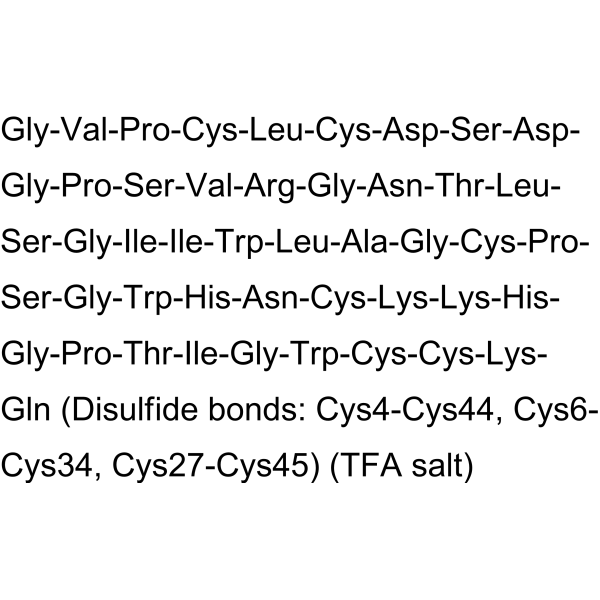
    ATX-II
    1 Publications Verification

    Sodium Channel Cardiovascular Disease Inflammation/Immunology
    ATX-II is a selective sodium channel modulator toxin. ATX-II enhances late sodium current, prevents full sodium channel inactivation, and generates persistent current fractions. ATX-II has pro-arrhythmic effect. ATX-II slows intrinsic heart rate, prolongs QT interval and sinus node recovery time, and causes sinus pauses and arrests. ATX-II can be used for the research of atrial fibrillation, long QT syndrome, and long QT3 syndrome .
    ATX-II
  • HY-P1604A
    ATX-II TFA
    1 Publications Verification

    Sodium Channel Cardiovascular Disease Inflammation/Immunology
    ATX-II TFA is a selective sodium channel modulator toxin. ATX-II TFA enhances late sodium current, prevents full sodium channel inactivation, and generates persistent current fractions. ATX-II TFA has pro-arrhythmic effect. ATX-II TFA slows intrinsic heart rate, prolongs QT interval and sinus node recovery time, and causes sinus pauses and arrests. ATX-II TFA can be used for the research of atrial fibrillation, long QT syndrome, and long QT3 syndrome .
    ATX-II TFA
  • HY-177008

    PROTACs EGFR Apoptosis Akt ERK Cancer
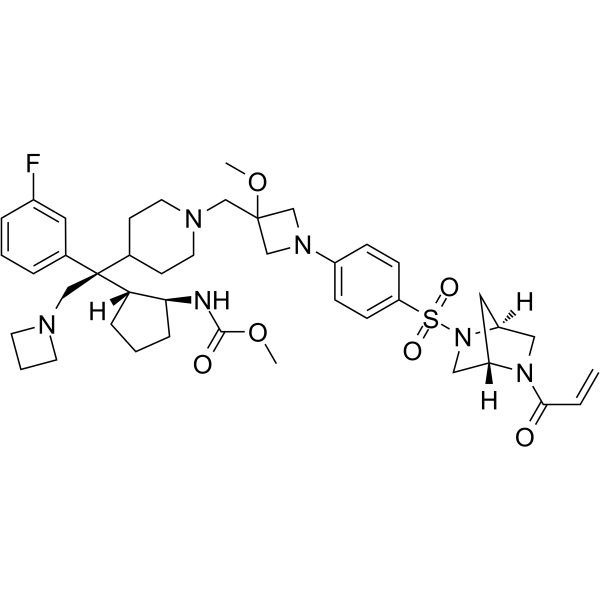
    PROTAC HER2 degrader-1 is a highly selective HER2 PROTAC degrader, with a DC50 of 69 nM and a Dmax of 96%. PROTAC HER2 degrader-1 inhibits HER2-positive cell proliferation and tumor growth through persistent HER2 degradation and potent inhibition of downstream pathways (AKT and ERK). PROTAC HER2 degrader-1 induces apoptosis in BT-474 cells. PROTAC HER2 degrader-1 can be used for research of HER2-positive cancers. (Pink: HER2 ligand: (HY-177009); Black: Linker; Blue: CRBN ligand: (HY-W023573) .
    PROTAC HER2 degrader-1
  • HY-170824

    PROTACs SWI/SNF Complex Epigenetic Reader Domain Cancer
    SMD-3236 is a SMARCA2 PROTAC degrader with a DC50 of 0.5 nM, a Dmax of 98%, and an IC50 of 42.2 nM against human SMARCA2. SMD-3236 induces proteasome- and ubiquitin-like modification-dependent degradation of SMARCA2 protein by binding to SMARCA2 and VHL-1. SMD-3236 inhibits the growth of SMARCA4-deficient cancer cells. SMD-3236 induces significant and persistent depletion of SMARCA2 in tumor tissues. SMD-3236 suppresses tumor growth in SMARCA4-deficient human cancer xenograft models. SMD-3236 can be used in research related to SMARCA4-deficient cancers such as melanoma, non-small cell lung cancer, and acute myeloid leukemia .
    SMD-3236
  • HY-121212

    LDLR Metabolic Disease Inflammation/Immunology
    Icosabutate, an orally active ω-3 polyunsaturated fatty acid, is an aeicosapentaenoic acid (EPA) derivative. Icosabutate overcomes the drawbacks of unmodified EPA for liver targeting and improves insulin sensitivity, hepatic inflammation and fibrosis . Icosabutate is well tolerated, and efficacious in lowering non-high-density lipoprotein cholesterol (non-HDL-C) levels in persistent hypertriglyceridemia .
    Icosabutate
  • HY-18689

    iGluR Neurological Disease
    SYM2206 is a potent and non-competitive AMPA receptor antagonist, with an IC50 of 1.6 μM. SYM2206 blocks Nav1.6-mediated persistent currents .
    SYM2206
  • HY-129683

    PPAR Metabolic Disease
    AM3102 is an oleoylethanolamide (OEA) analog. AM3102 is an endogenous high-affinity PPAR-alpha agonist. AM3102 resists enzymatic hydrolysis, activates PPAR-alpha with high potency in vitro, and persistently reduces feeding when administered in vivo either parenterally or orally .
    AM3102
  • HY-164793

    TGF-β Receptor Cytochrome P450 Bacterial Infection
    TGFBR1-IN-2 (Compound AQA) is a TGFBR1 inhibitor and an antibacterial agent. TGFBR1-IN-2 is a substrate for cytochrome P450s. TGFBR1-IN-2 contains the pyridyl-6-methyl moiety necessary for Mycobacterium tuberculosis inhibition and has potent inhibitory activity against non-replicating and persistent Mycobacterium tuberculosis .
    TGFBR1-IN-2
  • HY-164049

    Prostaglandin Receptor Inflammation/Immunology
    TG8-260 is a second-generation EP2 antagonist developed to alleviate the pathology of central nervous system and peripheral diseases driven by inflammation. TG8-260 can reduce neuroinflammation and gliosis in the hippocampus of rats after pilocarpine-induced persistent epileptic status. Pharmacokinetic data of TG8-260 showed that its plasma half-life was 2.14 hours and its oral bioavailability was 77.3%. TG8-260 is also a potent inhibitor of CYP450 and shows antagonistic activity in inhibiting EP2 receptor-mediated inflammatory gene expression in BV2-hEP2 microglia, which is suitable for studying anti-inflammatory pathways in animal models of peripheral inflammatory diseases .
    TG8-260
  • HY-Y0308D

    Disodium hydrogen phosphate, meets analytical specification of Ph. Eur. BP USP FCC E339

    Biochemical Assay Reagents Endocrinology
    Sodium phosphate dibasic (Disodium hydrogen phosphate), meets analytical specification of Ph. Eur. BP USP FCC E339 is an inorganic dibasic phosphate that functions as an electrolyte supplement, a buffer carrier for injectable drugs, while also exhibiting nephrotoxicity. Sodium phosphate dibasic, meets analytical specification of Ph. Eur. BP USP FCC E339 induces extensive nephrotic syndrome-like changes, including systemic symptoms such as persistent proteinuria, lipemia, hypercholesterolemia, and anemia, and causes severe renal pathological alterations such as renal enlargement, glomerular calcification, podocyte injury, and tubulointerstitial lesions. Sodium phosphate dibasic, meets analytical specification of Ph. Eur. BP USP FCC E339 has the ability to induce phosphate-induced nephropathy and glomerular calcification, and can be widely used in studies on nephrotic syndrome and related renal pathological mechanisms .
    Sodium phosphate dibasic, meets analytical specification of Ph. Eur. BP USP FCC E339
  • HY-19261

    Cholecystokinin Receptor Metabolic Disease
    T-0632 is a CCK A receptor antagonist that exhibits significant pharmacological properties in in vitro studies. T-0632 competitively inhibits the binding of [125I]CCK-8 to rat pancreatic CCK A receptors with a K_i value of 0.24 nM, which is significantly lower than the K_i value for guinea pig CCK B receptors. T-0632 has higher selectivity in inhibiting CCK-8-stimulated pancreatic enzyme release, with an IC_50 value of 5.0 nM, which is more advantageous than L-364,718 and loxiglumide. In rabbit gallbladder smooth muscle, the antagonistic effects of T-0632 and loxiglumide are reversible, while L-364,718 shows a persistent inhibitory effect. These results indicate that T-0632 is a highly potent, reversible and more selective CCK A receptor antagonist.
    T-0632
  • HY-125942
    SKF-96365
    Maximum Cited Publications
    27 Publications Verification

    CRAC Channel TRP Channel CaMK Akt Apoptosis Autophagy Na+/Ca2+ Exchanger Calcium Channel Neurological Disease Inflammation/Immunology Cancer
    SKF-96365 is a TRPC channel antagonist and store-operated calcium entry (SOCE) inhibitor. SKF-96365 reduces calcium ion influx by inhibiting the activity and expression of TRPC6, STIM1 and Orai1. SKF-96365 inhibits voltage-gated sodium current (cardiac INa/NaV1.5) and slows myocardial conduction. SKF-96365 inhibits phosphorylation/activation of CaMKIIγ and suppresses the downstream AKT signaling pathway. SKF-96365 induces G2/M phase cell cycle arrest, apoptosis and cytoprotective autophagy in colorectal cancer cells. SKF-96365 alleviates allergic rhinitis symptoms by reducing inflammatory cytokine levels. SKF-96365 reduces intracellular calcium overload, inhibits Homer1 expression, prevents nuclear damage and suppresses apoptosis. SKF-96365 inhibits the growth of colorectal cancer xenografts in nude mice . SKF-96365 is applicable to research related to allergic rhinitis, colorectal cancer, Parkinson's disease, persistent spontaneous nociception and hyperalgesia .
    SKF-96365
  • HY-108569

    Antibiotic Bacterial PPAR Infection
    nTZDpa is an antibiotic. nTZDpa is a PPARG partial agonist. nTZDpa has antibacterial activity. nTZDpa is effective against growing and persistent Staphylococcus aureus by lipid bilayer disruption .
    nTZDpa
  • HY-121337

    R-40244

    Environmental Pollutants Apoptosis Bcl-2 Family Others
    Flurochloridone (R-40244) is a selective preemergence and persistent herbicide. Flurochloridone induces endoplasmic reticulum (ER) stress and activated unfolded protein response (UPR) signaling pathways. Flurochloridone impairs cell viability and induces cytotoxicity and apoptosis mediated by ER stress via activating eIF2α-ATF4/ATF6-CHOP-Bim/Bax signaling pathways in TM4 cells .
    Flurochloridone
  • HY-124843
    LLL3
    1 Publications Verification

    CLT-005

    STAT Apoptosis Cancer
    LLL3 (CLT-005) is a STAT3 inhibitor. LLL3 inhibits dimerization and phosphorylation of STAT3, thereby preventing intraconuclear transfer of STAT3 and inhibits the expression of STAT3 dependent genes, which encode proteins such as Bcl-xL and cyclin D1. In addition, LLL3 can induce cell growth inhibition and apoptosis in human breast cancer and rhabdomyosarcoma cells via the caspase pathway. LLL3 can be used in the study of STAT3 persistent activation types of cancer .
    LLL3
  • HY-121779

    2,4'-DDE; 2,4-Dichlorodiphenyldichloroethylene; 2,4'-DDE; o,p'-Dichlorodiphenyldichloroethylene

    Insecticide Endocrinology
    o,p'-DDE (2,4-Dichlorodiphenyldichloroethylene) is a metabolite and degradation product of the organochlorine pesticide DDT. It accumulates in smallmouth buffalo, channel catfish, and largemouth bass, and in sediments from DDT manufacturing plants around the Huntsville Spring Branch-Indian Creek tributary system, where it is considered a persistent organic pollutant (POP). o,p'-DDE inhibits estrogen binding to the rainbow trout estrogen receptor (rtER) with an IC50 value of 3.2 μM. It induces concentration-dependent estradiol secretion in co-cultures of granulosa and theca cells isolated from porcine follicles. In ovo exposure to o,p'-DDE increases follicular degeneration and reduces testis size in Japanese medaka (O. latipes).
    o,p'-DDE
  • HY-13559

    Azaspirane ; SKF 106615-12; SKF 106615A12

    STAT Apoptosis Autophagy Reactive Oxygen Species (ROS) Caspase Bcl-2 Family p62 Atg8/LC3 PARP NF-κB PERK JAK Cardiovascular Disease Inflammation/Immunology Cancer
    Atiprimod (Azaspirane) is a STAT3 inhibitor with antitumor, anti-inflammatory, and anti-angiogenic activities. Atiprimod blocks the signaling pathways of IL-6 and VEGF by inhibiting the phosphorylation of signal transducer and activator of STAT3. Atiprimod blocks the JAK-STAT signaling pathway by inhibiting the phosphorylation of JAK2 and JAK3. Atiprimod also inhibits cell proliferation, induces cell cycle arrest, and induces autophagy and apoptosis. Atiprimod triggers persistent ER stress-mediated apoptosis in breast cancer cells by activating the PERK/eIF2α/ATF4/CHOP axis and inhibiting the nuclear translocation of STAT3/NF-κB. Atiprimod shows great anti-tumor activities in tumor xenograft mouse models. Atiprimod can be used for the study of pituitary adenoma, breast cancer, multiple myeloma and acute myeloid leukemia (AML) .
    Atiprimod
  • HY-118387

    Potassium Channel Cardiovascular Disease
    AVE-0118 is a Kv1.5 potassium channel blocker and antiarrhythmic agent. AVE-0118 blocks neuronal Kv1.5 potassium channels, thereby enhancing the release of norepinephrine. AVE-0118 enhances field stimulation-induced neurogenic contraction, an effect sensitive to α1-adrenergic receptor blockade. AVE-0118 terminates persistent atrial fibrillation in some dogs. AVE-0118 is applicable to research related to atrial fibrillation and persistent atrial fibrillation .
    AVE-0118
  • HY-19463A

    Sodium Channel Cardiovascular Disease
    F 15845 is a highly effective persistent sodium current blocker. F 15845 also is a cardioprotective agent, has anti-ischemic activity and exerts short- and long-term cardioprotection after myocardial infarction. F 15845 can be used for the research of myocardium functional impairment .
    F15845
  • HY-B1986S

    4,4'-DDE-d8; p,p'-Dichlorodiphenyldichloroethylene-d8

    Androgen Receptor Drug Metabolite Endocrinology
    p,p'-DDE-d8 is the deuterium labeled p,p'-DDE . p,p'-DDE (4,4'-DDE), a major metabolite of persistent dichlorodiphenyltrichloroethane (DDT), is a potent androgen receptor antagonist, with an IC50 of 5 μM and a Ki of 3.5 μM .
    p,p'-DDE-d8
  • HY-19463

    Sodium Channel Cardiovascular Disease
    F 15845 hydrobromide is a highly effective persistent sodium current blocker. F 15845 hydrobromide is also a cardioprotective agent, has anti-ischemic activity and exerts short- and long-term cardioprotection after myocardial infarction. F 15845 hydrobromide can be used for the research of myocardium functional impairment .
    F-15845 hydrobromide
  • HY-B1970

    2,4'-DDT

    Insecticide Estrogen Receptor/ERR Endocrinology
    o,p'-DDT (2,4'-DDT) is a chlorinated organic pesticide with estrogenic activity. o,p'-DDT is persistent in the environment, can accumulate in organisms and disrupt the endocrine system. o,p'-DDT is used in agriculture as a pesticide, especially for controlling insect pests. The use of o,p'-DDT has led to toxic effects in organisms, raising widespread concern about its environmental and health effects. o,p'-DDT has also led to research into its long-term effects in ecosystems .
    o,p'-DDT
  • HY-W344115

    5-HT Receptor Dopamine Transporter Adrenergic Receptor Neurological Disease
    Bicifadine is an orally active serotonin/norepinephrine/dopamine triple reuptake inhibitor. Bicifadine is an effective antinociceptive in several models of acute, persistent, and chronic pain .
    Bicifadine
  • HY-W102387

    Pentaacetyl-D-galactopyranose

    Insulin Receptor Metabolic Disease
    D-Galactose pentaacetate inhibits leucine-induced insulin release. D-Galactose pentaacetate can be used for the research of persistent hyperinsulinemia in childhood or insulinoma .
    D-Galactose pentaacetate
  • HY-147256

    Niferidil free base

    Potassium Channel Cardiovascular Disease
    Cavutilide (Niferidil (free base)) is a class III antiarrhythmic agent that inhibits hERG K + channel. Cavutilide has the potential for the study of persistent atrial fibrillation .
    Cavutilide
  • HY-P10767

    Neurotensin Receptor Neurological Disease
    MD01-67 is a selective macrocyclic compound targeting the neurotensin receptor type 2 (NTS2), with Ki of 2.9 nM. MD01-67 exhibits analgesic and tactile hypersensitivity reducing activity in rats acute/persistent/chronic inflammatory pain models .
    MD01-67
  • HY-124451

    Environmental Pollutants Apoptosis Autophagy Cancer
    2-Chloronaphthalene, serving as an intermediate in organic synthesis, is classified as a persistent organic pollutant. 2-Chloronaphthalene can induce apoptosis and autophagy, while inhibiting cell proliferation. 2-Chloronaphthalene leads to cell death through the interplay between autophagy and apoptosis .
    2-Chloronaphthalene
  • HY-174569

    mRNA Inflammation/Immunology
    Human NFKB1 mRNA encodes the human nuclear factor kappa B subunit 1 (NFKB1) protein, a transcription regulator that is activated by various intra- and extra-cellular stimuli such as cytokines, oxidant-free radicals, ultraviolet irradiation, and bacterial or viral products. Inappropriate activation of NFKB has been associated with a number of inflammatory diseases while persistent inhibition of NFKB leads to inappropriate immune cell development or delayed cell growth. NFKB is a critical regulator of the immediate-early response to viral infection.
    Human NFKB1 mRNA
  • HY-W016758

    1-Butyl-3-methylimidazolium chloride

    Bacterial Infection
    [BMIM]Cl (1-butyl-3-methylimidazolium chloride) is an alkyl-imidazolium chloride compound and a persistent aquatic pollutant. [BMIM]Cl exhibits antimicrobial activity against S. aureus (MIC = 25 mM), E. coli (MIC = 50 mM), and P. aeruginosa (MIC = 100 mM). It possesses moderate membrane permeability and cytotoxicity, directly affecting microorganisms and mammalian cells at high concentrations, but can inhibit the function of complex ecosystems (e.g., anaerobic digestion) even at environmentally relevant low concentrations by disrupting microbial community structures. [BMIM]Cl can be used in research related to bacterial infections .
    [BMIM]Cl

Inquiry Online

Your information is safe with us. * Required Fields.

Salutation


Country or Region *

Applicant Name *


Organization Name *

Department *


Email Address *


Product Name *

Cat. No.


Requested quantity *

Phone Number *


Remarks

Inquiry Online

Inquiry Information

Product Name:
Cat. No.:
Quantity:
MCE Japan Authorized Agent:

