

1. Search Result
Search Result
Results for "

reactivator

" in MedChemExpress (MCE) Product Catalog:

104

Inhibitors & Agonists

1

Fluorescent Dye

1

Biochemical Assay Reagents

5

Peptides

6

Inhibitory Antibodies

3

Natural
Products

5

Isotope-Labeled Compounds

2

Oligonucleotides

1

GMP Molecules

Cat. No. Product Name Target Research Areas Chemical Structure
  • HY-128974
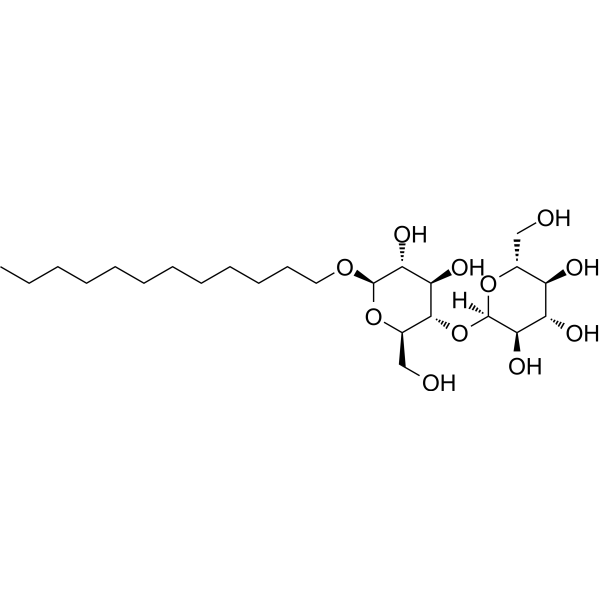
    N-Dodecyl-β-D-maltoside
    5 Publications Verification

    Lauryl Maltoside

    DNA/RNA Synthesis Others
    N-Dodecyl-β-D-maltoside (Lauryl Maltoside) is a non-ionic detergent. N-Dodecyl-β-D-maltoside has strong adsorption on alumina, titanium dioxide and hematite. N-Dodecyl-β-D-maltoside can promote the reactivation of various proteins. N-Dodecyl-β-D-maltoside can effectively stabilize photoactive reaction center complexes (RCs) and inhibit the degradation of Rhodopseudomonas spheroides R-26 reaction center in solution. N-Dodecyl-β-D-maltoside can be used for purification and stabilization of RNA polymerase and for detection of protein-lipid interactions .
    N-Dodecyl-β-D-maltoside
  • HY-145928
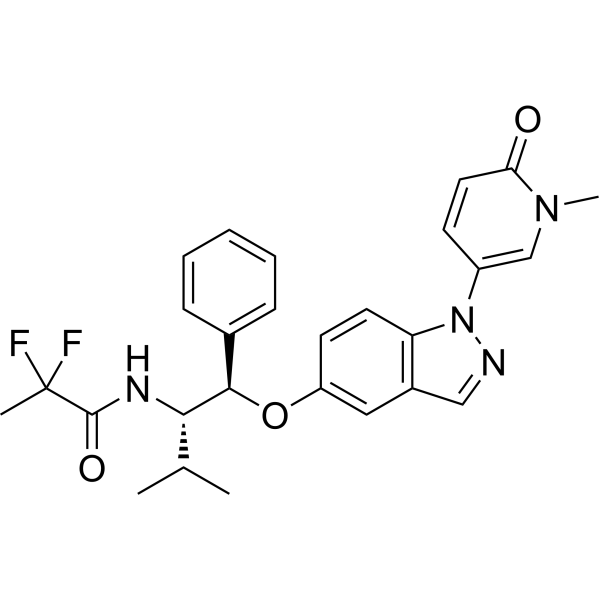
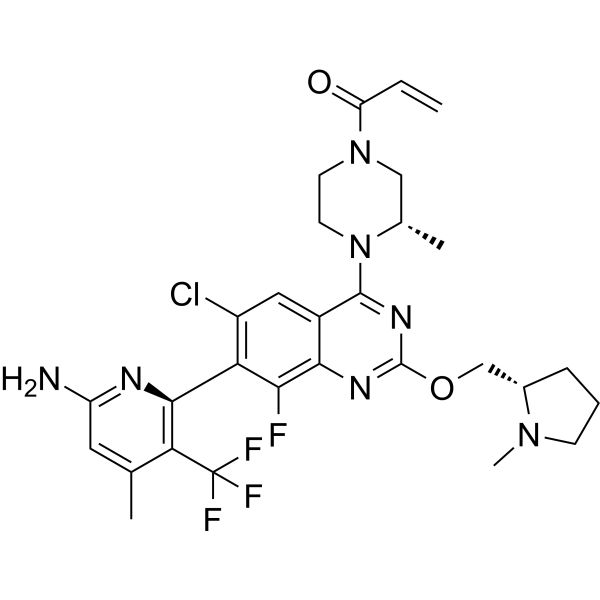
    Divarasib
    5+ Cited Publications

    GDC-6036

    Ras Cancer
    Divarasib (GDC-6036) is an orally active, selective KRAS G12C inhibitor with an IC50 of <0.01 μM. Divarasib covalently binds Cys12 in GDP-bound KRAS G12C, occupies the switch II pocket, blocks GTP binding and SOS-mediated reactivation, and inhibits oncogenic KRAS signaling. Divarasib induces tumor shrinkage and robust tumor growth inhibition in KRAS G12C-positive models and cancer cells. Divarasib can be used for the research of non-small cell lung cancer, colorectal adenocarcinoma, pancreatic ductal adenocarcinoma, and other KRAS G12C-mutated solid tumors .
    Divarasib
  • HY-13642
    RG108
    10+ Cited Publications

    N-Phthalyl-L-tryptophan

    DNA Methyltransferase Inflammation/Immunology Cancer
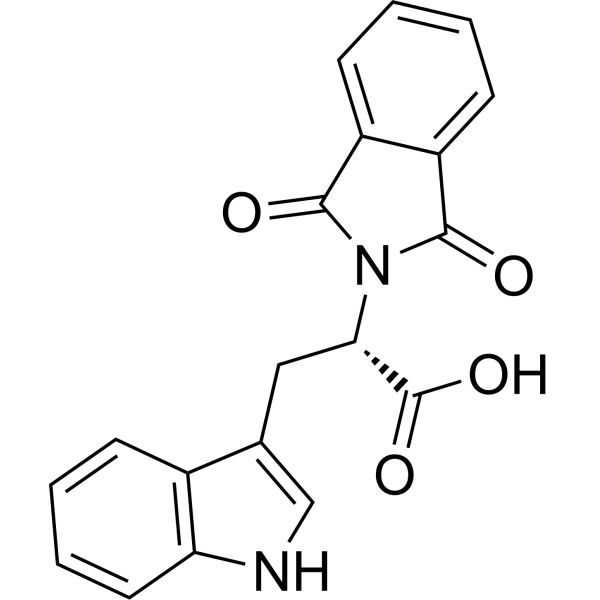
    RG108 (N-Phthalyl-L-tryptophan) is a non-nucleoside DNA methyltransferases (DNMTs) inhibitor (IC50=115 nM) that blocks the DNMTs active site. RG108 (N-Phthalyl-L-tryptophan) causes demethylation and reactivation of tumor suppressor genes, but it does not affect the methylation of centromeric satellite sequences .
    RG108
  • HY-N0401A
    (Z)-Ligustilide
    5 Publications Verification

    Bacterial Estrogen Receptor/ERR FATP Infection Metabolic Disease Cancer
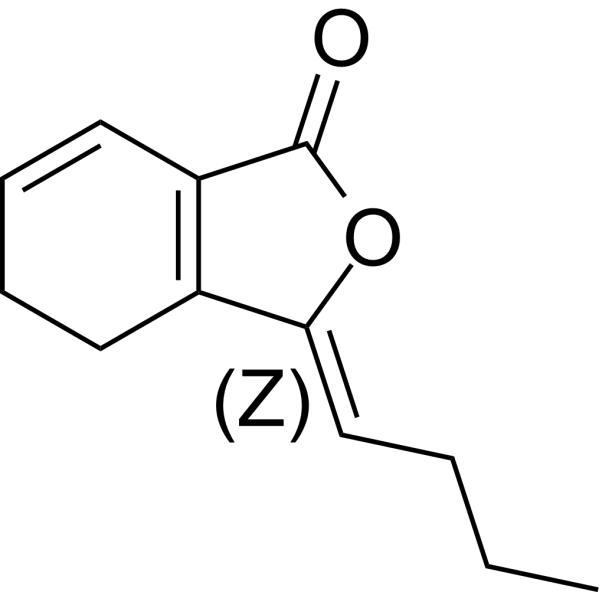
    (Z)-Ligustilide is extracted from Ligusticum chuanxiong Hort, has antimicrobial and antifungal activity, exhibits an average antifungal score of 5.6 . (Z)-Ligustilide is orally active, it inhibits the expression of FATP5 and DGAT, inhibits fatty acid uptake and esterification in mice and has potential as therapeutics for nonalcoholic fatty liver disease (NAFLD) . (Z)-Ligustilide is also able to reactivate ERα, has epigenetic regulation, and is used in the study of tamoxifen-resistant breast cancer .
    (Z)-Ligustilide
  • HY-B0464
    Hydralazine hydrochloride
    3 Publications Verification

    PGE synthase NO Synthase Reactive Oxygen Species (ROS) DNA Methyltransferase COX Cardiovascular Disease Inflammation/Immunology Cancer
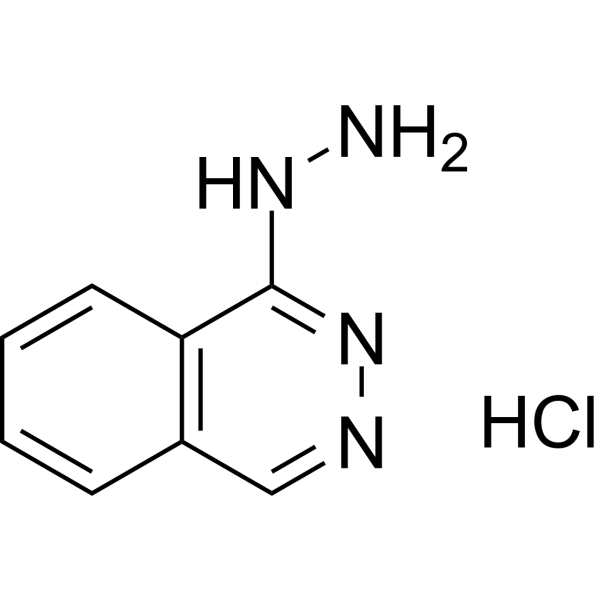
    Hydralazine hydrochloride is an orally active, blood-brain barrier-permeable DNA methyltransferase inhibitor with vasodilatory, arterial smooth muscle relaxant and hypotensive activities. Hydralazine hydrochloride reactivates silenced tumor suppressor genes via mediating DNA demethylation, while exerting neuroprotective and anti-inflammatory properties. Hydralazine hydrochloride inhibits NOS-2 (iNOS) and COX-2, and reduces the production of NO and PGEE2; meanwhile, Hydralazine hydrochloride scavenges reactive oxygen species and inhibits macrophage activation. Hydralazine hydrochloride alleviates motor dysfunction, neuropathic inflammatory pain, and formalin-induced somatic and emotional pain responses. In addition, Hydralazine hydrochloride directly induces DNA strand breaks and sister chromatid exchange, exhibiting certain mutagenic characteristics. Hydralazine hydrochloride has been widely used in studies on hypertension, various cancers (such as cervical cancer, leukemia), spinal cord injury and the mechanisms of inflammatory pain .
    Hydralazine hydrochloride
  • HY-13207
    ONX-0914
    Maximum Cited Publications
    24 Publications Verification

    PR-957

    Proteasome Bacterial HIV Infection Inflammation/Immunology
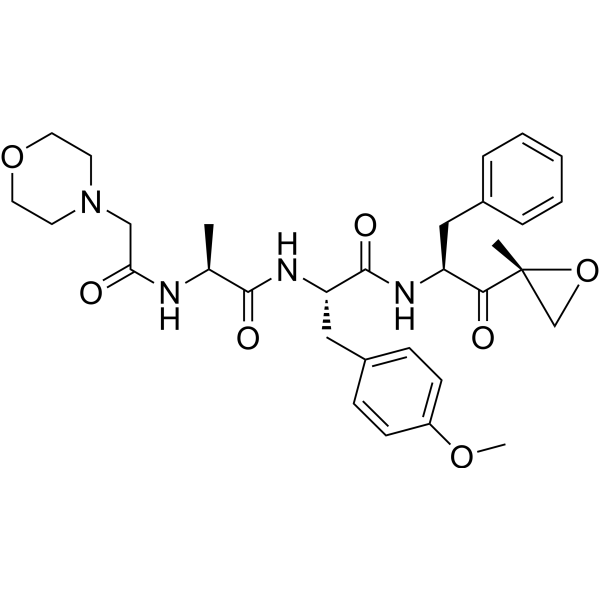
    ONX-0914 (PR-957) is a selective inhibitor of low-molecular mass polypeptide-7 (LMP7), the chymotrypsin-like subunit of the immunoproteasome. ONX-0914 blocks cytokine production and attenuates progression of experimental arthritis. ONX-0914 is a noncompetitive irreversible inhibitor of the mycobacterial proteasome (Ki=5.2 μM). ONX-0914 reactivates latent HIV-1 through p-TEFb activation mediated by HSF-1 .
    ONX-0914
  • HY-P99052
    Tislelizumab
    3 Publications Verification

    BGB-A317

    PD-1/PD-L1 Inflammation/Immunology Cancer
    Tislelizumab is a monoclonal antibody that specifically binds to programmed cell death receptor 1 (PD-1), blocking its interaction with programmed death ligand 1 (PD-L1) and programmed death ligand 2 (PD-L2). Tislelizumab can reactivate immune cells such as T lymphocytes and enhance anti-tumor activity. Tislelizumab can be used for the research of a variety of tumors including typical Hodgkin's lymphoma, urothelial carcinoma, non-small cell lung cancer and hepatocellular carcinoma .
    Tislelizumab
  • HY-109139
    Taminadenant
    1 Publications Verification

    NIR178; PBF509

    Adenosine Receptor Neurological Disease Cancer
    Taminadenant (NIR178; PBF509) is a highly potent and orally active adenosine A2A receptor (A2AR) antagonist. Taminadenant can antagonize A2AR agonist-mediated cAMP accumulation and impedance responses with KB values of 72.8 nM and 8.2 nM, respectively. Taminadenant reverses motor impairments in several rat models of movement disorders, including catalepsy, tremor, and hemiparkinsonism. Taminadenant can also inhibit tumor growth when combined with Spartalizumab (HY-P9972). Taminadenant reactivate the antitumor immune response .
    Taminadenant
  • HY-P99144A
    Anti-Mouse PD-1 Antibody (S-5001)
    1 Publications Verification

    PD-1/PD-L1 Inflammation/Immunology Cancer
    Anti-Mouse PD-1 Antibody (S-5001) is a selective inhibitor targeting PD-1, blocking the PD-1/PD-L1 immune checkpoint axis through competitive binding to PD-1. Anti-Mouse PD-1 Antibody (S-5001) works by reversing the tumor immunosuppressive microenvironment and reactivating the anti-tumor activity of cytotoxic T lymphocytes. It can be used in research on tumors such as melanoma and HPV-positive oropharyngeal squamous cell carcinoma. Anti-Mouse PD-1 Antibody (S-5001) is often combined with photothermal therapy, chemotherapy, etc., to enhance efficacy .
    Anti-Mouse PD-1 Antibody (S-5001)
  • HY-19896
    COTI-2
    4 Publications Verification

    MDM-2/p53 Apoptosis Cancer
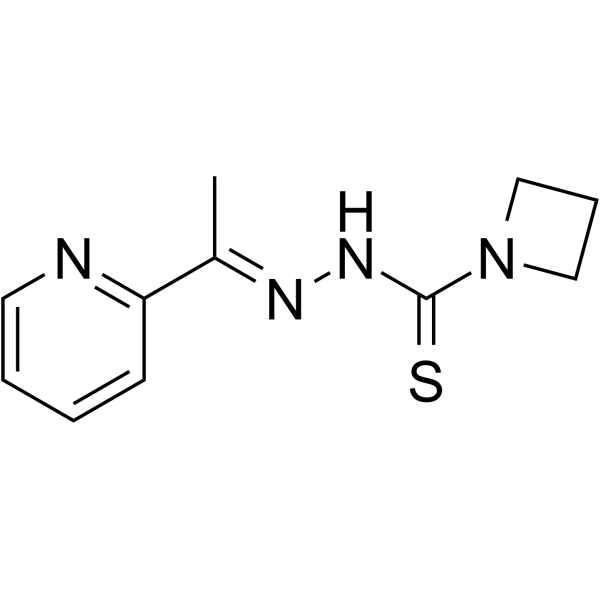
    COTI-2, an anti-cancer agent with low toxicity, is an orally available third generation activator of p53 mutant forms. COTI-2 acts both by reactivating mutant p53 and inhibiting the PI3K/AKT/mTOR pathway. COTI-2 induces apoptosis in multiple human tumor cell lines. COTI-2 exhibits antitumor activity in HNSCC through p53-dependent and -independent mechanisms. COTI-2 converts mutant p53 to wild-type conformation .
    COTI-2
  • HY-103397
    Nanaomycin A
    4 Publications Verification

    Antibiotic DNA Methyltransferase Parasite Infection Cancer
    Nanaomycin A is the first selective DNMT3B inhibitor with an IC50 of 500 nM. Nanaomycin A, a quinone antibiotics, reactivates silenced tumor suppressor genes in human cancer cells . Nanaomycin A inhibits in vitro growth of the human malaria parasite Plasmodium falciparum with an IC80 value of 33.1 nM .
    Nanaomycin A
  • HY-B1200
    Pralidoxime chloride
    2 Publications Verification

    2-PAM chloride

    Cholinesterase (ChE) Neurological Disease
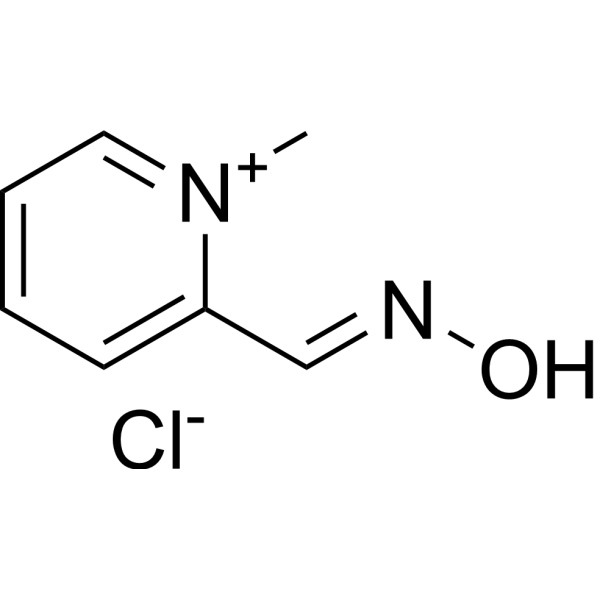
    Pralidoxime chloride is a potent reactivator of acetylcholinesterase (AChE). Pralidoxime chloride reactivates nerve agent-inhibited AChE via direct nucleophilic attack by the oxime moiety on the phosphorus center of the bound nerve agent. Pralidoxime chloride is an antidote for organophosphate poisoning .
    Pralidoxime chloride
  • HY-19980A
    PRIMA-1
    2 Publications Verification

    NSC-281668

    Autophagy MDM-2/p53 Ferroptosis Apoptosis Cancer
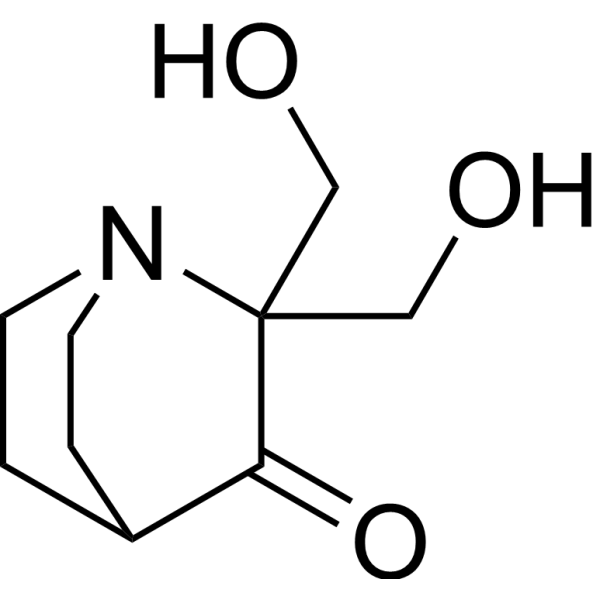
    PRIMA-1 (NSC-281668) is a mutant p53 reactivator, restores the sensitivity of TP53 mutant-type thyroid cancer cells to the histone methylation inhibitor 3-Deazaneplanocin A.
    PRIMA-1
  • HY-A0084A
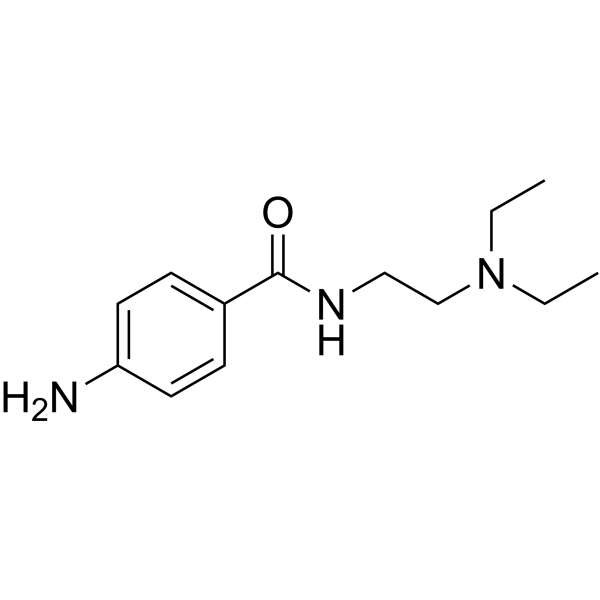
    Procainamide
    5+ Cited Publications

    Procaine amide; SP 100

    DNA Methyltransferase Potassium Channel Cardiovascular Disease Cancer
    Procainamide (Procaine amide) is a specific and potent inhibitor of DNA methyltransferase 1 (DNMT1), which reactivates the expression of tumor suppressor factors by demethylating tumor suppressor genes. Procainamide induces vacuolization in various cell types and reduces cell proliferation and migration. Procainamide relaxes airway smooth muscle by activating potassium channels. Procainamide can be used in cancer and arrhythmia research .
    Procainamide
  • HY-A0084
    Procainamide hydrochloride
    5+ Cited Publications

    Procaine amide hydrochloride; SP 100 hydrochloride

    DNA Methyltransferase Potassium Channel Cancer
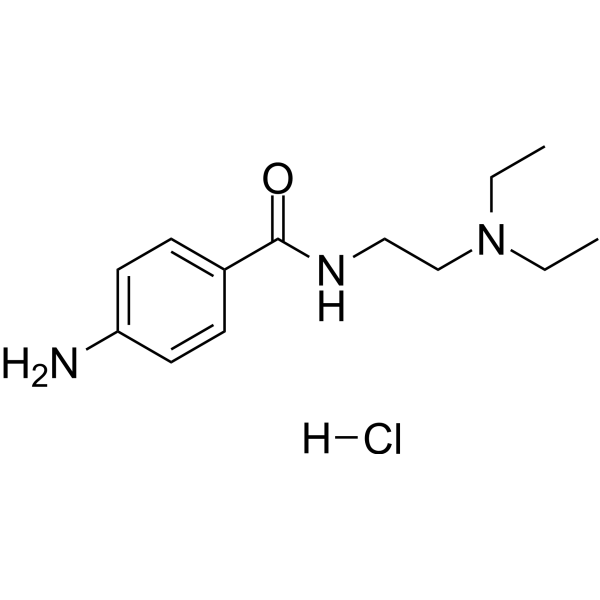
    Procainamide hydrochloride (Procaine amide hydrochloride) is a specific and potent inhibitor of DNA methyltransferase 1 (DNMT1), which reactivates the expression of tumor suppressor factors by demethylating tumor suppressor genes. Procainamide hydrochloride induces vacuolization in various cell types and reduces cell proliferation and migration. Procainamide hydrochloride relaxes airway smooth muscle by activating potassium channels. Procainamide hydrochloride can be used in cancer and arrhythmia research .
    Procainamide hydrochloride
  • HY-P99623

    MGD006; S80880

    CD3 Cancer
    Flotetuzumab (MGD006; S80880) is an investigational CD123/CD3 bispecific dual-affinity retargeting antibody (DART) molecule. Flotetuzumab reactivates T cells by simultaneously binding to CD123 in target cells and CD3 in effector T cells, leading to T-cell-mediated cytotoxicity in target cells. Flotetuzumab shows inhibitory effect on a mouse model of patient-derived xenograft (PDX) in acute myeloid leukemia (AML) .
    Flotetuzumab
  • HY-15815
    Bromosporine
    5 Publications Verification

    Epigenetic Reader Domain Apoptosis CDK HIV Cancer
    Bromosporine, a chemical probe, is a potent BET inhibitor with an IC50 value of 2.1 μM for PCAF. Bromosporine can arrest cell cycle and induce apoptosis in cancer cells. Bromosporine exhibits excellent antitumor activity in xenograft mice model when combined with 5-Fluorouracil (HY-90006). Bromosporine can increase CDK9 T-loop phosphorylation in HIV-1 latency models, resulting the protection of reactivate HIV-1 replication from latency. Bromosporine can be used to research colorectal cancer, acute myeloid leukemia (AML) and AIDS .
    Bromosporine
  • HY-B1738A

    Cholinesterase (ChE) Neurological Disease
    Pralidoxime iodide is a potent reactivator of acetylcholinesterase (AChE). Pralidoxime iodide reactivates nerve agent-inhibited AChE via direct nucleophilic attack by the oxime moiety on the phosphorus center of the bound nerve agent. Pralidoxime iodide is an antidote for organophosphate poisoning .
    Pralidoxime iodide
  • HY-P99572

    BNT-312; DuoBody-CD40x-4-1BB; GEN1042

    TNF Receptor Inflammation/Immunology Cancer
    Tecaginlimab (BNT-312) is a Fc-inert bispecific antibody for dual targeting and conditional stimulation of CD40 and 4-1BB. Tecaginlimab can enhance priming and reactivation of tumor-specific immunity .
    Tecaginlimab
  • HY-B2117

    Epoxide Hydrolase EBV Infection Neurological Disease
    Valpromide is an amide derivative of Valproic acid (HY-10585) and an orally active epoxide hydrolase inhibitor that can cross the blood-brain barrier. Valpromide has antiepileptic, anticonvulsant, and antipsychotic effects. Valpromide also exhibits antiviral activity and can inhibit the reactivation of the EBV lytic cycle .
    Valpromide
  • HY-P3139

    PD-1/PD-L1 Cancer
    TPP-1 is a potent inhibitor of the PD-1/PD-L1 interaction. TPP-1 binds specifically to PD-L1 with a high affinity (KD=95 nM). TPP-1 inhibits human tumor growth in vivo via reactivating T-cell function .
    TPP-1
  • HY-160215

    TGF-β Receptor p38 MAPK TGF-beta/Smad Interleukin Related Cancer
    GFH018 is an orally active, selective and ATP-competitive TGF-βR1 inhibitor with an IC50 of 40 nM. GFH018 reactivates the immune system by blocking the immunosuppression mediated by regulatory T cells and M2 macrophages. GFH018 inhibits tumor angiogenesis. GFH018 suppresses tumor growth in mouse tumor models. GFH018 can be used for the research of solid tumors, hepatocellular carcinoma, colorectal cancer, breast cancer, and relapsed/metastatic nasopharyngeal carcinoma .
    GFH018
  • HY-B0464A
    Hydralazine
    3 Publications Verification

    DNA Methyltransferase Reactive Oxygen Species (ROS) COX NO Synthase PGE synthase Cardiovascular Disease Neurological Disease Inflammation/Immunology Cancer
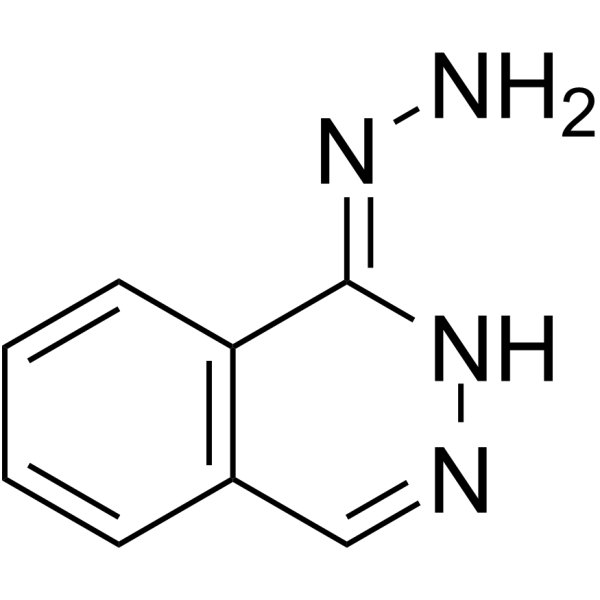
    Hydralazine is an orally active, blood-brain barrier-permeable DNA methyltransferase inhibitor with vasodilatory, arterial smooth muscle relaxant and hypotensive activities. Hydralazine reactivates silenced tumor suppressor genes via mediating DNA demethylation, while exerting neuroprotective and anti-inflammatory properties. Hydralazine inhibits NOS-2 (iNOS) and COX-2, and reduces the production of NO and PGEE2; meanwhile, Hydralazine scavenges reactive oxygen species and inhibits macrophage activation. Hydralazine alleviates motor dysfunction, neuropathic inflammatory pain, and formalin-induced somatic and emotional pain responses. In addition, Hydralazine directly induces DNA strand breaks and sister chromatid exchange, exhibiting certain mutagenic characteristics. Hydralazine has been widely used in studies on hypertension, various cancers (such as cervical cancer, leukemia), spinal cord injury and the mechanisms of inflammatory pain .
    Hydralazine
  • HY-106901A

    HI-6

    Cholinesterase (ChE) nAChR Neurological Disease
    Asoxime dichloride (HI-6) is an orally active thiosemicarbazone-based antidote. Asoxime dichloride is a reversible inhibitor of AChE, and its core mechanism of action is to re-activate AChE inhibited by nerve toxins, thereby restoring the cholinergic nerve function. Asoxime dichloride significantly restores the function of poisoned muscles without reactivating AChE. Asoxime dichloride is an antagonist of acetylcholine receptors (AChRs), including nicotinic receptor and α7 nAChR. Asoxime dichloride can serve as an effective immunomodulator, improving the immune effect of the nervous system .
    Asoxime dichloride
  • HY-W011108

    Cholinesterase (ChE) Neurological Disease
    Obidoxime dichloride is a non-full spectrum oxime agent and can be used as an antidote for organophosphate nerve agent poisoning. Obidoxime dichloride reactivates sarin-inhibited acetylcholinesterase (AChE) and reduces acute toxicity of sarin-evaluated .
    Obidoxime dichloride
  • HY-141584

    MDM-2/p53 Cancer
    ATSP-7041, a selective dual peptide inhibitor of MDM2 and MDMX, effectively reactivates the p53 tumor suppressor pathway in a mechanism-dependent manner in p53-positive cancers .
    ATSP-7041
  • HY-18634
    NSC319726
    3 Publications Verification

    ZMC1

    MDM-2/p53 Cancer
    NSC319726 (ZMC1) is a mutant p53R175 reactivator; inhibits growth of fibroblasts expressing the p53R175 mutation (IC50 = 8 nM); shows no inhibition for p53 wild-type cells.
    NSC319726
  • HY-120012
    Mizacorat
    5+ Cited Publications

    AZD9567

    Glucocorticoid Receptor Inflammation/Immunology Endocrinology
    Mizacorat (AZD9567; compound 15) is a potent, oral active, non-steroidal and selective glucocorticoid receptor modulator (SGRM), with an IC50 of 3.8 nM. Exhibits excellent efficacy in the streptococcal cell wall (SCW) reactivation model of joint inflammation .
    Mizacorat
  • HY-150306

    IM-250

    DNA/RNA Synthesis HSV Infection

    Adibelivir (IM-250) is an orally active helicase-primase inhibitor. Adibelivir is effective against HSV infection and reduces reactivation of latent HSV. Adibelivir inhibits HSV-1 infection in Vero cells (IC50: ~20 nM). Adibelivir can be used for the study of recurrent herpes disease[1][2].

    Adibelivir
  • HY-100468
    REV7/REV3L-IN-1
    1 Publications Verification

    DNA/RNA Synthesis Cancer
    REV7/REV3L-IN-1 is a REV7/REV3L interaction inhibitor with an IC50 of 78 μM, which directly binds to REV7 in nuclear magnetic resonance analyses, and inhibits the reactivation of a reporter plasmid containing an interstrand crosslink (ICL) in between the promoter and reporter regions .
    REV7/REV3L-IN-1
  • HY-130514

    HIV CDK Infection
    SMAPP1 is an activator of protein phosphatase-1 (PP1). SMAPP1 increases phosphorylation of CDK9’s Ser90 and Thr186 residues, but not Ser175. SMAPP1 induces HIV-1 replication, upregulates HIV-1 transcription that led to the reactivation of latent HIV-1 provirus .
    SMAPP1
  • HY-161138

    BCL6 Apoptosis Cancer
    WK369 is a novel BCL6 small molecule inhibitor, which exhibits excellent anti-ovarian cancer bioactivity, induces cell cycle arrest and causes apoptosis. WK369 can directly bind to the BCL6-BTB domain and block the interaction between BCL6 and SMRT, leading to the reactivation of p53, ATR and CDKN1A .
    WK369
  • HY-101508

    Histone Methyltransferase Cancer
    GNA002 is a highly potent, specific and covalent EZH2 (Enhancer of zeste homolog 2) inhibitor with an IC50 of 1.1 μM. GNA002 can specifically and covalently bind to Cys668 within the EZH2-SET domain, triggering EZH2 degradation through COOH terminus of Hsp70-interacting protein (CHIP)-mediated ubiquitination. GNA002 efficiently reduces EZH2-mediated H3K27 trimethylation, reactivates polycomb repressor complex 2 (PRC2)-silenced tumor suppressor genes .
    GNA002
  • HY-122578

    MDM-2/p53 Cancer
    P53R3 is a potent p53 reactivator and restores sequence-specific DNA binding of p53 hot spot mutants, including p53 R175H, p53 R248W and p53 R273H. P53R3 induces p53-dependent antiproliferative effects with much higher specificity than PRIMA-1. P53R3 enhances the recruitment of wild-type p53 and p53 M237I to several target gene promoters. P53R3 strongly enhances the mRNA, total protein and cell surface expression of the death receptor death receptor 5 (DR5). P53R3 is used for cancer research .
    P53R3
  • HY-120122

    MDM-2/p53 Cancer
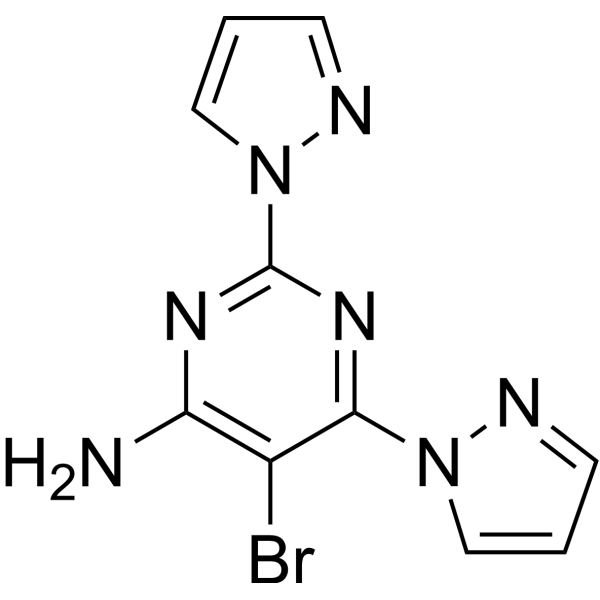
    PK7088 is a pyrazole and a specific peptide. PK7088 supports the reactivation of mutant p53 by converting it to a form exhibiting wild-type properties. PK7088 exhibit anticancer activity in cancer research .
    PK7088
  • HY-122753

    MDM-2/p53 Cancer
    SLMP53-1 is a wild-type and mutant p53 reactivator with promising antitumor activity. SLMP53-1 mediates the reprograming of glucose metabolism in cancer cells. SLMP53-1 depletes angiogenesis, decreasing endothelial cell tube formation and vascular endothelial growth factor (VEGF) expression levels .
    SLMP53-1
  • HY-153202

    MDM-2/p53 Apoptosis Cancer
    SLMP53-2 is a mutant p53 reactivator. SLMP53-2 restores wild-type-like conformation and DNA-binding ability of mutp53-Y220C by enhancing its interaction with the Hsp70, leading to the reestablishment of p53 transcriptional activity. SLMP53-2 can induce cell cycle arrest, apoptosis and endoplasmic reticulum (ER) stress. SLMP53-2 exhibits antitumor activity .
    SLMP53-2
  • HY-123794

    Phosphatase Cancer
    MP07-66, a FTY720 analogue, is devoid of immunosuppressive effects and shows promising antitumor effects in chronic lymphocytic leukemia by disruption of the SET-PP2A complex leading to PP2A reactivation .
    MP07-66
  • HY-16516
    Vitamin CK3
    1 Publications Verification

    DNA/RNA Synthesis MMP Autophagy Cancer
    Vitamin CK3 is the combination of Vitamin C and vitamin K3 (100:1 ratio). Vitamin CK3 can decrease MMP activity. Vitamin CK3 can reactivate DNases and cause cell autophagy. Vitamin CK3 can be used for the research of cancer, such as lung cancer .
    Vitamin CK3
  • HY-161344

    IFNAR Cancer
    Z36-MP5 is an Mi-2β-targeted inhibitor, with IC50 of 0.082 μM. Z36-MP5 can reduce Mi-2β ATPase activity and reactivates ISG transcription. Z36-MP5 can stimulate T-cell-mediated cytotoxicity .
    Z36-MP5
  • HY-13207A
    ONX-0914 TFA
    Maximum Cited Publications
    24 Publications Verification

    PR-957 TFA

    Proteasome Bacterial HIV Infection Inflammation/Immunology
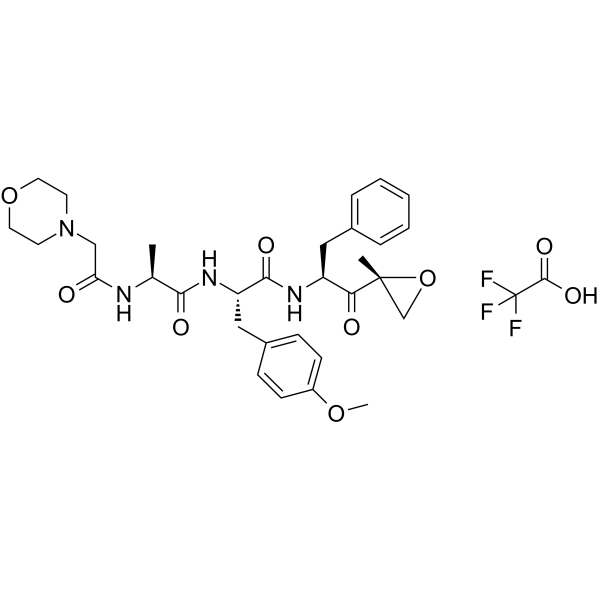
    ONX-0914 (PR-957) TFA is a selective inhibitor of low-molecular mass polypeptide-7 (LMP7), the chymotrypsin-like subunit of the immunoproteasome. ONX-0914 TFA blocks cytokine production and attenuates progression of experimental arthritis. ONX-0914 TFA is a noncompetitive irreversible inhibitor of the mycobacterial proteasome (Ki=5.2 μM). ONX-0914 TFA reactivates latent HIV-1 through p-TEFb activation mediated by HSF-1 .
    ONX-0914 TFA
  • HY-148833

    MDM-2/p53 Cancer
    MDM2-p53-IN-16 is a MDM2-p53 complex inhibitor with an IC50 value of 4.3 nM to dissociate human p53/MDM2 complex. MDM2-p53-IN-16 reactivates p53, and induces Glioblastoma Multiforme (GBM) cell apoptosis and cell-cycle arrest. MDM2-p53-IN-16 can be used for the cancer research .
    MDM2-p53-IN-16
  • HY-149132

    DDA

    LXR Cancer
    Dendrogenin A (DDA) is a ligand for liver X receptor (LXR), that induces the expression of sodium/iodine symporter, and increases iodine uptake. Dendrogenin A induces cell differentiation of MCF-7, and reactivates the function of lactating cells. Dendrogenin A induces the expressions of the TSH receptor, thyroid peroxidase, and thyroglobulin, and affects thyroid hormone generation. Dendrogenin A exhibits cytotoxicity in cancer cell B-CPAP and 8505c with IC50 of 4.1 and 6.2 µM. Dendrogenin A arrests the cell cycle at G0/G1 phase .
    Dendrogenin A
  • HY-145928B
    Divarasib adipate
    5+ Cited Publications

    GDC-6036 adipate

    Ras Cancer
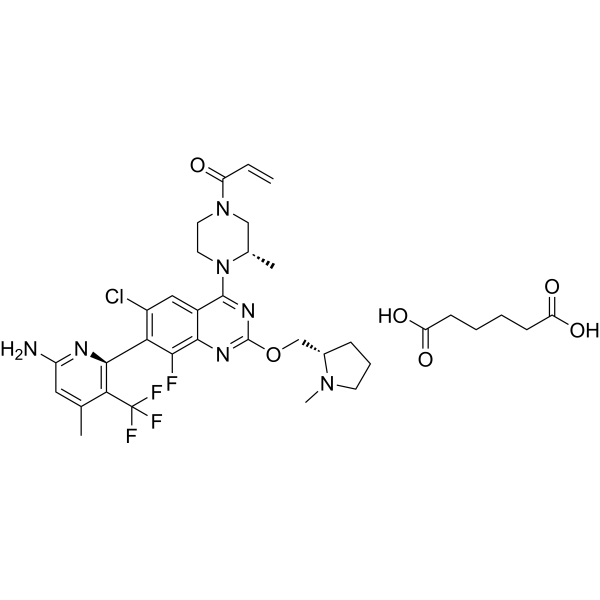
    Divarasib (GDC-6036) adipate is an orally active, selective KRASG12C inhibitor with an IC50 of <0.01 μM. Divarasib adipate covalently binds Cys12 in GDP-bound KRASG12C, occupies the switch II pocket, blocks GTP binding and SOS-mediated reactivation, and inhibits oncogenic KRAS signaling. Divarasib adipate induces tumor shrinkage and robust tumor growth inhibition in KRASG12C-positive models and cancer cells. Divarasib adipate can be used for the research of non-small cell lung cancer, colorectal adenocarcinoma, pancreatic ductal adenocarcinoma, and other KRASG12C-mutated solid tumors .
    Divarasib adipate
  • HY-143653

    BCL6 Cancer
    BCL6-IN-6 is a potent inhibitor of transcriptional repressor B-cell lymphoma 6 (BCL6). BCL6-IN-6 significantly blocks the interaction of BCL6 with its corepressors and reactivates BCL6 target genes in a dose-dependent manner. BCL6-IN-6 has the potential for the research of diffuse large B-cell lymphoma (DLBCL) .
    BCL6-IN-6
  • HY-128974S

    Lauryl Maltoside-d25

    Isotope-Labeled Compounds DNA/RNA Synthesis Others
    N-Dodecyl-β-D-maltoside-d25 (Lauryl Maltoside-d25) is deuterium labeled N-Dodecyl-β-D-maltoside (HY-128974). N-Dodecyl-β-D-maltoside is a non-ionic detergent. N-Dodecyl-β-D-maltoside has strong adsorption on alumina, titanium dioxide and hematite. N-Dodecyl-β-D-maltoside can promote the reactivation of various proteins. N-Dodecyl-β-D-maltoside can effectively stabilize photoactive reaction center complexes (RCs) and inhibit the degradation of Rhodopseudomonas spheroides R-26 reaction center in solution. N-Dodecyl-β-D-maltoside can be used for purification and stabilization of RNA polymerase and for detection of protein-lipid interactions .
    N-Dodecyl-β-D-maltoside-d25
  • HY-156967

    MDM-2/p53 Cancer
    BAY 1892005 is a regulator of p53 protein and acts on p53 condensates without causing mutant p53 reactivation .
    BAY 1892005
  • HY-160209

    HCN Channel Cardiovascular Disease
    KIO-301 is a photoswitchable HCN channel blocker, and can be used as the vitreous “light switch” molecule that reactivates retinitis pigmentosa .
    KIO-301
  • HY-106901AS
    Asoxime-d4 dichloride
    1 Publications Verification

    HI-6-d4

    Isotope-Labeled Compounds Cholinesterase (ChE) nAChR Neurological Disease
    Asoxime-d4 dichloride (HI-6-d4) is the deuterium labeled Asoxime dichloride. Asoxime dichloride is an orally active thiosemicarbazone-based antidote. Asoxime dichloride is a reversible inhibitor of AChE, and its core mechanism of action is to re-activate AChE inhibited by nerve toxins, thereby restoring the cholinergic nerve function. Asoxime dichloride significantly restores the function of poisoned muscles without reactivating AChE. Asoxime dichloride is an antagonist of acetylcholine receptors (AChRs), including nicotinic receptor and α7 nAChR. Asoxime dichloride can serve as an effective immunomodulator, improving the immune effect of the nervous system.
    Asoxime-d4 dichloride
  • HY-177615A

    GTX-102 sodium

    E1/E2/E3 Enzyme Others
    Apazunersen sodium is an antisense oligonucleotide (ASO) that targets and inhibits expression of the UBE3A antisense transcript (UBE3A-AS) to prevent silencing of the paternally inherited allele of the UBE3A gene and reactivate expression of the deficient
    Apazunersen sodium

Inquiry Online

Your information is safe with us. * Required Fields.

Salutation


Country or Region *

Applicant Name *


Organization Name *

Department *


Email Address *


Product Name *

Cat. No.


Requested quantity *

Phone Number *


Remarks

Inquiry Online

Inquiry Information

Product Name:
Cat. No.:
Quantity:
MCE Japan Authorized Agent:

