


1. Search Result
Search Result
Results for "

systemic sclerosis

" in MedChemExpress (MCE) Product Catalog:

28

Inhibitors & Agonists

6

Inhibitory Antibodies

2

Natural
Products

1

Isotope-Labeled Compounds

Cat. No. Product Name Target Research Areas Chemical Structure
  • HY-150298
    Soquelitinib
    3 Publications Verification

    CPI-818

    Itk Inflammation/Immunology Cancer
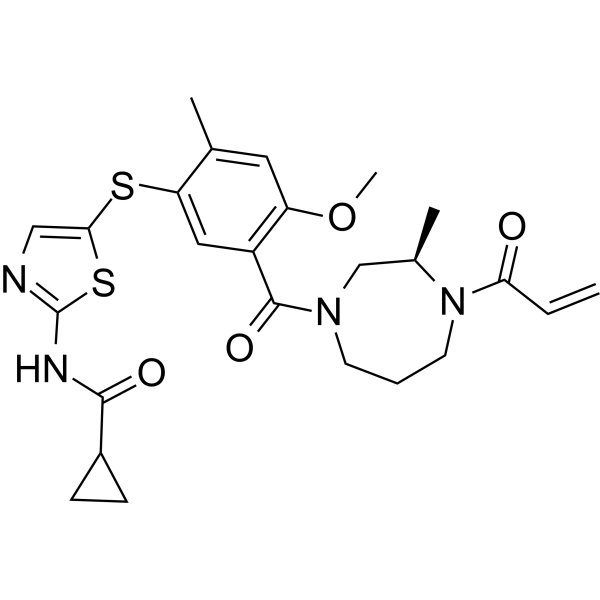
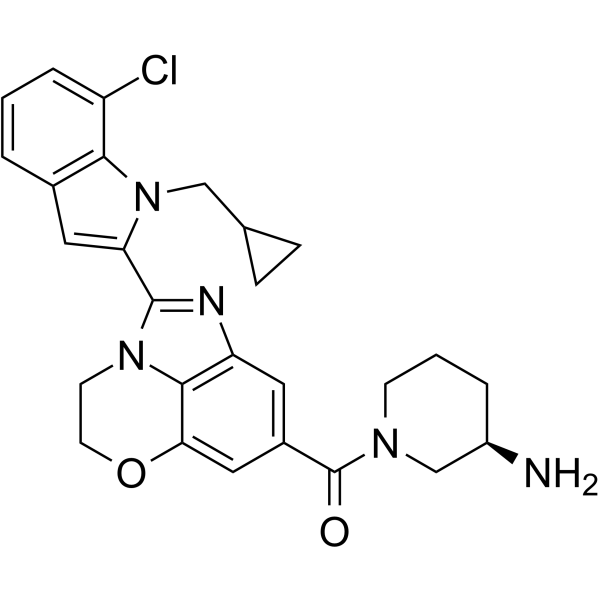
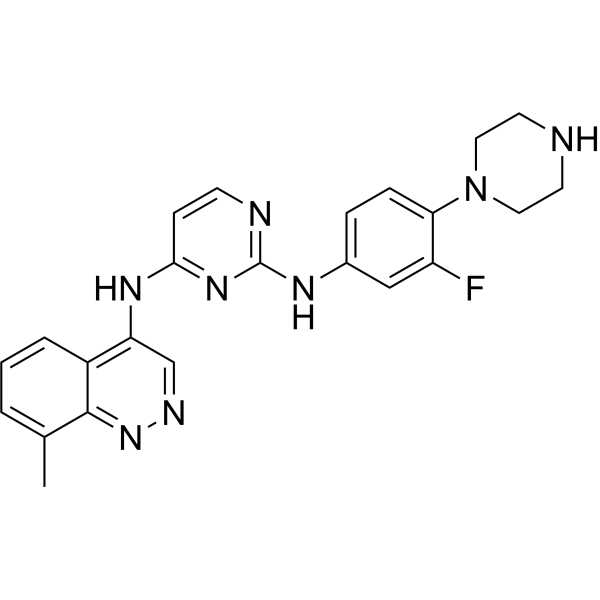
    Soquelitinib (CPI-818) is an orally active and highly selective covalent interleukin-2-inducible kinase (ITK) inhibitor. Soquelitinib is active in six different models of T cell-mediated inflammatory and immune disease, including acute and chronic asthma, pulmonary fibrosis, systemic sclerosis (scleroderma), psoriasis, and acute graft versus host disease with Th2 cytokine product inhibition. Soquelitinib increases tumor infiltration of normal CD8 + cells that possess enhanced T effector function .
    Soquelitinib
  • HY-B1028
    Pantethine
    5 Publications Verification

    D-Pantethine; LBF disulfide

    Endogenous Metabolite SARS-CoV Cardiovascular Disease Neurological Disease Inflammation/Immunology Endocrinology Cancer
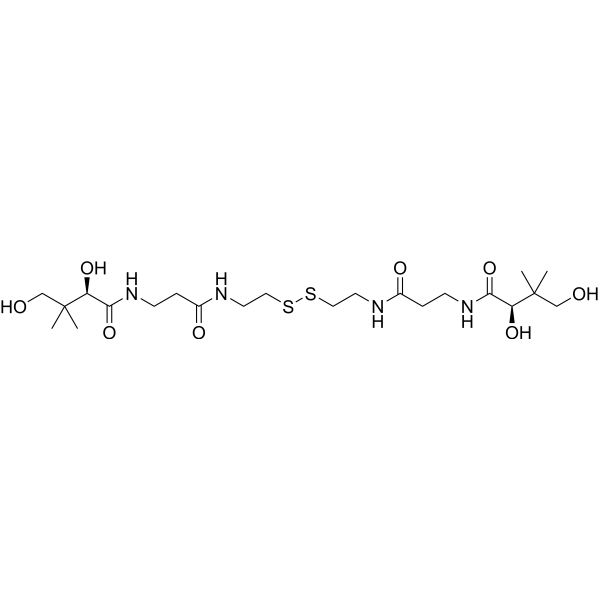
    Pantethine is an orally active lipid-lowering agent. Pantethine has anti-tumor, anti-inflammatory and anti-SARS-COV virus activities. Pantethine is also a neuroprotective agent. Pantethine can be used in the study of Alzheimer's disease, Parkinson's disease, major depression, systemic sclerosis and pantothenate kinase-related neurodegeneration .
    Pantethine
  • HY-100113
    Buloxibutid
    5 Publications Verification

    AT2 receptor agonist C21

    Angiotensin Receptor p38 MAPK TGF-beta/Smad TGF-β Receptor MMP Cardiovascular Disease Neurological Disease Inflammation/Immunology
    Buloxibutid (AT2 receptor agonist C21) is an orally active, selective angiotensin II type 2 receptor (AT2R) agonist, with a Ki value of 0.4 nM for porcine AT2R. Buloxibutid exerts effects such as vasodilation, anti-inflammation, anti-fibrosis (promoting the expression of collagenase MMP-13) and tissue repair mainly by activating the NO/cGMP pathway, inhibiting the pro-proliferative MAPK signaling, and suppressing the pro-fibrotic TGF-β/Smad pathway as well as the inflammatory NF-κB pathway. Buloxibutid can be used in research related to idiopathic pulmonary fibrosis, hypertension, and systemic sclerosis .
    Buloxibutid
  • HY-14930

    SK3530

    Phosphodiesterase (PDE) Glucocorticoid Receptor Wnt β-catenin Apoptosis Neurological Disease Inflammation/Immunology Endocrinology
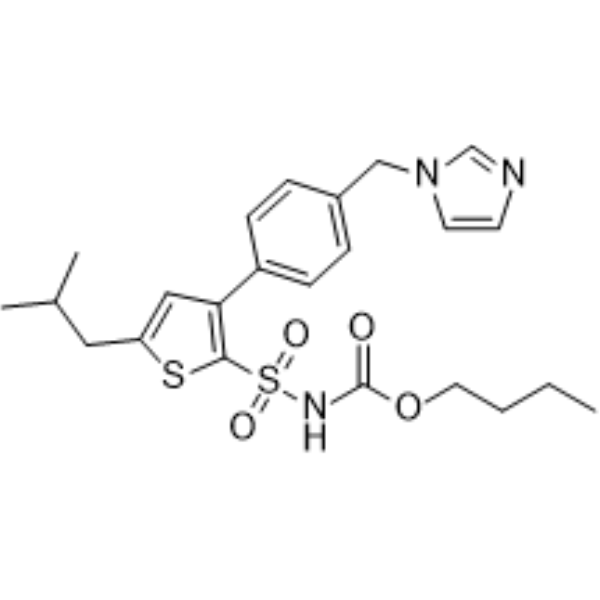
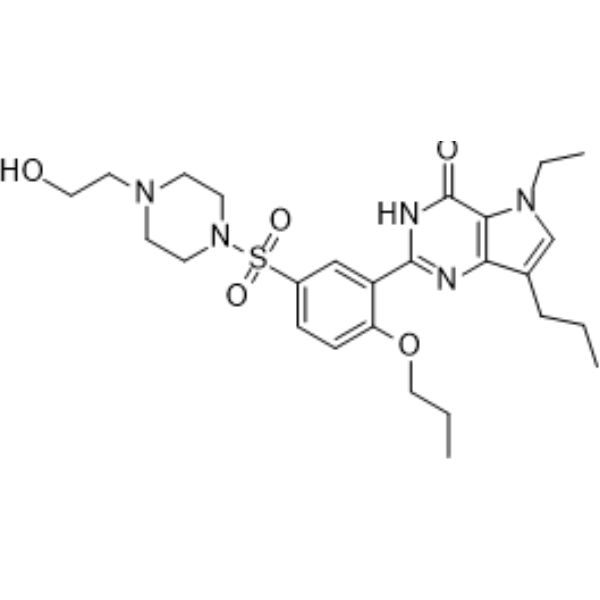
    Mirodenafil (SK3530) is an orally active, potent, reversible, and selective phosphodiesterase 5 (PDE5) inhibitor. Mirodenafil is a glucocorticoid receptor (GR) modulator Mirodenafil activates the Wnt/β-catenin signaling pathway by downregulating Dkk1 expression. Mirodenafil can be used for the research of erectile dysfunction (ED), Alzheimer’s disease (AD) and systemic sclerosis (SSc) .
    Mirodenafil
  • HY-156438

    NT-0796

    NOD-like Receptor (NLR) Interleukin Related Neurological Disease
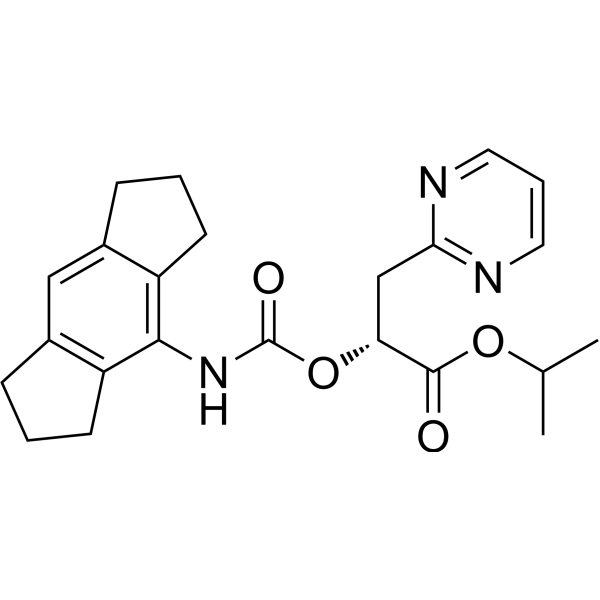
    Ruvonoflast (NT-0796) is an orally active, selective and CNS-penetrant NLRP3 inflammasome inhibitor. Ruvonoflast inhibits IL-1β release in human PBMC cells with an IC50 value of 0.32 nM. Ruvonoflast is an isopropyl ester that undergoes intracellular conversion to Ruvonoflast, the carboxylic acid active species. Ruvonoflast reverses high fat diet-induced obesity, systemic inflammation and astrogliosis in the diet-induced obesity mouse model. Ruvonoflast is promising for research of neurodegenerative disorders, including Alzheimer’s disease, Parkinson’s disease, multiple sclerosis, and amyotrophic lateral sclerosis .
    Ruvonoflast
  • HY-14930A

    SK-3530 dihydrochloride

    Phosphodiesterase (PDE) Glucocorticoid Receptor Wnt β-catenin Apoptosis Neurological Disease Inflammation/Immunology Endocrinology
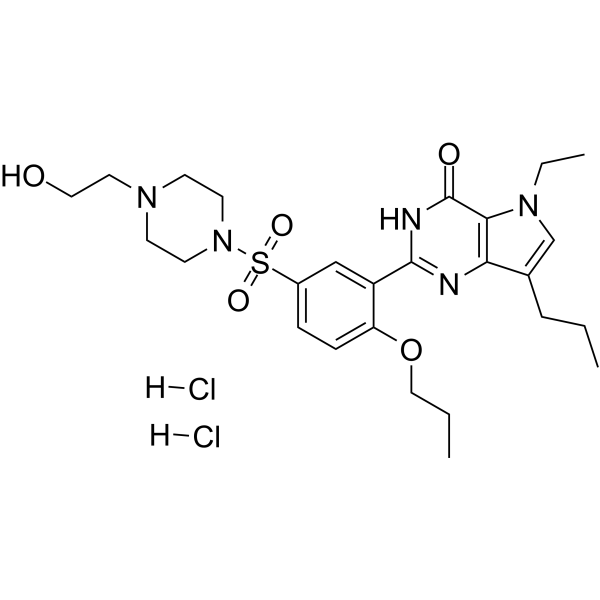
    Mirodenafil (SK3530) dihydrochloride is an orally active, potent, reversible, and selective phosphodiesterase 5 (PDE5) inhibitor. Mirodenafil dihydrochloride is a glucocorticoid receptor (GR) modulator Mirodenafil dihydrochloride activates the Wnt/β-catenin signaling pathway by downregulating Dkk1 expression. Mirodenafil dihydrochloride can be used for the research of erectile dysfunction (ED), Alzheimer’s disease (AD) and systemic sclerosis (SSc) .
    Mirodenafil dihydrochloride
  • HY-P991267

    Interleukin Related Inflammation/Immunology
    CAN10 is is a humanized monoclonal antibody inhibitor targeting interleukin 1RAP (IL1RAP). CAN10 blocks IL-1, IL-33, and IL-36 signalling by targeting IL1RAP, preventing downstream proinflammatory and profibrotic responses. CAN10 reduces dermal and pulmonary fibrosis. CAN10 can be used for the research of immune system diseases, such as systemic sclerosis .
    CAN10
  • HY-175739

    Mitochondrial Metabolism CXCR Neurological Disease Metabolic Disease Inflammation/Immunology
    TFAM activator 1 is a TFAM activator. TFAM activator 1 increases TFAM protein levels, promotes mitochondrial DNA stability, increases mitochondrial DNA copy number, and prevents mitochondrial DNA from escaping into the cytoplasm. TFAM activator 1 improves cellular energy metabolism in cybrid cells. TFAM activator 1 reduces fibrosis markers in fibroblasts. TFAM activator 1 can be used in the research of mitochondrial encephalomyopathy, lactic acidosis, and stroke-like episodes syndrome, systemic sclerosis, and autoimmune diseases .
    TFAM activator 1
  • HY-18620
    DZ2002
    1 Publications Verification

    STAT PI3K NF-κB MEK ERK Bacterial Antibiotic Akt Inflammation/Immunology
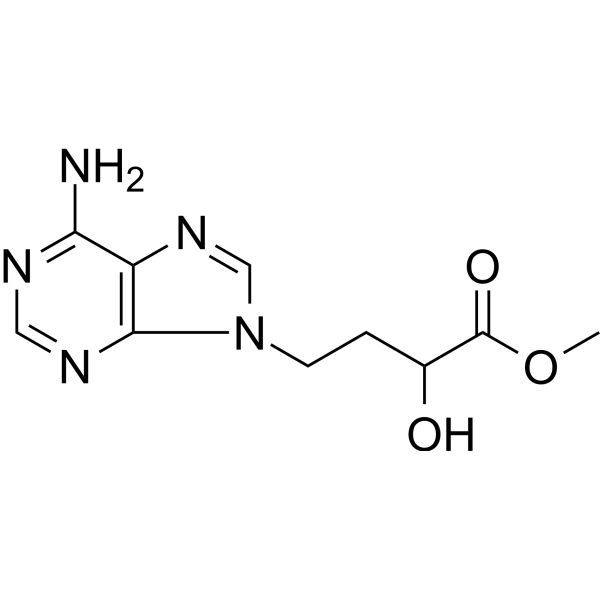
    DZ2002 is an orally active, reversible and low-cytotoxic type III SAHH inhibitor (Ki=17.9 nM), with good immunosuppressive activity. DZ2002 prevents the development of experimental dermal fibrosis by reversing the profibrotic phenotype of various cell types. DZ2002 can be used in studies of autoimmune diseases such as lupus syndrome and systemic sclerosis .
    DZ2002
  • HY-P99325

    IDEC-131; Anti-Human CD40 ligand Recombinant Antibody

    TNF Receptor Inflammation/Immunology
    Toralizumab (IDEC-131) is a humanized monoclonal antibody (mAb) against CD40L (CD154) comprised of human gamma 1 heavy chains and human kappa light chains. Toralizumab binds specifically to human CD40L on T cells, thereby preventing CD40 signaling. Toralizumab is an immunosuppressive agent. Toralizumab can lead to increased thrombosis. Toralizumab can be studied in research for diseases such as multiple sclerosis, systemic lupus erythematosus (SLE), and Crohn’s disease .
    Toralizumab
  • HY-135304

    Protein Arginine Deiminase Inflammation/Immunology Cancer
    PAD-IN-2 is a potent pad4 inhibitor (IC50: <1 μM). PAD-IN-2 can be used in the research of auto-immune diseases and cancers, such as rheumatoid arthritis, vasculitis, systemic lupus erythematosis, cutaneous lupus erythematosis, ulcerative colitis, cystic fibrosis, asthma, multiple sclerosis and psoriasis .
    PAD-IN-2
  • HY-P99883

    SAR156597

    Interleukin Related Neurological Disease Inflammation/Immunology
    Romilkimab (SAR156597) is a humanized IG antibody that specifically targets IL-4 and IL-13. Romilkimab can be used for the research of diffuse cutaneous systemic sclerosis .
    Romilkimab
  • HY-P2940

    NAMPT Inflammation/Immunology
    NADase is an ectoenzyme/membrane-bound enzyme targeting nicotinamide adenine dinucleotide (NAD +). NADase regulates intracellular NAD + homeostasis by hydrolyzing NAD + into nicotinamide mononucleotide (NMN) and ADP-ribose. NADase is promising for research of autoimmune diseases (e.g., systemic sclerosis, systemic lupus erythematosus) and aging-related disorders .
    NADase
  • HY-P991051

    Interleukin Related Inflammation/Immunology
    GSK-2330811 is a humanized IgG1 antibody that targets Oncostatin M (OSM). GSK-2330811 has the potential for the study of diffuse cutaneous systemic sclerosis (dcSSc). The isotype control for GSK-2330811 can refer to Human IgG1 kappa, Isotype Control (HY-P99001) .
    GSK-2330811
  • HY-14930R

    SK3530 (Standard)

    Phosphodiesterase (PDE) Glucocorticoid Receptor Wnt β-catenin Apoptosis Reference Standards Neurological Disease Inflammation/Immunology Endocrinology
    Mirodenafil (Standard) is the analytical standard of Mirodenafil. This product is intended for research and analytical applications. Mirodenafil (SK3530) is an orally active, potent, reversible, and selective phosphodiesterase 5 (PDE5) inhibitor. Mirodenafil is a glucocorticoid receptor (GR) modulator Mirodenafil activates the Wnt/β-catenin signaling pathway by downregulating Dkk1 expression. Mirodenafil can be used for the research of erectile dysfunction (ED), Alzheimer’s disease (AD) and systemic sclerosis (SSc) .
    Mirodenafil (Standard)
  • HY-B1028R

    D-Pantethine (Standard); LBF disulfide (Standard)

    Reference Standards Endogenous Metabolite SARS-CoV Cardiovascular Disease Neurological Disease Inflammation/Immunology Endocrinology Cancer
    Pantethine (Standard) is the analytical standard of Pantethine. This product is intended for research and analytical applications. Pantethine is an orally active lipid-lowering agent. Pantethine has anti-tumor, anti-inflammatory and anti-SARS-COV virus activities. Pantethine is also a neuroprotective agent. Pantethine can be used in the study of Alzheimer's disease, Parkinson's disease, major depression, systemic sclerosis and pantothenate kinase-related neurodegeneration .
    Pantethine (Standard)
  • HY-P991351

    PD-1/PD-L1 Inflammation/Immunology
    RTX-002 is a human monoclonal antibody (mAb) targeting PDCD1/PD-1/CD279. RTX-002 can be used to study autoimmune diseases such as systemic lupus erythematosus and multiple sclerosis .
    RTX-002
  • HY-18620R

    STAT PI3K NF-κB MEK ERK Bacterial Antibiotic Akt Inflammation/Immunology
    DZ2002 (Standard) is the analytical standard of DZ2002. This product is intended for research and analytical applications. DZ2002 is an orally active, reversible and low-cytotoxic type III SAHH inhibitor (Ki=17.9 nM), with good immunosuppressive activity. DZ2002 prevents the development of experimental dermal fibrosis by reversing the profibrotic phenotype of various cell types. DZ2002 can be used in studies of autoimmune diseases such as lupus syndrome and systemic sclerosis .
    DZ2002 (Standard)
  • HY-151281

    TGF-β Receptor Cancer
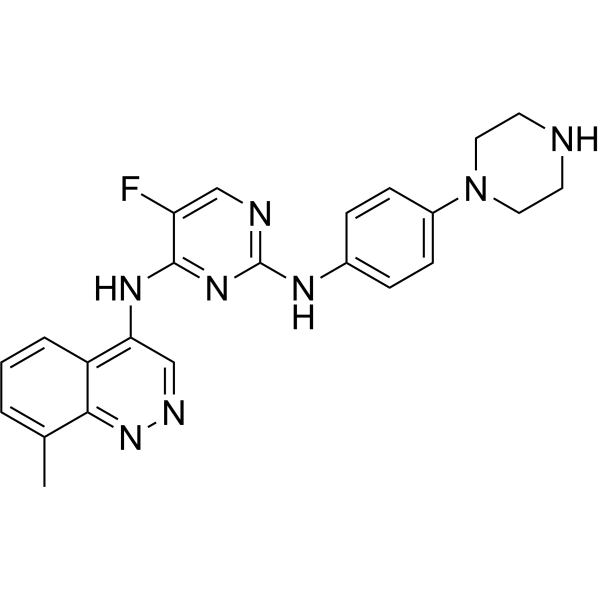
    ALK5-IN-31 (compound Ex-08) is a selective ALK-5 inhibitor (IC50≤10 nM), inhibits TGF-β-induced SMAD signaling. ALK5-IN-31 has the potential to inhibit growth of tumour in vivo. ALK5-IN-31 can be used in study of proliferative diseases such as cancer, fibrotic diseases, and systemic sclerosis .
    ALK5-IN-31
  • HY-151282

    TGF-β Receptor TGF-beta/Smad Cancer
    ALK5-IN-32 (compound EX-09) is a selective ALK-5 inhibitor (10 nM<IC50<100 nM), inhibits TGF-β-induced SMAD signaling. ALK5-IN-32 has the potential to inhibit growth of tumour in vivo. ALK5-IN-32 can be used in study of proliferative diseases such as cancer, fibrotic diseases, and systemic sclerosis .
    ALK5-IN-32
  • HY-14930AR

    SK-3530 dihydrochloride (Standard)

    Phosphodiesterase (PDE) Glucocorticoid Receptor Wnt β-catenin Apoptosis Reference Standards Neurological Disease Inflammation/Immunology Endocrinology
    Mirodenafil (dihydrochloride) (Standard) is the analytical standard of Mirodenafil (dihydrochloride). This product is intended for research and analytical applications. Mirodenafil (SK3530) dihydrochloride is an orally active, potent, reversible, and selective phosphodiesterase 5 (PDE5) inhibitor. Mirodenafil dihydrochloride is a glucocorticoid receptor (GR) modulator Mirodenafil dihydrochloride activates the Wnt/β-catenin signaling pathway by downregulating Dkk1 expression. Mirodenafil dihydrochloride can be used for the research of erectile dysfunction (ED), Alzheimer’s disease (AD) and systemic sclerosis (SSc) .
    Mirodenafil dihydrochloride (Standard)
  • HY-142698

    Guanylate Cyclase Cardiovascular Disease
    SGC agonist 2 is a potent agonist of soluble guanylate cyclase (SGC). Soluble guanylate cyclase is a key signal transduction enzyme in the NO-sGC-cGMP signaling pathway. SGC agonist 2 has the potential for the research of cardiovascular disease (heart failure, pulmonary hypertension, angina, myocardial infarction) and fibrotic diseases (renal fibrosis, systemic sclerosis) (extracted from patent WO2021219088A1, compound 031) .
    SGC agonist 2
  • HY-B1028S

    D-Pantethine-15N2; LBF disulfide-15N2

    Isotope-Labeled Compounds Neurological Disease Metabolic Disease Inflammation/Immunology Endocrinology Cancer
    Pantethine- 15N2 is the 15N2 labeled Pantethine. Pantethine is an orally active lipid-lowering agent. Pantethine has anti-tumor, anti-inflammatory and anti-SARS-COV virus activities. Pantethine is also a neuroprotective agent. Pantethine can be used in the study of Alzheimer's disease, Parkinson's disease, major depression, systemic sclerosis and pantothenate kinase-related neurodegeneration .
    Pantethine-15N2
  • HY-P992453

    MTBT1466A; RG-6315

    TGF-β Receptor Neurological Disease Inflammation/Immunology
    RO-7303509 (MTBT1466A; RG-6315) is a human monoclonal antibody and TGFβ3 neutralizer. RO-7303509 targets the profibrotic mediator TGFβ3 to alleviate fibrosis. RO-7303509 can be administered via subcutaneous or intravenous routes and is used in research on systemic sclerosis . Recommended isotype control: Human IgG1 kappa, Isotype Control (HY-P99001).
    RO-7303509
  • HY-122833

    FGFR Neurological Disease Inflammation/Immunology Cancer
    FGFR3-IN-10 is a FGFR3 inhibitor with superior selectivity for FGFR3 over FGFR1.FGFR3-IN-10 can be used for the research of cancer, systemic sclerosis, fibrosis, pulmonary fibrosis, achondroplasia, thanatophoric dysplasia, severe achondroplasia with developmental delay and acanthosis nigricans (SADDAN), Muenke syndrome .
    FGFR3-IN-10
  • HY-100113A

    AT2 receptor agonist C21 hydrochloride

    Angiotensin Receptor p38 MAPK TGF-β Receptor TGF-beta/Smad MMP Cardiovascular Disease Neurological Disease Inflammation/Immunology
    Buloxibutid (AT2 receptor agonist C21) hydrochloride is an orally active, selective angiotensin II type 2 receptor (AT2R) agonist, with a Ki value of 0.4 nM for porcine AT2R. Buloxibutid hydrochloride exerts vasodilatory, anti-inflammatory, antifibrotic (promoting the expression of collagenase MMP-13) and tissue repair effects mainly by activating the NO/cGMP pathway, inhibiting the pro-proliferative MAPK signaling, and suppressing the pro-fibrotic TGF-β/Smad pathway and inflammatory NF-κB pathway. Buloxibutid hydrochloride can be used in research related to idiopathic pulmonary fibrosis, hypertension, systemic sclerosis and other conditions .
    Buloxibutid hydrochloride
  • HY-167201

    Collagen Others
    2ccPA is a Cyclic phosphatidic acid derivative. 2ccPA decreases ECM expression, increases the intracellular cAMP levels. 2ccPA decreases the protein expression levels of type I collagen, CCN2 and αSMA. 2ccPA has inhibitory effects on the progression of skin fibrosis by abrogating ECM production from activated skin fibroblasts .
    2ccPA
  • HY-100113R

    AT2 receptor agonist C21 (Standard)

    Angiotensin Receptor Reference Standards p38 MAPK TGF-beta/Smad TGF-β Receptor MMP Cardiovascular Disease Neurological Disease Inflammation/Immunology
    Buloxibutid (AT2 receptor agonist C21) (Standard) is the analytical standard of Buloxibutid (HY-100113). This product is intended for research and analytical applications. Buloxibutid is an orally active, selective angiotensin II type 2 receptor (AT2R) agonist, with a Ki value of 0.4 nM for porcine AT2R. Buloxibutid exerts effects such as vasodilation, anti-inflammation, anti-fibrosis (promoting the expression of collagenase MMP-13) and tissue repair mainly by activating the NO/cGMP pathway, inhibiting the pro-proliferative MAPK signaling, and suppressing the pro-fibrotic TGF-β/Smad pathway as well as the inflammatory NF-κB pathway. Buloxibutid can be used in research related to idiopathic pulmonary fibrosis, hypertension, and systemic sclerosis.
    Buloxibutid (Standard)

Inquiry Online

Your information is safe with us. * Required Fields.

Salutation


Country or Region *

Applicant Name *


Organization Name *

Department *


Email Address *


Product Name *

Cat. No.


Requested quantity *

Phone Number *


Remarks

Inquiry Online

Inquiry Information

Product Name:
Cat. No.:
Quantity:
MCE Japan Authorized Agent:

