



α-Hexylcinnamaldehyde

Based on 1 Customer Validation
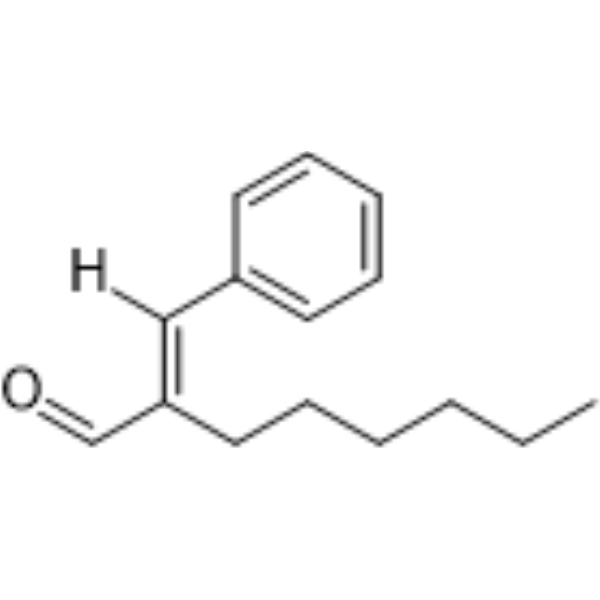
α-Hexylcinnamaldehyde is an O-acetyltransferase (OAT) inhibitor. α-Hexylcinnamaldehyde inhibits OAT-mediated bioactivation of nitroarene mutagens, exerts antimutagenic activity through demutagenic and bioantimutagenic mechanisms, and interferes with ATP-binding cassette (ABC) transporter function to reduce substrate efflux. α-Hexylcinnamaldehyde alters membrane permeability, fluidizes phospholipid membranes, exerts antioxidant effects, and enhances the antiproliferative effect of Doxorubicin on human cancer cells. α-Hexylcinnamaldehyde can be used in the research of colorectal adenocarcinoma, T-cell leukemia, and multidrug-resistant cancers.
For research use only. We do not sell to patients.
- Purity : 92.0%
- CAS No.: 101-86-0
- Formula: C15H20O
- Molecular Weight:216.32
-
Storage:
-20°C, sealed storage, away from moisture
* In solvent : -80°C, 6 months; -20°C, 1 month (sealed storage, away from moisture)

To place orders, for customer services and technical support, please contact: MedChemExpress USA
Tel: 609-228-6898 E-mail: [email protected] [email protected]


-
 Biological Activity
-
Chemical Information
-
Solvent & Solubility
- Protocols
- Purity & Documentation
- References
-
 Help & FAQs


-
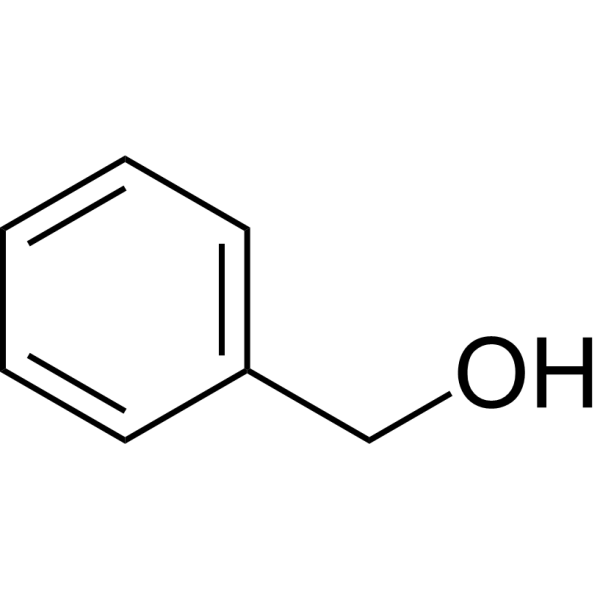
HY-B0892
Benzyl alcoholAromatic Alcohol -
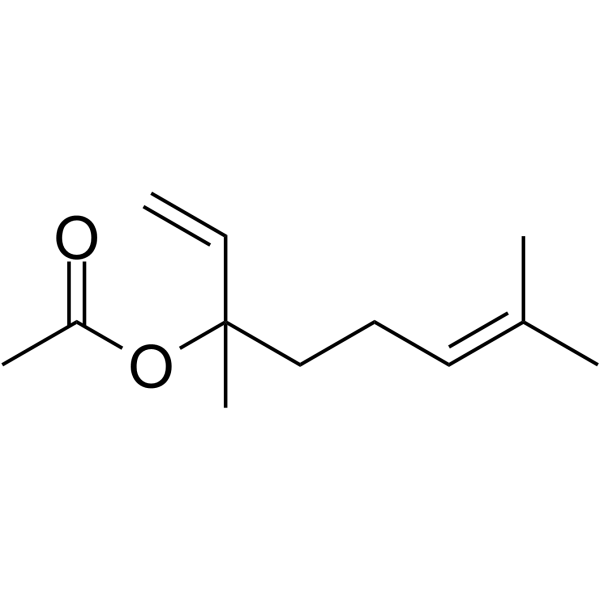
HY-N6948
Linalyl acetateAnti-inflammatory Agent -
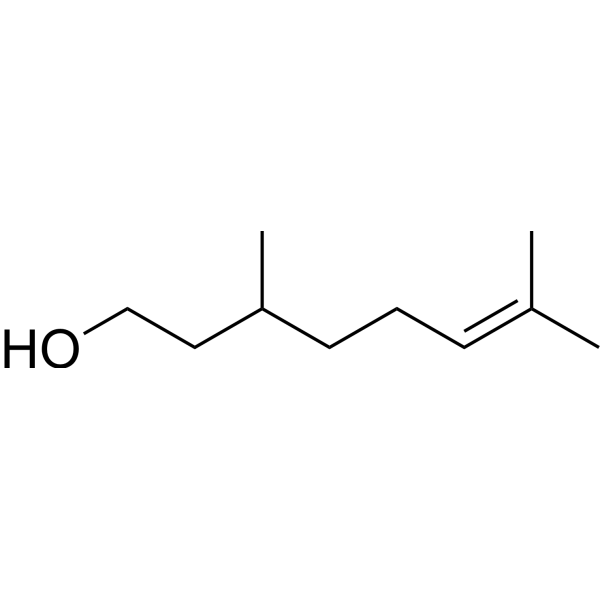
HY-W010201
CitronellolApoptosis Inducer -

HY-W014118R
α-Hexylcinnamaldehyde (Standard)Cinnamaldehyde Derivative -
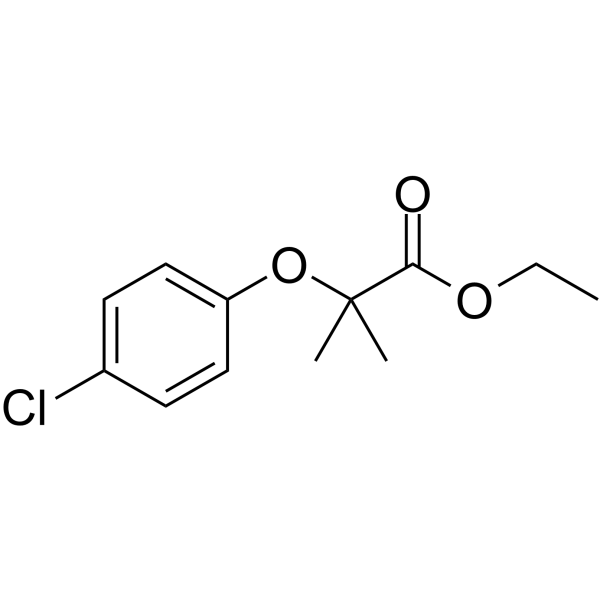
HY-B0287
ClofibratePPAR Agonist -
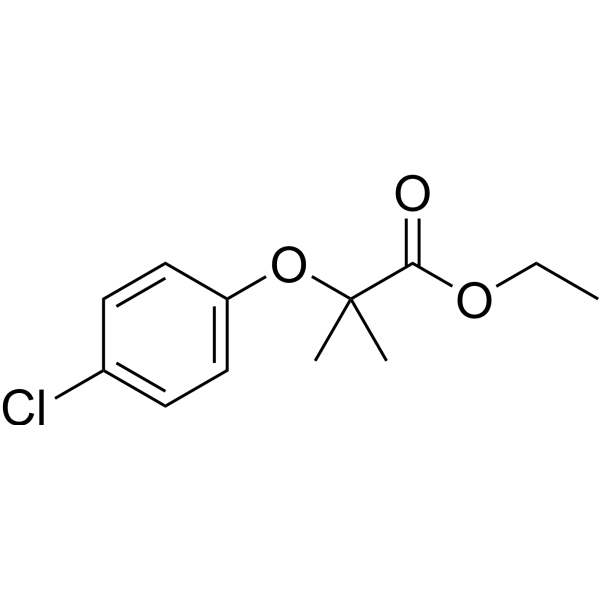
HY-B0287R
Clofibrate (Standard) -
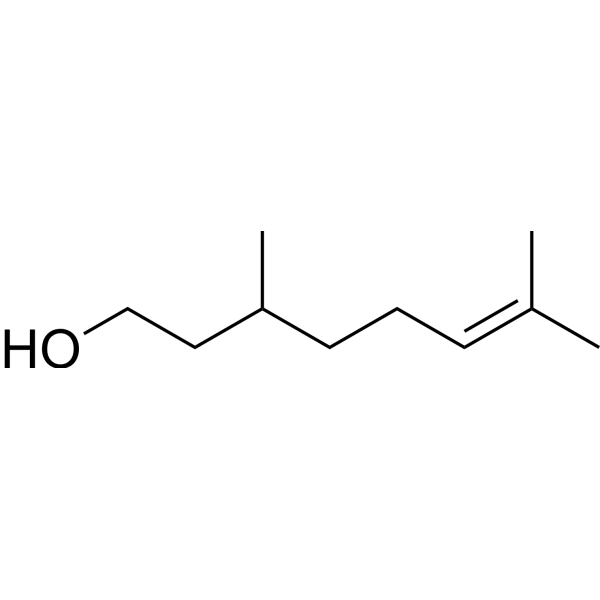
HY-W010201R
Citronellol (Standard)Apoptosis Inducer -
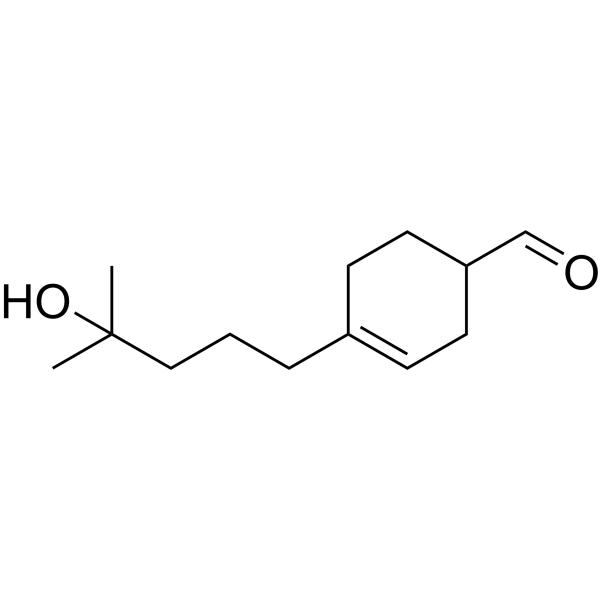
HY-W035214
Hydroxyisohexyl 3-cyclohexene carboxaldehydeHapten


Biological Activity
Description
In Vitro
α-Hexylcinnamaldehyde (Compound 1) (9-900 μM; 30 min treatment step, 72 h plate incubation) potently inhibits 2-nitrofluorene-induced mutagenicity in *Salmonella typhimurium* TA98; in the pre-treatment, co-treatment and post-treatment protocols, the maximum inhibition rates at the concentration of 900 μM reach 64.6%, 72.6% and 63.1%, respectively[1].
α-Hexylcinnamaldehyde (9-900 μM; 30 min treatment step, 72 h plate incubation) potently inhibits 1-nitropyrene-induced mutagenicity in *Salmonella typhimurium* TA98; under pre-treatment, co-treatment and post-treatment protocols, the maximum inhibition rates at the concentration of 900 μM reach 57.9%, 82.1% and 65.8%, respectively[1].
α-Hexylcinnamaldehyde (9-900 μM; 30 min treatment step, 72 h plate incubation) strongly inhibits 1,8-dinitropyrene-induced mutagenicity in *Salmonella typhimurium* TA98 under the co-treatment protocol, but only exhibits moderate inhibition under the pre-treatment and post-treatment protocols; at the concentration of 900 μM, the inhibition rates reach maximum values of 28.0%, >50% and 37.4% for the three protocols, respectively[1].
α-Hexylcinnamaldehyde (9-900 μM; 30 min treatment step, 72 h plate incubation) potently inhibits 2-aminoanthracene-induced mutagenicity in *Salmonella typhimurium* TA98 under the combined treatment protocol, with a maximum inhibition rate of up to 61.9% at 900 μM, whereas only weak inhibitory effects are observed under the pre-treatment and post-treatment protocols[1].
α-Hexylcinnamaldehyde (9-900 μM; 30 min treatment step, 72 h plate incubation) slightly inhibits the mutagenicity of 4-nitroquinoline-N-oxide-induced *Salmonella typhimurium* TA98, with a maximum inhibition rate of 20.6% at the concentration of 900 μM in the pre-treatment protocol[1].
α-Hexylcinnamaldehyde (9-900 μM; 30 min treatment step, 72 h plate incubation) moderately inhibits methyl methanesulfonate-induced mutagenicity in *Escherichia coli* WP2uvrA, reaching a maximum inhibition rate of approximately 33% at 90 μM[1].
α-Hexylcinnamaldehyde (9-900 μM; 30 min treatment step, 72 h plate incubation) strongly inhibits 1-nitropyrene-induced mutagenicity in the nitroreductase-deficient Salmonella typhimurium TA98NR strain under the co-treatment protocol, but only exerts weak to moderate inhibitory effects under the pre-treatment and post-treatment protocols; the maximum inhibition rate reaches approximately 86% at 90 μM under co-treatment, whereas the inhibition rates are 46.9% and 42.1% at 900 μM under pre-treatment and post-treatment, respectively[1].
α-Hexylcinnamaldehyde (HCA) exhibits low direct cytotoxicity against Caco-2, CCRF/CEM, and CEM/ADR5000 human cancer cells, with IC50 values of 325.2 μM, 205.7 μM, and 274.7 μM, respectively[2].
α-Hexylcinnamaldehyde (50-181 μM) acts as a synergistic chemosensitizer for Doxorubicin (HY-15142A) in human cancer cell lines Caco-2, CCRF/CEM and CEM/ADR5000. At its IC20 concentration, it reduces the IC50 value of Doxorubicin in CCRF/CEM cells by up to 50.9-fold[2].
α-Hexylcinnamaldehyde (20-320 μM) inhibits ABC transporter-mediated efflux of rhodamine 123 in Caco-2 and CEM/ADR5000 human cancer cells, but has no effect on efflux in CCRF/CEM cells[2].
α-Hexylcinnamaldehyde (5-500 μg/mL; 180 min at 37 °C) exhibits no pro-oxidant activity in either hydrophilic or lipophilic environments over the concentration range of 5 to 500 μg/mL[3].
α-Hexylcinnamaldehyde (5-500 μg/mL; 180 min at 37 °C) exhibits dose-dependent antioxidant activity against AAPH (HY-Y0525)-induced oxidation in a hydrophilic environment, achieving nearly complete inhibition at a concentration of 500 μg/mL, but shows no antioxidant activity in a lipophilic environment[3].
MedChemExpress (MCE) has not independently confirmed the accuracy of these methods. They are for reference only. Further protocols information, click here.


Chemical Information
-
CAS No. 101-86-0
-
Appearance Liquid (Density: 0.954±0.06 g/cm3)
-
Molecular Weight 216.32
-
Formula C15H20O
-
Color Colorless to light yellow
-
SMILES
O=C/C(CCCCCC)=C\C1=CC=CC=C1
-
Structure Classification
-
Initial Source
-
Shipping
Room temperature in continental US; may vary elsewhere.
-
Storage
-20°C, sealed storage, away from moisture
* In solvent : -80°C, 6 months; -20°C, 1 month (sealed storage, away from moisture)


Solvent & Solubility
In Vitro:
DMSO : 100 mg/mL (462.28 mM; Need ultrasonic; Hygroscopic DMSO has a significant impact on the solubility of product, please use newly opened DMSO)
Please refer to the solubility information to select the appropriate solvent. Once prepared, please aliquot and store the solution to prevent product inactivation from repeated freeze-thaw cycles.
Storage method and period of stock solution: -80°C, 6 months; -20°C, 1 month (sealed storage, away from moisture). When stored at -80°C, please use it within 6 months. When stored at -20°C, please use it within 1 month.
Please refer to the solubility information to select the appropriate solvent. Once prepared, please aliquot and store the solution to prevent product inactivation from repeated freeze-thaw cycles.
Storage method and period of stock solution: -80°C, 6 months; -20°C, 1 month (sealed storage, away from moisture). When stored at -80°C, please use it within 6 months. When stored at -20°C, please use it within 1 month.
Concentration (start) × Volume (start) = Concentration (final) × Volume (final)
In Vivo:
Select the appropriate dissolution method based on your experimental animal and administration route.
- For the following dissolution methods, please ensure to first prepare a clear stock solution using an In Vitro approach and then sequentially add co-solvents:
- To ensure reliable experimental results, the clarified stock solution can be appropriately stored based on storage conditions. As for the working solution for In Vivo experiments, it is recommended to prepare freshly and use it on the same day.
- The percentages shown for the solvents indicate their volumetric ratio in the final prepared solution. If precipitation or phase separation occurs during preparation, heat and/or sonication can be used to aid dissolution.
Add each solvent one by one: 10% DMSO 40% PEG300 5% Tween-80 45% Saline
Solubility: ≥ 2.5 mg/mL (11.56 mM); Clear solution
This protocol yields a clear solution of ≥ 2.5 mg/mL (saturation unknown).
Taking 1 mL working solution as an example, add 100 μL DMSO stock solution (25.0 mg/mL) to 400 μL PEG300, and mix evenly; then add 50 μL Tween-80 and mix evenly; then add 450 μL Saline to adjust the volume to 1 mL.
Preparation of Saline: Dissolve 0.9 g sodium chloride in ddH₂O and dilute to 100 mL to obtain a clear Saline solution.
Add each solvent one by one: 10% DMSO 90% (20% SBE-β-CD in Saline)
Solubility: ≥ 2.5 mg/mL (11.56 mM); Clear solution
This protocol yields a clear solution of ≥ 2.5 mg/mL (saturation unknown).
Taking 1 mL working solution as an example, add 100 μL DMSO stock solution (25.0 mg/mL) to 900 μL 20% SBE-β-CD in Saline, and mix evenly.
Preparation of 20% SBE-β-CD in Saline (4°C, storage for one week): 2 g SBE-β-CD powder is dissolved in 10 mL Saline, completely dissolve until clear.
In Vivo Dissolution Calculator
Please enter the basic information of animal experiments:
-
-
-
-
Recommended: Prepare an additional quantity of animals to account for potential losses during experiments.
Please enter your animal formula composition:
-
%DMSO +
Recommended: Keep the proportion of DMSO in working solution below 2% if your animal is weak.
-
%+
-
+%Tween-80 + +
-
%Saline +
The co-solvents required include: DMSO, . All of co-solvents are available by MedChemExpress (MCE). , Tween 80. All of co-solvents are available by MedChemExpress (MCE).
Working solution concentration: 0.22 mg/mL
Method for preparing stock solution: mg drug dissolved in μL DMSO. Stock solution concentration: mg/mL. * In solvent : -80°C, 6 months; -20°C, 1 month (sealed storage, away from moisture)
1. Take μL DMSO stock solution;
2. Add μL .
μL , mix evenly;
3. Then add μL Tween 80, mix evenly;
4. Then add μL
Please ensure that the stock solution in the first step is dissolved to a clear state, and add co-solvents in sequence. You can use ultrasonic heating (ultrasonic cleaner, recommended frequency 20-40 kHz), vortexing, etc. to assist dissolution.

Protocols
-
Transepithelial/transendothelial electrical resistance assay
TEER measures electrical resistance across epithelial or endothelial monolayers cultured on permeable supports, and the readout reflects ionic conductance through the cell barrier, especially the paracellular pathway regulated by junctional integrity. TEER can be measured without destroying the monolayer and is commonly used before or during transport, permeability, barrier-disruption, and barrier-maturation experiments. TEER values are influenced by biological maturation and technical conditions; reported factors include temperature, medium formulation, passage number, electrode geometry, membrane properties, and junctional length during early monolayer maturation. Therefore, TEER should be interpreted with blank-insert subtraction, area normalization, repeated readings, and, when possible, orthogonal barrier readouts such as FITC-dextran flux or tight-junction staining.
-
Cell Viability Determination by MTT Colorimetric Assay
The following protocol uses the MTT colorimetric assay as a classic literature-established method for assessing cell viability/metabolic activity in cultured mammalian cells. MTT[3-(4,5-dimethylthiazol-2-yl)-2,5-diphenyltetrazolium bromide] is reduced by metabolically active cells to a colored formazan product; the amount of formazan is quantified spectrophotometrically and provides an indirect measure of metabolically active viable cells. Importantly, MTT reduction reflects cellular oxidoreductase/metabolic activity rather than an absolute direct count of living cells, so changes in cellular metabolism can alter the signal independently of cell number.


Purity & Documentation
-
Data Sheet (274 KB)
-
SDS (597 KB)
- English - EN (597 KB)
- Français - FR (597 KB)
- Deutsch - DE (597 KB)
- Norwegian - NO (597 KB)
- Español - ES (597 KB)
- Swedish - SV (597 KB)
- Italian - IT (597 KB)
- Korean - KR (597 KB)
- Portuguese - PT (597 KB)
-
Handling Instructions (2659 KB)
References
[1]. Di Giacomo S, et al. α-Hexylcinnamaldehyde inhibits the genotoxicity of environmental pollutants in the bacterial reverse mutation assay. J Nat Prod. 2014;77(12):2664-2670. [Content Brief]
[2]. DI Giacomo S, et al. α-Hexylcinnamaldehyde Synergistically Increases Doxorubicin Cytotoxicity Towards Human Cancer Cell Lines. Anticancer Res. 2016;36(7):3347-3351. [Content Brief]
[3]. Sarpietro MG, et al. Interaction of α-Hexylcinnamaldehyde with a Biomembrane Model: A Possible MDR Reversal Mechanism. J Nat Prod. 2015;78(5):1154-1159. [Content Brief]


Complete Stock Solution Preparation Table
Please refer to the solubility information to select the appropriate solvent. Once prepared, please aliquot and store the solution to prevent product inactivation from repeated freeze-thaw cycles.
Storage method and period of stock solution: -80°C, 6 months; -20°C, 1 month (sealed storage, away from moisture). When stored at -80°C, please use it within 6 months. When stored at -20°C, please use it within 1 month.
| Optional Solvent | Concentration Solvent Mass | 1 mg | 5 mg | 10 mg | 25 mg |
|---|---|---|---|---|---|
| DMSO | 1 mM | 4.6228 mL | 23.1139 mL | 46.2278 mL | 115.5695 mL |
| 5 mM | 0.9246 mL | 4.6228 mL | 9.2456 mL | 23.1139 mL | |
| 10 mM | 0.4623 mL | 2.3114 mL | 4.6228 mL | 11.5570 mL | |
| 15 mM | 0.3082 mL | 1.5409 mL | 3.0819 mL | 7.7046 mL | |
| 20 mM | 0.2311 mL | 1.1557 mL | 2.3114 mL | 5.7785 mL | |
| 25 mM | 0.1849 mL | 0.9246 mL | 1.8491 mL | 4.6228 mL | |
| 30 mM | 0.1541 mL | 0.7705 mL | 1.5409 mL | 3.8523 mL | |
| 40 mM | 0.1156 mL | 0.5778 mL | 1.1557 mL | 2.8892 mL | |
| 50 mM | 0.0925 mL | 0.4623 mL | 0.9246 mL | 2.3114 mL | |
| 60 mM | 0.0770 mL | 0.3852 mL | 0.7705 mL | 1.9262 mL | |
| 80 mM | 0.0578 mL | 0.2889 mL | 0.5778 mL | 1.4446 mL | |
| 100 mM | 0.0462 mL | 0.2311 mL | 0.4623 mL | 1.1557 mL |


α-Hexylcinnamaldehyde Related Classifications
HY-W014118 Related Classifications
 Powered by Bioz