



Others
-
Others Related Products (76257)
Related Products (76257)


-
Rhod-2 AM (solution)
 0 ImagesCat. No.: HY-DY1020CAS No.: 145037-81-6
Rhod-2 (solution) is a high-affinity visible light excitation wavelength Ca2+ fluorescent probe, Rhod-2, AM is an acetyl methyl ester derivative of Rhod-2, which has cell membrane permeability and can easily enter cells with simple culture. Once it enters the cell, it is sheared by its lactesterase to produce Rhod-2 without membrane permeability, which remains in the cell to perform the corresponding physiological functions. Maximum excitation/emission wavelength: 549/578 nm.
Solvent and concentration: DMSO: 1 mM
-
BSA Protein (Biotinylated)
 0 Images
BSA Protein (Biotinylated) (Bovine Serum Albumin (Biotinylated)) is a biotinylated bovine serum albumin that selectively binds to different vascular subsets in lymphoid tissue. BSA Protein (Biotinylated) can be used as a histochemical probe, and a targeting ligand for drug delivery.
-
FITC-OVA (323-339) TFA
 0 ImagesCat. No.: HY-P0286F1APurity: 98.22%
FITC-OVA (323-339) TFA is a biological active peptide. (FITC labeled HY-P0286)

-
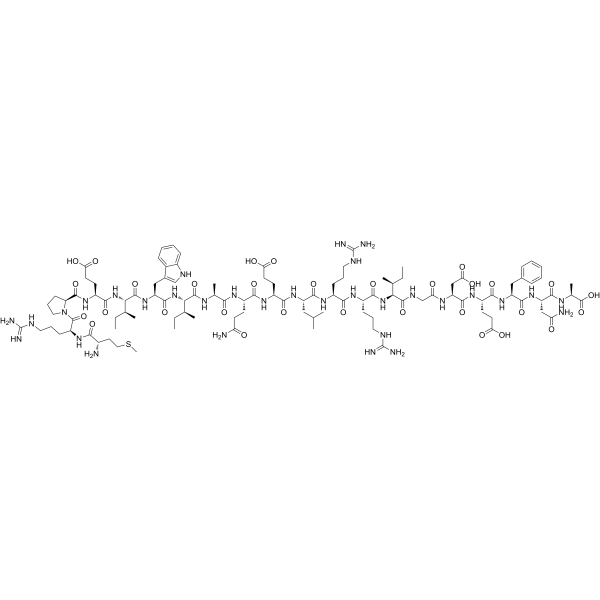
Bim BH3
 0 Images
Bim BH3 is a biological active peptide. (This Bim peptide belongs to the pro-apoptotic Bcl-2 family of proteins.)
-
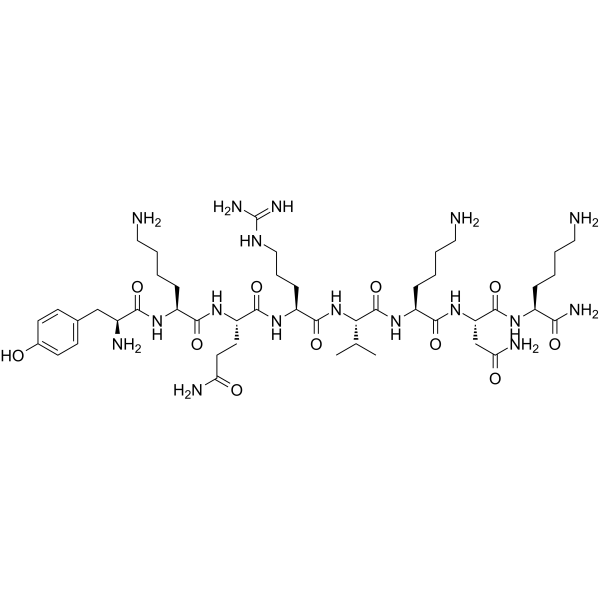
PACAP-38 (31-38), human, mouse, rat
 0 Images
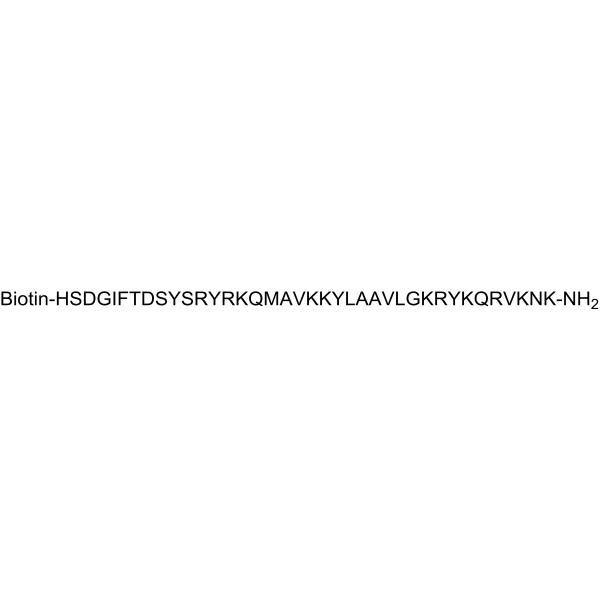
PACAP-38 (31-38), human, mouse, rat is a fragment containing the C-terminal 31-38 fragment of PACAP (1-38), human, ovine, rat (HY-P0221). PACAP-38 (31-38), human, mouse, rat does not bind to the PACAP receptor.
-
Nuclease S1, Aspergillus oryzae
 0 ImagesCat. No.: HY-P2773CAS No.: 37288-25-8
Nuclease S1, Aspergillus oryzae is a specific endonuclease that degrades single stranded DNA (ssDNA) and RNA. Nuclease S1 can also remove protruding single-strand ends from double-stranded DNA.
-
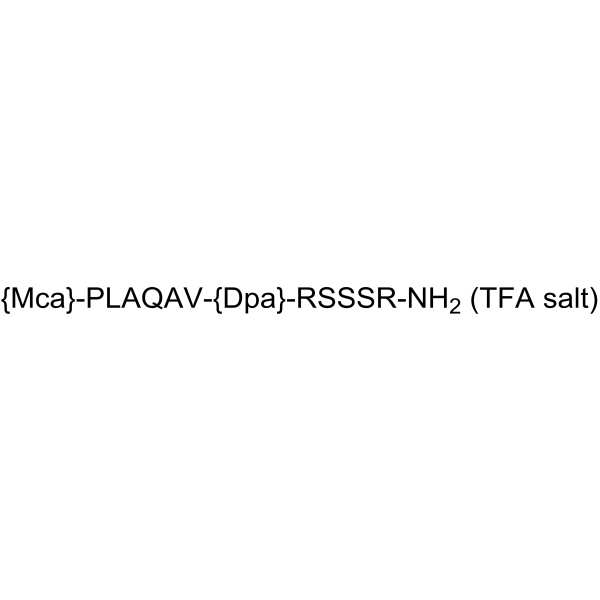
Mca-PLAQAV-Dpa-RSSSR-NH2 TFA
 0 ImagesCat. No.: HY-P3722APurity: 99.54%
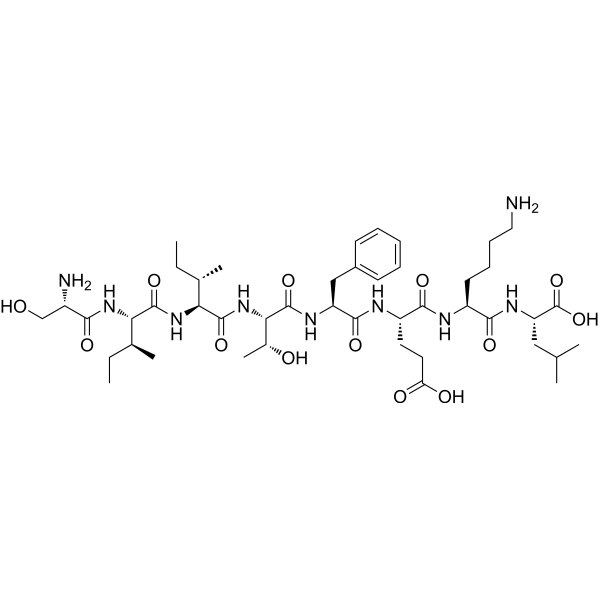
Mca-PLAQAV-Dpa-RSSSR-NH2 TFA is a fluorescent substrate peptide that can be used to detect ADAM9, ADAM10, and tumor necrosis factor-α converting enzyme (TACE/ADAM17). Mca-PLAQAV-Dpa-RSSSR-NH2 TFA is a fluorescence resonance energy transfer-based substrate, and its activity can be determined by changes in fluorescence intensity upon cleavage (Ex = 320 nm ; Em = 405 nm).
-
Squalene-d6
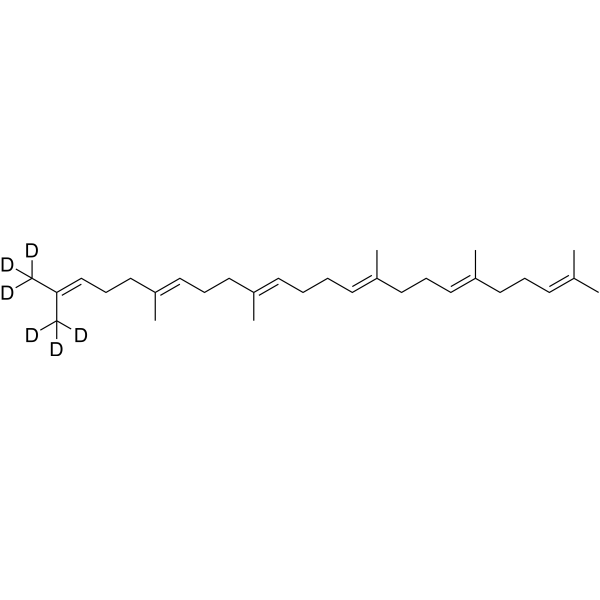 0 ImagesSynonyms: Super Squalene-d6; trans-Squalene-d6; AddaVax-d6
Squalene-d6 (Super Squalene-d6) is a deuterium labeled Squalene. Squalene (Super Squalene) is an intermediate product in the synthesis of cholesterol, and shows several pharmacological properties such as hypolipidemic, hepatoprotective, antiatherosclerotic, cardioprotective, antioxidant, and antitumour activity.
-
Ethyl oleate
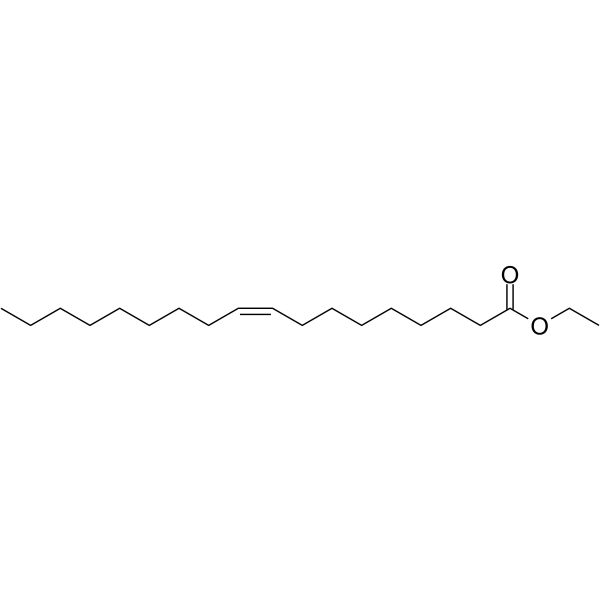 0 Images
Ethyl oleate is an orally active fatty acid ester formed from the condensation of oleic acid and ethanol. Ethyl oleate is the main fatty acid ethyl ester in the blood after alcohol ingestion. Ethyl oleate has no obvious toxicity to rats and its absorption, distribution and excretionare similar to triacylglycerol. Ethyl oleate can accelerate the drying process of certain foods and can also be used as a liquid lipid component in nanostructured lipid carriers.
-
4,4'-Dimethyl-2,2'-bipyridine
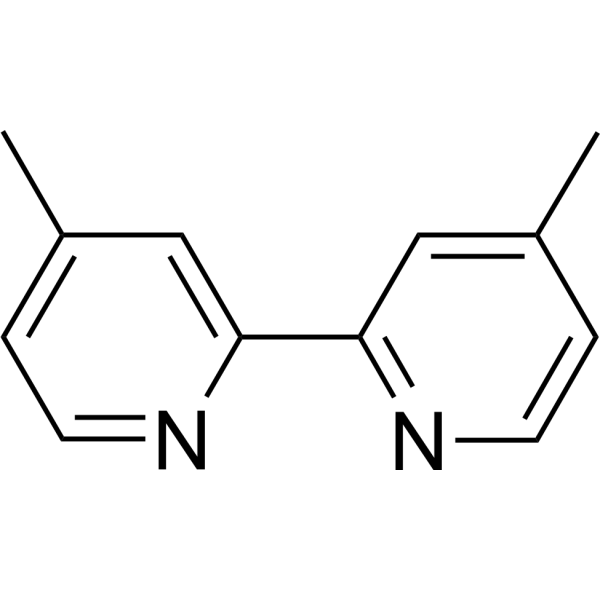 0 Images
4,4'-Dimethyl-2,2'-bipyridine is a biochemical reagent that can be used as a biological material or organic compound for life science related research.
-
2-Nitrobenzaldehyde
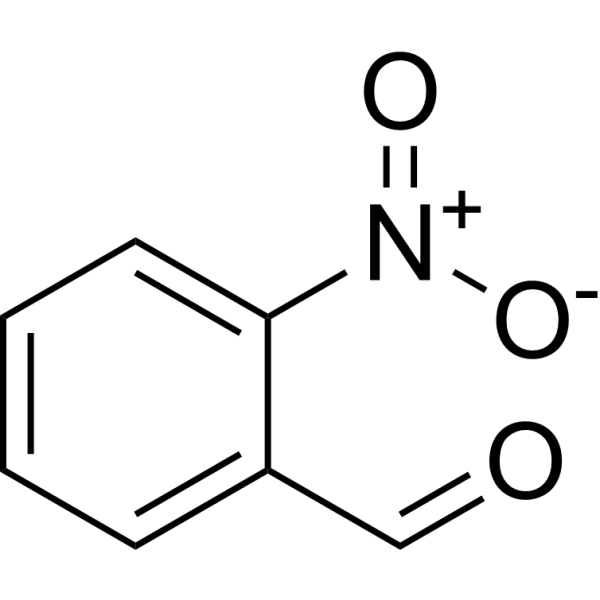 0 ImagesSynonyms: 2-Nitrobenzaldehyde
2-Nitrobenzaldehyde is a biochemical reagent that can be used as a biological material or organic compound for life science related research.
-
3-Oxopentanedioic acid
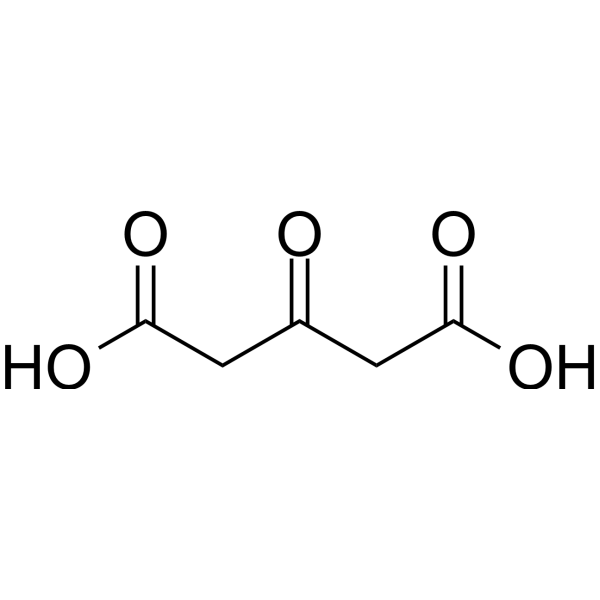 0 Images
3-Oxopentanedioic acid is a dicarboxylic acid that is easily brominated. 3-Oxopentanedioic acid can be used as an intermediate in organic chemical synthesis.
-
4-Penten-1-ol
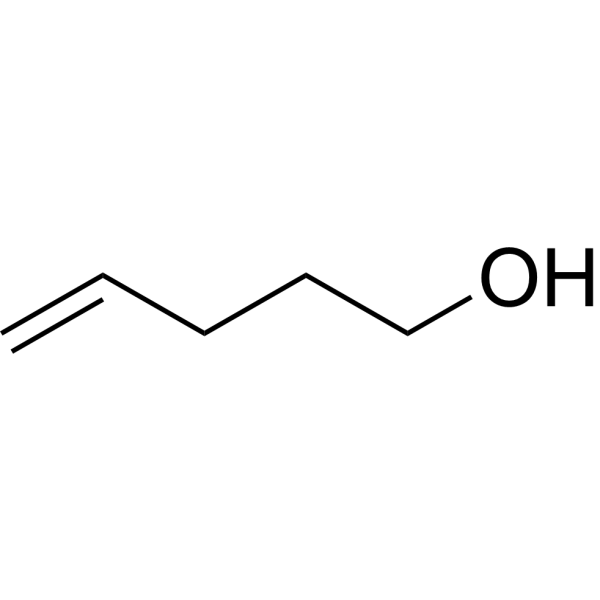 0 ImagesSynonyms: Pent-4-en-1-ol
4-Penten-1-ol is commonly used as a flavor ingredient in various products, including food, beverages, and perfumes, and can also be used as a starting material for the synthesis of various organic compounds, including pharmaceuticals and agrochemicals. In addition, 4-Penten -1-ol has been investigated for its potential use as a biobased solvent due to its low toxicity and biodegradability, and its antimicrobial properties against certain bacteria and fungi, which may make it useful for developing new Antibacterial agents.



