



Opioid Receptor Antagonist
-
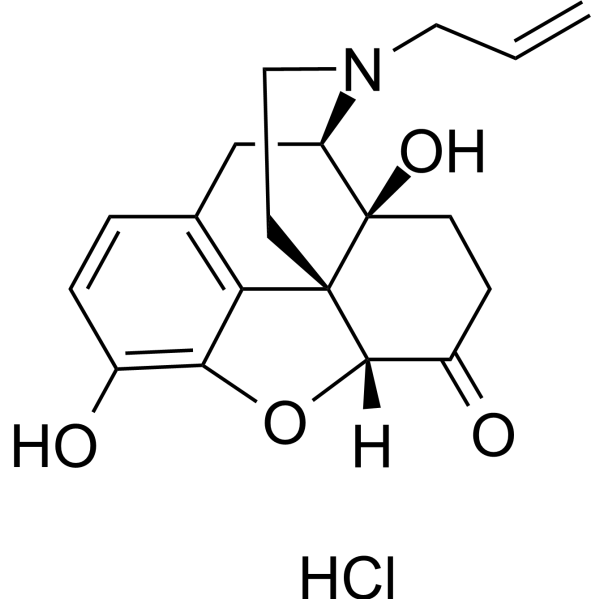
Naloxone hydrochloride
 0 Images
Naloxone hydrochloride is an orally active opioid receptor antagonist. Naloxone hydrochloride attenuates spinal cord stimulation‑associated anti‑hyperalgesic effects, antagonizes physiologic effects of endogenous opioid peptides linked to central nervous system injury sequelae, functions as a pressor agent to induce modest elevations in mean arterial blood pressure, exerts neuroprotective effects to improve post‑traumatic neurologic motor function, blocks opioid receptor‑mediated amnesic pathways, enhances memory consolidation, reverses Adrenocorticotropic hormone (ACTH) (HY-106373)- and epinephrine‑induced amnesia, and potentiates the memory‑facilitatory effects of ACTH and epinephrine.
-
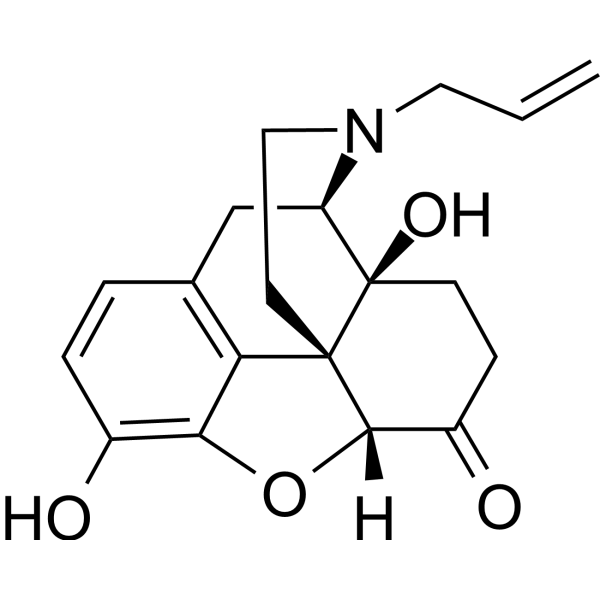
Naloxone
 0 Images
Naloxone hydrochloride is an orally active opioid receptor antagonist. Naloxone hydrochloride attenuates spinal cord stimulation‑associated anti‑hyperalgesic effects, antagonizes physiologic effects of endogenous opioid peptides linked to central nervous system injury sequelae, functions as a pressor agent to induce modest elevations in mean arterial blood pressure, exerts neuroprotective effects to improve post‑traumatic neurologic motor function, blocks opioid receptor‑mediated amnesic pathways, enhances memory consolidation, reverses Adrenocorticotropic hormone (ACTH) (HY-106373)‑ and epinephrine‑induced amnesia, and potentiates the memory‑facilitatory effects of ACTH and epinephrine.
-
Norbinaltorphimine dihydrochloride
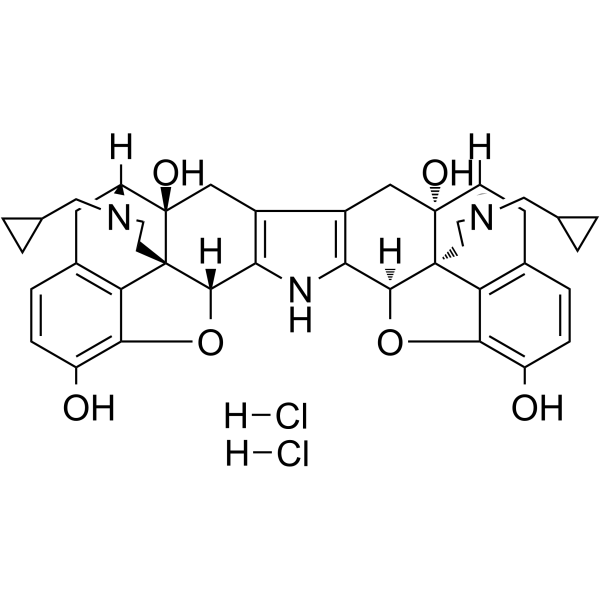 0 ImagesSynonyms: nor-Binaltorphimine dihydrochloride; nor-BNI dihydrochloride
Norbinaltorphimine dihydrochloride (nor-Binaltorphimine dihydrochloride; nor-BNI dihydrochloride) is a selective, long-acting competitive antagonist of the κ-opioid receptor. Norbinaltorphimine dihydrochloride blocks κ-opioid receptor-mediated analgesic effects, and inhibits butorphanol-induced changes in κ-opioid receptor binding kinetics, desensitization and down-regulation. Norbinaltorphimine dihydrochloride suppresses specific opioid withdrawal symptoms, precipitates withdrawal behaviors in butorphanol-dependent rats, and serves as a molecular probe for studying κ-opioid receptor-agonist interactions. Norbinaltorphimine dihydrochloride is applicable to research related to neurological disorders such as pain.
-
Naltrexone
 0 Images
Naltrexone is an orally active, long-acting opioid receptor (opioid receptor) antagonist. Naltrexone blocks the euphoric effects of exogenous opioids and reduces alcohol craving by blocking opioid receptors (μ, κ, and δ) as well as opioid growth factor receptors. Low doses of Naltrexone are used to relieve chronic pain, treat inflammatory diseases and inhibit tumor growth, while high doses or continuous administration exert pro-inflammatory or pro-proliferative effects. Naltrexone relieves intractable pruritus caused by psoriasis, atopic dermatitis and other conditions, and its combination with Bupropion (HY-B0403) inhibits food craving, thereby reducing body weight.
-
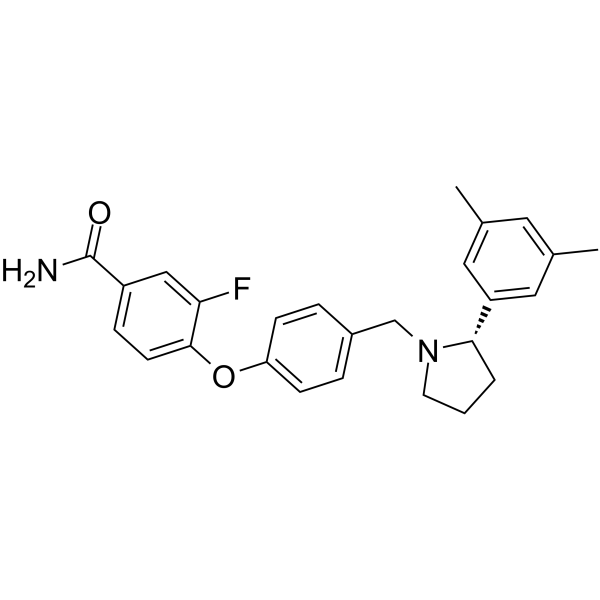
Aticaprant
 0 ImagesSynonyms: CERC-501; LY-2456302
Aticaprant (CERC-501) is a potent and centrally-penetrant kappa opioid receptor antagonist with a Ki of 0.807 nM.
-
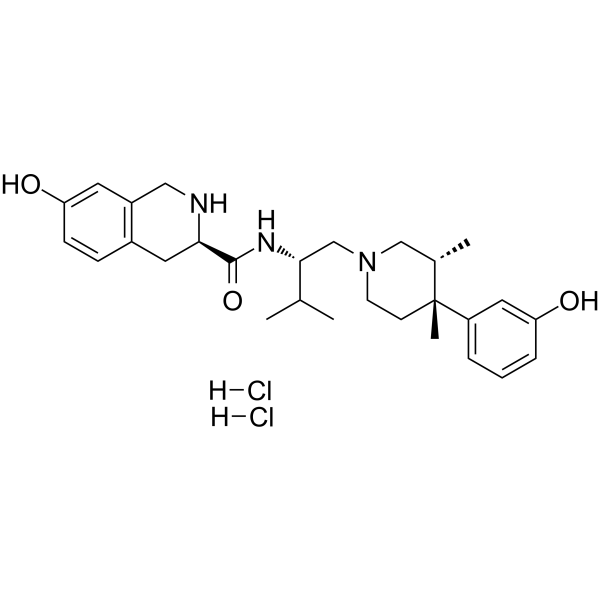
JDTic dihydrochloride
 0 Images
JDTic (dihydrochloride) is a potent antagonist of kappa-opioid receptors (KOR), blocking the κ-agonist U50, 488-induced antinociception.
-
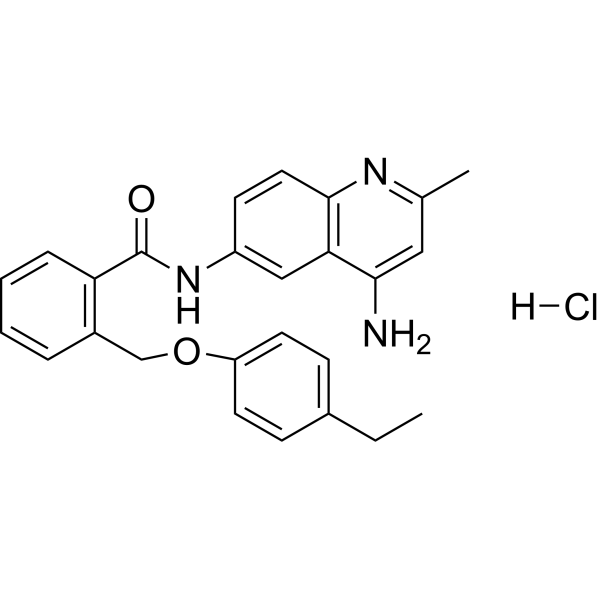
JTC-801
 0 Images
JTC-801 is a selective opioid receptor-like1 (ORL1) receptor antagonist, binding to ORL1 receptor with a Ki value of 8.2 nM.
-
Naltriben mesylate
 0 Images
Naltriben mesylate is a potent δ2-opioid receptor antagonist and a TRPM7 activator. Naltriben mesylate shows Ki values of 0.013 nM, 19 nM and 152 nM for δ, μ and κ receptors, respectively. Naltriben mesylate enhances glioblastoma cell migration and invasion. Naltriben mesylate can be used in research into neurological diseases and cancer.
-
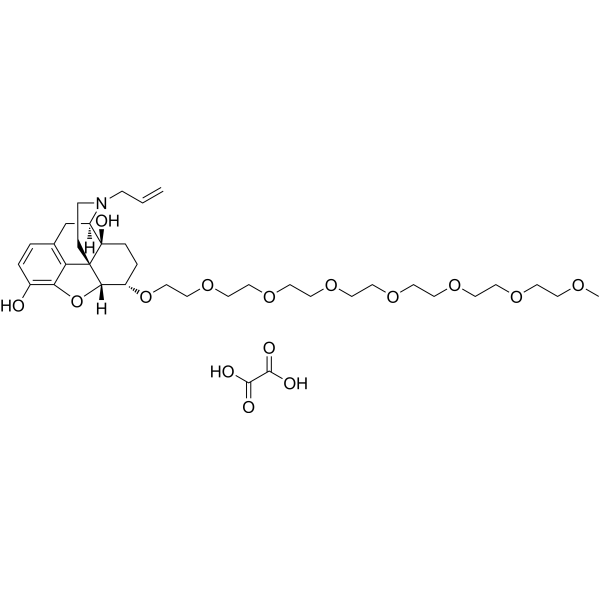
Naloxegol oxalate
 0 ImagesSynonyms: NKTR-118 oxalate; AZ-13337019 oxalate
Naloxegol oxalate (NKTR-118 oxalate; AZ-13337019 oxalate) is an orally active peripherally acting μ-opioid receptor antagonist with a target Ki of 7.42 nM. Naloxegol oxalate inhibits the binding of opioids to μ-opioid receptors in the gastrointestinal tract, and alleviates opioid-induced gastrointestinal hypomotility, delayed transit, hypertonicity, and increased fluid reabsorption. Naloxegol oxalate is applicable to research related to opioid-induced constipation.
-
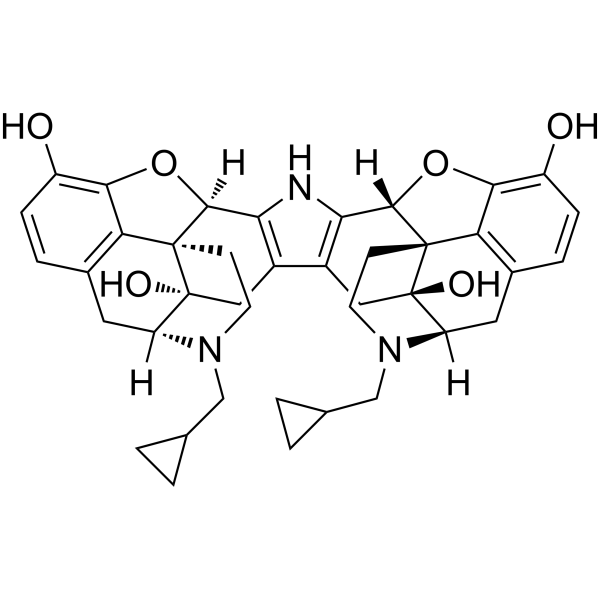
nor-Binaltorphimine
 0 ImagesSynonyms: Norbinaltorphimine; NorBNI
nor-Binaltorphimine (Norbinaltorphimine; NorBNI) is a selective, long-acting competitive antagonist of the κ-opioid receptor. nor-Binaltorphimine blocks κ-opioid receptor-mediated analgesic effects, and inhibits butorphanol-induced changes in κ-opioid receptor binding kinetics, desensitization and down-regulation. nor-Binaltorphimine suppresses specific opioid withdrawal symptoms, precipitates withdrawal behaviors in butorphanol-dependent rats, and serves as a molecular probe for studying κ-opioid receptor-agonist interactions. nor-Binaltorphimine is applicable to research related to neurological disorders such as pain.
-
Naldemedine tosylate
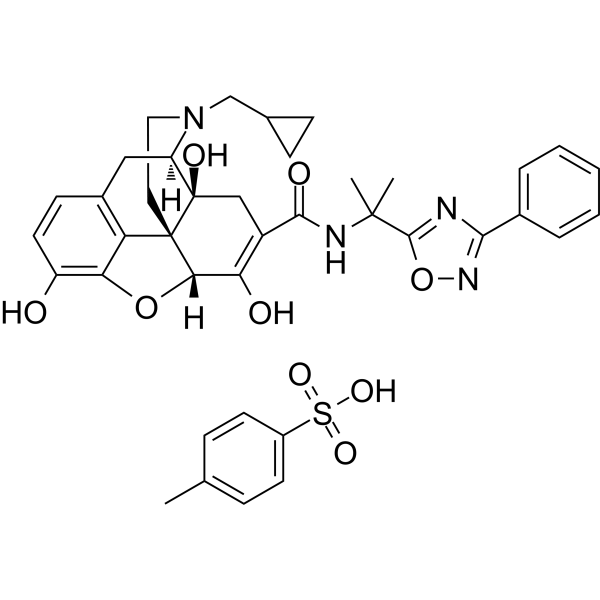 0 ImagesCat. No.: HY-19627ACAS No.: 1345728-04-2Synonyms: S-297995 tosylate
Naldemedine (S-297995) tosylate is an orally active μ-opioid receptor antagonist (PAMORA). Naldemedine tosylate shows potent binding affinities (Ki=0.34, 0.43, 0.94 nM, respectively) and antagonist activities (IC50=25.57, 7.09, 16.1 nM, respectively) for recombinant human μ-, δ-, and κ- opioid receptors. Naldemedine can be used in opioid-induced constipation (OIC) research. Naldemedine tosylate is predicted to bind to 3CLpro encoded by SARS-CoV2 genome.
-
CTAP TFA
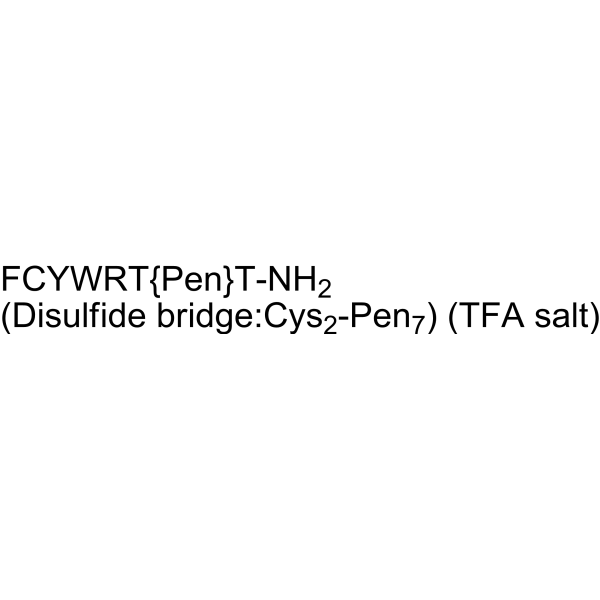 0 ImagesCat. No.: HY-P1335APurity: 99.91%
CTAP TFA is a potent, highly selective, and BBB penetrant μ opioid receptor antagonist, with an IC50 of 3.5 nM. CTAP TFA displays over 1200-fold selectivity over δ opioid (IC50=4500 nM) and somatostatin receptors. CTAP TFA can be used for the study of L-DOPA-induced dyskinesia (LID) and opiate overdose or addiction.
-
Alvimopan
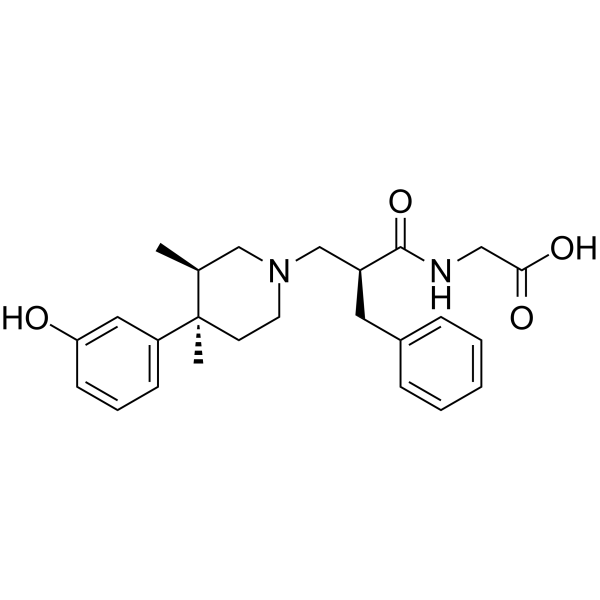 0 ImagesSynonyms: ADL 8-2698; LY 246736
Alvimopan (ADL 8-2698) is a potent, selective, orally active and reversible μ-opioid receptor antagonist, with an IC50 of 1.7 nM. Alvimopan has selectivity for μ-opioid receptor (Ki=0.47 nM) over κ- and δ-opioid receptors (Kis=100, 12 nM, respectively). Alvimopan can be used for the research of postoperative ileus.
-
Naloxone methiodide
 0 Images
Naloxone methiodide is a peripherally restricted, nonselective, and competitive opioid receptor antagonist. Naloxone methiodide does not penetrate the blood-brain barrier.
-
LY2940094
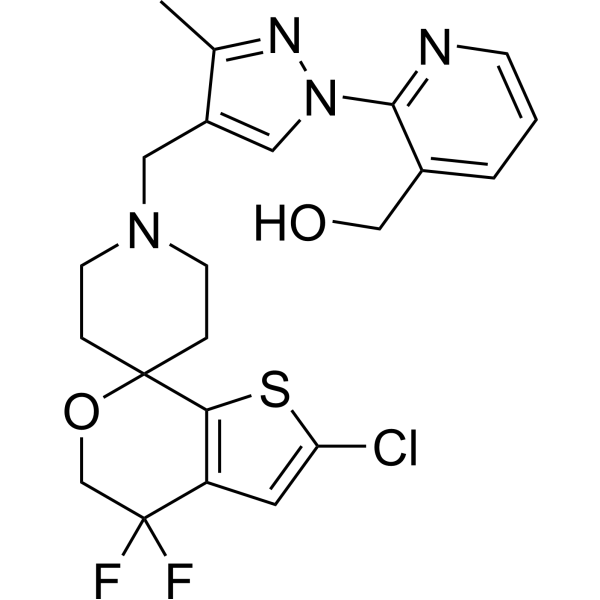 0 ImagesSynonyms: BTRX-246040
LY2940094 (BTRX-246040) is a potent, selective and orally available nociceptin receptor (NOP receptor) antagonist with high affinity (Ki=0.105 nM) and antagonist potency (Kb=0.166 nM). LY2940094 reduces ethanol self-administration in animal models.
-
β-Funaltrexamine hydrochloride
 0 ImagesSynonyms: β-FNA hydrochloride
β-Funaltrexamine (β-FNA) hydrochloride is a blood-brain barrier-permeable, selective and irreversible μ-opioid receptor antagonist with immunomodulatory, anti-inflammatory and neuroprotective activities. β-Funaltrexamine hydrochloride inhibits p38 MAPK and TLR4 signaling by blocking μ-opioid receptors, and reduces the transcriptional activities of NF-κB, AP-1, CREB and Stat. Furthermore, β-Funaltrexamine hydrochloride inhibits iNOS activation and pro-inflammatory microglial polarization, converting microglia to an anti-inflammatory phenotype, thereby downregulating neuroinflammation and ameliorating neuronal degeneration. β-Funaltrexamine hydrochloride is widely applicable to research related to stroke, cerebral ischemia/reperfusion injury and neurodegenerative diseases.
-
CTOP TFA
 0 ImagesCat. No.: HY-P1329APurity: 98.78%
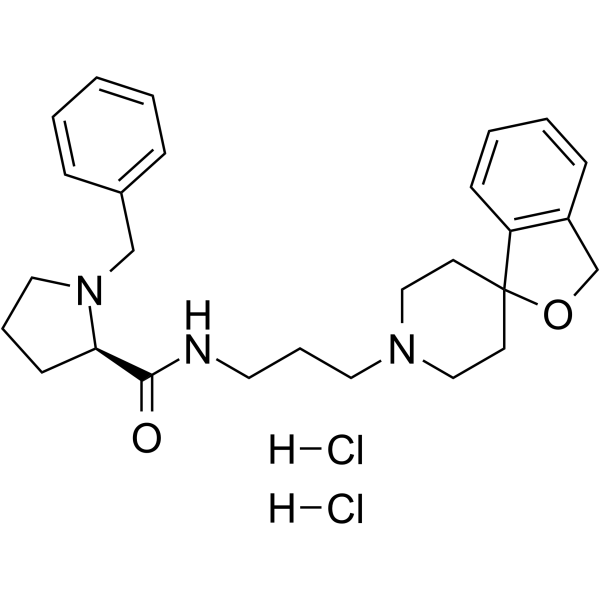
CTOP TFA is a potent and highly selective μ-opioid receptor antagonist. CTOP TFA antagonizes the acute analgesic effect and hypermotility. CTOP TFA enhances extracellular dopamine levels in the nucleus accumbens. CTOP TFA dose-dependently enhances locomotor activity.
-
CTAP
 0 Images
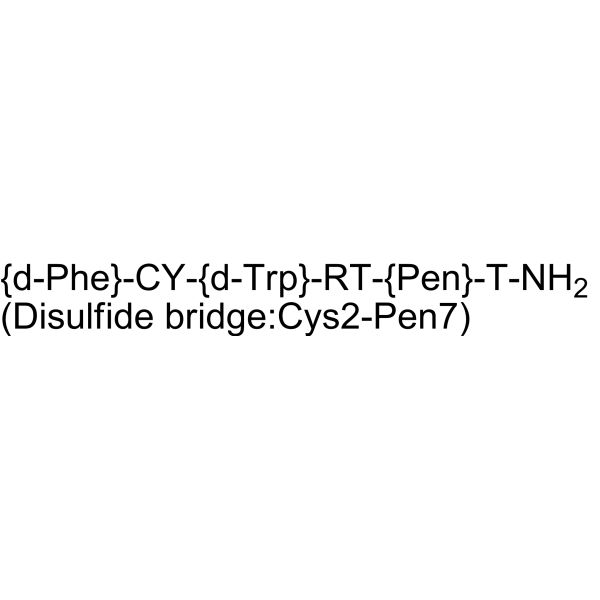
CTAP is a potent, highly selective, and BBB penetrant μ opioid receptor antagonist, with an IC50 of 3.5 nM. CTAP displays over 1200-fold selectivity over δ opioid (IC50=4500 nM) and somatostatin receptors. CTAP can be used for the study of L-DOPA-induced dyskinesia (LID) and opiate overdose or addiction.
-
(±)-J-113397
 0 Images
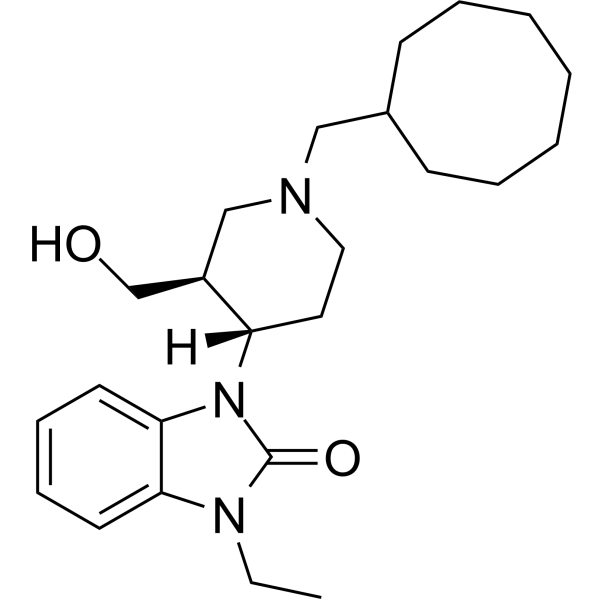
(±)-J-113397 is a potent and selective non-peptidyl ORL1 receptor antagonist with a Ki of 1.8 nM for cloned human ORL1. J-113397 inhibited nociceptin/orphanin FQ-stimulated GTPγS binding to CHO cells expressing ORL1 with an IC50 value of 5.3 nM. J-113397 can be used for researching the physiological roles of nociceptin/orphanin FQ.



