nAChR
Nicotinic acetylcholine receptors
nAChRs (nicotinic acetylcholine receptors) are neuron receptor proteins that signal for muscular contraction upon a chemical stimulus. They are cholinergic receptors that form ligand-gated ion channels in the plasma membranes of certain neurons and on the presynaptic and postsynaptic sides of theneuromuscular junction. Nicotinic acetylcholine receptors are the best-studied of the ionotropic receptors. Like the other type of acetylcholine receptor-the muscarinic acetylcholine receptor (mAChR)-the nAChR is triggered by the binding of the neurotransmitter acetylcholine (ACh). Just as muscarinic receptors are named such because they are also activated by muscarine, nicotinic receptors can be opened not only by acetylcholine but also by nicotine —hence the name "nicotinic".
All Product Categories
-
nAChR Related Products (474)
Related Products (474)

-
Antibodies (5)
-
(-)-Coclaurine hydrochloride
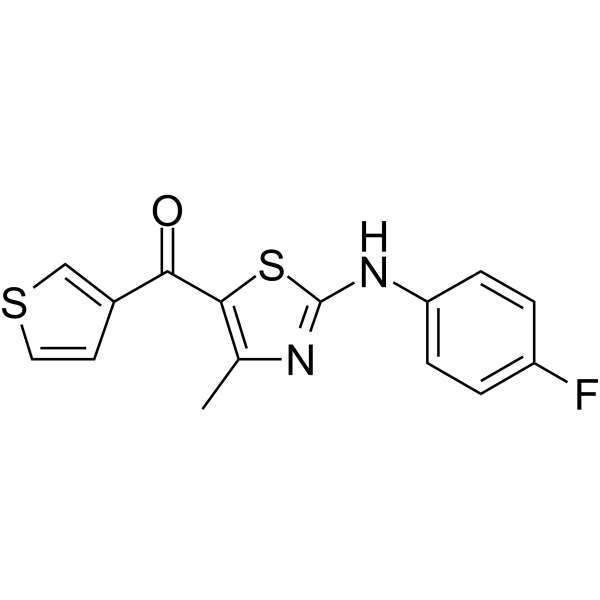
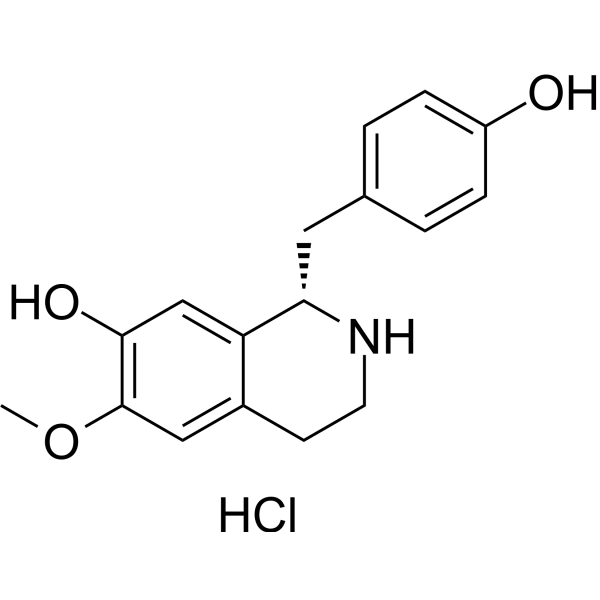 0 ImagesSynonyms: (-)-(S)-Coclaurine hydrochloride; L-Coclaurine hydrochloride(-)-Coclaurine hydrochloride (compound I) is a class of tetrahydroisoquinoline alkaloids that can be isolated from Sarcopetalum harveyanum. (-)-Coclaurine hydrochloride is a nicotinic acetylcholine receptor (nAChRs) antagonist.
-
DSPE-PEG5000-RVG29
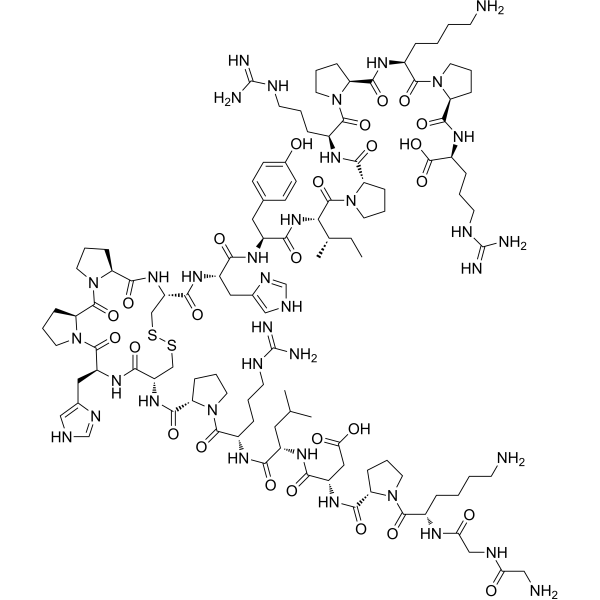
 0 ImagesCat. No.: HY-172706DSPE-PEG5000-RVG29 is a PEG compound which composed of DSPE and a Rabies virus glycoprotein 29 (RVG29). RVG29 can bind specifically to the nicotinic acetylcholine receptor (nAChR) at the blood-brain barrier (BBB) and cross over the BBB.
-
(±)-Epibatidine
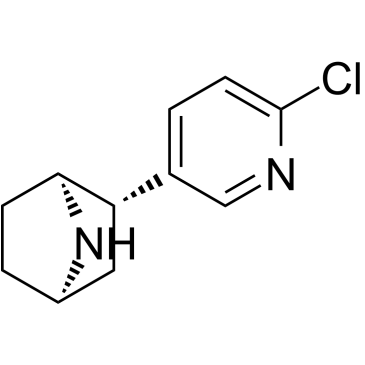 0 ImagesCat. No.: HY-101078CAS No.: 148152-66-3Synonyms: CMI 545(±)-Epibatidine is a nicotinic agonist. (±)-Epibatidine is a neuronal nAChR agonist.
-
3-Bromocytisine
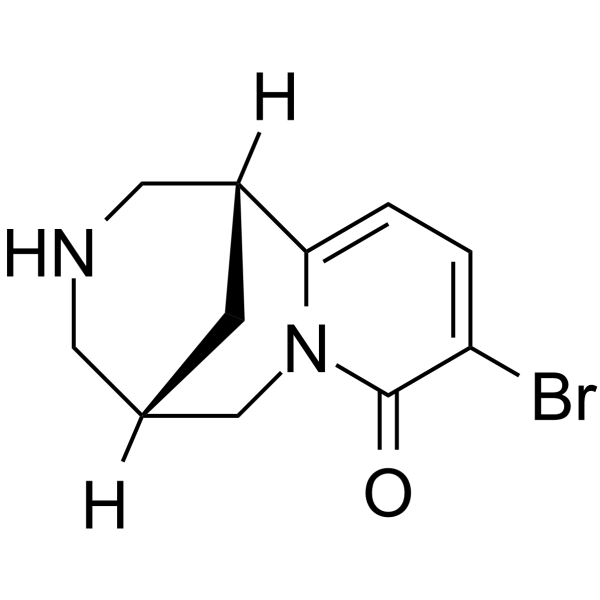 0 ImagesSynonyms: 3-Br-cytisine3-Bromocytisine (3-Br-cytisine) is a potent nACh receptors agonist, with IC50s are 0.28, 0.30 and 31.6 nM for hα4β4, hα4β2, and hα7-nACh, respectively. 3-Bromocytisine (3-Br-cytisine) shows different effects on high (HS) and low (LS) ACh sensitivity α4β2 nAChRs with EC50s are 8 and 50 nM, respectively.
-
(S)-UFR2709 hydrochloride
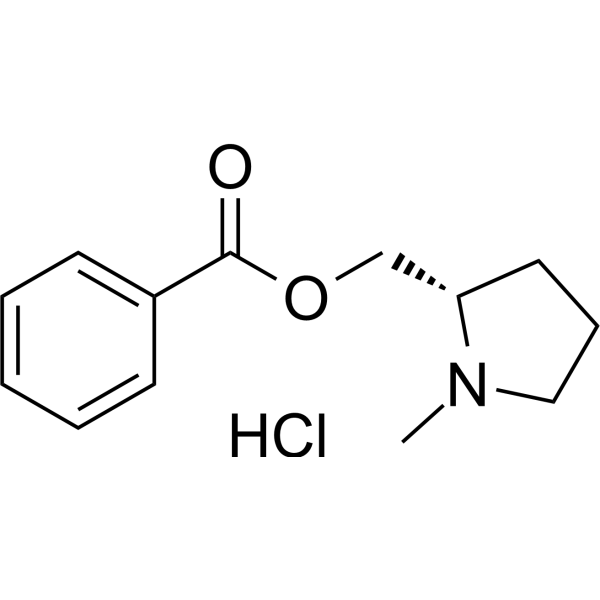 0 Images(S)-UFR2709 (hydrochloride) is a competitive nAChR antagonist?and displays higher affinity for α4β2 nAChRs than for α7 nAChRs. (S)-UFR2709 (hydrochloride) decreases anxiety and reduces ethanol consumption and ethanol preference in alcohol-preferring rats. (S)-UFR2709 (hydrochloride) acts as an anxiolytic agent and can be used for the study of nicotine addiction.
-
(S)-VQW-765
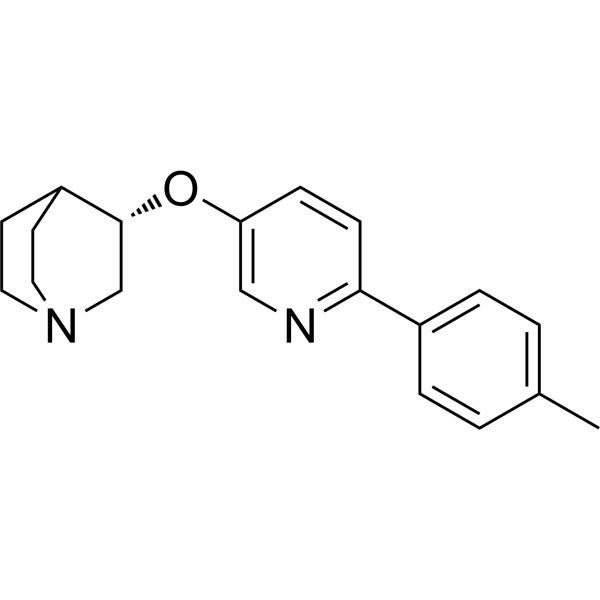 0 ImagesCat. No.: HY-19490APurity: 98.00%Synonyms: (S)-AQW-051(S)-VQW-765 ((S)-AQW-051) is an orally active, selective and effective α7 nicotinic ACh receptor (nAChR) partial agonist. (S)-VQW-765 has potential applications in cognitive disorders related to neurological diseases, such as Alzheimer's disease or schizophrenia.
-
S-(+)-Mecamylamine hydrochloride
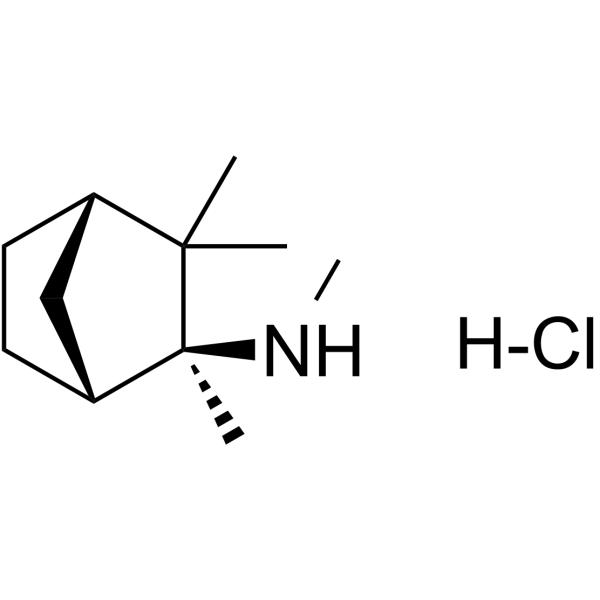 0 ImagesSynonyms: Dexmecamylamine hydrochloride; TC-5214 hydrochlorideS-(+)-Mecamylamine (hydrochloride) is a neuronal nicotinic receptor modulator with antidepressant activity.
-
(±) Anabasine-d4
 0 Images(±) Anabasine-d4 is the d4-labeled (±) Anabasine (HY-W052144). (±) Anabasine is the racemic form of Anabasine (HY-B1532). (±) Anabasine stimulates the release of [3H]-Dopamine from mouse striatal synaptosomes. (±) Anabasine inhibits the high-affinity binding of [3H]-S-(-)-Nicotine to the striatal membrane. Anabasine is an agonist of α7nAChR and possesses anti-inflammatory and insecticidal activities.
-
α7 Nicotinic receptor agonist-1
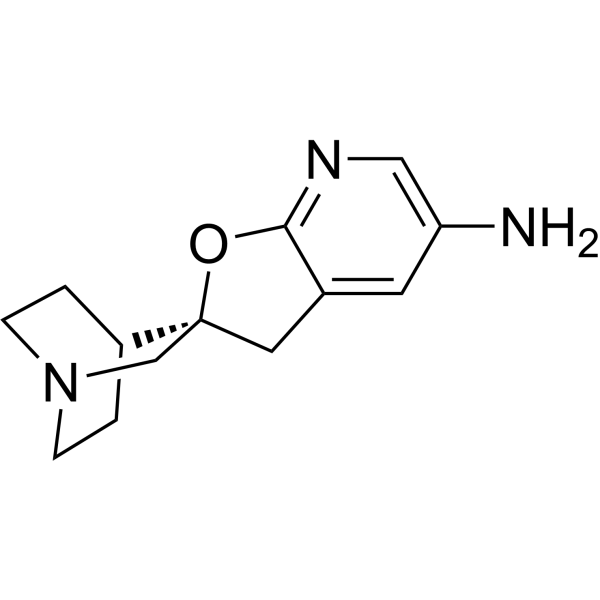 0 Imagesα7 Nicotinic receptor agonist-1 (Preparation 5) is an α7 nAChR agonist. α7 Nicotinic receptor agonist-1 can be used in studies of psychiatric disorders (such as schizophrenia, manic or hypomanic depression and anxiety disorders) and intellectual disorders (such as alzheimer's disease, learning deficits, cognitive deficits, attention deficits, memory loss, lewy body dementia and attention deficit hyperactivity disorder).
-
Acetylcholine-d16 bromide
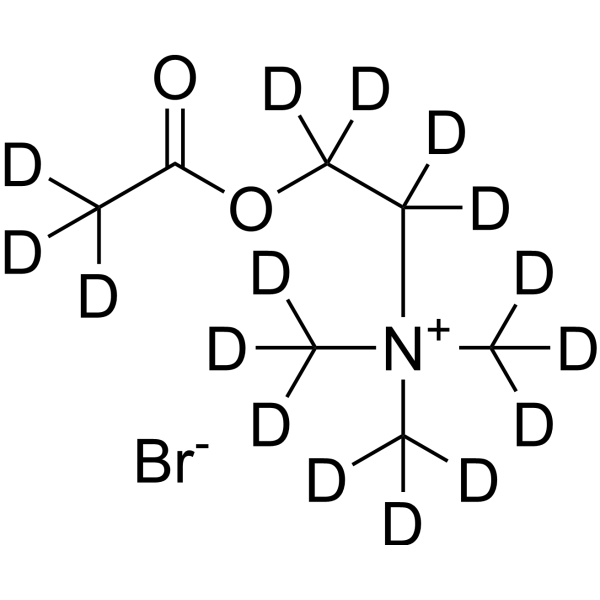 0 ImagesSynonyms: ACh-d16 bromideAcetylcholine-d16 (bromide) is the deuterium labeled Acetylcholine bromide.
-
5-AAM-2-CP
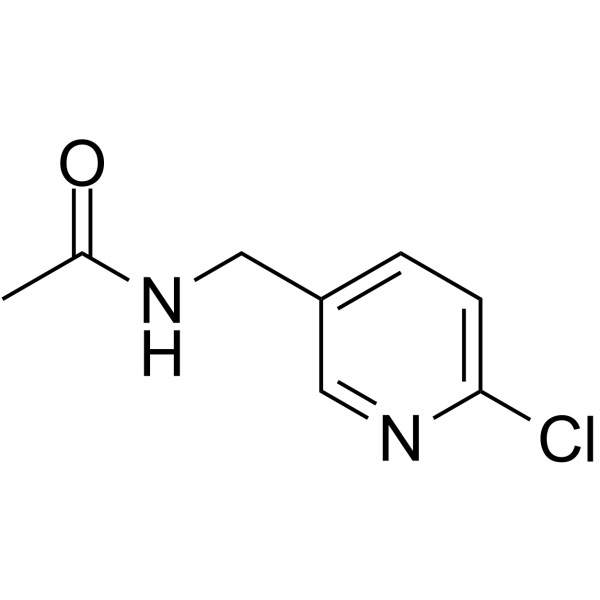 0 Images5-AAM-2-CP is a major metabolite of Acetamiprid. Acetamiprid is a neonicotinoid insecticide used worldwide and is a nAChR agonist.
-
Bupropion morpholinol
 0 ImagesBupropion morpholinol (Hydroxy Bupropion) is a major metabolite of Bupropion. Bupropion morpholinol inhibits Dopamine, Norepinephrine transporters and the α4β2 nicotinic receptor in vitro. Bupropion morpholinol contributes to antidepressant and smoking cessation activities.
-
Nelonicline
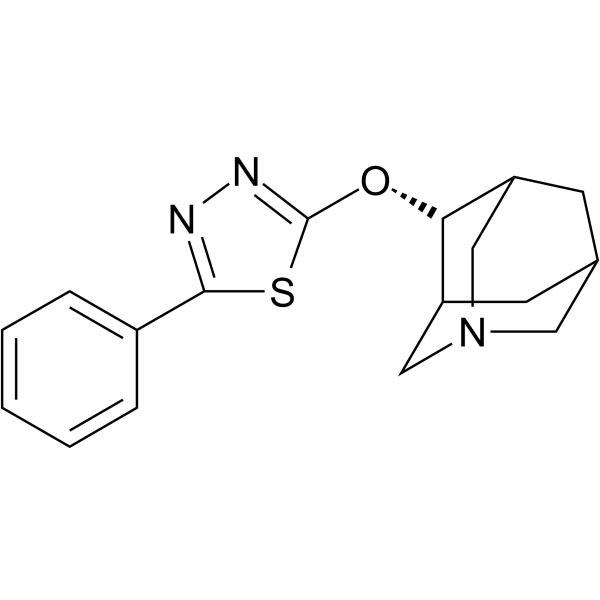 0 ImagesSynonyms: ABT-126Nelonicline (ABT-126) is an orally active and selective α7 nicotinic receptor agonist with high affinity to α7 nAChRs in human brain (Ki=12.3 nM). Nelonicline is used for the research of shizophrenia and Alzheimer's disease.
-
N-Methylcytisine
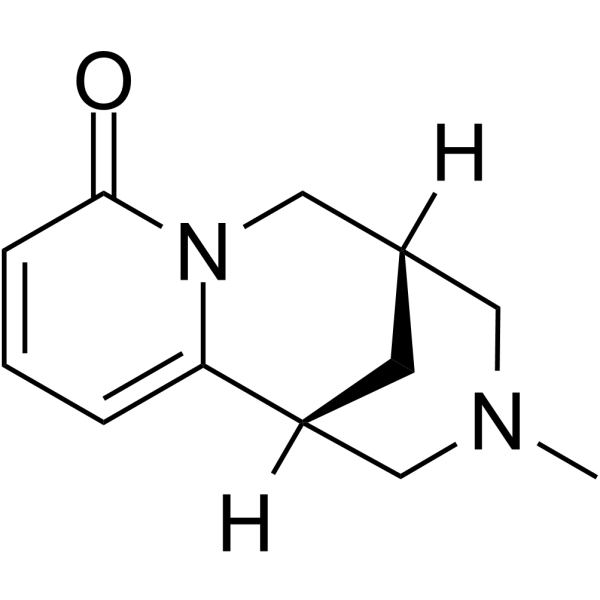 0 ImagesN-Methylcytisine (Caulophylline), a tricyclic quinolizidine alkaloid, exerts hypoglycaemic, analgesic and anti-inflammatory activities. N-methylcytisine is a selective ligand of nicotinic receptors of acetylcholine in the central nervous system and has a high affinity (Kd = 50 nM) to nicotinic acetylcholine receptors (nAChR) from squid optical ganglia.
-
5-AMAM-2-CP
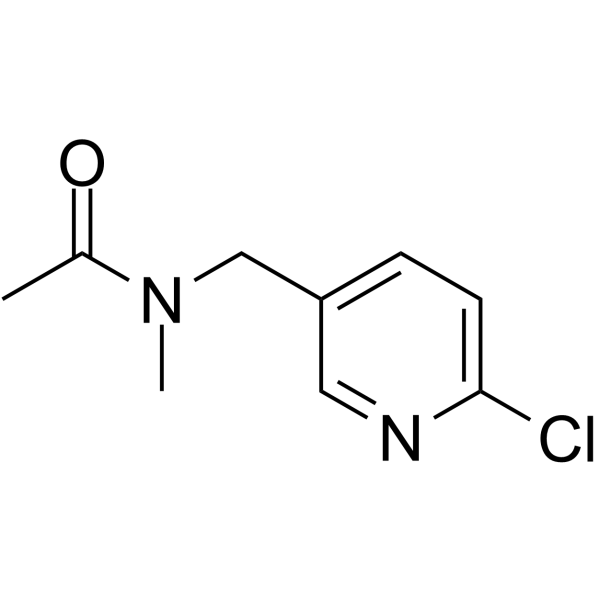 0 Images5-AMAM-2-CP is a major metabolite of Acetamiprid. Acetamiprid is a neonicotinoid insecticide used worldwide and is a nAChR agonist.
-
Asoxime-d4 dichloride
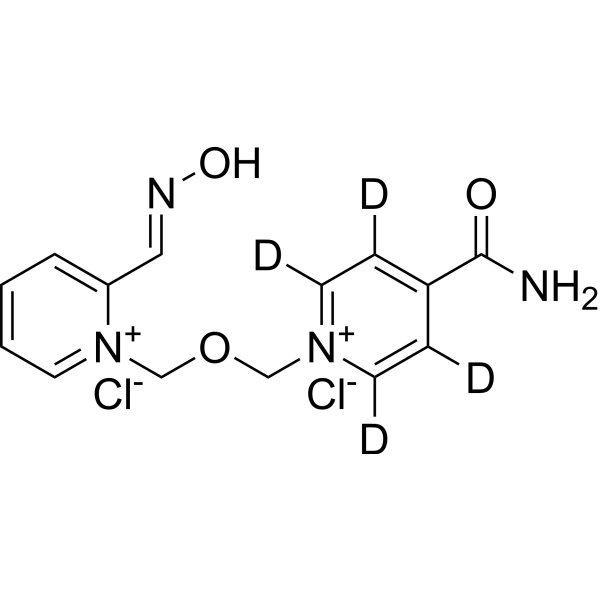 0 ImagesCat. No.: HY-106901ASSynonyms: HI-6-d4Asoxime-d4 dichloride (HI-6-d4) is the deuterium labeled Asoxime dichloride. Asoxime dichloride is an orally active thiosemicarbazone-based antidote. Asoxime dichloride is a reversible inhibitor of AChE, and its core mechanism of action is to re-activate AChE inhibited by nerve toxins, thereby restoring the cholinergic nerve function. Asoxime dichloride significantly restores the function of poisoned muscles without reactivating AChE. Asoxime dichloride is an antagonist of acetylcholine receptors (AChRs), including nicotinic receptor and α7 nAChR. Asoxime dichloride can serve as an effective immunomodulator, improving the immune effect of the nervous system.