



nAChR Ligand
-
RVG
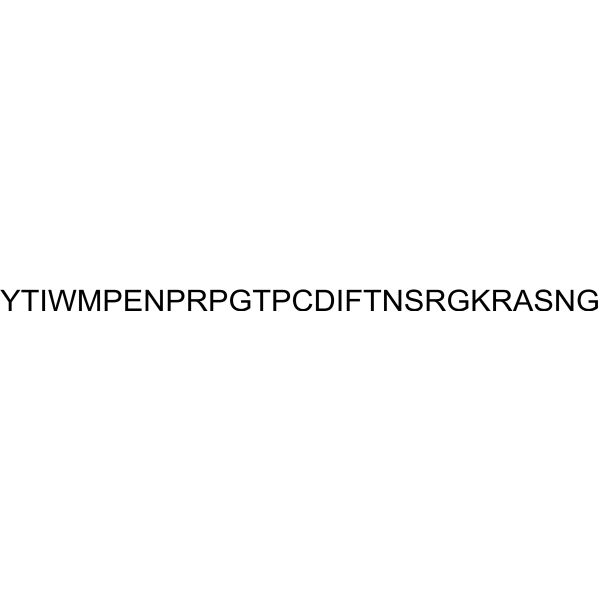 0 ImagesSynonyms: RVG29; RDP; Rabies Virus Glycoprotein-29
RVG (RVG29) is a blood-brain barrier-permeable peptide derived from rabies virus glycoprotein, which binds to the α-7 subunit of neuronal nicotinic acetylcholine receptor (AchR). RVG efficiently delivers drugs to nerve cells and antigen-presenting cells in a targeted manner, and enhances the efficiency of antigen presentation and drug delivery.
-
DSPE-PEG2000-RVG29
 0 ImagesCat. No.: HY-172705
DSPE-PEG2000-RVG29 is a PEG conjugate composed of DSPE and rabies virus glycoprotein 29 (RVG29). RVG29 specifically binds to nicotinic acetylcholine receptors (nAChR) at the blood-brain barrier (BBB), crosses the BBB, and mediates receptor-dependent transcytosis. DSPE-PEG2000-RVG29 can be used for brain-targeted drug delivery, surface modification of nanocarriers, as well as gene and nucleic acid delivery. DSPE-PEG2000-RVG29 is applicable to research related to hypoxic-ischemic brain injury, Parkinson's disease, and other conditions.

-
Eseroline
 0 ImagesCat. No.: HY-W856819CAS No.: 469-22-7
Eseroline is a potent μ-opioid receptor agonist, which is the hydrolytic metabolite of Physostigmine (HY-N6608). Eseroline is a selective and competitive acetylcholinesterase (AChE) inhibitor, with its Ki values for AChE and BuChE being 0.1 μM and 200 μM respectively. Eseroline has nicotinic acetylcholine receptor allosteric enhancing ligand (nAChR-APL) activity, meaning it does not activate the receptor but significantly enhances the signal transduction of Ach triggered by the receptor. Eseroline is neurotoxic, causing cell membrane damage (LDH leakage) and energy metabolism collapse (ATP depletion). Eseroline can be used for the study of Alzheimer's disease.



