



nAChR
Nicotinic acetylcholine receptors
nAChRs (nicotinic acetylcholine receptors) are neuron receptor proteins that signal for muscular contraction upon a chemical stimulus. They are cholinergic receptors that form ligand-gated ion channels in the plasma membranes of certain neurons and on the presynaptic and postsynaptic sides of theneuromuscular junction. Nicotinic acetylcholine receptors are the best-studied of the ionotropic receptors. Like the other type of acetylcholine receptor-the muscarinic acetylcholine receptor (mAChR)-the nAChR is triggered by the binding of the neurotransmitter acetylcholine (ACh). Just as muscarinic receptors are named such because they are also activated by muscarine, nicotinic receptors can be opened not only by acetylcholine but also by nicotine —hence the name "nicotinic".
All Product Categories
-
nAChR Related Products (468)
Related Products (468)

-
Antibodies (5)
-
Bradanicline
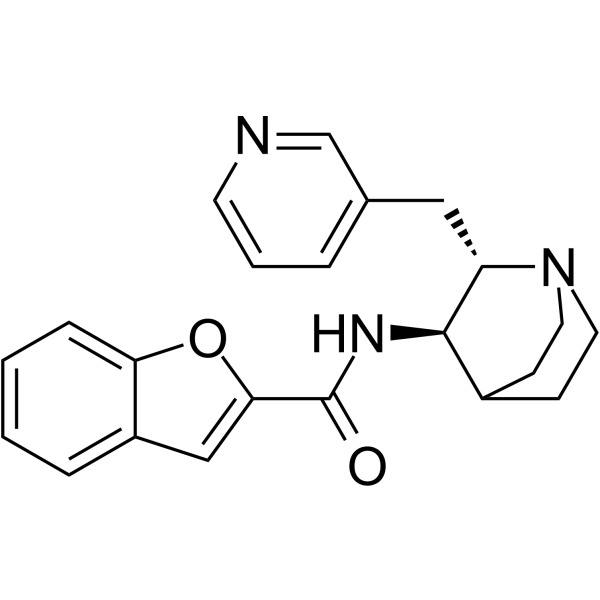 0 ImagesSynonyms: TC-5619Bradanicline (TC-5619) is an orally active agonist of α7 nAChR with moderate blood-brain barrier penetration. Bradanicline exhibits high affinity and subtype selectivity for human α7 nAChR. Bradanicline possesses antitussive activity that depends on sustained receptor binding and activation. Bradanicline requires systemic administration to dose-dependently inhibit cough induced by citric acid, bradykinin and inhaled nicotine. Bradanicline is well tolerated in preclinical studies and is widely used in research related to chronic refractory cough.
-
Varenicline dihydrochloride
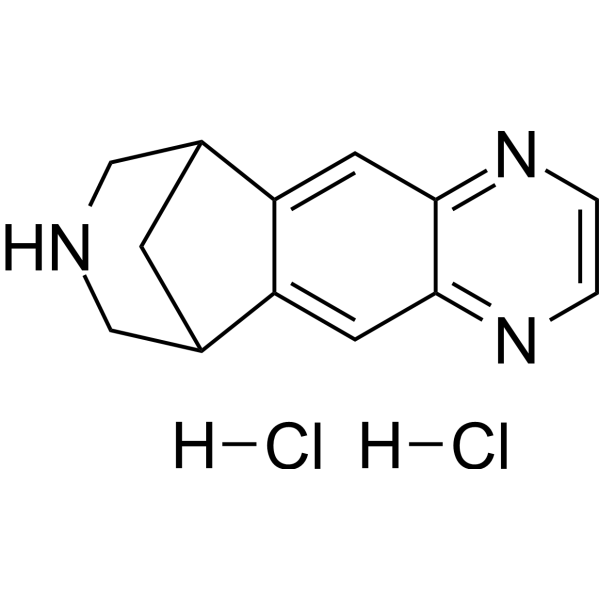 0 ImagesSynonyms: CP 526555 dihydrochlorideVarenicline (CP 526555-18) is an orally active partial agonist of α4β2 nicotinic acetylcholine receptor (α4β2 nAChR, IC50 = 250 nM), which is the principal mediator of nicotine dependence. Varenicline is also a partial agonist of α6β2 nAChR and a full agonist of α7β2 nAChR. Varenicline blocks the direct agonist effects of nicotine on nAChR while stimulates nAChR in a more moderate way, being widely used as an aid of smoking cessation.
-
Derquantel
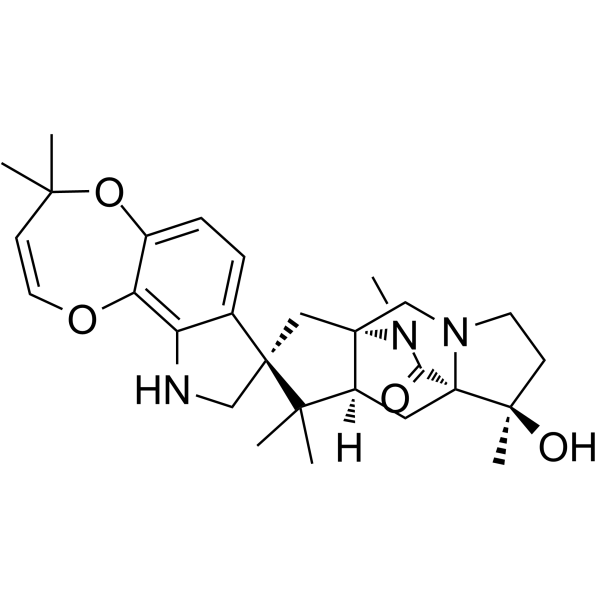 0 ImagesSynonyms: PF-00520904Derquantel, a spirocyclic anthelmintic, is a competitive, orally active nicotinic acetylcholine receptor (nAChR) antagonist. Derquantel inhibits ACh-induced depolarization with an IC50 of 0.22 μM. By selectively antagonizing nAChRs on the somatic muscles of nematodes, Derquantel causes flaccid paralysis of muscles, thereby dislodging parasites from the host's gastrointestinal tract. Derquantel is applicable to research related to Haemonchus contortus infection and Ascaris suum infection.
-
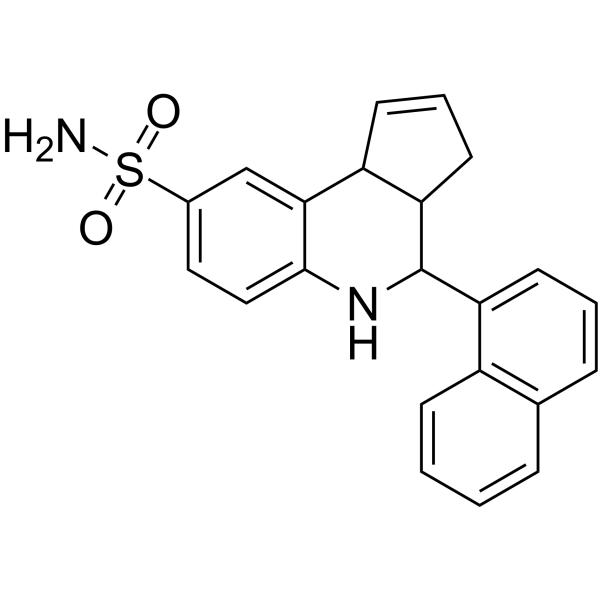
SCH-900271
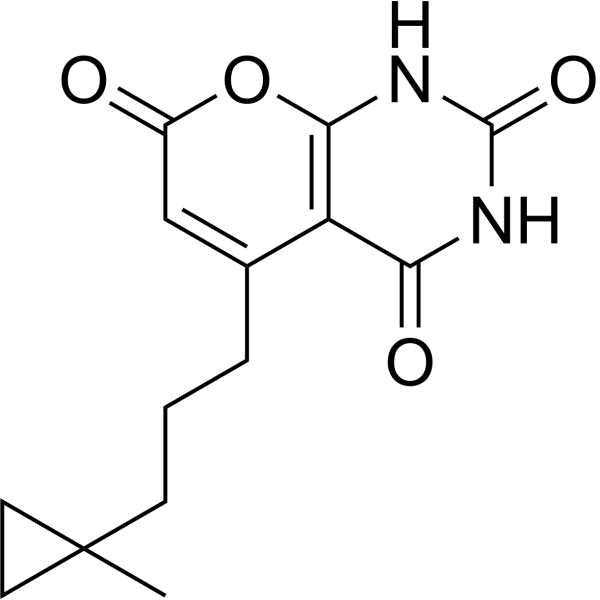 0 ImagesSCH-900271 is an orally active, potent nicotinic acid receptor (NAR) agonist with an EC50 of 2 nM in the hu-GPR109a assay. SCH-900271 exhibits dose-dependent inhibition of plasma free fatty acid (FFA).
-
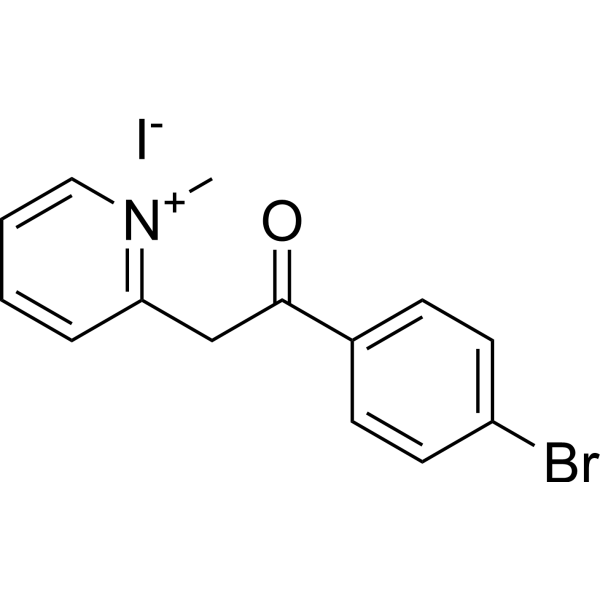
MG624
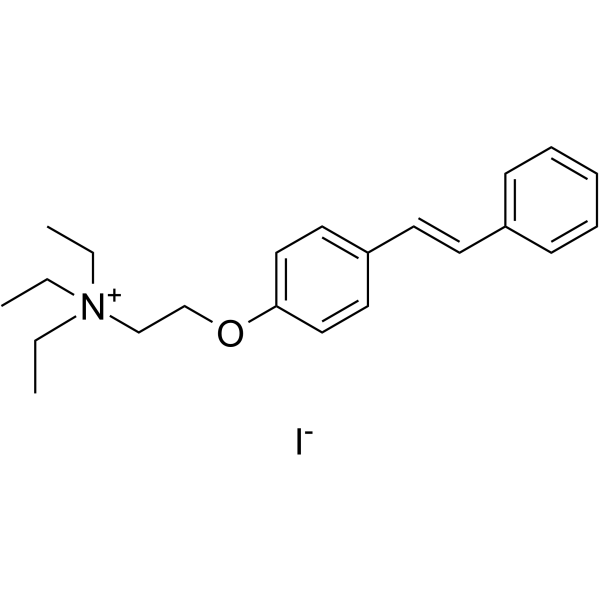 0 ImagesCat. No.: HY-107672CAS No.: 77257-42-2Synonyms: Stilonium iodideMG624 is a potent and selective neuronal α7 nAChR antagonist with a Ki of 106 nM.
-
Cholesterol myristate
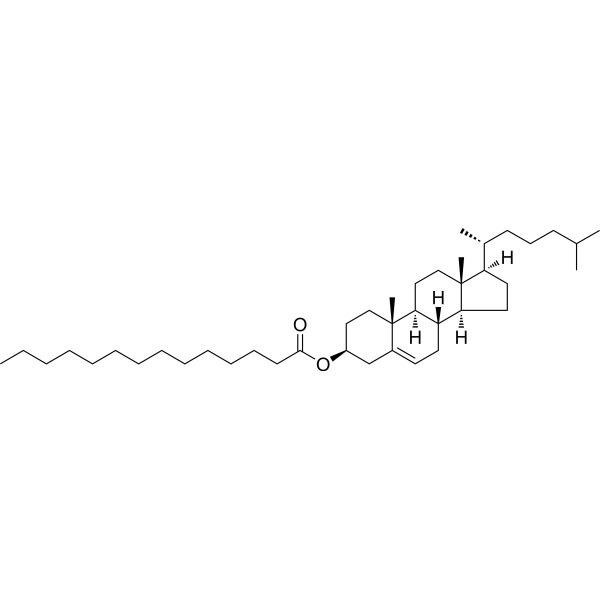 0 ImagesSynonyms: Cholesteryl myristate; Cholesteryl tetradecanoateCholesterol myristate is a natural steroid present in traditional Chinese medicine. Cholesterol myristate binds to several ion channels such as the nicotinic acetylcholine receptor, GABAA receptor, and the inward-rectifier potassium ion channel.
-
Benzethonium chloride (Standard)
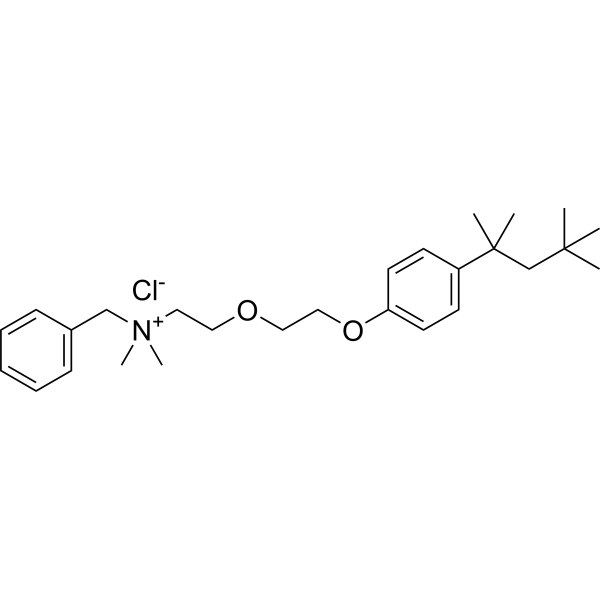 0 ImagesBenzethonium (chloride) (Standard) is the analytical standard of Benzethonium (chloride). This product is intended for research and analytical applications. Benzethonium chloride inhibits nicotinic acetylcholine receptors in human recombinant α7 and α4β2 neurons in Xenopus laevis oocytes.
-
Dicloromezotiaz
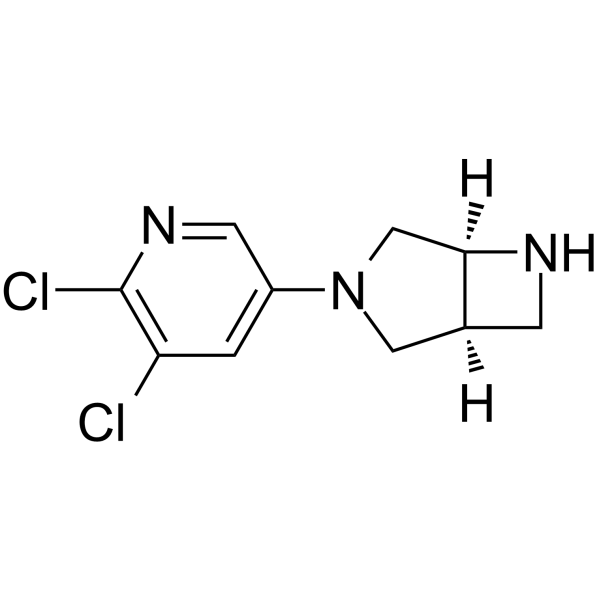
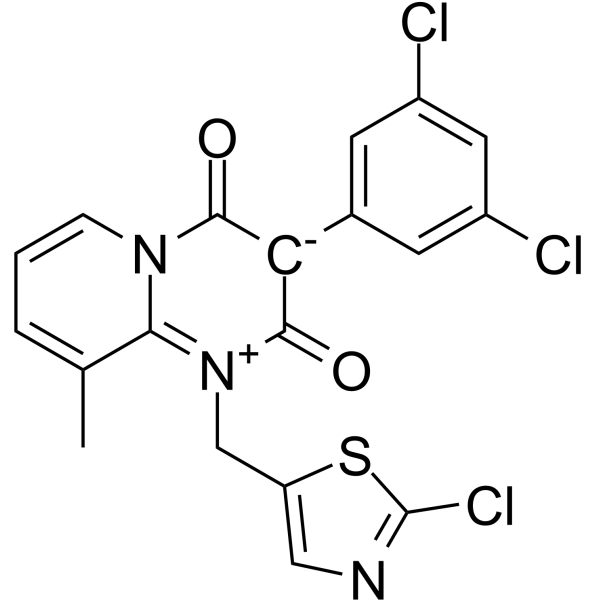 0 ImagesDicloromezotiaz is a potent insecticide acting on nicotinic acetylcholine receptors (nAChRs). Dicloromezotiaz can be used to control a broad range of lepidoptera.
-
Facinicline hydrochloride
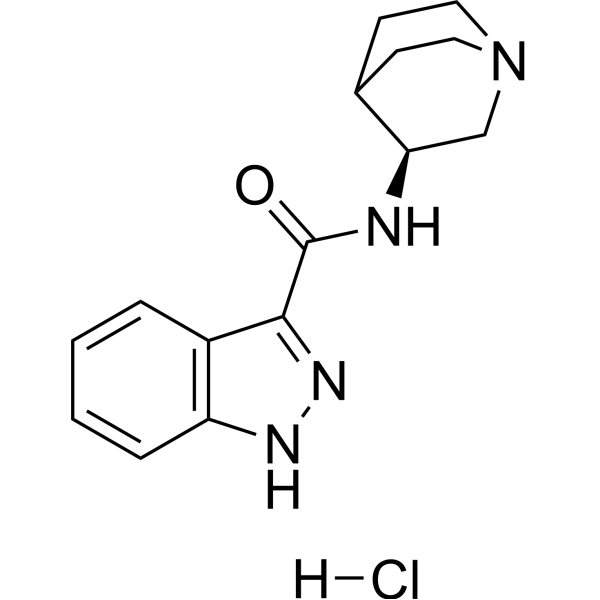 0 ImagesSynonyms: RG3487 hydrochlorideFacinicline hydrochloride (RG3487 hydrochloride) is an orally active nicotinic α7 receptor partial agonist, with a Ki of 6 nM for α7 human nAChR. Facinicline hydrochloride (RG3487 hydrochloride) improves cognition and sensorimotor gating in rodents. Facinicline hydrochloride (RG3487 hydrochloride) shows high affinity (antagonist) to 5-HT3Rs with a Ki value of 1.2 nM.
-
Zolunicant
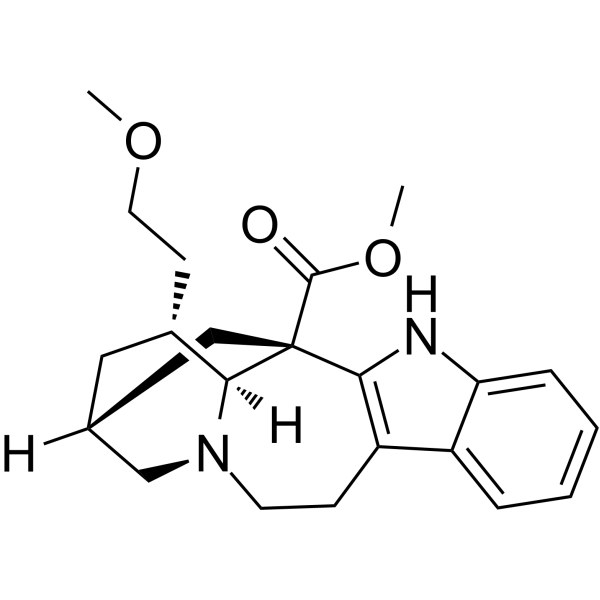 0 ImagesSynonyms: MM-110; (±)-18-MethoxycoronaridineZolunicant (MM-110) is a potent inhibitor against nicotinic α3β4 receptors with an IC50 of 0.90 μM to combat addiction. Zolunicant can decrease the self-administration of several addictive agents including morphine, methamphetamine, nicotine, and ethanol in rat model. Zolunicant can be studied as a potential research for multiple forms of agent abuse. Zolunicant also reveals a potent leishmanicide effect against Leishmania amazonensis.
-
AR-R17779 hydrochloride
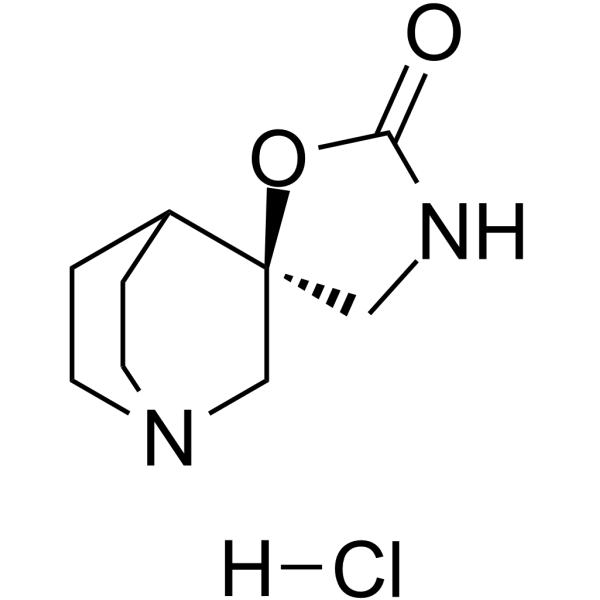 0 ImagesAR-R17779 hydrochloride is a potent and selective full agonist of nAChR, with Kis of 92 and 16000 nM for α7 and α4β2 subtype, respectively. AR-R17779 hydrochloride can improve learning and memory in rats. AR-R17779 hydrochloride also has anxiolytic activity. AR-R17779 hydrochloride can reduce inflammation by activating antiinflammatory cholinergic (vagal) pathways.
-
Pyrantel tartrate
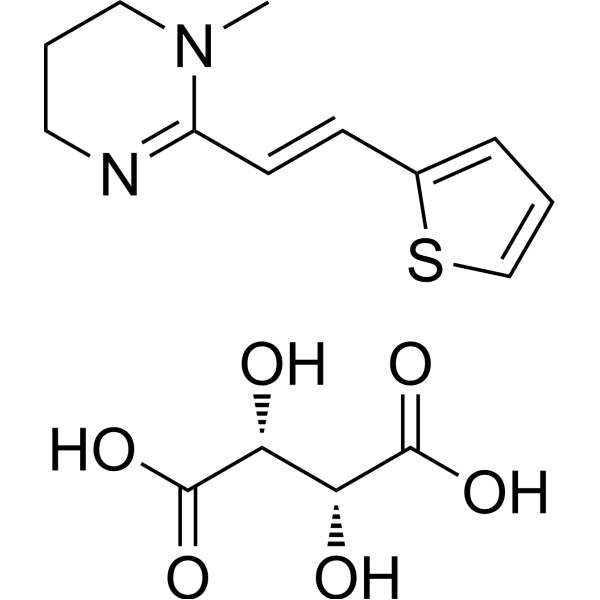 0 ImagesPyrantel tartrate is an orally active antiparasitic agent. Pyrantel tartrate induces spastic paralysis in parasites via actions on neural and muscular cholinergic receptors as a nicotinic acetylcholine receptor (nAChR) agonist. Pyrantel tartrate eliminates both immature and mature endoparasites in horses. Pyrantel tartrate can be used in research related to parasitic infections.
-
Paraherquamide A
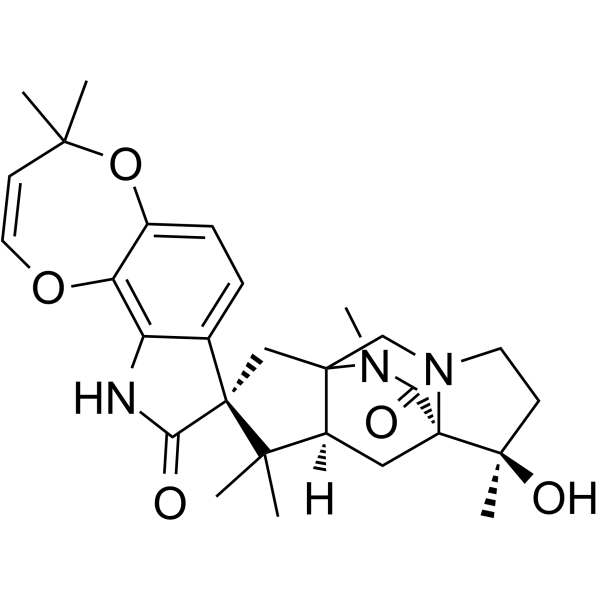 0 ImagesSynonyms: PNU-97333Paraherquamide A (PNU-97333) is an anthelmintic and nicotinic acetylcholine receptor (nAChR) antagonist, with pIC50 values ranging from 6.87 to 7.58 for L-type nAChR and from 4.84 to 5.54 for N-type nAChR. Paraherquamide A acts as a competitive antagonist against multiple nematode nAChR subtypes, as well as a mixed competitive-noncompetitive antagonist against nematode N-type nAChR. Paraherquamide A induces flaccid paralysis in parasitic nematodes without altering ATP levels, inhibits nematode motility, and antagonizes cholinergic agonist-induced muscle contraction in nematodes. Paraherquamide A can be used in studies related to nematode parasitic infections.
-
Simpinicline
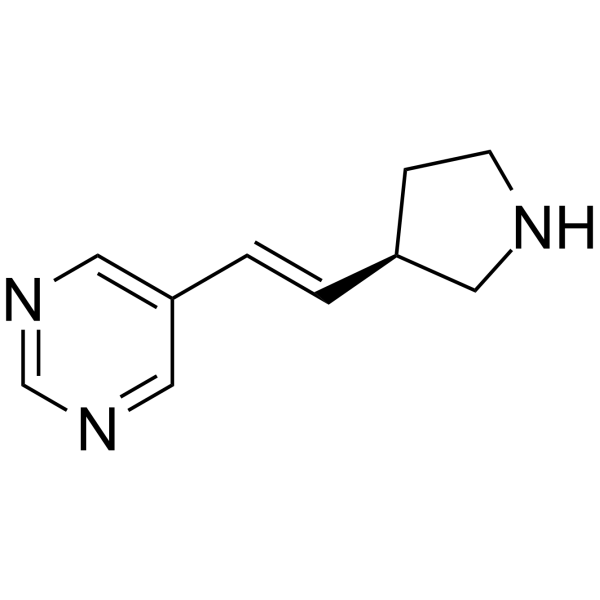 0 ImagesSynonyms: OC-02Simpinicline (OC-02), a highly selective nicotinic acetylcholine receptor (nAChR) agonist, shows potent antiviral activity against the SARS-CoV-2 variants in cell culture with an IC50 of 0.04 µM.




