



Catalase, Aspergillus niger
Based on 6 publication(s) in Google Scholar
Catalase, Aspergillus niger is a key enzyme in the metabolism of H2O2 and reactive oxygen species (ROS), and its expression and localization is markedly altered in tumors. Free oxygen radical scavenger.
For research use only. We do not sell to patients.
- CAS No.: 9001-05-2
-
Storage:
Please store the product under the recommended conditions in the Certificate of Analysis.

To place orders, for customer services and technical support, please contact: MedChemExpress USA
Tel: 609-228-6898 E-mail: [email protected] [email protected]


-
 Biological Activity
-
Chemical Information
-
Solvent & Solubility
- Protocols
- Purity & Documentation
- References
-
 Help & FAQs


-
HY-P2902
Glucose oxidaseOxidoreductase Enzyme -
HY-129064
Superoxide dismutase, Porcine erythrocytesAntioxidant Enzyme -
HY-10071
Y-27632ROCK Inhibitor -
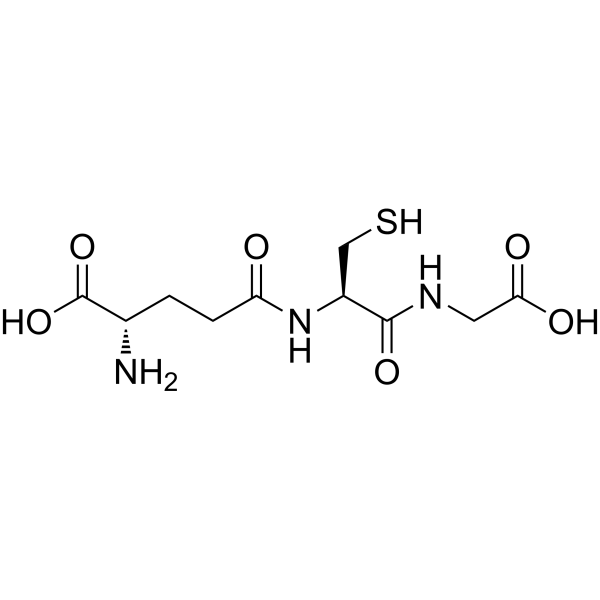
HY-D0187
L-Glutathione reducedAntioxidant -
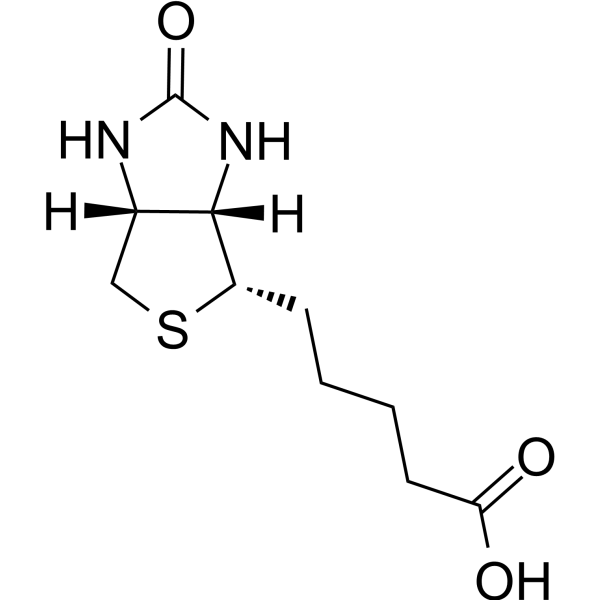
HY-B0511
BiotinVitamin B7 -
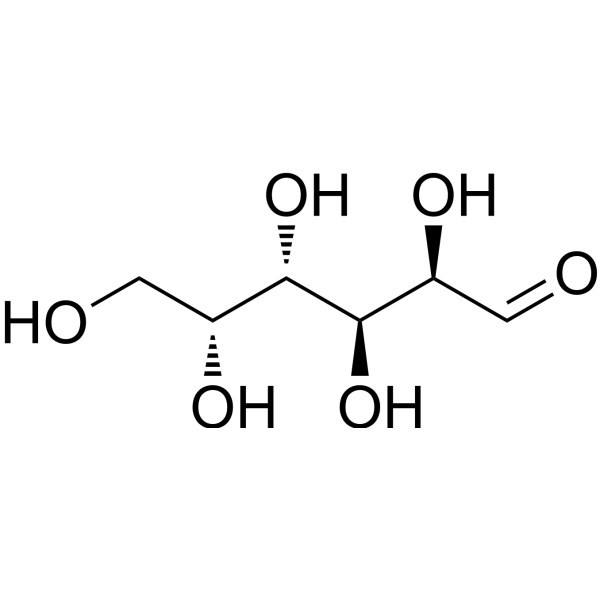
HY-N0210
D-GalactoseEndogenous Metabolite -
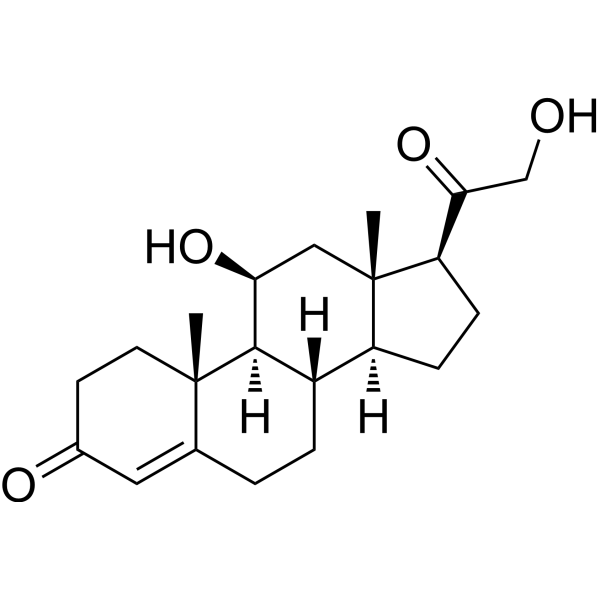
HY-B1618
CorticosteroneEndogenous Glucocorticoids -
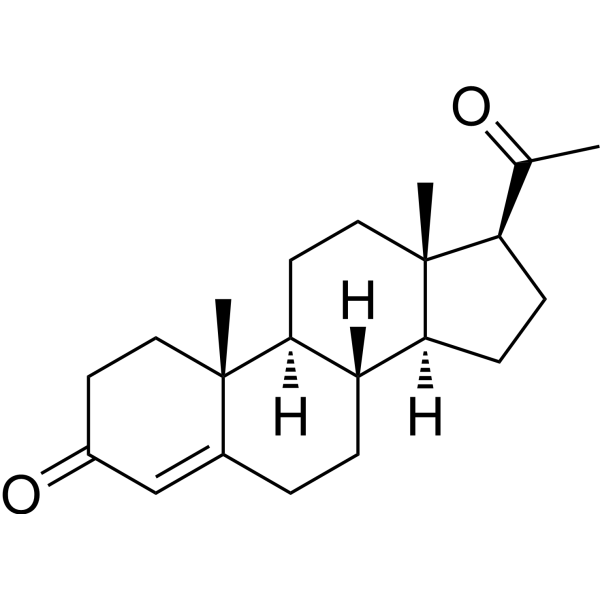
HY-N0437
ProgesteroneEndogenous Metabolite -
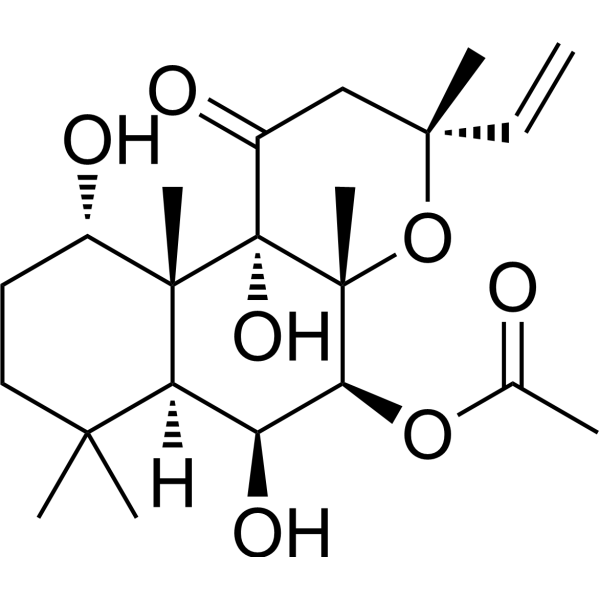
HY-15371
ForskolinAdenylate Cyclase Activator -
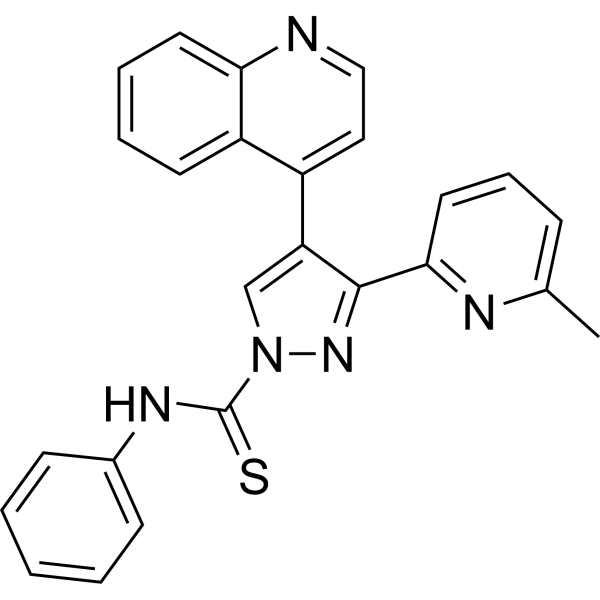
HY-10432
A 83-01ALK4/5/7 Inhibitor -

HY-135849A
Catalase, Bovine LiverAntioxidase -
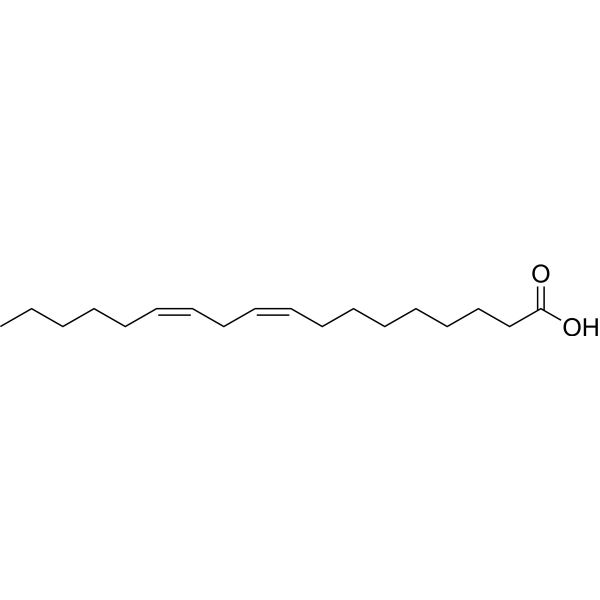
HY-N0729
Linoleic acidHuman Endogenous Metabolite
Publications Citing Use of MedChemExpress (MCE) Catalase, Aspergillus niger
More Customer Validation & Images

-
Cell Imaging/Staining
-
Cell Proliferation/Viability Assay
-
WB
-
WB
-
In Vivo Efficacy Study


Biological Activity
Description
In Vitro
Product Information
Produced through fermentation by Aspergillus niger, it remains effective within a pH range of 4.0 to 10.0 and a temperature range of 35°C to 40°C.
Instructions
It can be dissolved using water or as specified in relevant references.
Note: When decomposing hydrogen peroxide, if the concentration of hydrogen peroxide is excessively high (≥1000 mg/L), the reaction rate of the enzyme will decrease.
Catalase, the enzyme that metabolizes H2O2 but also reacts with a multitude of other substrates. The active site of catalase contains an iron atom. Human catalase contains four identical subunits, each subunit containing four distinct domains and one prosthetic heme group. The four domains include: (1) a N-terminal arm which contains a distal histidine, an essential amino acid for the catalase reaction; (2) a β-barrel domain that contains eight β-barrels arranged in an antiparallel fashion with six α-helical insertions, conferring the hydrophobic core of the protein necessary for the tri-dimensional structure of the enzyme; (3) a connection domain which contains the tyrosine residue that binds the heme group; and finally (4) an α-helical domains, which is important for NADPH binding[1].
MedChemExpress (MCE) has not independently confirmed the accuracy of these methods. They are for reference only.
EC Number
1.11.1.6
Enzyme Activity
≥200000 U/g
Unit Definition
One unit is defined as the amount of enzyme that can hydrolyze 1.0 μmole H2O2 per min at pH 7.0 and 25°C


Chemical Information
-
CAS No. 9001-05-2
-
Appearance Solid
-
Color Off-white to light yellow
-
SMILES
[Catalase, Aspergillus niger]
-
Shipping
Room temperature in continental US; may vary elsewhere.
-
Storage
Please store the product under the recommended conditions in the Certificate of Analysis.


Publications (6)
-
Journal Impact Factor
-
Most Recent
-
Nat Chem Biol
2025 Jun 2. PMID: 40456963 -
Cancer Lett
Vesicular QSOX1-MMP2 from inflammatory cancer-associated fibroblasts degrades the extracellular matrix to drive colorectal cancer pulmonary dissemination. [Abstract]2026 Sep 28:656:218645. PMID: 42217558 -
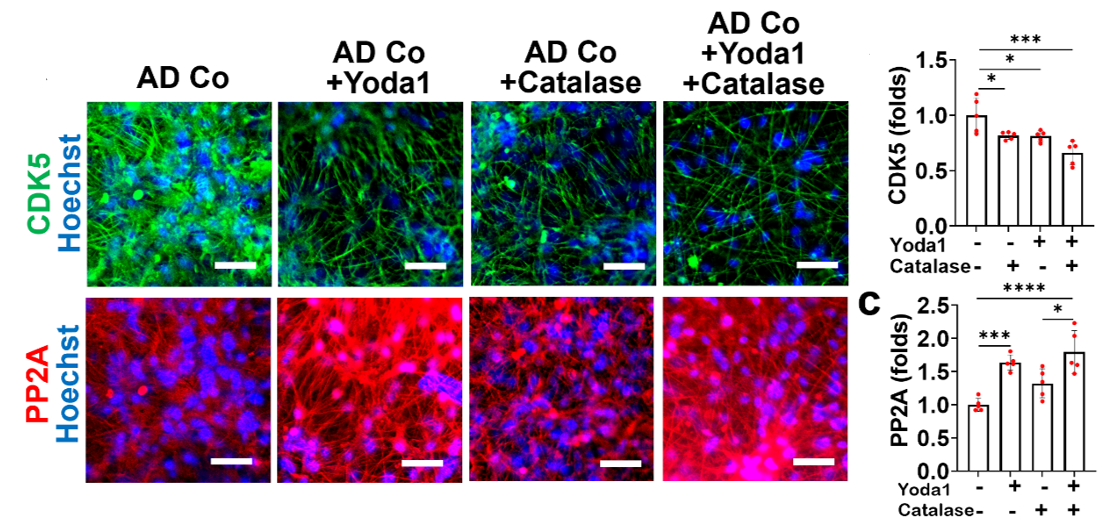
Catalase, Aspergillus niger purchased from MedChemExpress. Usage Cited in: BioChip J. 2025 Aug 1.
ROS scavenger Catalase, Aspergillus niger (5 μg/mL; 5 d) downregulated CDK5 expression and upregulated PP2A expression on the AD neuroglial model.
-
Eur J Pharmacol
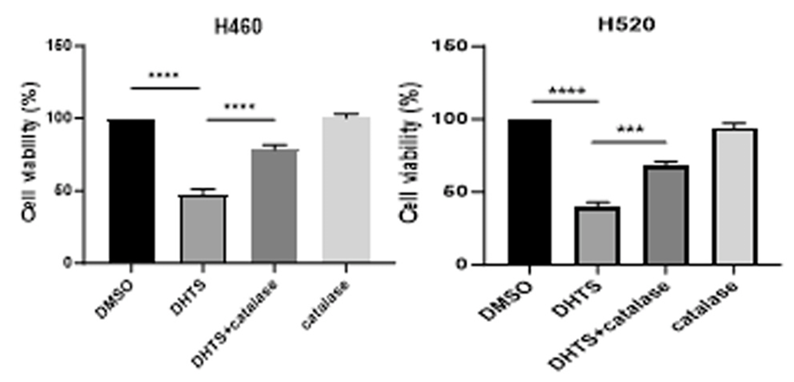
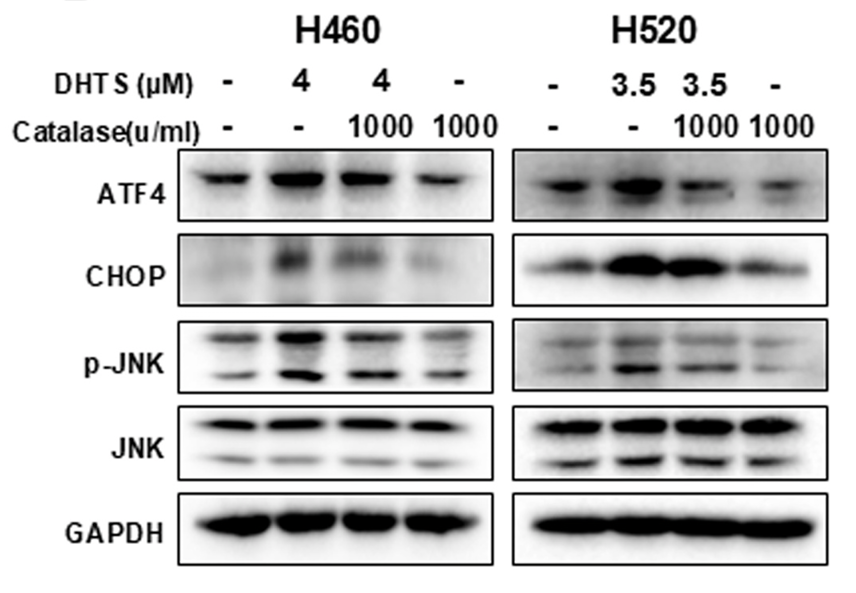
Dihydrotanshinone I potentiates the anti-tumor activity of cisplatin by activating ROS-mediated ER stress through targeting HSPD1 in lung cancer cells. [Abstract]2025 May 5:994:177378. PMID: 39952584
Catalase, Aspergillus niger purchased from MedChemExpress. Usage Cited in: Eur J Pharmacol. 2025 May 5:994:177378. [Abstract]
Catalase, Aspergillus niger (1000 unit/mL; 1.5 h) effectively attenuated the reduction in viability of H460 and H520 cells.
Catalase, Aspergillus niger purchased from MedChemExpress. Usage Cited in: Eur J Pharmacol. 2025 May 5:994:177378. [Abstract]
Catalase, Aspergillus niger (1000 unit/mL; 1.5 h) effectively increased ATF4, CHOP and p-JNK expressions in H460 and H520 cells.
-
Int Immunopharmacol
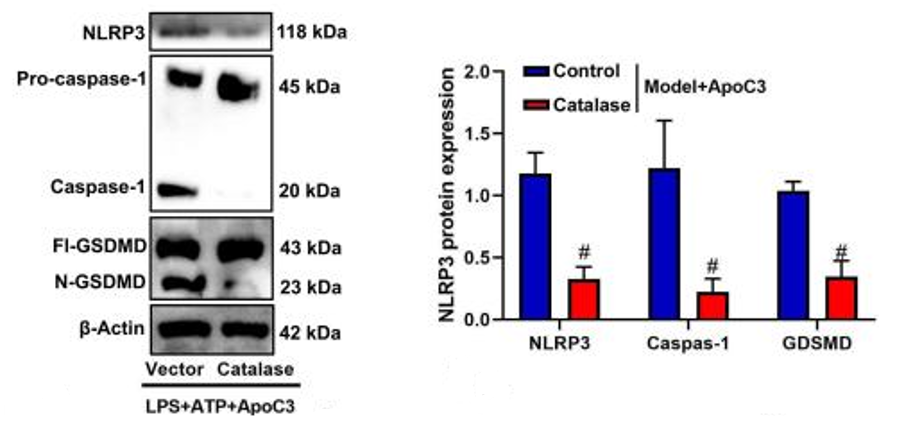
Apolipoprotein C3 (ApoC3) facilitates NLRP3 mediated pyroptosis of macrophages through mitochondrial damage by accelerating of the interaction between SCIMP and SYK pathway in acute lung injury. [Abstract]2024 Feb 15:128:111537. PMID: 38232538
Catalase, Aspergillus niger purchased from MedChemExpress. Usage Cited in: Int Immunopharmacol. 2024 Feb 15:128:111537. [Abstract]
ROS inhibitor Catalase, Aspergillus niger (500 U/L; 2 h) suppressed NLRP3/Caspase-1/GSDMD protein expressions in BMDM by LPS + ATP + ApoC3.
Catalase, Aspergillus niger purchased from MedChemExpress. Usage Cited in: Int Immunopharmacol. 2024 Feb 15:128:111537. [Abstract]
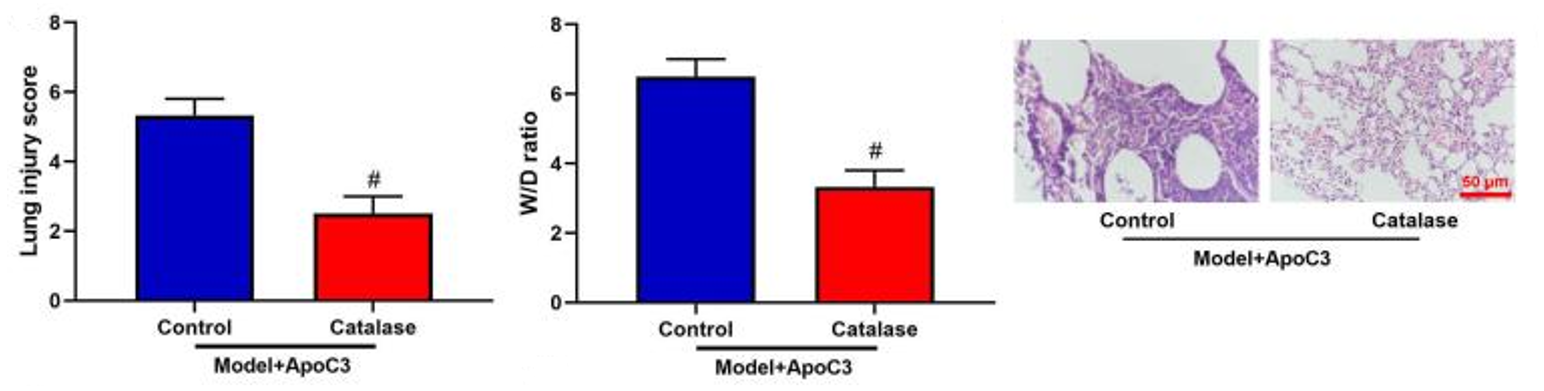
Catalase, Aspergillus niger (30 mg/kg; i.p.) reduced pulmonary injury and inhibited the lung injury score and W/D ratio of acute lung injury (ALI) mice.
-


Solvent & Solubility
In Vitro:
H2O : 33.33 mg/mL (Need ultrasonic)
In Vivo:
For the following dissolution methods, please prepare the working solution directly:
It is recommended to prepare fresh solutions and use them promptly within a short period of time.
The percentages shown for the solvents indicate their volumetric ratio in the final prepared solution. If precipitation or phase separation occurs during preparation, heat and/or sonication can be used to aid dissolution.
Add each solvent one by one: PBS
Solubility: 100 mg/mL; Clear solution; Need ultrasonic


Purity & Documentation
-
Data Sheet (270 KB)
-
SDS (418 KB)
- English - EN (418 KB)
- Français - FR (418 KB)
- Deutsch - DE (418 KB)
- Norwegian - NO (418 KB)
- Español - ES (418 KB)
- Swedish - SV (418 KB)
- Italian - IT (418 KB)
- Korean - KR (418 KB)
- Portuguese - PT (418 KB)
-
Handling Instructions (2659 KB)
References

Calculators
Concentration (start) × Volume (start) = Concentration (final) × Volume (final)


Catalase, Aspergillus niger Related Classifications
HY-135849 Related Classifications
 Powered by Bioz