78 Results for "

morphological changes

" in MedChemExpress (MCE) Product Catalog:
Products (78)

78 Results for "morphological changes" in MCE Product Catalog:

10
10 Publications Verification
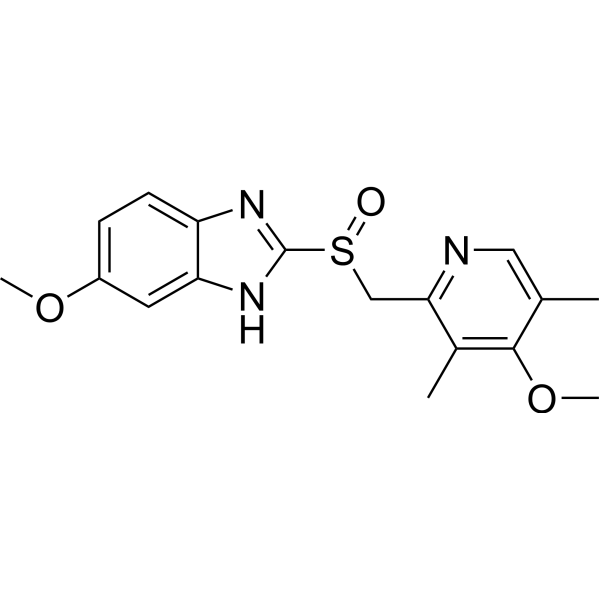
Art. -Nr.: HY-B0113
CAS. Nr.: 73590-58-6
Synonyms: H 16868
Omeprazole (H 16868) is an orally active H +,K +-ATPase inhibitor and a proton pump inhibitor. Omeprazole competitively inhibits CYP2C19, CYP3A4, and CYP2C9 activity. Omeprazole inhibits gastric acid secretion and can be used for acid-related gastrointestinal disorders. Omeprazole inhibits pancreatic cancer cell proliferation, induces apoptosis, autophagosome accumulation (elevated LC3-I and LC3-II levels), oxidative stress, and cytogenetic imbalance, modulates lysosomal transport, reduces inflammatory cytokines. Omeprazole alters small intestinal morphology and magnesium absorption, and induces gastric mucosa morphologic changes. Omeprazole aslo has neuroprotective and antibacterial effects .
loading...
    loading...
10
10 Publications Verification
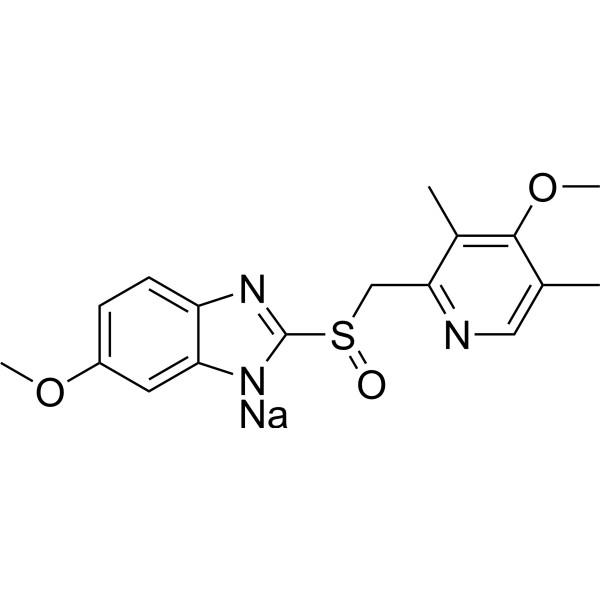
Art. -Nr.: HY-B0113A
CAS. Nr.: 95510-70-6
Synonyms: H 16868 sodium
Omeprazole (H 16868) sodium is an orally active H +,K +-ATPase inhibitor and a proton pump inhibitor. Omeprazole sodium competitively inhibits CYP2C19, CYP3A4, and CYP2C9 activity. Omeprazole sodium inhibits gastric acid secretion and can be used for acid-related gastrointestinal disorders. Omeprazole sodium inhibits pancreatic cancer cell proliferation, induces apoptosis, autophagosome accumulation (elevated LC3-I and LC3-II levels), oxidative stress, and cytogenetic imbalance, modulates lysosomal transport, reduces inflammatory cytokines. Omeprazole sodium alters small intestinal morphology and magnesium absorption, and induces gastric mucosa morphologic changes. Omeprazole sodium aslo has neuroprotective and antibacterial effects .
loading...
    loading...
2
2 Cited Publications
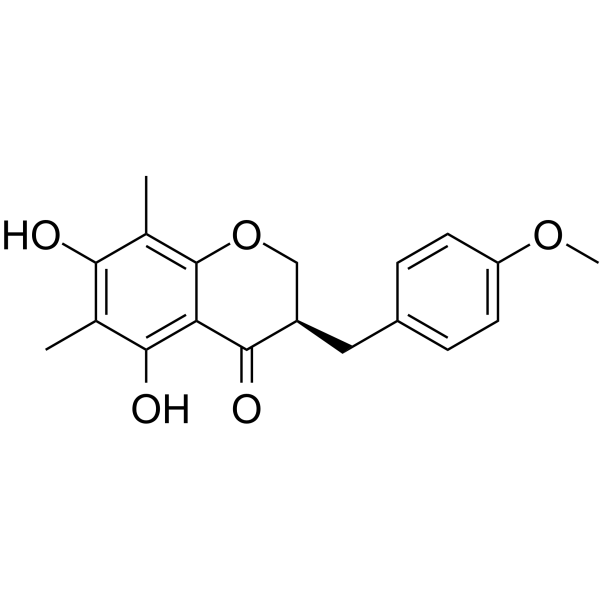
Art. -Nr.: HY-N2438
CAS. Nr.: 74805-91-7
Methylophiopogonanone B is a homoisoflavonoid compound. Methylophiopogonanone B can be isolated from O. japonicus root. Methylophiopogonanone B promotes Rho activation and Tubulin depolymerization. Methylophiopogonanone B significantly increases GTP-Rho, but not GTP-Rac or GTP-CDC42. Methylophiopogonanone B induces cell morphological change via melanocyte dendrite retraction and stress fiber formation. Methylophiopogonanone B exhibits strong antioxidant activity. Methylophiopogonanone B can be used in the research of cervical cancer .
loading...
    loading...
1
1 Cited Publications
Art. -Nr.: HY-W035091
CAS. Nr.: 16903-35-8
Tetrachloroauric acid is an Au (III) compound and bilayer disruptor that can be used to damage red blood cells. Tetrachloroauric acid specifically disrupts the bilayer structure of representative phospholipids (dimyristoylphosphatidylcholine and dimyristoylphosphatidylethanolamine) in human red blood cell membranes, and induces morphological changes in intact human red blood cells. Tetrachloroauric acid causes downregulation of MT I-II and GFAP expression in the mouse brain following chronic treatment. Tetrachloroauric acid is being used in studies related to neurotoxicity and hematotoxicity, including analyses of human red blood cells and molecular models of red blood cell membranes, as well as immunohistochemical evaluation of the mouse brain .
loading...
    loading...
1
1 Cited Publications
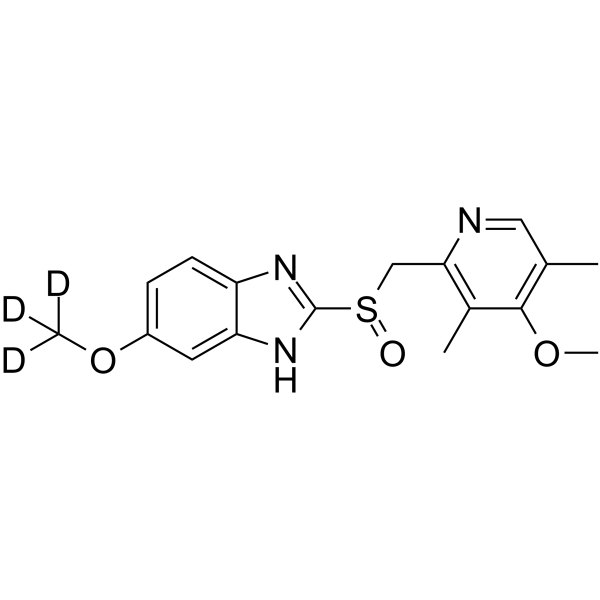
Art. -Nr.: HY-B0113S
CAS. Nr.: 922731-01-9
Synonyms: H 16868-d3
Omeprazole-d3 (H 16868-d3) is deuterium labeled Omeprazole. Omeprazole (H 16868) is an orally active H +,K +-ATPase inhibitor and a proton pump inhibitor. Omeprazole competitively inhibits CYP2C19, CYP3A4, and CYP2C9 activity. Omeprazole inhibits gastric acid secretion and can be used for acid-related gastrointestinal disorders. Omeprazole inhibits pancreatic cancer cell proliferation, induces apoptosis, autophagosome accumulation (elevated LC3-I and LC3-II levels), oxidative stress, and cytogenetic imbalance, modulates lysosomal transport, reduces inflammatory cytokines. Omeprazole alters small intestinal morphology and magnesium absorption, and induces gastric mucosa morphologic changes. Omeprazole aslo has neuroprotective and antibacterial effects .
loading...
    loading...
1
1 Cited Publications
Art. -Nr.: HY-16191
CAS. Nr.: 1233948-35-0
ELR510444 is an orally active tubulin inhibitor with an IC50 of 10 μM. ELR510444 binds to the colchicine-binding site on β-tubulin, inhibits tubulin assembly, depolymerizes microtubules and blocks HIF activity. ELR510444 induces cellular microtubule loss, abnormal mitotic spindle, mitotic arrest, apoptosis, morphological changes in tumor endothelial cells, and inhibits cancer cell proliferation, angiogenesis and tumor growth. ELR510444 can be used in research related to various cancers such as renal cell carcinoma .
loading...
    loading...
Art. -Nr.: HY-W020780
CAS. Nr.: 724722-89-8
Synonyms: mPEG5000-Maleimide
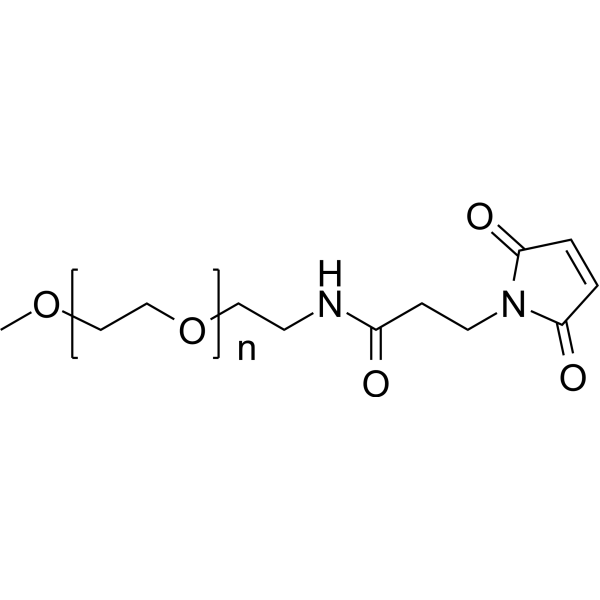
mPEG5000-Mal (mPEG5000-Maleimide) is a PEG-derived selective covalent binding agent for sulfhydryl groups (RSGs), which can form irreversible thioether bonds with sulfhydryl groups under near-neutral conditions via the maleimide group. The mechanism of action of mPEG5000-Mal can be divided into two categories: firstly, as an enzyme modifier, it binds to target proteins through hydrophobic interactions, hydrogen bonds, and van der Waals forces, altering the protein's secondary structure; secondly, as a nanoparticle surface modifier, it covalently binds to sulfhydryl groups on the surface of red blood cells, changing the surface properties and morphology of the red blood cells, leading to their phagocytosis by macrophages of the reticuloendothelial system. mPEG5000-Mal can react with free cysteine in proteins, increasing the apparent molecular weight of the modified protein by 10-15 kDa for detection purposes. mPEG5000-Mal can enhance the thermal stability and catalytic activity of enzymes, and improve the macrophage targeting of nanoparticles, enabling targeted drug delivery. mPEG5000-Mal can be applied in enzyme engineering research in the food industry and in oncology, assisting radiotherapy by inhibiting tumor-associated macrophage infiltration and enhancing anti-tumor immune responses .
loading...
    loading...
Art. -Nr.: HY-134508
CAS. Nr.: 34435-05-7
Reinheit:  99.92%
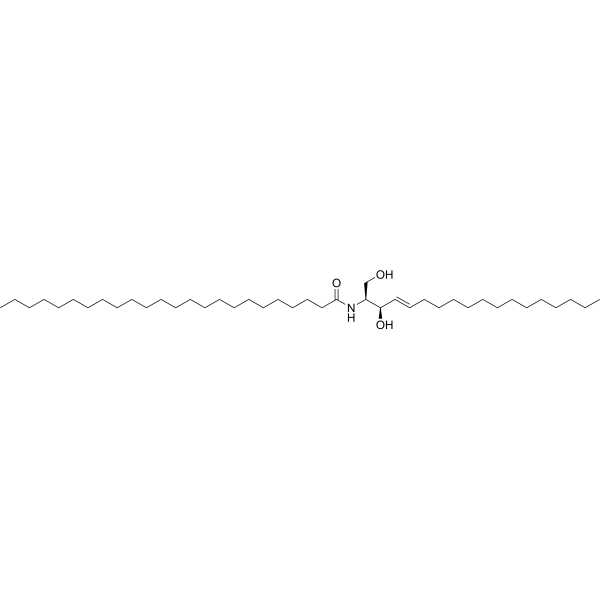
C24-Ceramide is an orally active competitive binding agonist of PIP4K2C (mTOR complex regulator), thereby activating the mTOR signaling pathway. At the same time, C24-Ceramide changes the membrane morphology by inducing the formation of a partially interlocked gel phase in the phospholipid bilayer. C24-Ceramide can promote the proliferation and migration of keratinocytes to accelerate skin wound healing and drive the proliferation and metastasis of gallbladder cancer cells. The level of C24-Ceramide in serum can be used as a diagnostic marker for gallbladder cancer .
loading...
    loading...
Art. -Nr.: HY-W356116
CAS. Nr.: 94885-02-6
Synonyms: Nbd-ceramide
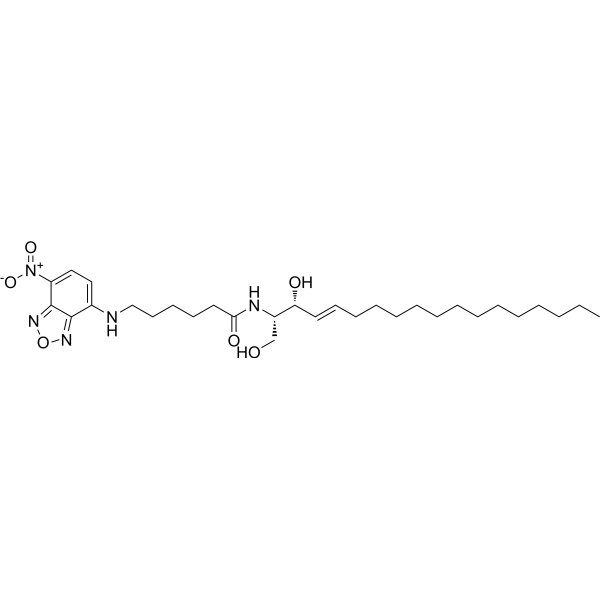
C6 NBD Ceramide is a Golgi apparatus fluorescent probe with cell membrane permeability. C6 NBD Ceramide can be used for fast and convenient green fluorescent labeling of Golgi in living and fixed cells, and can be used to observe changes in Golgi morphology in living cells (Ex=466 nm, Em=536 nm). C6-NBD-ceramide is metabolized to fluorescent sphingomyelin and glucosylceramide, can be used for the study of sphingolipid transport and metabolic mechanism .
loading...
    loading...
Art. -Nr.: HY-174374
CAS. Nr.: 3076446-44-8
Target:  

Topoisomerase

Forschungsgebiete:  

Cardiovascular Disease

Topobexin is a TOP2B-selective inhibitor with IC50 values of 0.19 μM and 4.8 μM for TOP2B and TOP2A (DNA decatenation assay). Topobexin binds to non-homologous residues in the obex pocket and targets the ATPase domain of TOP2B. Topobexin prevents anthracycline-induced DNA double-strand break formation, apoptotic signaling mediated by caspase 3/7, 8 and 9, cardiomyocyte morphological changes, mitochondrial depolarization/loss, left ventricular systolic dysfunction, extracellular matrix remodeling, fibrotic alterations, and increases in plasma cardiac troponin T and BNP. Topobexin does not impair the antiproliferative effects of anthracyclines in cancer cells, exhibits no intrinsic cytotoxicity in cardiomyocytes, and is well tolerated in rabbits. Topobexin can be used in studies related to anthracycline-induced cardiotoxicity .
loading...
    loading...
Art. -Nr.: HY-P10304
CAS. Nr.: 74838-83-8
Synonyms: Cyclo(Pro-Arg)
Target:  

Fungal

Forschungsgebiete:  

Others

Cyclo(Arg-Pro) (Cyclo(Pro-Arg)) is an inhibitor for chitinase. Cyclo(Arg-Pro) inhibits cell separation of Saccharomyces cerevisiae, without affecting its growth. Cyclo(Arg-Pro) inhibits the morphological change of Candida albicans from yeast form to filamentous form .
loading...
    loading...
Art. -Nr.: HY-126356
CAS. Nr.: 35418-59-8
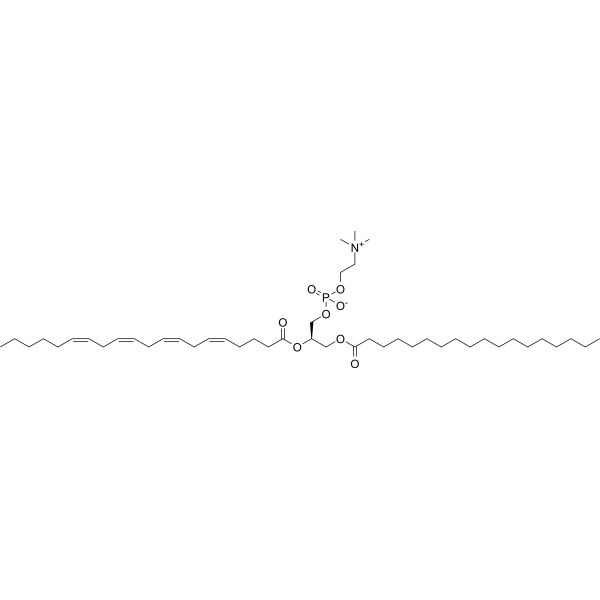
1-Stearoyl-2-arachidonoyl-sn-glycero-3-phosphocholine is a major phospholipid in low-density lipoprotein and belongs to the group of 1-acyl phosphatidylcholines. 1-Stearoyl-2-arachidonoyl-sn-glycero-3-phosphocholine does not induce morphological changes in washed human platelets. 1-Stearoyl-2-arachidonoyl-sn-glycero-3-phosphocholine can be used for the research of atherosclerosis and thrombotic diseases .
loading...
    loading...
Art. -Nr.: HY-137341
CAS. Nr.: 2769753-23-1
Reinheit:  98.33%
Target:  

PROTACs YTHDF

Forschungsgebiete:  

Neurological Disease Cancer

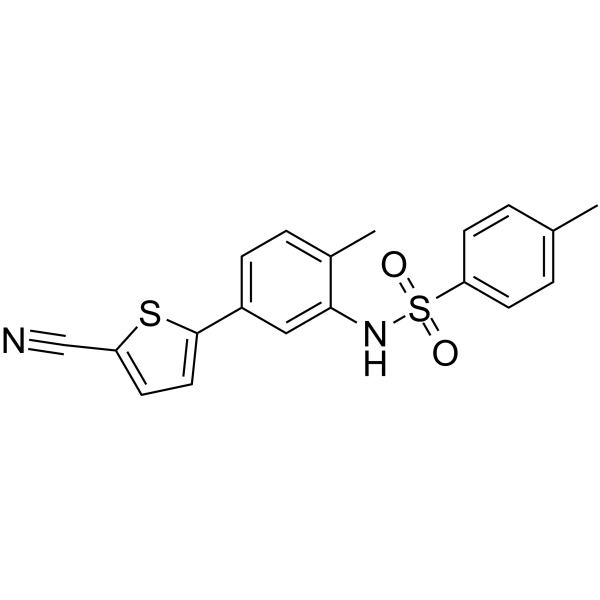
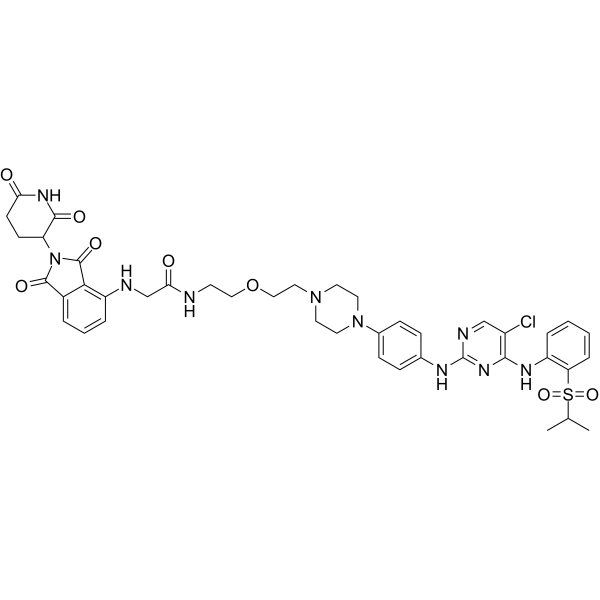
SK-3-91 is a multi-kinase PROTAC degrader that induces the degradation of the maximum number of unique kinases (over 125 distinct kinases) simultaneously. SK-3-91 induces protein degradation via the ubiquitin biotinylation (E-STUB) pathway, such as inducing the degradation of YTHDF2. SK-3-91 also inhibits cell proliferation and induces cell morphological changes. SK-3-91 can be used in research related to acute lymphoblastic leukemia, multiple myeloma, neuroblastoma, ovarian cancer, mantle cell lymphoma, and gastric cancer .
loading...
    loading...
Art. -Nr.: HY-N6801
CAS. Nr.: 23282-20-4
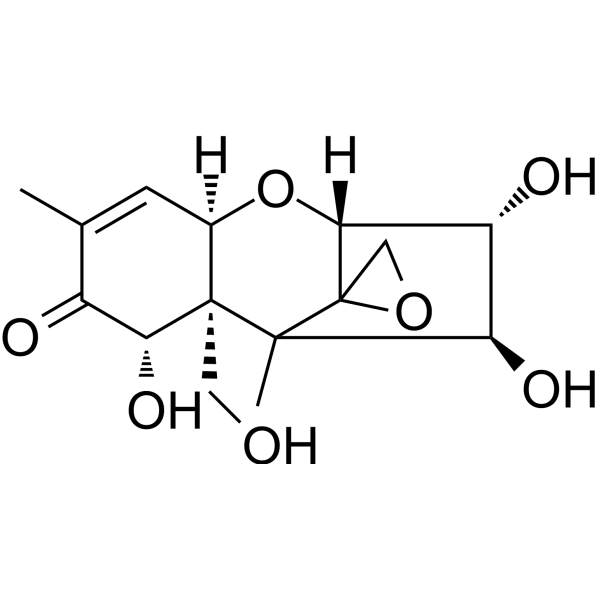
Nivalenol, a trichothecene mycotoxin that can be produced by Fusarium graminearum, is a fungal metabolite present in agricultural product. Nivalenol modulates apoptotic pathway, cell cycle regulation, Bax, ERK, caspase-3, and poly-ADP-ribose synthase activity in macrophages. Nivalenol inhibits ribosomal peptidyltransferase site, protein synthesis, DNA synthesis, and cell proliferation. Nivalenol induces late-stage apoptotic morphological changes, reduces cellular metabolism, and decreases cell proliferation in erythroleukemia cells. Nivalenol induces lymphocyte apoptosis in murine thymus, spleen, and Peyer's patches. Nivalenol can be used for the research of erythroleukemia .
loading...
    loading...
Art. -Nr.: HY-NP163A
Synonyms: WGA-AF488
Wheat germ agglutinin-AF488 (WGA-AF488) is a cell membrane-specific staining agent prepared by conjugating wheat germ agglutinin with the Alexa Fluor 488 (HY-D1304) fluorescent dye, and it binds to cell surface glycoproteins with high affinity. Wheat germ agglutinin-AF488 is applied in fluorescence microscopy and confocal imaging techniques, and it can clearly label the membrane structures of various cells including breast cancer cells, enabling high-resolution visual observation. Wheat germ agglutinin-AF488 is used in studies of breast cancer and triple-negative breast cancer to observe cell morphology and membrane dynamic changes .
loading...
    loading...
Art. -Nr.: HY-B0113R
CAS. Nr.: 73590-58-6
Synonyms: H 16868 (Standard)
Omeprazole (Standard) is the analytical standard of Omeprazole. This product is intended for research and analytical applications. Omeprazole (H 16868) is an orally active H +,K +-ATPase inhibitor and a proton pump inhibitor. Omeprazole competitively inhibits CYP2C19, CYP3A4, and CYP2C9 activity. Omeprazole inhibits gastric acid secretion and can be used for acid-related gastrointestinal disorders. Omeprazole inhibits pancreatic cancer cell proliferation, induces apoptosis, autophagosome accumulation (elevated LC3-I and LC3-II levels), oxidative stress, and cytogenetic imbalance, modulates lysosomal transport, reduces inflammatory cytokines. Omeprazole alters small intestinal morphology and magnesium absorption, and induces gastric mucosa morphologic changes. Omeprazole aslo has neuroprotective and antibacterial effects .
loading...
    loading...
Art. -Nr.: HY-123635
CAS. Nr.: 30408-30-1
Reinheit:  ≥99.0%
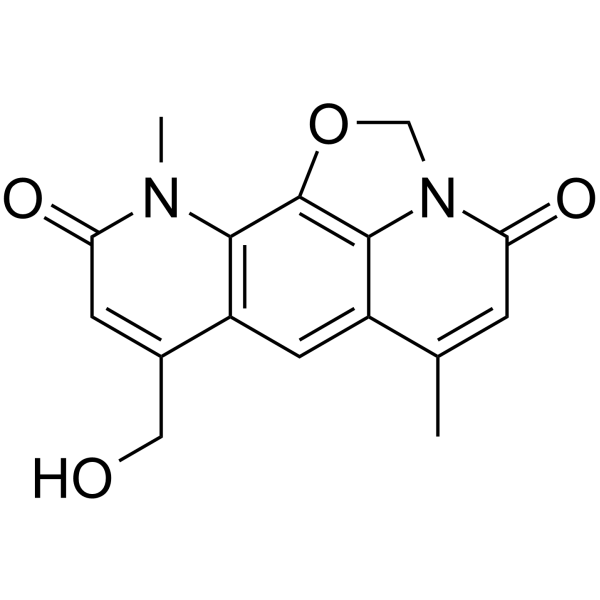
Nybomycin, an antibiotic, exhibits antiphage and antibacterial properties. Nybomycin binds to DNA and induces a unique morphological change to mycobacterial bacilli leading the bacterial cell death .
loading...
    loading...
Art. -Nr.: HY-B1740
CAS. Nr.: 1778-02-5
Target:  

Microtubule/Tubulin

Forschungsgebiete:  

Neurological Disease

Pregnenolone acetate (compound #43), a nonmetabolized Pregnenolone (HY-B0151) analog, can promote neurite extension and induce a change in growth cone morphology in primary cultures of cerebellar granule neurons. Pregnenolone acetate, a neurosteroid, increases microtubule polymerization. Pregnenolone acetate has the potential for neurodevelopmental diseases research .
loading...
    loading...
Art. -Nr.: HY-163459
CAS. Nr.: 908001-51-4
Target:  

Fungal

Forschungsgebiete:  

Infection

HWY-289 is a semisynthetic protoberberine derivative, has broad-spectrum and potent activities against phytopathogenic fungi, particularly Botrytis cinerea (EC50 = 1.34 μg/mL). HWY-289 changes the morphology of the mycelium and the internal structure of cells. HWY-289 reduces ATP content, ATPase activities, and key enzyme activities in the TCA cycle .
loading...
    loading...
Art. -Nr.: HY-150187
CAS. Nr.: 1246430-04-5
Forschungsgebiete:  

Neurological Disease

20:4 Lyso PI acts as an activator of GPR55 and RhoA. 20:4 Lyso PI activates the GPR55-RhoA-ROCK pathway, thereby inducing morphological changes, cytoskeleton assembly, cell rounding and stress fiber formation. 20:4 Lyso PI can be used in research related to diseases such as those of the nervous system .
loading...
    loading...

