
67 Results for "

polymorphonuclear

" in MedChemExpress (MCE) Product Catalog:
Products (67)

67 Results for "polymorphonuclear" in MCE Product Catalog:

21
21 Publications Verification
Art. -Nr.: HY-129905
CAS. Nr.: 6491-83-4
Reinheit:  98.92%
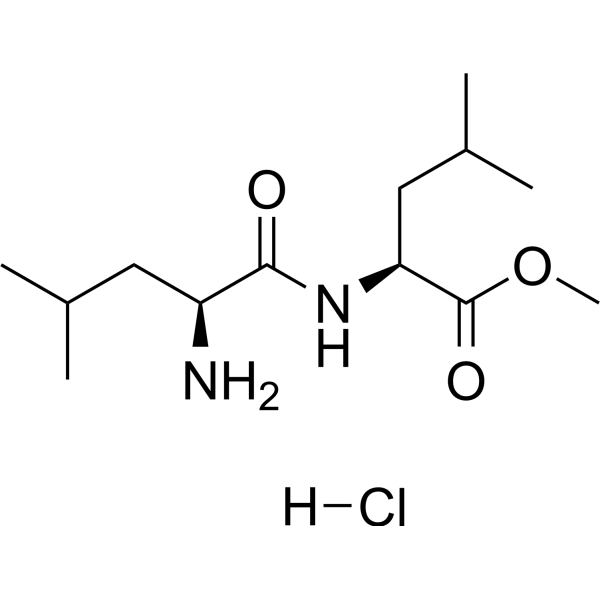
Synonyms: LLOMe hydrochloride; Leu-Leu methyl ester hydrochloride; H-Leu-Leu-OMe hydrochloride
L-Leucyl-L-Leucine methyl ester (LLOMe) hydrochloride, a dipeptide condensation product of L-leucine methyl ester generated by human monocytes or polymorphonuclear leukocytes, selectively eliminates lymphocytes with cytotoxic potential. L-Leucyl-L-Leucine methyl ester hydrochloride also can induce endolysosomal pathway stress .
loading...
    loading...
21
21 Publications Verification
Art. -Nr.: HY-129905A
CAS. Nr.: 16689-14-8
Reinheit:  99.69%
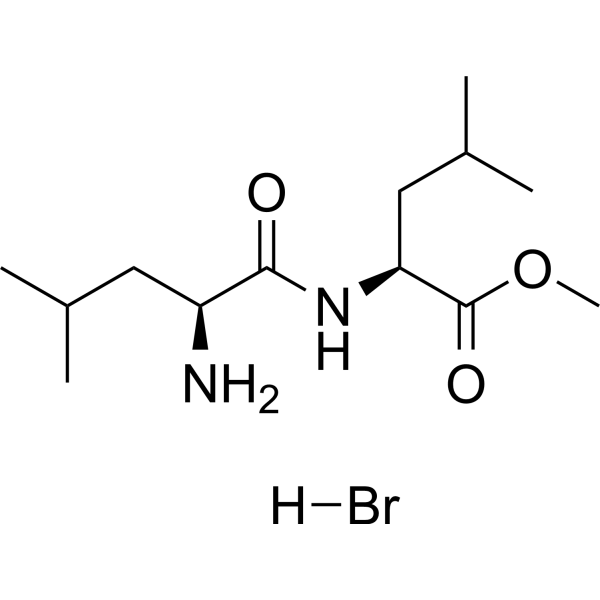
Synonyms: LLOMe hydrobromide; Leu-Leu methyl ester hydrobromide; H-Leu-Leu-OMe hydrobromide
L-Leucyl-L-Leucine methyl ester (LLOMe) hydrobromide, a dipeptide condensation product of L-leucine methyl ester generated by human monocytes or polymorphonuclear leukocytes, selectively eliminates lymphocytes with cytotoxic potential. L-Leucyl-L-Leucine methyl ester hydrobromide also can induce endolysosomal pathway stress .
loading...
    loading...
17
17 Cited Publications
Art. -Nr.: HY-P1645
CAS. Nr.: 9001-73-4
Papain is a cysteine protease of the peptidase C1 family. Papain enhances red cell agglutination by anti-D and anti-A, and increases red cell sensitivity to K cell-mediated lysis in ADCC assays. Papain can induce pulmonary emphysema. Papain can be used for the researches of Rh haemolytic disease of the newborn and pulmonary emphysema .
loading...
    loading...
5
5 Cited Publications
Art. -Nr.: HY-148141
CAS. Nr.: 1254036-23-1
Reinheit:  99.96%
Target:  

Complement System

Forschungsgebiete:  

Inflammation/Immunology

JPE-1375 is a complement C5a receptor 1 (C5aR1) antagonist. JPE-1375 effectively inhibits polymorphonuclear leukocyte mobilization (EC50=6.9 μM) and reduces TNF levels (EC50=4.5 μM) in mice. JPE-1375 can be used in studies of autoimmune and inflammatory diseases .
loading...
    loading...
4
4 Cited Publications
Art. -Nr.: HY-P0172
CAS. Nr.: 1337878-62-2
Target:  

CXCR

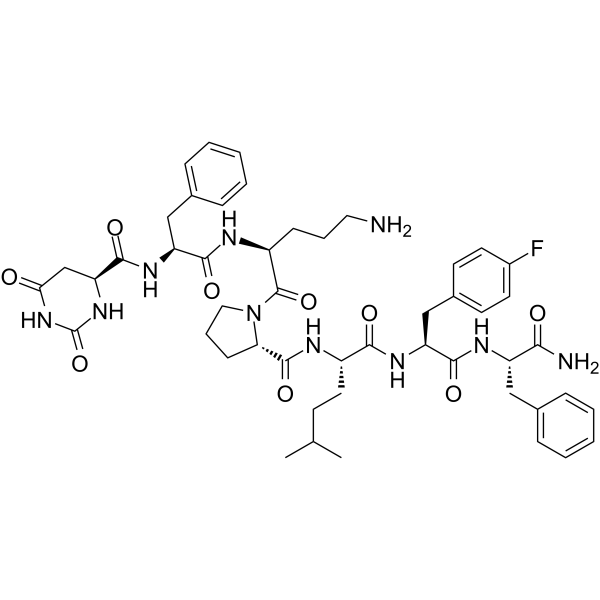
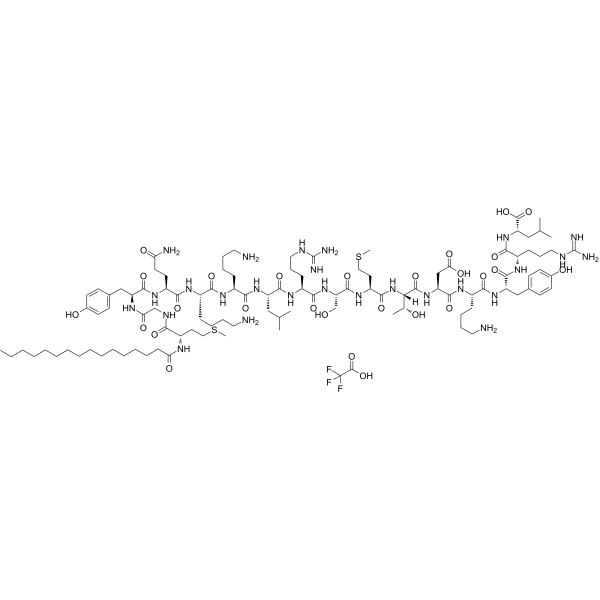
ATI-2341 is a potent and functionally selective allosteric agonist of C-X-C chemokine receptor type 4 (CXCR4), which functions as a biased ligand, favoring Gαi activation over Gα13. ATI-2341 activates the inhibitory heterotrimeric G protein (Gi) to promote inhibition of cAMP production and induce calcium mobilization. ATI-2341 is a potent and efficacious mobilizer of bone marrow polymorphonuclear neutrophils (PMNs) and hematopoietic stem and progenitor cells (HSPCs) .
loading...
    loading...
4
4 Cited Publications
Art. -Nr.: HY-P0172A
Target:  

CXCR

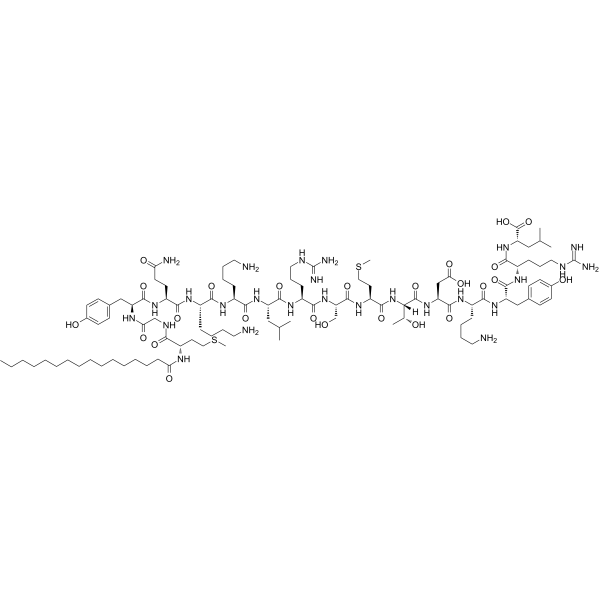
ATI-2341 is a potent and functionally selective allosteric agonist of C-X-C chemokine receptor type 4 (CXCR4), which functions as a biased ligand, favoring Gαi activation over Gα13. ATI-2341 activates the inhibitory heterotrimeric G protein (Gi) to promote inhibition of cAMP production and induce calcium mobilization. ATI-2341 is a potent and efficacious mobilizer of bone marrow polymorphonuclear neutrophils (PMNs) and hematopoietic stem and progenitor cells (HSPCs) .
loading...
    loading...
2
2 Cited Publications
Art. -Nr.: HY-114041
CAS. Nr.: 552830-51-0
Reinheit:  95.30%
Synonyms: RvE1
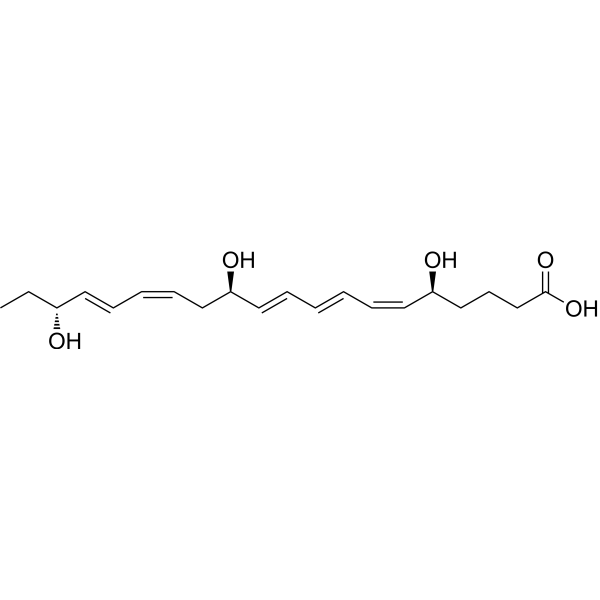
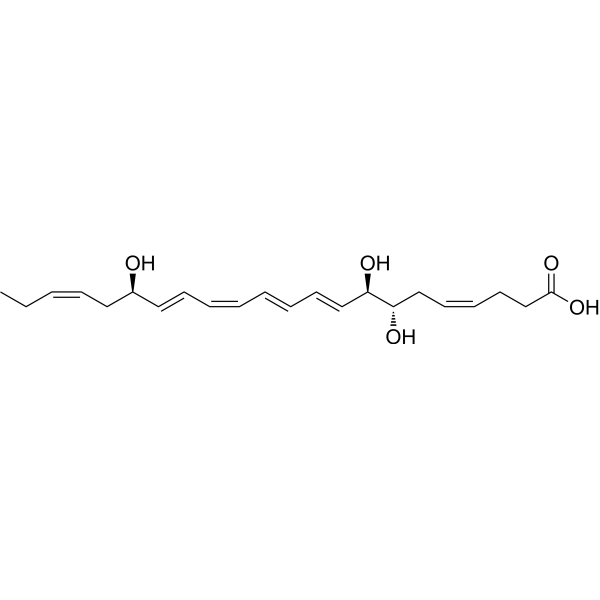
Resolvin E1 (RvE1), a potent endogenous pro-resolving mediator of inflammation, is derived from omega-3 fatty acid eicosapentaenoic acid (EPA). Resolvin E1 is endogenously biosynthesized from EPA in the presence of Aspirin during the spontaneous resolution phase of acute inflammation, where specific cell-cell interactions occur. Resolvin E1 possesses unique counterregulatory actions that inhibit polymorphonuclear leukocyte (PMN) transendothelial migration. Resolvin E1 also acts as a potent inhibitor of leukocyte infiltration, dendritic cell migration, and IL-12 production .
loading...
    loading...
1
1 Cited Publications
Art. -Nr.: HY-12642
CAS. Nr.: 1642-54-2
Reinheit:  99.95%
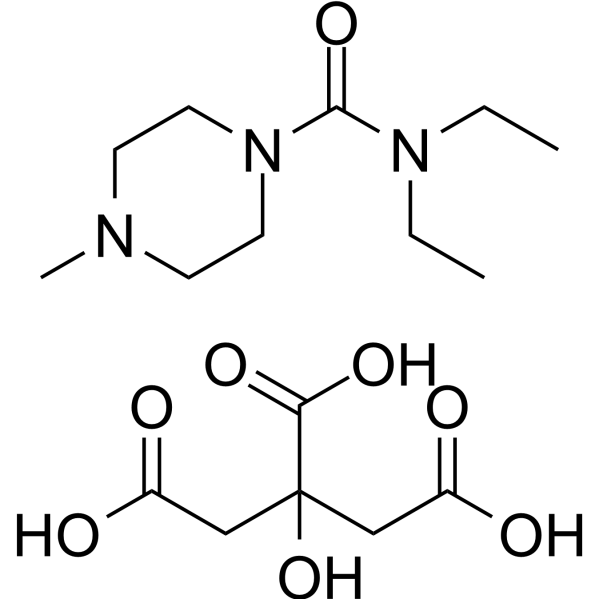
Diethylcarbamazine citrate is an orally active microfilaricidal agent used originally in onchocerciasis and lymphatic filiariasis. Diethylcarbamazine citrate reduces eosinophil trafficking to the lung tissue and exerts anti-allergic effects. Diethylcarbamazine citrate reduces serum levels of leptin, TNF-α, IL-6, MCP-1, glucose, insulin, and triglycerides, and ameliorates insulin resistance without altering body, liver, or adipose tissue weights. Diethylcarbamazine citrate enhances reactive oxygen intermediate expression by polymorphonuclear neutrophils, increases lymphocyte proliferation, and inhibits actinomycetoma lesion development. Diethylcarbamazine citrate can be used for the researches of bronchial asthma, insulin resistance and infection .
loading...
    loading...
1
1 Cited Publications
Art. -Nr.: HY-12642A
CAS. Nr.: 90-89-1
Reinheit:  99.83%
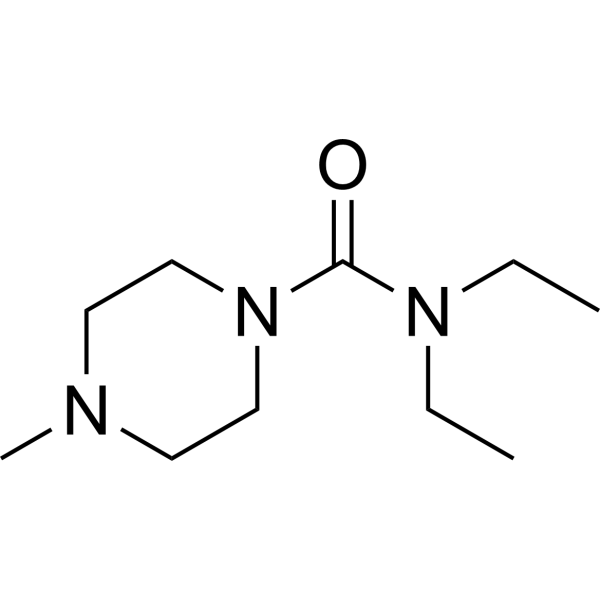
Diethylcarbamazine is an orally active microfilaricidal agent used originally in onchocerciasis and lymphatic filiariasis. Diethylcarbamazine reduces eosinophil trafficking to the lung tissue and exerts anti-allergic effects. Diethylcarbamazine reduces serum levels of leptin, TNF-α, IL-6, MCP-1, glucose, insulin, and triglycerides, and ameliorates insulin resistance without altering body, liver, or adipose tissue weights. Diethylcarbamazine enhances reactive oxygen intermediate expression by polymorphonuclear neutrophils, increases lymphocyte proliferation, and inhibits actinomycetoma lesion development. Diethylcarbamazine can be used for the researches of bronchial asthma, insulin resistance and infection .
loading...
    loading...
1
1 Cited Publications
Art. -Nr.: HY-125527A
CAS. Nr.: 528583-91-7
Reinheit:  99.1%
Synonyms: 17(R)-RvD1; AT-RvD1
Target:  

TRP Channel

Forschungsgebiete:  

Inflammation/Immunology

17R-Resolvin D1 (17R-RvD1; AT-RvD1) is an aspirin-triggered epimer of Resolvin D1, which exhibits anti-inflammatory activity in mice and human PMNs cells . 17R-Resolvin D1 specificially inhibits TRPV3 with an IC50 of 398 nM and exhibits peripheral anti-nociceptive efficacy .
loading...
    loading...
Art. -Nr.: HY-W016733
CAS. Nr.: 13594-51-9
Synonyms: H-D-Cit-OH
Target:  

Endogenous Metabolite

Forschungsgebiete:  

Cardiovascular Disease

D-Citrulline (H-D-Cit-OH) is a stereoisomer of L-citrulline (HY-N0391). D-Citrulline significantly attenuates polymorphonuclear leukocyte (PMN)-induced cardiac contractile dysfunction in the isolated perfused rat heart subjected to ischemia/reperfusion via a non-NO-mediated mechanism .
loading...
    loading...
Art. -Nr.: HY-N3945
CAS. Nr.: 475-81-0
Synonyms: O,O-Dimethylisoboldine; S-(+)-Glaucine; NSC 34396
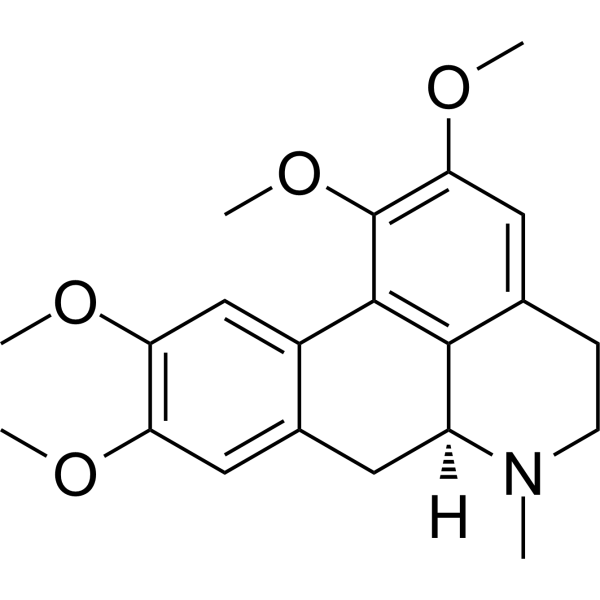
Glaucine (O,O-Dimethylisoboldine) is an alkaloid extracted from Glaucium flavum that possesses various activities, including cough relief, bronchodilation, anti-inflammatory effects, analgesia, antipyretic properties, and anticancer effects. Glaucine acts as a selective and orally active inhibitor of phosphodiesterase 4 (PDE4), with a Ki of 3.4 µM in human bronchial tissues and polymorphonuclear leukocytes. Glaucine induces relaxation of human isolated bronchi by antagonizing calcium channels. Additionally, Glaucine inhibits the activation of NF-κB, leading to a reduction in the expression of the MMP-9 gene, thereby suppressing the migration and invasion of breast cancer cells. Therefore, Glaucine holds potential for research in asthma and breast cancer .
loading...
    loading...
Art. -Nr.: HY-103445
CAS. Nr.: 344930-95-6
Reinheit:  ≥98.0%
Target:  

Elastase

Forschungsgebiete:  

Cardiovascular Disease

SSR69071 is a potent, orally active and selective inhibitor of neutrophil elastase. SSR69071 reduces myocardial infarct size following ischemia-reperfusion injury . SSR69071 displays a higher affinity for human elastase (Ki=0.0168 nM) than for rat (Ki=3 nM), mouse (Ki=1.8 nM), and rabbit (Ki= 58 nM) elastases .
loading...
    loading...
Art. -Nr.: HY-105028
CAS. Nr.: 120210-48-2
Reinheit:  99.32%
Synonyms: CP-66248
Forschungsgebiete:  

Inflammation/Immunology

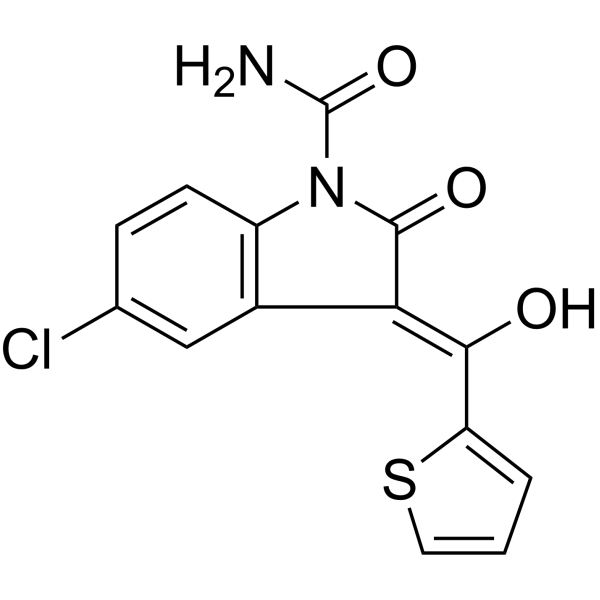
Tenidap (CP-66248) is an orally active dual inhibitor of 5-LOX and COX with anti-inflammatory and immunomodulatory properties. Tenidap downregulates the expression of IL-1 receptors in chondrocytes, reduces the release of pro-inflammatory cytokines such as IL-1, IL-6 and TNF-α, and inhibits MMP production and cartilage degradation. Tenidap also blocks bone resorption and leukocyte adhesion to vascular endothelium, interferes with ion and pH changes associated with mouse sperm capacitation, and selectively enhances the activity of hKir2.3 channels (EC50=1.3 μM). Tenidap is applicable to research related to rheumatoid arthritis .
loading...
    loading...
Art. -Nr.: HY-12927
CAS. Nr.: 1240494-13-6
Reinheit:  99.88%
Target:  

CXCR

Forschungsgebiete:  

Inflammation/Immunology

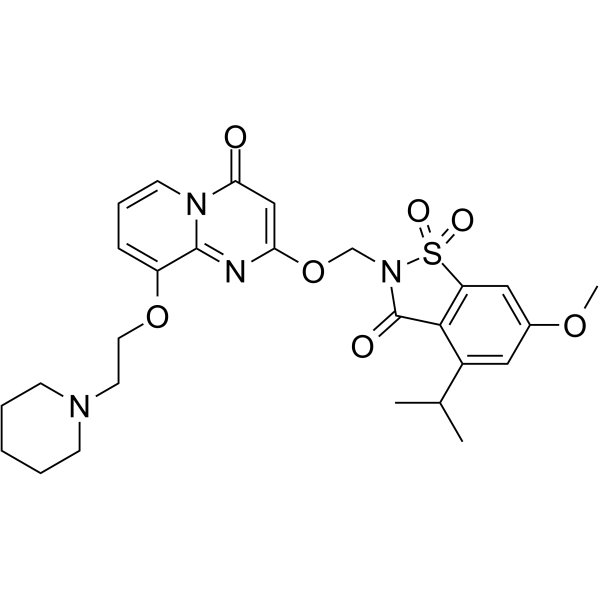
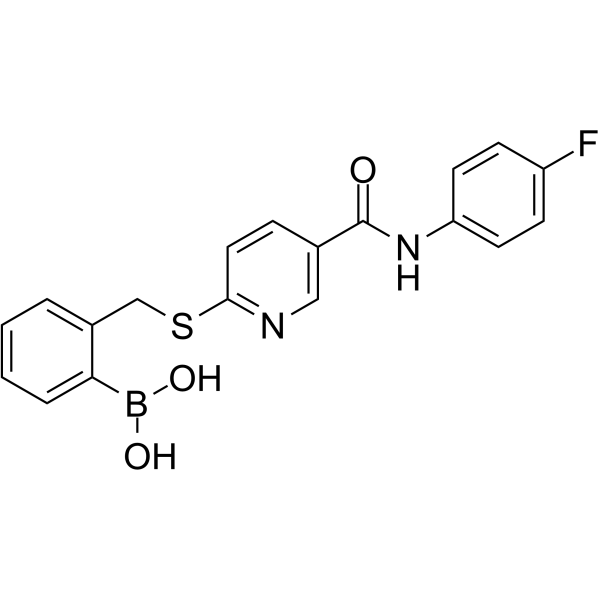
SX-517 is a dual CXCR2/1 antagonist, containing boronic acid. SX-517 inhibits CXCL1-induced Ca 2+ flux (IC50=38 nM), and antagonizes CXCL8-induced [(35)S]GTPγS binding (IC50=60 nM) and ERK1/2 phosphorylation. SX-517 has significant ability for inflammation suppression, in both humanized polymorphonuclear (PMN) cells and in murine model .
loading...
    loading...
Art. -Nr.: HY-133159
CAS. Nr.: 865532-70-3
Reinheit:  ≥95.0%
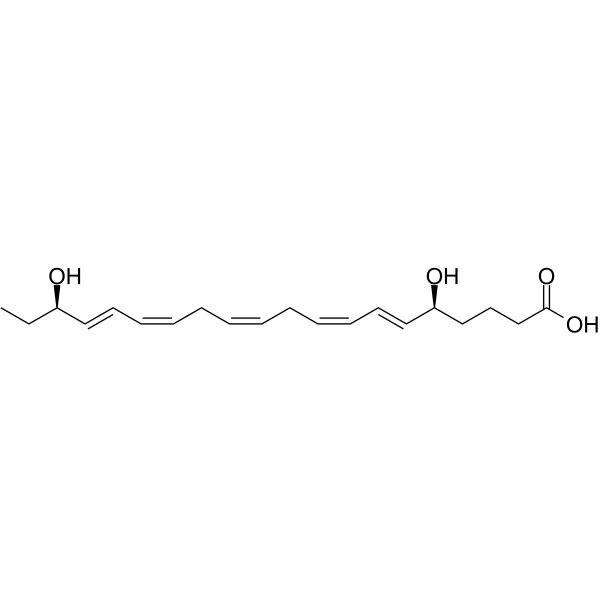
Synonyms: (-)-Resolvin E2
Resolvin E2 ((-)-Resolvin E2) is an endogenous lipid mediator produced from eicosapentaenoic acid (EPA) under the catalysis of 5-lipoxygenase (5-LOX), and its production increases in hypoxic environments. Resolvin E2 antagonizes BLT1, partially activates ChemR23, and promotes ubiquitin-proteasome-mediated degradation of COX-2. Resolvin E2 reduces the production of prostaglandin E2, blocks polymorphonuclear leukocyte infiltration, and promotes the resolution of airway inflammation. Resolvin E2 ameliorates lipopolysaccharide (LPS) (HY-D1056)-induced depressive-like behaviors . Resolvin E2 can be used in research related to depression, murine peritonitis, neonatal asthma, and other conditions .
loading...
    loading...
Art. -Nr.: HY-106200
CAS. Nr.: 179420-17-8
Reinheit:  98.01%
Target:  

Lipoxygenase

Forschungsgebiete:  

Inflammation/Immunology

CJ-13,610, a nonredox-type 5-LO inhibitor, dose dependently suppresses 5-LO product formation in ionophore A23187-stimulated PMNL in the absence of exogenous AA with an IC50 of about 70 nM . PMNL: polymorphonuclear leukocytes; AA: arachidonic acid
loading...
    loading...
Art. -Nr.: HY-170747A
Target:  

Bacterial

Forschungsgebiete:  

Infection Inflammation/Immunology

9-tert-Butyldoxycycline hydrochloride exhibits immunomodulatory activity, alters the polarization states polymorphonuclear neutrophils, and ameliorates the inflammatory response in ischemia-reperfusion injury model. 9-tert-Butyldoxycycline hydrochloride is the ligand for ‘Tet-On’ switch system .
loading...
    loading...
Art. -Nr.: HY-P10738
CAS. Nr.: 863418-59-1
Forschungsgebiete:  

Infection

N-Formyl-MMYALF is a potent mitochondrial N-formyl peptide (mtFP) that has the activity of depleting calcium ions in the endoplasmic reticulum. N-Formyl-MMYALF can inhibit the FPR-1-mediated chemotactic response of polymorphonuclear leukocytes (PMNs) to bacterial peptides .
loading...
    loading...
Art. -Nr.: HY-120314
CAS. Nr.: 144576-10-3
Forschungsgebiete:  

Inflammation/Immunology

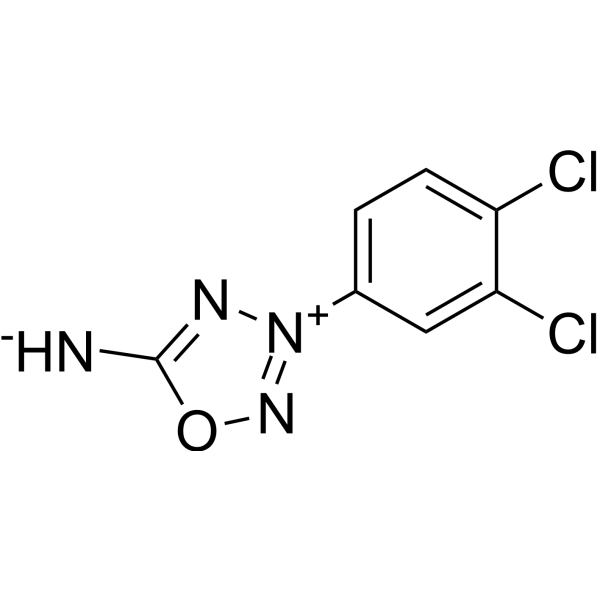
GEA 3162 is an orally active compound that acts as a NO/ONOO⁻ donor. GEA 3162 significantly inhibits the activation of human polymorphonuclear leukocytes (PMNs) through the cGMP pathway, inhibits the release of inflammatory mediators, and exerts anti-inflammatory and protective effects. GEA 3162 induces apoptosis of neutrophils and bone marrow cells by activating caspase-2/3/8/9 through the ONOO⁻ pathway. GEA 3162 has a bidirectional effect in the rat gastric ulcer model: at low doses, it significantly reduces gastric mucosal damage, while at high doses, it aggravates the ulcer area. GEA 3162 can be used for research on inflammatory conditions such as gastric ulcers .
loading...
    loading...

