85 Results for "

spatial

" in MedChemExpress (MCE) Product Catalog:
Products (85)

85 Results for "spatial" in MCE Product Catalog:

141
141 Publications Verification
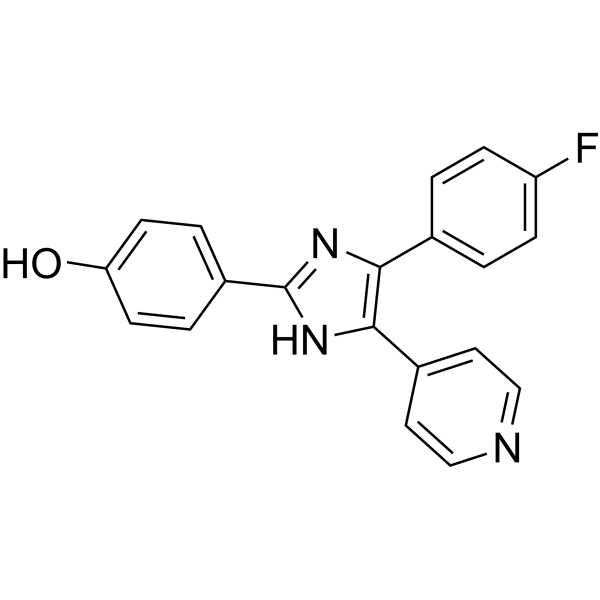
Art. -Nr.: HY-10295
CAS. Nr.: 152121-30-7
Reinheit:  99.89%
Forschungsgebiete:  

Neurological Disease Cancer

SB 202190 is a selective p38 MAP kinase inhibitor with IC50s of 50 nM and 100 nM for p38α and p38β2, respectively. SB 202190 binds to the ATP pocket of the active recombinant human p38 kinase with a Kd of 38 nM. SB 202190 has anti-cancer activity and rescued memory deficits . SB202190 induces autophagy .
loading...
    loading...
141
141 Publications Verification
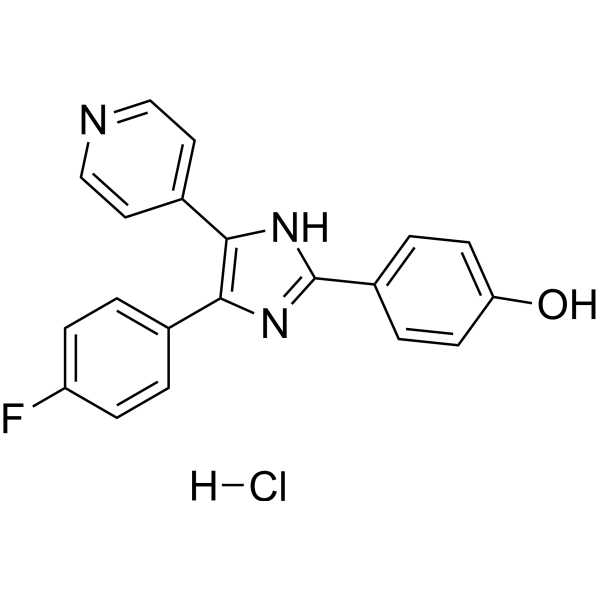
Art. -Nr.: HY-10295A
CAS. Nr.: 350228-36-3
Reinheit:  99.66%
Forschungsgebiete:  

Neurological Disease Cancer

SB 202190 hydrochloride is a selective p38 MAP kinase inhibitor with IC50s of 50 nM and 100 nM for p38α and p38β2, respectively. SB 202190 hydrochloride binds to the ATP pocket of the active recombinant human p38 kinase with a Kd of 38 nM. SB 202190 hydrochloride has anti-cancer activity . SB202190 hydrochloride induces autophagy .
loading...
    loading...
49
49 Cited Publications
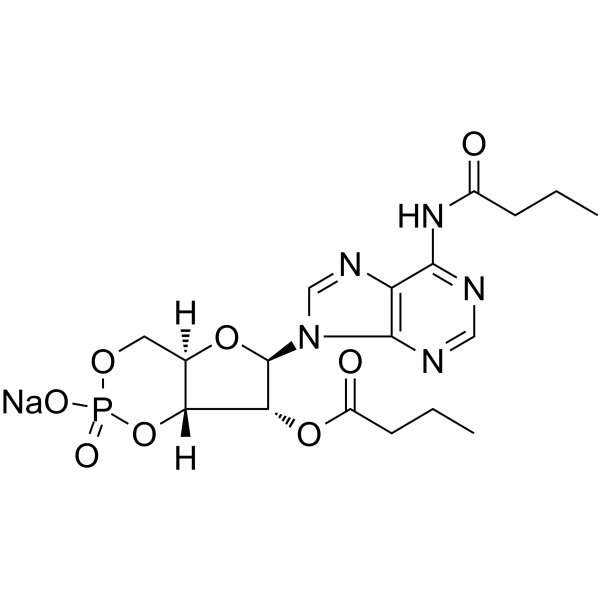
Art. -Nr.: HY-B0764
CAS. Nr.: 16980-89-5
Synonyms: Dibutyryl cAMP sodium; DBcAMP sodium
Bucladesine (Dibutyryl cAMP; DBcAMP) sodium is a membrane-permeable 3′, 5′-cyclic adenosine monophosphate (cAMP) analog. Bucladesine selectively activates cAMP dependent protein kinase (PKA) by increasing the intracellular level of cAMP. Bucladesine significantly attenuates MDMA-induced increases in hippocampal mitochondrial ROS formation, mitochondrial outer membrane damage, cytochrome c release, and hippocampal ADP/ATP ratio, thereby improving spatial learning and memory impairments. Bucladesine exhibit anti-nociceptive and anti-inflammation effect. Bucladesine can inhibit cancer cells proliferation, induce apoptosis. Bucladesine can be used for the researches of neurological disease, cancer, inflammation .
loading...
    loading...
49
49 Cited Publications
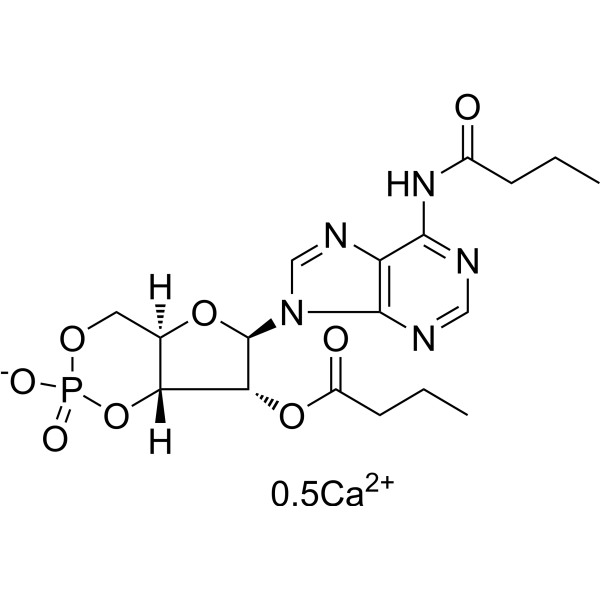
Art. -Nr.: HY-B0764A
CAS. Nr.: 938448-87-4
Synonyms: Dibutyryl cAMP hemicalcium; DBcAMP hemicalcium
Bucladesine (Dibutyryl cAMP; DBcAMP) hemicalcium is a membrane-permeable 3′, 5′-cyclic adenosine monophosphate (cAMP) analog. Bucladesine selectively activates cAMP dependent protein kinase (PKA) by increasing the intracellular level of cAMP. Bucladesine significantly attenuates MDMA-induced increases in hippocampal mitochondrial ROS formation, mitochondrial outer membrane damage, cytochrome c release, and hippocampal ADP/ATP ratio, thereby improving spatial learning and memory impairments. Bucladesine exhibit anti-nociceptive and anti-inflammation effect. Bucladesine can inhibit cancer cells proliferation, induce apoptosis. Bucladesine can be used for the researches of neurological disease, cancer, inflammation .
loading...
    loading...
29
29 Cited Publications
Art. -Nr.: HY-18731
CAS. Nr.: 214358-33-5
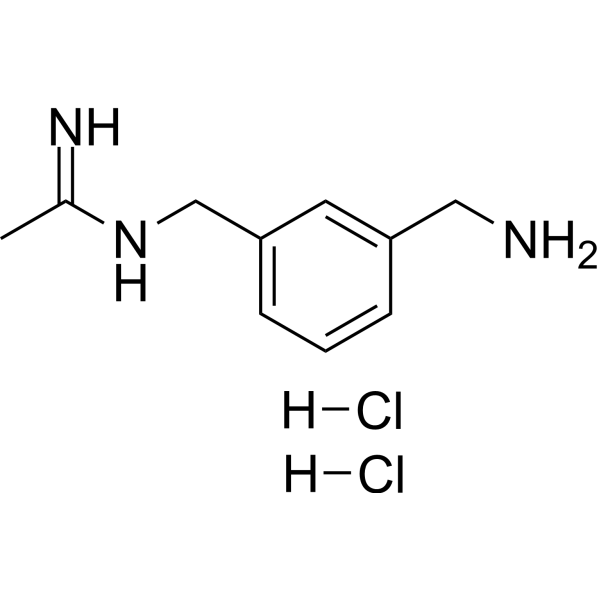
1400W dihydrochloride is the dihydrochloride form of 1400W (HY-18730). 1400W is a slow, tight binding, and highly selective inducible nitric-oxide synthase (iNOS) inhibitor, with a Kd value ≤ 7 nM. 1400W inhibits iNOS induction in microglial cells, and reduces generation of NO, thereby mitigating oxidative stress and neuronal cell apoptosis in the rat cerebral cortex, and improving the spatial memory dysfunction caused by acute hypobaric hypoxia-reoxygenation .
loading...
    loading...
29
29 Cited Publications
Art. -Nr.: HY-18730
CAS. Nr.: 180001-34-7
Synonyms: W1400
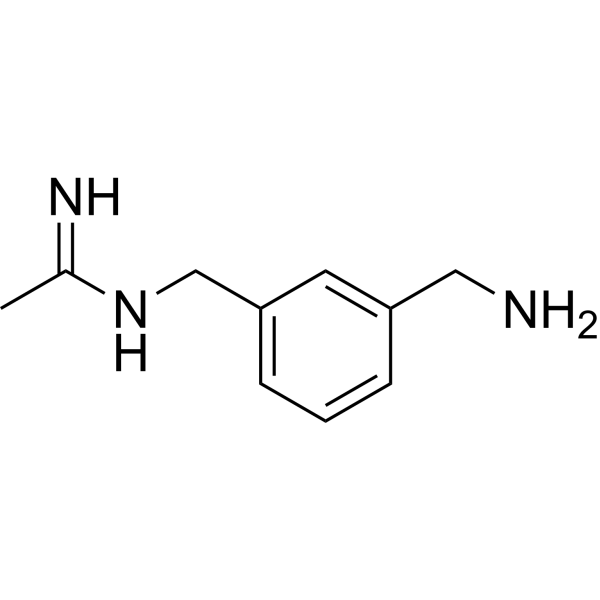
1400W is a slow, tight binding, and highly selective inducible nitric-oxide synthase (iNOS) inhibitor, with a Kd value ≤ 7 nM. 1400W inhibits iNOS induction in microglial cells, and reduces generation of NO, thereby mitigating oxidative stress and neuronal cell apoptosis in the rat cerebral cortex, and improving the spatial memory dysfunction caused by acute hypobaric hypoxia-reoxygenation .
loading...
    loading...
5
5 Cited Publications
Art. -Nr.: HY-B0072
CAS. Nr.: 89565-68-4
Synonyms: SDZ-ICS-930 free base
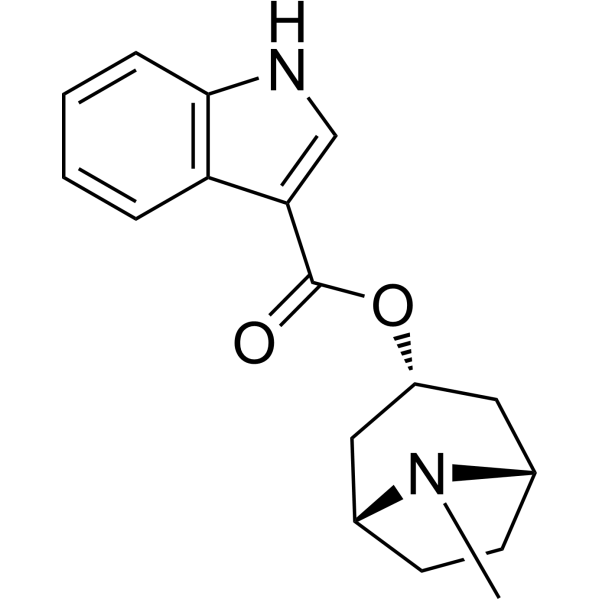
Tropisetron is an orally active 5-HT3R antagonist (Ki = 5.3 nM) as well as being a potent and selective α7 nicotinic partial agonist (EC50 = 1.3 μM). Tropisetron prevents phosphorylation and activation of the p38 MAPK. Tropisetron inhibits both IL-2 gene transcription and IL-2 synthesis in stimulated T cells. Tropisetron inhibits the binding to DNA and the transcriptional activity of NFAT and AP-1. Tropisetron is anti-inflammatory and antiemetic. Tropisetron has antitumor and neuroprotective effects. Tropisetron can be studied in research for diseases including hemorrhagic cystitis, chronic joint inflammation, lung cancer and chronic cerebral hypoperfusion .
loading...
    loading...
3
3 Cited Publications
Art. -Nr.: HY-W004260
CAS. Nr.: 506-30-9
Synonyms: Eicosanoic acid
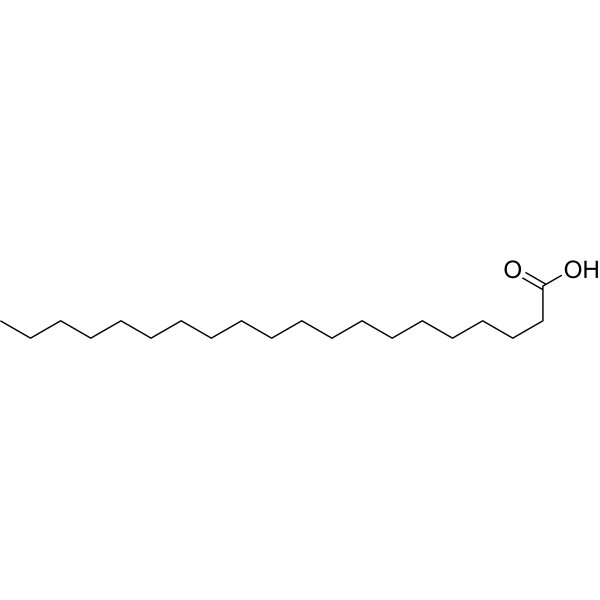
Arachidic acid is an orally bioavailable membrane fluidity modulator and receptor/ion channel effector. Arachidic acid does not activate arachidonic acid-sensitive K + channels in rat midbrain and hypothalamic neurons. Arachidic acid alleviates age-related spatial cognitive impairment. Arachidic acid is applicable for research related to age-related spatial cognitive impairment .
loading...
    loading...
2
2 Cited Publications
Art. -Nr.: HY-D0175
CAS. Nr.: 919-30-2
Synonyms: γ-Aminopropyltriethoxysilane; APTES
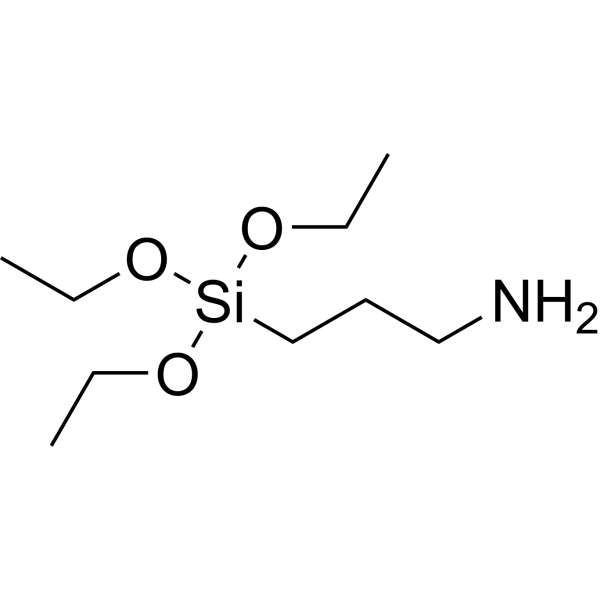
3-Aminopropyltriethoxysilane (APTES) acts as a strong glue to immobilize biomolecules such as antibodies and enzymes to silicon and silicon derivatives such as silicon nitride (Si3N4 )) on. 3-Aminopropyltriethoxysilane also acts as a spacer, providing biomolecules with more spatial freedom during immobilization for higher specific activity. 3-Aminopropyltriethoxysilane can form a more stable, sensitive, and highly biocompatible bioanalytical platform by immobilizing biomolecules onto some solid materials, electrode materials, nanomaterials, and nanocomposites .
loading...
    loading...
2
2 Cited Publications
Art. -Nr.: HY-103530
CAS. Nr.: 123690-79-9
Reinheit:  ≥98.0%
Target:  

GABA Receptor

Forschungsgebiete:  

Neurological Disease

CGP 35348 is a selective, brain penetrant, centrally active GABAB receptor antagonist with an EC50 of 34 μM. CGP 35348 shows affinity for the GABAB receptor only . CGP 35348 has a potential to improve neuromuscular coordination and spatial learning in albino mouse following neonatal brain damage .
loading...
    loading...
2
2 Cited Publications
Art. -Nr.: HY-120782
CAS. Nr.: 2097826-24-7
Reinheit:  99.34%
Target:  

Notch

Forschungsgebiete:  

Neurological Disease

Yhhu-3792 is a Notch activator. Yhhu-3792 enhances the self-renewal capability of neural stem cells (NSCs). Yhhu-3792 promotes the expression of Hes3 and Hes5. Yhhu-3792 increases the spatial and episodic memory abilities of mice. Yhhu-3792 can be used for the study of neurodegenerative diseases (such as Alzheimer's disease) or for neural regeneration after brain injury .
loading...
    loading...
2
2 Cited Publications
Art. -Nr.: HY-129084
CAS. Nr.: 111755-76-1
Reinheit:  98.85%
Forschungsgebiete:  

Others

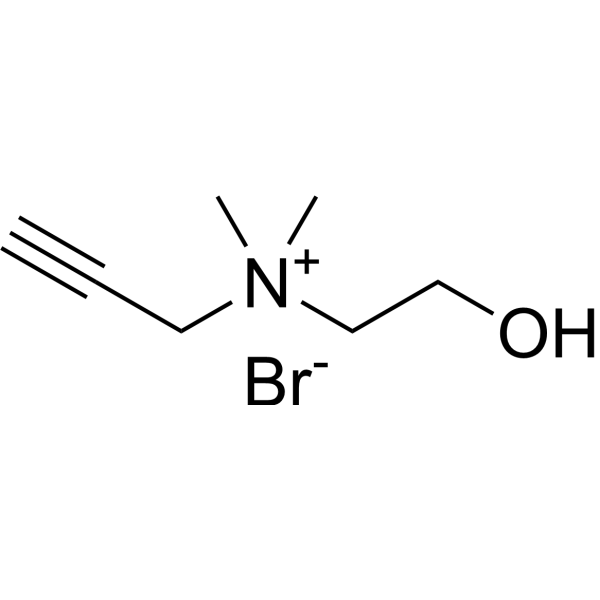
Propargylcholine bromide is a choline analogue containing terminal propargyl that can be incorporated into all classes of Choline-containing phospholipids such as phosphatidylcholine and sphingomyelin, labeling Choline-containing phospholipids. Propargylcholine bromide-labeled phospholipid molecules can be visualized in cells with high sensitivity and spatial resolution. Propargylcholine bromide can be used as a molecular tool to study the biochemical and metabolic processes of Choline-containing phospholipids in cells . Propargylcholine (bromide) is a click chemistry reagent, it contains an Alkyne group and can undergo copper-catalyzed azide-alkyne cycloaddition (CuAAc) with molecules containing Azide groups.
loading...
    loading...
2
2 Cited Publications
Art. -Nr.: HY-P2259
CAS. Nr.: 1404188-93-7
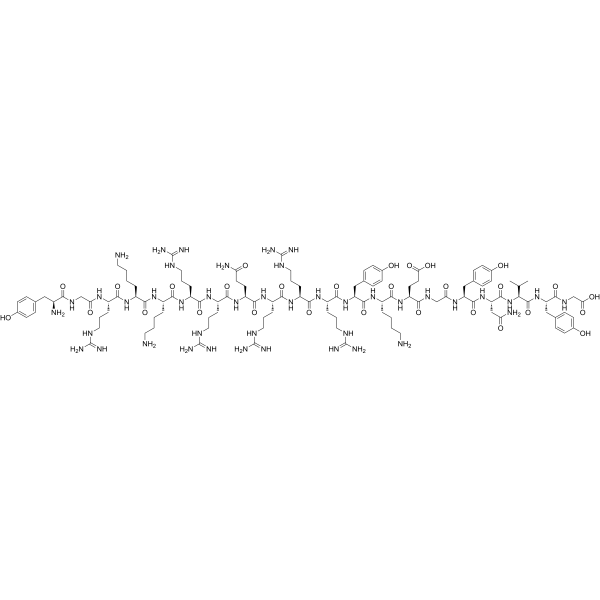
TAT-GluA2 3Y is a blood-brain barrier-permeable AMPA receptor inhibitory peptide that crosses cell membranes via the HIV-1 TAT protein domain. TAT-GluA2 3Y blocks the endocytosis of AMPA receptors, including the internalization of GluA1/GluA2 subunits, by disrupting interactions with the AP2, Brag2 and Syt3-GluA2 complexes, while also inhibiting long-term depression. TAT-GluA2 3Y blocks hypoxia-mediated AMPAR internalization, alleviates A1R-induced persistent synaptic inhibition, and reduces cerebral ischemic volume, neurological deficits and spatial memory deficits. TAT-GluA2 3Y blocks the effect of NLRP3 deficiency on fear generalization, inhibits amphetamine-induced behavioral/neurochemical sensitization, weakens the unconditioned stimulus-conditioned stimulus association of morphine, and promotes the extinction of morphine CPP. TAT-GluA2 3Y can be used in studies related to fear generalization, ischemic stroke, hypoxia, drug addiction and opioid addiction .
loading...
    loading...
1
1 Cited Publications
Art. -Nr.: HY-100406
CAS. Nr.: 150145-89-4
Reinheit:  99.02%
Synonyms: (+)-MCPG
Target:  

mGluR

Forschungsgebiete:  

Neurological Disease

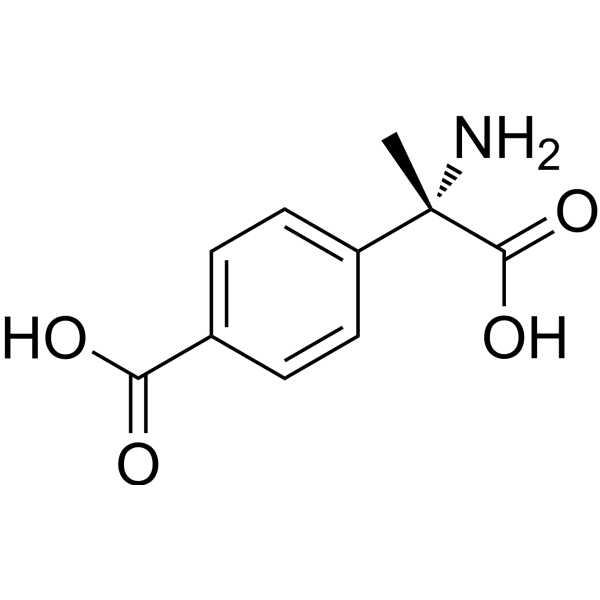
(S)-MCPG ((+)-MCPG) is a potent group I/II metabotropic glutamate receptor (mGluRs) antagonist and the active isomer of (RS)-MCPG (HY-100371) . (S)-MCPG can be used for the study of the function of mGluRs in spatial learning .
loading...
    loading...
1
1 Cited Publications
Art. -Nr.: HY-125232
CAS. Nr.: 2250091-96-2
Reinheit:  ≥98.0%
Forschungsgebiete:  

Cancer

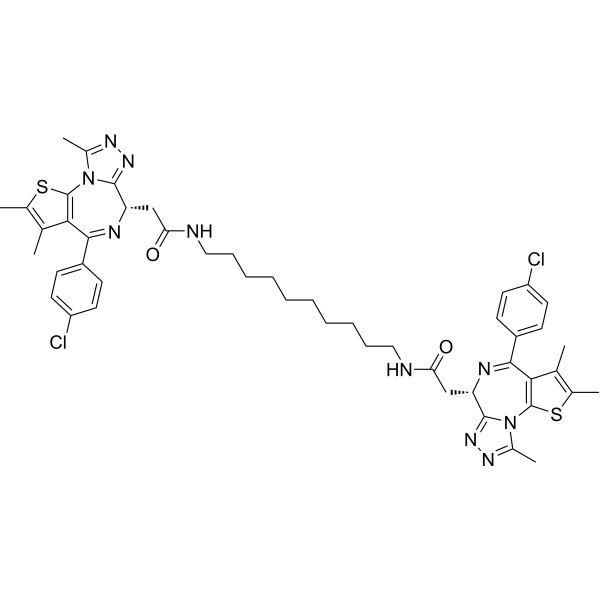
MS645 is a bivalent BET bromodomains (BrD) inhibitor with a Ki of 18.4 nM for BRD4-BD1/BD2. MS645 spatially constrains bivalent inhibition of BRD4 BrDs resulting in a sustained repression of BRD4 transcriptional activity in solid-tumor cells .
loading...
    loading...
1
1 Cited Publications
Art. -Nr.: HY-W097570
CAS. Nr.: 38006-08-5
Target:  

Antibiotic Bacterial

Forschungsgebiete:  

Infection Neurological Disease

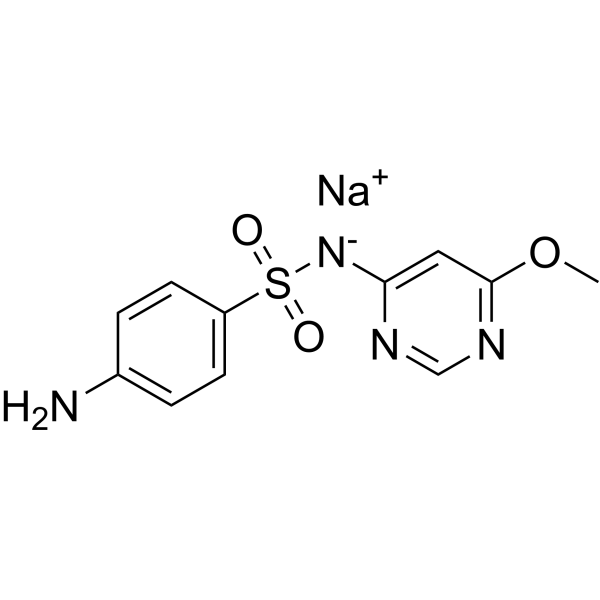
Sulfamonomethoxine sodium is an orally active broad-spectrum synthetic sulfonamide antibiotic that inhibits dihydropteroate synthetase. Sulfamonomethoxine sodium increases blood glucose levels, induces anxiety-related activities and impairs spatial learning and memory. Sulfamonomethoxine sodium can be used for the research of anxiety, spatial memory impairment, colisepticemia, salmonellosis, and staphylococcus infection .
loading...
    loading...
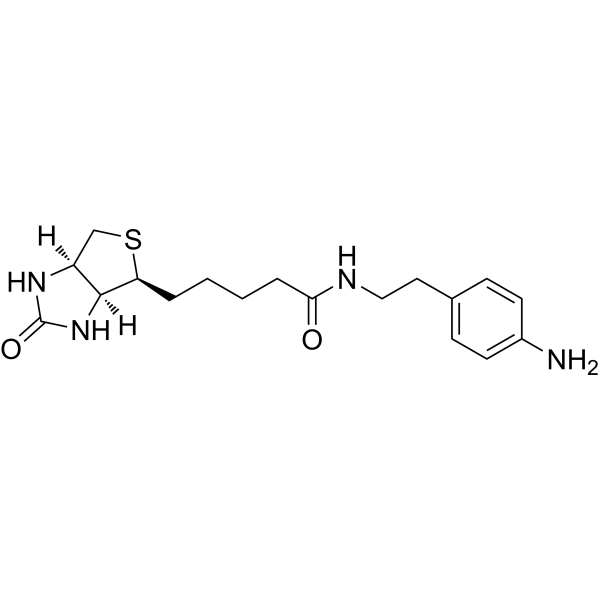
Art. -Nr.: HY-139912
CAS. Nr.: 769933-15-5
Reinheit:  99.63%
Forschungsgebiete:  

Others

Biotin-aniline is a probe with substantially high reactivity towards RNA and DNA. Biotin-aniline is also a novel APEX2 substrate. Biotin-aniline can label proteins via miniSOG. Biotin-aniline emerges as more efficient probe for capturing subcellular transcriptome in living cells with high spatial specificity .
loading...
    loading...
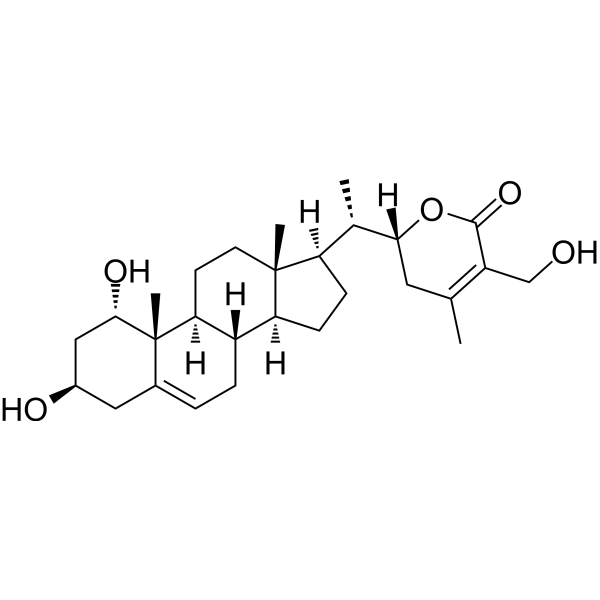
Art. -Nr.: HY-N10889
CAS. Nr.: 98569-64-3
Sominone is the active metabolite of Withanoside IV (HY-N8693). Sominone enhances neuronal morphological plasticity by activating the RET pathway. Sominone can also induce axon/dendrite regeneration and synaptic reconstruction, thereby improving spatial memory. Sominone can be used in the research of neurodegenerative diseases such as Alzheimer's disease .
loading...
    loading...
Art. -Nr.: HY-NP0204
Mouse Serum Albumin is most abundant protein in plasma, which leaks into the brain parenchyma when the blood-brain barrier (BBB) is impaired. Mouse Serum Albumin induces astrocytes to A1 phenotype to remarkably increase levels of Elovl1. Mouse Serum Albumin promotes VLSFAs secretion and causes neuronal lippoapoptosis through endoplasmic reticulum stress response pathway. MSA-activated microglia triggeres remarkable tau phosphorylation at multiple sites (Ser202/Thr205) through NLRP3 inflammasome pathway. Mouse Serum Albumin decreases the spatial learning and memory abilities in mice. Mouse Serum Albumin can be used for the study of neurodegenerative diseases like Alzheimer’s disease (AD) and frontotemporal dementia (FTD) .
loading...
    loading...
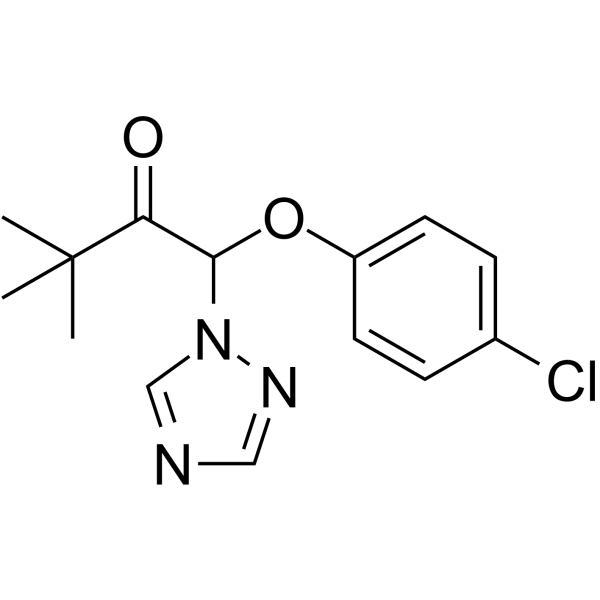
Art. -Nr.: HY-123037
CAS. Nr.: 43121-43-3
Reinheit:  98.12%
Triadimefon is an orally active fungicide. Triadimefon significantly reduces the phosphorylation of AKT1 and ERK1/2. Triadimefon significantly increases pAMPK levels, but does not affect total AMPK levels. Triadimefon inhibits the growth of Saccharomyces cerevisiae, disrupts hormone homeostasis (affecting the synthesis of testosterone, etc.), inhibits fetal adrenal development in rats, induces metabolic shifts in hepatocytes, and impairs spatial learning and memory .
loading...
    loading...

