



Trifluridine
Based on 3 publication(s) in Google Scholar
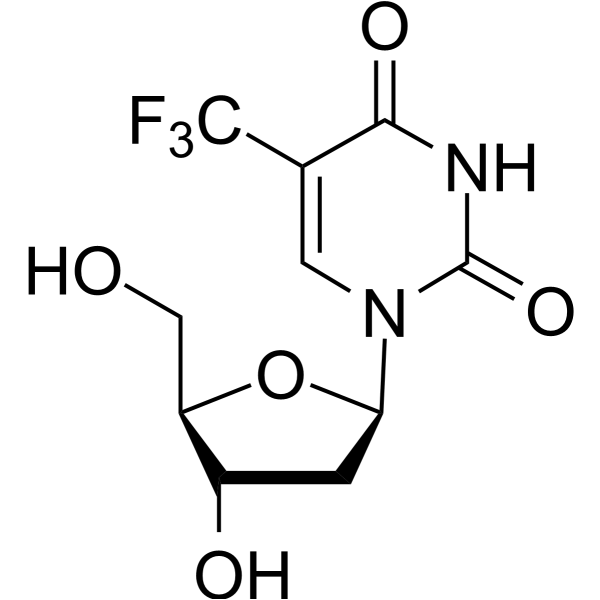
Trifluridine (Trifluorothymidine) is an irreversible and orally active thymidylate synthase inhibitor, and thereby suppressing DNA synthesis. Trifluridine is an antiviral molecule used for research of HSV, rhabdovirus and orthopoxvirus infection. Trifluridine induces cell apoptosis and autophagy. Trifluridine is also an anticancer agent used in studies of metastatic colorectal cancer, gastrointestinal tumors.
For research use only. We do not sell to patients.
- Purity : 99.96%
- CAS No.: 70-00-8
- Formula: C10H11F3N2O5
- Molecular Weight:296.20
-
Storage:Powder -20°C, 3 years , 4°C, 2 years ; In solvent -80°C, 2 years , -20°C, 1 year

To place orders, for customer services and technical support, please contact: MedChemExpress USA
Tel: 609-228-6898 E-mail: [email protected] [email protected]


-
 Biological Activity
-
Chemical Information
-
Solvent & Solubility
- Protocols
- Purity & Documentation
- References
-
 Help & FAQs


-
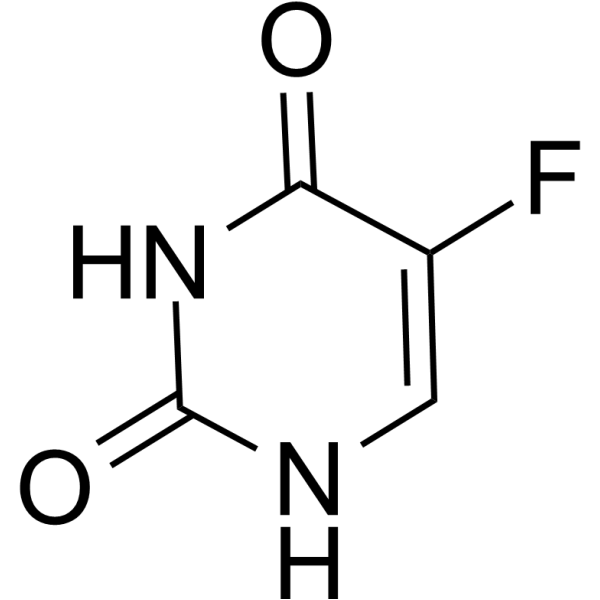
HY-90006
5-FluorouracilThymidylate Synthase Inhibitor -
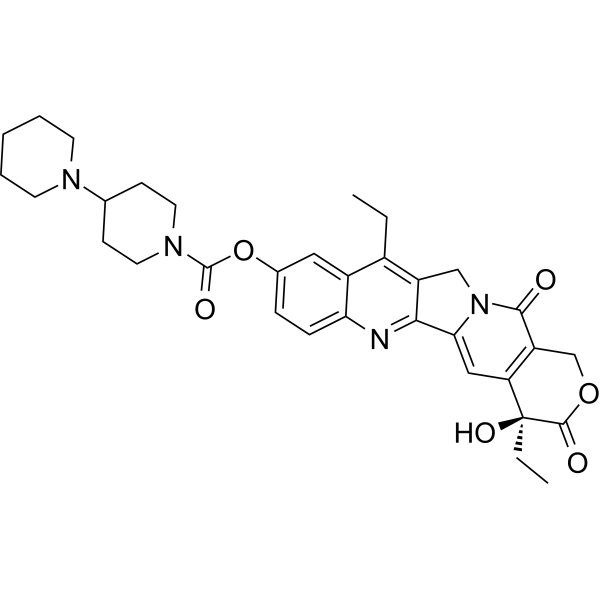
HY-16562
IrinotecanTopoisomerase I Inhibitor -
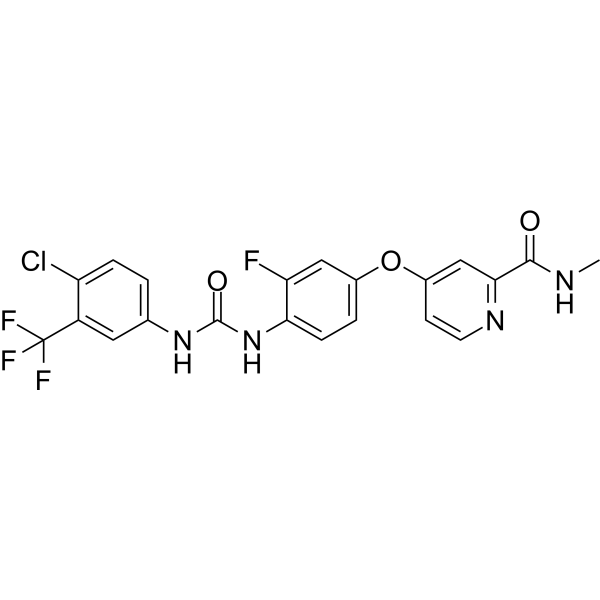
HY-10331
RegorafenibMulti-kinase Inhibitor -
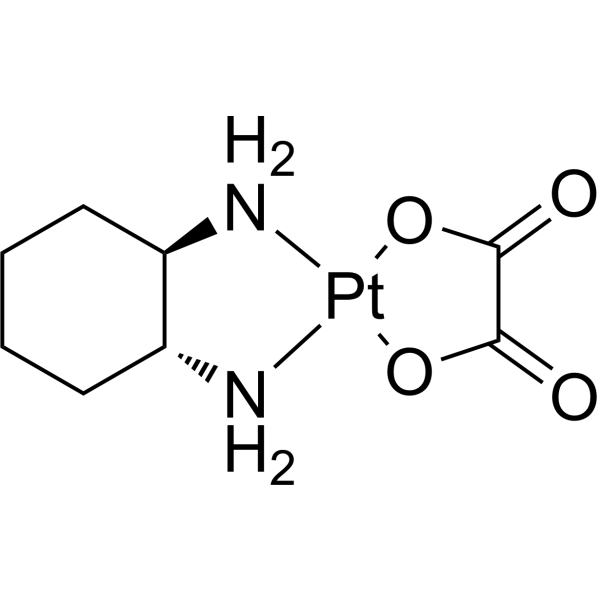
HY-17371
OxaliplatinDNA Synthesis Inhibitor -
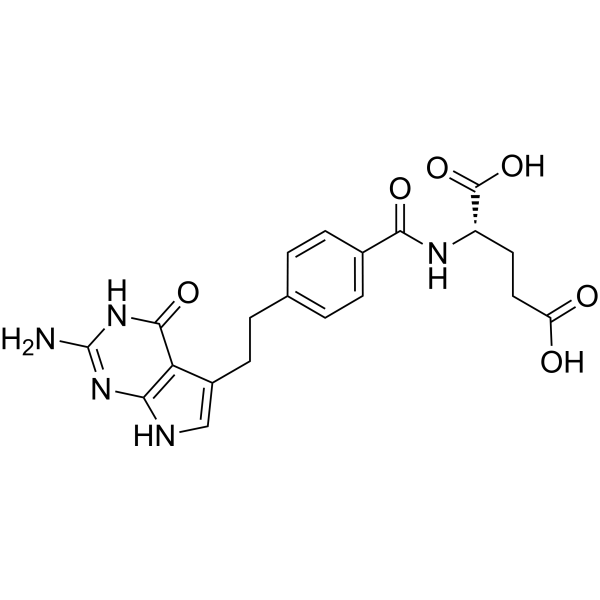
HY-10820
Pemetrexed -
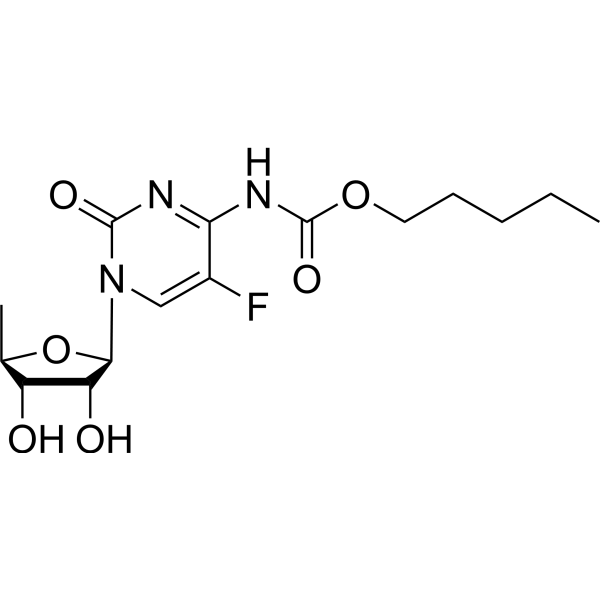
HY-B0016
CapecitabineDNA/RNA Synthesis Inhibitor -
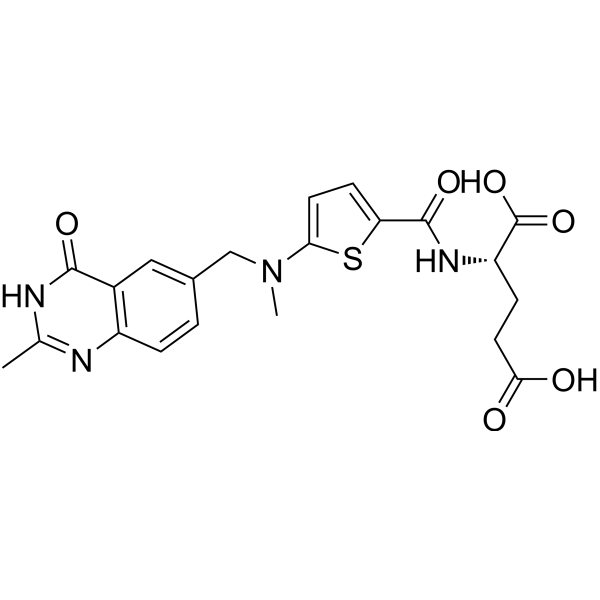
HY-10821
RaltitrexedThymidylate Synthase Inhibitor -
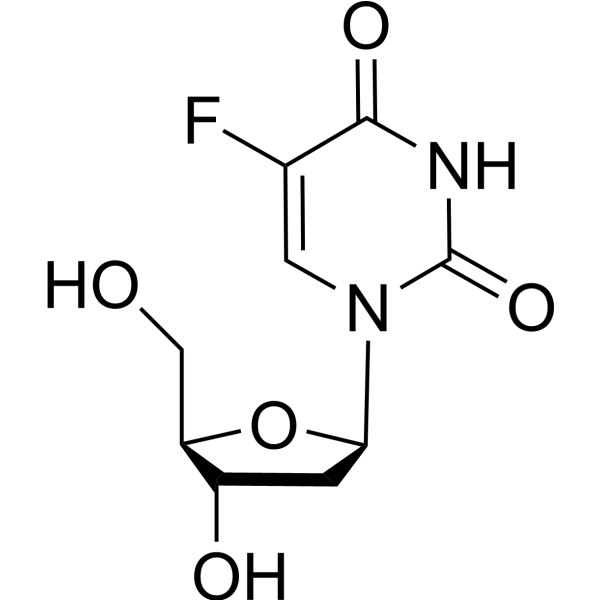
HY-B0097
FloxuridineOncology Antimetabolite -
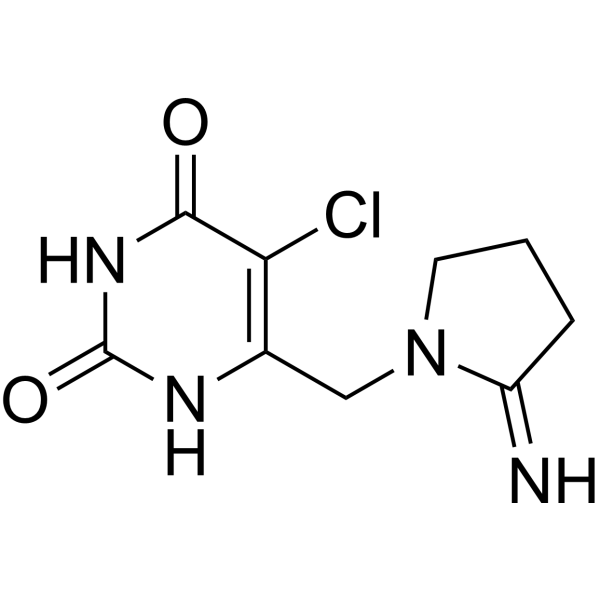
HY-A0063A
TipiracilTPase Inhibitor -
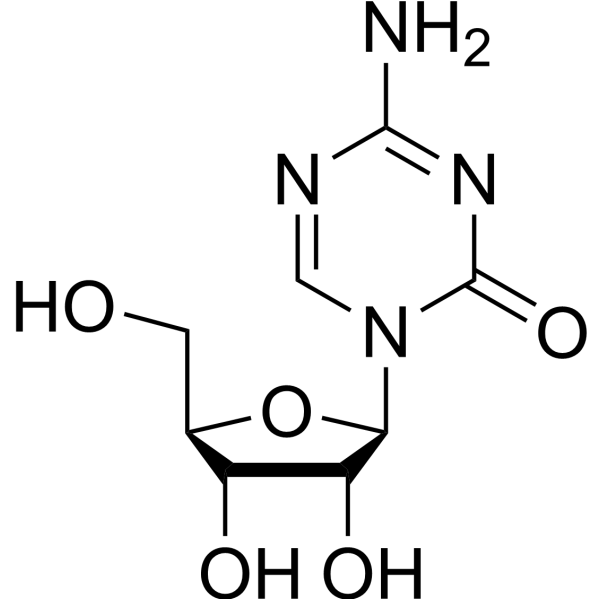
HY-10586
5-AzacytidineDNMT Inhibitor -
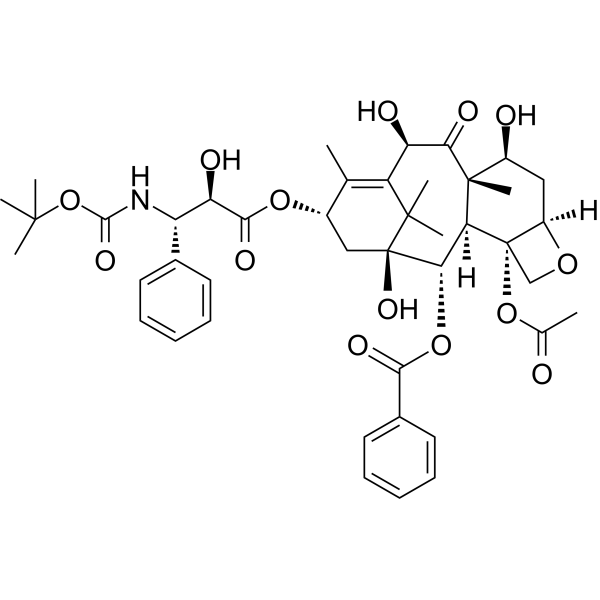
HY-B0011
DocetaxelMicrotubule Depolymerization Inhibitor -
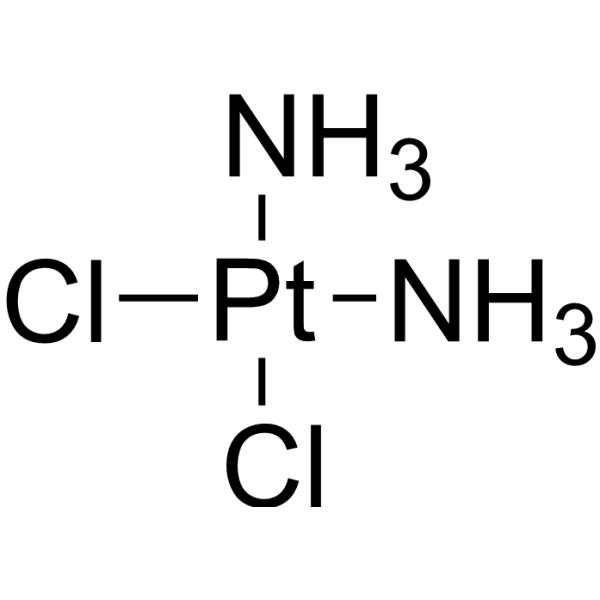
HY-17394
CisplatinDNA Alkylator
Publications Citing Use of MedChemExpress (MCE) Trifluridine
MoreAll DNA/RNA Synthesis Isoforms
More

Biological Activity
Description
|
Thymidylate Synthase |
Nucleoside Antimetabolite/Analog |
HSV-1 |
HSV-2 |
Cellular Effect
|
Cell Line

|
Type | Value | Description | References |
|---|---|---|---|---|
| Hepatocyte | EC50 |
3.37 μM
Compound: 25
|
Antiviral activity against DHBV infected in duck hepatocytes assessed as inhibition of viral DNA replication
Antiviral activity against DHBV infected in duck hepatocytes assessed as inhibition of viral DNA replication
|
[PMID: 20857959] |
| HepG2 2.2.15 | EC50 |
10 μg/mL
Compound: 2
|
Antiviral activity against HBV infected in human 2.2.15 cell at 10 ug/ml
Antiviral activity against HBV infected in human 2.2.15 cell at 10 ug/ml
|
[PMID: 20863701] |
| Huh-7 | CC50 |
>675 μM
Compound: 25
|
Cytotoxicity against HuH7 cells
Cytotoxicity against HuH7 cells
|
[PMID: 20857959] |
| Huh-7 | CC50 |
>200 μg/mL
Compound: 2
|
Cytotoxicity against human HuH7 cells
Cytotoxicity against human HuH7 cells
|
[PMID: 20863701] |
| Vero | CC50 |
50.6 μM
Compound: TFT
|
Cytotoxicity against african green monkey Vero cells after 2 days
Cytotoxicity against african green monkey Vero cells after 2 days
|
[PMID: 17438061] |
| Vero | EC50 |
<1.7 μM
Compound: TFT
|
Antiviral activity against Herpes simplex virus 1 F infected in african green monkey Vero cells assessed as plaque reduction after 36 to 48 hrs
Antiviral activity against Herpes simplex virus 1 F infected in african green monkey Vero cells assessed as plaque reduction after 36 to 48 hrs
|
[PMID: 17438061] |
| Vero | EC50 |
1.7 μM
Compound: TFT
|
Antiviral activity against Herpes B virus 24105 infected in african green monkey Vero cells assessed as plaque reduction after 36 to 48 hrs
Antiviral activity against Herpes B virus 24105 infected in african green monkey Vero cells assessed as plaque reduction after 36 to 48 hrs
|
[PMID: 17438061] |
| Vero | EC50 |
3.4 μM
Compound: TFT
|
Antiviral activity against Herpes B virus 32425 infected in african green monkey Vero cells assessed as plaque reduction after 36 to 48 hrs
Antiviral activity against Herpes B virus 32425 infected in african green monkey Vero cells assessed as plaque reduction after 36 to 48 hrs
|
[PMID: 17438061] |
In Vitro
Trifluridine (0.5 μΜ, 3 days) induces cellular senescence in HUVECs[2].
Trifluridine (0.5 μΜ, 3 days) inhibits autophagy and autophagy flux via the mTOR pathway in HUVECs [2].
Trifluridine (0-5 μΜ, 3 days) inhibits HUVEC cells viability in a concentration-dependent way[2].
Trifluridine (5 µM-20 µM, 24 h–72 h) inhibits the proliferation in MCF-7, MDA-MB-231, BT-549 and Hs578T[4].
Trifluridine (0 µM-20 µM, 48 h) selectively induces apoptosis in MCF-7, MDA-MB-231, BT-549 and Hs578T cells [4].
Trifluridine (10 µM, 72 h) induces DNA double-strand break in MCF-10A, MCF-7, MDA-MB-231 and BT-549 cells[4].
MedChemExpress (MCE) has not independently confirmed the accuracy of these methods. They are for reference only. Further protocols information, click here.
-
Cell Line:HUVEC cells
-
Concentration:0-5 μM
-
Incubation Time:3 days
-
Result:Cell viability dropped sharply at 3 μM and 5 μM.
-
Cell Line:HUVEC cells
-
Concentration:0-5 μM
-
Incubation Time:3 days
-
Result:Induced cellular senescence by inhibiting autophagy flux.
-
Cell Line:HUVEC cells
-
Concentration:0-5 μM
-
Incubation Time:3 days
-
Result:Increased protein levels of senescence markers: p53, p16, SASP (IL-1, IL-6, TNF-α, p21).
-
Cell Line:MCF-7, MDA-MB-231, BT-549, Hs578T and MCF-10A(control non-tumor) cells
-
Concentration:5 µM-20 µM
-
Incubation Time:24 h–72 h
-
Result:Inhibited the proliferation of MDA-MB231, BT549 and Hs578T cells at 10µM and 20µM, significantly.
-
Cell Line:MDA-MB-231, BT-549, and Hs578T cells
-
Concentration:10µM or 20 µM
-
Incubation Time:48 h
-
Result:Increased the percentages of apoptotic TNBC cells (MDA-MB-231, BT-549, and Hs578Tcells) at 10µM and 20µM, significantly.
In Vivo
Trifluridine (75 or 150 mg/kg, oral gavage, once daily for 5 consecutive days) inhibits the growth in implanted mouse TNBC tumors [4].
MedChemExpress (MCE) has not independently confirmed the accuracy of these methods. They are for reference only.
-
Animal Model:Nude mice (human colorectal intraperitoneal xenograft model)[3]
-
Dosage:200 mg/kg(trifluridine/tipiracil)
-
Administration:Oral administration; Once a day; 5 days followed by 2 drug-free days, a total of 6 weeks
-
Result:Exhibited a significantly longer survival time compared with untreated mice.
-
Animal Model:Mouse model of breast cancer[4]
-
Dosage:75 or 150 mg/kg
-
Administration:Oral gavage; daily for 10 days
-
Result:Treatment with different doses inhibited the growth of TNBC tumors in mouse in a dose-dependent manner
-
Animal Model:The human gastric MKN45 intraperitoneal xenograft model[3]
-
Dosage:200 mg/kg (Trifluridine/tipiracil)
-
Administration:twice daily for 5 consecutive days followed by 2 drug‑free days for 6 weeks
-
Result:Prolonged the survival of mice compared with untreated mice.
Clinical Trial
| NCT Number | Sponsor | Condition | Start Date |
Phase
|
|---|---|---|---|---|
| NCT01329991 | Plexxikon| | 2011-05 | PHASE1 |


Chemical Information
-
CAS No. 70-00-8
-
Appearance Solid
-
Molecular Weight 296.20
-
Formula C10H11F3N2O5
-
Color White to off-white
-
SMILES
O[C@H]1C[C@H](N2C(NC(C(C(F)(F)F)=C2)=O)=O)O[C@@H]1CO
-
Synonyms
Trifluorothymidine; 5-Trifluorothymidine; TFT
-
Shipping
Room temperature in continental US; may vary elsewhere.
-
Storage
Powder -20°C 3 years 4°C 2 years In solvent -80°C 2 years -20°C 1 year


Publications (3)
-
Journal Impact Factor
-
Most Recent
-
Signal Transduct Target Ther
Selective depletion of tumor-associated SAMHD1 enhances chemotherapeutic efficacy and antitumor immune responses. [Abstract]2025 Dec 15;10(1):406. PMID: 41392286 -
J Mol Med (Berl)
2019 Aug;97(8):1183-1193. PMID: 31201471 -
PLoS Pathog
Anti-orthopoxvirus drugs inhibit lumpy skin disease virus replication by targeting viral DNA polymerase. [Abstract]2026 Jan 26;22(1):e1013903. PMID: 41587213


Solvent & Solubility
In Vitro:
DMSO : ≥ 100 mg/mL (337.61 mM; Hygroscopic DMSO has a significant impact on the solubility of product, please use newly opened DMSO)
H2O : 33.33 mg/mL (112.53 mM; ultrasonic and warming and heat to 60°C)
* "≥" means soluble, but saturation unknown.
Please refer to the solubility information to select the appropriate solvent. Once prepared, please aliquot and store the solution to prevent product inactivation from repeated freeze-thaw cycles.
Storage method and period of stock solution: -80°C, 2 years; -20°C, 1 year. When stored at -80°C, please use it within 2 years. When stored at -20°C, please use it within 1 year.
* Note: If you choose water as the stock solution, please dilute it to the working solution, then filter and sterilize it with a 0.22 μm filter before use.
Please refer to the solubility information to select the appropriate solvent. Once prepared, please aliquot and store the solution to prevent product inactivation from repeated freeze-thaw cycles.
Storage method and period of stock solution: -80°C, 2 years; -20°C, 1 year. When stored at -80°C, please use it within 2 years. When stored at -20°C, please use it within 1 year.
* Note: If you choose water as the stock solution, please dilute it to the working solution, then filter and sterilize it with a 0.22 μm filter before use.
Concentration (start) × Volume (start) = Concentration (final) × Volume (final)
In Vivo:
Select the appropriate dissolution method based on your experimental animal and administration route.
- For the following dissolution methods, please ensure to first prepare a clear stock solution using an In Vitro approach and then sequentially add co-solvents:
- To ensure reliable experimental results, the clarified stock solution can be appropriately stored based on storage conditions. As for the working solution for In Vivo experiments, it is recommended to prepare freshly and use it on the same day.
- The percentages shown for the solvents indicate their volumetric ratio in the final prepared solution. If precipitation or phase separation occurs during preparation, heat and/or sonication can be used to aid dissolution.
Add each solvent one by one: 10% DMSO 40% PEG300 5% Tween-80 45% Saline
Solubility: ≥ 2.5 mg/mL (8.44 mM); Clear solution
This protocol yields a clear solution of ≥ 2.5 mg/mL (saturation unknown).
Taking 1 mL working solution as an example, add 100 μL DMSO stock solution (25.0 mg/mL) to 400 μL PEG300, and mix evenly; then add 50 μL Tween-80 and mix evenly; then add 450 μL Saline to adjust the volume to 1 mL.
Preparation of Saline: Dissolve 0.9 g sodium chloride in ddH₂O and dilute to 100 mL to obtain a clear Saline solution.
Add each solvent one by one: 10% DMSO 90% (20% SBE-β-CD in Saline)
Solubility: ≥ 2.5 mg/mL (8.44 mM); Clear solution
This protocol yields a clear solution of ≥ 2.5 mg/mL (saturation unknown).
Taking 1 mL working solution as an example, add 100 μL DMSO stock solution (25.0 mg/mL) to 900 μL 20% SBE-β-CD in Saline, and mix evenly.
Preparation of 20% SBE-β-CD in Saline (4°C, storage for one week): 2 g SBE-β-CD powder is dissolved in 10 mL Saline, completely dissolve until clear.
In Vivo Dissolution Calculator
Please enter the basic information of animal experiments:
-
-
-
-
Recommended: Prepare an additional quantity of animals to account for potential losses during experiments.
Working solution concentration: 0.22 mg/mL
This product has good water solubility, please refer to the measured solubility data in water/PBS/Saline for details.

Protocols
-
EdU Incorporation Assay (Click Chemistry-Based DNA Synthesis Measurement)
The EdU incorporation assay measures DNA synthesis by adding the thymidine analog 5-ethynyl-2′-deoxyuridine to cells or tissues, where it is incorporated into newly synthesized DNA during S phase. Incorporated EdU is detected by copper-catalyzed azide-alkyne cycloaddition, in which a fluorescent azide covalently reacts with the ethynyl group on EdU, allowing S-phase cells to be detected by fluorescence microscopy, flow cytometry, or high-content imaging. EdU detection does not require DNA denaturation or anti-BrdU antibody access, which preserves sample structure and improves compatibility with immunostaining and multiparameter cytometry compared with BrdU-based detection. EdU can be cytotoxic in a cell-type- and exposure-dependent manner, so pulse duration, concentration, and continuous-labeling designs should be validated for each cell type.
-
Research Protocol for Infectious Diseases
Infectious-disease experiments test how pathogens interact with host barriers, innate immune receptors, inflammatory signaling, pathogen replication, and tissue injury; pattern-recognition receptors such as TLRs, RIG-I-like receptors, NOD-like receptors, and inflammasomes detect microbial molecules and activate NF-κB, interferon, and cytokine responses. The central hypothesis is that infection severity reflects the balance between pathogen burden and host response: protective inflammation restricts pathogen growth, whereas excessive or mislocalized inflammation contributes to tissue damage and disease phenotype. Unresolved questions include which host pathways are protective versus pathogenic, why some infection models fail to translate to human disease, and which combined readouts best predict clinically relevant infection outcomes.
-
Apoptosis
Apoptosis, also called programmed cell death, is generally characterized by distinct morphological characteristics.
-
TUNEL staining for apoptotic DNA fragmentation
TUNEL staining detects DNA strand breaks by using terminal deoxynucleotidyl transferase to add labeled nucleotides to exposed 3′-OH DNA termini, generating either microscopic staining in fixed cells or tissue sections, or fluorescence/cytometric signal in cell suspensions. TUNEL positivity reflects DNA fragmentation but should not be interpreted alone as definitive apoptosis, because TUNEL can also label necrotic, autolytic, mechanically damaged, or DNA-repair-associated DNA breaks.
-
Annexin V plus membrane-impermeant dye apoptosis staining
Annexin V-based apoptosis assays rely on the detection of phosphatidylserine (PS) externalization from the inner leaflet of the plasma membrane to the outer leaflet, an early biochemical hallmark of apoptosis. Fluorescently labeled Annexin V binds PS in a calcium-dependent manner, enabling identification of early apoptotic cells by flow cytometry or fluorescence microscopy. When combined with a membrane-impermeant DNA-binding dye (e. g. , propidium iodide), this approach allows discrimination between viable (Annexin V−/dye−), early apoptotic (Annexin V+/dye−), and late apoptotic or necrotic (Annexin V+/dye+) cell populations by assessing membrane integrity and PS exposure.
-
BrdU Incorporation Assay
Bromodeoxyuridine (BrdU) incorporation assay is based on the principle that BrdU, a thymidine analog, is incorporated into newly synthesized DNA during the S phase of the cell cycle, thereby serving as a marker of DNA replication and cellular proliferation. Incorporated BrdU can be detected using anti-BrdU antibodies following DNA denaturation, enabling visualization or quantification of proliferating cells through immunochemical detection methods such as immunofluorescence or immunohistochemistry.
-
Autophagy
Autophagy is a process in which eukaryotic cells use lysosomes to degrade their own cytoplasmic proteins and damaged organelles under the regulation of autophagy related gene (Atg). Microtubule-associated proteins light chain 3 (LC3) is recognized as autophagy marker, which transfers from cytoplasmic LC3 (LC3-I) to membrane type (LC3-II). LC3-II/I ratio could be detected by Western Blot and fluorescence microscopy.
-
Apoptosis Solutions
Apoptosis is a regulated, generally non-lytic cell-death pathway that removes unwanted, damaged, infected, or abnormal cells through coordinated morphological changes, caspase activation, DNA fragmentation, and membrane remodeling. The intrinsic apoptosis pathway is controlled mainly by mitochondrial outer membrane permeabilization, BCL-2 family proteins, cytochrome c release, apoptosome formation, caspase-9 activation, and downstream executioner caspase-3/7 activation. The extrinsic apoptosis pathway is initiated by death receptors such as Fas, TNFR, and TRAIL receptors, which recruit adaptor proteins and activate caspase-8 before engaging executioner caspases or mitochondrial amplification through BID cleavage. Apoptosis is linked to many phenotypes, including cancer cell killing, tissue homeostasis, immune regulation, neurodegeneration, infection response, and treatment-induced cytotoxicity; unresolved questions include how apoptosis interacts with necroptosis, pyroptosis, ferroptos
-
Lysosome and acidic-vesicle live-cell staining
Lysosome and acidic-vesicle live-cell staining detects acidic intracellular compartments by using membrane-permeant acidotropic probes that accumulate in low-pH vesicles, including lysosomes, late endosomes, autolysosomes, and acidic phagosomes. LysoTracker staining is commonly used as an intensity-based readout of acidic lysosomal compartment abundance or enlargement, while acridine orange produces green fluorescence in less concentrated compartments and red fluorescence after concentration-dependent accumulation in acidic vesicular organelles. Loss or reduction of acridine-orange red signal can be used as a readout of lysosomal membrane permeabilization or reduced acidic-vesicle integrity. This protocol is designed for live cultured cells and can be adapted for fluorescence microscopy, high-content imaging, plate-reader readout, or flow cytometry when the selected literature supports the readout. Because these dyes report acidotropic accumulation rather than lysosome identity alone,
-
Macroautophagy Solutions
Macroautophagy is a conserved lysosome-dependent degradation pathway in which cytoplasmic material is sequestered into double-membrane autophagosomes and delivered to lysosomes for degradation and recycling. The pathway supports cellular homeostasis during nutrient limitation, organelle stress, protein-aggregate accumulation, infection, differentiation, and tissue remodeling by coupling cargo sequestration, autophagosome maturation, lysosomal fusion, and degradation of cargo-derived macromolecules. The core molecular sequence includes initiation by nutrient- and stress-regulated autophagy machinery, autophagosome nucleation, LC3/ATG8-family conjugation to autophagosomal membranes, cargo selection through receptors such as SQSTM1/p62, autophagosome-lysosome fusion, and lysosomal degradation. LC3 was identified as a mammalian homolog of yeast Atg8 that localizes to autophagosomal membranes after processing, and p62/SQSTM1 was shown to connect ubiquitinated cargo with autophagic degradati


Purity & Documentation
-
Data Sheet (286 KB)
-
SDS (419 KB)
- English - EN (419 KB)
- Français - FR (419 KB)
- Deutsch - DE (419 KB)
- Norwegian - NO (419 KB)
- Español - ES (419 KB)
- Swedish - SV (419 KB)
- Italian - IT (419 KB)
- Korean - KR (419 KB)
- Portuguese - PT (419 KB)
-
Handling Instructions (2659 KB)
References
[1]. Okayama T, et al. Involvement of concentrative nucleoside transporter 1 in intestinal absorption of trifluorothymidine, a novel antitumor nucleoside, in rats. J Pharmacol Exp Ther. 2012 Feb;340(2):457-62. [Content Brief]
[2]. Jia HJ, et al. Trifluridine induces HUVECs senescence by inhibiting mTOR-dependent autophagy. Biochem Biophys Res Commun. 2022 Jun 25;610:119-126. [Content Brief]
[3]. Suzuki N,et al. Trifluridine/tipiracil increases survival rates in peritoneal dissemination mouse models of human colorectal and gastric cancer. Oncol Lett. 2017 Jul;14(1):639-646. [Content Brief]
[4]. Li J, et al. Trifluridine selectively inhibits cell growth and induces cell apoptosis of triple-negative breast cancer. Am J Cancer Res. 2020 Feb 1;10(2):507-522. [Content Brief]


Complete Stock Solution Preparation Table
Please refer to the solubility information to select the appropriate solvent. Once prepared, please aliquot and store the solution to prevent product inactivation from repeated freeze-thaw cycles.
Storage method and period of stock solution: -80°C, 2 years; -20°C, 1 year. When stored at -80°C, please use it within 2 years. When stored at -20°C, please use it within 1 year.
| Optional Solvent | Concentration Solvent Mass | 1 mg | 5 mg | 10 mg | 25 mg |
|---|---|---|---|---|---|
| H2O / DMSO | 1 mM | 3.3761 mL | 16.8805 mL | 33.7610 mL | 84.4024 mL |
| 5 mM | 0.6752 mL | 3.3761 mL | 6.7522 mL | 16.8805 mL | |
| 10 mM | 0.3376 mL | 1.6880 mL | 3.3761 mL | 8.4402 mL | |
| 15 mM | 0.2251 mL | 1.1254 mL | 2.2507 mL | 5.6268 mL | |
| 20 mM | 0.1688 mL | 0.8440 mL | 1.6880 mL | 4.2201 mL | |
| 25 mM | 0.1350 mL | 0.6752 mL | 1.3504 mL | 3.3761 mL | |
| 30 mM | 0.1125 mL | 0.5627 mL | 1.1254 mL | 2.8134 mL | |
| 40 mM | 0.0844 mL | 0.4220 mL | 0.8440 mL | 2.1101 mL | |
| 50 mM | 0.0675 mL | 0.3376 mL | 0.6752 mL | 1.6880 mL | |
| 60 mM | 0.0563 mL | 0.2813 mL | 0.5627 mL | 1.4067 mL | |
| 80 mM | 0.0422 mL | 0.2110 mL | 0.4220 mL | 1.0550 mL | |
| 100 mM | 0.0338 mL | 0.1688 mL | 0.3376 mL | 0.8440 mL |
* Note: If you choose water as the stock solution, please dilute it to the working solution, then filter and sterilize it with a 0.22 μm filter before use.


Trifluridine Related Classifications
HY-A0061 Related Classifications
 Powered by Bioz