



Ketose
- 1
- 2
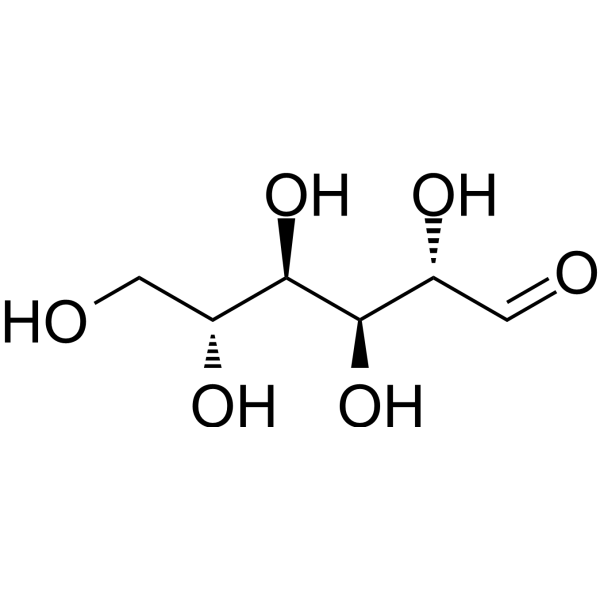
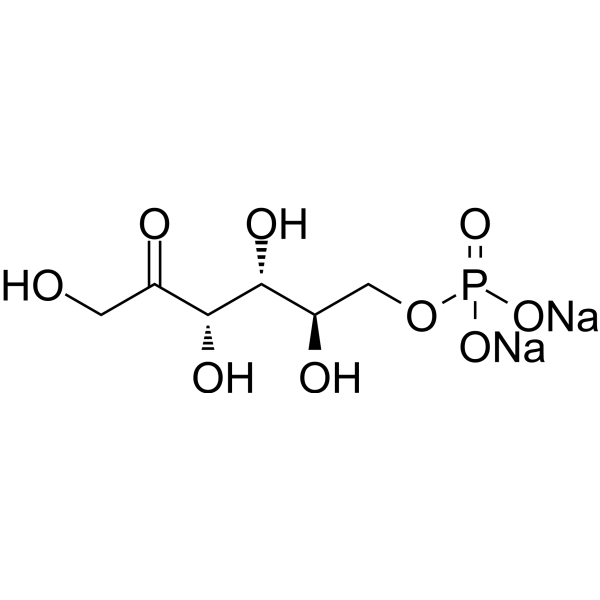
- Formula: C6H11Na2O9P
- Molecular Weight: 304.10
D-Fructose 6-phosphate disodium is an endogenous metabolite. D-Fructose 6-phosphate disodium can be obtained by hydrolysis of Fructose-1,6-bisphosphatase (FBPase). D-Fructose-6-phosphate disodium is a sugar intermediate in the glycolysis pathway and the pentose phosphate pathway. D-Fructose-6-phosphate disodium can be used to detect glucosamine-6-phosphate synthase and TAL activities. D-Fructose 6-phosphate disodium can be used to study Lewy body dementia.

- Formula: C5H10NaO8P
- Molecular Weight: 252.09
D-Xylulose 5-phosphate sodium is a pentose phosphate ester and an essential intermediate metabolite in the pentose phosphate pathway (PPP) and the non-oxidative phase of the pentose phosphate pathway. D-xylulose-5-phosphate sodium can be efficiently synthesized through the phosphorylation of D-xylulose catalyzed by D-xylulokinase (XKS1 from Saccharomyces cerevisiae), with ATP regeneration facilitated by the phosphoenolpyruvate (PEP)/pyruvate kinase (PK) system.
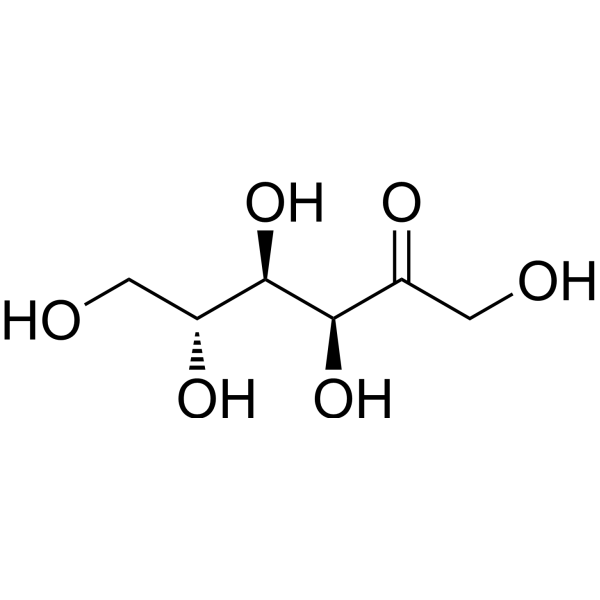
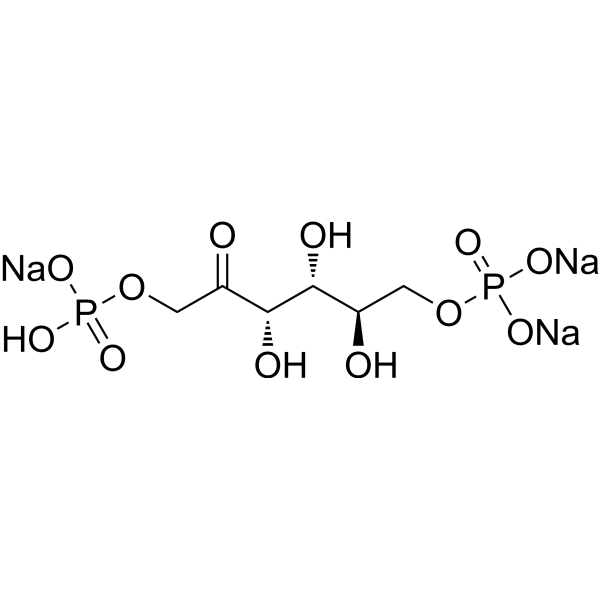
- Formula: C6H11Na3O12P2
- Molecular Weight: 406.06
Fosfructose trisodium (Diphosphofructose trisodium, Esafosfan trisodium, FDP trisodium) is a cytoprotective natural sugar phosphate used in research on cardiovascular ischemia, sickle cell anemia, and asthma. Fosfructose trisodium acts by stimulating anaerobic glycolysis, which produces adenosine triphosphate under ischemic conditions.
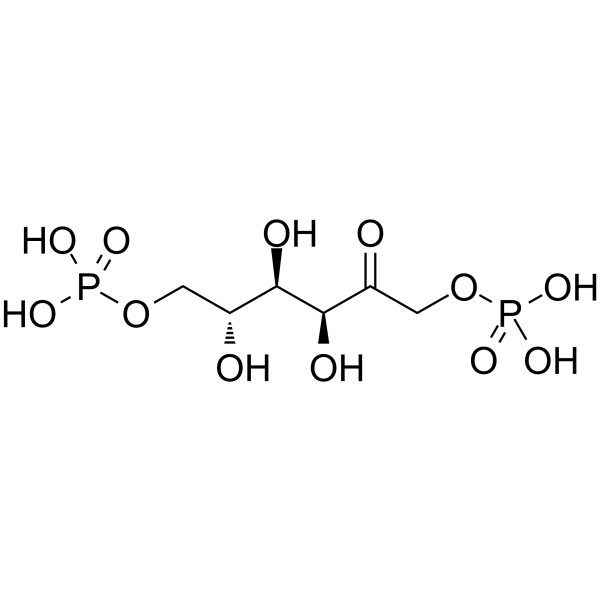
- Formula: C6H14O12P2
- Molecular Weight: 340.12
Fosfructose is an orally active cyclooxygenase-2 inhibitor and Toll-like receptor 4 modulator. Fosfructose reduces the expression of cyclooxygenase-2, thereby decreasing prostaglandin production. By inhibiting the Toll-like receptor 4 signaling pathway, Fosfructose downregulates LPS-induced adhesion molecule expression. Fosfructose is applicable to research related to ischemic stroke, epilepsy, sepsis, myocardial injury, osteoporosis, and ultraviolet B-induced skin damage.
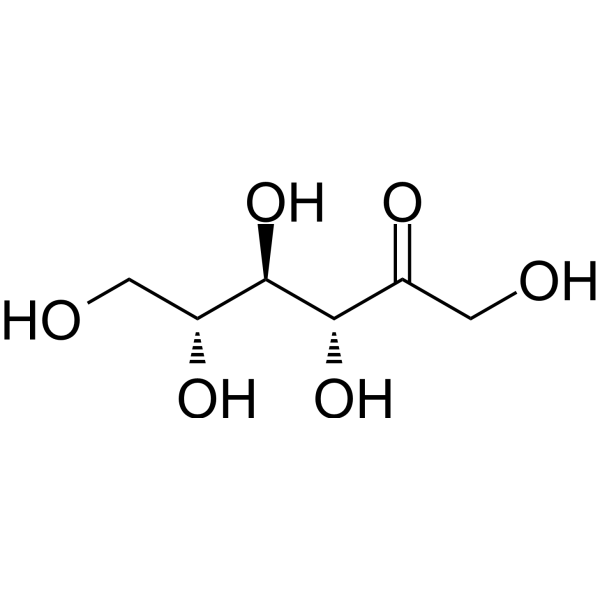
- Formula: C6H12O6
- Molecular Weight: 180.16
D-psicose is an orally active rare sugar. D-psicose inhibits p38-MAPK phosphorylation and MCP-1 expression. D-psicose inhibits the AGEs/RAGE/NF-κB pathway. D-psicose protects pancreatic β-islets, improves hyperglycemia and high-fat diet-induced non-alcoholic fatty liver disease.
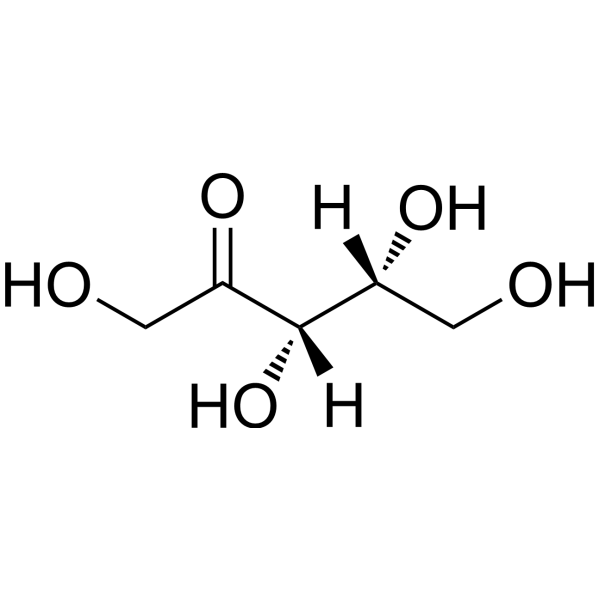
- Formula: C5H10O5
- Molecular Weight: 150.13
D-Xylulose is a toxic pentose. D-Xylulose does not induce pentitol production in cells. D-Xylulose can induce ATP and intracellular Pi depletion through the accumulation of Sedoheptulose 7-P.

- Formula: C7H13O10P
- Molecular Weight: 288.15
3-Deoxy-D-arabino-heptulosonate 7-phosphate is a key intermediate in the biosynthetic pathway of aromatic amino acids. 3-Deoxy-D-arabino-heptulosonate 7-phosphate is formed by the condensation of D-erythrose-4-phosphate and phosphoenolpyruvate (PEP) catalyzed by DAHP synthase. 3-Deoxy-D-arabino-heptulosonate 7-phosphate can be used in studies related to cellular metabolism.
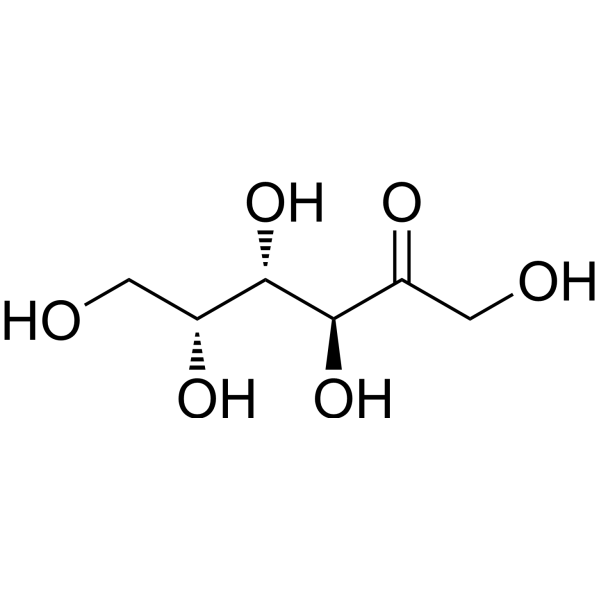
- Formula: C6H12O6
- Molecular Weight: 180.16
D-Tagatose (D-(-)-Tagatose) is a natural low-calorie rare sugar. D-Tagatose inhibits the activities of sucrase, maltase and intestinal disaccharidases, reduces the digestion of sucrose and starch, and blocks the absorption of sucrose, maltose and glucose. D-Tagatose promotes glucokinase activity and inhibits glycogen phosphorylase activity via tagatose-1-phosphate, regulates the synthesis and decomposition of hepatic glycogen, reduces postprandial and fasting blood glucose levels, and improves hyperinsulinemia. D-Tagatose regulates lipid profiles, stimulates GLP-1 secretion, and exhibits prebiotic effects. D-Tagatose is a bulking sweetener. D-Tagatose can be used in research related to diabetes, hyperlipidemia, dental caries, atherosclerosis and type 2 diabetes.
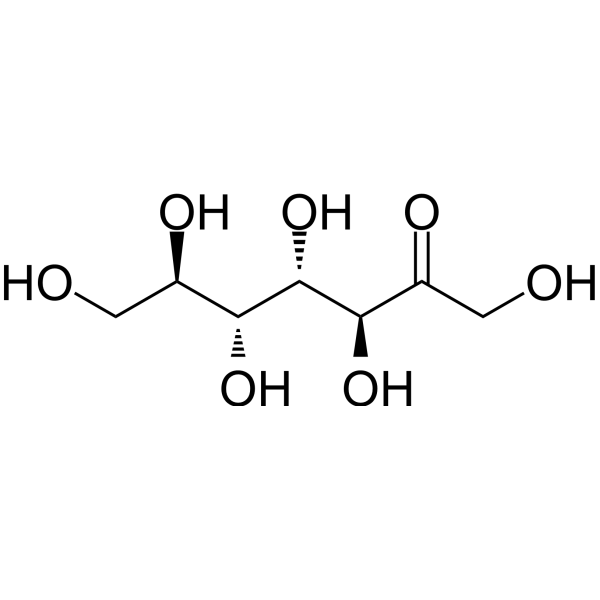
- Formula: C7H14O7
- Molecular Weight: 210.18
D-Mannoheptulose is a 7-carbon keto sugar found in avocado. D-mannoheptulose is a specific inhibitor of D-glucose phosphorylation by hexokinase isoenzymes. D-Mannoheptulose can block insulin release and utilization of carbohydrate in rat. D-Mannoheptulose has various functions as anti-oxidants, anticancer effects and energy sources.
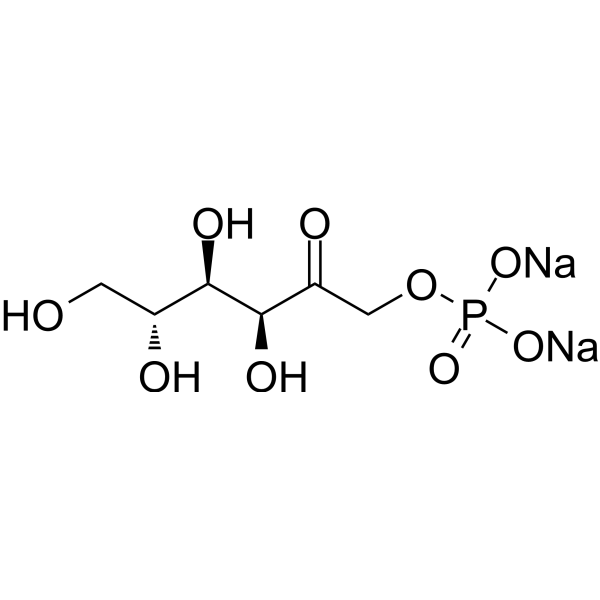
- Formula: C6H11Na2O9P
- Molecular Weight: 304.10
D-Fructose 1-phosphate disodium is a key intermediate metabolite in the fructose metabolic pathway. As a key signaling molecule linking fructose metabolism and glucose metabolic regulation, D-Fructose 1-phosphate disodium acts as an allosteric modulator to counteract the inhibitory effect of the glucokinase-regulatory protein complex, thereby finely regulating the direction of hepatic glucose metabolism at the substrate level.

- Formula: C7H15BaO10P
- Molecular Weight: 427.49
D-Sedoheptulose-7-phosphate barium is a common precursor for the heptoses of septacidin (group III) and hygromycin B (group IV). D-Sedoheptulose-7-phosphate barium can be converted to NDP-heptoses through similar biosynthetic pathways in those compounds .
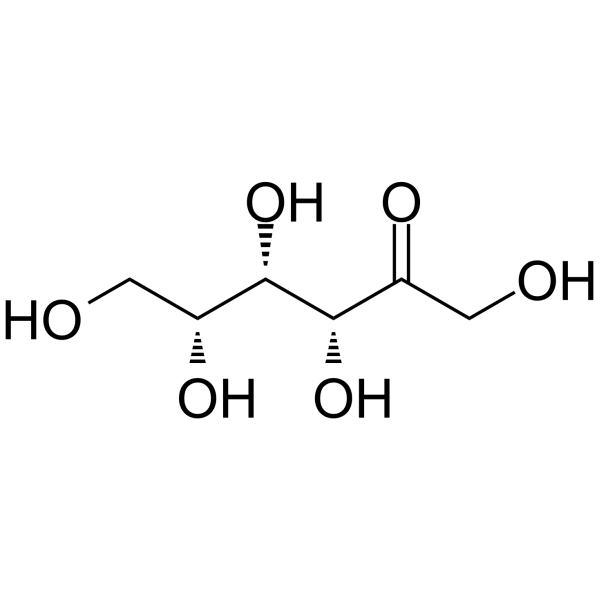
- Formula: C6H12O6
- Molecular Weight: 180.16
D-(+)-Sorbose, an active enantiomer of D-Sorbose, which inhibits disaccharidase activity and demonstrates suppressive action on postprandial blood levels of glucose and insulin in the rat. D-sorbose acts as a sweetener may contribute to the prevention of lifestyle-related diseases, such as type 2 diabetes mellitus.
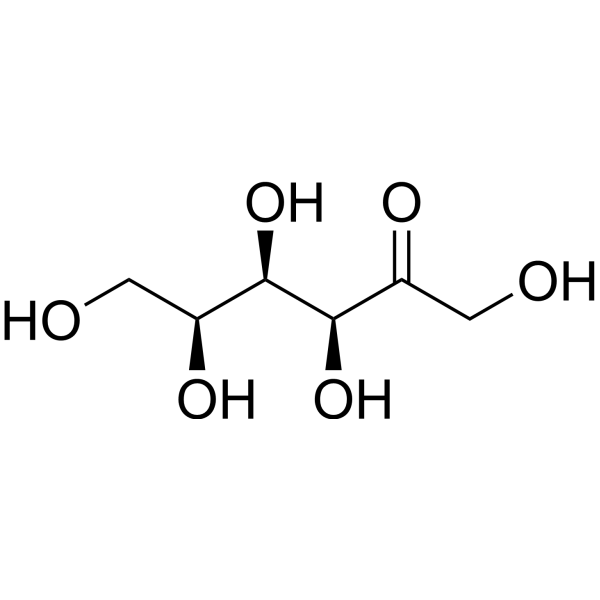
- Formula: C6H12O6
- Molecular Weight: 180.16
L-(-)-Sorbose (L-Sorbose) is a monosaccharide that induces the production of cellulase. L-(-)-Sorbose regulates the coordinated transcription of 6 cellulase genes (including egl3) in Trichoderma reesei strains. L-(-)-Sorbose is currently the only monosaccharide reported to exhibit cellulase-inducing activity.

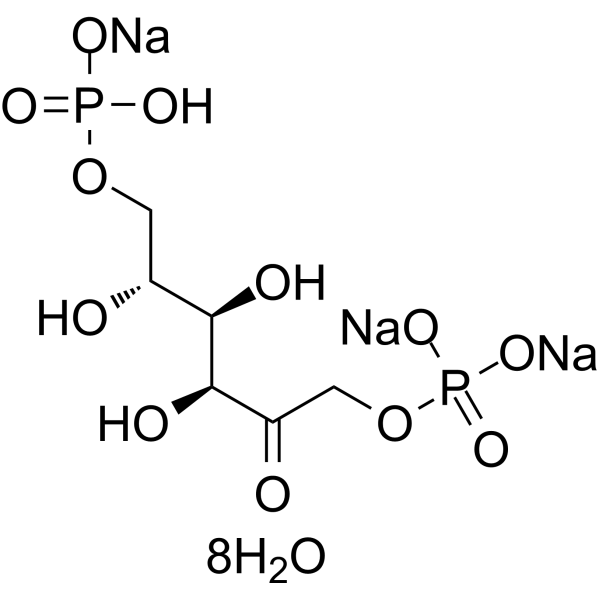
- Formula: C6H27Na3O20P2
- Molecular Weight: 550.18
Fosfructose trisodium octahydrate is a phosphorylated sugar derivative used in biochemical research and is also an intermediate in carbohydrate metabolism.
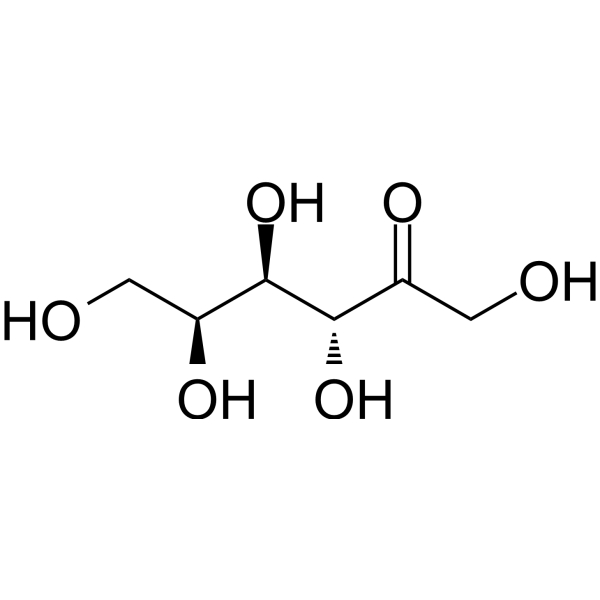
- Formula: C6H12O6
- Molecular Weight: 180.16
L-Tagatose is a biochemical reagent that can be used as a biological material or organic compound for life science related research.
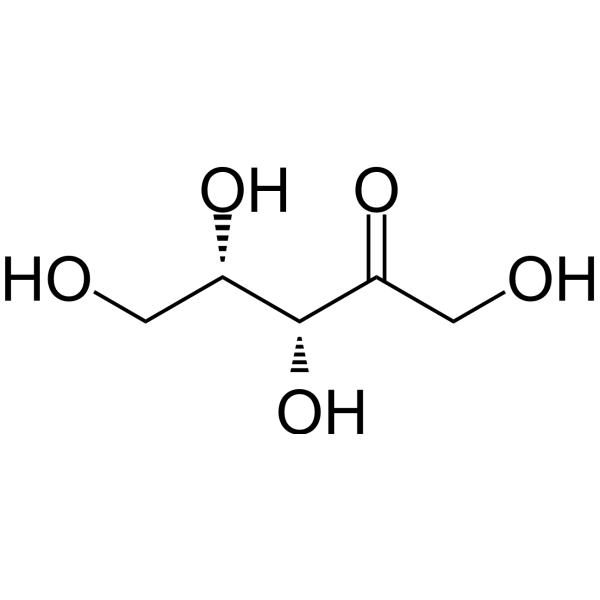
- Formula: C5H10O5
- Molecular Weight: 150.13
L-Xylulose is an endogenous metabolite present in Blood, Cerebrospinal_Fluid and Urine that can be used for the research of Ribose 5 Phosphate Isomerase Deficiency.
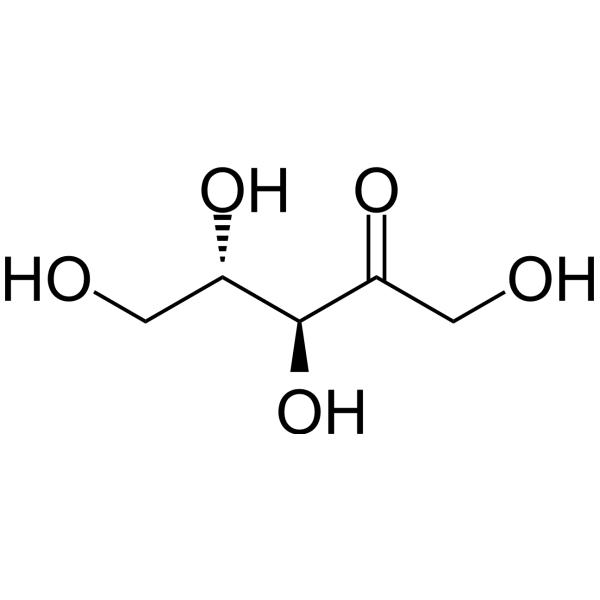
- Formula: C5H10O5
- Molecular Weight: 150.13
L-Ribulose is an L-form pentulose. L-Ribulose serves as a key precursor for the synthesis of L-ribose and L-nucleoside analogs.
- 1
- 2



