1. Search Result
Search Result
Results for "

ATP derivative

" in MedChemExpress (MCE) Product Catalog:

57

Inhibitors & Agonists

6

Fluorescent Dyes

2

Biochemical Assay Reagents

3

Natural
Products

3

Isotope-Labeled Compounds

2

Oligonucleotides

Cat. No. Product Name Target Research Areas Chemical Structure
  • HY-12137
    Volasertib
    Maximum Cited Publications
    35 Publications Verification

    BI 6727

    Polo-like Kinase (PLK) Apoptosis Cancer
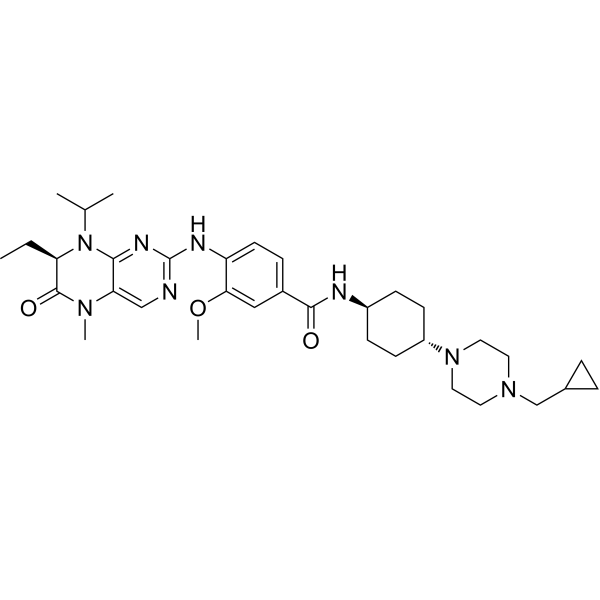
    Volasertib (BI 6727) is an orally active, highly potent and ATP-competitive Polo-like kinase 1 (PLK1) inhibitor with an IC50 of 0.87 nM. Volasertib inhibits PLK2 and PLK3 with IC50s of 5 and 56 nM, respectively. Volasertib induces mitotic arrest and apoptosis. Volasertib, a dihydropteridinone derivative, shows marked antitumor activity in multiple cancer models .
    Volasertib
  • HY-12283
    Rostafuroxin
    2 Publications Verification

    PST 2238

    Na+/K+ ATPase RSV Cardiovascular Disease
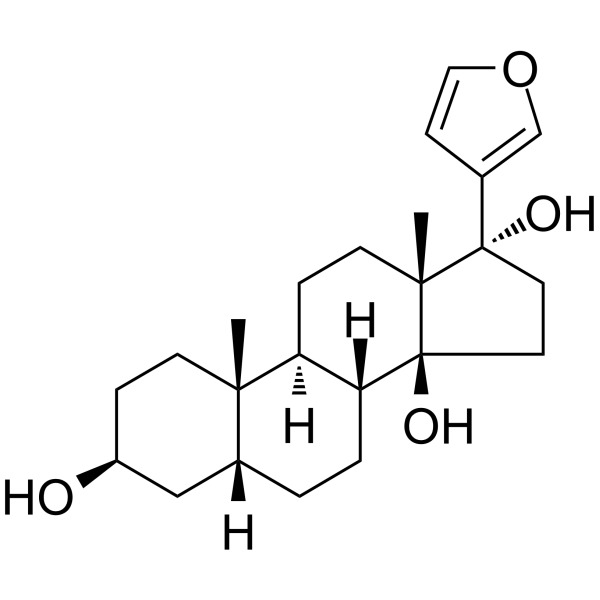
    Rostafuroxin (PST 2238), a digitoxigenin derivative, is an orally active and potent Na +,K +-ATPase (ATP1A1) antognist. Rostafuroxin binds specifically to the ATP1A1 extracellular domain and blocks respiratory syncytial virus (RSV)-triggered EGFR Tyr845 phosphorylation. Rostafuroxin has antihypertensive and anti-RSV activity .
    Rostafuroxin
  • HY-D1297
    ER-Tracker Green
    5+ Cited Publications

    Fluorescent Dye Others
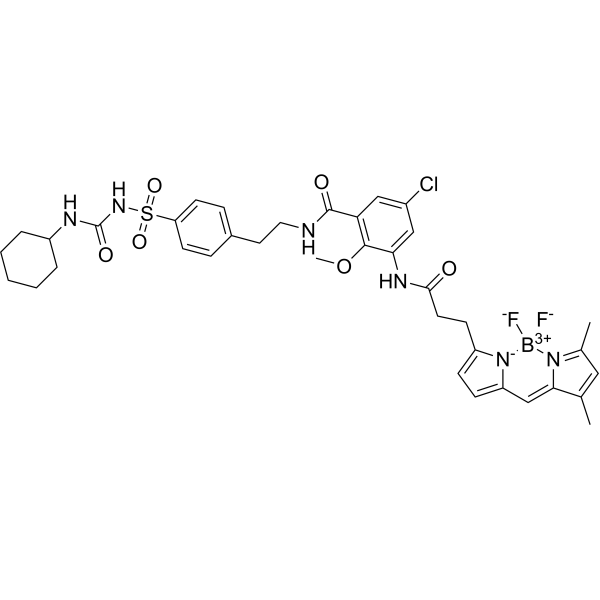
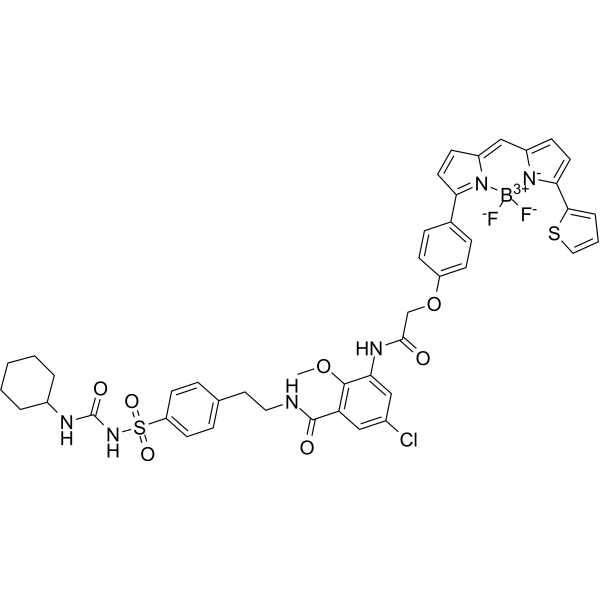
    ER-Tracker dye is a derivative of BODIPY series dyes coupled with Glibenclamide (HY-15206), highly selective binding to the endoplasmic reticulum, non-toxic to cells at low concentrations, this type of dye is an environmentally sensitive probe, and formaldehyde treatment can still retain part of the fluorescence, with high fluorescence life, good extinction coefficient and other characteristics. Glibenclamide is an atp-dependent K + channel blocker (Kir6, KATP) and CFTR Cl-channel blocker that binds in the endoplasmic reticulum. ER-Tracker is not suitable for staining cells after fixation .
    ER-Tracker Green
  • HY-D1431
    ER-Tracker Red
    4 Publications Verification

    Fluorescent Dye Cancer
    ER-Tracker dye is a derivative of BODIPY series dyes coupled with Glibenclamide (HY-15206), highly selective binding to the endoplasmic reticulum, non-toxic to cells at low concentrations, this type of dye is an environmentally sensitive probe, and formaldehyde treatment can still retain part of the fluorescence, with high fluorescence life, good extinction coefficient and other characteristics. Glibenclamide is an atp-dependent K + channel blocker (Kir6, KATP) and CFTR Cl-channel blocker that binds in the endoplasmic reticulum. ER-Tracker is not suitable for staining cells after fixation. Ex/Em=587/615 nm .
    ER-Tracker Red
  • HY-B0422

    A4166; Senaglinide

    Potassium Channel Dipeptidyl Peptidase Metabolic Disease
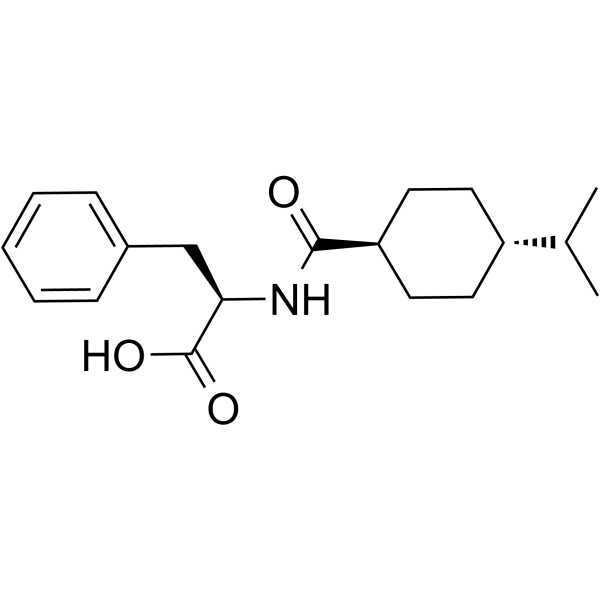
    Nateglinide, a D-phenylalanine derivative, is an orally active and short-acting insulinotropic agent and a DPP IV inhibitor. Nateglinide inhibits ATP-sensitive K + channels in pancreatic β-cells. Nateglinide is used for the treatment of type 2 (non-insulin-dependent) diabetes mellitus .
    Nateglinide
  • HY-D1429

    Fluorescent Dye Others
    ER-Tracker dye is a derivative of BODIPY series dyes coupled with Glibenclamide (HY-15206), highly selective binding to the endoplasmic reticulum, non-toxic to cells at low concentrations, this type of dye is an environmentally sensitive probe, and formaldehyde treatment can still retain part of the fluorescence, with high fluorescence life, good extinction coefficient and other characteristics. Glibenclamide is an atp-dependent K + channel blocker (Kir6, KATP) and CFTR Cl-channel blocker that binds in the endoplasmic reticulum. ER-Tracker is not suitable for staining fixed cells. Staining followed by fixation is possible, but cells fixed with aldehydes will only retain partial fluorescence (Ex/Em = 374/ 430-640 nm) .
    ER-Tracker Blue-White DPX
  • HY-W011428
    Olomoucine
    1 Publications Verification

    CDK Others Cancer
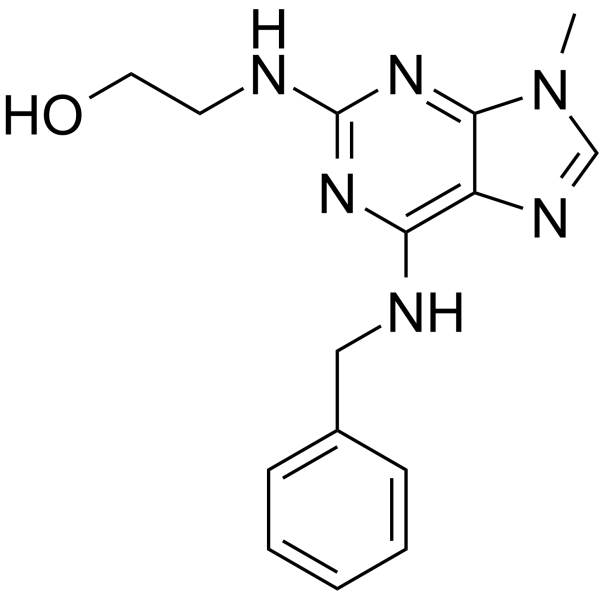
    Olomoucine is an ATP competitive inhibitor of CDKs. Olomoucine is a purine (HY-34431) derivative and inhibits CDC2/cyclin B, Cdk2/cyclin A, Cdk2/cyclin E (both IC50=7 μM), CDK/p35 kinase (IC50=3 μM) and ERK1/p44 MAP kinase (IC50=25 μM) . Olomoucine regulates cell cycle and shows anti-melanin tumor activity .
    Olomoucine
  • HY-103322

    PKA Potassium Channel Metabolic Disease Cancer
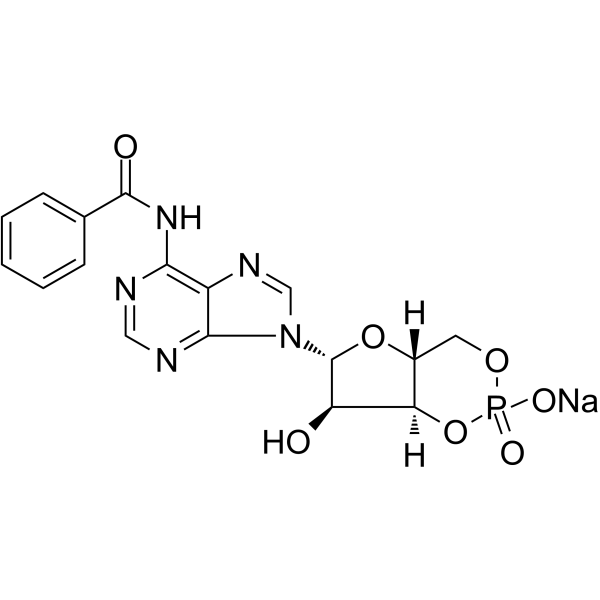
    6-Bnz-cAMP sodium, a derivative of cyclic adenosine monophosphate (cAMP), is a selective PKA activator with inhibitory activity against the bTREK-1 K + channel. 6-Bnz-cAMP sodium does not activate the Epac signaling pathway. It inhibits the bTREK-1 K + channel via a voltage-independent, ATP-dependent mechanism that is independent of the PKA/Epac/calmodulin kinase/MAP kinase pathway. 6-Bnz-cAMP sodium activates CREB phosphorylation to regulate osteoblast-specific gene expression, induces osteoblast differentiation, promotes extracellular matrix mineralization, supports osteoblast proliferation, and shows no cytotoxicity toward osteoblasts. It can be used in studies related to bone tissue repair and regeneration .
    6-Bnz-cAMP sodium salt
  • HY-W048491

    DNA/RNA Synthesis Drug Derivative Others
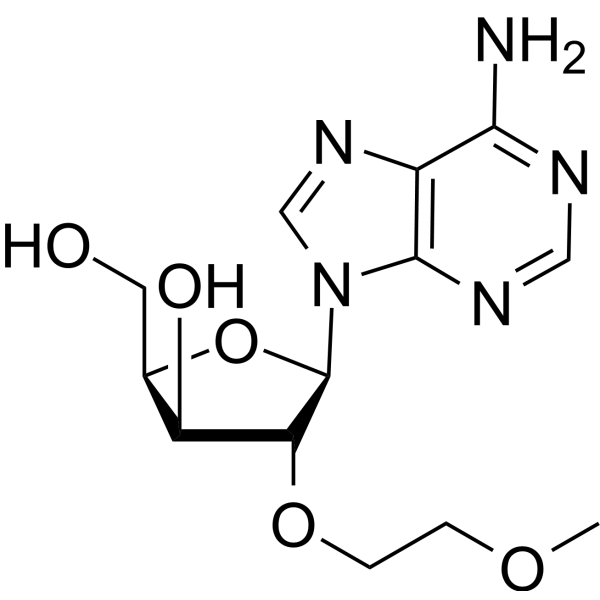
    2′-O-(2-Methoxyethyl)adenosine is an ATP (HY-B2176) derivative. 2′-O-(2-Methoxyethyl)adenosine can be used for oligonucleotide synthesis .
    2′-O-(2-Methoxyethyl)adenosine
  • HY-D0885A

    Creatine phosphate disodium tetrahydrate; Creatinephosphoric acid disodium tetrahydrate

    Endogenous Metabolite Metabolic Disease
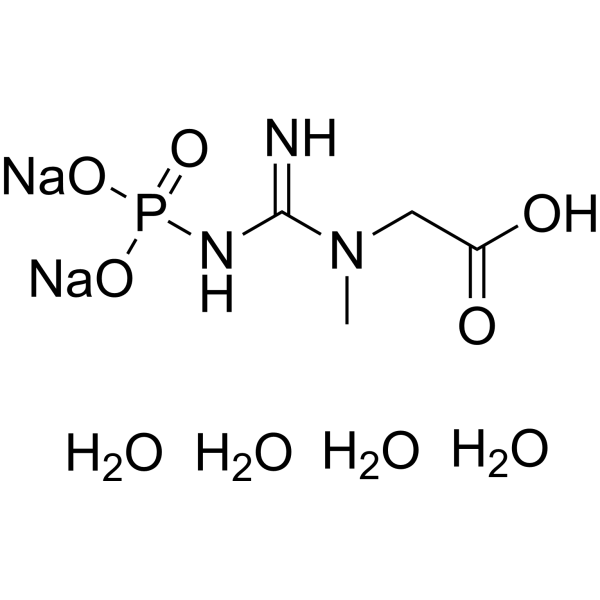
    Phosphocreatine disodium tetrahydrate, primarily found in the skeletal muscles of vertebrates and one of organic compounds known as alpha amino acids and derivatives, is a substrate for the determination of creatine kinase and used to regenerate ATP during skeletal muscle contraction .
    Sodium creatine phosphate dibasic tetrahydrate
  • HY-12137A
    Volasertib trihydrochloride
    Maximum Cited Publications
    35 Publications Verification

    BI 6727 trihydrochloride

    Polo-like Kinase (PLK) Apoptosis Cancer
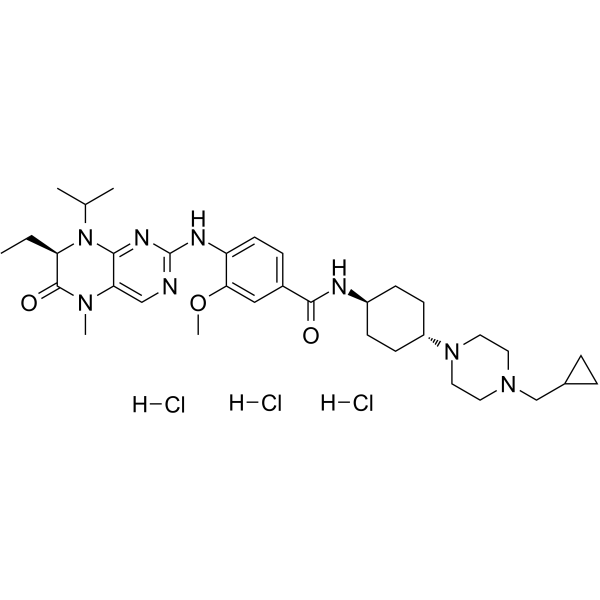
    Volasertib (BI 6727) trihydrochloride is an orally active, highly potent and ATP-competitive Polo-like kinase 1 (PLK1) inhibitor with an IC50 of 0.87 nM. Volasertib trihydrochloride inhibits PLK2 and PLK3 with IC50s of 5 and 56 nM, respectively. Volasertib trihydrochloride induces mitotic arrest and apoptosis. Volasertib trihydrochloride, a dihydropteridinone derivative, shows marked antitumor activity in multiple cancer models .
    Volasertib trihydrochloride
  • HY-W540972

    Primuline

    Fluorescent Dye HCV Dengue Virus Infection
    Primulin is a versatile fluorescent dye and bioactive compound widely used in analytical, biological, botanical and virological studies. Primulin acts as a versatile stain that labels plant cell walls and differentiates live and dead spermatozoa via distinct fluorescence patterns. Primulin exhibits strong albumin‑binding capacity. Primulin acts as a retrograde axonal tracer in neurobiological investigations. Primulin and its derivatives inhibit HCV NS3, block dengue virus NS3-mediated ATP hydrolysis, and disrupt HCV replicase assembly .
    Primulin
  • HY-DY1074

    Fluorescent Dye Others
    ER-Tracker dye is a derivative of BODIPY series dyes coupled with Glibenclamide (HY-15206) , highly selective binding to the endoplasmic reticulum, non-toxic to cells at low concentrations, this type of dye is an environmentally sensitive probe, and formaldehyde treatment can still retain part of the fluorescence, with high fluorescence life, good extinction coefficient and other characteristics. Glibenclamide is an atp-dependent K + channel blocker (Kir6, KATP) and CFTR Cl-channel blocker that binds in the endoplasmic reticulum. ER-Tracker is not suitable for staining fixed cells. Staining followed by fixation is possible, but cells fixed with aldehydes will only retain partial fluorescence .
    Solvent and concentration: DMSO: 1 mM
    ER-Tracker Blue-White DPX (solution)
  • HY-138916

    Biochemical Assay Reagents EGFR Others
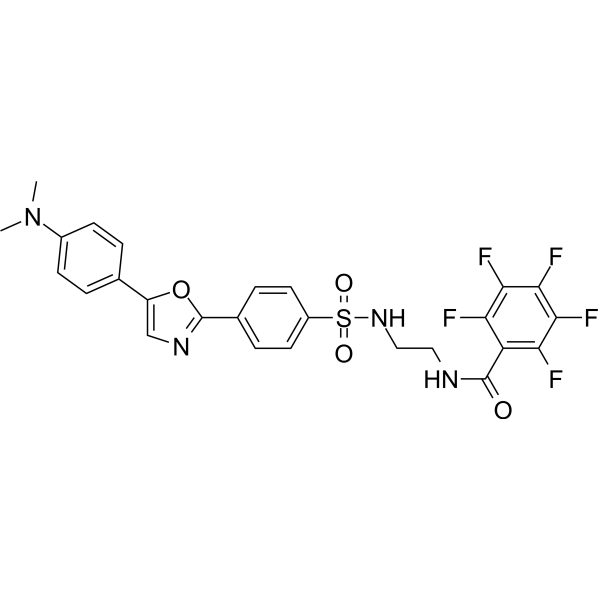
    PF-06672131 is an alkynylated afatinib derivative and a small molecule probe that is reactive to cysteine. PF-06672131 is an inhibitor of epidermal growth factor receptor (EGFR) kinase that targets the ATP pockets of EGFR. PF-06672131 can be used for activity-based protein profiling studies .
    PF-06672131
  • HY-W012985

    ATP Synthase Apoptosis Metabolic Disease Cancer
    Methyl pyruvate is a methyl ester derivative of pyruvic acid. Methyl pyruvate induces insulin release and membrane depolarization. Methyl pyruvate rescues proteasome damage and nuclear localization of TdP-43 caused by overexpression of σ1RE102Q by enhancing ATP synthesis. Methyl pyruvate selectively protects normal lung fibroblasts from cell death induced by Irinotecan (HY-16562). Methyl pyruvate promotes apoptosis and necrosis in cancer cells and downregulates angiogenesis and cell cycle pathways. Methyl pyruvate is an effective substrate for dihydrodihydrogen dehydrogenase.
    Methyl pyruvate
  • HY-136647

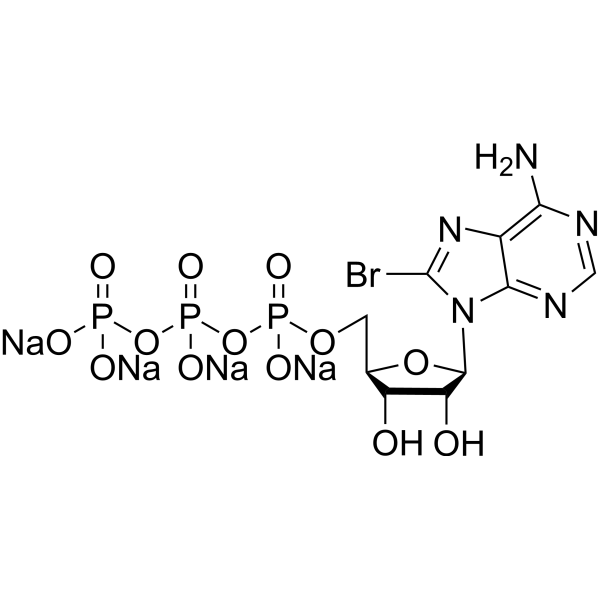
    8-Br-ATP tetrasodium

    Drug Derivative Others
    8-Bromoadenosine 5'-triphosphate tetrasodium (8-Br-ATP tetrasodium) is an ATP analogue. ATP is a central component of energy storage and metabolism in vivo .
    8-Bromoadenosine 5'-triphosphate tetrasodium
  • HY-134393

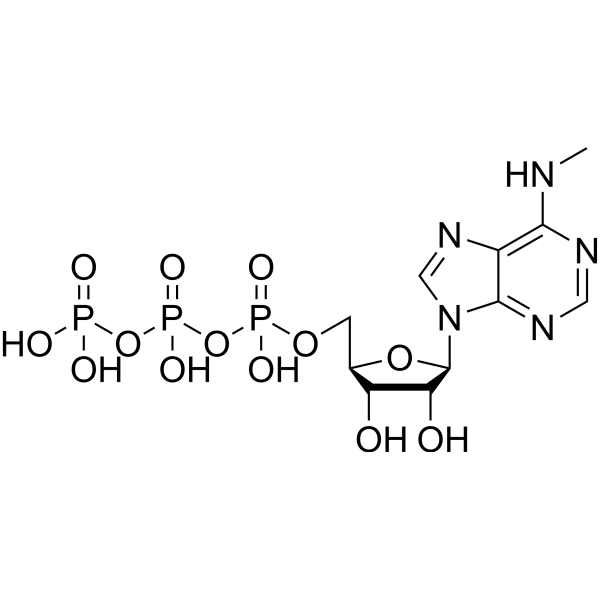
    N6-Methyl-ATP

    GSK-3 Neurological Disease
    6-Me-ATP (N6-Methyl-ATP) is an N 6-modified ATP derivative. 6-Me-ATP exhibits excellent binding affinity for GSK3 and acts as a phosphate group donor for GSK3β-catalyzed phosphorylation of its substrate peptides. 6-Me-ATP is applicable to research related to Alzheimer's disease .
    6-Me-ATP
  • HY-134393B

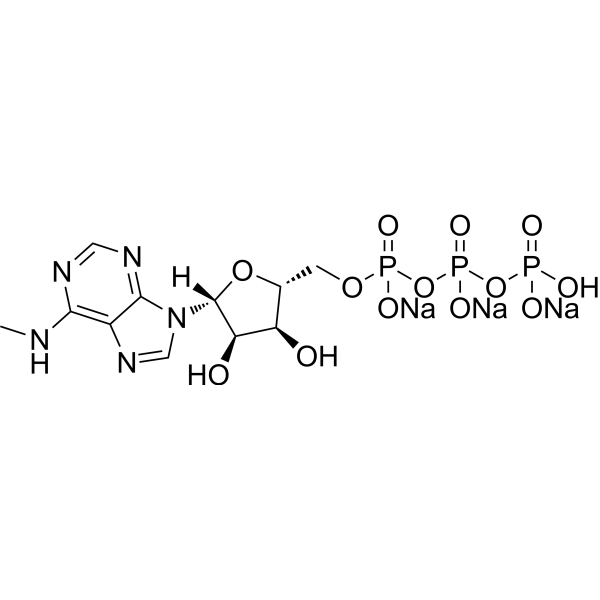
    N6-Methyl-ATP trisodium solution (100 mM)

    GSK-3 Others
    6-Me-ATP (N6-Methyl-ATP) trisodium solution (100 mM) is a N 6-modified ATP derivative. 6-Me-ATP trisodium shows excellent binding affinity to GSK3, serving as the phosphate group donor for GSK3β-catalyzed phosphorylation of its substrate peptide .
    6-Me-ATP trisodium solution (100 mM)
  • HY-W587827

    Thiamine triphosphate

    Endogenous Metabolite Metabolic Disease
    Thiamine triphosphoric acid ester (Thiamine triphosphate) is a neuroactive compound and a triphosphate derivative of vitamin thiamine. Thiamine triphosphoric acid ester exists in microorganisms, animal organs and plants. In E. coli, Thiamine triphosphoric acid ester is transiently produced under amino acid deficiency, while in mammalian cells, it is continuously produced at a low rate. Thiamine triphosphoric acid ester can be synthesized by two distinct enzymes (cytosolic AK1 and FoF1-ATP synthase in brain mitochondria). Thiamine triphosphoric acid ester plays a fundamental role in cellular metabolism or cellular signal transduction .
    Thiamine triphosphoric acid ester
  • HY-163459

    Fungal Infection
    HWY-289 is a semisynthetic protoberberine derivative, has broad-spectrum and potent activities against phytopathogenic fungi, particularly Botrytis cinerea (EC50 = 1.34 μg/mL). HWY-289 changes the morphology of the mycelium and the internal structure of cells. HWY-289 reduces ATP content, ATPase activities, and key enzyme activities in the TCA cycle .
    HWY-289
  • HY-162142

    Bacterial Succinate Dehydrogenase Reactive Oxygen Species (ROS) Infection
    BB2-50F is an antimicrobial agent and succinate dehydrogenase and F1Fo-ATP synthase inhibitor. BB2-50F induces ROS. BB2-50F inhibits succinate oxidation and reduces tricarboxylic acid (TCA) cycle activity. BB2-50F inhibits the growth of Mycobacterium tuberculosis H37Rv and its auxotrophic, attenuated derivative mc2 6230 (ΔRD1, ΔpanCD) with an MIC of 8 μM .
    BB2-50F
  • HY-DY1043

    Fluorescent Dye Others
    ER-Tracker dye is a derivative of BODIPY series dyes coupled with Glibenclamide (HY-15206) , highly selective binding to the endoplasmic reticulum, non-toxic to cells at low concentrations, this type of dye is an environmentally sensitive probe, and formaldehyde treatment can still retain part of the fluorescence, with high fluorescence life, good extinction coefficient and other characteristics. Glibenclamide is an atp-dependent K + channel blocker (Kir6, KATP) and CFTR Cl-channel blocker that binds in the endoplasmic reticulum. ER-Tracker is not suitable for staining cells after fixation .
    Solvent and concentration: DMSO: 1 mM
    ER-Tracker Green (solution)
  • HY-A0176

    Potassium Channel Cardiovascular Disease Metabolic Disease
    Glisoxepide, a sulphonamide derivative, is an orally available nonselective K(ATP) channel blocker, with antihyperglycemic activity and cardiovascular regulation effect .
    Glisoxepide
  • HY-W015213

    Endogenous Metabolite DNA/RNA Synthesis Metabolic Disease
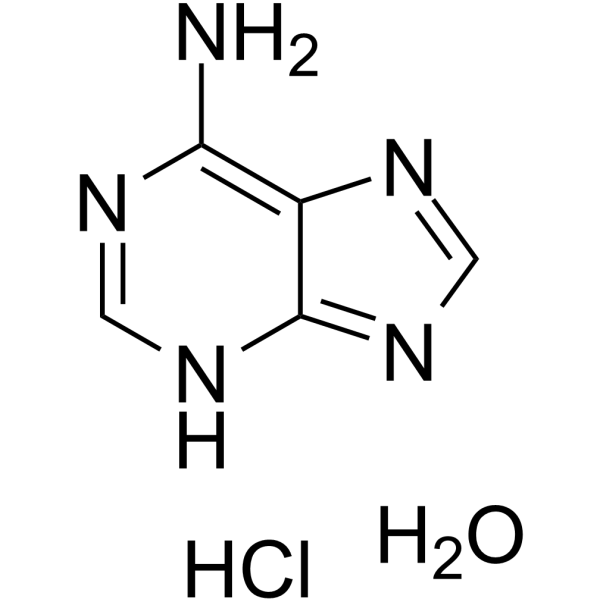
    Adenine monohydrochloride hemihydrate is a hydrochloride derivative of Adenine. Adenine (6-Aminopurine), a purine, is one of the four nucleobases in the nucleic acid of DNA. Adenine acts as a chemical component of DNA and RNA. Adenine also plays an important role in biochemistry involved in cellular respiration, the form of both ATP and the cofactors (NAD and FAD), and protein synthesis .
    Adenine monohydrochloride hemihydrate
  • HY-DY1026

    Fluorescent Dye Cancer
    ER-Tracker dye is a derivative of BODIPY series dyes coupled with Glibenclamide (HY-15206) , highly selective binding to the endoplasmic reticulum, non-toxic to cells at low concentrations, this type of dye is an environmentally sensitive probe, and formaldehyde treatment can still retain part of the fluorescence, with high fluorescence life, good extinction coefficient and other characteristics. Glibenclamide is an atp-dependent K + channel blocker (Kir6, KATP) and CFTR Cl-channel blocker that binds in the endoplasmic reticulum. ER-Tracker is not suitable for staining cells after fixation. Ex/Em=587/615 nm .
    Solvent and concentration: DMSO: 1 mM
    ER-Tracker Red (solution)
  • HY-B0422S

    A4166 d5; Senaglinide d5

    Potassium Channel Dipeptidyl Peptidase Metabolic Disease
    Nateglinide-d5 is a deuterium labeled Nateglinide. Nateglinide, a D-phenylalanine derivative, is an orally active and short-acting insulinotropic agent and a DPP IV inhibitor. Nateglinide inhibits ATP-sensitive K+ channels in pancreatic β-cells. Nateglinide is used for the treatment of type 2 (non-insulin-dependent) diabetes mellitus[1][2].
    Nateglinide-d5
  • HY-131831A

    N6-benzyl ADP sodium

    ATP Synthase Cancer
    6-Bn-ADP (N6-benzyl ADP) sodium is a derivative of Adenosine 5'-diphosphate (ADP) (HY-W010918) that inhibits ATP hydrolysis. 6-Bn-ADP sodium inhibits the ATPase activities of Mortalin, Hsc70, and Hsp70 protein with Kis of 86.51 μM, 294.5 μM, and 1612 μM, respectively .
    6-Bn-ADP sodium
  • HY-12137R

    BI 6727 (Standard)

    Polo-like Kinase (PLK) Apoptosis Reference Standards Cancer
    Volasertib (Standard) is the analytical standard of Volasertib. This product is intended for research and analytical applications. Volasertib (BI 6727) is an orally active, highly potent and ATP-competitive Polo-like kinase 1 (PLK1) inhibitor with an IC50 of 0.87 nM. Volasertib inhibits PLK2 and PLK3 with IC50s of 5 and 56 nM, respectively. Volasertib induces mitotic arrest and apoptosis. Volasertib, a dihydropteridinone derivative, shows marked antitumor activity in multiple cancer models .
    Volasertib (Standard)
  • HY-W011428R

    Reference Standards CDK Others Cancer
    Olomoucine is an ATP competitive inhibitor of CDKs. Olomoucine is a purine (HY-34431) derivative and inhibits CDC2/cyclin B, Cdk2/cyclin A, Cdk2/cyclin E (both IC50=7 μM), CDK/p35 kinase (IC50=3 μM) and ERK1/p44 MAP kinase (IC50=25 μM) . Olomoucine regulates cell cycle and shows anti-melanin tumor activity .
    Olomoucine (Standard)
  • HY-B1588S

    Amyloid-β HIV 11β-HSD Infection Neurological Disease Inflammation/Immunology
    Carbenoxolone-d4 is deuterium labeled Carbenoxolone. Carbenoxolone, a semi-synthetic derivative of glycyrrhetinic acid, has previously been used for the management of dyspepsia and peptic ulcer because of its anti-inflammatory properties . Carbenoxolone, a general hemichannel and gap junction inhibitor, has the therapeutic potential of carbenoxolone in the research of chronic liver disease . Carbenoxolone is a suitable candidate for the inhibition of Aβ42 aggregation and the therapeutic potential of Cbx against AD . Carbenoxolone is small molecule Pannexin1 (Panx1,is an ATP release channel) inhibitor, attenuate Panx1 channel activity through modulation of the first extracellular loop .Carbenoxolone is an 11β-hydroxysteroid dehydrogenase type 1 (11β-HSD1) inhibitor that converts inactive glucocorticoid into an active form. Carbenoxolone has antiviral activity against DENV infection targeting the virus itself .
    Carbenoxolone-d4
  • HY-157045

    ATP Synthase Infection
    ATP Synthesis-IN-1 (Compound 4), quinoline derivative, is a potent inhibitor of PA ATP synthesis activity. ATP Synthesis-IN-1 has PA ATP synthesis inhibition with IC50 value of 11.1μg/mL. ATP Synthesis-IN-1 also has antibacterial activity. ATP Synthesis-IN-1 can be used for the research of drug-resistant PA infection .
    ATP Synthesis-IN-1
  • HY-134373A

    Adenylate Cyclase Bacterial Infection
    Bis-Cl-ANT-ATP (tetrasodium) is a fluorescent ATP derivative, which undergo spontaneous isomerization. Bis-Cl-ANT-ATP (tetrasodium) selectively inhibits B. pertussis Adenylyl Cyclase (AC) toxin CyaA over mammalian AC1, AC2, and AC5 (Kis = 16, 1,700, 2,400, and 1,600 nM, respectively). Bis-Br-ANT-ATP (tetrasodium) can be used in the study of whooping cough .
    Bis-Cl-ANT-ATP tetrasodium
  • HY-134033A

    2'-Fluoro dATP sodium

    Nucleoside Antimetabolite/Analog Infection
    2'-Deoxy-2'-fluoroadenosine-5'-O-triphosphate sodium (2'-fluoro dATP) is a fluorinated derivative of ATP (HY-B2176). 2'-Deoxy-2'-fluoroadenosine-5'-O-triphosphate sodium is a substrate and an inhibitor for E.coli DNA-dependent RNA polymerase, with a Ki of 200 µM .
    2'-Deoxy-2'-fluoroadenosine-5'-O-triphosphate sodium
  • HY-131760

    2'-Amino-2'-deoxyadenosine-5'-triphosphate

    Biochemical Assay Reagents Metabolic Disease
    2'-NH2-ATP (2'-Amino-2'-deoxyadenosine-5'-triphosphate), an adenosine derivative, is a weak competitive inhibitor of ATP, with a Ki of 2.3 mM. 2'-NH2-ATP can be used in nucleic acid labeling .
    2'-NH2-ATP
  • HY-134372A

    Adenylate Cyclase Bacterial Infection
    Bis-Br-ANT-ATP (tetrasodium) is a fluorescent derivative of adenosine-5’-triphosphate (ATP) (HY-B2176). Bis-Br-ANT-ATP (tetrasodium) selectively inhibits B. pertussis adenylyl cyclase toxin CyaA (Ki: 12.6 nM). Bis-Br-ANT-ATP (tetrasodium) can be used in Whooping cough research .
    Bis-Br-ANT-ATP tetrasodium
  • HY-160124

    FGFR Cancer
    Infigratinib-Boc is a derivative of Infigratinib containing a Boc (t-Butyloxy carbonyl) group. Infigratinib is an ATP-competitive pan-FGFR inhibitor .
    Infigratinib-Boc
  • HY-134272A

    8-Bromo-dATP tetrasodium

    Endogenous Metabolite Metabolic Disease
    8-Bromo-2'-deoxy-ATP (8-Bromo-dATP) tetrasodium is a derivative of the nucleoside triphosphate 2'-Deoxyadenosine-5'-triphosphate (dATP, HY-136648).
    8-Bromo-2'-deoxy-ATP tetrasodium
  • HY-12283R

    PST 2238 (Standard)

    Na+/K+ ATPase RSV Reference Standards Cardiovascular Disease
    Rostafuroxin (Standard) is the analytical standard of Rostafuroxin. This product is intended for research and analytical applications. Rostafuroxin (PST 2238), a digitoxigenin derivative, is an orally active and potent Na+,K+-ATPase (ATP1A1) antognist. Rostafuroxin binds specifically to the ATP1A1 extracellular domain and blocks respiratory syncytial virus (RSV)-triggered EGFR Tyr845 phosphorylation. Rostafuroxin has antihypertensive and anti-RSV activity .
    Rostafuroxin (Standard)
  • HY-165363

    Drug Derivative Lactate Dehydrogenase ATP Synthase Cardiovascular Disease
    AK-135 hydrochloride is a Menadione (HY-B0332) derivative. AK-135 hydrochloride restores the electron flow in defective respiratory chain systems. AK-135 hydrochloride decreases LDH release, increases the amount of ATP. AK-135 hydrochloride has a protective effect against myocardial injury .
    AK-135 hydrochloride
  • HY-168572

    BCRP Cancer
    MZ82, Ko 143 (HY-10010) derivative, is a ATP-binding cassette subfamily G member 2 (ABCG2/BCRP) inhibitor with the IC50 of ~23 nM. MZ82 not only shows greatly improved metabolic stability over Ko 143 (HY-10010) in liver microsomes but also in mice, and is able to penetrate into the brain .
    MZ82
  • HY-B0422R

    A4166 (Standard); Senaglinide (Standard)

    Potassium Channel Dipeptidyl Peptidase Reference Standards Metabolic Disease
    Nateglinide (Standard) is the analytical standard of Nateglinide. This product is intended for research and analytical applications. Nateglinide, a D-phenylalanine derivative, is an orally active and short-acting insulinotropic agent and a DPP IV inhibitor. Nateglinide inhibits ATP-sensitive K + channels in pancreatic β-cells. Nateglinide is used for the treatment of type 2 (non-insulin-dependent) diabetes mellitus .
    Nateglinide (Standard)
  • HY-169860

    BCRP Cancer
    BCRP-IN-2 has BCRP inhibitory activity and shows even greater inhibition of BCRP after activation by ultraviolet light. BCRP-IN-2 can be a valuable probe for studying the interactions of quinazolinamine derivatives with BCRP, as it stimulates ATP hydrolysis of the BCRP transport protein, increasing the accumulation of mitoxantrone (HY-13502) in H460/MX20 cells with BCRP overexpression .
    BCRP-IN-2
  • HY-W015213S

    Isotope-Labeled Compounds Endogenous Metabolite DNA/RNA Synthesis Metabolic Disease
    Adenine monohydrochloride hemihydrate- 15N5 is the 15N labeled Adenine monohydrochloride hemihydrate (HY-W015213). Adenine monohydrochloride hemihydrate is a hydrochloride derivative of Adenine. Adenine (6-Aminopurine), a purine, is one of the four nucleobases in the nucleic acid of DNA. Adenine acts as a chemical component of DNA and RNA. Adenine also plays an important role in biochemistry involved in cellular respiration, the form of both ATP and the cofactors (NAD and FAD), and protein synthesis .
    Adenine monohydrochloride hemihydrate-15N5
  • HY-175221

    Apoptosis Autophagy Cancer
    WHN-11 is an amino-Artemisinin (HY-B0094) derivative with anti-cancer activity against various cancer cell lines. WHN-11 deprives the cell of ATP, activates autophagy, and causes subsequent cell death by apoptosis. WHN-11 alters cellular protein homeostasis pathways to induce mitochondrial fission and dysfunction. WHN-11's anti-cancer activity is independent of substantive ROS production. WHN-11 can be used for the study of triple-negative breast cancer (TNBC) .
    WHN-11
  • HY-137381

    N6-Benzoyl-cAMP

    PKA Potassium Channel Metabolic Disease
    6-Bnz-cAMP, a derivative of cyclic adenosine monophosphate (cAMP), is a selective PKA activator with inhibitory activity against the bTREK-1 K + channel. 6-Bnz-cAMP does not activate the Epac signaling pathway. 6-Bnz-cAMP inhibits the bTREK-1 K + channel via a voltage-independent, ATP-dependent mechanism that is independent of the PKA/Epac/calmodulin kinase/MAP kinase pathway. 6-Bnz-cAMP activates CREB phosphorylation to regulate osteoblast-specific gene expression, induces osteoblast differentiation, promotes extracellular matrix mineralization, supports osteoblast proliferation, and shows no cytotoxicity toward osteoblasts. 6-Bnz-cAMP can be used in studies related to bone tissue repair and regeneration .
    6-Bnz-cAMP
  • HY-131774A

    2-(6-Aminohexyl)thio-ATP sodium

    Nucleoside Antimetabolite/Analog Metabolic Disease
    2-AHT-ATP (2-(6-Aminohexyl)thio-ATP) sodium is a derivative of ATP (HY-B2176). 2-AHT-ATP can be used in the synthesis of biotinylated ATP derivatives .
    2-AHT-ATP sodium
  • HY-15026

    Endogenous Metabolite Inflammation/Immunology
    ATB-429, a novel H2S-releasing derivative of mesalamine, demonstrates significant anti-nociceptive and anti-inflammatory effects in models of irritable bowel syndrome (IBS). By releasing hydrogen sulfide (H2S), ATB-429 modulates colorectal distension-induced hypersensitivity in both healthy and postcolitic rats. It attenuates abdominal withdrawal responses and suppresses spinal c-Fos mRNA expression, indicating its potential to alleviate pain associated with gastrointestinal inflammation. Moreover, ATB-429 down-regulates colonic cyclooxygenase-2 and interleukin-1β mRNA expression, effects not observed with mesalamine alone. The mechanism involves ATP-sensitive K+ (KATP) channels, as evidenced by reversal of ATB-429's effects with glibenclamide. These findings suggest ATB-429 could offer therapeutic benefits for managing painful intestinal disorders linked to inflammation .
    ATB 429
  • HY-173580

    C7-dATP tetrasodium

    Drug Derivative Metabolic Disease
    7-Deaza-2'-deoxyadenosine-5'-O-triphosphate (C7-dATP) tetrasodium is a derivative of ATP (HY-B2176). ATP (Adenosine 5'-triphosphate) is a central component of energy storage and metabolism in vivo .
    7-Deaza-2'-deoxyadenosine-5'-O-triphosphate tetrasodium
  • HY-131760A

    2'-Amino-2'-deoxyadenosine-5'-triphosphate tetrasodium

    Biochemical Assay Reagents Metabolic Disease
    2'-NH2-ATP (2'-Amino-2'-deoxyadenosine-5'-triphosphate) tetrasodium, an adenosine derivative, is a weak competitive inhibitor of ATP, with a Ki of 2.3 mM. 2'-NH2-ATP can be used in nucleic acid labeling .
    2'-NH2-ATP tetrasodium
  • HY-165391

    Drug Derivative Neurological Disease
    NA0359 is a derivative of SF2370 (HY-N6732). NA0359 inhibits the actin-myosin-ATP interaction in native smooth muscle actomyosin and myosin light chain phosphorylation .
    NA0359

Inquiry Online

Your information is safe with us. * Required Fields.

Salutation


Country or Region *

Applicant Name *


Organization Name *

Department *


Email Address *


Product Name *

Cat. No.


Requested quantity *

Phone Number *


Remarks

Inquiry Online

Inquiry Information

Product Name:
Cat. No.:
Quantity:
MCE Japan Authorized Agent:

