



Search Result
Results for "
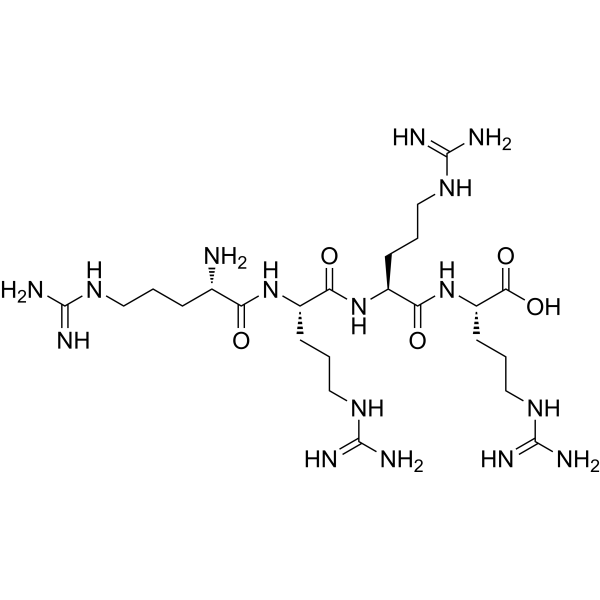
Arg-Arg-Arg-Arg
" in MedChemExpress (MCE) Product Catalog:
| Cat. No. |
Product Name |
Target |
Research Areas |
Chemical Structure |
-
- HY-P1028
-
|
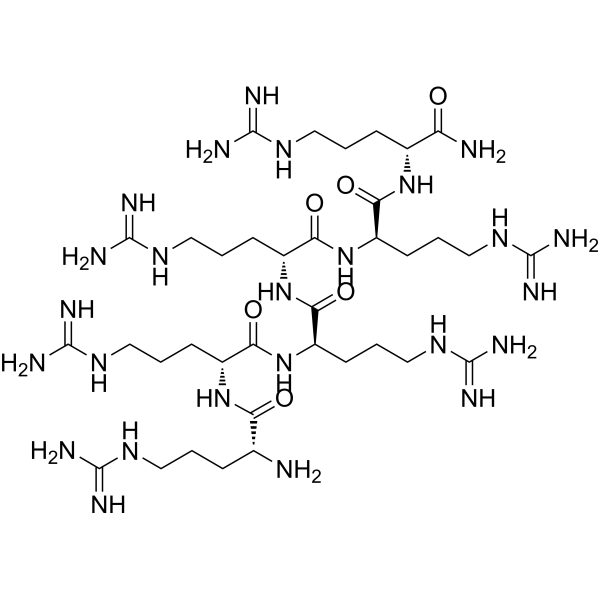
Furin Inhibitor II
|
Bacterial
|
Infection
|
|
Hexa-D-arginine (Furin Inhibitor II) is a stable furin inhibitor with Ki values 106 nM, 580 nM and 13.2 μM for furin, PACE4 and prohormone convertase-1 (PC1), respectively. Hexa-D-arginine blocks Pseudomonas exotoxin A and anthrax toxins toxicity in vitro and in vivo .
|
-
-
- HY-P1925A
-
|
|
PI3K
Reactive Oxygen Species (ROS)
Apoptosis
|
Cancer
|
|
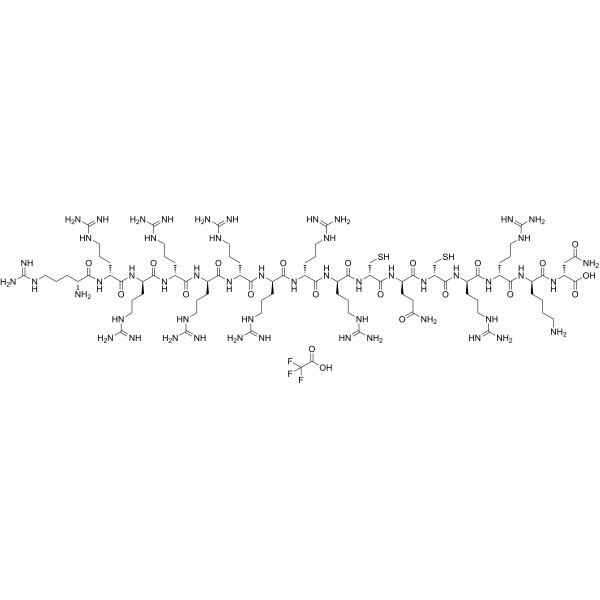
GO-203 TFA is a potent MUC1-C oncoprotein inhibitor. GO-203 TFA is an all D-amino acid peptide that consists of a poly-R transduction domain linked to a CQCRRKN motif that binds to the MUC1-C cytoplasmic tail and blocks MUC1-C homodimerization. GO-203 TFA downregulates TIGAR (TP53-induced glycolysis and apoptosis regulator) protein synthesis by inhibiting the PI3K-AKT-S6K1 pathway. GO-203 TFA induces the production of ROS and loss of mitochondrial transmembrane potential. GO-203 TFA inhibits the growth of colon cancer cells in vitro and as xenografts in nude mice .
|
-
-
- HY-P10275
-
|
|
Apoptosis
|
Neurological Disease
|
|
Tat-NTS peptide is a cell-penetrating peptide with neuroprotective effects. Tat-NTS peptide can specifically inhibit the nuclear translocation of ANXA1 and reduce neuronal apoptosis in ischemic areas. Moreover, Tat-NTS peptide can reduce the volume of cerebral ischemic infarction and can be used in the research of ischemic stroke .
|
-
-
- HY-P0121
-
ReACp53
2 Publications Verification
|
MDM-2/p53
|
Cancer
|
|
ReACp53 could inhibit p53 amyloid formation and rescue p53 function in cancer cell lines.
|
-
-
- HY-P0133
-
|
Nona-L-Arginine; Peptide R9
|
Ser/Thr Protease
|
Neurological Disease
|
|
(Arg)9 (Nona-L-arginine) is a cell-penetrating peptide (CPP) made up of 9 arginine residues, which is an inhibitor of serine endoprotease Furin. (Arg)9 has neuroprotective property, exhibits neuroprotective activity with an IC50 of 0.78 μM in the glutamic acid model .
|
-
-
- HY-P0133A
-
|
Nona-L-Arginine TFA; Peptide R9 TFA
|
Ser/Thr Protease
|
Neurological Disease
|
|
(Arg)9 (Nona-L-arginine) TFA is a cell-penetrating peptide (CPP) made up of 9 arginine residues. (Arg)9 TFA has neuroprotective property, exhibits neuroprotective activity with an IC50 of 0.78 μM in the glutamic acid model .
|
-
-
- HY-P11228
-
|
|
PROTACs
Apoptosis
DNA/RNA Synthesis
|
Cancer
|
|
FPP29 is a potent peptide-based FOXM1 PROTAC degrader. FPP29 induces ubiquitination and degradation of FOXM1. FPP29 inhibits FOXM1 via the ubiquitin-proteasome degradation pathway. FPP29 induces Apoptosis. FPP29 suppresses tumor growth in hepatocellular carcinoma xenograft models. FPP29 can be used in the research of hepatocellular carcinoma (cell-penetrating peptide: (HY-P0133); VHL ligase ligand: (HY-P11493); linker: (HY-W013664); FOXM1 ligand: (HY-P11494)) .
|
-
-
- HY-P10387
-
RSM3
1 Publications Verification
|
METTL3
Apoptosis
MDM-2/p53
NF-κB
Caspase
|
Cancer
|
|
RSM3 is a METTL3-METTL14 complex inhibitor with a Kd of 3.10 μM for the METTL3-METTL14 complex. RSM3 reduces the m 6A modification level of SLC31A1 and the global RNA methylation level. RSM3 upregulates programmed cell death-related genes, enhances cell apoptosis, inhibits pro-cancer signals and suppresses tumor growth. RSM3 is applicable to the research of preeclampsia and cancer .
|
-
-
- HY-P4086
-
|
|
RABV
nAChR
|
Neurological Disease
Cancer
|
Chimeric Rabies Virus Glycoprotein Fragment (RVG-9R) is a cell-penetrating peptide that is synthesized by adding nona-arginine motif to the carboxy terminus of RVG (rabies virus glycoprotein). Chimeric Rabies Virus Glycoprotein Fragment (RVG-9R) binds to nAChR on neuronal cells to mediate receptor-mediated endocytosis and targeted siRNA delivery. Chimeric Rabies Virus Glycoprotein Fragment (RVG-9R) protects complexed siRNA from degradation, enhances transcellular siRNA delivery in neuronal cells, and promotes efficient, pecific gene silencing. Chimeric Rabies Virus Glycoprotein Fragment (RVG-9R) can be used for the researches of neurological disease and cancer .
|
-
-
- HY-126810A
-
|
|
Fungal
|
Infection
|
|
NP213 TFA is a rapidly acting, novel, first-in-class synthetic antimicrobial peptide (AMP), has anti-fungal activities. NP213 TFA targets the fungal cytoplasmic membrane and plays it role via membrane perturbation and disruption. NP213 TFA is effective and well-tolerated in resolving nail fungal infections .
|
-
-
- HY-P5557
-
|
|
Bacterial
Necroptosis
|
Infection
Inflammation/Immunology
|
|
TP4 (Nile tilapia piscidin) is an orally active amphipathic α-helical cationic antimicrobial peptide. TP4 (Nile tilapia piscidin) exerts broad-spectrum bactericidal activity against Gram-positive and Gram-negative bacteria by disrupting cell membrane structures, and also exhibits certain hemolytic activity. TP4 (Nile tilapia piscidin) regulates the innate immune system and enhances the expression of lysozymes, cytokines and antioxidant enzymes to resist bacterial infection. TP4 (Nile tilapia piscidin) also stimulates the proliferation of keratinocytes and fibroblasts, and significantly promotes the healing of wounds infected with MRSA. TP4 (Nile tilapia piscidin) can be used in research related to bacterial infection, peritonitis, wound healing and other fields .
|
-
-
- HY-P4250A
-
-
-
- HY-P2282
-
|
|
STAT
|
Cancer
|
|
APTSTAT3-9R, a specific STAT3-binding peptide, inhibits STAT3 activation and downstream signaling by specifically blocking STAT3 phosphorylation. APTSTAT3-9R exerts antiproliferative effects and antitumor activity .
|
-
-
- HY-P10446
-
|
|
Epigenetic Reader Domain
PROTACs
|
Cancer
|
|
TAT-PiET-PROTAC is a proteolysis-targeting chimera (PROTAC)-modified TAT-PiET (HY-P10445), which is a cell-penetrating peptide targeting the extra-terminal (ET) domain of BRD4. TAT-PiET-PROTAC can reduce BRD4 and JMJD6 levels and inhibit cell proliferation. TAT-PiET-PROTAC also resists the endocrine resistance of ERα-positive breast cancer cells. TAT-PiET-PROTAC can be used for the research of cancer, such as breast cancer .
|
-
-
- HY-P2500
-
|
|
Fluorescent Dye
|
Others
|
|
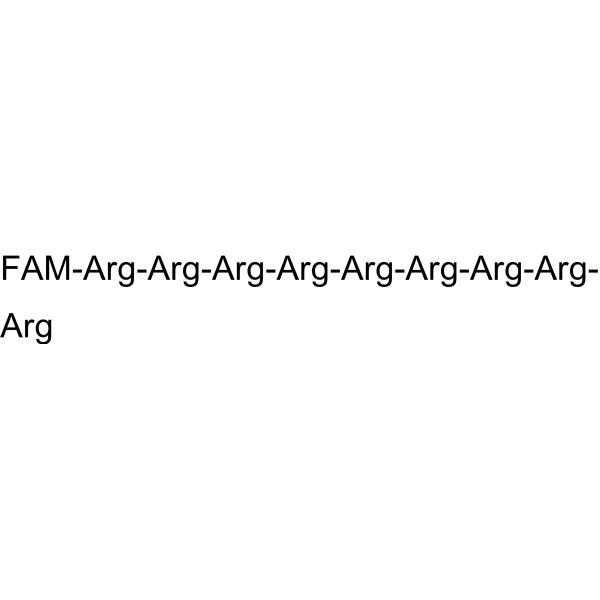
(Arg)9, FAM-labeled, a cell-penetrating peptide (CPP), is a nona-arginine (ARG) with FAM label. CPPs have emerged as powerful tools for delivering bioactive cargoes into the cytosol of intact cells .
|
-
-
- HY-P4087
-
|
|
HIV
|
Infection
Cancer
|
|
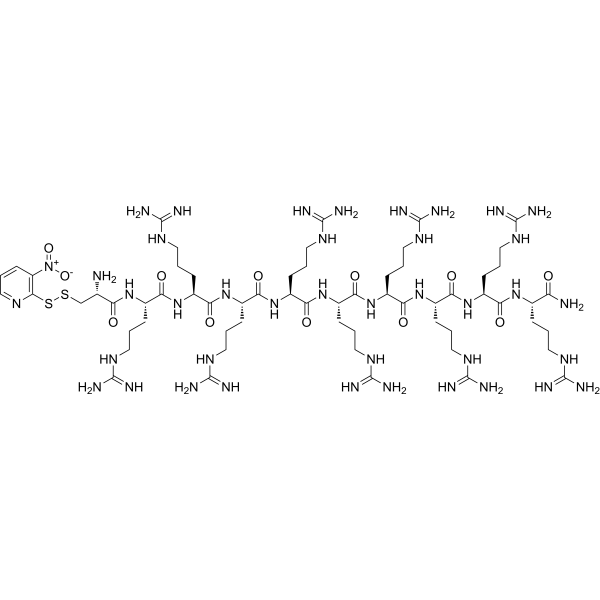
Cys(Npys)-(Arg)9 is a synthetic cationic cell-penetrating peptide with a reversible thiol-reactive nitropyridyl (Npys) group. Cys(Npys)-(Arg)9 efficiently mediates the internalization and delivery of various "cargo" such as proteins and antibodies by forming reversible disulfide bonds with surface-exposed cysteine residues. Cys(Npys)-(Arg)9 endows TALEN proteins with cell-penetrating activity, enabling gene knockout in mammalian cells and protein transduction in wheat microspores. Cys(Npys)-(Arg)9 can be conjugated with antibodies to form cationized IgG for enhancing endosomal escape of oligonucleotides, or form siRNA delivery complexes. When the molar ratio of Cys(Npys)-(Arg)9 to loaded molecules is higher than 1:1, it exerts certain cytotoxic effects on cells. Cys(Npys)-(Arg)9 can be used in studies related to oral squamous cell carcinoma and HIV infection .
|
-
-
- HY-P2483B
-
|
|
Bacterial
Proteasome
|
Infection
Inflammation/Immunology
Cancer
|
|
Octaarginine acetate is a cell-penetrating peptide and proteasome inhibitor. Octaarginine acetate exhibits mixed-type inhibition against 20S proteasome chymotrypsin-like, caspase-like, and trypsin-like activities, and inhibits 26S proteasome activity with decreased efficiency. Octaarginine acetate induces ubiquitin-conjugated protein accumulation, mediates HSPG-dependent cellular internalization via macropinocytosis, enhances liposomal cargo uptake and gene delivery. Octaarginine acetate can be used for the research of cervix carcinoma, collagen antibody-induced arthritis, and bacterial infections .
|
-
-
- HY-P2483
-
|
|
Proteasome
Bacterial
|
Infection
Inflammation/Immunology
Cancer
|
|
Octaarginine is a cell-penetrating peptide and proteasome inhibitor. Octaarginine exhibits mixed-type inhibition against 20S proteasome chymotrypsin-like, caspase-like, and trypsin-like activities, and inhibits 26S proteasome activity with decreased efficiency. Octaarginine induces ubiquitin-conjugated protein accumulation, mediates HSPG-dependent cellular internalization via macropinocytosis, enhances liposomal cargo uptake and gene delivery. Octaarginine can be used for the research of cervix carcinoma, collagen antibody-induced arthritis, and bacterial infections .
|
-
-
- HY-P10991A
-
|
Stearylated octaArginine TFA
|
Biochemical Assay Reagents
|
Others
|
|
Stearyl-(homoarginine)8 (Stearylated octaarginine) TFA is an effective gene delivery vector that can deliver plasmid DNA into cells. Stearyl-(homoarginine)8 TFA can make plasmid DNA more effectively internalized into cells and improve the nuclear delivery rate .
|
-
-
- HY-P11112
-
|
|
β-catenin
Wnt
|
Inflammation/Immunology
|
|
PTD-DBM is a competitive peptide that blocks the CXXC5-Dvl interaction and induces the expression of β-catenin, α-SMA, and type I collagen. PTD-DBM has skin wound healing activity .
|
-
-
- HY-P5107
-
|
LMWP; TDSP5
|
VEGFR
|
Cancer
|
|
Low molecular weight protamine is a cell-penetrating peptide with vascular endothelial growth factor (VEGF) inhibitory activity. Low molecular weight protamine can inhibit tumor growth and is used in cancer research .
|
-
-
- HY-P10600A
-
|
|
Ras
|
Others
|
|
BIMAX2 acetate is a high affinity nuclear localization signal (NLS) peptide. BIMAX2 acetate can mimic the activity of the classical nuclear localization signal (cNLS) and competitively bind to importin α, thereby inhibiting the binding of cNLS-cargo proteins to importin α. BIMAX2 acetate can be used to study the role of RBBP4 in regulating nuclear import efficiency and cell senescence .
|
-
-
- HY-P0121B
-
|
|
MDM-2/p53
|
Cancer
|
|
ReACp53 scrambled peptide TFA is a negative control for ReACp53 (HY-P0121). ReACp53 scrambled peptide can be used in the study of ovarian cancer .
|
-
-
- HY-P4083
-
|
|
Fluorescent Dye
|
Others
|
|
(Arg)9,TAMRA-labeled is a TAMRA-labeled cell permeable peptide. (Arg)9 is a cell-permeable peptide used for drug delivery .
|
-
-
- HY-P10387A
-
|
|
METTL3
Apoptosis
|
Cancer
|
|
RSM3 TFA is a METTL3-METTL14 complex inhibitor with a Kd of 3.10 μM for the METTL3-METTL14 complex. RSM3 TFA reduces the m 6A modification level of SLC31A1 and the global RNA methylation level. RSM3 TFA upregulates programmed cell death-related genes, enhances cell apoptosis, inhibits pro-cancer signals and suppresses tumor growth. RSM3 TFA is applicable to the research of preeclampsia and cancer .
|
-
-
- HY-P1028A
-
|
Furin Inhibitor II TFA
|
Bacterial
|
Infection
|
|
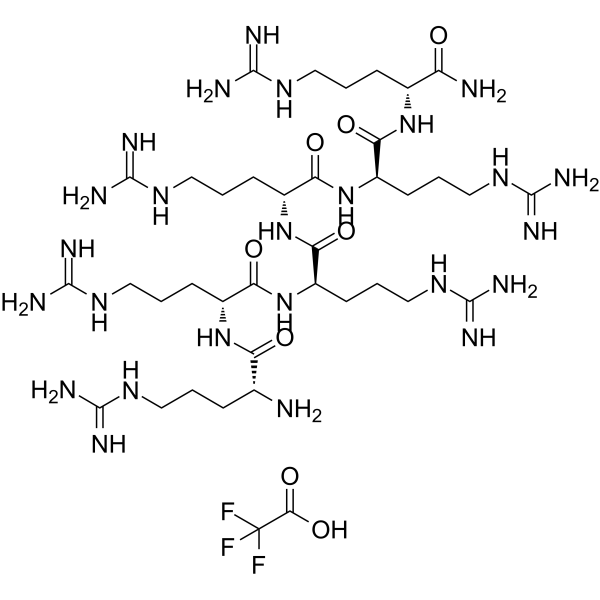
Hexa-D-arginine TFA (Furin Inhibitor II TFA) is a stable furin inhibitor with Ki values 106 nM, 580 nM and 13.2 μM for furin, PACE4 and prohormone convertase-1 (PC1), respectively. Hexa-D-arginine TFA blocks Pseudomonas exotoxin A and anthrax toxins toxicity in vitro and in vivo .
|
-
-
- HY-P3277
-
|
|
Ras
|
Cancer
|
|
KRpep-2d is a potent K-Ras inhibitor and inhibits proliferation of K-Ras-driven cancer cells. KRpep-2d can be used for cancer research .
|
-
-
- HY-P10168
-
|
|
Phosphatase
|
Others
|
|
11R-CaN-CON is a control inactive peptide and can be used as a negative control for 11R-CaN-AID (HY-P10167) .
|
-
-
- HY-P10167
-
|
|
Phosphatase
|
Others
|
|
11R-CaN-AID is a potent and cell permeant inhibitor of calcineurin .
|
-
-
- HY-P4087B
-
|
|
HIV
|
Others
|
|
Cys(Npys)-(Arg)9 acetate is a synthetic cationic cell-penetrating peptide with a reversible thiol-reactive nitropyridyl (Npys) group. Cys(Npys)-(Arg)9 acetate efficiently mediates the internalization and delivery of various "cargo" such as proteins and antibodies by forming reversible disulfide bonds with surface-exposed cysteine residues. Cys(Npys)-(Arg)9 acetate endows TALEN proteins with cell-penetrating activity, enabling gene knockout in mammalian cells and protein transduction in wheat microspores. Cys(Npys)-(Arg)9 acetate can be conjugated with antibodies to form cationized IgG for enhancing endosomal escape of oligonucleotides, or form siRNA delivery complexes. When the molar ratio of Cys(Npys)-(Arg)9 acetate to loaded molecules is higher than 1:1, it exerts certain cytotoxic effects on cells. Cys(Npys)-(Arg)9 acetate can be used in studies related to oral squamous cell carcinoma and HIV infection .
|
-
-
- HY-P3245
-
|
|
Apoptosis
|
Cancer
|
|
HXR9 is a cell-permeable peptide and a competitive antagonist of HOX/PBX interaction. HXR9 antagonizes the interaction between HOX and a second transcrip-tion factor (PBX), which binds to HOX proteins in paralogue groups1 to 8. HXR9 selectively decreases cell proliferation and promotes apoptosis in cells with a high level of expression of the HOXA/PBX3 genes, such as MLL-rearranged leukemic cells .
|
-
-
- HY-P10553
-
|
|
Apoptosis
|
Cancer
|
|
ARF(26–44), cell-permeable is a cell-penetrating peptide derived from a specific amino acid sequence of the p14ARF tumor suppressor protein. As a functional inhibitor of FoxM1, ARF(26–44) cell-permeable shows significant anti-tumor activity in the treatment of mouse hepatocellular carcinoma (HCC), significantly increasing tumor cell apoptosis and reducing tumor cell proliferation and angiogenesis. ARF(26–44), cell-permeable can be used in research on tumor therapy .
|
-
-
- HY-P10991
-
|
Stearylated octaArginine
|
Biochemical Assay Reagents
|
Others
|
|
Stearyl-(homoarginine)8 (Stearylated octaarginine) is an effective gene delivery vector that can deliver plasmid DNA into cells. Stearyl-(homoarginine)8 can make plasmid DNA more effectively internalized into cells and improve the nuclear delivery rate .
|
-
-
- HY-P4247
-
|
|
Amino Acid Derivatives
|
Others
|
|
Hexa-arginine, consisting of six arginines, is a polycationic peptide that can penetrate cells efficiently and is mainly used for the intracellular delivery of low-molecular-weight agents, biomolecules, and particles .
|
-
-
- HY-P1175
-
|
|
TRP Channel
|
Neurological Disease
|
|
L-R4W2 is a potent antagonist of vanilloid receptor 1 (VR1, TRPV1), with an IC50 of 0.1 μM. L-R4W2 may act as a potent analgesic .
|
-
-
- HY-P1586
-
|
HIV-1 rev Protein (34-50)
|
HIV
|
Infection
|
|
HIV-1 Rev (34-50) is a 17-aa peptide derived from the Rev-responsive element (RRE)-binding domains of Rev in HIV-1, with anti-HIV-1 activity.
|
-
-
- HY-P3349
-
|
|
Bacterial
|
Infection
|
|
c[Arg-Arg-Arg-Arg-Nal-Nal-Nal] (Compound 9C) shows broad-spectrum activity against drug-resistant Gram-positive and Gram-negative bacteria, with MICs of 3.1, 3,1, 12.5, and 25 μg/mL for MRSA (ATCC BAA-1556), S. aureus (ATCC 29213), P. aeruginosa (ATCC 27883), and E. coli (ATCC 25922), respectively .
|
-
-
- HY-P10360
-
|
|
α-synuclein
|
Neurological Disease
|
|
Tat-βsyn-degron is an α-synuclein knockdown peptide that effectively degrades α-synuclein protein via the proteasome pathway. Tat-βsyn-degron effectively reduces α-synuclein protein levels in primary rat cortical neuron cultures. In a Parkinson's mouse toxicity model, Tat-βsyn-degron can alleviate parkinsonian toxin-induced neuronal damage and movement disorders .
|
-
-
- HY-P3348
-
|
|
Bacterial
|
Infection
|
|
c[Arg-Arg-Arg-Arg-Dip-Dip-Dip] (Compound 8C) shows broad-spectrum activity against drug-resistant Gram-positive and Gram-negative bacteria, with MICs of 3.1, 3,1, 12.5, and 12.5 μg/mL for MRSA (ATCC BAA-1556), S. aureus (ATCC 29213), P. aeruginosa (ATCC 27883), and E. coli (ATCC 25922), respectively .
|
-
-
- HY-P5754B
-
|
|
Apoptosis
|
Neurological Disease
|
|
TAT-NEP1-40 acetate is a therapeutic candidate for axonal regeneration and functional recovery after stroke. TAT-NEP1-40 acetate can protect PC12 cells against oxygen and glucose deprivation (OGD) and promote neurite outgrowth. TAT-NEP1-40 acetate protects the brain against ischemia/reperfusion injury through inhibition of neuronal apoptosis. TAT-NEP1-40 acetate can be efficiently delivered into the rat brains .
|
-
-
- HY-P11164
-
|
|
DNA Alkylator/Crosslinker
|
Endocrinology
|
|
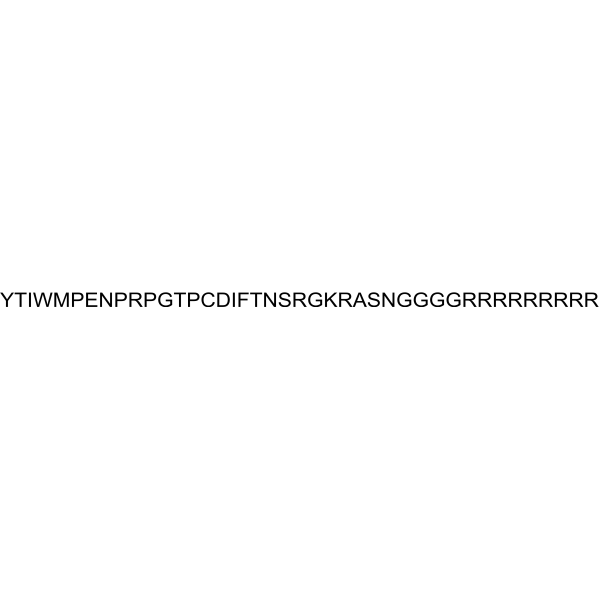
PRKGGRRRRAWGRRRRRRRRRRRRRRAPRKRLTLA is a peptide. PRKGGRRRRAWGRRRRRRRRRRRRRRAPRKRLTLA has a higher affinity for CR3 and DNA binding domain than FOXO4 and DRI. PRKGGRRRRAWGRRRRRRRRRRRRRRAPRKRLTLA can be used in the research of aging .
|
-
-
- HY-P0121A
-
|
|
MDM-2/p53
|
Cancer
|
|
ReACp53 scrambled peptide is a negative control for ReACp53 (HY-P0121). ReACp53 scrambled peptide can be used in the study of ovarian cancer .
|
-
-
- HY-P10553A
-
|
|
Apoptosis
|
Cancer
|
|
ARF(26–44), cell-permeable acetate is a cell-penetrating peptide derived from a specific amino acid sequence of the p14ARF tumor suppressor protein. As a functional inhibitor of FoxM1, ARF(26–44) cell-permeable acetate shows significant anti-tumor activity in the treatment of mouse hepatocellular carcinoma (HCC), significantly increasing tumor cell apoptosis and reducing tumor cell proliferation and angiogenesis. ARF(26–44), cell-permeable acetate can be used in research on tumor therapy .
|
-
-
- HY-P5107A
-
|
LMWP acetate; TDSP5 acetate
|
VEGFR
|
Cancer
|
|
Low molecular weight protamine (LMWP) is a truncated arginine-rich protamine peptide, which also acts as an antidote for heparin/low molecular weight heparin and a cell-penetrating delivery vector. Low molecular weight protamine neutralizes heparin-induced anticoagulant activities, including aPTT, anti-Xa and anti-IIa activities. Low molecular weight protamine translocates across mammalian cell membranes, delivers conjugated impermeable molecules through tumor tissues, enhances the skin permeability of conjugated epidermal growth factor, and accelerates wound healing when conjugated with epidermal growth factor. Low molecular weight protamine retains the in vitro cell proliferation activity of conjugated EGF, and also enables site-specific conjugation with peptides or proteins via genetic recombination. Low molecular weight protamine can be used in studies related to colon cancer, skin wounds and diabetic skin wounds .
|
-
-
- HY-P11126
-
|
|
Bacterial
|
Infection
|
|
Mel4 is an antimicrobial peptide, exhibiting broad-spectrum antimicrobial activity. Mel4 can neutralize bacterial lipopolysaccharide in a dose-dependent manner. Mel4 can be used in the research and prevention of related bacterial infectious diseases (such as ocular infections) .
|
-
-
- HY-P5552
-
|
|
Bacterial
Parasite
Fungal
|
Infection
|
|
Melimine is a hybrid antimicrobial peptide of Melittin (HY-P0233) and Protamine. Melimine is active against P. aeruginosa and S. aureus. Melimine has broad spectrum activity against bacteria, fungi and protozoa .
|
-
-
- HY-P10600
-
|
|
Ras
|
Others
|
|
BIMAX2 is a high affinity nuclear localization signal (NLS) peptide. BIMAX2 can mimic the activity of the classical nuclear localization signal (cNLS) and competitively bind to importin α, thereby inhibiting the binding of cNLS-cargo proteins to importin α. BIMAX2 can be used to study the role of RBBP4 in regulating nuclear import efficiency and cell senescence .
|
-
-
- HY-P10898
-
-
-
- HY-P10598
-
|
|
Biochemical Assay Reagents
|
Others
|
|
BIMAX1 is a tool peptide used in experiments to examine the interaction of RBBP4 with importin β1 and the effects on the nuclear import pathway. BIMAX1 can be used to study the role of RBBP4 in regulating nuclear import efficiency and cellular senescence .
|
-
-
- HY-P5754
-
|
|
Apoptosis
|
Neurological Disease
|
|
TAT-NEP1-40 is a BBB-penatrable peptide. TAT-NEP1-40 protects PC12 cells against oxygen and glucose deprivation (OGD), and promotes neurite outgrowth. TAT-NEP1-40 also improves ischemia-induced neurologic outcomes by inhibiting cell apoptosis in ischemic brains. TAT-NEP1-40 can be used for research of CNS injuries, such as axonal regeneration and functional recovery after stroke .
|
-
- HY-P11453
-
|
|
Biochemical Assay Reagents
|
Cancer
|
|
R9H6 is a peptide containing nine arginine peptides and six histidine peptides. The LP(R9H6)m nanocomplex containing R9H6 exhibits high efficiency in mRNA delivery. R9H6 can be used in the research of anaplastic thyroid cancer .
|
-
- HY-P2247
-
|
|
JNK
|
Cancer
|
|
JTP10-△-R9 TFA is a selective JNK2 peptide inhibitor, with an IC50 of 89 nM, exhibiting 10-fold selectivity for JNK2 over JNK1 and JNK3 .
|
-
- HY-P2483A
-
|
|
Proteasome
Bacterial
|
Infection
Neurological Disease
Cancer
|
|
Octaarginine TFA is a cell-penetrating peptide and proteasome inhibitor. Octaarginine TFA exhibits mixed-type inhibition against 20S proteasome chymotrypsin-like, caspase-like, and trypsin-like activities, and inhibits 26S proteasome activity with decreased efficiency. Octaarginine TFA induces ubiquitin-conjugated protein accumulation, mediates HSPG-dependent cellular internalization via macropinocytosis, enhances liposomal cargo uptake and gene delivery. Octaarginine TFA can be used for the research of cervix carcinoma, collagen antibody-induced arthritis, and bacterial infections .
|
-
- HY-P10150
-
|
|
Bacterial
|
Infection
|
|
IN-2-LF is an inhibitor of lethal factor. IN-2-LF also inhibits furin with an IC50 of 2 μM. IN-2-LF enhances protection against anthrax lethal toxin when in combination with D6R .
|
-
- HY-P10116
-
|
APTscr-9R
|
STAT
|
Others
|
|
APTSTAT3-9R, scrambled (APTscr-9R) is a control peptide that forms a structure similar to that of APTSTAT3-9R (HY-P2282) but possesses a scrambled sequence in the target-binding region .
|
-
- HY-P10028
-
|
|
Fluorescent Dye
|
Cancer
|
|
HCT116 is a peptidomimetic inhibitor of N-terminal methyltransferase 1/2 (NTMT1/2) with an IC50 of 54 nM. HCT116 can inhibit the N-terminal methylation level of NTMT1/2 substrates in HCT116 cells, and is used for the study of NTMT1/2 probes.
|
-
- HY-P4869
-
|
|
Ras
|
Others
|
|
Biotin-KRpep-2d acetate is a biotin-labeled KRpep-2d (HY-P3277) .
|
-
- HY-P1175A
-
|
|
TRP Channel
|
Neurological Disease
|
|
L-R4W2 TFA is a potent antagonist of vanilloid receptor 1 (VR1, TRPV1), with an IC50 of 0.1 μM. L-R4W2 TFA may act as a potent analgesic .
|
-
- HY-P10669
-
|
|
Caspase
Apoptosis
|
Cancer
|
|
NDI-Lyso is a lysosome-targeted anticancer agent that induces the formation of rigid long fibers in cancer cell lysosomes through an enzyme-instructed self-assembly (EISA) mechanism catalyzed by cathepsin B. This process triggers lysosomal swelling, membrane permeabilization (LMP), and membrane disruption, ultimately leading to cancer cell apoptosis via a non-classical caspase-independent pathway. NDI-Lyso exhibits significant selective anticancer activity in various cancer cell lines and drug-resistant cancer cells (IC50 ~10 μM) while showing low toxicity to normal cells (IC50 > 60 μM) .
|
-
- HY-P10843
-
|
|
Estrogen Receptor/ERR
|
Cancer
|
|
R4K1 is a cell-permeable stapled peptide. R4K1 binds to the estrogen receptor (ER) α with high affinity and inhibits its interaction with coactivators. R4K1 can enter breast cancer cells to regulate gene transcription and inhibit cell proliferation. R4K1 can be used in the study of cancer .
|
-
- HY-P10445
-
|
|
Epigenetic Reader Domain
|
Cancer
|
|
TAT-PiET is a cell-penetrating peptide targeting the extra-terminal (ET) domain of BRD4. TAT-PiET can reduce BRD4 and JMJD6 levels and inhibit cell proliferation. TAT-PiET also resists the endocrine resistance of ERα-positive breast cancer cells. TAT-PiET can be used for the research of cancer, such as breast cancer .
|
-
- HY-P10401
-
|
|
Apoptosis
iGluR
|
Cardiovascular Disease
Neurological Disease
|
|
TAT-GluR6-9c is a GluR6-PSD95 interaction blocker. By regulating the GluR6 mediated signaling pathway, TAT-GluR6-9c inhibits the activation of JNK and phosphorylation of c-Jun, reduces the expression of Fas L and thus reduces the occurrence of apoptosis. TAT-GluR6-9c can be used to study cerebral ischemia and neuroprotective strategies .
|
-
- HY-P10048
-
-
- HY-P10819
-
|
|
Histone Demethylase
Apoptosis
|
Cancer
|
|
S9-CMC1 TFA is a covalent peptide lysine-specific demethylase 1 (LSD1) inhibitor with an IC50 value of 2.53 μM. S9-CMC1 TFA specifically recognizes Cys360 in the enzyme-active region. S9-CMC1 TFA inhibits LSD1 activity, increasing H3K4me1 and H3K4me2 levels, leading to G1 cell cycle arrest and apoptosis and inhibiting cell proliferation. S9-CMC1 TFA significantly inhibits tumor growth in A549 xenograft animal models .
|
-
- HY-P5754A
-
|
|
Apoptosis
|
Neurological Disease
|
|
TAT-NEP1-40 TFA is a BBB-penatrable peptide. TAT-NEP1-40 TFA protects PC12 cells against oxygen and glucose deprivation (OGD), and promotes neurite outgrowth. TAT-NEP1-40 TFA also improves ischemia-induced neurologic outcomes by inhibiting cell apoptosis in ischemic brains. TAT-NEP1-40 TFA can be used for research of CNS injuries, such as axonal regeneration and functional recovery after stroke .
|
-
- HY-P11631
-
|
|
Ligands for E3 Ligase
|
Cancer
|
|
Arg12, a 12-amino acid peptide sequence, is an E3 ubiquitin ligase ligand. Arg12 can be used to synthesize PROTACs, such as PROTAC PLK1 Degrader-2 (HY-180989). Arg12 can also act as a cell transmembrane peptide (CPP), facilitating the entire molecule to enter the cell .
|
-
- HY-180991
-
|
|
E3 Ligase Ligand-Linker Conjugates
|
Cancer
|
|
Arg12-AHX is a synthetic E3 ligase-ligand conjugate that can be used for the synthesis of PROTACs, such as PROTAC PLK1 Degrader-2 (HY-180989). PROTAC PLK1 Degrader-2 is a PLK1 PROTAC degrader with anti-tumor activity .
|
-
- HY-180989
-
|
|
PROTACs
Polo-like Kinase (PLK)
Apoptosis
|
Cancer
|
|
PROTAC PLK1 Degrader-2 (Compound NC1) is a PLK1 PROTAC degrader with an Kd of 6.06 μM. PROTAC PLK1 Degrader-2 significantly inhibits the proliferation of HeLa cells, induces cell cycle arrest and apoptosis. PROTAC PLK1 Degrader-2 exhibits significant anti-tumor activity in a HeLa cell xenograft tumor mouse model. PROTAC PLK1 Degrader-2 can be used for the study of cervical cancer.
|
-
- HY-P4083A
-
|
|
Fluorescent Dye
|
Others
|
|
(Arg)9,TAMRA-labeled acetate is a TAMRA-labeled, membrane-permeable cationic cell-penetrating polyarginine peptide. (Arg)9,TAMRA-labeled acetate acts as a cell-penetrating peptide for drug delivery .
|
-
- HY-183488
-
|
RRRRRRRRRCCLGIPEQEY
|
Apoptosis
PARP
|
Cancer
|
|
R9-caPep (RRRRRRRRRCCLGIPEQEY) is a cell-penetrating peptide derived from proliferating cell nuclear antigen (PCNA). R9-caPep selectively blocks the interactions between PCNA and FEN1, as well as between PCNA and LIGI, while preserving the binding of POLD3 to PCNA. R9-caPep interferes with DNA synthesis and homologous recombination-mediated double-strand DNA break repair, inducing S-phase arrest, DNA damage accumulation, and apoptosis. R9-caPep inhibits the growth of tumor volume and weight of neuroblastoma in nude mice . R9-caPep can be used in research related to neuroblastoma and triple-negative breast cancer .
|
-
- HY-P11612
-
|
|
Biochemical Assay Reagents
|
Metabolic Disease
|
|
ATS-9R is a peptide consisting of an adipocyte-targeting sequence and D-form 9-arginine. ATS-9R selectively transfects mature adipocytes by binding to prohibitin. ATS-9R allows an adipocyte-targeted gene delivery in vitro and in vivo. ATS-9R can be used for the development of an adipocyte-targeted gene carrier. ATS-9R can be used for the study of obesity as well as obesity-induced metabolic syndromes .
|
-
- HY-P1175B
-
|
|
TRP Channel
|
Neurological Disease
|
|
L-R4W2 acetate is a potent antagonist of vanilloid receptor 1 (VR1, TRPV1), with an IC50 of 0.1 μM. L-R4W2 acetate may act as a potent analgesic .
|
-
| Cat. No. |
Product Name |
Target |
Research Area |
-
- HY-P1028
-
|
Furin Inhibitor II
|
Bacterial
|
Infection
|
|
Hexa-D-arginine (Furin Inhibitor II) is a stable furin inhibitor with Ki values 106 nM, 580 nM and 13.2 μM for furin, PACE4 and prohormone convertase-1 (PC1), respectively. Hexa-D-arginine blocks Pseudomonas exotoxin A and anthrax toxins toxicity in vitro and in vivo .
|
-
- HY-P1925A
-
|
|
PI3K
Reactive Oxygen Species (ROS)
Apoptosis
|
Cancer
|
|
GO-203 TFA is a potent MUC1-C oncoprotein inhibitor. GO-203 TFA is an all D-amino acid peptide that consists of a poly-R transduction domain linked to a CQCRRKN motif that binds to the MUC1-C cytoplasmic tail and blocks MUC1-C homodimerization. GO-203 TFA downregulates TIGAR (TP53-induced glycolysis and apoptosis regulator) protein synthesis by inhibiting the PI3K-AKT-S6K1 pathway. GO-203 TFA induces the production of ROS and loss of mitochondrial transmembrane potential. GO-203 TFA inhibits the growth of colon cancer cells in vitro and as xenografts in nude mice .
|
-
- HY-P10275
-
|
|
Apoptosis
|
Neurological Disease
|
|
Tat-NTS peptide is a cell-penetrating peptide with neuroprotective effects. Tat-NTS peptide can specifically inhibit the nuclear translocation of ANXA1 and reduce neuronal apoptosis in ischemic areas. Moreover, Tat-NTS peptide can reduce the volume of cerebral ischemic infarction and can be used in the research of ischemic stroke .
|
-
- HY-P0121
-
ReACp53
2 Publications Verification
|
MDM-2/p53
|
Cancer
|
|
ReACp53 could inhibit p53 amyloid formation and rescue p53 function in cancer cell lines.
|
-
- HY-P0133
-
|
Nona-L-Arginine; Peptide R9
|
Ser/Thr Protease
|
Neurological Disease
|
|
(Arg)9 (Nona-L-arginine) is a cell-penetrating peptide (CPP) made up of 9 arginine residues, which is an inhibitor of serine endoprotease Furin. (Arg)9 has neuroprotective property, exhibits neuroprotective activity with an IC50 of 0.78 μM in the glutamic acid model .
|
-
- HY-P0133A
-
|
Nona-L-Arginine TFA; Peptide R9 TFA
|
Ser/Thr Protease
|
Neurological Disease
|
|
(Arg)9 (Nona-L-arginine) TFA is a cell-penetrating peptide (CPP) made up of 9 arginine residues. (Arg)9 TFA has neuroprotective property, exhibits neuroprotective activity with an IC50 of 0.78 μM in the glutamic acid model .
|
-
- HY-P11228
-
|
|
PROTACs
Apoptosis
DNA/RNA Synthesis
|
Cancer
|
|
FPP29 is a potent peptide-based FOXM1 PROTAC degrader. FPP29 induces ubiquitination and degradation of FOXM1. FPP29 inhibits FOXM1 via the ubiquitin-proteasome degradation pathway. FPP29 induces Apoptosis. FPP29 suppresses tumor growth in hepatocellular carcinoma xenograft models. FPP29 can be used in the research of hepatocellular carcinoma (cell-penetrating peptide: (HY-P0133); VHL ligase ligand: (HY-P11493); linker: (HY-W013664); FOXM1 ligand: (HY-P11494)) .
|
-
- HY-P10387
-
RSM3
1 Publications Verification
|
METTL3
Apoptosis
MDM-2/p53
NF-κB
Caspase
|
Cancer
|
|
RSM3 is a METTL3-METTL14 complex inhibitor with a Kd of 3.10 μM for the METTL3-METTL14 complex. RSM3 reduces the m 6A modification level of SLC31A1 and the global RNA methylation level. RSM3 upregulates programmed cell death-related genes, enhances cell apoptosis, inhibits pro-cancer signals and suppresses tumor growth. RSM3 is applicable to the research of preeclampsia and cancer .
|
-
- HY-P4086
-
|
|
RABV
nAChR
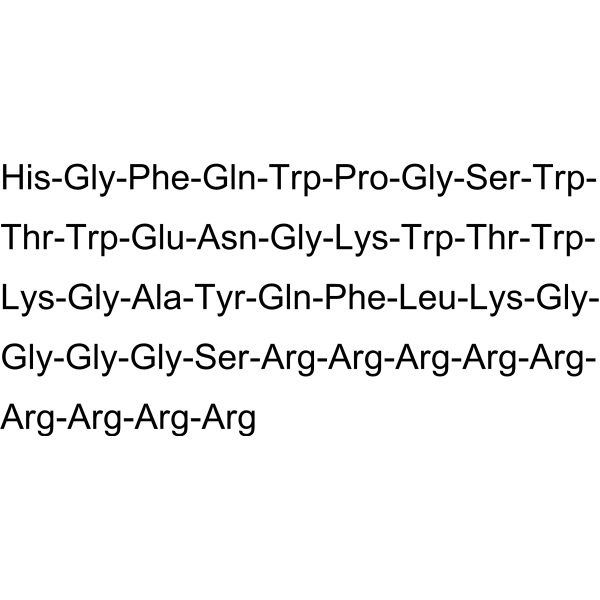
|
Neurological Disease
Cancer
|
Chimeric Rabies Virus Glycoprotein Fragment (RVG-9R) is a cell-penetrating peptide that is synthesized by adding nona-arginine motif to the carboxy terminus of RVG (rabies virus glycoprotein). Chimeric Rabies Virus Glycoprotein Fragment (RVG-9R) binds to nAChR on neuronal cells to mediate receptor-mediated endocytosis and targeted siRNA delivery. Chimeric Rabies Virus Glycoprotein Fragment (RVG-9R) protects complexed siRNA from degradation, enhances transcellular siRNA delivery in neuronal cells, and promotes efficient, pecific gene silencing. Chimeric Rabies Virus Glycoprotein Fragment (RVG-9R) can be used for the researches of neurological disease and cancer .
|
-
- HY-126810A
-
|
|
Fungal
|
Infection
|
|
NP213 TFA is a rapidly acting, novel, first-in-class synthetic antimicrobial peptide (AMP), has anti-fungal activities. NP213 TFA targets the fungal cytoplasmic membrane and plays it role via membrane perturbation and disruption. NP213 TFA is effective and well-tolerated in resolving nail fungal infections .
|
-
- HY-P5557
-
|
|
Bacterial
Necroptosis
|
Infection
Inflammation/Immunology
|
|
TP4 (Nile tilapia piscidin) is an orally active amphipathic α-helical cationic antimicrobial peptide. TP4 (Nile tilapia piscidin) exerts broad-spectrum bactericidal activity against Gram-positive and Gram-negative bacteria by disrupting cell membrane structures, and also exhibits certain hemolytic activity. TP4 (Nile tilapia piscidin) regulates the innate immune system and enhances the expression of lysozymes, cytokines and antioxidant enzymes to resist bacterial infection. TP4 (Nile tilapia piscidin) also stimulates the proliferation of keratinocytes and fibroblasts, and significantly promotes the healing of wounds infected with MRSA. TP4 (Nile tilapia piscidin) can be used in research related to bacterial infection, peritonitis, wound healing and other fields .
|
-
- HY-P4250A
-
-
- HY-P2282
-
|
|
STAT
|
Cancer
|
|
APTSTAT3-9R, a specific STAT3-binding peptide, inhibits STAT3 activation and downstream signaling by specifically blocking STAT3 phosphorylation. APTSTAT3-9R exerts antiproliferative effects and antitumor activity .
|
-
- HY-P10446
-
|
|
Epigenetic Reader Domain
PROTACs
|
Cancer
|
|
TAT-PiET-PROTAC is a proteolysis-targeting chimera (PROTAC)-modified TAT-PiET (HY-P10445), which is a cell-penetrating peptide targeting the extra-terminal (ET) domain of BRD4. TAT-PiET-PROTAC can reduce BRD4 and JMJD6 levels and inhibit cell proliferation. TAT-PiET-PROTAC also resists the endocrine resistance of ERα-positive breast cancer cells. TAT-PiET-PROTAC can be used for the research of cancer, such as breast cancer .
|
-
- HY-P4316
-
|
|
Peptides
|
Others
|
|
Cys(NPys)-D{Arg-Arg-Arg-Arg-Arg-Arg-Arg-Arg-Arg}-NH2 is a cell-penetrating polypeptide composed of nine arginines and cysteines, used to carry therapeutic agent into the cell .
|
-
- HY-P2500
-
|
|
Fluorescent Dye
|
Others
|
|
(Arg)9, FAM-labeled, a cell-penetrating peptide (CPP), is a nona-arginine (ARG) with FAM label. CPPs have emerged as powerful tools for delivering bioactive cargoes into the cytosol of intact cells .
|
-
- HY-P4087
-
|
|
HIV
|
Infection
Cancer
|
|
Cys(Npys)-(Arg)9 is a synthetic cationic cell-penetrating peptide with a reversible thiol-reactive nitropyridyl (Npys) group. Cys(Npys)-(Arg)9 efficiently mediates the internalization and delivery of various "cargo" such as proteins and antibodies by forming reversible disulfide bonds with surface-exposed cysteine residues. Cys(Npys)-(Arg)9 endows TALEN proteins with cell-penetrating activity, enabling gene knockout in mammalian cells and protein transduction in wheat microspores. Cys(Npys)-(Arg)9 can be conjugated with antibodies to form cationized IgG for enhancing endosomal escape of oligonucleotides, or form siRNA delivery complexes. When the molar ratio of Cys(Npys)-(Arg)9 to loaded molecules is higher than 1:1, it exerts certain cytotoxic effects on cells. Cys(Npys)-(Arg)9 can be used in studies related to oral squamous cell carcinoma and HIV infection .
|
-
- HY-P2483B
-
|
|
Bacterial
Proteasome
|
Infection
Inflammation/Immunology
Cancer
|
|
Octaarginine acetate is a cell-penetrating peptide and proteasome inhibitor. Octaarginine acetate exhibits mixed-type inhibition against 20S proteasome chymotrypsin-like, caspase-like, and trypsin-like activities, and inhibits 26S proteasome activity with decreased efficiency. Octaarginine acetate induces ubiquitin-conjugated protein accumulation, mediates HSPG-dependent cellular internalization via macropinocytosis, enhances liposomal cargo uptake and gene delivery. Octaarginine acetate can be used for the research of cervix carcinoma, collagen antibody-induced arthritis, and bacterial infections .
|
-
- HY-P2483
-
|
|
Proteasome
Bacterial
|
Infection
Inflammation/Immunology
Cancer
|
|
Octaarginine is a cell-penetrating peptide and proteasome inhibitor. Octaarginine exhibits mixed-type inhibition against 20S proteasome chymotrypsin-like, caspase-like, and trypsin-like activities, and inhibits 26S proteasome activity with decreased efficiency. Octaarginine induces ubiquitin-conjugated protein accumulation, mediates HSPG-dependent cellular internalization via macropinocytosis, enhances liposomal cargo uptake and gene delivery. Octaarginine can be used for the research of cervix carcinoma, collagen antibody-induced arthritis, and bacterial infections .
|
-
- HY-P10991A
-
|
Stearylated octaArginine TFA
|
Biochemical Assay Reagents
|
Others
|
|
Stearyl-(homoarginine)8 (Stearylated octaarginine) TFA is an effective gene delivery vector that can deliver plasmid DNA into cells. Stearyl-(homoarginine)8 TFA can make plasmid DNA more effectively internalized into cells and improve the nuclear delivery rate .
|
-
- HY-P11112
-
|
|
β-catenin
Wnt
|
Inflammation/Immunology
|
|
PTD-DBM is a competitive peptide that blocks the CXXC5-Dvl interaction and induces the expression of β-catenin, α-SMA, and type I collagen. PTD-DBM has skin wound healing activity .
|
-
- HY-P5107
-
|
LMWP; TDSP5
|
VEGFR
|
Cancer
|
|
Low molecular weight protamine is a cell-penetrating peptide with vascular endothelial growth factor (VEGF) inhibitory activity. Low molecular weight protamine can inhibit tumor growth and is used in cancer research .
|
-
- HY-P10600A
-
|
|
Ras
|
Others
|
|
BIMAX2 acetate is a high affinity nuclear localization signal (NLS) peptide. BIMAX2 acetate can mimic the activity of the classical nuclear localization signal (cNLS) and competitively bind to importin α, thereby inhibiting the binding of cNLS-cargo proteins to importin α. BIMAX2 acetate can be used to study the role of RBBP4 in regulating nuclear import efficiency and cell senescence .
|
-
- HY-P4250
-
|
|
Peptides
|
Others
|
|
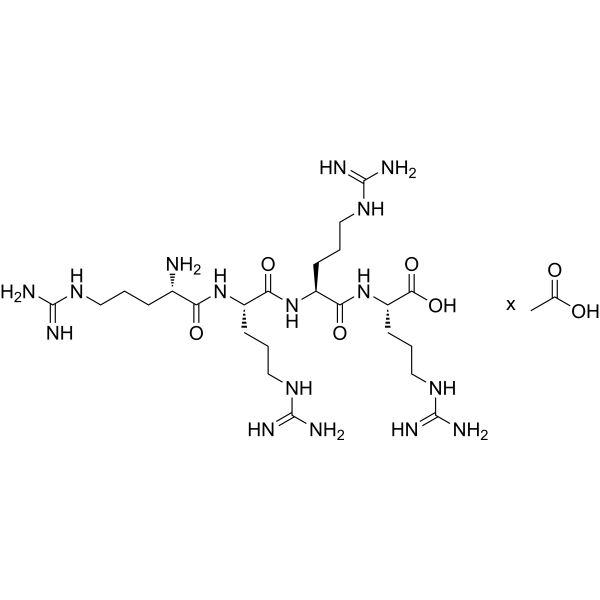
Tetraarginine (RRRR), consisting of four arginines, is used in cell-penetrating peptide-based gene delivery vehicles .
|
-
- HY-P0121B
-
|
|
MDM-2/p53
|
Cancer
|
|
ReACp53 scrambled peptide TFA is a negative control for ReACp53 (HY-P0121). ReACp53 scrambled peptide can be used in the study of ovarian cancer .
|
-
- HY-P4083
-
|
|
Fluorescent Dye
|
Others
|
|
(Arg)9,TAMRA-labeled is a TAMRA-labeled cell permeable peptide. (Arg)9 is a cell-permeable peptide used for drug delivery .
|
-
- HY-P10387A
-
|
|
METTL3
Apoptosis
|
Cancer
|
|
RSM3 TFA is a METTL3-METTL14 complex inhibitor with a Kd of 3.10 μM for the METTL3-METTL14 complex. RSM3 TFA reduces the m 6A modification level of SLC31A1 and the global RNA methylation level. RSM3 TFA upregulates programmed cell death-related genes, enhances cell apoptosis, inhibits pro-cancer signals and suppresses tumor growth. RSM3 TFA is applicable to the research of preeclampsia and cancer .
|
-
- HY-P1028A
-
|
Furin Inhibitor II TFA
|
Bacterial
|
Infection
|
|
Hexa-D-arginine TFA (Furin Inhibitor II TFA) is a stable furin inhibitor with Ki values 106 nM, 580 nM and 13.2 μM for furin, PACE4 and prohormone convertase-1 (PC1), respectively. Hexa-D-arginine TFA blocks Pseudomonas exotoxin A and anthrax toxins toxicity in vitro and in vivo .
|
-
- HY-P3277
-
|
|
Ras
|
Cancer
|
|
KRpep-2d is a potent K-Ras inhibitor and inhibits proliferation of K-Ras-driven cancer cells. KRpep-2d can be used for cancer research .
|
-
- HY-P10168
-
|
|
Phosphatase
|
Others
|
|
11R-CaN-CON is a control inactive peptide and can be used as a negative control for 11R-CaN-AID (HY-P10167) .
|
-
- HY-P10167
-
|
|
Phosphatase
|
Others
|
|
11R-CaN-AID is a potent and cell permeant inhibitor of calcineurin .
|
-
- HY-P4087B
-
|
|
HIV
|
Others
|
|
Cys(Npys)-(Arg)9 acetate is a synthetic cationic cell-penetrating peptide with a reversible thiol-reactive nitropyridyl (Npys) group. Cys(Npys)-(Arg)9 acetate efficiently mediates the internalization and delivery of various "cargo" such as proteins and antibodies by forming reversible disulfide bonds with surface-exposed cysteine residues. Cys(Npys)-(Arg)9 acetate endows TALEN proteins with cell-penetrating activity, enabling gene knockout in mammalian cells and protein transduction in wheat microspores. Cys(Npys)-(Arg)9 acetate can be conjugated with antibodies to form cationized IgG for enhancing endosomal escape of oligonucleotides, or form siRNA delivery complexes. When the molar ratio of Cys(Npys)-(Arg)9 acetate to loaded molecules is higher than 1:1, it exerts certain cytotoxic effects on cells. Cys(Npys)-(Arg)9 acetate can be used in studies related to oral squamous cell carcinoma and HIV infection .
|
-
- HY-P4099A
-
|
|
Peptides
|
Others
|
|
Cys(Npys)-(D-Arg)9 TFA is an amphipathic R9 cell penetrating peptide (CPP). Cys(Npys)-(D-Arg)9 TFA has cytotoxicity for microspore cells with the amount higher than 1 nmol .
|
-
- HY-P3245
-
|
|
Apoptosis
|
Cancer
|
|
HXR9 is a cell-permeable peptide and a competitive antagonist of HOX/PBX interaction. HXR9 antagonizes the interaction between HOX and a second transcrip-tion factor (PBX), which binds to HOX proteins in paralogue groups1 to 8. HXR9 selectively decreases cell proliferation and promotes apoptosis in cells with a high level of expression of the HOXA/PBX3 genes, such as MLL-rearranged leukemic cells .
|
-
- HY-P10553
-
|
|
Apoptosis
|
Cancer
|
|
ARF(26–44), cell-permeable is a cell-penetrating peptide derived from a specific amino acid sequence of the p14ARF tumor suppressor protein. As a functional inhibitor of FoxM1, ARF(26–44) cell-permeable shows significant anti-tumor activity in the treatment of mouse hepatocellular carcinoma (HCC), significantly increasing tumor cell apoptosis and reducing tumor cell proliferation and angiogenesis. ARF(26–44), cell-permeable can be used in research on tumor therapy .
|
-
- HY-P10991
-
|
Stearylated octaArginine
|
Biochemical Assay Reagents
|
Others
|
|
Stearyl-(homoarginine)8 (Stearylated octaarginine) is an effective gene delivery vector that can deliver plasmid DNA into cells. Stearyl-(homoarginine)8 can make plasmid DNA more effectively internalized into cells and improve the nuclear delivery rate .
|
-
- HY-P4247
-
|
|
Amino Acid Derivatives
|
Others
|
|
Hexa-arginine, consisting of six arginines, is a polycationic peptide that can penetrate cells efficiently and is mainly used for the intracellular delivery of low-molecular-weight agents, biomolecules, and particles .
|
-
- HY-P1175
-
|
|
TRP Channel
|
Neurological Disease
|
|
L-R4W2 is a potent antagonist of vanilloid receptor 1 (VR1, TRPV1), with an IC50 of 0.1 μM. L-R4W2 may act as a potent analgesic .
|
-
- HY-P1586
-
|
HIV-1 rev Protein (34-50)
|
HIV
|
Infection
|
|
HIV-1 Rev (34-50) is a 17-aa peptide derived from the Rev-responsive element (RRE)-binding domains of Rev in HIV-1, with anti-HIV-1 activity.
|
-
- HY-P3349
-
|
|
Bacterial
|
Infection
|
|
c[Arg-Arg-Arg-Arg-Nal-Nal-Nal] (Compound 9C) shows broad-spectrum activity against drug-resistant Gram-positive and Gram-negative bacteria, with MICs of 3.1, 3,1, 12.5, and 25 μg/mL for MRSA (ATCC BAA-1556), S. aureus (ATCC 29213), P. aeruginosa (ATCC 27883), and E. coli (ATCC 25922), respectively .
|
-
- HY-P10360
-
|
|
α-synuclein
|
Neurological Disease
|
|
Tat-βsyn-degron is an α-synuclein knockdown peptide that effectively degrades α-synuclein protein via the proteasome pathway. Tat-βsyn-degron effectively reduces α-synuclein protein levels in primary rat cortical neuron cultures. In a Parkinson's mouse toxicity model, Tat-βsyn-degron can alleviate parkinsonian toxin-induced neuronal damage and movement disorders .
|
-
- HY-P3348
-
|
|
Bacterial
|
Infection
|
|
c[Arg-Arg-Arg-Arg-Dip-Dip-Dip] (Compound 8C) shows broad-spectrum activity against drug-resistant Gram-positive and Gram-negative bacteria, with MICs of 3.1, 3,1, 12.5, and 12.5 μg/mL for MRSA (ATCC BAA-1556), S. aureus (ATCC 29213), P. aeruginosa (ATCC 27883), and E. coli (ATCC 25922), respectively .
|
-
- HY-P5754B
-
|
|
Apoptosis
|
Neurological Disease
|
|
TAT-NEP1-40 acetate is a therapeutic candidate for axonal regeneration and functional recovery after stroke. TAT-NEP1-40 acetate can protect PC12 cells against oxygen and glucose deprivation (OGD) and promote neurite outgrowth. TAT-NEP1-40 acetate protects the brain against ischemia/reperfusion injury through inhibition of neuronal apoptosis. TAT-NEP1-40 acetate can be efficiently delivered into the rat brains .
|
-
- HY-P11164
-
|
|
DNA Alkylator/Crosslinker
|
Endocrinology
|
|
PRKGGRRRRAWGRRRRRRRRRRRRRRAPRKRLTLA is a peptide. PRKGGRRRRAWGRRRRRRRRRRRRRRAPRKRLTLA has a higher affinity for CR3 and DNA binding domain than FOXO4 and DRI. PRKGGRRRRAWGRRRRRRRRRRRRRRAPRKRLTLA can be used in the research of aging .
|
-
- HY-P0121A
-
|
|
MDM-2/p53
|
Cancer
|
|
ReACp53 scrambled peptide is a negative control for ReACp53 (HY-P0121). ReACp53 scrambled peptide can be used in the study of ovarian cancer .
|
-
- HY-P3193
-
|
|
Peptides
|
Others
|
|
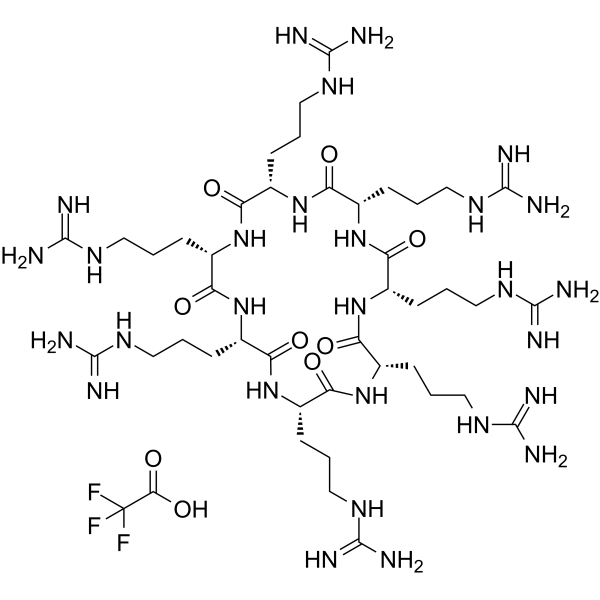
Cyclic nona-L-arginine TFA, a nonaarginine peptide used for drug delivery, translocates faster than their linear counterparts .
|
-
- HY-P4099
-
|
|
Peptides
|
Others
|
|
Cys(Npys)-(D-Arg)9 is an amphipathic R9 cell penetrating peptide (CPP). Cys(Npys)-(D-Arg)9 has cytotoxicity for microspore cells with the amount higher than 1 nmol .
|
-
- HY-P10553A
-
|
|
Apoptosis
|
Cancer
|
|
ARF(26–44), cell-permeable acetate is a cell-penetrating peptide derived from a specific amino acid sequence of the p14ARF tumor suppressor protein. As a functional inhibitor of FoxM1, ARF(26–44) cell-permeable acetate shows significant anti-tumor activity in the treatment of mouse hepatocellular carcinoma (HCC), significantly increasing tumor cell apoptosis and reducing tumor cell proliferation and angiogenesis. ARF(26–44), cell-permeable acetate can be used in research on tumor therapy .
|
-
- HY-P5107A
-
|
LMWP acetate; TDSP5 acetate
|
VEGFR
|
Cancer
|
|
Low molecular weight protamine (LMWP) is a truncated arginine-rich protamine peptide, which also acts as an antidote for heparin/low molecular weight heparin and a cell-penetrating delivery vector. Low molecular weight protamine neutralizes heparin-induced anticoagulant activities, including aPTT, anti-Xa and anti-IIa activities. Low molecular weight protamine translocates across mammalian cell membranes, delivers conjugated impermeable molecules through tumor tissues, enhances the skin permeability of conjugated epidermal growth factor, and accelerates wound healing when conjugated with epidermal growth factor. Low molecular weight protamine retains the in vitro cell proliferation activity of conjugated EGF, and also enables site-specific conjugation with peptides or proteins via genetic recombination. Low molecular weight protamine can be used in studies related to colon cancer, skin wounds and diabetic skin wounds .
|
-
- HY-P11126
-
|
|
Bacterial
|
Infection
|
|
Mel4 is an antimicrobial peptide, exhibiting broad-spectrum antimicrobial activity. Mel4 can neutralize bacterial lipopolysaccharide in a dose-dependent manner. Mel4 can be used in the research and prevention of related bacterial infectious diseases (such as ocular infections) .
|
- HY-P5552
-
|
|
Bacterial
Parasite
Fungal
|
Infection
|
|
Melimine is a hybrid antimicrobial peptide of Melittin (HY-P0233) and Protamine. Melimine is active against P. aeruginosa and S. aureus. Melimine has broad spectrum activity against bacteria, fungi and protozoa .
|
- HY-P10600
-
|
|
Ras
|
Others
|
|
BIMAX2 is a high affinity nuclear localization signal (NLS) peptide. BIMAX2 can mimic the activity of the classical nuclear localization signal (cNLS) and competitively bind to importin α, thereby inhibiting the binding of cNLS-cargo proteins to importin α. BIMAX2 can be used to study the role of RBBP4 in regulating nuclear import efficiency and cell senescence .
|
- HY-P10898
-
- HY-P10598
-
|
|
Biochemical Assay Reagents
|
Others
|
|
BIMAX1 is a tool peptide used in experiments to examine the interaction of RBBP4 with importin β1 and the effects on the nuclear import pathway. BIMAX1 can be used to study the role of RBBP4 in regulating nuclear import efficiency and cellular senescence .
|
- HY-P5754
-
|
|
Apoptosis
|
Neurological Disease
|
|
TAT-NEP1-40 is a BBB-penatrable peptide. TAT-NEP1-40 protects PC12 cells against oxygen and glucose deprivation (OGD), and promotes neurite outgrowth. TAT-NEP1-40 also improves ischemia-induced neurologic outcomes by inhibiting cell apoptosis in ischemic brains. TAT-NEP1-40 can be used for research of CNS injuries, such as axonal regeneration and functional recovery after stroke .
|
- HY-P4078
-
|
|
Peptides
|
Others
|
|
(Arg)9 biotin labeled is a cell-permeable peptide. (Arg)9 biotin labeled can be used for drug delivery. (Arg)9 biotin labeled can traverse the plasma membrane of eukaryotic cells .
|
- HY-P11453
-
|
|
Biochemical Assay Reagents
|
Cancer
|
|
R9H6 is a peptide containing nine arginine peptides and six histidine peptides. The LP(R9H6)m nanocomplex containing R9H6 exhibits high efficiency in mRNA delivery. R9H6 can be used in the research of anaplastic thyroid cancer .
|
- HY-P2247
-
|
|
JNK
|
Cancer
|
|
JTP10-△-R9 TFA is a selective JNK2 peptide inhibitor, with an IC50 of 89 nM, exhibiting 10-fold selectivity for JNK2 over JNK1 and JNK3 .
|
- HY-P2483A
-
|
|
Proteasome
Bacterial
|
Infection
Neurological Disease
Cancer
|
|
Octaarginine TFA is a cell-penetrating peptide and proteasome inhibitor. Octaarginine TFA exhibits mixed-type inhibition against 20S proteasome chymotrypsin-like, caspase-like, and trypsin-like activities, and inhibits 26S proteasome activity with decreased efficiency. Octaarginine TFA induces ubiquitin-conjugated protein accumulation, mediates HSPG-dependent cellular internalization via macropinocytosis, enhances liposomal cargo uptake and gene delivery. Octaarginine TFA can be used for the research of cervix carcinoma, collagen antibody-induced arthritis, and bacterial infections .
|
- HY-P10150
-
|
|
Bacterial
|
Infection
|
|
IN-2-LF is an inhibitor of lethal factor. IN-2-LF also inhibits furin with an IC50 of 2 μM. IN-2-LF enhances protection against anthrax lethal toxin when in combination with D6R .
|
- HY-P10116
-
|
APTscr-9R
|
STAT
|
Others
|
|
APTSTAT3-9R, scrambled (APTscr-9R) is a control peptide that forms a structure similar to that of APTSTAT3-9R (HY-P2282) but possesses a scrambled sequence in the target-binding region .
|
- HY-P10028
-
|
|
Fluorescent Dye
|
Cancer
|
|
HCT116 is a peptidomimetic inhibitor of N-terminal methyltransferase 1/2 (NTMT1/2) with an IC50 of 54 nM. HCT116 can inhibit the N-terminal methylation level of NTMT1/2 substrates in HCT116 cells, and is used for the study of NTMT1/2 probes.
|
- HY-P4869
-
|
|
Ras
|
Others
|
|
Biotin-KRpep-2d acetate is a biotin-labeled KRpep-2d (HY-P3277) .
|
- HY-P1175A
-
|
|
TRP Channel
|
Neurological Disease
|
|
L-R4W2 TFA is a potent antagonist of vanilloid receptor 1 (VR1, TRPV1), with an IC50 of 0.1 μM. L-R4W2 TFA may act as a potent analgesic .
|
- HY-P10669
-
|
|
Caspase
Apoptosis
|
Cancer
|
|
NDI-Lyso is a lysosome-targeted anticancer agent that induces the formation of rigid long fibers in cancer cell lysosomes through an enzyme-instructed self-assembly (EISA) mechanism catalyzed by cathepsin B. This process triggers lysosomal swelling, membrane permeabilization (LMP), and membrane disruption, ultimately leading to cancer cell apoptosis via a non-classical caspase-independent pathway. NDI-Lyso exhibits significant selective anticancer activity in various cancer cell lines and drug-resistant cancer cells (IC50 ~10 μM) while showing low toxicity to normal cells (IC50 > 60 μM) .
|
- HY-P6443
-
|
|
Peptides
|
Others
|
|
NTPA TFA is a polycarboxylic acid ligand that participates in the coordination reaction with metal ions to form complexes .
|
- HY-P10843
-
|
|
Estrogen Receptor/ERR
|
Cancer
|
|
R4K1 is a cell-permeable stapled peptide. R4K1 binds to the estrogen receptor (ER) α with high affinity and inhibits its interaction with coactivators. R4K1 can enter breast cancer cells to regulate gene transcription and inhibit cell proliferation. R4K1 can be used in the study of cancer .
|
- HY-P10445
-
|
|
Epigenetic Reader Domain
|
Cancer
|
|
TAT-PiET is a cell-penetrating peptide targeting the extra-terminal (ET) domain of BRD4. TAT-PiET can reduce BRD4 and JMJD6 levels and inhibit cell proliferation. TAT-PiET also resists the endocrine resistance of ERα-positive breast cancer cells. TAT-PiET can be used for the research of cancer, such as breast cancer .
|
- HY-P10401
-
|
|
Apoptosis
iGluR
|
Cardiovascular Disease
Neurological Disease
|
|
TAT-GluR6-9c is a GluR6-PSD95 interaction blocker. By regulating the GluR6 mediated signaling pathway, TAT-GluR6-9c inhibits the activation of JNK and phosphorylation of c-Jun, reduces the expression of Fas L and thus reduces the occurrence of apoptosis. TAT-GluR6-9c can be used to study cerebral ischemia and neuroprotective strategies .
|
- HY-P10048
-
- HY-P10819
-
|
|
Histone Demethylase
Apoptosis
|
Cancer
|
|
S9-CMC1 TFA is a covalent peptide lysine-specific demethylase 1 (LSD1) inhibitor with an IC50 value of 2.53 μM. S9-CMC1 TFA specifically recognizes Cys360 in the enzyme-active region. S9-CMC1 TFA inhibits LSD1 activity, increasing H3K4me1 and H3K4me2 levels, leading to G1 cell cycle arrest and apoptosis and inhibiting cell proliferation. S9-CMC1 TFA significantly inhibits tumor growth in A549 xenograft animal models .
|
- HY-P5754A
-
|
|
Apoptosis
|
Neurological Disease
|
|
TAT-NEP1-40 TFA is a BBB-penatrable peptide. TAT-NEP1-40 TFA protects PC12 cells against oxygen and glucose deprivation (OGD), and promotes neurite outgrowth. TAT-NEP1-40 TFA also improves ischemia-induced neurologic outcomes by inhibiting cell apoptosis in ischemic brains. TAT-NEP1-40 TFA can be used for research of CNS injuries, such as axonal regeneration and functional recovery after stroke .
|
- HY-P11671
-
- HY-P11631
-
|
|
Ligands for E3 Ligase
|
Cancer
|
|
Arg12, a 12-amino acid peptide sequence, is an E3 ubiquitin ligase ligand. Arg12 can be used to synthesize PROTACs, such as PROTAC PLK1 Degrader-2 (HY-180989). Arg12 can also act as a cell transmembrane peptide (CPP), facilitating the entire molecule to enter the cell .
|
- HY-180991
-
|
|
E3 Ligase Ligand-Linker Conjugates
|
Cancer
|
|
Arg12-AHX is a synthetic E3 ligase-ligand conjugate that can be used for the synthesis of PROTACs, such as PROTAC PLK1 Degrader-2 (HY-180989). PROTAC PLK1 Degrader-2 is a PLK1 PROTAC degrader with anti-tumor activity .
|
- HY-180989
-
|
|
PROTACs
Polo-like Kinase (PLK)
Apoptosis
|
Cancer
|
|
PROTAC PLK1 Degrader-2 (Compound NC1) is a PLK1 PROTAC degrader with an Kd of 6.06 μM. PROTAC PLK1 Degrader-2 significantly inhibits the proliferation of HeLa cells, induces cell cycle arrest and apoptosis. PROTAC PLK1 Degrader-2 exhibits significant anti-tumor activity in a HeLa cell xenograft tumor mouse model. PROTAC PLK1 Degrader-2 can be used for the study of cervical cancer.
|
- HY-P4083A
-
|
|
Fluorescent Dye
|
Others
|
|
(Arg)9,TAMRA-labeled acetate is a TAMRA-labeled, membrane-permeable cationic cell-penetrating polyarginine peptide. (Arg)9,TAMRA-labeled acetate acts as a cell-penetrating peptide for drug delivery .
|
- HY-183488
-
|
RRRRRRRRRCCLGIPEQEY
|
Apoptosis
PARP
|
Cancer
|
|
R9-caPep (RRRRRRRRRCCLGIPEQEY) is a cell-penetrating peptide derived from proliferating cell nuclear antigen (PCNA). R9-caPep selectively blocks the interactions between PCNA and FEN1, as well as between PCNA and LIGI, while preserving the binding of POLD3 to PCNA. R9-caPep interferes with DNA synthesis and homologous recombination-mediated double-strand DNA break repair, inducing S-phase arrest, DNA damage accumulation, and apoptosis. R9-caPep inhibits the growth of tumor volume and weight of neuroblastoma in nude mice . R9-caPep can be used in research related to neuroblastoma and triple-negative breast cancer .
|
- HY-P11218
-
|
|
Peptides
|
Cancer
|
|
Lipo-PtIV-R8K is a nuclear targeting peptide containing R8K. Lipo-PtIV-R8K is a lipid PtIV prodrug amphiphilic molecule that can self assemble to form nanoparticles. Lipo-PtIV-R8K can be used in the research of cancer such as breast cancer .
|
- HY-P11612
-
|
|
Biochemical Assay Reagents
|
Metabolic Disease
|
|
ATS-9R is a peptide consisting of an adipocyte-targeting sequence and D-form 9-arginine. ATS-9R selectively transfects mature adipocytes by binding to prohibitin. ATS-9R allows an adipocyte-targeted gene delivery in vitro and in vivo. ATS-9R can be used for the development of an adipocyte-targeted gene carrier. ATS-9R can be used for the study of obesity as well as obesity-induced metabolic syndromes .
|
- HY-P1175B
-
|
|
TRP Channel
|
Neurological Disease
|
|
L-R4W2 acetate is a potent antagonist of vanilloid receptor 1 (VR1, TRPV1), with an IC50 of 0.1 μM. L-R4W2 acetate may act as a potent analgesic .
|
- HY-P10598A
-
|
|
Peptides
|
Others
|
|
BIMAX1 acetate is a tool peptide used in experiments to examine the interaction of RBBP4 with importin β1 and the effects on the nuclear import pathway. BIMAX1 acetate can be used to study the role of RBBP4 in regulating nuclear import efficiency and cellular senescence .
|
Your information is safe with us. * Required Fields.
Inquiry Information
- Product Name:
- Cat. No.:
- Quantity:
- MCE Japan Authorized Agent:

