Search Result
Results for "
B viruses
" in MedChemExpress (MCE) Product Catalog:
2
Biochemical Assay Reagents
30
Isotope-Labeled Compounds
| Cat. No. |
Product Name |
Target |
Research Areas |
Chemical Structure |
-
- HY-138543
-
-
-
- HY-Y0073
-
|
P-hydroxyacetophenone
|
HBV
Myosin
|
Infection
Inflammation/Immunology
Cancer
|
|
4-Hydroxyacetophenone (P-hydroxyacetophenone) is a major hepatoprotective and choleretic compound found in Artemisia and Illicium plants, exhibiting antiviral and anti-inflammatory effects against hepatitis B virus. Additionally, 4-Hydroxyacetophenone inhibits cancer cell adhesion, invasion, and migration by remodeling actin. 4-Hydroxyacetophenone holds promise for research in the fields of inflammatory diseases and cancer .
|
-
-
- HY-109137
-
|
GS-9688
|
Toll-like Receptor (TLR)
HBV
|
Infection
|
|
Selgantolimod (GS-9688) is an orally active, potent and selective toll-like receptor 8 (TLR8) agonist for the treatment of hepatitis B virus (HBV) and human immunodeficiency virus (HIV) infection .
|
-
-
- HY-B0017
-
|
Epavudine; L-Thymidine; NV 02B
|
HBV
|
Infection
|
|
Telbivudine (Epavudine), an orally active thymidine nucleoside analog, is a potent antiviral inhibitor of hepatitis B virus (HBV) replication .
|
-
-
- HY-W011518
-
|
|
Nucleoside Antimetabolite/Analog
Influenza Virus
|
Infection
|
|
2′-Deoxy-2′-fluoroguanosine is a nucleoside analog and potent influenza virus inhibitor with an EC90 value of <0.35 μM against influenza A and B viruses. 2′-Deoxy-2′-fluoroguanosine inhibits influenza virus replication in the upper respiratory tract, thereby ameliorating fever and nasal inflammation .
|
-
-
- HY-B1537
-
|
2',3',5'-Tri-O-acetyl-6-azauridine
|
Virus Protease
Influenza Virus
|
Infection
Inflammation/Immunology
|
|
Azaribine (2',3',5'-Tri-O-acetyl-6-azauridine) is a potent orotidine monophosphate decarboxylase (OMPD) inhibitor. Azaribine is an antiviral inhibitor of several RNA viruses and inhibits viral genome replication and gene transcription. Azaribine shows broad-spectrum antiviral activity (EC50=3.80 nM-1.73 μM against influenza A and B viruses; EC50=1.62 μM against ZIKV Paraiba). Azaribine, a triacetate salt of Azauridine, has the potential for psoriasis research .
|
-
-
- HY-147255
-
|
ZM-H1505R
|
HBV
|
Infection
|
Canocapavir (ZM-H1505R) is an orally active HBV core protein-targeting antiviral agent. Canocapavir binds to the hydrophobic pocket at the dimer-dimer interface of HBV core protein (HBc), stimulating intracellular accumulation of nonfunctional HBV capsids, disrupting viral replication. Canocapavir interferes with the interaction between HBc and HBV large surface protein, resulting in diminished production of empty virionsis. Canocapavir can be used for the research of hepatitis B virus (HBV) infection .
|
-
-
- HY-112564
-
JNJ-632
2 Publications Verification
|
HBV
|
Infection
|
|
JNJ-632 is a hepatitis B virus (HBV) capsid assembly modulator (CAM).
|
-
-
- HY-P990825
-
|
|
Flavivirus
CHIKV
|
Infection
|
|
Anti-Chikungunya virus E2 Antibody (CHK-265) is mouse-derived IgG2c κ type antibody inhibitor, targeting to Chikungunya virus E2. Anti-Chikungunya virus E2 Antibody (CHK-265) reacts with a conserved epitope on the B domain of the E2 glycoprotein of chikungunya virus. Anti-Chikungunya virus E2 Antibody (CHK-265) can block viral entry and egress. Anti-Chikungunya virus E2 Antibody (CHK-265) can be used for the research of infection, such as Chikungunya virus (CHIKV), Mayaro (MAYV) and O’nyong’nyong virus (ONNV) .
|
-
-
- HY-123475A
-
|
RV521 hydrochloride
|
RSV
|
Infection
|
|
Sisunatovir (RV521) hydrochloride is a potent and orally active respiratory syncytial virus (RSV) inhibitor with IC50 values of 1.4, 1.0 nM for RSV A, RSV B, respectively. Sisunatovir hydrochloride inhibits RSV infection and reduces virus titers in the lungs of mice .
|
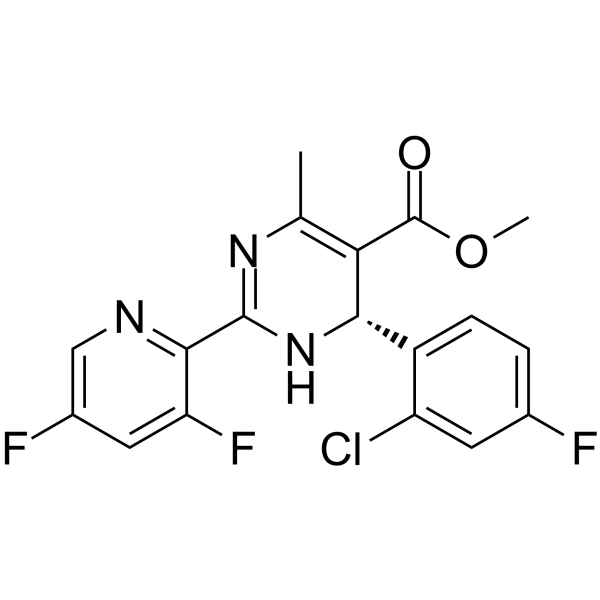
-
-
- HY-123475
-
|
RV521
|
RSV
|
Infection
|
|
Sisunatovir (RV521) is a potent and orally active respiratory syncytial virus (RSV) inhibitor with IC50 values of 1.4, 1.0 nM for RSV A, RSV B, respectively. Sisunatovir inhibits RSV infection and reduces virus titers in the lungs of mice .
|
-
-
- HY-19447
-
|
LB80331
|
HBV
|
Infection
|
|
Besifovir (LB80331), a parent agent converted by LB80380 (HY-19447A), further metabolizes to its active form, LB80317 (HY-106235). Besifovir is an orally active, novel antiviral agent against hepatitis B virus (HBV) .
|
-
-
- HY-148560A
-
|
|
HBV
DNA/RNA Synthesis
|
Infection
|
|
trans-ccc_R08 (Compound 1-B) is a cccDNA inhibitor with anti-HBV activity, with an IC50 of 0.14 μM for HBeAg and an IC50 of 0.08 μM for HBsAg in in vitro assays. trans-ccc_R08 inhibits covalently closed circular DNA (cccDNA). trans-ccc_R08 is applicable to research related to hepatitis B virus infection .
|
-
-
- HY-142989
-
|
|
Liposome
HIV
HCV
HBV
|
Infection
Cancer
|
|
1,2-Didocosahexaenoyl-sn-glycero-3-phosphocholine is a polyunsaturated phospholipid that serves as a component of lipid monolayers and small unilamellar vesicles. 1,2-Didocosahexaenoyl-sn-glycero-3-phosphocholine can be used to prepare endoplasmic reticulum-targeted liposomes (PERLs), which are composed of 1,2-didocosahexaenoyl-sn-glycero-3-phosphoethanolamine, l-α-phosphatidylinositol and l-α-phosphatidylserine at a molar ratio of 1.5:1.5:1:1. PERLs reduce cholesterol levels in human peripheral blood mononuclear cells (PBMCs) and decrease HIV-1 particle secretion from HIV-1-infected PBMCs. Liposomes formed from 1,2-Didocosahexaenoyl-sn-glycero-3-phosphocholine exhibit cytotoxicity against leukemia cells. 1,2-Didocosahexaenoyl-sn-glycero-3-phosphocholine is applicable to studies related to hepatitis C virus infection, HIV infection, hepatitis B virus infection and leukemia .
|
-
-
- HY-N6025
-
|
|
Influenza Virus
|
Infection
Inflammation/Immunology
|
|
Clemastanin B, a lignin, has potent anti-influenza activities by inhibiting the virus multiplication, prophylaxsis and blocking the virus attachment. Clemastanin B targets viral endocytosis, uncoating or ribonucleoprotein (RNP) export from the nucleus. Clemastanin B has antioxidant and anti-inflammatory activities .
|
-
-
- HY-14775
-
|
HCV-796
|
HCV
|
Infection
|
|
Nesbuvir is a nonnucleoside inhibitor of the hepatitis C virus (HCV) nonstructural protein 5B (NS5B) polymerase.
|
-
-
- HY-100029
-
|
|
HBV
|
Infection
|
|
BAY 41-4109 is a potent inhibitor of human hepatitis B virus (HBV) with an IC50 of 53 nM.
|
-
-
- HY-P99342
-
|
REGN10987
|
SARS-CoV
|
Infection
|
|
Imdevimab (REGN10987) is a human monoclonal antibody that targets SARS-CoV-2 virus. Imdevimab can be used in combination with Casirivimab (HY-P99341) to reduce viral load and transiently increases anti-receptor-binding domain IgG titers. Imdevimab maintains most of its neutralization activity against viruses with B.1.1.7, B.1.351 and mink cluster 5 spike proteins .
|
-
-
- HY-P99693
-
|
GC1102
|
HBV
|
Infection
|
|
Lenvervimab (GC1102) is a IgG1-type recombinant human hepatitis B Immunoglobulin. Lenvervimab can be used for research of hepatitis B virus infection .
|
-
-
- HY-133721
-
|
|
HBV
|
Infection
Inflammation/Immunology
|
|
Chamaechromone is a biflavonoid ingredient isolated from the roots of Stellera chamaejasme L. (Thymelaeaceae). Chamaechromone possesses anti-hepatitis B virus (HBV) effects against the surface antigen of HBV (HBsAg) secretion and has insecticidal activities .
|
-
-
- HY-W352344
-
|
|
HBV
|
Infection
|
|
2'-Deoxy-L-adenosine is an orally active synthon for modified oligodeoxyribonucleotides. 2'-Deoxy-L-adenosine is a potent, specific and selective inhibitor of the replication of hepatitis B virus (HBV) as well as the closely related duck and woodchuck hepatitis viruses (WHV) .
|
-
-
- HY-W012738
-
|
|
Influenza Virus
GABA Receptor
|
Infection
|
|
DL-Pyroglutamic acid (CAE) as an inactivator of hepatitis B surface, inactivates vaccinia virus, herpes simplex virus, and influenza virus except poliovirus. DL-Pyroglutamic acid is also a possible inhibitor of GABA transaminase, increases GABA amount with antiepileptic action .
|
-
-
- HY-P99699
-
-
-
- HY-114314
-
|
|
HBV
|
Infection
|
|
BA-53038B is a HBV core protein allosteric modulator (CpAM), binding to the HAP pocket and modulating HBV capsid assembly. BA-53038B has antiviral activity for hepatitis B virus (HBV) with an EC50 value of 3.32 μM. BA-53038B can be used for the research of chronic hepatitis B .
|
-
-
- HY-113512
-
|
|
Influenza Virus
|
Inflammation/Immunology
|
|
17-HDHA is a DHA-derived specialized proresolving mediator (SPM). 17-HDHA enhances the antibody-mediated immune response against influenza virus. 17-HDHA enhances the differentiation of B cells toward the CD27 + CD38 + antibody-secreting cell phenotype, thereby strongly increasing IgM and IgG production by activated B cells .
|
-
-
- HY-116999
-
|
|
HBV
|
Infection
|
|
IR415 is a potent anti-HBV agent and inhibits HBV replication by blocking the HBx activity. IR415 selectively interacts with HBx (Kd=2 nM) and blocks HBV-mediated RNAi suppression, reverses the inhibitory effect of HBx protein on the activity of the dicer endoribonuclease . HBx: hepatitis B virus X protein.
|
-
-
- HY-P1774
-
|
|
HBV
|
Infection
|
|
Hepatitis B Virus Core (128-140) is a peptide of hepatitis B virus core protein.
|
-
-
- HY-16680
-
|
Helioxanthin analogue 8-1
|
HBV
|
Infection
|
|
Helioxanthin 8-1(Helioxanthin analogue 8-1) is an anti-HBV agent. Helioxanthin 8-1 exhibits anti-hepatitis B virus activity in both in vitro human hepatitis B virus models and animal models. Helioxanthin 8-1 inhibits the synthesis of duck hepatitis B virus (DHBV) DNA, covalently closed circular DNA, RNA and proteins, thereby blocking DHBV replication. Helioxanthin 8-1 shows higher cytotoxicity in virus-induced cells than in non-induced cells. Helioxanthin 8-1 can be used in studies related to hepatitis B virus infection .
|
-
-
- HY-177555
-
|
|
Influenza Virus
Endonuclease
|
Infection
|
|
AV5116 is a cap-dependent endonuclease inhibitor (CENI) that binds to the active site of the cap-dependent endonuclease (CEN) located in the N-terminal domain of the polymerase acidic. AV5116 exhibits potent inhibitory activity against influenza viruses (influenza A, B, and C viruses). AV5116 can be used for the study of influenza virus infections .
|
-
-
- HY-103487
-
|
IDX21437; MK-3682
|
HCV
|
Infection
|
|
Uprifosbuvir is an antiviral agent. Uprifosbuvir is a NS5b inhibitor developed for the research of chronic hepatitis C virus .
|
-
-
- HY-121513
-
|
2'-Deoxy-L-cytidine; L-dC
|
HBV
|
Infection
|
|
Torcitabine (2'-Deoxy-L-cytidine) is an antiviral agent. Torcitabine has the potential for chronic hepatitis B virus infection treatment .
|
-
-
- HY-114247
-
|
D-FMAU
|
Nucleoside Antimetabolite/Analog
|
Infection
Cancer
|
|
FMAU is a nucleoside analog and cell proliferation marker that can be phosphorylated by human thymidine kinase and subsequently incorporated into DNA. FMAU is applicable to research related to herpes simplex virus infection, various cancers, hepatitis B virus infection, and Epstein-Barr virus infection .
|
-
-
- HY-P991112
-
|
|
Transmembrane Glycoprotein
|
Infection
|
|
Anti-Mouse CD8α Antibody (YTS169.4) is an IgG2 monoclonal antibody targeting mouse CD8α. Anti-Mouse CD8α Antibody (YTS169.4) rapidly depletes or downregulates CD8 + T cells in the spleens of Biozzi AB/H mice. Anti-Mouse CD8α Antibody (YTS169.4) is applicable to research related to hepatitis B virus infection . Recommended isotype control: Rat IgG2b kappa, Isotype Control (HY-P990682).
|
-
-
- HY-19643
-
|
|
HCV Protease
|
Infection
|
|
JTK-109 is a potent inhibitor of hepatitis C virus NS5B RNA-dependent RNA polymerase. JTK-109 has NS5B inhibitory activity with IC50 value of 0.017μM. JTK-109 can be used for the research of hepatitis C virus (HCV) .
|
-
-
- HY-W892911
-
|
|
Influenza Virus
|
Infection
|
|
AV-5080 is an orally active neuraminidase inhibitor. AV-5080 can be used for the research of influenza A and B viruses .
|
-
-
- HY-P4051
-
-
-
- HY-119691
-
|
LY582563; MCC-478
|
HBV
|
Infection
|
|
Alamifovir (LY582563; MCC-478), a purine nucleotide analogue proagent, shows potent activity against wild type and lamivudine resistant hepatitis B virus (HBV). Alamifovir has high activity against HBV replication and sustained antiviral effect .
|
-
-
- HY-N8107
-
|
|
STING
IFNAR
HBV
|
Infection
|
|
Matairesinol monoglucoside is a STING activator. Matairesinol monoglucoside modulates the STING-TBK1-IRF3 signaling axis, promotes STING transcriptional expression, increases TBK1 and IRF3 phosphorylation. Matairesinol monoglucoside induces IFN-α and IFN-β production, reduces HBV DNA, HBsAg, and HBeAg expression. Matairesinol monoglucoside can be used for the research of hepatitis b virus (hbv) infection .
|
-
-
- HY-112543
-
|
|
Influenza Virus
|
Infection
|
|
S119-8 is a broad spectrum inhibitor of influenza A and B viruses, showing activity against multiple influenza B viruses and an oseltamivir-resistant influenza A virus, but does not inhibit a non-influenza virus, vesicular stomatitis nirus (VSV) .
|
-
-
- HY-126033
-
|
|
HBV
RSV
|
Infection
|
|
Sophoranol is an alkaloid that can be isolated from S. flavescens, with antiviral activity. Sophoranol has anti-HBV (hepatitis B virus) activity. Sophoranol shows potent antiviral activities against respiratory syncytial virus (RSV) with an IC50 of 10.4 μg/mL .
|
-
-
- HY-156578
-
|
|
DGK
HIV
|
Infection
Cancer
|
|
DGKα-IN-8 (Example 51) is a DGKα inhibitor (IC50=22.491 nM; EC50=0.256 nM). DGKα-IN-8 can be used to study cancer, including solid tumors, and viral infections, such as HIV or hepatitis B virus infection .
|
-
-
- HY-126970
-
|
|
HBV
|
Infection
|
|
HBF-0259 is a potent and selective inhibitor of hepatitis B virus (HBV) surface antigen (HBsAg) secretion, with an EC50 of 1.5 μM in HepG2.2.15 cells. HBF-0259 has no effect on HBV DNA synthesis .
|
-
-
- HY-Y0073R
-
|
P-hydroxyacetophenone (Standard)
|
Reference Standards
HBV
Myosin
|
Infection
Inflammation/Immunology
Cancer
|
|
4-Hydroxyacetophenone (Standard) is the analytical standard of 4-Hydroxyacetophenone. This product is intended for research and analytical applications. 4-Hydroxyacetophenone (P-hydroxyacetophenone) is a major hepatoprotective and choleretic compound found in Artemisia and Illicium plants, exhibiting antiviral and anti-inflammatory effects against hepatitis B virus. Additionally, 4-Hydroxyacetophenone inhibits cancer cell adhesion, invasion, and migration by remodeling actin. 4-Hydroxyacetophenone holds promise for research in the fields of inflammatory diseases and cancer .
|
-
-
- HY-177300
-
|
|
Toll-like Receptor (TLR)
HBV
IFNAR
Interleukin Related
|
Infection
Inflammation/Immunology
|
|
TLR7/8 agonist 13 is an orally active dual agonist of TLR7 (lowest effective concentrations (LEC) [hTLR7] = 1.6 μM) and TLR8 (LEC [hTLR8] = 1.6 μM). TLR7/8 agonist 13 exhibits agonistic activity against human peripheral blood mononuclear cells (hPBMCs) (LEC [hPBMC] = 0.5 μM). TLR7/8 agonist 13 induces endogenous IFNα, activating myeloid dendritic cells and monocytes toward a TH1 phenotype in mice and cynomolgus monkeys. TLR7/8 agonist 13 reduces viral load and HBV surface antigen expression in a mouse model of chronic AAV-HBV infection. TLR7/8 agonist 13 has the potential to indirectly induce IFNγ, which may promote HBV antigen-specific CD8 T cell-mediated responses. TLR7/8 agonist 13 can be used to study hepatitis B virus .
|
-
-
- HY-N15389
-
|
|
Influenza Virus
|
Infection
|
|
Noformicin has inhibitory effect on mumps virus and Newcastle disease virus in chicken embryo. Noformicin also extended the survival of mice infected with swine, influenza A (PR8) and influenza B (Lee) viruses .
|
-
-
- HY-106233
-
|
AM188
|
HBV
|
Infection
|
|
Tiviciclovir (AM188) is an antiviral guanosine analog and a hepatitis B virus inhibitor .
|
-
-
- HY-112684
-
|
|
Influenza Virus
|
Infection
|
|
RO-7 is a next-generation polymerase (PA) endonuclease inhibitor of influenza A and B viruses.
|
-
-
- HY-P4042
-
|
hepatitis B peptide 4980
|
HBV
|
Infection
Inflammation/Immunology
|
|
Hepatitis B Virus Receptor Binding Fragment (hepatitis B peptide 4980) is a synthetic peptide analog which specifically binds to Hep G2 cells. Hepatitis B Virus Receptor Binding Fragment is a promising immunogen expected to elicit protective antibodies based on the concept of the attachment blockade pathway of virus neutralization .
|
-
-
- HY-163659
-
|
|
Influenza Virus
|
Infection
|
|
Anti-Influenza agent 6 (compound 19b) shows inhibitory activity against A/WSN/33/H1N1 (EC50 = 0.015 μM) and influenza B virus Yamagata/16/88 (EC50 = 0.073 μM) and Victotis/2/87 (EC50 = 0.067 μM) .
|
-
-
- HY-P4045
-
|
|
HBV
|
Infection
|
|
HBV Seq2 aa:208-216, a HBsAg derived CD8 epitope peptide, is studied as part of Large envelope protein from Hepatitis B virus .
|
-
- HY-173278
-
|
|
HBV
Potassium Channel
|
Infection
|
|
AIC263282 is a potent Hepatitis B Virus (HBV) capsid assembly modulator with an EC50 of 3.8 nM. AIC263282 shows an IC50 of 61 nM for hERG. AIC263282 exhibits activity against viral replication and hepatitis B surface antigen (HBsAG) on primary human hepatocytes .
|
-
- HY-125719
-
|
L-FMAU-TP
|
HBV
|
Infection
Cancer
|
|
Clevudine triphosphate is a thymidine analog. Clevudine triphosphate has anti-human hepatitis B virus (HBV) activity .
|
-
- HY-148201
-
|
|
HBV
|
Infection
|
|
Oleana-2,12-dien-28-oic acid is an HBV-DNA inhibitor, HBsAg and HBeAg inhibitor. Oleana-2,12-dien-28-oic acid can be used in hepatitis B virus infection disease research .
|
-
- HY-P4046
-
|
|
HIV
|
Inflammation/Immunology
|
|
HBV Seq2 aa:179-186 serve as effective motifs for CTL response in H-2b system after in vitro restimulation of the primed T cells. HBV Seq2 aa:179-186 is a novel epitope identified on the surface antigen of hepatitis B virus .
|
-
- HY-162242
-
|
|
Influenza Virus
|
Infection
|
|
Cap-dependent endonuclease-IN-27 (Compound 8) is an orally active potent cap-dependent endonuclease (CEN) inhibitor. Cap-dependent endonuclease-IN-27, an antiviral agent, shows activity against influenza B virus. Cap-dependent endonuclease-IN-27 has inhibitory activity against IFV A/WSN/33 (H1N1) polymerase (EC50 = 12.26 nM) .
|
-
- HY-147255A
-
|
(S)-ZM-H1505R
|
HBV
|
Infection
|
(S)-Canocapavir is the isomer of Canocapavir (HY-147255A). Canocapavir (ZM-H1505R) is an orally active HBV core protein-targeting antiviral agent. Canocapavir binds to the hydrophobic pocket at the dimer-dimer interface of HBV core protein (HBc), stimulating intracellular accumulation of nonfunctional HBV capsids, disrupting viral replication. Canocapavir interferes with the interaction between HBc and HBV large surface protein, resulting in diminished production of empty virionsis. Canocapavir can be used for the research of hepatitis B virus (HBV) infection .
|
-
- HY-145713
-
|
HBV-IN-19
|
HBV
|
Infection
|
|
GS-8873 is an orally active inhibitor for the production of hepatitis B virus (HBV) surface antigen (HBsAg) with an EC50 of 4 nM. GS-8873 exhibits good pharmacokinetic characters in rats and metabolic stability in human hepatocytes. GS-8873 causes neurofunctional deficits in rats and cynomolgus monkeys .
|
-
- HY-145713A
-
|
HBV-IN-19 TFA
|
HBV
|
Infection
|
|
GS-8873 TFA is the TFA salt form of GS-8873 (HY-145713). GS-8873 TFA is an orally active inhibitor for the production of hepatitis B virus (HBV) surface antigen (HBsAg) with an EC50 of 4 nM. GS-8873 TFA exhibits good pharmacokinetic characters in rats and metabolic stability in human hepatocytes. GS-8873 TFA causes neurofunctional deficits in rats and cynomolgus monkeys .
|
-
- HY-174856
-
|
|
PROTACs
HBV
|
Infection
|
|
PROTAC HBeAg degrader-1 is a PROTAC targeting degradation agent for HBeAg. PROTAC HBeAg degrader-1 recruits the VHL E3 ligase but degrades HBV protein HBeAg through VHL-independent mechanism. PROTAC HBeAg degrader-1 decreases levels of secreted and intracellular HBeAg. PROTAC HBeAg degrader-1 can be used for the research of hepatitis B virus (HBV) . (Structure Note: Pink: HBeAg ligand (HY-174857); Blue: VHL Ligand (HY-125845); Black: linker; E3-linker (HY-135045))
|
-
- HY-146004
-
|
|
Influenza Virus
|
Infection
|
|
Influenza A virus-IN-4 (compound 23b), an Oseltamivir derivative, is a potent inhibitor of neuraminidase. Influenza A virus-IN-4 exerts powerful inhibitions on influenza viruses .
|
-
- HY-P1857
-
|
|
Influenza Virus
|
Infection
|
|
CEF7, Influenza Virus NP (380-388) is a HLA-B *08 restricted influenza virus nucleoprotein epitope. Influenza virus NP functions as a key adapter molecule between virus and host cell processes .
|
-
- HY-174297
-
|
|
HBV
|
Infection
|
|
HBV/HDV-IN-5 (example 4) is an inhibitor of hepatitis B virus (HBV) and hepatitis D virus (HDV) .
|
-
- HY-P4038
-
|
|
HCV Protease
|
Infection
|
|
Hepatitis C Virus S5A/5B is a synthetic peptide substrate. Hepatitis C Virus S5A/5B mimics the NS5A/5B junction of the nonstructural protein (NS), served as the substrate for the study of HCV NS3 protease activity .
|
-
- HY-W753521
-
|
BI 207127 sodium
|
Endogenous Metabolite
|
Infection
|
|
Deleobuvir sodium (BI 207127 sodium) is a non-nucleoside hepatitis C virus NS5B polymerase inhibitor with anti-hepatitis C virus activity .
|
-
- HY-N14300
-
-
- HY-N14299
-
-
- HY-N14296
-
-
- HY-N14297
-
-
- HY-N14298
-
-
- HY-N3861
-
|
|
HBV
|
Infection
|
|
Erythrocentaurin, a natural compound, is a new class of hepatitis B virus inhibitor .
|
-
- HY-170646
-
|
|
Influenza Virus
|
Infection
|
|
Influenza A virus-IN-15 (Compound 9b), a quinoline derivative, is a broad-spectrum inhibitor of influenza A viruses with acceptable cytotoxicity (IC50: 0.88-6.33 μM). Influenza A virus-IN-15 can inhibit the transcription and replication of viral RNA and is used in research for its antiviral effects against influenza A viruses (IAV) .
|
-
- HY-N14265
-
|
|
Influenza Virus
|
Infection
|
|
Kistamicin B has antiviral effect, and its ID50s against influenza virus MDCK cells and herpes simplex virus are respectively 1.8 μg/mL and 30 μg/mL .
|
-
- HY-106233B
-
|
AM188 hydrochloride
|
HBV
|
Infection
|
|
Tiviciclovir (AM188) hydrochloride is an antiviral guanosine analog and a hepatitis B virus inhibitor .
|
-
- HY-177654
-
|
|
HBV
|
Infection
|
|
Ozisiran, a siRNA, is a hepatitis B virus (HBV) RNA transcript reducer with antiviral activity.
|
-
- HY-177654A
-
|
|
HBV
|
Infection
|
|
Ozisiran sodium, a siRNA, is a hepatitis B virus (HBV) RNA transcript reducer with antiviral activity.
|
-
- HY-P1835
-
|
|
Influenza Virus
|
Inflammation/Immunology
|
|
CEF8, Influenza Virus NP (383-391), an influenza A virus nucleoprotein containing residues 383 to 391, is the most important HLA-B *2705-restricted epitope in the nucleoprotein of influenza A viruses and is associated with escape from cytotoxic T lymphocytes-mediated immunity .
|
-
- HY-132286
-
|
|
Protein Arginine Deiminase
|
Infection
|
|
2-PADQZ is an antiviral compound with activity against influenza viruses. 2-PADQZ specifically binds to the influenza A virus RNA promoter and forms a binding site at the internal loop. 2-PADQZ has a significant inhibitory effect on H1N1 and H3N2 influenza A viruses and influenza B viruses .
|
-
- HY-122486
-
|
Lophirochalcone
|
EBV
|
Cancer
|
|
Lophirachalcone (Lophirochalcone) is an inhibitor of the activation of EB virus (EBV) induced by tumor promoter teleocidin B-4. Lophirachalcone has antitumor activity .
|
-
- HY-161956
-
|
|
Filovirus
|
Infection
|
|
Antiviral agent 59 (compound 58) is an antiviral agent with selective and drug-like properties that inhibits a broad spectrum of filoviruses. Antiviral agent 59 exhibits low off-target activity and inhibition against replication-competent Ebola virus (EBOV), Sudan virus (SUDV), and Marburg virus (MARV/b>) .
|
-
- HY-P4049
-
|
|
HBV
|
Infection
|
|
HBV Seq1 aa:63-71 is the fragment of hepatitis B virus (HBV) .
|
-
- HY-P1920
-
|
|
EBV
|
Inflammation/Immunology
|
|
CEF19, Epstein-Barr Virus latent NA-3A (458-466) is a single peptide epitope, YPLHEQHGM, representing residues 458-466 of the type 1 Epstein-Barr Virus (EBV) nuclear antigen 3A protein (B95.8 strain). CEF19, Epstein-Barr Virus latent NA-3A (458-466) can significantly affect cytotoxic T-lymphocyte (CTL) recognition .
|
-
- HY-119213
-
|
|
Influenza Virus
|
Infection
|
|
BMY-27709 is an influenza virus growth inhibitor with an IC50 value of 3-8 μM against A/WSN/33 virus growth, and also exhibits inhibitory activity against some subtypes of influenza viruses. BMY-27709 acts early in the course of H1 and H2 virus infections, and exhibits antiviral activity through inhibition of hemagglutinin proteins. However, BMY-27709 has no effect on H3 subtype viruses and influenza B/Lee/40 viruses .
|
-
- HY-N14564
-
|
|
Antibiotic
HSV
|
Infection
|
|
Cycloviracin B2 is an antibiotic with antiviral activity. Cycloviracin B2 has a strong inhibitory activity against herpes simplex virus type 1 (HSV-1) .
|
-
- HY-169815
-
|
|
Virus Protease
HCV
|
Infection
|
|
HCV NS5B polymerase-IN-2 (Compound 298) is a Ns5b polymerase inhibitor. HCV NS5B polymerase-IN-2 is promising for research of hepatitis C virus (HCV) infections .
|
-
- HY-12732
-
|
|
HCV
|
Infection
|
|
PTC 725 is a potent, selective and orally active Hepatitis C Virus NS4B Protein inhibitor. PTC 725 inhibits HCV 1b (Con1) replicons .
|
-
- HY-155110
-
|
|
DNA/RNA Synthesis
Influenza Virus
|
Infection
|
|
Antiviral agent 34 is a potent and orally active antiviral agent against influenza A and B subtypes with an EC50 value of 0.8 nM for H1N1 proliferation. Antiviral agent 34 derivatives inhibited influenza virus proliferation by targeting influenza virus RNA-dependent RNA polymerase. Antiviral agent 34 can be used for influenza virus research .
|
-
- HY-N3093
-
|
(+)-Periglaucine B
|
HBV
|
Infection
|
|
Periglaucine B ((+)-Periglaucine B) is an alkaloid and an HBsAg inhibitor. Periglaucine B can be isolated from Pericampylus glaucus. Periglaucine B inhibits the secretion of hepatitis B virus (HBV) surface antigen (HBsAg) in Hep G2.2.15 cells with an IC50 of 0.47 mM .
|
-
- HY-N19941
-
|
|
HBV
|
Infection
|
|
Schisanwilsonin K is a dibenzocyclooctane lignan found in the stems of Schisandra wilsoniana with weak anti-HBV activity.Schisanwilsonin K can be used for the research of hepatitis B virus infection .
|
-
- HY-P992083
-
|
|
Influenza Virus
|
Infection
|
|
Anti-Influenza HA Antibody (CR9114) is an antibody against influenza virus hemagglutinin. Anti-Influenza HA Antibody (CR9114) binds to the conserved hemagglutinin (HA) stalk region of influenza A and B viruses, and mediates cross-subtype neutralization. Anti-Influenza HA Antibody (CR9114) is applicable for influenza-related research .
|
-
- HY-126970R
-
|
|
HBV
|
Infection
|
|
HBF-0259 (Standard) is the analytical standard of HBF-0259. This product is intended for research and analytical applications. HBF-0259 is a potent and selective inhibitor of hepatitis B virus (HBV) surface antigen (HBsAg) secretion, with an EC50 of 1.5 μM in HepG2.2.15 cells. HBF-0259 has no effect on HBV DNA synthesis .
|
-
- HY-181347
-
|
|
HBV
|
Infection
|
|
GLPG3808 is an orally active PAPD5/7 inhibitor. GLPG3808 inhibits the expression of HBcAg in various cells infected with HBV. GLPG3808 reduces the hepatitis B surface antigen levels in HBV-infected animal models. GLPG3808 can be used for the research of hepatitis B virus infection .
|
-
- HY-183576
-
|
|
HBV
|
Infection
Neurological Disease
|
|
HBsAg-IN-1 (Compound (6S,10S)-57) is an orally active, highly liver-selective inhibitor of HBsAg production, with an EC50 of 0.63 nM. HBsAg-IN-1 shows no neurite growth inhibitory activity. HBsAg-IN-1 can be used in studies related to hepatitis B virus (HBV) infection .
|
-
- HY-181348
-
|
|
HBV
|
Infection
|
|
HBV-IN-56 is an orally active HBsAg production inhibitor. HBV-IN-56 inhibits HBsAg production both in vitro and in vivo. HBV-IN-56 can be used for the research of chronic hepatitis B virus infection .
|
-
- HY-P992423
-
|
|
RSV
|
Infection
|
|
NIAID RSVF2-5 is a human monoclonal antibody fragment. NIAID RSVF2-5 binds to conserved, distinct conformational epitopes on RSV fusion glycoprotein, and shows activity against RSV subgroup A and B strains. NIAID RSVF2-5 reduces pulmonary and lung viral titers in RSV-infected rodents. NIAID RSVF2-5 can be used for the research of respiratory syncytial virus infection .
|
-
- HY-180524
-
|
|
HBV
|
Infection
|
|
CAB7-3 is an orally active HBV capsid assembly modulator (CAM). CAB7-3 exhibits an exceptional antiviral efficacy reducing HBV DNA with an EC50 = 70 nM, CC50 = 32.3 μM in HepDES19 cells. CAB7-3 exhibits significant anti-HBV activity in HBV-integrated HepDES19 (EC50 = 70 nM), HepAD38 (EC50 = 1 nM) and HBV-infected HLCZ01 cells (EC50 = 2 nM), respectively. CAB7-3 effectively reduces Hepatic HBV core protein levels and suppresses viral replication in vivo. CAB7-3 demonstrates a favorable drug-like and safety profile. CAB7-3 can be used for Hepatitis B Virus (HBV) research .
|
-
- HY-182588
-
|
|
Bacterial
HIV
Dengue Virus
|
Infection
|
|
Circulin B is a macrocyclic plant cyclopeptide. Circulin B functions as a plant defense peptide and exhibits antibacterial and anti-HIV activities. Circulin B has high binding affinity for the envelope protein of dengue virus, showing potential anti-dengue virus activity. Circulin B can be used in studies related to dengue virus infection, human immunodeficiency virus infection and microbial infection .
|
-
- HY-168165
-
|
|
Endogenous Metabolite
|
Cancer
|
|
Adefovir diphosphate is an antiviral compound with activity against hepatitis B virus (HBV). Adefovir diphosphate blocks the replication of HBV by inhibiting reverse transcriptase. Adefovir diphosphate has also shown activity against other viruses such as herpes viruses and human immunodeficiency virus. Adefovir diphosphate is used as an effective inhibitory option in the suppression of chronic hepatitis B. The mechanism of action of Adefovir diphosphate involves blocking the autophosphorylation of growth factor receptors, thereby potentially reducing the risk of hepatocellular carcinoma (HCC) in patients with chronic hepatitis B .
|
-
- HY-N8873
-
|
|
Others
|
Cancer
|
|
Silychristin B is an antitumor promoter. Silychristin B inhibits TPA induced Epstein-Barr virus early antigen (EBV-EA) induction. Silychristin B can be isolated from milk thistle .
|
-
- HY-186075
-
|
|
Flavivirus
Orthopoxvirus
SARS-CoV
CHIKV
Enterovirus
|
Infection
|
|
PS1097 is a broad-spectrum antiviral inhibitor with a BVDV RdRp IC50 of 0.64 μM. PS1097 selectively reduces RTN3 protein levels, causes partial RTN3 mRNA reduction, and leaves other endoplasmic reticulum-resident proteins unaffected. PS1097 inhibits replication of Zika virus and multiple viruses that use the endoplasmic reticulum as a replication hub. PS1097 inhibits BVDV RdRp enzymatic activity and exerts activity against Bovine Viral Diarrhea Virus. PS1097 can be used for the research of zika virus infection, usutu virus infection, west nile virus infection, COVID-19, coxsackie b virus 5 infection, chikungunya virus infection, vaccinia virus infection .
|
-
- HY-N14318
-
|
|
Fungal
|
Infection
|
|
Feigrisolide B is a lactone found in Streptomyces griseus. Feigrisolide B has the activity of resisting Sporobolomyces ochreata and inhibiting CoxsacKie virus B3. Feigrisolide B also has moderate inhibitory activity of 3α-hydroxysterol dehydrogenase .
|
-
- HY-N10543
-
|
|
HBV
|
Infection
|
|
5-O-(E)-p-Coumaroylquinic acid, a quinic acid derivative, is a potent phytochemical agent against hepatitis B virus .
|
-
- HY-122261
-
|
DU-34569 maleate
|
Influenza Virus
|
Infection
|
|
Spiroamantadine (DU-34569 maleate) is a compound related to Amantadine (HY-B0402) with anti-influenza virus activity .
|
-
- HY-148560
-
ccc_R08
1 Publications Verification
|
HBV
DNA/RNA Synthesis
|
Infection
|
|
ccc_R08 is a non-cytotoxic and orally active cccDNA inhibitor that reduces cccDNA levels in the liver of HBV-infected mice. ccc_R08 can be used in the study of HBV virus (hepatitis B virus) infection .
|
-
- HY-N14110
-
|
|
Bacterial
HIV
|
Infection
|
|
Curromycin B has antibacterial activity against Gram-positive bacteria such as Bacillus subtilis. Curromycin B can inhibit the replication of human immunodeficiency virus (HIV), inhibit mouse melanoma B16 and leukemia P388 cells .
|
-
- HY-178455
-
|
|
Influenza Virus
|
Infection
|
|
Influenza virus-IN-10 is a dual-target antiviral agents for influenza that targets both PAC (KD = 8.9 μM) and NP (KD = 52.5 μM) simultaneously. Influenza virus-IN-10 exhibits an EC50 values of 1.64 μM) against influenza A virus (H1N1, A/WSN/33) and broad-spectrum activity against other influenza strains, including influenza B virus and multiple subtypes of influenza A .
|
-
- HY-14775R
-
|
HCV-796 (Standard)
|
HCV
Reference Standards
|
Infection
|
|
Nesbuvir (Standard) is the analytical standard of Nesbuvir. This product is intended for research and analytical applications. Nesbuvir is a nonnucleoside inhibitor of the hepatitis C virus (HCV) nonstructural protein 5B (NS5B) polymerase.
|
-
- HY-108839
-
|
Ro 25-8310/000
|
IFNAR
|
Infection
|
|
Peginterferon alfa-2a is a PEG-modified interferon (IFN) alpha-2a. Peginterferon alfa-2a can be used for research of chronic hepatitis C virus (HCV) and hepatitis B virus (HBV) infection .
|
-
- HY-124600
-
|
|
HBV
|
Infection
|
|
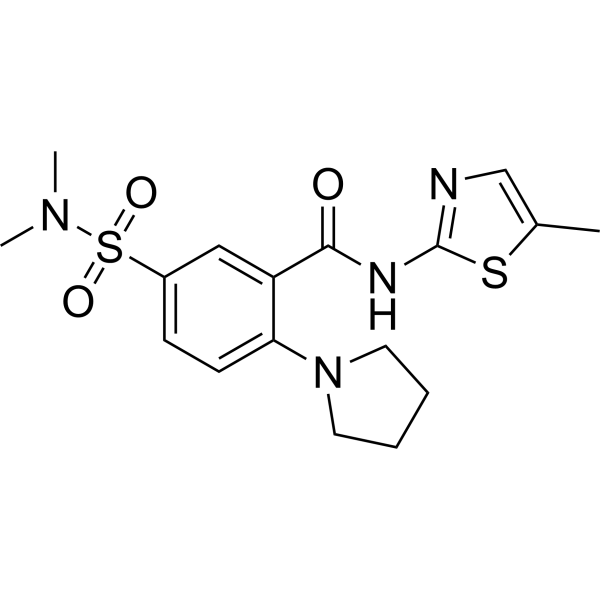
NVR 3-778 is a first-in-Class and oral bioavailable HBV CAM (capsid assembly modulator) belonging to the SBA (sulfamoylbenzamide) class, with anti-HBV activity .
|
-
- HY-124600R
-
|
|
HBV
|
Infection
|
|
NVR 3-778 (Standard) is the analytical standard of NVR 3-778. This product is intended for research and analytical applications. NVR 3-778 is a first-in-Class and oral bioavailable HBV CAM (capsid assembly modulator) belonging to the SBA (sulfamoylbenzamide) class, with anti-HBV activity .
|
-
- HY-175796
-
|
|
Influenza Virus
|
Infection
|
|
Antiviral agent 70 (Compound 12b) is an antiviral agent. Antiviral agent 70 has a superior binding capacity to to Neuraminidaseb. Antiviral agent 70 has potent antiviral activity against influenza A/H1N1 virus with an IC50 of 2.9 μM. Antiviral agent 70 can be used for influenza virus infections research .
|
-
- HY-12634
-
|
BI 207127
|
HCV
|
Infection
|
|
Deleobuvir (BI 207127), a chemical probe, is a potent non-nucleoside hepatitis C virus (HCV) NS5B polymerase inhibitor.
|
-
- HY-116154
-
|
|
Reverse Transcriptase
HBV
|
Infection
|
|
Metacavir is an orally active, potent and specific nucleoside reverse transcriptase inhibitor against hepatitis B virus (HBV) with antiviral activity .
|
-
- HY-145638
-
|
RO7445482
|
HBV
|
Infection
|
Xalnesiran (RO7445482) is a small interfering RNA molecule that targets a conserved region of the hepatitis B virus (HBV) genome. Xalnesiran can be used for the research of chronic hepatitis B infection .
|
-
- HY-145638A
-
|
RO7445482 sodium
|
HBV
|
Infection
|
Xalnesiran (RO7445482) sodium is a small interfering RNA molecule that targets a conserved region of the hepatitis B virus (HBV) genome . Xalnesiran sodium can be used for the research of chronic hepatitis B infection .
|
-
- HY-163318
-
-
- HY-156048
-
|
TFMT
|
Influenza Virus
|
Infection
|
|
Trifluoromethyl-tubercidin (TFMT) is an inhibitor of 2'-O-ribose methyltransferase 1 (MTr1). Trifluoromethyl-tubercidin can inhibit the replication of influenza A and B viruses by interfering with the cap-snatching process of the influenza virus. Trifluoromethyl-tubercidin has antiviral activity and low toxicity .
|
-
- HY-14818B
-
|
R 125489 TFA
|
Influenza Virus
|
Infection
|
|
Laninamivir TFA (R 125489 TFA) is an antiviral compound with inhibitory and prophylactic activity against influenza A and B viruses. Laninamivir TFA is a long-acting neuraminidase inhibitor administered by nasal inhalation. Laninamivir TFA has shown good safety and efficacy in the inhibition of influenza viruses .
|
-
- HY-148171
-
-
- HY-P10056
-
|
Human ezrin peptide (324-337)
|
HIV
HCV
HPV
Influenza Virus
Interleukin Related
|
Infection
Inflammation/Immunology
|
|
HEP-1 (Human ezrin peptide (324 - 337)) is an orally active peptide with antiviral, anti-inflammatory, and immunomodulatory activities. HEP-1 is effective against infections by various viruses such as HIV, HCV, herpes viruses, HPV, and influenza viruses. As an immunomodulator, HEP-1 can enhance the adaptive immunity mediated by B cells and T cells. HEP-1 can also increase the antibody titers after hepatitis B vaccination. HEP-1 can be used in the research of viral infections and inflammation-related diseases .
|
-
- HY-118932
-
|
|
HCV
|
Infection
|
|
HCV-IN-45 (Compound EI-1) is an inhibitor for hepatitis C virus (HCV), that inhibits 1a and 1b HCV pseudoparticles with EC50 of 0.134 and 0.027 μM. HCV-IN-45 inhibits 1a/2a and 1b/2a cell culture-adapted HCV (HCVcc), with EC50 of 0.024 and 0.012μM. HCV-IN-45 inhibits the entry of the virus into hepatocyte, and blocks the cell-cell spread .
|
-
- HY-181990
-
|
|
Virus Protease
Flavivirus
|
|
|
IRBM-Z-1 is a non-competitive inhibitor of Zika virus (ZIKV) NS2B-NS3 protease, with an IC50 of 1.8 μM. IRBM-Z-1 also exhibits inhibitory activity against the NS2B-NS3 proteases of T156I-mutated dengue virus 2 (DENV2) and West Nile virus (WNV), with IC50 values of 3.9 μM and 4.7 μM, respectively. IRBM-Z-1 inhibits ZIKV replication, attenuates virus-induced cytopathic effects. IRBM-Z-1 is applicable to research related to ZIKV infection .
|
-
- HY-B2226
-
|
|
HIV
Influenza Virus
|
Infection
|
|
Sodium copper chlorophyllin B exerts antiviral activities against Influenza virus and HIV with IC50s of 50 to 100 μM for both of them.
|
-
- HY-P4050
-
|
|
HBV
|
Infection
|
|
HBV Seq1 aa:18-27 is a hepatitis B virus (HBV) core antigen 18-27 peptide fragment .
|
-
- HY-100029A
-
|
|
HBV
|
Infection
|
|
BAY 41-4109 racemate is the racemate of BAY 41-4109. BAY 41-4109 is a potent inhibitor of human hepatitis B virus (HBV) with an IC50 of 53 nM.
|
-
- HY-127014
-
|
|
Bacterial
|
Infection
Cancer
|
|
Julimycin B2 has anti-Gram-positive bacteria and anti-virus activity and it has effects on ehrman ascites carcinoma in mice .
|
-
- HY-P4048
-
|
|
HBV
|
Infection
|
|
HBV Seq1 aa:93-100 is a hepatitis B virus (HBV) core antigen 93-100 peptide fragment .
|
-
- HY-I0736
-
-
- HY-N3388
-
|
|
Stearoyl-CoA Desaturase (SCD)
|
Infection
Inflammation/Immunology
Cancer
|
Licoisoflavone B is an orally active flavonoid found in licorice. Licoisoflavone B alleviates psoriasis via SCD1-targeted lipid metabolism reprogramming and suppression of Th17/IL-17-mediated inflammation. Licoisoflavone B inhiibits superoxide anion generation and superoxide anion-induced lipid peroxidation. Licoisoflavone B binds tightly to Lassa virus nucleoprotein and can be used as a nucleoprotein antagonist of Lassa virus. Licoisoflavone B exhibits anti-mutagenic activity against carcinogenic mutagen, by preventing DNA damage. Licoisoflavone B can be used for the research of psoriasis, Lassa fever, inflammation and cancer .
|
-
- HY-119375
-
|
|
Bacterial
|
Infection
|
|
Syncytial Virus Inhibitor-1 is a potent, orally bioavailable respiratory syncytial virus (RSV) fusion inhibitor with EC50s of 0.002 μM, 0.004 μM, and 0.002 μM for RSV Long, RSV A2, and RSV B strains, respectively .
|
-
- HY-13318R
-
|
GS 4071 (Standard); Ro 64-0802 (Standard); Oseltamivir carboxylate (Standard)
|
Reference Standards
Influenza Virus
Drug Metabolite
|
Infection
|
|
Oseltamivir acid (Standard) is the analytical standard of Oseltamivir acid. This product is intended for research and analytical applications. Oseltamivir acid (GS 4071), the active metabolite of Oseltamivir phosphate, is an orally bioavailable, potent and selective inhibitor of influenza virus neuraminidase (IC50=2 nM) with activity against both influenza A and B viruses .
|
-
- HY-N12407
-
|
|
Dengue Virus
|
Infection
|
|
Peridinin is a hydroxylated carotenoid ketone that exhibits inhibitory activity against DENV NS2B/NS3 protease and all dengue virus serotypes (DENV-1, DENV-2, DENV-3, DENV-4). Peridinin inhibits dengue virus production and reduces viral titers. Peridinin is applicable to research related to dengue virus infection .
|
-
- HY-N15076
-
|
|
Src
Antibiotic
Bacterial
|
Infection
Cancer
|
|
Herbimycin B is an ansamycin antibiotic that acts as a Src family kinase inhibitor. Herbimycin B has herbicidal effect on most monocotyledons and dicotyledons, inhibits the activity of tobacco Mosaic virus (TMV), HeLa cells and Ehrlich cells .
|
-
- HY-168510
-
|
|
Influenza Virus
|
Infection
|
|
ATV03 is an anti-influenza virus agent with excellent anti-influenza A and B virus activity. ATV03 inhibits anti-influenza A (H3N2) and anti-influenza B with EC50 values of 0.78 nM and 2.02 nM, respectively. ATV03 exerts anti-influenza activity by inhibiting polymerase acidic protein (PA) and RNA-dependent RNA polymerase (RdRp), as well as disrupting nuclear protein .
|
-
- HY-111003
-
|
NZ-4
|
HBV
|
Infection
|
|
Isothiafludine is an orally active non-nucleosidic anti-HBV compound. Isothiafludine inhibits hepatitis B virus replication by blocking pregenomic RNA encapsidation .
|
-
- HY-156272
-
|
|
HBV
|
Infection
|
|
HBV-IN-41 (compound 45) is a potent and orally active Hepatitis B Virus (HBV) inhibitor, with an EC50 of 0.027μM .
|
-
- HY-136266
-
|
|
HCV
|
Cancer
|
|
HCV-IN-29 is a hepatitis C virus (HCV) inhibitor exacted from patent US8329159B2, compound 1e .
|
-
- HY-120233
-
|
|
HCV
|
Infection
|
|
MK-8876 is an inhibitor of HCV NS5b site D, which can be used in the research of hepatitis C virus .
|
-
- HY-N2006
-
|
|
EBV
HIV Protease
|
Infection
Inflammation/Immunology
|
|
Ganoderic acid B is a triterpene isolated from a mushroom Ganoderma lucidum. Ganoderic acid B inhibits the activation of Epstein-Barr virus (EBV) antigens as telomerase inhibitor. Ganoderic acid B is a moderately active inhibitor against HIV-1 protease (IC50: 170 μM) .
|
-
- HY-P99756
-
|
MEDI8897
|
RSV
|
Infection
|
|
Nirsevimab (MEDI8897) is a recombinant monoclonal antibody against human respiratory syncytial virus (RSV). Nirsevimab has neutralizing activity against RSV A and RSV B viruses, with IC50 values of 5.42 ng/mL and 9.71 ng/mL, respectively. Nirsevimab can be used for research on respiratory infections .
|
-
- HY-106817
-
|
LY 217896
|
Influenza Virus
|
Infection
|
|
Amitivir (LY 217896), a thiadiazole derivative, possesses broad antiviral activity against orthomyxo- and paramyxoviruses. Amitivir is effective against influenza A and B viruses .
|
-
- HY-111204
-
|
|
HCV
|
Infection
|
|
MK3281 (Compound 33) is a non-nucleoside hepatitis C virus (HCV) NS5B polymerase inhibitor, with an EC50 of 28 nM for gt1a .
|
-
- HY-169125
-
|
|
HBV
|
Infection
|
|
HBV-IN-49 is an anti-hepatitis B virus (HBV) agent that inhibits HBV replication. HBV-IN-49 can be utilized in infection research .
|
-
- HY-14844
-
|
MIV-210
|
HBV
|
Infection
|
|
Lagociclovir (FLG) is a nucleoside analogue that inhibits wild-type hepatitis B virus (HBV) replication in a human hepatoma cell line permanently expressing HBV .
|
-
- HY-13317S
-
|
|
Influenza Virus
|
Infection
|
|
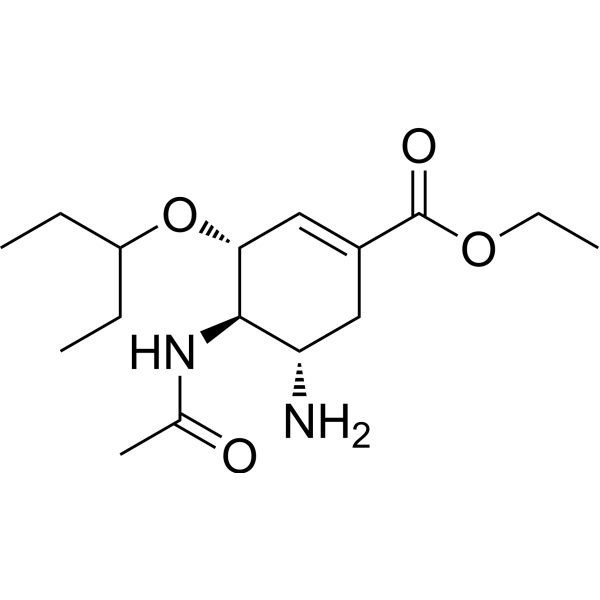
Oseltamivir-d3 is a deuterium labeled Oseltamivir. Oseltamivir is an influenza virus neuraminidase inhibitor (NAI). Oseltamivir inhibits influenza A/H3N2, A/H1N2, A/H1N1, and B viruses with mean IC50s of 0.67, 0.9, 1.34 and 13 nM, respectively. Anti-influenza A and B agent .
|
-
- HY-139602
-
|
|
Flavivirus
Dengue Virus
Virus Protease
|
Infection
|
|
(+)-JNJ-A07 is a highly potent, orally active pan-serotype dengue virus inhibitor targeting the NS3-NS4B interaction. (+)-JNJ-A07 exerts nanomolar to picomolar activity against a panel of 21 clinical isolates. (+)-JNJ-A07 has a favourable pharmacokinetic profile that results in outstanding efficacy against dengue virus infection in mouse infection models .
|
-
- HY-13317S3
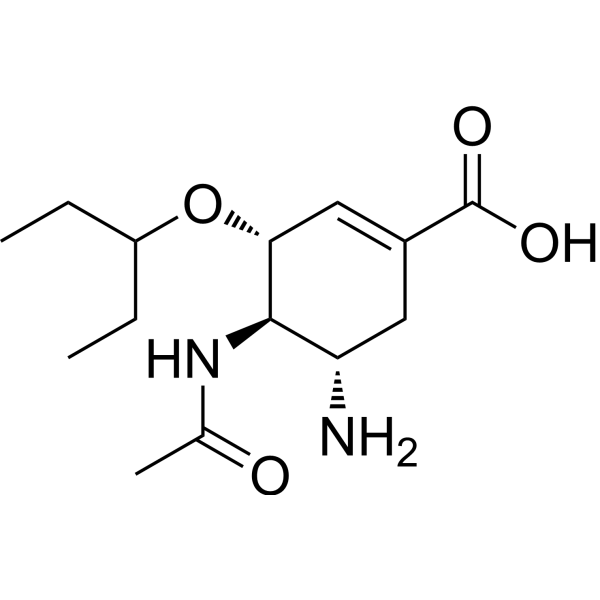
-
|
|
Influenza Virus
|
Infection
|
|
Oseltamivir-d5 is the deuterium labeled Oseltamivir . Oseltamivir is an influenza virus neuraminidase inhibitor (NAI). Oseltamivir inhibits influenza A/H3N2, A/H1N2, A/H1N1, and B viruses with mean IC50 of 0.67, 0.9, 1.34 and 13 nM, respectively. Anti-influenza A and B agent .
|
-
- HY-149468
-
|
|
HBV
|
Infection
|
|
Antiviral agent 38 (compound 2.1-1) is a potent antiviral agent. Antiviral agent 38 can be used for hepatitis B virus (HBV) research .
|
-
- HY-N2006R
-
|
|
EBV
Reference Standards
HIV Protease
|
Infection
Inflammation/Immunology
|
|
Ganoderic acid B (Standard) is the analytical standard of Ganoderic acid B. This product is intended for research and analytical applications. Ganoderic acid B is a triterpene isolated from a mushroom Ganoderma lucidum. Ganoderic acid B inhibits the activation of Epstein-Barr virus (EBV) antigens as telomerase inhibitor. Ganoderic acid B is a moderately active inhibitor against HIV-1 protease (IC50: 170 μM) .
|
-
- HY-P991768
-
|
|
Virus Protease
|
Infection
|
|
Anti-Eastern equine encephalitis virus E2 protein Antibody (EEEV-3) reacts with the B domain of the E2 glycoprotein on the eastern equine encephalitis virus (EEEV). Anti-Eastern equine encephalitis virus E2 protein Antibody (EEEV-3) exhibits a modest inhibition of viral attachment to the plasma membrane of the cells. Recommend Isotype Controls: Mouse IgG2c kappa, Isotype Control (HY-P99981) .
|
-
- HY-P4044
-
|
|
HBV
|
Infection
|
|
HBV Seq2 aa:28-39 is a HBsAg peptide, which binds to major histocompatibility complex (MHC) class I molecules .
|
-
- HY-181991
-
|
|
Virus Protease
Flavivirus
|
Infection
|
|
IRBM-Z-2 is a non-competitive, orally active Zika virus (ZIKV) NS2B-NS3 protease inhibitor, with IC50 values of 0.04 μM and 3.1 μM against the wild-type and I156T mutant strains, respectively. IRBM-Z-2 exhibits broad-spectrum anti-flavivirus potential, with IC50 values of 2.1 μM and 0.09 μM against the NS2B-NS3 proteases of dengue virus 2 (DENV2) and West Nile virus (WNV), respectively. IRBM-Z-1 inhibits ZIKV replication and alleviates virus-induced cytopathic effects. IRBM-Z-1 can be used in studies related to ZIKV infection .
|
-
- HY-179013
-
|
|
Virus Protease
Flavivirus
Dengue Virus
|
Infection
|
|
NS2B/NS3-IN-9 (Compound 73) is a broad-spectrum, non-competitive anti-Orthoflavivirus lipopeptide inhibitor targeting the NS2B-NS3 protease. NS2B/NS3-IN-9 exhibits IC50 values for Dengue virus DENV2 NS2B-NS3, West Nile virus WNV NS2B-NS3, and Zika virus ZIKV NS2B-NS3 of 2.4, 7.2, and 1.9 μM, respectively. NS2B/NS3-IN-9 also exhibits antiviral activity at the cellular level against DENV2, WNV, and ZIKV, with EC50 values of 4.1, 4.9, and 5.0 μM, respectively. NS2B/NS3-IN-9 has no significant toxicity to cells. NS2B/NS3-IN-9 can be used for the study of anti-Orthoflavivirus .
|
-
- HY-162327
-
|
|
PROTACs
HBV
|
Infection
|
|
PROTAC PAPD5 degrader 1 (compound 12b) inhibits both hepatitis A (HAV) and hepatitis B virus (HBV) in vitro and in vivo , with IC50 and CC50 of 10.59 μM and > 50 μM, respectively in Huh7 cells .
|
-
- HY-I0719
-
|
|
Drug Metabolite
|
Others
|
|
Sofosbuvir impurity B is an impurity of Sofosbuvir, Sofosbuvir is an active inhibitor of HCV RNA replication in the HCV replicon assay, demonstrates potent anti-hepatitis C virus (HCV) activity.
|
-
- HY-P4043
-
|
|
HBV
|
Infection
Inflammation/Immunology
|
|
Hepatitis b virus pre-s region (120-145) is a preS2 peptide that inhibits the binding of single-chain Fv fragment (scFv) or IgG to r-HBsAg .
|
-
- HY-N14563
-
|
|
Bacterial
HSV
|
Infection
|
|
Cycloviracin B1 has anti-herpes simplex virus Type I (HSV-1) activity and has weak anti-Gram-positive bacterial activity .
|
-
- HY-163088
-
|
|
CHIKV
Flavivirus
|
Infection
|
|
CHIKV-IN-4 (compound 31b) is a potent and selective CHIKV inhibitor. CHIKV-IN-4 inhibits the Chikungunya virus with the EC50 value of 0.6 μM .
|
-
- HY-185454
-
|
|
HCV
|
Infection
|
|
HCV NS5B polymerase-IN-4 is a HCV NS5B polymerase inhibitor with an IC50 of 4.2 μM. HCV NS5B polymerase-IN-4 binds to the active site of this enzyme. HCV NS5B polymerase-IN-4 can be used in studies related to hepatitis C virus (HCV) infection .
|
-
- HY-133108
-
|
|
EBV
Parasite
Phosphatase
Influenza Virus
|
Infection
Metabolic Disease
Inflammation/Immunology
Cancer
|
|
Azadirachtin B is an limonoid isolated from seed kernels of Azadirachta indica. Azadirachtin B increases alkaline phosphatase (ALP) activity and stimulates osteoblast differentiation. Azadirachtin B is active against the Epstein-Barr virus early antigen (EBV-EA). Azadirachtin B has insecticidal, nematocidal, anticancer, anti-inflammatory, antiviral and osteogenic properties .
|
-
- HY-144062
-
|
|
SARS-CoV
|
Infection
|
|
INSCoV-614(1B) is a potent inhibitor of M pro (3CL pro). Proteases (PL pro and 3CL pro) are involved with transcription and replication of the virus. INSCoV-614(1B) has the potential for the research of SARS-CoV-2 infection (extracted from patent WO2021219089A1) .
|
-
- HY-144066
-
|
|
Influenza Virus
|
Infection
|
|
Cap-dependent endonuclease-IN-21 is a potent inhibitor of cap-dependent endonuclease (CEN). Cap-dependent endonuclease-IN-21 inhibits the replication of influenza virus. ap-dependent endonuclease-IN-21 has the potential for the research of influenza virus infection (influenza A) (extracted from patent WO2021233302A1, compound 8B or 8A) .
|
-
- HY-148172
-
|
|
HIV
HBV
Nucleoside Antimetabolite/Analog
|
Infection
|
|
L-Fd4A is an adenine derivative. L-Fd4A has anti-human immunodeficiency virus (HIV) (EC50=1.5 μM) and anti-hepatitis B virus (HBV) (EC50=1.7 μM) activity. L-Fd4A has low cytotoxicity .
|
-
- HY-144067
-
|
|
Influenza Virus
|
Infection
|
|
Cap-dependent endonuclease-IN-23 is a potent inhibitor of cap-dependent endonuclease (CEN). Cap-dependent endonuclease-IN-23 inhibits the replication of influenza virus. ap-dependent endonuclease-IN-23 has the potential for the research of influenza virus infection (influenza A) (extracted from patent WO2021233302A1, compound 8A or 8B) .
|
-
- HY-P992458
-
|
|
Toll-like Receptor (TLR)
HBV
|
Infection
|
|
SBT8230 is an ASGR1-targeted TLR8 agonist and an ASGR1-TLR8 immune TAC conjugate. SBT8230 achieves liver enrichment via conjugation with an anti-ASGR1 antibody, activates myeloid cells and induces anti-HBV immune responses. SBT8230 is applicable to research on chronic hepatitis B infection. Isotype comparison: HY-P99001 .
|
-
- HY-19447A
-
|
LB80380 maleate
|
HBV
|
Infection
|
|
Besifovir Dipivoxil maleate (LB80380 maleate) is an oral proagent of LB80317. Besifovir Dipivoxil maleate (LB80380 maleate) is effective in hepatitis B virus (HBV) DNA suppression for both treatment-naive and lamivudine-resistant chronic hepatitis B (CHB) patients in preliminary studies [2]
|
-
- HY-13317S4
-
|
|
Isotope-Labeled Compounds
|
Infection
|
|
Oseltamivir-d3 hydrochloride is the deuterium-labeled Oseltamivir (HY-13317) . Oseltamivir is an influenza virus neuraminidase inhibitor (NAI). Oseltamivir inhibits influenza A/H3N2, A/H1N2, A/H1N1, and B viruses with mean IC50s of 0.67, 0.9, 1.34 and 13 nM, respectively. Anti-influenza A and B agent .
|
-
- HY-13317S1
-
|
|
Influenza Virus
|
Infection
|
|
Oseltamivir-d3-1 is the deuterium labeled Oseltamivir . Oseltamivir is an influenza virus neuraminidase inhibitor (NAI). Oseltamivir inhibits influenza A/H3N2, A/H1N2, A/H1N1, and B viruses with mean IC50s of 0.67, 0.9, 1.34 and 13 nM, respectively. Anti-influenza A and B agent .
|
-
- HY-109035
-
|
SB9200; GS-9992
|
HCV
HBV
|
Infection
|
|
Inarigivir soproxil (SB9200) is an agonist of innate immunity and shows potent antiviral activity against resistant HCV variants, with EC50s of 2.2 and 1.0 μM for HCV 1a/1b in cells of genotype 1 HCV replicon systems. Inarigivir soproxil, an orally bioavailable proagent of SB 9000, has broad-spectrum antiviral activity against RNA viruses including HCV, norovirus, respiratory syncytial virus and influenza and HBV .
|
-
- HY-B0017S
-
|
Epavudine-d4; L-Thymidine-d4; NV 02B-d4
|
Isotope-Labeled Compounds
HBV
|
Infection
|
|
Telbivudine-d4 is deuterium labeled Telbivudine. Telbivudine (Epavudine), an orally active thymidine nucleoside analog, is a potent antiviral inhibitor of hepatitis B virus (HBV) replication .
|
-
- HY-109025
-
|
S-033188; RG 6152
|
Influenza Virus
|
Infection
Cancer
|
|
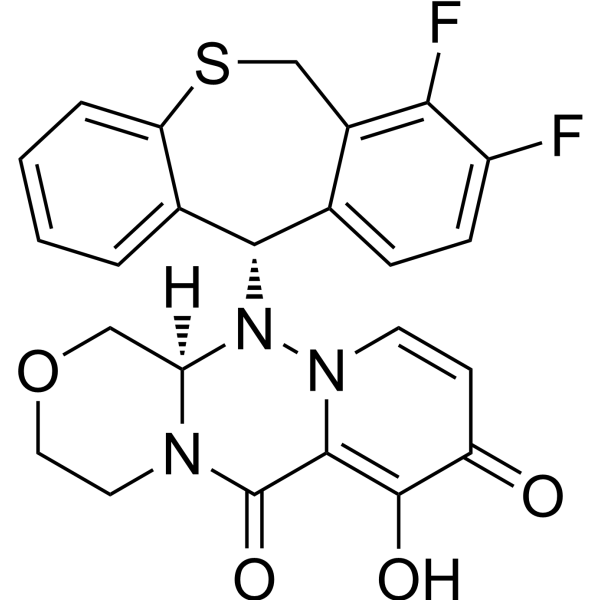
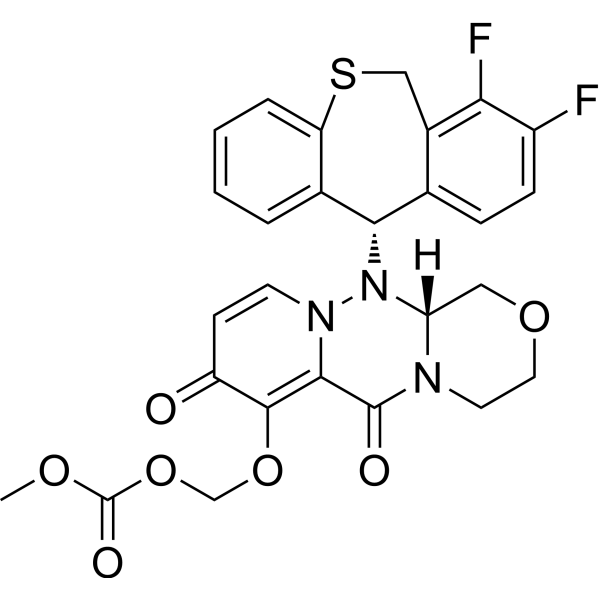
Baloxavir marboxil (S-033188) is a selective inhibitor of influenza cap-dependent endonuclease. Baloxavir marboxil, a potent antiviral agent, shows activity against influenza A and B virus .
|
-
- HY-N12483
-
|
|
HBV
|
Infection
|
|
Catenulopyrizomicin A has a thiazolyl pyridine moiety. Catenulopyrizomicin A can be isolated from the fermentation broth of rare actinomycete Catenuloplanes sp. Catenulopyrizomicin A has anti-Hepatitis B virus activity .
|
-
- HY-15602B
-
|
GS-5885 D-tartrate
|
HCV
|
Infection
|
|
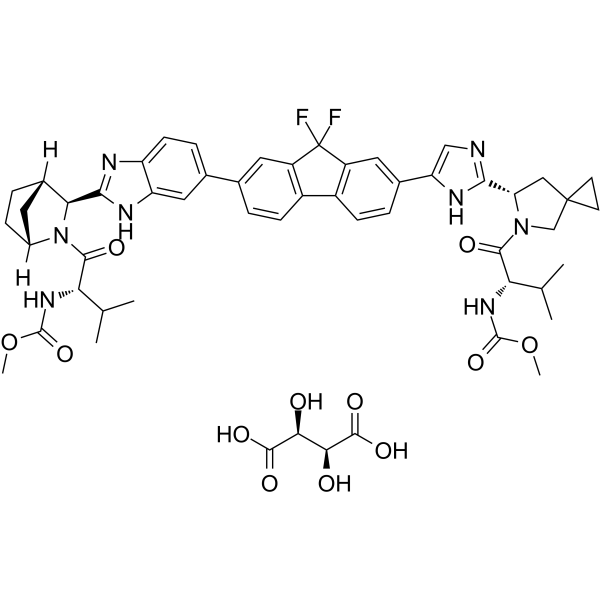
Ledipasvir D-tartrate is an inhibitor of the hepatitis C virus NS5A, with EC50 values of 34 pM against GT1a and 4 pM against GT1b replicon.
|
-
- HY-146418
-
|
|
Flavivirus
|
Infection
|
|
Antiviral agent 20 (Compound 17b) is a selective inhibitor against Zika virus infection with an EC50 of 4.5 µM. Antiviral agent 20 has low cytotoxicity .
|
-
- HY-147763
-
|
|
HCV
|
Infection
|
|
HCV-IN-39 (Compound 18a) is a potent hepatitis C virus (HCV) nucleoside inhibitor with EC50 values of 0.644, 0.952 and 0.154 μM against GT1a, GT1b and GT1b CES1 replicons .
|
-
- HY-B0420AR
-
|
ABOB hydrochloride (Standard)
|
Influenza Virus
HCV
HSV
Apoptosis
Caspase
Reference Standards
|
Infection
|
|
Moroxydine (ABOB) hydrochloride (Standard) is the analytical standard of Moroxydine (ABOB) hydrochloride (HY-B0420A). Moroxydine (ABOB) hydrochloride is a broad-spectrum agent with multi-antiviral activities against DNA and RNA viruses, including influenza virus, herpes simplex, varicella zoster, measles, mumps disease, hepatitis C virus, etc. Moroxydine hydrochloride exhibits excellent antiviral activity and shows low cytotoxicity to cells infected by dsRNA viruses (grass carp reovirus, GCRV) and large DNA viruses (giant salamander iridovirus, GSIV). Moroxydine hydrochloride blocks the GCRV-induced cytopathic effects and eliminates nucleocapsids in ctenopharyngodon idella kidney (CIK) cells to keep the normal morphological structure. Moroxydine hydrochloride significantly inhibits the apoptosis, the caspase 3 activity, Bax expression and down-regulates Bcl-2 levels.
|
-
- HY-156052
-
|
|
Flavivirus
Dengue Virus
Virus Protease
|
Infection
|
|
CN-716 dihydrochloride is a reversible covalent flavivirus NS2B·NS3 protease inhibitor with antiviral activity. CN-716 dihydrochloride effectively inhibits the replication of dengue virus (DENV2), West Nile virus (WNV) and Zika virus (ZIKV). The IC50 values of CN-716 dihydrochloride against the proteases of the above three viruses are 0.066 μM, 0.11 μM and 0.25 μM, respectively, while the Ki values against the same proteases are 0.051 μM, 0.082 μM and 0.04 μM, respectively. CN-716 dihydrochloride can be used to study the infection mechanisms of dengue fever, West Nile fever and Zika virus infection .
|
-
- HY-P5997
-
|
|
Autophagy
Cyclic GMP-AMP Synthase
|
Inflammation/Immunology
|
|
XQ2B is a specific cGAS inhibitor targeting protein-DNA interaction and phase separation. XQ2B markedly reduces ISD-induced Autophagy. XQ2B inhibits herpes simplex virus 1 (HSV-1)-induced antiviral immune responses and enhances HSV-1 infection .
|
-
- HY-100029B
-
|
|
HBV
|
Infection
|
|
Bay 41-4109 less active enantiomer shows less activity than Bay 41-4109. BAY 41-4109 is a potent inhibitor of human hepatitis B virus (HBV) with an IC50 of 53 nM.
|
-
- HY-111296
-
|
|
RSV
|
Infection
|
|
YM 53403 is an anti-respiratory syncytial virus (RSV) agent, with an EC50 of 0.20 μM. YM 53403 potently inhibits the replication of RSV strains belonging to both A and B subgroups .
|
-
- HY-12731
-
|
|
HCV
|
Infection
|
|
GSK2236805 is a potent hepatitis C virus inhibitor with pEC50 values of 10.4, 11.1 for HCV genotype 1a (gt1a) and gt1b, respectively .
|
-
- HY-168015
-
|
|
Drug Isomer
|
Infection
|
|
5-Oxo leukotriene B4 is a byproduct in the synthesis of 12-oxo LTB4 (HY-130497) with antiviral activity. 5-Oxo leukotriene B4 is promising for research of viral infections caused by human and animal enveloped RNA viruses .
|
-
- HY-12429
-
|
BMS-791325
|
DNA/RNA Synthesis
HCV
|
Infection
|
|
Beclabuvir is an allosteric inhibitor that binds to thumb site 1 of the hepatitis C virus (HCV) NS5B RNA-dependent RNA polymerase, and inhibits recombinant NS5B proteins from HCV genotypes 1, 3, 4, and 5 with IC50 of < 28 nM .
|
-
- HY-N6939
-
-
- HY-P5947
-
|
|
HIV
|
Neurological Disease
|
|
Tat-HA-NR2B9 contains a fragment of the cellmembrane transduction domain of HIV-1 Tat, a influenza virus hemagglutinin (HA) epitope-tag, and the C-terminal 9 amino acids of NR2B (NR2B9c). Tat-HA-NR2B9 reduces infarct size and improves neurological functions in ischemia-induced cerebral injury in the rats
|
-
- HY-P10662
-
|
|
MHC
|
Infection
Inflammation/Immunology
|
|
HLA-B*0801-binding EBV peptide is an Epstein-Barr virus (EBV) epitope FLRGRAYGL. HLA-B*0801-binding EBV peptide can bind to the HLA-B*0801 molecule. HLA-B*0801-binding EBV peptide can be presented to CD8+ T cells through HLA-B*0801 to activate a specific immune response .
|
-
- HY-147764
-
|
|
HCV
|
Infection
|
|
HCV-IN-40 (Compound 18c) is a potent, orally active hepatitis C virus (HCV) nucleoside inhibitor with EC50 values of 0.259, 0.434 and 0.069 μM against GT1a, GT1b and GT1b CES1 replicons .
|
-
- HY-145052
-
|
|
HBV
|
Infection
|
|
HBV-IN-9 is a potent HBsAg (HBV Surface antigen) inhibitor (IC50=10 nM) and HBV DNA production inhibitor (IC50=0.15 nM in HepG2.2.15 cells) . From patent WO2018001952A1, example 20.
|
-
- HY-123767
-
|
|
HBV
|
Infection
|
|
HEC72702 is a potent and orally active hepatitis B virus capsid inhibitor with an EC50 values of 0.039 µM. HEC72702 dose-dependently reduced HBV DNA in both the plasma and livers .
|
-
- HY-155831
-
|
|
HCV
|
Infection
|
|
HCV-IN-43 (compound 2) is an HCV NS5B protein inhibitor that can effectively inhibit the replication of HCV virus. HCV-IN-43 can be used for the study of HCV infection .
|
-
- HY-B0017R
-
|
Epavudine (Standard); L-Thymidine (Standard); NV 02B (Standard)
|
Reference Standards
HBV
|
Infection
|
|
Telbivudine (Standard) is the analytical standard of Telbivudine. This product is intended for research and analytical applications. Telbivudine (Epavudine), an orally active thymidine nucleoside analog, is a potent antiviral inhibitor of hepatitis B virus (HBV) replication .
|
-
- HY-155832
-
|
|
HCV
|
Infection
|
|
HCV-IN-44 (compound 28) is an HCV NS5B protein inhibitor that can effectively inhibit the replication of HCV virus. HCV-IN-44 can be used for the study of HCV infection .
|
-
- HY-W713297
-
|
ABOB hydrochloride-d8
|
Influenza Virus
Isotope-Labeled Compounds
HCV
HSV
Apoptosis
Caspase
|
Infection
|
|
Moroxydine hydrochloride-d8 (ABOB hydrochloride-d8) is the deuterium labeled Moroxydine (ABOB) hydrochloride (HY-B0420A). Moroxydine hydrochloride is a broad-spectrum agent with multi-antiviral activities against DNA and RNA viruses, including influenza virus, herpes simplex, varicella zoster, measles, mumps disease, hepatitis C virus, etc. Moroxydine hydrochloride exhibits excellent antiviral activity and shows low cytotoxicity to cells infected by dsRNA viruses (grass carp reovirus, GCRV) and large DNA viruses (giant salamander iridovirus, GSIV). Moroxydine hydrochloride blocks the GCRV-induced cytopathic effects and eliminates nucleocapsids in ctenopharyngodon idella kidney (CIK) cells to keep the normal morphological structure. Moroxydine hydrochloride significantly inhibits the apoptosis, the caspase 3 activity, Bax expression and down-regulates Bcl-2 levels [1][2][3].
|
-
- HY-149050
-
|
|
Influenza Virus
SARS-CoV
|
Infection
|
|
Viral polymerase-IN-1 hydrochloride, a Gemcitabine (HY-17026) derivative, potently inhibits influenza A and B viruses infection with IC90 values of 11.4-15.9 μM. Viral polymerase-IN-1 hydrochloride is active against SARS-CoV-2 infection. Viral polymerase-IN-1 hydrochloride suppresses influenza virus infection by affecting viral RNA replication/transcription in cells .
|
-
- HY-N6939R
-
-
- HY-P3070
-
|
|
MHC
|
Infection
Others
|
|
H2-D b restricted epitopes VSV Nucleoprotein (52-59) is a 9-mer peptide derived from the nucleoprotein of Vesicular Stomatitis Virus (VSV). H2-D b restricted epitopes VSV Nucleoprotein (52-59) binds to MHC class I molecules and presents itself to CD8+ T cells, thereby activating cytotoxic T lymphocytes (CTLs), which can recognize and kill cells expressing the corresponding antigen. H2-D b restricted epitopes VSV Nucleoprotein (52-59) can be used in the development of CTL vaccines against Ebola virus .
|
-
- HY-12429A
-
|
BMS-791325 hydrochloride
|
DNA/RNA Synthesis
HCV
|
Infection
|
|
Beclabuvir (BMS-791325) hydrochloride is an allosteric inhibitor that binds to thumb site 1 of the hepatitis C virus (HCV) NS5B RNA-dependent RNA polymerase, and inhibits recombinant NS5B proteins from HCV genotypes 1, 3, 4, and 5 with IC50 of < 28 nM .
|
-
- HY-169993
-
|
|
HBV
DNA/RNA Synthesis
Drug Intermediate
|
Infection
|
|
ALG-000184 is an orally effective inhibitor of hepatitis B virus (HBV), and it is also a prodrug of ALG-001075 (HY-177022). ALG-000184 can inhibit the production of HBV DNA in liver cells. ALG-000184 can be used in the research of chronic hepatitis B .
|
-
- HY-150600
-
|
|
Virus Protease
Flavivirus
|
Infection
|
|
NS2B/NS3-IN-7 (compound 26) is a highly potent Zika virus NS2B-NS3 protease inhibitor with a Ki value of 2.33 nM. NS2B/NS3-IN-7 can reduce amounts of ZIKV-infected cells .
|
-
- HY-N9752
-
|
|
EBV
|
Infection
|
|
Mogroside II B is a cucurbitane-type glycoside with a sweet taste in water. Mogroside II B inhibits the activation of Epstein Barr virus early antigen (EBV-EA) induced by Phorbol 12-myristate 13-acetate (TPA) (HY-18739). Mogroside II B exerts weak inhibitory effects on the activation of the nitric oxide (NO) donor (NOR1) .
|
-
- HY-177299
-
|
|
HCV
|
Infection
|
|
HCV NS5B polymerase-IN-3 (Compound 30a) is an inhibitor of the HCV NS5B polymerase. HCV NS5B polymerase-IN-3 exhibits anti-HCV activity in the Huh7 replicon cell line with an EC50 of 0.23 μM and shows no obvious cytotoxicity. HCV NS5B polymerase-IN-3 can be used in research related to the hepatitis C virus .
|
-
- HY-145579
-
|
RG7907; RO7049389
|
HBV
Apoptosis
|
Infection
Inflammation/Immunology
|
|
Linvencorvir (RG7907) is an orally active Hepatitis B virus core protein allosteric modulator. Linvencorvir induces Apoptosis. Linvencorvir has antiviral activity against HBV .
|
-
- HY-177667A
-
|
|
HBV
|
Infection
|
|
Tomligisiran sodium is a siRNA in JNJ-3989 (JNJ-73763989). JNJ-3989 is comprised of 2 siRNAs (Daplusiran and Tomligisiran), that target hepatitis B virus (HBV) mRNAs for degradation, thereby inhibiting HBV replication.
|
-
- HY-13784
-
|
R77975
|
Enterovirus
|
Infection
|
|
Pirodavir is a potent, broad-spectrum picornavirus inhibitor, and is highly active against both group A and group B rhinovirus serotypes. Pirodavir is very potent in a virus yield reduction assay (IC90=2.3 nM).
|
-
- HY-177625A
-
|
|
HBV
|
Infection
|
|
Daplusiran sodium is a siRNA in JNJ-3989 (JNJ-73763989). JNJ-3989 is comprised of 2 siRNAs (Daplusiran and Tomligisiran), that target hepatitis B virus (HBV) mRNAs for degradation, thereby inhibiting HBV replication.
|
-
- HY-177625
-
|
|
HBV
|
Infection
|
|
Daplusiran is a siRNA in JNJ-3989 (JNJ-73763989). JNJ-3989 is comprised of 2 siRNAs (Daplusiran and Tomligisiran), that target hepatitis B virus (HBV) mRNAs for degradation, thereby inhibiting HBV replication.
|
-
- HY-177667
-
|
|
HBV
|
Infection
|
|
Tomligisiran is a siRNA in JNJ-3989 (JNJ-73763989). JNJ-3989 is comprised of 2 siRNAs (Daplusiran and Tomligisiran), that target hepatitis B virus (HBV) mRNAs for degradation, thereby inhibiting HBV replication.
|
-
- HY-15789
-
|
MK-8742
|
HCV
|
Infection
|
|
Elbasvir (MK-8742) is a hepatitis C virus nonstructural protein 5A (HCV NS5A) inhibitor with EC50s of 4, 3 and 3 nM against genotype 1a, 1b, and 2a, respectively.
|
-
- HY-P10668
-
|
|
Dengue Virus
Flavivirus
|
Infection
|
|
Ac-EVKKQR-pNA is a competitive chromogenic para-nitroanilide substrate corresponding to the P6-P1 segment amino-terminal to the NS2B-NS3 cleavage site but with a more reactive, hydrolytically cleavable, para-nitroanilide at the P1’ position. Ac-EVKKQR-pNA is promising for research of dengue 2 virus and flavivirus virus infection .
|
-
- HY-144612
-
|
|
Flavivirus
Dengue Virus
Virus Protease
|
Infection
|
|
NS2B/NS3-IN-2 is a potent dengue virus (DENV) NS2B/NS3 covalent inhibitor with an IC50 of 6.0 nM and Ki of 0.66 µM. NS2B/NS3-IN-2 shows no cytotoxicity and markedly increases the cell survival rate .
|
-
- HY-136111
-
|
|
HBV
|
Infection
|
|
KR-26556 is a sulfonamide type hepatitis B virus (HBV) capsid assembly regulator. KR-26556 exhibits anti-HBV activity with an EC50 of 0.04 μM. KR-26556 has favorable safety characteristics. KR-26556 can be used for research on chronic hepatitis B .
|
-
- HY-10468
-
NM107
1 Publications Verification
2'-C-Methylcytidine
|
HCV
|
Infection
|
|
NM107 (2'-C-Methylcytidine) is an nucleoside inhibitor of the hepatitis C virus (HCV) NS5B polymerase, the EC50 of NM107 in the wild-type replicon cells is 1.85 μM .
|
-
- HY-N14095
-
|
|
Bacterial
HIV
|
Infection
Cancer
|
|
Curromycin A has antibacterial activity against Gram-positive bacteria such as Bacillus subtilis. Curromycin A can inhibit the replication of human immunodeficiency virus (HIV), inhibit mouse melanoma B16 and leukemia P388 cells .
|
-
- HY-13317
-
|
GS 4104
|
Influenza Virus
|
Infection
Cancer
|
|
Oseltamivir (GS 4104) is an orally active influenza virus neuraminidase inhibitor (NAI). Oseltamivir inhibits influenza A/H3N2, A/H1N2, A/H1N1, and B viruses with mean IC50s of 0.67, 0.9, 1.34 and 13 nM, respectively .
|
-
- HY-P990015
-
|
VIR-3434
|
HBV
|
Infection
|
|
Tobevibart (VIR-3434) is a human IgG1 lambda monoclonal antibody against hepatitis B virus (HBV) surface antigen (HBsAg). Tobevibart shows potent neutralization against HBsAg from all HBV genotypes in vitro and inhibits viral entry of HBV and hepatitis delta virus (HDV). Recommend Isotype Controls: Human IgG1 lambda2, Isotype Control (HY-P990096) .
|
-
- HY-129150
-
|
|
Influenza Virus
|
Infection
|
|
Ganoderic acid TR is a broad-spectrum inhibitor of influenza neuraminidase enzymes (NAs). Ganoderic acid TR has IC50 values of 10.9 and 4.6 μM for H5N1 and H1N1 NAs, respectively. Ganoderic acid TR is limited by cytotoxicity and shows only weak activity against Oseltamivir (HY-13317)-resistant H1N1 viruses and influenza B viruses .
|
-
- HY-13318
-
|
GS 4071; Ro 64-0802; Oseltamivir carboxylate
|
Influenza Virus
Drug Metabolite
|
Infection
Neurological Disease
|
|
Oseltamivir acid (GS 4071), the active metabolite of Oseltamivir phosphate, is an orally bioavailable, potent and selective inhibitor of influenza virus neuraminidase (IC50=2 nM) with activity against both influenza A and B viruses. Oseltamivir acid has an extremely weak ability to penetrate the BBB under normal physiological conditions, but its blood-brain barrier penetration is significantly enhanced under inflammatory conditions .
|
-
- HY-W705873
-
|
EUDR-d5
|
Isotope-Labeled Compounds
Virus Protease
|
Infection
|
|
Edoxudine-d5 (EUDR-d5) is the deuterium labeled Edoxudine (HY-B1011). Edoxudine is an antiviral active molecule and thymidine analog. Edoxudine is effective against herpes simplex virus .
|
-
- HY-148560B
-
|
|
HBV
|
Infection
|
|
cis-ccc_R08 (compound 1) is a flavonoid derivative that can be used in the study of hepatitis B virus (HBV) infection. cis-ccc_R08 is a cccDNA (covalently closed circular DNA) inhibitor .
|
-
- HY-100029R
-
|
|
HBV
Reference Standards
|
Infection
|
|
Bay 41-4109 (Standard) is the analytical standard of Bay 41-4109 (HY-100029). This product is intended for research and analytical applications. BAY 41-4109 is a potent inhibitor of human hepatitis B virus (HBV) with an IC50 of 53 nM.
|
-
- HY-113806
-
|
(±)-Oleracein E
|
Bacterial
Influenza Virus
Apoptosis
|
Infection
Inflammation/Immunology
|
|
(±)-Trolline ((±)-Oleracein E), an isoquinoline alkaloid, exhibits antibacterial activity against respiratory bacteria and antiviral activity against influenza virus A and B. (±)-Trolline significantly induces HSC apoptosis. (±)-Trolline can be used for the research of liver fibrosis .
|
-
- HY-176433
-
|
|
Flavivirus
|
Infection
|
|
NSC-323241 is a potent STT3A-mediated mega protein complex assembly inhibitor. NSC-323241 disrupts he endoplasmic reticulum (ER) mega complex nucleated by STT3A during dengue virus (DENV) and Zika virus (ZIKV) infection. NSC-323241 targets the binding of STT3A subcomplex with viral nonstructural proteins (e.g., NS2B, NS3) and host translocon proteins, disrupting the formation of viral replication microenvironment. NSC-323241 is promising for research of flavivirus infection, such as dengue fever and Zika virus .
|
-
- HY-13465
-
VCH-916
1 Publications Verification
|
HCV
|
Infection
|
|
VCH-916 is a thiophene derivative and non-nucleoside inhibitor of HCV NS5B polymerase with sub-micromolar IC50 values versus genotype 1a and 1b replicons. VCH-916 binds to Thumb Site II. VCH-916 can be used for the research of hepatitis c virus (hcv) infection .
|
-
- HY-105395
-
|
|
Influenza Virus
|
Infection
|
|
BCX-1898, a cyclopentane derivative, is an orally active and selective influenza virus neuraminidase inhibitor. BCX-1898 has antiviral activity with EC50s of <0.01-21 μM on influenza A (H1N1, H3N2, and H5N1) and influenza B viruses replication in MDCK cells. BCX-1898 shows protection against the mouse influenza model .
|
-
- HY-P1571
-
|
NP 396
|
Arenavirus
|
Inflammation/Immunology
|
|
Nucleoprotein (396-404) is the 396 to 404 fragment of lymphocytic choriomeningitis virus (LCMV). Nucleoprotein (396-404) is the H-2D(b)-restricted immunodominant epitope and can be used as a molecular model of viral antigen .
|
-
- HY-15602D
-
|
GS-5885 (diacetone)
|
HCV
|
Infection
|
|
Ledipasvir diacetone (GS-5885 diacetone) is the active ingredient of Ledipasvir. Ledipasvir is an inhibitor of the hepatitis C virus NS5A, with EC50 values of 34 pM against GT1a and 4 pM against GT1b replicon.
|
-
- HY-15602A
-
|
GS-5885 (acetone)
|
HCV
|
Infection
|
|
Ledipasvir acetone (GS-5885 acetone) is the active ingredient of Ledipasvir. Ledipasvir is an inhibitor of the hepatitis C virus NS5A, with EC50 values of 34 pM against GT1a and 4 pM against GT1b replicon.
|
-
- HY-143781
-
|
|
Influenza Virus
|
Infection
|
|
Cap-dependent endonuclease-IN-26 is a cap-dependent endonuclease (CEN) inhibitor with an IC50 of 286 nM. Cap-dependent endonuclease-IN-26 shows antiviral activity against many influenza A and B strains .
|
-
- HY-183940
-
|
|
Cathepsin
|
Infection
Cancer
|
|
Cathepsin L-IN-7 is an inhibitor of cathepsin L, cathepsin B and cathepsin S. Cathepsin L-IN-7 has an IC50 of 0.011 μM against cathepsin L and an IC50 of 0.062 μM against cathepsin S, while it shows weak inhibitory activity against cathepsin B. Cathepsin L-IN-7 binds to the active site of cysteine proteases and blocks their proteolytic function. Cathepsin L-IN-7 can be used in research on viral infections and cancer .
|
-
- HY-13998A
-
|
ABT-333 sodium
|
HCV
DNA/RNA Synthesis
|
Infection
|
|
Dasabuvir (ABT-333) sodium is a nonnucleoside hepatitis C virus (HCV) polymerase inhibitor. Dasabuvir sodium inhibits RNA-dependent RNA polymerase encoded by the HCV NS5B gene. Dasabuvir sodium inhibits genotype 1a (strain H77) and 1b (strain Con1) replicons, with EC50 values of 7.7 and 1.8 nM, respectively .
|
-
- HY-P99608
-
|
|
HBV
|
Infection
|
|
Exbivirumab is a monoclonal antibody directed against highly conserved HBsAg epitopes. Exbivirumab enhances the antiviral activity of hepatitis B immunoglobulin (HBIG). Exbivirumab combined with Libivirumab (HY-P99703) decreases circulating HBsAg and hepatitis B virus (HBV) DNA levels in a chronically infected chimpanzee. Exbivirumab can be used for HBV re-infection in liver transplant .
|
-
- HY-134910
-
|
|
Virus Protease
|
Infection
|
|
SID-852843 is a WNV NS2B-NS3 proteinase inhibitor. SID-852843 can inhibit WNV NS2B-NS3 proteinase activity with IC50 value of 0.105 μM. SID-852843 can be used for the research of virus infection .
|
-
- HY-162795
-
|
|
HBV
|
Infection
|
|
HBV-IN-47 (compound 4a) is a capsid assembly regulator with inhibitory activity against hepatitis B virus (HBV). HBV-IN-47 exhibits strong anti-HBV activity in HepAD38 cells with low toxicity (EC50=0.24 μM). HBV-IN-47 can be used for the study of chronic hepatitis B (CHB) .
|
-
- HY-149158
-
|
|
HBV
|
Inflammation/Immunology
|
|
CCC-0975 is a hepatitis B virus (HBV) inhibitor (EC50=10 μM). CCC-0975 interferes with the conversion of relaxed circular DNA (rcDNA) to cccDNA, synchronously reducing cccDNA and its precursor deproteinized rcDNA (DP-rcDNA) without promoting their intracellular degradation. CCC-0975 is promising for research of chronic hepatitis B .
|
-
- HY-13998
-
|
ABT-333
|
HCV
DNA/RNA Synthesis
|
Infection
|
|
Dasabuvir (ABT-333) is a nonnucleoside hepatitis C virus (HCV) polymerase inhibitor. Dasabuvir inhibits RNA-dependent RNA polymerase encoded by the HCV NS5B gene. Dasabuvir inhibits genotype 1a (strain H77) and 1b (strain Con1) replicons, with EC50 values of 7.7 and 1.8 nM, respectively .
|
-
- HY-102038
-
PC786
2 Publications Verification
|
RSV
|
Infection
|
|
PC786 is an inhaled respiratory syncytial virus (RSV) L protein polymerase inhibitor. PC786 demonstrates potent antiviral activity against RSV-A (IC50 <0.09 to 0.71 nM) and RSV-B (IC50, 1.3 to 50.6 nM) .
|
-
- HY-I0736S
-
-
- HY-13318S
-
|
GS 4071-d3; Ro 64-0802-d3; Oseltamivir carboxylate-d3
|
Isotope-Labeled Compounds
Influenza Virus
Drug Metabolite
|
Infection
|
|
Oseltamivir acid-d3 is a deuterium labeled Oseltamivir acid (HY-13318). Oseltamivir acid, the active metabolite of Oseltamivir phosphate, is an orally bioavailable, potent and selective inhibitor of influenza virus neuraminidase (IC50=2 nM) with activity against both influenza A and B viruses. Oseltamivir acid has an extremely weak ability to penetrate the BBB under normal physiological conditions, but its blood-brain barrier penetration is significantly enhanced under inflammatory conditions .
|
-
- HY-P11083
-
|
|
HBV
|
Cancer
|
|
Xentry is a cell-penetrating peptide (CCP) consisting of only 7 amino acids of hepatitis B virus: LCLRPVG. Xentry-linked anti-B-raf antibodies and siRNAs demonstrates the capability to kill B-raf-dependent melanoma cells. Xentry alone or conjugated to β-galactosidase leads to its delivery to most tissues in mice, except circulating blood cells. Xentry can be used for the delivery of large molecules (antibodies, siRNA, enzymes) .
|
-
- HY-W565665
-
|
|
DNA/RNA Synthesis
Others
|
Infection
|
|
(S)-HPMPA is an antiviral agent. (S)-HPMPA can bind to and interfere with viral DNA polymerase activity, thereby inhibiting viral DNA synthesis. (S)-HPMPA can be used for the study of DNA viruses .
|
-
- HY-135330
-
|
|
HIV
Reverse Transcriptase
|
Infection
|
|
Lamivudine- 13C, 15N2 is a labelled impurity of Lamivudine (BCH-189). Lamivudine is a nucleoside reverse transcriptase inhibitors (NRTIs), and can inhibit HIV reverse transcriptase 1/2 and the reverse transcriptase of hepatitis B virus .
|
-
- HY-I0736R
-
|
|
Reference Standards
Drug Metabolite
Drug Intermediate
|
Infection
|
|
Isonicotinic acid (Standard) is the analytical standard of Isonicotinic acid (HY-I0736). This product is intended for research and analytical applications. Isonicotinic acid is an Isoniazid (HY-B0329) metabolite. The Isonicotinic acid derivative Enisamium inhibits the replication of multiple subtypes of influenza A virus .
|
-
- HY-15591
-
|
|
HCV
|
Infection
|
|
TMC647055 is a potent nonnucleoside NS5B polymerase inhibitor of HCV replication. TMC647055 has potent HCV combine activity with an IC50 value of 82 nM. TMC647055 can be used for the research of Hepatitis C virus (HCV) .
|
-
- HY-100029AR
-
|
|
Reference Standards
HBV
|
Infection
|
|
Bay 41-4109 (racemate) (Standard) is the analytical standard of Bay 41-4109 (racemate). This product is intended for research and analytical applications. BAY 41-4109 racemate is the racemate of BAY 41-4109. BAY 41-4109 is a potent inhibitor of human hepatitis B virus (HBV) with an IC50 of 53 nM.
|
-
- HY-B0250
-
|
BCH-189
|
HIV
Reverse Transcriptase
HBV
|
Infection
Cancer
|
|
Lamivudine (BCH-189) is an orally active nucleoside reverse transcriptase inhibitor (NRTI). Lamivudine can inhibit HIV reverse transcriptase 1/2 and also the reverse transcriptase of hepatitis B virus. Lamivudine salicylate can penetrate the CNS .
|
-
- HY-112047
-
|
GSK2878175
|
HCV
|
Infection
|
|
GSK8175 is a non-nucleoside polymerase (NS5B) inhibitor of hepatitis C virus (HCV). GSK8175 is a sulfonamide- N-benzoxaborole analog with low in vivo clearance across preclinical species and broad-spectrum activity against HCV replicons .
|
-
- HY-P1571A
-
|
NP 396 TFA
|
Arenavirus
|
Inflammation/Immunology
|
|
Nucleoprotein (396-404) TFA is the 396 to 404 fragment of lymphocytic choriomeningitis virus (LCMV). Nucleoprotein (396-404) TFA is the H-2D(b)-restricted immunodominant epitope and can be used as a molecular model of viral antigen .
|
-
- HY-112254
-
-
- HY-135646
-
|
|
Influenza Virus
|
Infection
Inflammation/Immunology
|
|
Eleutheroside B1, a coumarin compound, has a wide spectrum of anti-human influenza virus efficacy, with an IC50 value of 64-125 µg/ml. Eleutheroside B1 mediates its anti-influenza activity through POLR2A and N-glycosylation. Eleutheroside B1 inhibits the mRNA expression of several chemokine genes and the influenza nucleoprotein (NP) gene, and exhibits low cytotoxicity. Antiviral and anti-inflammatory activities .
|
-
- HY-10246A
-
|
|
HCV
DNA/RNA Synthesis
|
Infection
|
|
A-837093 sodium is a potent and orally active inhibitor of the hepatitis C virus (HCV) nonstructural protein 5B (NS5B) polymerase. A-837093 sodium shows potencies against polymerases derived from both HCV genotypes 1a (IC50 = 1.25 nM) and 1b (IC50 = 0.33 nM). A-837093 sodium exhibits antiviral efficacy in HCV-infected chimpanzees. A-837093 sodium can be used for HCV infection research .
|
-
- HY-162485
-
|
|
Dengue Virus
Virus Protease
|
Infection
|
|
DV-B-120 is a competitive inhibitor for dengue virus (DENV) with IC50s of 5.35, 7.39, 10.49 and 8.58 μM, for DENV-1, DENV-2, DENV-3 and DENV-4, respectively, by inhibiting NS2B-NS3 protease. DV-B-120 exhibits antiviral activity through inhibition of DENV replication .
|
-
- HY-147266A
-
|
VIR-2218
|
HBV
Small Interfering RNA (siRNA)
|
Infection
|
|
Elebsiran (VIR-2218) is a siRNA that targets and degrades hepatitis B virus (HBV) and hepatitis D virus (HDV) RNA transcripts. Elebsiran leads to a significant decrease in HBV surface antigen (HBsAg) and a reduction in viral load. Elebsiran binds to the sialic acid-depleted glycoprotein receptor (ASGPR) on the surface of liver cells through the GalNAc ligand, achieving liver-targeted delivery and demonstrating improved liver safety. Elebsiran can be used for the study of chronic HBV/HDV infections .
|
-
- HY-147266
-
|
VIR-2218 sodium
|
Small Interfering RNA (siRNA)
HBV
|
Infection
|
|
Elebsiran (VIR-2218) sodium is a siRNA that targets and degrades hepatitis B virus (HBV) and hepatitis D virus (HDV) RNA transcripts. Elebsiran sodium leads to a significant decrease in HBV surface antigen (HBsAg) and a reduction in viral load. Elebsiran sodium binds to the sialic acid-depleted glycoprotein receptor (ASGPR) on the surface of liver cells through the GalNAc ligand, achieving liver-targeted delivery and demonstrating improved liver safety. Elebsiran sodium can be used for the study of chronic HBV/HDV infections .
|
-
- HY-13317R
-
|
GS 4104 (Standard)
|
Reference Standards
Influenza Virus
|
Infection
|
|
Oseltamivir (Standard) is the analytical standard of Oseltamivir. This product is intended for research and analytical applications. Oseltamivir (GS 4104) is an orally active influenza virus neuraminidase inhibitor (NAI). Oseltamivir inhibits influenza A/H3N2, A/H1N2, A/H1N1, and B viruses with mean IC50s of 0.67, 0.9, 1.34 and 13 nM, respectively .
|
-
- HY-B0250S
-
|
BCH-189-15N,d2
|
HBV
HIV
Reverse Transcriptase
Isotope-Labeled Compounds
|
Infection
Cancer
|
|
Lamivudine- 15N,d2 is 15N and deuterated labeled Lamivudine (HY-B0250). Lamivudine (BCH-189) is an orally active nucleoside reverse transcriptase inhibitor (NRTI). Lamivudine can inhibit HIV reverse transcriptase 1/2 and also the reverse transcriptase of hepatitis B virus. Lamivudine salicylate can penetrate the CNS .
|
-
- HY-124191
-
|
PPI-668 hydrochloride
|
HCV
|
Infection
|
|
Ravidasvir hydrochloride (PPI-668 hydrochloride) is a pan-genotypic inhibitor for hepatitis C virus (HCV) NS5A protein. Ravidasvir hydrochloride inhibits the replication of HCV, with EC50 of 0.12, 0.01 and 1.14 nM, for HCV gt-1a, gt-1b, and gt-3a replicons, respectively. Ravidasvir hydrochloride exhibits good pharmacokinetic characters in rats .
|
-
- HY-159987
-
|
|
HBV
|
Infection
|
|
AB-161 is an orally active HBV RNA destabilizer and a PAPD5/7 inhibitor, with its primary action focused in the liver. AB-161 treats Hepatitis B Virus (HBV) infection by lowering the levels of Hepatitis B surface antigen (HBsAg), with an EC50 value of 2.2 nM for HBsAg. AB-161 can be used in the field of HBV infection research .
|
-
- HY-116683
-
116-9e
2 Publications Verification
MAL2-11B
|
HSP
DNA/RNA Synthesis
|
Infection
Cancer
|
|
116-9e (MAL2-11B) is a Hsp70 co-chaperone DNAJA1 inhibitor. 116-9e inhibits Simian Virus 40 (SV40) replication and DNA synthesis. 116-9e inhibits tumor antigen (TAg)’s endogenous ATPase activity and the TAg-mediated activation of Hsp70 .
|
-
- HY-W070093
-
|
|
HBV
|
Infection
|
|
KKJ00626 is an inhibitor for Hepatitis B virus (HBV) with an IC50 of 0.12~0.23 μM. KKJ00626 inhibits the interaction between HBV core protein and the surface protein PreS region, prevents the maturation and secretion of HBV particles, and exhibits antiviral efficacy .
|
-
- HY-120632
-
|
|
RSV
|
Infection
|
|
BMS-433771 is a potent orally active inhibitor of respiratory syncytial virus (RSV). BMS-433771 is active against both A and B groups of RSV, with an average EC50 of 20 nM. BMS-433771 can be used for the research of respiratory tract disease .
|
-
- HY-W754691
-
|
|
HBV
|
Infection
|
|
Glaziovine is an antiviral agent found in Hypserpa nitida. Glaziovine exhibits significant inhibitory activity against HBV, capable of suppressing hepatitis B virus surface antigen (HBsAg) secretion in Hep G2.2.15 cells transfected with HBV, with an IC50 of 8 nM .
|
-
- HY-101954
-
|
ORI-9020; SB-9000
|
HBV
|
Infection
|
|
Inarigivir (ORI-9020) is a dinucleotide antiviral drug that can significantly reduce liver HBV DNA in transgenic mice expressing hepatitis B virus. Inarigivir (ORI-9020) act as a RIG-I agonist to activate cellular innate immune responses .
|
-
- HY-N16616
-
|
|
Enterovirus
|
Infection
|
|
9α-Hydroxysophocarpine ((-)-9α-hydroxysophocarpine) is an alkaloid. 9α-Hydroxysophocarpine can be isolated from the rhizomes of Sophora tonkinensis. 9α-Hydroxysophocarpine exhibits antiviral activity against the Coxsackie virus B3 (CVB3) .
|
-
- HY-B0250A
-
|
BCH-189 salicylate
|
HIV
Reverse Transcriptase
HBV
|
Infection
Cancer
|
|
Lamivudine (BCH-189) salicylate is an orally active nucleoside reverse transcriptase inhibitor (NRTI). Lamivudine salicylate can inhibit HIV reverse transcriptase 1/2 and also the reverse transcriptase of hepatitis B virus. Lamivudine salicylate can penetrate the CNS .
|
-
- HY-120632A
-
|
|
RSV
|
Infection
|
|
BMS-433771 dihydrochloride hydrate is a potent orally active inhibitor of respiratory syncytial virus (RSV). BMS-433771 dihydrochloride hydrate is active against both A and B groups of RSV, with an average EC50 of 20 nM. BMS-433771 dihydrochloride hydrate can be used for the research of respiratory tract disease .
|
-
- HY-11098
-
|
R170591
|
RSV
|
Infection
|
|
JNJ 2408068 is a potent RSV (respiratory syncytial virus) inhibitor. JNJ 2408068 significantly inhibits replication of RSV A and B subtypes in the lungs of cotton rats without any evidence of toxicity. The minimum protective dose of JNJ 2408068 appears to be approximately 0.39 mg/kg .
|
-
- HY-109025R
-
|
S-033188 (Standard); RG 6152 (Standard)
|
Reference Standards
Influenza Virus
|
Infection
|
|
Baloxavir marboxil (Standard) is the analytical standard of Baloxavir marboxil. This product is intended for research and analytical applications. Baloxavir marboxil (S-033188) is a selective inhibitor of influenza cap-dependent endonuclease. Baloxavir marboxil, a potent antiviral agent, shows activity against influenza A and B virus .
|
-
- HY-109025A
-
|
Baloxavir acid; S-033447
|
Influenza Virus
|
Infection
Cancer
|
|
Baloxavir (Baloxavir acid), derived from the proagent Baloxavir marboxil, is a first-in-class, potent and selective cap-dependent endonuclease (CEN) inhibitor within the polymerase PA subunit of influenza A and B viruses. Baloxavir inhibits viral RNA transcription and replication and has potently antiviral activity .
|
-
- HY-19577A
-
|
PTT119 hydrochloride
|
DNA Alkylator/Crosslinker
|
Infection
Cancer
|
|
Ambamustine (PTT119) hydrochloride is a bifunctional alkylating agent and induces DNA damage by alkylating mechanisms. Ambamustine interferes with late steps in murine mammary tumor virus (MuMTV) processing and maturation and reduces production of the B-type retrovirus MuMTV. Ambamustine possesses cytolytic and antiviral activities .
|
-
- HY-19577
-
|
PTT119
|
DNA Alkylator/Crosslinker
|
Infection
Cancer
|
|
Ambamustine (PTT119) is a bifunctional alkylating agent and induces DNA damage by alkylating mechanisms. Ambamustine interferes with late steps in murine mammary tumor virus (MuMTV) processing and maturation and reduces production of the B-type retrovirus MuMTV. Ambamustine possesses cytolytic and antiviral activities .
|
-
- HY-W128400
-
|
|
DNA/RNA Synthesis
HCV
|
Infection
|
|
3′-Deoxy-3′-fluoroguanosine exhibits antiviral activity against tick-borne encephalitis virus (TBEV), through interaction with NS5B RdRp of HCV, resulting in suppression of viral RNA synthesis by disruption of further extension of the replicating viral RNA .
|
-
- HY-15591A
-
|
|
HCV
|
Infection
|
|
TMC647055 (Choline salt) is a potent nonnucleoside NS5B polymerase inhibitor of HCV replication. TMC647055 Choline salt has potent HCV combine activity with an IC50 value of 82 nM. TMC647055 Choline salt can be used for the research of Hepatitis C virus (HCV) .
|
-
- HY-P1791
-
|
Lactoferricin B; Lfcin B
|
Bacterial
Fungal
Apoptosis
|
Infection
Cancer
|
|
Lactoferrin 17-41 (Lactoferricin B), a peptide corresponding to residues 17-41 of bovine lactoferrin, has antimicrobial activity against a wide range of microorganisms, including Gram-positive and Gramnegative bacteria, viruses, protozoa, and fungi. Lactoferrin 17-41 has antitumor activities .
|
-
- HY-W060316
-
|
3-Hydroxy-5-isopropyltropolone
|
HBV
DNA/RNA Synthesis
|
Infection
|
|
β-Thujaplicinol (3-Hydroxy-5-isopropyltropolone) is an inhibitor of hepatitis B virus (HBV) ribonuclease H. β-Thujaplicinol inhibits RNAseHs of HBV genotypes D and H with IC50 values of 5.9 and 2.3 μM, respectively .
|
-
- HY-P1791B
-
|
Lactoferricin B acetate; Lfcin B acetate
|
Bacterial
Fungal
Apoptosis
|
Infection
Cancer
|
|
Lactoferrin 17-41 (Lactoferricin B) acetate, a peptide corresponding to residues 17-41 of bovine lactoferrin, has antimicrobial activity against a wide range of microorganisms, including Gram-positive and Gramnegative bacteria, viruses, protozoa, and fungi. Lactoferrin 17-41 acetate has antitumor activities .
|
-
- HY-W003943
-
|
|
Biochemical Assay Reagents
|
Infection
|
|
6-Hydroxypyridin-3-ylboronic acid is a heterocyclic building block, which can be used in the synthesis of non-nucleoside inhibitors of hepatitis C virus (HCV) RNA-dependent RNA polymerase nonstructural protein 5B (NS5B). 6-Hydroxypyridin-3-ylboronic acid has also been used in the synthesis of mammalian target of rapamycin (mTOR) inhibitors .
|
-
- HY-D2468
-
|
|
Fluorescent Dye
|
Others
|
|
Sulfonylurea Receptor HRP-Streptavidin is a biotin-binding signal amplifier designed to bind tightly with biotinylated anti-TSH monoclonal antibodies, thereby constituting a key component of the signal amplification system in immunoassays. HRP-Streptavidin is formed by the covalent coupling of Horseradish Peroxidase (HRP) with Streptavidin; it combines the highly efficient catalytic activity of the enzyme with the high affinity of Streptavidin for biotin, making it a potent and sensitive tool for signal amplification. HRP-Streptavidin is suitable for use in Western Blotting, ELISA, and other detection techniques .
|
-
- HY-W074930
-
|
(S)-GS 1278; (S)-PMPA; (S)-TDF
|
HIV
HBV
|
Infection
|
|
(S)-Tenofovir is the less active S-enantiomer of Tenofovir (HY-13910). Tenofovir is a nucleotide reverse transcriptase inhibitor to treat HIV and chronic Hepatitis B (HBV). (S)-Tenofovir has low activity to Orf virus. (S)-Tenofovir can be used for research on contagious pustular dermatitis .
|
-
- HY-P0323
-
|
LCMV GP(33-41) C-peptide
|
Arenavirus
|
Infection
|
|
GP(33-41), a 9-aa-long peptide, is the optimal sequence of the GP1 epitope of lymphocytic choriomeningitis virus, and can upregulate H-2D b molecules at the RMA-S (Db Kb) cell surface with a SC50 of 344 nM .
|
-
- HY-B0434S1
-
-
- HY-N3519
-
|
|
HCV
Branched Chain Amino Acid Transaminase (BCAT)
Interleukin Related
NF-κB
ERK
p38 MAPK
JNK
|
Infection
Inflammation/Immunology
|
|
Platycodin D3 is a triterpenoid saponin that can be found in Platycodon grandiflorum. Platycodin D3 exhibits multiple activities including anti-inflammation, regulation of airway mucus secretion, improvement of asthmatic airway inflammation and remodeling, and inhibition of hepatitis C virus (HCV) replication. The IC50 value of Platycodin D3 against HCV NS5B RNA-dependent RNA polymerase is 8 μg/mL. Platycodin D3 can be used in studies related to asthma, hepatitis C virus infection and inflammatory diseases .
|
-
- HY-153810
-
|
JNJ-1802
|
Virus Protease
Flavivirus
Dengue Virus
|
Infection
|
|
Mosnodenvir (JNJ-1802) is an orally active pan serotype dengue virus (DENV) inhibitor, with EC50 values ranging from 0.057 to 11 nM for four dengue virus (DENV) serotypes. Mosnodenvir blocks viral replication by inhibiting the formation of complexes between two viral proteins, nonstructural protein 3 (NS3) and NS4B, thereby preventing the formation of new viral RNA. Mosnodenvir exhibits picomolar to nanomolar antiviral activity in vitro and has antiviral efficacy in mice and non-human primates .
|
-
- HY-126929
-
|
TXN-B
|
DNA Alkylator/Crosslinker
Apoptosis
Bacterial
Parasite
Fungal
|
Infection
Cancer
|
|
Trioxacarcin B (TXN-B) is a potent cytotoxic agent and DNA-targeted inhibitor. Trioxacarcin B disrupts DNA function and induces apoptosis in cancer cells. Trioxacarcin B not only effectively inhibits the growth of various Gram-positive and Gram-negative bacteria as well as Plasmodium falciparum, but also blocks the colony formation of cancer stem cells, significantly reduces tumor volume and prolongs survival in preclinical in vivo models. The activity of Trioxacarcin B is highly dependent on its intact spiro-epoxide structure; it loses efficacy once this moiety undergoes hydrolysis, and Trioxacarcin B shows no activity against fungi, microalgae and small RNA viruses. Trioxacarcin B can be used for research on bacterial infections, malaria, and various cancers including colon cancer and melanoma .
|
-
- HY-P991772
-
|
|
Flavivirus
|
Infection
|
|
Anti-WNV E protein DIII-LR Antibody (E16) reacts with the domain III lateral ridge (DIII-LR) of the envelope (E) protein of West Nile Virus (WNV). Anti-Mouse CD11b Antibody (5C6) protects mice from WNV infection. Recommend Isotype Controls: Mouse IgG2b kappa, Isotype Control (HY-P99982) .
|
-
- HY-100540BR
-
|
GCA-2 (Standard)
|
Flavivirus
Dengue Virus
Enterovirus
Reference Standards
|
Infection
|
|
Golgicide A-2 (Standard) is the analytical standard of Golgicide A-2 (HY-100540B). This product is intended for research and analytical applications. Golgicide A-2 (GCA-2), a Golgicide A (GCA) derivative, is the most active enantiomer of GCA. Golgicide A-2 displays high selectivity and efficiency in killing An. stephensi larvae and can be used for the research of dengue virus related diseases .
|
-
- HY-15602C
-
|
GS-5885 hydrochloride
|
HCV
SARS-CoV
|
Infection
|
|
Ledipasvir (GS-5885) hydrochloride is an inhibitor of the hepatitis C virus NS5A, with EC50s of 34 pM and 4 pM against genotype 1a and 1b replicon, respectively. Ledipasvir hydrochloride is also a SARS-CoV 3CL pro inhibitor with an IC50 of 1.62 μM .
|
-
- HY-145579R
-
|
RG7907 (Standard); RO7049389 (Standard)
|
Antibiotic
Reference Standards
|
Infection
Inflammation/Immunology
|
|
Bendiocarb (Standard) is the analytical standard of Bendiocarb. This product is intended for research and analytical applications. Linvencorvir (RG7907) is an orally active Hepatitis B virus core protein allosteric modulator. Linvencorvir induces Apoptosis. Linvencorvir has antiviral activity against HBV .
|
-
- HY-15602
-
|
GS-5885
|
HCV
SARS-CoV
|
Infection
|
|
Ledipasvir (GS-5885) is an inhibitor of the hepatitis C virus NS5A, with EC50s of 34 pM and 4 pM against genotype 1a and 1b replicon, respectively. Ledipasvir is also a SARS-CoV 3CL pro inhibitor with an IC50 of 1.62 μM .
|
-
- HY-15789R
-
|
MK-8742 (Standard)
|
Reference Standards
HCV
|
Infection
|
|
Elbasvir (Standard) is the analytical standard of Elbasvir. This product is intended for research and analytical applications. Elbasvir (MK-8742) is a hepatitis C virus nonstructural protein 5A (HCV NS5A) inhibitor with EC50s of 4, 3 and 3 nM against genotype 1a, 1b, and 2a, respectively.
|
-
- HY-P4209A
-
|
|
Virus Protease
|
Others
|
|
Boc-GRR-AMC (TFA) is a tri-peptide Substrate. Boc-GRR-AMC can be used for a fluorogenic West Nile virus (WNV) substrate, profiling the substrate specificity for the NS2B-NS3 proteases or determining the pH optimum of LdMC activity .
|
-
- HY-107586
-
|
DAQ B1; L-783281; Dimethylasterriquinone
|
Insulin Receptor
Akt
NO Synthase
NADPH Oxidase
JAK
STAT
FOXO
DNA/RNA Synthesis
ERK
Flavivirus
|
Cardiovascular Disease
Infection
Metabolic Disease
Inflammation/Immunology
|
|
Demethylasterriquinone B1 (DAQ B1; L-783281) is an orally active insulin receptor (insulin receptor) agonist and AKT activator. By activating AKT, Demethylasterriquinone B1 upregulates the expression and activity of eNOS to increase NO production, while downregulating the expression of the NADPH oxidase subunit p22phox to reduce oxidative stress and improve vascular endothelial dysfunction in hypertensive rats. Demethylasterriquinone B1 combind with an AKT inhibitor targets the insulin signaling pathway to activate two antiviral pathways, RNA interference and JAK/STAT, in mosquitoes, thereby reducing Zika virus infection .
|
-
- HY-147885
-
|
|
HCV
|
Infection
|
|
HCV-IN-41 (compound 4) is a highly potent hepatitis C virus (HCV) inhibitor with an EC50 value of 0.006762 nM, 5.183 nM, 1.365 nM and 142.2 nM for HCV genotype 1b, 2a, 3a and 4a, respectively. HCV-IN-41 reduces HCV RNA replication .
|
-
- HY-19921
-
|
|
HCV
|
Infection
|
|
JTK-853 is a novel, non-nucleoside Hepatitis C Virus (HCV) polymerase inhibitor which shows effective antiviral activity in HCV replicon cells with EC50s of 0.38 and 0.035 µM in genotype 1a H77 and 1b Con1 strains, respectively.
|
-
- HY-117383
-
|
ML414
|
Virus Protease
|
Cancer
|
|
NGI-1 (ML414) is a potent oligosaccharyltransferase (OST) inhibitor, directly targeting and blocking the function of the OST catalytic subunits STT3A and STT3B . NGI-1 is a cell permeable inhibitor and can effectively reduce virus infectivity without affecting cell viability .
|
-
- HY-13998R
-
|
ABT-333 (Standard)
|
Reference Standards
HCV
DNA/RNA Synthesis
|
Infection
|
|
Dasabuvir (Standard) is the analytical standard of Dasabuvir. This product is intended for research and analytical applications. Dasabuvir (ABT-333) is a nonnucleoside hepatitis C virus (HCV) polymerase inhibitor. Dasabuvir inhibits RNA-dependent RNA polymerase encoded by the HCV NS5B gene. Dasabuvir inhibits genotype 1a (strain H77) and 1b (strain Con1) replicons, with EC50 values of 7.7 and 1.8 nM, respectively .
|
-
- HY-15176C
-
|
RR82 trihydrochloride
|
DNA/RNA Synthesis
G-quadruplex
Flavivirus
Src
Virus Protease
|
Cancer
|
|
Pyridostatin (RR82) trihydrochloride is a G-quadruplex (G4) inducer/stabilizer with a Kd of 490 nM. Pyridostatin trihydrochloride also acts as an inhibitor of Zika virus (ZIKV) NS2B-NS3 protease, with an IC50 of 11.0 μM. Pyridostatin trihydrochloride interacts with G-quadruplex structures, regulates the expression of SRC and SUB1, and induces replication- and transcription-dependent DNA damage, growth arrest, and genomic instability. Pyridostatin trihydrochloride exhibits antiproliferative and antiviral activities. Pyridostatin trihydrochloride can be used in studies related to breast cancer, cervical cancer, and Zika virus infection .
|
-
- HY-182317
-
|
|
Drug Isomer
Dengue Virus
|
Infection
|
|
(+)-Mosnodenvir is an isomer of Mosnodenvir (HY-153810). Mosnodenvir (JNJ-1802) is an orally active pan serotype dengue virus (DENV) inhibitor, with EC50 values ranging from 0.057 to 11 nM for four dengue virus (DENV) serotypes. Mosnodenvir blocks viral replication by inhibiting the formation of complexes between two viral proteins, nonstructural protein 3 (NS3) and NS4B, thereby preventing the formation of new viral RNA. Mosnodenvir exhibits picomolar to nanomolar antiviral activity in vitro and has antiviral efficacy in mice and non-human primates .
|
-
- HY-143744
-
|
GP681; Cap-dependent endonuclease-IN-3
|
Endonuclease
Influenza Virus
|
Infection
|
|
Suraxavir marboxil (GP681; Cap-dependent endonuclease-IN-3) is a PA subunit cap-dependent endonuclease inhibitor with antiviral activity. Suraxavir marboxil inhibits PA subunit cap-dependent endonuclease activity and inhibits influenza A and/or influenza B viral replication. Suraxavir marboxil can be used alone or in combination with other anti-influenzal agents for the prevention of influenza A and/or influenza B viral infectious diseases. Suraxavir marboxil can be used for the research of influenza A and/or influenza B viral infectious diseases .
|
-
- HY-14837
-
|
Enisamium iodide
|
Influenza Virus
SARS-CoV
|
Infection
|
|
Amizon is an orally effective antiviral and anti-inflammatory agent. Amizon inhibits influenza virus replication and restricts viral RNA synthesis. Amizon reduces the mRNA expression of COX-1, COX-2, NF-κB, TGF1β, IL-1 and IL-6, and stimulates the secretion and mRNA expression of IL-10. Amizon inhibits the oxidative activity of macrophages and possesses antioxidant and free radical-scavenging activities. Amizon is applicable to research related to influenza and acute respiratory viral infections .
|
-
- HY-P1862
-
|
|
HSV
|
Infection
|
|
HSV-gB2 (498-505) is an immunodominant epitope from herpes simplex virus (HSV) glycoprotein B residues 498-505, acts as H-2Kb-restricted and HSV-1/2-cross-reactive cytotoxic T-lymphocyte (CTL) recognition epitope .
|
-
- HY-W779404
-
|
Ribasphere-13C2
|
Isotope-Labeled Compounds
RSV
HCV
Antibiotic
Orthopoxvirus
|
Cancer
|
|
Ribavirin- 13C2 (Ribasphere- 13C2) is the 13C-labeled Ribavirin (HY-B0434). Ribavirin (ICN-1229) is an antiviral agent against a broad spectrum of viruses including HCV, HIVl, and RSV. Ribavirin also has anti-orthopoxvirus and anti-variola activities.
|
-
- HY-P990828
-
|
|
PD-1/PD-L1
|
Infection
|
|
Anti-PD-L1/B7-H1 Antibody (29E.2A3) is a kind of mouse IgG2b κ chimeric antibody inhibitor, targeting to human PD-L1/B7-H1. Anti-PD-L1/B7-H1 Antibody (29E.2A3) can block the binding of PD-1 to PD-L1. Anti-PD-L1/B7-H1 Antibody (29E.2A3) can be used for the research of infection, such as hepatitis C virus (HCV) .
|
-
- HY-15298C
-
|
MK-5172 sodium salt
|
HCV
HCV Protease
SARS-CoV
|
Infection
|
|
Grazoprevir sodium salt (MK-5172 sodium salt) is a selective inhibitor of Hepatitis C virus NS3/4a protease with broad activity across genotypes and resistant variants, with Kis of 0.01 nM (gt1b), 0.01 nM (gt1a), 0.08 nM (gt2a), 0.15 nM (gt2b), 0.90 nM (gt3a), respectively . Grazoprevir sodium salt inhibits SARS-CoV-2 3CL pro activity .
|
-
- HY-15298B
-
|
MK-5172 hydrate
|
HCV
HCV Protease
SARS-CoV
|
Infection
|
|
Grazoprevir hydrate (MK-5172 hydrate) is a selective inhibitor of Hepatitis C virus NS3/4a protease with broad activity across genotypes and resistant variants, with Kis of 0.01 nM (gt1b), 0.01 nM (gt1a), 0.08 nM (gt2a), 0.15 nM (gt2b), 0.90 nM (gt3a), respectively . Grazoprevir hydrate inhibits SARS-CoV-2 3CL pro activity .
|
-
- HY-15298
-
|
MK-5172
|
HCV Protease
HCV
SARS-CoV
|
Infection
|
|
Grazoprevir (MK-5172) is a selective inhibitor of Hepatitis C virus NS3/4a protease with broad activity across genotypes and resistant variants, with Kis of 0.01 nM (gt1b), 0.01 nM (gt1a), 0.08 nM (gt2a), 0.15 nM (gt2b), 0.90 nM (gt3a), respectively . Grazoprevir inhibits SARS-CoV-2 3CL pro activity .
|
-
- HY-131603
-
|
3TCTP
|
Reverse Transcriptase
HCV
HBV
SARS-CoV
Drug Derivative
|
Infection
|
|
Lamivudine triphosphate (3TCTP) is a phosphorylated Lamivudine (HY-B0250) (a nucleoside analogue). Lamivudine triphosphate inhibits the reverse transcriptase of HIV or HBV viruses to block viral replication by chain termination. Lamivudine triphosphate is also an inhibitor of the RdRp activity of the NS5B subunit of the HCV. Lamivudine triphosphate can be incorporated into the nascent RNA by the SARS-CoV-2 RdRp, thus halting mutations in the nascent SARS-CoV-2 RNA .
|
-
- HY-15298A
-
|
MK-5172 potassium salt
|
HCV
HCV Protease
SARS-CoV
|
Infection
|
|
Grazoprevir potassium salt (MK-5172 potassium salt) is a selective inhibitor of Hepatitis C virus NS3/4a protease with broad activity across genotypes and resistant variants, with Kis of 0.01 nM (gt1b), 0.01 nM (gt1a), 0.08 nM (gt2a), 0.15 nM (gt2b), 0.90 nM (gt3a), respectively . Grazoprevir potassium salt inhibits SARS-CoV-2 3CL pro activity .
|
-
- HY-B1404
-
|
Buphenine hydrochloride
|
iGluR
Influenza Virus
|
Infection
Cardiovascular Disease
Inflammation/Immunology
|
|
Nylidrin hydrochloride (Buphenine hydrochloride) is an orally active β-adrenergic agonist. Nylidrin hydrochloride antagonizes NR1A/2B NMDA receptors (IC50 = 0.18 μM in Xenopus oocytes). Nylidrin hydrochloride reduces the levels of NP, HA, and M1. Nylidrin hydrochloride has antiviral activity against multiple H1N1 subtype influenza A viruses. Nylidrin hydrochloride improves hemorrhagic shock and anti-allergic effects .
|
-
- HY-15602AS
-
|
GS-5885-d6 hydrochloride
|
HCV
Isotope-Labeled Compounds
|
Infection
|
|
Ledipasvir-d6 hydrochloride is deuterated labeled Ledipasvir acetone (HY-15602A). Ledipasvir acetone (GS-5885 acetone) is the active ingredient of Ledipasvir. Ledipasvir is an inhibitor of the hepatitis C virus NS5A, with EC50 values of 34 pM against GT1a and 4 pM against GT1b replicon.
|
-
- HY-114956
-
|
|
HBV
|
Infection
|
|
AT-61 is a non nucleoside HBV replication inhibitor. AT-61 prevents the capsid formation of pre genomic RNA, resulting in the production of empty capsids. AT-61 has the activity of drug-resistant mutant strains. AT-61 can be used for research on hepatitis B virus infection .
|
-
- HY-B1192
-
|
β-Estradiol 3-benzoate; 17β-Estradiol 3-benzoate
|
Estrogen Receptor/ERR
HBV
Bcl-2 Family
|
Neurological Disease
|
|
Estradiol benzoate (β-Estradiol 3-benzoate) is a HBx protein inhibitor and inhibits androgen and hepatitis B virus (HBV) transcription, replication. Estradiol benzoate shows antifertility effects, anti- Toxoplasma gondii activity and can improve memory behavior of Ovariectomy (Ovx) female mice .
|
-
- HY-101954A
-
|
ORI-9020 ammonium; SB-9000 ammonium
|
HBV
|
Infection
Inflammation/Immunology
|
|
Inarigivir (ORI-9020) ammonium is a dinucleotide antiviral drug that can significantly reduce liver HBV DNA in transgenic mice expressing hepatitis B virus. Inarigivir (ORI-9020) ammonium acts as a RIG-I (Retinoic acid-inducible gene-I) agonist to activate cellular innate immune responses .
|
-
- HY-151526
-
|
|
Virus Protease
Flavivirus
|
Infection
|
|
LabMol-301 inhibits both NS5 RdRp and NS2B-NS3pro activity (IC50: 0.8 and 7.4 μM, respectively). LabMol-301 has a cytoprotective effect and prevents Zika virus (ZIKV)-induced cell death .
|
-
- HY-B0272S3
-
|
Rifampin-d11; Rifamycin AMP-d11
|
Isotope-Labeled Compounds
Antibiotic
Bacterial
Influenza Virus
Orthopoxvirus
|
Others
|
|
Rifampicin-d11 (Rifampin-d11; Rifamycin AMP-d11) is the deuterium labeled Rifampicin (HY-B0272) . Rifampicin is a potent and broad spectrum antibiotic against bacterial pathogens. Rifampicin has anti-influenza virus activities. Rifampicin shows anti-orthopoxvirus activity .
|
-
- HY-10468R
-
|
2'-C-Methylcytidine (Standard)
|
Reference Standards
HCV
|
Infection
|
|
NM107 (Standard) is the analytical standard of NM107. This product is intended for research and analytical applications. NM107 (2'-C-Methylcytidine) is an nucleoside inhibitor of the hepatitis C virus (HCV) NS5B polymerase, the EC50 of NM107 in the wild-type replicon cells is 1.85 μM .
|
-
- HY-169281
-
|
|
COX
|
Infection
|
|
Antiviral agent 61 (compound Z40) is a potent antiviral agent. Antiviral agent 61 shows anti tomato spotted wilt virus (TSWV) activity with an EC50 value of 252 μg/mL. Antiviral agent 61 increases the RNA expression of Ndufb9,COX6B,7.1.2.2,E,COX5B,Ndufs4,and SDHB,decreases the RNA expression of Ndufb7,Ndufa5,and G .
|
-
- HY-B1404R
-
|
Buphenine hydrochloride (Standard)
|
Reference Standards
iGluR
Influenza Virus
|
Infection
Cardiovascular Disease
Inflammation/Immunology
|
|
Nylidrin (hydrochloride) (Standard) is the analytical standard of Nylidrin hydrochloride (HY-B1404). This product is intended for research and analytical applications. Nylidrin hydrochloride (Buphenine hydrochloride) is an orally active β-adrenergic agonist. Nylidrin hydrochloride antagonizes NR1A/2B NMDA receptors (IC50 = 0.18 μM in Xenopus oocytes). Nylidrin hydrochloride reduces the levels of NP, HA, and M1. Nylidrin hydrochloride has antiviral activity against multiple H1N1 subtype influenza A viruses. Nylidrin hydrochloride improves hemorrhagic shock and anti-allergic effects .
|
-
- HY-N15365
-
|
|
Virus Protease
SARS-CoV
|
Infection
|
|
Antcin B is a SARS-CoV-2 3-chymotrypsin-like protease (3CL Pro) inhibitor. Antcin B binds to multiple key amino acid residues of 3CL Pro(such as Leu141, Asn142, Glu166, His163, etc.) through hydrogen bonds, salt bridges, and hydrophobic interactions, thereby inhibiting the activity of 3CL Pro, blocking the cleavage process of viral polyproteins, and suppressing the replication of the SARS-CoV-2 virus in host cells. Antcin B is promising for research of COVID-19 .
|
-
- HY-109195
-
|
ABI-H0731
|
HBV
|
Infection
Inflammation/Immunology
|
|
Vebicorvir (ABI-H0731) is a first-generation hepatitis B virus (HBV) core protein inhibitor. Vebicorvir (ABI-H0731) suppresses covalently closed circular DNA (cccDNA) formation in two de novo infection models with EC50s from 1.84 μM to 7.3 μM .
|
-
- HY-W399940
-
|
|
Antibiotic
Influenza Virus
Drug Intermediate
|
Infection
|
|
Actiphenol is an antibiotic against coxsackievirus B3 and influenza A virus (IC50s = 14.37 and 34.4 µg/mL, respectively). Actiphenol is also an aromatic ketone that exhibits weak eukaryotic translation inhibiton activity, which is found in Streptomyces species. Actiphenol can be used as a key intermediate to synthesize Cycloheximide (HY-12320) .
|
-
- HY-B0434G
-
|
Ribasphere; ICN-1229
|
Antibiotic
RSV
HCV
Orthopoxvirus
|
Infection
|
|
Ribavirin (GMP) is Ribavirin (HY-B0434) produced by using GMP guidelines. GMP small molecules work appropriately as an auxiliary reagent for cell therapy manufacture. Ribavirin (ICN-1229) is an antiviral agent against a broad spectrum of viruses including HCV, HIVl, and RSV. Ribavirin also has anti-orthopoxvirus and anti-variola activities.
|
-
- HY-15602S
-
|
GS-5885-d6
|
HCV
SARS-CoV
|
Infection
|
|
Ledipasvir-d6 is the deuterium labeled Ledipasvir. Ledipasvir (GS-5885) is an inhibitor of the hepatitis C virus NS5A, with EC50s of 34 pM and 4 pM against genotype 1a and 1b replicon, respectively. Ledipasvir is also a SARS-CoV 3CLpro inhibitor with an IC50 of 1.62 μM .
|
-
- HY-P0323A
-
|
LCMV GP(33-41) C-peptide TFA
|
Arenavirus
|
Infection
|
|
GP(33-41) TFA, a 9-aa-long peptide, is the optimal sequence of the GP1 epitope of lymphocytic choriomeningitis virus. GP(33-41) TFA can upregulate H-2D b molecules at the RMA-S (Db Kb) cell surface with a SC50 of 344 nM .
|
-
- HY-156892
-
|
|
Dengue Virus
|
Infection
|
|
SDM25N is a Dengue virus (DENV) inhibitor with an EC50 of 1.9 µM. SDM25N inhibits DENV in a cell type-specific manner. SDM25N restricts genomic RNA replication by targeting the viral NS4B protein. SDM25N can be used for DENV infection research .
|
-
- HY-B0250R
-
|
BCH-189 (Standard)
|
Reference Standards
HIV
Reverse Transcriptase
HBV
|
Infection
Cancer
|
|
Lamivudine (Standard) is the analytical standard of Lamivudine. This product is intended for research and analytical applications. Lamivudine (BCH-189) is an orally active nucleoside reverse transcriptase inhibitor (NRTI). Lamivudine can inhibit HIV reverse transcriptase 1/2 and also the reverse transcriptase of hepatitis B virus. Lamivudine salicylate can penetrate the CNS .
|
-
- HY-109025AS
-
|
Baloxavir acid-d5; S-033447-d5
|
Isotope-Labeled Compounds
Influenza Virus
|
Infection
|
|
Baloxavir-d5 is deuterium labeled Baloxavir. Baloxavir (Baloxavir acid), derived from the proagent Baloxavir marboxil, is a first-in-class, potent and selective cap-dependent endonuclease (CEN) inhibitor within the polymerase PA subunit of influenza A and B viruses. Baloxavir inhibits viral RNA transcription and replication and has potently antiviral activity .
|
-
- HY-106685
-
|
CI 935
|
Influenza Virus
|
Infection
|
|
Selenazofurin is an antiviral compound used against influenza A and influenza B viruses. Selenazofurin shows antiviral activity in cells against Measles, Para-3, Mumps, VV, HSV-2 with the ED50s of 3.7 μg/ml, 1.3 μg/ml, 8.0 μg/ml, 3.4 μg/ml, 4.3 μg/ml .
|
-
- HY-10242
-
|
BILN 2061; BILN 2061ZW
|
HCV
HCV Protease
DNA/RNA Synthesis
|
Infection
|
|
Ciluprevir (BILN 2061; BILN 2061ZW) is an orally active macrocyclic peptide inhibitor of hepatitis C virus (HCV)NS3 protease, with an IC50 of 3 nM. Ciluprevir has Kᵢ values of 0.66 nM and 0.30 nM against genotypes 1b and 1a, respectively. Ciluprevir inhibits HCV RNA replication with an EC50 of 1.2 nM, and its EC50 values against genotypes 1b and 1a are 3 nM and 4 nM, respectively. Ciluprevir shows no significant inhibition against human leukocyte elastase and hepatic cathepsin B. Ciluprevir can be used for genotype 1 HCV infection .
|
-
- HY-120137
-
|
|
Histone Methyltransferase
|
Cancer
|
|
CMP-5 is a potent, specific, and selective PRMT5 inhibitor, while displays no activity against PRMT1, PRMT4, and PRMT7 enzymes. CMP-5 selectively blocks S2Me-H4R3 by inhibiting PRMT5 methyltransferase activity on histone preparations. CMP-5 prevents Epstein-Barr virus (EBV)-driven B-lymphocyte transformation but leaving normal B cells unaffected .
|
-
- HY-131603B
-
|
3TCTP TEA
|
Reverse Transcriptase
HCV
HBV
SARS-CoV
Drug Derivative
|
Infection
|
|
Lamivudine triphosphate (3TCTP) TEA is a phosphorylated Lamivudine (HY-B0250) (a nucleoside analogue). Lamivudine triphosphate TEA inhibits the reverse transcriptase of HIV or HBV viruses to block viral replication by chain termination. Lamivudine triphosphate TEA is also an inhibitor of the RdRp activity of the NS5B subunit of the HCV. Lamivudine triphosphate TEA can be incorporated into the nascent RNA by the SARS-CoV-2 RdRp, thus halting mutations in the nascent SARS-CoV-2 RNA .
|
-
- HY-151134
-
|
|
HBV
|
Infection
|
|
HBV-IN-25 is a good potency, orally active novel HBV cccDNA reducer. HBV-IN-25 has anti-HBeAg potency and anti-HBV activity with IC50 values of 0.58 μM and 1.15 μM, respectively. HBV-IN-25 has good aqueous solubility (LYSA>452 μg/mL) and good PK property with no cellular toxicity .
|
-
- HY-P991200
-
|
|
HCV
Claudin
|
Infection
|
|
OM-7D3-B3 is an antibody-based antiviral agent targeting the tight junction protein CLDN1 (Kd=4 nM). By binding to the first extracellular domain of CLDN1, OM-7D3-B3 disrupts the formation of the CLDN1-CD81 co-receptor complex, thereby effectively inhibiting the entry of hepatitis C virus (HCV). OM-7D3-B3 not only prevents de novo and chronic HCV infections in humanized liver chimeric mice and uPA-SCID mice transplanted with human livers, but also exhibits favorable safety with no toxic effects observed. OM-7D3-B3 serves as a critical tool for research on HCV infection mechanisms and antiviral drug development .
|
-
- HY-15176B
-
|
RR82 TFA
|
DNA/RNA Synthesis
G-quadruplex
Flavivirus
Src
Virus Protease
|
Cancer
|
|
Pyridostatin (RR82) TFA is a G-quadruplex (G4) inducer/stabilizer with a Kd of 490 nM. Pyridostatin TFA also acts as an inhibitor of Zika virus (ZIKV) NS2B-NS3 protease, with an IC50 of 11.0 μM. Pyridostatin TFA interacts with G-quadruplex structures, regulates the expression of SRC and SUB1, and induces replication- and transcription-dependent DNA damage, growth arrest, and genomic instability. Pyridostatin TFA exhibits antiproliferative and antiviral activities. Pyridostatin TFA can be used in studies related to breast cancer, cervical cancer, and Zika virus infection .
|
-
- HY-139111
-
|
|
Cathepsin
SARS-CoV
|
Infection
|
|
Oxocarbazate is an inhibitor of human cathepsin L with the IC50 values of 6.9 nM (human Cathepsin L,0 h) 0.4 nM ((human Cathepsin L,4 h) and 5.07 μM (human cathepsin B), respectively. Oxocarbazate blockes both SARS-CoV (IC50 = 273 nM) and Ebola virus (IC50 = 193 nM) entry into 293T cells .
|
-
- HY-B0421S
-
|
Mycophenolate-d3
|
Bacterial
Apoptosis
Fungal
Antibiotic
Endogenous Metabolite
Isotope-Labeled Compounds
Flavivirus
|
Others
|
|
Mycophenolic acid-d3 (Mycophenolate-d3) is deuterium labeled Mycophenolic acid (HY-B0421). Mycophenolic acid is a potent uncompetitive inosine monophosphate dehydrogenase (IMPDH) inhibitor with an EC50 of 0.24 μM. Mycophenolic acid demonstrates antiviral effects against a wide range of RNA viruses including influenza. Mycophenolic acid is an immunosuppressive agent. Antiangiogenic and antitumor effects.
|
-
- HY-109025AS2
-
|
Baloxavir acid-d1; S-033447-d1
|
Isotope-Labeled Compounds
Influenza Virus
|
Infection
Cancer
|
|
Baloxavir-d1 is the deuterium labeled Baloxavir (HY-109025A). Baloxavir (Baloxavir acid), derived from the proagent Baloxavir marboxil, is a first-in-class, potent and selective cap-dependent endonuclease (CEN) inhibitor within the polymerase PA subunit of influenza A and B viruses. Baloxavir inhibits viral RNA transcription and replication and has potently antiviral activity .
|
-
- HY-109025AR
-
|
Baloxavir acid (Standard); S-033447 (Standard)
|
Reference Standards
Influenza Virus
|
Infection
|
|
Baloxavir (Standard) is the analytical standard of Baloxavir. This product is intended for research and analytical applications. Baloxavir (Baloxavir acid), derived from the proagent Baloxavir marboxil, is a first-in-class, potent and selective cap-dependent endonuclease (CEN) inhibitor within the polymerase PA subunit of influenza A and B viruses. Baloxavir inhibits viral RNA transcription and replication and has potently antiviral activity .
|
-
- HY-143274
-
|
|
Flavivirus
Dengue Virus
HIV
DNA/RNA Synthesis
|
Infection
|
|
DENV-IN-5 (Compound 4b) is a dengue virus (DENV) inhibitor with EC50s of 1.47, 9.23, 7.08 and 8.91 μM against DENV-I ∼ IV replication, respectively. DENV-IN-5 also inhibits HIV-1IIIB strain with an EC50 of 0.1512 μM .
|
-
- HY-100028
-
AT-130
2 Publications Verification
|
HBV
DNA/RNA Synthesis
|
Infection
Cancer
|
|
AT-130, a phenylpropenamide derivative, is a potent hepatitis B virus (HBV) replication non-nucleoside inhibitor. AT-130 inhibits the viral DNA synthesis with an EC50 of 0.13 μM. AT-130 inhibits both wt and mutant HBVs. AT-130 has anti-HBV activity in hepatoma cells .
|
-
- HY-12993
-
RSV604
2 Publications Verification
A-60444
|
RSV
|
Infection
|
|
RSV604 (A-60444) is an inhibitor of respiratory syncytial virus (RSV) replication. RSV604 targets the nucleocapsid protein, with a Kd of 1.6 μM. RSV604 displays submicromolar activity against numerous clinical isolates of both the A and B subtypes of RSV (average EC50s=0.8 μM) .
|
-
- HY-163546
-
|
|
HSV
|
Infection
|
|
HSV-1-IN-1 (compound 1b) is a drug candidate for herpes simplex virus HSV-1(IC50=0.5 nM) and HSV-2(IC50=16 nM) infection. HSV-1-IN-1 inhibits the helicase-primase complex to prevent viral replication, thereby inhibiting HSV infection .
|
-
- HY-112041
-
|
PTC596
|
BMI1
Apoptosis
|
Cancer
|
|
Unesbulin (PTC596) is an orally active and selective B-cell-specific Moloney murine leukemia virus integration site 1 (BMI-1) inhibitor. Unesbulin downregulates MCL-1 and induces p53-independent mitochondrial apoptosis in acute myeloid leukemia (AML) cells. Unesbulin has anti-leukemic activity .
|
-
- HY-162073
-
|
|
Influenza Virus
|
Infection
|
|
ZIKV-IN-8 (Compound 9b) is a noncompetitive Zika virus (ZIKV) inhibitor. ZIKV-IN-8 shows the best anti-ZIKV activity with a selectivity index of 22.4. ZIKV-IN-8 has significant inhibition of ZIKV with an IC50 value of 25.6 μM. ZIKV-IN-8 can be used for the research of ZIKV infection .
|
-
- HY-149467
-
|
|
Dengue Virus
Virus Protease
|
Infection
|
|
JMX0254 is an orally active and potent inhibitor of the dengue virus NS4B protein. JMX0254’s EC50 for DENV-1, DENV-2, and DENV-3 are 0.78 µM, 0.16 µM, and 0.035 µM, respectively. JMX0254 can be used for research on viral infections .
|
-
- HY-W654247
-
|
|
HBV
|
Infection
Cancer
|
|
Lamivudine- 13C,d2 is the deuterium labeled and 13C-labeled Lamivudine. Lamivudine (BCH-189) is an orally active nucleoside reverse transcriptase inhibitor (NRTI). Lamivudine can inhibit HIV reverse transcriptase 1/2 and also the reverse transcriptase of hepatitis B virus. Lamivudine salicylate can penetrate the CNS .
|
-
- HY-129555
-
|
|
Bacterial
HSV
Antibiotic
|
Infection
|
|
Surfactin is a potent cyclic lipopeptide biosurfactants consists of four isomers (Surfactin A, B, C and D), which mediates flux of mono-and divalent cations, such as calcium, across lipid bilayer membranes. Surfactin can act as an antimicrobial adjuvant with anti-bacterial, anti-fungal, antimycoplasma and hemolytic effects . Surfactin also has antiviral activity against a variety of enveloped viruses .
|
-
- HY-14920
-
|
Reverset; d-d4FC
|
Reverse Transcriptase
HIV
|
Infection
|
|
Dexelvucitabine (Reverset; d-d4FC), a Cytidine (HY-B0158) analog, is an orally active nucleoside reverse transcriptase inhibitor. Dexelvucitabine is a powerful agent against HIV-1-resistant viruses containing a thymidine analog and/or M184V mutation in the viral polymerase. Dexelvucitabine is a 2′-Deoxycytidine antiretroviral agent .
|
-
- HY-172835
-
|
JH-B10
|
HBV
|
Infection
|
|
Rapavir (JH-B10) is a selective and potent sodium taurocholate cotransporting polypeptide (NTCP) inhibitor with an IC50 value of 1.8 nM for the uptake of taurocholic acid-d4 (TCA-d4). Rapavir exerts antiviral activity by directly binding to NTCP and blocking the entry of the virus into cells during the HBV infection phase. Rapavir is promising for research of HBV infections .
|
-
- HY-111073
-
|
Y101
|
HBV
|
Infection
Inflammation/Immunology
|
|
Bentysrepinine (Y101) is an orally active HBV inhibitor with anti-hepatitis B virus infection activity. Bentysrepinine exhibits favorable pharmacokinetic characteristics, with absolute bioavailability of 44.9%, 43.1%, and 19.2% in rats, dogs, and monkeys, respectively, and it does not accumulate in monkeys after 90 days of oral administration. Bentysrepinine is under research in the antiviral and hepatitis fields .
|
-
- HY-102038R
-
|
|
Reference Standards
RSV
|
Infection
|
|
PC786 (Standard) is the analytical standard of PC786 (HY-102038). This product is intended for research and analytical applications. PC786 is an inhaled respiratory syncytial virus (RSV) L protein polymerase inhibitor. PC786 demonstrates potent antiviral activity against RSV-A (IC50 <0.09 to 0.71 nM) and RSV-B (IC50, 1.3 to 50.6 nM) .
|
-
- HY-N0639
-
|
|
HBV
Pyroptosis
Carbonic Anhydrase
|
Infection
Inflammation/Immunology
|
|
Punicalin is a species that can be isolated from the leaves of Punica granatum. Punicalin is an active molecule against hepatitis b virus (HBV). Punicalin can induce pyroptosis. Punicalin is a Carbonic anhydrase inhibitor. Punicalin blocks the binding of S-glycoprotein and ACE2 receptors. Pnuicalin has anti-inflammatory, antioxidant and antiviral activity .
|
-
- HY-N12105
-
|
|
HBV
|
Infection
|
|
Dihydrodehydrodiconiferyl alcohol 9-O-β-D-xylopyranoside is an anti-hepatitis B virus (anti-HBV) agent. Dihydrodehydrodiconiferyl alcohol 9-O-β-D-xylopyranoside inhibits HBV surface antigen (HBsAg) and HBV e antigen (HBeAg) secretion on Hep G2.2.15 cell line, with IC50 values of 1.67 and >2.15 mM, respectively .
|
-
- HY-N0063
-
|
|
SARS-CoV
HBV
|
Infection
Metabolic Disease
Cancer
|
|
Punicalagin is a polyphenol ingredient isolated from Pomegranate (Punica granatum L.) or the leaves of Terminalia catappa L.. Punicalagin is a reversible and non-competitive 3CL pro inhibitor and inhibits SARS-CoV-2 replication in vitro. Punicalagin is an anti-hepatitis B virus (HBV) agent and has antioxidant, anti-inflammatory, and anticancer effects. Punicalagin has the potential for the research of COVID-19 .
|
-
- HY-12725
-
|
|
Histone Demethylase
HSV
CMV
|
Cancer
|
|
ML324 is a potent JMJD2 demethylase inhibitor with antiviral activity. ML324 also exhibits inhibition for the histone demethylase KDM4B, with an IC50 of 4.9 μM. ML324 has potent anti-viral activity against both herpes simplex virus (HSV) and human cytomegalovirus (hCMV) infection via inhibition viral IE gene expression .
|
-
- HY-N6771
-
|
|
Calcium Channel
5-HT Receptor
MDM-2/p53
Apoptosis
RSV
|
Infection
|
|
Cyclopiazonic acid is an endoplasmic reticulum calcium ATPase (ECAs) inhibitor and human respiratory syncytial virus (RSV) inhibitor (EC50 value of 4.13 μ M), which can reduce the antagonistic effect of 5-HT receptors in rat thoracic aorta, induce p53 dependent cell apoptosis and reproductive toxicity in mouse testes, and inhibit the biological activation of aflatoxin B [1][4][5].
|
-
- HY-143750
-
|
|
Influenza Virus
|
Infection
|
|
Cap-dependent endonuclease-IN-7 is a potent inhibitor of cap-dependent endonuclease (CEN). Cap-dependent endonuclease-IN-7 Inhibits the synthesis of viral mRNA and eventually inhibits virus proliferation. Cap-dependent endonuclease-IN-7 has the potential for the research of viral infections (including influenza A, influenza B and influenza C) (extracted from patent WO2020177715A1, compound 5)
|
-
- HY-W074930R
-
|
(S)-GS 1278 (Standard); (S)-PMPA (Standard); (S)-TDF (Standard)
|
Reference Standards
HIV
HBV
|
Infection
|
|
(S)-Tenofovir (Standard) is the analytical standard of (S)-Tenofovir. This product is intended for research and analytical applications. (S)-Tenofovir is the less active S-enantiomer of Tenofovir (HY-13910). Tenofovir is a nucleotide reverse transcriptase inhibitor to treat HIV and chronic Hepatitis B (HBV). (S)-Tenofovir has low activity to Orf virus. (S)-Tenofovir can be used for research on contagious pustular dermatitis .
|
-
- HY-18257
-
|
|
Antibiotic
Bacterial
Dengue Virus
Amyloid-β
HIV Integrase
|
Infection
Neurological Disease
Inflammation/Immunology
|
Rolitetracycline is a highly soluble, broad-spectrum antibiotic derived from tetracycline. Rolitetracycline binds to and stabilizes bovine serum albumin, and also inhibits HIV-1 integrase, blocks Aβ fibril formation and suppresses dengue virus proliferation. Rolitetracycline mediates the inhibition of Aβ fibrils via a specific three-dimensional pharmacophore conformation, and exerts bacteriostatic and bactericidal activities. Rolitetracycline acts synergistically with Penicillin G (HY-N7139) or Cephalothin (HY-B1275A) to alter the effects on microbial growth. Rolitetracycline serves as an important tool compound for the study of bacterial infections (urinary tract infections, sepsis), HIV-1 and dengue virus infections, as well as Alzheimer's disease .
|
-
- HY-B0250S1
-
|
BCH-189-13C,15N2,d2
|
Isotope-Labeled Compounds
HBV
Reverse Transcriptase
HIV
|
Infection
|
|
Lamivudine-13C,15N2,d2 (BCH-189-13C,15N2,d2) is a 13C, 15N, and deuterium labeled Lamivudine (HY-B0250). Lamivudine is an orally active and blood-brain barrier permeable nucleoside reverse transcriptase inhibitor (NRTI). Lamivudine inhibits HIV reverse transcriptase 1 and 2 and hepatitis B virus (HBV) reverse transcriptase .
|
-
- HY-P11399
-
|
|
Bacterial
Fungal
|
Infection
|
|
Tachyplesin-3 is a broad-spectrum cationic antimicrobial peptide. Tachyplesin-3 has inhibitory activity against Gram-positive bacteria, Gram-negative bacteria, fungi and enveloped viruses. Tachyplesin-3 binds to bacterial membrane lipopolysaccharides through positive charges, disrupting membrane integrity and causing leakage of cellular contents. Tachyplesin-3 interferes with bacterial adhesion and aggregation, prevents biofilm formation, and has a synergistic effect when used in combination with Piperacillin (HY-B1923) - Tazobactam (HY-B1418) (TZP) .
|
-
- HY-125371
-
|
|
HCV
|
Infection
Inflammation/Immunology
|
|
2'-C-Methyladenosine is an inhibitor of hepatitis C virus (HCV) replication. 2'-C-Methyladenosine inhibits HCV replicon and NS5B-catalyzed RNA synthesis with IC50 values of 0.3μM and 1.9 μM, respectively. 2'-C-Methyladenosine also potently inhibits LRV1 in Leishmania guyanensis (Lgy) and Leishmania braziliensis .
|
-
- HY-15602S1
-
|
GS-5885-d16
|
Isotope-Labeled Compounds
HCV
SARS-CoV
|
Infection
|
|
Ledipasvir-d16 (GS-5885-d16) is deuterium labeled Ledipasvir. Ledipasvir (GS-5885) is an inhibitor of the hepatitis C virus NS5A, with EC50s of 34 pM and 4 pM against genotype 1a and 1b replicon, respectively. Ledipasvir is also a SARS-CoV 3CL pro inhibitor with an IC50 of 1.62 μM .
|
-
- HY-174521
-
|
|
mRNA
|
Inflammation/Immunology
|
|
Human TLR7 mRNA encodes the human toll like receptor 7 (TLR7) protein, a member of the Toll-like receptor (TLR) family which plays a fundamental role in pathogen recognition and activation of innate immunity. TLR7 senses single-stranded RNA oligonucleotides containing guanosine- and uridine-rich sequences from RNA viruses, a recognition occuring in the endosomes of plasmacytoid dendritic cells and B cells.
|
-
- HY-136575
-
|
|
Virus Protease
|
Infection
|
|
4-Hydroxy-2-methylbenzenesulfonic acid ammonium is an impurity of Policresulen. Policresulen is a potent NS2B/NS3 protease inhibitor with an IC50 of 0.48 μg/mL. Policresulen effectively inhibits the replication of DENV2 virus in BHK-21 cells with an IC50 of 4.99 μg/mL. Policresulen acted as a competitive inhibitor of the protease, and slightly affected the protease stability .
|
-
- HY-136574
-
|
|
Virus Protease
|
Infection
|
|
2-Hydroxy-4-methylbenzenesulphonic acid ammonium is an impurity of Policresulen. Policresulen is a potent NS2B/NS3 protease inhibitor with an IC50 of 0.48 μg/mL. Policresulen effectively inhibits the replication of DENV2 virus in BHK-21 cells with an IC50 of 4.99 μg/mL. Policresulen acted as a competitive inhibitor of the protease, and slightly affected the protease stability .
|
-
- HY-W841708
-
|
|
Dengue Virus
Virus Protease
Thrombin
|
Infection
|
|
5-((1H-Indol-3-yl)methylene)imidazolidine-2,4-dione is an inhibitor of dengue virus NS2B-NS3 protease and thrombin. 5-((1H-Indol-3-yl)methylene)imidazolidine-2,4-dione can be used in the research of infectious diseases .
|
-
- HY-15256A
-
|
BI 201335 sodium
|
HCV Protease
|
Infection
|
|
Faldaprevir sodium is a potent, orally active and selective noncovalent inhibitor of NS3/4A protease of HCV (hepatitis C virus) genotypes 1a and 1b, with Ki values of 2.6 and 2.0 nM, respectively. Faldaprevir sodium inhibits HCV RNA replication, with EC50 values of 6.5 and 3.1 nM, respectively. Faldaprevir sodium has potent antiviral activity against chronic HCV infection .
|
-
- HY-E70529
-
|
|
DNA/RNA Synthesis
Bacterial
|
Infection
|
|
Ribonucleoside vanadyl complexes are a class of potent RNase and Taq polymerase inhibitors. Ribonucleoside vanadyl complexes protect RNA during RNA isolation by inhibiting ribonucleases, and also reduce the viability of bacteria and eukaryotic cells by interfering with ribosomal subunit assembly. Ribonucleoside vanadyl complexes block PCR and reverse transcription reactions templated by viral nucleic acids and enhance the effects of antibiotics against Staphylococcus aureus, but do not directly inhibit protein synthesis. Ribonucleoside vanadyl complexes can be effectively removed by phenol-chloroform extraction, thus enabling subsequent PCR analysis. Ribonucleoside vanadyl complexes can be applied in research related to chronic hepatitis C (HCV) and Staphylococcus aureus infection .
|
-
- HY-P5642A
-
|
RC-101 TFA
|
HIV
SARS-CoV
Influenza Virus
Flavivirus
HSV
Bacterial
Fungal
Toll-like Receptor (TLR)
Ser/Thr Protease
|
Infection
Inflammation/Immunology
|
|
Retrocyclin-101 (RC-101) TFA is an artificially synthesized, cyclic-structured θ-defensin, a broad-spectrum agent with antimicrobial (covering viruses, bacteria, and fungi) activity and anti-inflammatory activity. Retrocyclin-101 TFA can inhibit the serine protease activity of ZIKV NS2B-NS3, with an IC50 of 7.20 μM. Retrocyclin-101 TFA has significant inhibitory activity against HIV, SARS-CoV-2, flaviviruses, influenza viruses, HSV-1/2, Staphylococcus aureus, etc. Retrocyclin-101 TFA inhibits the signal transduction mediated by TLR4 and TLR2, reducing the expression of pro-inflammatory cytokines .
|
-
- HY-N0440
-
|
|
Influenza Virus
NF-κB
5 alpha Reductase
Keap1-Nrf2
Lactate Dehydrogenase
Apoptosis
|
Infection
Neurological Disease
Inflammation/Immunology
Endocrinology
Cancer
|
|
Germacrone is a sesquiterpene compound with multiple biological activities. Germacrone inhibits the H1N1 and H3N2 influenza A virus and the influenza B virus. Germacrone blocks the progressionof arthritis by regulating Th1/Th2 balance and inhibiting NF-κB signaling. Germacrone can arrest the cell cycle at G0/G1 and G2/M phases and induce apoptosis in breast cancer cells. Germacrone inhibits 5α-reductase and has anti-androgenic effect. Germacrone has neuroprotective functions and can be used for the study of traumatic brain injury (TBI). Germacrone also has antioxidant activity .
|
-
- HY-N1992
-
|
TF-3; ZP10
|
Virus Protease
HSV
HIV
Flavivirus
|
Infection
Cancer
|
|
Theaflavin 3,3'-digallate (TF-3) is a potent Zika virus (ZIKV) protease inhibitor with an IC50 of 2.3 μM. Theaflavin 3,3'-digallat directly binds to ZIKVpro (Kd=8.86 μM) and inhibits ZIKV replication. Theaflavin 3,3'-digallat inhibits the activity of gp41 and NS2B-3 protease and has antiviral activity against HSV and HIV-1 . Theaflavin 3,3'-digallate, the typical pigment in black tea, is a potent antitumor agent .
|
-
- HY-B0421S2
-
|
Mycophenolate-13C17
|
Isotope-Labeled Compounds
Flavivirus
|
Cancer
|
|
Mycophenolic acid-13C17 (Mycophenolate-13C17) is the 13C labeled Mycophenolic acid (HY-B0421). Mycophenolic acid is a potent uncompetitive inosine monophosphate dehydrogenase (IMPDH) inhibitor with an EC50 of 0.24 μM. Mycophenolic acid demonstrates antiviral effects against a wide range of RNA viruses including influenza. Mycophenolic acid is an immunosuppressive agent. Antiangiogenic and antitumor effects.
|
-
- HY-136573
-
|
|
Virus Protease
|
Infection
|
|
5-Hydroxytoluene-2,4-disulphonic acid diammonium is an impurity of Policresulen. Policresulen is a potent NS2B/NS3 protease inhibitor with an IC50 of 0.48 μg/mL. Policresulen effectively inhibits the replication of DENV2 virus in BHK-21 cells with an IC50 of 4.99 μg/mL. Policresulen acted as a competitive inhibitor of the protease, and slightly affected the protease stability .
|
-
- HY-B1192R
-
|
β-Estradiol 3-benzoate (Standard); 17β-Estradiol 3-benzoate (Standard)
|
Reference Standards
Estrogen Receptor/ERR
HBV
Bcl-2 Family
|
Neurological Disease
|
|
Estradiol benzoate (Standard) is the analytical standard of Estradiol benzoate. This product is intended for research and analytical applications. Estradiol benzoate (β-Estradiol 3-benzoate) is a HBx protein inhibitor and inhibits androgen and hepatitis B virus (HBV) transcription, replication. Estradiol benzoate shows antifertility effects, anti- Toxoplasma gondii activity and can improve memory behavior of Ovariectomy (Ovx) female mice .
|
-
- HY-N0855
-
|
Alisol-G; 25-Anhydroalisol A
|
Carboxylesterase (CES)
Bacterial
HBV
|
Infection
Cancer
|
|
Alisol G (25-Anhydroalisol A) is a human carboxylesterase 2 (hCES2) inhibitor with an IC50 of 3.85 μM. Alisol G exhibits cytotoxic activity against human cancer cells, antibacterial activity against Gram-positive strains, and anti-hepatitis B virus activity. Alisol G can be used in research related to lung cancer, breast cancer, prostate cancer, bacterial infections, and HBV infections .
|
-
- HY-15256
-
|
BI 201335
|
HCV Protease
|
Infection
|
|
Faldaprevir (BI 201335) is a potent, orally active and selective noncovalent inhibitor of NS3/4A protease of HCV (hepatitis C virus) genotypes 1a and 1b, with Ki values of 2.6 and 2.0 nM, respectively. Faldaprevir inhibits HCV RNA replication, with EC50 values of 6.5 and 3.1 nM, respectively. Faldaprevir has potent antiviral activity against chronic HCV infection .
|
-
- HY-B0250S2
-
|
BCH-189-13C,15N3
|
Isotope-Labeled Compounds
Reverse Transcriptase
HIV
HBV
|
Infection
Cancer
|
|
Lamivudine- 13C, 15N3 (BCH-189- 13C, 15N3) is 13C and 15N labeled Lamivudine. Lamivudine (BCH-189) is an orally active nucleoside reverse transcriptase inhibitor (NRTI). Lamivudine can inhibit HIV reverse transcriptase 1/2 and also the reverse transcriptase of hepatitis B virus. Lamivudine salicylate can penetrate the CNS .
|
-
- HY-118122
-
|
FIAU; DRG-0098; NSC 678514
|
HSV
HBV
DNA/RNA Synthesis
Orthopoxvirus
Nucleoside Antimetabolite/Analog
|
Infection
|
|
Fialuridine (FIAU), a nucleoside analog, is a HSV-1 and HSV-2 inhibitor with Kis of 0.14 μM and 0.95 μM, respectively. Fialuridine shows anti-orthopoxvirus and anti-hepatitis B virus (HBV) activities. Fialuridine inhibits duck HBV DNA replication with IC50 values of 0.075 μM and 156 μM in human hepatoma cells and in chicken liver cells, respectively .
|
-
- HY-N2397
-
|
MSB
|
DNA/RNA Synthesis
PPAR
NF-κB
Autophagy
|
Cardiovascular Disease
Infection
Inflammation/Immunology
|
|
9''-Methyl salvianolate B (MSB) is a blood-brain barrier-permeable inhibitor with high affinity for g5Rp, with a Kd value of 117 nM against African swine fever virus (ASFV) g5Rp. 9''-Methyl salvianolate B also acts as a ZBP1 inhibitor. It exhibits strong binding affinity to key proteins in the PPARγ/NF-κB pathway. 9''-Methyl salvianolate B blocks the interaction between ASFV g5Rp and host proteins eIF5A or RPS15. It restores hypusination modification of eIF5A, promotes autophagy (Autophagy), and inhibits ASFV replication. 9''-Methyl salvianolate B effectively disrupts ZBP1-mediated PANoptosome assembly. It effectively alleviates myocardial ischemia/reperfusion injury. 9''-Methyl salvianolate B can be used in studies related to African swine fever .
|
-
- HY-B0510S3
-
|
|
Isotope-Labeled Compounds
Antibiotic
Bacterial
Antifolate
Influenza Virus
|
Others
|
|
Trimethoprim- 13C3 is the deuterium labeled Trimethoprim (HY-B0510) . Trimethoprim is a bacteriostatic antibiotic and an orally active dihydrofolate reductase inhibitor. Trimethoprim is active against a wide range of Gram-positive and Gram-negative aerobic bacteria. Trimethoprim has the potential for the research of urinary tract infections, Shigellosis and Pneumocystis pneumonia. Trimethoprim can inhibit infection of Influenza A virus in chick embryo when combinated with zinc .
|
-
- HY-16278A
-
|
LCQ 908 sodium
|
Acyltransferase
BCRP
OAT
|
Infection
Metabolic Disease
|
|
Pradigastat sodium (LCQ 908 sodium) is a selective and orally effective diacylglyceryl acyltransferase 1 (DGAT1) inhibitor with IC50 at 0.157 µM. Pradigastat is primarily used to study diseases associated with abnormal triglyceride metabolism. Pradigastat has anti-obesity and anti-diabetic effects. Pradigastat inhibited BCRP, OATP1B1, OATP1B3 and OAT3 activities with IC50 of 5 µM, 1.66µM, 3.34µM and 0.973µM, respectively. In addition, Pradigastat has antiviral activity and can inhibit hepatitis C virus replication in vitro .
|
-
- HY-16278
-
|
LCQ-908
|
Acyltransferase
BCRP
OAT
|
Infection
Metabolic Disease
|
|
Pradigastat (LCQ-908) is a selective and orally effective diacylglyceryl acyltransferase 1 (DGAT1) inhibitor with IC50 at 0.157 µM. Pradigastat is primarily used to study diseases associated with abnormal triglyceride metabolism. Pradigastat has anti-obesity and anti-diabetic effects. Pradigastat inhibited BCRP, OATP1B1, OATP1B3 and OAT3 activities with IC50 of 5 µM, 1.66µM, 3.34µM and 0.973µM, respectively. In addition, Pradigastat has antiviral activity and can inhibit hepatitis C virus replication in vitro .
|
-
- HY-N0063R
-
|
|
Reference Standards
SARS-CoV
HBV
|
Infection
Metabolic Disease
Cancer
|
|
Punicalagin (Standard) is the analytical standard of Punicalagin. This product is intended for research and analytical applications. Punicalagin is a polyphenol ingredient isolated from Pomegranate (Punica granatum L.) or the leaves of Terminalia catappa L.. Punicalagin is a reversible and non-competitive 3CLpro inhibitor and inhibits SARS-CoV-2 replication in vitro. Punicalagin is an anti-hepatitis B virus (HBV) agent and has antioxidant, anti-inflammatory, and anticancer effects. Punicalagin has the potential for the research of COVID-19 .
|
-
- HY-N0639R
-
|
|
Reference Standards
HBV
Pyroptosis
Carbonic Anhydrase
|
Infection
Inflammation/Immunology
|
|
Punicalin (Standard) is the analytical standard of Punicalin. This product is intended for research and analytical applications. Punicalin is a species that can be isolated from the leaves of Punica granatum. Punicalin is an active molecule against hepatitis b virus (HBV). Punicalin can induce pyroptosis. Punicalin is a Carbonic anhydrase inhibitor. Punicalin blocks the binding of S-glycoprotein and ACE2 receptors. Pnuicalin has anti-inflammatory, antioxidant and antiviral activity .
|
-
- HY-101954AR
-
|
ORI-9020 ammonium (Standard); SB-9000 ammonium (Standard)
|
Reference Standards
HBV
|
Infection
Inflammation/Immunology
|
|
Inarigivir ammonium (Standard) is the analytical standard of Inarigivir ammonium (HY-101954A). This product is intended for research and analytical applications. Inarigivir (ORI-9020) ammonium is a dinucleotide antiviral drug that can significantly reduce liver HBV DNA in transgenic mice expressing hepatitis B virus. Inarigivir (ORI-9020) ammonium acts as a RIG-I (Retinoic acid-inducible gene-I) agonist to activate cellular innate immune responses .
|
-
- HY-105097
-
|
U 87201E mesylate
|
HIV
Reverse Transcriptase
|
Inflammation/Immunology
|
|
Atevirdine (U 87201E) mesylate is a nonnucleoside reverse transcriptase (NNRT) inhibitor. Atevirdine mesylate can inhibit human immunodeficiency virus type 1 (HIV-1) with an IC50 of 0.06-1.6 μM. Atevirdine mesylate shows highly synergistic effects against Zidovudine/Didanosine-resistant clinical isolates of HIV-1 companied with Zidovudine (HY-17413)/Didanosine (Hy-B0249). Atevirdine mesylate can be used for the research of AIDS .
|
-
- HY-14920R
-
|
Reverset (Standard); d-d4FC (Standard)
|
Reverse Transcriptase
HIV
Reference Standards
|
Infection
|
|
Dexelvucitabine (Standard) is the analytical standard of Dexelvucitabine. This product is intended for research and analytical applications. Dexelvucitabine (Reverset; d-d4FC), a Cytidine (HY-B0158) analog, is an orally active nucleoside reverse transcriptase inhibitor. Dexelvucitabine is a powerful agent against HIV-1-resistant viruses containing a thymidine analog and/or M184V mutation in the viral polymerase. Dexelvucitabine is a 2′-Deoxycytidine antiretroviral agent .
|
-
- HY-147974
-
|
|
HSP
Influenza Virus
|
Infection
|
|
HSP90-IN-14 (compound 4) is a potent Hsp90 (heat shock protein 90) inhibitor, with a Kd of 0.26 μM. HSP90-IN-14 shows anti-influenza virus activity in MDCK cells, with EC50 values of 2.6, 3.9, and 17 μM for influenza A/H3N2, A/H1N1, and B, respectively .
|
-
- HY-178856
-
|
Oseltamivir carboxylate
-C2-cholesterol
|
Influenza Virus
|
Infection
|
|
Cholesterol-conjugated OC prodrug (Compound 1b) is an orally active cholesterol-bound prodrug of Oseltamivir carboxylate (HY-13318). Cholesterol-conjugated OC prodrug has a protective effect against influenza virus infection. The Oseltamivir carboxylate released by the Cholesterol-conjugated OC prodrug has a longer duration of circulation than the Oseltamivir carboxylate released from Oseltamivir (HY-13317). Cholesterol-conjugated OC prodrug can be used in influenza research .
|
-
- HY-B0277
-
|
Ara-A; Adenine Arabinoside; 9-β-D-Arabinofuranosyladenine
|
Apoptosis
Fungal
Reactive Oxygen Species (ROS)
EBV
HSV
Antibiotic
DNA/RNA Synthesis
Drug Metabolite
|
Infection
Cancer
|
|
Vidarabine (Ara-A) is a nucleoside antibiotic isolated from Streptomyces, and a metabolite of Vidarabine phosphate (HY-B0277A). Vidarabine selectively inhibits viral DNA polymerase and cellular ribonucleotide reductase, thereby blocking viral replication. Vidarabine phosphate also exhibits antifungal activity, induces late-stage cellular apoptosis, and causes cell cycle arrest. Vidarabine phosphate can be used in research related to severe chronic active Epstein-Barr virus (EBV) infection, herpes infection, and candidiasis .
|
-
- HY-17015
-
-
- HY-17015A
-
|
RWJ-270201; BCX-1812
|
IKK
JNK
STAT
p38 MAPK
ERK
|
Infection
Inflammation/Immunology
|
|
Peramivir is an novel cyclopentane neuraminidase inhibitor of influenza virus. Peramivir has antiviral activity and anti-cytokines stom effects. Peramivir can be used for the research of COVID-19 .
|
-
- HY-B1589
-
|
|
Histamine Receptor
|
Infection
Inflammation/Immunology
|
|
(±)-Carbinoxamine is a blood-brain barrier-permeable histamine H1 receptor antagonist. (±)-Carbinoxamine blocks the action of histamine on H1 receptors, reducing symptoms such as sneezing, rhinitis, rhinorrhea, erythema, pruritus and urticaria. (±)-Carbinoxamine inhibits influenza virus entry into cells via endocytosis, targets the early stage of the viral life cycle, and simultaneously reduces viral replication levels in the lungs, alleviating pathological damage and inflammatory responses in lung tissues. (±)-Carbinoxamine can be used in research on allergic rhinitis, influenza, etc.
|
-
- HY-B1589A
-
|
|
Histamine Receptor
Influenza Virus
|
Infection
Inflammation/Immunology
|
|
Carbinoxamine maleate salt is a blood-brain barrier-permeable histamine H1 receptor antagonist. Carbinoxamine maleate salt blocks the action of histamine on H1 receptors, reducing symptoms such as sneezing, rhinitis, rhinorrhea, erythema, pruritus and urticaria. Carbinoxamine maleate salt inhibits influenza virus entry into cells via endocytosis, targets the early stage of the viral life cycle, and simultaneously reduces viral replication levels in the lungs, alleviating pathological damage and inflammatory responses in lung tissues. Carbinoxamine maleate salt can be used in research on allergic rhinitis, influenza, etc.
|
-
- HY-N6771S
-
|
|
Isotope-Labeled Compounds
|
Infection
|
|
Cyclopiazonic acid- 13C20 is the 13C-labeled Cyclopiazonic acid (HY-N6771). Cyclopiazonic acid is an endoplasmic reticulum calcium ATPase (ECAs) inhibitor and human respiratory syncytial virus (RSV) inhibitor (EC50 value of 4.13 μ M), which can reduce the antagonistic effect of 5-HT receptors in rat thoracic aorta, induce p53 dependent cell apoptosis and reproductive toxicity in mouse testes, and inhibit the biological activation of aflatoxin B .
|
-
- HY-143757
-
|
|
Influenza Virus
|
Infection
|
|
Cap-dependent endonuclease-IN-10 is a potent inhibitor of cap-dependent endonuclease (CEN). Not only can Cap-dependent endonuclease-IN-10 inhibit influenza virus well, but also has lower cytotoxicity, better in vivo pharmacokinetic and in vivo pharmacodynamic properties, and better hepatic microsomal stability. Cap-dependent endonuclease-IN-10 has the potential for the research of viral infections (including influenza A, influenza B and influenza C) (extracted from patent WO2021129799A1, compound 1-1) .
|
-
- HY-13318S1
-
|
GS 4071-13C,d3; Ro 64-0802-13C,d3; Oseltamivir carboxylate-13C,d3
|
Isotope-Labeled Compounds
Drug Metabolite
Influenza Virus
|
Infection
|
|
Oseltamivir acid-13C,d3 (GS 4071-13C,d3; Ro 64-0802-13C,d3) is a 13C- and deuterium-labeled Oseltamivir acid (HY-13318). Oseltamivir acid is the active metabolite of Oseltamivir phosphate and inhibits influenza virus neuraminidase (IC50=2 nM). Oseltamivir acid is orally active and can be used to study influenza A/B infections .
|
-
- HY-116633
-
|
|
Endogenous Metabolite
|
Infection
|
|
BCM-599 is a HBV (hepatitis B virus) capsid assembly inhibitor with the activity of inhibiting HBV capsid assembly. BCM-599 showed an IC50 value of 0.88μM and a CC50 value of 144μM in HepG2.2.15 cells. When used in combination with lamivudine, BCM-599 showed a synergistic inhibitory effect on viral concentration. BCM-599 can be used as an effective combined inhibition option for HBV infection .
|
-
- HY-B1607R
-
|
|
Reference Standards
Histamine Receptor
SARS-CoV
Filovirus
Parasite
|
Infection
Neurological Disease
Inflammation/Immunology
|
|
Chlorphenoxamine (Standard) is the analytical standard of Chlorphenoxamine (HY-B1607). This product is intended for research and analytical applications. Chlorphenoxamine, an antihistamine and anticholinergic agent is a GPCR antagonist. Chlorphenoxamine inhibits multiple lethal viral diseases, such as SARS-CoV, MERS-CoV, EBOV and malaria. Chlorphenoxamine shows anti-filovirus activity against both EBOV and Marburg virus (MARV) with IC50s of 1.1 μM and 6.2 μM, respectively. Chlorphenoxamine is used for allergic conditions, urticaria, viral diseases and Parkinson’s disease.
|
-
- HY-100028R
-
|
|
HBV
Reference Standards
DNA/RNA Synthesis
|
Infection
Cancer
|
|
AT-130 (Standard) is the analytical standard of AT-130 (HY-100028). This product is intended for research and analytical applications. AT-130, a phenylpropenamide derivative, is a potent hepatitis B virus (HBV) replication non-nucleoside inhibitor. AT-130 inhibits the viral DNA synthesis with an EC50 of 0.13 μM. AT-130 inhibits both wt and mutant HBVs. AT-130 has anti-HBV activity in hepatoma cells .
|
-
- HY-10238
-
|
ITMN-191; R7227; RO5190591; RG7227
|
HCV Protease
HCV
SARS-CoV
|
Infection
|
|
Danoprevir (ITMN-191) is an orally active NS3/4A protease inhibitor for hepatitis C virus (HCV) with an IC50 of 0.29 nM and is selective for NS3/4A over a panel of 53 proteases (IC50 higher than 10 μM). Danoprevir (ITMN-191) inhibits HCV genotypes 1a, 1b, 4, 5, and 6 (IC50s=0.2-0.4 nM) as well as 2b and 3a (IC50s=1.6, 3.5 nM) . Danoprevir is also a SARS-CoV 3CL pro inhibitor with an IC50 of 0.05 μM .
|
-
- HY-114216
-
|
|
Endogenous Metabolite
|
Infection
|
|
DBPR110 is a nonstructural protein 5A (NS5A) inhibitor with inhibitory activity against hepatitis C virus (HCV). DBPR110 exhibited a 50% effective concentration (EC50) of 3.9 ± 0.9 pM and a selectivity index value of over 12,800,000 by reducing HCV1b replicon reporter expression. DBPR110 also effectively reduced the activity of HCV2a replicon with an EC50 of 228.8 pM and a selectivity index value of over 173,130. DBPR110 showed synergy with interferon alpha (IFN-α), NS3 protease inhibitors, and NS5B polymerase inhibitors. The results of DBPR110 suggest that it may be an effective small molecule inhibitor against HCV NS5A .
|
-
- HY-117085
-
|
|
Phosphatase
TMV
Lipoxygenase
|
Cancer
|
|
Lobaric acid is a depsipeptide metabolite isolated from Stereocaulon lichen with antioxidant, antiproliferative, antiviral and enzyme inhibitory activities. Lobaric acid scavenges superoxide free radicals (IC50=97.9 μM) and inhibits cancer cell proliferation (EC50 of 15.2-63.9 μg/mL against leukemia, colorectal, gastric, breast, ovarian, prostate, pancreatic and lung cancer cell lines). Lobaric acid inhibits protein tyrosine phosphatase 1B (PTP1B; IC50=0.87 μM for human recombinant enzyme) and 12(S)-HETE produced by 12(S)-lipoxygenase (IC50=28.5 μM). Lobaric acid (250 μM) also reduced pathological changes in tobacco leaves infected with tobacco mosaic virus (TMV).
|
-
- HY-N1992R
-
|
TF-3 (Standard); ZP10 (Standard)
|
Reference Standards
Virus Protease
HSV
HIV
Flavivirus
|
Infection
Cancer
|
|
Theaflavin 3,3'-digallate (Standard) is the analytical standard of Theaflavin 3,3'-digallate. This product is intended for research and analytical applications. Theaflavin 3,3'-digallate (TF-3) is a potent Zika virus (ZIKV) protease inhibitor with an IC50 of 2.3 μM. Theaflavin 3,3'-digallat directly binds to ZIKVpro (Kd=8.86 μM) and inhibits ZIKV replication. Theaflavin 3,3'-digallat inhibits the activity of gp41 and NS2B-3 protease and has antiviral activity against HSV and HIV-1 . Theaflavin 3,3'-digallate, the typical pigment in black tea, is a potent antitumor agent .
|
-
- HY-16278R
-
|
LCQ-908 (Standard)
|
Acyltransferase
BCRP
OAT
Reference Standards
|
Infection
Metabolic Disease
|
|
Pradigastat (Standard) is the analytical standard of Pradigastat. This product is intended for research and analytical applications. Pradigastat (LCQ-908) is a selective and orally effective diacylglyceryl acyltransferase 1 (DGAT1) inhibitor with IC50 at 0.157 µM. Pradigastat is primarily used to study diseases associated with abnormal triglyceride metabolism. Pradigastat has anti-obesity and anti-diabetic effects. Pradigastat inhibited BCRP, OATP1B1, OATP1B3 and OAT3 activities with IC50 of 5 µM, 1.66µM, 3.34µM and 0.973µM, respectively. In addition, Pradigastat has antiviral activity and can inhibit hepatitis C virus replication in vitro .
|
-
- HY-124645
-
|
|
Flavivirus
Dengue Virus
Btk
MNK
|
Infection
Cancer
|
|
QL-X-138 is a potent and selective BTK/MNK dual kinase inhibitor, exhibits covalent binding to BTK and non-covalent binding to MNK. QL-X-138 shows IC50s of 9.4 nM, 107.4 nM and 26 nM for BTK, MNK1 and MNK2 kinases respectively. QL-X-138 also shows anti-dengue virus 2 activity, with an IC50 of 3.5 μM. QL-X-138 can be used for the research of B-cell malignancies .
|
-
- HY-163532
-
|
|
Sirtuin
|
Infection
|
|
FLS-359 is a selective, orally active allosteric modulator for sirtuin 2, with the IC50 of 3 μM. FLS-359 exhibits antiviral activity against RNA and DNA virus, through inhibition of DNA/RNA replication .
|
-
- HY-N0440R
-
|
|
Reference Standards
Influenza Virus
NF-κB
5 alpha Reductase
Keap1-Nrf2
Lactate Dehydrogenase
Apoptosis
|
Infection
Neurological Disease
Inflammation/Immunology
Endocrinology
Cancer
|
|
Germacrone (Standard) is an analytical standard of Gemmacrone (HY-N0440). This product is intended for research and analytical applications. Germacrone (Standard) is a sesquiterpene compound with multiple biological activities. Germacrone (Standard) inhibits the H1N1 and H3N2 influenza A viruses and the influenza B virus. Germacrone (Standard) blocks the progressionof arthritis by regulating Th1/Th2 balance and inhibiting NF-κB signaling. Germacrone (Standard) can arrest the cell cycle at G0/G1 and G2/M phases and induce apoptosis in breast cancer cells. Germacrone (Standard) inhibits 5α-reductase and has anti-androgenic effect. Germacrone (Standard) has neuroprotective functions and can be used for the study of traumatic brain injury (TBI). Germacrone (Standard) also has antioxidant activity .
|
-
- HY-N0058
-
|
Isochlorogenic acid C
|
HBV
Endogenous Metabolite
Apoptosis
Glycosidase
|
Infection
|
|
4,5-Dicaffeoylquinic acid (Isochlorogenic acid C) is an antioxidant, can be isolated from Gynura divaricata and Laggera alata. 4,5-Dicaffeoylquinic acid reduces islet cell apoptosis and improves pancreatic function in type 2 diabetic mice, and has obvious inhibitory activities against yeast α-glucosidase. 4,5-Dicaffeoylquinic acid inhibits prostate cancer cells through cell cycle arrest. 4,5-Dicaffeoylquinic acid also has anti-apoptotic, anti-injury and anti-hepatitis B virus effects .
|
-
- HY-W751835
-
|
Baloxavir acid-d4; S-033447-d4
|
Isotope-Labeled Compounds
|
Others
Cancer
|
|
Baloxavir-d4 (Baloxavir acid-d4; S-033447-d4) is the deuterium-labeled Baloxavir (HY-109025A). Baloxavir-d4 (Baloxavir-d4 acid), derived from the proagent Baloxavir-d4 marboxil, is a first-in-class, potent and selective cap-dependent endonuclease (CEN) inhibitor within the polymerase PA subunit of influenza A and B viruses. Baloxavir-d4 inhibits viral RNA transcription and replication and has potently antiviral activity .
|
-
- HY-B0277A
-
|
ara-AMP; ara-A 5'-monophosphate
|
EBV
HSV
Fungal
DNA/RNA Synthesis
Apoptosis
Drug Intermediate
Reactive Oxygen Species (ROS)
|
Infection
|
|
Vidarabine phosphate (ara-AMP; ara-A 5'-monophosphate) is a purine nucleoside antiviral agent and a prodrug of Vidarabine (HY-B0277). Vidarabine phosphate is rapidly converted into the antiviral active Vidarabine in vivo, which selectively inhibits viral DNA polymerase and cellular ribonucleotide reductase, thereby blocking viral replication. Vidarabine phosphate also exhibits antifungal activity, induces late-stage cellular apoptosis, and causes cell cycle arrest. Vidarabine phosphate can be used in research related to severe chronic active Epstein-Barr virus (EBV) infection, herpes infection, and candidiasis .
|
-
- HY-163670
-
|
|
Toll-like Receptor (TLR)
|
Infection
|
|
TLR7 agonist 21 (Compound 27B) is a selective agonist for Toll-like receptor 7(TLR7), with an EC50 of 17.53 nM (for human TLR7) and 41.7 nM (for mouse TLR7). TLR7 agonist 21 stimulates the secretion of pro-inflammatory cytokines, such as IL-6, TNF-α, IFN-α1, and IL-4. TLR7 agonist 21 acts as a vaccine adjuvant, increases levels of IgG and IgA, and protects the mouse from influenza virus infections .
|
-
- HY-B0277R
-
|
Ara-A (Standard); Adenine Arabinoside (Standard); 9-β-D-Arabinofuranosyladenine (Standard)
|
Reference Standards
Apoptosis
Fungal
Reactive Oxygen Species (ROS)
EBV
HSV
Antibiotic
DNA/RNA Synthesis
Drug Metabolite
|
Infection
|
|
Vidarabine (Ara-A) (Standard) is the analytical standard of Vidarabine. This product is intended for research and analytical applications. Vidarabine is a nucleoside antibiotic isolated from Streptomyces, and a metabolite of Vidarabine phosphate (HY-B0277A). Vidarabine selectively inhibits viral DNA polymerase and cellular ribonucleotide reductase, thereby blocking viral replication. Vidarabine phosphate also exhibits antifungal activity, induces late-stage cellular apoptosis, and causes cell cycle arrest. Vidarabine phosphate can be used in research related to severe chronic active Epstein-Barr virus (EBV) infection, herpes infection, and candidiasis .
|
-
- HY-N0854
-
|
|
HBV
ERK
JNK
p38 MAPK
STAT
NF-κB
TNF Receptor
Interleukin Related
NO Synthase
COX
|
Metabolic Disease
Cancer
|
|
Alisol F is a protostane-type triterpenoid with anti-inflammatory and anti-hepatitis B virus activities. Alisol F inhibits LPS (HY-D1056)-induced phosphorylation of ERK, JNK, p38, STAT3 and NF-κB (p65), suppresses the production of NO, IL-6, TNF-α and IL-1β, and also downregulates the levels of iNOS and COX-2. Alisol F reduces the serum alanine aminotransferase and aspartate aminotransferase levels in mice with acute liver injury and ameliorates their liver pathological damage .
|
-
- HY-146126
-
|
|
HCV Protease
|
Infection
|
|
NS5A-IN-4 (Compound 1.12) is an orally active pan-genotypic hepatitis C virus (HCV) NS5A inhibitor with IC50 values of 1.2, 2296, 4.6, 362, 10.3 and 693 pM against gT1b, gT1a, gT2a, gT3a, gT4a and gT5a . NS5A-IN-4 is a click chemistry reagent, it contains an Alkyne group and can undergo copper-catalyzed azide-alkyne cycloaddition (CuAAc) with molecules containing Azide groups.
|
-
- HY-P990794
-
|
|
TNF Receptor
Dengue Virus
|
Infection
Inflammation/Immunology
Cancer
|
|
Anti-Mouse TNF-alpha/TNFSF2 Antibody (XT3.11) is a rat-derived IgG1 antibody inhibitor, targeting to TNF-alpha/TNFSF2. Anti-Mouse TNF-alpha/TNFSF2 Antibody (XT3.11) neutralizes of TNF-alpha. Anti-Mouse TNF-alpha/TNFSF2 Antibody (XT3.11) can be used for the researches of cancer, infection and immunology, such as dengue virus and B16K1 tumor .
|
-
- HY-P99804
-
|
MK1654
|
RSV
|
Infection
|
|
Clesrovimab (MK1654) is a humanized IgG1 monoclonal antibody targeting the respiratory syncytial virus (RSV) protein F. Clesrovimab binds to pre-fusion and post-fusion forms of RSV-A fusion protein with high affinity, with corresponding KD values of 71 pM and 480 pM, respectively. Clesrovimab is applicable for the research of RSV infection .
|
-
- HY-144668
-
|
|
DNA/RNA Synthesis
Influenza Virus
|
Infection
|
|
RdRP-IN-4 (compound 11q), an aryl benzoyl hydrazide analog, is an orally active influenza A virus RNA-dependent RNA polymerase (RdRp) inhibitor by interacting with the PB1 subunit. RdRP-IN-4 exhibits potent inhibitory activity against the avian H5N1 flu strain with an EC50 of 18 nM in MDCK cells. RdRP-IN-4 displays excellent potency against the the H1N1 (A/PR/8/34) Flu A strain and Flu B strain (B/Lee/1940) with EC50 values of 53 nM and 20 nM, respectively. RdRP-IN-4 significantly inhibits the expression level of viral nucleoprotein (NP) in a dose-dependent manner. RdRP-IN-4 exhibits significant antiviral activity in infected mice .
|
-
- HY-B1422S
-
|
Aminacrine-13C6
|
Bacterial
HIV
Isotope-Labeled Compounds
|
Infection
|
|
9-Aminoacridine-13C6 is the 13C-labeled 9-Aminoacridine(HY-B1422). 9-Aminoacridine, a fluorescent probe, acts as an indicator of pH for quantitative determination of transmembrane pH gradients (inside acidic). 9-Aminoacridine is an antimicrobial. 9-Aminoacridine exerts its antimicrobial activity by interacting with specific bacterial DNA and disrupting the proton motive force in K. pneumoniae. 9-Aminoacridine is a HIV-1 inhibitor and inhibits HIV LTR transcription highly dependent on the presence and location of the amino moiety. 9-Aminoacridine inhibits virus replication in HIV-1 infected cell lines. 9-Aminoacridine is used as a Rifampin (RIF; HY-B0272) adjuvant for the multidrug-resistant K. pneumoniae infections .
|
-
- HY-10238R
-
|
ITMN-191 (Standard); R7227 (Standard); RO5190591 (Standard); RG7227 (Standard)
|
Reference Standards
HCV Protease
HCV
SARS-CoV
|
Infection
|
|
Danoprevir (Standard) is the analytical standard of Danoprevir (HY-10238). This product is intended for research and analytical applications. Danoprevir (ITMN-191) is an orally active NS3/4A protease inhibitor for hepatitis C virus (HCV) with an IC50 of 0.29 nM and is selective for NS3/4A over a panel of 53 proteases (IC50 higher than 10 μM). Danoprevir (ITMN-191) inhibits HCV genotypes 1a, 1b, 4, 5, and 6 (IC50s=0.2-0.4 nM) as well as 2b and 3a (IC50s=1.6, 3.5 nM) . Danoprevir is also a SARS-CoV 3CLpro inhibitor with an IC50 of 0.05 μM .
|
-
- HY-N0110
-
-
- HY-N0110B
-
-
- HY-B1589S
-
|
|
Isotope-Labeled Compounds
Histamine Receptor
Influenza Virus
|
Infection
Inflammation/Immunology
|
|
(±)-Carbinoxamine-d6 is the deuterium labeled (±)-Carbinoxamine (HY-B1589) . (±)-Carbinoxamine is a blood-brain barrier-permeable histamine H1 receptor antagonist. (±)-Carbinoxamine blocks the action of histamine on H1 receptors, reducing symptoms such as sneezing, rhinitis, rhinorrhea, erythema, pruritus and urticaria. (±)-Carbinoxamine inhibits influenza virus entry into cells via endocytosis, targets the early stage of the viral life cycle, and simultaneously reduces viral replication levels in the lungs, alleviating pathological damage and inflammatory responses in lung tissues. (±)-Carbinoxamine can be used in research on allergic rhinitis, influenza, etc.
|
-
- HY-N0110A
-
-
- HY-P990236
-
|
|
Transmembrane Glycoprotein
|
Infection
Inflammation/Immunology
Cancer
|
|
Anti-Mouse/Rat/Monkey/Human ICOS/CD278 Antibody (C398.4A) is an anti-mouse/rat/monkey/human ICOS/CD278 IgG monoclonal antibody. Anti-Mouse/Rat/Monkey/Human ICOS/CD278 Antibody (C398.4A) has limited effectiveness in improving T cell function and immune activation. Anti-Mouse/Rat/Monkey/Human ICOS/CD278 Antibody (C398.4A) can be used for researches on cancer and infection conditions such as gliomas and hepatitis B virus infection .
|
-
- HY-B0277AR
-
|
ara-AMP (Standard); ara-A 5'-monophosphate (Standard)
|
Reference Standards
Apoptosis
Drug Intermediate
Fungal
Reactive Oxygen Species (ROS)
EBV
HSV
DNA/RNA Synthesis
|
Infection
|
|
Vidarabine phosphate (ara-AMP; ara-A 5'-monophosphate) (Standard) is the analytical standard of Vidarabine phosphate. This product is intended for research and analytical applications. Vidarabine phosphate is a purine nucleoside antiviral agent and a prodrug of Vidarabine (HY-B0277). Vidarabine phosphate is rapidly converted into the antiviral active Vidarabine in vivo, which selectively inhibits viral DNA polymerase and cellular ribonucleotide reductase, thereby blocking viral replication. Vidarabine phosphate also exhibits antifungal activity, induces late-stage cellular apoptosis, and causes cell cycle arrest. Vidarabine phosphate can be used in research related to severe chronic active Epstein-Barr virus (EBV) infection, herpes infection, and candidiasis.
|
-
- HY-P991741
-
|
|
CMV
|
Infection
|
|
Anti-HCMV gB Antibody (SM5-1) is an efficient neutralizing human monoclonal antibody that targets the human cytomegalovirus (HCMV) glycoprotein B (gB). Anti-HCMV gB Antibody (SM5-1) neutralizes HCMV by blocking the conformational changes of gB and interfering with its binding to the gH/gL complex. Anti-HCMV gB Antibody (SM5-1) can broadly neutralize different virus strains and inhibit the infection of various cell types (such as fibroblasts, epithelial cells, and dendritic cells). Anti-HCMV gB Antibody (SM5-1) can be used in HCMV vaccine research .
|
-
- HY-N0699
-
|
Dephnoretin; Thymelol
|
PKC
Influenza Virus
NOD-like Receptor (NLR)
Apoptosis
HBV
JNK
PI3K
Akt
CDK
Caspase
Bcl-2 Family
|
Infection
Inflammation/Immunology
Cancer
|
|
Daphnoretin (Dephnoretin; Thymelol) is a protein kinase C (PKC) activator that inhibits the expression of hepatitis B virus (HBV) surface antigen (HBsAg) and exhibits antiviral activity. Daphnoretin exerts its antitumor effects by inhibiting the activation of the PI3K/AKT signaling pathway and triggers the mitochondrial apoptosis pathway. Daphnoretin alleviates chondrocyte apoptosis and inflammatory responses by inhibiting endoplasmic reticulum stress and activation of the NLRP3 inflammasome. Daphnoretin regulates the differentiation and maturation of dendritic cells, inhibits their immunostimulatory function by downregulating the phosphorylation level of JNK, and thus exerts a protective effect in skin graft rejection .
|
-
- HY-180229
-
|
|
SARS-CoV
|
Infection
|
|
GK730 is a potent and selective SARS-CoV-2 main protease inhibitor with an IC50 of 5.75 nM. GK730 does not inhibit cathepsin B, while exhibits weak inhibition of cathepsin L (IC50 = 11 μM). GK730 can simultaneously block the replication of the virus and the entry pathways for variants such as Omicron into cells. GK730 demonstrates an EC50 value of 5.70 μM against a wild-type SARS-CoV-2 strain in Vero E6 cells and CC50 value greater than 100 μM. GK730 can be used for the research of COVID-19 .
|
-
- HY-B1589AR
-
|
|
Reference Standards
Histamine Receptor
Influenza Virus
|
Infection
Inflammation/Immunology
|
|
Carbinoxamine maleate salt (Standard) is the analytical standard of Carbinoxamine maleate salt (HY-B1589A). This product is intended for research and analytical applications. Carbinoxamine maleate salt is a blood-brain barrier-permeable histamine H1 receptor antagonist. Carbinoxamine maleate salt blocks the action of histamine on H1 receptors, reducing symptoms such as sneezing, rhinitis, rhinorrhea, erythema, pruritus and urticaria. Carbinoxamine maleate salt inhibits influenza virus entry into cells via endocytosis, targets the early stage of the viral life cycle, and simultaneously reduces viral replication levels in the lungs, alleviating pathological damage and inflammatory responses in lung tissues. Carbinoxamine maleate salt can be used in research on allergic rhinitis, influenza, etc.
|
-
- HY-P990142
-
|
|
MHC
|
Infection
Inflammation/Immunology
|
|
Anti-Mouse Vβ4 TCR Antibody (KT4) is an anti-mouse Vβ4 TCR IgG2b monoclonal antibody. Anti-Mouse Vβ4 TCR Antibody (KT4) can reduce the proportion of Vβ4 + T cells without affecting their function. Anti-Mouse Vβ4 TCR Antibody (KT4) can be used for research on immunology and infection conditions such as virus infection. Anti-Mouse Vβ4 TCR Antibody (KT4) is often used in flow cytometry .
|
-
- HY-N0110R
-
-
- HY-19932
-
|
|
HCV Protease
HCV
|
Infection
|
|
MK-2748 is a hepatitis C virus (HCV) NS3/4a protease inhibitor. MK-2748 exhibits broad-spectrum and potent antiviral activity, with nanomolar-level activity against all genotypes (gt1a-gt6) (IC₅₀ < 0.115 nM), showing only slightly weaker activity against gt3a (1.212 nM), and maintaining high inhibitory activity against drug-resistant mutant strains such as gt1b R155K (IC₅₀ = 0.032 nM) and D168Y (IC₅₀ = 0.057 nM). MK-2748 can be used in the research of HCV infection .
|
-
- HY-B1422
-
|
Aminacrine
|
Bacterial
HIV
|
Infection
|
|
9-Aminoacridine, a fluorescent probe, acts as an indicator of pH for quantitative determination of transmembrane pH gradients (inside acidic). 9-Aminoacridine is an antimicrobial. 9-Aminoacridine exerts its antimicrobial activity by interacting with specific bacterial DNA and disrupting the proton motive force in K. pneumoniae. 9-Aminoacridine is a HIV-1 inhibitor and inhibits HIV LTR transcription highly dependent on the presence and location of the amino moiety. 9-Aminoacridine inhibits virus replication in HIV-1 infected cell lines. 9-Aminoacridine is used as a Rifampin (RIF; HY-B0272) adjuvant for the multidrug-resistant K. pneumoniae infections .
|
-
- HY-N0058R
-
|
Isochlorogenic acid C (Standard)
|
Reference Standards
HBV
Endogenous Metabolite
Apoptosis
Glycosidase
|
Infection
|
|
4,5-Dicaffeoylquinic acid (Standard) is the analytical standard of 4,5-Dicaffeoylquinic acid. This product is intended for research and analytical applications. 4,5-Dicaffeoylquinic acid (Isochlorogenic acid C) is an antioxidant, can be isolated from Gynura divaricata and Laggera alata. 4,5-Dicaffeoylquinic acid reduces islet cell apoptosis and improves pancreatic function in type 2 diabetic mice, and has obvious inhibitory activities against yeast α-glucosidase. 4,5-Dicaffeoylquinic acid inhibits prostate cancer cells through cell cycle arrest. 4,5-Dicaffeoylquinic acid also has anti-apoptotic, anti-injury and anti-hepatitis B virus effects .
|
-
- HY-N0444
-
|
|
Reactive Oxygen Species (ROS)
|
Inflammation/Immunology
|
|
Rubiadin is an orally active polyketide-derived compound and free radical scavenger that inhibits the activation of the NF-κB pathway. Rubiadin inhibits osteoclast formation, bone resorption, lipid peroxidation, HBV DNA replication and cancer cell proliferation; reduces pro-inflammatory cytokine levels; induces cancer cell apoptosis; and possesses antifungal, antimalarial, antibacterial and anticonvulsant activities. Rubiadin can be used in the research of osteoporosis, acute inflammation, chronic inflammation, carbon tetrachloride-induced liver injury, Alzheimer's disease, breast cancer, iron overload disorders, hepatitis B virus infection, colon cancer, liver cancer, T-lymphocytic leukemia, cervical cancer, diabetic nephropathy, epileptic seizures, fungal infections, malaria and bacterial infections .
|
-
- HY-P990804
-
|
|
Transmembrane Glycoprotein
|
Infection
Inflammation/Immunology
Cancer
|
|
Anti-Mouse NKG2D/CD314 Antibody (HMG2D) is an Armenian hamster-derived IgG antibody inhibitor, targeting to mouse NKG2D/CD314. Anti-Mouse NKG2D/CD314 Antibody (HMG2D) can block NKG2D. Anti-Mouse NKG2D/CD314 Antibody (HMG2D) can be used for the researches of cancer, infection, inflammation and immunology, such as B16F10 tumor, colitis and L. major parasites and lymphocytic choriomeningitis virus (LCMV) co-infection .
|
-
- HY-150217
-
|
ODN 10101
|
Toll-like Receptor (TLR)
|
Infection
Inflammation/Immunology
|
|
CpG ODN 10101 (ODN 10101; CPG 10101) is a selective agonist targeting TLR9, a synthetic oligodeoxynucleotide modified with phosphate thioester. CpG ODN 10101 activates B cells and plasmacytoid dendritic cells (pDCs), inducing the production of cytokines and chemokines such as interferon-IFN-α, interferon-inducible protein IP-10, and 2'5'-oligoadenylate synthase (2'5'-OAS), regulating innate immunity and promoting Th1 adaptive immune responses. CpG ODN 10101 also possesses antiviral properties and enhances vaccine immunogenicity, making it suitable as an immunomodulator and vaccine adjuvant for vaccine development in chronic hepatitis C and infectious diseases such as melioidosis, pertussis, and respiratory syncytial virus (RSV) .
|
-
- HY-148089
-
|
|
Transthyretin (TTR)
|
Neurological Disease
|
|
Eplontersen is a triantennary N-acetyl galactosamine (GalNAc3-7a)-conjugated antisense oligonucleotide targeting transthyretin (TTR) mRNA to inhibit production of both variant and wild-type TTR protein. Misfolded TTR induces amyloid fibrils formation in the heart and peripheral nerves, leads to amyloid TTR (ATTR) amyloidosis diseases .
|
-
- HY-148089A
-
|
|
Transthyretin (TTR)
|
Neurological Disease
|
|
Eplontersen sodium the sodium salt form of Eplontersen (HY-148089). Eplontersen sodium is a triantennary N-acetyl galactosamine (GalNAc3-7a)-conjugated antisense oligonucleotide targeting transthyretin (TTR) mRNA to inhibit production of both variant and wild-type TTR protein. Misfolded TTR induces amyloid fibrils formation in the heart and peripheral nerves, leads to amyloid TTR (ATTR) amyloidosis diseases .
|
-
- HY-B1422R
-
|
Aminacrine (Standard)
|
Reference Standards
Bacterial
HIV
|
Infection
|
|
9-Aminoacridine (Standard) is the analytical standard of 9-Aminoacridine. This product is intended for research and analytical applications. 9-Aminoacridine, a fluorescent probe, acts as an indicator of pH for quantitative determination of transmembrane pH gradients (inside acidic). 9-Aminoacridine is an antimicrobial. 9-Aminoacridine exerts its antimicrobial activity by interacting with specific bacterial DNA and disrupting the proton motive force in K. pneumoniae. 9-Aminoacridine is a HIV-1 inhibitor and inhibits HIV LTR transcription highly dependent on the presence and location of the amino moiety. 9-Aminoacridine inhibits virus replication in HIV-1 infected cell lines. 9-Aminoacridine is used as a Rifampin (RIF; HY-B0272) adjuvant for the multidrug-resistant K. pneumoniae infections .
|
-
- HY-N0699R
-
|
Dephnoretin (Standard); Thymelol (Standard)
|
Reference Standards
PKC
NOD-like Receptor (NLR)
Apoptosis
HBV
Caspase
Akt
JNK
PI3K
CDK
Influenza Virus
Bcl-2 Family
|
Infection
Inflammation/Immunology
Cancer
|
|
Daphnoretin (Dephnoretin; Thymelol) (Standard) is the analytical standard of Daphnoretin (HY-N0699). This product is used for research and analytical applications. Daphnoretin is a protein kinase C (PKC) activator that can inhibit the expression of hepatitis B virus (HBV) surface antigen (HBsAg) and has antiviral activity. Daphnoretin exerts its anti-tumor effect by inhibiting the activation of the PI3K/AKT signaling pathway, triggering the mitochondrial apoptosis pathway. Daphnoretin alleviates chondrocyte apoptosis and inflammatory responses by inhibiting endoplasmic reticulum stress and the activation of the NLRP3 inflammasome. Daphnoretin can regulate the differentiation and maturation of dendritic cells, by down-regulating the phosphorylation level of JNK, inhibiting its immune stimulating function, thereby playing a protective role in skin transplant rejection reactions.
|
-
- HY-173189A
-
|
2′,5′-ApApA pentasodium; 2′,5′-trioligoadenylate pentasodium; 5'-O-Triphosphoryladenylyl-(2'→5')-adenylyl-(2'→5')-adenosine pentasodium
|
RSV
DNA/RNA Synthesis
|
Infection
Cancer
|
2-5A (2′,5′-ApApA) pentasodium solution 100 mM is a high-affinity (Ka=0.04 nM) RNase L binder. 2-5A pentasodium solution 100 mM activates the nuclease activity of latent RNase L to cleave single-stranded RNA by inducing conformational changes and dimerization of latent RNase L, thereby mediating critical antiviral responses and enhancing interferon effects. 2-5A pentasodium solution 100 mM not only effectively inhibits Rauscher murine leukemia virus replication, reduces viremia and splenomegaly, but also enhances antileukemic efficacy when combined with amphotericin B and exhibits favorable high-dose tolerance. 2-5A pentasodium solution 100 mM is an important tool molecule for investigating the pathological mechanisms of viral infection, hereditary prostate cancer and leukemia .
|
-
- HY-N18117A
-
|
|
NO Synthase
EBV
|
Infection
Inflammation/Immunology
Cancer
|
|
23-Hydroxyohchininolide is a limonoid found in the leaves of Melia azedarach L.. 23-Hydroxyohchininolide inhibits LPS (HY-D1056)-induced NO production and exerts cytotoxic activity against human leukemia and stomach cancer cells. 23-Hydroxyohchininolide inhibits TPA (HY-18739)-induced Epstein-Barr virus early antigen activation. 23-Hydroxyohchininolide can be used for the research of cancer, infection and inflammatory disease .
|
-
- HY-P990187
-
|
|
MHC
Influenza Virus
|
Infection
Inflammation/Immunology
|
|
Anti-Mouse MHC Class II (I-A/I-E) Antibody (M5/114) is a rat-derived IgG2b type antibody inhibitor, targeting to mouse MHC Class II. Anti-Mouse MHC Class II (I-A/I-E) Antibody (M5/114) reacts with mouse MHC Class II haplotypes I-Ab, I-Ad, I-Aq, I-Ed, and I-Ek. Anti-Mouse MHC Class II (I-A/I-E) Antibody (M5/114) does not react with I-Af, I-Ak, or I-As haplotypes. Anti-Mouse MHC Class II (I-A/I-E) Antibody (M5/114) blocks MHC Class II and inhibit T cell generation. Anti-Mouse MHC Class II (I-A/I-E) Antibody (M5/114) can be used for the researches of infection and immunology, such as influenza A virus (IAV) infection .
|
-
- HY-135319
-
|
|
Bacterial
Antibiotic
ERK
JNK
NF-κB
ROR
Apoptosis
Caspase
GSK-3
Akt
PI3K
|
Infection
Metabolic Disease
Inflammation/Immunology
Cancer
|
|
Strictinin is an orally active phenolic compound. Strictinin reduces xanthine oxidase activity, uric acid production, and the activation of ERK1/2, JNK, NF-κB, and NLRP3 inflammasome components in hepatocytes treated with Xanthine (HY-W017389). Strictinin decreases elevated serum uric acid levels and enhanced xanthine oxidase activity in mice treated with potassium oxonate. Strictinin acts as a ROR1 inhibitor and exhibits anticancer activity against highly aggressive non-androgen-dependent prostate cancer. Strictinin induces cancer cell apoptosis (apoptosis), arrests cell cycle, and inhibits cancer cell migration, invasion, and epithelial-mesenchymal transition. Strictinin modulates gut microbiota, inhibits bacterial growth and biofilm formation, accelerates small intestinal transit, and blocks viral entry and replication. Strictinin can be used in research related to hyperuricemia, androgen receptor-negative non-androgen-dependent prostate cancer, triple-negative breast cancer, bacterial infections, constipation, coronavirus infections, dental caries, and infections caused by influenza A, influenza B, and human parainfluenza virus type 1 .
|
-
-
-
HY-L113
-
|
|
235 compounds
|
|
Increasing research have shown that Traditional Chinese Medicine (TCM) possess antiviral activities against various viral strains, such as herpes simplex virus, influenza virus, hepatitis B and C viruses, and SARS-CoV. To date, dozens of Chinese herbs and hundreds of natural TCM ingredients have been reported to exhibit good antiviral activities. Active components from TCM are one of the important sources for antiviral drugs discovery.
MCE designs a unique collection of 235 active compounds of antiviral Chinese Herbal Medicines. MCE Antiviral Traditional Chinese Medicine Active Compound Library is a useful tool for discovery antiviral drugs from TCM.
|
| Cat. No. |
Product Name |
Type |
-
- HY-B1422
-
|
Aminacrine
|
Fluorescent Dyes
|
|
9-Aminoacridine, a fluorescent probe, acts as an indicator of pH for quantitative determination of transmembrane pH gradients (inside acidic). 9-Aminoacridine is an antimicrobial. 9-Aminoacridine exerts its antimicrobial activity by interacting with specific bacterial DNA and disrupting the proton motive force in K. pneumoniae. 9-Aminoacridine is a HIV-1 inhibitor and inhibits HIV LTR transcription highly dependent on the presence and location of the amino moiety. 9-Aminoacridine inhibits virus replication in HIV-1 infected cell lines. 9-Aminoacridine is used as a Rifampin (RIF; HY-B0272) adjuvant for the multidrug-resistant K. pneumoniae infections .
|
-
- HY-D2468
-
|
|
Fluorescent Dyes
|
|
Sulfonylurea Receptor HRP-Streptavidin is a biotin-binding signal amplifier designed to bind tightly with biotinylated anti-TSH monoclonal antibodies, thereby constituting a key component of the signal amplification system in immunoassays. HRP-Streptavidin is formed by the covalent coupling of Horseradish Peroxidase (HRP) with Streptavidin; it combines the highly efficient catalytic activity of the enzyme with the high affinity of Streptavidin for biotin, making it a potent and sensitive tool for signal amplification. HRP-Streptavidin is suitable for use in Western Blotting, ELISA, and other detection techniques .
|
-
- HY-B0434G
-
|
Ribasphere; ICN-1229
|
Fluorescent Dyes
|
|
Ribavirin (GMP) is Ribavirin (HY-B0434) produced by using GMP guidelines. GMP small molecules work appropriately as an auxiliary reagent for cell therapy manufacture. Ribavirin (ICN-1229) is an antiviral agent against a broad spectrum of viruses including HCV, HIVl, and RSV. Ribavirin also has anti-orthopoxvirus and anti-variola activities.
|
-
- HY-B1422R
-
|
Aminacrine (Standard)
|
Fluorescent Dyes
|
|
9-Aminoacridine (Standard) is the analytical standard of 9-Aminoacridine. This product is intended for research and analytical applications. 9-Aminoacridine, a fluorescent probe, acts as an indicator of pH for quantitative determination of transmembrane pH gradients (inside acidic). 9-Aminoacridine is an antimicrobial. 9-Aminoacridine exerts its antimicrobial activity by interacting with specific bacterial DNA and disrupting the proton motive force in K. pneumoniae. 9-Aminoacridine is a HIV-1 inhibitor and inhibits HIV LTR transcription highly dependent on the presence and location of the amino moiety. 9-Aminoacridine inhibits virus replication in HIV-1 infected cell lines. 9-Aminoacridine is used as a Rifampin (RIF; HY-B0272) adjuvant for the multidrug-resistant K. pneumoniae infections .
|
| Cat. No. |
Product Name |
Type |
-
- HY-142989
-
|
|
Biochemical Assay Reagents
|
|
1,2-Didocosahexaenoyl-sn-glycero-3-phosphocholine is a polyunsaturated phospholipid that serves as a component of lipid monolayers and small unilamellar vesicles. 1,2-Didocosahexaenoyl-sn-glycero-3-phosphocholine can be used to prepare endoplasmic reticulum-targeted liposomes (PERLs), which are composed of 1,2-didocosahexaenoyl-sn-glycero-3-phosphoethanolamine, l-α-phosphatidylinositol and l-α-phosphatidylserine at a molar ratio of 1.5:1.5:1:1. PERLs reduce cholesterol levels in human peripheral blood mononuclear cells (PBMCs) and decrease HIV-1 particle secretion from HIV-1-infected PBMCs. Liposomes formed from 1,2-Didocosahexaenoyl-sn-glycero-3-phosphocholine exhibit cytotoxicity against leukemia cells. 1,2-Didocosahexaenoyl-sn-glycero-3-phosphocholine is applicable to studies related to hepatitis C virus infection, HIV infection, hepatitis B virus infection and leukemia .
|
-
- HY-B0434G
-
|
Ribasphere; ICN-1229
|
Biochemical Assay Reagents
|
|
Ribavirin (GMP) is Ribavirin (HY-B0434) produced by using GMP guidelines. GMP small molecules work appropriately as an auxiliary reagent for cell therapy manufacture. Ribavirin (ICN-1229) is an antiviral agent against a broad spectrum of viruses including HCV, HIVl, and RSV. Ribavirin also has anti-orthopoxvirus and anti-variola activities.
|
| Cat. No. |
Product Name |
Target |
Research Area |
-
- HY-P10056
-
|
Human ezrin peptide (324-337)
|
HIV
HCV
HPV
Influenza Virus
Interleukin Related
|
Infection
Inflammation/Immunology
|
|
HEP-1 (Human ezrin peptide (324 - 337)) is an orally active peptide with antiviral, anti-inflammatory, and immunomodulatory activities. HEP-1 is effective against infections by various viruses such as HIV, HCV, herpes viruses, HPV, and influenza viruses. As an immunomodulator, HEP-1 can enhance the adaptive immunity mediated by B cells and T cells. HEP-1 can also increase the antibody titers after hepatitis B vaccination. HEP-1 can be used in the research of viral infections and inflammation-related diseases .
|
-
- HY-P1791
-
|
Lactoferricin B; Lfcin B
|
Bacterial
Fungal
Apoptosis
|
Infection
Cancer
|
|
Lactoferrin 17-41 (Lactoferricin B), a peptide corresponding to residues 17-41 of bovine lactoferrin, has antimicrobial activity against a wide range of microorganisms, including Gram-positive and Gramnegative bacteria, viruses, protozoa, and fungi. Lactoferrin 17-41 has antitumor activities .
|
-
- HY-P5997
-
|
|
Autophagy
Cyclic GMP-AMP Synthase
|
Inflammation/Immunology
|
|
XQ2B is a specific cGAS inhibitor targeting protein-DNA interaction and phase separation. XQ2B markedly reduces ISD-induced Autophagy. XQ2B inhibits herpes simplex virus 1 (HSV-1)-induced antiviral immune responses and enhances HSV-1 infection .
|
-
- HY-P1571
-
|
NP 396
|
Arenavirus
|
Inflammation/Immunology
|
|
Nucleoprotein (396-404) is the 396 to 404 fragment of lymphocytic choriomeningitis virus (LCMV). Nucleoprotein (396-404) is the H-2D(b)-restricted immunodominant epitope and can be used as a molecular model of viral antigen .
|
-
- HY-P1791B
-
|
Lactoferricin B acetate; Lfcin B acetate
|
Bacterial
Fungal
Apoptosis
|
Infection
Cancer
|
|
Lactoferrin 17-41 (Lactoferricin B) acetate, a peptide corresponding to residues 17-41 of bovine lactoferrin, has antimicrobial activity against a wide range of microorganisms, including Gram-positive and Gramnegative bacteria, viruses, protozoa, and fungi. Lactoferrin 17-41 acetate has antitumor activities .
|
-
- HY-P1774
-
|
|
HBV
|
Infection
|
|
Hepatitis B Virus Core (128-140) is a peptide of hepatitis B virus core protein.
|
-
- HY-P0323A
-
|
LCMV GP(33-41) C-peptide TFA
|
Arenavirus
|
Infection
|
|
GP(33-41) TFA, a 9-aa-long peptide, is the optimal sequence of the GP1 epitope of lymphocytic choriomeningitis virus. GP(33-41) TFA can upregulate H-2D b molecules at the RMA-S (Db Kb) cell surface with a SC50 of 344 nM .
|
-
- HY-P5364
-
|
|
Peptides
|
Others
|
|
B8R 20-27 is a biological active peptide. (This is amino acids 20 to 27 fragment of B8R, a vaccinia virus (VV) gene that encodes a secreted protein related to gamma interferon receptor. B8R binding to IFN-g neutralizes its antiviral activity.)
|
-
- HY-P4209
-
|
|
Peptides
|
Others
|
|
Boc-GRR-AMC is a tri-peptide Substrate. Boc-GRR-AMC can be used for a fluorogenic West Nile virus (WNV) substrate, profiling the substrate specificity for the NS2B-NS3 proteases or determining the pH optimum of LdMC activity .
|
-
- HY-P4051
-
-
- HY-P4050
-
|
|
HBV
|
Infection
|
|
HBV Seq1 aa:18-27 is a hepatitis B virus (HBV) core antigen 18-27 peptide fragment .
|
-
- HY-P11083
-
|
|
HBV
|
Cancer
|
|
Xentry is a cell-penetrating peptide (CCP) consisting of only 7 amino acids of hepatitis B virus: LCLRPVG. Xentry-linked anti-B-raf antibodies and siRNAs demonstrates the capability to kill B-raf-dependent melanoma cells. Xentry alone or conjugated to β-galactosidase leads to its delivery to most tissues in mice, except circulating blood cells. Xentry can be used for the delivery of large molecules (antibodies, siRNA, enzymes) .
|
-
- HY-P0323
-
|
LCMV GP(33-41) C-peptide
|
Arenavirus
|
Infection
|
|
GP(33-41), a 9-aa-long peptide, is the optimal sequence of the GP1 epitope of lymphocytic choriomeningitis virus, and can upregulate H-2D b molecules at the RMA-S (Db Kb) cell surface with a SC50 of 344 nM .
|
-
- HY-P4042
-
|
hepatitis B peptide 4980
|
HBV
|
Infection
Inflammation/Immunology
|
|
Hepatitis B Virus Receptor Binding Fragment (hepatitis B peptide 4980) is a synthetic peptide analog which specifically binds to Hep G2 cells. Hepatitis B Virus Receptor Binding Fragment is a promising immunogen expected to elicit protective antibodies based on the concept of the attachment blockade pathway of virus neutralization .
|
-
- HY-P4045
-
|
|
HBV
|
Infection
|
|
HBV Seq2 aa:208-216, a HBsAg derived CD8 epitope peptide, is studied as part of Large envelope protein from Hepatitis B virus .
|
-
- HY-P4046
-
|
|
HIV
|
Inflammation/Immunology
|
|
HBV Seq2 aa:179-186 serve as effective motifs for CTL response in H-2b system after in vitro restimulation of the primed T cells. HBV Seq2 aa:179-186 is a novel epitope identified on the surface antigen of hepatitis B virus .
|
-
- HY-P1857
-
|
|
Influenza Virus
|
Infection
|
|
CEF7, Influenza Virus NP (380-388) is a HLA-B *08 restricted influenza virus nucleoprotein epitope. Influenza virus NP functions as a key adapter molecule between virus and host cell processes .
|
-
- HY-P4038
-
|
|
HCV Protease
|
Infection
|
|
Hepatitis C Virus S5A/5B is a synthetic peptide substrate. Hepatitis C Virus S5A/5B mimics the NS5A/5B junction of the nonstructural protein (NS), served as the substrate for the study of HCV NS3 protease activity .
|
-
- HY-P1835
-
|
|
Influenza Virus
|
Inflammation/Immunology
|
|
CEF8, Influenza Virus NP (383-391), an influenza A virus nucleoprotein containing residues 383 to 391, is the most important HLA-B *2705-restricted epitope in the nucleoprotein of influenza A viruses and is associated with escape from cytotoxic T lymphocytes-mediated immunity .
|
-
- HY-P4049
-
|
|
HBV
|
Infection
|
|
HBV Seq1 aa:63-71 is the fragment of hepatitis B virus (HBV) .
|
-
- HY-P1920
-
|
|
EBV
|
Inflammation/Immunology
|
|
CEF19, Epstein-Barr Virus latent NA-3A (458-466) is a single peptide epitope, YPLHEQHGM, representing residues 458-466 of the type 1 Epstein-Barr Virus (EBV) nuclear antigen 3A protein (B95.8 strain). CEF19, Epstein-Barr Virus latent NA-3A (458-466) can significantly affect cytotoxic T-lymphocyte (CTL) recognition .
|
-
- HY-P4048
-
|
|
HBV
|
Infection
|
|
HBV Seq1 aa:93-100 is a hepatitis B virus (HBV) core antigen 93-100 peptide fragment .
|
-
- HY-P4044
-
|
|
HBV
|
Infection
|
|
HBV Seq2 aa:28-39 is a HBsAg peptide, which binds to major histocompatibility complex (MHC) class I molecules .
|
-
- HY-P4043
-
|
|
HBV
|
Infection
Inflammation/Immunology
|
|
Hepatitis b virus pre-s region (120-145) is a preS2 peptide that inhibits the binding of single-chain Fv fragment (scFv) or IgG to r-HBsAg .
|
-
- HY-P5947
-
|
|
HIV
|
Neurological Disease
|
|
Tat-HA-NR2B9 contains a fragment of the cellmembrane transduction domain of HIV-1 Tat, a influenza virus hemagglutinin (HA) epitope-tag, and the C-terminal 9 amino acids of NR2B (NR2B9c). Tat-HA-NR2B9 reduces infarct size and improves neurological functions in ischemia-induced cerebral injury in the rats
|
-
- HY-P10662
-
|
|
MHC
|
Infection
Inflammation/Immunology
|
|
HLA-B*0801-binding EBV peptide is an Epstein-Barr virus (EBV) epitope FLRGRAYGL. HLA-B*0801-binding EBV peptide can bind to the HLA-B*0801 molecule. HLA-B*0801-binding EBV peptide can be presented to CD8+ T cells through HLA-B*0801 to activate a specific immune response .
|
-
- HY-P3070
-
|
|
MHC
|
Infection
Others
|
|
H2-D b restricted epitopes VSV Nucleoprotein (52-59) is a 9-mer peptide derived from the nucleoprotein of Vesicular Stomatitis Virus (VSV). H2-D b restricted epitopes VSV Nucleoprotein (52-59) binds to MHC class I molecules and presents itself to CD8+ T cells, thereby activating cytotoxic T lymphocytes (CTLs), which can recognize and kill cells expressing the corresponding antigen. H2-D b restricted epitopes VSV Nucleoprotein (52-59) can be used in the development of CTL vaccines against Ebola virus .
|
-
- HY-P10668
-
|
|
Dengue Virus
Flavivirus
|
Infection
|
|
Ac-EVKKQR-pNA is a competitive chromogenic para-nitroanilide substrate corresponding to the P6-P1 segment amino-terminal to the NS2B-NS3 cleavage site but with a more reactive, hydrolytically cleavable, para-nitroanilide at the P1’ position. Ac-EVKKQR-pNA is promising for research of dengue 2 virus and flavivirus virus infection .
|
-
- HY-P1571A
-
|
NP 396 TFA
|
Arenavirus
|
Inflammation/Immunology
|
|
Nucleoprotein (396-404) TFA is the 396 to 404 fragment of lymphocytic choriomeningitis virus (LCMV). Nucleoprotein (396-404) TFA is the H-2D(b)-restricted immunodominant epitope and can be used as a molecular model of viral antigen .
|
-
- HY-P4209A
-
|
|
Virus Protease
|
Others
|
|
Boc-GRR-AMC (TFA) is a tri-peptide Substrate. Boc-GRR-AMC can be used for a fluorogenic West Nile virus (WNV) substrate, profiling the substrate specificity for the NS2B-NS3 proteases or determining the pH optimum of LdMC activity .
|
-
- HY-P1862
-
|
|
HSV
|
Infection
|
|
HSV-gB2 (498-505) is an immunodominant epitope from herpes simplex virus (HSV) glycoprotein B residues 498-505, acts as H-2Kb-restricted and HSV-1/2-cross-reactive cytotoxic T-lymphocyte (CTL) recognition epitope .
|
-
- HY-P4041
-
|
|
Peptides
|
Others
|
|
[Ala127] Hepatitis B Virus Pre-S Region (120-131) is a peptide with the sequence of MQWNSTAFHQT. [Ala127] Hepatitis B Virus Pre-S Region (120-131) can be used in the activity enhancement study .
|
-
- HY-P11399
-
|
|
Bacterial
Fungal
|
Infection
|
|
Tachyplesin-3 is a broad-spectrum cationic antimicrobial peptide. Tachyplesin-3 has inhibitory activity against Gram-positive bacteria, Gram-negative bacteria, fungi and enveloped viruses. Tachyplesin-3 binds to bacterial membrane lipopolysaccharides through positive charges, disrupting membrane integrity and causing leakage of cellular contents. Tachyplesin-3 interferes with bacterial adhesion and aggregation, prevents biofilm formation, and has a synergistic effect when used in combination with Piperacillin (HY-B1923) - Tazobactam (HY-B1418) (TZP) .
|
-
- HY-P5642A
-
|
RC-101 TFA
|
HIV
SARS-CoV
Influenza Virus
Flavivirus
HSV
Bacterial
Fungal
Toll-like Receptor (TLR)
Ser/Thr Protease
|
Infection
Inflammation/Immunology
|
|
Retrocyclin-101 (RC-101) TFA is an artificially synthesized, cyclic-structured θ-defensin, a broad-spectrum agent with antimicrobial (covering viruses, bacteria, and fungi) activity and anti-inflammatory activity. Retrocyclin-101 TFA can inhibit the serine protease activity of ZIKV NS2B-NS3, with an IC50 of 7.20 μM. Retrocyclin-101 TFA has significant inhibitory activity against HIV, SARS-CoV-2, flaviviruses, influenza viruses, HSV-1/2, Staphylococcus aureus, etc. Retrocyclin-101 TFA inhibits the signal transduction mediated by TLR4 and TLR2, reducing the expression of pro-inflammatory cytokines .
|
| Cat. No. |
Product Name |
Target |
Research Area |
Image |
-
- HY-P99756
-
|
MEDI8897
|
RSV
|
Infection
|
|
Nirsevimab (MEDI8897) is a recombinant monoclonal antibody against human respiratory syncytial virus (RSV). Nirsevimab has neutralizing activity against RSV A and RSV B viruses, with IC50 values of 5.42 ng/mL and 9.71 ng/mL, respectively. Nirsevimab can be used for research on respiratory infections .
|
-
(5)
-
- HY-P990794
-
|
|
TNF Receptor
Dengue Virus
|
Infection
Inflammation/Immunology
Cancer
|
|
Anti-Mouse TNF-alpha/TNFSF2 Antibody (XT3.11) is a rat-derived IgG1 antibody inhibitor, targeting to TNF-alpha/TNFSF2. Anti-Mouse TNF-alpha/TNFSF2 Antibody (XT3.11) neutralizes of TNF-alpha. Anti-Mouse TNF-alpha/TNFSF2 Antibody (XT3.11) can be used for the researches of cancer, infection and immunology, such as dengue virus and B16K1 tumor .
|
-
(5)
-
- HY-P99804
-
|
MK1654
|
RSV
|
Infection
|
|
Clesrovimab (MK1654) is a humanized IgG1 monoclonal antibody targeting the respiratory syncytial virus (RSV) protein F. Clesrovimab binds to pre-fusion and post-fusion forms of RSV-A fusion protein with high affinity, with corresponding KD values of 71 pM and 480 pM, respectively. Clesrovimab is applicable for the research of RSV infection .
|
-
(5)
-
- HY-P990825
-
|
|
Flavivirus
CHIKV
|
Infection
|
|
Anti-Chikungunya virus E2 Antibody (CHK-265) is mouse-derived IgG2c κ type antibody inhibitor, targeting to Chikungunya virus E2. Anti-Chikungunya virus E2 Antibody (CHK-265) reacts with a conserved epitope on the B domain of the E2 glycoprotein of chikungunya virus. Anti-Chikungunya virus E2 Antibody (CHK-265) can block viral entry and egress. Anti-Chikungunya virus E2 Antibody (CHK-265) can be used for the research of infection, such as Chikungunya virus (CHIKV), Mayaro (MAYV) and O’nyong’nyong virus (ONNV) .
|
-
(5)
-
- HY-P990015
-
|
VIR-3434
|
HBV
|
Infection
|
|
Tobevibart (VIR-3434) is a human IgG1 lambda monoclonal antibody against hepatitis B virus (HBV) surface antigen (HBsAg). Tobevibart shows potent neutralization against HBsAg from all HBV genotypes in vitro and inhibits viral entry of HBV and hepatitis delta virus (HDV). Recommend Isotype Controls: Human IgG1 lambda2, Isotype Control (HY-P990096) .
|
-
(5)
-
- HY-P991200
-
|
|
HCV
Claudin
|
Infection
|
|
OM-7D3-B3 is an antibody-based antiviral agent targeting the tight junction protein CLDN1 (Kd=4 nM). By binding to the first extracellular domain of CLDN1, OM-7D3-B3 disrupts the formation of the CLDN1-CD81 co-receptor complex, thereby effectively inhibiting the entry of hepatitis C virus (HCV). OM-7D3-B3 not only prevents de novo and chronic HCV infections in humanized liver chimeric mice and uPA-SCID mice transplanted with human livers, but also exhibits favorable safety with no toxic effects observed. OM-7D3-B3 serves as a critical tool for research on HCV infection mechanisms and antiviral drug development .
|
-
(5)
-
- HY-P99342
-
|
REGN10987
|
SARS-CoV
|
Infection
|
|
Imdevimab (REGN10987) is a human monoclonal antibody that targets SARS-CoV-2 virus. Imdevimab can be used in combination with Casirivimab (HY-P99341) to reduce viral load and transiently increases anti-receptor-binding domain IgG titers. Imdevimab maintains most of its neutralization activity against viruses with B.1.1.7, B.1.351 and mink cluster 5 spike proteins .
|
-
(5)
-
- HY-P99693
-
|
GC1102
|
HBV
|
Infection
|
|
Lenvervimab (GC1102) is a IgG1-type recombinant human hepatitis B Immunoglobulin. Lenvervimab can be used for research of hepatitis B virus infection .
|
-
(5)
-
- HY-P99699
-
-
(5)
-
- HY-P990187
-
|
|
MHC
Influenza Virus
|
Infection
Inflammation/Immunology
|
|
Anti-Mouse MHC Class II (I-A/I-E) Antibody (M5/114) is a rat-derived IgG2b type antibody inhibitor, targeting to mouse MHC Class II. Anti-Mouse MHC Class II (I-A/I-E) Antibody (M5/114) reacts with mouse MHC Class II haplotypes I-Ab, I-Ad, I-Aq, I-Ed, and I-Ek. Anti-Mouse MHC Class II (I-A/I-E) Antibody (M5/114) does not react with I-Af, I-Ak, or I-As haplotypes. Anti-Mouse MHC Class II (I-A/I-E) Antibody (M5/114) blocks MHC Class II and inhibit T cell generation. Anti-Mouse MHC Class II (I-A/I-E) Antibody (M5/114) can be used for the researches of infection and immunology, such as influenza A virus (IAV) infection .
|
-
(5)
-
- HY-P991112
-
|
|
Transmembrane Glycoprotein
|
Infection
|
|
Anti-Mouse CD8α Antibody (YTS169.4) is an IgG2 monoclonal antibody targeting mouse CD8α. Anti-Mouse CD8α Antibody (YTS169.4) rapidly depletes or downregulates CD8 + T cells in the spleens of Biozzi AB/H mice. Anti-Mouse CD8α Antibody (YTS169.4) is applicable to research related to hepatitis B virus infection . Recommended isotype control: Rat IgG2b kappa, Isotype Control (HY-P990682).
|
-
(5)
-
- HY-P990828
-
|
|
PD-1/PD-L1
|
Infection
|
|
Anti-PD-L1/B7-H1 Antibody (29E.2A3) is a kind of mouse IgG2b κ chimeric antibody inhibitor, targeting to human PD-L1/B7-H1. Anti-PD-L1/B7-H1 Antibody (29E.2A3) can block the binding of PD-1 to PD-L1. Anti-PD-L1/B7-H1 Antibody (29E.2A3) can be used for the research of infection, such as hepatitis C virus (HCV) .
|
-
(5)
-
- HY-P99608
-
|
|
HBV
|
Infection
|
|
Exbivirumab is a monoclonal antibody directed against highly conserved HBsAg epitopes. Exbivirumab enhances the antiviral activity of hepatitis B immunoglobulin (HBIG). Exbivirumab combined with Libivirumab (HY-P99703) decreases circulating HBsAg and hepatitis B virus (HBV) DNA levels in a chronically infected chimpanzee. Exbivirumab can be used for HBV re-infection in liver transplant .
|
-
(5)
-
- HY-P990236
-
|
|
Transmembrane Glycoprotein
|
Infection
Inflammation/Immunology
Cancer
|
|
Anti-Mouse/Rat/Monkey/Human ICOS/CD278 Antibody (C398.4A) is an anti-mouse/rat/monkey/human ICOS/CD278 IgG monoclonal antibody. Anti-Mouse/Rat/Monkey/Human ICOS/CD278 Antibody (C398.4A) has limited effectiveness in improving T cell function and immune activation. Anti-Mouse/Rat/Monkey/Human ICOS/CD278 Antibody (C398.4A) can be used for researches on cancer and infection conditions such as gliomas and hepatitis B virus infection .
|
-
(5)
-
- HY-P990142
-
|
|
MHC
|
Infection
Inflammation/Immunology
|
|
Anti-Mouse Vβ4 TCR Antibody (KT4) is an anti-mouse Vβ4 TCR IgG2b monoclonal antibody. Anti-Mouse Vβ4 TCR Antibody (KT4) can reduce the proportion of Vβ4 + T cells without affecting their function. Anti-Mouse Vβ4 TCR Antibody (KT4) can be used for research on immunology and infection conditions such as virus infection. Anti-Mouse Vβ4 TCR Antibody (KT4) is often used in flow cytometry .
|
-
(5)
-
- HY-P990804
-
|
|
Transmembrane Glycoprotein
|
Infection
Inflammation/Immunology
Cancer
|
|
Anti-Mouse NKG2D/CD314 Antibody (HMG2D) is an Armenian hamster-derived IgG antibody inhibitor, targeting to mouse NKG2D/CD314. Anti-Mouse NKG2D/CD314 Antibody (HMG2D) can block NKG2D. Anti-Mouse NKG2D/CD314 Antibody (HMG2D) can be used for the researches of cancer, infection, inflammation and immunology, such as B16F10 tumor, colitis and L. major parasites and lymphocytic choriomeningitis virus (LCMV) co-infection .
|
-
(5)
-
- HY-P992083
-
|
|
Influenza Virus
|
Infection
|
|
Anti-Influenza HA Antibody (CR9114) is an antibody against influenza virus hemagglutinin. Anti-Influenza HA Antibody (CR9114) binds to the conserved hemagglutinin (HA) stalk region of influenza A and B viruses, and mediates cross-subtype neutralization. Anti-Influenza HA Antibody (CR9114) is applicable for influenza-related research .
|
-
(5)
-
- HY-P992423
-
|
|
RSV
|
Infection
|
|
NIAID RSVF2-5 is a human monoclonal antibody fragment. NIAID RSVF2-5 binds to conserved, distinct conformational epitopes on RSV fusion glycoprotein, and shows activity against RSV subgroup A and B strains. NIAID RSVF2-5 reduces pulmonary and lung viral titers in RSV-infected rodents. NIAID RSVF2-5 can be used for the research of respiratory syncytial virus infection .
|
-
(5)
-
- HY-108839
-
|
Ro 25-8310/000
|
IFNAR
|
Infection
|
|
Peginterferon alfa-2a is a PEG-modified interferon (IFN) alpha-2a. Peginterferon alfa-2a can be used for research of chronic hepatitis C virus (HCV) and hepatitis B virus (HBV) infection .
|
-
(5)
-
- HY-P991768
-
|
|
Virus Protease
|
Infection
|
|
Anti-Eastern equine encephalitis virus E2 protein Antibody (EEEV-3) reacts with the B domain of the E2 glycoprotein on the eastern equine encephalitis virus (EEEV). Anti-Eastern equine encephalitis virus E2 protein Antibody (EEEV-3) exhibits a modest inhibition of viral attachment to the plasma membrane of the cells. Recommend Isotype Controls: Mouse IgG2c kappa, Isotype Control (HY-P99981) .
|
-
(5)
-
- HY-P992458
-
|
|
Toll-like Receptor (TLR)
HBV
|
Infection
|
|
SBT8230 is an ASGR1-targeted TLR8 agonist and an ASGR1-TLR8 immune TAC conjugate. SBT8230 achieves liver enrichment via conjugation with an anti-ASGR1 antibody, activates myeloid cells and induces anti-HBV immune responses. SBT8230 is applicable to research on chronic hepatitis B infection. Isotype comparison: HY-P99001 .
|
-
(5)
-
- HY-P991772
-
|
|
Flavivirus
|
Infection
|
|
Anti-WNV E protein DIII-LR Antibody (E16) reacts with the domain III lateral ridge (DIII-LR) of the envelope (E) protein of West Nile Virus (WNV). Anti-Mouse CD11b Antibody (5C6) protects mice from WNV infection. Recommend Isotype Controls: Mouse IgG2b kappa, Isotype Control (HY-P99982) .
|
-
(5)
-
- HY-P991741
-
|
|
CMV
|
Infection
|
|
Anti-HCMV gB Antibody (SM5-1) is an efficient neutralizing human monoclonal antibody that targets the human cytomegalovirus (HCMV) glycoprotein B (gB). Anti-HCMV gB Antibody (SM5-1) neutralizes HCMV by blocking the conformational changes of gB and interfering with its binding to the gH/gL complex. Anti-HCMV gB Antibody (SM5-1) can broadly neutralize different virus strains and inhibit the infection of various cell types (such as fibroblasts, epithelial cells, and dendritic cells). Anti-HCMV gB Antibody (SM5-1) can be used in HCMV vaccine research .
|
-
(5)
| Cat. No. |
Product Name |
Category |
Target |
Chemical Structure |
-
- HY-B1192
-
-
-
- HY-N6771
-
-
-
- HY-N0063
-
-
-
- HY-N1992
-
-
-
- HY-N0058
-
-
-
- HY-N0110
-
-
-
- HY-129555
-
-
-
- HY-Y0073
-
-
-
- HY-N0639
-
-
-
- HY-N2397
-
-
-
- HY-B0277
-
-
-
- HY-N0699
-
-
-
- HY-N3519
-
-
-
- HY-N0110A
-
-
-
- HY-N0444
-
|
|
Quinones
Structural Classification
Classification of Application Fields
Anthraquinones
Rubiaceae
Phenols
Polyphenols
Plants
Morinda officinalis How
Inflammation/Immunology
Disease Research Fields
Source Classification
|
Reactive Oxygen Species (ROS)
|
|
Rubiadin is an orally active polyketide-derived compound and free radical scavenger that inhibits the activation of the NF-κB pathway. Rubiadin inhibits osteoclast formation, bone resorption, lipid peroxidation, HBV DNA replication and cancer cell proliferation; reduces pro-inflammatory cytokine levels; induces cancer cell apoptosis; and possesses antifungal, antimalarial, antibacterial and anticonvulsant activities. Rubiadin can be used in the research of osteoporosis, acute inflammation, chronic inflammation, carbon tetrachloride-induced liver injury, Alzheimer's disease, breast cancer, iron overload disorders, hepatitis B virus infection, colon cancer, liver cancer, T-lymphocytic leukemia, cervical cancer, diabetic nephropathy, epileptic seizures, fungal infections, malaria and bacterial infections .
|
-
-
- HY-N10543
-
-
-
- HY-N2006
-
-
-
- HY-N6939
-
-
-
- HY-N0440
-
-
-
- HY-N6025
-
-
-
- HY-133108
-
-
-
- HY-133721
-
-
-
- HY-I0736
-
-
-
- HY-135646
-
-
-
- HY-N0063R
-
|
|
Structural Classification
Punica granatum L.
Phenols
Polyphenols
Punicaceae
Plants
Source Classification
|
Reference Standards
SARS-CoV
HBV
|
|
Punicalagin (Standard) is the analytical standard of Punicalagin. This product is intended for research and analytical applications. Punicalagin is a polyphenol ingredient isolated from Pomegranate (Punica granatum L.) or the leaves of Terminalia catappa L.. Punicalagin is a reversible and non-competitive 3CLpro inhibitor and inhibits SARS-CoV-2 replication in vitro. Punicalagin is an anti-hepatitis B virus (HBV) agent and has antioxidant, anti-inflammatory, and anticancer effects. Punicalagin has the potential for the research of COVID-19 .
|
-
-
- HY-N0110B
-
-
-
- HY-N3388
-
-
-
- HY-W060316
-
-
-
- HY-N0440R
-
|
|
Structural Classification
Terpenoids
Sesquiterpenes
Plants
Curcuma longa
Source Classification
Zingiberaceae
|
Reference Standards
Influenza Virus
NF-κB
5 alpha Reductase
Keap1-Nrf2
Lactate Dehydrogenase
Apoptosis
|
|
Germacrone (Standard) is an analytical standard of Gemmacrone (HY-N0440). This product is intended for research and analytical applications. Germacrone (Standard) is a sesquiterpene compound with multiple biological activities. Germacrone (Standard) inhibits the H1N1 and H3N2 influenza A viruses and the influenza B virus. Germacrone (Standard) blocks the progressionof arthritis by regulating Th1/Th2 balance and inhibiting NF-κB signaling. Germacrone (Standard) can arrest the cell cycle at G0/G1 and G2/M phases and induce apoptosis in breast cancer cells. Germacrone (Standard) inhibits 5α-reductase and has anti-androgenic effect. Germacrone (Standard) has neuroprotective functions and can be used for the study of traumatic brain injury (TBI). Germacrone (Standard) also has antioxidant activity .
|
-
-
- HY-N0854
-
-
-
- HY-135319
-
|
|
Structural Classification
Phenols
Polyphenols
Camellia sinensis (L.) O. Ktze.
Plants
Source Classification
Theaceae
|
Bacterial
Antibiotic
ERK
JNK
NF-κB
ROR
Apoptosis
Caspase
GSK-3
Akt
PI3K
|
|
Strictinin is an orally active phenolic compound. Strictinin reduces xanthine oxidase activity, uric acid production, and the activation of ERK1/2, JNK, NF-κB, and NLRP3 inflammasome components in hepatocytes treated with Xanthine (HY-W017389). Strictinin decreases elevated serum uric acid levels and enhanced xanthine oxidase activity in mice treated with potassium oxonate. Strictinin acts as a ROR1 inhibitor and exhibits anticancer activity against highly aggressive non-androgen-dependent prostate cancer. Strictinin induces cancer cell apoptosis (apoptosis), arrests cell cycle, and inhibits cancer cell migration, invasion, and epithelial-mesenchymal transition. Strictinin modulates gut microbiota, inhibits bacterial growth and biofilm formation, accelerates small intestinal transit, and blocks viral entry and replication. Strictinin can be used in research related to hyperuricemia, androgen receptor-negative non-androgen-dependent prostate cancer, triple-negative breast cancer, bacterial infections, constipation, coronavirus infections, dental caries, and infections caused by influenza A, influenza B, and human parainfluenza virus type 1 .
|
-
-
- HY-113806
-
-
-
- HY-N16616
-
-
-
- HY-N0855
-
-
-
- HY-N0058R
-
|
Isochlorogenic acid C (Standard)
|
Structural Classification
Ketones, Aldehydes, Acids
Phenols
Polyphenols
Bowdichia virgilioides
Plants
Compositae
Endogenous metabolite
Source Classification
|
Reference Standards
HBV
Endogenous Metabolite
Apoptosis
Glycosidase
|
|
4,5-Dicaffeoylquinic acid (Standard) is the analytical standard of 4,5-Dicaffeoylquinic acid. This product is intended for research and analytical applications. 4,5-Dicaffeoylquinic acid (Isochlorogenic acid C) is an antioxidant, can be isolated from Gynura divaricata and Laggera alata. 4,5-Dicaffeoylquinic acid reduces islet cell apoptosis and improves pancreatic function in type 2 diabetic mice, and has obvious inhibitory activities against yeast α-glucosidase. 4,5-Dicaffeoylquinic acid inhibits prostate cancer cells through cell cycle arrest. 4,5-Dicaffeoylquinic acid also has anti-apoptotic, anti-injury and anti-hepatitis B virus effects .
|
-
-
- HY-N8107
-
-
-
- HY-126033
-
-
-
- HY-Y0073R
-
-
-
- HY-N15389
-
-
-
- HY-129150
-
-
-
- HY-N1992R
-
-
-
- HY-B0277R
-
-
-
- HY-N0110R
-
-
-
- HY-N14300
-
-
-
- HY-N14299
-
-
-
- HY-N14296
-
-
-
- HY-N14297
-
-
-
- HY-N14298
-
-
-
- HY-N3861
-
-
-
- HY-N14265
-
-
- HY-N14564
-
-
- HY-N3093
-
-
- HY-N14110
-
-
- HY-N15076
-
-
- HY-N2006R
-
-
- HY-N14563
-
-
- HY-N12483
-
-
- HY-N6939R
-
-
- HY-N14095
-
-
- HY-I0736R
-
-
- HY-W754691
-
-
- HY-N15365
-
|
|
Structural Classification
Microorganisms
Ketones, Aldehydes, Acids
Source Classification
|
Virus Protease
SARS-CoV
|
|
Antcin B is a SARS-CoV-2 3-chymotrypsin-like protease (3CL Pro) inhibitor. Antcin B binds to multiple key amino acid residues of 3CL Pro(such as Leu141, Asn142, Glu166, His163, etc.) through hydrogen bonds, salt bridges, and hydrophobic interactions, thereby inhibiting the activity of 3CL Pro, blocking the cleavage process of viral polyproteins, and suppressing the replication of the SARS-CoV-2 virus in host cells. Antcin B is promising for research of COVID-19 .
|
-
- HY-W399940
-
-
- HY-N12105
-
-
- HY-N0639R
-
-
- HY-N0699R
-
|
Dephnoretin (Standard); Thymelol (Standard)
|
Structural Classification
Monophenols
Thymelaeaceae
Coumarins
Phenols
Phenylpropanoids
Plants
Source Classification
Wikstroemia indica
|
Reference Standards
PKC
NOD-like Receptor (NLR)
Apoptosis
HBV
Caspase
Akt
JNK
PI3K
CDK
Influenza Virus
Bcl-2 Family
|
|
Daphnoretin (Dephnoretin; Thymelol) (Standard) is the analytical standard of Daphnoretin (HY-N0699). This product is used for research and analytical applications. Daphnoretin is a protein kinase C (PKC) activator that can inhibit the expression of hepatitis B virus (HBV) surface antigen (HBsAg) and has antiviral activity. Daphnoretin exerts its anti-tumor effect by inhibiting the activation of the PI3K/AKT signaling pathway, triggering the mitochondrial apoptosis pathway. Daphnoretin alleviates chondrocyte apoptosis and inflammatory responses by inhibiting endoplasmic reticulum stress and the activation of the NLRP3 inflammasome. Daphnoretin can regulate the differentiation and maturation of dendritic cells, by down-regulating the phosphorylation level of JNK, inhibiting its immune stimulating function, thereby playing a protective role in skin transplant rejection reactions.
|
-
- HY-N19941
-
-
- HY-N8873
-
-
- HY-N14318
-
-
- HY-127014
-
-
- HY-N12407
-
-
- HY-N9752
-
-
- HY-N18117A
-
-
| Cat. No. |
Product Name |
Chemical Structure |
-
- HY-B0421S
-
|
|
|
Mycophenolic acid-d3 (Mycophenolate-d3) is deuterium labeled Mycophenolic acid (HY-B0421). Mycophenolic acid is a potent uncompetitive inosine monophosphate dehydrogenase (IMPDH) inhibitor with an EC50 of 0.24 μM. Mycophenolic acid demonstrates antiviral effects against a wide range of RNA viruses including influenza. Mycophenolic acid is an immunosuppressive agent. Antiangiogenic and antitumor effects.
|
-
-
- HY-13318S
-
|
|
|
Oseltamivir acid-d3 is a deuterium labeled Oseltamivir acid (HY-13318). Oseltamivir acid, the active metabolite of Oseltamivir phosphate, is an orally bioavailable, potent and selective inhibitor of influenza virus neuraminidase (IC50=2 nM) with activity against both influenza A and B viruses. Oseltamivir acid has an extremely weak ability to penetrate the BBB under normal physiological conditions, but its blood-brain barrier penetration is significantly enhanced under inflammatory conditions .
|
-
-
- HY-13317S
-
|
|
|
Oseltamivir-d3 is a deuterium labeled Oseltamivir. Oseltamivir is an influenza virus neuraminidase inhibitor (NAI). Oseltamivir inhibits influenza A/H3N2, A/H1N2, A/H1N1, and B viruses with mean IC50s of 0.67, 0.9, 1.34 and 13 nM, respectively. Anti-influenza A and B agent .
|
-
-
- HY-15602AS
-
|
|
|
Ledipasvir-d6 hydrochloride is deuterated labeled Ledipasvir acetone (HY-15602A). Ledipasvir acetone (GS-5885 acetone) is the active ingredient of Ledipasvir. Ledipasvir is an inhibitor of the hepatitis C virus NS5A, with EC50 values of 34 pM against GT1a and 4 pM against GT1b replicon.
|
-
-
- HY-109025AS
-
|
|
|
Baloxavir-d5 is deuterium labeled Baloxavir. Baloxavir (Baloxavir acid), derived from the proagent Baloxavir marboxil, is a first-in-class, potent and selective cap-dependent endonuclease (CEN) inhibitor within the polymerase PA subunit of influenza A and B viruses. Baloxavir inhibits viral RNA transcription and replication and has potently antiviral activity .
|
-
-
- HY-B0434S1
-
|
|
|
Ribavirin- 15N, d2 is 15N and deuterated labeled Ribavirin (HY-B0434). Ribavirin (ICN-1229) is an antiviral agent against a broad spectrum of viruses including HCV, HIVl, and RSV. Ribavirin also has anti-orthopoxvirus and anti-variola activities.
|
-
-
- HY-B0272S3
-
|
|
|
Rifampicin-d11 (Rifampin-d11; Rifamycin AMP-d11) is the deuterium labeled Rifampicin (HY-B0272) . Rifampicin is a potent and broad spectrum antibiotic against bacterial pathogens. Rifampicin has anti-influenza virus activities. Rifampicin shows anti-orthopoxvirus activity .
|
-
-
- HY-15602S
-
|
|
|
Ledipasvir-d6 is the deuterium labeled Ledipasvir. Ledipasvir (GS-5885) is an inhibitor of the hepatitis C virus NS5A, with EC50s of 34 pM and 4 pM against genotype 1a and 1b replicon, respectively. Ledipasvir is also a SARS-CoV 3CLpro inhibitor with an IC50 of 1.62 μM .
|
-
-
- HY-B0421S2
-
|
|
|
Mycophenolic acid-13C17 (Mycophenolate-13C17) is the 13C labeled Mycophenolic acid (HY-B0421). Mycophenolic acid is a potent uncompetitive inosine monophosphate dehydrogenase (IMPDH) inhibitor with an EC50 of 0.24 μM. Mycophenolic acid demonstrates antiviral effects against a wide range of RNA viruses including influenza. Mycophenolic acid is an immunosuppressive agent. Antiangiogenic and antitumor effects.
|
-
-
- HY-B0510S3
-
|
|
|
Trimethoprim- 13C3 is the deuterium labeled Trimethoprim (HY-B0510) . Trimethoprim is a bacteriostatic antibiotic and an orally active dihydrofolate reductase inhibitor. Trimethoprim is active against a wide range of Gram-positive and Gram-negative aerobic bacteria. Trimethoprim has the potential for the research of urinary tract infections, Shigellosis and Pneumocystis pneumonia. Trimethoprim can inhibit infection of Influenza A virus in chick embryo when combinated with zinc .
|
-
-
- HY-W751835
-
|
|
|
Baloxavir-d4 (Baloxavir acid-d4; S-033447-d4) is the deuterium-labeled Baloxavir (HY-109025A). Baloxavir-d4 (Baloxavir-d4 acid), derived from the proagent Baloxavir-d4 marboxil, is a first-in-class, potent and selective cap-dependent endonuclease (CEN) inhibitor within the polymerase PA subunit of influenza A and B viruses. Baloxavir-d4 inhibits viral RNA transcription and replication and has potently antiviral activity .
|
-
-
- HY-13317S3
-
|
|
|
Oseltamivir-d5 is the deuterium labeled Oseltamivir . Oseltamivir is an influenza virus neuraminidase inhibitor (NAI). Oseltamivir inhibits influenza A/H3N2, A/H1N2, A/H1N1, and B viruses with mean IC50 of 0.67, 0.9, 1.34 and 13 nM, respectively. Anti-influenza A and B agent .
|
-
-
- HY-13317S4
-
|
|
|
Oseltamivir-d3 hydrochloride is the deuterium-labeled Oseltamivir (HY-13317) . Oseltamivir is an influenza virus neuraminidase inhibitor (NAI). Oseltamivir inhibits influenza A/H3N2, A/H1N2, A/H1N1, and B viruses with mean IC50s of 0.67, 0.9, 1.34 and 13 nM, respectively. Anti-influenza A and B agent .
|
-
-
- HY-13317S1
-
|
|
|
Oseltamivir-d3-1 is the deuterium labeled Oseltamivir . Oseltamivir is an influenza virus neuraminidase inhibitor (NAI). Oseltamivir inhibits influenza A/H3N2, A/H1N2, A/H1N1, and B viruses with mean IC50s of 0.67, 0.9, 1.34 and 13 nM, respectively. Anti-influenza A and B agent .
|
-
-
- HY-B0017S
-
|
|
|
Telbivudine-d4 is deuterium labeled Telbivudine. Telbivudine (Epavudine), an orally active thymidine nucleoside analog, is a potent antiviral inhibitor of hepatitis B virus (HBV) replication .
|
-
-
- HY-W713297
-
|
|
|
Moroxydine hydrochloride-d8 (ABOB hydrochloride-d8) is the deuterium labeled Moroxydine (ABOB) hydrochloride (HY-B0420A). Moroxydine hydrochloride is a broad-spectrum agent with multi-antiviral activities against DNA and RNA viruses, including influenza virus, herpes simplex, varicella zoster, measles, mumps disease, hepatitis C virus, etc. Moroxydine hydrochloride exhibits excellent antiviral activity and shows low cytotoxicity to cells infected by dsRNA viruses (grass carp reovirus, GCRV) and large DNA viruses (giant salamander iridovirus, GSIV). Moroxydine hydrochloride blocks the GCRV-induced cytopathic effects and eliminates nucleocapsids in ctenopharyngodon idella kidney (CIK) cells to keep the normal morphological structure. Moroxydine hydrochloride significantly inhibits the apoptosis, the caspase 3 activity, Bax expression and down-regulates Bcl-2 levels [1][2][3].
|
-
-
- HY-W705873
-
|
|
|
Edoxudine-d5 (EUDR-d5) is the deuterium labeled Edoxudine (HY-B1011). Edoxudine is an antiviral active molecule and thymidine analog. Edoxudine is effective against herpes simplex virus .
|
-
-
- HY-I0736S
-
|
|
|
Isonicotinic acid-d4 is the deuterium labeled Isonicotinic acid (HY-I0736). Isonicotinic acid is an Isoniazid (HY-B0329) metabolite. The Isonicotinic acid derivative Enisamium inhibits the replication of multiple subtypes of influenza A virus .
|
-
-
- HY-135330
-
|
|
|
Lamivudine- 13C, 15N2 is a labelled impurity of Lamivudine (BCH-189). Lamivudine is a nucleoside reverse transcriptase inhibitors (NRTIs), and can inhibit HIV reverse transcriptase 1/2 and the reverse transcriptase of hepatitis B virus .
|
-
-
- HY-B0250S
-
|
|
|
Lamivudine- 15N,d2 is 15N and deuterated labeled Lamivudine (HY-B0250). Lamivudine (BCH-189) is an orally active nucleoside reverse transcriptase inhibitor (NRTI). Lamivudine can inhibit HIV reverse transcriptase 1/2 and also the reverse transcriptase of hepatitis B virus. Lamivudine salicylate can penetrate the CNS .
|
-
-
- HY-W779404
-
|
|
|
Ribavirin- 13C2 (Ribasphere- 13C2) is the 13C-labeled Ribavirin (HY-B0434). Ribavirin (ICN-1229) is an antiviral agent against a broad spectrum of viruses including HCV, HIVl, and RSV. Ribavirin also has anti-orthopoxvirus and anti-variola activities.
|
-
-
- HY-W654247
-
|
|
|
Lamivudine- 13C,d2 is the deuterium labeled and 13C-labeled Lamivudine. Lamivudine (BCH-189) is an orally active nucleoside reverse transcriptase inhibitor (NRTI). Lamivudine can inhibit HIV reverse transcriptase 1/2 and also the reverse transcriptase of hepatitis B virus. Lamivudine salicylate can penetrate the CNS .
|
-
-
- HY-B0250S1
-
|
|
|
Lamivudine-13C,15N2,d2 (BCH-189-13C,15N2,d2) is a 13C, 15N, and deuterium labeled Lamivudine (HY-B0250). Lamivudine is an orally active and blood-brain barrier permeable nucleoside reverse transcriptase inhibitor (NRTI). Lamivudine inhibits HIV reverse transcriptase 1 and 2 and hepatitis B virus (HBV) reverse transcriptase .
|
-
-
- HY-15602S1
-
|
|
|
Ledipasvir-d16 (GS-5885-d16) is deuterium labeled Ledipasvir. Ledipasvir (GS-5885) is an inhibitor of the hepatitis C virus NS5A, with EC50s of 34 pM and 4 pM against genotype 1a and 1b replicon, respectively. Ledipasvir is also a SARS-CoV 3CL pro inhibitor with an IC50 of 1.62 μM .
|
-
-
- HY-B0250S2
-
|
|
|
Lamivudine- 13C, 15N3 (BCH-189- 13C, 15N3) is 13C and 15N labeled Lamivudine. Lamivudine (BCH-189) is an orally active nucleoside reverse transcriptase inhibitor (NRTI). Lamivudine can inhibit HIV reverse transcriptase 1/2 and also the reverse transcriptase of hepatitis B virus. Lamivudine salicylate can penetrate the CNS .
|
-
-
- HY-13318S1
-
|
|
|
Oseltamivir acid-13C,d3 (GS 4071-13C,d3; Ro 64-0802-13C,d3) is a 13C- and deuterium-labeled Oseltamivir acid (HY-13318). Oseltamivir acid is the active metabolite of Oseltamivir phosphate and inhibits influenza virus neuraminidase (IC50=2 nM). Oseltamivir acid is orally active and can be used to study influenza A/B infections .
|
-
-
- HY-B1422S
-
|
|
|
9-Aminoacridine-13C6 is the 13C-labeled 9-Aminoacridine(HY-B1422). 9-Aminoacridine, a fluorescent probe, acts as an indicator of pH for quantitative determination of transmembrane pH gradients (inside acidic). 9-Aminoacridine is an antimicrobial. 9-Aminoacridine exerts its antimicrobial activity by interacting with specific bacterial DNA and disrupting the proton motive force in K. pneumoniae. 9-Aminoacridine is a HIV-1 inhibitor and inhibits HIV LTR transcription highly dependent on the presence and location of the amino moiety. 9-Aminoacridine inhibits virus replication in HIV-1 infected cell lines. 9-Aminoacridine is used as a Rifampin (RIF; HY-B0272) adjuvant for the multidrug-resistant K. pneumoniae infections .
|
-
-
- HY-109025AS2
-
|
|
|
Baloxavir-d1 is the deuterium labeled Baloxavir (HY-109025A). Baloxavir (Baloxavir acid), derived from the proagent Baloxavir marboxil, is a first-in-class, potent and selective cap-dependent endonuclease (CEN) inhibitor within the polymerase PA subunit of influenza A and B viruses. Baloxavir inhibits viral RNA transcription and replication and has potently antiviral activity .
|
-
-
- HY-N6771S
-
|
|
|
Cyclopiazonic acid- 13C20 is the 13C-labeled Cyclopiazonic acid (HY-N6771). Cyclopiazonic acid is an endoplasmic reticulum calcium ATPase (ECAs) inhibitor and human respiratory syncytial virus (RSV) inhibitor (EC50 value of 4.13 μ M), which can reduce the antagonistic effect of 5-HT receptors in rat thoracic aorta, induce p53 dependent cell apoptosis and reproductive toxicity in mouse testes, and inhibit the biological activation of aflatoxin B .
|
-
-
- HY-B1589S
-
|
|
|
(±)-Carbinoxamine-d6 is the deuterium labeled (±)-Carbinoxamine (HY-B1589) . (±)-Carbinoxamine is a blood-brain barrier-permeable histamine H1 receptor antagonist. (±)-Carbinoxamine blocks the action of histamine on H1 receptors, reducing symptoms such as sneezing, rhinitis, rhinorrhea, erythema, pruritus and urticaria. (±)-Carbinoxamine inhibits influenza virus entry into cells via endocytosis, targets the early stage of the viral life cycle, and simultaneously reduces viral replication levels in the lungs, alleviating pathological damage and inflammatory responses in lung tissues. (±)-Carbinoxamine can be used in research on allergic rhinitis, influenza, etc.
|
-
| Cat. No. |
Product Name |
|
Classification |
-
- HY-148089
-
|
|
|
Antisense Oligonucleotides
|
|
Eplontersen is a triantennary N-acetyl galactosamine (GalNAc3-7a)-conjugated antisense oligonucleotide targeting transthyretin (TTR) mRNA to inhibit production of both variant and wild-type TTR protein. Misfolded TTR induces amyloid fibrils formation in the heart and peripheral nerves, leads to amyloid TTR (ATTR) amyloidosis diseases .
|
-
- HY-150217
-
|
ODN 10101
|
|
CpG ODNs
|
|
CpG ODN 10101 (ODN 10101; CPG 10101) is a selective agonist targeting TLR9, a synthetic oligodeoxynucleotide modified with phosphate thioester. CpG ODN 10101 activates B cells and plasmacytoid dendritic cells (pDCs), inducing the production of cytokines and chemokines such as interferon-IFN-α, interferon-inducible protein IP-10, and 2'5'-oligoadenylate synthase (2'5'-OAS), regulating innate immunity and promoting Th1 adaptive immune responses. CpG ODN 10101 also possesses antiviral properties and enhances vaccine immunogenicity, making it suitable as an immunomodulator and vaccine adjuvant for vaccine development in chronic hepatitis C and infectious diseases such as melioidosis, pertussis, and respiratory syncytial virus (RSV) .
|
-
- HY-173189A
-
|
2′,5′-ApApA pentasodium; 2′,5′-trioligoadenylate pentasodium; 5'-O-Triphosphoryladenylyl-(2'→5')-adenylyl-(2'→5')-adenosine pentasodium
|
|
Nucleotide Analogs
Adenine Nucleotide
|
2-5A (2′,5′-ApApA) pentasodium solution 100 mM is a high-affinity (Ka=0.04 nM) RNase L binder. 2-5A pentasodium solution 100 mM activates the nuclease activity of latent RNase L to cleave single-stranded RNA by inducing conformational changes and dimerization of latent RNase L, thereby mediating critical antiviral responses and enhancing interferon effects. 2-5A pentasodium solution 100 mM not only effectively inhibits Rauscher murine leukemia virus replication, reduces viremia and splenomegaly, but also enhances antileukemic efficacy when combined with amphotericin B and exhibits favorable high-dose tolerance. 2-5A pentasodium solution 100 mM is an important tool molecule for investigating the pathological mechanisms of viral infection, hereditary prostate cancer and leukemia .
|
-
- HY-142989
-
|
|
|
Phospholipids
|
|
1,2-Didocosahexaenoyl-sn-glycero-3-phosphocholine is a polyunsaturated phospholipid that serves as a component of lipid monolayers and small unilamellar vesicles. 1,2-Didocosahexaenoyl-sn-glycero-3-phosphocholine can be used to prepare endoplasmic reticulum-targeted liposomes (PERLs), which are composed of 1,2-didocosahexaenoyl-sn-glycero-3-phosphoethanolamine, l-α-phosphatidylinositol and l-α-phosphatidylserine at a molar ratio of 1.5:1.5:1:1. PERLs reduce cholesterol levels in human peripheral blood mononuclear cells (PBMCs) and decrease HIV-1 particle secretion from HIV-1-infected PBMCs. Liposomes formed from 1,2-Didocosahexaenoyl-sn-glycero-3-phosphocholine exhibit cytotoxicity against leukemia cells. 1,2-Didocosahexaenoyl-sn-glycero-3-phosphocholine is applicable to studies related to hepatitis C virus infection, HIV infection, hepatitis B virus infection and leukemia .
|
-
- HY-145638A
-
|
RO7445482 sodium
|
|
siRNAs
siRNA drugs
|
Xalnesiran (RO7445482) sodium is a small interfering RNA molecule that targets a conserved region of the hepatitis B virus (HBV) genome . Xalnesiran sodium can be used for the research of chronic hepatitis B infection .
|
-
- HY-147266
-
|
VIR-2218 sodium
|
|
siRNAs
siRNA drugs
|
|
Elebsiran (VIR-2218) sodium is a siRNA that targets and degrades hepatitis B virus (HBV) and hepatitis D virus (HDV) RNA transcripts. Elebsiran sodium leads to a significant decrease in HBV surface antigen (HBsAg) and a reduction in viral load. Elebsiran sodium binds to the sialic acid-depleted glycoprotein receptor (ASGPR) on the surface of liver cells through the GalNAc ligand, achieving liver-targeted delivery and demonstrating improved liver safety. Elebsiran sodium can be used for the study of chronic HBV/HDV infections .
|
-
- HY-148089A
-
|
|
|
Antisense Oligonucleotides
|
|
Eplontersen sodium the sodium salt form of Eplontersen (HY-148089). Eplontersen sodium is a triantennary N-acetyl galactosamine (GalNAc3-7a)-conjugated antisense oligonucleotide targeting transthyretin (TTR) mRNA to inhibit production of both variant and wild-type TTR protein. Misfolded TTR induces amyloid fibrils formation in the heart and peripheral nerves, leads to amyloid TTR (ATTR) amyloidosis diseases .
|
-
- HY-W352344
-
|
|
|
Nucleoside Analogs
Adenosine
|
|
2'-Deoxy-L-adenosine is an orally active synthon for modified oligodeoxyribonucleotides. 2'-Deoxy-L-adenosine is a potent, specific and selective inhibitor of the replication of hepatitis B virus (HBV) as well as the closely related duck and woodchuck hepatitis viruses (WHV) .
|
-
- HY-121513
-
|
2'-Deoxy-L-cytidine; L-dC
|
|
Nucleoside Analogs
Cytidine
|
|
Torcitabine (2'-Deoxy-L-cytidine) is an antiviral agent. Torcitabine has the potential for chronic hepatitis B virus infection treatment .
|
-
- HY-148172
-
|
|
|
Nucleoside Analogs
Adenosine
|
|
L-Fd4A is an adenine derivative. L-Fd4A has anti-human immunodeficiency virus (HIV) (EC50=1.5 μM) and anti-hepatitis B virus (HBV) (EC50=1.7 μM) activity. L-Fd4A has low cytotoxicity .
|
-
- HY-145638
-
|
RO7445482
|
|
siRNAs
siRNA drugs
|
Xalnesiran (RO7445482) is a small interfering RNA molecule that targets a conserved region of the hepatitis B virus (HBV) genome. Xalnesiran can be used for the research of chronic hepatitis B infection .
|
-
- HY-177625
-
|
|
|
siRNAs
siRNA drugs
|
|
Daplusiran is a siRNA in JNJ-3989 (JNJ-73763989). JNJ-3989 is comprised of 2 siRNAs (Daplusiran and Tomligisiran), that target hepatitis B virus (HBV) mRNAs for degradation, thereby inhibiting HBV replication.
|
-
- HY-177667
-
|
|
|
siRNAs
siRNA drugs
|
|
Tomligisiran is a siRNA in JNJ-3989 (JNJ-73763989). JNJ-3989 is comprised of 2 siRNAs (Daplusiran and Tomligisiran), that target hepatitis B virus (HBV) mRNAs for degradation, thereby inhibiting HBV replication.
|
-
- HY-177654
-
|
|
|
siRNAs
siRNA drugs
|
|
Ozisiran, a siRNA, is a hepatitis B virus (HBV) RNA transcript reducer with antiviral activity.
|
-
- HY-177654A
-
|
|
|
siRNAs
siRNA drugs
|
|
Ozisiran sodium, a siRNA, is a hepatitis B virus (HBV) RNA transcript reducer with antiviral activity.
|
-
- HY-148171
-
|
|
|
Nucleoside Analogs
Cytidine
|
|
L-2'-Fd4C, is an l-nucleoside analogue. L-2'-Fd4C has anti-human immunodeficiency virus (HIV) and anti-hepatitis B virus (HBV) activity .
|
-
- HY-177667A
-
|
|
|
siRNAs
siRNA drugs
|
|
Tomligisiran sodium is a siRNA in JNJ-3989 (JNJ-73763989). JNJ-3989 is comprised of 2 siRNAs (Daplusiran and Tomligisiran), that target hepatitis B virus (HBV) mRNAs for degradation, thereby inhibiting HBV replication.
|
-
- HY-177625A
-
|
|
|
siRNAs
siRNA drugs
|
|
Daplusiran sodium is a siRNA in JNJ-3989 (JNJ-73763989). JNJ-3989 is comprised of 2 siRNAs (Daplusiran and Tomligisiran), that target hepatitis B virus (HBV) mRNAs for degradation, thereby inhibiting HBV replication.
|
-
- HY-174521
-
|
|
|
mRNA
|
|
Human TLR7 mRNA encodes the human toll like receptor 7 (TLR7) protein, a member of the Toll-like receptor (TLR) family which plays a fundamental role in pathogen recognition and activation of innate immunity. TLR7 senses single-stranded RNA oligonucleotides containing guanosine- and uridine-rich sequences from RNA viruses, a recognition occuring in the endosomes of plasmacytoid dendritic cells and B cells.
|
| Cat. No. |
Product Name |
Target |
Research Areas |
Chemical Structure |
-
- HY-B0434G
-
|
Ribasphere; ICN-1229
|
Antibiotic
RSV
HCV
Orthopoxvirus
|
Infection
|
|
Ribavirin (GMP) is Ribavirin (HY-B0434) produced by using GMP guidelines. GMP small molecules work appropriately as an auxiliary reagent for cell therapy manufacture. Ribavirin (ICN-1229) is an antiviral agent against a broad spectrum of viruses including HCV, HIVl, and RSV. Ribavirin also has anti-orthopoxvirus and anti-variola activities.
|
-
Your information is safe with us. * Required Fields.
Inquiry Information
- Product Name:
- Cat. No.:
- Quantity:
- MCE Japan Authorized Agent:

