Search Result
Results for "
Bisphenol A
" in MedChemExpress (MCE) Product Catalog:
4
Biochemical Assay Reagents
39
Isotope-Labeled Compounds
| Cat. No. |
Product Name |
Target |
Research Areas |
Chemical Structure |
-
- HY-18260
-
|
|
Environmental Pollutants
Endogenous Metabolite
Apoptosis
Reactive Oxygen Species (ROS)
p38 MAPK
Akt
|
Cardiovascular Disease
Metabolic Disease
Endocrinology
Cancer
|
|
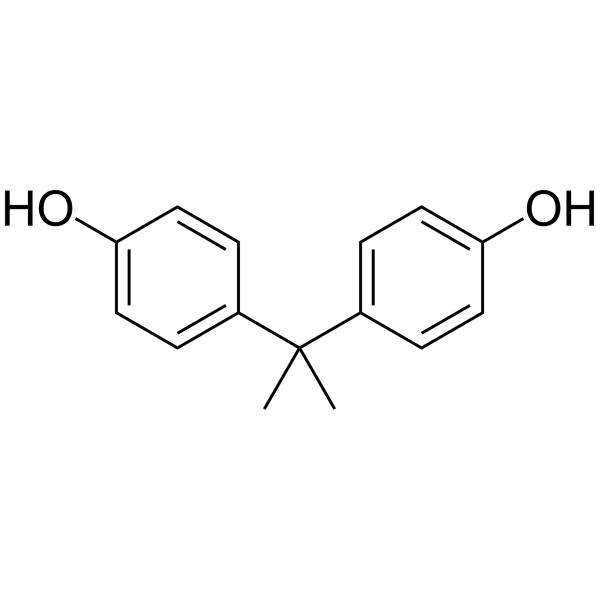
Bisphenol A is a phenolic, organic synthetic compound widely used in the production of polycarbonate plastics and epoxy resins. Bisphenol A is a reproductive, developmental, and systemic toxicant, often classified as an endocrine-disrupting compound (EDC). Bisphenol A is associated with many diseases, including cancers, cardiovascular diseases, respiratory diseases, diabetes, kidney diseases, obesity, and reproductivedisorders .
|
-
-
- HY-W011927
-
|
Bisphenol S; Bis(4-hydroxyphenyl) sulfone
|
Estrogen Receptor/ERR
Histone Methyltransferase
Thyroid Hormone Receptor
PI3K
Akt
mTOR
Androgen Receptor
Drug Derivative
|
Cardiovascular Disease
Neurological Disease
Metabolic Disease
Inflammation/Immunology
Cancer
|
|
4,4'-Sulfonyldiphenol (Bisphenol S; Bis(4-hydroxyphenyl) sulfone), a substitute for Bisphenol A (HY-18260), is widely used in industrial and consumer products. 4,4'-Sulfonyldiphenol is an oally ative estrogen receptor (ER) agonist and can competitively bind to thyroid hormone receptors (TR) with IC50 values for TRα and TRβ are 2650 μM and 2294 μM respectively, thereby affecting breast development and reducing the expression of androgen receptor (AR) in fetal testes. 4,4'-Sulfonyldiphenol promotes the progression of glioblastoma by upregulating the EZH2 mediated PI3K/AKT/mTOR pathway. Under chronic exposure, 4,4'-Sulfonyldiphenol can cause significant lipid deposition and dyslipidemia in the mouse liver by upregulating JunB and Atf3, and has a role in causing obesity at low doses. 4,4'-Sulfonyldiphenol induces intestinal inflammation by altering the intestinal microbiome. 4,4'-Sulfonyldiphenol accelerates the progression of atherosclerosis in zebrafish embryo larvae .
|
-
-
- HY-18260S2
-
|
|
Isotope-Labeled Compounds
Reactive Oxygen Species (ROS)
p38 MAPK
Apoptosis
Akt
Endogenous Metabolite
|
Metabolic Disease
|
|
Bisphenol A- 13C12 is the 13C-labeled Bisphenol A (HY-18260). Bisphenol A is a phenolic, organic synthetic compound widely used in the production of polycarbonate plastics and epoxy resins. Bisphenol A is a reproductive, developmental, and systemic toxicant, often classified as an endocrine-disrupting compound (EDC). Bisphenol A is associated with many diseases, including cancers, cardiovascular diseases, respiratory diseases, diabetes, kidney diseases, obesity, and reproductivedisorders .
|
-
-
- HY-W013935
-
|
|
Endogenous Metabolite
Estrogen Receptor/ERR
Reactive Oxygen Species (ROS)
|
Endocrinology
|
|
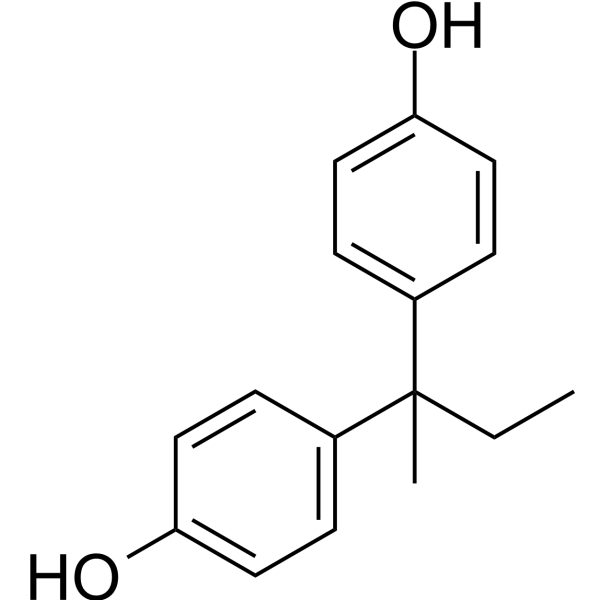
Bisphenol B is a close structural analog of Bisphenol A (BPA) (HY-18260). Bisphenol B is a potent, orally active endocrine disruptor (ED). Bisphenol B binds to G protein-coupled estrogen receptor (GPER) (IC50 = 3.3 μM) with higher affinity and agonistic activity than BPA. Bisphenol B promotes GPER mediated cell migration. Bisphenol B exerts estrogenic effects via GPER pathway at nanomolar concentration. Bisphenol B is used in the manufacture of polycarbonate resin with ED properties .
|
-
-
- HY-W014901
-
|
BPF; 4,4'-Dihydroxydiphenylmethane
|
Reactive Oxygen Species (ROS)
Akt
GSK-3
Apoptosis
|
Cardiovascular Disease
Neurological Disease
Metabolic Disease
Endocrinology
|
|
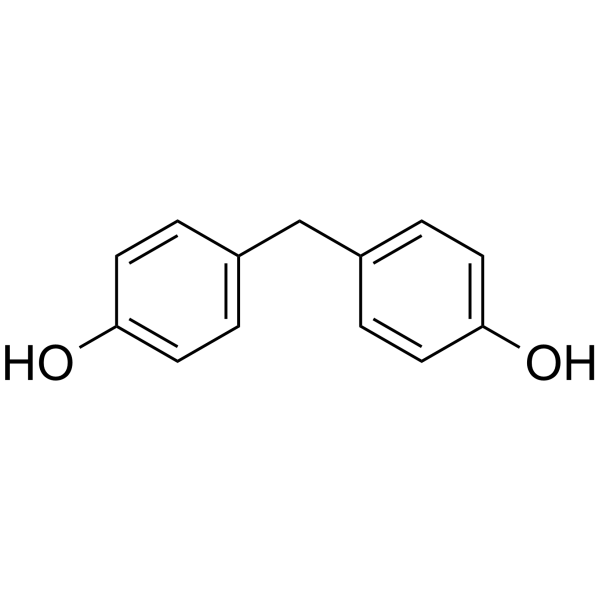
Bisphenol F is an orally active endocrine disruptor. Bisphenol F promotes ROS generation, upregulates p-AKT/p-GSK3β, and induces Apoptosis. Bisphenol F interferes with glucose metabolism, affects neurodevelopment and reproductive function. Bisphenol F reduces social novelty preference in mouse offspring. Bisphenol F can be used in bone, blood, and fat-related studies. Bisphenol F is used as a substitute for Bisphenol A (HY-18260) .
|
-
-
- HY-D0893
-
|
|
Fluorescent Dye
|
Others
|
|
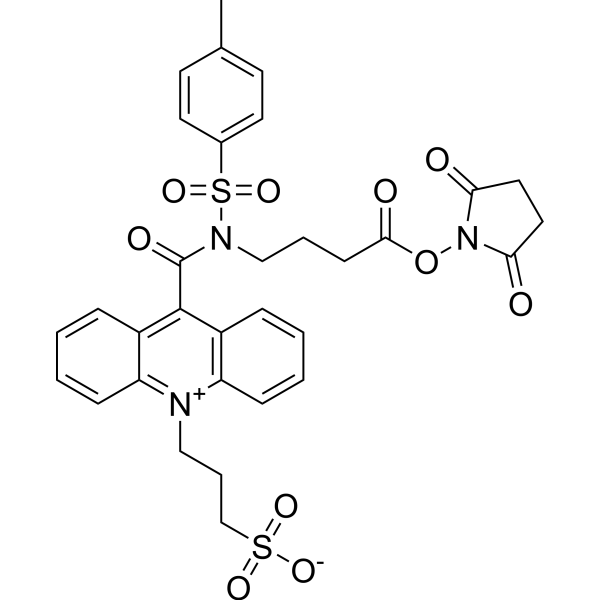
NSP-SA-NHS is an acridinium ester that can be used for chemiluminescent immunoassay. A rapid and sensitive chemiluminescent immunoassay of Bisphenol A (BPA) with NSP-SA-NHS-labeled has been developed .
|
-
-
- HY-18260S
-
|
|
Endogenous Metabolite
|
Metabolic Disease
|
|
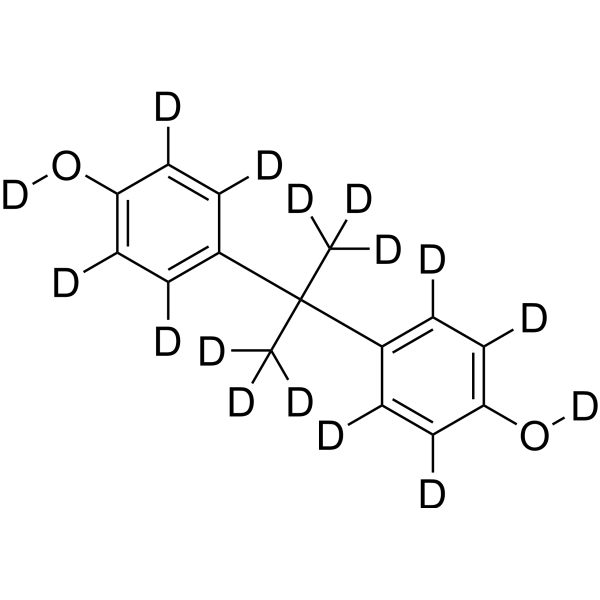
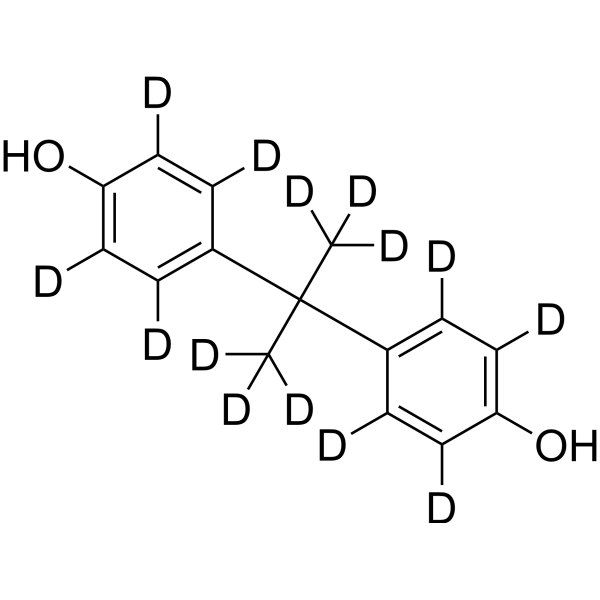
Bisphenol A-d16 is the deuterium labeled Bisphenol A . Bisphenol A is a phenolic, organic synthetic compound widely used in the production of polycarbonate plastics and epoxy resins. Bisphenol A is a reproductive, developmental, and systemic toxicant, often classified as an endocrine-disrupting compound (EDC). Bisphenol A is associated with many diseases, including cardiovascular diseases, respiratory diseases, diabetes, kidney diseases, obesity, and reproductivedisorders .
|
-
-
- HY-115746
-
-
-
- HY-W011927S
-
|
Bisphenol S (4,4'-Sulfonyldiphenol)-d8
|
Isotope-Labeled Compounds
Estrogen Receptor/ERR
Histone Methyltransferase
Thyroid Hormone Receptor
PI3K
Akt
mTOR
Androgen Receptor
|
Cardiovascular Disease
Metabolic Disease
Inflammation/Immunology
Endocrinology
Cancer
|
|
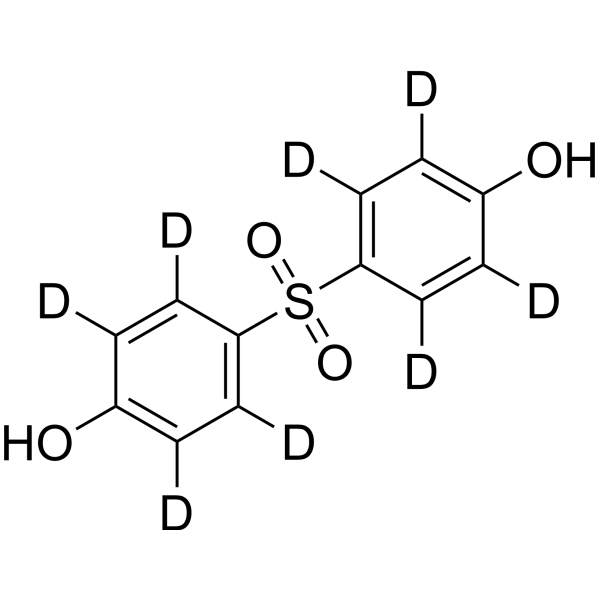
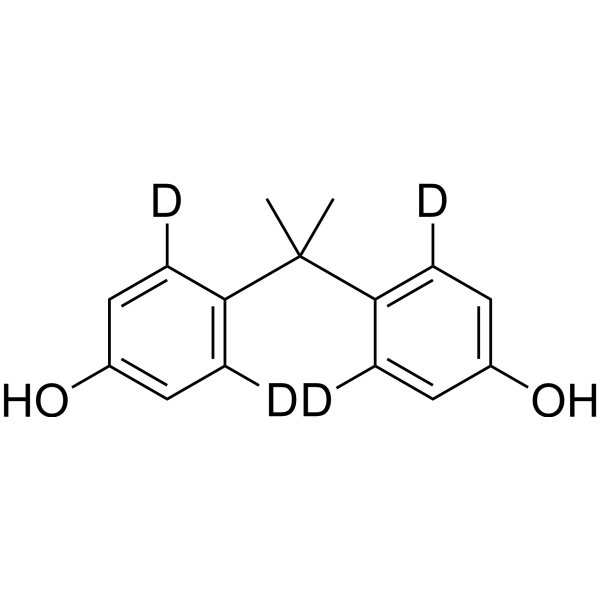
4,4'-Sulfonyldiphenol-d8 (Bisphenol S (4,4'-Sulfonyldiphenol)-d8) is the deuterium labeled 4,4'-Sulfonyldiphenol (HY-W011927).4,4'-Sulfonyldiphenol (Bisphenol S; Bis(4-hydroxyphenyl) sulfone), a substitute for Bisphenol A (HY-18260), is widely used in industrial and consumer products. 4,4'-Sulfonyldiphenol is an estrogen receptor (ER) agonist and can competitively bind to thyroid hormone receptors (TR) with IC50 values for TRα and TRβ are 2650 μM and 2294 μM respectively, thereby affecting breast development and reducing the expression of androgen receptor (AR) in fetal testes. 4,4'-Sulfonyldiphenol promotes the progression of glioblastoma by upregulating the EZH2 mediated PI3K/AKT/mTOR pathway. Under chronic exposure, 4,4'-Sulfonyldiphenol can cause significant lipid deposition and dyslipidemia in the mouse liver by upregulating JunB and Atf3, and has a role in causing obesity at low doses. 4,4'-Sulfonyldiphenol induces intestinal inflammation by altering the intestinal microbiome. 4,4'-Sulfonyldiphenol accelerates the progression of atherosclerosis in zebrafish embryo larvae.
|
-
-
- HY-18260R
-
|
|
Endogenous Metabolite
Reference Standards
|
Metabolic Disease
|
|
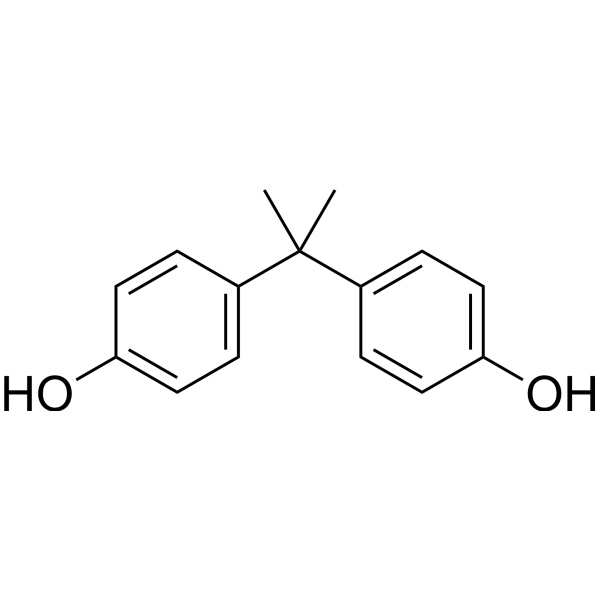
Bisphenol A (Standard) is the analytical standard of Bisphenol A. This product is intended for research and analytical applications. Bisphenol A is a phenolic, organic synthetic compound widely used in the production of polycarbonate plastics and epoxy resins. Bisphenol A is a reproductive, developmental, and systemic toxicant, often classified as an endocrine-disrupting compound (EDC). Bisphenol A is associated with many diseases, including cardiovascular diseases, respiratory diseases, diabetes, kidney diseases, obesity, and reproductivedisorders .
|
-
-
- HY-18260S1
-
|
|
Isotope-Labeled Compounds
Endogenous Metabolite
|
Endocrinology
|
|
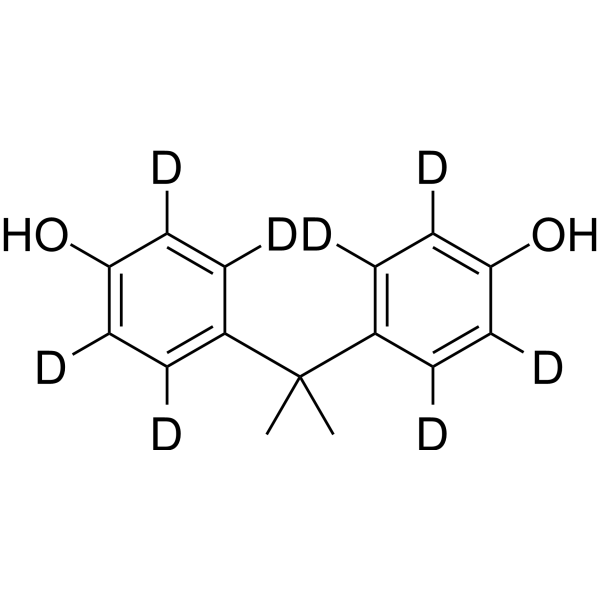
Bisphenol A-d6 is the deuterium labeled Bisphenol A. Bisphenol A is a phenolic, organic synthetic compound widely used in the production of polycarbonate plastics and epoxy resins. Bisphenol A is a reproductive, developmental, and systemic toxicant, often classified as an endocrine-disrupting compound (EDC). Bisphenol A is associated with many diseases, including cardiovascular diseases, respiratory diseases, diabetes, kidney diseases, obesity, and reproductivedisorders .
|
-
-
- HY-108567
-
-
-
- HY-W654077
-
|
BPAF-d4; 4,4'-(Perfluoropropane-2,2-diyl)diphenol-d4
|
Estrogen Receptor/ERR
|
Endocrinology
|
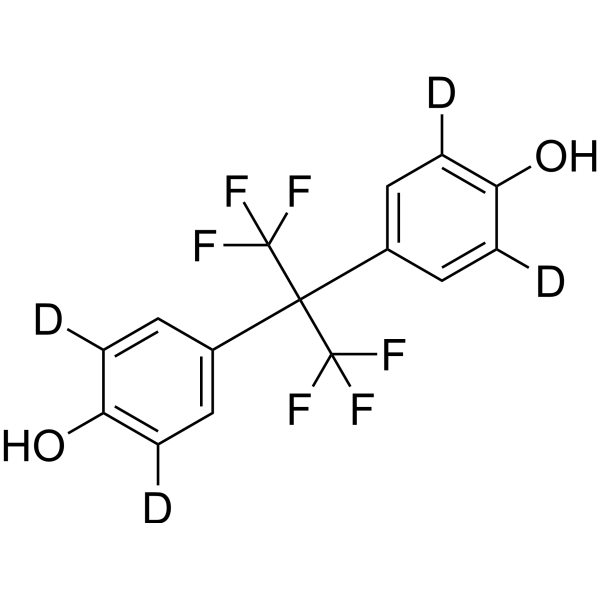
Bisphenol AF-d4 is the isotope labelled analog of Bisphenol AF (HY-W013782). Bisphenol AF is a full agonist for the estrogen receptor. Bisphenol AF acts as an endocrine-disrupting chemical (EDC), activating estrogen through the estrogen receptor Era. Bisphenol AF-d4 can be used for the research of endocrinology and cancer .
|
-
-
- HY-W101459
-
-
-
- HY-18260S6
-
|
|
Isotope-Labeled Compounds
Endogenous Metabolite
|
Metabolic Disease
|
|
Bisphenol A-d14 is a deuterium labeled Bisphenol A (HY-18260). Bisphenol A is a phenolic, organic synthetic compound widely used in the production of polycarbonate plastics and epoxy resins. Bisphenol A is a reproductive, developmental, and systemic toxicant, often classified as an endocrine-disrupting compound (EDC). Bisphenol A is associated with many diseases, including cardiovascular diseases, respiratory diseases, diabetes, kidney diseases, obesity, and reproductivedisorders .
|
-
-
- HY-W653930
-
|
Bisphenol S-13C12; Bis(4-hydroxyphenyl) sulfone-13C12
|
Isotope-Labeled Compounds
Biochemical Assay Reagents
|
Others
|
|
4,4'-Sulfonyldiphenol- 13C12 (Bisphenol S- 13C12) is 13C labeled 4,4'-Sulfonyldiphenol. 4,4'-Sulfonyldiphenol (Bisphenol S; Bis(4-hydroxyphenyl) sulfone) is a biochemical reagent that can be used as a biological material or organic compound for life science related research .
|
-
-
- HY-W011927R
-
|
Bisphenol S (Standard); Bis(4-hydroxyphenyl) sulfone (Standard)
|
Reference Standards
Estrogen Receptor/ERR
Histone Methyltransferase
Thyroid Hormone Receptor
PI3K
Akt
mTOR
Androgen Receptor
Drug Derivative
|
Cardiovascular Disease
Metabolic Disease
Inflammation/Immunology
Endocrinology
Cancer
|
|
4,4'-Sulfonyldiphenol (Bisphenol S; Bis(4-hydroxyphenyl) sulfone) (Standard) is the analytical standard of 4,4'-Sulfonyldiphenol (HY-W011927). This product is intended for research and analytical applications. 4,4'-Sulfonyldiphenol, a substitute for Bisphenol A (HY-18260), is widely used in industrial and consumer products. 4,4'-Sulfonyldiphenol is an estrogen receptor (ER) agonist and can competitively bind to thyroid hormone receptors (TR) with IC50 values for TRα and TRβ are 2650 μM and 2294 μM respectively, thereby affecting breast development and reducing the expression of androgen receptor (AR) in fetal testes. 4,4'-Sulfonyldiphenol promotes the progression of glioblastoma by upregulating the EZH2 mediated PI3K/AKT/mTOR pathway. Under chronic exposure, 4,4'-Sulfonyldiphenol can cause significant lipid deposition and dyslipidemia in the mouse liver by upregulating JunB and Atf3, and has a role in causing obesity at low doses. 4,4'-Sulfonyldiphenol induces intestinal inflammation by altering the intestinal microbiome. 4,4'-Sulfonyldiphenol accelerates the progression of atherosclerosis in zebrafish embryo larvae.
|
-
-
- HY-18260S3
-
|
|
Endogenous Metabolite
|
Metabolic Disease
|
|
Bisphenol A-d8 is the deuterium labeled Bisphenol A . Bisphenol A is a phenolic, organic synthetic compound widely used in the production of polycarbonate plastics and epoxy resins. Bisphenol A is a reproductive, developmental, and systemic toxicant, often classified as an endocrine-disrupting compound (EDC). Bisphenol A is associated with many diseases, including cardiovascular diseases, respiratory diseases, diabetes, kidney diseases, obesity, and reproductivedisorders .
|
-
-
- HY-18260S4
-
|
|
Endogenous Metabolite
|
Metabolic Disease
|
|
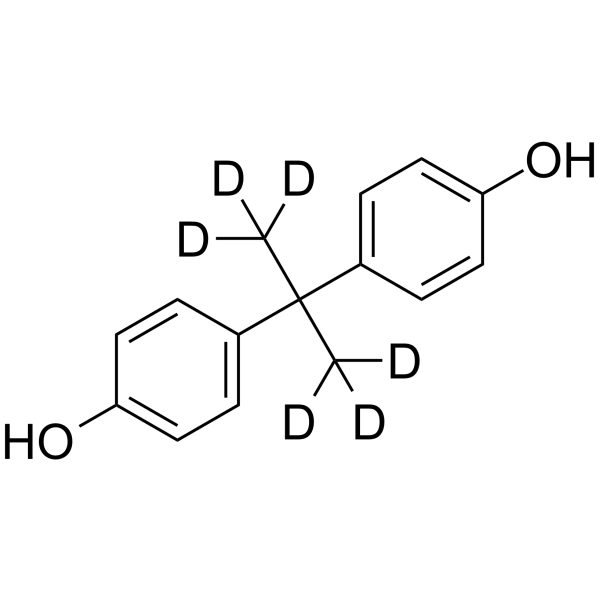
Bisphenol A-d4 is the deuterium labeled Bisphenol A . Bisphenol A is a phenolic, organic synthetic compound widely used in the production of polycarbonate plastics and epoxy resins. Bisphenol A is a reproductive, developmental, and systemic toxicant, often classified as an endocrine-disrupting compound (EDC). Bisphenol A is associated with many diseases, including cardiovascular diseases, respiratory diseases, diabetes, kidney diseases, obesity, and reproductivedisorders .
|
-
-
- HY-108567R
-
|
|
Biochemical Assay Reagents
Reference Standards
|
Others
|
|
Bisphenol A diglycidyl ether (Standard) is the analytical standard of Bisphenol A diglycidyl ether. This product is intended for research and analytical applications. Bisphenol A diglycidyl ether is used as a stabilizer and embedding agent.
|
-
-
- HY-W585856
-
|
|
Drug Intermediate
|
Others
|
|
Bisphenol A (3-chloro-2-hydroxypropyl) glycidyl ether is a chlorinated derivative that is released during heat treatment of food cans, bulk storage containers, and food containers. Bisphenol A (3-chloro-2-hydroxypropyl) glycidyl ether is an endocrine disruptor that affects reproductive organs and brain development.
|
-
-
- HY-W014901S
-
-
-
- HY-W654078
-
|
BPAF-13C12; 4,4'-(Perfluoropropane-2,2-diyl)diphenol-13C12
|
Isotope-Labeled Compounds
|
Others
|
|
Bisphenol AF- 13C12 is an isotopic label of Bisphenol AF. Bisphenol AF is used in polycarbonate plastic and epoxy resin manufacturing. Bisphenol AF can significantly increase intracellular ROS levels .
|
-
-
- HY-W008628S
-
-
-
- HY-W087024
-
-
-
- HY-W091820
-
|
4HDPM
|
Drug Derivative
|
Others
|
|
4-Benzylphenol (4HDPM), a structural analog of Bisphenol F (HY-W014901), has estrogenic activity in vitro and in vivo. 4-Benzylphenol can be used in plastics as a germicide, antiseptic, preservative, and antioxidant, and can be used in during organic synthesis .
|
-
-
- HY-W130541
-
|
4,4-MBP
|
Environmental Pollutants
Calcium Channel
|
Metabolic Disease
|
|
4,4'-Methylenebis(2,6-di-tert-butylphenol) (4,4-MBP) is a bisphenol compound. 4,4'-Methylenebis(2,6-di-tert-butylphenol) acts as an inhibitor of sarco/endoplasmic reticulum calcium ATPase (SERCA) with an IC50 value of 17 μM. 4,4'-Methylenebis(2,6-di-tert-butylphenol) can be used in the research of diseases related to calcium homeostasis .
|
-
-
- HY-W129561
-
|
|
Biochemical Assay Reagents
|
Others
|
|
Bisphenol A bis(diphenyl phosphate) is a flame retardant. Bisphenol A bis(diphenyl phosphate) shows a crucial condensed phase action in addition to a gas phase action .
|
-
-
- HY-W014901S1
-
-
-
- HY-W142663
-
|
|
Endogenous Metabolite
|
|
|
Bisphenol M is a synthetic organic compound with antioxidant activity. Bisphenol M is commonly used in industry to make plastics and resins, and is used as a stabilizer and preservative in cosmetics. Bisphenol M can also be used in certain food packaging materials to improve product durability and safety.
|
-
-
- HY-W114419
-
|
|
Estrogen Receptor/ERR
mTOR
|
Cardiovascular Disease
Metabolic Disease
|
|
Bisphenol C is an estrogen receptor-α (ERα) agonist and an ERβ antagonist, with IC50 values of 2.65 nM for ERα and 1.94 nM for ERβ. Bisphenol C is a material of manufacturing polyester polymers like polycarbonate, is widely used in daily items like water bottles, food packaging, textile and so on .
|
-
-
- HY-W088448
-
|
Triphenylsilylhydroxide
|
Biochemical Assay Reagents
|
Others
|
|
Triphenylsilanol (Triphenylsilylhydroxide) is a Silanol. Triphenylsilanol is an effective as an active catalyst component .
|
-
-
- HY-W587516
-
-
-
- HY-W744923
-
|
DD-70
|
COX
|
Cardiovascular Disease
|
|
Bis[2-(4-hydroxyphenylthio) ethoxy]methane (DD-70) is a Bisphenol A (HY-18260) substitute and a COX-1 inhibitor. Bis[2-(4-hydroxyphenylthio) ethoxy]methane blocks platelet aggregation induced by Arachidonic acid (HY-109590) and U-46619 (HY-108566). Bis[2-(4-hydroxyphenylthio) ethoxy]methane alters hemostatic function. Bis[2-(4-hydroxyphenylthio) ethoxy]methane reduces embryonic survival rate, decreases embryonic mass and increases gallbladder mass in chicken embryos .
|
-
-
- HY-18260S5
-
|
|
Endogenous Metabolite
|
Metabolic Disease
|
|
Bisphenol A-d4-1 is the deuterium labeled Bisphenol A . Bisphenol A is a phenolic, organic synthetic compound widely used in the production of polycarbonate plastics and epoxy resins. Bisphenol A is a reproductive, developmental, and systemic toxicant, often classified as an endocrine-disrupting compound (EDC). Bisphenol A is associated with many diseases, including cardiovascular diseases, respiratory diseases, diabetes, kidney diseases, obesity, and reproductivedisorders .
|
-
-
- HY-W585982
-
-
-
- HY-W777677
-
-
-
- HY-150992S
-
-
-
- HY-150988S
-
-
-
- HY-W585982S
-
-
-
- HY-150987S
-
-
-
- HY-150985S
-
-
-
- HY-W587519
-
|
|
Biochemical Assay Reagents
Bacterial
|
|
|
Bisphenol A bis(3-chloro-2-hydroxypropyl) ether is an organic compound with potential antimicrobial activity. Bisphenol A bis(3-chloro-2-hydroxypropyl) ether can be widely used in coatings and plastics to improve the strength and durability of materials. Bisphenol A bis(3-chloro-2-hydroxypropyl) ether also plays an important role in textile processing, improving the wrinkle resistance and abrasion resistance of fabrics.
|
-
-
- HY-W587519S
-
|
|
Isotope-Labeled Compounds
Bacterial
|
Others
|
|
Bisphenol A bis(3-chloro-2-hydroxypropyl) ether-d14 is deuterium labeled Bisphenol A bis(3-chloro-2-hydroxypropyl) ether. Bisphenol A bis(3-chloro-2-hydroxypropyl) ether is an organic compound with potential antimicrobial activity. Bisphenol A bis(3-chloro-2-hydroxypropyl) ether can be widely used in coatings and plastics to improve the strength and durability of materials. Bisphenol A bis(3-chloro-2-hydroxypropyl) ether also plays an important role in textile processing, improving the wrinkle resistance and abrasion resistance of fabrics .
|
-
-
- HY-142555S
-
|
Sodium 4-[1-(4-hydroxyphenyl)-1-methylethyl]phenyl sulfate-d6 (1:1)
|
Isotope-Labeled Compounds
|
Others
|
|
Bisphenol A monosulfate-d6 (sodium) is the deuterium labeled Bisphenol A monosulfate sodium .
|
-
-
- HY-W768574
-
|
|
Isotope-Labeled Compounds
|
Others
|
|
Bisphenol A Bissulfate Disodium Salt- 13C12 is the 13C-labeled Sodium S,S′-[(1-methylethylidene)di-4,1-phenylene] disulfate (2:1) (HY-W587516).
|
-
-
- HY-W766835
-
|
Sodium S,S′-[(1-methylethylidene)di-4,1-phenylene] disulfate-d6 (2:1)
|
Isotope-Labeled Compounds
|
Others
|
|
Bisphenol A bissulfate-d6 (disodium salt) (Sodium S,S′-[(1-methylethylidene)di-4,1-phenylene] disulfate-d6 (2:1)) is the deuterium labeled Sodium S,S′-[(1-methylethylidene)di-4,1-phenylene] disulfate (2:1) (HY-W587516).
|
-
-
- HY-W013935R
-
|
|
Reference Standards
Endogenous Metabolite
Estrogen Receptor/ERR
Reactive Oxygen Species (ROS)
|
Endocrinology
|
|
Bisphenol B (Standard) is the analytical standard of Bisphenol B. This product is intended for research and analytical applications. Bisphenol B is a close structural analog of Bisphenol A (BPA) (HY-18260). Bisphenol B is a potent, orally active endocrine disruptor (ED). Bisphenol B binds to G protein-coupled estrogen receptor (GPER) (IC50 = 3.3 μM) with higher affinity and agonistic activity than BPA. Bisphenol B promotes GPER mediated cell migration. Bisphenol B exerts estrogenic effects via GPER pathway at nanomolar concentration. Bisphenol B is used in the manufacture of polycarbonate resin with ED properties .
|
-
-
- HY-W014901R
-
|
BPF (Standard); 4,4'-Dihydroxydiphenylmethane (Standard)
|
Reference Standards
Reactive Oxygen Species (ROS)
Akt
GSK-3
Apoptosis
|
Neurological Disease
Metabolic Disease
Endocrinology
|
|
Bisphenol F (Standard) is the analytical standard of Bisphenol F (HY-W014901). This product is intended for research and analytical applications. Bisphenol F is an orally active endocrine disruptor. Bisphenol F promotes ROS generation, upregulates p-AKT/p-GSK3β, and induces Apoptosis. Bisphenol F interferes with glucose metabolism, affects neurodevelopment and reproductive function. Bisphenol F reduces social novelty preference in mouse offspring. Bisphenol F can be used in bone, blood, and fat-related studies. Bisphenol F is used as a substitute for Bisphenol A (HY-18260) .
|
-
-
- HY-W653975
-
|
|
Isotope-Labeled Compounds
Endogenous Metabolite
|
Endocrinology
|
|
Bisphenol B-d8 is the deuterium labeled Bisphenol B (HY-W013935). Bisphenol B is a very close structural analog of Bisphenol A (HY-18260), an endocrine disrupting chemical (EDC). Bisphenol B shows endocrine disruptive properties or other adverse effects on animal models .
|
-
- HY-W654082
-
-
- HY-124151R
-
|
2'-AMP (Standard); Adenosine 2'-phosphate (Standard); AMP 2'-phosphate (Standard)
|
Reference Standards
Adenosine Receptor
Endogenous Metabolite
|
Neurological Disease
|
|
Bisphenol A diglycidyl ether (Standard) is the analytical standard of Bisphenol A diglycidyl ether. This product is intended for research and analytical applications. Bisphenol A diglycidyl ether is used as a stabilizer and embedding agent.
|
-
- HY-W753532
-
-
- HY-W770278
-
-
- HY-W654081
-
-
- HY-W013326S
-
-
- HY-W654080
-
|
α,α'-Bis(4-hydroxyphenyl)-1,4-diisopropylbenzene-13C4
|
Isotope-Labeled Compounds
|
Others
|
|
Bisphenol P- 13C4 is 13C labeled α,α'-Bis(4-hydroxyphenyl)-1,4-diisopropylbenzene .
|
-
- HY-149190
-
|
|
GPR35
|
Cancer
|
|
GPR35 agonist 5 (3,5-dinitro-bisphenol A; compound 6) is a weak GPR35 agonist. GPR35 agonist 5 arrests CHO-S cells at the G1/Gophase .
|
-
- HY-W654084
-
-
- HY-W178011
-
|
4,4'-Sulfonylbis(2-methylphenol)
|
Topoisomerase
|
Cancer
|
|
Topoisomerase IIα-IN-9 (NSC85582) is a bisphenol compound that has a moderate inhibitory effect on DNA topoisomerase Topoisomerase II (IC50: 571 μM). Topoisomerase IIα-IN-9 also exhibits a certain cell growth inhibitory effect, with IC50s of 117 μM and 218 μM for K562 and CHO, respectively .
|
-
- HY-W778391
-
|
|
Isotope-Labeled Compounds
Endogenous Metabolite
|
Cardiovascular Disease
Endocrinology
|
|
Bisphenol A- 13C2 is 13C labeled Bisphenol A. Bisphenol A is a phenolic, organic synthetic compound widely used in the production of polycarbonate plastics and epoxy resins. Bisphenol A is a reproductive, developmental, and systemic toxicant, often classified as an endocrine-disrupting compound (EDC). Bisphenol A is associated with many diseases, including cardiovascular diseases, respiratory diseases, diabetes, kidney diseases, obesity, and reproductivedisorders .
|
-
- HY-165705S
-
-
- HY-W751295S
-
-
- HY-W751295S1
-
-
- HY-W770285
-
-
- HY-W101987S1
-
|
|
Isotope-Labeled Compounds
|
Others
|
|
Bisphenol A bis(2,3-dihydroxypropyl) ether-d14 is deuterium labeled 3,3'-((Propane-2,2-diylbis(4,1-phenylene))bis(oxy))bis(propane-1,2-diol) .
|
-
- HY-W101987S2
-
|
|
Isotope-Labeled Compounds
|
Others
|
|
Bisphenol A bis(2,3-dihydroxypropyl) ether-d6 is deuterium labeled 3,3'-((Propane-2,2-diylbis(4,1-phenylene))bis(oxy))bis(propane-1,2-diol) .
|
-
- HY-79587
-
|
|
Biochemical Assay Reagents
|
Others
|
|
Benzil is a 1,2-diketone compound with multiple functions including photo-peroxidation initiator, crosslinking initiator and pattern-forming agent, and is commonly used as a precursor for photodegradable network crosslinkers. In oxygen-purged polymer films or glassy matrices, Benzil reacts with molecular oxygen under illumination at wavelengths greater than 370 nm or 400 nm, and converts to benzoyl peroxide in nearly quantitative yield. Subsequently, the generated benzoyl peroxide groups produce free radicals via thermal or photochemical decomposition, thereby enabling crosslinking of polymer chains, grafting of new monomers, and preparation of patterned polymers on solid surfaces using mask irradiation. Benzil also induces crosslinking of photodegradable poly (phenyl vinyl ketone) to form a stable photodegradable polymer network .
|
-
- HY-W587442
-
|
|
Estrogen Receptor/ERR
|
Cancer
|
|
3-Chlorobisphenol A, a chlorinated derivatives of bisphenol A, is an endocrine-disrupting compound. It binds to estrogen receptors, causing disorders in hormone signaling pathways. Bisphenol A is an industrial chemical used in the production of polycarbonate plastics and epoxy resin.
|
-
- HY-W585917
-
|
BFDGE·2HCl
|
Androgen Receptor
|
Metabolic Disease
|
|
Bisphenol F bis(2-chloro-1-propanol) ether (BFDGE·2HCl) is an androgen receptor antagonist with a human IC50 of 18 μM. Bisphenol F bis(2-chloro-1-propanol) ether binds to the androgen receptor. Bisphenol F bis(2-chloro-1-propanol) ether (BFDGE·2HCl) can be used for research on hormonal activity .
|
-
- HY-W727837
-
-
| Cat. No. |
Product Name |
Type |
-
- HY-D0893
-
|
|
Fluorescent Dyes
|
|
NSP-SA-NHS is an acridinium ester that can be used for chemiluminescent immunoassay. A rapid and sensitive chemiluminescent immunoassay of Bisphenol A (BPA) with NSP-SA-NHS-labeled has been developed .
|
| Cat. No. |
Product Name |
Type |
-
- HY-W011927
-
|
Bisphenol S; Bis(4-hydroxyphenyl) sulfone
|
Biochemical Assay Reagents
|
|
4,4'-Sulfonyldiphenol (Bisphenol S; Bis(4-hydroxyphenyl) sulfone), a substitute for Bisphenol A (HY-18260), is widely used in industrial and consumer products. 4,4'-Sulfonyldiphenol is an oally ative estrogen receptor (ER) agonist and can competitively bind to thyroid hormone receptors (TR) with IC50 values for TRα and TRβ are 2650 μM and 2294 μM respectively, thereby affecting breast development and reducing the expression of androgen receptor (AR) in fetal testes. 4,4'-Sulfonyldiphenol promotes the progression of glioblastoma by upregulating the EZH2 mediated PI3K/AKT/mTOR pathway. Under chronic exposure, 4,4'-Sulfonyldiphenol can cause significant lipid deposition and dyslipidemia in the mouse liver by upregulating JunB and Atf3, and has a role in causing obesity at low doses. 4,4'-Sulfonyldiphenol induces intestinal inflammation by altering the intestinal microbiome. 4,4'-Sulfonyldiphenol accelerates the progression of atherosclerosis in zebrafish embryo larvae .
|
-
- HY-108567
-
-
- HY-W011927R
-
|
Bisphenol S (Standard); Bis(4-hydroxyphenyl) sulfone (Standard)
|
Biochemical Assay Reagents
|
|
4,4'-Sulfonyldiphenol (Bisphenol S; Bis(4-hydroxyphenyl) sulfone) (Standard) is the analytical standard of 4,4'-Sulfonyldiphenol (HY-W011927). This product is intended for research and analytical applications. 4,4'-Sulfonyldiphenol, a substitute for Bisphenol A (HY-18260), is widely used in industrial and consumer products. 4,4'-Sulfonyldiphenol is an estrogen receptor (ER) agonist and can competitively bind to thyroid hormone receptors (TR) with IC50 values for TRα and TRβ are 2650 μM and 2294 μM respectively, thereby affecting breast development and reducing the expression of androgen receptor (AR) in fetal testes. 4,4'-Sulfonyldiphenol promotes the progression of glioblastoma by upregulating the EZH2 mediated PI3K/AKT/mTOR pathway. Under chronic exposure, 4,4'-Sulfonyldiphenol can cause significant lipid deposition and dyslipidemia in the mouse liver by upregulating JunB and Atf3, and has a role in causing obesity at low doses. 4,4'-Sulfonyldiphenol induces intestinal inflammation by altering the intestinal microbiome. 4,4'-Sulfonyldiphenol accelerates the progression of atherosclerosis in zebrafish embryo larvae.
|
-
- HY-108567R
-
|
|
Biochemical Assay Reagents
|
|
Bisphenol A diglycidyl ether (Standard) is the analytical standard of Bisphenol A diglycidyl ether. This product is intended for research and analytical applications. Bisphenol A diglycidyl ether is used as a stabilizer and embedding agent.
|
| Cat. No. |
Product Name |
Category |
Target |
Chemical Structure |
-
- HY-18260
-
|
|
Structural Classification
Classification of Application Fields
Phenols
Polyphenols
Endogenous metabolite
Disease Research Fields
Endocrinology
|
Environmental Pollutants
Endogenous Metabolite
Apoptosis
Reactive Oxygen Species (ROS)
p38 MAPK
Akt
|
|
Bisphenol A is a phenolic, organic synthetic compound widely used in the production of polycarbonate plastics and epoxy resins. Bisphenol A is a reproductive, developmental, and systemic toxicant, often classified as an endocrine-disrupting compound (EDC). Bisphenol A is associated with many diseases, including cancers, cardiovascular diseases, respiratory diseases, diabetes, kidney diseases, obesity, and reproductivedisorders .
|
-
-
- HY-W013935
-
-
-
- HY-W014901
-
-
-
- HY-18260R
-
|
|
Structural Classification
Classification of Application Fields
Phenols
Polyphenols
Endogenous metabolite
Disease Research Fields
Endocrinology
Source Classification
|
Endogenous Metabolite
Reference Standards
|
|
Bisphenol A (Standard) is the analytical standard of Bisphenol A. This product is intended for research and analytical applications. Bisphenol A is a phenolic, organic synthetic compound widely used in the production of polycarbonate plastics and epoxy resins. Bisphenol A is a reproductive, developmental, and systemic toxicant, often classified as an endocrine-disrupting compound (EDC). Bisphenol A is associated with many diseases, including cardiovascular diseases, respiratory diseases, diabetes, kidney diseases, obesity, and reproductivedisorders .
|
-
-
- HY-W087024
-
-
-
- HY-W013935R
-
|
|
Phenols
Polyphenols
Endogenous metabolite
Source Classification
|
Reference Standards
Endogenous Metabolite
Estrogen Receptor/ERR
Reactive Oxygen Species (ROS)
|
|
Bisphenol B (Standard) is the analytical standard of Bisphenol B. This product is intended for research and analytical applications. Bisphenol B is a close structural analog of Bisphenol A (BPA) (HY-18260). Bisphenol B is a potent, orally active endocrine disruptor (ED). Bisphenol B binds to G protein-coupled estrogen receptor (GPER) (IC50 = 3.3 μM) with higher affinity and agonistic activity than BPA. Bisphenol B promotes GPER mediated cell migration. Bisphenol B exerts estrogenic effects via GPER pathway at nanomolar concentration. Bisphenol B is used in the manufacture of polycarbonate resin with ED properties .
|
-
-
- HY-W014901R
-
|
BPF (Standard); 4,4'-Dihydroxydiphenylmethane (Standard)
|
Orchidaceae
Galeola faberi Rolfe
Phenols
Polyphenols
Plants
Source Classification
|
Reference Standards
Reactive Oxygen Species (ROS)
Akt
GSK-3
Apoptosis
|
|
Bisphenol F (Standard) is the analytical standard of Bisphenol F (HY-W014901). This product is intended for research and analytical applications. Bisphenol F is an orally active endocrine disruptor. Bisphenol F promotes ROS generation, upregulates p-AKT/p-GSK3β, and induces Apoptosis. Bisphenol F interferes with glucose metabolism, affects neurodevelopment and reproductive function. Bisphenol F reduces social novelty preference in mouse offspring. Bisphenol F can be used in bone, blood, and fat-related studies. Bisphenol F is used as a substitute for Bisphenol A (HY-18260) .
|
-
-
- HY-124151R
-
-
-
- HY-W585917
-
-
| Cat. No. |
Product Name |
Chemical Structure |
-
- HY-18260S2
-
|
|
|
Bisphenol A- 13C12 is the 13C-labeled Bisphenol A (HY-18260). Bisphenol A is a phenolic, organic synthetic compound widely used in the production of polycarbonate plastics and epoxy resins. Bisphenol A is a reproductive, developmental, and systemic toxicant, often classified as an endocrine-disrupting compound (EDC). Bisphenol A is associated with many diseases, including cancers, cardiovascular diseases, respiratory diseases, diabetes, kidney diseases, obesity, and reproductivedisorders .
|
-
-
- HY-18260S
-
|
|
|
Bisphenol A-d16 is the deuterium labeled Bisphenol A . Bisphenol A is a phenolic, organic synthetic compound widely used in the production of polycarbonate plastics and epoxy resins. Bisphenol A is a reproductive, developmental, and systemic toxicant, often classified as an endocrine-disrupting compound (EDC). Bisphenol A is associated with many diseases, including cardiovascular diseases, respiratory diseases, diabetes, kidney diseases, obesity, and reproductivedisorders .
|
-
-
- HY-W011927S
-
1 Publications Verification
|
|
4,4'-Sulfonyldiphenol-d8 (Bisphenol S (4,4'-Sulfonyldiphenol)-d8) is the deuterium labeled 4,4'-Sulfonyldiphenol (HY-W011927).4,4'-Sulfonyldiphenol (Bisphenol S; Bis(4-hydroxyphenyl) sulfone), a substitute for Bisphenol A (HY-18260), is widely used in industrial and consumer products. 4,4'-Sulfonyldiphenol is an estrogen receptor (ER) agonist and can competitively bind to thyroid hormone receptors (TR) with IC50 values for TRα and TRβ are 2650 μM and 2294 μM respectively, thereby affecting breast development and reducing the expression of androgen receptor (AR) in fetal testes. 4,4'-Sulfonyldiphenol promotes the progression of glioblastoma by upregulating the EZH2 mediated PI3K/AKT/mTOR pathway. Under chronic exposure, 4,4'-Sulfonyldiphenol can cause significant lipid deposition and dyslipidemia in the mouse liver by upregulating JunB and Atf3, and has a role in causing obesity at low doses. 4,4'-Sulfonyldiphenol induces intestinal inflammation by altering the intestinal microbiome. 4,4'-Sulfonyldiphenol accelerates the progression of atherosclerosis in zebrafish embryo larvae.
|
-
-
- HY-18260S1
-
|
|
|
Bisphenol A-d6 is the deuterium labeled Bisphenol A. Bisphenol A is a phenolic, organic synthetic compound widely used in the production of polycarbonate plastics and epoxy resins. Bisphenol A is a reproductive, developmental, and systemic toxicant, often classified as an endocrine-disrupting compound (EDC). Bisphenol A is associated with many diseases, including cardiovascular diseases, respiratory diseases, diabetes, kidney diseases, obesity, and reproductivedisorders .
|
-
-
- HY-W654077
-
|
|
Bisphenol AF-d4 is the isotope labelled analog of Bisphenol AF (HY-W013782). Bisphenol AF is a full agonist for the estrogen receptor. Bisphenol AF acts as an endocrine-disrupting chemical (EDC), activating estrogen through the estrogen receptor Era. Bisphenol AF-d4 can be used for the research of endocrinology and cancer .
|
-
-
- HY-18260S6
-
|
|
|
Bisphenol A-d14 is a deuterium labeled Bisphenol A (HY-18260). Bisphenol A is a phenolic, organic synthetic compound widely used in the production of polycarbonate plastics and epoxy resins. Bisphenol A is a reproductive, developmental, and systemic toxicant, often classified as an endocrine-disrupting compound (EDC). Bisphenol A is associated with many diseases, including cardiovascular diseases, respiratory diseases, diabetes, kidney diseases, obesity, and reproductivedisorders .
|
-
-
- HY-W653930
-
|
|
|
4,4'-Sulfonyldiphenol- 13C12 (Bisphenol S- 13C12) is 13C labeled 4,4'-Sulfonyldiphenol. 4,4'-Sulfonyldiphenol (Bisphenol S; Bis(4-hydroxyphenyl) sulfone) is a biochemical reagent that can be used as a biological material or organic compound for life science related research .
|
-
-
- HY-18260S3
-
|
|
|
Bisphenol A-d8 is the deuterium labeled Bisphenol A . Bisphenol A is a phenolic, organic synthetic compound widely used in the production of polycarbonate plastics and epoxy resins. Bisphenol A is a reproductive, developmental, and systemic toxicant, often classified as an endocrine-disrupting compound (EDC). Bisphenol A is associated with many diseases, including cardiovascular diseases, respiratory diseases, diabetes, kidney diseases, obesity, and reproductivedisorders .
|
-
-
- HY-18260S4
-
|
|
|
Bisphenol A-d4 is the deuterium labeled Bisphenol A . Bisphenol A is a phenolic, organic synthetic compound widely used in the production of polycarbonate plastics and epoxy resins. Bisphenol A is a reproductive, developmental, and systemic toxicant, often classified as an endocrine-disrupting compound (EDC). Bisphenol A is associated with many diseases, including cardiovascular diseases, respiratory diseases, diabetes, kidney diseases, obesity, and reproductivedisorders .
|
-
-
- HY-W014901S
-
|
|
|
Bisphenol F- 13C6 is the 13C labeled Bisphenol F (HY-W014901). Bisphenol F is an orally active endocrine disruptor. Bisphenol F promotes ROS generation, upregulates p-AKT/p-GSK3β, and induces Apoptosis. Bisphenol F interferes with glucose metabolism, affects neurodevelopment and reproductive function. Bisphenol F reduces social novelty preference in mouse offspring. Bisphenol F can be used in bone, blood, and fat-related studies. Bisphenol F is used as a substitute for Bisphenol A (HY-18260) .
|
-
-
- HY-W654078
-
|
|
|
Bisphenol AF- 13C12 is an isotopic label of Bisphenol AF. Bisphenol AF is used in polycarbonate plastic and epoxy resin manufacturing. Bisphenol AF can significantly increase intracellular ROS levels .
|
-
-
- HY-W008628S
-
|
|
|
Bisphenol AP-d5 is the deuterium labeled Bisphenol AP .
|
-
-
- HY-W014901S1
-
|
|
|
Bisphenol F- 13C12 is the 13C labeled Bisphenol F (HY-W014901). Bisphenol F is an orally active endocrine disruptor. Bisphenol F promotes ROS generation, upregulates p-AKT/p-GSK3β, and induces Apoptosis. Bisphenol F interferes with glucose metabolism, affects neurodevelopment and reproductive function. Bisphenol F reduces social novelty preference in mouse offspring. Bisphenol F can be used in bone, blood, and fat-related studies. Bisphenol F is used as a substitute for Bisphenol A (HY-18260) .
|
-
-
- HY-18260S5
-
|
|
|
Bisphenol A-d4-1 is the deuterium labeled Bisphenol A . Bisphenol A is a phenolic, organic synthetic compound widely used in the production of polycarbonate plastics and epoxy resins. Bisphenol A is a reproductive, developmental, and systemic toxicant, often classified as an endocrine-disrupting compound (EDC). Bisphenol A is associated with many diseases, including cardiovascular diseases, respiratory diseases, diabetes, kidney diseases, obesity, and reproductivedisorders .
|
-
-
- HY-W777677
-
|
|
|
Bisphenol b-D-glucuronide A-d6 is the deuterium labeled Bisphenol A-β-D-glucuronide (HY-W585982). Bisphenol A-β-D-glucuronide is an inactive metabolite of the plasticizer Bisphenol A (HY-18260) .
|
-
-
- HY-150992S
-
|
|
|
2,6-Dichloro bisphenol A-d12 is the deuterium labeled 2,6-Dichloro bisphenol A .
|
-
-
- HY-150988S
-
|
|
|
2,2'-Dichloro bisphenol A-d12 is the deuterium labeled 2,2'-Dichloro bisphenol A .
|
-
-
- HY-W585982S
-
|
|
|
Bisphenol A β-D-Glucuronide- 13C12 is the 13C labeled isotope of Bisphenol A β-D-Glucuronide (HY-W585982). Bisphenol A-β-D-glucuronide is an inactive metabolite of the plasticizer Bisphenol A (HY-18260) .
|
-
-
- HY-150987S
-
|
|
|
2,2',6-Trichloro bisphenol A-d11 is the deuterium labeled 2,2',6-Trichloro bisphenol A .
|
-
-
- HY-150985S
-
|
|
|
2,2'-Dichloro bisphenol a mono-D-glucuronide-d12 is the deuterium labeled 2,2'-Dichloro bisphenol a mono-D-glucuronide .
|
-
-
- HY-W587519S
-
|
|
|
Bisphenol A bis(3-chloro-2-hydroxypropyl) ether-d14 is deuterium labeled Bisphenol A bis(3-chloro-2-hydroxypropyl) ether. Bisphenol A bis(3-chloro-2-hydroxypropyl) ether is an organic compound with potential antimicrobial activity. Bisphenol A bis(3-chloro-2-hydroxypropyl) ether can be widely used in coatings and plastics to improve the strength and durability of materials. Bisphenol A bis(3-chloro-2-hydroxypropyl) ether also plays an important role in textile processing, improving the wrinkle resistance and abrasion resistance of fabrics .
|
-
-
- HY-142555S
-
|
|
|
Bisphenol A monosulfate-d6 (sodium) is the deuterium labeled Bisphenol A monosulfate sodium .
|
-
-
- HY-W768574
-
|
|
|
Bisphenol A Bissulfate Disodium Salt- 13C12 is the 13C-labeled Sodium S,S′-[(1-methylethylidene)di-4,1-phenylene] disulfate (2:1) (HY-W587516).
|
-
-
- HY-W766835
-
|
|
|
Bisphenol A bissulfate-d6 (disodium salt) (Sodium S,S′-[(1-methylethylidene)di-4,1-phenylene] disulfate-d6 (2:1)) is the deuterium labeled Sodium S,S′-[(1-methylethylidene)di-4,1-phenylene] disulfate (2:1) (HY-W587516).
|
-
-
- HY-W653975
-
|
|
|
Bisphenol B-d8 is the deuterium labeled Bisphenol B (HY-W013935). Bisphenol B is a very close structural analog of Bisphenol A (HY-18260), an endocrine disrupting chemical (EDC). Bisphenol B shows endocrine disruptive properties or other adverse effects on animal models .
|
-
-
- HY-W654082
-
|
|
|
Bisphenol e- 13C6 is 13C labeled Bisphenol E. Bisphenol E (4,4'-Ethylidenediphenol) is a biochemical reagent .
|
-
-
- HY-W753532
-
|
|
|
Bisphenol B- 13C12 is 13C labeled Bisphenol B .
|
-
-
- HY-W770278
-
|
|
|
Bisphenol Z-13C12 is the 13C labeled isotope of Bisphenol Z-13C12 (HY-W770278) .
|
-
-
- HY-W654081
-
|
|
|
Bisphenol P-d16 is deuterium labeled α,α'-Bis(4-hydroxyphenyl)-1,4-diisopropylbenzene .
|
-
-
- HY-W013326S
-
|
|
|
Bisphenol Z-d6 is the deuterium labeled 4,4'-(Cyclohexane-1,1-diyl)diphenol (HY-W013326) .
|
-
-
- HY-W654080
-
|
|
|
Bisphenol P- 13C4 is 13C labeled α,α'-Bis(4-hydroxyphenyl)-1,4-diisopropylbenzene .
|
-
-
- HY-W654084
-
|
|
|
24 Bisphenol S- 13C12 is the 13C-labeled 2,4'-Dihydroxydiphenyl sulfone (HY-W128222). 2,4'-Dihydroxydiphenyl sulfone is an active small molecule and can be used as fire-resistant polyester compositions .
|
-
-
- HY-W778391
-
|
|
|
Bisphenol A- 13C2 is 13C labeled Bisphenol A. Bisphenol A is a phenolic, organic synthetic compound widely used in the production of polycarbonate plastics and epoxy resins. Bisphenol A is a reproductive, developmental, and systemic toxicant, often classified as an endocrine-disrupting compound (EDC). Bisphenol A is associated with many diseases, including cardiovascular diseases, respiratory diseases, diabetes, kidney diseases, obesity, and reproductivedisorders .
|
-
-
- HY-165705S
-
|
|
|
Bisphenol A diglycidyl ether carboxy-diol-d14 is deuterium labeled Bisphenol A diglycidyl ether carboxy .
|
-
-
- HY-W751295S
-
|
|
|
Bisphenol A diglycidyl ether phenol-diol-d14 is deuterium labeled 4-Hydroxy Bisphenol A (2,3-Dihydroxypropyl) Ether .
|
-
-
- HY-W751295S1
-
|
|
|
Bisphenol A diglycidyl ether phenol-diol-d6 is deuterium labeled 4-Hydroxy Bisphenol A (2,3-Dihydroxypropyl) Ether .
|
-
-
- HY-W770285
-
|
|
|
Bisphenol A bis-(β-D-glucuronide)- 13C12 sodium is the 13C-labeled Bisphenol A bis-(β-D-glucuronide).
|
-
-
- HY-W101987S1
-
|
|
|
Bisphenol A bis(2,3-dihydroxypropyl) ether-d14 is deuterium labeled 3,3'-((Propane-2,2-diylbis(4,1-phenylene))bis(oxy))bis(propane-1,2-diol) .
|
-
-
- HY-W101987S2
-
|
|
|
Bisphenol A bis(2,3-dihydroxypropyl) ether-d6 is deuterium labeled 3,3'-((Propane-2,2-diylbis(4,1-phenylene))bis(oxy))bis(propane-1,2-diol) .
|
-
Your information is safe with us. * Required Fields.
Inquiry Information
- Product Name:
- Cat. No.:
- Quantity:
- MCE Japan Authorized Agent:

