1. Search Result
Search Result
Results for "

Competitive inhibition

" in MedChemExpress (MCE) Product Catalog:

180

Inhibitors & Agonists

3

Biochemical Assay Reagents

12

Peptides

29

Natural
Products

15

Isotope-Labeled Compounds

1

Click Chemistry

6

Oligonucleotides

Cat. No. Product Name Target Research Areas Chemical Structure
  • HY-50878
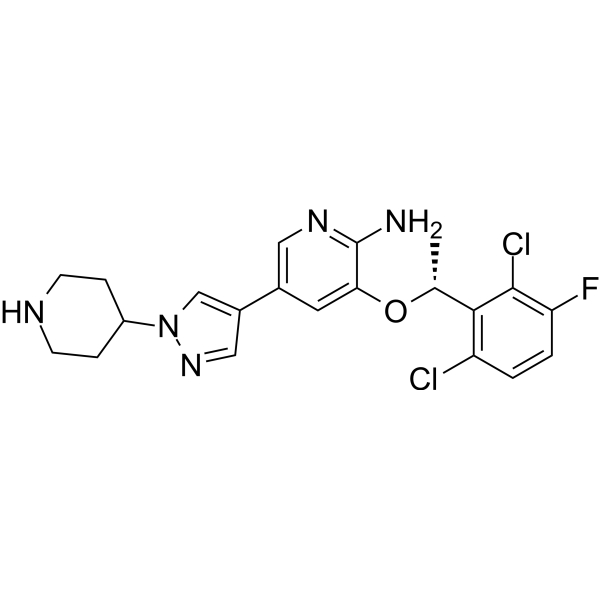
    Crizotinib
    85+ Cited Publications

    PF-02341066

    Ligands for Target Protein for PROTAC Anaplastic lymphoma kinase (ALK) c-Met/HGFR ROS Kinase Cancer
    Crizotinib (PF-02341066) is an orally bioavailable, ATP-competitive ALK and c-Met inhibitor with IC50s of 20 and 8 nM, respectively. Crizotinib inhibits tyrosine phosphorylation of NPM-ALK and tyrosine phosphorylation of c-Met with IC50s of 24 and 11 nM in cell-based assays, respectively. Crizotinib is also a ROS1 inhibitor. Crizotinib has effective tumor growth inhibition .
    Crizotinib
  • HY-17000
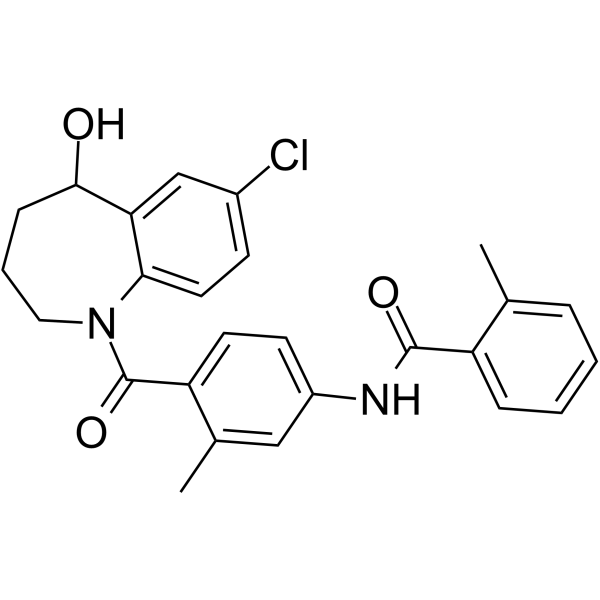
    Tolvaptan
    15+ Cited Publications

    OPC-41061

    Vasopressin Receptor Autophagy Cardiovascular Disease Endocrinology Cancer
    Tolvaptan is a selective, competitive and orally active vasopressin receptor 2 (V2R) antagonist with an IC50 of 1.28 μM for the inhibition of arginine vasopressin (AVP)-induced platelet aggregation. Tolvaptan induces cell apoposis and affects cell cycle. Tolvaptan can be used for the research of hyponatremia .
    Tolvaptan
  • HY-B0377
    Famotidine
    5+ Cited Publications

    MK-208

    Histamine Receptor Cardiovascular Disease Metabolic Disease Endocrinology Cancer
    Famotidine (MK-208) is a competitive histamine H2-receptor antagonist. Its main pharmacodynamic effect is the inhibition of gastric secretion.
    Famotidine
  • HY-12481
    SAR405
    30+ Cited Publications

    PI3K Autophagy Cancer
    SAR405 is a first-in-class, selective, and ATP-competitive PI3K class III (PIK3C3) isoform Vps34 inhibitor (IC50=1.2 nM; Kd=1.5 nM). SAR405 inhibits autophagy induced either by starvation or by mTOR inhibition. Anticancer activity .
    SAR405
  • HY-108913
    Nitrocefin
    2 Publications Verification

    Beta-lactamase Antibiotic Bacterial Infection
    Nitrocefin is a highly activated, chromogenic cephalosporin derivative. Nitrocefin is a chromogenic β-lactamase substrate. Nitrocefin undergoes a distinctive color change from yellow to red as the amide bond in the β-lactam ring is hydrolyzed by β-lactamase. Nitrocefin is used in competitive inhibition studies in developmental work on β-lactamase-resistant antibiotics .
    Nitrocefin
  • HY-12037A
    Rigosertib
    5+ Cited Publications

    ON-01910

    Polo-like Kinase (PLK) PI3K Apoptosis Cancer
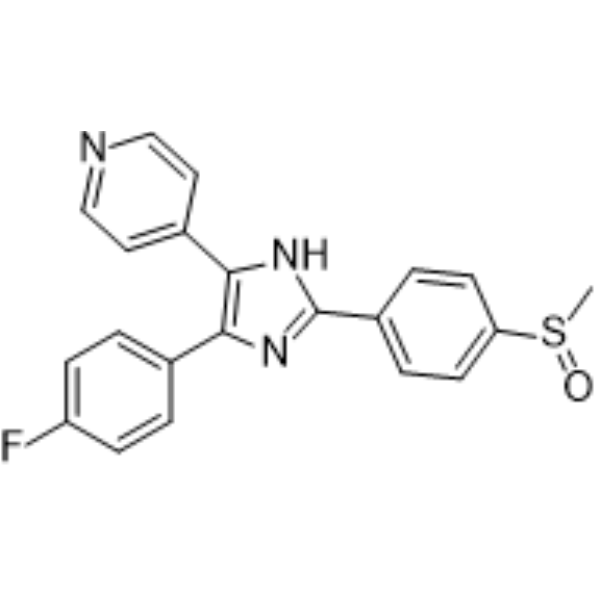
    Rigosertib (ON-01910) is a multi-kinase inhibitor and a selective anti-cancer agent, which induces apoptosis by inhibition the PI3 kinase/Akt pathway, promots the phosphorylation of histone H2AX and induces G2/M arrest in cell cycle . Rigosertib is a selective and non-ATP-competitive inhibitor of PLK1 with an IC50 of 9 nM .
    Rigosertib
  • HY-402410
    TETi76
    1 Publications Verification

    TET Protein Cancer
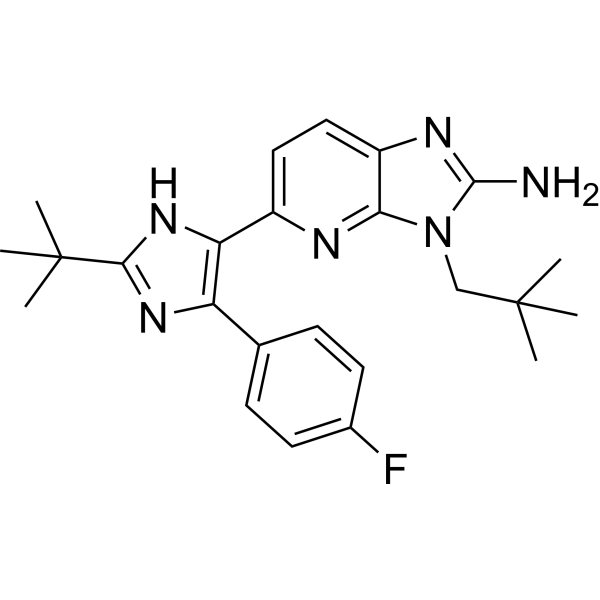
    TETi76 is an orally active TET family inhibitor with IC50 values ??of 1.5, 9.4 and 8.8 μM for TET1, TET2 and TET3, respectively. TETi76 competitively binds to the active site of TET enzymes, reduces cytosine hydroxymethylation and restricts clonal growth of TET2 mutants in vitro and in vivo, but does not affect the growth of normal hematopoietic precursor cells. TETi76 can be used for leukemia research .
    TETi76
  • HY-15663
    IPA-3
    15+ Cited Publications

    PAK Cancer
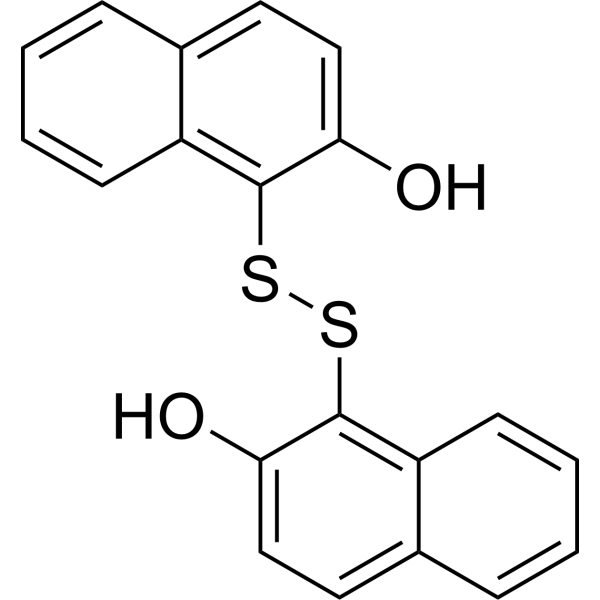
    IPA-3 is a selective non-ATP competitive PAK1 inhibitor with IC50 of 2.5 μM, and shows no inhibition to group II PAKs (PAKs 4-6).
    IPA-3
  • HY-13007
    PF-3758309
    5+ Cited Publications

    PF-03758309

    PAK Apoptosis Cancer
    PF-3758309 (PF-03758309) is a potent, orally available, and reversible ATP-competitive inhibitor of PAK4 (Kd= 2.7 nM; Ki=18.7 nM). PF-3758309 has the expected cellular functions of a PAK4 inhibitor: inhibition of anchorage-independent growth, induction of apoptosis, cytoskeletal remodeling, and inhibition of proliferation .
    PF-3758309
  • HY-13965
    Parmodulin 2
    5 Publications Verification

    ML161

    Protease Activated Receptor (PAR) Cardiovascular Disease
    Parmodulin 2 (ML161) is an allosteric inhibitor of protease-activated receptor 1 (PAR1) with an IC50 of 0.26 μM . Parmodulin 2 is a potent and non-competitive inhibitor of SFLLRN-induced P-selectin expression leading to inhibition of platelet aggregation in vitro and platelet thrombus formation in vivo .
    Parmodulin 2
  • HY-10195B
    Ruboxistaurin hydrochloride
    10+ Cited Publications

    LY333531 hydrochloride

    PKC Metabolic Disease
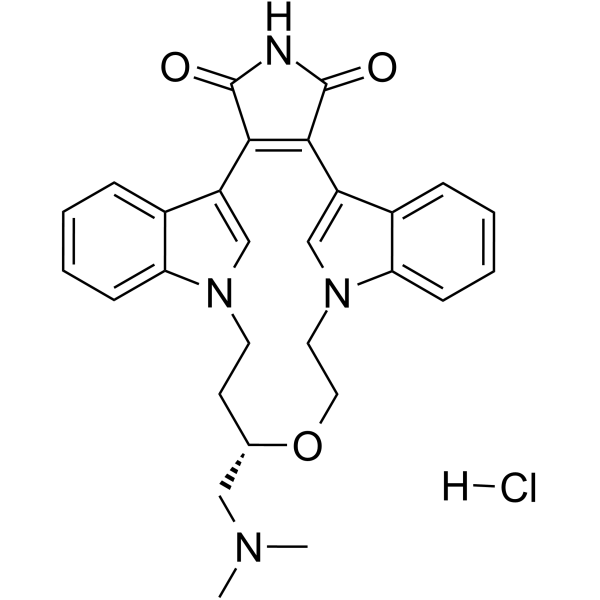
    Ruboxistaurin (LY333531) hydrochloride is an orally active, selective PKC beta inhibitor (Ki=2 nM). Ruboxistaurin hydrochloride exhibits ATP dependent competitive inhibition of PKC beta I with an IC50 of 4.7 nM. Ruboxistaurin hydrochloride inhibits PKC beta II with an IC50 of 5.9 nM .
    Ruboxistaurin hydrochloride
  • HY-10195
    Ruboxistaurin
    10+ Cited Publications

    LY333531

    PKC Metabolic Disease
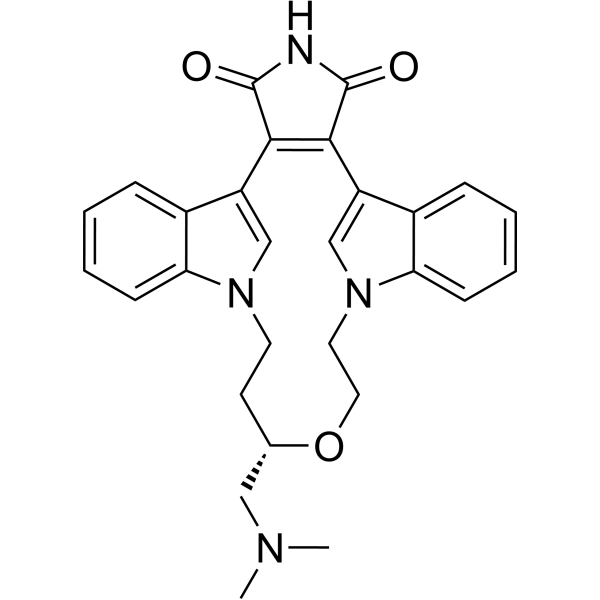
    Ruboxistaurin (LY333531) is an orally active, selective PKC beta inhibitor (Ki=2 nM). Ruboxistaurin exhibits ATP dependent competitive inhibition of PKC beta I with an IC50 of 4.7 nM. Ruboxistaurin inhibits PKC beta II with an IC50 of 5.9 nM .
    Ruboxistaurin
  • HY-100414
    Soraprazan
    2 Publications Verification

    BYK61359

    Proton Pump Metabolic Disease
    Soraprazan (BYK61359) is a selective, reversible K-competitive inhibitor of the H,K-ATPase (Ki=6.4 nM), with an IC50 of 0.19 μM in gastric glands. Soraprazan binds to the H,K-ATPase with a Kd of 28.27 nM. Soraprazan shows immediate inhibition of acid secretion and is more than 2000-fold selective for H,K-ATPase over Na,K- and Ca-ATPases .
    Soraprazan
  • HY-113763

    TNF Receptor Others
    L524-0366 is a specific, dose-dependent TWEAK-Fn14 inhibitor. L524-0366 specifically binds to the Fn14 surface with a KD of 7.12 μM, competitively inhibiting the binding of Fn14 to TWEAK (inhibition rate reaching 16%). L524-0366 inhibits TWEAK-induced glioma cell migration without potential cytotoxic effects .
    L524-0366
  • HY-N0598
    Ginsenoside F1
    1 Publications Verification

    20(S)-Ginsenoside F1

    Cytochrome P450 Endogenous Metabolite Cancer
    Ginsenoside F1, an enzymatically modified derivative of Ginsenoside Rg1, demonstrates competitive inhibition of CYP3A4 activity and weaker inhibition of CYP2D6 activity.
    Ginsenoside F1
  • HY-15687A
    SAR407899
    3 Publications Verification

    ROCK Metabolic Disease
    SAR407899 is a selective, potent and ATP-competitive ROCK inhibitor, with an IC50 of 135 nM for ROCK-2, and Kis of 36 nM and 41 nM for human and rat ROCK-2, respectively. SAR407899 shows stable inhibition of migrasome formation.
    SAR407899
  • HY-113268
    Biotin sulfone
    2 Publications Verification

    Endogenous Metabolite Metabolic Disease
    Biotin sulfone, a structural analog and metabolite of Biotin (HY-B0511), exerts competitive inhibition against Biotin in Lactobacillus arabinosus 17-5 .
    Biotin sulfone
  • HY-117769

    Fatty Acid Synthase (FASN) Metabolic Disease
    GSK837149A is a selective inhibitor of human Fatty Acid Synthase (FASN) targeting the KR domain. GSK837149A has reversible inhibition effect on FASN and selectivity for type I FASN (Ki=30 nM). GSK837149A is also a competitive inhibitor of NADPH and a non-competitive inhibitor of acetoacetyl-CoA. GSK837149A can be used for the research of obesity and breast cancer .
    GSK837149A
  • HY-137506
    XST-14
    2 Publications Verification

    ULK p38 MAPK TGF-β Receptor Anaplastic lymphoma kinase (ALK) CaMK Apoptosis Cancer
    XST-14 is a potent, competitive and highly selective ULK1 inhibitor with an IC50 of 26.6 nM. XST-14 induces autophagy inhibition by reducing the phosphorylation of the ULK1 downstream substrate. XST-14 induces apoptosis in hepatocellular carcinoma (HCC) cells and has antitumor effects .
    XST-14
  • HY-112179
    GSK180
    2 Publications Verification

    KMO Inflammation/Immunology
    GSK180 is a selective, competitive, and potent inhibitor of kynurenine-3-monooxygenase (KMO), a key enzyme of tryptophan metabolism (IC50, ~6 nM), but shows negligible activity against other enzymes on the tryptophan pathway. GSK180 rapidly changes levels of kynurenine pathway metabolites, and acts as a useful tool to probe the therapeutic potential of KMO inhibition .
    GSK180
  • HY-12854

    GRN163L

    Telomerase Apoptosis Cardiovascular Disease Cancer
    Imetelstat (GRN163L) is a 13-mer oligonucleotide and competitive Telomerase inhibitor. Imetelstat binds with high affinity to the template region of the RNA component of human telomerase. Imetelstat induces Apoptosis. Imetelstat is capable of selectively eliminating myelofibrosis hematopoietic stem cells. Imetelstat leads to the loss of a cancer cell's ability to maintain telomere length, resulting in the inhibition of cell proliferation .
    Imetelstat
  • HY-12037
    Rigosertib sodium
    5+ Cited Publications

    ON-01910 sodium

    Polo-like Kinase (PLK) PI3K Apoptosis Cancer
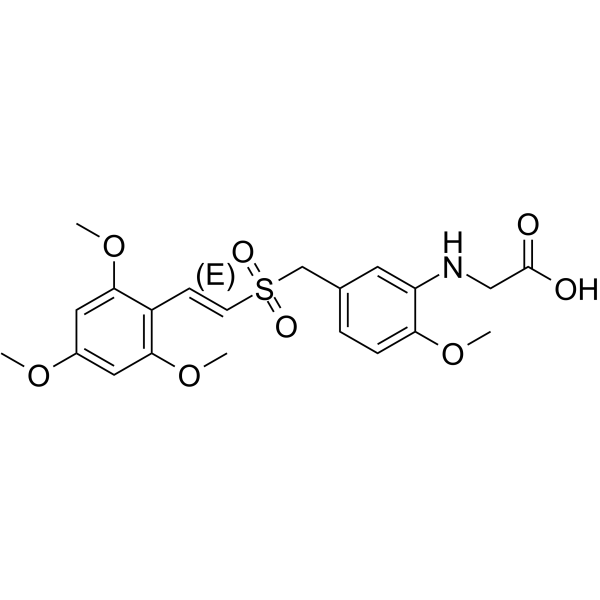
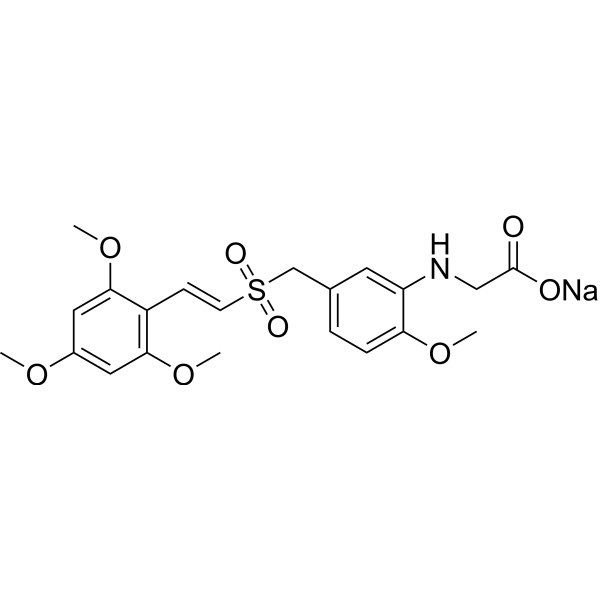
    Rigosertib sodium (ON-01910 sodium) is a multi-kinase inhibitor and a selective anti-cancer agent, which induces apoptosis by inhibition the PI3K/Akt pathway, promotes the phosphorylation of histone H2AX and induces G2/M arrest in cell cycle . Rigosertib sodium is a selective and non-ATP-competitive inhibitor of PLK1 with an IC50 of 9 nM .
    Rigosertib sodium
  • HY-N2511

    Cholinesterase (ChE) Phosphatase Infection Neurological Disease
    Trimyristin is an orally active compound. Trimyristin can be isolated from the seeds of nutmeg (Myristica fragrans). Trimyristin inhibits the activities of acetylcholinesterase (AChE), ACP and ALP, with IC50 values of 0.11, 0.16 and 0.18 mM, respectively. Trimyristin exerts competitive-noncompetitive inhibition on acetylcholinesterase, uncompetitive inhibition on ACP, and competitive/noncompetitive inhibition on ALP. Trimyristin restores the downregulated acetylcholinesterase concentration in the cerebral cortex of rats exposed to sodium arsenite. Trimyristin can be used in studies related to fascioliasis and neurotoxicity .
    Trimyristin
  • HY-W719041

    HIV Reverse Transcriptase Infection
    1,6-Di-O-galloyl-β-D-glucose is a compound found in the fruit of Phyllanthus emblica. 1,6-Di-O-galloyl-β-D-glucose has HIV-1 reverse transcriptase (RT) inhibitory activity with an IC50 value of 270 μM. The inhibitory mechanism of 1,6-Di-O-galloyl-β-D-glucose is competitive inhibition of the template primer and non-competitive inhibition of the substrate (dTTP). 1,6-Di-O-galloyl-β-D-glucose can be used in anti-HIV research .
    1,6-Di-O-galloyl-β-D-glucose
  • HY-N7389A

    Endogenous Metabolite Drug Intermediate Metabolic Disease
    GDP-D-mannose disodium consists of GDP-α-D-mannose (HY-N7389B) and GDP-β-D-mannose. GDP-α-D-mannose serves as a donor substrate for mannosyltransferases and acts as a precursor of GDP-β-L-fucose. GDP-α-D-mannose exerts competitive inhibition on GTP (with a Ki value of 14.7 μM) and non-competitive inhibition on mannose-1-P (with a Ki value of 115 μM). GDP-D-mannose disodium is metabolized to GDP-L-fucose (HY-134433) via GMDS (Gmd) and TSTA3 (WcaG) .
    GDP-D-mannose disodium
  • HY-114858
    Epiblastin A
    1 Publications Verification

    Casein Kinase Cancer
    Epiblastin A is an ATP competitive casein kinase 1 (CK1) inhibitor with IC50s of 8.9, 0.5, and 4.7 µM for CK1α, CK1δ, and CK1 ɛ, respectively. Epiblastin A induces reprogramming of epiblast stem cells into embryonic stem cells by inhibition of CK1 .
    Epiblastin A
  • HY-15003

    FLT3 Apoptosis Cancer
    ATH686 is a potent, selective and ATP-competitive FLT3 inhibitor. ATH686 target mutant FLT3 protein kinase activity and inhibit the proliferation of cells harboring FLT3 mutants via induction of apoptosis and cell cycle inhibition. ATH686 has antileukemic effects .
    ATH686
  • HY-114333

    1-Octyl 2-oxopentanedioate

    HIF/HIF Prolyl-Hydroxylase Metabolic Disease Cancer
    Octyl-α-ketoglutarate (1-Octyl 2-oxopentanedioate) is a stable, cell-permeable form of α-ketoglutarate which accumulates rapidly in HEK293 cells with a dysfunctional tricarboxylic acid (TCA) cycle, stimulating prolyl hydroxylase (PHD) activity. In addition, Octyl-α-ketoglutarate competitively blocks succinate- or fumarate-mediated inhibition of PHD .
    Octyl-α-ketoglutarate
  • HY-145702

    MEK ERK Cancer
    MAP855 is a highly potent, selective, ATP-competitive and orally active MEK1/2 kinase inhibitor (MEK1 ERK2 cascade IC50=3 nM, pERK EC50=5 nM). MAP855 shows equipotent inhibition of wild-type and mutant MEK1/2 .
    MAP855
  • HY-15814

    Bcr-Abl PDGFR c-Kit Src JAK Apoptosis Cancer
    HG-7-85-01 is a type II ATP competitive inhibitor of wild-type and gatekeeper mutations forms of Bcr-Abl, PDGFRα, Kit, and Src kinases. HG-7-85-01 inhibits T315I mutant Bcr-Abl kinase, KDR and RET with IC50s of 3 nM, 20 nM and 30 nM, and is only weak or no inhibition of other kinases (IC50>2 μM). HG-7-85-01 inhibits the cell proliferation, which is mediated by the induction of apoptosis, and inhibition of cell-cycle progression .
    HG-7-85-01
  • HY-130199

    Parellic acid

    Others Metabolic Disease
    Psoromic acid is a potent and selective RabGGTase (Rab geranylgeranyl transferase) inhibitor with an IC50 value of 1.3 µM. Psoromic acid is an antioxidative agent. Psoromic acid exhibits a competitive type of HMGR inhibition and mixed type of ACE (angiotensin converting enzyme) inhibition .
    Psoromic acid
  • HY-N3394

    Others Infection
    Lecanoric acid is a histidine-decarboxylase inhibitor isolated from fungus. The inhibition by lecanoric acid is competitive with histidineand noncompetitive with pyridoxal phosphate. Lecanoric acid did not inhibit aromatic amino acid decarboxylase .
    Lecanoric acid
  • HY-120566

    NTPDase Neurological Disease Inflammation/Immunology Cancer
    PSB-16131 is a potent inhibitor of human NTPDase2, showing non-competitive inhibition with an IC50 of 539 nM. PSB-16131 can be used in the study of inflammation, neurodegenerative diseases and cancer .
    PSB-16131
  • HY-111173

    Dipeptidyl Peptidase Others
    Diprotin B is a dipeptidyl aminopeptidase IV (DPP IV) inhibitor. The apparent competitive inhibition of DPP-IV by the diprotins is a kinetic artifact, derived from the substrate-like nature of tripeptides containing a penultimate proline residue .
    Diprotin B
  • HY-P10392B

    β-catenin Wnt Cancer
    aStAx-35R TFA, a stapled peptide, antagonizes nuclear form of β-catenin and inhibits Wnt signaling. aStAx-35R TFA inhibits competitively the binding of β-catenin to TCF4. aStAx-35R TFA selectively induces growth inhibition of Wnt-dependent cancer cells .
    aStAx-35R TFA
  • HY-122369

    Carboxypeptidase Metabolic Disease
    Histargin is a selective carboxypeptidase B inhibitor with an IC50 of 17 μg/mL and a Ki of 30 μM. Histargin exerts competitive inhibition with substrate, with inhibitory activity abolished by metal cations. Histargin shows no significant inhibitory activity against carboxypeptidase A, aminopeptidase A, or aminopeptidase B .
    Histargin
  • HY-163174

    Amine N-methyltransferase Cardiovascular Disease Neurological Disease Metabolic Disease Cancer
    II399 is a potent, selective NNMT bisubstrate inhibitor containing an unconventional SAM mimic, with a Ki of 5.9 nM. II399 exhibits an explicit pattern of competitive inhibition for NAM. II399 occupies both the substrate and cofactor binding pockets. II399 has the potential for the research of cancers, metabolic, cardiovascular, and neurodegenerative diseases .
    II399
  • HY-N7536

    TRP Channel Others
    Voacangine is an antagonist for TRPV1 and TRPM8 but as an agonist for TRPA1 (EC50=8 μM). Voacangine competitively blockes capsaicin binding to TRPV1 (IC50=50 μM). Voacangine competitively inhibits the binding of menthol to TRPM8 (IC50=9 μM) and it shows noncompetitive inhibition against icilin (IC50=7 μM). Voacangine selectively abrogates chemical agonist-induced TRPM8 activation and did not affect cold-induced activation. Voacangine is an alkaloid isolated from the root bark of Voacanga africana .
    Voacangine
  • HY-18569AR

    Indole-3-acetic acid sodium (Standard); 3-IAA sodium (Standard)

    Reference Standards Endogenous Metabolite Metabolic Disease
    Ginsenoside F1 (Standard) is the analytical standard of Ginsenoside F1. This product is intended for research and analytical applications. Ginsenoside F1, an enzymatically modified derivative of Ginsenoside Rg1, demonstrates competitive inhibition of CYP3A4 activity and weaker inhibition of CYP2D6 activity.
    3-Indoleacetic acid sodium (Standard)
  • HY-123129

    5-HT Receptor Monoamine Oxidase Neurological Disease
    RS 2232 is an orally active, competitive 5-HT deamination inhibitor with a Ki of 0.054 μM. RS-2232 exhibits reversible and specific inhibition of type A monoamine oxidase. RS 2232 can be used in brain research .
    RS 2232
  • HY-157220

    Vasopressin Receptor Cardiovascular Disease
    Tolvaptan phosphate ester sodium, a prodrug of Tolvaptan (HY-17000), can be used in the study of cardiac edema. Tolvaptan is a selective, competitive and orally active vasopressin receptor 2 (V2R) antagonist with an IC50 of 1.28 μM for the inhibition of arginine vasopressin (AVP)-induced platelet aggregation .
    Tolvaptan phosphate ester sodium
  • HY-W142169

    Formyl-L-histidine

    Aminoacyl-tRNA Synthetase Others
    N-Formyl-L-histidine shows binding affinity to histidyl-tRNA synthetase with a Ki value of 4.6 μM. N-Formyl-L-histidine shows a competitive inhibition against L-histidine ammonia-lyase, inhibits urocanic acid formation from L-histidine with a Ki value of 4.26 mM .
    N-Formyl-L-histidine
  • HY-165498

    Na+/K+ ATPase Metabolic Disease
    AU-461 is an orally active and reversible inhibitor of the gastric H⁺/K⁺ ATPase with IC₅₀ values for rabbit-derived and pig-derived enzymes are 12.15 μM and 4.20 μM respectively. AU-461 competes with activated cationic K⁺ (Kᵢ = 1.64 μM). AU-461 reduces both histamine-stimulated gastric acid secretion and basal gastric acid secretion in rats. AU-461 inhibits ulcer formation caused by ethanol or sodium hydroxide, and restores the plasma gastrin level to normal. AU-461 can be used for the study of peptic ulcers .
    AU-461
  • HY-N7389B

    Endogenous Metabolite Metabolic Disease
    GDP-α-D-mannose disodium is the donor substrate for mannosyltransferases and the precursor of GDP-β-L-fucose. GDP-α-D-mannose disodium gives a competitive inhibition with respect to GTP (Ki 14.7 μM) and an uncompetitive inhibition with respect to mannose-1-P (Ki 115 μM) .
    GDP-α-D-mannose disodium
  • HY-13007A

    PF-03758309 hydrochloride

    PAK Apoptosis Cancer
    PF-3758309 (PF-03758309) hydrochloride is a potent, orally available, and reversible ATP-competitive inhibitor of PAK4 (Kd= 2.7 nM; Ki=18.7 nM). PF-3758309 hydrochloride has the expected cellular functions of a PAK4 inhibitor: inhibition of anchorage-independent growth, induction of apoptosis, cytoskeletal remodeling, and inhibition of proliferation .
    PF-3758309 hydrochloride
  • HY-13007B

    PF-03758309 dihydrochloride

    PAK Apoptosis Cancer
    PF-3758309 (PF-03758309) dihydrochloride is a potent, orally available, and reversible ATP-competitive inhibitor of PAK4 (Kd= 2.7 nM; Ki=18.7 nM). PF-3758309 dihydrochloride has the expected cellular functions of a PAK4 inhibitor: inhibition of anchorage-independent growth, induction of apoptosis, cytoskeletal remodeling, and inhibition of proliferation .
    PF-3758309 dihydrochloride
  • HY-B0690

    SQ28555 free acid

    Angiotensin-converting Enzyme (ACE) Apoptosis Cardiovascular Disease
    Fosinopril (SQ28555 free acid) is the ester proagent of angiotensin-converting enzyme (ACE) inhibitor with an IC50 value of 0.18 μM. Fosinopril demonstrates a non-competitive inhibition effect on ACE activity with an Ki value of 1.675 μM .
    Fosinopril
  • HY-B0377S

    MK-208-13C,d3

    Isotope-Labeled Compounds Histamine Receptor Metabolic Disease Endocrinology
    Famotidine- 13C,d3 is the 13C- and deuterium labeled Famotidine. Famotidine (MK-208) is a competitive histamine H2-receptor antagonist. Its main pharmacodynamic effect is the inhibition of gastric secretion.
    Famotidine-13C,d3
  • HY-146142

    Cholinesterase (ChE) Amyloid-β Neurological Disease
    AChE/BuChE-IN-2 (Compound 5f) is an orally active AChE and BuChE inhibitor with IC50 values of 0.72 μM and 0.16 μM, respectively. AChE/BuChE-IN-2 shows a non-competitive inhibition with AChE and shows potent self-induced β-amyloid (Aβ) aggregation inhibition with an IC50 of 62.52 μM. AChE/BuChE-IN-2 can cross the BBB .
    AChE/BuChE-IN-2
  • HY-W707517

    MK-208-d4

    Isotope-Labeled Compounds Histamine Receptor Cardiovascular Disease Metabolic Disease Endocrinology Cancer
    Famotidine-d4 (MK-208-d4) is deuterium labeled Famotidine. Famotidine (MK-208) is a competitive histamine H2-receptor antagonist. Its main pharmacodynamic effect is the inhibition of gastric secretion .
    Famotidine-d4

Inquiry Online

Your information is safe with us. * Required Fields.

Salutation


Country or Region *

Applicant Name *


Organization Name *

Department *


Email Address *


Product Name *

Cat. No.


Requested quantity *

Phone Number *


Remarks

Inquiry Online

Inquiry Information

Product Name:
Cat. No.:
Quantity:
MCE Japan Authorized Agent:

