1. Search Result
Search Result
Results for "

Cys-13

" in MedChemExpress (MCE) Product Catalog:

47

Inhibitors & Agonists

49

Peptides

Cat. No. Product Name Target Research Areas Chemical Structure
  • HY-P1932

    Somatostatin Receptor Neurological Disease Inflammation/Immunology Endocrinology
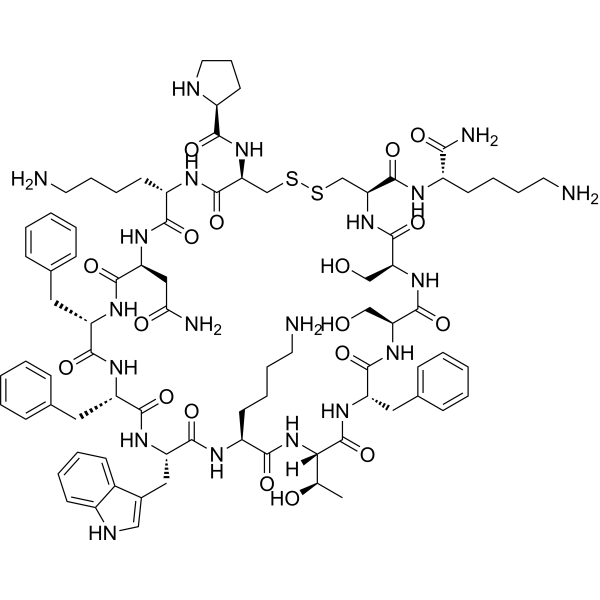
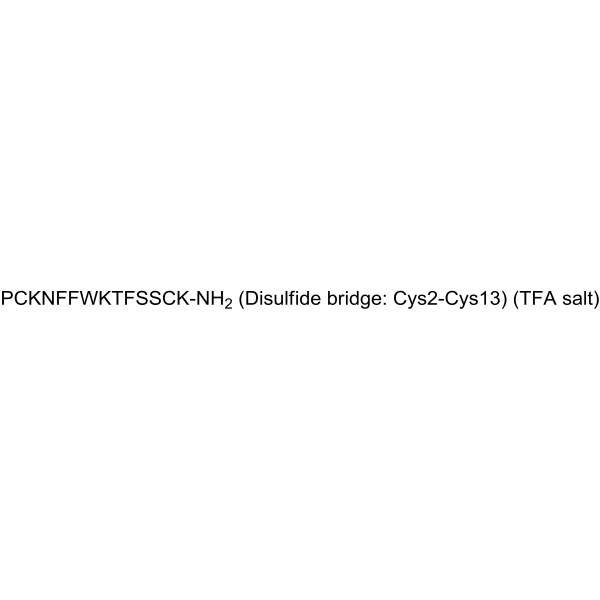
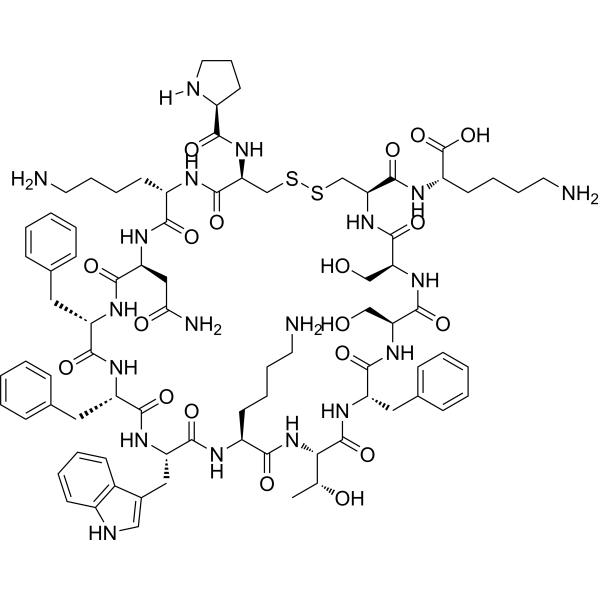
    Cortistatin-14 is a neuropeptide that shares structural similarities with somatostatin, working by binding to somatostatin receptors (sst1-sst5). Cortistatin-14 (TFA) has anticonvulsant, neuroprotective effects, and significant anti-inflammatory properties .
    Cortistatin-14
  • HY-P1717
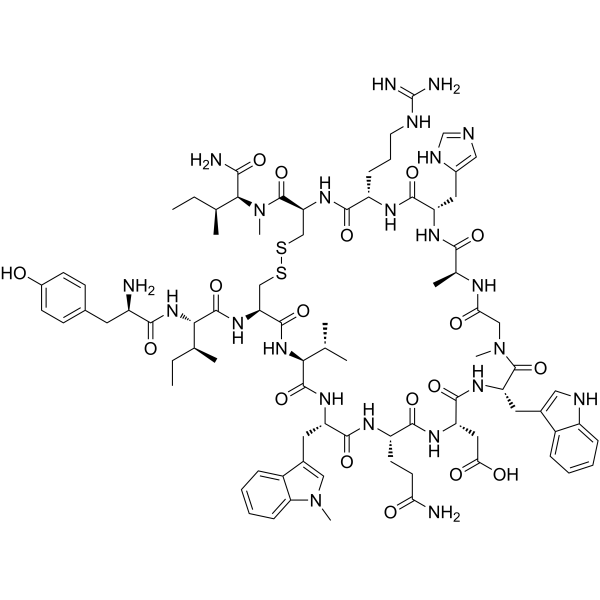
    AMY-101
    Maximum Cited Publications
    7 Publications Verification

    Cp40

    Complement System SARS-CoV Inflammation/Immunology
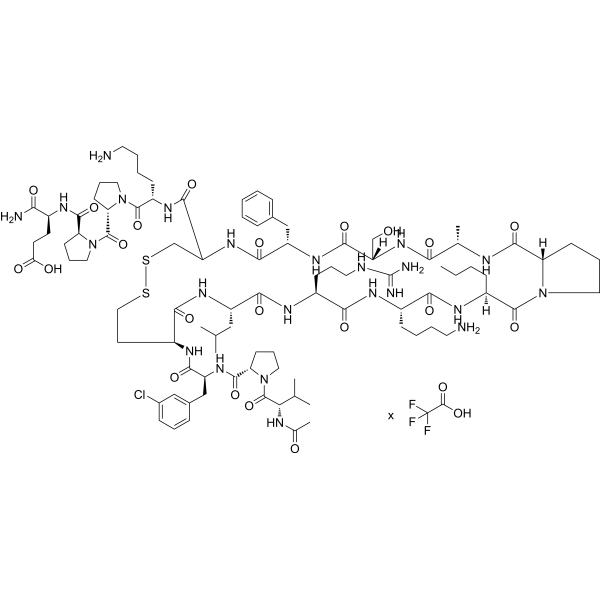
    AMY-101 (Cp40), a peptidic inhibitor of the central complement component C3 (KD = 0.5 nM), inhibits naturally occurring periodontitis in non-human primates (NHPs). AMY-101 (Cp40) exhibits a favorable anti-inflammatory activity in models with COVID-19 severe pneumonia with systemic hyper inflammation .
    AMY-101
  • HY-P0171
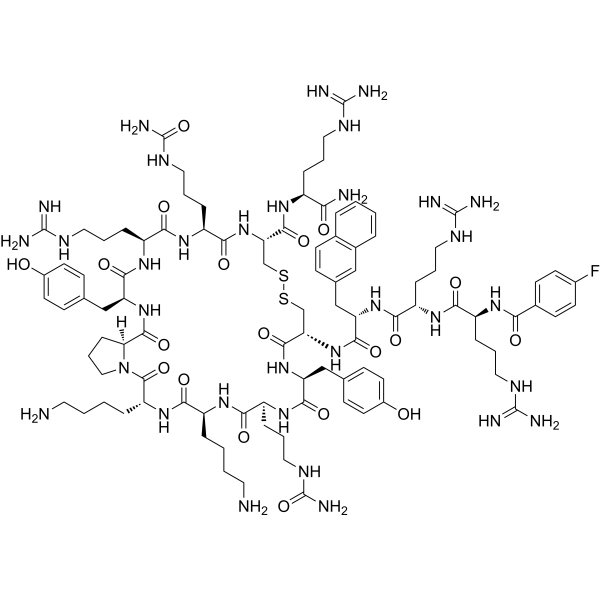
    Motixafortide
    3 Publications Verification

    BKT140 (4-fluorobenzoyl); BL-8040; TF14016

    CXCR Endocrinology Cancer
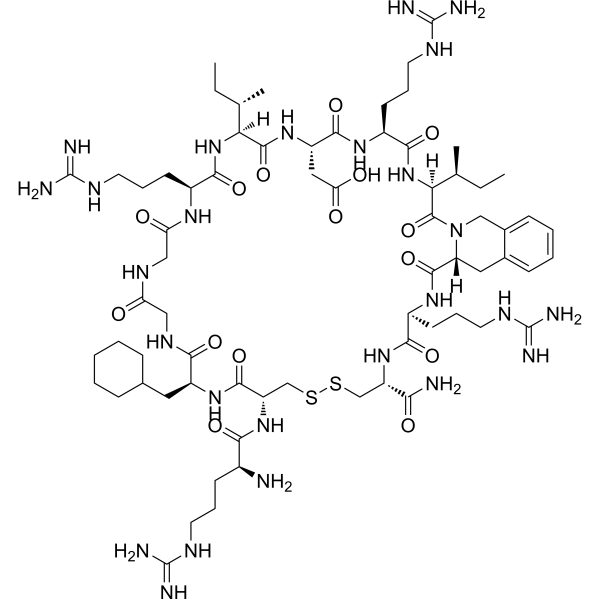
    Motixafortide (BKT140 4-fluorobenzoyl) is a novel CXCR4 antagonist with an IC50 vakue of ~1 nM.
    Motixafortide
  • HY-P1633

    PG1

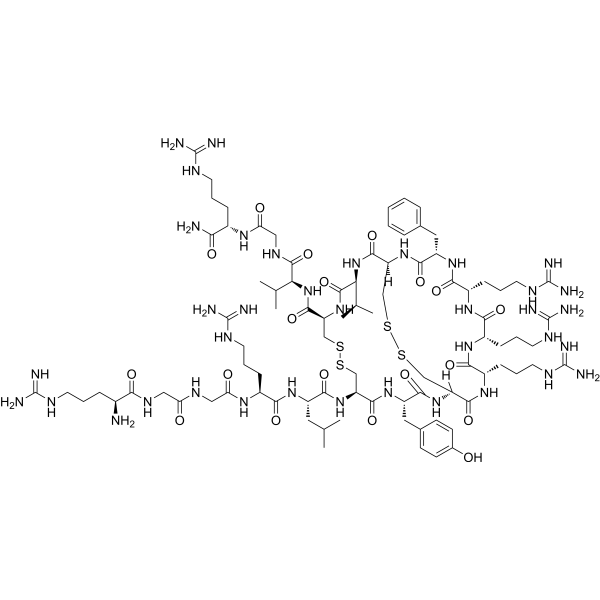
    Bacterial ERK COX NF-κB Apoptosis NO Synthase Dengue Virus Infection Inflammation/Immunology
    Protegrin-1 is an orally active antibacterial peptide. Protegrin-1 activates ERK, COX2, NFκB, inhibits Apoptosis, and NO production. Protegrin-1 has antibacterial activity against S. aureus, E. faecium, E. coli, P. aeruginosa and K. Pneumoniae, with MBC values between 10 and 20 µM. Protegrin-1 has antiviral activity against dengue NS2B-NS3. Protegrin-1 has anti-inflammatory activity. Protegrin-1 is used in the study of inflammatory diseases and infections .
    Protegrin-1
  • HY-P1717B
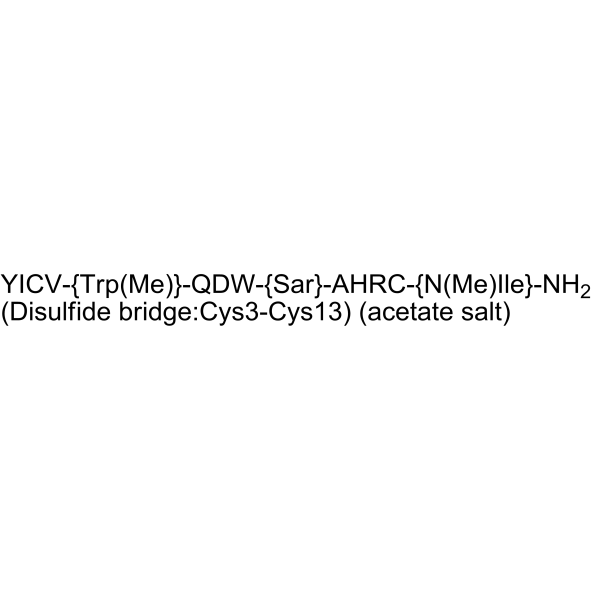
    AMY-101 acetate
    Maximum Cited Publications
    7 Publications Verification

    Cp40 acetate

    Complement System SARS-CoV Inflammation/Immunology
    AMY-101 acetate (Cp40 acetate), a peptidic inhibitor of the central complement component C3 (KD = 0.5 nM), inhibits naturally occurring periodontitis in non-human primates (NHPs). AMY-101 acetate (Cp40 acetate) exhibits a favorable anti-inflammatory activity in models with COVID-19 severe pneumonia with systemic hyper inflammation .
    AMY-101 acetate
  • HY-P1717A
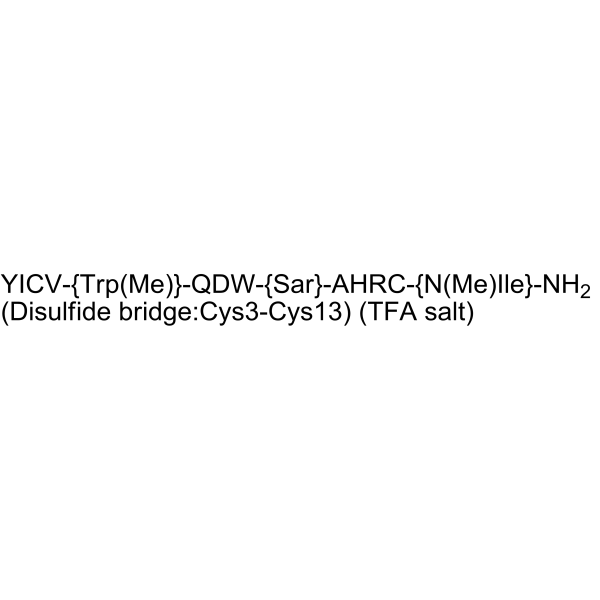
    AMY-101 TFA
    Maximum Cited Publications
    7 Publications Verification

    Cp40 TFA

    Complement System SARS-CoV Inflammation/Immunology
    AMY-101 TFA (Cp40 TFA), a peptidic inhibitor of the central complement component C3 (KD = 0.5 nM), inhibits naturally occurring periodontitis in non-human primates (NHPs). AMY-101 (Cp40) exhibits a favorable anti-inflammatory activity in models with COVID-19 severe pneumonia with systemic hyper inflammation .
    AMY-101 TFA
  • HY-P0191

    Potassium Channel Inflammation/Immunology
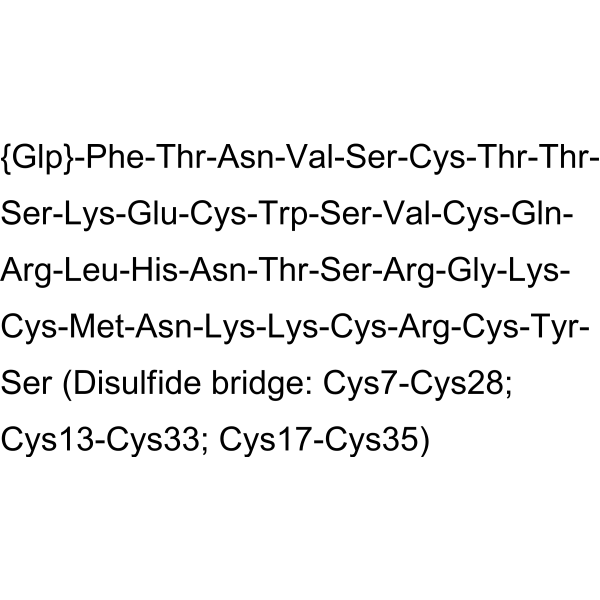
    Charybdotoxin, a 37-amino acid peptide, is a K + channel blocker .
    Charybdotoxin
  • HY-P2244A
    YAP-TEAD-IN-1 TFA
    2 Publications Verification

    YAP Cancer
    YAP-TEAD-IN-1 TFA is a potent and competitive peptide inhibitor of YAP-TEAD interaction (IC50=25 nM). YAP-TEAD-IN-1 TFA is a 17mer peptide and shows a higher the binding affinity to TEAD1 (Kd=15 nM) than YAP (50-171) (Kd= 40 nM) .
    YAP-TEAD-IN-1 TFA
  • HY-P0191A

    Potassium Channel Inflammation/Immunology
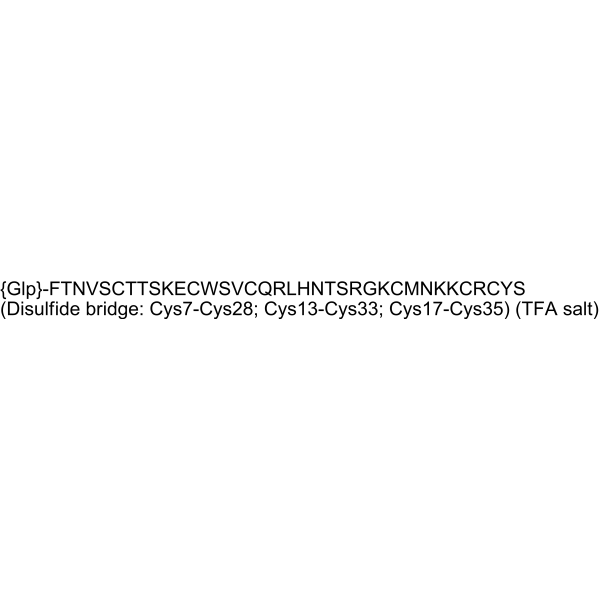
    Charybdotoxin TFA, a 37-amino acid peptide, is a K + channel blocker .
    Charybdotoxin TFA
  • HY-P1212

    CST-14 (mouse, rat)

    Somatostatin Receptor Neurological Disease
    Cortistatin 14, mouse, rat (CST-14, human, rat), a neuropeptide with neuronal depressant and sleep modulating properties, can bind to all five cloned somatostatin receptors (SSTRs) and ghrelin receptor to exert its biological activities and co-exists with GABA within the cortex and hippocampus .
    Cortistatin 14 (mouse, rat)
  • HY-P2026

    Natriuretic Peptide Receptor (NPR) Cardiovascular Disease
    A 71915 is a highly potent and competitive natriuretic peptide receptor A (ANP, NPRA) antagonist (pKi= 9.18). A 71915 displaces [ 125I]ANP dose dependently, with a Ki of 0.65 nM. A71915( pA2= 9.48) against rat ANP-induced cGMP production in NB-OK-1 cells .
    A 71915
  • HY-17584A
    Linaclotide acetate
    2 Publications Verification

    Guanylate Cyclase Cancer
    Linaclotide acetate is a potent and selective guanylate cyclase C agonist; developed for the treatment of constipation-predominant irritable bowel syndrome (IBS-C) and chronic constipation.
    Linaclotide acetate
  • HY-P10323A

    Tumstatin (74-98), human TFA

    Integrin FAK mTOR Apoptosis Cancer
    T7 Peptide TFA is a protein synthesis inhibitor and anti-angiogenic agent, with a Kd of 10 nM for human transferrin receptor. T7 Peptide TFA inhibits the phosphorylation of focal adhesion kinase, the activation of phosphatidylinositol 3-kinase and Akt, the kinase activity of mTOR, as well as the phosphorylation of 4E-BP1 in endothelial cells. T7 Peptide TFA induces G0/G1 cell cycle arrest, apoptosis and protective autophagy in hepatocellular carcinoma cells, and suppresses tumor growth in mouse models. T7 Peptide TFA is applicable to research related to cancer, glioblastoma, hepatocellular carcinoma and glioma .
    T7 Peptide TFA
  • HY-P10323

    Tumstatin (74-98), human

    Integrin FAK mTOR Apoptosis Cancer
    T7 Peptide is a protein synthesis inhibitor and anti-angiogenic agent, with a Kd of 10 nM for human transferrin receptor. T7 Peptide inhibits the phosphorylation of focal adhesion kinase, the activation of phosphatidylinositol 3-kinase and Akt, the kinase activity of mTOR, as well as the phosphorylation of 4E-BP1 in endothelial cells. T7 Peptide induces G0/G1 cell cycle arrest, apoptosis and protective autophagy in hepatocellular carcinoma cells, and suppresses tumor growth in mouse models. T7 Peptide is applicable to research related to cancer, glioblastoma, hepatocellular carcinoma and glioma .
    T7 Peptide
  • HY-P1443

    Sodium Channel Cancer
    OD1 is a scorpion α-toxin that can be isolated from the venom of the Iranian yellow scorpion (Odonthobuthus doriae. OD1 is a modulator of mammalian Nav1.7 (EC50: 4.5 nM) .
    OD1
  • HY-P1932A

    Somatostatin Receptor Neurological Disease Inflammation/Immunology Endocrinology
    Cortistatin-14 (TFA), a neuropeptide have structural similarity to somatostatin-14, binds and exerts its function via the somatostatin receptors (sst1-sst5). Cortistatin-14 (TFA) shows anticonvulsive, neuroprotective effect and remarkable anti-inflammatory properties .
    Cortistatin-14 TFA
  • HY-P1719

    IW-9179

    Biochemical Assay Reagents Others
    Recanaclotide can be studied in research on gastroparesis, functional dyspepsia and gastrointestical disorders.
    Recanaclotide
  • HY-P1409A
    ADWX 1 TFA
    1 Publications Verification

    Potassium Channel Inflammation/Immunology
    ADWX 1 TFA is a new peptide inhibitor that is potent and selective for Kv1.3 with an IC50 value of 1.89 pM. ADWX 1 inhibits Kv1.3 channel activity specifically to inhibit both the initial calcium signaling and NF-κB activation. ADWX 1 TFA ameliorates the disease in rats of experimental autoimmune encephalomyelitis (EAE) models. ADWX 1 TFA can be used to study T cell-mediated autoimmune diseases .
    ADWX 1 TFA
  • HY-P5182A

    Potassium Channel Inflammation/Immunology
    HsTX1 (TFA) toxin, from the scorpion Heterometrus spinnifer, is a 34-residue, C-terminally amidated peptide cross-linked by four disulfide bridges. HsTX1 (TFA) is an the inhibitor of potassium channel, with IC50 for Kv1.3 of 12 pM and inhibits TEM cell activation and attenuates inflammation in autoimmunity .
    HsTX1 TFA
  • HY-179536

    Ras Cancer
    KRAS-IN-49 (compound 7b) is a selective and covalent KRAS G13C inhibitor. KRAS-IN-49 covalently binds to Cys13 of KRAS G13C. KRAS-IN-49 can be used for non-small cell lung cancer (NSCLC) research .
    KRAS-IN-49
  • HY-P4810

    T140

    CXCR Infection
    Polyphemusin II-Derived Peptide (T140), a CXCR4 inhibitor, shows high inhibitory activity against HIV-1 entry and the inhibitory effect on the binding of an anti-CXCR4 monoclonal antibody (12G5) to CXCR4 .
    Polyphemusin II-Derived Peptide
  • HY-131374

    CXCR Cancer
    TN14003 is a CXCR4 inhibitor. TN14003 has antitumor activity .
    TN14003
  • HY-P3235

    Factor VIIa Others
    E-76 is a peptide with anticoagulant activity. E-76 inhibits blood coagulation by specifically binding to exogenous coagulation factor VIIa (FVIIa). E-76 can be used to study blood coagulation-related diseases .
    E-76
  • HY-P1631

    Bacterial Infection
    Polyphemusin I is a natural antimicrobial peptide with excellent antimicrobial activity against Gram-negative and Gram-positive bacteria. Polyphemusin I contains 18 amino acids and is stabilized into an amphiphilic, antiparallel β-hairpin by two disulfide bridges .
    Polyphemusin I
  • HY-P5188A

    nAChR GABA Receptor Neurological Disease
    Waglerin-1, a 22-amino acid peptide, is a competitive antagonist of the muscle nicotinic receptor (nAChR) .
    Waglerin-1
  • HY-P11246

    RXFP Receptor Metabolic Disease
    A13:B7-24-GG is an engineered analogue of insulin-like peptide 5 (INSL5), a selective RXFP4 agonist with a Ki value of 2.29 nM. A13:B7-24-GG has an extremely low binding affinity for RXFP3 (Ki = 602.56 nM) and an inhibitory effect on cAMP (EC50) of 1.17 nM. Activation of RXFP4 by A13:B7-24-GG leads to the recruitment of β-Arrestin2, with an EC50 of 22.39 nM. A13:B7-24-GG can be used for research on chronic constipation .
    A13:B7-24-GG
  • HY-P1483

    Urotensin Receptor Cardiovascular Disease Neurological Disease
    Urotensin II, mouse is an endogenous ligand for the orphan G-protein-coupled receptor GPR14 or SENR. Urotensin II, mouse is a potent vasoconstrictor. Urotensin II, mouse plays a physiological role in the central nervous system .
    Urotensin II, mouse
  • HY-P5644

    Bacterial Infection
    Retrocyclin-3 is an antimicrobial peptide against human immunodeficiency virus, influenza A and herpes simplex virus .
    Retrocyclin-3
  • HY-P10684

    Bacterial Infection
    Polyphemusin II is an antimicrobial peptide which can be isolated from Limulus polyphemus hemocytes. Polyphemusin II exhibits antimicrobial activities against various Gram (+)/(-) bacteria and fungi .
    Polyphemusin II
  • HY-P5643

    Bacterial Infection
    Retrocyclin-2 is an antimicrobial peptide against human immunodeficiency virus, influenza A and herpes simplex virus .
    Retrocyclin-2
  • HY-P10685

    [Tyr5,12,Lys7]-Polyphemusin II

    HIV CMV Infection
    T-22 (polyphemusin II with [Tyr5,12,Lys7]) is a new synthetic peptide that fights HIV, with an EC50 of 0.008 μg/mL and a CC50 of 54 μg/mL. T22 promotes plant height, photosynthesis, total chlorophyll content, and gas exchange in tomatoes, and it can resist CMV .
    T-22
  • HY-P10869
    dCNP
    1 Publications Verification

    Natriuretic Peptide Receptor (NPR) Inflammation/Immunology Cancer
    dCNP binds to NPR-B/C receptor, activates cGMP signaling pathway, and regulates vascular function. dCNP exhibits anti-hypoxia property through downregulation of hypoxia-related genes expressions like HIF1α and HIF2α. dCNP inhibits the induction of tumor stroma and exhibits anti-fibrosis activity. dCNP upregulates CTLs, NK cells, and conventional type 1 dendritic cells in tumors, and activates immune responses .
    dCNP
  • HY-P5914A

    WaTx TFA

    TRP Channel Neurological Disease
    Wasabi Receptor Toxin TFA (WaTx TFA) is the TFA salt form of Wasabi Receptor Toxin (HY-P5914). Wasabi Receptor Toxin TFA is a cell-penetrating scorpion toxin. Wasabi Receptor Toxin TFA is the activator for TRPA1 ion channel with EC50 in nanomolar level, and prolongs the channel open time, but reduces Ca 2+ permeability. Wasabi Receptor Toxin TFA causes thermal hypersensitivity and mechanical allodynia in rats, without triggering neurogenic inflammation .
    Wasabi Receptor Toxin TFA
  • HY-P5914

    WaTx

    TRP Channel Neurological Disease
    Wasabi Receptor Toxin is a cell-penetrating scorpion toxin. Wasabi Receptor Toxin is the activator for TRPA1 ion channel with EC50 in nanomolar level, and prolongs the channel open time, but reduces Ca 2+ permeability. Wasabi Receptor Toxin causes thermal hypersensitivity and mechanical allodynia in rats, without triggering neurogenic inflammation .
    Wasabi Receptor Toxin
  • HY-P5931

    Potassium channel toxin alpha-KTx 6.13; SPX; α-KTx6.13

    Potassium Channel Inflammation/Immunology Cancer
    Spinoxin isolated from the venom of scorpion Heterometrus spinifer, is a 34-residue peptide neurotoxin cross-linked by four disulfide bridges. Spinoxin is a potent inhibitor of Kv1.3 potassium channel (IC50 = 63 nM), considering to be valid molecular targets in the diagnostics and therapy of various autoimmune disorders and cancers .
    Spinoxin
  • HY-P1409

    Potassium Channel Inflammation/Immunology
    ADWX 1 is a new peptide inhibitor that is potent and selective for Kv1.3 with an IC50 value of 1.89 pM. ADWX 1 inhibits Kv1.3 channel activity specifically to inhibit both the initial calcium signaling and NF-κB activation. ADWX 1 ameliorates the disease in rats of experimental autoimmune encephalomyelitis (EAE) models. ADWX 1 can be used to study T cell-mediated autoimmune diseases .
    ADWX 1
  • HY-P5921

    TsTx-Kα

    Potassium Channel Neurological Disease
    Tityustoxin-Kα (TsTx-Kα) is an inhibitor of potassium voltage-gated channels. Tityustoxin-Kα shows a dose-dependent block of the sustained outward current in cultured hippocampal neurons .
    Tityustoxin-Kα
  • HY-P3111

    Potassium Channel Others
    Slotoxin, a peptide from Centruroides noxius Hoffmann scorpion venom, blocks high conductance calcium-activated potassium channel, with Kd of 1.5 nM[1].
    Slotoxin
  • HY-P5165

    Potassium Channel Inflammation/Immunology
    Maurotoxin is a 34-residue and four disulde-bridged toxin that can be isolated from the chactoid scorpion (Scorpio maurus). Maurotoxin inhibits the Shaker potassium channels (ShB) K + current with an IC50 of 2 nM .
    Maurotoxin
  • HY-P5854

    Potassium Channel Neurological Disease
    Aa1 toxin, a neurotoxic peptide that can be obtained from the venom of Androctonus australis Garzoni, is a specific potassium channel blocker. Aa1 toxin can be used in the study of neurological diseases .
    Aa1 toxin
  • HY-P5182

    Potassium Channel Inflammation/Immunology
    HsTX1, from the scorpion Heterometrus spinnifer, is a 34-residue, C-terminally amidated peptide cross-linked by four disulfide bridges. HsTX1, an the inhibitor of potassium channel, with IC50 for Kv1.3 of 12 pM inhibits TEM cell activation and attenuates inflammation in autoimmunity .
    HsTX1
  • HY-P2656

    hBD-4

    Bacterial Infection
    β-Defensin-4 human is an inducible peptide with a specific salt-sensitive spectrum of antimicrobial activity .
    β-Defensin-4 (human)
  • HY-P1426A

    Potassium Channel Neurological Disease
    AmmTX3 TFA is a peptide toxin identified from the venom of the scorpion Androctonus mauretanicus. AmmTX3 TFA is a highly specific blocker of Kv4 channels, which selectively and almost completely blocks transient A-type K + currents with a Ki of 131 nM. AmmTX3 TFA induces epileptiform behaviors and causes death in mice receiving intracerebroventricular injection. AmmTX3 TFA increases the excitability of dentate gyrus granule cells, reduces GABAergic inhibition, enhances and stabilizes the EPSP-spike component of long-term potentiation, and impairs reference memory. AmmTX3 TFA can be used in research related to pain, epilepsy, and autism spectrum disorder .
    AmmTX3 TFA
  • HY-186086

    Ras Cancer
    RM-041 is a selective, orally active KRAS G13C (ON) inhibitor that forms a covalent complex with KRAS G13C (ON) and Cyclophilin A. RM-041 blocks the binding of RAS effector proteins via steric hindrance, and then covalently binds to Cys-13 to form an irreversible inhibitory complex, thereby inhibiting the proliferation of KRAS G13C mutant cancer cells. RM-041 induces regression of KRAS G13C tumors in cellular and xenograft tumor models. RM-041 exerts a synergistic effect when combined with upstream node inhibitors (such as SHP2 inhibitors). RM-041 can be used for the research of non-small cell lung cancer .
    RM-041
  • HY-P11210

    Biochemical Assay Reagents Inflammation/Immunology
    A68828 is an atrial natriuretic factor (ANF) analog. A68828 can improve renal function in an acute model of postischemic acute renal failure. A68828 can be studied in research on ischemic acute renal failure .
    A68828
  • HY-P11663

    Drug Derivative Inflammation/Immunology
    Abantide is a cortistatin analogue with anti-inflammatory and immunomodulator effects .
    Abantide
  • HY-P11467

    Bacterial p38 MAPK NF-κB PERK JNK Cardiovascular Disease Infection
    Gy-CATH is an anionic antimicrobial peptide. Gy-CATH activates MAPK and NF-κB signaling pathways (elevated levels of phospho-ERK, -p38, -JNK, -p65, and -IκBα). Gy-CATH upregulates the expression levels of three physiological anticoagulant pathways. Gy-CATH inhibits ADP-, Collagen-, and PMA-induced platelet aggregation. Gy-CATH has no direct antimicrobial activity, but shows significant preventive abilities against mice infected with Staphylococcus aureus, Escherichia coli, and Methicillin (HY-121544)-resistant Staphylococcus aureus. Gy-CATH exhibits potent immunomodulatory activity, enhancing macrophage-and neutrophil-mediated bactericidal functions. Gy-CATH significantly reduces the extent of pulmonary fibrin deposition and prevents thrombosis in mice .
    Gy-CATH

Inquiry Online

Your information is safe with us. * Required Fields.

Salutation


Country or Region *

Applicant Name *


Organization Name *

Department *


Email Address *


Product Name *

Cat. No.


Requested quantity *

Phone Number *


Remarks

Inquiry Online

Inquiry Information

Product Name:
Cat. No.:
Quantity:
MCE Japan Authorized Agent:

