1. Search Result
Search Result
Results for "

DHEAS

" in MedChemExpress (MCE) Product Catalog:

37

Inhibitors & Agonists

1

Peptides

12

Natural
Products

5

Isotope-Labeled Compounds

1

Antibodies

1

Oligonucleotides

Cat. No. Product Name Target Research Areas Chemical Structure
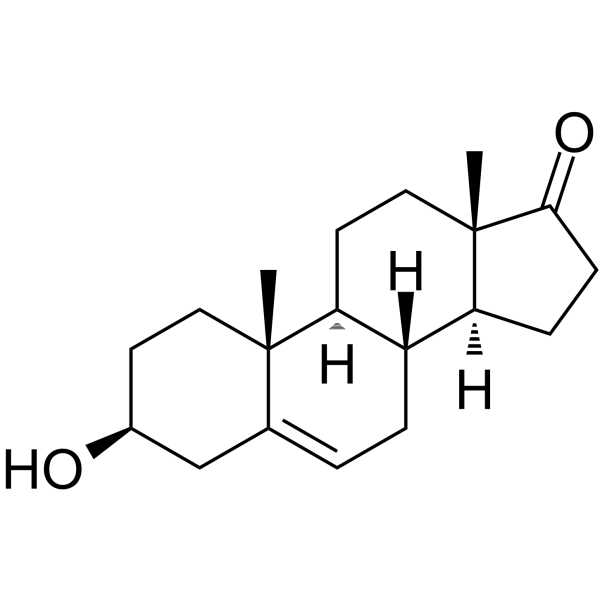
  • HY-14650
    DHEA
    Maximum Cited Publications
    50 Publications Verification

    Prasterone; Dehydroisoandrosterone; Dehydroepiandrosterone

    Environmental Pollutants Endogenous Metabolite Androgen Receptor Cardiovascular Disease Endocrinology Cancer
    DHEA (Prasterone) is one of the most abundant steroid hormones. DHEA (Prasterone) mediates its action via multiple signaling pathways involving specific membrane receptors and via transformation into androgen and estrogen derivatives (e.g., androgens, estrogens, 7α and 7β DHEA, and 7α and 7β epiandrosterone derivatives) acting through their specific receptors.
    DHEA
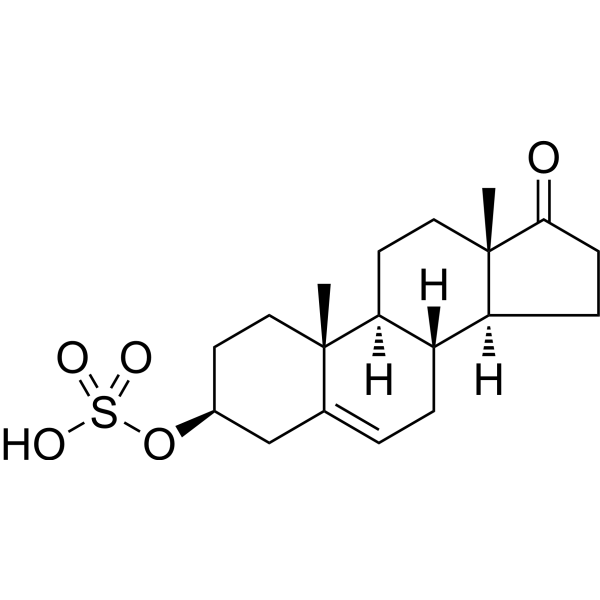
  • HY-113416
    Dehydroepiandrosterone sulfate
    5 Publications Verification

    DHEA sulfate; Prasterone sulfate

    GABA Receptor Sigma Receptor iGluR PPAR NF-κB Neurological Disease Metabolic Disease Inflammation/Immunology
    Dehydroepiandrosterone sulfate (DHEA sulfate; Prasterone sulfate) is a neurosteroid and the main secretion product of the adrenal gland. Dehydroepiandrosterone sulfate has both non-competitive antagonist activity of GABAA receptor and agonist activity of σ1 receptor. Dehydroepiandrosterone sulfate can partially penetrate the blood-brain barrier, inhibit GABAA receptor-mediated chloride influx, enhance NMDA receptor activity through σ1 receptors, exert anti-inflammatory, anti-glucocorticoid and antidepressant effects, and increase convulsive sensitivity. Dehydroepiandrosterone sulfate participates in neuroprotection, neurite growth regulation and catecholamine secretion regulation, and can be used in the study of depression, post-traumatic stress disorder (PTSD), Alzheimer's disease, etc. Dehydroepiandrosterone sulfate may also be a biomarker for cardiovascular disease mortality, and its concentration is independently and negatively correlated with mortality .
    Dehydroepiandrosterone sulfate
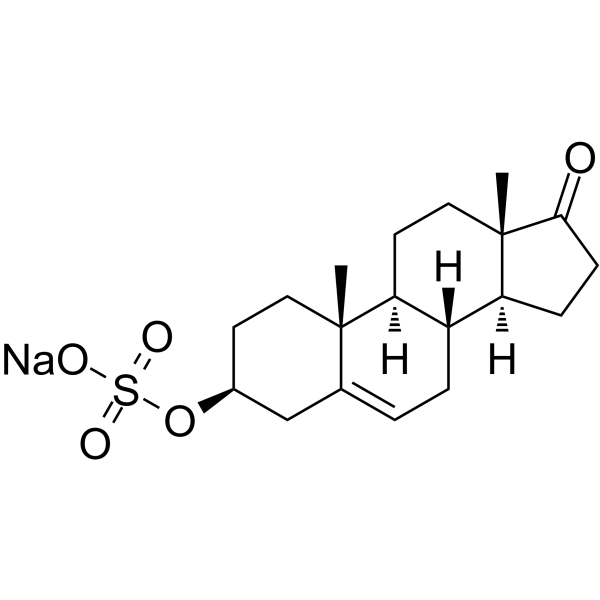
  • HY-B0765
    Dehydroepiandrosterone sulfate sodium
    5 Publications Verification

    DHEA sulfate sodium; Prasterone sulfate sodium

    GABA Receptor Sigma Receptor iGluR PPAR NF-κB Neurological Disease Metabolic Disease Inflammation/Immunology
    Dehydroepiandrosterone sulfate (DHEA sulfate; Prasterone sulfate) sodium salt is a neurosteroid and the main secretion product of the adrenal gland. Dehydroepiandrosterone sulfate sodium salt has both non-competitive antagonist activity of GABAA receptor and agonist activity of σ1 receptor. Dehydroepiandrosterone sulfate sodium salt can partially penetrate the blood-brain barrier, inhibit GABAA receptor-mediated chloride influx, enhance NMDA receptor activity through σ1 receptors, exert anti-inflammatory, anti-glucocorticoid and antidepressant effects, and increase convulsive sensitivity. Dehydroepiandrosterone sulfate sodium salt participates in neuroprotection, neurite growth regulation and catecholamine secretion regulation, and can be used in the study of depression, post-traumatic stress disorder (PTSD), Alzheimer's disease, etc. Dehydroepiandrosterone sulfate sodium salt may also be a biomarker for cardiovascular disease mortality, and its concentration is independently and negatively correlated with mortality .
    Dehydroepiandrosterone sulfate sodium
  • HY-14650R

    Prasterone (Standard); Dehydroisoandrosterone (Standard); Dehydroepiandrosterone (Standard)

    Androgen Receptor Endogenous Metabolite Reference Standards Metabolic Disease
    DHEA (Prasterone) (Standard) is the analytical standard of DHEA. This product is intended for research and analytical applications. DHEA is a steroid hormone .
    DHEA (Standard)
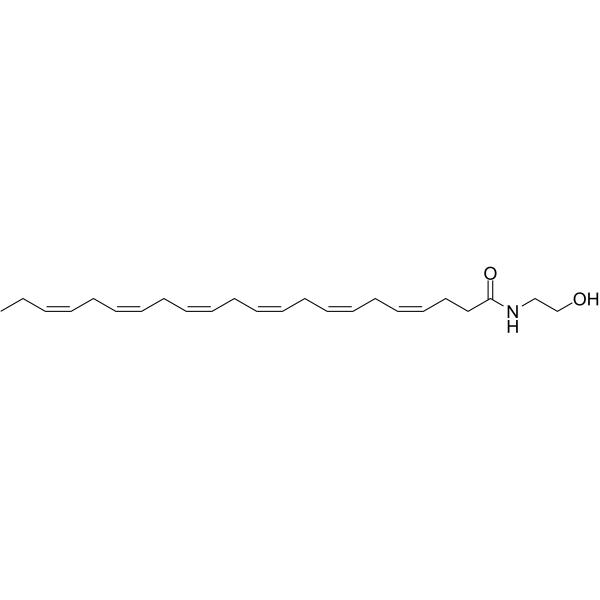
  • HY-100197
    Synaptamide
    1 Publications Verification

    N-Docosahexaenoyl ethanolamine (DHEA); Docosahexaenoyl ethanolamide

    Cannabinoid Receptor Neurological Disease
    Synaptamide (Dehydroepiandrosteron; DHEA) is an endogenous metabolite and structural analogue of Anandamide. Synaptamide binds to both the cannabinoid-1 and 2 (CB1 and CB2) cannabinoid receptors and has anti-inflammatory properties. Synaptamide is the first small-molecule endogenous ligand of an adhesion G protein-coupled receptor (aGPCR) .
    Synaptamide
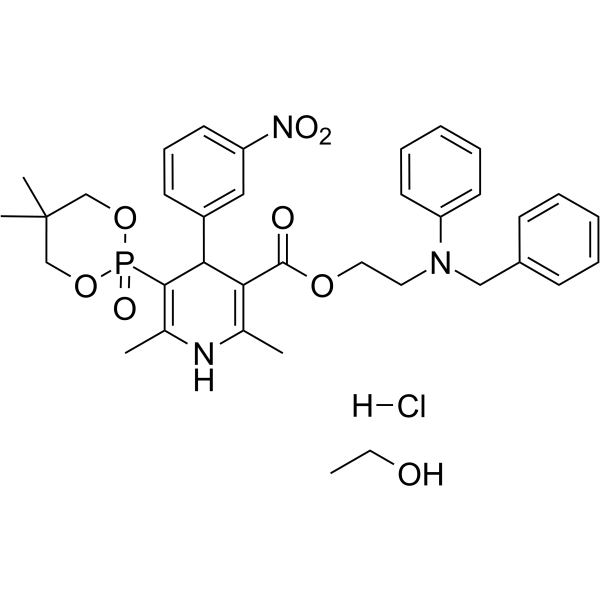
  • HY-12502A
    Efonidipine hydrochloride monoethanolate
    1 Publications Verification

    NZ-105 hydrochloride monoethanolate; (±)-Efonidipine hydrochloride monoethanolate

    Calcium Channel SARS-CoV Cardiovascular Disease Neurological Disease Cancer
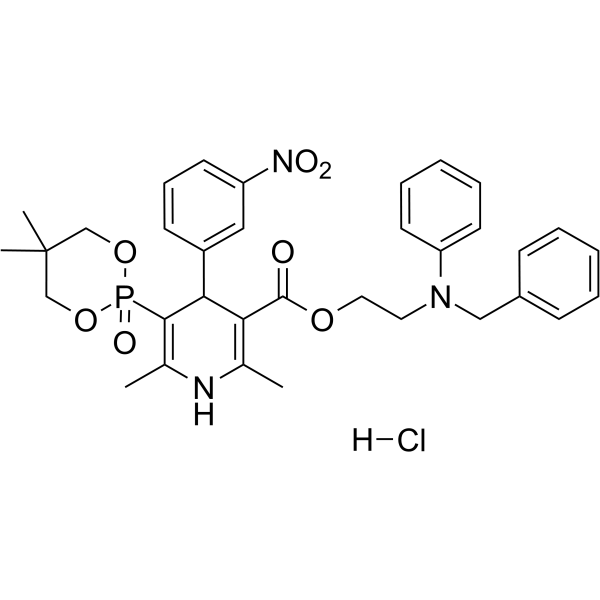
    Efonidipine (NZ-105) hydrochloride monoethanolate is an orally active dual L-type and T-type calcium channel blocker (CCB) with IC50 values of 1.8 and 350 nM, respectively. Efonidipine hydrochloride monoethanolate inhibits SARS-CoV-2 main protease. Efonidipine hydrochloride monoethanolate modulates adrenal steroidogenesis by increasing the expression of steroidogenic acute regulatory protein (StAR), dbcAMP-or angiotensin II-induced StAR mRNA expression and DHEA-S production, while suppressing the biosynthesis of aldosterone and cortisol. Efonidipine hydrochloride monoethanolate reduces plasma aldosterone levels in vivo. Efonidipine hydrochloride monoethanolate improves cardiac function in heart failure models by inhibiting T-type calcium channels (via both tonic and use-dependent blockade), independently of blood pressure reduction. Efonidipine hydrochloride monoethanolate can be used for research in hypertension, heart failure, and disorders involving dysregulated steroid hormone synthesis .
    Efonidipine hydrochloride monoethanolate
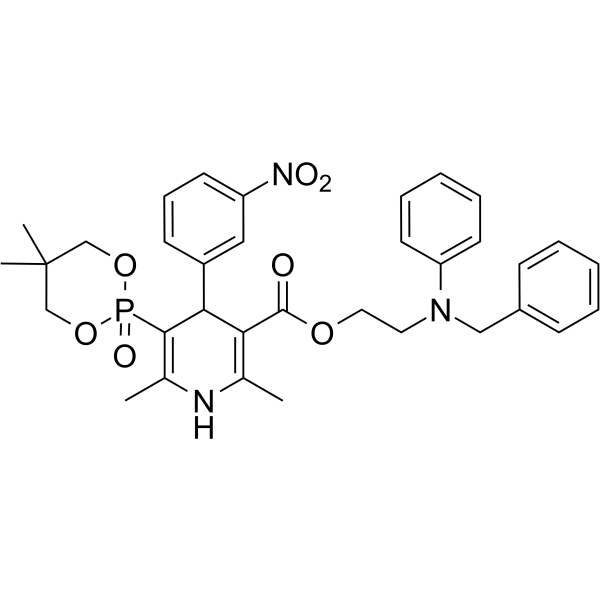
  • HY-12502
    Efonidipine
    1 Publications Verification

    NZ-105; (±)-Efonidipine

    Calcium Channel SARS-CoV Cardiovascular Disease Neurological Disease Cancer
    Efonidipine (NZ-105) is an orally active dual L-type and T-type calcium channel blocker (CCB) with IC50 values of 1.8 and 350 nM, respectively. Efonidipine inhibits SARS-CoV-2 main protease. Efonidipine modulates adrenal steroidogenesis by increasing the expression of steroidogenic acute regulatory protein (StAR), dbcAMP-or angiotensin II-induced StAR mRNA expression and DHEA-S production, while suppressing the biosynthesis of aldosterone and cortisol. Efonidipine reduces plasma aldosterone levels in vivo. Efonidipine improves cardiac function in heart failure models by inhibiting T-type calcium channels (via both tonic and use-dependent blockade), independently of blood pressure reduction. Efonidipine can be used for research in hypertension, heart failure, and disorders involving dysregulated steroid hormone synthesis .
    Efonidipine
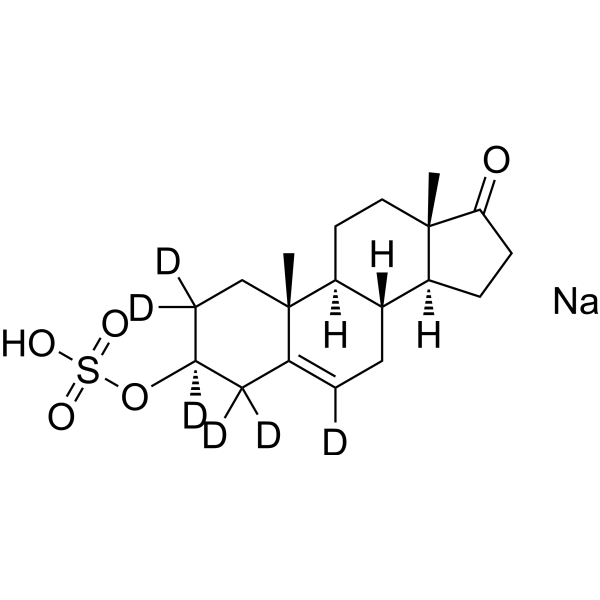
  • HY-141921S

    DHEA sulfate sodium-d6; Prasterone sulfate sodium-d6

    Isotope-Labeled Compounds GABA Receptor Sigma Receptor iGluR PPAR NF-κB Neurological Disease Metabolic Disease Inflammation/Immunology
    Dehydroepiandrosterone sulfate sodium salt-d6 (DHEA sulfate sodium salt-d6; Prasterone sulfate sodium salt-d6) is the deuterium labeled Dehydroepiandrosterone sulfate sodium salt (HY-B0765). Dehydroepiandrosterone sulfate (DHEA sulfate; Prasterone sulfate) sodium salt is a neurosteroid and the main secretion product of the adrenal gland. Dehydroepiandrosterone sulfate sodium salt has both non-competitive antagonist activity of GABAA receptor and agonist activity of σ1 receptor. Dehydroepiandrosterone sulfate sodium salt can partially penetrate the blood-brain barrier, inhibit GABAA receptor-mediated chloride influx, enhance NMDA receptor activity through σ1 receptors, exert anti-inflammatory, anti-glucocorticoid and antidepressant effects, and increase convulsive sensitivity. Dehydroepiandrosterone sulfate sodium salt participates in neuroprotection, neurite growth regulation and catecholamine secretion regulation, and can be used in the study of depression, post-traumatic stress disorder (PTSD), Alzheimer's disease, etc. Dehydroepiandrosterone sulfate sodium salt may also be a biomarker for cardiovascular disease mortality, and its concentration is independently and negatively correlated with mortality .
    Dehydroepiandrosterone sulfate sodium-d6
  • HY-138107

    Endogenous Metabolite Metabolic Disease
    Arimistane is a metabolite of 7-oxo-DHEA and can be used as a diagnostic marker of 7-oxo-DHEA administration .Arimistane is a metabolite of 7-oxo-DHEA and can be used as a diagnostic marker of 7-oxo-DHEA administration .
    Arimistane
  • HY-N9483

    7-Oxo-DHEA; 7-Ketodehydroepiandrosterone; 7-Oxodehydroepiandrosterone

    GABA Receptor Metabolic Disease
    7-Keto-DHEA binds to GABA Receptor, and reduces the ethanol intake in rats. 7-Keto-DHEA exhibits potential in investigation of alcohol dependence disorders .
    7-Keto-DHEA
  • HY-113031

    16α-Hydroxy-DHEA; 16α-OH-DHEA; 16α-hydroxy DHEA

    Cytochrome P450 Endocrinology
    16a-Hydroxydehydroisoandrosterone (16α-Hydroxy-DHEA) is a metabolite of the endogenous steroid hormone dehydroepiandrosterone. 16α-hydroxy Dehydroepiandrosterone is formed from dehydroepiandrosterone via 16-hydroxylation by the cytochrome P450 (CYP) isoforms CYP3A4 and CYP3A5 in adult human liver microsomes, as well as by fetal recombinant CYP3A7. It is a precursor to fetal estrogens, including estriol.
    16a-Hydroxydehydroisoandrosterone
  • HY-113416R

    DHEA sulfate (Standard); Prasterone sulfate (Standard)

    Reference Standards GABA Receptor Sigma Receptor iGluR PPAR NF-κB Neurological Disease Metabolic Disease Inflammation/Immunology
    Dehydroepiandrosterone sulfate (DHEA sulfate; Prasterone sulfate) (Standard) is the analytical standard of Dehydroepiandrosterone sulfate (HY-113416). This product is intended for research and analytical applications. Dehydroepiandrosterone sulfate (DHEA sulfate; Prasterone sulfate) is a neurosteroid and the main secretion product of the adrenal gland. Dehydroepiandrosterone sulfate has both non-competitive antagonist activity of GABAA receptor and agonist activity of σ1 receptor. Dehydroepiandrosterone sulfate can partially penetrate the blood-brain barrier, inhibit GABAA receptor-mediated chloride influx, enhance NMDA receptor activity through σ1 receptors, exert anti-inflammatory, anti-glucocorticoid and antidepressant effects, and increase convulsive sensitivity. Dehydroepiandrosterone sulfate participates in neuroprotection, neurite growth regulation and catecholamine secretion regulation, and can be used in the study of depression, post-traumatic stress disorder (PTSD), Alzheimer's disease, etc. Dehydroepiandrosterone sulfate may also be a biomarker for cardiovascular disease mortality, and its concentration is independently and negatively correlated with mortality .
    Dehydroepiandrosterone sulfate (Standard)
  • HY-175592

    3β-HSD Cancer
    HEAL-116 is a potent, specific and orally active 3β-hydroxysteroid dehydrogenase type 1 (3βHSD1) inhibitor with an IC50 of 1.18 μM and a KD of 1.32 μM. HEAL-116 inhibits DHEA (HY-14650) metabolism and DHEA-induced target gene expression and cell proliferation. HEAL-116 can be used for cancer research, such as prostate cancer .
    HEAL-116
  • HY-141901S1

    Prasterone-d5; Dehydroisoandrosterone-d5; Dehydroepiandrosterone-d5

    Isotope-Labeled Compounds Endogenous Metabolite Androgen Receptor Cardiovascular Disease Endocrinology Cancer
    DHEA-d5 (Prasterone-d5; Dehydroisoandrosterone-d5; Dehydroepiandrosterone-d5) is the deuterium labeled DHEA (HY-14650). DHEA (Prasterone) is one of the most abundant steroid hormones. DHEA (Prasterone) mediates its action via multiple signaling pathways involving specific membrane receptors and via transformation into androgen and estrogen derivatives (e.g., androgens, estrogens, 7α and 7β DHEA, and 7α and 7β epiandrosterone derivatives) acting through their specific receptors.
    DHEA-d5
  • HY-134545
    N-Arachidonoyl-L-alanine
    2 Publications Verification

    NALA

    Reactive Oxygen Species (ROS) Cancer
    N-Arachidonoyl-L-alanine is an endocannabinoid analog with anti-cancer effects. N- Arachidonoyl-L-alanine kills HNSCC cells through 5-LO-mediated ROS productio .
    N-Arachidonoyl-L-alanine
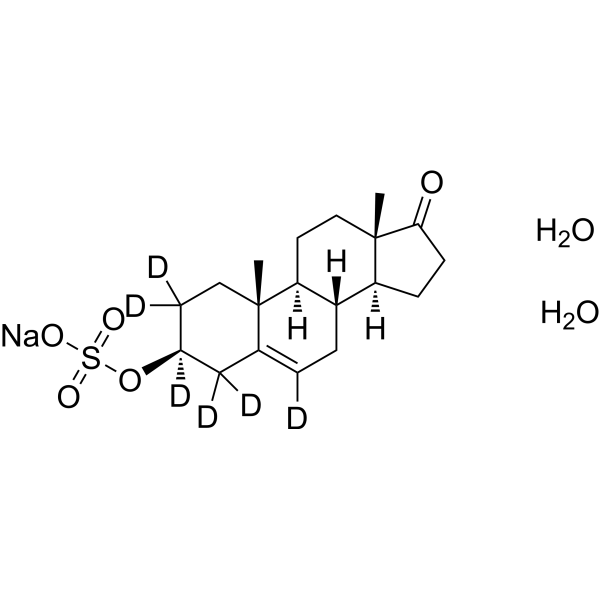
  • HY-113416AS

    DHEA sulfate-d6 sodium dihydrate; Prasterone sulfate-d6 sodium dihydrate

    Isotope-Labeled Compounds GABA Receptor Sigma Receptor iGluR PPAR NF-κB Neurological Disease Metabolic Disease Inflammation/Immunology
    Dehydroepiandrosterone sulfate sodium dihydrate-d6 sodium dihydrate is the deuterium labeled Dehydroepiandrosterone sulfate sodium dihydrate. Dehydroepiandrosterone sulfate (DHEA sulfate; Prasterone sulfate) sodium dihydrate is a neurosteroid and the main secretion product of the adrenal gland. Dehydroepiandrosterone sulfate sodium dihydrate has both non-competitive antagonist activity of GABAA receptor and agonist activity of σ1 receptor. Dehydroepiandrosterone sulfate sodium dihydrate can partially penetrate the blood-brain barrier, inhibit GABAA receptor-mediated chloride influx, enhance NMDA receptor activity through σ1 receptors, exert anti-inflammatory, anti-glucocorticoid and antidepressant effects, and increase convulsive sensitivity. Dehydroepiandrosterone sulfate sodium dihydrate participates in neuroprotection, neurite growth regulation and catecholamine secretion regulation, and can be used in the study of depression, post-traumatic stress disorder (PTSD), Alzheimer's disease, etc. Dehydroepiandrosterone sulfate sodium dihydrate may also be a biomarker for cardiovascular disease mortality, and its concentration is independently and negatively correlated with mortality .
    Dehydroepiandrosterone sulfate-d6 sodium dihydrate
  • HY-113031S1

    16α-Hydroxy-DHEA-d5; 16α-OH-DHEA-d5

    Isotope-Labeled Compounds Endogenous Metabolite Metabolic Disease
    16α-Hydroxydehydroepiandrosterone-d5 (16α-Hydroxy-DHEA-d5) is the deuterium labeled 16α-Hydroxydehydroepiandrosterone (HY-113031) .
    16α-Hydroxydehydroepiandrosterone-d5
  • HY-145751

    7α-Hydroxydehydroepiandrosterone; 3β,7α-Dihydroxy-Δ5-androsten-17-one

    Cytochrome P450 Mitochondrial Metabolism Metabolic Disease Cancer
    7α-Hydroxy-DHEA (7α-Hydroxydehydroepiandrosterone) is a 7α-hydroxylated metabolite of DHEA (HY-14650), catalyzed by intracellular steroid 7α-hydroxylases such as P450 2A1. 7α-Hydroxy-DHEA exhibits biological activity comparable to DHEA but does not convert into compounds with androgenic or estrogenic activity. It induces the activity of thermogenic enzymes such as mitochondrial sn-glycerol-3-phosphate dehydrogenase and cytosolic malic enzyme, enhancing heat production and reducing food utilization efficiency. As a more efficient and safer metabolite compared to DHEA, 7α-Hydroxy-DHEA holds potential for studies in the fields of obesity, metabolic diseases, and adrenal carcinoma .
    7α-Hydroxy-DHEA
  • HY-12502B

    NZ-105 hydrochloride; (±)-Efonidipine hydrochloride

    Calcium Channel SARS-CoV Cardiovascular Disease Cancer
    Efonidipine (NZ-105) hydrochloride is an orally active dual L-type and T-type calcium channel blocker (CCB) with IC50 values of 1.8 and 350 nM, respectively. Efonidipine hydrochloride inhibits SARS-CoV-2 main protease. Efonidipine hydrochloride modulates adrenal steroidogenesis by increasing the expression of steroidogenic acute regulatory protein (StAR), dbcAMP-or angiotensin II-induced StAR mRNA expression and DHEA-S production, while suppressing the biosynthesis of aldosterone and cortisol. Efonidipine hydrochloride reduces plasma aldosterone levels in vivo. Efonidipine hydrochloride improves cardiac function in heart failure models by inhibiting T-type calcium channels (via both tonic and use-dependent blockade), independently of blood pressure reduction. Efonidipine hydrochloride can be used for research in hypertension, heart failure, and disorders involving dysregulated steroid hormone synthesis .
    Efonidipine hydrochloride
  • HY-139247

    Drug Derivative Inflammation/Immunology
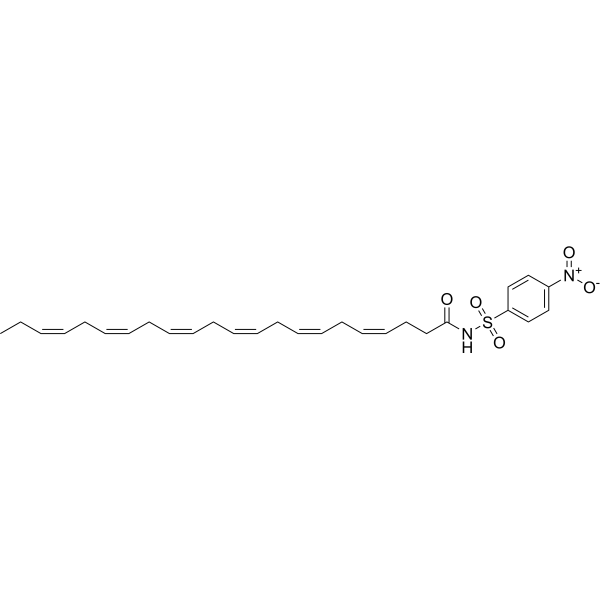
    pNPS-DHA (Compound 19) is an orally active DHA-ethanolamide (DHEA) derivative that has antiallergic activity. pNPS-DHA inhibits IgE-dependent passive cutaneous anaphylaxis (PCA) reaction in mice. pNPS-DHA has anti-degranulating activity in RBL-2H3 mast cells with an IC50 of 15 μM .
    pNPS-DHA
  • HY-116377

    Steroid Sulfatase Neurological Disease
    DU-14 is a potent steroid sulfatase inhibitor with an IC50 of 55.8 nM. DU-14 inhibits the MCF-7 cell proliferation (IC50 = 38.7 nM). DU-14 has neuroprotective effects against neurotoxic Aβ, suggesting that up-regulation of endogenous DHEAS by DU-14 could be beneficial to the alleviation of Aβ-induced impairments in spatial memory and synaptic plasticity .
    DU-14
  • HY-138970

    19,20-DHEA epoxide; 19,20-Epoxy docosapentaenoic acid ethanolamide; 19,20-EDP-EA

    Interleukin Related Others
    (±)19(20)-EDP ethanolamide (19,20-DHEA epoxide) (compound 19) is an ω-3 endocannabinoid epoxide with cytokine modulation in neuroinflammation studies, antiangiogenic effects in vascular endothelial cells, and vasodilatory effects on coronary arteries.
    (±)19(20)-EDP ethanolamide
  • HY-113031S

    16α-hydroxy-DHEA-d6; 16α-OH-DHEA-d6

    Isotope-Labeled Compounds Endogenous Metabolite Others
    16α-Hydroxydehydroepiandrosterone-d6 (16α-Hydroxy-DHEA-d6) is the deuterium labeled 16α-Hydroxydehydroepiandrosterone .
    16α-Hydroxydehydroepiandrosterone-d6
  • HY-RS14020

    Small Interfering RNA (siRNA) Others

    SULT2A1 Human Pre-designed siRNA Set A contains three designed siRNAs for SULT2A1 gene (Human), as well as a negative control, a positive control, and a FAM-labeled negative control.

    SULT2A1 Human Pre-designed siRNA Set A
    SULT2A1 Human Pre-designed siRNA Set A
  • HY-161340

    Apoptosis Cancer
    Anti-melanoma agent 2 (Compound IId) is a steroid hybrid that effectively induces endoplasmic reticulum stress (ERS) and causes apoptosis. Anti-melanoma agent 2 shows anti-melanoma effects .
    Anti-melanoma agent 2
  • HY-B0765R

    DHEA sulfate sodium (Standard); Prasterone sulfate sodium (Standard)

    Reference Standards GABA Receptor Sigma Receptor iGluR PPAR NF-κB Neurological Disease Metabolic Disease Inflammation/Immunology
    Dehydroepiandrosterone sulfate (DHEA sulfate; Prasterone sulfate) sodium salt (Standard) is the analytical standard of Dehydroepiandrosterone sulfate sodium salt (HY-B0765). This product is intended for research and analytical applications. Dehydroepiandrosterone sulfate (DHEA sulfate; Prasterone sulfate) is a neurosteroid and the main secretion product of the adrenal gland. Dehydroepiandrosterone sulfate has both non-competitive antagonist activity of GABAA receptor and agonist activity of σ1 receptor. Dehydroepiandrosterone sulfate can partially penetrate the blood-brain barrier, inhibit GABAA receptor-mediated chloride influx, enhance NMDA receptor activity through σ1 receptors, exert anti-inflammatory, anti-glucocorticoid and antidepressant effects, and increase convulsive sensitivity. Dehydroepiandrosterone sulfate participates in neuroprotection, neurite growth regulation and catecholamine secretion regulation, and can be used in the study of depression, post-traumatic stress disorder (PTSD), Alzheimer's disease, etc. Dehydroepiandrosterone sulfate may also be a biomarker for cardiovascular disease mortality, and its concentration is independently and negatively correlated with mortality .
    Dehydroepiandrosterone sulfate sodium (Standard)
  • HY-12502AR

    NZ-105 hydrochloride monoethanolate (Standard); (±)-Efonidipine hydrochloride monoethanolate (Standard)

    Reference Standards Calcium Channel SARS-CoV Cardiovascular Disease
    Efonidipine (NZ-105) hydrochloride monoethanolate (Standard) is the analytical standard of Efonidipine hydrochloride monoethanolate (HY-12502AR). This product is intended for research and analytical applications. Efonidipine (NZ-105) hydrochloride monoethanolate is an orally active dual L-type and T-type calcium channel blocker (CCB) with IC50 values of 1.8 and 350 nM, respectively. Efonidipine hydrochloride monoethanolate inhibits SARS-CoV-2 main protease. Efonidipine hydrochloride monoethanolate modulates adrenal steroidogenesis by increasing the expression of steroidogenic acute regulatory protein (StAR), dbcAMP-or angiotensin II-induced StAR mRNA expression and DHEA-S production, while suppressing the biosynthesis of aldosterone and cortisol. Efonidipine hydrochloride monoethanolate reduces plasma aldosterone levels in vivo. Efonidipine hydrochloride monoethanolate improves cardiac function in heart failure models by inhibiting T-type calcium channels (via both tonic and use-dependent blockade), independently of blood pressure reduction. Efonidipine hydrochloride monoethanolate can be used for research in hypertension, heart failure, and disorders involving dysregulated steroid hormone synthesis .
    Efonidipine hydrochloride monoethanolate (Standard)
  • HY-172521

    Potassium Channel Others
    (S)-(+)-Docosahexaenyl-2'-hydroxy-1'-propylamide (N-Docosahexacnoylethanolamide(22:6)) is a DHEA homolog. (S)-(+)-Docosahexaenyl-2'-hydroxy-1'-propylamide blocks the Shaker-related voltage-gated potassium channels. (S)-(+)-Docosahexaenyl-2'-hydroxy-1'-propylamide can inhibit the Kv1.2 K+ currents with an IC50 of 1.5 μM .
    (S)-(+)-Docosahexaenyl-2'-hydroxy-1'-propylamide
  • HY-183342

    NO Synthase Drug Derivative Metabolic Disease
    DHEA Benzophenone-biotin is a photoactive DHEA (HY-14650) analog containing Biotin (HY-B0511) and Benzophenone (HY-Y0546) groups. DHEA Benzophenone-biotin inhibits plasma membrane binding of DHEA, activates endothelial NO synthase. DHEA Benzophenone-biotin cross-links to plasma membrane DHEA binding sites upon UV irradiation to identify associated proteins .
    DHEA Benzophenone-biotin
  • HY-182542

    OAT Cancer
    SOAT-IN-3 is a selective inhibitor of sodium-dependent organic anion transporter (SOAT/SLC10A6). SOAT-IN-3 reduces intracellular estradiol synthesis, the process of dehydroepiandrosterone (DHEA) production from DHEAS, and DHEAS-induced cancer cell proliferation. SOAT-IN-3 shows no cytotoxicity against breast cancer cells at the tested concentrations. SOAT-IN-3 can be used in the research of breast cancer .
    SOAT-IN-3
  • HY-182767

    Na+/HCO3- Cotransporter Cancer
    SOAT-IN-2 is a selective sodium-dependent organic anion transporter (SOAT, SLC10A6) inhibitor. SOAT-IN-2 blocks sodium-dependent cellular uptake of sulfated steroid Dehydroepiandrosterone sulfate (DHEAS, HY-113416). SOAT-IN-2 reduces intracellular estradiol synthesis, DHEA (HY-14650) formation, and DHEAS-stimulated cancer cell proliferation without inducing cytotoxicity. SOAT-IN-2 can be used for the research of breast cancer .
    SOAT-IN-2
  • HY-N15925

    ent-Dehydroepiandrosterone

    Biochemical Assay Reagents Others
    ent-DHEA is an enantiomer of DHEA (HY-14650). DHEA (Prasterone) is one of the most abundant steroid hormones .
    ent-DHEA
  • HY-N9483R

    7-Oxo-DHEA (Standard); 7-Ketodehydroepiandrosterone (Standard); 7-Oxodehydroepiandrosterone (Standard)

    GABA Receptor Reference Standards Metabolic Disease
    7-Keto-DHEA (Standard) (7-Oxo-DHEA (Standard)) is the analytical standard of 7-Keto-DHEA (HY-N9483). This product is intended for research and analytical applications. 7-Keto-DHEA binds to GABA Receptor, and reduces the ethanol intake in rats. 7-Keto-DHEA exhibits potential in investigation of alcohol dependence disorders .
    7-Keto-DHEA (Standard)
  • HY-N15918

    Drug Isomer Others
    ent-DHEA Sulfate sodium is an enantiomer of Dehydroepiandrosterone sulfate (HY-113416).
    ent-DHEA Sulfate sodium
  • HY-N17686

    Drug Metabolite Endocrinology
    Androstenediol 3-sulfate is a metabolite DHEA sulfate (HY-113416). Androstenediol 3-sulfate is a key precursor for the synthesis of androgens in the testes and plays a significant role in the self-regulatory pathway of androgen synthesis .
    Androstenediol 3-sulfate
  • HY-171902

    Biochemical Assay Reagents Others
    (R)-(-)-Docosahexaenyl-2'-hydroxy-1'-propylamide is a DHEA homolog. (R)-(-)-Docosahexaenyl-2'-hydroxy-1'-propylamide is characterized by the addition of an (R)-β-methyl group at the terminal ethanolamine carbon .
    (R)-(-)-Docosahexaenyl-2'-hydroxy-1'-propylamide
  • HY-172580

    Biochemical Assay Reagents Others
    (S)-(−)-Docosahexaenyl-1'-hydroxy-2'-propylamide is the enantiomer of (R)-(−)-Docosahexaenyl-1'-hydroxy-2'-propylamide (HY-171902). (R)-(-)-Docosahexaenyl-2'-hydroxy-1'-propylamide is a DHEA homolog. (R)-(-)-Docosahexaenyl-2'-hydroxy-1'-propylamide is characterized by the addition of an (R)-β-methyl group at the terminal ethanolamine carbon.
    (S)-(-)-Docosahexaenyl-1'-hydroxy-2'-propylamide

Inquiry Online

Your information is safe with us. * Required Fields.

Salutation


Country or Region *

Applicant Name *


Organization Name *

Department *


Email Address *


Product Name *

Cat. No.


Requested quantity *

Phone Number *


Remarks

Inquiry Online

Inquiry Information

Product Name:
Cat. No.:
Quantity:
MCE Japan Authorized Agent:

