From 11:00 pm to 12:00 pm EST ( 8:00 pm to 9:00 pm PST ) on January 6th, the website will be under maintenance. We are sorry for the inconvenience. Please arrange your schedule properly.
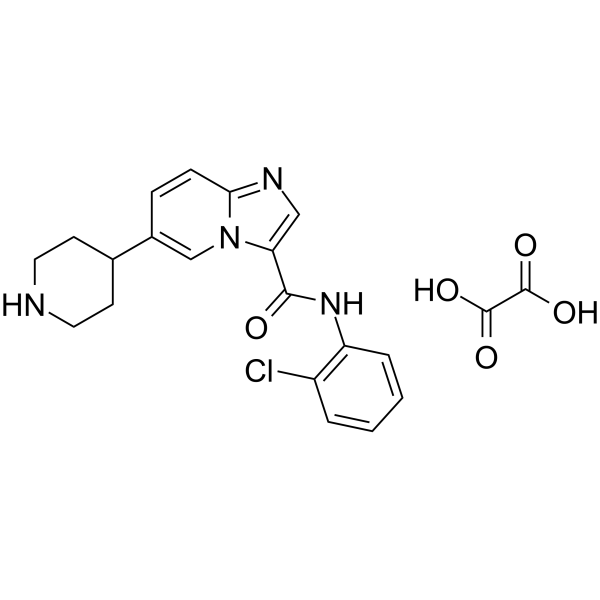
LDN-211904 oxalate is a potent and reversible EphB3 inhibitor with an IC50 of 79 nM. LDN-211904 oxalate shows good metabolic stability in mouse liver microsomes. LDN-211904 oxalate with Cetuximab (HY-P9905) could be effective in inhibiting STAT3-activated colorectal cancer (CRC) stemness and Cetuximab resistance in CRC .
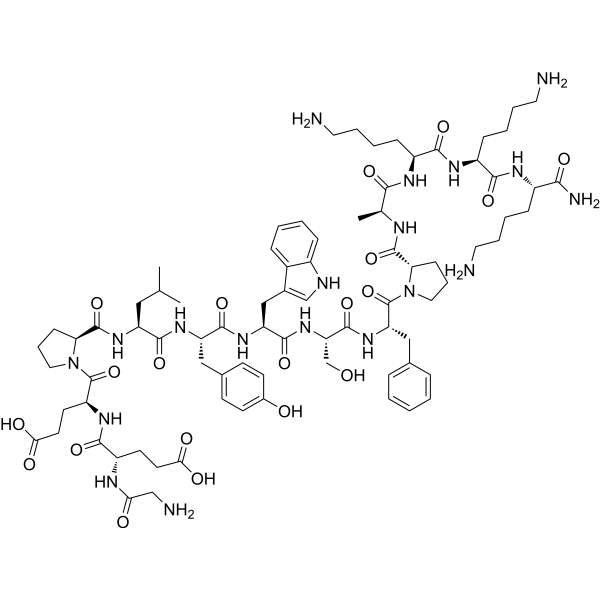
Srctide is a biological active peptide. (This is a peptide substrate for many protein kinases, such as Blk, BTK, cKit, EPHA1, EPHB2, EPHB3, ERBB4, FAK, Flt3, IGF-1R, ITK, Lck, MET, MUSK, Ret, Src, TIE2, TrkB, VEGF-R1 (Flt-1) and VEGF-R2 (KDR).)
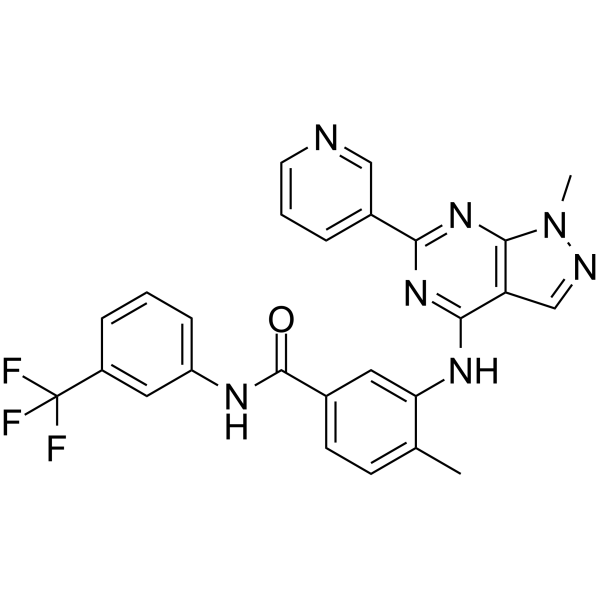
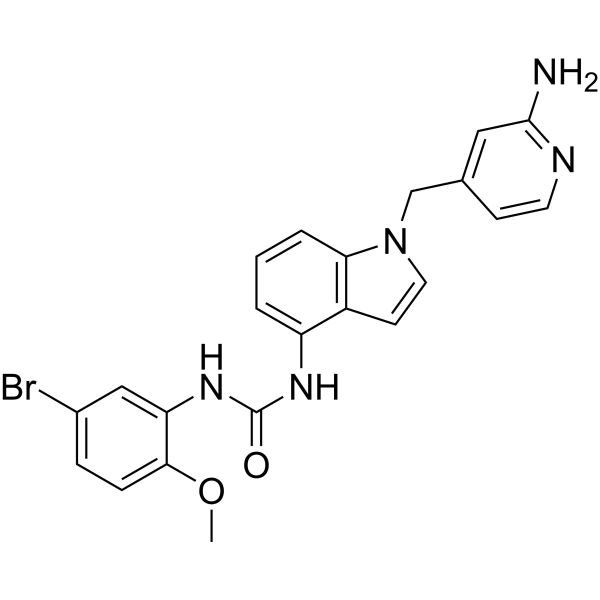
PKMYT1-IN-8 (Compound 137) is the inhibitor for PKMYT1 with an IC50 of 9 nM. PKMYT1-IN-8 inhibits EPHB3, EPHA1, KIT, EPHB1, EPHA2, EPHA3, and EPHB2with IC50s of 1.79, 3.17, 4.29, 6.32, 6.83, 8.10, and 10.9 μM, respectively. PKMYT1-IN-8 inhibits the proliferation of cancer cell OVCAR3 with GI50 of 2.02 μM .
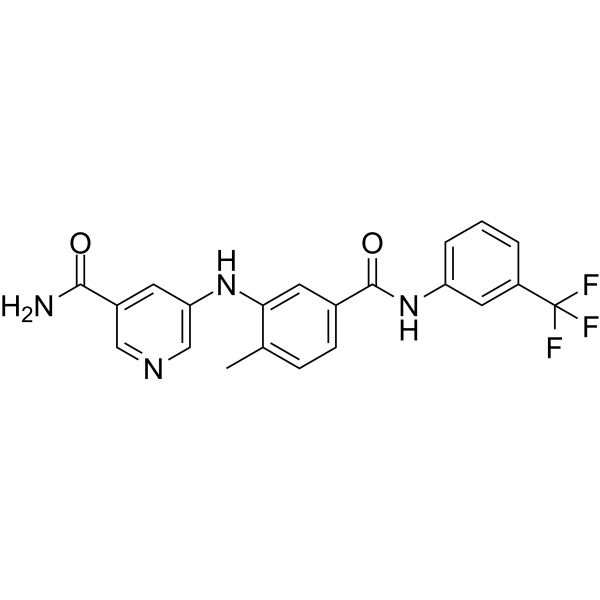
AZ12672857 is an orally active inhibitor of EphB4 (IC50=1.3 nM) and Src kinases. AZ12672857 shows good inhibition of proliferation of c-Src transfected 3T3 cells (IC50=2 nM) as well as autophosphorylation of EphB4 in transfected CHO-K1 cells (IC50=9 nM) .
The Anti-EphB2 Antibody is a CHO expressed human antibody that targets EphB2. The Anti-EphB2 Antibody has a huIgG1 heavy chain and a huκ light chain, with a predicted molecular weight (MW) of 150 kDa. The isotype control for the Anti-EphB2 Antibody can be referenced as Human IgG1 kappa, Isotype Control (HY-P99001).
EPHB4 Human Pre-designed siRNA Set A contains three designed siRNAs for EPHB4 gene (Human), as well as a negative control, a positive control, and a FAM-labeled negative control.
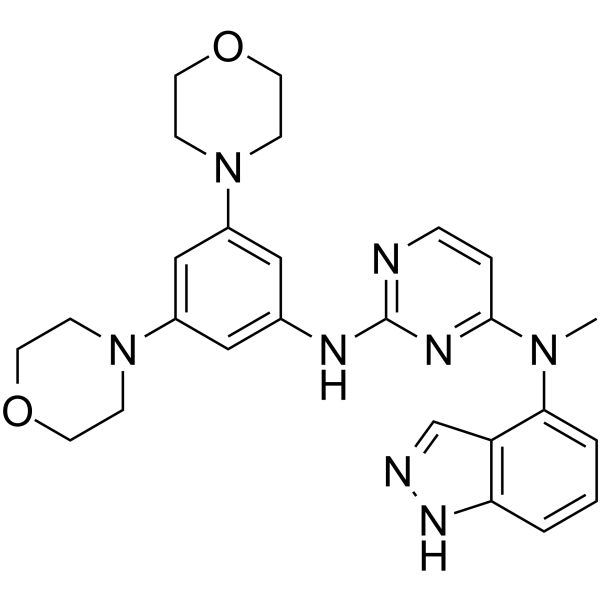
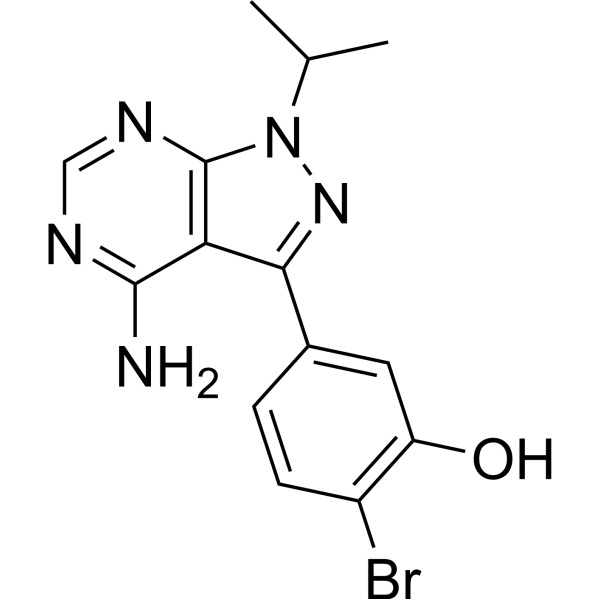
PP487 is a dual inhibitor of tyrosine kinase/PI(3)Ks with IC50 values of 0.017 μM, 0.072 μM, 0.004 μM, 0.01 μM, 0.55 μM, 0.22 μM, and < 0.01 μM against DNA-PK, mTOR, Hck, Src, EGFR, EphB4, and PDGFR, respectively. PP487 can be used for cancer research .
Ephb3 Mouse Pre-designed siRNA Set A contains three designed siRNAs for Ephb3 gene (Mouse), as well as a negative control, a positive control, and a FAM-labeled negative control.
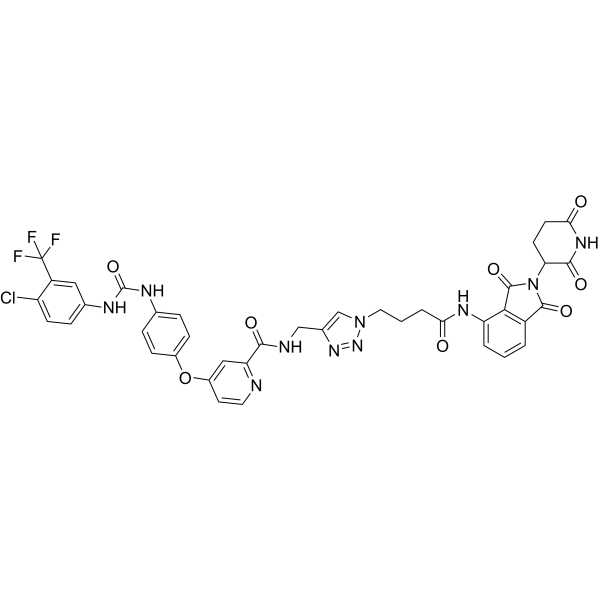
SA-PA is an intracellular self-assembled PROTAC based on azide and alkyne. SA-PA is able to selectively degrade VEGFR-2, PDGFR-β and EphB4 proteins in U87 cells. SA-PA can be converted to PROTAC in situ by click reaction with the help of endogenous copper in tumor tissues .
LDN-211904 is a potent and reversible EphB3 inhibitor with an IC50 of 79 nM. LDN-211904 shows good metabolic stability in mouse liver microsomes. LDN-211904 with cetuximab could be effective in inhibiting STAT3-activated colorectal cancer (CRC) stemness and Cetuximab (HY-P9905) resistance in CRC .
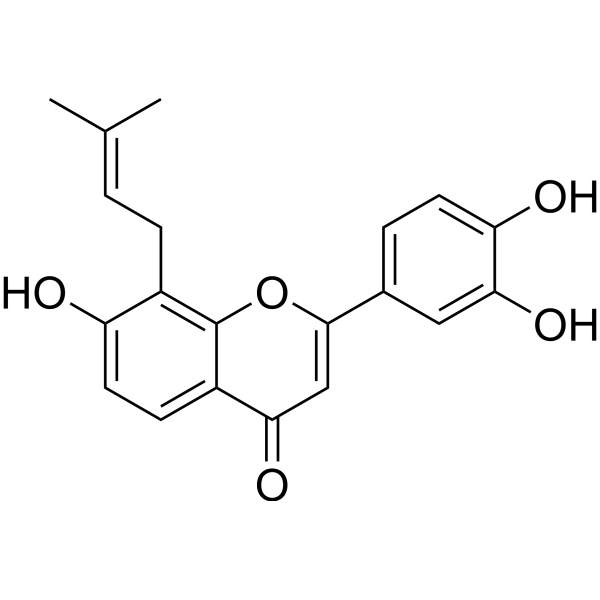
Corylifol C is a potent protein kinase inhibitor with IC50 valueS of 8.7, 3.0, 2.1, 6.4, 4.5, 6.2, 2.3, 1.2, 5.1 μg/ml for ARK5, Aurora-A, Aurora-B, AXL, B-RAF-VE, CDK4/CycD1, TIE2, EGF-R, EPHB4, respectively .
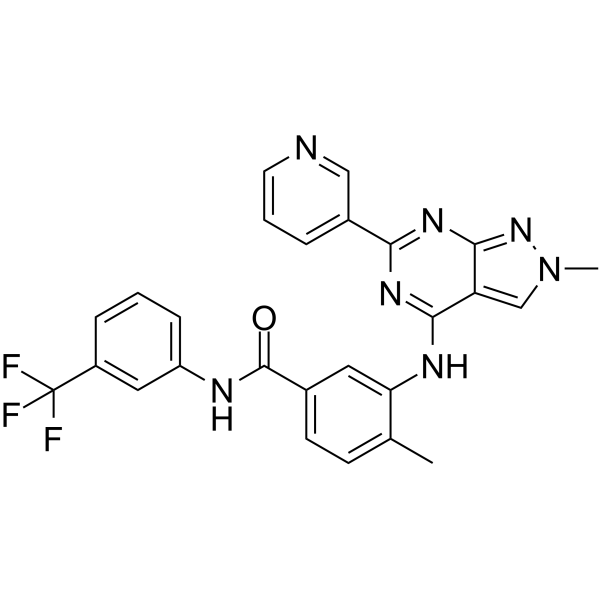
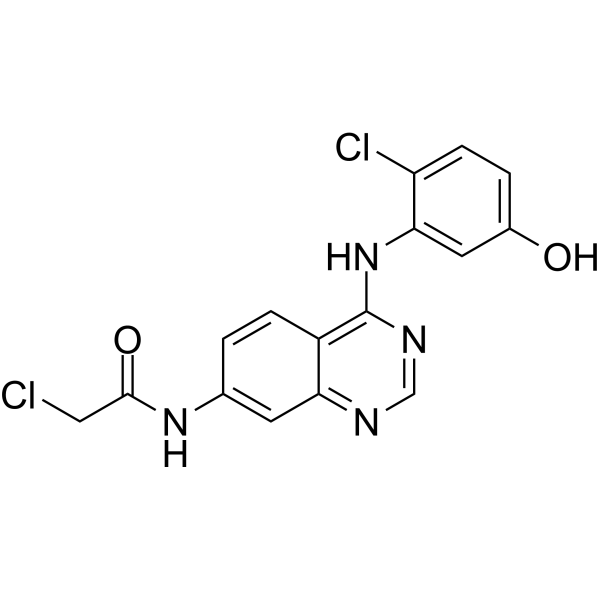
N-(2-Chlorophenyl)-1H-indole-3-carboxamide (Compound 60) is a substituted derivative of the pyrazolo[1,5-a]pyridine core. N-(2-Chlorophenyl)-1H-indole-3-carboxamide does not exhibit EphB3 kinase inhibitory activity and can be used as a negative control compound .
Ephb6 Mouse Pre-designed siRNA Set A contains three designed siRNAs for Ephb6 gene (Mouse), as well as a negative control, a positive control, and a FAM-labeled negative control.
Ephb4 Rat Pre-designed siRNA Set A contains three designed siRNAs for Ephb4 gene (Rat), as well as a negative control, a positive control, and a FAM-labeled negative control.
EPHB1 Human Pre-designed siRNA Set A contains three designed siRNAs for EPHB1 gene (Human), as well as a negative control, a positive control, and a FAM-labeled negative control.
EPHB3 Human Pre-designed siRNA Set A contains three designed siRNAs for EPHB3 gene (Human), as well as a negative control, a positive control, and a FAM-labeled negative control.
Ephb6 Rat Pre-designed siRNA Set A contains three designed siRNAs for Ephb6 gene (Rat), as well as a negative control, a positive control, and a FAM-labeled negative control.
Ephb2 Mouse Pre-designed siRNA Set A contains three designed siRNAs for Ephb2 gene (Mouse), as well as a negative control, a positive control, and a FAM-labeled negative control.
Ephb1 Mouse Pre-designed siRNA Set A contains three designed siRNAs for Ephb1 gene (Mouse), as well as a negative control, a positive control, and a FAM-labeled negative control.
Ephb1 Rat Pre-designed siRNA Set A contains three designed siRNAs for Ephb1 gene (Rat), as well as a negative control, a positive control, and a FAM-labeled negative control.
EPHB6 Human Pre-designed siRNA Set A contains three designed siRNAs for EPHB6 gene (Human), as well as a negative control, a positive control, and a FAM-labeled negative control.
EPHB2 Human Pre-designed siRNA Set A contains three designed siRNAs for EPHB2 gene (Human), as well as a negative control, a positive control, and a FAM-labeled negative control.
TG-100435 is a multitargeted, orally active protein tyrosine kinase inhibitor, with Ki of 13 to 64 nM for Src, Lyn, Abl, Yes, Lck, and EphB4. TG-100435 plays an important role in cancer research .
SA-VA is an intracellular self-assembled PROTAC based on azide and alkyne. SA-VA is able to selectively degrade VEGFR-2 and EphB4 proteins in U87 cells. SA-VA can be converted to PROTAC in situ by click reaction with the help of endogenous copper in tumor tissues. SA-VA promotes apoptosis and blocks cells in S phase .
EphB4-IN-1 is a selective EphB4 tyrosine kinase inhibitor with IC50 values of 0.16-0.30 μM. EphB4-IN-1 binds to the ATP binding site of EphB4 in a DFG-in conformation, forming four stable intermolecular hydrogen bonds. EphB4-IN-1 also inhibits Src, Abl1, Lck, and EGFR kinases. EphB4-IN-1 inhibits EphB4 autophosphorylation. EphB4-IN-1 can be used for the research of cancer, such as non small cell lung cancer .
EphB4-IN-2 (compound 66) is a tyrosine kinase inhibitor with an IC50 value of 1.6 nM against human EphB4, and exhibits selectivity toward kinases bearing threonine gatekeeper residues. EphB4-IN-2 also has high ligand efficiency .
STA-013 is a EphB tyrosine kinase inhibitor. STA-013 shows promising potency against EphB1 (IC50 = 0.69 µM), EphB2 (IC50 = 1.73 µM), and EphB4 (IC50 = 1.02 µM) tyrosine kinases. STA-013 results a inhibition of the EphB phosphorylated signal, coupled with increased p-AKT/AKT signaling, to suggest insulin signaling activation. STA-013 inhibits EphB tyrosine kinase by enhancing insulin receptor beta (IRβ) signaling, and decreasing TGF-β levels in the heart. STA-013 can be used for the study of type 2 diabetes and cardiac complications (diabetic cardiomyopathy) .
Ephb4 Mouse Pre-designed siRNA Set A contains three designed siRNAs for Ephb4 gene (Mouse), as well as a negative control, a positive control, and a FAM-labeled negative control.
Ephb3 Rat Pre-designed siRNA Set A contains three designed siRNAs for Ephb3 gene (Rat), as well as a negative control, a positive control, and a FAM-labeled negative control.
Ephb2 Rat Pre-designed siRNA Set A contains three designed siRNAs for Ephb2 gene (Rat), as well as a negative control, a positive control, and a FAM-labeled negative control.
JI-101 hydrochloride is an orally active angiogenesis inhibitor and anticancer agent with 55% oral bioavailability in Sprague Dawley rats, high permeability, and no P-gp substrate activity .JI-101 hydrochloride modulates angiogenesis signaling pathways in tumor vessel beds, downregulates EphB4, targets EphB4, VEGFR-2, and PDGFR-β, and inhibits multiple stages of tumor angiogenesis .JI-101 hydrochloride exerts activity against cancer cells and xenografts, exhibits mild to moderate inhibition of CYP3A4, and shows stability in pre-clinical and human liver microsomes .JI-101 hydrochloride undergoes rapid oral absorption in Sprague Dawley rats, has extensive tissue distribution with preferred lung uptake, and is excreted via bile with mono- and di-hydroxy metabolites, with feces as the primary elimination route .JI-101 hydrochloride can be used for the research of ovarian cancer and solid tumors .
LDN-211904 oxalate (Standard) is the analytical standard of LDN-211904 (oxalate) (HY-107460). This product is intended for research and analytical applications. LDN-211904 oxalate is a potent and reversible EphB3 inhibitor with an IC50 of 79 nM. LDN-211904 oxalate shows good metabolic stability in mouse liver microsomes. LDN-211904 oxalate with Cetuximab (HY-P9905) could be effective in inhibiting STAT3-activated colorectal cancer (CRC) stemness and Cetuximab resistance in CRC .
Srctide is a biological active peptide. (This is a peptide substrate for many protein kinases, such as Blk, BTK, cKit, EPHA1, EPHB2, EPHB3, ERBB4, FAK, Flt3, IGF-1R, ITK, Lck, MET, MUSK, Ret, Src, TIE2, TrkB, VEGF-R1 (Flt-1) and VEGF-R2 (KDR).)
The Anti-EphB2 Antibody is a CHO expressed human antibody that targets EphB2. The Anti-EphB2 Antibody has a huIgG1 heavy chain and a huκ light chain, with a predicted molecular weight (MW) of 150 kDa. The isotype control for the Anti-EphB2 Antibody can be referenced as Human IgG1 kappa, Isotype Control (HY-P99001).
The Anti-EphB4 Antibody is a human antibody expressed in CHO that targets EphB4. The predicted molecular weight (MW) of the Anti-EphB4 Antibody is 150 kDa. For the isotype control of Anti-EphB4 Antibody, please refer to Human IgG1 kappa, Isotype Control (HY-P99001).
Corylifol C is a potent protein kinase inhibitor with IC50 valueS of 8.7, 3.0, 2.1, 6.4, 4.5, 6.2, 2.3, 1.2, 5.1 μg/ml for ARK5, Aurora-A, Aurora-B, AXL, B-RAF-VE, CDK4/CycD1, TIE2, EGF-R, EPHB4, respectively .
EphB2 Protein is a neurotrophic factor, and a member of the eph receptor tyrosine kinase. EphB2 plays an important role in cancer progression and in immunity. EphB2 can bind to directly to the NMDA receptor and induces its tyrosine phosphorylation. EphB2 is essential for neuronal connectivity and plasticity in the brain, as well as synaptic function. Besides, EphB2 can also interact with cells expressing ephrinB ligands, and results in EphB2 activation and phosphorylation of tyrosines in the ephrinB cytodomain. EphB2 also regulates thrombus formation and clot retraction. EphB2 Protein, Human (HEK293, Fc) is the recombinant human-derived EphB2 protein, expressed by HEK293 , with C-hFc labeled tag.
EphB4 protein is a receptor tyrosine kinase that binds to ephrin B ligand and initiates bidirectional signaling. Positive signaling regulates the rejection and separation of cells from EFNB2-expressing cells. EphB4 Protein, Human (HEK293, His) is the recombinant human-derived EphB4 protein, expressed by HEK293 , with C-His labeled tag.
EphB4 protein is a receptor tyrosine kinase that binds to ephrin B ligand and initiates bidirectional signaling. Positive signaling regulates the rejection and separation of cells from EFNB2-expressing cells. EphB4 Protein, Human (HEK293) is the recombinant human-derived EphB4 protein, expressed by HEK293 , with tag free.
Ephb4 Protein, a receptor tyrosine kinase, plays a critical role in angiogenesis and development. Dysregulation of Ephb4 Protein has been associated with disorders like cancer and cardiovascular diseases. Targeting Ephb4 Protein may provide potential therapeutic interventions in these conditions by modulating angiogenesis, inhibiting tumor growth, and managing cardiovascular complications. EphB4 Protein, Mouse (HEK293, Fc) is the recombinant mouse-derived EphB4 protein, expressed by HEK293 , with C-hFc labeled tag.
Ephb4 Protein, a receptor tyrosine kinase, plays a critical role in angiogenesis and development. Dysregulation of Ephb4 Protein has been associated with disorders like cancer and cardiovascular diseases. Targeting Ephb4 Protein may provide potential therapeutic interventions in these conditions by modulating angiogenesis, inhibiting tumor growth, and managing cardiovascular complications. EphB4 Protein, Mouse (HEK293, His) is the recombinant mouse-derived EphB4 protein, expressed by HEK293 , with C-His labeled tag.
EphB4 protein is a receptor tyrosine kinase that binds to ephrin B ligand and initiates bidirectional signaling. Positive signaling regulates the rejection and separation of cells from EFNB2-expressing cells. EphB4 Protein, Human (HEK293, Fc) is the recombinant human-derived EphB4 protein, expressed by HEK293 , with C-hFc labeled tag.
The EphB3 protein is a receptor tyrosine kinase that performs bidirectional signaling with the transmembrane ephrin B ligand. It participates in forward signaling and reverse signaling, sharing functionality with EPHB2. EphB3 Protein, Human (Active, sf9) is the recombinant human-derived EphB3, expressed by Sf9 insect cells, with tag-free.
EphB4 protein is a receptor tyrosine kinase that binds to ephrin B ligand and initiates bidirectional signaling. Positive signaling regulates the rejection and separation of cells from EFNB2-expressing cells. EphB4 Protein, Human (Biotinylated, HEK293, His) is the recombinant human-derived EphB4 protein, expressed by HEK293 , with C-His labeled tag.
EphB4 protein is a receptor tyrosine kinase that binds to ephrin B ligand and initiates bidirectional signaling. Positive signaling regulates the rejection and separation of cells from EFNB2-expressing cells. EphB4 Protein, Human (sf9, His-GST) is the recombinant human-derived EphB4 protein, expressed by Sf9 insect cells , with N-His, N-GST labeled tag.
EphB6, a kinase-defective receptor, interacts with ephrin-B1 and ephrin-B2, regulating cell adhesion and migration. It inhibits JNK activation, reduces IL-2 secretion and CD25 expression in response to ephrin-B2. EphB6 interacts with CBL, EPHB1, and FYN, highlighting its multifaceted role in cellular signaling. EphB6 Protein, Human (HEK293) is the recombinant human-derived EphB6 protein, expressed by HEK293 , with tag free.
EphB1 protein is a receptor tyrosine kinase that participates in bidirectional signaling with ephrin B ligands (including EFNB1, EFNB2, and EFNB3). It plays a crucial role in retinal axon guidance, neural progenitor cell regulation, dendritic spine maturation, synapse formation, angiogenesis, targeted cell migration, and muscle stem cell maintenance. EphB1 Protein, Mouse (HEK293, His) is the recombinant mouse-derived EphB1 protein, expressed by HEK293 , with C-His labeled tag.
EphB6 Protein, a kinase-defective receptor, binds ephrin-B1 and ephrin-B2, influencing cell adhesion and migration with nuanced effects. Its interaction with ephrin-B2 inhibits JNK activation, T-cell receptor-induced IL-2 secretion, and CD25 expression. EphB6 also interacts with CBL, EPHB1, and ligand-independently with FYN, highlighting its intricate role in cellular signaling pathways. EphB6 Protein, Mouse (HEK293, His) is the recombinant mouse-derived EphB6 protein, expressed by HEK293 , with C-His labeled tag.
EphB6 is a member of the receptor tyrosine kinase family expressed primarily in thymic cells and T cell subpopulations. EphB6, when stimulated by ephrin-B2, inhibited JNK activation, and decreased T-cell receptor-induced IL-2 secretion and CD25 expression. EphB6 promotes colorectal epithelial cell transformation and may serve as a novel biomarker and therapeutic target for colorectal cancer. EphB6 Protein, Cynomolgus (HEK293, Fc) is the recombinant cynomolgus-derived EphB6 protein, expressed by HEK293 , with C-hFc labeled tag.
The EphB1 protein is a receptor tyrosine kinase that promiscuously binds to the transmembrane ephrin-B ligand of adjacent cells, initiating bidirectional signaling. The forward signal originates from the receptor and the reverse signal originates from the ephrin ligand. EphB1 Protein, Human (HEK293, His) is the recombinant human-derived EphB1 protein, expressed by HEK293 , with C-His labeled tag.
EphB6, a kinase-defective receptor, interacts with ephrin-B1 and ephrin-B2, regulating cell adhesion and migration. It inhibits JNK activation, reduces IL-2 secretion and CD25 expression in response to ephrin-B2. EphB6 interacts with CBL, EPHB1, and FYN, highlighting its multifaceted role in cellular signaling. EphB6 Protein, Human (HEK293, Fc) is the recombinant human-derived EphB6 protein, expressed by HEK293 , with C-hFc labeled tag.
EphB6, a kinase-defective receptor, interacts with ephrin-B1 and ephrin-B2, regulating cell adhesion and migration. It inhibits JNK activation, reduces IL-2 secretion and CD25 expression in response to ephrin-B2. EphB6 interacts with CBL, EPHB1, and FYN, highlighting its multifaceted role in cellular signaling. EphB6 Protein, Human (HEK293, His) is the recombinant human-derived EphB6 protein, expressed by HEK293 , with C-His labeled tag.
EphB1, a tyrosine kinase receptor, was promiscuously bound to the transmembrane ligand ephrin-B family on adjacent cells, initiating contact-dependent bidirectional signaling. EphB1 activates the MAPK/ERK and JNK signaling cascades that regulate cell migration and adhesion, respectively. EphB1 promotes differentiation and maturation of dendritic cells in non-small cell lung cancer. EphB1 Protein, Rhesus Macaque (HEK293, His) is the recombinant Rhesus Macaque-derived EphB1 protein, expressed by HEK293 , with C-His labeled tag.
EphB1, a tyrosine kinase receptor, was promiscuously bound to the transmembrane ligand ephrin-B family on adjacent cells, initiating contact-dependent bidirectional signaling. EphB1 activates the MAPK/ERK and JNK signaling cascades that regulate cell migration and adhesion, respectively. EphB1 promotes differentiation and maturation of dendritic cells in non-small cell lung cancer. EphB1 Protein, Rhesus Macaque (HEK293, Fc) is the recombinant Rhesus Macaque-derived EphB1 protein, expressed by HEK293 , with C-hFc labeled tag.
EphB2 protein is a member of the Eph receptor family and has a ligand-binding domain, a transmembrane region, and an intracellular kinase domain. It preferentially binds ephrin-B ligands and plays a role in nervous system and vascular development. EphB2 Protein, Mouse (HEK293, Fc) is the recombinant mouse-derived EphB2 protein, expressed by HEK293 , with C-hFc labeled tag.
The EphB1 protein is a receptor tyrosine kinase that promiscuously binds to the transmembrane ephrin-B ligand of adjacent cells, initiating bidirectional signaling. The forward signal originates from the receptor and the reverse signal originates from the ephrin ligand. EphB1 Protein, Human (sf9, His-GST) is the recombinant human-derived EphB1 protein, expressed by Sf9 insect cells , with N-His, N-GST labeled tag.
The EphB2 protein is a receptor tyrosine kinase that binds to the transmembrane ephrin B ligand on adjacent cells to initiate bidirectional signaling. The forward signal originates from the receptor, while the reverse signal originates from the ephrin ligand. EphB2 Protein, Mouse (HEK293, His) is the recombinant mouse-derived EphB2 protein, expressed by HEK293 , with C-His labeled tag.
EphB2 protein is a receptor tyrosine kinase that participates in bidirectional signaling with the transmembrane ephrin B ligand. It guides commissural axons in the developing cerebral cortex, efferent growth cones of the inner ear, and retinal ganglion cell axons. EphB2 Protein, Human (HEK293, His) is the recombinant human-derived EphB2 protein, expressed by HEK293 , with C-His labeled tag.
EphB1 protein is a receptor tyrosine kinase that participates in bidirectional signaling with ephrin B ligands (including EFNB1, EFNB2, and EFNB3). It plays a crucial role in retinal axon guidance, neural progenitor cell regulation, dendritic spine maturation, synapse formation, angiogenesis, targeted cell migration, and muscle stem cell maintenance. EphB1 Protein, Mouse (sf9, His-GST) is the recombinant mouse-derived EphB1 protein, expressed by Sf9 insect cells , with N-His, N-GST labeled tag.
EphB2 protein is a receptor tyrosine kinase that participates in bidirectional signaling with the transmembrane ephrin B ligand. It guides commissural axons in the developing cerebral cortex, efferent growth cones of the inner ear, and retinal ganglion cell axons. EphB2 Protein, Human (HEK293, His-Fc) is the recombinant human-derived EphB2 protein, expressed by HEK293 , with C-hFc, C-8*His labeled tag.
The EphB1 protein is a receptor tyrosine kinase that promiscuously binds to the transmembrane ephrin-B ligand of adjacent cells, initiating bidirectional signaling. The forward signal originates from the receptor and the reverse signal originates from the ephrin ligand. EphB1 Protein, Human is the recombinant human-derived EphB1, expressed by E. coli, with tag-free. The total length of EphB1 Protein, Human is 295 a.a..
EphB2 protein is a receptor tyrosine kinase that participates in bidirectional signaling with the transmembrane ephrin B ligand. It guides commissural axons in the developing cerebral cortex, efferent growth cones of the inner ear, and retinal ganglion cell axons. EphB2 Protein, Human (sf9, His-GST) is the recombinant human-derived EphB2 protein, expressed by Sf9 insect cells , with N-His, N-GST labeled tag.
The EphB2 protein is a receptor tyrosine kinase that binds to the transmembrane ephrin B ligand on adjacent cells to initiate bidirectional signaling. The forward signal originates from the receptor, while the reverse signal originates from the ephrin ligand. EphB2 Protein, Cynomolgus (HEK293, His) is the recombinant cynomolgus-derived EphB2 protein, expressed by HEK293 , with C-His labeled tag.
The EphB3 protein is a receptor tyrosine kinase that performs bidirectional signaling with the transmembrane ephrin B ligand. It participates in forward signaling and reverse signaling, sharing functionality with EPHB2. EphB3 Protein, Human (HEK293, His) is the recombinant human-derived EphB3 protein, expressed by HEK293 , with C-His labeled tag.
The EphB3 protein is a receptor tyrosine kinase that binds to the transmembrane ephrin B ligand to initiate bidirectional signaling. The forward signal originates from the receptor, while the reverse signal originates from the ephrin ligand. EphB3 Protein, Mouse (HEK293, His) is the recombinant mouse-derived EphB3 protein, expressed by HEK293 , with C-His labeled tag.
The EphB1 protein is a receptor tyrosine kinase that promiscuously binds to the transmembrane ephrin-B ligand of adjacent cells, initiating bidirectional signaling. The forward signal originates from the receptor and the reverse signal originates from the ephrin ligand. EphB1 Protein, Human (HEK293, Fc) is the recombinant human-derived EphB1 protein, expressed by HEK293 , with C-hFc labeled tag.
The EphB3 protein is a receptor tyrosine kinase that binds to the transmembrane ephrin B ligand to initiate bidirectional signaling. The forward signal originates from the receptor, while the reverse signal originates from the ephrin ligand. EphB3 Protein, Rat (HEK293, His) is the recombinant rat-derived EphB3 protein, expressed by HEK293 , with C-His labeled tag.
EphB2 protein is a receptor tyrosine kinase that participates in bidirectional signaling with the transmembrane ephrin B ligand. It guides commissural axons in the developing cerebral cortex, efferent growth cones of the inner ear, and retinal ganglion cell axons. EphB2 Protein, Human (sf9, GST) is the recombinant human-derived EphB2, expressed by Sf9 insect cells, with GST labeled tag. The total length of EphB2 Protein, Human (sf9, GST) is 475 a.a..
The EphB3 protein is a receptor tyrosine kinase that binds to the transmembrane ephrin B ligand to initiate bidirectional signaling. The forward signal originates from the receptor, while the reverse signal originates from the ephrin ligand. EphB3 Protein, Mouse (508a.a, HEK293, His) is the recombinant mouse-derived EphB3 protein, expressed by HEK293 , with C-His labeled tag.
EPHB4 Human Pre-designed siRNA Set A contains three designed siRNAs for EPHB4 gene (Human), as well as a negative control, a positive control, and a FAM-labeled negative control.
Ephb3 Mouse Pre-designed siRNA Set A contains three designed siRNAs for Ephb3 gene (Mouse), as well as a negative control, a positive control, and a FAM-labeled negative control.
Ephb6 Mouse Pre-designed siRNA Set A contains three designed siRNAs for Ephb6 gene (Mouse), as well as a negative control, a positive control, and a FAM-labeled negative control.
Ephb4 Rat Pre-designed siRNA Set A contains three designed siRNAs for Ephb4 gene (Rat), as well as a negative control, a positive control, and a FAM-labeled negative control.
EPHB1 Human Pre-designed siRNA Set A contains three designed siRNAs for EPHB1 gene (Human), as well as a negative control, a positive control, and a FAM-labeled negative control.
EPHB3 Human Pre-designed siRNA Set A contains three designed siRNAs for EPHB3 gene (Human), as well as a negative control, a positive control, and a FAM-labeled negative control.
Ephb6 Rat Pre-designed siRNA Set A contains three designed siRNAs for Ephb6 gene (Rat), as well as a negative control, a positive control, and a FAM-labeled negative control.
Ephb2 Mouse Pre-designed siRNA Set A contains three designed siRNAs for Ephb2 gene (Mouse), as well as a negative control, a positive control, and a FAM-labeled negative control.
Ephb1 Mouse Pre-designed siRNA Set A contains three designed siRNAs for Ephb1 gene (Mouse), as well as a negative control, a positive control, and a FAM-labeled negative control.
Ephb1 Rat Pre-designed siRNA Set A contains three designed siRNAs for Ephb1 gene (Rat), as well as a negative control, a positive control, and a FAM-labeled negative control.
EPHB6 Human Pre-designed siRNA Set A contains three designed siRNAs for EPHB6 gene (Human), as well as a negative control, a positive control, and a FAM-labeled negative control.
EPHB2 Human Pre-designed siRNA Set A contains three designed siRNAs for EPHB2 gene (Human), as well as a negative control, a positive control, and a FAM-labeled negative control.
Ephb4 Mouse Pre-designed siRNA Set A contains three designed siRNAs for Ephb4 gene (Mouse), as well as a negative control, a positive control, and a FAM-labeled negative control.
Ephb3 Rat Pre-designed siRNA Set A contains three designed siRNAs for Ephb3 gene (Rat), as well as a negative control, a positive control, and a FAM-labeled negative control.
Ephb2 Rat Pre-designed siRNA Set A contains three designed siRNAs for Ephb2 gene (Rat), as well as a negative control, a positive control, and a FAM-labeled negative control.
Inquiry Online
Your information is safe with us. * Required Fields.
Western blot analysis of extracts from THP-1(lane 2(20μg), Jurkat (lane 3(20μg) and NIH3T3(lane 4(20μg) using FOXO1A (HY-P80132) Rabbit mAb. Proteins were transferred
to a PVDF membrane and blocked with 5% non-fat milk in TBST for 2 hour at room temperature. The primary antibody (1/1000) and Loading control antibody (Beta Actin, HY-P80438, 1/10000) was
used in 5% non-fat milk in TBST at 4°C overnight. Goat Anti-Mouse/Rabbit IgG-HRP Secondary Antibody (1/10000) was used for 1 hour at room temperature.
Western blot analysis of extracts from THP-1(lane 2(20μg), Jurkat (lane 3(20μg) and NIH3T3(lane 4(20μg) using FOXO1A (HY-P80132) Rabbit mAb. Proteins were transferred
to a PVDF membrane and blocked with 5% non-fat milk in TBST for 2 hour at room temperature. The primary antibody (1/1000) and Loading control antibody (Beta Actin, HY-P80438, 1/10000) was
used in 5% non-fat milk in TBST at 4°C overnight. Goat Anti-Mouse/Rabbit IgG-HRP Secondary Antibody (1/10000) was used for 1 hour at room temperature.
Western blot analysis of extracts from THP-1(lane 2(20μg), Jurkat (lane 3(20μg) and NIH3T3(lane 4(20μg) using FOXO1A (HY-P80132) Rabbit mAb. Proteins were transferred
to a PVDF membrane and blocked with 5% non-fat milk in TBST for 2 hour at room temperature. The primary antibody (1/1000) and Loading control antibody (Beta Actin, HY-P80438, 1/10000) was
used in 5% non-fat milk in TBST at 4°C overnight. Goat Anti-Mouse/Rabbit IgG-HRP Secondary Antibody (1/10000) was used for 1 hour at room temperature.
Western blot analysis of extracts from THP-1(lane 2(20μg), Jurkat (lane 3(20μg) and NIH3T3(lane 4(20μg) using FOXO1A (HY-P80132) Rabbit mAb. Proteins were transferred
to a PVDF membrane and blocked with 5% non-fat milk in TBST for 2 hour at room temperature. The primary antibody (1/1000) and Loading control antibody (Beta Actin, HY-P80438, 1/10000) was
MedchemExpress Validation 03
Western blot analysis of extracts from THP-1(lane 2(20μg), Jurkat (lane 3(20μg) and NIH3T3(lane 4(20μg) using FOXO1A (HY-P80132) Rabbit mAb. Proteins were transferred
MedchemExpress Validation 04
Western blot analysis of extracts from THP-1(lane 2(20μg), Jurkat (lane 3(20μg) and NIH3T3(lane 4(20μg) using FOXO1A (HY-P80132) Rabbit mAb. Proteins were transferred
to a PVDF membrane and blocked with 5% non-fat milk in TBST for 2 hour at room temperature. The primary antibody (1/1000) and Loading control antibody (Beta Actin, HY-P80438, 1/10000) was
used in 5% non-fat milk in TBST at 4°C overnight. Goat Anti-Mouse/Rabbit IgG-HRP Secondary Antibody (1/10000) was used for 1 hour at room temperature.
MedchemExpress Validation
Western blot analysis of extracts from THP-1(lane 2(20μg), Jurkat (lane 3(20μg) and NIH3T3(lane 4(20μg) using FOXO1A (HY-P80132) Rabbit mAb. Proteins were transferred
to a PVDF membrane and blocked with 5% non-fat milk in TBST for 2 hour at room temperature. The primary antibody (1/1000) and Loading control antibody (Beta Actin, HY-P80438, 1/10000) was
used in 5% non-fat milk in TBST at 4°C overnight. Goat Anti-Mouse/Rabbit IgG-HRP Secondary Antibody (1/10000) was used for 1 hour at room temperature.
Western blot analysis of extracts from THP-1(lane 2(20μg), Jurkat (lane 3(20μg) and NIH3T3(lane 4(20μg) using FOXO1A (HY-P80132) Rabbit mAb. Proteins were transferred
to a PVDF membrane and blocked with 5% non-fat milk in TBST for 2 hour at room temperature. The primary antibody (1/1000) and Loading control antibody (Beta Actin, HY-P80438, 1/10000) was
used in 5% non-fat milk in TBST at 4°C overnight. Goat Anti-Mouse/Rabbit IgG-HRP Secondary Antibody (1/10000) was used for 1 hour at room temperature.
MedchemExpress Validation
Western blot analysis of extracts from THP-1(lane 2(20μg), Jurkat (lane 3(20μg) and NIH3T3(lane 4(20μg) using FOXO1A (HY-P80132) Rabbit mAb. Proteins were transferred
to a PVDF membrane and blocked with 5% non-fat milk in TBST for 2 hour at room temperature. The primary antibody (1/1000) and Loading control antibody (Beta Actin, HY-P80438, 1/10000) was
used in 5% non-fat milk in TBST at 4°C overnight. Goat Anti-Mouse/Rabbit IgG-HRP Secondary Antibody (1/10000) was used for 1 hour at room temperature.
MedchemExpress Validation
Western blot analysis of extracts from THP-1(lane 2(20μg), Jurkat (lane 3(20μg) and NIH3T3(lane 4(20μg) using FOXO1A (HY-P80132) Rabbit mAb. Proteins were transferred
to a PVDF membrane and blocked with 5% non-fat milk in TBST for 2 hour at room temperature. The primary antibody (1/1000) and Loading control antibody (Beta Actin, HY-P80438, 1/10000) was
used in 5% non-fat milk in TBST at 4°C overnight. Goat Anti-Mouse/Rabbit IgG-HRP Secondary Antibody (1/10000) was used for 1 hour at room temperature.
MedchemExpress Validation
Western blot analysis of extracts from THP-1(lane 2(20μg), Jurkat (lane 3(20μg) and NIH3T3(lane 4(20μg) using FOXO1A (HY-P80132) Rabbit mAb. Proteins were transferred
to a PVDF membrane and blocked with 5% non-fat milk in TBST for 2 hour at room temperature. The primary antibody (1/1000) and Loading control antibody (Beta Actin, HY-P80438, 1/10000) was
used in 5% non-fat milk in TBST at 4°C overnight. Goat Anti-Mouse/Rabbit IgG-HRP Secondary Antibody (1/10000) was used for 1 hour at room temperature.
MedchemExpress Validation
Western blot analysis of extracts from THP-1(lane 2(20μg), Jurkat (lane 3(20μg) and NIH3T3(lane 4(20μg) using FOXO1A (HY-P80132) Rabbit mAb. Proteins were transferred
to a PVDF membrane and blocked with 5% non-fat milk in TBST for 2 hour at room temperature. The primary antibody (1/1000) and Loading control antibody (Beta Actin, HY-P80438, 1/10000) was
used in 5% non-fat milk in TBST at 4°C overnight. Goat Anti-Mouse/Rabbit IgG-HRP Secondary Antibody (1/10000) was used for 1 hour at room temperature.
MedchemExpress Validation
Western blot analysis of extracts from THP-1(lane 2(20μg), Jurkat (lane 3(20μg) and NIH3T3(lane 4(20μg) using FOXO1A (HY-P80132) Rabbit mAb. Proteins were transferred
to a PVDF membrane and blocked with 5% non-fat milk in TBST for 2 hour at room temperature. The primary antibody (1/1000) and Loading control antibody (Beta Actin, HY-P80438, 1/10000) was
used in 5% non-fat milk in TBST at 4°C overnight. Goat Anti-Mouse/Rabbit IgG-HRP Secondary Antibody (1/10000) was used for 1 hour at room temperature.
MedchemExpress Validation
Western blot analysis of extracts from THP-1(lane 2(20μg), Jurkat (lane 3(20μg) and NIH3T3(lane 4(20μg) using FOXO1A (HY-P80132) Rabbit mAb. Proteins were transferred
to a PVDF membrane and blocked with 5% non-fat milk in TBST for 2 hour at room temperature. The primary antibody (1/1000) and Loading control antibody (Beta Actin, HY-P80438, 1/10000) was
used in 5% non-fat milk in TBST at 4°C overnight. Goat Anti-Mouse/Rabbit IgG-HRP Secondary Antibody (1/10000) was used for 1 hour at room temperature.
MedChemExpress values your privacy and your trust is important to us. We use cookies to enhance your website experience. Some cookies are necessary to run the website.
Privacy and Cookie Policy

