1. Search Result
Search Result
Results for "

GI

" in MedChemExpress (MCE) Product Catalog:

227

Inhibitors & Agonists

1

Fluorescent Dye

3

Biochemical Assay Reagents

14

Peptides

3

Inhibitory Antibodies

17

Natural
Products

12

Recombinant Proteins

10

Isotope-Labeled Compounds

6

Antibodies

2

Click Chemistry

2

Oligonucleotides

1

GMP Molecules

Cat. No. Product Name Target Research Areas Chemical Structure
  • HY-10182
    Laduviglusib
    Maximum Cited Publications
    295 Publications Verification

    CHIR-99021; CT99021

    Organoid GSK-3 Wnt β-catenin Autophagy Metabolic Disease Cancer
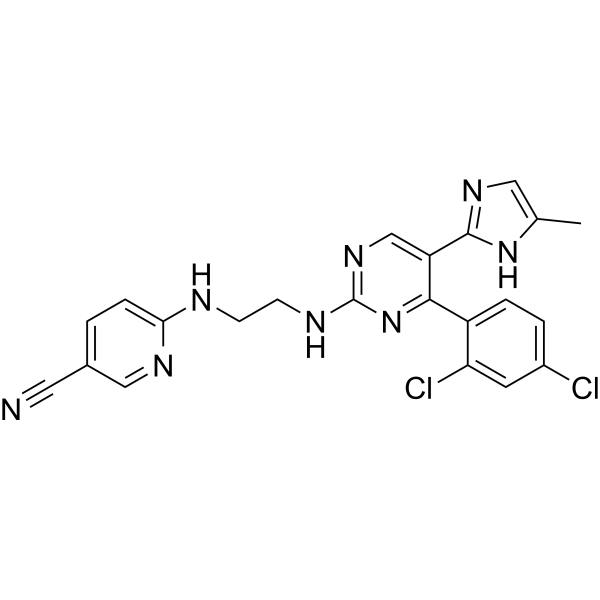
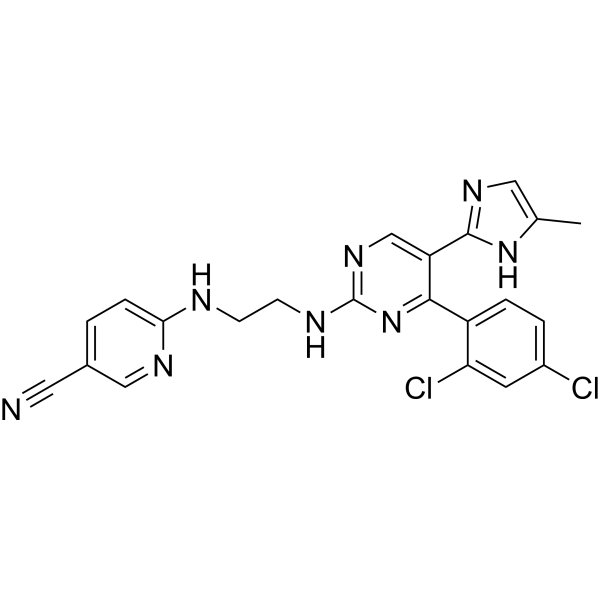
    Laduviglusib (CHIR-99021) is a potent, selective and orally active GSK-3α/β inhibitor with IC50s of 10 nM and 6.7 nM. Laduviglusib shows >500-fold selectivity for GSK-3 over CDC2, ERK2 and other protein kinases. Laduviglusib is also a potent Wnt/β-catenin signaling pathway activator. Laduviglusib enhances mouse and human embryonic stem cells self-renewal. Laduviglusib induces autophagy .
    Laduviglusib
  • HY-13613
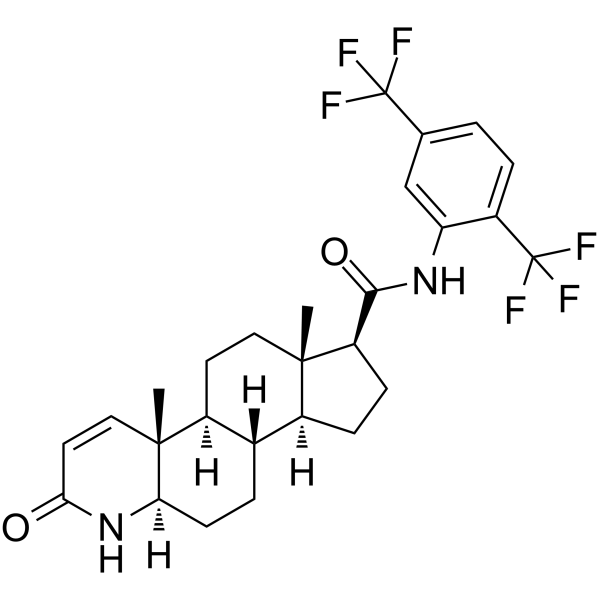
    Dutasteride
    3 Publications Verification

    GG 745; GI 198745

    5 alpha Reductase Apoptosis Cancer
    Dutasteride (GG745) is a potent inhibitor of both 5α-reductase isozymes. Dutasteride may possess off-target effects on the androgen receptor (AR) due to its structural similarity to DHT .
    Dutasteride
  • HY-19956
    GI254023X
    15+ Cited Publications

    GI4023; SRI028594

    MMP Cancer
    GI254023X is a potent MMP9 and ADAM10 inhibitor with IC50s of 2.5 and 5.3 nM, respectively.
    GI254023X
  • HY-10340
    Tirbanibulin
    5+ Cited Publications

    KX2-391; KX-01

    Src Microtubule/Tubulin Cancer
    Tirbanibulin (KX2-391) is an inhibitor of Src that targets the peptide substrate site of Src, with GI50 of 9-60 nM in cancer cell lines.
    Tirbanibulin
  • HY-112779

    Endogenous Metabolite Infection
    Pertussis Toxin is a protein-based AB5-type exotoxin produced by the bacterium Bordetella pertussis, which causes whooping cough. Pertussis Toxin inhibits G protein-coupled receptor (GPR) signaling through Gi proteins .
    Pertussis Toxin
  • HY-P99643

    UCB6114

    Dan family Cancer
    Ginisortamab (UCB6114) is a fully human IgG4P anti Gremlin-1 monoclonal antibody, with mean IC50 values of 8.2 nM and 9 nM against human and mouse gremlin-1, respectivly. Ginisortamab inhibits gremlin-1 antagonism of BMP signaling pathways. Ginisortamab has the potential for the research of gastrointestinal (GI) tumors .
    Ginisortamab
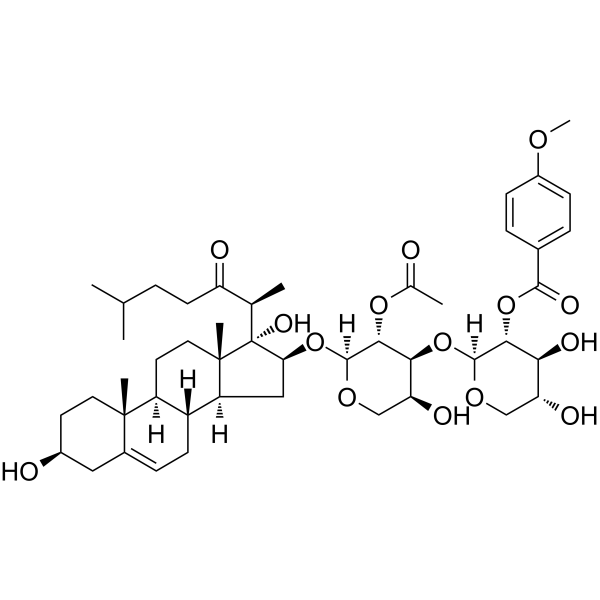
  • HY-101213
    OSW-1
    5 Publications Verification

    Oxysterol-binding Protein-related Protein (ORP) Cancer
    OSW-1, isolated from Ornithogalum caudatum, is a specific antagonist of ooxysterol binding protein (OSBP) and OSBP-related protein 4 (ORP4) with GI50s in the nanomolar range in human cancer lines.
    OSW-1
  • HY-W140439

    18:1 Lyso PC

    Endogenous Metabolite Inflammation/Immunology
    1-Oleoyl-sn-glycero-3-phosphocholine (18:1 Lyso PC), a lysophospholipid, is a GPR82 inhibitor. 1-Oleoyl-sn-glycero-3-phosphocholine abrogates constitutive Gi-coupled GPR82 activity, shifts active/inactive equilibrium to inactive, suppresses Gi protein activation, increases cAMP production, and decreases GTPγS binding to Gαi proteins. 1-Oleoyl-sn-glycero-3-phosphocholine contributes to adipocyte lipolysis regulation.1-Oleoyl-sn-glycero-3-phosphocholine exhibits reduced serum levels in mouse models of steatohepatitis, linked to hepatic Lpcat 1-4 up-regulation .
    1-Oleoyl-sn-glycero-3-phosphocholine
  • HY-14427
    4E1RCat
    3 Publications Verification

    Eukaryotic Initiation Factor (eIF) Autophagy Cancer
    4E1RCat is an inhibitor of cap-dependent translation, and inhibits eIF4E:eIF4GI interaction, with an IC50 an of ~4 μM.
    4E1RCat
  • HY-145404
    Mitragynine pseudoindoxyl
    1 Publications Verification

    Opioid Receptor Metabolic Disease
    Mitragynine pseudoindoxyl is a potent orally active agonist of the μ-opioid receptor (MOR-1, Ki=0.8 nM) and an antagonist of the δ-opioid receptor (DOR-1, Ki=3.0 nM). Mitragynine pseudoindoxyl has moderate affinity for the κ-opioid receptor (KOR-1, Ki=24 nM) and does not recruit β-arrestin-2, acting through G protein-mediated signaling pathways without β-arrestin-2-related activation. Mitragynine pseudoindoxyl produces potent analgesic activity through a mixed μ-agonist/δ-antagonist mechanism, with low side effects such as physical dependence, respiratory depression, and constipation, and no rewarding or aversive behaviors. Mitragynine pseudoindoxyl reduces hyperactivity, inhibits GI transit, and enhances characteristics, making it a potential analgesic .
    Mitragynine pseudoindoxyl
  • HY-10340A
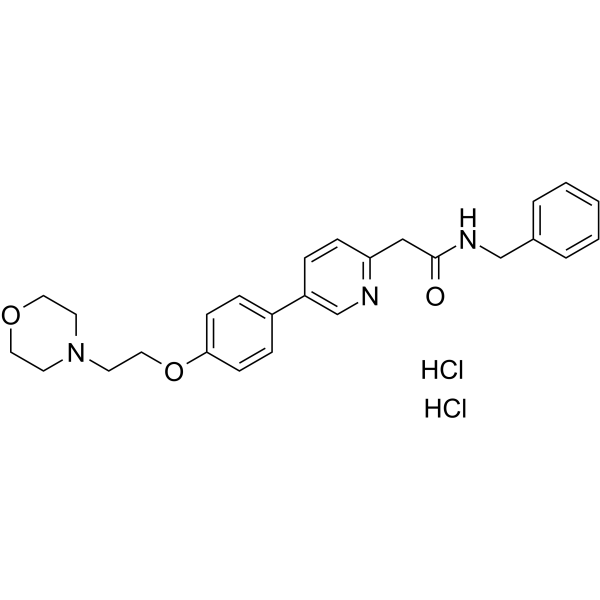
    Tirbanibulin dihydrochloride
    5+ Cited Publications

    KX2-391 dihydrochloride; KX-01 dihydrochloride

    Src Microtubule/Tubulin Cancer
    Tirbanibulin (dihydrochloride) (KX2-391 (dihydrochloride)) is an inhibitor of Src that targets the peptide substrate site of Src, with GI50 of 9-60 nM in cancer cell lines.
    Tirbanibulin dihydrochloride
  • HY-131339
    SP-96
    2 Publications Verification

    Aurora Kinase Cancer
    SP-96 is a highly potent, selective and non-ATP-competitive Aurora B (IC50=0.316 nM) inhibitor and shows >2000 fold selectivity against FLT3 and KIT. SP-96 shows selective growth inhibition in NCI60 screening, incluing MDA-MD-468 (GI50=107 nM). SP-96 can be used for the research of triple negative breast cancer (TNBC) .
    SP-96
  • HY-100816
    Rbin-1
    3 Publications Verification

    Ribozinoindole-1

    Phosphatase Metabolic Disease
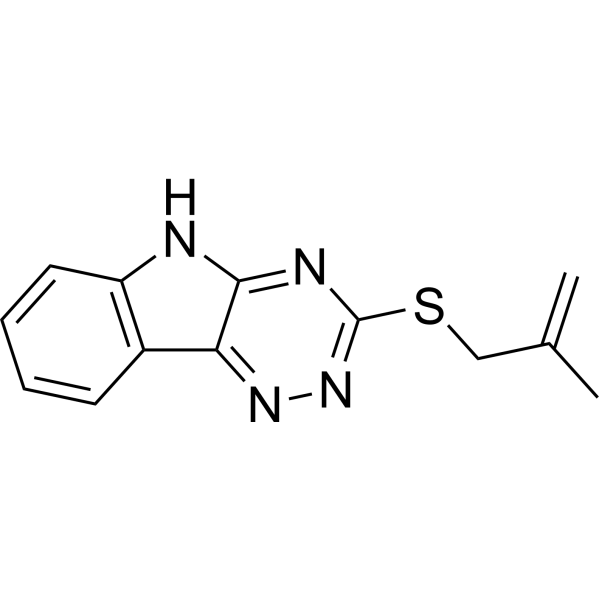
    Rbin-1 is a potent, reversible, and specific chemical inhibitor of eukaryotic ribosome biogenesis. Rbin-1 inhibits the ATPase with GI50 of 136 nM. Rbin-1 is a potent and selective chemical inhibitor of Midasin (Mdn1).
    Rbin-1
  • HY-10182R

    CHIR-99021 (Standard); CT99021 (Standard)

    Organoid GSK-3 Autophagy Wnt β-catenin Reference Standards Cancer
    Laduviglusib (Standard) is the analytical standard of Laduviglusib. Laduviglusib (CHIR-99021) is a potent, selective and orally active GSK-3α/β inhibitor with IC50s of 10 nM and 6.7 nM. Laduviglusib shows >500-fold selectivity for GSK-3 over CDC2, ERK2 and other protein kinases. Laduviglusib is also a potent Wnt/β-catenin signaling pathway activator. Laduviglusib enhances mouse and human embryonic stem cells self-renewal. Laduviglusib induces autophagy .
    Laduviglusib (Standard)
  • HY-W013712

    Potassium Channel Neurological Disease
    GI-530159 is a selective opener of TREK1 and TREK2 potassium channels. GI-530159 displays selectivity for TREK1/2 over TRAAK, TASK3 and other potassium channels, with an EC50 of 0.76 μM for TREK1. GI-530159 reduces rat dorsal root ganglion neuron excitability and shows potential analgesic effect .
    GI-530159
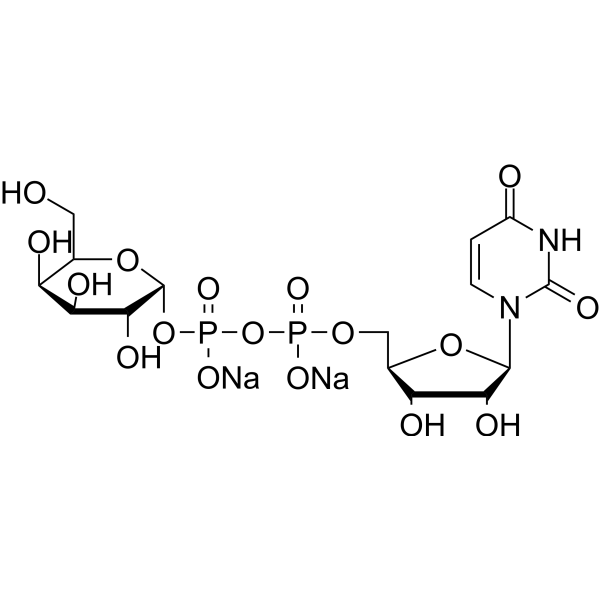
  • HY-150524

    Endogenous Metabolite P2Y Receptor Metabolic Disease
    UDP-Galactose is a monosaccharide and a key glycosyl donor molecule in cells that participates in nucleotide sugar metabolism. UDP-Galactose is the natural agonist of the P2Y14 receptor coupled to Gi proteins in the immune system (IC50 = 0.67 μM, hP2Y14). UDP-Galactose can be used to study cell signal transduction and substance metabolism .
    UDP-Galactose
  • HY-150204

    LPL Receptor Others
    ONO-0740556 is a potent Gi-coupled human lysophosphatidic acid receptor 1 (LPA1) agonist with an EC50 value of 0.26 nM .
    ONO-0740556
  • HY-10340B
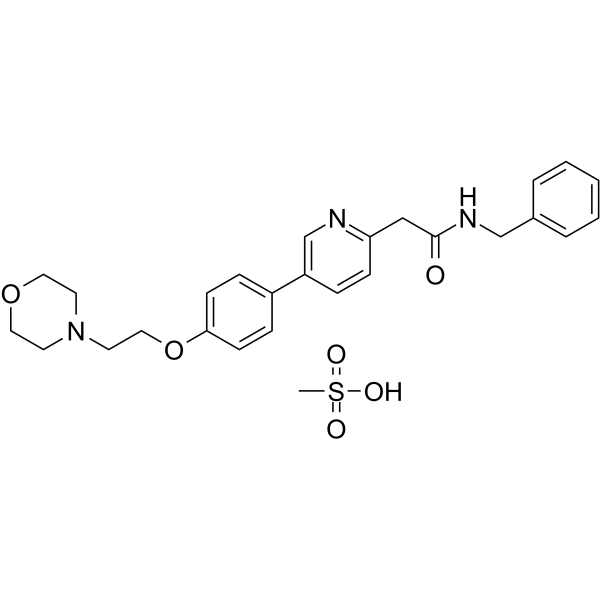
    Tirbanibulin Mesylate
    5+ Cited Publications

    KX2-391 Mesylate; KX01 Mesylate

    Src Microtubule/Tubulin Cancer
    Tirbanibulin Mesylate (KX2-391 Mesylate) is an inhibitor of Src that targets the peptide substrate site of Src, with GI50 of 9-60 nM in cancer cell lines.
    Tirbanibulin Mesylate
  • HY-144310

    Oxidative Phosphorylation Mitochondrial Metabolism Cancer
    DX3-213B is a highly potent, orally active oxidative phosphorylation (OXPHOS) complex I inhibitor (IC50=3.6 nM). DX3-213B impairs ATP generation (IC50=11 nM), and blocks MIA PaCa-2 cell growth (GI50=11 nM). DX3-213B is used for the research of the pancreatic cancer .
    DX3-213B
  • HY-B0790

    NEKs Apoptosis Cancer
    TAI-1, an orally active anticancer agent, is a highly potent first-in-class Hec1 inhibitor, with a GI50 of 13.48 nM in K562 cells .
    TAI-1
  • HY-P99643A

    Dan family Cancer
    Ginisortamab (Mouse IgG1) is the anti-Gremlin-1 monoclonal antibody with mouse IgG1. Ginisortamab (Mouse IgG1) can be used in research of gastrointestinal (GI) tumors .
    Ginisortamab (Mouse IgG1)
  • HY-118762

    Cathepsin Cancer
    KGP94 is a selective inhibitor of cathepsin L with an IC50 of 189 nM . KGP94 inhibits migration and invasion of metastatic carcinoma and shows low cytotoxicity (GI50=26.9 µM) against various human cell lines .
    KGP94
  • HY-143883

    PROTACs Akt Cancer
    MS143 is a potent PROTAC AKT degrader (DC50=46 nM and GI50=0.8 μM in PC3 cells). MS143 induces rapid and robust AKT degradation in a concentration- and time-dependent manner via hijacking the ubiquitin-proteasome system. MS143 can suppress cancer cell growth (Pink: AKT ligand (HY-15431); Blue: E3 ligase ligand (HY-125845); Black: linker) .
    MS143
  • HY-153738

    ERK Cancer
    ERK1/2 inhibitor 9 (Probe 1) is a covalent ERK1/2 inhibitor. ERK1/2 inhibitor 9 shows sub-micromolar activity in cells (A375 GI50=0.47 μM). ERK1/2 inhibitor 9 causes the downregulation of phospho-ERK1/2. ERK1/2 inhibitor 9 tagged trans-cyclo-octene (TCO) and Tz-Thalidomide (tetrazine tagged Thalidomide) can form the corresponding ERK-CLIPTAC to elicit degradation of ERK1/2 .
    ERK1/2 inhibitor 9
  • HY-147032

    Deubiquitinase Cancer
    USP8-IN-1 is a USP8 inhibitor with an IC50 of 1.9 μM. USP8-IN-1 inhibits H1975 cell growth with a GI50 of 82.04 μM (CN111138358A; U10) .
    USP8-IN-1
  • HY-13670

    GI147211; OSI-211

    Topoisomerase Cancer
    Lurtotecan (GI147211; OSI-211), a semisynthetic Camptothecin analog, is a topoisomerase I inhibitor. Lurtotecan has anticancer effects .
    Lurtotecan
  • HY-156025

    Hydroxycarboxylic Acid Receptor (HCAR) Inflammation/Immunology
    HCAR2 agonist 1 (Compound 9n) is a Gi protein-biased allosteric modulator of HCAR2. HCAR2 agonist 1 activates the Gi protein signaling pathway. HCAR2 agonist 1 shows anti-inflammatory effect, and reduces mRNA level of pro-inflammatory cytokine (TNF-α, IL-1β, IL-6, and MCP-1). HCAR2 agonist 1 enhances anti-inflammatory effects of orthosteric agonists in the mouse model of colitis .
    HCAR2 agonist 1
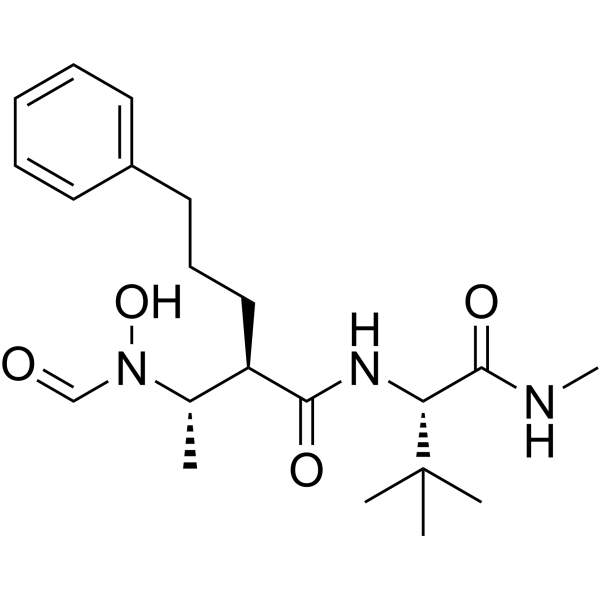
  • HY-101703
    Ro 31-9790
    1 Publications Verification

    GI4747

    MMP Inflammation/Immunology
    Ro 31-9790 is a synthetic metalloproteinase (MMP) inhibitor.
    Ro 31-9790
  • HY-N0927

    Tetrahydrocolumbamine; (S)-Tetrahydrocolumbamine

    Dopamine Receptor Others Neurological Disease
    (-)-Isocorypalmine (Tetrahydrocolumbamine; (S)-Tetrahydrocolumbamine) is a dopamine receptor ligand and modulator capable of crossing the blood-brain barrier. (-)-Isocorypalmine exhibits receptor selectivity, acting as a partial agonist of dopamine D1 and D5 receptors (coupled via Gs proteins), as well as an antagonist of D2, D3 and D4 receptors (by blocking Gi protein-mediated signaling). (-)-Isocorypalmine shows no significant binding to various non-dopamine receptors, ion channels and transporters. (-)-Isocorypalmine is metabolically stable in vivo, effectively inhibits spontaneous and cocaine-induced hyperlocomotion, sensitization and conditioned place preference in mice, and does not induce addictive place preference when administered alone. (-)-Isocorypalmine can be used in addiction research .
    (-)-Isocorypalmine
  • HY-173234

    Pyroptosis Interleukin Related Cardiovascular Disease
    GI-Y2 is an orally active, selective Gasdermin D (GSDMD) inhibitor (Kd = 36.0 μM) with anti-pyroptosis activity. GI-Y2 targets GSDMD, impairs membrane anchoring of GSDMD-NT, and blocks GSDMD‑dependent lipid binding and pore formation. GI-Y2 suppresses GSDMD‑dependent pyroptosis and inflammation, mitigates atherosclerosis and cardiac injury, boosts cell survival, and reduces IL‑1β/IL‑18 secretion. GI-Y2 can be used for the research of atherosclerosis and septic myocardial injury .
    GI-Y2
  • HY-10182C

    CHIR-99021 dihydrochloride; CT99021 dihydrochloride

    GSK-3 β-catenin Wnt Autophagy Organoid Neurological Disease Metabolic Disease Inflammation/Immunology Cancer
    Laduviglusib dihydrochloride (CHIR-99021 dihydrochloride; CT99021 dihydrochloride) is a potent, selective and orally active GSK-3α/β inhibitor with IC50s of 10 nM and 6.7 nM. Laduviglusib dihydrochloride shows >500-fold selectivity for GSK-3 over CDC2, ERK2 and other protein kinases. Laduviglusib dihydrochloride is also a potent Wnt/β-catenin signaling pathway activator. Laduviglusib dihydrochloride enhances mouse and human embryonic stem cells self-renewal. Laduviglusib dihydrochloride induces autophagy .
    Laduviglusib dihydrochloride
  • HY-RS05534

    Small Interfering RNA (siRNA) Others

    GNAI1 Human Pre-designed siRNA Set A contains three designed siRNAs for GNAI1 gene (Human), as well as a negative control, a positive control, and a FAM-labeled negative control.

    GNAI1 Human Pre-designed siRNA Set A
    GNAI1 Human Pre-designed siRNA Set A
  • HY-175306

    EBI2/GPR183 Arrestin Inflammation/Immunology Cancer
    GPR183 inverse agonist-1 (Compound 78) is a GPR183 inverse agonist. GPR183 inverse agonist-1 inhibits the GPR183-mediated Gi activation and β-arrestin2 recruitment, and blocks PBMC migration. GPR183 inverse agonist-1 can be used for inflammatory, autoimmune and neoplastic disorders research .
    GPR183 inverse agonist-1
  • HY-P0258

    Mastoparan 7

    Apoptosis Cardiovascular Disease Neurological Disease
    Mas7 (Mastoparan 7), a structural analogue of mastoparan, is an activator of heterotrimeric Gi proteins and its downstream effectors.
    Mas7
  • HY-P5358

    Protease Activated Receptor (PAR) Others
    YFLLRNP is a biological active peptide. (a partial agonist of PAR-1. YFLLRNP selectively active G12/13 signaling pathway without activating Gq or Gi pathways at low concentrations. YFLLRNP (60 μM))
    YFLLRNP
  • HY-110202

    Adenosine Receptor Neurological Disease Inflammation/Immunology
    MRS5698 is a selective Gi protein-coupled A3 adenosine receptor (A3AR) agonist, with Kis of approximately 3 nM for human and mouse A3AR, respectively. MRS5698 can be used for the research of pain and psoriasis .
    MRS5698
  • HY-131438

    Topoisomerase Cancer
    GI-149893 is a selective topoisomerase I (TopoI) inhibitor. GI-149893 prevents DNA religation and induces irreversible DNA damage in tumor cells. GI-149893 is promising for research of cancers (e.g., colon carcinoma HT-29/SW-48, breast MX-1, prostate PC-3 xenografts) .
    GI-149893
  • HY-11076

    Cholecystokinin Receptor Metabolic Disease Endocrinology
    GI 181771 is a cholecystokinin 1 receptor agonist investigated for the treatment of obesity.
    GI 181771
  • HY-107015A

    Predfoam; ATL 2502

    Glucocorticoid Receptor Inflammation/Immunology
    Prednisolone metazoate sodium (ATL 2502) can be used for study of inflammatory bowel disease, ulcerative colitis, and GI disorders .
    Prednisolone metazoate sodium
  • HY-P1376

    mAChR Adrenergic Receptor Endocrinology
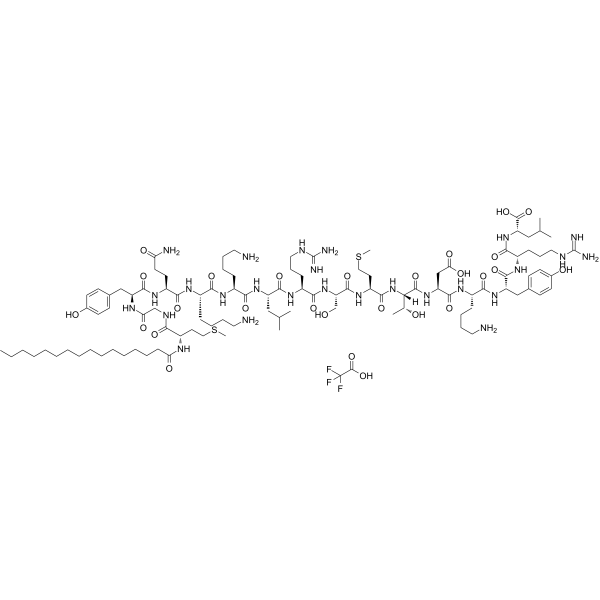
    G-Protein antagonist peptide is the substance P-related peptide that inhibits binding of G proteins to their receptors. G-Protein antagonist peptide competitively and reversibly inhibits M2 muscarinic receptor activation of Gi or Go and inhibits Gs activation by β-adrenoceptors.
    G-Protein antagonist peptide
  • HY-105074

    GI262570; GI262570X

    PPAR Metabolic Disease
    Farglitazar is a PPARγ agonist that has significant therapeutic benefits such as glycemic control in type 2 diabetic patients.
    Farglitazar
  • HY-13613R

    GG 745 (Standard); GI 198745 (Standard)

    Reference Standards 5 alpha Reductase Apoptosis Cancer
    Dutasteride (Standard) is the analytical standard of Dutasteride. This product is intended for research and analytical applications. Dutasteride (GG745) is a potent inhibitor of both 5α-reductase isozymes. Dutasteride may possess off-target effects on the androgen receptor (AR) due to its structural similarity to DHT .
    Dutasteride (Standard)
  • HY-145266

    PARP Cancer
    OM-1700 is a potent tankyrase inhibitor with IC50s of 127 and 14 nM for tankyrase 1 and tankyrase 2, respectively. OM-1700 reduces cell growth in the colon cancer cell line COLO 320DM (GI50=650 nM) .
    OM-1700
  • HY-178495

    Mitochondrial Metabolism Reactive Oxygen Species (ROS) Apoptosis Cancer
    SDH-IN-36 (Compound 17) is a derivative of alpha-D-tocopherol. SDH-IN-36 increases ROS and induces apoptosis by inhibiting SDHC and blocking electron transfer. SDH-IN-36 can inhibit the proliferation of various tumor cells, such as SSK4 (GI50 = 0.156 µM), SSNU638 (GI50 = 0.659 µM), and SKATOIII (GI50 = 0.490 µM) cells. SDH-IN-36 can significantly inhibit tumor growth. SDH-IN-36 can be used for research on cancers such as gastric cancer .
    SDH-IN-36
  • HY-168934

    DNA/RNA Synthesis Cancer
    KWR137 is a WRN degrader, with an IC50 of 8 nM. KWR137 exhibits good anti-proliferative activity against MSI-H cells, with a GI50 of 509 nM in SW48 cells and a GI50 of 824 μM in HCT116 cells. It also demonstrates anti-tumor growth effects in xenograft mouse models. KWR137 can be used for cancer research .
    KWR137
  • HY-157497

    Bcr-Abl Src Autophagy Apoptosis Cancer
    DA5-HTL is a compound combined dasatinib with HaloTag system efficiently inhibits the growth of the cancer cells with GI50 of 1.923 nM .
    DA5-HTL
  • HY-150550

    COX Inflammation/Immunology
    COX-2-IN-26 is a potent, selective and orally active COX-2 inhibitor with IC50 values of 10.61, 0.067, 1.96 µM for COX-1, COX-2, 15-LOX, respectively. COX-2-IN-26 shows anti-inflammatory activity. COX-2-IN-26 shows gastrointestinal safety profile .
    COX-2-IN-26
  • HY-160129

    ML-970; AS-I-145; NSC 716970

    Nucleoside Antimetabolite/Analog Cancer
    Centanamycin (ML-970; AS-I-145; NSC 716970) is a novel DNA-binding agent, and shows cytotoxic activity, with an average GI50 of 34 nM in NCI-60 cell line screening .
    Centanamycin
  • HY-144606

    Opioid Receptor Neurological Disease
    Mu opioid receptor antagonist 1 (compound 19) is a selective and orally active μ opioid receptor (MOR) ligand with an Ki value of 0.58 nM and an EC50 of 1.15 nM. Orally administrating with Mu opioid receptor antagonist 1 increases intestinal motility during morphine-induced constipation. Mu opioid receptor antagonist 1 can be used for researching opioid-induced constipation (OIC) .
    Mu opioid receptor antagonist 1
  • HY-111425

    Apoptosis Microtubule/Tubulin Mitosis Cancer
    SSE15206 is a microtubule polymerization inhibitor (GI50 = 197 nM in HCT116 cells) that overcomes multidrug resistance. Causes aberrant mitosis resulting in G2/M arrest due to incomplete spindle formation in cancer cells .
    SSE15206

Inquiry Online

Your information is safe with us. * Required Fields.

Salutation


Country or Region *

Applicant Name *


Organization Name *

Department *


Email Address *


Product Name *

Cat. No.


Requested quantity *

Phone Number *


Remarks

Inquiry Online

Inquiry Information

Product Name:
Cat. No.:
Quantity:
MCE Japan Authorized Agent:

