

From 11:00 pm to 12:00 pm EST ( 8:00 pm to 9:00 pm PST ) on January 6th, the website will be under maintenance. We are sorry for the inconvenience. Please arrange your schedule properly.
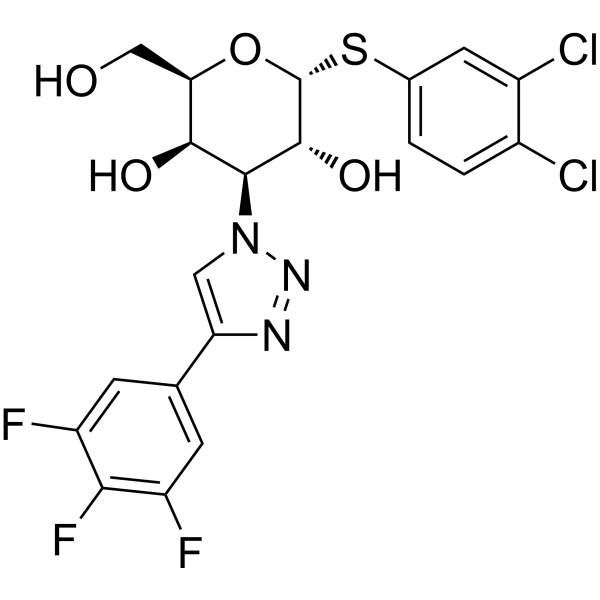
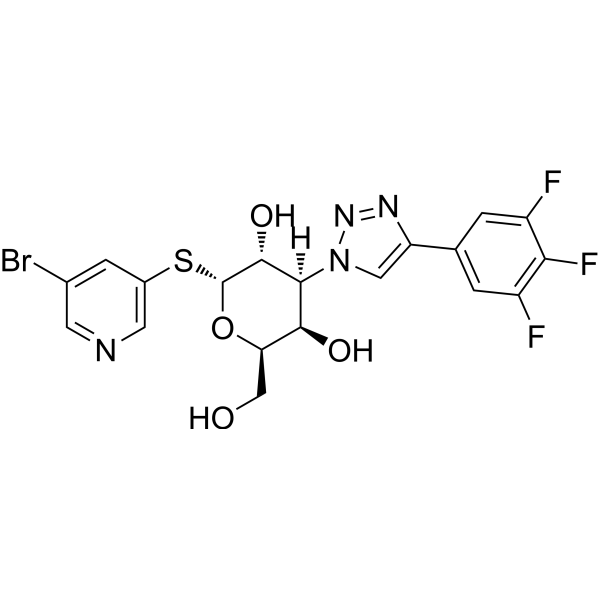
GB1107 is a potent, selective, orally active inhibitor of Galectin-3 (Gal-3) with a Kd of 37 nM for human Galectin-3. GB1107 reduces human and mouse lung adenocarcinoma growth and blocks metastasis in the syngeneic model .
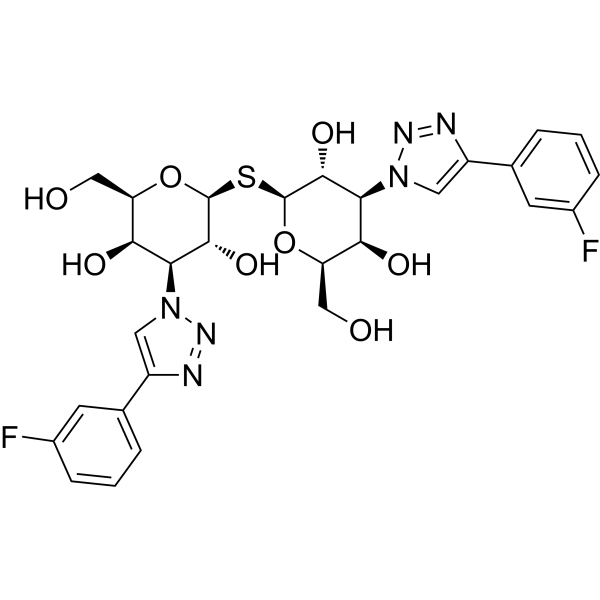
TD139 is a synthetic galectin-3 inhibitor. TD139 has high affinity for galectin-3 with a Kd of 68 nM, a Kd of 0.22 μM for galectin-1, and a Kd of 38 μM for galectin-7 .
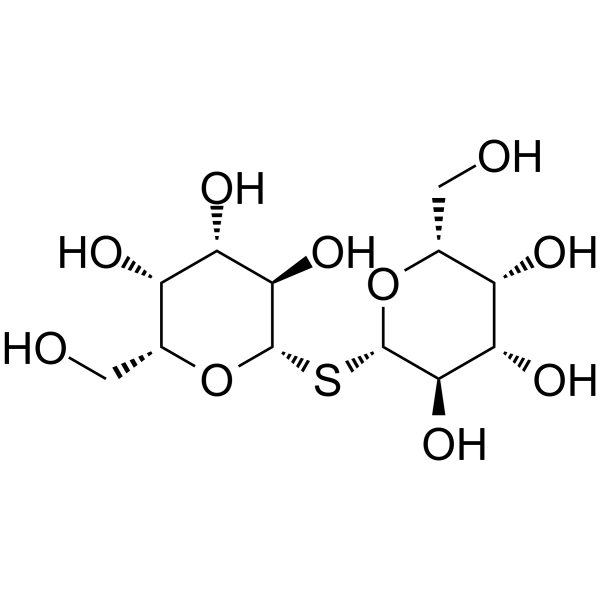
Thiodigalactoside (TDG) is an orally active and potent galectin (GAL) inhibitor with Kd values of 24 μM, 49 μM for GAL1 and GAL3, respectively . Thiodigalactoside, a non-metabolizable disaccharide, has anti-inflammatory and anti-cancer activity. Thiodigalactoside dramatically reduces body weight gain in diet-induced obese rats .
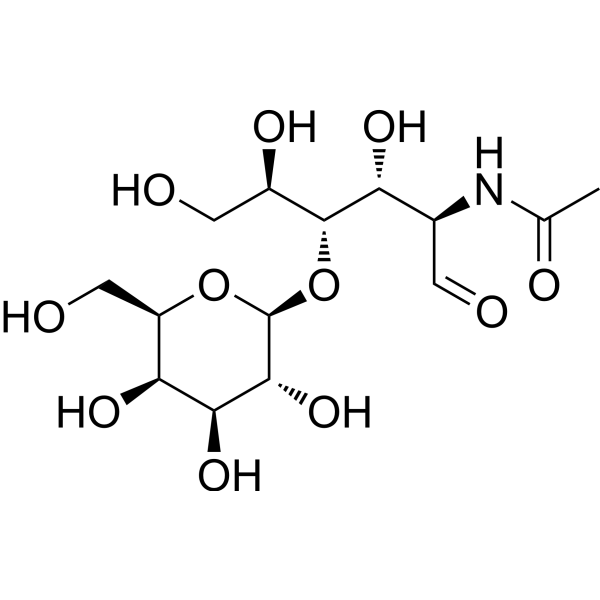
N-Acetyllactosamine (N-Acetyl-D-lactosamine), a nitrogen-containing disaccharide, is a galectin-3 inhibitor, which is an important component of various oligosaccharides such as glycoproteins and sialyl Lewis X. N-Acetyllactosamine can be used as the starting material for the synthesis of various oligosaccharides. N-Acetyllactosamine has prebiotic effects .
Selvigaltin (GB1211) is an orally active galectin-3 small molecule inhibitor with an IC50 value of 12 nM in rabbits, showing anti-tumor activity. Selvigaltin decreases galectin-3 levels in the liver and reduces biomarkers of liver function (AST, ALT, bilirubin), inflammation (cells foci) and fibrosis (PSR, SHG), as well as decreasing the mRNA and protein expression of several key inflammation and fibrosis biomarkers (IL6, TGFβ3, SNAI2, collagen). Selvigaltin restores T-cell activity and induces less tumors and metastasis .
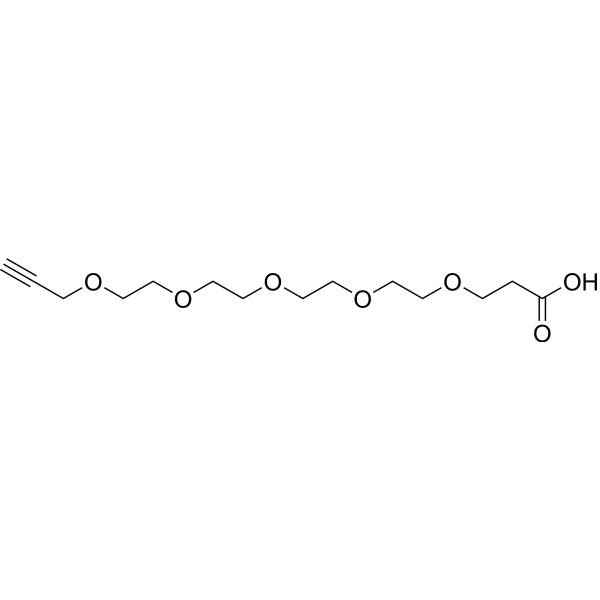
Propargyl-PEG5-acid is a non-cleavable 5 unit PEG ADC linker used in the synthesis of antibody-drug conjugates (ADCs). Propargyl-PEG5-acid can used to synthesize ADC inhibitors of Galectin-3. Propargyl-PEG5-acid is a PEG-based PROTAC linker that can be used in the synthesis of PROTACs . Propargyl-PEG5-acid is a click chemistry reagent, it contains an Alkyne group and can undergo copper-catalyzed azide-alkyne cycloaddition (CuAAc) with molecules containing Azide groups.
Belapectin (GR-MD-02) is a Galectin-3 (Gal-3) inhibitor. Belapectin drives tumor-induced immunosuppression by inducing T cell Apoptosis. Belapectin promotes tumor regression and improves survival of tumor-bearing mice through a CD8+ T cell-dependent mechanism. Belapectin binds to Gal-3 with affinity Ki of 2.8 μM .
GB1908 is a selective and orally active galectin-1 inhibitor with Ki values of 57 nM and 72 nM for human and mouse galectin-1, respectively. GB1908 displays >50-fold selectivity over galectin-3. GB1908 can be used for the study of lung cancer .
LYT-200 is a humanized monoclonal antibody against galectin-9(Galectin-9). LYT-200 binds to galectin-9 expressed on the surface of hematologic malignant cells, inhibits pro-leukemic functions and induces cell death. LYT-200 can be used in research related to hematologic malignancies .
Galectin-3 antagonist 1 (compound 15) is a potent and selective Galectin-3 (Gal-3) antagonist with Kd value of 5.3 μM. Meanwhile, Galectin-3 antagonist 1 binds to various Galectin with Kd values of 250 μM (Gal-4N), 18 μM (Gal-4C), 450 μM (Gal-8C), respectively .
Thiobis-β-Galactose-propyne is an effective multivalent galectin-3 (Gal-3) inhibitor. Galectin-3 is involved in many metabolism processes related to cancer. Galectin-3-IN-1 is a click chemistry reagent. It contains an alkyne group that can undergo a copper-catalyzed azide-alkyne cycloaddition (CuAAc) reaction with molecules that have an azide group .
GB2095 is an orally active and selective galectin-3 inhibitor. GB2095 shows superior selectivity for both human (KD = 0.036 μM) and mouse galectin-3 (KD = 0.35 μM) over other galectins (such as h-Gal-1/4N/4C/8N/8C/9N/9C and m-galectin-1). GB2095 inhibits tumor growth in syngeneic mouse models of breast and melanoma cancers. GB2095 can be used for breast and melanoma cancer research .
Galectin-8N-IN-1 (compound 19a) is a potent and selective galectin-8N inhibitor with a Kd value of 1.8 μM. Galectin-8N-IN-1 is a galectin-8N ligand. Galectin-8N-IN-1 can be used in research of immune system .
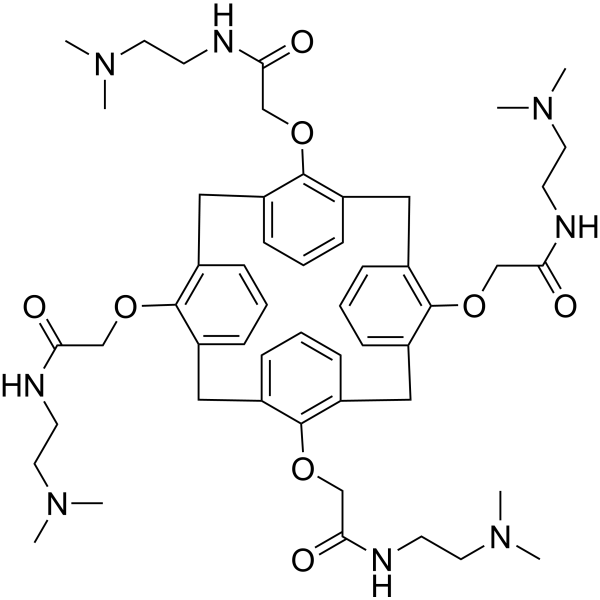
4A-MPLA ammonium is an orally active TLR4 agonist. 4A-MPLA ammonium induces TLR4 endocytosis dependent on Cdc42 and galectin-3, triggering TRIF-mediated signaling and sustained IFN-β production. 4A-MPLA ammonium promotes lipid droplet formation, upregulates interferon-stimulated genes and type I IFN signaling genes, downregulates lysosome/phagosome function genes, and modulates tolerogenic dendritic cell function. 4A-MPLA ammonium can be used for the research of colitis .
Anti-Mouse TIM-3 Antibody (B8.2C12) is an anti-mouse TIM-3 IgG1 monoclonal antibody. Anti-Mouse TIM-3 Antibody (B8.2C12) can block the binding of Tim-3 with Phosphatidylserine (PtdSer) and CEACAM1 without interfering with the binding to Galectin-9. Anti-Mouse TIM-3 Antibody (B8.2C12) can inhibit tumor growth and activate tumor infiltrating CD8 + T cells. Anti-Mouse TIM-3 Antibody (B8.2C12) can be used for studying cancer such as breast cancer and colon cancer and constructing experimental autoimmune encephalomyelitis (EAE) models .
M6903 is a humanized monoclonal IgG2 antibody targeting T cell immunoglobulin and mucin domain-3 (TIM-3) (KD for human TIM-3 is 2.3 nM). M6903 binds to TIM-3, blocking the binding of TIM-3 to phosphatidylserine (PtdSer), carcinoembryonic antigen cell adhesion-related molecule 1 (CEACAM1), and galectin 9 (Gal-9), thus relieving TIM-3-mediated T cell inhibition and exerting the activities of activating antigen-specific T cells and enhancing anti-tumor immunity. M6903 is promising for research of cancers .
Anti-Mouse Galectin-9 Antibody (RG9-1) is an anti-mouse Galectin-9 IgG2b monoclonal antibody. Anti-Mouse Galectin-9 Antibody (RG9-1) promotes inflammatory response by enhancing the secretion of IFN-γ, TNF-α, and IL-6. Anti-Mouse Galectin-9 Antibody (RG9-1) can increase CD8 T cell and Treg frequency. Anti-Mouse Galectin-9 Antibody (RG9-1) reduces graft survival time by increasing CD4 + and CD8 + T cell infiltration. Anti-Mouse Galectin-9 Antibody (RG9-1) can be used for researches on inflammation conditions, cancer and xenotransplantation such as ischemia-reperfusion, colon cancer, breast cancer and leukemia .
Anti-Mouse/Human Mac-2/Galectin-3 Antibody (TIB-166) is a rat-derived anti-mouse/human Mac-2/Galectin-3 IgG2a monoclonal antibody. Anti-Mouse/Human Mac-2/Galectin-3 Antibody (TIB-166) significantly inhibits IL-6 expression (inhibition rates 34.7% and 55.3%). Anti-Mouse/Human Mac-2/Galectin-3 Antibody (TIB-166) is often used for immunoprecipitation, western blot, immunofluorescence, and flow cytometry .
Galectin-3-IN-6 (Compound 12) is a human and murine galectin-3 (Gal-3) inhibitor, with an IC50 of 12 nM against human galectin-3, an IC50 of 12.6 nM against mutant murine galectin-3 (V160A), and a Kd of 13 nM for human galectin-3, as well as oral bioavailability. Galectin-3-IN-6 reduces the levels of liver fibrosis markers type I collagen and α-smooth muscle actin in mouse models of acute liver injury and fibrosis. Galectin-3-IN-6 can be used for the research of acute liver injury and fibrosis .
Galectin-3-IN-2 (Compound 9) is a potent multivalent inhibitor of galectin-3 (Gal-3; IC50=8.3 μM). Galectin-3 participates in many cancer-related metabolic processes .
Galectin-3-IN-4 (compound 5) is a carboxamide analog. Galectin-3-IN-4 is a potent, selective, and orally bioavailable inhibitor of human and mouse galectin-3, with IC50 values of 21 and 167 nM for hGal-3 and mGal-3, respectively. Galectin-3-IN-4 has IC50 values of 1580 and 2750 nM for hGal-1 and hGal-9, respectively .
Galectin-3/galectin-8-IN-1 (Compound 53) is a dual Galectin-3 and galectin-8 C-terminal domain inhibitor, with Kd values of 4.12 μM and 6.04 μM respectively. Galectin-3/galectin-8-IN-1 inhibits the MRC-5 lung fibroblast cells migration. Galectin-3/galectin-8-IN-1 can be used for research of cancer and tissue fibrosis .
Galectin-3/galectin-8-IN-2 (Compound 57) is a dual Galectin-3 and galectin-8 C-terminal domain inhibitor, with Kd values of 12.8 μM and 2.06 μM respectively. Galectin-3/galectin-8-IN-2 inhibits the MRC-5 lung fibroblast cells migration. Galectin-3/galectin-8-IN-2 can be used for research of cancer and tissue fibrosis .
Galectin-8-IN-1 is a selective ligand for the galectin-8 N-terminal domain (galectin-8N), with a Kd of 48 μM and 15-fold selectivity over galectin-3 and even better selectivity over the other mammalian galectins.
Galectin-3-IN-7 is a selective Galectin-3 inhibitor with a Kd of 5.7 nM and shows 390-fold selectivity over Gal-1. Galectin-3-IN-7 can downregulate profibrotic signaling such as ACTA2, COL1A2, and FN1 in TGFβ-stimulated LX2 hepatic stellate cells. Galectin-3-IN-7 can be used for the research of fibrosis .
Galectin-3-IN-3 (Compound 4) is an orally active and selective inhibitor of Gal-3, with IC50 values of 11 nM and 84 nM against mGal-3 and hGal-3 respectively .
PST3.1a is an orally active and brain-penetrant N-acetylglucosamine glycosyltransferase (MGAT5) inhibitor with a human IC50 of 2 µM. PST3.1a inhibits TGFβR and FAK signaling pathway activity. PST3.1a alters β1,6-GlcNAc N-glycans and microtubule/microfilament integrity, increases OLIG2 expression, and inhibits proliferation, migration, invasiveness, and clonogenic capacities of glioblastoma initiating cells. PST3.1a reduces invasive and proliferative capacity of glioblastoma initiating cells in orthotopic graft models, increases overall survival of orthotopic graft model mice. PST3.1a blunts MGAT5 overexpression, decreases renal fibrosis via collagen 1, collagen 4, and galectin 3 downregulation in a rat chronic kidney disease model. PST3.1a can be used for the research of glioblastoma multiforme and chronic kidney disease .
DB21, Galectin-1 Antagonist is a dibenzofuran conjugated peptidomimetic that acts as an allosteric inhibitor of galectin-1 (GAL1)binding to cell surface glycans. DB21, Galectin-1 Antagonis increases inhibition of angiogenesis and tumour growth in melanoma, lung adenocarcinoma and ovarian cancer models .
Dual Galectin-3/EGFR-IN-1 (Compound 29) is the dual inhibitor for Galectin-3 and EGFR with the KD of 52.29 μM and 3.31 μM. Dual Galectin-3/EGFR-IN-1 inhibits TGF-β-induced hepatic stellate cell (HSCs) activation, induces apoptosis in LX-2 cell, and exhibits anti-liver fibrotic efficacy .
Galectin-3 is a β Galactoside specific carbohydrate recognition protein (lectin) has the ability to promote the migration of B cell precursor acute lymphoblastic leukemia (BCP-ALL) cells and withstand drug research.
Apoptosis inducer 8 (Compound 7c) is a galectin-1 (gal-1) mediated apoptosis-inducing agent against global major leading lung cancer burden. Apoptosis inducer 8 significantly reduced the gal-1 protein level. Apoptosis inducer 8 is also a PET imaging agent .
N-Acetyllactosamine (Standard) is the analytical standard of N-Acetyllactosamine. This product is intended for research and analytical applications. N-Acetyllactosamine (N-Acetyl-D-lactosamine), a nitrogen-containing disaccharide, is a galectin-3 inhibitor, which is an important component of various oligosaccharides such as glycoproteins and sialyl Lewis X. N-Acetyllactosamine can be used as the starting material for the synthesis of various oligosaccharides. N-Acetyllactosamine has prebiotic effects[1][2][3][4].
Propargyl-PEG4-CH2CH2-Boc is a non-cleavable ADC linker that can be used to synthesize ADC inhibitors of Galectin-3. Propargyl-PEG4-CH2CH2-Boc is a PEG- and Alkyl/ether-based PROTAC linker that can be used in the synthesis of PROTACs . Propargyl-PEG4-CH2CH2-Boc is a click chemistry reagent, it contains an Alkyne group and can undergo copper-catalyzed azide-alkyne cycloaddition (CuAAc) with molecules containing Azide groups.
GB1841 is an orally active and selective galectin inhibitor with human galectin-1Kd of 0.027 μM, human galectin-3Kd of 0.14 μM, mouse galectin-1 Kd of 0.034 μM and mouse galectin-3 Kd of 1.170 μM. GB1841 can be used for the research of lung cancer .
Gal-1-IN-1 is a potent and selective human galectin-1 (hGal-1) inhibitor with a Ki of 0.022 μM. Gal-1-IN-1 blocks hGal-1 binding to tumor cells and suppresses human galectin-1-induced pre-apoptosis state. Gal-1-IN-1 reduces hGal-1-expressing cancer cell viability. Gal-1-IN-1 can be used for the research of breast cancer .
SHR-1802 is a humanized anti-LAG-3 monoclonal antibody.SHR-1802 specifically binds to LAG-3 and inhibits its binding to major histocompatibility complex class II (MHC-II), fibrinogen-like protein 1 (FGL1), galectin-3, and liver sinusoidal endothelial cell lectin.SHR-1802 can be used for the research of advanced solid tumors .
CHI3L1-IN-6 (Compound 9e) is a CHI3L1 inhibitor with a Kd of 19.11 μM for hCHI3L1. CHI3L1-IN-6 blocks CHI3L1-Galectin-3 interaction. CHI3L1-IN-6 reduces STAT3 signaling. CHI3L1-IN-6 exhibits anti-cancer activity against glioblastoma .
CHI3L1-IN-7 is a selective CHI3L1 inhibitor with a Kd of 7.40 μM and an IC50 of 15.4 μM. CHI3L1-IN-7 blocks CHI3L1's interaction with galectin-3, inhibits STAT3 phosphorylation, reduces the viability of multicellular 3D glioblastoma spheroids. CHI3L1-IN-7 can be used for the research of glioblastoma and CHI3L1-mediated tumor immune regulation .
Propargyl-PEG5-acid (Standard) is the analytical standard of Propargyl-PEG5-acid (HY-101157). This product is intended for research and analytical applications. Propargyl-PEG5-acid is a non-cleavable 5 unit PEG ADC linker used in the synthesis of antibody-drug conjugates (ADCs). Propargyl-PEG5-acid can used to synthesize ADC inhibitors of Galectin-3. Propargyl-PEG5-acid is a PEG-based PROTAC linker that can be used in the synthesis of PROTACs . Propargyl-PEG5-acid is a click chemistry reagent, it contains an Alkyne group and can undergo copper-catalyzed azide-alkyne cycloaddition (CuAAc) with molecules containing Azide groups.
DB21, Galectin-1 Antagonist is a dibenzofuran conjugated peptidomimetic that acts as an allosteric inhibitor of galectin-1 (GAL1)binding to cell surface glycans. DB21, Galectin-1 Antagonis increases inhibition of angiogenesis and tumour growth in melanoma, lung adenocarcinoma and ovarian cancer models .
LYT-200 is a humanized monoclonal antibody against galectin-9(Galectin-9). LYT-200 binds to galectin-9 expressed on the surface of hematologic malignant cells, inhibits pro-leukemic functions and induces cell death. LYT-200 can be used in research related to hematologic malignancies .
Anti-Mouse TIM-3 Antibody (B8.2C12) is an anti-mouse TIM-3 IgG1 monoclonal antibody. Anti-Mouse TIM-3 Antibody (B8.2C12) can block the binding of Tim-3 with Phosphatidylserine (PtdSer) and CEACAM1 without interfering with the binding to Galectin-9. Anti-Mouse TIM-3 Antibody (B8.2C12) can inhibit tumor growth and activate tumor infiltrating CD8 + T cells. Anti-Mouse TIM-3 Antibody (B8.2C12) can be used for studying cancer such as breast cancer and colon cancer and constructing experimental autoimmune encephalomyelitis (EAE) models .
M6903 is a humanized monoclonal IgG2 antibody targeting T cell immunoglobulin and mucin domain-3 (TIM-3) (KD for human TIM-3 is 2.3 nM). M6903 binds to TIM-3, blocking the binding of TIM-3 to phosphatidylserine (PtdSer), carcinoembryonic antigen cell adhesion-related molecule 1 (CEACAM1), and galectin 9 (Gal-9), thus relieving TIM-3-mediated T cell inhibition and exerting the activities of activating antigen-specific T cells and enhancing anti-tumor immunity. M6903 is promising for research of cancers .
Anti-Mouse Galectin-9 Antibody (RG9-1) is an anti-mouse Galectin-9 IgG2b monoclonal antibody. Anti-Mouse Galectin-9 Antibody (RG9-1) promotes inflammatory response by enhancing the secretion of IFN-γ, TNF-α, and IL-6. Anti-Mouse Galectin-9 Antibody (RG9-1) can increase CD8 T cell and Treg frequency. Anti-Mouse Galectin-9 Antibody (RG9-1) reduces graft survival time by increasing CD4 + and CD8 + T cell infiltration. Anti-Mouse Galectin-9 Antibody (RG9-1) can be used for researches on inflammation conditions, cancer and xenotransplantation such as ischemia-reperfusion, colon cancer, breast cancer and leukemia .
Anti-Mouse/Human Mac-2/Galectin-3 Antibody (TIB-166) is a rat-derived anti-mouse/human Mac-2/Galectin-3 IgG2a monoclonal antibody. Anti-Mouse/Human Mac-2/Galectin-3 Antibody (TIB-166) significantly inhibits IL-6 expression (inhibition rates 34.7% and 55.3%). Anti-Mouse/Human Mac-2/Galectin-3 Antibody (TIB-166) is often used for immunoprecipitation, western blot, immunofluorescence, and flow cytometry .
SHR-1802 is a humanized anti-LAG-3 monoclonal antibody.SHR-1802 specifically binds to LAG-3 and inhibits its binding to major histocompatibility complex class II (MHC-II), fibrinogen-like protein 1 (FGL1), galectin-3, and liver sinusoidal endothelial cell lectin.SHR-1802 can be used for the research of advanced solid tumors .
N-Acetyllactosamine (N-Acetyl-D-lactosamine), a nitrogen-containing disaccharide, is a galectin-3 inhibitor, which is an important component of various oligosaccharides such as glycoproteins and sialyl Lewis X. N-Acetyllactosamine can be used as the starting material for the synthesis of various oligosaccharides. N-Acetyllactosamine has prebiotic effects .
4A-MPLA ammonium is an orally active TLR4 agonist. 4A-MPLA ammonium induces TLR4 endocytosis dependent on Cdc42 and galectin-3, triggering TRIF-mediated signaling and sustained IFN-β production. 4A-MPLA ammonium promotes lipid droplet formation, upregulates interferon-stimulated genes and type I IFN signaling genes, downregulates lysosome/phagosome function genes, and modulates tolerogenic dendritic cell function. 4A-MPLA ammonium can be used for the research of colitis .
N-Acetyllactosamine (Standard) is the analytical standard of N-Acetyllactosamine. This product is intended for research and analytical applications. N-Acetyllactosamine (N-Acetyl-D-lactosamine), a nitrogen-containing disaccharide, is a galectin-3 inhibitor, which is an important component of various oligosaccharides such as glycoproteins and sialyl Lewis X. N-Acetyllactosamine can be used as the starting material for the synthesis of various oligosaccharides. N-Acetyllactosamine has prebiotic effects[1][2][3][4].
The Galectin-2 (LGALS2) protein binds with affinity to β-galactopyranoside and forms homodimers, indicating a basic functional organization. Although the physiological role is unclear, β-galactoside binding of LGALS2 suggests a possible involvement in recognition of specific carbohydrates. Animal-Free Galectin-2/LGALS2 Protein, Human (His) is the recombinant human-derived animal-FreeGalectin-2/LGALS2 protein, expressed by E. coli , with N-His labeled tag. This product is for cell culture use only.
Galectin-1/LGALS1 is a lectin that binds β-galactoside and complex carbohydrates and regulates apoptosis, proliferation, and differentiation. It inhibits CD45 phosphatase activity, blocks Lyn kinase dephosphorylation, and induces T cell apoptosis. Galectin-1/LGALS1 Protein, Human (HEK293, hFc) is the recombinant human-derived Galectin-1/LGALS1 protein, expressed by HEK293, with N-hFc labeled tag.
The Galectin-2 (LGALS2) protein binds with affinity to β-galactopyranoside and forms homodimers, indicating a basic functional organization. Although the physiological role is unclear, β-galactoside binding of LGALS2 suggests a possible involvement in recognition of specific carbohydrates. Galectin-2/LGALS2 Protein, Human (GST) is the recombinant human-derived Galectin-2/LGALS2 protein, expressed by E. coli , with N-GST labeled tag.
Galectin-1/LGALS1 is a lectin that binds β-galactoside and complex carbohydrates and regulates apoptosis, proliferation, and differentiation. It inhibits CD45 phosphatase activity, blocks Lyn kinase dephosphorylation, and induces T cell apoptosis. Galectin-1/LGALS1 Protein, Human is the recombinant human-derived Galectin-1/LGALS1 protein, expressed by E. coli , with tag free.
Galectin-1/LGALS1 protein is a β-galactoside-binding lectin that regulates apoptosis, cell proliferation and differentiation by inhibiting CD45 protein phosphatase activity and preventing Lyn kinase dephosphorylation. As a homodimer, it induces T cell apoptosis and interacts with CD2, CD3, CD4, CD6, CD7, CD43, ALCAM, CD45, laminin, and SUSD2. Galectin-1/LGALS1 Protein, Rat is the recombinant rat-derived Galectin-1/LGALS1 protein, expressed by E. coli , with tag free.
Galectin-8/LGALS8 protein is an important enzyme in the glycosylation process, acting as β-1,3-N-acetylglucosaminyltransferase to synthesize poly-N-acetyllactosamine. Galectin-8/LGALS8 is essential for modifying glycoproteins and glycolipids, catalyzes the transfer of N-acetylglucosamine to acceptor molecules, and exhibits specific activity on type 2 oligosaccharides. Galectin-8/LGALS8 Protein, Human (GST) is the recombinant human-derived Galectin-8/LGALS8 protein, expressed by E. coli , with N-GST labeled tag.
Galectin-12 protein exhibits lactose binding, indicating affinity for specific carbohydrate moieties. Some people believe that Galectin-12 may contribute to adipocyte apoptosis, suggesting that it plays a role in the regulation of adipose tissue homeostasis and programmed cell death. Animal-Free Galectin-12 Protein, Human (His) is the recombinant human-derived animal-FreeGalectin-12 protein, expressed by E. coli , with N-His labeled tag.This product is for cell culture use only.
Galectin-4/LGALS4 is a lactose-binding galectin protein with affinity for a variety of sugars. It is associated with the formation of adherens junctions, suggesting its potential role in cell adhesion processes. Galectin-4/LGALS4 Protein, Human (His) is the recombinant human-derived Galectin-4/LGALS4 protein, expressed by E. coli , with C-6*His labeled tag.
Galectin-8/LGALS8 protein is an important enzyme in the glycosylation process, acting as β-1,3-N-acetylglucosaminyltransferase to synthesize poly-N-acetyllactosamine. Galectin-8/LGALS8 is essential for modifying glycoproteins and glycolipids, catalyzes the transfer of N-acetylglucosamine to acceptor molecules, and exhibits specific activity on type 2 oligosaccharides. Animal-Free Galectin-8/LGALS8 Protein, Human (His) is the recombinant human-derived animal-FreeGalectin-8/LGALS8 protein, expressed by E. coli , with N-His labeled tag. This product is for cell culture use only.
Galectin-9/LGALS9 Protein acts as an eosinophil chemoattractant, recruiting and migrating eosinophils, key immune cells in inflammatory responses. It also serves as an angiogenesis inhibitor, regulating blood vessel formation and impacting vascular processes. Functioning as a regulatory modulator, Galectin-9/LGALS9 suppresses interferon-gamma (IFNG) production by natural killer cells, exerting control over immune signaling pathways. Galectin-9/LGALS9 Protein, Human (HEK293, His) is the recombinant human-derived Galectin-9/LGALS9 protein, expressed by HEK293 , with C-6*His labeled tag.
Galectin-1/LGALS1 protein is a β-galactoside-binding lectin that regulates apoptosis, cell proliferation, and differentiation by inhibiting CD45 protein phosphatase.It prevents Lyn kinase dephosphorylation, induces T cell apoptosis as a homodimer, and interacts with CD2, CD3, CD4, CD6, CD7, CD43, ALCAM and CD45.Galectin-1/LGALS1 Protein, Mouse is the recombinant mouse-derived Galectin-1/LGALS1 protein, expressed by E.coli , with tag free.
Galectin-7 (LGALS7), a protein with potential involvement in cell-cell and/or cell-matrix interactions crucial for normal growth control, serves as a pro-apoptotic factor. It functions intracellularly, playing a role upstream of JNK activation and cytochrome c release, thus contributing to apoptotic pathways. Galectin-7 exists as a monomer, highlighting its individual unit structure. Animal-Free Galectin-7/LGALS7 Protein, Human (His) is the recombinant human-derived animal-FreeGalectin-7/LGALS7 protein, expressed by E. coli , with N-His labeled tag. This product is for cell culture use only.
Galectin-4/LGALS4 is a lactose-binding galectin protein with affinity for a variety of sugars. It is associated with the formation of adherens junctions, suggesting its potential role in cell adhesion processes. Animal-Free Galectin-4/LGALS4 Protein, Human (His) is the recombinant human-derived animal-FreeGalectin-4/LGALS4 protein, expressed by E. coli , with N-His, N-His labeled tag. This product is for cell culture use only.
Galectin-9/LGALS9 Protein acts as an eosinophil chemoattractant, recruiting and migrating eosinophils, key immune cells in inflammatory responses. It also serves as an angiogenesis inhibitor, regulating blood vessel formation and impacting vascular processes. Functioning as a regulatory modulator, Galectin-9/LGALS9 suppresses interferon-gamma (IFNG) production by natural killer cells, exerting control over immune signaling pathways. Galectin-9/LGALS9 Protein, Human (GST) is the recombinant human-derived Galectin-9/LGALS9 protein, expressed by E. coli , with N-GST labeled tag.
Galectin-7 (LGALS7), a protein with potential involvement in cell-cell and/or cell-matrix interactions crucial for normal growth control, serves as a pro-apoptotic factor. It functions intracellularly, playing a role upstream of JNK activation and cytochrome c release, thus contributing to apoptotic pathways. Galectin-7 exists as a monomer, highlighting its individual unit structure. Galectin-7/LGALS7 Protein, Human (GST) is the recombinant human-derived Galectin-7/LGALS7 protein, expressed by E. coli , with N-GST labeled tag.
Galectin-16 is a soluble β-galactoside binding protein that regulates key biological processes such as cell growth, differentiation, apoptosis and immune response. Galectin-16 alters expression associated with cancer, diabetes, and brain disease. Animal-Free Galectin-16 Protein, Human (His) is the recombinant human-derived animal-FreeGalectin-16 protein, expressed by E. coli , with N-His labeled tag.This product is for cell culture use only.
Galectin-1/LGALS1 protein is a β-galactoside-binding lectin that regulates apoptosis, cell proliferation, and differentiation by inhibiting CD45 protein phosphatase.It prevents Lyn kinase dephosphorylation, induces T cell apoptosis as a homodimer, and interacts with CD2, CD3, CD4, CD6, CD7, CD43, ALCAM and CD45.Galectin-1/LGALS1 Protein, Mouse (HEK293, Fc) is the recombinant mouse-derived Galectin-1/LGALS1 protein, expressed by HEK293 , with N-hFc labeled tag.
Galectin-8 belongs to the family of animal lectins that bind to different glycoconjugates. Galectin-8 inhibits MTOR and AMPK signaling pathways to induce autophagy in response to lysosomal damage. Galectin-8 is highly expressed in a variety of tumors. Galectin-8 Protein, Rat (His) is the recombinant rat-derived Galectin-8, expressed by E. coli, with N-6*His labeled tag. The total length of Galectin-8 Protein, Rat (His) is 316 a.a..
Galectin-8 belongs to the family of animal lectins that bind to different glycoconjugates. Galectin-8 inhibits MTOR and AMPK signaling pathways to induce autophagy in response to lysosomal damage. Galectin-8 is highly expressed in a variety of tumors. Galectin-8/LGALS8 Protein, Rat (GST) is the recombinant rat-derived Galectin-8 protein, expressed by E. coli , with N-GST labeled tag.
Galectin-8/LGALS8 protein is an important enzyme in the glycosylation process, acting as β-1,3-N-acetylglucosaminyltransferase to synthesize poly-N-acetyllactosamine. Galectin-8/LGALS8 is essential for modifying glycoproteins and glycolipids, catalyzes the transfer of N-acetylglucosamine to acceptor molecules, and exhibits specific activity on type 2 oligosaccharides. Galectin-8/LGALS8 Protein, Human is the recombinant human-derived Galectin-8/LGALS8 protein, expressed by E. coli , with tag free.
Galectin-7 (LGALS7), a protein with potential involvement in cell-cell and/or cell-matrix interactions crucial for normal growth control, serves as a pro-apoptotic factor. It functions intracellularly, playing a role upstream of JNK activation and cytochrome c release, thus contributing to apoptotic pathways. Galectin-7 exists as a monomer, highlighting its individual unit structure. Galectin-7/LGALS7 Protein, Human is the recombinant human-derived Galectin-7/LGALS7 protein, expressed by E. coli , with tag free.
Galectin-13 Protein, with beta-galactoside and lactose binding capacity, acts as a potent inducer of T-cell apoptosis, as confirmed by research findings. It also exhibits hemagglutinating activity towards chicken erythrocytes, as reported in studies. Structurally, Galectin-13 Protein exists as a homodimer, maintained by disulfide linkages contributing to its dimeric form. Animal-Free Galectin-13 Protein, Human (His) is the recombinant human-derived animal-FreeGalectin-13 protein, expressed by E. coli , with N-His labeled tag. This product is for cell culture use only.
PPL13/LGALS14 is a mammalian placenta-specific galectin with placental specificity. Many placental lectins induce apoptosis of activated T cells and other leukocytes, thereby conferring immune tolerance to the recipient. Galectin-14/LGALS14 Protein, Human (HEK293, His) is the recombinant human-derived Galectin-14/LGALS14 protein, expressed by HEK293 , with C-6*His labeled tag.
Galectin-14/LGALS14 protein has the ability to bind β-galactoside and lactose and can serve as an effective inducer of T cell apoptosis, highlighting its key role in the regulation of immune responses. Animal-Free Galectin-14/LGALS14 Protein, Human (His) is the recombinant human-derived animal-FreeGalectin-14/LGALS14 protein, expressed by E. coli , with N-His labeled tag. This product is for cell culture use only.
The LGALSL protein was identified as a member of the galectin family, exhibits no affinity for lactose, and may not be involved in carbohydrate binding. This unique feature distinguishes LGALSL from typical galectins, which are known for their carbohydrate recognition domain and interaction with specific sugar moieties. LGALSL Protein, Human (His) is the recombinant human-derived LGALSL protein, expressed by E. coli , with C-6*His labeled tag.
Galectin-3/LGALS3 protein binds IgE and cooperates with integrins α-3 and β-1 to promote endothelial cell migration.It contributes to epithelial cell differentiation and acts as a splicing factor in the nucleus.Galectin-3/LGALS3 Protein, Mouse (HEK293, His) is the recombinant mouse-derived Galectin-3/LGALS3 protein, expressed by HEK293 , with C-His labeled tag.
The Galectin-3/LGALS3 protein is a galactose-specific lectin known for its diverse roles in cellular processes. It binds IgE and synergizes with α-3 and β-1 integrins to promote CSPG4-induced endothelial cell migration. Galectin-3/LGALS3 Protein, Cynomolgus (HEK293, His) is the recombinant cynomolgus-derived Galectin-3/LGALS3 protein, expressed by HEK293 , with N-His labeled tag.
Galectin-9/LGALS9 Protein acts as an eosinophil chemoattractant, recruiting and migrating eosinophils, key immune cells in inflammatory responses. It also serves as an angiogenesis inhibitor, regulating blood vessel formation and impacting vascular processes. Functioning as a regulatory modulator, Galectin-9/LGALS9 suppresses interferon-gamma (IFNG) production by natural killer cells, exerting control over immune signaling pathways. Animal-Free Galectin-9/LGALS9 Protein, Human (His) is the recombinant human-derived animal-FreeGalectin-9/LGALS9 protein, expressed by E. coli , with N-His labeled tag. This product is for cell culture use only.
Galectin-3/LGALS3 Protein is a type of galactoside-binding lectin that has a high binding affinity for carbohydrates with β-galactoside linkages. Galectin-3/LGALS3 Protein interacts with glycosylated proteins to mediate intercellular interactions and adhesion to the extracellular matrix. Galectin-3/LGALS3 Protein plays various roles, including regulating signaling pathways such as Wnt/β-catenin, affecting cell proliferation and survival, modulating immune functions, and influencing tumor progression. Galectin-3/LGALS3 Protein, Human is a recombinant galectin-3/LGALS3 protein expressed in E. coli.
Galectin-3 (LGALS3) is involved in multiple activities, including IgE binding and signaling receptor binding. It negatively regulates T-cell receptor signaling and modulates immune responses by modulating endocytosis and lymphocyte activation. Galectin-3/LGALS3 Protein, Mouse is the recombinant mouse-derived Galectin-3/LGALS3 protein, expressed by E. coli , with tag free.
Galectin-4 is a lactose-binding protein belonging to the galectin family that exhibits specific affinities for a range of structurally related sugars. This multifunctional protein is noteworthy for its functionality as a monomer, highlighting its individual molecular structure and suggesting that it may exert its biological effects through independent interactions rather than as part of a larger complex. Galectin-4 Protein, Mouse (HEK293, His) is the recombinant mouse-derived Galectin-4 protein, expressed by HEK293 , with N-His labeled tag.
The Galectin-3/LGALS3 protein is a galactose-specific lectin known for its diverse roles in cellular processes. It binds IgE and synergizes with α-3 and β-1 integrins to promote CSPG4-induced endothelial cell migration. Animal-Free Galectin-3/LGALS3 Protein, Human (His) is the recombinant human-derived animal-FreeGalectin-3/LGALS3 protein, expressed by E. coli , with N-His labeled tag. This product is for cell culture use only.
The Galectin-3/LGALS3 protein is a galactose-specific lectin known for its diverse roles in cellular processes. It binds IgE and synergizes with α-3 and β-1 integrins to promote CSPG4-induced endothelial cell migration. Galectin-3/LGALS3 Protein, Human (HEK293, His) is the recombinant human-derived Galectin-3/LGALS3 protein, expressed by HEK293 , with C-6*His labeled tag.
Galectin-10 Protein, pivotal in immune regulation, recognizes cell-surface glycans, inducing anergy and suppressing CD25-positive regulatory T-cells (Treg). Interacting with CEL, it modulates immune responses, highlighting its significance in orchestrating immunoregulatory cellular processes. Animal-Free Galectin-10 Protein, Human (His) is the recombinant human-derived animal-FreeGalectin-10 protein, expressed by E. coli , with N-His labeled tag. This product is for cell culture use only.
Galectin-1/LGALS1 is a lectin that binds β-galactoside and complex carbohydrates and regulates apoptosis, proliferation, and differentiation. It inhibits CD45 phosphatase activity, blocks Lyn kinase dephosphorylation, and induces T cell apoptosis. Galectin-1/LGALS1 Protein, Human (His) is the recombinant human-derived Galectin-1/LGALS1 protein, expressed by E. coli , with C-6*His labeled tag.
Galectin-1/LGALS1 is a lectin that binds β-galactoside and complex carbohydrates and regulates apoptosis, proliferation, and differentiation. It inhibits CD45 phosphatase activity, blocks Lyn kinase dephosphorylation, and induces T cell apoptosis. Animal-Free Galectin-1/LGALS1 Protein, Human (His) is the recombinant human-derived animal-FreeGalectin-1/LGALS1 protein, expressed by E. coli , with N-His labeled tag. This product is for cell culture use only.
Propargyl-PEG5-acid is a non-cleavable 5 unit PEG ADC linker used in the synthesis of antibody-drug conjugates (ADCs). Propargyl-PEG5-acid can used to synthesize ADC inhibitors of Galectin-3. Propargyl-PEG5-acid is a PEG-based PROTAC linker that can be used in the synthesis of PROTACs . Propargyl-PEG5-acid is a click chemistry reagent, it contains an Alkyne group and can undergo copper-catalyzed azide-alkyne cycloaddition (CuAAc) with molecules containing Azide groups.
Thiobis-β-Galactose-propyne is an effective multivalent galectin-3 (Gal-3) inhibitor. Galectin-3 is involved in many metabolism processes related to cancer. Galectin-3-IN-1 is a click chemistry reagent. It contains an alkyne group that can undergo a copper-catalyzed azide-alkyne cycloaddition (CuAAc) reaction with molecules that have an azide group .
Galectin-3-IN-2 (Compound 9) is a potent multivalent inhibitor of galectin-3 (Gal-3; IC50=8.3 μM). Galectin-3 participates in many cancer-related metabolic processes .
Propargyl-PEG4-CH2CH2-Boc is a non-cleavable ADC linker that can be used to synthesize ADC inhibitors of Galectin-3. Propargyl-PEG4-CH2CH2-Boc is a PEG- and Alkyl/ether-based PROTAC linker that can be used in the synthesis of PROTACs . Propargyl-PEG4-CH2CH2-Boc is a click chemistry reagent, it contains an Alkyne group and can undergo copper-catalyzed azide-alkyne cycloaddition (CuAAc) with molecules containing Azide groups.
Inquiry Online
Your information is safe with us. * Required Fields.
Western blot analysis of extracts from THP-1(lane 2(20μg), Jurkat (lane 3(20μg) and NIH3T3(lane 4(20μg) using FOXO1A (HY-P80132) Rabbit mAb. Proteins were transferred
to a PVDF membrane and blocked with 5% non-fat milk in TBST for 2 hour at room temperature. The primary antibody (1/1000) and Loading control antibody (Beta Actin, HY-P80438, 1/10000) was
used in 5% non-fat milk in TBST at 4°C overnight. Goat Anti-Mouse/Rabbit IgG-HRP Secondary Antibody (1/10000) was used for 1 hour at room temperature.
Western blot analysis of extracts from THP-1(lane 2(20μg), Jurkat (lane 3(20μg) and NIH3T3(lane 4(20μg) using FOXO1A (HY-P80132) Rabbit mAb. Proteins were transferred
to a PVDF membrane and blocked with 5% non-fat milk in TBST for 2 hour at room temperature. The primary antibody (1/1000) and Loading control antibody (Beta Actin, HY-P80438, 1/10000) was
used in 5% non-fat milk in TBST at 4°C overnight. Goat Anti-Mouse/Rabbit IgG-HRP Secondary Antibody (1/10000) was used for 1 hour at room temperature.
Western blot analysis of extracts from THP-1(lane 2(20μg), Jurkat (lane 3(20μg) and NIH3T3(lane 4(20μg) using FOXO1A (HY-P80132) Rabbit mAb. Proteins were transferred
to a PVDF membrane and blocked with 5% non-fat milk in TBST for 2 hour at room temperature. The primary antibody (1/1000) and Loading control antibody (Beta Actin, HY-P80438, 1/10000) was
used in 5% non-fat milk in TBST at 4°C overnight. Goat Anti-Mouse/Rabbit IgG-HRP Secondary Antibody (1/10000) was used for 1 hour at room temperature.
Western blot analysis of extracts from THP-1(lane 2(20μg), Jurkat (lane 3(20μg) and NIH3T3(lane 4(20μg) using FOXO1A (HY-P80132) Rabbit mAb. Proteins were transferred
to a PVDF membrane and blocked with 5% non-fat milk in TBST for 2 hour at room temperature. The primary antibody (1/1000) and Loading control antibody (Beta Actin, HY-P80438, 1/10000) was
MedchemExpress Validation 03
Western blot analysis of extracts from THP-1(lane 2(20μg), Jurkat (lane 3(20μg) and NIH3T3(lane 4(20μg) using FOXO1A (HY-P80132) Rabbit mAb. Proteins were transferred
MedchemExpress Validation 04
Western blot analysis of extracts from THP-1(lane 2(20μg), Jurkat (lane 3(20μg) and NIH3T3(lane 4(20μg) using FOXO1A (HY-P80132) Rabbit mAb. Proteins were transferred
to a PVDF membrane and blocked with 5% non-fat milk in TBST for 2 hour at room temperature. The primary antibody (1/1000) and Loading control antibody (Beta Actin, HY-P80438, 1/10000) was
used in 5% non-fat milk in TBST at 4°C overnight. Goat Anti-Mouse/Rabbit IgG-HRP Secondary Antibody (1/10000) was used for 1 hour at room temperature.
MedchemExpress Validation
Western blot analysis of extracts from THP-1(lane 2(20μg), Jurkat (lane 3(20μg) and NIH3T3(lane 4(20μg) using FOXO1A (HY-P80132) Rabbit mAb. Proteins were transferred
to a PVDF membrane and blocked with 5% non-fat milk in TBST for 2 hour at room temperature. The primary antibody (1/1000) and Loading control antibody (Beta Actin, HY-P80438, 1/10000) was
used in 5% non-fat milk in TBST at 4°C overnight. Goat Anti-Mouse/Rabbit IgG-HRP Secondary Antibody (1/10000) was used for 1 hour at room temperature.
Western blot analysis of extracts from THP-1(lane 2(20μg), Jurkat (lane 3(20μg) and NIH3T3(lane 4(20μg) using FOXO1A (HY-P80132) Rabbit mAb. Proteins were transferred
to a PVDF membrane and blocked with 5% non-fat milk in TBST for 2 hour at room temperature. The primary antibody (1/1000) and Loading control antibody (Beta Actin, HY-P80438, 1/10000) was
used in 5% non-fat milk in TBST at 4°C overnight. Goat Anti-Mouse/Rabbit IgG-HRP Secondary Antibody (1/10000) was used for 1 hour at room temperature.
MedchemExpress Validation
Western blot analysis of extracts from THP-1(lane 2(20μg), Jurkat (lane 3(20μg) and NIH3T3(lane 4(20μg) using FOXO1A (HY-P80132) Rabbit mAb. Proteins were transferred
to a PVDF membrane and blocked with 5% non-fat milk in TBST for 2 hour at room temperature. The primary antibody (1/1000) and Loading control antibody (Beta Actin, HY-P80438, 1/10000) was
used in 5% non-fat milk in TBST at 4°C overnight. Goat Anti-Mouse/Rabbit IgG-HRP Secondary Antibody (1/10000) was used for 1 hour at room temperature.
MedchemExpress Validation
Western blot analysis of extracts from THP-1(lane 2(20μg), Jurkat (lane 3(20μg) and NIH3T3(lane 4(20μg) using FOXO1A (HY-P80132) Rabbit mAb. Proteins were transferred
to a PVDF membrane and blocked with 5% non-fat milk in TBST for 2 hour at room temperature. The primary antibody (1/1000) and Loading control antibody (Beta Actin, HY-P80438, 1/10000) was
used in 5% non-fat milk in TBST at 4°C overnight. Goat Anti-Mouse/Rabbit IgG-HRP Secondary Antibody (1/10000) was used for 1 hour at room temperature.
MedchemExpress Validation
Western blot analysis of extracts from THP-1(lane 2(20μg), Jurkat (lane 3(20μg) and NIH3T3(lane 4(20μg) using FOXO1A (HY-P80132) Rabbit mAb. Proteins were transferred
to a PVDF membrane and blocked with 5% non-fat milk in TBST for 2 hour at room temperature. The primary antibody (1/1000) and Loading control antibody (Beta Actin, HY-P80438, 1/10000) was
used in 5% non-fat milk in TBST at 4°C overnight. Goat Anti-Mouse/Rabbit IgG-HRP Secondary Antibody (1/10000) was used for 1 hour at room temperature.
MedchemExpress Validation
Western blot analysis of extracts from THP-1(lane 2(20μg), Jurkat (lane 3(20μg) and NIH3T3(lane 4(20μg) using FOXO1A (HY-P80132) Rabbit mAb. Proteins were transferred
to a PVDF membrane and blocked with 5% non-fat milk in TBST for 2 hour at room temperature. The primary antibody (1/1000) and Loading control antibody (Beta Actin, HY-P80438, 1/10000) was
used in 5% non-fat milk in TBST at 4°C overnight. Goat Anti-Mouse/Rabbit IgG-HRP Secondary Antibody (1/10000) was used for 1 hour at room temperature.
MedchemExpress Validation
Western blot analysis of extracts from THP-1(lane 2(20μg), Jurkat (lane 3(20μg) and NIH3T3(lane 4(20μg) using FOXO1A (HY-P80132) Rabbit mAb. Proteins were transferred
to a PVDF membrane and blocked with 5% non-fat milk in TBST for 2 hour at room temperature. The primary antibody (1/1000) and Loading control antibody (Beta Actin, HY-P80438, 1/10000) was
used in 5% non-fat milk in TBST at 4°C overnight. Goat Anti-Mouse/Rabbit IgG-HRP Secondary Antibody (1/10000) was used for 1 hour at room temperature.
MedchemExpress Validation
Western blot analysis of extracts from THP-1(lane 2(20μg), Jurkat (lane 3(20μg) and NIH3T3(lane 4(20μg) using FOXO1A (HY-P80132) Rabbit mAb. Proteins were transferred
to a PVDF membrane and blocked with 5% non-fat milk in TBST for 2 hour at room temperature. The primary antibody (1/1000) and Loading control antibody (Beta Actin, HY-P80438, 1/10000) was
used in 5% non-fat milk in TBST at 4°C overnight. Goat Anti-Mouse/Rabbit IgG-HRP Secondary Antibody (1/10000) was used for 1 hour at room temperature.
MedChemExpress values your privacy and your trust is important to us. We use cookies to enhance your website experience. Some cookies are necessary to run the website.
Privacy and Cookie Policy

