Search Result
Results for "
Gly-Gly-Arg
" in MedChemExpress (MCE) Product Catalog:
1
Isotope-Labeled Compounds
| Cat. No. |
Product Name |
Target |
Research Areas |
Chemical Structure |
-
- HY-P0019
-
-
-
- HY-P1235A
-
|
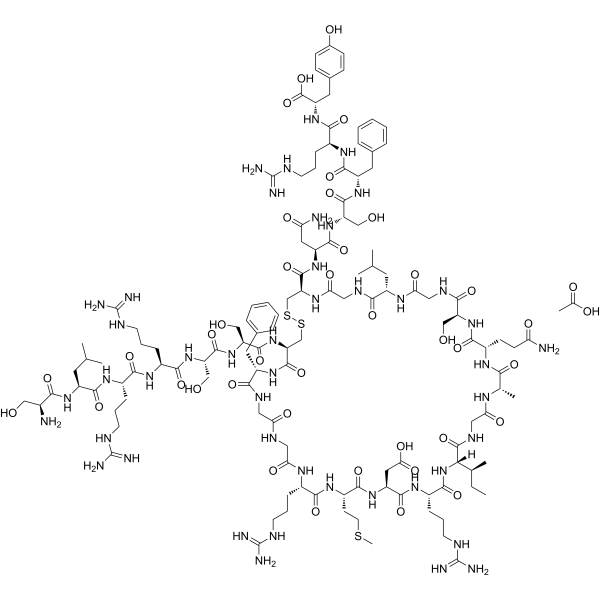
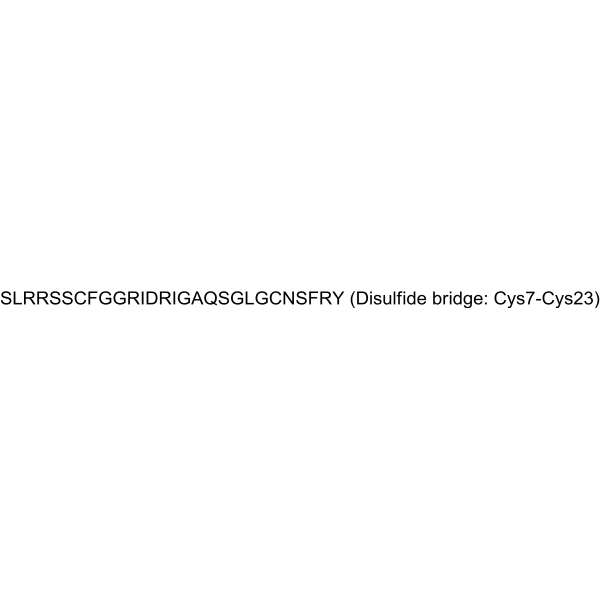
Atrial Natriuretic Peptide (ANP) (1-28), human, porcine acetate
|
Endothelin Receptor
|
Cardiovascular Disease
Endocrinology
|
|
Carperitide acetate (Atrial Natriuretic Peptide (ANP) (1-28), human, porcine acetate) is a 28-amino acid hormone, that is normally produced and secreted by the human heart in response to cardiac injury and mechanical stretch. Carperitide acetate inhibits endothelin-1 secretion in a dose-dependent way.
|
-
-
- HY-P1633
-
|
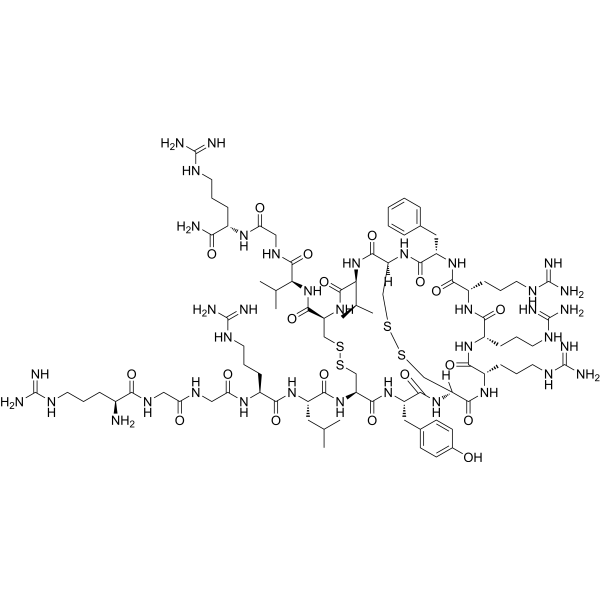
PG1
|
Bacterial
ERK
COX
NF-κB
Apoptosis
NO Synthase
Dengue Virus
|
Infection
Inflammation/Immunology
|
|
Protegrin-1 is an orally active antibacterial peptide. Protegrin-1 activates ERK, COX2, NFκB, inhibits Apoptosis, and NO production. Protegrin-1 has antibacterial activity against S. aureus, E. faecium, E. coli, P. aeruginosa and K. Pneumoniae, with MBC values between 10 and 20 µM. Protegrin-1 has antiviral activity against dengue NS2B-NS3. Protegrin-1 has anti-inflammatory activity. Protegrin-1 is used in the study of inflammatory diseases and infections .
|
-
-
- HY-P1236
-
|
Atrial natriuretic factor (1-28) (rat, mouse)
|
Endothelin Receptor
|
Cardiovascular Disease
Endocrinology
|
|
Atrial Natriuretic Peptide (ANP) (1-28), rat, mouse is a major circulating form of ANP in rats, potently inhibits Angiotensin II (Ang II)-stimulated endothelin-1 secretion in a concentration-dependent manner.
|
-
-
- HY-P0019A
-
|
|
Fluorescent Dye
Thrombin
|
Others
|
|
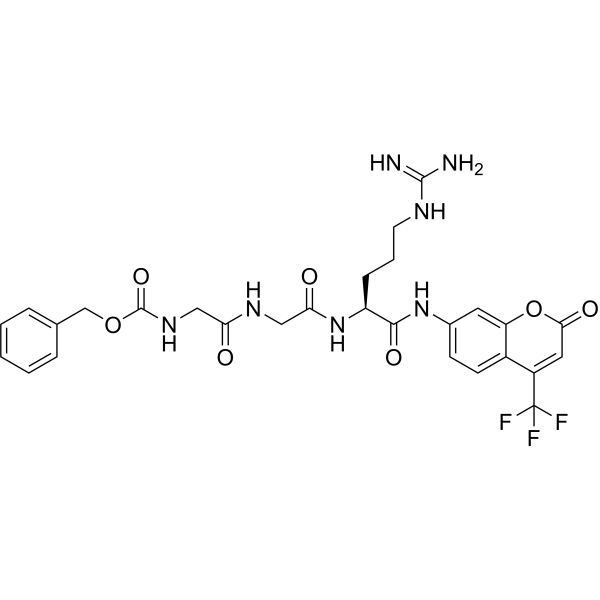
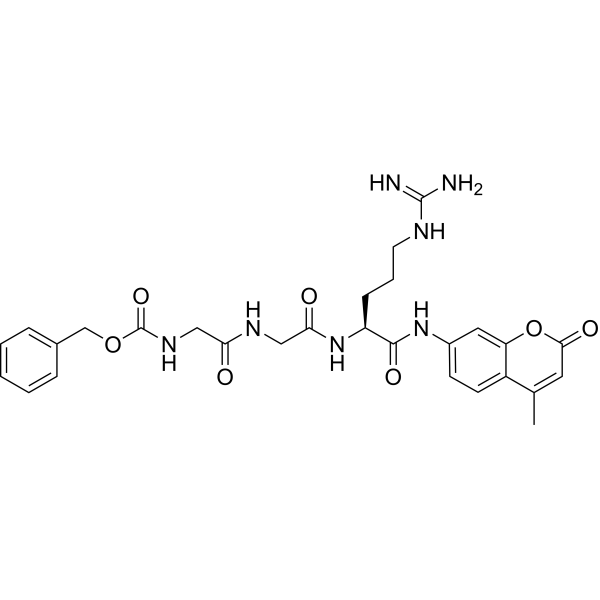
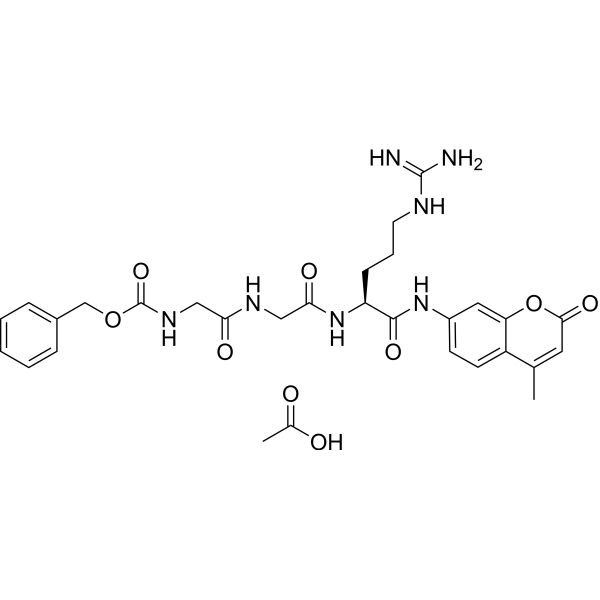
Z-Gly-Gly-Arg-AMC acetate is a thrombin-specific fluorogenic substrate for testing of thrombin generation in PRP and platelet-poor plasma (PPP) (Ex/Em = 390/480 nm) .
|
-
-
- HY-P6022
-
|
|
Integrin
|
Others
|
|
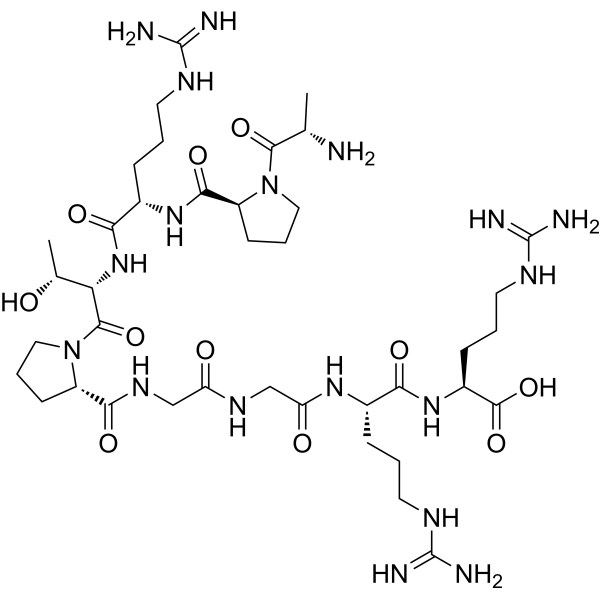
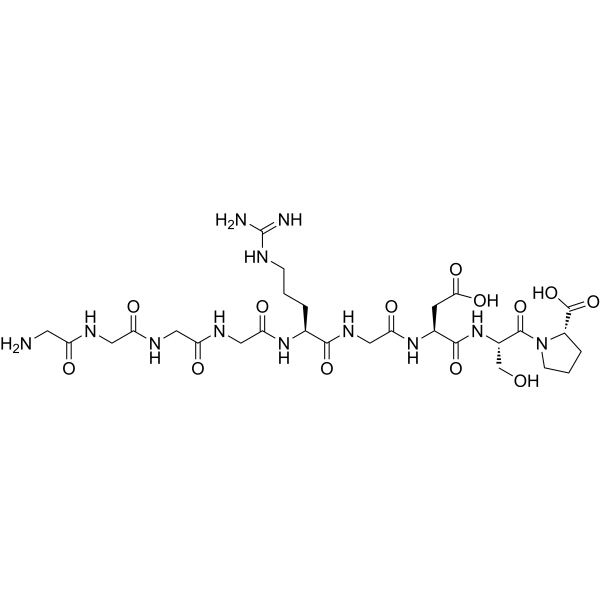
G4RGDSP, Integrin-binding peptide is a cell integrin-binding peptide that targets integrin receptors. G4RGDSP, integrin-binding peptide is coupled to alginate to increase the viability of cells in the scaffold. G4RGDSP, integrin-binding peptide can be used as an extrudable carrier for chondrocyte delivery for the study of 3D printing technology
|
-
-
- HY-P1526
-
-
-
- HY-P1236A
-
|
Atrial natriuretic factor (1-28) (rat, mouse) TFA
|
Endothelin Receptor
|
Cardiovascular Disease
Endocrinology
|
|
Atrial Natriuretic Peptide (ANP) (1-28), rat, mouse (TFA) is a major circulating form of ANP in rats, potently inhibits Angiotensin II (Ang II)-stimulated endothelin-1 secretion in a concentration-dependent manner.
|
-
-
- HY-P10238
-
|
|
Apoptosis
|
Cancer
|
|
MYBMIM is an inhibitor for assembly of the molecular MYB:CBP/P300 complex. MYBMIM inhibits growth of leukemia cells .
|
-
-
- HY-P4086
-
|
|
RABV
nAChR
|
Neurological Disease
Cancer
|
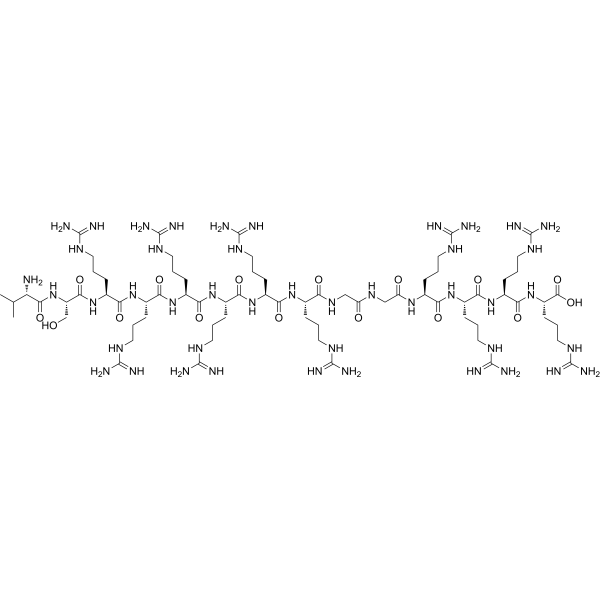
Chimeric Rabies Virus Glycoprotein Fragment (RVG-9R) is a cell-penetrating peptide that is synthesized by adding nona-arginine motif to the carboxy terminus of RVG (rabies virus glycoprotein). Chimeric Rabies Virus Glycoprotein Fragment (RVG-9R) binds to nAChR on neuronal cells to mediate receptor-mediated endocytosis and targeted siRNA delivery. Chimeric Rabies Virus Glycoprotein Fragment (RVG-9R) protects complexed siRNA from degradation, enhances transcellular siRNA delivery in neuronal cells, and promotes efficient, pecific gene silencing. Chimeric Rabies Virus Glycoprotein Fragment (RVG-9R) can be used for the researches of neurological disease and cancer .
|
-
-
- HY-P2026
-
|
|
Natriuretic Peptide Receptor (NPR)
|
Cardiovascular Disease
|
|
A 71915 is a highly potent and competitive natriuretic peptide receptor A (ANP, NPRA) antagonist (pKi= 9.18). A 71915 displaces [ 125I]ANP dose dependently, with a Ki of 0.65 nM. A71915( pA2= 9.48) against rat ANP-induced cGMP production in NB-OK-1 cells .
|
-
-
- HY-P1064
-
|
|
Apelin Receptor (APJ)
HIV
|
Infection
Cardiovascular Disease
Metabolic Disease
|
|
Apelin-36(human) is an endogenous orphan G protein-coupled receptor APJ agonist, with an EC50 of 20 nM. Apelin-36(human) shows high affinity to human APJ receptors expressed in HEK 293 cells (pIC50=8.61). Apelin-36 has been linked to two major types of biological activities: cardiovascular and metabolic. Apelin-36(human) inhibits the entry of some HIV-1 and HIV-2 into the NP2/CD4 cells expressing APJ .
|
-
-
- HY-P3012
-
|
|
Cathepsin
ERK
p38 MAPK
PKC
Protease Activated Receptor (PAR)
MMP
|
Inflammation/Immunology
|
|
Cathepsin G is a pH-dependent serine protease. Cathepsin G hydrolyzes diverse synthetic and protein substrates and remodels extracellular matrix. Cathepsin G exerts immunomodulatory effects via recruiting phagocytes, enhancing T cell motility, activating ERK1/2 and p38 MAPK signaling, and mediating PKCζ membrane translocation. Cathepsin G regulates inflammatory responses by cleaving inflammatory mediators. Cathepsin G participates in vascular regulation by converting angiotensin I to angiotensin II. Cathepsin G induces PAR4-dependent platelet activation, facilitates platelet-neutrophil aggregation, and mediates VITT-related NETosis, thrombus formation. Cathepsin G can be used for the research of immune thrombotic thrombocytopenia, cardiovascular disease, and select autoimmune and inflammatory diseases .
|
-
-
- HY-P5355
-
|
|
Fluorescent Dye
|
Others
|
|
Z-Gly-Gly-Arg-AFC is a biological active peptide. (Plasminogen Activator Acrosine Substrate, fluorescent Z-Gly-Gly-Arg-AFC)
|
-
-
- HY-P2219A
-
-
-
- HY-P2456
-
|
|
p38 MAPK
|
Others
|
|
MBP MAPK Substrate is used as an exogenous substrate for MAPK .
|
-
-
- HY-P5107
-
|
LMWP; TDSP5
|
VEGFR
|
Cancer
|
|
Low molecular weight protamine (LMWP;TDSP5) is a truncated arginine-rich protamine peptide, as well as a heparin/low-molecular-weight heparin antidote and a cell-penetrating delivery carrier. Low molecular weight protamine neutralizes heparin-induced anticoagulant activities, including aPTT, anti-Xa and anti-IIa activities, and also neutralizes anti-Xa activity of commercially available low-molecular-weight heparin preparations. Low molecular weight protamine translocates across mammalian cell membranes, delivers conjugated impermeable molecules across tumor tissues, enhances skin permeability of conjugated epidermal growth factor, and accelerates wound healing when conjugated with epidermal growth factor. Low molecular weight protamine retains the in vitro cell proliferation activity of conjugated EGF, and also enables site-specific conjugation with peptides or proteins via genetic recombination. Low molecular weight protamine can be used in studies related to colon adenocarcinoma, skin wounds and diabetic skin wounds .
|
-
-
- HY-P11112
-
|
|
β-catenin
Wnt
|
Inflammation/Immunology
|
|
PTD-DBM is a competitive peptide that blocks the CXXC5-Dvl interaction and induces the expression of β-catenin, α-SMA, and type I collagen. PTD-DBM has skin wound healing activity .
|
-
-
- HY-P3586
-
|
Hunter-killer peptide ao; Prohibitin-tArgeting peptide 1; prohibitin-TP01; Adipotide
|
Apoptosis
|
Cancer
|
|
HKPao (Hunter-killer peptide ao) is a biologically active peptide. HKPao (Hunter-killer peptide ao) has anti-obesity and anti-tumor pro-apoptotic activity to cause release of cytochrome c from vesicles .
|
-
-
- HY-P2281A
-
|
Atrial natriuretic peptide (1-28) TFA
|
Endogenous Metabolite
|
Cardiovascular Disease
Metabolic Disease
|
|
Atrial natriuretic factor (1-28) (human, porcine) TFA exhibits blood pressure lowering activity by increasing sodium and urine excretion. Atrial natriuretic factor (1-28) (human, porcine) TFA inhibits the release of pituitary adrenocorticotropic hormone (ACTH) and beta-endorphin through inhibition of pro-opiomelanocortin (POMC) expression. Atrial natriuretic factor (1-28) (human, porcine) TFA increases cGMP levels in RMIC cells with an IC50 of 1.2 nM .
|
-
-
- HY-P5792
-
|
ANP (3-28) (human)
|
Endothelin Receptor
|
Cardiovascular Disease
Metabolic Disease
|
|
Atrial natriuretic peptide (3-28) (human) (ANP (3-28) (human)) is a peptide hormone that is synthesized and secreted by the atrial myocardium. Atrial natriuretic peptide (3-28) (human) is involved in the regulation of blood pressure, fluid balance, and electrolyte homeostasis .
|
-
-
- HY-P2491
-
|
|
Fluorescent Dye
|
Cardiovascular Disease
Endocrinology
|
|
Atrial Natriuretic Peptide (1-28), human, porcine, Biotin-labeled, one of three mammalian natriuretic peptides (NPs), has endocrine effects on fluid homeostasis and blood pressure. Atrial Natriuretic Peptide has the potential for cardiovascular diseases research .
|
-
-
- HY-P2219
-
-
-
- HY-P3828
-
|
|
Fluorescent Dye
|
Neurological Disease
|
|
Biotin-myelin basic protein (94-102) is a peptide fragemt. Myelin basic protein is responsible for adhesion of the cytosolic surfaces of multilayered compact myelin, it plays an important role in the process of myelination of nerves in the nervous system. Myelin basic protein also acts as a membrane actin-binding protein, which might allow it to participate in transmission of extracellular signals to the cytoskeleton in oligodendrocytes and tight junctions in myelin .
|
-
-
- HY-P1235
-
|
Atrial Natriuretic Peptide (ANP) (1-28), human, porcine
|
Endothelin Receptor
|
Cardiovascular Disease
Endocrinology
|
|
Carperitide (Atrial Natriuretic Peptide (ANP) (1-28), human, porcine) is a 28-amino acid hormone, that is normally produced and secreted by the human heart in response to cardiac injury and mechanical stretch. Carperitide (Atrial Natriuretic Peptide (ANP) (1-28), human, porcine) inhibits endothelin-1 secretion in a dose-dependent way.
|
-
-
- HY-P11118A
-
|
CAPture peptide, biotin-CCDC61 (334-366) TFA
|
Biochemical Assay Reagents
|
Others
|
|
Biotinylated CCDC61 peptide (CAPture peptide, biotin-CCDC61 (334-366)) TFA is a biotinylated peptide derived from the centrosomal protein CCDC61. Biotinylated CCDC61 peptide TFA specifically isolates intact centrosomes .
|
-
-
- HY-P1064A
-
|
|
HIV
Apelin Receptor (APJ)
|
Infection
Cardiovascular Disease
Metabolic Disease
|
|
Apelin-36(human) TFA is an endogenous orphan G protein-coupled receptor APJ agonist, with an EC50 of 20 nM. Apelin-36(human) TFA shows high affinity to human APJ receptors expressed in HEK 293 cells (pIC550=8.61). Apelin-36(human) TFA has been linked to two major types of biological activities: cardiovascular and metabolic. Apelin-36(human) TFA inhibits the entry of some HIV-1 and HIV-2 into the NP2/CD4 cells expressing APJ .
|
-
-
- HY-P0284A
-
|
|
MMP
|
Inflammation/Immunology
|
|
C-telopeptide TFA, a cross-linked peptide of type I collagen, is released during bone resorption and has been correlated with bone mineral density (BMD) .
|
-
-
- HY-P0284
-
|
|
MMP
|
Inflammation/Immunology
|
|
C-telopeptide, a cross-linked peptide of type I collagen, is released during bone resorption and has been correlated with bone mineral density (BMD).
|
-
-
- HY-P5202
-
|
|
Amino Acid Derivatives
|
Others
|
|
H-Gly-Gly-Arg-AMC is a fluorogenic peptidyl-AMC substrate containing C-terminal 7-amino-4-methylcoumarin (AMC). H-Gly-Gly-Arg-AMC is a suitable for monitoring continuous thrombin generation (TGT) .
|
-
-
- HY-P1912
-
|
|
MMP
|
Endocrinology
|
|
Alpha 1(I) Collagen (614-639), human is a peptide fragment of alpha-1 type I collagen.
|
-
-
- HY-P10168
-
|
|
Phosphatase
|
Others
|
|
11R-CaN-CON is a control inactive peptide and can be used as a negative control for 11R-CaN-AID (HY-P10167) .
|
-
-
- HY-P10167
-
|
|
Phosphatase
|
Others
|
|
11R-CaN-AID is a potent and cell permeant inhibitor of calcineurin .
|
-
-
- HY-P4514
-
|
|
Proteasome
|
Others
|
|
Z-Gly-Gly-Arg-βNA is the synthetic peptide substrate of trypsin-like activities of the proteasome .
|
-
-
- HY-P0019B
-
|
|
Fluorescent Dye
Thrombin
|
Others
|
|
Z-Gly-Gly-Arg-AMC TFA is the TFA salt form of Z-Gly-Gly-Arg-AMC (HY-P0019). Z-Gly-Gly-Arg-AMC TFA is a thrombin-specific fluorogenic substrate for testing of thrombin generation in PRP and platelet-poor plasma (PPP) (Ex/Em = 390/480 nm) .
|
-
-
- HY-P5711
-
-
-
- HY-P11215
-
-
-
- HY-P5107A
-
|
LMWP acetate; TDSP5 acetate
|
VEGFR
|
Cancer
|
|
Low molecular weight protamine (LMWP) is a truncated arginine-rich protamine peptide, which also acts as an antidote for heparin/low molecular weight heparin and a cell-penetrating delivery vector. Low molecular weight protamine neutralizes heparin-induced anticoagulant activities, including aPTT, anti-Xa and anti-IIa activities. Low molecular weight protamine translocates across mammalian cell membranes, delivers conjugated impermeable molecules through tumor tissues, enhances the skin permeability of conjugated epidermal growth factor, and accelerates wound healing when conjugated with epidermal growth factor. Low molecular weight protamine retains the in vitro cell proliferation activity of conjugated EGF, and also enables site-specific conjugation with peptides or proteins via genetic recombination. Low molecular weight protamine can be used in studies related to colon cancer, skin wounds and diabetic skin wounds .
|
-
-
- HY-P11126
-
|
|
Bacterial
|
Infection
|
|
Mel4 is an antimicrobial peptide, exhibiting broad-spectrum antimicrobial activity. Mel4 can neutralize bacterial lipopolysaccharide in a dose-dependent manner. Mel4 can be used in the research and prevention of related bacterial infectious diseases (such as ocular infections) .
|
-
-
- HY-P5552
-
|
|
Bacterial
Parasite
Fungal
|
Infection
|
|
Melimine is a hybrid antimicrobial peptide of Melittin (HY-P0233) and Protamine. Melimine is active against P. aeruginosa and S. aureus. Melimine has broad spectrum activity against bacteria, fungi and protozoa .
|
-
-
- HY-P11091
-
|
|
Bacterial
|
Infection
|
|
PA2-GNU7 is an antimicrobial peptide (AMP). PA2-GNU7 exhibits potent antimicrobial activity with minimal inhibitory concentration (MIC) against P. aeruginosa, E. coli, S. typhimurium, S. aureus, and C. albicans are 2 μM, 1 μM, 2 μM, 2 μM, and 8 μM, respectively. PA2-GNU7 rapidly and selectively kills Pseudomonas aeruginosa without affecting other commensal bacteria. PA2-GNU7 significantly improves survival of mice infected with P. aeruginosa. PA2-GNU7 can be used for the research and development of therapeutic agents against MDR Pseudomonas aeruginosa infections .
|
-
-
- HY-P2687
-
|
Urodilatin (human)
|
Natriuretic Peptide Receptor (NPR)
|
Cardiovascular Disease
|
|
Ularitide (Urodilatin), natriuretic peptide, is a vasodilator. Ularitide binds to and activates renal receptors. Ularitide also regulates renal dopamine metabolism Ularitide can be used in the research of heart failure .
|
-
-
- HY-P11164
-
|
|
DNA Alkylator/Crosslinker
|
Endocrinology
|
|
PRKGGRRRRAWGRRRRRRRRRRRRRRAPRKRLTLA is a peptide. PRKGGRRRRAWGRRRRRRRRRRRRRRAPRKRLTLA has a higher affinity for CR3 and DNA binding domain than FOXO4 and DRI. PRKGGRRRRAWGRRRRRRRRRRRRRRAPRKRLTLA can be used in the research of aging .
|
-
-
- HY-P5617
-
|
|
Bacterial
|
Others
|
|
Cathepsin G(1-5) is an antimicrobial peptide that can be found in the clostripain-digested cathepsin G mixture .
|
-
-
- HY-P10615
-
-
-
- HY-P6696S
-
-
-
- HY-P10911
-
|
|
LDLR
|
Others
|
|
IETP2 targets low-density lipoprotein receptor-related protein 1 (LRP1) with a KD of 738 nM and can be used for drug- and imaging agents delivery across the blood-labyrinth barrier (BLB) .
|
-
-
- HY-P5891
-
|
|
PKC
|
Cardiovascular Disease
|
|
TAT-SAMβA is the peptide consist of RNAENFDRF (SAMβA; HY-P3429) conjugated to the cell penetrating TAT protein-derived peptide TAT47–57. TAT-SAMβA is a selective antagonist of Mfn1-βIIPKC association. TAT-SAMβA protects mouse embryonic fibroblast cells (MEFs) against oxidative stress-induced cytotoxicity .
|
-
-
- HY-P2269A
-
|
|
Drug Derivative
|
Cancer
|
|
MAIT-203 acetate is a cyclopentyalanin-derived peptidomimetic, potently inhibits the interaction of adenomatous polyposis coli (APC) and Asef (RhoGEF4), but not APC-Sam68 or APC-striatin interactions. MAIT-203 acetate binds APC-ARM with a Ki value of 0.015 μM and aKd value of 0.036 μM. MAIT-203 acetate significantly represses the migration and invasion of colorectal cancer cells .
|
-
-
- HY-P2269
-
|
|
Drug Derivative
|
Cancer
|
|
MAIT-203, a cyclopentyalanin-derived peptidomimetic, potently inhibits the interaction of adenomatous polyposis coli (APC) and Asef (RhoGEF4), but not APC-Sam68 or APC-striatin interactions. MAIT-203 binds APC-ARM with a Ki of 0.015 μM and a Kd of 0.036 μM. MAIT-203 significantly represses the migration and invasion of colorectal cancer cells.
|
-
- HY-P10248
-
|
|
Androgen Receptor
|
Endocrinology
|
|
Atriopeptin I rat, mouse is an atrial natriuretic peptide, which stimulates the testosterone production with half-maximum stimulation of 38 nM .
|
-
- HY-P10279
-
|
Human atrial natriuretic factor (102–126)
|
Natriuretic Peptide Receptor (NPR)
|
Cardiovascular Disease
Others
|
|
Anaritide is a synthetic form of atrial natriuretic peptide (ANP) composed of 25 amino acids. Anaritide increases glomerular filtration rate by dilating into and contracting out the bulbar arterioles. Anaritide can be used to study the effects on patients with acute tubular necrosis, particularly in improving dialysis free survival .
|
-
- HY-P5978
-
|
ANP 127-150 (rat)
|
Natriuretic Peptide Receptor (NPR)
|
Cardiovascular Disease
|
|
Atriopeptin III (ANP 127-150) (rat), a 24-amino acid atrial peptide, is a potent vasodilator and natriuretic/diuretic agent. Atriopeptin III (rat) improves renal functions and decreases blood pressure in a ureter-obstructed rat kidney model. Atriopeptin III (rat) can be used for research of chronic renal failure .
|
-
- HY-P2281
-
|
Atrial natriuretic peptide (1-28)
|
Endogenous Metabolite
|
Cardiovascular Disease
Metabolic Disease
|
|
Atrial natriuretic factor (1-28) (human, porcine) exhibits blood pressure lowering activity by increasing sodium and urine excretion. Atrial natriuretic factor (1-28) (human, porcine) inhibits the release of pituitary adrenocorticotropic hormone (ACTH) and beta-endorphin through inhibition of pro-opiomelanocortin (POMC) expression. Atrial natriuretic factor (1-28) (human, porcine) increases cGMP levels in RMIC cells with an IC50 of 1.2 nM .
|
-
- HY-120521
-
-
- HY-P11242
-
|
|
Bacterial
NF-κB
p38 MAPK
JNK
ERK
TNF Receptor
Interleukin Related
|
Infection
|
Cm-CATH2 is an antimicrobial peptide discovered from Chelonia mydas. Cm-CATH2 has a potent, broad-spectrum and rapid bactericidal ability by rapidly destroying the integrity of bacterial cell membranes. It shows strong activity against Gram-positive bacteria (such as VREF, Staphylococcus aureus), Gram-negative bacteria (such as Escherichia coli, Klebsiella pneumoniae), and fungi (such as Candida albicans) with MICs ranges from 1.17 to 18.75 μg/mL. Cm-CATH2 is also effective against various aquatic pathogenic bacteria. Cm-CATH2 not only inhibits biofilm formation but can also remove the formed biofilms. Cm-CATH2 has immunomodulatory functions and chemotactic effects on immune cells, and can inhibit the production of pro-inflammatory cytokines by macrophages stimulated by LPS (HY-D1056). Cm-CATH2 prevents the activation of NF-κB by inhibiting the degradation of IκBα, and also inhibits the phosphorylation of MAPK signaling pathways (p38, JNK, ERK). Cm-CATH2 demonstrates strong anti-infective ability in mouse peritonitis models and pneumonia models .
|
-
- HY-P11118
-
|
CAPture peptide, biotin-CCDC61 (334-366)
|
Biochemical Assay Reagents
|
Others
|
|
Biotinylated CCDC61 peptide (CAPture peptide, biotin-CCDC61 (334-366)) is a biotinylated peptide derived from the centrosomal protein CCDC61. Biotinylated CCDC61 peptide specifically isolates intact centrosomes .
|
-
- HY-P1065A
-
|
|
HIV
Apelin Receptor (APJ)
|
Infection
Cardiovascular Disease
Metabolic Disease
|
|
Apelin-36(rat, mouse) TFA is an endogenous orphan G protein-coupled receptor APJ agonist. Apelin-36(rat, mouse) TFA binds to APJ receptors with an IC50 of 5.4 nM, and potently inhibits cAMP production with an EC50 of 0.52 nM. Apelin-36(rat, mouse) TFA blocks entry of some HIV-1 and HIV-2 strains into NP-2/CD4 cells expressing APJ .
|
-
- HY-P11762
-
-
- HY-P11210
-
|
|
Biochemical Assay Reagents
|
Inflammation/Immunology
|
|
A68828 is an atrial natriuretic factor (ANF) analog. A68828 can improve renal function in an acute model of postischemic acute renal failure. A68828 can be studied in research on ischemic acute renal failure .
|
-
- HY-P11728
-
|
|
CXCR
Apoptosis
Caspase
Akt
ERK
|
Cancer
|
|
Peptide E5 is an antagonist targeting the CXCR4/CXCL12 axis. Peptide E5 blocks the CXCR4/CXCL12 axis, downregulates CXCR4 expression, and inhibits the phosphorylation of downstream Akt and Erk. Peptide E5 induces apoptosis, suppresses migration and adhesion of breast cancer cells. Peptide E5 inhibits CXCL12-mediated endothelial progenitor cell recruitment, thereby suppressing tumor angiogenesis. Peptide E5 is applicable to relevant research on breast cancer .
|
-
- HY-P11612
-
|
|
Biochemical Assay Reagents
|
Metabolic Disease
|
|
ATS-9R is a peptide consisting of an adipocyte-targeting sequence and D-form 9-arginine. ATS-9R selectively transfects mature adipocytes by binding to prohibitin. ATS-9R allows an adipocyte-targeted gene delivery in vitro and in vivo. ATS-9R can be used for the development of an adipocyte-targeted gene carrier. ATS-9R can be used for the study of obesity as well as obesity-induced metabolic syndromes .
|
-
- HY-P11471
-
|
|
Bacterial
Reactive Oxygen Species (ROS)
|
Infection
|
|
(K(C10)GGGRrRPC)2 (Compound (C-C10)C-C) is a dimeric lipopeptide and antibacterial agent. (K(C10)GGGRrRPC)2 enhances the accumulation of ROS, inhibits the bacterial respiratory chain dehydrogenase activity. (K(C10)GGGRrRPC)2 exhibits significant inhibition of bacterial biofilm formation. (K(C10)GGGRrRPC)2 exhibits antimicrobial activity against Acinetobacter baumannii AB1901, A. baumannii AB1902, Pseudomonas aeruginosa 25349, Staphylococcus aureus 11011, with MICs of 4 μM, 8 μM, 4 μM, and 8 μM, respectively. (K(C10)GGGRrRPC)2 shows antimicrobial efficacy against E. coli ATCC 25922 .
|
-
| Cat. No. |
Product Name |
Type |
-
- HY-P0019
-
|
|
Fluorescent Dyes
|
|
Z-Gly-Gly-Arg-AMC is a thrombin-specific fluorogenic substrate for testing of thrombin generation in PRP and platelet-poor plasma (PPP) (Ex/Em = 390/480 nm) .
|
-
- HY-P0019A
-
|
|
Fluorescent Dyes
|
|
Z-Gly-Gly-Arg-AMC acetate is a thrombin-specific fluorogenic substrate for testing of thrombin generation in PRP and platelet-poor plasma (PPP) (Ex/Em = 390/480 nm) .
|
| Cat. No. |
Product Name |
Target |
Research Area |
-
- HY-P0019
-
-
- HY-P1235A
-
|
Atrial Natriuretic Peptide (ANP) (1-28), human, porcine acetate
|
Endothelin Receptor
|
Cardiovascular Disease
Endocrinology
|
|
Carperitide acetate (Atrial Natriuretic Peptide (ANP) (1-28), human, porcine acetate) is a 28-amino acid hormone, that is normally produced and secreted by the human heart in response to cardiac injury and mechanical stretch. Carperitide acetate inhibits endothelin-1 secretion in a dose-dependent way.
|
-
- HY-P1633
-
|
PG1
|
Bacterial
ERK
COX
NF-κB
Apoptosis
NO Synthase
Dengue Virus
|
Infection
Inflammation/Immunology
|
|
Protegrin-1 is an orally active antibacterial peptide. Protegrin-1 activates ERK, COX2, NFκB, inhibits Apoptosis, and NO production. Protegrin-1 has antibacterial activity against S. aureus, E. faecium, E. coli, P. aeruginosa and K. Pneumoniae, with MBC values between 10 and 20 µM. Protegrin-1 has antiviral activity against dengue NS2B-NS3. Protegrin-1 has anti-inflammatory activity. Protegrin-1 is used in the study of inflammatory diseases and infections .
|
-
- HY-P1236
-
|
Atrial natriuretic factor (1-28) (rat, mouse)
|
Endothelin Receptor
|
Cardiovascular Disease
Endocrinology
|
|
Atrial Natriuretic Peptide (ANP) (1-28), rat, mouse is a major circulating form of ANP in rats, potently inhibits Angiotensin II (Ang II)-stimulated endothelin-1 secretion in a concentration-dependent manner.
|
-
- HY-P0019A
-
|
|
Fluorescent Dye
Thrombin
|
Others
|
|
Z-Gly-Gly-Arg-AMC acetate is a thrombin-specific fluorogenic substrate for testing of thrombin generation in PRP and platelet-poor plasma (PPP) (Ex/Em = 390/480 nm) .
|
-
- HY-P6022
-
|
|
Integrin
|
Others
|
|
G4RGDSP, Integrin-binding peptide is a cell integrin-binding peptide that targets integrin receptors. G4RGDSP, integrin-binding peptide is coupled to alginate to increase the viability of cells in the scaffold. G4RGDSP, integrin-binding peptide can be used as an extrudable carrier for chondrocyte delivery for the study of 3D printing technology
|
-
- HY-P1526
-
-
- HY-P1236A
-
|
Atrial natriuretic factor (1-28) (rat, mouse) TFA
|
Endothelin Receptor
|
Cardiovascular Disease
Endocrinology
|
|
Atrial Natriuretic Peptide (ANP) (1-28), rat, mouse (TFA) is a major circulating form of ANP in rats, potently inhibits Angiotensin II (Ang II)-stimulated endothelin-1 secretion in a concentration-dependent manner.
|
-
- HY-P10238
-
|
|
Apoptosis
|
Cancer
|
|
MYBMIM is an inhibitor for assembly of the molecular MYB:CBP/P300 complex. MYBMIM inhibits growth of leukemia cells .
|
-
- HY-P4086
-
|
|
RABV
nAChR
|
Neurological Disease
Cancer
|
Chimeric Rabies Virus Glycoprotein Fragment (RVG-9R) is a cell-penetrating peptide that is synthesized by adding nona-arginine motif to the carboxy terminus of RVG (rabies virus glycoprotein). Chimeric Rabies Virus Glycoprotein Fragment (RVG-9R) binds to nAChR on neuronal cells to mediate receptor-mediated endocytosis and targeted siRNA delivery. Chimeric Rabies Virus Glycoprotein Fragment (RVG-9R) protects complexed siRNA from degradation, enhances transcellular siRNA delivery in neuronal cells, and promotes efficient, pecific gene silencing. Chimeric Rabies Virus Glycoprotein Fragment (RVG-9R) can be used for the researches of neurological disease and cancer .
|
-
- HY-P2026
-
|
|
Natriuretic Peptide Receptor (NPR)
|
Cardiovascular Disease
|
|
A 71915 is a highly potent and competitive natriuretic peptide receptor A (ANP, NPRA) antagonist (pKi= 9.18). A 71915 displaces [ 125I]ANP dose dependently, with a Ki of 0.65 nM. A71915( pA2= 9.48) against rat ANP-induced cGMP production in NB-OK-1 cells .
|
-
- HY-P1064
-
|
|
Apelin Receptor (APJ)
HIV
|
Infection
Cardiovascular Disease
Metabolic Disease
|
|
Apelin-36(human) is an endogenous orphan G protein-coupled receptor APJ agonist, with an EC50 of 20 nM. Apelin-36(human) shows high affinity to human APJ receptors expressed in HEK 293 cells (pIC50=8.61). Apelin-36 has been linked to two major types of biological activities: cardiovascular and metabolic. Apelin-36(human) inhibits the entry of some HIV-1 and HIV-2 into the NP2/CD4 cells expressing APJ .
|
-
- HY-P3012
-
|
|
Cathepsin
ERK
p38 MAPK
PKC
Protease Activated Receptor (PAR)
MMP
|
Inflammation/Immunology
|
|
Cathepsin G is a pH-dependent serine protease. Cathepsin G hydrolyzes diverse synthetic and protein substrates and remodels extracellular matrix. Cathepsin G exerts immunomodulatory effects via recruiting phagocytes, enhancing T cell motility, activating ERK1/2 and p38 MAPK signaling, and mediating PKCζ membrane translocation. Cathepsin G regulates inflammatory responses by cleaving inflammatory mediators. Cathepsin G participates in vascular regulation by converting angiotensin I to angiotensin II. Cathepsin G induces PAR4-dependent platelet activation, facilitates platelet-neutrophil aggregation, and mediates VITT-related NETosis, thrombus formation. Cathepsin G can be used for the research of immune thrombotic thrombocytopenia, cardiovascular disease, and select autoimmune and inflammatory diseases .
|
-
- HY-P4249
-
|
|
Peptides
|
Endocrinology
|
|
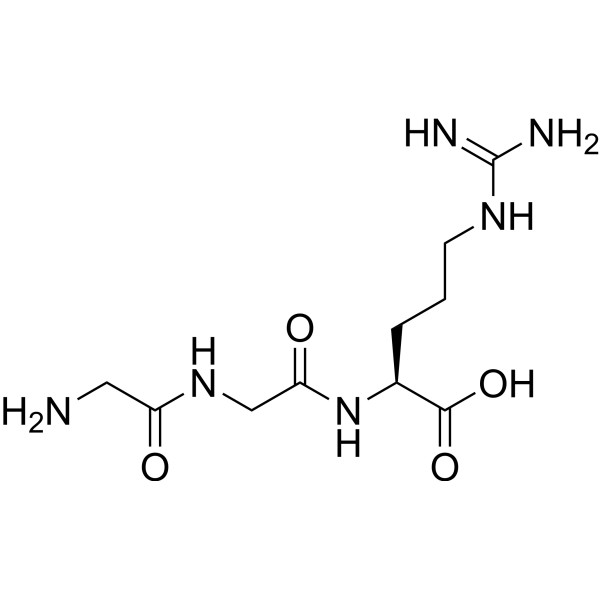
Gly-Gly-Arg is a tripeptide, and a “pumping pheromone” released from the hatching eggs. Gly-Gly-Arg induces pleopod pumping activity, with the threshold concentration of 10 nM. Gly-Gly-Arg shows maximum percentage response of 58.3%. Gly-Gly-Arg act as pheromones and controlls larval release in subtidal crustaceans .
|
-
- HY-P5355
-
|
|
Fluorescent Dye
|
Others
|
|
Z-Gly-Gly-Arg-AFC is a biological active peptide. (Plasminogen Activator Acrosine Substrate, fluorescent Z-Gly-Gly-Arg-AFC)
|
-
- HY-P2219A
-
-
- HY-P2456
-
|
|
p38 MAPK
|
Others
|
|
MBP MAPK Substrate is used as an exogenous substrate for MAPK .
|
-
- HY-P5107
-
|
LMWP; TDSP5
|
VEGFR
|
Cancer
|
|
Low molecular weight protamine (LMWP;TDSP5) is a truncated arginine-rich protamine peptide, as well as a heparin/low-molecular-weight heparin antidote and a cell-penetrating delivery carrier. Low molecular weight protamine neutralizes heparin-induced anticoagulant activities, including aPTT, anti-Xa and anti-IIa activities, and also neutralizes anti-Xa activity of commercially available low-molecular-weight heparin preparations. Low molecular weight protamine translocates across mammalian cell membranes, delivers conjugated impermeable molecules across tumor tissues, enhances skin permeability of conjugated epidermal growth factor, and accelerates wound healing when conjugated with epidermal growth factor. Low molecular weight protamine retains the in vitro cell proliferation activity of conjugated EGF, and also enables site-specific conjugation with peptides or proteins via genetic recombination. Low molecular weight protamine can be used in studies related to colon adenocarcinoma, skin wounds and diabetic skin wounds .
|
-
- HY-P4098
-
|
|
Peptides
|
Infection
Neurological Disease
Cancer
|
|
SynB1 is a cell-penetrating peptide with blood-brain barrier permeability, derived from the antimicrobial peptide Protegrin 1. SynB1 enhances the cellular uptake efficiency and cytoplasmic localization level of conjugated constructs. SynB1 can be used in studies related to rabies and glioblastoma .
|
-
- HY-P11112
-
|
|
β-catenin
Wnt
|
Inflammation/Immunology
|
|
PTD-DBM is a competitive peptide that blocks the CXXC5-Dvl interaction and induces the expression of β-catenin, α-SMA, and type I collagen. PTD-DBM has skin wound healing activity .
|
-
- HY-P3586
-
|
Hunter-killer peptide ao; Prohibitin-tArgeting peptide 1; prohibitin-TP01; Adipotide
|
Apoptosis
|
Cancer
|
|
HKPao (Hunter-killer peptide ao) is a biologically active peptide. HKPao (Hunter-killer peptide ao) has anti-obesity and anti-tumor pro-apoptotic activity to cause release of cytochrome c from vesicles .
|
-
- HY-P2281A
-
|
Atrial natriuretic peptide (1-28) TFA
|
Endogenous Metabolite
|
Cardiovascular Disease
Metabolic Disease
|
|
Atrial natriuretic factor (1-28) (human, porcine) TFA exhibits blood pressure lowering activity by increasing sodium and urine excretion. Atrial natriuretic factor (1-28) (human, porcine) TFA inhibits the release of pituitary adrenocorticotropic hormone (ACTH) and beta-endorphin through inhibition of pro-opiomelanocortin (POMC) expression. Atrial natriuretic factor (1-28) (human, porcine) TFA increases cGMP levels in RMIC cells with an IC50 of 1.2 nM .
|
-
- HY-P5792
-
|
ANP (3-28) (human)
|
Endothelin Receptor
|
Cardiovascular Disease
Metabolic Disease
|
|
Atrial natriuretic peptide (3-28) (human) (ANP (3-28) (human)) is a peptide hormone that is synthesized and secreted by the atrial myocardium. Atrial natriuretic peptide (3-28) (human) is involved in the regulation of blood pressure, fluid balance, and electrolyte homeostasis .
|
-
- HY-P2491
-
|
|
Fluorescent Dye
|
Cardiovascular Disease
Endocrinology
|
|
Atrial Natriuretic Peptide (1-28), human, porcine, Biotin-labeled, one of three mammalian natriuretic peptides (NPs), has endocrine effects on fluid homeostasis and blood pressure. Atrial Natriuretic Peptide has the potential for cardiovascular diseases research .
|
-
- HY-P4267
-
|
|
Peptides
|
Others
|
|
H-Gly-Gly-Arg-Ser-Pro-Ala-Met-Pro-Glu-OH is a polypeptide that can be found by peptide screening. Peptide screening is a research tool that pools active peptides primarily by immunoassay. Peptide screening can be used for protein interaction, functional analysis, epitope screening, especially in the field of agent research and development .
|
-
- HY-P2219
-
-
- HY-P3828
-
|
|
Fluorescent Dye
|
Neurological Disease
|
|
Biotin-myelin basic protein (94-102) is a peptide fragemt. Myelin basic protein is responsible for adhesion of the cytosolic surfaces of multilayered compact myelin, it plays an important role in the process of myelination of nerves in the nervous system. Myelin basic protein also acts as a membrane actin-binding protein, which might allow it to participate in transmission of extracellular signals to the cytoskeleton in oligodendrocytes and tight junctions in myelin .
|
-
- HY-P5257
-
|
CG-EDP3
|
Peptides
|
Others
|
|
Oligopeptide-24 (CG-EDP3) is a 13 amino acids biomimetic peptide with skin repair effect. Oligopeptide-24 upregulates expression of elastin and hyaluronic acid, and increases fibroblast activity. Oligopeptide-24 can be used in cosmetics as an anti-wrinkle and firming agent .
|
-
- HY-P1235
-
|
Atrial Natriuretic Peptide (ANP) (1-28), human, porcine
|
Endothelin Receptor
|
Cardiovascular Disease
Endocrinology
|
|
Carperitide (Atrial Natriuretic Peptide (ANP) (1-28), human, porcine) is a 28-amino acid hormone, that is normally produced and secreted by the human heart in response to cardiac injury and mechanical stretch. Carperitide (Atrial Natriuretic Peptide (ANP) (1-28), human, porcine) inhibits endothelin-1 secretion in a dose-dependent way.
|
-
- HY-P11118A
-
|
CAPture peptide, biotin-CCDC61 (334-366) TFA
|
Biochemical Assay Reagents
|
Others
|
|
Biotinylated CCDC61 peptide (CAPture peptide, biotin-CCDC61 (334-366)) TFA is a biotinylated peptide derived from the centrosomal protein CCDC61. Biotinylated CCDC61 peptide TFA specifically isolates intact centrosomes .
|
-
- HY-P1064A
-
|
|
HIV
Apelin Receptor (APJ)
|
Infection
Cardiovascular Disease
Metabolic Disease
|
|
Apelin-36(human) TFA is an endogenous orphan G protein-coupled receptor APJ agonist, with an EC50 of 20 nM. Apelin-36(human) TFA shows high affinity to human APJ receptors expressed in HEK 293 cells (pIC550=8.61). Apelin-36(human) TFA has been linked to two major types of biological activities: cardiovascular and metabolic. Apelin-36(human) TFA inhibits the entry of some HIV-1 and HIV-2 into the NP2/CD4 cells expressing APJ .
|
-
- HY-P0284A
-
|
|
MMP
|
Inflammation/Immunology
|
|
C-telopeptide TFA, a cross-linked peptide of type I collagen, is released during bone resorption and has been correlated with bone mineral density (BMD) .
|
-
- HY-P0284
-
|
|
MMP
|
Inflammation/Immunology
|
|
C-telopeptide, a cross-linked peptide of type I collagen, is released during bone resorption and has been correlated with bone mineral density (BMD).
|
-
- HY-P5202
-
|
|
Amino Acid Derivatives
|
Others
|
|
H-Gly-Gly-Arg-AMC is a fluorogenic peptidyl-AMC substrate containing C-terminal 7-amino-4-methylcoumarin (AMC). H-Gly-Gly-Arg-AMC is a suitable for monitoring continuous thrombin generation (TGT) .
|
-
- HY-P1912
-
|
|
MMP
|
Endocrinology
|
|
Alpha 1(I) Collagen (614-639), human is a peptide fragment of alpha-1 type I collagen.
|
-
- HY-P4906
-
|
|
Peptides
|
Others
|
|
Atrial Natriuretic Factor (5-27) (human) is a polypeptide that can be found by peptide screening. Peptide screening is a research tool that pools active peptides primarily by immunoassay. Peptide screening can be used for protein interaction, functional analysis, epitope screening, especially in the field of agent research and development .
|
-
- HY-P10168
-
|
|
Phosphatase
|
Others
|
|
11R-CaN-CON is a control inactive peptide and can be used as a negative control for 11R-CaN-AID (HY-P10167) .
|
-
- HY-P10167
-
|
|
Phosphatase
|
Others
|
|
11R-CaN-AID is a potent and cell permeant inhibitor of calcineurin .
|
-
- HY-P4514
-
|
|
Proteasome
|
Others
|
|
Z-Gly-Gly-Arg-βNA is the synthetic peptide substrate of trypsin-like activities of the proteasome .
|
-
- HY-P0019B
-
|
|
Fluorescent Dye
Thrombin
|
Others
|
|
Z-Gly-Gly-Arg-AMC TFA is the TFA salt form of Z-Gly-Gly-Arg-AMC (HY-P0019). Z-Gly-Gly-Arg-AMC TFA is a thrombin-specific fluorogenic substrate for testing of thrombin generation in PRP and platelet-poor plasma (PPP) (Ex/Em = 390/480 nm) .
|
-
- HY-P5711
-
-
- HY-P11215
-
-
- HY-P5107A
-
|
LMWP acetate; TDSP5 acetate
|
VEGFR
|
Cancer
|
|
Low molecular weight protamine (LMWP) is a truncated arginine-rich protamine peptide, which also acts as an antidote for heparin/low molecular weight heparin and a cell-penetrating delivery vector. Low molecular weight protamine neutralizes heparin-induced anticoagulant activities, including aPTT, anti-Xa and anti-IIa activities. Low molecular weight protamine translocates across mammalian cell membranes, delivers conjugated impermeable molecules through tumor tissues, enhances the skin permeability of conjugated epidermal growth factor, and accelerates wound healing when conjugated with epidermal growth factor. Low molecular weight protamine retains the in vitro cell proliferation activity of conjugated EGF, and also enables site-specific conjugation with peptides or proteins via genetic recombination. Low molecular weight protamine can be used in studies related to colon cancer, skin wounds and diabetic skin wounds .
|
-
- HY-P11126
-
|
|
Bacterial
|
Infection
|
|
Mel4 is an antimicrobial peptide, exhibiting broad-spectrum antimicrobial activity. Mel4 can neutralize bacterial lipopolysaccharide in a dose-dependent manner. Mel4 can be used in the research and prevention of related bacterial infectious diseases (such as ocular infections) .
|
-
- HY-P5552
-
|
|
Bacterial
Parasite
Fungal
|
Infection
|
|
Melimine is a hybrid antimicrobial peptide of Melittin (HY-P0233) and Protamine. Melimine is active against P. aeruginosa and S. aureus. Melimine has broad spectrum activity against bacteria, fungi and protozoa .
|
-
- HY-P11091
-
|
|
Bacterial
|
Infection
|
|
PA2-GNU7 is an antimicrobial peptide (AMP). PA2-GNU7 exhibits potent antimicrobial activity with minimal inhibitory concentration (MIC) against P. aeruginosa, E. coli, S. typhimurium, S. aureus, and C. albicans are 2 μM, 1 μM, 2 μM, 2 μM, and 8 μM, respectively. PA2-GNU7 rapidly and selectively kills Pseudomonas aeruginosa without affecting other commensal bacteria. PA2-GNU7 significantly improves survival of mice infected with P. aeruginosa. PA2-GNU7 can be used for the research and development of therapeutic agents against MDR Pseudomonas aeruginosa infections .
|
-
- HY-P2687
-
|
Urodilatin (human)
|
Natriuretic Peptide Receptor (NPR)
|
Cardiovascular Disease
|
|
Ularitide (Urodilatin), natriuretic peptide, is a vasodilator. Ularitide binds to and activates renal receptors. Ularitide also regulates renal dopamine metabolism Ularitide can be used in the research of heart failure .
|
-
- HY-P11164
-
|
|
DNA Alkylator/Crosslinker
|
Endocrinology
|
|
PRKGGRRRRAWGRRRRRRRRRRRRRRAPRKRLTLA is a peptide. PRKGGRRRRAWGRRRRRRRRRRRRRRAPRKRLTLA has a higher affinity for CR3 and DNA binding domain than FOXO4 and DRI. PRKGGRRRRAWGRRRRRRRRRRRRRRAPRKRLTLA can be used in the research of aging .
|
-
- HY-P5617
-
|
|
Bacterial
|
Others
|
|
Cathepsin G(1-5) is an antimicrobial peptide that can be found in the clostripain-digested cathepsin G mixture .
|
-
- HY-P10615
-
- HY-P6696S
-
- HY-P10911
-
|
|
LDLR
|
Others
|
|
IETP2 targets low-density lipoprotein receptor-related protein 1 (LRP1) with a KD of 738 nM and can be used for drug- and imaging agents delivery across the blood-labyrinth barrier (BLB) .
|
- HY-P5891
-
|
|
PKC
|
Cardiovascular Disease
|
|
TAT-SAMβA is the peptide consist of RNAENFDRF (SAMβA; HY-P3429) conjugated to the cell penetrating TAT protein-derived peptide TAT47–57. TAT-SAMβA is a selective antagonist of Mfn1-βIIPKC association. TAT-SAMβA protects mouse embryonic fibroblast cells (MEFs) against oxidative stress-induced cytotoxicity .
|
- HY-P2269A
-
|
|
Drug Derivative
|
Cancer
|
|
MAIT-203 acetate is a cyclopentyalanin-derived peptidomimetic, potently inhibits the interaction of adenomatous polyposis coli (APC) and Asef (RhoGEF4), but not APC-Sam68 or APC-striatin interactions. MAIT-203 acetate binds APC-ARM with a Ki value of 0.015 μM and aKd value of 0.036 μM. MAIT-203 acetate significantly represses the migration and invasion of colorectal cancer cells .
|
- HY-P2269
-
|
|
Drug Derivative
|
Cancer
|
|
MAIT-203, a cyclopentyalanin-derived peptidomimetic, potently inhibits the interaction of adenomatous polyposis coli (APC) and Asef (RhoGEF4), but not APC-Sam68 or APC-striatin interactions. MAIT-203 binds APC-ARM with a Ki of 0.015 μM and a Kd of 0.036 μM. MAIT-203 significantly represses the migration and invasion of colorectal cancer cells.
|
- HY-P10248
-
|
|
Androgen Receptor
|
Endocrinology
|
|
Atriopeptin I rat, mouse is an atrial natriuretic peptide, which stimulates the testosterone production with half-maximum stimulation of 38 nM .
|
- HY-P10279
-
|
Human atrial natriuretic factor (102–126)
|
Natriuretic Peptide Receptor (NPR)
|
Cardiovascular Disease
Others
|
|
Anaritide is a synthetic form of atrial natriuretic peptide (ANP) composed of 25 amino acids. Anaritide increases glomerular filtration rate by dilating into and contracting out the bulbar arterioles. Anaritide can be used to study the effects on patients with acute tubular necrosis, particularly in improving dialysis free survival .
|
- HY-P3060
-
|
|
Peptides
|
Cardiovascular Disease
|
|
Atriopeptin II rat, mouse is an atrial natriuretic peptide, which acts as diuretic and natriuretic agent, and a potent relaxant of vascular smooth muscle .
|
- HY-P5978
-
|
ANP 127-150 (rat)
|
Natriuretic Peptide Receptor (NPR)
|
Cardiovascular Disease
|
|
Atriopeptin III (ANP 127-150) (rat), a 24-amino acid atrial peptide, is a potent vasodilator and natriuretic/diuretic agent. Atriopeptin III (rat) improves renal functions and decreases blood pressure in a ureter-obstructed rat kidney model. Atriopeptin III (rat) can be used for research of chronic renal failure .
|
- HY-P2281
-
|
Atrial natriuretic peptide (1-28)
|
Endogenous Metabolite
|
Cardiovascular Disease
Metabolic Disease
|
|
Atrial natriuretic factor (1-28) (human, porcine) exhibits blood pressure lowering activity by increasing sodium and urine excretion. Atrial natriuretic factor (1-28) (human, porcine) inhibits the release of pituitary adrenocorticotropic hormone (ACTH) and beta-endorphin through inhibition of pro-opiomelanocortin (POMC) expression. Atrial natriuretic factor (1-28) (human, porcine) increases cGMP levels in RMIC cells with an IC50 of 1.2 nM .
|
- HY-120521
-
- HY-P11242
-
|
|
Bacterial
NF-κB
p38 MAPK
JNK
ERK
TNF Receptor
Interleukin Related
|
Infection
|
Cm-CATH2 is an antimicrobial peptide discovered from Chelonia mydas. Cm-CATH2 has a potent, broad-spectrum and rapid bactericidal ability by rapidly destroying the integrity of bacterial cell membranes. It shows strong activity against Gram-positive bacteria (such as VREF, Staphylococcus aureus), Gram-negative bacteria (such as Escherichia coli, Klebsiella pneumoniae), and fungi (such as Candida albicans) with MICs ranges from 1.17 to 18.75 μg/mL. Cm-CATH2 is also effective against various aquatic pathogenic bacteria. Cm-CATH2 not only inhibits biofilm formation but can also remove the formed biofilms. Cm-CATH2 has immunomodulatory functions and chemotactic effects on immune cells, and can inhibit the production of pro-inflammatory cytokines by macrophages stimulated by LPS (HY-D1056). Cm-CATH2 prevents the activation of NF-κB by inhibiting the degradation of IκBα, and also inhibits the phosphorylation of MAPK signaling pathways (p38, JNK, ERK). Cm-CATH2 demonstrates strong anti-infective ability in mouse peritonitis models and pneumonia models .
|
- HY-P11118
-
|
CAPture peptide, biotin-CCDC61 (334-366)
|
Biochemical Assay Reagents
|
Others
|
|
Biotinylated CCDC61 peptide (CAPture peptide, biotin-CCDC61 (334-366)) is a biotinylated peptide derived from the centrosomal protein CCDC61. Biotinylated CCDC61 peptide specifically isolates intact centrosomes .
|
- HY-P1065A
-
|
|
HIV
Apelin Receptor (APJ)
|
Infection
Cardiovascular Disease
Metabolic Disease
|
|
Apelin-36(rat, mouse) TFA is an endogenous orphan G protein-coupled receptor APJ agonist. Apelin-36(rat, mouse) TFA binds to APJ receptors with an IC50 of 5.4 nM, and potently inhibits cAMP production with an EC50 of 0.52 nM. Apelin-36(rat, mouse) TFA blocks entry of some HIV-1 and HIV-2 strains into NP-2/CD4 cells expressing APJ .
|
- HY-P11578A
-
|
|
Peptides
|
Metabolic Disease
|
|
CKGGRAKDC (linear) TFA is an adipose tissue homing peptide. CKGGRAKDC (linear) TFA binds to vasculature-enriched prohibitin in adipose tissue to enable selective tissue targeting. CKGGRAKDC (linear) TFA can be used to selective delivery of cargos to adipose tissues .
|
- HY-P11578
-
|
|
Peptides
|
Metabolic Disease
|
|
CKGGRAKDC (linear) is an adipose tissue homing peptide. CKGGRAKDC (linear) binds to vasculature-enriched prohibitin in adipose tissue to enable selective tissue targeting. CKGGRAKDC (linear) can be used to selective delivery of cargos to adipose tissues .
|
- HY-P11762
-
- HY-P11210
-
|
|
Biochemical Assay Reagents
|
Inflammation/Immunology
|
|
A68828 is an atrial natriuretic factor (ANF) analog. A68828 can improve renal function in an acute model of postischemic acute renal failure. A68828 can be studied in research on ischemic acute renal failure .
|
- HY-P11728
-
|
|
CXCR
Apoptosis
Caspase
Akt
ERK
|
Cancer
|
|
Peptide E5 is an antagonist targeting the CXCR4/CXCL12 axis. Peptide E5 blocks the CXCR4/CXCL12 axis, downregulates CXCR4 expression, and inhibits the phosphorylation of downstream Akt and Erk. Peptide E5 induces apoptosis, suppresses migration and adhesion of breast cancer cells. Peptide E5 inhibits CXCL12-mediated endothelial progenitor cell recruitment, thereby suppressing tumor angiogenesis. Peptide E5 is applicable to relevant research on breast cancer .
|
- HY-P11612
-
|
|
Biochemical Assay Reagents
|
Metabolic Disease
|
|
ATS-9R is a peptide consisting of an adipocyte-targeting sequence and D-form 9-arginine. ATS-9R selectively transfects mature adipocytes by binding to prohibitin. ATS-9R allows an adipocyte-targeted gene delivery in vitro and in vivo. ATS-9R can be used for the development of an adipocyte-targeted gene carrier. ATS-9R can be used for the study of obesity as well as obesity-induced metabolic syndromes .
|
- HY-P11471
-
|
|
Bacterial
Reactive Oxygen Species (ROS)
|
Infection
|
|
(K(C10)GGGRrRPC)2 (Compound (C-C10)C-C) is a dimeric lipopeptide and antibacterial agent. (K(C10)GGGRrRPC)2 enhances the accumulation of ROS, inhibits the bacterial respiratory chain dehydrogenase activity. (K(C10)GGGRrRPC)2 exhibits significant inhibition of bacterial biofilm formation. (K(C10)GGGRrRPC)2 exhibits antimicrobial activity against Acinetobacter baumannii AB1901, A. baumannii AB1902, Pseudomonas aeruginosa 25349, Staphylococcus aureus 11011, with MICs of 4 μM, 8 μM, 4 μM, and 8 μM, respectively. (K(C10)GGGRrRPC)2 shows antimicrobial efficacy against E. coli ATCC 25922 .
|
- HY-P3196
-
|
|
Peptides
|
Cancer
|
|
Tozuleristide is a tumor-targeting agent covalently conjugated to a derivative of the near-infrared fluorescent dye indocyanine green (ICG). Tozuleristide has the ability to penetrate the blood-brain barrier. Tozuleristide can be used in research related to fluorescence-guided surgery (FGS) .
|
| Cat. No. |
Product Name |
Chemical Structure |
-
- HY-P6696S
-
|
|
|
β-CL, Ala(sup>13C3, 15N) TFA is the 13C- and 15N-labeled β-CL TFA.
|
-
Your information is safe with us. * Required Fields.
Inquiry Information
- Product Name:
- Cat. No.:
- Quantity:
- MCE Japan Authorized Agent: