1. Search Result
Search Result
Results for "

H3K9me2

" in MedChemExpress (MCE) Product Catalog:

34

Inhibitors & Agonists

3

Natural
Products

1

Isotope-Labeled Compounds

2

Antibodies

Cat. No. Product Name Target Research Areas Chemical Structure
  • HY-10587
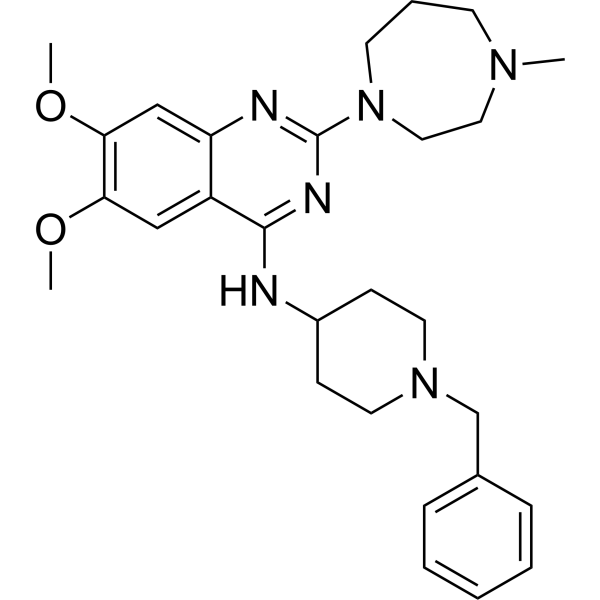
    BIX-01294
    Maximum Cited Publications
    27 Publications Verification

    Histone Methyltransferase Autophagy Cancer
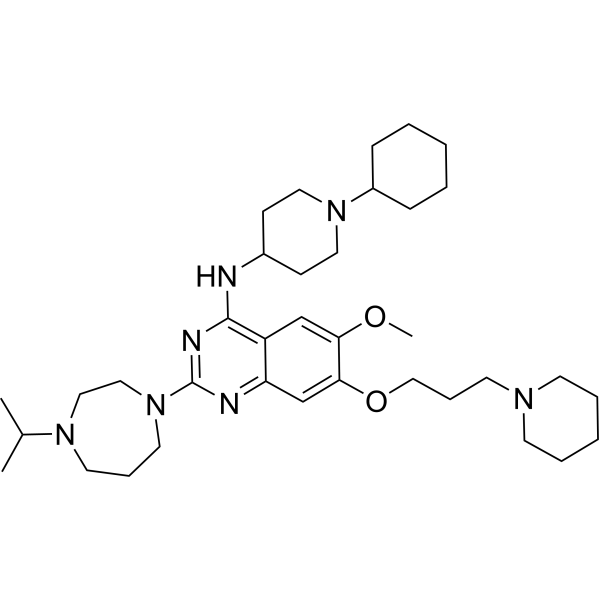
    BIX-01294 is a reversible and highly selective G9a and GLP Histone Methyltransferase inhibitor, with IC50s of of 1.7 μM and 0.9 μM, respectively. BIX-01294 inhibits G9a/GLP by competing for binding with the amino acids N-terminal of the substrate lysine residue. BIX-01294, a (1H-1,4-diazepin-1-yl)-quinazolin-4-yl amine derivative, induces necroptosis and autophagy. BIX-01294 has antitumor activity in recurrent tumor cells .
    BIX-01294
  • HY-13808
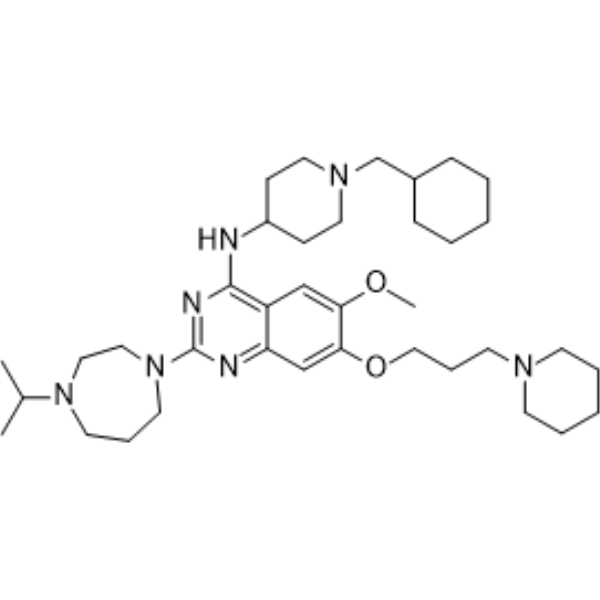
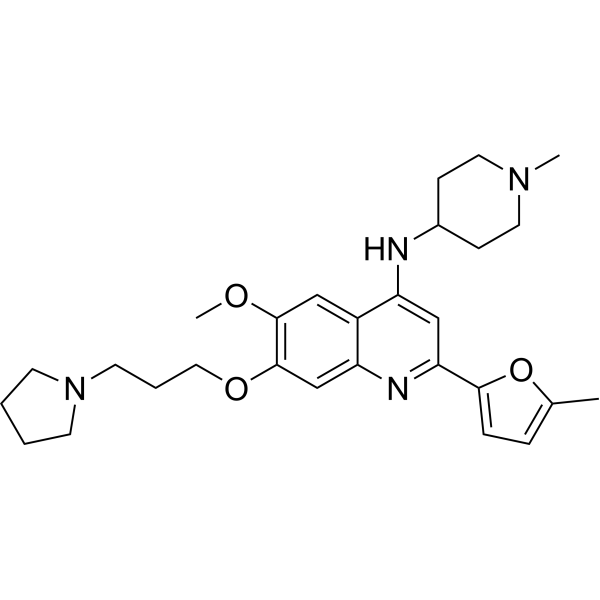
    UNC 0631
    5 Publications Verification

    Histone Methyltransferase Cancer
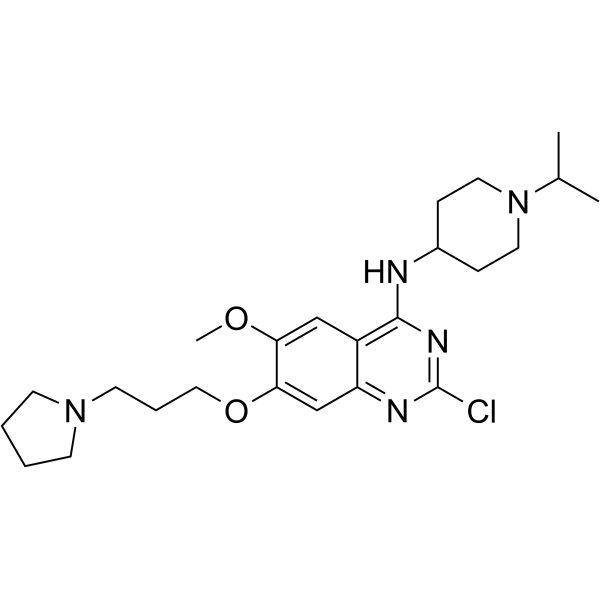
    UNC 0631 is a potent histone methyltransferase G9a inhibitor with an IC50 of 4 nM. UNC 0631 potently reduces H3K9me2 levels in MDA-MB-231 cells with an IC50 of 25 nM .
    UNC 0631
  • HY-100542
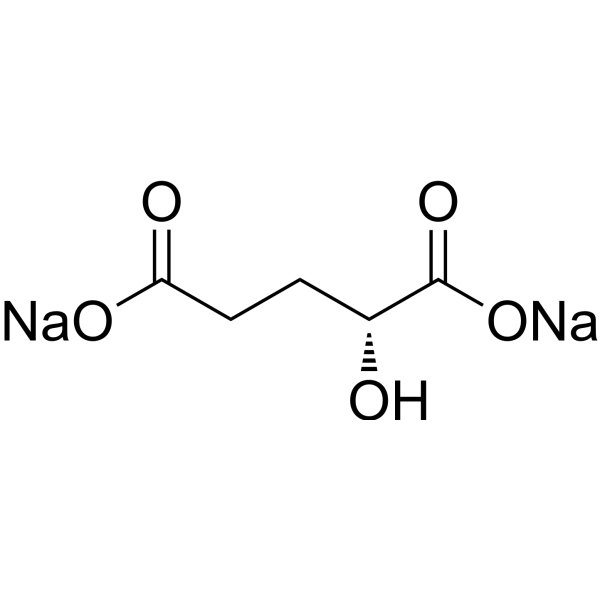
    D-α-Hydroxyglutaric acid disodium
    4 Publications Verification

    Disodium (R)-2-hydroxyglutarate

    Reactive Oxygen Species (ROS) ATP Synthase mTOR Endogenous Metabolite Neurological Disease Inflammation/Immunology Cancer
    D-α-Hydroxyglutaric acid disodium (Disodium (R)-2-hydroxyglutarate) is the principal metabolite accumulating in neurometabolic disease D-2-hydroxyglutaric aciduria. D-α-Hydroxyglutaric acid disodium is a weak competitive antagonist of α-ketoglutarate (α-KG) and inhibits multiple α-KG-dependent dioxygenases with a Ki of 10.87 mM. D-α-Hydroxyglutaric acid disodium increases reactive oxygen species (ROS) production. D-α-Hydroxyglutaric acid disodium binds and inhibits ATP synthase and inhibits mTOR signaling .
    D-α-Hydroxyglutaric acid disodium
  • HY-113038
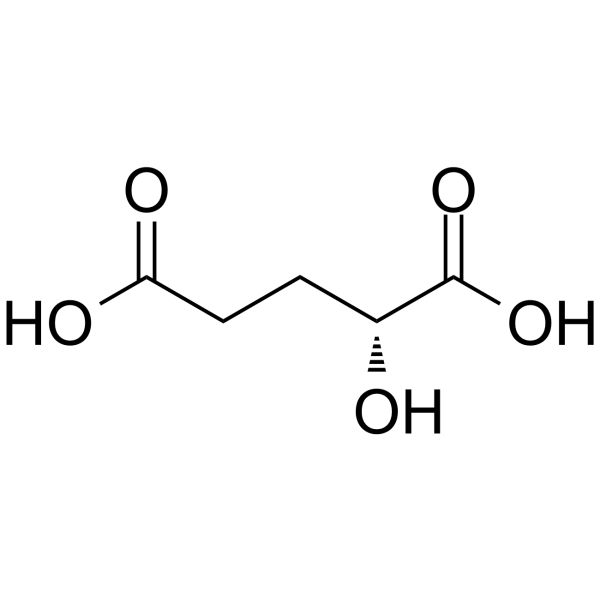
    D-α-Hydroxyglutaric acid
    4 Publications Verification

    (R)-2-Hydroxyglutarate; (R)-2-Hydroxyglutaric acid; (R)-2-Hydroxypentanedioic acid

    Reactive Oxygen Species (ROS) ATP Synthase mTOR Endogenous Metabolite Neurological Disease Inflammation/Immunology Cancer
    D-α-Hydroxyglutaric acid ((R)-2-Hydroxyglutarate) is the principal metabolite accumulating in neurometabolic disease D-2-hydroxyglutaric aciduria. D-α-Hydroxyglutaric acid is a weak competitive antagonist of α-ketoglutarate (α-KG) and inhibits multiple α-KG-dependent dioxygenases with a Ki of 10.87 mM. D-α-Hydroxyglutaric acid increases reactive oxygen species (ROS) production. D-α-Hydroxyglutaric acid binds and inhibits ATP synthase and inhibits mTOR signaling .
    D-α-Hydroxyglutaric acid
  • HY-152775

    Histone Methyltransferase Cancer
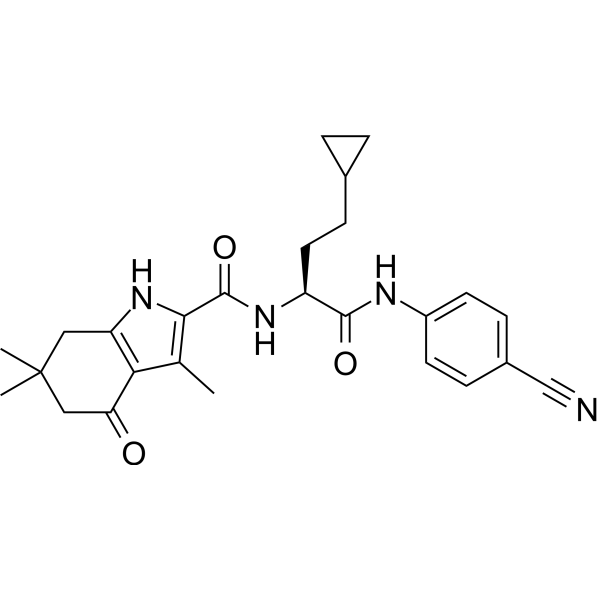
    RK-701 is an highly selective and non-genotoxic inhibitor of G9a with IC50 value of 23-27 nM. RK-701 selectively up-regulates HbF, γ- Globin, BGLT3 expression, down-regulates H3K9me2 expression. RK-701 also has inhibition for BCL11A and ZBTB7A .
    RK-701
  • HY-101925
    CM-272
    3 Publications Verification

    Histone Methyltransferase DNA Methyltransferase Apoptosis Cancer
    CM-272 is a first-in-class, potent, selective, substrate-competitive and reversible dual G9a/DNA methyltransferases (DNMTs) inhibitor with antitumor activities. CM-272 inhibits G9a, DNMT1, DNMT3A, DNMT3B and GLP with IC50s of 8 nM, 382 nM, 85 nM, 1200 nM and 2 nM, respectively. CM-272 inhibits cell proliferation and promotes apoptosis, inducing IFN-stimulated genes and immunogenic cell death .
    CM-272
  • HY-13807
    UNC0646
    1 Publications Verification

    Histone Methyltransferase Cancer
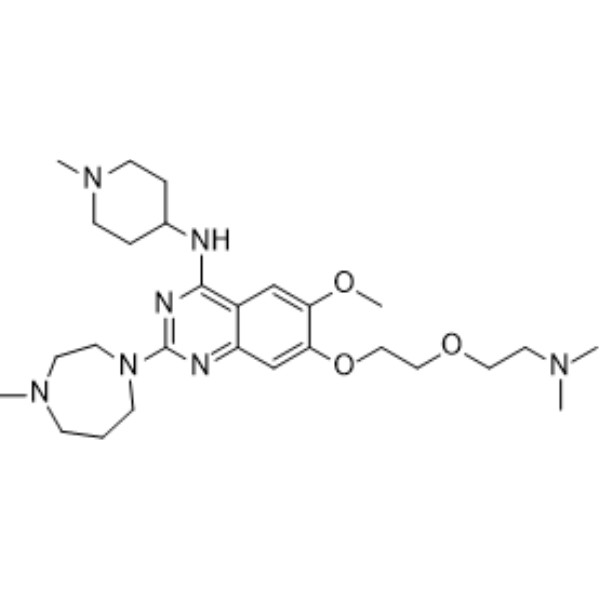
    UNC0646 is a potent and selective histone methyltransferase G9a inhibitor with an IC50 of 6 nM. UNC0646 is also a potent GLP inhibitor (IC50 <15 nM) and highly selective for G9a/GLP over SETD7, SUV39H2, SETD8 and PRMT3. UNC0646 reduces H3K9me2 levels in MDA-MB-231 cells with an IC50 of 26 nM .
    UNC0646
  • HY-162275

    Histone Demethylase Histone Methyltransferase STAT Cancer
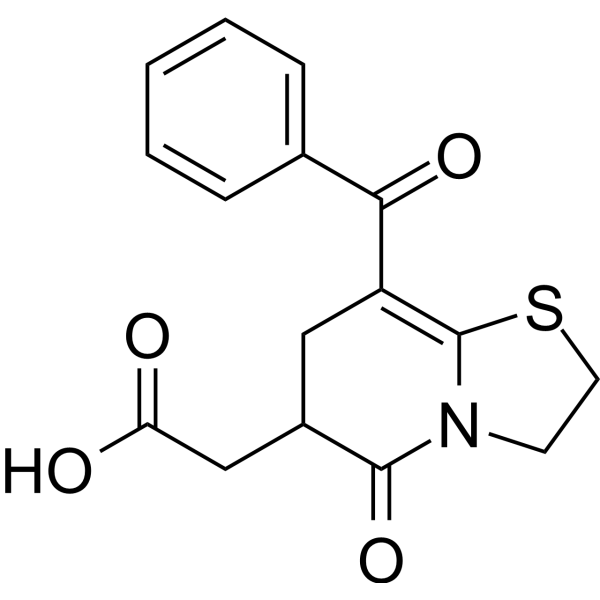
    JMJD1C-IN-1 is an orally active and selective inhibitor of JMJD1C (IC50 = 0.59 μM, Kd = 1.96 μM). JMJD1C-IN-1 inhibits the binding of JMJD1C to H3K9me2 peptide substrate in the HTRF assay (IC50 = 1.47 μM). JMJD1C-IN-1 disrupts intratumoral regulatory T (Treg) cell fitness by dual mechanisms: promoting H3K9me2 accumulation to downregulate PD1 expression and reducing STAT3 demethylation to enhance STAT3 activation. JMJD1C-IN-1 demonstrates dose-dependent antitumor efficacy in multiple mouse tumor models (MCA205 fibrosarcoma, B16-F10 melanoma, LLC lung cancer, Hepa1-6 hepatocellular carcinoma, CT26 colorectal cancer). JMJD1C-IN-1 can be used for the study of tumor immunotherapy by selectively targeting intratumoral Treg cells .
    JMJD1C-IN-1
  • HY-13808R

    Reference Standards Histone Methyltransferase Cancer
    UNC 0631 (Standard) is the analytical standard of UNC 0631. This product is intended for research and analytical applications. UNC 0631 is a potent histone methyltransferase G9a inhibitor with an IC50 of 4 nM. UNC 0631 potently reduces H3K9me2 levels in MDA-MB-231 cells with an IC50 of 25 nM .
    UNC 0631 (Standard)
  • HY-10930
    UNC0321
    2 Publications Verification

    Histone Methyltransferase GCGR Apoptosis Cancer
    UNC0321 is a potent and selective histone methyltransferase G9a inhibitor with a Ki of 63 pM and with assay-dependent IC50 values of 6-9 nM. UNC0321 also inhibits GLP with assay-dependent IC50 values of 15-23 nM. UNC0321 has anti-apoptotic activity and has potential application in diabetic vascular complications .
    UNC0321
  • HY-162749A

    PROTACs Histone Methyltransferase Apoptosis Cancer
    G9D-4 TFA is a G9a PROTAC degrader. G9D-4 TFA induces G9a degradation, reduces H3K9me2 levels, and prevents GLP interference via the CRBN ternary complex, proteasome and ubiquitin-like modification-dependent pathways. G9D-4 TFA exerts antiproliferative activity and induces Apoptosis in pancreatic cancer cells. G9D-4 TFA can be used for research on pancreatic cancer .
    G9D-4 TFA
  • HY-108239
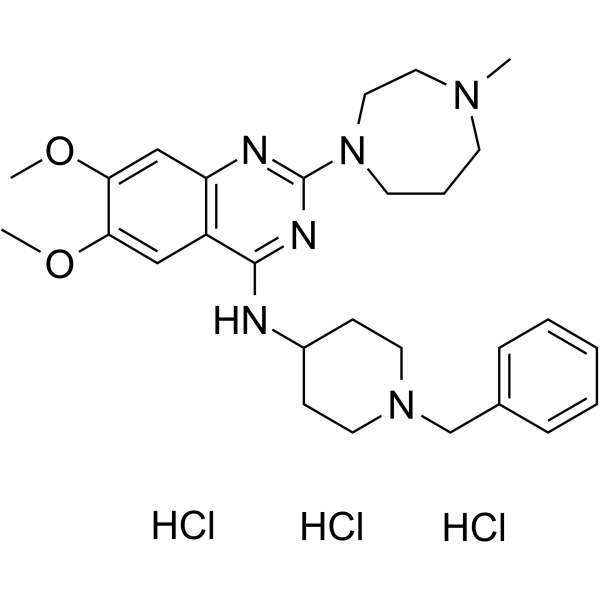
    BIX-01294 trihydrochloride
    Maximum Cited Publications
    27 Publications Verification

    Histone Methyltransferase Autophagy Cancer
    BIX-01294 trihydrochloride is a reversible and highly selective G9a and GLP Histone Methyltransferase inhibitor, with IC50s of of 1.7 μM and 0.9 μM, respectively. BIX-01294 trihydrochloride inhibits G9a/GLP by competing for binding with the amino acids N-terminal of the substrate lysine residue. BIX-01294 trihydrochloride, a (1H-1,4-diazepin-1-yl)-quinazolin-4-yl amine derivative, induces necroptosis and autophagy. BIX-01294 trihydrochloride has antitumor activity in recurrent tumor cells .
    BIX-01294 trihydrochloride
  • HY-156285

    Histone Methyltransferase Apoptosis Cancer
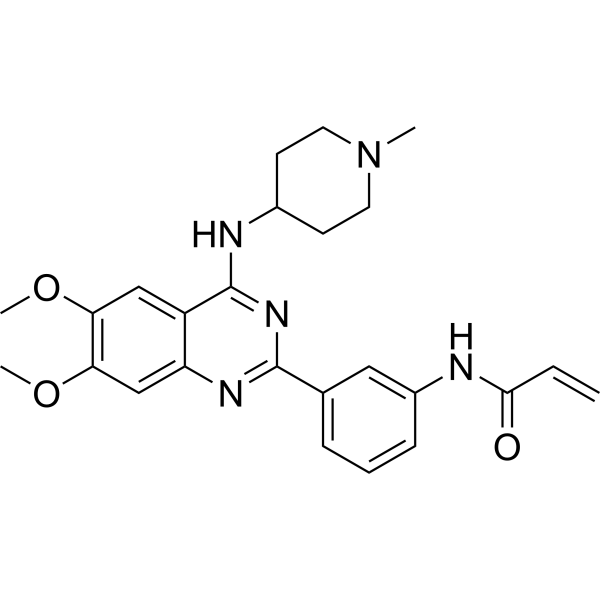
    ZZM-1220 is a histone lysine methyltransferase G9a/GLP covalent inhibitor with IC50s of of 458 nM and 924 nM, respectively. ZZM-1220 inhibits H3K9me2 in cells and significantly induces apoptosis of triple-negative breast cancer (TNBC) cells and blocks the cell cycle in the G2/M phase .
    ZZM-1220
  • HY-150510

    Histone Methyltransferase Neurological Disease Cancer
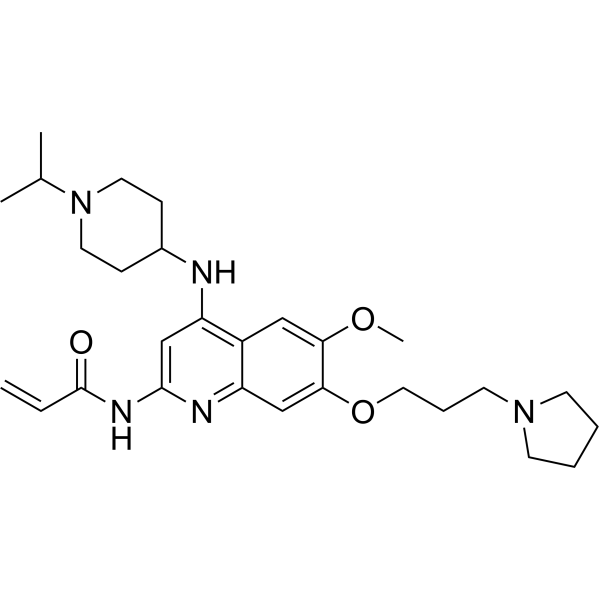
    MS8511 is a selective G9a/GLP covalent irreversible inhibitor by targeting a cysteine residue at the substrate binding site, with IC50 values of 100 nM (G9a) and 140 nM (GLP), and Kd values of 44 nM (G9a) and 46 nM (GLP). MS8511 reduces the cellular H3K9me2 level and enhances antiproliferation activity. MS8511 can be used for the research of several types of cancers including brain, breast, ovarian, lung, bladder, melanoma, colorectal cancer, and other disease such as Alzheimer’s disease (AD), sickle cell disease, Prader−Willi syndrome (PWS) .
    MS8511
  • HY-44062

    Histone Methyltransferase Inflammation/Immunology Cancer
    G9a-IN-1 (Compound 113) is a G9a protein inhibitor. G9A/EHMT2 is a nuclear histone lysine methyltransferase that catalyzes histone H3 lysine 9 dimethylation (H3K9me2), which is a reversible modification generally associated with transcriptional gene silencing. G9a-IN-1 can be used for the research of autoimmune disorders or cancer .
    G9a-IN-1
  • HY-162749

    PROTACs Histone Methyltransferase Apoptosis Cancer
    G9D-4 is a G9a PROTAC degrader. G9D-4 induces G9a degradation, reduces H3K9me2 levels, and prevents GLP interference via the CRBN ternary complex, proteasome and ubiquitin-like modification-dependent pathways. G9D-4 exerts antiproliferative activity and induces Apoptosis in pancreatic cancer cells. G9D-4 can be used for research on pancreatic cancer .
    G9D-4
  • HY-168992

    Histone Methyltransferase Neurological Disease Cancer
    UNC6535 is a covalent ligand targeting the SETDB1 triple Tudor domain (3TD) with negative allosteric modulator properties, with an IC50 of 3.4 μM and a Kd of 4.2 μM. UNC6535 inhibits the methyltransferase activity of recombinant SETDB1 protein lacking the 3TD domain. UNC6535 reversibly binds to the aromatic cages of both TD2 and TD3 subdomains of SETDB1 3TD simultaneously, displacing the endogenous H3K9Me2K14Ac histone tail ligand. UNC6535 can be used in research on cancer and neurodegenerative diseases .
    UNC6535
  • HY-150510A

    Histone Methyltransferase Neurological Disease Cancer
    MS8511 (hydrochloride) is a selective G9a/GLP covalent irreversible inhibitor by targeting a cysteine residue at the substrate binding site, with IC50 values of 100 nM (G9a) and 140 nM (GLP), and Kd values of 44 nM (G9a) and 46 nM (GLP). MS8511 (hydrochloride) reduces the cellular H3K9me2 level and enhances antiproliferation activity. MS8511 (hydrochloride) can be used for the research of several types of cancers including brain, breast, ovarian, lung, bladder, melanoma, colorectal cancer, and other disease such as Alzheimer’s disease (AD), sickle cell disease, Prader−Willi syndrome (PWS) .
    MS8511 hydrochloride
  • HY-178065

    PROTACs Histone Methyltransferase GLP Receptor Cancer
    PROTAC G9a/GLP degrader 1 is a G9a/GLP PROTAC degrader with DC50s of 336 nM (G9a) and 988 nM (GLP). PROTAC G9a/GLP degrader 1 exhibits inhibitory activity against G9a with an IC50 of 98 nM. PROTAC G9a/GLP degrader 1 effectively inhibits the migration of breast cancer MCF-7 cells without inhibiting cell proliferation. PROTAC G9a/GLP degrader 1 can be used for the study of breast cancer (Pink: G9a/GLP ligand (HY-152775); Blue: VHL ligand (HY-125845); Black: Linker (HY-140468)) .
    PROTAC G9a/GLP degrader 1
  • HY-116971

    Histone Methyltransferase Apoptosis Cancer
    DCG066 is an inhibitor of lysine methyltransferase G9a. DCG066 can bind directly to G9a and inhibit methyltransferase activity in vitro. DCG066 decreases di-methylation levels of histone H3 lysine 9 (H3K9Me2), inhibits cell proliferation and induces cell apoptosis. DCG066 displays low cytotoxicity in leukemia cell lines with high levels of G9a expression, including K562 .
    DCG066
  • HY-178378

    Histone Methyltransferase GLP Receptor Reactive Oxygen Species (ROS) Autophagy Apoptosis Cancer
    G9a-IN-4 is a G9a inhibitor with high selectivity (IC50 = 32 nM). G9a-IN-4 shows high selectivity against the other tested lysine/arginine methyltransferases. G9a-IN-4 exhibits high enzymatic activity against G9a and more potent antiproliferative effects against all tested cancer cells. G9a-IN-4 significantly suppresses the H3K9me2 level. G9a-IN-4 triggers autophagy by inducing the production of ROS, thus leading to cell apoptosis and cell cycle arrest at G0/G1 in CT26 colon cells. G9a-IN-4 can be used for the study of colon cancer .
    G9a-IN-4
  • HY-176283

    Microtubule/Tubulin Histone Demethylase Apoptosis Wee1 Bcl-2 Family Caspase Cancer
    Tubulin/LSD1-IN-1 is an effective dual inhibitor of Tubulin polymerization and LSD1 (IC50 = 1.72 μM). Tubulin/LSD1-IN-1 has broad-spectrum antiproliferative activity against cancer cell lines. Tubulin/LSD1-IN-1 inhibits tubulin polymerization by targeting colchicine binding sites, thereby disrupting the microtubule network in gastric cancer cells. Tubulin/LSD1-IN-1 increases the methylation levels of H3K4me1/2 and H3K9me2/3, thereby achieving epigenetic regulation. Tubulin/LSD1-IN-1 induces G2/M arrest, promotes apoptosis, and effectively inhibits colony formation of gastric cancer cells .
    Tubulin/LSD1-IN-1
  • HY-161787

    Histone Methyltransferase Others
    G9a-IN-2 (Compound 7i) is an inhibitor for histone methyltransferases G9a with IC50 of 0.024 μM. G9a-IN-2 reduces H3K9me2 levels and induces the mRNA expression of γ-globin mRNA. G9a-IN-2 shows the potential in ameliorating sickle cell disease (SCD) .
    G9a-IN-2
  • HY-168968S

    EGFR Histone Demethylase Cancer
    ZJY-54 is an orally active dual-target inhibitor of EGFR/LSD1, with IC50 values of 3.8 nM and 0.6 μM, respectively. ZJY-54 can inhibit the proliferation of non-small cell lung cancer cells, induce the accumulation of H3K4me2 and H3K9me2, and inhibit the phosphorylation of the EGFR signaling pathway. ZJY-54 has anti-tumor activity .
    ZJY-54
  • HY-183058

    Histone Methyltransferase Cancer
    EZM8266 is an orally active and selective G9a (EHMT2) histone methyltransferase inhibitor with a human EHMT2 IC50 of 1 pM. EZM8266 reduces repressive H3K9me2 marks at immune-stimulatory gene and endogenous retroviral element promoters. EZM8266 reduces colony formation, migration, and invasion of cancer cells. EZM8266 enhances IFN-γ response, increases MHC class I expression, and enhances CXCL10-mediated T cell recruitment in cancer cells. EZM8266 can be used for the research of hepatocellular carcinoma .
    EZM8266
  • HY-152775A

    Histone Methyltransferase Metabolic Disease
    RK-0133114 is a G9a inhibitor and a R-enantiomer of RK-701 (HY-152775). RK-0133114 inhibits G9a with an IC50 value of 3.7 μM. RK-0133114 can be used for the research of sickle cell disease (SCD) .
    RK-0133114
  • HY-168504

    Histone Demethylase Apoptosis Cancer
    LSD1-IN-36 is a potent LSD1 inhibitor with an IC50 value of 0.8 nM. LSD1-IN-36 induces apoptosis and arrests the cell cycle. LSD1-IN-36 shows antitumor activity .
    LSD1-IN-36
  • HY-100542R

    Disodium (R)-2-hydroxyglutarate (Standard)

    Reference Standards Reactive Oxygen Species (ROS) ATP Synthase mTOR Endogenous Metabolite Neurological Disease Inflammation/Immunology Cancer
    D-α-Hydroxyglutaric acid (disodium) (Standard) is the analytical standard of D-α-Hydroxyglutaric acid (disodium). This product is intended for research and analytical applications. D-α-Hydroxyglutaric acid disodium (Disodium (R)-2-hydroxyglutarate) is the principal metabolite accumulating in neurometabolic disease D-2-hydroxyglutaric aciduria. D-α-Hydroxyglutaric acid disodium is a weak competitive antagonist of α-ketoglutarate (α-KG) and inhibits multiple α-KG-dependent dioxygenases with a Ki of 10.87 mM. D-α-Hydroxyglutaric acid disodium increases reactive oxygen species (ROS) production. D-α-Hydroxyglutaric acid disodium binds and inhibits ATP synthase and inhibits mTOR signaling .
    D-α-Hydroxyglutaric acid disodium (Standard)
  • HY-115747

    Histone Demethylase Cancer
    Namoline, a γ-pyrone, is a selective and reversible Lysine-specific demethylase 1 (LSD1) inhibitor with an IC50 of 51 μM in a HRP-coupled enzymatic assay. Namoline impairs LSD1 demethylase activity and blocks cell proliferation. Namoline has the potential for androgen-dependent prostate cancer research .
    Namoline
  • HY-W657887

    Histone Methyltransferase GSK-3 Tau Protein Amyloid-β Glucocorticoid Receptor Androgen Receptor Adrenergic Receptor Neurological Disease
    GSK-3β/G9a-IN-1 (Compound T2) is an orally active, selective, blood-brain-barrier permeable, competitive G9a (substrate-competitive, IC50: 1.1 μM) and GSK-3β (ATP competitive, IC50: 0.8 μM) inhibitor. GSK-3β/G9a-IN-1 is a potent H3K9me2 inhibitor that reshapes chromatin landscape. GSK-3β/G9a-IN-1 lowers tau phosphorylation, reduces aggregation. GSK-3β/G9a-IN-1 displays inhibition toward glucocorticoid receptor, androgen receptor, and alpha-2A adrenergic receptor. GSK-3β/G9a-IN-1 also upregulates SAGA complex members such as Eny2 and Sgf29. GSK-3β/G9a-IN-1 markedly improves memory, restores social behaviors, and increases synaptic complexity in late-onset Alzheimer’s disease .
    GSK-3β/G9a-IN-1
  • HY-168992A

    Histone Methyltransferase Others
    UNC6535 TFA is a covalent ligand targeting the triple Tudor domain (3TD) of SETDB1. UNC6535 TFA reversibly binds to the aromatic cages of both TD2 and TD3 within SETDB1 3TD simultaneously, weakly inhibits the methyltransferase activity of SETDB1, and displaces the H3K9Me2K14Ac peptide from SETDB1 3TD .
    UNC6535 TFA
  • HY-10587R

    Reference Standards Histone Methyltransferase Autophagy Cancer
    BIX-01294 (Standard) is the analytical standard of BIX-01294 (HY-10587). This product is intended for research and analytical applications. BIX-01294 is a reversible and highly selective G9a and GLP Histone Methyltransferase inhibitor, with IC50s of of 1.7 μM and 0.9 μM, respectively. BIX-01294 inhibits G9a/GLP by competing for binding with the amino acids N-terminal of the substrate lysine residue. BIX-01294, a (1H-1,4-diazepin-1-yl)-quinazolin-4-yl amine derivative, induces necroptosis and autophagy. BIX-01294 has antitumor activity in recurrent tumor cells .
    BIX-01294 (Standard)
  • HY-108239R

    Reference Standards Histone Methyltransferase Autophagy Cancer
    BIX-01294 trihydrochloride (Standard) is the analytical standard of BIX-01294 (trihydrochloride) (HY-108239). This product is intended for research and analytical applications. BIX-01294 trihydrochloride is a reversible and highly selective G9a and GLP Histone Methyltransferase inhibitor, with IC50s of of 1.7 μM and 0.9 μM, respectively. BIX-01294 trihydrochloride inhibits G9a/GLP by competing for binding with the amino acids N-terminal of the substrate lysine residue. BIX-01294 trihydrochloride, a (1H-1,4-diazepin-1-yl)-quinazolin-4-yl amine derivative, induces necroptosis and autophagy. BIX-01294 trihydrochloride has antitumor activity in recurrent tumor cells .
    BIX-01294 trihydrochloride (Standard)
  • HY-101925R

    Reference Standards Histone Methyltransferase DNA Methyltransferase Apoptosis Cancer
    CM-272 (Standard) is the analytical standard of CM-272 (HY-101925). This product is intended for research and analytical applications. CM-272 is a first-in-class, potent, selective, substrate-competitive and reversible dual G9a/DNA methyltransferases (DNMTs) inhibitor with antitumor activities. CM-272 inhibits G9a, DNMT1, DNMT3A, DNMT3B and GLP with IC50s of 8 nM, 382 nM, 85 nM, 1200 nM and 2 nM, respectively. CM-272 inhibits cell proliferation and promotes apoptosis, inducing IFN-stimulated genes and immunogenic cell death .
    CM-272 (Standard)

Inquiry Online

Your information is safe with us. * Required Fields.

Salutation


Country or Region *

Applicant Name *


Organization Name *

Department *


Email Address *


Product Name *

Cat. No.


Requested quantity *

Phone Number *


Remarks

Inquiry Online

Inquiry Information

Product Name:
Cat. No.:
Quantity:
MCE Japan Authorized Agent:

