Delivery of temperature sensitive items including proteins and kits will be paused on 6/19 for the Juneteenth holiday. For urgent orders please contact customer service.
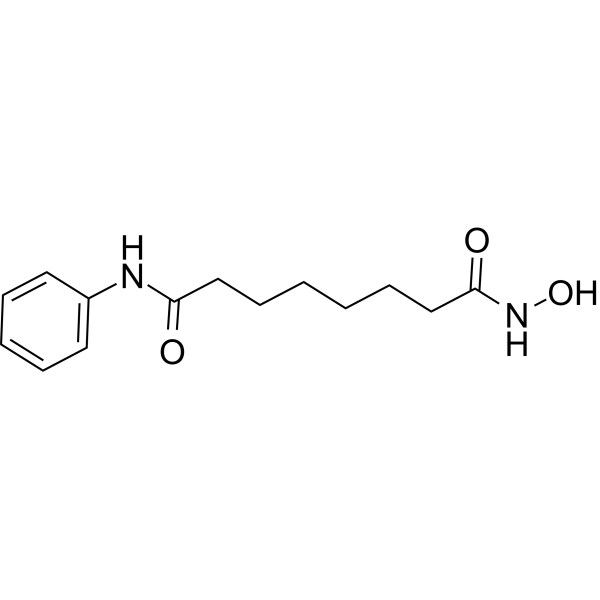
Vorinostat (SAHA) is a potent and orally active pan-inhibitor of HDAC1, HDAC2 and HDAC3 (Class I), HDAC6 and HDAC7 (Class II) and HDAC11 (Class IV), with ID50 values of 10 nM and 20 nM for HDAC1 and HDAC3, respectively. Vorinostat induces cell apoptosis . Vorinostat is also an effective inhibitor of human papillomaviruse (HPV)-18 DNA amplification .
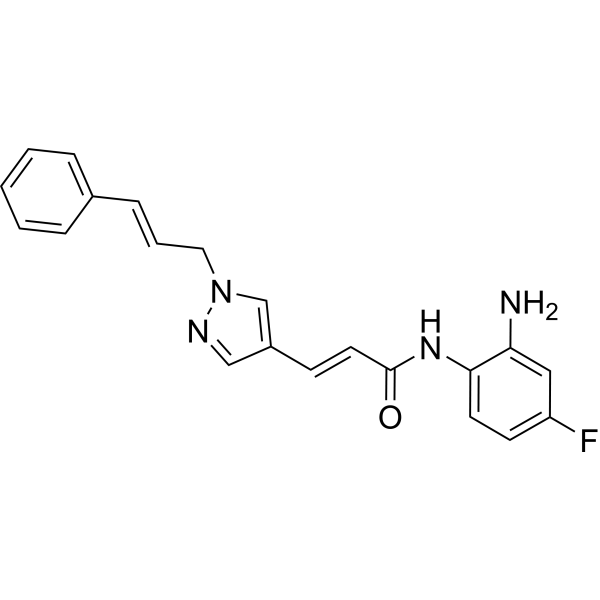
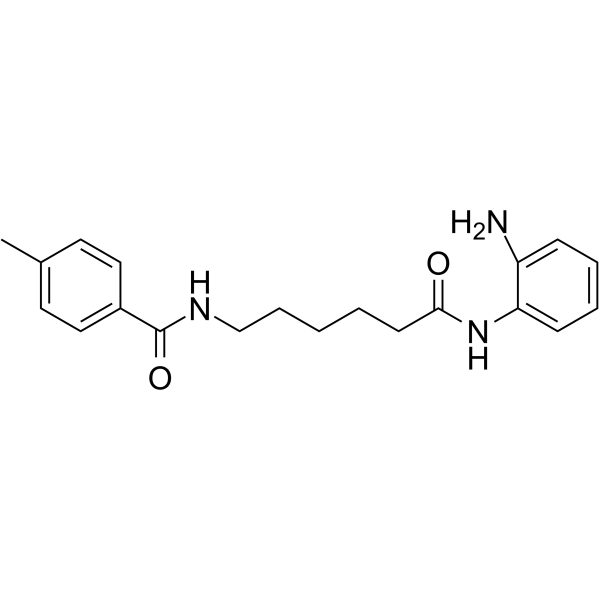
RGFP966 is a highly selective HDAC3 inhibitor with an IC50 of 80 nM and shows no inhibition to other HDACs at concentrations up to 15 μM. RGFP966 can penetrate the blood brain barrier (BBB).
Ricolinostat (ACY-1215) is a potent and selective HDAC6 inhibitor, with an IC50 of 5 nM. ACY-1215 also inhibits HDAC1, HDAC2, and HDAC3 with IC50s of 58, 48, and 51 nM, respectively.
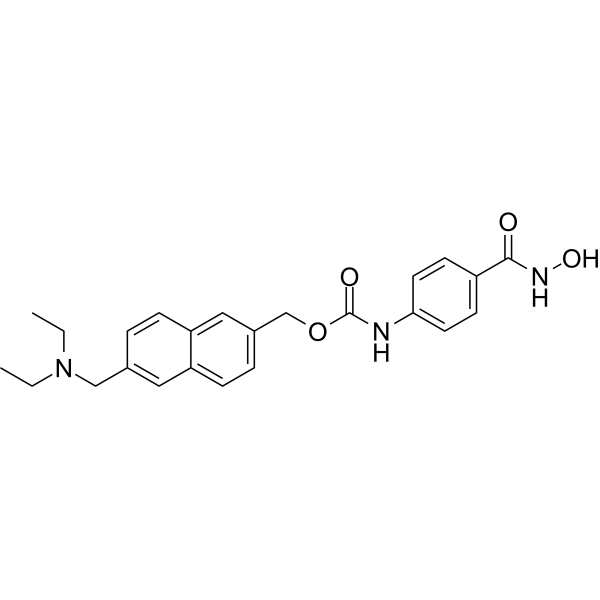
Givinostat (ITF-2357) is a HDAC inhibitor with an IC50 of 198 and 157 nM for HDAC1 and HDAC3, respectively. Givinostat can be used for Duchenne muscular dystrophy (DMD) research. Givinostat can penetrate the blood-brain barrier (BBB) [3] .
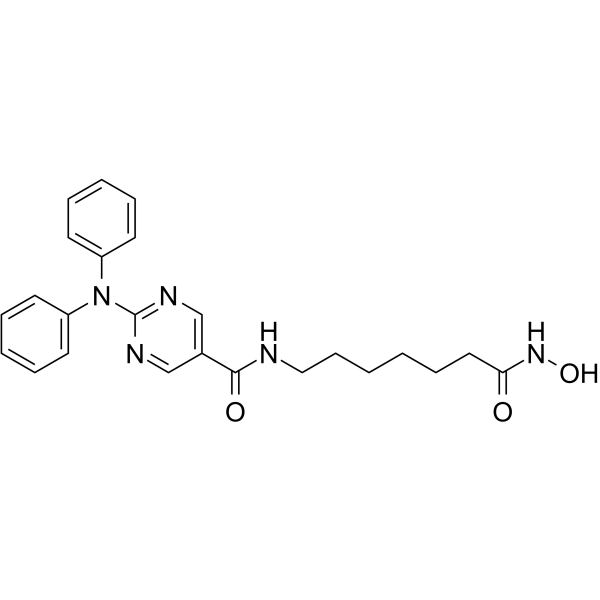
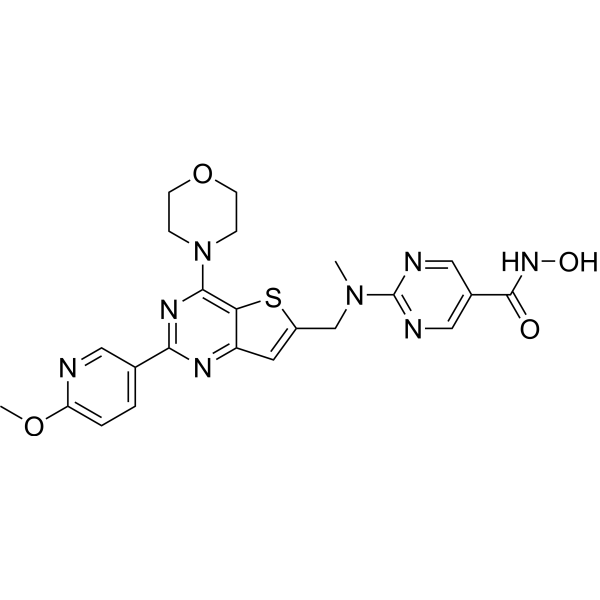
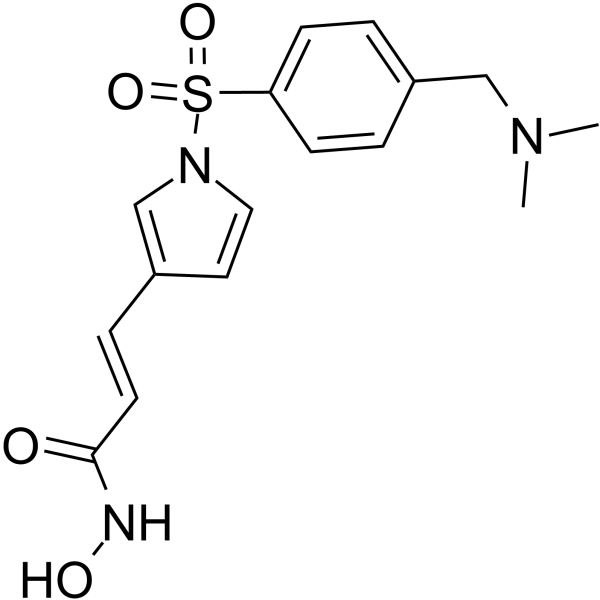
Fimepinostat (CUDC-907) potently inhibits class I PI3Ks as well as classes I and II HDAC enzymes with an IC50 of 19/54/39 nM and 1.7/5.0/1.8/2.8 nM for PI3Kα/PI3Kβ/PI3Kδ and HDAC1/HDAC2/HDAC3/HDAC10 , respectively.
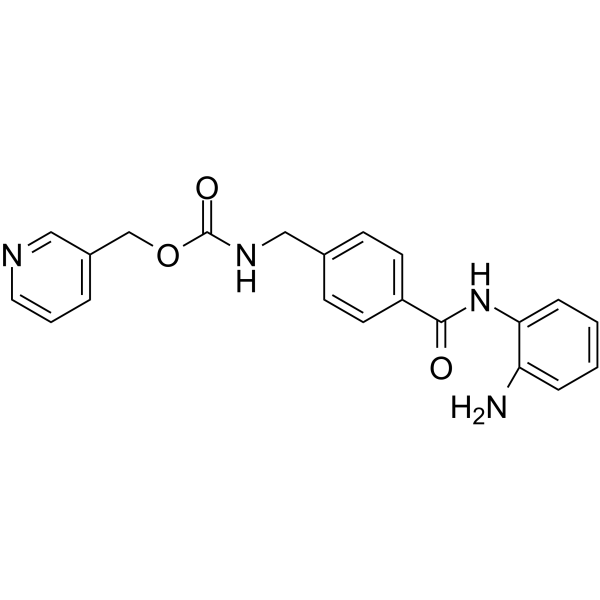
Mocetinostat (MGCD0103) is a potent, orally active and isotype-selective HDAC (Class I/IV) inhibitor with IC50s of 0.15, 0.29, 1.66 and 0.59 μM for HDAC1, HDAC2, HDAC3 and HDAC11, respectively. Mocetinostat shows no inhibition on HDAC4, HDAC5, HDAC6, HDAC7, or HDAC8.
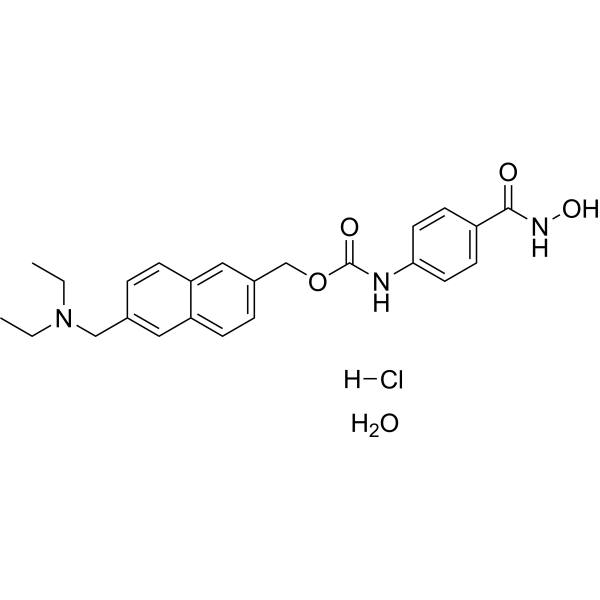
Givinostat hydrochloride monohydrate (ITF-2357 hydrochloride monohydrate) is a HDAC inhibitor with an IC50 of 198 and 157 nM for HDAC1 and HDAC3, respectively. Givinostat hydrochloride monohydrate can penetrate the blood-brain barrier (BBB) [3] .
Citarinostat (ACY241) is a second generation potent, orally active and high-selective HDAC6 inhibitor with an IC50 of 2.6 nM (IC50s of 35 nM, 45 nM, 46 nM and 137 nM for HDAC1, HDAC2, HDAC3 and HDAC8, respectively). Citarinostat has anticancer effects .
1-Stearoyl-sn-glycero-3-phosphocholine is a lysophosphatidylcholine that inhibits HDAC3 activity and phosphorylation of STAT3 in K562 cells. 1-Stearoyl-sn-glycero-3-phosphocholine induces apoptosis and exhibits anticancer activity in chronic myelogenous leukemia (CML) K562 cells .
RG2833 is a brain-penetrant HDAC inhibitor with IC50s of 60 nM and 50 nM for HDAC1 and HDAC3, respectively. The Ki values for HDAC1 and HDAC3 are 32 and 5 nM, respectively .
Resminostat (RAS2410; 4SC-201) is a potent inhibitor of HDAC1, HDAC3 and HDAC6, with mean IC50 values of 42.5, 50.1, 71.8 nM, respectively, and shows less potent activities against HDAC8, with an IC50 of 877 nM.
Domatinostat (4SC-202 free base) is a selective class I HDAC inhibitor with IC50 of 1.20 μM, 1.12 μM, and 0.57 μM for HDAC1, HDAC2, and HDAC3, respectively. It also displays inhibitory activity against Lysine specific demethylase 1 (LSD1).
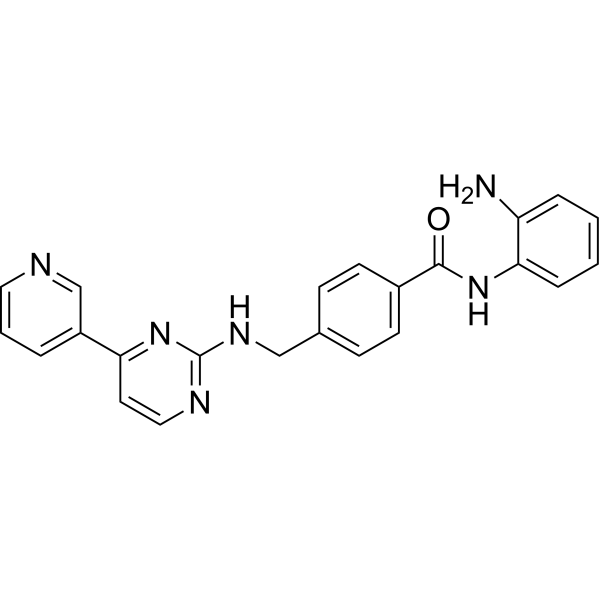
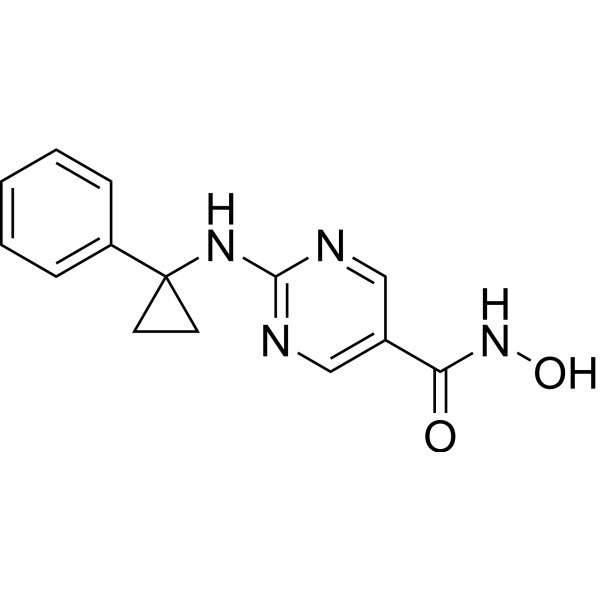
BRD3308 is a highly selective HDAC3 inhibitor with an IC50 of 54 nM. BRD3308 is 23-fold selectivity for HDAC3 over HDAC1 (IC50 of 1.26 μM) or HDAC2 (IC50 of 1.34 μM). BRD3308 suppresses pancreatic β-cell apoptosis induced by inflammatory cytokines or glucolipotoxic stress, and increases functional insulin release. BRD3308 activates HIV-1 transcription and disrupts HIV-1 latency [3].
Resminostat hydrochloride is a potent inhibitor of HDAC1, HDAC3 and HDAC6, with mean IC50 values of 42.5, 50.1, 71.8 nM, respectively, and shows less potent activities against HDAC8, with an IC50 of 877 nM.
ACY-738 is a potent, selective and orally-bioavailable HDAC6 inhibitor, with an IC50 of 1.7 nM; ACY-738 also inhibits HDAC1, HDAC2, and HDAC3, with IC50s of 94, 128, and 218 nM.
Crotonoside is isolated from Chinese medicinal herb, Croton. Crotonoside inhibits FLT3 and HDAC3/6, exhibits selective inhibition in acute myeloid leukemia (AML) cells. Crotonoside could be a promising new lead compound for the research of AML .
Domatinostat tosylate (4SC-202) is a selective class I HDAC inhibitor with IC50 of 1.20 μM, 1.12 μM, and 0.57 μM for HDAC1, HDAC2, and HDAC3, respectively. It also displays inhibitory activity against Lysine specific demethylase 1 (LSD1).
CAY10603 (BML-281) is a potent and selective HDAC6 inhibitor, with an IC50 of 2 pM; CAY10603 (BML-281) also inhibits HDAC1, HDAC2, HDAC3, HDAC8, HDAC10, with IC50s of 271, 252, 0.42, 6851, 90.7 nM.
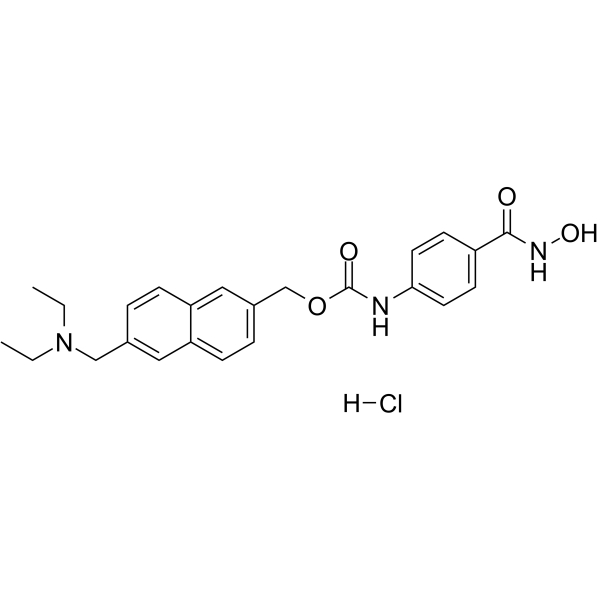
Givinostat (ITF-2357) hydrochloride is a HDAC inhibitor with an IC50 of 198 and 157 nM for HDAC1 and HDAC3, respectively. Givinostat hydrochloride can penetrate the blood-brain barrier (BBB). [3] .
Zabadinostat (CXD101) is a potent, selective and orally active class I HDAC inhibitor with IC50s of 63 nM, 570 nM and 550 nM for HDAC1, HDAC2 and HDAC3, respectively. Zabadinostat has no activity against HDAC class II. Zabadinostat has antitumor activity .
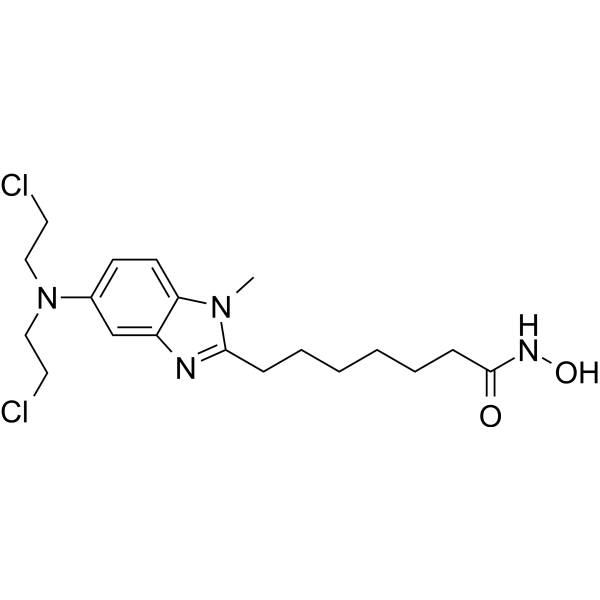
Tinostamustine (EDO-S101) is a pan HDAC inhibitor; inhibits HDAC6, HDAC1, HDAC2 and HDAC3 with IC50 values of 6 nM, 9 nM, 9 nM and 25 nM, respectively .
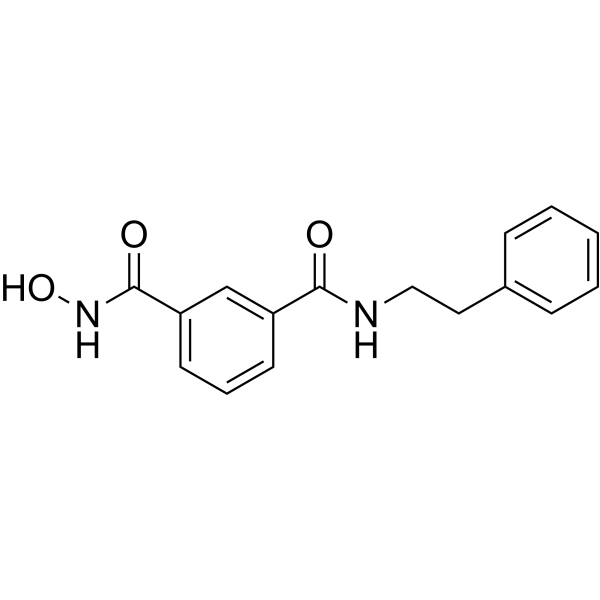
Droxinostat (NS 41080) is a histone deacetylase (HDAC) inhibitor. Droxinostat selectively inhibits HDAC3, HDAC6, and HDAC8 with IC50 values of 16.9 μM, 2.47 μM, and 1.46 μM, respectively. Droxinostat can be used for the research of hepatocellular carcinoma (HCC) .
BRD73954 is a potent HDAC inhibitor and selectively inhibiting both HDAC6 and HDAC8 with IC50 values of 0.0036, 0.12, 9, 12, 23 µM for HDAC6, HDAC8, HDAC2, HDAC1 and HDAC3, respectively. BRD73954 decreases the levels of HDAC6, associated with upregulation of Ac-Tubulin .
NKL 22 is a potent and selective inhibitor of histone deacetylases (HDAC), with IC50 values of 199 and 69 nM for HDAC1 and HDAC3, respectively. NKL 22 can reverse abnormal expression of HD‑related genes and restore the levels of key genes including Ppp1r1b in Huntington's disease transgenic mice. NKL 22 can be used for the researches of Huntington's disease and cancer .
BG45 is a potent HDAC3 inhibitor with IC50 values of 0.289, 2, 2.2 and ﹥20 μM for HDAC3, HDAC1, HDAC2 and HDAC6, respectively. BG45 selectively targets multiple myeloma (MM) cells and induces caspase-dependent apoptosis .
Vorinostat (Standard) is the analytical standard of Vorinostat. This product is intended for research and analytical applications. Vorinostat (SAHA) is a potent and orally active pan-inhibitor of HDAC1, HDAC2 and HDAC3 (Class I), HDAC6 and HDAC7 (Class II) and HDAC11 (Class IV), with ID50 values of 10 nM and 20 nM for HDAC1 and HDAC3, respectively. Vorinostat induces cell apoptosis . Vorinostat is also an effective inhibitor of human papillomaviruse (HPV)-18 DNA amplification .
PT3 is a selective inhibitor of HDAC3 with an IC50 value of 0.25 μM. PT3 exhibits good brain penetration ability and bioavailability upon oral administration. PT3 can be used in the research of Alzheimer’s disease .
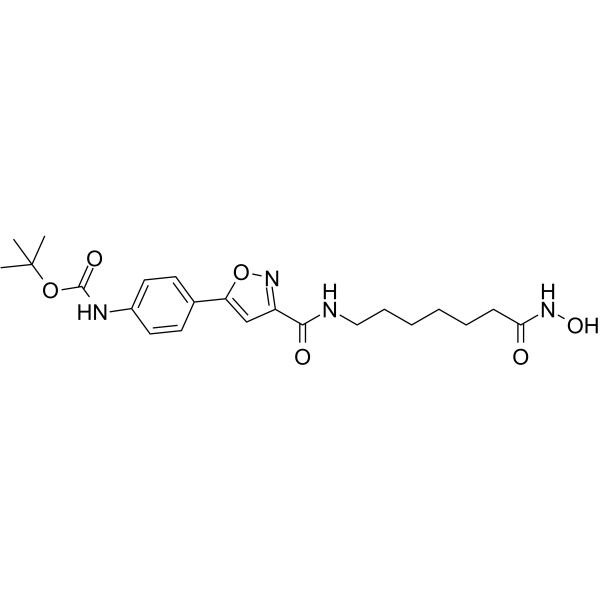
AES-135, a hydroxamic acid-based pan-HDAC inhibitor, prolongs survival in an orthotopic mouse model of pancreatic cancer. AES-135 inhibits HDAC3, HDAC6, HDAC8, and HDAC11 with IC50s ranging from 190-1100 nM .
MI-192 is a selective HDAC2 and HDAC3 inhibitor with IC50s of 30 nM and 16 nM, respectively. MI-192 is more selective for HDAC2/3 than other HDAC isomers.MI-192 induces myeloid leukaemic cells apoptosis. Anticaner and neuroprotective activities .
YX968 is a potent and selective HDAC3/8PROTAC dual degrader with DC50 values of 1.7 and 6.8 nM. YX968 exhibits antitumor activity by promoting apoptosis .(Pink: Target protein ligand (HY-168287); Black: linker (HY-W007700); Blue: E3 ligase ligand (HY-112078))
Suberoyl bis-hydroxamic acid (Suberohydroxamic acid; SBHA) is a competitive and cell-permeable HDAC1 and HDAC3 inhibitor with ID50 values of 0.25 μM and 0.30 μM, respectively .Suberoyl bis-hydroxamic acid renders MM cells susceptible to apoptosis and facilitates the mitochondrial apoptotic pathways .Suberoyl bis-hydroxamic acid can be used for the study of medullary thyroid carcinoma (MTC) [3].
HDAC3-IN-T247 is a potent and selective HDAC3 (histone deacetylase 3) inhibitor, with an IC50 of 0.24 µM. HDAC3-IN-T247 induces a selective increase of NF-κB acetylation in HCT116 cells. HDAC3-IN-T247 shows anticancer and antiviral activity. HDAC3-IN-T247 inhibits growth of cancer cells, and activates HIV gene expression in latent HIV-infected cells .
HDAC3-IN-2 (compound 4i) is a pyrazinyl hydrazide-based HDAC3 inhibitor (IC50: 14 nM) that efficiently targets triple-negative breast cancer cells. HDAC3-IN-2 is cytotoxic with an IC50 of 0.55 μM against 4T1 and an IC50 of 0.74 μM against MDA-MB-231. HDAC3-IN-2 has anti-tumor efficacy in vivo in tumor-bearing mouse models, selectively increasing the acetylation levels of H3K9, H3K27 and H4K12, increasing the contents of apoptosis-related caspase-3, caspase-7 and cytochrome c, and reducing Proliferation-related Bcl-2, CD44, EGFR, and Ki-67 levels .
BRD4884 is a potent and brain-penetrant HDAC inhibitor with IC50 values of 29 nM, 62 nM, and 1090 nM for HDAC1, HDAC2, and HDAC3, respectively. BRD4884 can be used for the study of cognitive impairment .
HDAC-IN-52 is a pyridine-containing HDAC inhibitor, with IC50s of 0.189, 0.227, 0.440 and 0.446 μM for HDAC1, HDAC2, HDAC3, and HDAC10, respectively. HDAC-IN-52 can be used for the research of cancer .
PH14 is a dual PI3K/HDAC inhibitor with IC50 values of 20.3 nM and 24.5 nM for PI3Kα and HDAC3, respectively. PH14 has antiproliferative activity and also induces apoptosis in Jeko-1 cells. PH14 can be used in cancer research, such as lymphoma .
Hdac3 Rat Pre-designed siRNA Set A contains three designed siRNAs for Hdac3 gene (Rat), as well as a negative control, a positive control, and a FAM-labeled negative control.
Entinostat-d4 is the deuterium labeled Entinostat . Entinostat is an oral and selective class I HDAC inhibitor, with IC50s of 243 nM, 453 nM, and 248 nM for HDAC1, HDAC2, and HDAC3, respectively .
YSR734 (Compound 21) is a covalent HDAC inhibitor with IC50 values of 110 nM, 154 nM, and 143 nM for HDAC1, HDAC2, and HDAC3, respectively. YSR734 can induce apoptosis in leukemia cells. YSR734 can induce myoblast differentiation and is used in the study of Duchenne muscular dystrophy .
HDAC-IN-68 (Compound 29) is a potent HDAC inhibitor that disrupts microtubule structure and inhibits tumor growth. HDAC-IN-68 significantly inhibits class I HDACs (HDAC1, HDAC2, HDAC3) with IC50 values of 5.1, 11.5 and 8.8 nM, respectively .
CDK/HDAC-IN-3 is an orally active HDACs/CDKs dual inhibitor. CDK/HDAC-IN-3 has potent and selective inhibition of CDK9, CDK12, CDK13, HDAC1, HDAC2 and HDAC3 with IC50 values of 98.32 nM, 98.85 nM, 100 nM, 62.12 nM, 93.28nM and 82.87 nM. CDK/HDAC-IN-3 can be used for the acute myeloid leukemia (AML) .
Vorinostat-d5 (SAHA-d5) is the deuterium labeled Vorinostat. Vorinostat (SAHA) is a potent and orally active pan-inhibitor of HDAC1, HDAC2 and HDAC3 (Class I), HDAC7 (Class II) and HDAC11 (Class IV), with ID50 values of 10 nM and 20 nM for HDAC1 and HDAC3, respectively. Vorinostat induces cell apoptosis . Vorinostat is also an effective inhibitor of human papillomaviruse (HPV)-18 DNA amplification .
Givinostat (Standard) is the analytical standard of Givinostat. This product is intended for research and analytical applications. Givinostat (ITF-2357) is a HDAC inhibitor with an IC50 of 198 and 157 nM for HDAC1 and HDAC3, respectively. Givinostat can be used for Duchenne muscular dystrophy (DMD) research .
KH16 is a potent and low nanomolar HDAC inhibitor. KH16 is against class I HDACsHDAC1, HDAC2, and HDAC3, with IC50 values ranging from 6 to 34 nM. KH16 induces cell apoptosis and is against tumor cells with various gene expression patterns .
HDAC3-IN-4 is a selective and orally active HDAC3 inhibitor with an IC50 of 89 nM. HDAC3-IN-4 induces the degradation of PD-L1 by regulating cathepsin B (CTSB) in the lysosomes, with a DC50 of 5.7 μM. HDAC3-IN-4 shows better selectivity for HDAC3 over HDAC1, HDAC6, HDAC7, and HDAC8 .
HDAC3-IN-5 (9c) is a HDAC3 selective inhibitor, with IC50 values of 4.2 nM, 1629 nM and 298.2 nM for HDAC3, HDAC2, HDAC1, respectively. HDAC3-IN-5 (9c) can effectively induce apoptosisin MV4-11 cells in vitro and reduce the expression of anti-apoptotic proteins, the development of HDAC3 selective inhibitors may serve as a potential lead compound to reverse Venetoclax resistance .
HDAC3 Human Pre-designed siRNA Set A contains three designed siRNAs for HDAC3 gene (Human), as well as a negative control, a positive control, and a FAM-labeled negative control.
Hdac3 Mouse Pre-designed siRNA Set A contains three designed siRNAs for Hdac3 gene (Mouse), as well as a negative control, a positive control, and a FAM-labeled negative control.
Givinostat (hydrochloride monohydrate) (Standard) is the analytical standard of Givinostat (hydrochloride monohydrate). This product is intended for research and analytical applications. Givinostat hydrochloride monohydrate (ITF-2357 hydrochloride monohydrate) is a HDAC inhibitor with an IC50 of 198 and 157 nM for HDAC1 and HDAC3, respectively.
HDAC-IN-41 (Compound 7c) is a selective, orally active class I HDAC inhibitor with IC50 values of 0.62, 1.46 and 0.62 μM against HDAC1, HDAC2 and HDAC3, respectively. HDAC-IN-41 shows NO releasing activity .
Ricolinostat (Standard) is the analytical standard of Ricolinostat. This product is intended for research and analytical applications. Ricolinostat (ACY-1215) is a potent and selective HDAC6 inhibitor, with an IC50 of 5 nM. ACY-1215 also inhibits HDAC1, HDAC2, and HDAC3 with IC50s of 58, 48, and 51 nM, respectively.
HDAC-IN-89 is an inhibitor of HDAC1 (IC50: 0.95 nM), HDAC2 (IC50: 0.86 nM), HDAC3 (IC50: 1.06 nM) and HDAC8 (IC50: 4.24 nM). HDAC-IN-89 blocks the cell cycle and induces apoptosis. HDAC-IN-89 has anti-tumor activity .
Vorinostat (GMP) is a GMP grade Vorinosta (HY-10221). GMP-grade small molecules can be used as auxiliary agents in cell therapy. Vorinostat is a potent, orally available HDAC1, HDAC2, HDAC3 (Class I), HDAC6 and Inhibitors of HDAC7 (Class II) and Class IV (HDAC11) .
HDAC-IN-72 (compound 7j) is the most potent HDAC1 (IC50=0.65 μM), HDAC2 (IC50=0.78 μM), HDAC3 (IC50=1.70 μM) inhibitor and antiproliferative compound. HDAC-IN-72 can be used for breast cancer research .
Rodin-C is a selective HDAC inhibitor with IC50s of 0.059, 0.18 and 5.39 μM for HDAC1, HDAC2 and HDAC11, respectively, over HDAC3-10. Rodin-C significantly inhibits the HDAC-CoREST complex with low hematological toxicity. Rodin-C can be used for neurologic disorders such as Alzheimer’s disease research .
HDAC3-IN-6 (Compound SC26) is a selective HDAC3 inhibitor with an IC50 of 53 nM. HDAC3-IN-6 dose-dependently induces the expression of PD-L1. HDAC3-IN-6 induces more pronounced Apoptosis and production of ROS. HDAC3-IN-6 exhibits high antitumor efficacy against colorectal cancer .
XSJ-10 is a HDAC inhibitor containing a RAS/RAF protein interfering unit, with IC50s of 0.05 and 0.04 μM in PANC-1 cells and HT-29 cells. XSJ-10 can effectively induce the apoptosis of cancer cells and suppress the tumor by strongly inhibiting the RAS-RAF-MEK-ERK signaling pathway and the acetylation level of HDAC3 .
CA/HDAC-IN-1 (Compound 11) is a CA and HDAC inhibitor with Ki values of 7.4 nM, 31.0 nM, and 7.3 nM for hCA II, hCA IX, and hCA XII, respectively, and IC50 values of 0.21 μM and 3.60 μM for HDAC3 and HDAC8, respectively. CA/HDAC-IN-1 has anti-cancer activity against colon cancer, breast cancer, and melanoma .
HDAC3-IN-7 (Compound 8ae) is a selective HDAC3 inhibitor with an IC50 value of 311 nM. HDAC3-IN-7 degrades PD-L1 through the lysosome pathway mediated by Cathepsin B, exerting activities such as inhibiting tumor cell proliferation, migration, and invasion. HDAC3-IN-7 is promising for research of cancers .
HDAC3/BRD4-IN-1 (compound 26n) is an inhibitor of HDAC3/BRD4 with an IC50 of 8 nM for HDAC3 (IC50s are 220 nM and 120 nM for HDAC1 and HDAC2, respectively). HDAC3/BRD4-IN-1 has anti-tumor and anti-proliferative effects by upregulating Ac-H3 and downregulating c-Myc. The half-life of HDAC3/BRD4-IN-1 in human liver microsomes is 29.36 min .
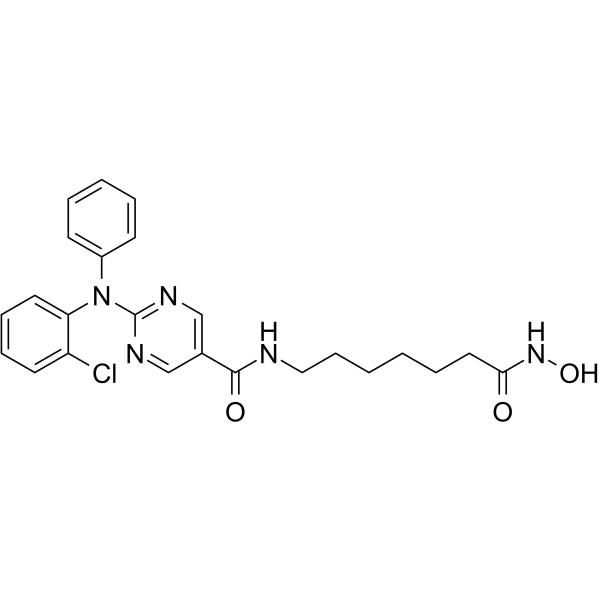
HDAC3/6-IN-2 (compound 15) is a potent HDAC6 and HDAC3 inhibitor, with IC50 values of 0.368 and 0.635 μM, respectively. HDAC3/6-IN-2 shows antitumor activity, and induces cancer cell apoptosis. HDAC3/6-IN-2 decreases the levels of HDAC6 and HDAC3, associated with upregulation of acetylated H3 and α-tubulin .
PD-L1/HDAC3-IN-1 (PH3) is a dual PD-L1/HDAC3 Inhibitor with IC50 values of 89.4 nM and 107 nM for PD-1/PD-L1 and HDAC3, respectively. PD-L1/HDAC3-IN-1 induces cell apoptosis and arrests cell cycle at G0/G1 phase. PD-L1/HDAC3-IN-1 shows anticancer activity both in vivo and in vitro .
CDK9/HDAC1/HDAC3-IN-1 is dual-functional inhibitor of CDK9 and HDAC. CDK9/HDAC1/HDAC3-IN-1 inhibits the protein activity of CDK9/HDAC/HDAC3 with IC50 s of 0.17 μM, 1.73 μM and 1.11 μM for CDK9, HDAC1, and HDAC3, respectively. CDK9/HDAC1/HDAC3-IN-1 inhibits cancer cells by inducing cell apoptosis and cell cycle arrest in the G2/M phase, as well as tumor growth in a murine TNBC MDA-MB-231 xenograft model. CDK9/HDAC1/HDAC3-IN-1 has a broad-spectrum anti-cancer activity, such as breast cancer, cervical cancer, and liver cancer .
HDAC3 degrader-2 is a selective HDAC3 degrader. HDAC3 degrader-2 inhibits the activation of the NLRP3 inflammasome by degrading HDAC3, thereby reducing the maturation of IL-1β and caspase-1. HDAC3 degrader-2 exhibits anti-inflammatory activity. HDAC3 degrader-2 can be used in research related to endotoxin shock, colitis and gouty arthritis .
HDAC3 degrader-1 (Compound Z8) is a selective HDAC3 degrader with a DC50 of 2.42 μM. HDAC3 degrader-1 has almost no effect on HDAC1, HDAC2, and HDAC6. HDAC3 degrader-1 inhibits the activation of the NLRP3 inflammasome and reduces the secretion of IL-1β and caspase-1. HDAC3 degrader-1 shows significant efficacy in septic shock and colitis models. HDAC3 degrader-1 can be used in anti-inflammatory research .
PROTAC HDAC3 degrader-1 is a selective PROTAC degrader targeting HDAC3 with a DC50 of 30.73 nM. PROTAC HDAC3 degrader-1 induces degradation of HDAC3 via the ubiquitin-proteasome system. PROTAC HDAC3 degrader-1 promotes apoptosis, induces DNA damage, and downregulates anti-apoptotic proteins Mcl-1 and Bcl-xL. PROTAC HDAC3 degrader-1 can be used for the research of acute myeloid leukemia .
HDAC6-IN-14 is a highly selective HDAC6 (HDAC) inhibitor with an IC50 of 42 nM. HDAC6-IN-14 displays >100-fold selectivity over HDAC1/HDAC2/HDAC3/HDAC4 .
EGFR/HDAC-IN-2 (Compound 38) is dual-functional inhibitor of EGFR and HDAC3 with IC50s of 20.34 and 1.09 nM for CDK9 and HDAC3, respectively. EGFR/HDAC-IN-2 has superior anti-proliferative activity against cancer cells, inhibits cell migration and induces late-stage cell apoptosis. EGFR/HDAC-IN-2 significantly inhibits triple-negative breast cancer (TNBC) tumor growth in xenograft mouse models. EGFR/HDAC-IN-2 can be used for cancers like TNBC research .
Givinostat (hydrochloride) (Standard) is the analytical standard of Givinostat (hydrochloride). This product is intended for research and analytical applications. Givinostat (ITF-2357) hydrochloride is a HDAC inhibitor with an IC50 of 198 and 157 nM for HDAC1 and HDAC3, respectively [3].
LSQ-28 is an orally active HDAC3 inhibitor with an IC50 of 42 nM, and exhibits potent anticancer, antiproliferative, antimigratory, anti-invasive, and antiwound healing activities. LSQ-28 can be utilized in cancer research .
CM-545, the cis-isomer of CM-414 (HY-119316), is a dual inhibitor of PDE5, HDAC1, HDAC2, HDAC3, and HDAC6 with pIC50 values of 7.47, 6.65, 6.14, 6.55, and 6.84, repectively .
HDAC-IN-71 (Compound 17q) is a potent HDAC inhibitor with IC50 values of 12.6, 14.1, 20, 3, and 72 nM for HDAC1, HDAC2, HDAC3, HDAC6, and HDAC10, respectively. HDAC-IN-71 induces apoptosis and can be used in cancer research .
NL-103 is an inhibitor of histone deacetylases (HDACs) and Hedgehog, with the IC50 values of 21.3 nM, 57 nM, 74 nM, and 680 nM for HDAC1, HDAC2, HDAC3, and HDAC6, respectively. NL-103 can downregulate the expression of Gli2. NL-103 can be used in anti-cancer research .
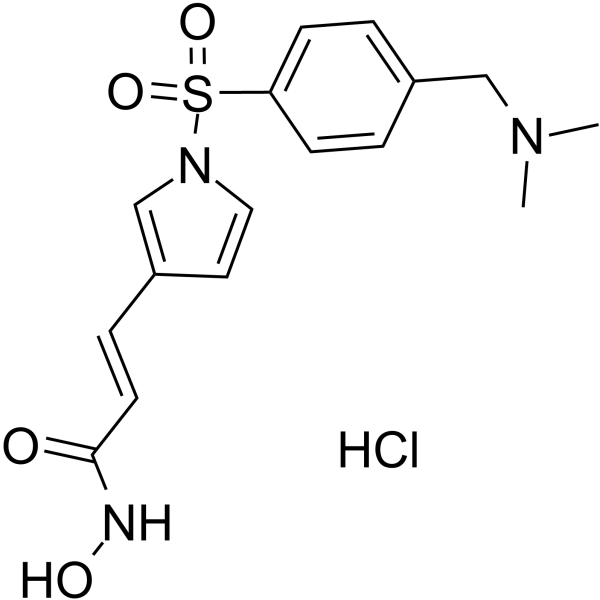
Fimepinostat mesylate potently inhibits class I PI3Ks as well as classes I and II HDAC enzymes with an IC50 of 19/54/39 nM and 1.7/5.0/1.8/2.8 nM for PI3Kα/PI3Kβ/PI3Kδ and HDAC1/HDAC2/HDAC3/HDAC10 , respectively.
MC2625 is a potent pyridine-containing histone deacetylase (HDAC) inhibitor. MC2625 show selective HDAC3 and HDAC6 inhibition with IC50s of 80 nM and 11 nM. MC2625 increases acetyl-H3 and acetyl-tubulin levels and inhibits cancer stem cells (CSCs) growth by apoptosis induction .
FLT3/HDAC-IN-1 is a dual inhibitor of FLT3/HDAC, with IC50 values of 30.4, 52.4, and 14.7 nM for FLT3, HDAC1, and HDAC3, respectively. FLT3/HDAC-IN-1 can induce apoptosis in MV-4-11 cells and has anti-proliferative effects on FLT3 mutant-transformed BaF3 cells. FLT3/HDAC-IN-1 is being researched for its potential in treating hard-to-treat solid tumors and hematological malignancies .
NMDAR/HDAC-IN-1 (Compound 9d) is a dual NMDAR and HDAC inhibitor with a Ki of 0.59 μM for NMDAR and IC50 values of 2.67, 8.00, 2.21, 0.18 and 0.62 μM for HDAC1, HDAC2, HDAC3, HDAC6 and HDAC8, respectively. NMDAR/HDAC-IN-1 efficiently penetrates the blood brain barrier .
HDAC-IN-84 (compound 4d) is a potent HDAC inhibitor, with IC50 values of 0.0045, 0.015, 0.013, 0.038, 5.8 and 26 μM for HDAC1, HDAC2, HDAC3, HDAC6, HDAC8 and HDAC11, respectively. HDAC-IN-84 effectively inhibits the proliferation of leukemia cells without causing toxicity .
HDAC3-IN-8 is a selective inhibitor targeting HDAC1, HDAC2 and HDAC3, with IC50 values of 3.52 nM for HDAC1, 15.14 nM for HDAC2 and 0.38 nM for HDAC3. HDAC3-IN-8 shows high selectivity for HDAC3 and exerts its effect by inhibiting histone deacetylase activity. HDAC3-IN-8 can be used to construct HDAC3-targeted PROTAC degrader (HY-181767) and is suitable for the research of acute myeloid leukemia (AML) .
CAY10603 (Standard) is the analytical standard of CAY10603. This product is intended for research and analytical applications. CAY10603 (BML-281) is a potent and selective HDAC6 inhibitor, with an IC50 of 2 pM; CAY10603 (BML-281) also inhibits HDAC1, HDAC2, HDAC3, HDAC8, HDAC10, with IC50s of 271, 252, 0.42, 6851, 90.7 nM.
HDAC-IN-51 is a potent histone deacetylase (HDAC) inhibitor with IC50 values of 0.32, 0.353, 0.431, 0.515, and 85.4 μM for HDAC10, HDAC1, HDAC2, HDAC3 and HDAC11, respectively. HDAC-IN-51 induces cell cycle arrest and apoptosis, modulating cell cycle-/apoptosis-related miRNAs expression. HDAC-IN-51 can be used in research of cancer .
1-(4-Nitrophenyl)piperazine (Compound 15) is a piperazine linker that can be used for the synthesis of HDAC3/6-IN-2 (HY-133147). HDAC3/6-IN-2 is an anti-cancer compound formed by connecting CDODA-Me and Vorinostat (HY-10221) through the piperazine linker .
Andrographidine E is a COX-2 (IC50 = 19 μM) and HDAC inhibitor, with high affinity for HDAC1 and HDAC3. Andrographidine E can specifically bind to macrophages and has potential immunotargeting properties. Andrographidine E can be used for studying inflammation [3].
Zabadinostat (Standard) is the analytical standard of Zabadinostat (HY-100748). This product is intended for research and analytical applications. Zabadinostat (CXD101) is a potent, selective and orally active class I HDAC inhibitor with IC50s of 63 nM, 570 nM and 550 nM for HDAC1, HDAC2 and HDAC3, respectively. Zabadinostat has no activity against HDAC class II. Zabadinostat has antitumor activity .
HDAC1/3-IN-1 is a selective HDAC1/3 inhibitor, with IC50 values of 256 nM and 340.3 nM against HDAC1 and HDAC3, respectively. HDAC1/3-IN-1 increases the SubG1 cell population and promotes apoptosis of glioma cells and glioblastoma stem cells. HDAC1/3-IN-1 can be used in studies related to glioblastoma .
CM-414 is a brain-penetrant phosphodiesterase 5 (PDE5) and HDAC inhibitor with IC50s of 60 nM, 91 nM, 310 nM, 322 nM and 490 nM for PDE5, HDAC6, HDAC1, HDAC3 and HDAC2, respectively. CM-414 diminishes brain Aβ and tau phosphorylation (pTau) level in Tg2576 mice. CM-414 can be used for the study of Alzheimer's disease (AD) .
OKI-005 is an orally active inhibitor of Class I HDACs, with primary targeting of HDAC1, HDAC2 and HDAC3. OKI-005 is a prodrug of OKI-006 (HY-144893). OKI-005 increases histone acetylation levels, induces apoptosis and inhibits cancer cell proliferation. OKI-005 can be used in research related to triple-negative breast cancer and colorectal cancer .
HDAC6-IN-48 (compound 5i) is a potent and selective HDAC6 inhibitor with IC50 values of 5.16, 396.72, 638.08 nM for HDAC6, HDAC3, HDAC1, respectively. HDAC6-IN-48 induces apoptosis and cell cycle arrest at G0/G1 phase. HDAC6-IN-48 increases the protein expression of acetylated α-tubulin .
(S)-TNG260 is an isomer of TNG260 (HY-153358). TNG260 is a CoREST selective deacetylase (CoreDAC) inhibitor. TNG260 inhibits HDAC1 with 10-fold selectivity over HDAC3. TNG260 causes HDAC1 inhibition and reverses anti-PD1 resistance driven by STK11 deletion. TNG260 reduces intratumoral infiltration of neutrophils. TNG260 exhibits immune-mediated cell killing.
HDAC6-IN-19 (Compound 14g) is a HDAC6 inhibitor (IC50: 2.68 nM). HDAC6-IN-19 also inhibits HDAC1, HDAC2 and HDAC3 with IC50s of 61.6 nM, 98.7 nM and 103 nM. HDAC6-IN-19 potently inhibits multiple cancer cell proliferation, including leukemia, colon cancer, melanoma, and breast cancer cell lines .
HD-TAC7 is a potent PROTAC HDAC degrader with IC50 values of 3.6 μM, 4.2 μM and 1.1 μM for HDAC1, HDAC2 and HDAC3, respectively. HD-TAC7 can decreases NF-κB p65 in RAW 264.7 macrophages. HD-TAC7 can be used for the research of inflammatory diseases like asthma and chronic obstructive pulmonary disease (COPD) .
HDAC-IN-37 is a potent HDAC inhibitor with IC50s of 0.0551 μM, 1.24 μM, 0.948 μM and 34.2 μM for HDAC1, HDAC3, HDAC8 and HDAC6, respectively. HDAC-IN-37 induces histone acetylation in a slow-off manner. HDAC-IN-37 prevents cell transition from G1 phase to S phase and induces early cell apoptosis .
AES-350 is a potent and orally active HDAC6 inhibitor with an IC50 and a Ki of 0.0244 μM and 0.035 μM, respectively. AES-350 is also against HDAC3, HDAC8 in an enzymatic activity assay with IC50 values of 0.187 μM and 0.245 μM, respectively. AES-350 triggers apoptosis in AML cells through HDAC inhibition and can be used for acute myeloid leukemia (AML) research .
Nanatinostat (CHR-3996) is a potent, class I selective and orally active HDAC inhibitor with IC50s of 3 nM, 4 nM, and 7 nM for HDAC1, HDAC2, and HDAC3, respectively. Nanatinostat has low activity against HDAC5 (IC50 of 200 nM) and HDAC6 (IC50 of 2100 nM). Nanatinostat induces apoptosis in myeloma cells. Nanatinostat has potent anticancer effects, such as myeloma, advanced solid tumours and colorectal cancer [3].
HDAC6-IN-13 (Compound 35m) is a potent, highly selective, orally active HDAC6 inhibitor with an IC50 of 0.019 μM. HDAC6-IN-13 also inhibits HDAC1, HDAC2 and HDAC3 with IC50s of 1.53, 2.06 and 1.03 μM, respectively. HDAC6-IN-13 shows significant BBB permeability and anti-inflammatory activity .
Mocetinostat (Standard) is the analytical standard of Mocetinostat. This product is intended for research and analytical applications. Mocetinostat (MGCD0103) is a potent, orally active and isotype-selective HDAC (Class I/IV) inhibitor with IC50s of 0.15, 0.29, 1.66 and 0.59 μM for HDAC1, HDAC2, HDAC3 and HDAC11, respectively. Mocetinostat shows no inhibition on HDAC4, HDAC5, HDAC6, HDAC7, or HDAC8.
HDAC6-IN-65 is a selective HDAC6 inhibitor (IC50 = 0.9 nM) and also exhibits a certain suppressive effect on HDAC3 (IC50 = 39.4 nM). HDAC6-IN-65 can induce the accumulation of α-tubulin (ac-tubulin) and acetylated histone H3 (ac-histone H3, a class I HDAC inhibition marker) in Neuro-2a cells. HDAC6-IN-65 can be used for the study of melanoma .
HDAC-IN-39 (compound 16c) is a potent HDAC inhibitor, with IC50 values of 1.07 μM (HDAC1), 1.47 μM (HDAC2), and 2.27 μM (HDAC3), respectively. HDAC-IN-39 also significantly inhibits microtubule polymerization. HDAC-IN-39 induces cell cycle arrest at the G2/M phase. HDAC-IN-39 displays promising anticancer activity against resistant cancer cells .
HDAC1-IN-10 (Compound 2b) is a potent, selective and orally active HDAC1/2 inhibitor with IC50 values of 6 and 190 nM. HDAC1-IN-10 shows IC50 > 50 μM for HDAC3-8. HDAC1-IN-10 can inhibit tumor growth in HCT-116 colon xenograft nude mice model. HDAC1-IN-10 can be used for research of colon cancer .
EGFR/HDAC-IN-1 (Compound 22c2) is a potent dual inhibitor of epidermal growth factor receptor (EGFR) and histone deacetylase (HDAC) with IC50 values of 4.81 nM, 119.4 nM and 354.8 nM for EGFR, HDAC1 and HDAC3, respectively. EGFR/HDAC-IN-1 blocks the EGFR signaling pathway and affects the histone acetylation status, thereby inhibiting tumor cell proliferation. EGFR/HDAC-IN-1 is promising for research of non-small cell lung cancer (NSCLC) .
Fibrostat (Compound 5n) is a selective HDAC6 inhibitor that exerts antifibrotic effects by inhibiting HDAC6 activity, with an IC50 value of 63 nM. It also exhibits good selectivity over HDAC1, HDAC3, HDAC5, HDAC8, HDAC10, and HDAC11. Fibrostat significantly downregulates fibrotic markers (fibronectin and collagen 1) in fibroblasts. Additionally, Fibrostat demonstrated no toxicity in rat-perfused heart and zebrafish larvae models. Fibrostat shows potential for research into fibrosis-related diseases .
HDAC/Top-IN-1 is an orally active and pan HDAC/Top dual inhibitor with IC50s of 0.036 μM, 0.14 μM, 0.059 μM, 0.089 μM and 9.8 μM for HDAC1, HDAC2, HDAC3, HDAC6 and HDAC8. HDAC/Top-IN-1 efficiently induces apoptosis with S cell-cycle arrest in HEL cells. HDAC/Top-IN-1 has exhibits excellent in vivo antitumor efficacy .
Nanatinostat (CHR-3996) TFA is a potent, class I selective and orally active HDAC inhibitor with IC50s of 3 nM, 4 nM, and 7 nM for HDAC1, HDAC2, and HDAC3, respectively. Nanatinostat TFA has low activity against HDAC5 (IC50 of 200 nM) and HDAC6 (IC50 of 2100 nM). Nanatinostat TFA induces apoptosis in myeloma cells. Nanatinostat TFA has potent anticancer effects, such as myeloma, advanced solid tumours and colorectal cancer [3].
CRA-026440 hydrochloride is a potent, broad-spectrum HDAC(HDAC) inhibitor. The Ki values against recombinant HDAC isoenzymes HDAC1, HDAC2, HDAC3, HDAC6, HDAC8, and HDAC10 are 4 nM, 14 nM, 11 nM, 15 nM, 7 nM, and 20 nM respectively. CRA-026440 hydrochloride shows antitumor and antiangiogenic activities . CRA-026440 (hydrochloride) is a click chemistry reagent, it contains an Alkyne group and can undergo copper-catalyzed azide-alkyne cycloaddition (CuAAc) with molecules containing Azide groups.
HDAC-IN-31 is a potent, selective and orally active HDAC inhibitor with IC50s of 84.90, 168.0, 442.7, >10000 nM for HDAC1, HDAC2, HDAC3, HDAC8, respectively. HDAC-IN-31 induces apoptosis and cell cycle arrests at G2/M phase. HDAC-IN-31 shows good antitumor efficacy. HDAC-IN-31 has the potential for the research of diffuse large B-cell lymphoma .
Top/HDAC-IN-1 (Compound 29b) is a topoisomerase/HDAC dual inhibitor with IC50s of 18, 230, 790, 87, and 5250 nM for HDAC1, HDAC2, HDAC3, HDAC6, and HDAC8, respectively. Top/HDAC-IN-1 exhibits potent antitumor activities against the HCT116 cell line with the IC50 of 180 nM. Top/HDAC-IN-1 efficiently induces apoptosis with G2 cell cycle arrest in HCT116 cells .
JAK/HDAC-IN-2 is a potent 2-amino-4-phenylaminopyrimidine JAK/HDAC dual-target inhibitor. JAK/HDAC-IN-2 potently inhibits HDAC3/6 and JAK1/2 at nanomolar levels. JAK/HDAC-IN-2 has proapoptotic activity and inhibits histone deacetylation and STAT3 phosphorylation. JAK/HDAC-IN-2 presents remarkable antiproliferative activity in both hematological malignancies and solid cancers .
CRA-026440 is a potent, broad-spectrum HDAC inhibitor. The Ki values against recombinant HDAC isoenzymes HDAC1, HDAC2, HDAC3, HDAC6, HDAC8, and HDAC10 are 4, 14, 11, 15, 7, and 20 nM respectively. CRA-026440 shows antitumor and antiangiogenic activities . CRA-026440 is a click chemistry reagent, it contains an Alkyne group and can undergo copper-catalyzed azide-alkyne cycloaddition (CuAAc) with molecules containing Azide groups.
HDAC-IN-54 is a HDAC inhibitor with an IC50 of 25 nM against human HDAC1, 66 nM against HDAC2, 6.5 nM against HDAC3, and 281 nM against HDAC6. HDAC-IN-54 induces acetylation of α-tubulin and histone H3. HDAC-IN-54 acts synergistically with cisplatin to induce cancer cell apoptosis. HDAC-IN-54 can be used in research related to head and neck cancer, ovarian cancer, and tongue squamous cell carcinoma .
FT108 is a selective HDAC6 inhibitor with an IC50 of 0.026 μM. FT108 exhibits only modest in vitro activity against HDAC3 and HDAC8 with IC50 values of 6.68 and 4.07 μM. FT108 increases acetylation of tubulin and has little to no effect on acetylated histone H3 levels. FT108 lacks activity against myeloproliferative neoplasm cell lines, and does not suppress JAK2 phosphorylation or its downstream targets pSTAT3 and pSTAT5 .
BRD2492 (compound 6d) is a potent, selective HDAC1 and HDAC2 inhibitor with IC50s of 13.2 nM and 77.2 nM, respecrtively. BRD2492 exhibits >100-fold selectivity for HDAC1/2 over selectivity over HDAC3 and HDAC6. BRD2492 inhibits breast cancer cell lines growth with IC50s of 1.01 μM and 11.13 μM for T-47D and MCF-7 cells, respectively .
HDAC-IN-47 is an orally active inhibitor of histone deacetylase(HDAC), with IC50s of 19.75 nM (HDAC1), 5.63 nM (HDAC2), 40.27 nM (HDAC3), 57.8 nM (HDAC2), 302.73 nM (HDAC8), respectively. HDAC-IN-47 inhibits autophagy and induces apoptosis via the Bax/Bcl-2 and caspase-3 pathways. HDAC-IN-47 arrests cell cycle at G2/M phase, and shows anti-tumor efficacy in vivo .
MC1742 is a potent HDAC inhibitor, with IC50s of 0.1 μM, 0.11 μM, 0.02 μM, 0.007 μM, 0.61 μM, 0.04 μM and 0.1 μM for HDAC1, HDAC2, HDAC3, HDAC6, HDAC8, HDAC10 and HDAC11, respectively. MC1742 can increase acetyl-H3 and acetyl-tubulin levels and inhibits cancer stem cells growth. MC1742 can induce growth arrest, apoptosis, and differentiation in sarcoma CSC .
HDAC degrader-2 is a selective HDAC degrader with a DC50 values of 2.55 μM against HDAC1. HDAC degrader-2 effectively induces the degradation of HDAC1 and HDAC2, but has no significant effect on the degradation of HDAC3, 4, 6 and 8. HDAC degrader-2 exerts potent antiproliferative effects against MM.1S and MCF-7 cells. HDAC degrader-2 induces apoptosis in myeloma cells. HDAC degrader-2 can be used for the study of myeloma .
HDAC6-IN-47 (Compound S-29b) is inhibitor for HDAC, which exhibits high affinities to HDAC1, HDAC2, HDAC3, HDAC6, HDAC8, HDAC10 with Ki of 60, 56, 162, 0.44, 362 and 849 nM, respectively. HDAC6-IN-47 causes tubulin hyperacetylation in MV4-11, inhibits the proliferation of MV4-11 with an EC50 of 0.50 µM. HDAC6-IN-47 can be used in research of leukemia .
1-Stearoyl-sn-glycero-3-phosphocholine-d35 is deuterium labeled 1-Stearoyl-sn-glycero-3-phosphocholine (HY-125771). 1-Stearoyl-sn-glycero-3-phosphocholine is a lysophosphatidylcholine that inhibits HDAC3 activity and phosphorylation of STAT3 in K562 cells. 1-Stearoyl-sn-glycero-3-phosphocholine induces apoptosis and exhibits anticancer activity in chronic myelogenous leukemia (CML) K562 cells .
HDAC6 degrader-6 (compound 10c) is a ByeTAC protein degrader targeting HDAC6, with IC50 values of 0.034 μM, 0.166 μM, 0.703 μM, and 0.293 μM for HDAC6, HDAC1, HDAC2, and HDAC3, respectively. HDAC6 degrader-6 induces cell apoptosis and can be used for the study of multiple myeloma(Blue: USP14 ligand HY-159808; Pink: HDAC ligand HY-176209; Black: linker HY-W016871)
Crebinostat is a potent histone deacetylase (HDAC) inhibitor with IC50 values of 0.7 nM, 1.0 nM, 2.0 nM and 9.3 nM for HDAC1, HDAC2, HDAC3 and HDAC6, respectively. Crebinostat potently induces acetylation of both histone H3 and histone H4 as well as enhances the expression of the cAMP response element-binding protein (CREB) target gene Egr1. Crebinostat increases the density of synapsin-1 punctae along dendrites in cultured neurons. Crebinostat can modulate chromatin-mediated neuroplasticity and exhibits enhanced memory in mice .
HDAC1-IN-13 is an orally active HDAC1 inhibitor with IC50 values of 91, 185, 170, and 280 nM against HDAC1, HDAC2, HDAC3, and HDAC10, respectively, and shows no activity against HDAC4, HDAC5, HDAC6, HDAC7, and HDAC9. HDAC1-IN-13 induces extrinsic apoptosis by activating the caspase-8 pathway and triggers G0/G1 cell cycle arrest. HDAC1-IN-13 can be used for the research of leukemia .
JPS016 is a class I histone deacetylase (HDAC)PROTAC inhibitor. JPS016 recruits the VHL E3 ligase (Ligands for E3 Ligase) to mediate the ubiquitination and proteasomal degradation of HDAC1, HDAC2 and HDAC3. JPS016 reduces the viability of colon cancer cells and induces Apoptosis. JPS016 activates the PINK1/Parkin mitochondrial Autophagy pathway, enhances cardiomyocyte viability, alleviates mitochondrial damage, and reduces mitochondrial ROS production in cells. JPS016 is applicable to research related to colon cancer and sepsis cardiomyopathy .
HDAC-IN-56 ((S)-17b) is an orally active class I histone deacetylase (HDAC) inhibitor with IC50 values of 56.0 ± 6.0, 90.0 ± 5.9, 422.2 ± 105.1, >10000 nM for HDAC1, HDAC2, HDAC3, and HDAC4-11, respectively. HDAC-IN-56 has potent inhibitory activity while strongly increasing intracellular levels of acetylhistone H3 and P21 and effectively inducing G1 cell cycle arrest and apoptosis.HDAC-IN-56 has antitumor activity .
HDAC-IN-100 is a histone deacetylase inhibitor with an IC50 of 0.038 μM against HDAC1, 0.283 μM against HDAC2, and 0.586 μM against HDAC3. HDAC-IN-100 acts as a chemosensitizer and apoptosis inducer, activates caspase 3/7, and reverses Cisplatin (HY-17394) resistance. HDAC-IN-100 exerts antiproliferative effects in ovarian cancer cells and squamous cancer cells. HDAC-IN-100 is applicable for research related to ovarian cancer, squamous cell carcinoma, and Cisplatin (HY-17394)-resistant squamous cell carcinoma .
PROTAC HDAC6 degrader 4 (Compound 17c) is the PROTAC degrader for HDAC6 with a DC50 of 14 nM. PROTAC HDAC6 degrader 4 exhibits inhibitory activit against HDAC1, HDAC2, HDAC3 and HDAC6 with IC50s of 2.2, 2.37, 0.61 and 0.295 μM, respectively . (Pink: ligand for target protein HDAC6 ligand-3 (HY-172360); Black: linker (HY-138387); Blue: ligand for cereblon E3 ligase (HY-W093272))
ST13, an ortho-hydroxyanilide, is a selective, slow- and tight-binding HDAC1 and HDAC2 inhibitor with IC50s of 23 nM and 49 nM, respectively. ST13 shows a weak inhibition of HDAC3 (IC50 = 4.30 μM) and HDAC6 (IC50 > 10 μM). The induced fit mechanism of ST13 proceeds through a two-step process: first, the enzyme and inhibitor rapidly form a collision complex (EI), which then slowly transforms into the stable complex E*I. ST13 induces apoptosis in cancer cells. ST13 can be used for the study of melanoma and triple-negative breast .
JPS016 TFA is a class I histone deacetylase (HDAC)PROTAC inhibitor. JPS016 TFA recruits the VHL E3 ligase (Ligands for E3 Ligase) to mediate the ubiquitination and proteasomal degradation of HDAC1, HDAC2 and HDAC3. JPS016 TFA reduces the viability of colon cancer cells and induces Apoptosis. JPS016 TFA activates the PINK1/Parkin mitochondrial Autophagy pathway, enhances cardiomyocyte viability, alleviates mitochondrial damage, and reduces mitochondrial ROS production in cells. JPS016 TFA is applicable to research related to colon cancer and sepsis cardiomyopathy .
HDAC6-IN-82 is a selective HDAC6 inhibitor with an IC50 of 4.9 nM against HDAC6. HDAC6-IN-82 inhibits HDAC1 (112 nM), HDAC2 (737 nM), HDAC3 (623 nM), HDAC8 (1140 nM), HDAC10 (91.4 nM) and HDAC11 (219 nM). HDAC6-IN-82 reduces cancer cell viability, induces cell cycle arrest, triggers apoptosis, and increases the acetylation levels of H3K9 and α-tubulin. HDAC6-IN-82 can be used in cancer-related research such as leukemia .
FNDR-20123 is a safe, first-in-class, and orally active anti-malarial HDAC inhibitor with IC50s of 31 nM and 3 nM for Plasmodium and human HDAC, respectively. FNDR-20123 exerts anti-malarial activity against Plasmodium falciparum asexual stage (IC50=41 nM) and sexual blood stage (IC50=190 nM for male gametocytes). FNDR-20123 inhibits HDAC1, HDAC2, HDAC3, HDAC6, and HDAC8 (IC50=25/29/2/11/282 nM, respectively.) and inhibits Class III HDAC isoforms at nanomolar concentrations .
HDAC-IN-79 (compound 4) is an orally active dual xanthine oxidase-HDAC inhibitor (Xanthine oxidase: IC50=6.6 nM; HDAC1: IC50=134 nM; HDAC2: IC50=284 nM; HDAC3: IC50=173 nM; HDAC6: IC50=1.32 nM;), with significant in vivo anti-hyperuricemia and anti-tumor activities. HDAC-IN-79 is the most potent cell growth inhibitor (IC50=0.706 μM) of leukemia HL60 cells, induces apoptosis and autophagy, and can regulate the expression levels of signature biomarkers associated with intracellular HDAC inhibition .
FNDR-20123 free base is a safe, first-in-class, and orally active anti-malarial HDAC inhibitor with IC50s of 31 nM and 3 nM for Plasmodium and human HDAC, respectively. FNDR-20123 free base exerts anti-malarial activity against Plasmodium falciparum asexual stage (IC50=41 nM) and sexual blood stage (IC50=190 nM for male gametocytes). FNDR-20123 free base inhibits HDAC1, HDAC2, HDAC3, HDAC6, and HDAC8 (IC50=25, 29, 2, 11, and 282 nM, respectively) and inhibits Class III HDAC isoforms at nanomolar concentrations .
PD-L1/HDAC-IN-1 (Compound 14) is the inhibitor for PD-L1 and HDAC that inhibits PD-1/PD-L1 interaction, HDAC2 and HDAC3 with IC50 of 88.10, 27.98 and 14.47 nM, respectively. PD-L1/HDAC-IN-1 exhibits slight cytotoxicity in MCF-7 (IC50=19.34 μM). PD-L1/HDAC-IN-1 upregulates the expression of PD-L1 and CXCL10, promoting anti-tumour immune response by recruiting T-cell infiltration into TME .
HDAC-IN-98 is a HDAC1, HDAC2, HDAC3 inhibitor (one of the most selective class I HDAC inhibitors) with human IC50 values of 41.2 nM, 52.5 nM, and 74.3 nM respectively. HDAC-IN-98 induces H3K9 acetylation, p21 upregulation, G2/M arrest, cell apoptosis, has strong antiproliferative effects in colorectal cancer cells, low toxicity in healthy colon epithelium, modulates short-term in vitro effects via autophagy, and shows strong antitumor efficacy in vivo in the chorioallantoic membrane model (CAM) assay. HDAC-IN-98 can be used for the research of colorectal cancer .
DS-103 is an inhibitor for HDAC that inhibits HDAC1, HDAC2, HDAC3, HDAC6 and HDAC8 with IC50s of 0.029, 0.123, 0.022, 0.367 and 9.26 μM, respectively. DS-103 inhibits Plasmodium falciparum3D7 with IC50 of 5.08 μM. DS-103 exhibits cytotoxicity in cells A2780 and Cal27 with IC50 of 1.48 μM and 1.47 μM, reverses Cisplatin (HY-17394) resistance in A2780 and Cal27 with IC50 of 4.62 μM and 2.23 μM. DS-103 exhibits synergistic effect with Cisplatin (HY-17394), enhances Cisplatin-induced apoptosis .
Bakkenolide A is an anticancer agent. Bakkenolide A reduces the viability of leukemia cells, inhibits cell colony formation and invasion, and downregulates the expression of HDAC3 in cells. Bakkenolide A downregulates the expression of pro-inflammatory cytokines including TNF-α, interleukins such as IL-1β, TGF-β1 and IFN-γ, as well as the expression of PI3K, PDK and PKC in leukemia cells. Bakkenolide A downregulates activated Akt, GSK and Bad, while upregulates Cyto-c, cleaved Caspase3 and cleaved Caspase7, induces apoptosis (apoptosis) in leukemia cells and thereby inhibits inflammatory responses in leukemia cells. Bakkenolide A significantly slows the growth of subcutaneous leukemia tumors in nude mice. Bakkenolide A is applicable to leukemia-related research .
TNG260 is a selective, orally effective inhibitor of HDAC1 and CoREST complex, with a 10-fold selectivity for HDAC1 over HDAC3 and a 500-fold selectivity for CoREST complex over NuRD and Sin3 complex. TNG260 reshapes the tumor immune microenvironment, reduces immunosuppressive neutrophil infiltration, promotes effector T cell recruitment, and reverses anti-PD-1 resistance caused by STK11 deficiency by inhibiting the activity of the CoREST-HDAC1 complex. TNG260 induces durable tumor regression in combination with α-PD1 in MC38 tumor-bearing mice with STK11 mutations, and has lower toxicity to bone marrow cells than non-selective HDAC inhibitors .
WMJ-J-09 is an HDAC inhibitor with IC50 values of 7.5 nM (HDAC1), 21.3 nM (HDAC2), 18.4 nM (HDAC3), 90.9 nM (HDAC8),3.9 nM (HDAC6) and 8715.7 nM (HDAC4). WMJ-J-09 blocks the cell cycle and induces apoptosis in cancer cells. WMJ-J-09 induces cancer cell death through the LKB1-AMPK-p38MAPK-p63-survivin signaling cascade.WMJ-J-09 inhibits HDAC enzyme activity, leading to acetylation of key proteins and thereby regulating cancer cell death. WMJ-J-09 can be used in HCT116 cells and FaDu cells research[1][2].
LSD1/HDAC-IN-2 (Compound 20c) is the inhibitor for LSD and HDAC, that inhibits LSD1, HDAC1, HDAC2, HDAC3, HDAC6, and HDAC8, with IC50s of 39.0, 1.4, 1.0, 1.3, 2.9 and 16.0 nM, respectively. LSD1/HDAC-IN-2 inhibits the proliferation of cancer cells, especially the colorectal cancer cells. LSD1/HDAC-IN-2 arrests the cell cycle at G2/M phase, inhibits cell migration, and induces apoptosis in HCT-116 and HT-29 cells. LSD1/HDAC-IN-2 exhibits antitumor efficacy in mouse model without significant toxicity .
Croconic acid disodium (Nacr) is a lysine crotonylation (Kcr) activator and electroactive material. Croconic acid disodium reduces the expression of HDAC2, HDAC3, SIRT1, and SIRT3, and increases the expression of EP300, CITED1, ACSS2, DPF2, CDYL, MLLT3, and YEATS2. Croconic acid disodium elevates intracellular crotonyl-CoA content and global histone lysine crotonylation levels. Croconic acid disodium promotes the growth of bovine fibroblasts, regulates cell cycle progression, and inhibits bovine fibroblast apoptosis (apoptosis). Croconic acid disodium improves the blastocyst development efficiency of bovine somatic cell nuclear transfer embryos. Croconic acid disodium undergoes reversible lithium intercalation/deintercalation reactions via sodium-lithium ion exchange. Croconic acid disodium is applicable to research related to cell growth promotion .
LSD1/HDAC-IN-3 is a inhibitor targeting class I HDAC and LSD1 enzymes. LSD1/HDAC-IN-3 inhibits HDAC1, HDAC2, HDAC3, and LSD1 with IC50 values of 1702 nM, 842 nM, 358 nM, and 1074 nM, respectively. LSD1/HDAC-IN-3 exhibits antioxidant effects in H2O2-stressed ARPE-19 and 661W retinal cells, increasing levels of acetylated and methylated histone H3. LSD1/HDAC-IN-3 enhances photoreceptor survival in the rd10 mouse model of retinitis pigmentosa. LSD1/HDAC-IN-3 can be used for the study of inherited retinal diseases such as retinitis pigmentosa (RP) .
Wee1/HDAC-IN-1 is a dual Wee1/HDAC inhibitor with an IC50 of 1.2 nM for Wee1 and IC50 values of 196 nM for HDAC1, 156 nM for HDAC3, and 55 nM for HDAC6. Wee1/HDAC-IN-1 exhibits strong antiproliferative activity against MV4-11 cells with an IC50 of 0.076 μM. Wee1/HDAC-IN-1 selectively binds to Wee1 and HDACs. Wee1/HDAC-IN-1 interferes with DNA damage repair pathways and induces apoptosis in MV4-11 cells. Wee1/HDAC-IN-1 Wee1/HDAC-IN-1 can be used for the research of acute myeloid leukemia (AML) .
HDAC-IN-88 (Compound HJ-9) is the inhibitor for HDAC that inhibits HDAC6, HDAC1, HDAC2, HDAC8 and HDAC3 with IC50s of 0.226, 1.103, 2.308, 3.255 and 3.864 μM, respectively. HDAC-IN-88 inhibits the proliferation of cancer cell HepG2, HCT116 and MV4-11 with IC50 of 5.47, 9.78 and 0.38 μM, inhibits the migration of HCT116, arrests the cell cycle at G0/G1 phase, and induces apoptosis and autophagy in MV4-11. HDAC-IN-88 reduces ROS level and mitochondrial membrane potential. HDAC-IN-88 exhibits antimalarial activity that inhibits P. falciparum3D7 with EC50 of 165 nM. HDAC-IN-88 also exhibits anti-angiogenic activity .
OKI-006 is an orally active histone deacetylase (HDAC) inhibitor. OKI-006 is the active metabolite of OKI-005 (HY-185584) and OKI-179 (HY-156602). OKI-006 can be used for the research of cancers such as breast cancer and colorectal cancer .
FLT3/HDAC-IN-2 is (compound 25h) a FLT3/HDAC dual inhibitor. FLT3/HDAC-IN-2 has antiproliferative activity against MOLM-13 cells. FLT3/HDAC-IN-2 can be used in acute myeloid leukemia research .
HDAC-IN-63 (Compound 63) is a dual FLT3/HDAC inhibitor (IC50: 0.844 and 30.0 nM for FLT3 and HDAC1 respectively). HDAC-IN-63 inhibits MV4-11 cell proliferation (IC50: 92 nM. HDAC-IN-63 induces apoptosis and arrests cell cycle in MV4-11 cells. HDAC-IN-63 can be used for research of acute myeloid leukemia (AML) .
FLT3/VEGFR2-IN-1 (Compound 26) is a FLT3/VEGFR2/HDAC inhibitor with IC50 values of 14.5 nM, 3.9 nM, and 30.8 nM for FLT3, VEGFR2, and HDAC1, respectively. FLT3/VEGFR2-IN-1 can inhibit the phosphorylation of STAT3 and ERK1/2 and the proliferation of leukemia cells. FLT3/VEGFR2-IN-1 has anti-tumor activity and can be used for the research of acute myeloid leukemia .
Vorinostat (GMP) is a GMP grade Vorinosta (HY-10221). GMP-grade small molecules can be used as auxiliary agents in cell therapy. Vorinostat is a potent, orally available HDAC1, HDAC2, HDAC3 (Class I), HDAC6 and Inhibitors of HDAC7 (Class II) and Class IV (HDAC11) .
1-Stearoyl-sn-glycero-3-phosphocholine is a lysophosphatidylcholine that inhibits HDAC3 activity and phosphorylation of STAT3 in K562 cells. 1-Stearoyl-sn-glycero-3-phosphocholine induces apoptosis and exhibits anticancer activity in chronic myelogenous leukemia (CML) K562 cells .
Vorinostat (GMP) is a GMP grade Vorinosta (HY-10221). GMP-grade small molecules can be used as auxiliary agents in cell therapy. Vorinostat is a potent, orally available HDAC1, HDAC2, HDAC3 (Class I), HDAC6 and Inhibitors of HDAC7 (Class II) and Class IV (HDAC11) .
HDAC-IN-100 is a histone deacetylase inhibitor with an IC50 of 0.038 μM against HDAC1, 0.283 μM against HDAC2, and 0.586 μM against HDAC3. HDAC-IN-100 acts as a chemosensitizer and apoptosis inducer, activates caspase 3/7, and reverses Cisplatin (HY-17394) resistance. HDAC-IN-100 exerts antiproliferative effects in ovarian cancer cells and squamous cancer cells. HDAC-IN-100 is applicable for research related to ovarian cancer, squamous cell carcinoma, and Cisplatin (HY-17394)-resistant squamous cell carcinoma .
1-Stearoyl-sn-glycero-3-phosphocholine is a lysophosphatidylcholine that inhibits HDAC3 activity and phosphorylation of STAT3 in K562 cells. 1-Stearoyl-sn-glycero-3-phosphocholine induces apoptosis and exhibits anticancer activity in chronic myelogenous leukemia (CML) K562 cells .
Crotonoside is isolated from Chinese medicinal herb, Croton. Crotonoside inhibits FLT3 and HDAC3/6, exhibits selective inhibition in acute myeloid leukemia (AML) cells. Crotonoside could be a promising new lead compound for the research of AML .
Bakkenolide A is an anticancer agent. Bakkenolide A reduces the viability of leukemia cells, inhibits cell colony formation and invasion, and downregulates the expression of HDAC3 in cells. Bakkenolide A downregulates the expression of pro-inflammatory cytokines including TNF-α, interleukins such as IL-1β, TGF-β1 and IFN-γ, as well as the expression of PI3K, PDK and PKC in leukemia cells. Bakkenolide A downregulates activated Akt, GSK and Bad, while upregulates Cyto-c, cleaved Caspase3 and cleaved Caspase7, induces apoptosis (apoptosis) in leukemia cells and thereby inhibits inflammatory responses in leukemia cells. Bakkenolide A significantly slows the growth of subcutaneous leukemia tumors in nude mice. Bakkenolide A is applicable to leukemia-related research .
Andrographidine E is a COX-2 (IC50 = 19 μM) and HDAC inhibitor, with high affinity for HDAC1 and HDAC3. Andrographidine E can specifically bind to macrophages and has potential immunotargeting properties. Andrographidine E can be used for studying inflammation [3].
HDAC3 is a Class I member of the histone deacetylase superfamily. HDAC3 Protein, Human (His) is the recombinant human-derived HDAC3 protein, expressed by E. coli , with C-6*His labeled tag.
Entinostat-d4 is the deuterium labeled Entinostat . Entinostat is an oral and selective class I HDAC inhibitor, with IC50s of 243 nM, 453 nM, and 248 nM for HDAC1, HDAC2, and HDAC3, respectively .
1-Stearoyl-sn-glycero-3-phosphocholine-d35 is deuterium labeled 1-Stearoyl-sn-glycero-3-phosphocholine (HY-125771). 1-Stearoyl-sn-glycero-3-phosphocholine is a lysophosphatidylcholine that inhibits HDAC3 activity and phosphorylation of STAT3 in K562 cells. 1-Stearoyl-sn-glycero-3-phosphocholine induces apoptosis and exhibits anticancer activity in chronic myelogenous leukemia (CML) K562 cells .
C21; DC42; F box like/WD repeat containing protein TBL1XR1; F-box-like/WD repeat-containing protein TBL1XR1; FLJ12894; IRA1; Nuclear receptor corepressor/HDAC3 complex subunit; Nuclear receptor corepressor/HDAC3 complex subunit TBLR1; TBL1 related protein 1; TBL1-related protein 1; TBL1R_HUMAN; TBL1XR1; Transducin (beta) like 1 X linked receptor 1; Transducin beta like 1X related protein 1; Transducin beta-like 1X-related protein 1.
WB, IHC-F, IHC-P, ICC/IF
Human, Mouse
TBLR1 Antibody (YA1052) is a Mouse-derived and non-conjugated IgG1 monoclonal antibody, targeting to TBLR1.
C21; DC42; F box like/WD repeat containing protein TBL1XR1; F-box-like/WD repeat-containing protein TBL1XR1; FLJ12894; IRA1; Nuclear receptor corepressor/HDAC3 complex subunit; Nuclear receptor corepressor/HDAC3 complex subunit TBLR1; TBL1 related protein 1; TBL1-related protein 1; TBL1R_HUMAN; TBL1XR1; Transducin (beta) like 1 X linked receptor 1; Transducin beta like 1X related protein 1; Transducin beta-like 1X-related protein 1.
WB, IHC-P, ICC/IF
Human, Mouse, Rat
TBLR1 Antibody (YA1053) is a Rabbit-derived and non-conjugated IgG monoclonal antibody, targeting to TBLR1.
C21; DC42; F box like/WD repeat containing protein TBL1XR1; F-box-like/WD repeat-containing protein TBL1XR1; FLJ12894; IRA1; Nuclear receptor corepressor/HDAC3 complex subunit; Nuclear receptor corepressor/HDAC3 complex subunit TBLR1; TBL1 related protein 1; TBL1-related protein 1; TBL1R_HUMAN; TBL1XR1; Transducin (beta) like 1 X linked receptor 1; Transducin beta like 1X related protein 1; Transducin beta-like 1X-related protein 1.
WB, IHC-P, ICC/IF
Human, Monkey
TBLR1 Antibody (YA1084) is a Mouse-derived and non-conjugated IgG1 monoclonal antibody, targeting to TBLR1.
C21; DC42; F box like/WD repeat containing protein TBL1XR1; F-box-like/WD repeat-containing protein TBL1XR1; FLJ12894; IRA1; Nuclear receptor corepressor/HDAC3 complex subunit; Nuclear receptor corepressor/HDAC3 complex subunit TBLR1; TBL1 related protein 1; TBL1-related protein 1; TBL1R_HUMAN; TBL1XR1; Transducin; beta; like 1 X linked receptor 1; Transducin beta like 1X related protein 1; Transducin beta-like 1X-related protein 1.
WB, IHC-P, ICC/IF
Human, Mouse
TBLR1 Antibody (YA5202) is a Mouse-derived and non-conjugated monoclonal antibody, targeting to TBLR1.
C21; DC42; F box like/WD repeat containing protein TBL1XR1; F-box-like/WD repeat-containing protein TBL1XR1; FLJ12894; IRA1; Nuclear receptor corepressor/HDAC3 complex subunit; Nuclear receptor corepressor/HDAC3 complex subunit TBLR1; TBL1 related protein 1; TBL1-related protein 1; TBL1R_HUMAN; TBL1XR1; Transducin (beta) like 1 X linked receptor 1; Transducin beta like 1X related protein 1; Transducin beta-like 1X-related protein 1.
WB, IHC-P, ICC/IF
Human, Monkey
TBLR1 Antibody (YA1084) is a Mouse-derived and non-conjugated IgG1 monoclonal antibody, targeting to TBLR1.
1-Stearoyl-sn-glycero-3-phosphocholine is a lysophosphatidylcholine that inhibits HDAC3 activity and phosphorylation of STAT3 in K562 cells. 1-Stearoyl-sn-glycero-3-phosphocholine induces apoptosis and exhibits anticancer activity in chronic myelogenous leukemia (CML) K562 cells .
Hdac3 Rat Pre-designed siRNA Set A contains three designed siRNAs for Hdac3 gene (Rat), as well as a negative control, a positive control, and a FAM-labeled negative control.
HDAC3 Human Pre-designed siRNA Set A contains three designed siRNAs for HDAC3 gene (Human), as well as a negative control, a positive control, and a FAM-labeled negative control.
Hdac3 Mouse Pre-designed siRNA Set A contains three designed siRNAs for Hdac3 gene (Mouse), as well as a negative control, a positive control, and a FAM-labeled negative control.
Inquiry Online
Your information is safe with us. * Required Fields.
Western blot analysis of extracts from THP-1(lane 2(20μg), Jurkat (lane 3(20μg) and NIH3T3(lane 4(20μg) using FOXO1A (HY-P80132) Rabbit mAb. Proteins were transferred
to a PVDF membrane and blocked with 5% non-fat milk in TBST for 2 hour at room temperature. The primary antibody (1/1000) and Loading control antibody (Beta Actin, HY-P80438, 1/10000) was
used in 5% non-fat milk in TBST at 4°C overnight. Goat Anti-Mouse/Rabbit IgG-HRP Secondary Antibody (1/10000) was used for 1 hour at room temperature.
Western blot analysis of extracts from THP-1(lane 2(20μg), Jurkat (lane 3(20μg) and NIH3T3(lane 4(20μg) using FOXO1A (HY-P80132) Rabbit mAb. Proteins were transferred
to a PVDF membrane and blocked with 5% non-fat milk in TBST for 2 hour at room temperature. The primary antibody (1/1000) and Loading control antibody (Beta Actin, HY-P80438, 1/10000) was
used in 5% non-fat milk in TBST at 4°C overnight. Goat Anti-Mouse/Rabbit IgG-HRP Secondary Antibody (1/10000) was used for 1 hour at room temperature.
Western blot analysis of extracts from THP-1(lane 2(20μg), Jurkat (lane 3(20μg) and NIH3T3(lane 4(20μg) using FOXO1A (HY-P80132) Rabbit mAb. Proteins were transferred
to a PVDF membrane and blocked with 5% non-fat milk in TBST for 2 hour at room temperature. The primary antibody (1/1000) and Loading control antibody (Beta Actin, HY-P80438, 1/10000) was
used in 5% non-fat milk in TBST at 4°C overnight. Goat Anti-Mouse/Rabbit IgG-HRP Secondary Antibody (1/10000) was used for 1 hour at room temperature.
Western blot analysis of extracts from THP-1(lane 2(20μg), Jurkat (lane 3(20μg) and NIH3T3(lane 4(20μg) using FOXO1A (HY-P80132) Rabbit mAb. Proteins were transferred
to a PVDF membrane and blocked with 5% non-fat milk in TBST for 2 hour at room temperature. The primary antibody (1/1000) and Loading control antibody (Beta Actin, HY-P80438, 1/10000) was
MedchemExpress Validation 03
Western blot analysis of extracts from THP-1(lane 2(20μg), Jurkat (lane 3(20μg) and NIH3T3(lane 4(20μg) using FOXO1A (HY-P80132) Rabbit mAb. Proteins were transferred
MedchemExpress Validation 04
Western blot analysis of extracts from THP-1(lane 2(20μg), Jurkat (lane 3(20μg) and NIH3T3(lane 4(20μg) using FOXO1A (HY-P80132) Rabbit mAb. Proteins were transferred
to a PVDF membrane and blocked with 5% non-fat milk in TBST for 2 hour at room temperature. The primary antibody (1/1000) and Loading control antibody (Beta Actin, HY-P80438, 1/10000) was
used in 5% non-fat milk in TBST at 4°C overnight. Goat Anti-Mouse/Rabbit IgG-HRP Secondary Antibody (1/10000) was used for 1 hour at room temperature.
MedchemExpress Validation
Western blot analysis of extracts from THP-1(lane 2(20μg), Jurkat (lane 3(20μg) and NIH3T3(lane 4(20μg) using FOXO1A (HY-P80132) Rabbit mAb. Proteins were transferred
to a PVDF membrane and blocked with 5% non-fat milk in TBST for 2 hour at room temperature. The primary antibody (1/1000) and Loading control antibody (Beta Actin, HY-P80438, 1/10000) was
used in 5% non-fat milk in TBST at 4°C overnight. Goat Anti-Mouse/Rabbit IgG-HRP Secondary Antibody (1/10000) was used for 1 hour at room temperature.
Western blot analysis of extracts from THP-1(lane 2(20μg), Jurkat (lane 3(20μg) and NIH3T3(lane 4(20μg) using FOXO1A (HY-P80132) Rabbit mAb. Proteins were transferred
to a PVDF membrane and blocked with 5% non-fat milk in TBST for 2 hour at room temperature. The primary antibody (1/1000) and Loading control antibody (Beta Actin, HY-P80438, 1/10000) was
used in 5% non-fat milk in TBST at 4°C overnight. Goat Anti-Mouse/Rabbit IgG-HRP Secondary Antibody (1/10000) was used for 1 hour at room temperature.
MedchemExpress Validation
Western blot analysis of extracts from THP-1(lane 2(20μg), Jurkat (lane 3(20μg) and NIH3T3(lane 4(20μg) using FOXO1A (HY-P80132) Rabbit mAb. Proteins were transferred
to a PVDF membrane and blocked with 5% non-fat milk in TBST for 2 hour at room temperature. The primary antibody (1/1000) and Loading control antibody (Beta Actin, HY-P80438, 1/10000) was
used in 5% non-fat milk in TBST at 4°C overnight. Goat Anti-Mouse/Rabbit IgG-HRP Secondary Antibody (1/10000) was used for 1 hour at room temperature.
MedchemExpress Validation
Western blot analysis of extracts from THP-1(lane 2(20μg), Jurkat (lane 3(20μg) and NIH3T3(lane 4(20μg) using FOXO1A (HY-P80132) Rabbit mAb. Proteins were transferred
to a PVDF membrane and blocked with 5% non-fat milk in TBST for 2 hour at room temperature. The primary antibody (1/1000) and Loading control antibody (Beta Actin, HY-P80438, 1/10000) was
used in 5% non-fat milk in TBST at 4°C overnight. Goat Anti-Mouse/Rabbit IgG-HRP Secondary Antibody (1/10000) was used for 1 hour at room temperature.
MedchemExpress Validation
Western blot analysis of extracts from THP-1(lane 2(20μg), Jurkat (lane 3(20μg) and NIH3T3(lane 4(20μg) using FOXO1A (HY-P80132) Rabbit mAb. Proteins were transferred
to a PVDF membrane and blocked with 5% non-fat milk in TBST for 2 hour at room temperature. The primary antibody (1/1000) and Loading control antibody (Beta Actin, HY-P80438, 1/10000) was
used in 5% non-fat milk in TBST at 4°C overnight. Goat Anti-Mouse/Rabbit IgG-HRP Secondary Antibody (1/10000) was used for 1 hour at room temperature.
MedchemExpress Validation
Western blot analysis of extracts from THP-1(lane 2(20μg), Jurkat (lane 3(20μg) and NIH3T3(lane 4(20μg) using FOXO1A (HY-P80132) Rabbit mAb. Proteins were transferred
to a PVDF membrane and blocked with 5% non-fat milk in TBST for 2 hour at room temperature. The primary antibody (1/1000) and Loading control antibody (Beta Actin, HY-P80438, 1/10000) was
used in 5% non-fat milk in TBST at 4°C overnight. Goat Anti-Mouse/Rabbit IgG-HRP Secondary Antibody (1/10000) was used for 1 hour at room temperature.
MedchemExpress Validation
Western blot analysis of extracts from THP-1(lane 2(20μg), Jurkat (lane 3(20μg) and NIH3T3(lane 4(20μg) using FOXO1A (HY-P80132) Rabbit mAb. Proteins were transferred
to a PVDF membrane and blocked with 5% non-fat milk in TBST for 2 hour at room temperature. The primary antibody (1/1000) and Loading control antibody (Beta Actin, HY-P80438, 1/10000) was
used in 5% non-fat milk in TBST at 4°C overnight. Goat Anti-Mouse/Rabbit IgG-HRP Secondary Antibody (1/10000) was used for 1 hour at room temperature.
MedchemExpress Validation
Western blot analysis of extracts from THP-1(lane 2(20μg), Jurkat (lane 3(20μg) and NIH3T3(lane 4(20μg) using FOXO1A (HY-P80132) Rabbit mAb. Proteins were transferred
to a PVDF membrane and blocked with 5% non-fat milk in TBST for 2 hour at room temperature. The primary antibody (1/1000) and Loading control antibody (Beta Actin, HY-P80438, 1/10000) was
used in 5% non-fat milk in TBST at 4°C overnight. Goat Anti-Mouse/Rabbit IgG-HRP Secondary Antibody (1/10000) was used for 1 hour at room temperature.
MedChemExpress values your privacy and your trust is important to us. We use cookies to enhance your website experience. Some cookies are necessary to run the website.
Privacy and Cookie Policy

