From 11:00 pm to 12:00 pm EST ( 8:00 pm to 9:00 pm PST ) on January 6th, the website will be under maintenance. We are sorry for the inconvenience. Please arrange your schedule properly.
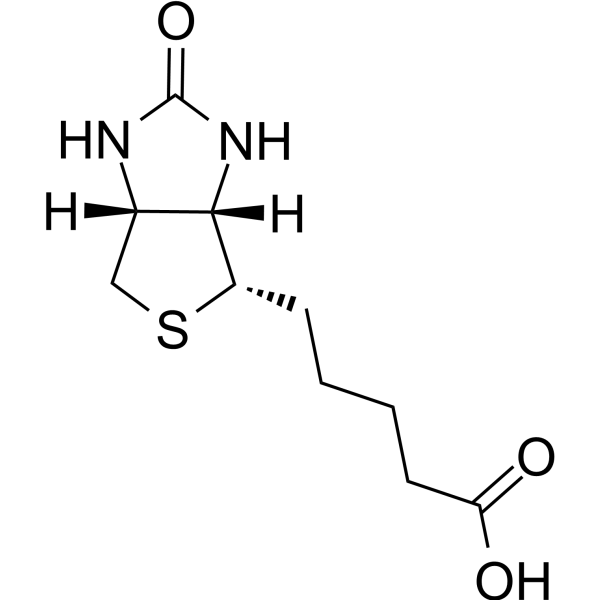
Biotin, vitamin B7 and serves as a coenzyme for five carboxylases in humans, involved in the synthesis of fatty acids, isoleucine, and valine, and in gluconeogenesis. Biotin is necessary for cell growth, the production of fatty acids, and the metabolism of fats and amino acids .
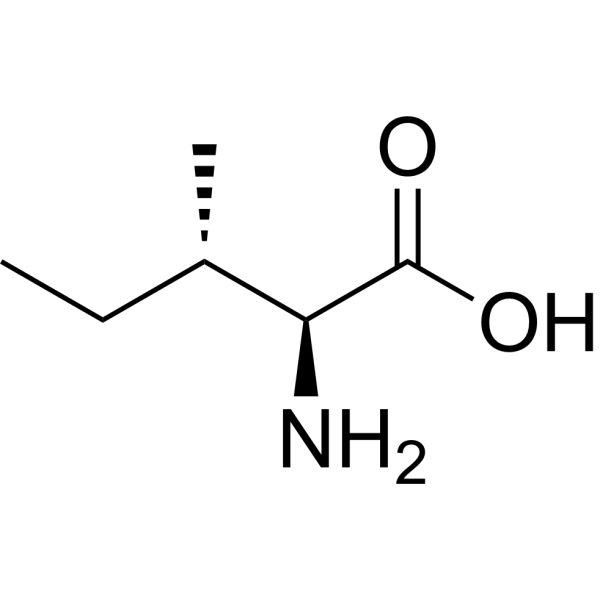
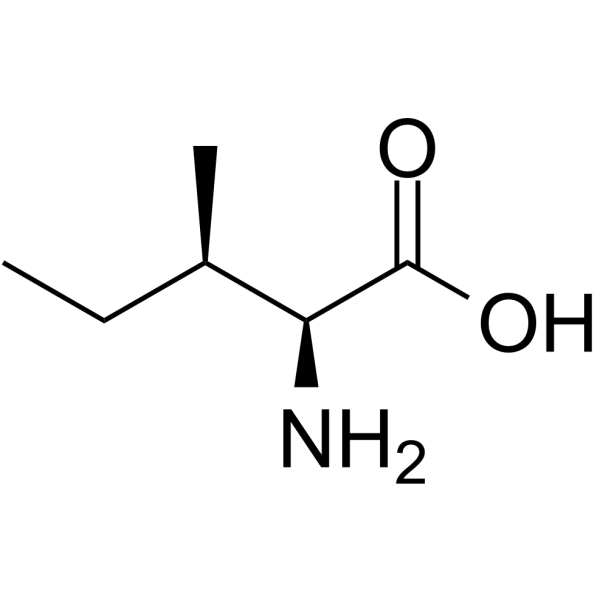
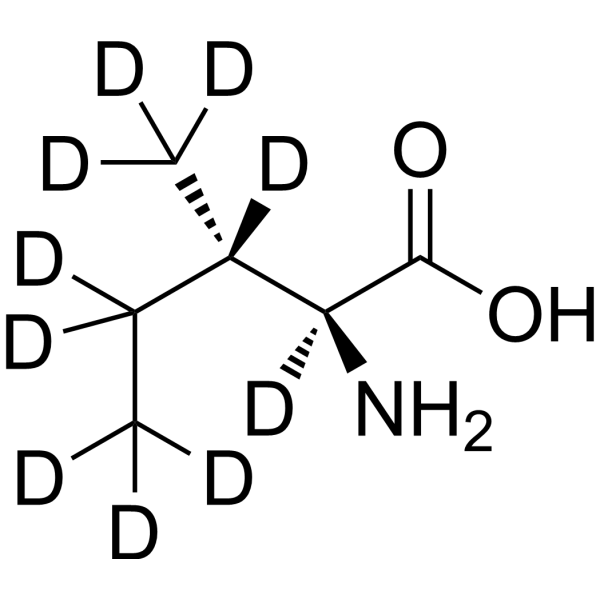
L-Isoleucine is an orally active branched chain amino acid, which is the L-enantiomer of isoleucine. L-Isoleucine has a role as a Saccharomyces cerevisiae metabolite, an Escherichia coli metabolite, a plant metabolite, a human metabolite, an algal metabolite and a mouse metabolite. L-Isoleucine regulates the inflammatory response to protect against pathogens in vivo and in vitro .
β-Lactoglobulin, a major whey protein, is a small globular protein from the lipocalin family. β-Lactoglobulin is an important source of the essential and branched-chain amino acids (leucine, isoleucine, and valine). β-Lactoglobulin shows antioxidant properties, because it contains two disulfide bonds and one free thiol group. β-Lactoglobulin is a ligand transport agent. β-Lactoglobulin is one of the major allergens in milk and can be utilized in the research for developing safe hypoallergenic dairy products .
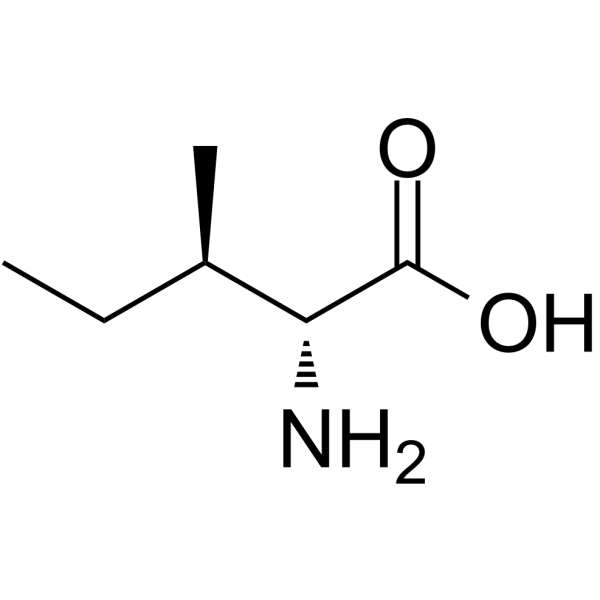
D-Isoleucine is a selective competitive activator of the Asc-1 antiporter (Ki=0.98 mM). D-Isoleucine promotes the release of D-serine and glycine by binding to the Asc-1 protein on the neuronal cell membrane, and enhances NMDA receptor-dependent synaptic plasticity. D-Isoleucine can be used in the study of neurodegenerative diseases (such as Alzheimer's disease and schizophrenia). D-Isoleucine also acts as a non-classical D-amino acid, interferes with bacterial peptidoglycan synthesis, and inhibits the formation of Staphylococcus aureus biofilm, and has potential antibacterial application value[1][2].
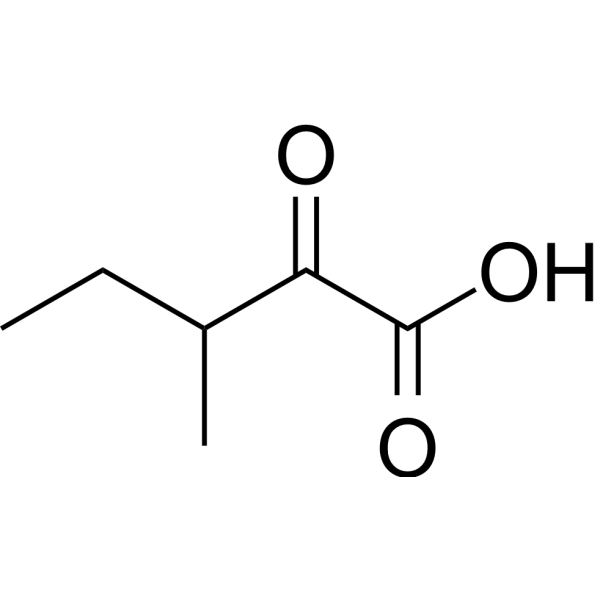
3-Methyl-2-oxovaleric acid is a degradation product from Isoleucine. 3-Methyl-2-oxovaleric acid is a biomarker of mustard airway diseases (MADs) and uric acid stone .
(±)-Jasmonic-L-isoleucine ((±)-JA-L-Ile) is a mixture of (±)-Jasmonic acid (HY-122464) and isoleucine isomers. (±)-Jasmonic-L-isoleucine is a phytohormone that participates in the jasmonic acid signaling pathway. (±)-Jasmonic-L-isoleucine regulates biological processes in plants, including defense responses, growth and development, and stress tolerance .
gamma-Glutamylisoleucine (γ-Glu-Ile; H-γ-Glu-Ile-OH) is a dipeptide composed of γ-glutamic acid and isoleucine, and it is also a degradation product of macromolecular proteins after proteolysis .
L-Isoleucine (Standard) is the analytical standard of L-Isoleucine. This product is intended for research and analytical applications. L-Isoleucine is an orally active branched chain amino acid, which is the L-enantiomer of isoleucine. L-Isoleucine has a role as a Saccharomyces cerevisiae metabolite, an Escherichia coli metabolite, a plant metabolite, a human metabolite, an algal metabolite and a mouse metabolite. L-Isoleucine regulates the inflammatory response to protect against pathogens in vivo and in vitro .
4-Hydroxyisoleucine is an orally active amino acid that can be isolated from fenugreek seeds. 4-Hydroxyisoleucine displays insulinotropic and antidiabetic properties .
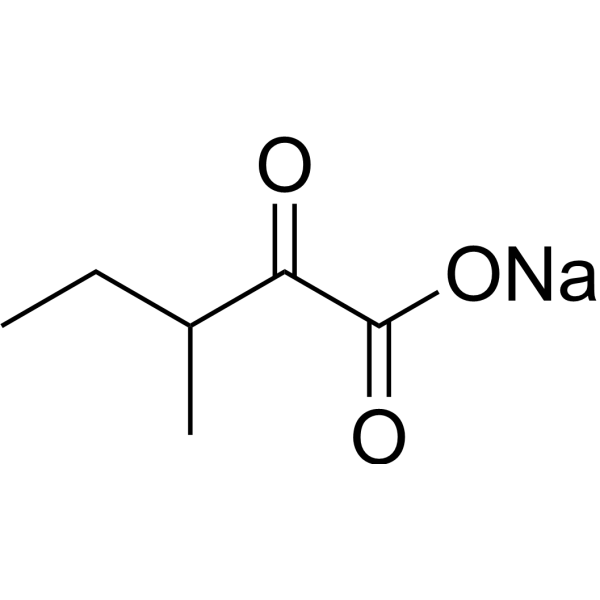
3-Methyl-2-oxovaleric acid sodium is a degradation product from Isoleucine. 3-Methyl-2-oxovaleric acid sodium is a biomarker of mustard airway diseases (MADs) and uric acid stone .
Jarin-1 is a jasmonic acid-amido synthetase (JAR1) inhibitor with an IC50 of 3.8 μM. Jarin-1 specific inhibits bioactive JA (jasmonoyl-isoleucine, JA-Ile) biosynthesis in Arabidopsis and other plants .
2-Butenoyl coenzyme A lithium is an inactivator and a substrate of Plasmodium falciparum enoyl-β-hydroxyacyl-acyl carrier protein (ACP) reductase and other enoyl-CoA reductases, and it is also the lithium salt of trans-2-methyl-2-butenoyl coenzyme A. 2-Butenoyl coenzyme A lithium acts on short-chain and medium-chain coenzyme A dehydrogenases as well as glutaryl-CoA dehydrogenase, and shows no activity against wild-type isovaleryl-CoA dehydrogenase. 2-Butenoyl coenzyme A lithium functions as a metabolite in the L-isoleucine catabolic pathway, and can serve as a substrate in the activity assay of 3-ketothiolase. 2-Butenoyl coenzyme A lithium is applicable to research related to 3-ketothiolase deficiency .
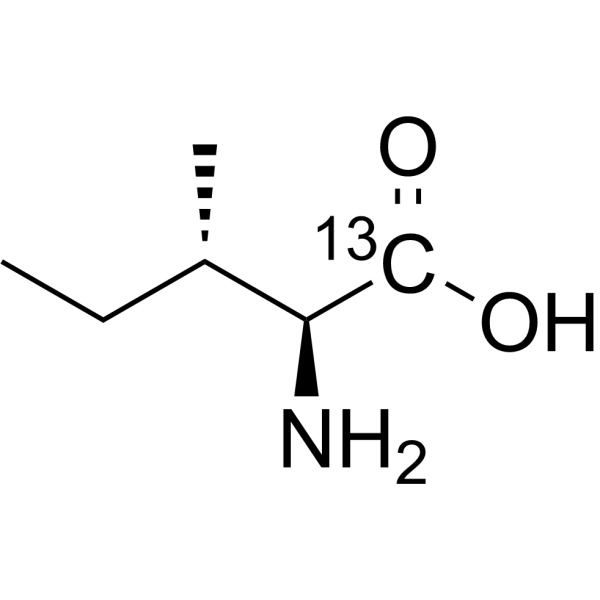
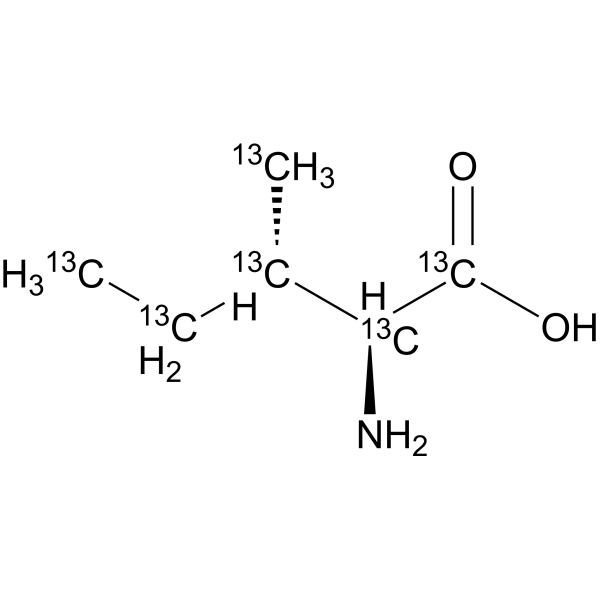
L-Isoleucine- 13C6, 15N is 13C and 15N labeled L-isoleucine. L-isoleucine is a nonpolar hydrophobic amino acid . L-Isoleucine is an essential amino acid.
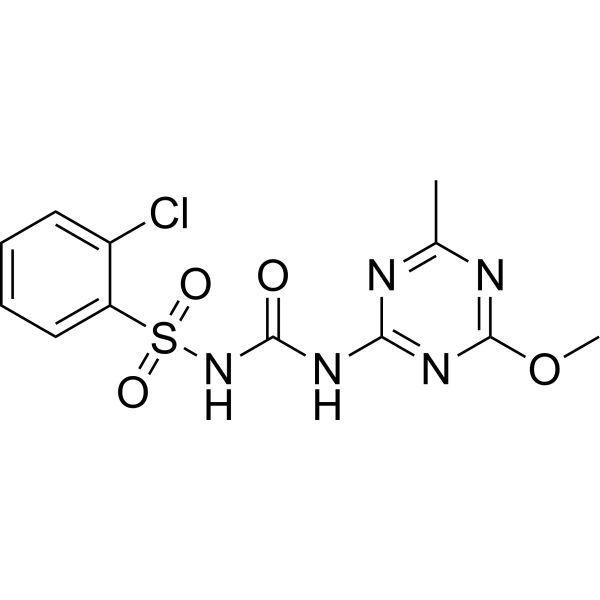
Chlorsulfuron blocks the biosynthesis of the amino acids valine and isoleucine in plants. Chlorsulfuron completely alleviates herbicide-induced growth inhibition. The site of action of Chlorsulfuron is the enzyme acetolactate synthase .
Methylmalonyl-CoA (Methylmalonyl coenzyme A) tetralithium is a catabolite of valine, isoleucine, methionine, threonine, odd-chain fatty acids, and cholesterol. Methylmalonyl-CoA tetralithium is converted to succinyl-CoA by enzymatic reaction of methylmalonyl-CoA mutase (MCM) with coenzyme vitamin B12 .
Biotin (Standard) is the analytical standard of Biotin. Biotin, vitamin B7 and serves as a coenzyme for five carboxylases in humans, involved in the synthesis of fatty acids, isoleucine, and valine, and in gluconeogenesis. Biotin is necessary for cell growth, the production of fatty acids, and the metabolism of fats and amino acids .
Biotin- 13C5 (Vitamin B7- 13C5) is 13C labeled Biotin. Biotin, vitamin B7 and serves as a coenzyme for five carboxylases in humans, involved in the synthesis of fatty acids, isoleucine, and valine, and in gluconeogenesis. Biotin is necessary for cell growth, the production of fatty acids, and the metabolism of fats and amino acids .
3-Methyl-2-oxovaleric acid (Standard) is the analytical standard of 3-Methyl-2-oxovaleric acid (HY-113063). This product is intended for research and analytical applications. 3-Methyl-2-oxovaleric acid is a degradation product from Isoleucine. 3-Methyl-2-oxovaleric acid is a biomarker of mustard airway diseases (MADs) and uric acid stone.
N-Acetyl-D-allo-isoleucine is an amino acid derivative. N-Acetyl-D-allo-isoleucine is promising for research of amino acid metabolism, such as abnormal isoleucine metabolism .
Leucine dehydrogenase, Microorganism (EC 1.4.1.9) can be purified from Bacillus spheroides. Leucine dehydrogenase catalyzed the oxidative deamination of L-leucine, L-valine, L-isoleucine, L-norvaline, L-alpha-aminobutyrate, and L-norleucine, and the reductive amination of their keto analogues .
3-Methyl-2-oxovaleric acid-d8 sodium is the deuterium labeled 3-Methyl-2-oxovaleric acid. 3-Methyl-2-oxovaleric acid is a degradation product from Isoleucine. 3-Methyl-2-oxovaleric acid is a biomarker of mustard airway diseases (MADs) and uric acid stone .
Valylleucine (Val-Leu; H-Val-Leu-OH) is a branched-chain dipeptide that can enter cells independently via bacterial dipeptide transport systems, and is hydrolyzed by dipeptidases to release Val and Leu. Valylleucine, as a model peptide, has its α-amino pK determined to be 7.90 by combining FDNB reaction kinetics with potentiometric titration .
L-Leucyl-L-isoleucine (Leucylisoleucine) is a biochemical reagent that can be used as a biological material or organic compound for life science related research.
Peptide 234CM TFA is a peptide containing isoleucine at position 3, corresponding to the sequence of a point mutation in p53 codon 234. Peptide 234CM TFA induces potent cytotoxic T cell (CTL) and antitumor immune responses against mutant p53 .
L-Isoleucyl-L-arginine is a dipeptide formed from L-isoleucine and L-arginine residues. L-Isoleucyl-L-arginine is a potent angiotensin-converting enzyme (ACE) inhibitor. L-Isoleucyl-L-arginine can be used for research of hypertension .
Biotin (Vitamin B7) sodium is a water-soluble B vitamin and serves as a coenzyme for five carboxylases in humans, involved in the synthesis of fatty acids, isoleucine, and valine, and in gluconeogenesis. Biotin sodium is necessary for cell growth, the production of fatty acids, and the metabolism of fats and amino acids .
Glycyl-l-isoleucine (N-Glycyl-L-isoleucine) is a biochemical reagent that can be used as a biological material or organic compound for life science related research.
L-Isoleucine- 13C6, 15N,d10 is the deuterium, 13C-, and 15-labeled L-Isoleucine. L-isoleucine is a nonpolar hydrophobic amino acid . L-Isoleucine is an essential amino acid.
(S)-2-Methylbutyryl-CoA tetrasodium is a S-enantiomer of 2-Methylbutyryl-CoA (HY-E70239). 2-Methylbutyryl-CoA is an intermediate of isoleucine metabolism .
2-Methylbutyryl-CoA is an intermediate of isoleucine metabolism. 2-Methylbutyryl-CoA dehydrogenase deficiency is a genetic disorder caused by mutations in the HADH2 gene .
Peptide 234CM is a peptide containing isoleucine at position 3, corresponding to the sequence of a point mutation in p53 codon 234. Peptide 234CM induces potent cytotoxic T cell (CTL) and antitumor immune responses against mutant p53 .
(2S)-Methylmalonyl-CoA ((2S)-Methylmalonyl-coenzyme A) is the (S)-enantiomer of Methylmalonyl-CoA (HY-126791). Methylmalonyl coenzyme A (Methylmalonyl-CoA) is a catabolite of valine, isoleucine, methionine, threonine, odd-chain fatty acids, and cholesterol.
(2S,3R,4S)-4-Hydroxyisoleucine is an orally active compound. (2S,3R,4S)-4-Hydroxyisoleucine can be isolated from Trigonella foenum-graecum. (2S,3R,4S)-4-Hydroxyisoleucine has anti-diabetic and anti-diabetic nephropathy activity .
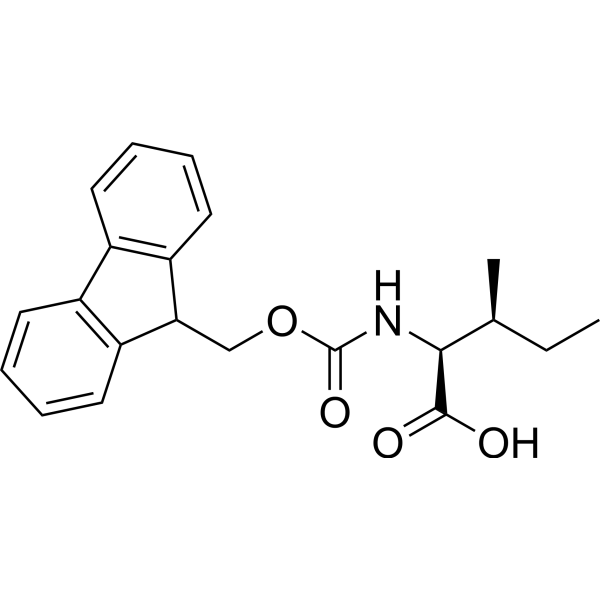
(rac)-Isoleucine is the racemic form of Isoleucine. Isoleucine is a mixture of the diastereomers L-isoleucine, L-alloisoleucine, D-isoleucine, and D-alloisoleucine. L-isoleucine is a branched-chain amino acid that acts as a nitrogen donor, and has roles in glucose consumption, fatty acid metabolism, as well as immune function. L-Alloisoleucine is generated by transamination of L-isoleucine. D-Isoleucine and D-alloisoleucine are enantiomers of L-isoleucine and L-alloisoleucine, respectively .
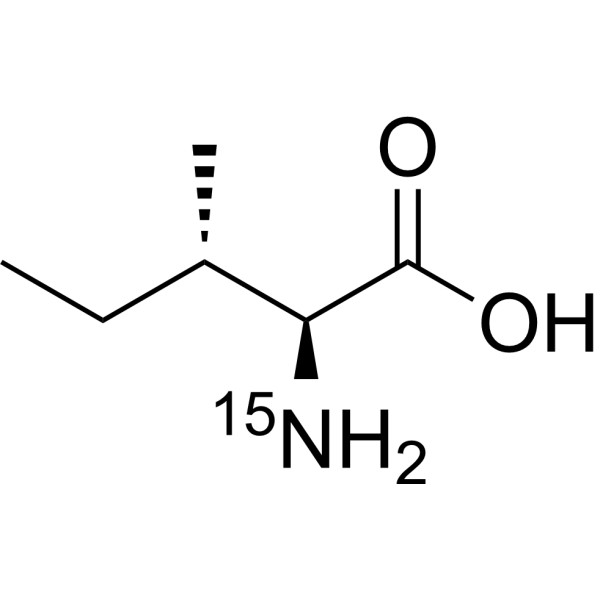
L-Isoleucine- 15N,d10 is the deuterium and 15N-labeled L-Isoleucine. L-isoleucine is a nonpolar hydrophobic amino acid[1]. L-Isoleucine is an essential amino acid.
Pyridoxylidene-L-isoleucine Potassium Salt is a biochemical reagent that can be used as a biological material or organic compound for life science related research.
L-Alloisoleucine (Standard) is the analytical standard of L-Alloisoleucine. This product is intended for research and analytical applications. L-Alloisoleucine is a stereoisomer of L-isoleucine. L-Alloisoleucine can be used in skeletal muscle research .
(Leu-13C6,15N)-Ile-OH (L-Leucyl-13C6,15N-L-isoleucine) TFA is the deuterium labeled Leu-Ile-OH. Leu-Ile-OH protects against neuronal death by inducing brain-derived neurotrophic factor (BDNF) and glial cell line-derived neurotrophic factor (GDNF) synthesis .
L-Isoleucine (Standard) is the analytical standard of L-Isoleucine. This product is intended for research and analytical applications. L-Isoleucine is an orally active branched chain amino acid, which is the L-enantiomer of isoleucine. L-Isoleucine has a role as a Saccharomyces cerevisiae metabolite, an Escherichia coli metabolite, a plant metabolite, a human metabolite, an algal metabolite and a mouse metabolite. L-Isoleucine regulates the inflammatory response to protect against pathogens in vivo and in vitro .
L-Cysteine- 13C3, 15N,d3 is the deuterium, 13C-, and 15-labeled L-Isoleucine (HY-Y0337). L-isoleucine is a nonpolar hydrophobic amino acid . L-Isoleucine is an essential amino acid.
4-Hydroxyisoleucine (Standard) is the analytical standard of 4-Hydroxyisoleucine. This product is intended for research and analytical applications. 4-Hydroxyisoleucine is an orally active amino acid that can be isolated from fenugreek seeds. 4-Hydroxyisoleucine displays insulinotropic and antidiabetic properties .
Furanomycin can resist Gram-positive and negative bacteria and inhibit the bacteriophage of Escherichia coli. Furanomycin is also a L-isoleucine competitive antagonist .
L-Alloisoleucine-d10 is the deuterium labeled L-Alloisoleucine. L-Alloisoleucine is a branched chain amino acid and is a stereo-isomer of L-isoleucine. L-Alloisoleucine is a common constituent of human plasma (albeit at low levels).
Chlorsulfuron (Standard) is the analytical standard of Chlorsulfuron. This product is intended for research and analytical applications. Chlorsulfuron blocks the biosynthesis of the amino acids valine and isoleucine in plants. Chlorsulfuron completely alleviates herbicide-induced growth inhibition. The site of action of Chlorsulfuron is the enzyme acetolactate synthase .
(S)-CPP sodium serves as an inhibitor of the branched-chain α-ketoacid dehydrogenase complex (BCKDC) kinase, commonly referred to as BDK or keto acid dehydrogenase kinase. As a negative regulator of BCKDC activity, the inhibition of BDK by (S)-CPP (with an IC50 of 6.3 μM) results in the activation of the complex and a notable decrease in plasma levels of leucine/isoleucine and valine in wild-type mice.
Fructose-isoleucine, an amadori compound, is an aroma precursor that formed in the initial phase of the Maillard reaction (MR). Fructose-isoleucine can be isolated from tobacco. Fructose-isoleucine can be isolated from tobacco, miso and white wine. Fructose-isoleucine significantly induces oxidative browning and correlates Maillard product (such as Maltol, furaneol and 5-methyl furfural) with a roasted and sweet aroma. Fructose-isoleucine can be used for food industry and tobacco processing research .
L-Isoleucine orlistat (Compound 15) is a diacylglycerol lipase α (DAGLα) inhibitor with an IC50 value of < 50 nM. L-Isoleucine orlistat is promising for research of neural signaling and inflammation-related diseases .
GPLGIAGQC is an MMP2-cleavable peptide . In nanoparticle-drug conjugation systems, GPLGIAGQC is cleaved by MMP2 between the glycine and isoleucine residues. After MMP2-mediated hydrolysis of GPLGIAGQC, the Fc fragment is exposed on the surface of nanoparticles .
Prosulfuron is a fluorinated sulfonylurea herbicide with a reported acute oral LD50 of 546 mg/kg in female rats. Prosulfuron acts by inhibiting acetolactate synthase (ALS) to block the biosynthesis of branched-chain amino acids (valine, leucine and isoleucine) in plants, thereby suppressing weed growth. Prosulfuron may disrupt the soil microbial community balance in alkaline soils with minimal chemical degradation. Prosulfuron has low toxicity to humans and mammals, and can be used for the research of broadleaf weed control in maize and sweet corn .
3-Hydroxy-2-methylbutanoic acid is a short-chain carboxylic acid and a normal urinary metabolite produced via isoleucine catabolism, fatty acid β-oxidation and ketogenesis. 3-Hydroxy-2-methylbutanoic acid exists as an acylated residue in resin glycosides derived from plants of the Ipomoea genus. 3-Hydroxy-2-methylbutanoic acid can be used in studies related to β-ketothiolase deficiency .
(R)-Citramalate synthase (EC 2.3.1.182) is involved in a novel pyruvate pathway for isoleucine biosynthesis that is found in some, mainly archaeal, bacteria. (R)-Citramalate synthase (EC 2.3.1.182) can be inhibited by isoleucine, the end-product of the pathway, but not by leucine. (R)-Citramalate synthase (EC 2.3.1.182) is highly specific for pyruvate as substrate.
L-Leucine Dehydrogenase, Bacillus cereus (EC 1.4.1.9) is a redox enzyme that acts on the donor CH-NH2 group and uses NAD+ or NADP+ as the acceptor. L-Leucine Dehydrogenase, Bacillus cereus (EC 1.4.1.9) participates in the degradation of valine, leucine, and isoleucine, as well as their biosynthesis.
(2S,3R,4S)-4-Hydroxyisoleucine (Standard) is the analytical standard of (2S,3R,4S)-4-Hydroxyisoleucine (HY-W010271). This product is intended for research and analytical applications. (2S,3R,4S)-4-Hydroxyisoleucine is an orally active compound. (2S,3R,4S)-4-Hydroxyisoleucine can be isolated from Trigonella foenum-graecum. (2S,3R,4S)-4-Hydroxyisoleucine has anti-diabetic and anti-diabetic nephropathy activity .
Bispyribac is an acetolactate synthase inhibitor that can be used as a systemic post-emergence herbicide for control of weeds in agriculture. Bispyribac blocks the amino acid synthesis. Bispyribac has low acute toxicity in animal models .
β-Lactoglobulin, a major whey protein, is a small globular protein from the lipocalin family. β-Lactoglobulin is an important source of the essential and branched-chain amino acids (leucine, isoleucine, and valine). β-Lactoglobulin shows antioxidant properties, because it contains two disulfide bonds and one free thiol group. β-Lactoglobulin is a ligand transport agent. β-Lactoglobulin is one of the major allergens in milk and can be utilized in the research for developing safe hypoallergenic dairy products .
3-Methyl-2-oxovaleric acid sodium is a degradation product from Isoleucine. 3-Methyl-2-oxovaleric acid sodium is a biomarker of mustard airway diseases (MADs) and uric acid stone .
2-Butenoyl coenzyme A lithium is an inactivator and a substrate of Plasmodium falciparum enoyl-β-hydroxyacyl-acyl carrier protein (ACP) reductase and other enoyl-CoA reductases, and it is also the lithium salt of trans-2-methyl-2-butenoyl coenzyme A. 2-Butenoyl coenzyme A lithium acts on short-chain and medium-chain coenzyme A dehydrogenases as well as glutaryl-CoA dehydrogenase, and shows no activity against wild-type isovaleryl-CoA dehydrogenase. 2-Butenoyl coenzyme A lithium functions as a metabolite in the L-isoleucine catabolic pathway, and can serve as a substrate in the activity assay of 3-ketothiolase. 2-Butenoyl coenzyme A lithium is applicable to research related to 3-ketothiolase deficiency .
Pyridoxylidene-L-isoleucine Potassium Salt is a biochemical reagent that can be used as a biological material or organic compound for life science related research.
gamma-Glutamylisoleucine (γ-Glu-Ile; H-γ-Glu-Ile-OH) is a dipeptide composed of γ-glutamic acid and isoleucine, and it is also a degradation product of macromolecular proteins after proteolysis .
N-Acetyl-D-allo-isoleucine is an amino acid derivative. N-Acetyl-D-allo-isoleucine is promising for research of amino acid metabolism, such as abnormal isoleucine metabolism .
Valylleucine (Val-Leu; H-Val-Leu-OH) is a branched-chain dipeptide that can enter cells independently via bacterial dipeptide transport systems, and is hydrolyzed by dipeptidases to release Val and Leu. Valylleucine, as a model peptide, has its α-amino pK determined to be 7.90 by combining FDNB reaction kinetics with potentiometric titration .
Peptide 234CM TFA is a peptide containing isoleucine at position 3, corresponding to the sequence of a point mutation in p53 codon 234. Peptide 234CM TFA induces potent cytotoxic T cell (CTL) and antitumor immune responses against mutant p53 .
L-Isoleucyl-L-arginine is a dipeptide formed from L-isoleucine and L-arginine residues. L-Isoleucyl-L-arginine is a potent angiotensin-converting enzyme (ACE) inhibitor. L-Isoleucyl-L-arginine can be used for research of hypertension .
Peptide 234CM is a peptide containing isoleucine at position 3, corresponding to the sequence of a point mutation in p53 codon 234. Peptide 234CM induces potent cytotoxic T cell (CTL) and antitumor immune responses against mutant p53 .
L-Isoleucine (Standard) is the analytical standard of L-Isoleucine. This product is intended for research and analytical applications. L-Isoleucine is an orally active branched chain amino acid, which is the L-enantiomer of isoleucine. L-Isoleucine has a role as a Saccharomyces cerevisiae metabolite, an Escherichia coli metabolite, a plant metabolite, a human metabolite, an algal metabolite and a mouse metabolite. L-Isoleucine regulates the inflammatory response to protect against pathogens in vivo and in vitro .
GPLGIAGQC is an MMP2-cleavable peptide . In nanoparticle-drug conjugation systems, GPLGIAGQC is cleaved by MMP2 between the glycine and isoleucine residues. After MMP2-mediated hydrolysis of GPLGIAGQC, the Fc fragment is exposed on the surface of nanoparticles .
Biotin, vitamin B7 and serves as a coenzyme for five carboxylases in humans, involved in the synthesis of fatty acids, isoleucine, and valine, and in gluconeogenesis. Biotin is necessary for cell growth, the production of fatty acids, and the metabolism of fats and amino acids .
L-Isoleucine is an orally active branched chain amino acid, which is the L-enantiomer of isoleucine. L-Isoleucine has a role as a Saccharomyces cerevisiae metabolite, an Escherichia coli metabolite, a plant metabolite, a human metabolite, an algal metabolite and a mouse metabolite. L-Isoleucine regulates the inflammatory response to protect against pathogens in vivo and in vitro .
D-Isoleucine is a selective competitive activator of the Asc-1 antiporter (Ki=0.98 mM). D-Isoleucine promotes the release of D-serine and glycine by binding to the Asc-1 protein on the neuronal cell membrane, and enhances NMDA receptor-dependent synaptic plasticity. D-Isoleucine can be used in the study of neurodegenerative diseases (such as Alzheimer's disease and schizophrenia). D-Isoleucine also acts as a non-classical D-amino acid, interferes with bacterial peptidoglycan synthesis, and inhibits the formation of Staphylococcus aureus biofilm, and has potential antibacterial application value[1][2].
3-Methyl-2-oxovaleric acid is a degradation product from Isoleucine. 3-Methyl-2-oxovaleric acid is a biomarker of mustard airway diseases (MADs) and uric acid stone .
L-Isoleucine (Standard) is the analytical standard of L-Isoleucine. This product is intended for research and analytical applications. L-Isoleucine is an orally active branched chain amino acid, which is the L-enantiomer of isoleucine. L-Isoleucine has a role as a Saccharomyces cerevisiae metabolite, an Escherichia coli metabolite, a plant metabolite, a human metabolite, an algal metabolite and a mouse metabolite. L-Isoleucine regulates the inflammatory response to protect against pathogens in vivo and in vitro .
4-Hydroxyisoleucine is an orally active amino acid that can be isolated from fenugreek seeds. 4-Hydroxyisoleucine displays insulinotropic and antidiabetic properties .
2-Butenoyl coenzyme A lithium is an inactivator and a substrate of Plasmodium falciparum enoyl-β-hydroxyacyl-acyl carrier protein (ACP) reductase and other enoyl-CoA reductases, and it is also the lithium salt of trans-2-methyl-2-butenoyl coenzyme A. 2-Butenoyl coenzyme A lithium acts on short-chain and medium-chain coenzyme A dehydrogenases as well as glutaryl-CoA dehydrogenase, and shows no activity against wild-type isovaleryl-CoA dehydrogenase. 2-Butenoyl coenzyme A lithium functions as a metabolite in the L-isoleucine catabolic pathway, and can serve as a substrate in the activity assay of 3-ketothiolase. 2-Butenoyl coenzyme A lithium is applicable to research related to 3-ketothiolase deficiency .
Methylmalonyl-CoA (Methylmalonyl coenzyme A) tetralithium is a catabolite of valine, isoleucine, methionine, threonine, odd-chain fatty acids, and cholesterol. Methylmalonyl-CoA tetralithium is converted to succinyl-CoA by enzymatic reaction of methylmalonyl-CoA mutase (MCM) with coenzyme vitamin B12 .
Biotin (Standard) is the analytical standard of Biotin. Biotin, vitamin B7 and serves as a coenzyme for five carboxylases in humans, involved in the synthesis of fatty acids, isoleucine, and valine, and in gluconeogenesis. Biotin is necessary for cell growth, the production of fatty acids, and the metabolism of fats and amino acids .
3-Methyl-2-oxovaleric acid (Standard) is the analytical standard of 3-Methyl-2-oxovaleric acid (HY-113063). This product is intended for research and analytical applications. 3-Methyl-2-oxovaleric acid is a degradation product from Isoleucine. 3-Methyl-2-oxovaleric acid is a biomarker of mustard airway diseases (MADs) and uric acid stone.
Biotin (Vitamin B7) sodium is a water-soluble B vitamin and serves as a coenzyme for five carboxylases in humans, involved in the synthesis of fatty acids, isoleucine, and valine, and in gluconeogenesis. Biotin sodium is necessary for cell growth, the production of fatty acids, and the metabolism of fats and amino acids .
(2S,3R,4S)-4-Hydroxyisoleucine is an orally active compound. (2S,3R,4S)-4-Hydroxyisoleucine can be isolated from Trigonella foenum-graecum. (2S,3R,4S)-4-Hydroxyisoleucine has anti-diabetic and anti-diabetic nephropathy activity .
L-Alloisoleucine (Standard) is the analytical standard of L-Alloisoleucine. This product is intended for research and analytical applications. L-Alloisoleucine is a stereoisomer of L-isoleucine. L-Alloisoleucine can be used in skeletal muscle research .
4-Hydroxyisoleucine (Standard) is the analytical standard of 4-Hydroxyisoleucine. This product is intended for research and analytical applications. 4-Hydroxyisoleucine is an orally active amino acid that can be isolated from fenugreek seeds. 4-Hydroxyisoleucine displays insulinotropic and antidiabetic properties .
Furanomycin can resist Gram-positive and negative bacteria and inhibit the bacteriophage of Escherichia coli. Furanomycin is also a L-isoleucine competitive antagonist .
3-Hydroxy-2-methylbutanoic acid is a short-chain carboxylic acid and a normal urinary metabolite produced via isoleucine catabolism, fatty acid β-oxidation and ketogenesis. 3-Hydroxy-2-methylbutanoic acid exists as an acylated residue in resin glycosides derived from plants of the Ipomoea genus. 3-Hydroxy-2-methylbutanoic acid can be used in studies related to β-ketothiolase deficiency .
(2S,3R,4S)-4-Hydroxyisoleucine (Standard) is the analytical standard of (2S,3R,4S)-4-Hydroxyisoleucine (HY-W010271). This product is intended for research and analytical applications. (2S,3R,4S)-4-Hydroxyisoleucine is an orally active compound. (2S,3R,4S)-4-Hydroxyisoleucine can be isolated from Trigonella foenum-graecum. (2S,3R,4S)-4-Hydroxyisoleucine has anti-diabetic and anti-diabetic nephropathy activity .
IDO Protein, an enzyme, is involved in the conversion of tryptophan to kynurenine. Dysregulation of IDO Protein has been associated with immune suppression and tumor development. Targeting IDO Protein may present potential therapeutic approaches in cancer by modulating tryptophan metabolism, restoring immune responses, and inhibiting tumor growth. ido Protein, Bacillus thuringiensis is the recombinant ido protein, expressed by E. coli , with tag free.
IDO Protein, an enzyme, is involved in the conversion of tryptophan to kynurenine. Dysregulation of IDO Protein has been associated with immune suppression and tumor development. Targeting IDO Protein may present potential therapeutic approaches in cancer by modulating tryptophan metabolism, restoring immune responses, and inhibiting tumor growth. ido Protein, Bacillus thuringiensis (FLAG, His) is the recombinant ido protein, expressed by E. coli , with N-6*His, N-Flag labeled tag.
L-Isoleucine- 13C6, 15N is 13C and 15N labeled L-isoleucine. L-isoleucine is a nonpolar hydrophobic amino acid . L-Isoleucine is an essential amino acid.
Biotin- 13C5 (Vitamin B7- 13C5) is 13C labeled Biotin. Biotin, vitamin B7 and serves as a coenzyme for five carboxylases in humans, involved in the synthesis of fatty acids, isoleucine, and valine, and in gluconeogenesis. Biotin is necessary for cell growth, the production of fatty acids, and the metabolism of fats and amino acids .
3-Methyl-2-oxovaleric acid-d8 sodium is the deuterium labeled 3-Methyl-2-oxovaleric acid. 3-Methyl-2-oxovaleric acid is a degradation product from Isoleucine. 3-Methyl-2-oxovaleric acid is a biomarker of mustard airway diseases (MADs) and uric acid stone .
L-Isoleucine- 13C6, 15N,d10 is the deuterium, 13C-, and 15-labeled L-Isoleucine. L-isoleucine is a nonpolar hydrophobic amino acid . L-Isoleucine is an essential amino acid.
L-Isoleucine- 15N,d10 is the deuterium and 15N-labeled L-Isoleucine. L-isoleucine is a nonpolar hydrophobic amino acid[1]. L-Isoleucine is an essential amino acid.
(Leu-13C6,15N)-Ile-OH (L-Leucyl-13C6,15N-L-isoleucine) TFA is the deuterium labeled Leu-Ile-OH. Leu-Ile-OH protects against neuronal death by inducing brain-derived neurotrophic factor (BDNF) and glial cell line-derived neurotrophic factor (GDNF) synthesis .
L-Cysteine- 13C3, 15N,d3 is the deuterium, 13C-, and 15-labeled L-Isoleucine (HY-Y0337). L-isoleucine is a nonpolar hydrophobic amino acid . L-Isoleucine is an essential amino acid.
L-Alloisoleucine-d10 is the deuterium labeled L-Alloisoleucine. L-Alloisoleucine is a branched chain amino acid and is a stereo-isomer of L-isoleucine. L-Alloisoleucine is a common constituent of human plasma (albeit at low levels).
Inquiry Online
Your information is safe with us. * Required Fields.
Western blot analysis of extracts from THP-1(lane 2(20μg), Jurkat (lane 3(20μg) and NIH3T3(lane 4(20μg) using FOXO1A (HY-P80132) Rabbit mAb. Proteins were transferred
to a PVDF membrane and blocked with 5% non-fat milk in TBST for 2 hour at room temperature. The primary antibody (1/1000) and Loading control antibody (Beta Actin, HY-P80438, 1/10000) was
used in 5% non-fat milk in TBST at 4°C overnight. Goat Anti-Mouse/Rabbit IgG-HRP Secondary Antibody (1/10000) was used for 1 hour at room temperature.
Western blot analysis of extracts from THP-1(lane 2(20μg), Jurkat (lane 3(20μg) and NIH3T3(lane 4(20μg) using FOXO1A (HY-P80132) Rabbit mAb. Proteins were transferred
to a PVDF membrane and blocked with 5% non-fat milk in TBST for 2 hour at room temperature. The primary antibody (1/1000) and Loading control antibody (Beta Actin, HY-P80438, 1/10000) was
used in 5% non-fat milk in TBST at 4°C overnight. Goat Anti-Mouse/Rabbit IgG-HRP Secondary Antibody (1/10000) was used for 1 hour at room temperature.
Western blot analysis of extracts from THP-1(lane 2(20μg), Jurkat (lane 3(20μg) and NIH3T3(lane 4(20μg) using FOXO1A (HY-P80132) Rabbit mAb. Proteins were transferred
to a PVDF membrane and blocked with 5% non-fat milk in TBST for 2 hour at room temperature. The primary antibody (1/1000) and Loading control antibody (Beta Actin, HY-P80438, 1/10000) was
used in 5% non-fat milk in TBST at 4°C overnight. Goat Anti-Mouse/Rabbit IgG-HRP Secondary Antibody (1/10000) was used for 1 hour at room temperature.
Western blot analysis of extracts from THP-1(lane 2(20μg), Jurkat (lane 3(20μg) and NIH3T3(lane 4(20μg) using FOXO1A (HY-P80132) Rabbit mAb. Proteins were transferred
to a PVDF membrane and blocked with 5% non-fat milk in TBST for 2 hour at room temperature. The primary antibody (1/1000) and Loading control antibody (Beta Actin, HY-P80438, 1/10000) was
MedchemExpress Validation 03
Western blot analysis of extracts from THP-1(lane 2(20μg), Jurkat (lane 3(20μg) and NIH3T3(lane 4(20μg) using FOXO1A (HY-P80132) Rabbit mAb. Proteins were transferred
MedchemExpress Validation 04
Western blot analysis of extracts from THP-1(lane 2(20μg), Jurkat (lane 3(20μg) and NIH3T3(lane 4(20μg) using FOXO1A (HY-P80132) Rabbit mAb. Proteins were transferred
to a PVDF membrane and blocked with 5% non-fat milk in TBST for 2 hour at room temperature. The primary antibody (1/1000) and Loading control antibody (Beta Actin, HY-P80438, 1/10000) was
used in 5% non-fat milk in TBST at 4°C overnight. Goat Anti-Mouse/Rabbit IgG-HRP Secondary Antibody (1/10000) was used for 1 hour at room temperature.
MedchemExpress Validation
Western blot analysis of extracts from THP-1(lane 2(20μg), Jurkat (lane 3(20μg) and NIH3T3(lane 4(20μg) using FOXO1A (HY-P80132) Rabbit mAb. Proteins were transferred
to a PVDF membrane and blocked with 5% non-fat milk in TBST for 2 hour at room temperature. The primary antibody (1/1000) and Loading control antibody (Beta Actin, HY-P80438, 1/10000) was
used in 5% non-fat milk in TBST at 4°C overnight. Goat Anti-Mouse/Rabbit IgG-HRP Secondary Antibody (1/10000) was used for 1 hour at room temperature.
Western blot analysis of extracts from THP-1(lane 2(20μg), Jurkat (lane 3(20μg) and NIH3T3(lane 4(20μg) using FOXO1A (HY-P80132) Rabbit mAb. Proteins were transferred
to a PVDF membrane and blocked with 5% non-fat milk in TBST for 2 hour at room temperature. The primary antibody (1/1000) and Loading control antibody (Beta Actin, HY-P80438, 1/10000) was
used in 5% non-fat milk in TBST at 4°C overnight. Goat Anti-Mouse/Rabbit IgG-HRP Secondary Antibody (1/10000) was used for 1 hour at room temperature.
MedchemExpress Validation
Western blot analysis of extracts from THP-1(lane 2(20μg), Jurkat (lane 3(20μg) and NIH3T3(lane 4(20μg) using FOXO1A (HY-P80132) Rabbit mAb. Proteins were transferred
to a PVDF membrane and blocked with 5% non-fat milk in TBST for 2 hour at room temperature. The primary antibody (1/1000) and Loading control antibody (Beta Actin, HY-P80438, 1/10000) was
used in 5% non-fat milk in TBST at 4°C overnight. Goat Anti-Mouse/Rabbit IgG-HRP Secondary Antibody (1/10000) was used for 1 hour at room temperature.
MedchemExpress Validation
Western blot analysis of extracts from THP-1(lane 2(20μg), Jurkat (lane 3(20μg) and NIH3T3(lane 4(20μg) using FOXO1A (HY-P80132) Rabbit mAb. Proteins were transferred
to a PVDF membrane and blocked with 5% non-fat milk in TBST for 2 hour at room temperature. The primary antibody (1/1000) and Loading control antibody (Beta Actin, HY-P80438, 1/10000) was
used in 5% non-fat milk in TBST at 4°C overnight. Goat Anti-Mouse/Rabbit IgG-HRP Secondary Antibody (1/10000) was used for 1 hour at room temperature.
MedchemExpress Validation
Western blot analysis of extracts from THP-1(lane 2(20μg), Jurkat (lane 3(20μg) and NIH3T3(lane 4(20μg) using FOXO1A (HY-P80132) Rabbit mAb. Proteins were transferred
to a PVDF membrane and blocked with 5% non-fat milk in TBST for 2 hour at room temperature. The primary antibody (1/1000) and Loading control antibody (Beta Actin, HY-P80438, 1/10000) was
used in 5% non-fat milk in TBST at 4°C overnight. Goat Anti-Mouse/Rabbit IgG-HRP Secondary Antibody (1/10000) was used for 1 hour at room temperature.
MedchemExpress Validation
Western blot analysis of extracts from THP-1(lane 2(20μg), Jurkat (lane 3(20μg) and NIH3T3(lane 4(20μg) using FOXO1A (HY-P80132) Rabbit mAb. Proteins were transferred
to a PVDF membrane and blocked with 5% non-fat milk in TBST for 2 hour at room temperature. The primary antibody (1/1000) and Loading control antibody (Beta Actin, HY-P80438, 1/10000) was
used in 5% non-fat milk in TBST at 4°C overnight. Goat Anti-Mouse/Rabbit IgG-HRP Secondary Antibody (1/10000) was used for 1 hour at room temperature.
MedchemExpress Validation
Western blot analysis of extracts from THP-1(lane 2(20μg), Jurkat (lane 3(20μg) and NIH3T3(lane 4(20μg) using FOXO1A (HY-P80132) Rabbit mAb. Proteins were transferred
to a PVDF membrane and blocked with 5% non-fat milk in TBST for 2 hour at room temperature. The primary antibody (1/1000) and Loading control antibody (Beta Actin, HY-P80438, 1/10000) was
used in 5% non-fat milk in TBST at 4°C overnight. Goat Anti-Mouse/Rabbit IgG-HRP Secondary Antibody (1/10000) was used for 1 hour at room temperature.
MedchemExpress Validation
Western blot analysis of extracts from THP-1(lane 2(20μg), Jurkat (lane 3(20μg) and NIH3T3(lane 4(20μg) using FOXO1A (HY-P80132) Rabbit mAb. Proteins were transferred
to a PVDF membrane and blocked with 5% non-fat milk in TBST for 2 hour at room temperature. The primary antibody (1/1000) and Loading control antibody (Beta Actin, HY-P80438, 1/10000) was
used in 5% non-fat milk in TBST at 4°C overnight. Goat Anti-Mouse/Rabbit IgG-HRP Secondary Antibody (1/10000) was used for 1 hour at room temperature.
MedChemExpress values your privacy and your trust is important to us. We use cookies to enhance your website experience. Some cookies are necessary to run the website.
Privacy and Cookie Policy

