
Search Result
Results for "
MET phosphorylation
" in MedChemExpress (MCE) Product Catalog:
5
Isotope-Labeled Compounds
| Cat. No. |
Product Name |
Target |
Research Areas |
Chemical Structure |
-
- HY-50878
-
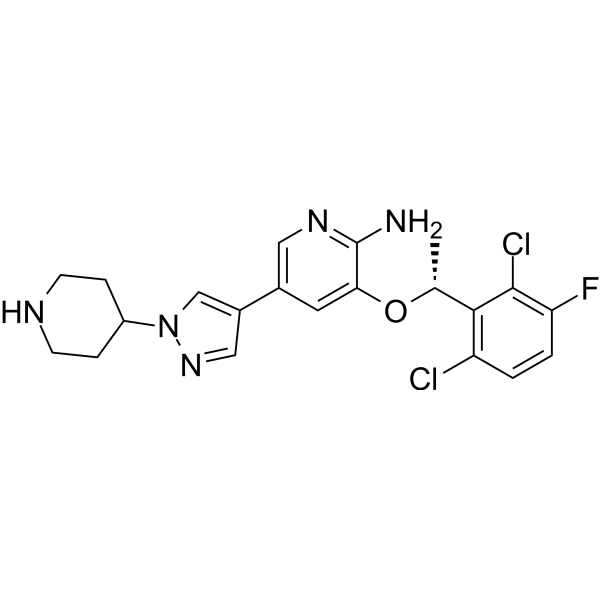
Crizotinib
Maximum Cited Publications
86 Publications Verification
PF-02341066
|
Ligands for Target Protein for PROTAC
Anaplastic lymphoma kinase (ALK)
c-Met/HGFR
ROS Kinase
|
Cancer
|
|
Crizotinib (PF-02341066) is an orally bioavailable, ATP-competitive ALK and c-Met inhibitor with IC50s of 20 and 8 nM, respectively. Crizotinib inhibits tyrosine phosphorylation of NPM-ALK and tyrosine phosphorylation of c-Met with IC50s of 24 and 11 nM in cell-based assays, respectively. Crizotinib is also a ROS1 inhibitor. Crizotinib has effective tumor growth inhibition .
|
-
-
- HY-13404
-
|
INC280; INCB28060
|
c-Met/HGFR
Apoptosis
|
Cancer
|
|
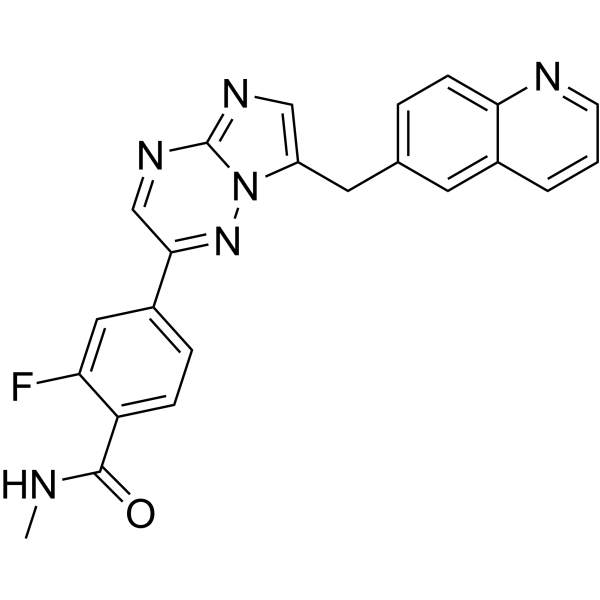
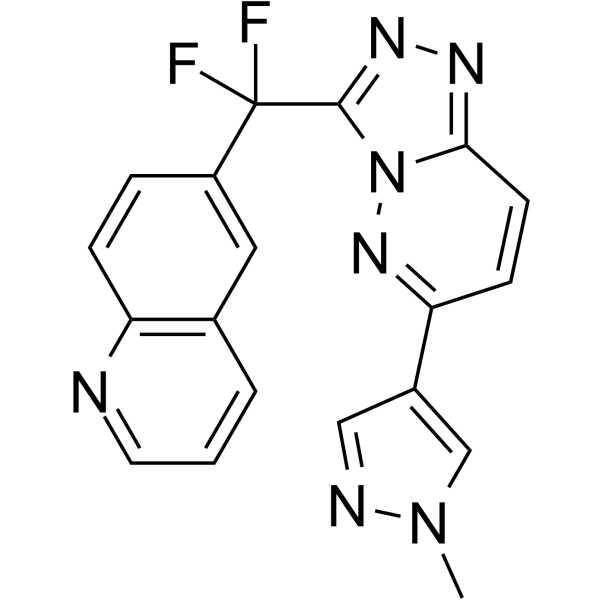
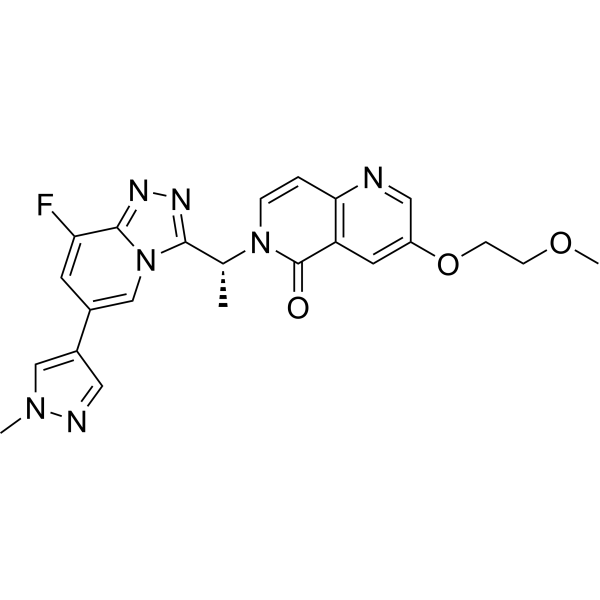
Capmatinib (INC280; INCB28060) is a potent, orally active, selective, and ATP competitive c-Met kinase inhibitor (IC50=0.13 nM). Capmatinib can inhibit phosphorylation of c-MET as well as c-MET pathway downstream effectors such as ERK1/2, AKT, FAK, GAB1, and STAT3/5. Capmatinib potently inhibits c-MET-dependent tumor cell proliferation and migration and effectively induces apoptosis. Antitumor activity. Capmatinib is largely metabolized by CYP3A4 and aldehyde oxidase .
|
-
-
- HY-14721
-
|
EMD-1214063
|
c-Met/HGFR
Autophagy
|
Cancer
|
|
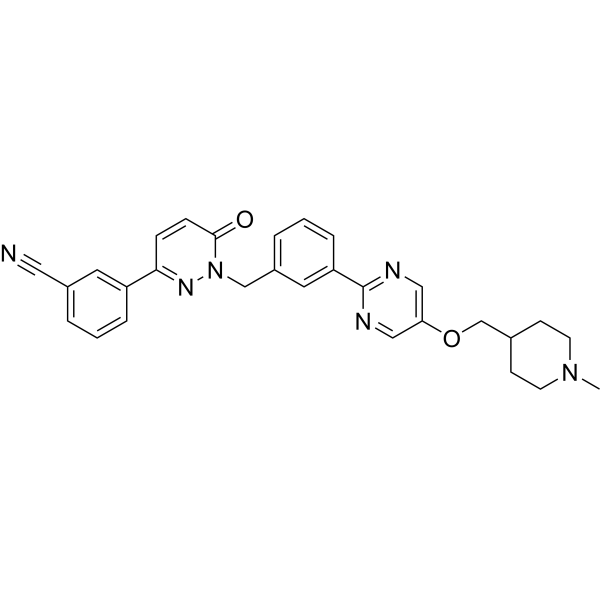
Tepotinib (EMD-1214063) is an orally active and highly selective, reversible, ATP-competitive c-Met inhibitor with an IC50 of 3 nM, >200-fold selective for c-Met than IRAK4, TrkA, Axl, IRAK1, and Mer. Tepotinib inhibits c-Met phosphorylation and induces autophagy. Tepotinib has antitumor effects .
|
-
-
- HY-109061
-
|
YH25448; GNS-1480
|
Apoptosis
Akt
TRP Channel
EGFR
ERK
|
Infection
Neurological Disease
Metabolic Disease
Cancer
|
|
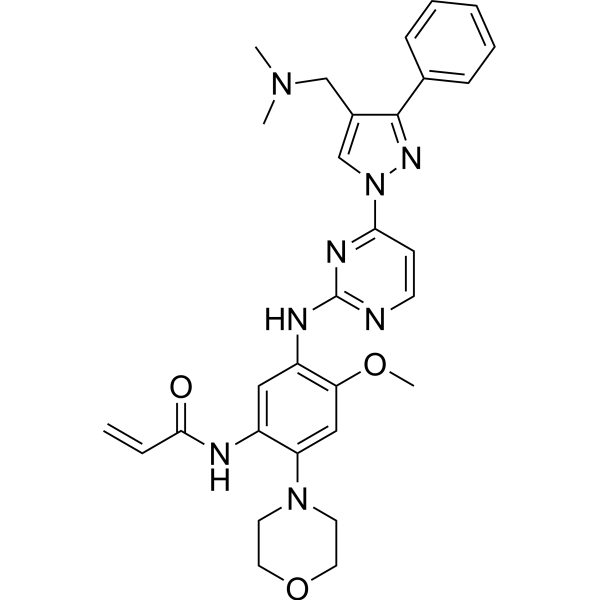
Lazertinib (YH25448; GNS-1480) is an orally active, blood-brain barrier permeable third-generation EGFR tyrosine kinase inhibitor, as well as an ABCB1/ABCG2 inhibitor and a TRPA1 activator. Lazertinib exhibits IC50 values of 0.4 mM and 0.2 mM against human ABCB1 and ABCG2, respectively. By inhibiting mutant EGFR signaling, EGFR phosphorylation and the downstream ERK/AKT pathway, as well as upregulating surface expression of EGFR/MET, Lazertinib induces cell cycle arrest, apoptosis, spontaneous calcium responses, hyperexcitability of dorsal root ganglion (DRG) neurons, and TRPA1-dependent pain-like behaviors. Lazertinib competitively binds to the substrate-binding sites of ABCB1/ABCG2, stimulates their ATPase activity without altering their expression or plasma membrane localization, thereby enhancing ADCC activity, acting as a chemosensitizer, and reversing ABCB1-mediated multidrug resistance. It exerts antitumor activity as a single agent or in combination with other drugs. Lazertinib is applicable to research related to non-small cell lung cancer, multidrug-resistant cancers, and paresthesia .
|
-
-
- HY-P99250
-
|
METMAb
|
c-Met/HGFR
|
Cancer
|
|
Onartuzumab (MetMAb) is a unique, humanized and affinity-matured monovalent (one-armed) monoclonal antibody against the MET receptor. Onartuzumab potently inhibits HGF binding and receptor phosphorylation and signaling. Onartuzumab has antibody-like pharmacokinetics and antitumor activity .
|
-
-
- HY-W015309
-
|
|
Environmental Pollutants
Endogenous Metabolite
iGluR
Glutaminase
c-Met/HGFR
Tyrosinase
|
Neurological Disease
Metabolic Disease
Cancer
|
|
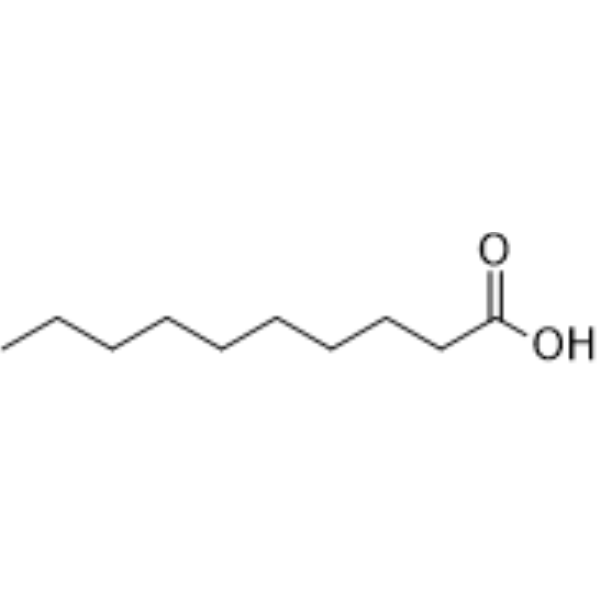
Decanoic acid is a key component of the medium-chain triglyceride (MCT) found in coconut oil. Decanoic acid is a brain-penetrant and non-competitive inhibitor of AMPA receptor showing antiseizure activity in rats. Decanoic acid reduces tyrosinase activity and inhibits melanosome maturation. Decanoic acid suppresses the phosphorylation of c-Met and induced apoptosis in hepatocellular carcinoma (HCC) cells by inhibiting the expression of various oncogenic proteins, which is promising for research in the field of mTORC1 signaling, HCC and epilepsy .
|
-
-
- HY-50878A
-
|
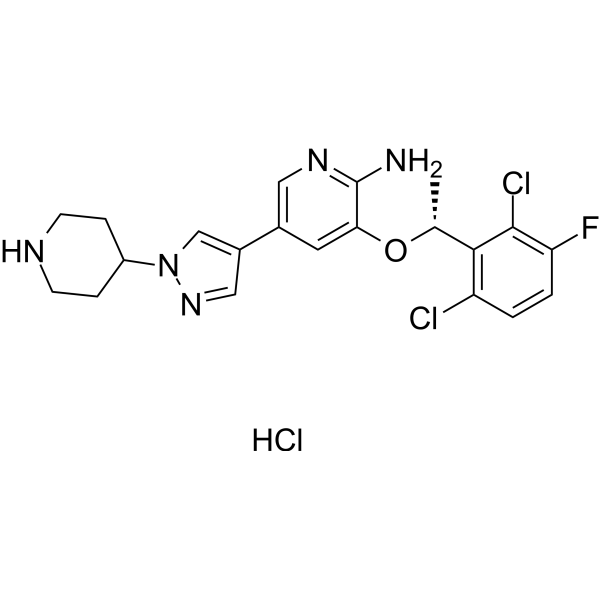
PF-02341066 hydrochloride
|
Anaplastic lymphoma kinase (ALK)
c-Met/HGFR
ROS Kinase
Autophagy
|
Cancer
|
|
Crizotinib hydrochloride (PF-02341066 hydrochloride) is an orally bioavailable, selective, and ATP-competitive dual ALK and c-Met inhibitor with IC50s of 20 and 8 nM, respectively. Crizotinib hydrochloride (PF-02341066 hydrochloride) inhibits tyrosine phosphorylation of NPM-ALK and tyrosine phosphorylation of c-Met with IC50s of 24 and 11 nM in cell-based assays, respectively. It is also a ROS proto-oncogene 1 (ROS1) inhibitor. Crizotinib hydrochloride (PF-02341066 hydrochloride) has effective tumor growth inhibition .
|
-
-
- HY-18696
-
AMG-337
3 Publications Verification
|
c-Met/HGFR
Caspase
Apoptosis
|
Cancer
|
|
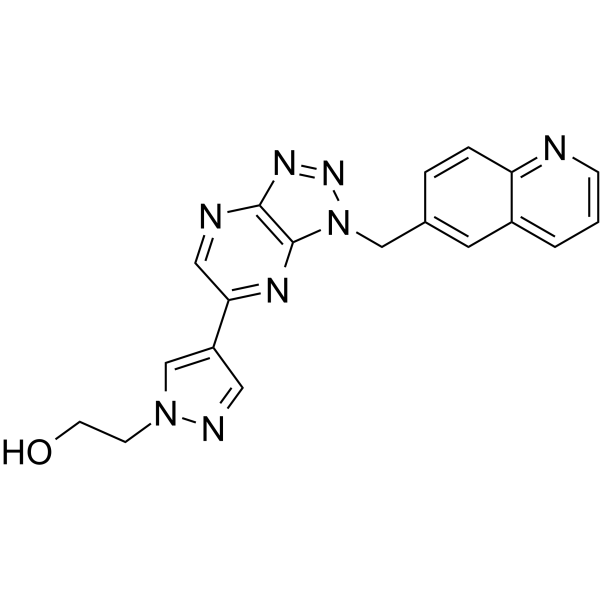
AMG-337 is a potent, orally active, selective MET kinase inhibitor with IC50 values of 1, 1, 4.7, 5, 21.5, 1077 and >4000 nM of WT MET, H1094R MET, M1250T MET, HGF-stimulated pMET (PC3 cells) MET, V1092I MET, Y1230H MET, and D1228H MET, respectively. AMG 337 inhibits the phosphorylation of MET and downstream effectors in MET-amplified cancer cell lines, resulting in an inhibition of MET-dependent cell proliferation and induction of apoptosis .
|
-
-
- HY-50683
-
|
|
c-Met/HGFR
|
Metabolic Disease
Cancer
|
|
JNJ-38877605 is an orally active ATP-competitive inhibitor of c-Met with an IC50 of 4 nM, 600-fold selective for c-Met than 200 other tyrosine and serine-threonine kinases . JNJ-38877605 inhibits c-Met phosphorylation and regulates lipid accumulation. JNJ-38877605 can be used for tumor and metabolic disease reseach .
|
-
-
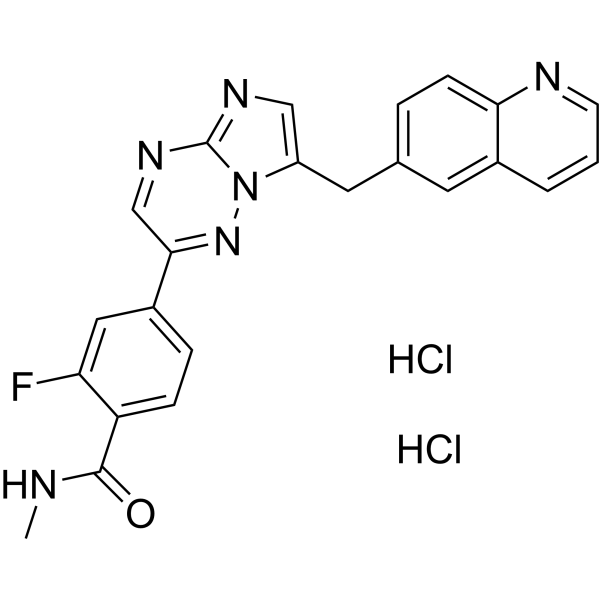
- HY-13404C
-
|
INC280 dihydrochloride hydrate; INCB-28060 dihydrochloride hydrate
|
c-Met/HGFR
Apoptosis
|
Cancer
|
|
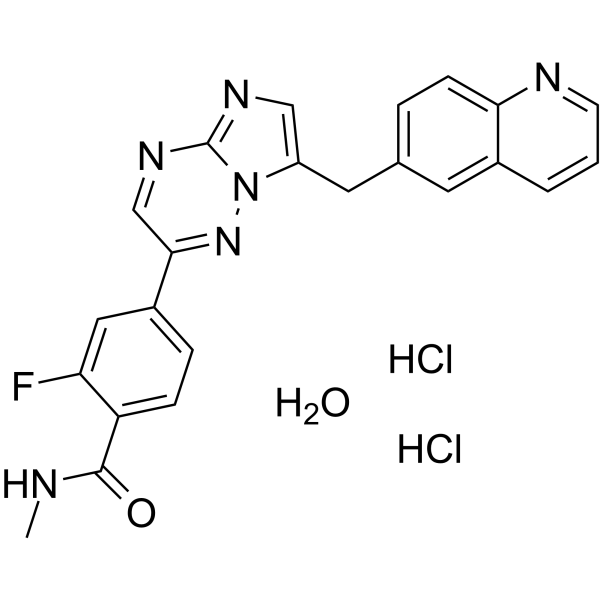
Capmatinib (INC280; INCB28060) dihydrochloride hydrate is a potent, orally active, selective, and ATP competitive c-Met kinase inhibitor (IC50=0.13 nM). Capmatinib dihydrochloride hydrate can inhibit phosphorylation of c-MET as well as c-MET pathway downstream effectors such as ERK1/2, AKT, FAK, GAB1, and STAT3/5. Capmatinib dihydrochloride hydrate potently inhibits c-MET-dependent tumor cell proliferation and migration and effectively induces apoptosis. Antitumor activity. Capmatinib dihydrochloride hydrate is largely metabolized by CYP3A4 and aldehyde oxidase .
|
-
-
- HY-123856
-
|
|
Phosphatase
NF-κB
c-Met/HGFR
Anaplastic lymphoma kinase (ALK)
|
Cardiovascular Disease
Neurological Disease
|
|
MY10 is a potent and orally active receptor protein tyrosine phosphatase (RPTPβ/ζ) inhibitor. MY10 reduces NF-κB p65 expression. MY10 activates tyrosine phosphorylation of c-Met. MY10 prevents the alcohol-induced downregulation of Ptprz1 and Alk expression. MY10 attenuates binge-like ethanol consumption and ethanol reward. MY10 can be used in the study of neurological and vascular diseases .
|
-
-
- HY-109061B
-
|
YH25448 mesylate; GNS-1480 mesylate
|
TRP Channel
EGFR
Akt
ERK
Apoptosis
|
Cancer
|
|
Lazertinib (YH25448; GNS-1480) mesylate is an orally active, blood-brain barrier permeable third-generation EGFR tyrosine kinase inhibitor, as well as an ABCB1/ABCG2 inhibitor and a TRPA1 activator. Lazertinib mesylate exhibits IC50 values of 0.4 mM and 0.2 mM against human ABCB1 and ABCG2, respectively. By inhibiting mutant EGFR signaling, EGFR phosphorylation and the downstream ERK/AKT pathway, as well as upregulating surface expression of EGFR/MET, Lazertinib mesylate induces cell cycle arrest, apoptosis, spontaneous calcium responses, hyperexcitability of dorsal root ganglion (DRG) neurons, and TRPA1-dependent pain-like behaviors. Lazertinib mesylate competitively binds to the substrate-binding sites of ABCB1/ABCG2, stimulates their ATPase activity without altering their expression or plasma membrane localization, thereby enhancing ADCC activity, acting as a chemosensitizer, and reversing ABCB1-mediated multidrug resistance. It exerts antitumor activity as a single agent or in combination with other drugs. Lazertinib mesylate is applicable to research related to non-small cell lung cancer, multidrug-resistant cancers, and paresthesia .
|
-
-
- HY-15735
-
|
|
c-Met/HGFR
|
Cancer
|
|
c-Met inhibitor 1 is an orally active c-Met inhibitor. c-Met inhibitor 1 can inhibit c-Met phosphorylation with an IC50 of 0.010 μM. c-Met inhibitor 1 has antitumor activity and can be used for the research of tumors such as gastric cancer, pancreatic cancer and malignant glioma .
|
-
-
- HY-13404A
-
|
INC280 dihydrochloride; INCB28060 dihydrochloride
|
c-Met/HGFR
Apoptosis
|
Cancer
|
|
Capmatinib (INC280; INCB28060) dihydrochloride is a potent, orally active, selective, and ATP competitive c-Met kinase inhibitor (IC50=0.13 nM). Capmatinib dihydrochloride can inhibit phosphorylation of c-MET as well as c-MET pathway downstream effectors such as ERK1/2, AKT, FAK, GAB1, and STAT3/5. Capmatinib dihydrochloride potently inhibits c-MET-dependent tumor cell proliferation and migration and effectively induces apoptosis. Antitumor activity. Capmatinib dihydrochloride is largely metabolized by CYP3A4 and aldehyde oxidase .
|
-
-
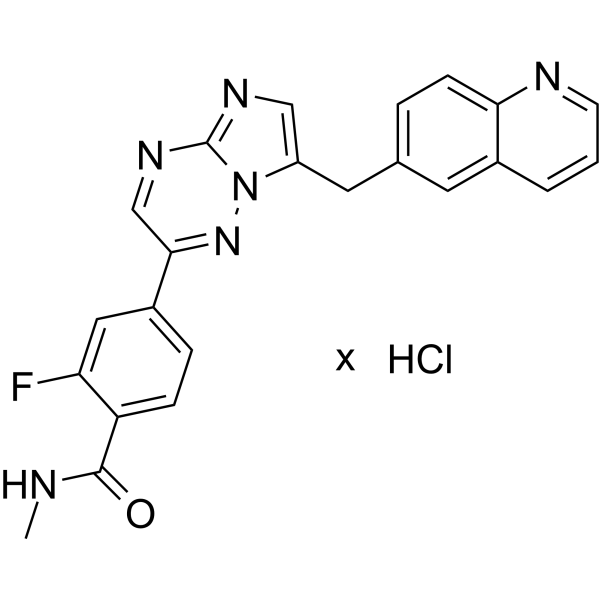
- HY-13404B
-
|
INC280 hydrochloride; INCB-28060 hydrochloride
|
c-Met/HGFR
Apoptosis
|
Cancer
|
|
Capmatinib (INC280; INCB28060) hydrochloride is a potent, orally active, selective, and ATP competitive c-Met kinase inhibitor (IC50=0.13 nM). Capmatinib hydrochloride can inhibit phosphorylation of c-MET as well as c-MET pathway downstream effectors such as ERK1/2, AKT, FAK, GAB1, and STAT3/5. Capmatinib hydrochloride potently inhibits c-MET-dependent tumor cell proliferation and migration and effectively induces apoptosis. Antitumor activity. Capmatinib hydrochloride is largely metabolized by CYP3A4 and aldehyde oxidase .
|
-
-
- HY-147259
-
|
|
c-Met/HGFR
|
Cancer
|
|
Dalmelitinib is an orally active selective c-Met kinase inhibitor (IC50: 2.9 nM) that binds to the ATP-binding region of c-Met. Dalmelitinib induces the phosphorylation of MET, partially or completely inhibits the phosphorylation of AKT and ERK. Dalmelitinib potently inhibits cancer cell (c-Met oncogene amplification) proliferation, and is used for the research of cancers like human non-small cell lung cancer (NSCLC) .
|
-
-
- HY-14721R
-
|
EMD-1214063 (Standard)
|
Reference Standards
c-Met/HGFR
Autophagy
|
Cancer
|
|
Tepotinib (Standard) is the analytical standard of Tepotinib. This product is intended for research and analytical applications. Tepotinib (EMD-1214063) is an orally active and highly selective, reversible, ATP-competitive c-Met inhibitor with an IC50 of 3 nM, >200-fold selective for c-Met than IRAK4, TrkA, Axl, IRAK1, and Mer. Tepotinib inhibits c-Met phosphorylation. Tepotinib has antitumor effects .
|
-
-
- HY-15456
-
|
|
c-Met/HGFR
|
Cancer
|
|
NVP-BVU972 is an selective and potent Met inhibitor, with an IC50 of 14 nM. NVP-BVU972 also exhibits good anti-proliferative activity against Met with drug-resistant mutations and inhibits phosphorylation. NVP-BVU972 can be used in study of cancer .
|
-
-
- HY-50878S
-
|
PF-02341066-d5
|
Anaplastic lymphoma kinase (ALK)
c-Met/HGFR
ROS Kinase
Autophagy
|
Cancer
|
|
Crizotinib-d5 is the deuterium labeled Crizotinib. Crizotinib (PF-02341066) is an orally bioavailable, ATP-competitive ALK and c-Met inhibitor with IC50s of 20 and 8 nM, respectively. Crizotinib inhibits tyrosine phosphorylation of NPM-ALK and tyrosine phosphorylation of c-Met with IC50s of 24 and 11 nM in cell-based assays, respectively. Crizotinib is also a ROS1 inhibitor. Crizotinib has effective tumor growth inhibition .
|
-
-
- HY-W266188
-
|
|
Isotope-Labeled Compounds
iGluR
Tyrosinase
c-Met/HGFR
Glutaminase
|
Neurological Disease
Metabolic Disease
Cancer
|
|
Decanoic acid- 13C is the 13C-labeled Decanoic acid (HY-W015309). Decanoic acid is a key component of the medium-chain triglyceride (MCT) found in coconut oil. Decanoic acid is a brain-penetrant and non-competitive inhibitor of AMPA receptor showing antiseizure activity in rats. Decanoic acid reduces tyrosinase activity and inhibits melanosome maturation. Decanoic acid suppresses the phosphorylation of c-Met and induced apoptosis in hepatocellular carcinoma (HCC) cells by inhibiting the expression of various oncogenic proteins, which is promising for research in the field of mTORC1 signaling, HCC and epilepsy .
|
-
-
- HY-14721A
-
|
EMD-1214063 hydrochloride
|
c-Met/HGFR
Autophagy
|
Cancer
|
|
Tepotinib (EMD-1214063) hydrochloride is an orally active and highly selective, reversible, ATP-competitive c-Met inhibitor with an IC50 of 3 nM, >200-fold selective for c-Met than IRAK4, TrkA, Axl, IRAK1, and Mer. Tepotinib hydrochloride inhibits c-Met phosphorylation and induces autophagy. Tepotinib hydrochloride has antitumor effects .
|
-
-
- HY-149510
-
|
|
c-Met/HGFR
Apoptosis
PDGFR
|
Cancer
|
|
MET/PDGFRA-IN-1 (compound 8c) is a MET and PDGFRA protein inhibitor (IC50: 36 μM for MET). MET/PDGFRA-IN-1 inhibits MET phosphorylation and induces cell apoptosis. MET/PDGFRA-IN-1 inhibits proliferation of MET-positive cells (IC50s: 15.3, 19.0, 22.0, 25.6, 21.0, 31.5 μM for AsPc-1, EBC-1, MKN-45, Mia-Paca-2, HT-29, K562 cells respectively) .
|
-
-
- HY-165284
-
|
|
c-Met/HGFR
Anaplastic lymphoma kinase (ALK)
|
Cancer
|
|
CM-118 is a potent and selective c-Met and ALK inhibitor. CM-118 inhibits the HGF-induced c-Met phosphorylation. CM-118 inhibits phosphorylation of ALK, EML4-ALKv1, ALK F1174L, and EMl4-ALKv1 L1196M, with respective IC50 values 0.92, 1.25, 1.9, and 3.5 μM. CM-118 exhibits anticancer activity against cancers dependent on the c-Met or ALK oncogenic pathways .
|
-
-
- HY-13404R
-
|
INC280 (Standard); INCB28060 (Standard)
|
Reference Standards
c-Met/HGFR
Apoptosis
|
Cancer
|
|
Capmatinib (Standard) is the analytical standard of Capmatinib. This product is intended for research and analytical applications. Capmatinib (INC280; INCB28060) is a potent, orally active, selective, and ATP competitive c-Met kinase inhibitor (IC50=0.13 nM). Capmatinib can inhibit phosphorylation of c-MET as well as c-MET pathway downstream effectors such as ERK1/2, AKT, FAK, GAB1, and STAT3/5. Capmatinib potently inhibits c-MET-dependent tumor cell proliferation and migration and effectively induces apoptosis. Antitumor activity. Capmatinib is largely metabolized by CYP3A4 and aldehyde oxidase .
|
-
-
- HY-50878AS
-
|
PF-02341066-d9 hydrochloride
|
c-Met/HGFR
Autophagy
Anaplastic lymphoma kinase (ALK)
ROS Kinase
Isotope-Labeled Compounds
|
Cancer
|
|
Crizotinib-d9 hydrochloride is deuterated labeled Crizotinib hydrochloride (HY-50878A). Crizotinib hydrochloride (PF-02341066 hydrochloride) is an orally bioavailable, selective, and ATP-competitive dual ALK and c-Met inhibitor with IC50s of 20 and 8 nM, respectively. Crizotinib hydrochloride (PF-02341066 hydrochloride) inhibits tyrosine phosphorylation of NPM-ALK and tyrosine phosphorylation of c-Met with IC50s of 24 and 11 nM in cell-based assays, respectively. It is also a ROS proto-oncogene 1 (ROS1) inhibitor. Crizotinib hydrochloride (PF-02341066 hydrochloride) has effective tumor growth inhibition .
|
-
-
- HY-163006
-
|
|
EGFR
c-Met/HGFR
|
Cancer
|
|
EGFR/c-Met-IN-1 (compound TS-41) is a dual-target inhibitor of EGFR/c-Met. The IC50 for inhibiting EGFR L858R and c-Met is 68.1 nM and 0.26 nM respectively. . EGFR/c-Met-IN-1 induces apoptosis and cell cycle arrest in A549-P cells, downregulating the phosphorylation of EGFR, c-Met, and downstream AKT. EGFR/c-Met-IN-1 inhibits tumor growth in vitro and in vivo .
|
-
-
- HY-150582
-
|
|
c-Met/HGFR
c-Kit
FLT3
Apoptosis
|
Cancer
|
|
c-Met-IN-14 (compound 26af) is a selective inhibitor of c-Met kinase from N-sulfonylamidine-based derivatives, with an IC50 value of 2.89 nM. c-Met-IN-14 shows anticancer activity by blocking phosphorylation of c-Met, and arrests cell cycle at G2/M phase. c-Met-IN-14 induces apoptosis of A549 cells in a dose-dependent manner .
|
-
-
- HY-50878B
-
|
PF-02341066 acetate
|
Anaplastic lymphoma kinase (ALK)
ROS Kinase
c-Met/HGFR
|
Cancer
|
|
Crizotinib (PF-02341066) acetate is an orally bioavailable, ATP-competitive ALK and c-Met inhibitor with IC50s of 20 and 8 nM, respectively. Crizotinib acetate inhibits tyrosine phosphorylation of NPM-ALK and tyrosine phosphorylation of c-Met with IC50s of 24 and 11 nM in cell-based assays, respectively. Crizotinib acetate is also a ROS1 inhibitor. Crizotinib acetate has effective tumor growth inhibition .
|
-
-
- HY-50878R
-
|
PF-02341066 (Standard)
|
Reference Standards
Anaplastic lymphoma kinase (ALK)
c-Met/HGFR
ROS Kinase
Autophagy
|
Cancer
|
|
Crizotinib (Standard) is the analytical standard of Crizotinib. This product is intended for research and analytical applications. Crizotinib (PF-02341066) is an orally bioavailable, ATP-competitive ALK and c-Met inhibitor with IC50s of 20 and 8 nM, respectively. Crizotinib inhibits tyrosine phosphorylation of NPM-ALK and tyrosine phosphorylation of c-Met with IC50s of 24 and 11 nM in cell-based assays, respectively. Crizotinib is also a ROS1 inhibitor. Crizotinib has effective tumor growth inhibition .
|
-
-
- HY-50878S2
-
|
PF-02341066-d9
|
Isotope-Labeled Compounds
|
Cancer
|
|
Crizotinib-d9 (PF-02341066-d9) is deuterium labeled Crizotinib. Crizotinib (PF-02341066) is an orally bioavailable, ATP-competitive ALK and c-Met inhibitor with IC50s of 20 and 8 nM, respectively. Crizotinib inhibits tyrosine phosphorylation of NPM-ALK and tyrosine phosphorylation of c-Met with IC50s of 24 and 11 nM in cell-based assays, respectively. Crizotinib is also a ROS1 inhibitor. Crizotinib has effective tumor growth inhibition .
|
-
-
- HY-50878S1
-
|
PF-02341066-d8
|
Isotope-Labeled Compounds
ROS Kinase
Autophagy
c-Met/HGFR
Anaplastic lymphoma kinase (ALK)
|
Cancer
|
|
Crizotinib-d8 (PF-02341066-d8) is deuterium labeled Crizotinib. Crizotinib (PF-02341066) is an orally bioavailable, ATP-competitive ALK and c-Met inhibitor with IC50s of 20 and 8 nM, respectively. Crizotinib inhibits tyrosine phosphorylation of NPM-ALK and tyrosine phosphorylation of c-Met with IC50s of 24 and 11 nM in cell-based assays, respectively. Crizotinib is also a ROS1 inhibitor. Crizotinib has effective tumor growth inhibition .
|
-
-
- HY-13404CR
-
|
INC280 dihydrochloride hydrate (Standard); INCB-28060 dihydrochloride hydrate (Standard)
|
c-Met/HGFR
Apoptosis
Reference Standards
|
Cancer
|
|
Capmatinib (dihydrochloride hydrate) (Standard) is the analytical standard of Capmatinib (dihydrochloride hydrate). This product is intended for research and analytical applications. Capmatinib (INC280; INCB28060) dihydrochloride hydrate is a potent, orally active, selective, and ATP competitive c-Met kinase inhibitor (IC50=0.13 nM). Capmatinib dihydrochloride hydrate can inhibit phosphorylation of c-MET as well as c-MET pathway downstream effectors such as ERK1/2, AKT, FAK, GAB1, and STAT3/5. Capmatinib dihydrochloride hydrate potently inhibits c-MET-dependent tumor cell proliferation and migration and effectively induces apoptosis. Antitumor activity. Capmatinib dihydrochloride hydrate is largely metabolized by CYP3A4 and aldehyde oxidase .
|
-
-
- HY-W015309R
-
|
|
Reference Standards
iGluR
Tyrosinase
c-Met/HGFR
Glutaminase
|
Neurological Disease
Metabolic Disease
Cancer
|
|
Decanoic acid (Standard) is the analytical standard of Decanoic acid. This product is intended for research and analytical applications. Decanoic acid is a key component of the medium-chain triglyceride (MCT) found in coconut oil. Decanoic acid is a brain-penetrant and non-competitive inhibitor of AMPA receptor showing antiseizure activity in rats. Decanoic acid reduces tyrosinase activity and inhibits melanosome maturation. Decanoic acid suppresses the phosphorylation of c-Met and induced apoptosis in hepatocellular carcinoma (HCC) cells by inhibiting the expression of various oncogenic proteins, which is promising for research in the field of mTORC1 signaling, HCC and epilepsy .
|
-
-
- HY-123597
-
|
DDUG; NCI C04808
|
Autophagy
Checkpoint Kinase (Chk)
|
Cancer
|
|
NSC 109555 is an ATP-competitive inhibitor of checkpoint kinase 2 (Chk2; IC50=200 nM in a cell-free kinase assay). It is selective for Chk2 over Chk1 and 16 kinases in a panel but does inhibit Brk, c-Met, IGFR, and LCK with IC50 values of 210, 6,000, 7,400, and 7,100 nM, respectively. NSC 109555 inhibits Chk2 autophosphorylation and phosphorylation of the Chk2 substrate histone H1 in vitro (IC50=240 nM). It inhibits the growth of, and induces autophagy in, L1210 leukemia cells in vitro.2 NSC 109555 (1,250 nM) potentiates gemcitabine-induced cytotoxicity in MIA PaCa-2, CFPAC-1, PANC-1, and BxPC-3 pancreatic cancer cells, as well as reduces gemcitabine-induced increases in Chk2 phosphorylation and enhances gemcitabine-induced production of reactive oxygen species (ROS) in MIA PaCa-2 cells.
|
-
-
- HY-181993
-
|
|
JNK
Cadherin
Collagen
PAI-1
|
Endocrinology
|
|
JNK3-IN-11 is a selective JNK3 inhibitor with an IC50 of 2.08 nM. JNK3-IN-11 binds to the JNK3 ATP-binding pocket, forming conserved hydrogen bonds with Met149 and a water-mediated hydrogen bond with Lys93. JNK3-IN-11 suppresses TGF-β1-induced c-Jun phosphorylation, reduces profibrotic markers COL1A1 and PAI-1, restores E-cadherin expression, and has protection against podocyte injure. JNK3-IN-11 can be used for the research of chronic kidney disease .
|
-
-
- HY-183749
-
|
|
c-Met/HGFR
Apoptosis
|
Cancer
|
|
c-Met-IN-29 is an orally active c-Met inhibitor with an IC50 of 1.6 nM. c-Met-IN-29 binds to and functionally modulates c-Met protein, inhibiting tumor cell proliferation, migration and apoptosis. c-Met-IN-29 exhibits anti-tumor activity both in vitro and in vivo. c-Met-IN-29 can be used for the research of non-small cell lung cancer .
|
-
-
- HY-109061A
-
|
YH25448 mesylate hydrate; GNS-1480 mesylate hydrate
|
Apoptosis
Akt
TRP Channel
EGFR
ERK
|
Cancer
|
|
Lazertinib (YH25448; GNS-1480) mesylate hydrate is an orally active, blood-brain barrier permeable third-generation EGFR tyrosine kinase inhibitor, as well as an ABCB1/ABCG2 inhibitor and a TRPA1 activator. Lazertinib mesylate hydrate exhibits IC50 values of 0.4 mM and 0.2 mM against human ABCB1 and ABCG2, respectively. By inhibiting mutant EGFR signaling, EGFR phosphorylation and the downstream ERK/AKT pathway, as well as upregulating surface expression of EGFR/MET, Lazertinib mesylate hydrate induces cell cycle arrest, apoptosis, spontaneous calcium responses, hyperexcitability of dorsal root ganglion (DRG) neurons, and TRPA1-dependent pain-like behaviors. Lazertinib mesylate hydrate competitively binds to the substrate-binding sites of ABCB1/ABCG2, stimulates their ATPase activity without altering their expression or plasma membrane localization, thereby enhancing ADCC activity, acting as a chemosensitizer, and reversing ABCB1-mediated multidrug resistance. It exerts antitumor activity as a single agent or in combination with other drugs. Lazertinib mesylate hydrate is applicable to research related to non-small cell lung cancer, multidrug-resistant cancers, and paresthesia .
|
-
| Cat. No. |
Product Name |
Target |
Research Area |
Image |
-
- HY-P99250
-
|
METMAb
|
c-Met/HGFR
|
Cancer
|
|
Onartuzumab (MetMAb) is a unique, humanized and affinity-matured monovalent (one-armed) monoclonal antibody against the MET receptor. Onartuzumab potently inhibits HGF binding and receptor phosphorylation and signaling. Onartuzumab has antibody-like pharmacokinetics and antitumor activity .
|
-
(5)
| Cat. No. |
Product Name |
Category |
Target |
Chemical Structure |
| Cat. No. |
Product Name |
Chemical Structure |
-
- HY-50878S
-
|
|
|
Crizotinib-d5 is the deuterium labeled Crizotinib. Crizotinib (PF-02341066) is an orally bioavailable, ATP-competitive ALK and c-Met inhibitor with IC50s of 20 and 8 nM, respectively. Crizotinib inhibits tyrosine phosphorylation of NPM-ALK and tyrosine phosphorylation of c-Met with IC50s of 24 and 11 nM in cell-based assays, respectively. Crizotinib is also a ROS1 inhibitor. Crizotinib has effective tumor growth inhibition .
|
-
-
- HY-W266188
-
|
|
|
Decanoic acid- 13C is the 13C-labeled Decanoic acid (HY-W015309). Decanoic acid is a key component of the medium-chain triglyceride (MCT) found in coconut oil. Decanoic acid is a brain-penetrant and non-competitive inhibitor of AMPA receptor showing antiseizure activity in rats. Decanoic acid reduces tyrosinase activity and inhibits melanosome maturation. Decanoic acid suppresses the phosphorylation of c-Met and induced apoptosis in hepatocellular carcinoma (HCC) cells by inhibiting the expression of various oncogenic proteins, which is promising for research in the field of mTORC1 signaling, HCC and epilepsy .
|
-
-
- HY-50878AS
-
|
|
|
Crizotinib-d9 hydrochloride is deuterated labeled Crizotinib hydrochloride (HY-50878A). Crizotinib hydrochloride (PF-02341066 hydrochloride) is an orally bioavailable, selective, and ATP-competitive dual ALK and c-Met inhibitor with IC50s of 20 and 8 nM, respectively. Crizotinib hydrochloride (PF-02341066 hydrochloride) inhibits tyrosine phosphorylation of NPM-ALK and tyrosine phosphorylation of c-Met with IC50s of 24 and 11 nM in cell-based assays, respectively. It is also a ROS proto-oncogene 1 (ROS1) inhibitor. Crizotinib hydrochloride (PF-02341066 hydrochloride) has effective tumor growth inhibition .
|
-
-
- HY-50878S2
-
|
|
|
Crizotinib-d9 (PF-02341066-d9) is deuterium labeled Crizotinib. Crizotinib (PF-02341066) is an orally bioavailable, ATP-competitive ALK and c-Met inhibitor with IC50s of 20 and 8 nM, respectively. Crizotinib inhibits tyrosine phosphorylation of NPM-ALK and tyrosine phosphorylation of c-Met with IC50s of 24 and 11 nM in cell-based assays, respectively. Crizotinib is also a ROS1 inhibitor. Crizotinib has effective tumor growth inhibition .
|
-
-
- HY-50878S1
-
|
|
|
Crizotinib-d8 (PF-02341066-d8) is deuterium labeled Crizotinib. Crizotinib (PF-02341066) is an orally bioavailable, ATP-competitive ALK and c-Met inhibitor with IC50s of 20 and 8 nM, respectively. Crizotinib inhibits tyrosine phosphorylation of NPM-ALK and tyrosine phosphorylation of c-Met with IC50s of 24 and 11 nM in cell-based assays, respectively. Crizotinib is also a ROS1 inhibitor. Crizotinib has effective tumor growth inhibition .
|
-
Your information is safe with us. * Required Fields.
Inquiry Information
- Product Name:
- Cat. No.:
- Quantity:
- MCE Japan Authorized Agent:

