1. Search Result
Search Result
Results for "

NASH

" in MedChemExpress (MCE) Product Catalog:

185

Inhibitors & Agonists

1

Screening Libraries

11

Peptides

3

Inhibitory Antibodies

10

Natural
Products

8

Isotope-Labeled Compounds

2

Antibodies

2

Oligonucleotides

Cat. No. Product Name Target Research Areas Chemical Structure
  • HY-109083
    Cilofexor
    5+ Cited Publications

    GS-9674

    FXR Autophagy Inflammation/Immunology
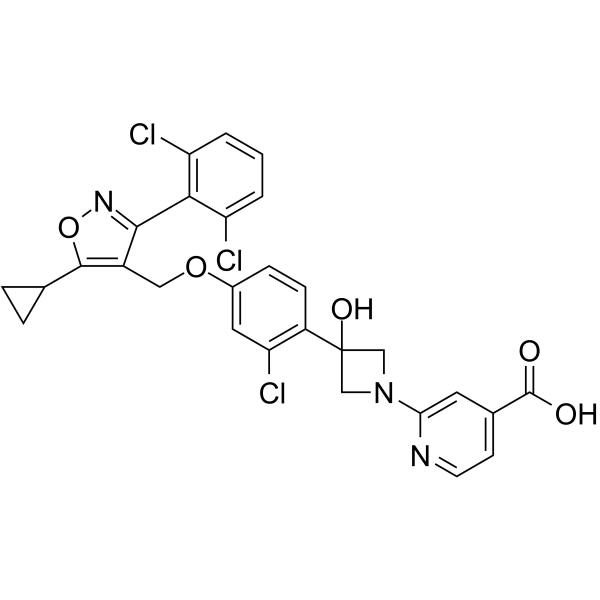
    Cilofexor (GS-9674) is a potent, selective and orally active nonsteroidal FXR agonist with an EC50 of 43 nM. Cilofexor has anti-inflammatory and antifibrotic effects. Cilofexor has the potential for primary sclerosing cholangitis (PSC) and nonalcoholic steatohepatitis (NASH) research .
    Cilofexor
  • HY-116374
    Glycolithocholic acid
    2 Publications Verification

    Lithocholylglycine

    Endogenous Metabolite Inflammation/Immunology
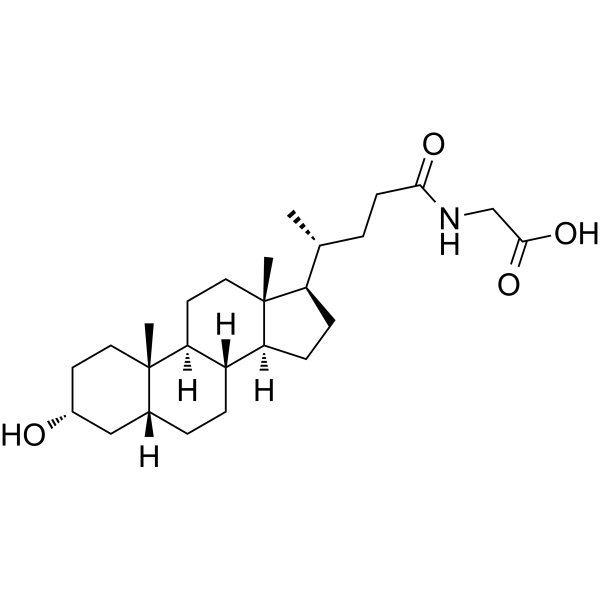
    Glycolithocholic acid (Lithocholylglycine), an endogenous metabolite, is a glycine-conjugated secondary bile acid. Glycolithocholic acid can be used to diagnose ulcerative colitis (UC), non-alcoholic steatohepatitis (NASH) and primary sclerosing cholangitis (PSC) .
    Glycolithocholic acid
  • HY-P3463
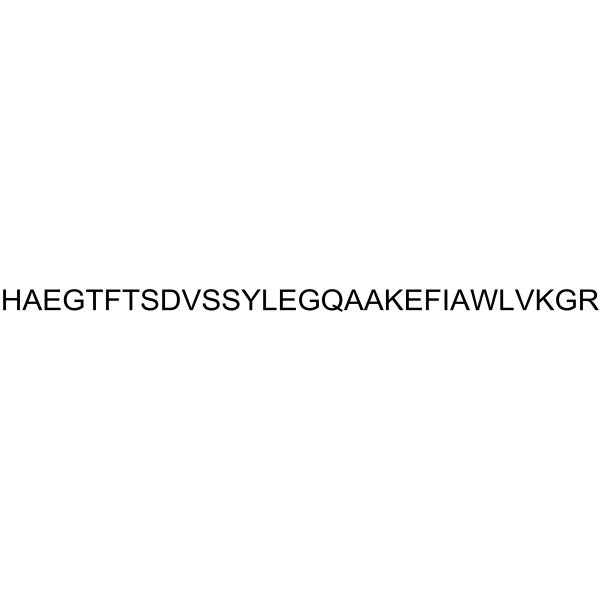
    Beinaglutide
    1 Publications Verification

    GLP-1 (human)

    GCGR Metabolic Disease Inflammation/Immunology
    Beinaglutide is a human GLP-1 polypeptide that shares almost 100% homology with human GLP-1 (7–36). Beinaglutide displays does-dependent effects in glycemic control, inhibiting food intake and gastric empty and promoting weight loss. Beinaglutide has the potential for the research of overweight/obesity and nonalcoholic steatohepatitis (NASH) .
    Beinaglutide
  • HY-145632

    ALT-801

    GLP Receptor GCGR Metabolic Disease
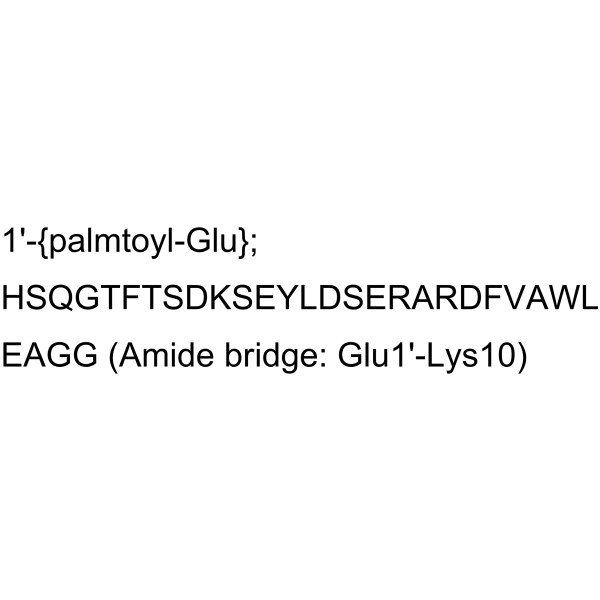
    Pemvidutide (ALT-801) is a GLP-1R/GCGR dual agonist, shows striking reductions in body weight, liver fat and serum lipids. Pemvidutide can be used in non-alcoholic steatohepatitis (NASH) and obesity research .
    Pemvidutide
  • HY-147246
    Berberine ursodeoxycholate
    1 Publications Verification

    HTD1801; BUDCA

    Biochemical Assay Reagents Metabolic Disease
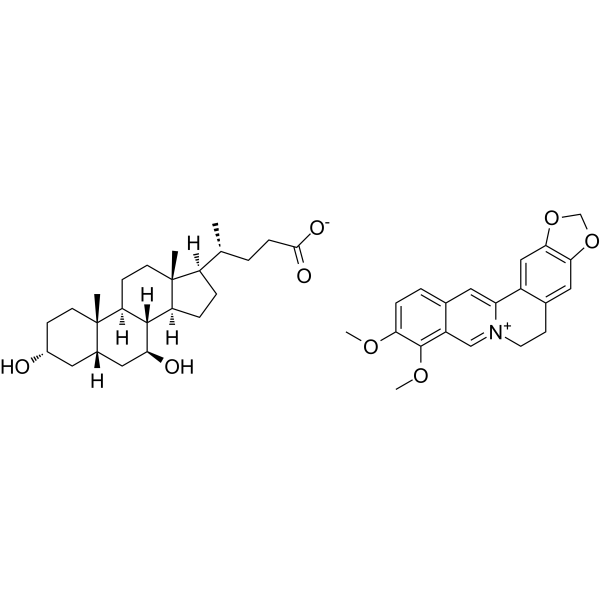
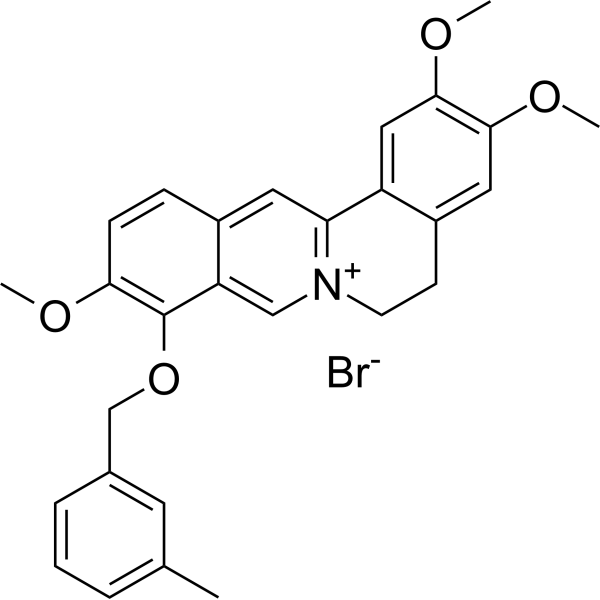
    Berberine ursodeoxycholate (HTD1801), an ionic salt of Berberine and Ursodeoxycholic acid, is an orally active and potent hypolipidemic agent. Berberine ursodeoxycholate shows significantly great reduction in liver fat content. Berberine ursodeoxycholate has a broad spectrum of metabolic activity. Berberine ursodeoxycholate can be used for the research of hyperlipidemia, non-alcoholic steatohepatitis (NASH) and diabetes .
    Berberine ursodeoxycholate
  • HY-148814
    BI-3231
    2 Publications Verification

    17β-HSD Metabolic Disease
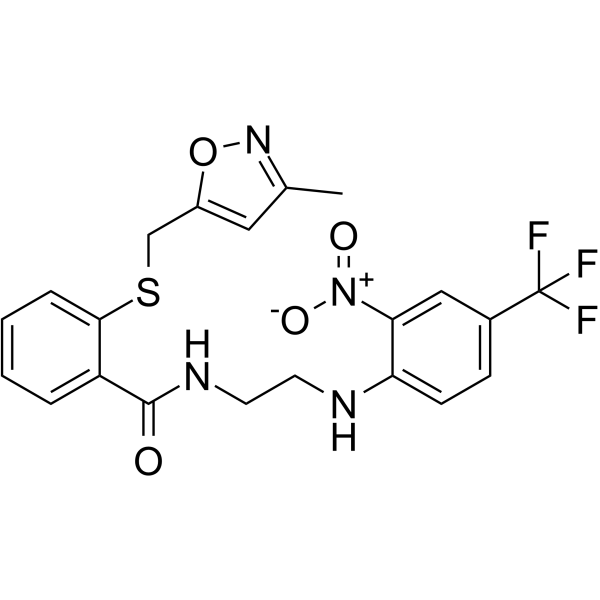
    BI 3231, a chemical probe, is a potent and selective hydroxysteroid 17β-dehydrogenase 13 (HSD17B13) inhibitor, with IC50s of 1 and 13 nM for hHSD17B13 and mHSD17B13, respectively. BI 3231 has the potential for the research of nonalcoholic steatohepatitis (NASH) and other liver diseases .
    BI-3231
  • HY-P99697

    PRO 140

    CCR HIV Infection Cancer
    Leronlimab (PRO 140) is a humanized IgG4 anti-CCR5 monoclonal antibody. Leronlimab inhibits CCR5-mediated HIV-1 viral and lung metastasis in mouse tumor models. Leronlimab can be used for the research of HIV nonalcoholic steatohepatitis (NASH) and cancer .
    Leronlimab
  • HY-W018587

    Mitochondrial Metabolism Cytochrome P450 TNF Receptor Interleukin Related HSP LDLR Eukaryotic Initiation Factor (eIF) ClpP Metabolic Disease Inflammation/Immunology
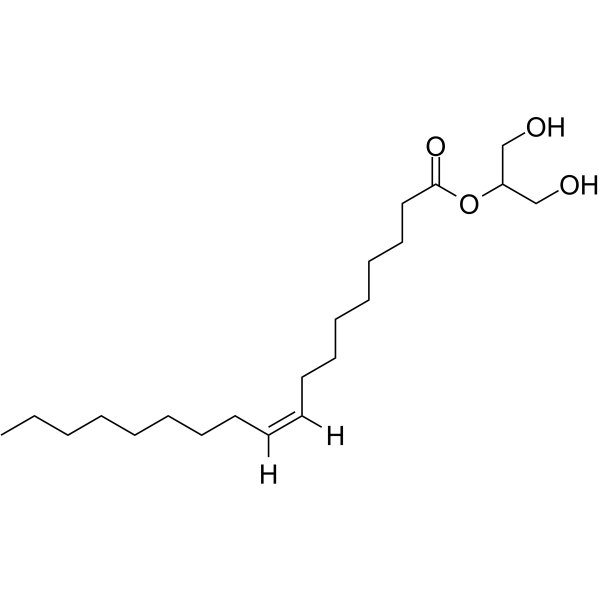
    TBPH is a brominated flame retardant. TBPH enhances hepatic steatosis, inflammation, and fibrosis in mice with nonalcoholic steatohepatitis (NASH). TBPH induces dysregulation of phospholipid metabolism, reducing cardiolipin (CL) and phosphatidylserine (PS) levels. TBPH leads to impaired endoplasmic reticulum-mitochondria (ER-Mito) contacts, subsequently causing mitochondrial dysfunction. TBPH induces lung injury through an inflammatory response mediated by mitochondria-derived ds-DNA. TBPH can be used to study the role of MFN2-mediated ER-mitochondria contacts in lipid metabolism homeostasis .
    TBPH
  • HY-108022
    Azemiglitazone
    1 Publications Verification

    MSDC-0602

    Mitochondrial Metabolism PPAR Neurological Disease Metabolic Disease Inflammation/Immunology
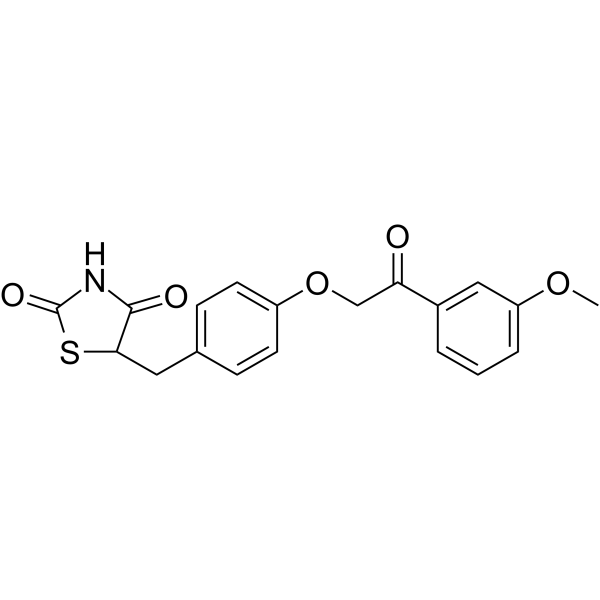
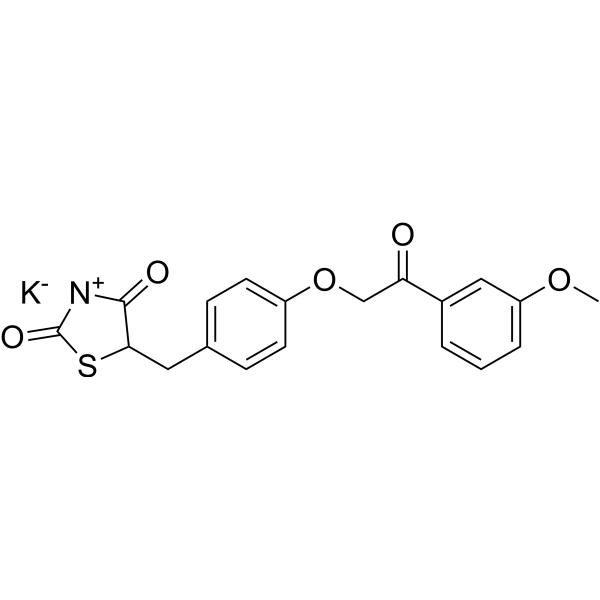
    Azemiglitazone (MSDC-0602) is an orally active thiazolidinedione (TZD) -like molecule, which binds to PPARγ with low binding and activating affinity. Azemiglitazone inhibits mitochondrial pyruvate carrier (MPC), which inhibits Alzheimer’s disease and diminishes nonalcoholic steatohepatitis (NASH) caused liver injury .
    Azemiglitazone
  • HY-P99143

    Neurokinin Receptor NF-κB STAT Inflammation/Immunology
    Anti-Mouse NK1.1 Antibody (PK136) is an anti-mouse NK1.1 IgG2a monoclonal antibody. Anti-Mouse NK1.1 Antibody (PK136) can deplete natural killer (NK) cells. Anti-Mouse NK1.1 Antibody (PK136) inhibits the JAK-STAT and NF-κB signaling pathways. Anti-Mouse NK1.1 Antibody (PK136) can be used for research on inflammation conditions such as non-alcoholic steatohepatitis (NASH) .
    Anti-Mouse NK1.1 Antibody (PK136)
  • HY-119039
    RU-301
    1 Publications Verification

    TAM Receptor Inflammation/Immunology Cancer
    RU-301 is a pan TAM inhibitor that blocks Gas6-induced TAM activation and tumorigenicity. RU-301 significantly reduces nonalcoholic steatohepatitis (NASH) fibrosis, along with attenuates ERK activation and TGFβ1 expression. RU-301 can be used in studies of cancer and nonalcoholic steatohepatitis .
    RU-301
  • HY-111237

    Olomoucin

    CDK NF-κB PERK Bcl-2 Family Reactive Oxygen Species (ROS) Apoptosis Metabolic Disease Inflammation/Immunology Cancer
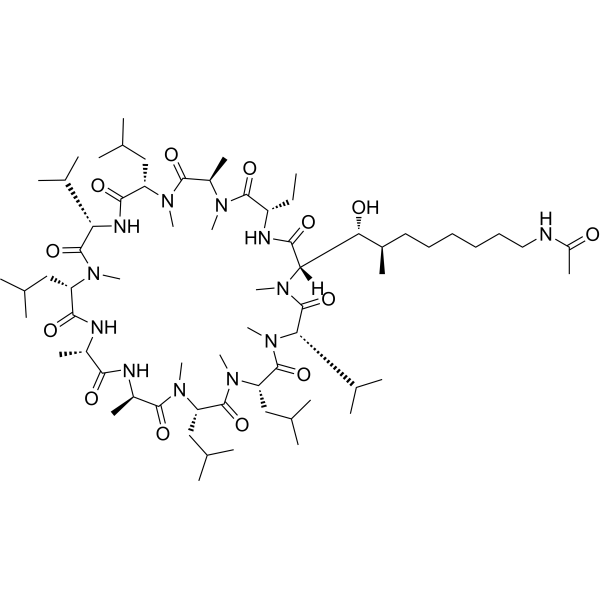
    Butyrolactone I is an orally active and ATP-competitive inhibitor of CDK1. Butyrolactone I inhibits NF-κB, cdc2 kinase, Bax, ROS production, modulates the PERK/CHOP. Butyrolactone I mitigates heat-stress-induced Apoptosis. Butyrolactone I shows anti-inflammatory and intestinal protective activity. Butyrolactone I has antitumor effects against non-small cell lung, small cell lung, prostate cancer and leukemia. Butyrolactone I can be used in NASH research .
    Butyrolactone I
  • HY-158127
    FABP1-IN-1
    1 Publications Verification

    FABP Metabolic Disease Inflammation/Immunology
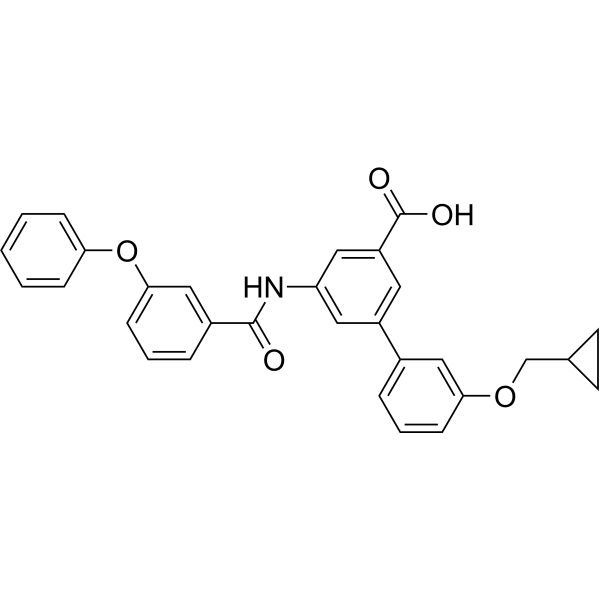
    FABP1-IN-1 (44) is a selective FABP1 inhibitor, with an IC50 of 4.46 μM. FABP1-IN-1 (44) can be used for the research of NASH .
    FABP1-IN-1
  • HY-151481

    FXR Metabolic Disease
    FXR antagonist 1 (compound F6) is an orally active and selective intestinal FXR antagonist (IC50=2.1 μM). FXR antagonist 1 selectively inhibits intestinal FXR signalling through antagonism of intestinal FXR and feedback activation of hepatic FXR to improve hepatic steatosis, inflammation and fibrosis in NASH (nonalcoholic steatohepatitis) models. FXR antagonist 1 can be used in NASH studies .
    FXR antagonist 1
  • HY-116374A
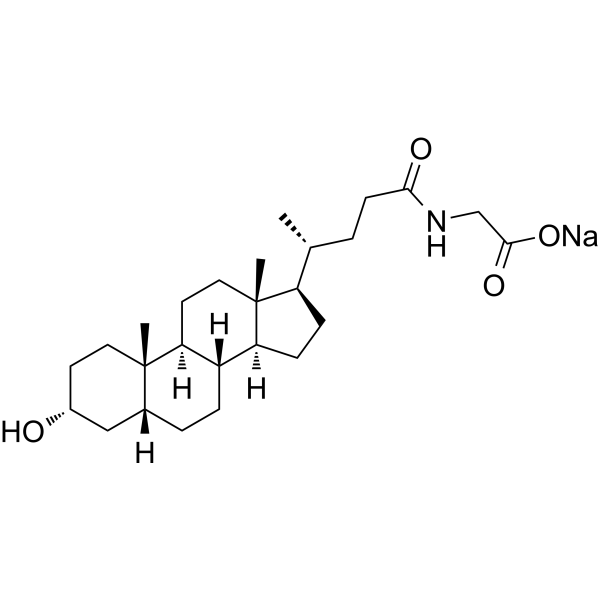
    Glycolithocholic acid sodium
    2 Publications Verification

    Lithocholylglycine sodium

    Endogenous Metabolite Metabolic Disease
    Glycolithocholic acid (Lithocholylglycine) sodium is the sodium salt of Glycolithocholic acid. Glycolithocholic acid is a glycine-conjugated secondary bile acid. Glycolithocholic acid can be used to diagnose ulcerative colitis (UC), non-alcoholic steatohepatitis (NASH) and primary sclerosing cholangitis (PSC) .
    Glycolithocholic acid sodium
  • HY-128421

    Brassylic Acid

    Endogenous Metabolite Parasite Infection Metabolic Disease
    Tridecanedioic acid is an endogenous metabolite. Tridecanedioic acid is an endogenous metabolite. Tridecanedioic acid is related to the metabolic regulation of non-alcoholic fatty liver disease (NASH) and may be an important node molecule in the intestinal microbiota-host metabolism interaction network. Tridecanedioic acid is significantly accumulated in tolerant cabbage-type rapeseed varieties and has a lower content in sensitive varieties. It plays an important role in the defense response against the infection of the small cabbage moth (Plutella xylostella). Tridecanedioic acid can be used as a biomarker for plant insect resistance or a diagnostic marker for metabolic diseases .
    Tridecanedioic acid
  • HY-149987

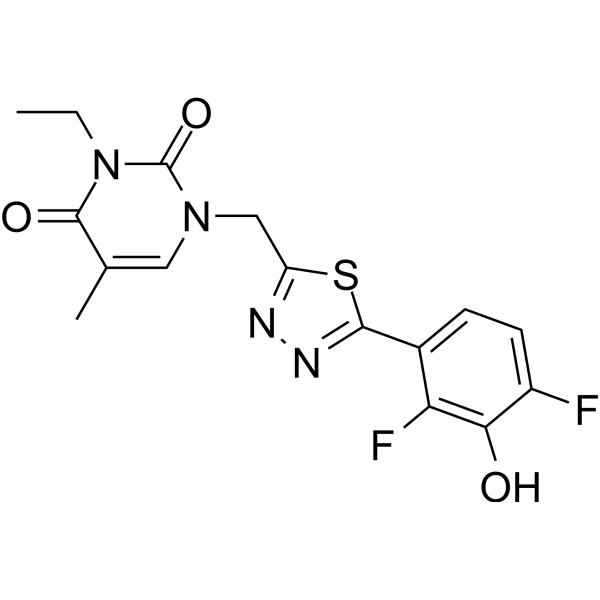
    KHK-IN-3

    Ketohexokinase Cardiovascular Disease Metabolic Disease Inflammation/Immunology
    KHK-IN-3 (Example 1) is a ketohexokinase (KHK) inhibitor. KHK-IN-3 can be used in the study of kidney disease, nonalcoholic steatohepatitis (NASH), diabetes and heart failure. KHK is a rate-limiting enzyme and fructokinase involved in fructose metabolism. KHK catalyzes the phosphorylation of fructose to fructose-1-phosphate (FIP) at the expense of ATP. The lack of feedback inhibition of fructose metabolism triggers the accumulation of downstream intermediates such as lipogenesis, gluconeogenesis, and oxidative phosphorylation .
    LY3522348
  • HY-163649

    AMPK Metabolic Disease
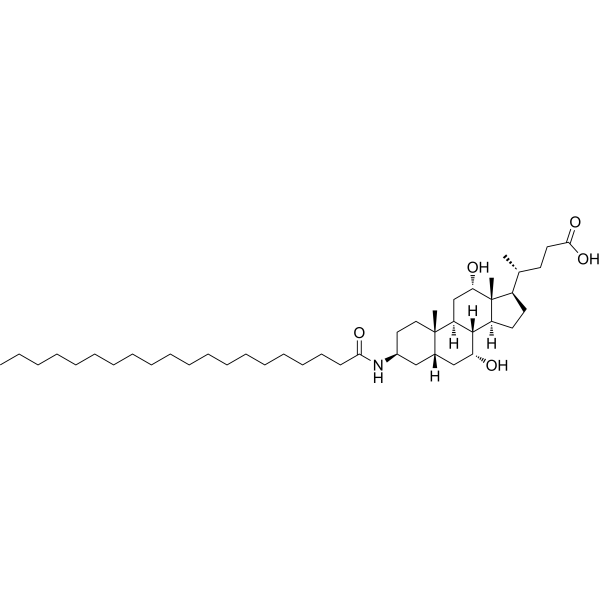
    A17 is a bile acid analog with anti-non-alcoholic steatohepatitis (NASH) and anti-inflammatory activities. A17 reduces fatty acid (FA) uptake and promotes FA oxidation though inhibiting fatty acid translocase (Cd36) expression and activating AMPKα. A17 can be used for NASH research .
    A17
  • HY-169792

    FXR Aminotransferases (Transaminases) Metabolic Disease Inflammation/Immunology
    HPG1860 is an orally active, highly selective and potent FXR agonist, with an EC50 of 18 nM (FXR-luciferase reporter assay). HPG1860 has EC50 values >30.0 μM for TGR5 and 13 other related nuclear receptors (cAMP biological assay). HPG1860 can be used for the research of non-alcoholic steatohepatitis (NASH) .
    HPG1860
  • HY-145632A

    ALT-801 TFA

    GLP Receptor GCGR Metabolic Disease
    Pemvidutide (ALT-801) TFA is a GLP-1R/GCGR dual agonist, shows striking reductions in body weight, liver fat and serum lipids. Pemvidutide TFA can be used in non-alcoholic steatohepatitis (NASH) and obesity research .
    Pemvidutide TFA
  • HY-163071

    FXR Metabolic Disease
    V023-9340 is a potent FXR inhibitor with IC50 of 4.27 μM that can be used in NASH (nonalcoholic steatohepatitis) research .
    V023-9340
  • HY-177128

    NOD-like Receptor (NLR) Cardiovascular Disease Neurological Disease Inflammation/Immunology
    Sebrinoflast (Compound 5) is a NLRP3 inhibitor with an IC50 ≤1  μM for hNLRP3. Sebrinoflast can be used for inflammatory and cardiovascular diseases including NASH and atherosclerosis and neurological diseases like Alzheimer's disease research .
    Sebrinoflast
  • HY-164799

    FXR Inflammation/Immunology
    FXR agonist 12 (Compound C7) is the orally active agonist for FXR. FXR agonist 12 down-regulates bile acid synthesis-related genes, and up-regulates bile acid transport-related genes in HepG2 cells. FXR agonist 12 improves ANIT-induced cholestasis, ameliorates the liver damage and fibrosis in mouse NASH models .
    FXR agonist 12
  • HY-116374R

    Lithocholylglycine (Standard)

    Endogenous Metabolite Reference Standards Inflammation/Immunology
    Glycolithocholic acid (Standard) is the analytical standard of Glycolithocholic acid. This product is intended for research and analytical applications. Glycolithocholic acid (Lithocholylglycine), an endogenous metabolite, is a glycine-conjugated secondary bile acid. Glycolithocholic acid can be used to diagnose ulcerative colitis (UC), non-alcoholic steatohepatitis (NASH) and primary sclerosing cholangitis (PSC) .
    Glycolithocholic acid (Standard)
  • HY-P11042

    GLP Receptor Metabolic Disease
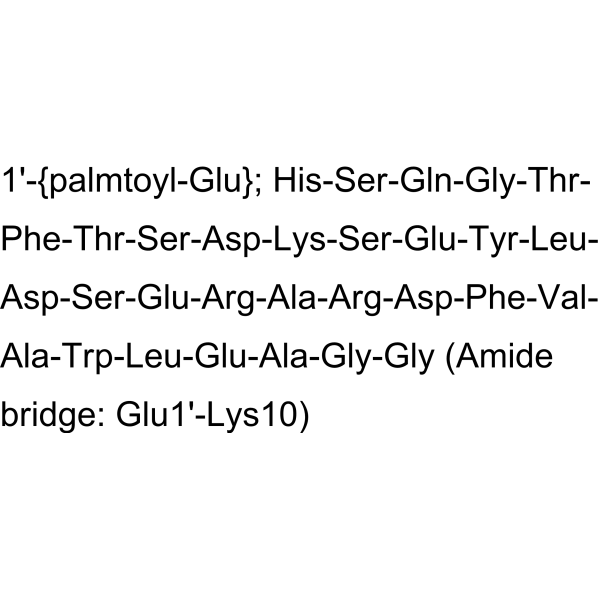
    TE-8105 is a GLP-1 receptor agonist that has demonstrated prolonged and potent efficacy in models of diabetes, obesity, and non-alcoholic steatohepatitis (NASH) .
    TE-8105
  • HY-16521

    Caspase Inflammation/Immunology
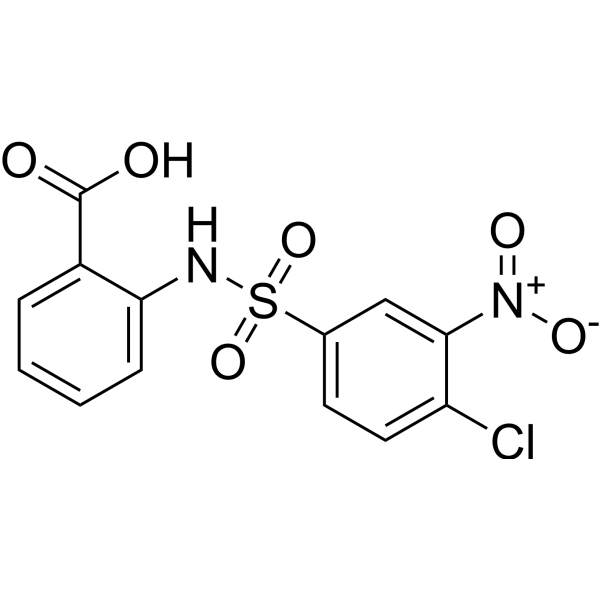
    VX-166, a pan caspase inhibitor, can be used for the research of Non- Alcoholic Fatty Liver Disease (NAFLD), nonalcoholic steatohepatitis (NASH), alcoholic steatohepatitis (ASH), and other diseases involving fibrosis, steatosis, or inflammation of the liver .
    VX-166
  • HY-173565

    Acetyl-CoA Carboxylase Inflammation/Immunology
    ACC-IN-1 (Compound B1) is an allosteric inhibitor of acetyl-CoA carboxylase (ACC). ACC-IN-1 targets ACC to regulate lipid metabolism, which can improve liver steatosis, inflammation related to non-alcoholic steatohepatitis (NASH) .
    ACC-IN-1
  • HY-128145

    17β-HSD Metabolic Disease
    HSD17B13-IN-41 (Compound C) is an inhibitor of hydroxysteroid 17β-dehydrogenase 13 (HSD17B13). HSD17B13-IN-41 can be used for research on liver diseases, metabolic diseases, or cardiovascular diseases, such as NAFLD or NASH .
    HSD17B13-IN-41
  • HY-172105

    PPAR Metabolic Disease Inflammation/Immunology
    Anti-NASH agent 2 (compound 21) is an inhibitor of de novo adipogenesis activity and α-SMA gene expression. Anti-NASH agent 2 improves hepatic steatosis, edema, inflammatory infiltrates, and liver fibrosis in NASH mouse models .
    Anti-NASH agent 2
  • HY-153114

    FXR Inflammation/Immunology
    HEC96719 is a selective and orally active tricyclic farnesoid X receptor (FXR) agonist with EC50 values of 1.37 and 1.55 nM by time-resolved fluorescence energy transfer (TR-FRET) and luciferase reporter assays, respectively. HEC96719 significantly improves non-alcoholic steatohepatitis (NASH) and liver fibrosis with favorable tissue distribution in liver and intestine. HEC96719 can be used for the research of non-alcoholic steatohepatitis .
    HEC96719
  • HY-131448

    β-catenin Wnt Metabolic Disease
    A3051 is a potent and orally active inhibtor of CXXC5-DVL extracted from patent WO2020079569, has an IC50 of 63.06 nM. A3334 can be used for the research of high fat diet (HFD)-induced and methionine-choline deficient diet (MCD)-induced phenotypes such as obesity, diabetes, and NASH .
    A3334
  • HY-149218

    Thyroid Hormone Receptor Metabolic Disease Inflammation/Immunology
    THR-β agonist 6 is an orally active, selective thyroid hormone receptor β (THR-β) agonist with EC50s of 0.03 μM and 0.22 μM for THR-β and THR-α, respectively. THR-β agonist 6 exhibits an xcellent liver-to-serum ratio of 93:1 in mice. THR-β agonist 6 has the potential for nonalcoholic steatohepatitis (NASH) research .
    THR-β agonist 6
  • HY-155525

    PPAR Metabolic Disease Inflammation/Immunology
    Anti-NASH agent 1 (compound 3d),a derivative of Elafibranor (HY-16737),is a potent agonist of PPAR-α/δ,targeting to nonalcoholic steatohepatitis (NASH). Anti-NASH agent 1 (3-10 mg/kg; 4 weeks) improves hyperlipidemia,liver fat degeneration and liver inflammation in Methionine-choline deficiency (MCD) induced NASH mice model. Anti-NASH agent 1 shows low liver toxicity and potent liver protection effect .
    Anti-NASH agent 1
  • HY-163886

    Ketohexokinase Metabolic Disease
    KHK-IN-5 (Compound 18) is a KHK inhibitor. KHK-IN-5 can be used for the research of nonalcoholic fatty liver disease (NAFLD), nonalcoholic steatohepatitis (NASH), and type 2 diabetes (T2DM) .
    KHK-IN-5
  • HY-RS28441

    Small Interfering RNA (siRNA) Others
    Samsn1 Rat Pre-designed siRNA Set A contains three designed siRNAs for Samsn1 gene (Rat), as well as a negative control, a positive control, and a FAM-labeled negative control.
    Samsn1 Rat Pre-designed siRNA Set A
    Samsn1 Rat Pre-designed siRNA Set A
  • HY-161979

    17β-HSD Cancer
    HSD17B13-IN-103 (Compound 44) is a HSD17B13 inhibitor. HSD17B13-IN-103 can be used in the study of non-alcoholic fatty liver disease (NAFLD) and nonalcoholic steatohepatitis (NASH) .
    HSD17B13-IN-103
  • HY-137922

    Mitochondrial Metabolism Metabolic Disease
    SHS4121705 is an orally effective mitochondrial uncoupling agent with an IC50 of 4.3 μM in L6 myoblasts. SHS4121705 can be used in the study of non-alcoholic steatohepatitis (NASH) .
    SHS4121705
  • HY-157665

    17β-HSD Metabolic Disease
    HSD17B13-IN-39 (Compound A) is an inhibitor of hydroxysteroid 17β-dehydrogenase 13 (HSD17B13). HSD17B13-IN-39 can be used for research on liver diseases, metabolic diseases, or cardiovascular diseases, such as NAFLD or NASH .
    HSD17B13-IN-39
  • HY-157664

    17β-HSD Metabolic Disease
    HSD17B13-IN-38 (Compound D) is an inhibitor of hydroxysteroid 17β-dehydrogenase 13 (HSD17B13). HSD17B13-IN-38 can be used for research on liver diseases, metabolic diseases, or cardiovascular diseases, such as NAFLD or NASH .
    HSD17B13-IN-38
  • HY-157613

    17β-HSD Metabolic Disease
    HSD17B13-IN-5 (Compound 96) is an inhibitor of hydroxysteroid 17β-dehydrogenase 13 (HSD17B13) with a Ki value of ≤ 50 nM for the estradiol substrate LCMS. HSD17B13-IN-5 can be used in the research of liver diseases, metabolic disorders, or cardiovascular diseases such as NAFLD or NASH, or drug-induced liver injury (DILI) .
    HSD17B13-IN-5
  • HY-157601

    17β-HSD Metabolic Disease
    HSD17B13-IN-4 (Compound 95) is an inhibitor of hydroxysteroid 17β-dehydrogenase 13 (HSD17B13) with a Ki value of ≤ 50 nM for the estradiol substrate LCMS. HSD17B13-IN-4 can be used in the research of liver diseases, metabolic disorders, or cardiovascular diseases such as NAFLD or NASH, or drug-induced liver injury (DILI) .
    HSD17B13-IN-4
  • HY-156328

    Apoptosis Cancer
    NSC 48160 inhibits the growth of the pancreatic cancer cells with IC50s of 84.3 μM for CPFAC-1 and 94.5 μM for BxPC-3. NSC 48160 also induces pancreatic cancer cell apoptosis. NSC 48160 can improve metabolic syndromes, such as NASH, obesity and lipid metabolism disorders .
    NSC 48160
  • HY-163243

    17β-HSD Metabolic Disease
    HSD17B13-IN-29 (Compound 53) is an inhibitor of hydroxysteroid 17β-dehydrogenase 13 (HSD17B13) with an IC50 value of ≤ 0.1 μM for estradiol. HSD17B13-IN-29 can be used for research on liver diseases, metabolic diseases, or cardiovascular diseases, such as NAFLD or NASH, as well as drug-induced liver injury (DILI) .
    HSD17B13-IN-29
  • HY-163249

    17β-HSD Metabolic Disease
    HSD17B13-IN-49 (Compound 81) is an inhibitor of hydroxysteroid 17β-dehydrogenase 13 (HSD17B13) with an IC50 value of ≤ 0.1 μM for estradiol. HSD17B13-IN-49 can be used for research on liver diseases, metabolic diseases, or cardiovascular diseases, such as NAFLD or NASH, as well as drug-induced liver injury (DILI) .
    HSD17B13-IN-49
  • HY-161229

    17β-HSD Metabolic Disease
    HSD17B13-IN-69 (Compound 11) is an inhibitor of hydroxysteroid 17β-dehydrogenase 13 (HSD17B13) with an IC50 value of ≤ 0.1 μM for estradiol. HSD17B13-IN-69 can be used for research on liver diseases, metabolic diseases, or cardiovascular diseases, such as NAFLD or NASH, as well as drug-induced liver injury (DILI) .
    HSD17B13-IN-69
  • HY-162213

    17β-HSD Metabolic Disease
    HSD17B13-IN-86 (Compound 188) is an inhibitor of hydroxysteroid 17β-dehydrogenase 13 (HSD17B13) with an IC50 value of ≤ 0.1 μM for estradiol. HSD17B13-IN-86 can be used for research on liver diseases, metabolic diseases, or cardiovascular diseases, such as NAFLD or NASH, as well as drug-induced liver injury (DILI) .
    HSD17B13-IN-86
  • HY-163251

    17β-HSD Metabolic Disease
    HSD17B13-IN-52 (Compound 84) is an inhibitor of hydroxysteroid 17β-dehydrogenase 13 (HSD17B13) with an IC50 value of ≤ 0.1 μM for estradiol. HSD17B13-IN-52 can be used for research on liver diseases, metabolic diseases, or cardiovascular diseases, such as NAFLD or NASH, as well as drug-induced liver injury (DILI) .
    HSD17B13-IN-52
  • HY-163261

    17β-HSD Metabolic Disease
    HSD17B13-IN-66 (Compound 146) is an inhibitor of hydroxysteroid 17β-dehydrogenase 13 (HSD17B13) with an IC50 value of ≤ 0.1 μM for estradiol. HSD17B13-IN-66 can be used for research on liver diseases, metabolic diseases, or cardiovascular diseases, such as NAFLD or NASH, as well as drug-induced liver injury (DILI) .
    HSD17B13-IN-66
  • HY-162210

    17β-HSD Metabolic Disease
    HSD17B13-IN-65 (Compound 168) is an inhibitor of hydroxysteroid 17β-dehydrogenase 13 (HSD17B13) with an IC50 value of ≤ 0.1 μM for estradiol. HSD17B13-IN-65 can be used for research on liver diseases, metabolic diseases, or cardiovascular diseases, such as NAFLD or NASH, as well as drug-induced liver injury (DILI) .
    HSD17B13-IN-65
  • HY-161230

    17β-HSD Metabolic Disease
    HSD17B13-IN-75 (Compound 21) is an inhibitor of hydroxysteroid 17β-dehydrogenase 13 (HSD17B13) with an IC50 value of ≤ 0.1 μM for estradiol. HSD17B13-IN-75 can be used for research on liver diseases, metabolic diseases, or cardiovascular diseases, such as NAFLD or NASH, as well as drug-induced liver injury (DILI) .
    HSD17B13-IN-75

Inquiry Online

Your information is safe with us. * Required Fields.

Salutation


Country or Region *

Applicant Name *


Organization Name *

Department *


Email Address *


Product Name *

Cat. No.


Requested quantity *

Phone Number *


Remarks

Inquiry Online

Inquiry Information

Product Name:
Cat. No.:
Quantity:
MCE Japan Authorized Agent:

