



Search Result
Results for "
Relapse
" in MedChemExpress (MCE) Product Catalog:
4
Isotope-Labeled Compounds
| Cat. No. |
Product Name |
Target |
Research Areas |
Chemical Structure |
-
- HY-10224
-
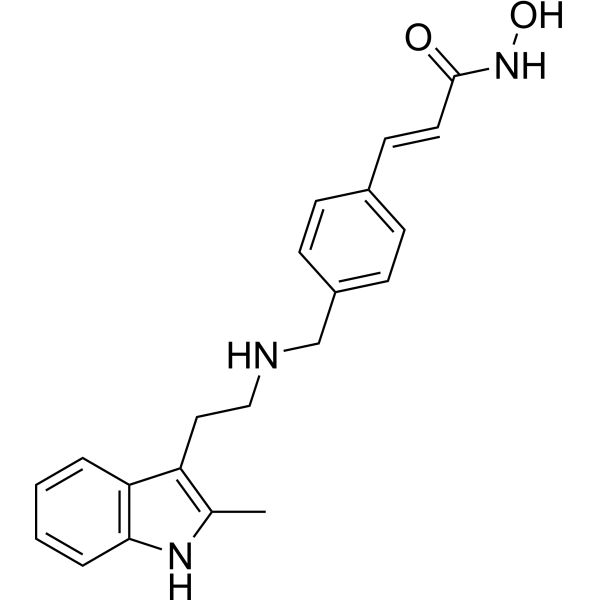
Panobinostat
Maximum Cited Publications
83 Publications Verification
LBH589; NVP-LBH589
|
HDAC
Autophagy
HIV
Apoptosis
|
Cancer
|
|
Panobinostat (LBH589; NVP-LBH589) is a potent and orally active non-selective HDAC inhibitor, and has antineoplastic activities . Panobinostat induces HIV-1 virus production even at low concentration range 8-31 nM, stimulates HIV-1 expression in latently infected cells . Panobinostat induces cell apoptosis and autophagy. Panobinostat can be used for the study of refractory or relapsed multiple myeloma .
|
-
-
- HY-101563
-
|
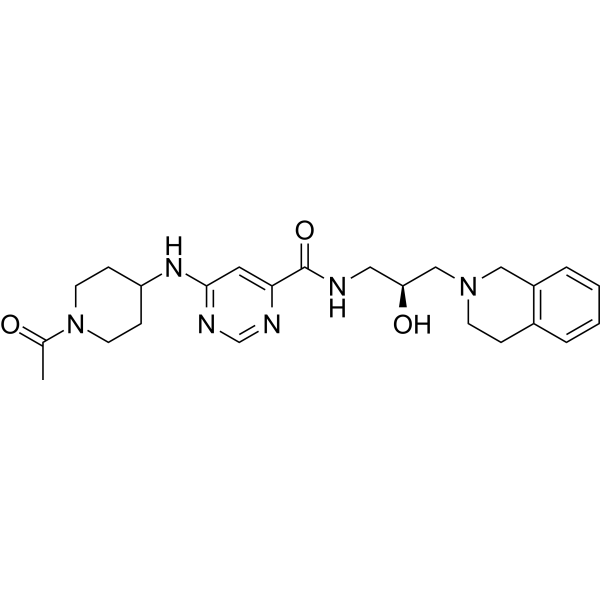
EPZ015938
|
Histone Methyltransferase
SARS-CoV
MDM-2/p53
CDK
Apoptosis
|
Infection
Cancer
|
|
GSK3326595 is a protein arginine methyltransferase 5 (PRMT5) inhibitor. GSK3326595 decreases SARS-CoV-2 infection, inhibits cancer cell proliferation and induces pro-inflammatory macrophage polarization and increases hepatic triglyceride levels without affecting atherosclerosis. GSK3326595 can be used for research of relapsed/refractory mantle cell lymphoma .
|
-
-
- HY-109108
-
|
DS-3201
|
Histone Methyltransferase
|
Cancer
|
|
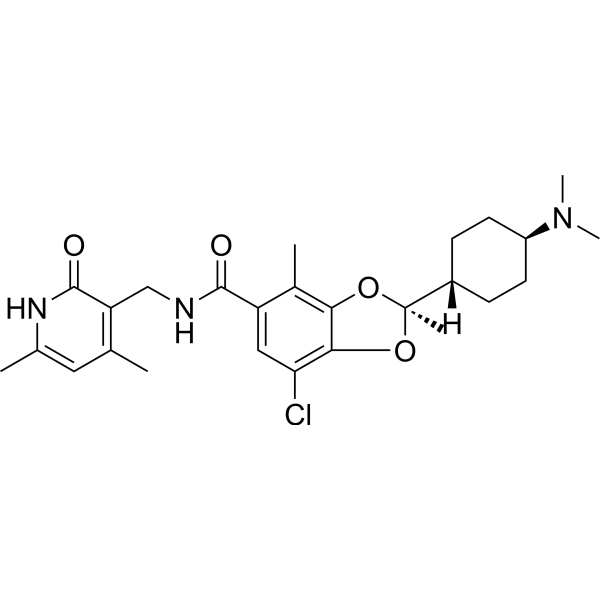
Valemetostat (DS-3201), a first-in-class EZH1/2 dual inhibitor with IC50 values <10 nM. Valemetostat can be used for the research of relapsed/refractory peripheral T-cell lymphoma .
|
-
-
- HY-112037
-
|
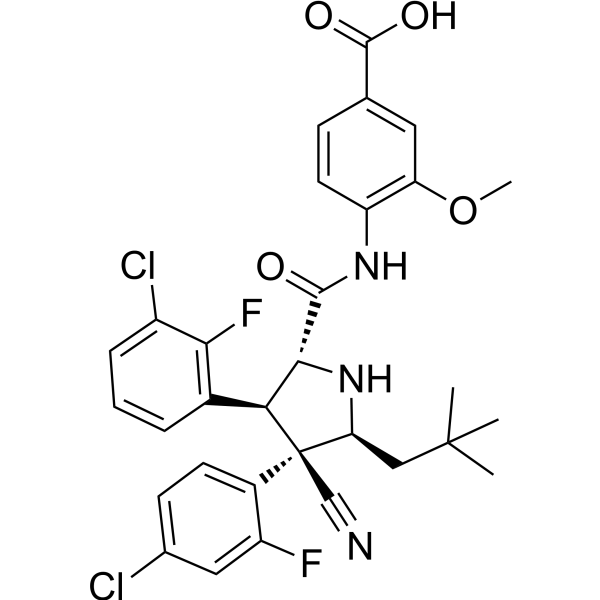
IACS-10759
|
Oxidative Phosphorylation
Mitochondrial Metabolism
Apoptosis
|
Cancer
|
|
IACS-010759 is an orally active, potent mitochondrial complex I of oxidative phosphorylation (OXPHOS) inhibitor. IACS-010759 inhibits proliferation and induces apoptosis in models of brain cancer and acute myeloid leukemia (AML) reliant on OXPHOS. IACS-010759 has the potential for relapsed/refractory AML and solid tumors research .
|
-
-
- HY-P1240
-
|
Myelin Oligodendrocyte Glycoprotein Peptide (35-55), mouse, rat
|
Endogenous Metabolite
|
Neurological Disease
Inflammation/Immunology
|
|
MOG (35-55) mouse, rat (Myelin Oligodendrocyte Glycoprotein Peptide (35-55), mouse, rat) is a minor component of CNS myelin. MOG (35-55) mouse, rat has encephalitogenic activity and induces T cell proliferative. MOG (35-55) mouse, rat induces Th1 cytokine response as well as relatively high levels of IgG antibodies. MOG (35-55) mouse, rat produces a relapsing-remitting neurological disease with extensive plaque-like demyelination. MOG (35-55) mouse, rat (MOG (35-55)) can be used for experimental autoimmune encephalomyelitis (EAE) modeling .
|
-
-
- HY-136328
-
|
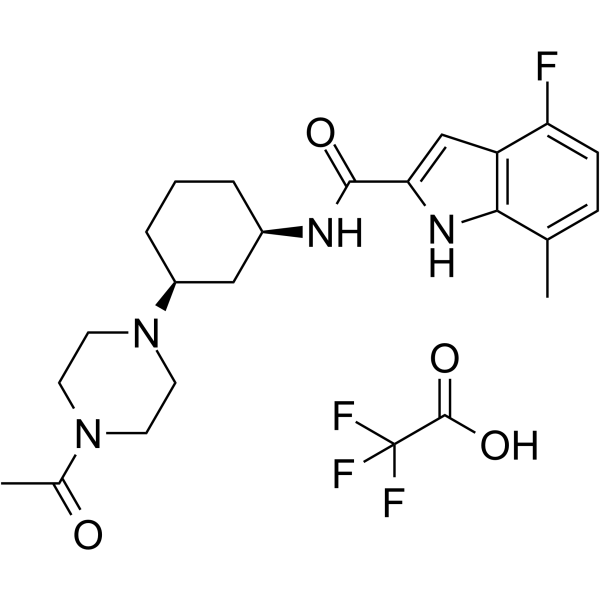
SETD2-IN-1 TFA
|
Histone Methyltransferase
|
Cancer
|
|
EZM0414 (SETD2-IN-1) TFA is the TFA salt form of EZM0414 (HY-144858). EZM0414 TFA is a potent, selective, orally active inhibitor of SETD2 (IC50=18 nM in SETD2 biochemical assay; IC50=34 nM in cellular assay). EZM0414 TFA can be used for the research of relapsed or refractory multiple myeloma and diffuse large B-cell lymphoma .
|
-
-
- HY-12288
-
|
RPC-1063
|
LPL Receptor
|
Neurological Disease
Inflammation/Immunology
|
|
Ozanimod (RPC-1063) is a CNS-penetrant sphingosine 1-phosphate (S1P) receptor modulator that binds with high affinity selectively to S1P receptor subtypes 1 (S1P1) and 5 (S1P5). Ozanimod has modulate effect for hS1P1 and hS1P5 receptor with EC50s of 1.03 nM and 8.6 nM, respectively. Ozanimod can be used for the research of relapsing multiple sclerosis (MS) .
|
-
-
- HY-P99033
-
|
BTCT-4465A; RG-7828; RO7030816
|
CD20
CD3
|
Inflammation/Immunology
Cancer
|
|
Mosunetuzumab (BTCT-4465A) is a full-length, fully humanized immunoglobulin G1 (IgG1) T-cell-dependent bispecific (TDB) antibody targeting CD20 (B cells) and CD3 (T cells). Mosunetuzumab redirects T cells to engage and eliminate malignant B cells and can be used for the research of relapsed or refractory (R/R) B-cell non-Hodgkin lymphomas (B-NHLs) .
|
-
-
- HY-10446
-
|
|
Antifolate
Apoptosis
|
Cancer
|
|
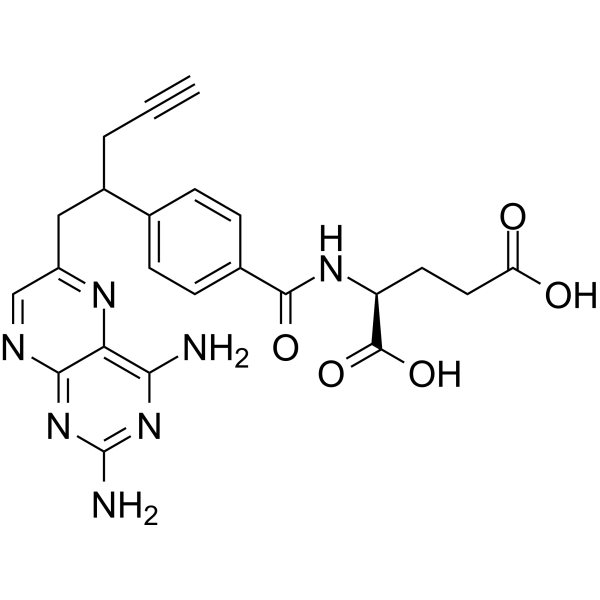
Pralatrexate is an antifolate and is a potent dihydrofolate reductasean (DHFR) inhibitor with a Ki of 13.4 pM. Pralatrexate is a substrate for folylpolyglutamate synthetase with improved cellular uptake and retention. Pralatrexate has antitumor activities and has the potential for relapsed/refractory T-cell lymphoma treatment . Pralatrexate is a click chemistry reagent, it contains an Alkyne group and can undergo copper-catalyzed azide-alkyne cycloaddition (CuAAc) with molecules containing Azide groups.
|
-
-
- HY-P99024
-
|
RO7082859; RG-6026
|
CD20
CD3
|
Inflammation/Immunology
Cancer
|
|
Glofitamab (RO7082859) is a T-cell-engaging bispecific antibody possessing a novel 2:1 structure with bivalency for CD20 on B cells and monovalency for CD3 on T cells. Glofitamab leads to T-cell activation, proliferation, and tumor cell killing upon binding to CD20 on malignant cells. Glofitamab induces durable complete remissions in relapsed or refractory B-Cell non-Hodgkin lymphoma (B-NHL) .
|
-
-
- HY-P99107A
-
|
|
Antibody-Drug Conjugates (ADCs)
Apoptosis
|
Cancer
|
|
Brentuximab vedotin (solution) (cAC10-vcMMAE) is an antibody-drug conjugate (ADC) comprising an anti-CD30 antibody and the cytotoxic agent Monomethyl auristatin E (MMAE). The antibody portion is Brentuximab (HY-P99151), and the drug-linker conjugate for ADC is VcMMAE (HY-15575). Brentuximab vedotin (solution) inhibits CD30-positive cells with an IC50 of 2.5 ng/mL. Brentuximab vedotin (solution) can be used for the research of relapsed and refractory Hodgkin lymphoma .
|
-
-
- HY-12651A
-
|
|
Parasite
|
Infection
Cancer
|
|
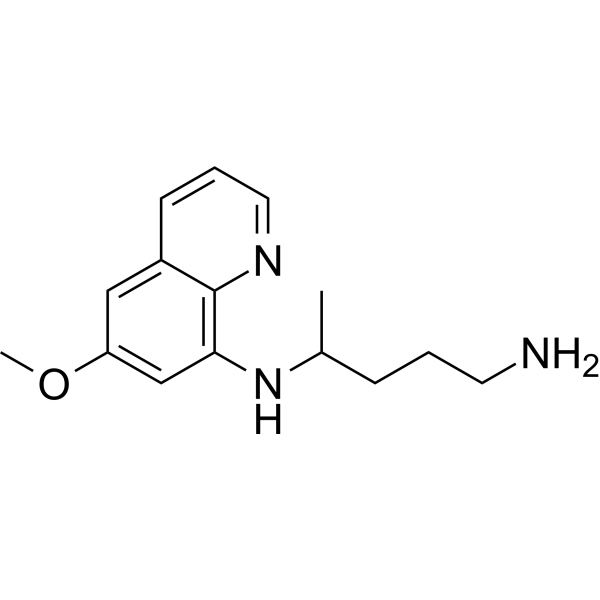
Primaquine is a potent antimalaria agent and a potent gametocytocide in falciparum malaria. Primaquine prevents relapse in vivax and ovale malaria .
|
-
-
- HY-12651
-
|
Primaquine phosphate; Primaquine bisphosphate
|
Parasite
|
Infection
Cancer
|
|
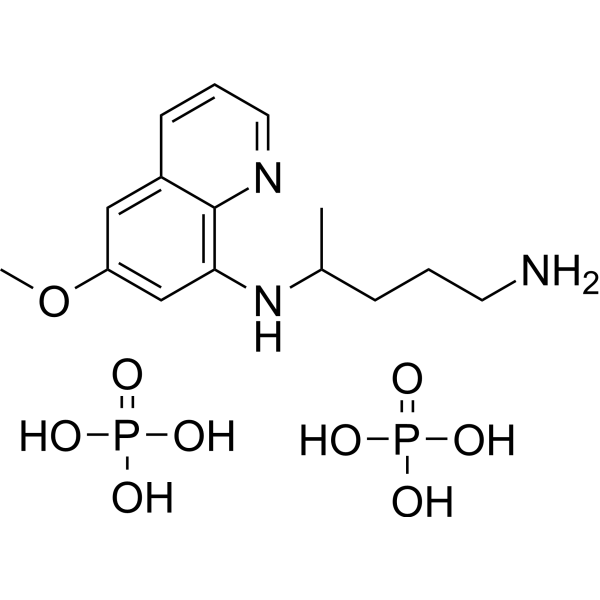
Primaquine diphosphate is a potent antimalaria agent and a potent gametocytocide in falciparum malaria. Primaquine diphosphate prevents relapse in vivax and ovale malaria .
|
-
-
- HY-154812
-
|
KTX-1001
|
Histone Methyltransferase
CD44
|
Cancer
|
|
Gintemetostat (KTX-1001) is an orally active, highly specific NSD2/MMSET histone methyltransferase inhibitor with human NSD2 IC50 values ranging 0.460-2.17 nM and NSD2 SET domain IC50 of 2.32 nM and Kd values ranging 6.3-70.4 nM .Gintemetostat reduces H3K36me2 levels, impairs multiple myeloma cell adhesion and colony formation, enhances cytotoxicity, boosts T-cell activation, and sensitizes resistant multiple myeloma cells to other agents .Gintemetostat can be used for the research of multiple myeloma and relapsed and refractory multiple myeloma .
|
-
-
- HY-125399
-
PSMA-11
1 Publications Verification
HBED-CC-PSMA
|
PSMA
Radionuclide-Drug Conjugates (RDCs)
|
Cancer
|
|
PSMA-11 is a small molecule ligand that targets prostate-specific membrane antigen (PSMA) and has the ability to inhibit PSMA activity. PSMA-11 can be used to synthesize 68Ga-PSMA-11, a positron emission tomography (PET) tracer that can be used to image advanced prostate cancer .
|
-
-
- HY-114778
-
|
SHR3162; Fuzuloparib
|
PARP
|
Cancer
|
|
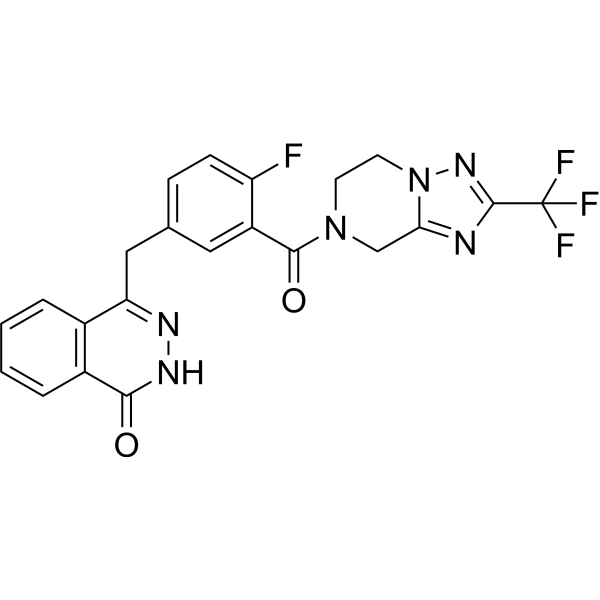
Fluzoparib (SHR3162) is a potent and orally active PARP1 inhibitor (IC50=1.46±0.72 nM, a cell-free enzymatic assay) with superior antitumor activity. Fluzoparib selectively inhibits the proliferation of homologous recombination repair (HR)-deficient cells, and sensitizes both HR-deficient and HR-proficient cells to cytotoxic agents. Fluzoparib exhibits good pharmacokinetic properties in vivo and can be used for BRCA1/2-mutant relapsed ovarian cancer research .
|
-
-
- HY-P9980
-
|
GSK2857914
|
ADC Antibody
TNF Receptor
|
Cancer
|
|
Belantamab (GSK2857916) is a humanized IgG1 anti-BCMA/TNFRSF17 monoclonal antibody. Belantamab is linked to MMAF (HY-15579) through a non-cleavable ADC linker to synthesize the antibody-active molecule conjugate (ADC) Belantamab mafodotin (HY-P3239). After binding to BCMA on the surface of tumor cells, Belantamab mafodotin enters the cell through receptor-mediated endocytosis. After entering the cell, Belantamab mafodotin releases MMAF, blocks cell division by inhibiting tubulin polymerization, arrests the cell cycle and induces cell apoptosis. Belantamab can be used for the study of multiple myeloma, especially relapsed/refractory multiple myeloma .
|
-
-
- HY-P99909
-
|
PF-06863135; RN-613
|
TNF Receptor
|
Inflammation/Immunology
|
|
Elranatamab (PF-06863135) is an anti-CD3E/TNFRSF17 human IgG2κ monoclonal antibody . Recommend Isotype Controls: Human IgG2 kappa, Isotype Control (HY-P99002).
|
-
-
- HY-P99100
-
|
CTL-002
|
TGF-beta/Smad
PD-1/PD-L1
|
Cancer
|
|
Visugromab (CTL-002) is a GDF-15 neutralizing IgG4 mAb. Visugromab has synergistic anticancer activity with the anti-PD1 antibody Nivolumab (HY-P9903) and can effectively act on PD-1/PD-L1 relapsed/refractory metastatic solid tumors. Recommend Isotype Controls: Human IgG4 (S228P) kappa, Isotype Control (HY-P99003) .
|
-
-
- HY-108831A
-
|
AN100226; BG00002
|
Integrin
|
Inflammation/Immunology
Cancer
|
|
Natalizumab (Anti-CD49d) (AN100226; BG00002) Solution is a humanized monoclonal IgG4 antibody inhibitor that selectively targets α4 integrin (CD49d), blocking the interaction of integrins such as α4β1 (VLA-4) with vascular cell adhesion molecule VCAM-1, intercellular adhesion molecule ICAM-1, and fibronectin by competitively binding to the α4 subunit. Natalizumab solution inhibits the adhesion, retention, and transendothelial migration of immune cells (such as CD4 + T cells), reducing the infiltration of inflammatory cells into the central nervous system or lesion sites, thereby exerting anti-inflammatory and immunomodulatory activity. Natalizumab (Anti-CD49d) solution is used in the study of relapsing-remitting multiple sclerosis (RRMS) and is also applied in the research of autoimmune or inflammation-related diseases such as Crohn's disease, B-cell lymphoma, and non-infectious uveitis. Natalizumab (Anti-CD49d) can also prevent lymphocytes from entering the central nervous system, thus preventing acute demyelinating relapses .
|
-
-
- HY-12288A
-
|
RPC-1063 hydrochloride
|
LPL Receptor
|
Neurological Disease
Inflammation/Immunology
|
|
Ozanimod (RPC-1063) hydrochloride, a sphingosine 1-phosphate (S1P) receptor modulator that binds with high affinity selectively to S1P receptor subtypes 1 (S1P1) and 5 (S1P5). Ozanimod hydrochloride has modulate effect for hS1P1 and hS1P5 receptor with EC50s of 1.03 nM and 8.6 nM, respectively. Ozanimod hydrochloride can be used for the research of relapsing multiple sclerosis (MS) .
|
-
-
- HY-109068
-
|
INCB050465; IBI-376
|
PI3K
|
Cancer
|
|
Parsaclisib (INCB050465) is a potent, selective and orally active inhibitor of PI3Kδ, with an IC50 of 1 nM at 1 mM ATP. Parsaclisib shows approximately 20000-fold selectivity over other PI3K class I isoforms. Parsaclisib can be used for the research of relapsed or refractory B-cell malignancies .
|
-
-
- HY-144858
-
|
|
Histone Methyltransferase
|
Cancer
|
|
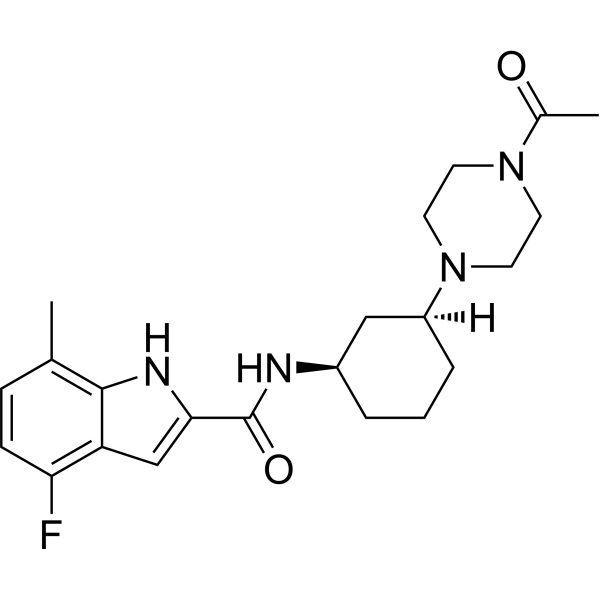
EZM0414 is a potent, selective, orally bioavailable inhibitor of SETD2 (IC50=18 nM in SETD2 biochemical assay; IC50=34 nM in cellular assay). EZM0414 can be used for the research of relapsed or refractory multiple myeloma and diffuse large B-cell lymphoma .
|
-
-
- HY-109117
-
|
ORY-1001
|
Histone Demethylase
Apoptosis
|
Cancer
|
|
Iadademstat (ORY-1001) is a highly potent, orally active and selective LSD1 (KDM1A) inhibitor with antileukemic activity. Iadademstat can be used for relapsed or refractory acute myeloid leukemia research .
|
-
-
- HY-109108A
-
|
DS-3201 tosylate
|
Histone Methyltransferase
|
Cancer
|
|
Valemetostat (DS-3201) tosylate, a first-in-class EZH1/2 dual inhibitor with IC50 values <10 nM. Valemetostat tosylate can be used for the research of relapsed/refractory peripheral T-cell lymphoma .
|
-
-
- HY-P1240A
-
|
Myelin Oligodendrocyte Glycoprotein Peptide (35-55), mouse, rat TFA
|
Endogenous Metabolite
|
Neurological Disease
Inflammation/Immunology
|
|
MOG (35-55) (MOG (35-55)) TFA is a minor component of CNS myelin. MOG (35-55) (TFA) has encephalitogenic activity and induces T cell proliferative. MOG (35-55) (TFA) induces Th1 cytokine response as well as relatively high levels of IgG antibodies. MOG (35-55) (TFA) produces a relapsing-remitting neurological disease with extensive plaque-like demyelination. MOG (35-55) (MOG (35-55)) TFA can be used for experimental autoimmune encephalomyelitis (EAE) modeling .
|
-
-
- HY-172736
-
|
|
PROTACs
BCL6
CD20
|
Cancer
|
|
BMS-986458 is a highly selective, orally active cereblon-based BCL6 PROTAC degrader and antitumor agent. BMS-986458 selectively degrades BCL6 by binding cereblon to the BTB domain of BCL6, thereby regulating the cell cycle, antiproliferative and interferon signaling pathways, and upregulating the expression and distribution of CD20. BMS-986458 modulates the phenotype of follicular helper T cells and reduces circulating tumor DNA levels. The combination of BMS-986458 with CD20xCD3 bispecific antibody also enhances the efficiency of T cell tumor infiltration and expansion. BMS-986458 induces regression of BCL6-positive tumors and prolongs survival, and it is suitable for research related to B-cell non-Hodgkin lymphoma, diffuse large B-cell lymphoma, follicular lymphoma, and relapsed/refractory lymphoma .
|
-
-
- HY-13010
-
|
ABR-215062
|
NF-κB
Apoptosis
|
Inflammation/Immunology
|
|
Laquinimod (ABR-215062), an orally available carboxamide derivative, is a potent immunomodulator which prevents neurodegeneration and inflammation in the central nervous system. Laquinimod reduces astrocytic NF-κB activation to protect from Cuprizone-induced demyelination. Laquinimod has the potential for relapsing remitting (RR) and chronic progressive (CP) forms of multiple sclerosis (MS; RRMS or CPMS) as well as neurodegenerative diseases research .
|
-
-
- HY-156794
-
|
DSP-5336
|
Epigenetic Reader Domain
FLT3
|
Cancer
|
Enzomenib (DSP-5336) is an orally active Menin inhibitor (IC50=1.4 nM, Kd=6.0 nM). Enzomenib disrupts the interaction between Menin and KMT2A/MLL fusion proteins, specifically inhibits the expression of leukemia driver genes such as HOX/MEIS1, and upregulates ITGAM. Enzomenib effectively induces cell differentiation, inhibits tumor cell proliferation, and suppresses primitive cell colony formation. Enzomenib reduces disease burden and prolongs survival, but causes adverse reactions including differentiation syndrome and QTc interval prolongation. Enzomenib is used for research on relapsed/refractory acute myeloid leukemia, acute lymphoblastic leukemia, and other hematologic malignancies with mixed lineage leukemia (MLL) rearrangements or NPM1 mutations .
|
-
-
- HY-P990980
-
|
CND-106; EMB-06
|
CD3
|
Inflammation/Immunology
Cancer
|
|
Cizutamig (CND-106) is a bispecific T-cell engager targeting BCMA and CD3. Cizutamig exhibits immunostimulatory and anti-tumor activities. Cizutamig can be used in research related to relapsed or refractory multiple myeloma and systemic lupus erythematosus .
|
-
-
- HY-109198
-
|
ME-401; PWT-143
|
PI3K
Akt
|
Cancer
|
|
Zandelisib (ME-401) is a selective, orally active, non-covalent inhibitor of PI3Kδ. Zandelisib can sustainably inhibit AKT phosphorylation and downstream signaling pathways. Zandelisib can be used in the study of malignancies such as relapsed/refractory B-cell lymphoma .
|
-
-
- HY-P991490
-
|
|
CD38
CD3
TNF Receptor
|
Cancer
|
|
ISB2001 is a trispecific antibody targeting CD38, CD3 and BCMA. ISB2001 effectively counteracts tumor immune escape mechanisms caused by antigen downregulation, antigen loss, soluble factor competition and other factors. ISB2001 is applicable to relevant research on multiple myeloma and relapsed/refractory multiple myeloma .
|
-
-
- HY-P9989
-
|
REGN5458
|
CD3
TNF Receptor
|
Cancer
|
|
Linvoseltamab (REGN5458) is a bispecific T-cell engager (BiTE) antibody that specifically binds to B cell maturation antigen (BCMA) and CD3 of T cells, thereby directing T cells to multiple myeloma (MM) cells expressing BCMA and activating T cells to kill tumor cells. Linvoseltamab can be used in research of relapsed/refractory multiple myeloma (RRMM) .
|
-
-
- HY-P991537
-
|
HS-20093 Antibody; GSK5764227 Antibody
|
ADC Antibody
CD276/B7-H3
|
Cancer
|
|
HS-20093 Antibody (GSK5764227 Antibody) is an antibody targeting B7-H3, which can be used to synthesize the ADC HS-20093. HS-20093 Antibody exhibits anti-tumor activity. HS-20093 Antibody can be studied in research for small cell lung cancer, relapsed or refractory osteosarcoma, and advanced solid tumors .
|
-
-
- HY-P99613
-
|
MK-4280; Mavezelimab
|
LAG-3
|
Cancer
|
Favezelimab (MK-4280) is a humanized monoclonal antibody targeting LAG-3. Favezelimab blocks the interaction between LAG-3 and its ligand, MHC class II molecules. Favezelimab is applicable to research on relapsed/refractory classical Hodgkin lymphoma, relapsed/refractory diffuse large B-cell lymphoma, and relapsed/refractory indolent B-cell lymphoma . For the isotype control of Favezelimab, refer to Human IgG4 (S228P) kappa, Isotype Control (HY-P99003).
|
-
-
- HY-P99910
-
|
AMG-330
|
CD3
Transmembrane Glycoprotein
|
Inflammation/Immunology
Cancer
|
|
Eluvixtamab (AMG-330) is a bispecific T-cell engager. Eluvixtamab binds to CD33 and CD3 on T cells, thereby promoting T cell-mediated cytotoxicity against CD33+ cells. Eluvixtamab can be used in the research of tumors such as relapsed/refractory acute myeloid leukemia .
|
-
-
- HY-10224A
-
|
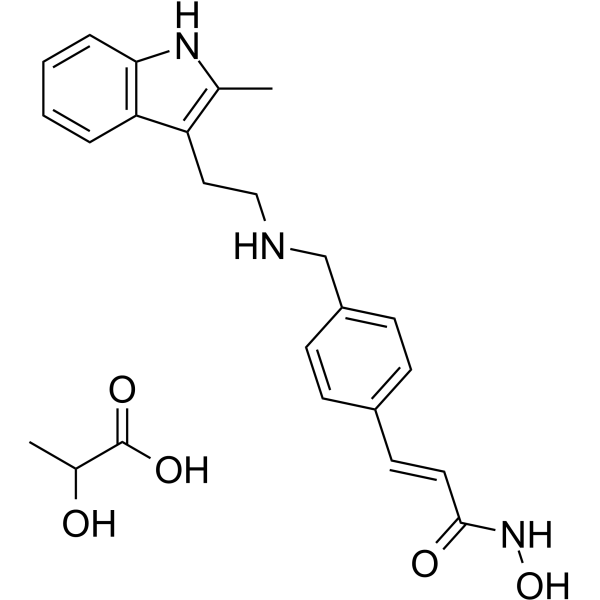
LBH589 lactate; NVP-LBH589 lactate
|
HDAC
HIV
Autophagy
Apoptosis
|
Infection
Cancer
|
|
Panobinostat lactate is a potent and orally active non-selective HDAC inhibitor. Panobinostat lactate has antineoplastic activities. Panobinostat lactate effectively disrupts HIV latency. Panobinostat lactate induces cell apoptosis and autophagy. Panobinostat lactate can be used for the study of refractory or relapsed multiple myeloma .
|
-
-
- HY-112037A
-
|
IACS-10759 hydrochloride
|
Oxidative Phosphorylation
Mitochondrial Metabolism
Apoptosis
|
Cancer
|
|
IACS-010759 hydrochlorideis an orally active, potent mitochondrial complex I of oxidative phosphorylation (OXPHOS) inhibitor. IACS-010759 hydrochlorideinhibits proliferation and induces apoptosis in models of brain cancer and acute myeloid leukemia (AML) reliant on OXPHOS. IACS-010759 hydrochloride has the potential for relapsed/refractory AML and solid tumors research .
|
-
-
- HY-W041019
-
|
|
Endogenous Metabolite
|
Metabolic Disease
|
|
5-Hydroxytryptophol is a mammalian serotonin metabolite that can be used as a sensitive biomarker for recent alcohol intake. 5-Hydroxytryptophol is formed by alcohol-induced changes in the serotonin metabolic pathway and is excreted in the urine as a glucuronic acid conjugate. 5-Hydroxytryptophol is elevated in urine excretion and can be used clinically to monitor alcohol intake in scenarios such as alcohol relapse .
|
-
-
- HY-108831
-
|
|
Integrin
|
Inflammation/Immunology
Cancer
|
|
Natalizumab (AN100226; BG00002) is a humanized monoclonal IgG4 antibody inhibitor that selectively targets α4 integrin (CD49d). It blocks the interaction of integrins such as α4β1 (VLA-4) with vascular cell adhesion molecule VCAM-1, intercellular adhesion molecule ICAM-1, and fibronectin by competitively binding to the α4 subunit. Natalizumab inhibits the adhesion, retention, and transendothelial migration of immune cells (such as CD4 + T cells), reducing the infiltration of inflammatory cells into the central nervous system or lesion sites, thus exerting anti-inflammatory and immunomodulatory activity. Natalizumab is used in the study of relapsing-remitting multiple sclerosis (RRMS) and also has applications in the study of autoimmune or inflammation-related diseases such as Crohn's disease, B-cell lymphoma, and non-infectious uveitis. Natalizumab can also prevent lymphocytes from entering the central nervous system, thereby preventing acute demyelinating relapses .
|
-
-
- HY-45661
-
|
NUV-422
|
CDK
|
Neurological Disease
Cancer
|
|
Inixaciclib (NUV-422) is a blood-brain barrier-penetrant inhibitor of CDK2, CDK4 and CDK6. Inixaciclib inhibits cancer cell growth. Inixaciclib induces anti-tumor activity in xenograft models of glioblastoma, CDK4/CDK6 inhibitor-resistant HR + HER2 - metastatic breast cancer, and anti-androgen-resistant prostate cancer. Inixaciclib can be used for the research of relapsed or metastatic castration-resistant prostate cancer .
|
-
-
- HY-P99740
-
|
|
CD276/B7-H3
ADC Antibody
|
Cancer
|
|
Mirzotamab is an IgG1κ monoclonal antibody targeting to CD276/B7-H3 with anti-tumor activity. Mirzotamab conjugates with Clezutoclax (HY-137774), a BCL inhibitor to form Mirzotamab clezutoclax (HY-P99741), involving in research with taxane research in relapsed/refractory solid tumors. Mirzotamab clezutoclax (ABBV-155) is a targeted antibody drug conjugate (ADC) .
|
-
-
- HY-160215
-
|
|
TGF-β Receptor
p38 MAPK
TGF-beta/Smad
Interleukin Related
|
Cancer
|
|
GFH018 is an orally active, selective and ATP-competitive TGF-βR1 inhibitor with an IC50 of 40 nM. GFH018 reactivates the immune system by blocking the immunosuppression mediated by regulatory T cells and M2 macrophages. GFH018 inhibits tumor angiogenesis. GFH018 suppresses tumor growth in mouse tumor models. GFH018 can be used for the research of solid tumors, hepatocellular carcinoma, colorectal cancer, breast cancer, and relapsed/metastatic nasopharyngeal carcinoma .
|
-
-
- HY-P99730
-
|
TAK-079
|
CD38
Apoptosis
|
Inflammation/Immunology
Cancer
|
|
Mezagitamab (TAK-079) is a IgG1λ anti-CD38 monoclonal antibody. Mezagitamab depletes tumor cells expressing CD38 through antibody and complement dependent cytotoxicity. Mezagitamab has potential application in relapsed/refractory multiple myeloma (RRMM) and idiopathic thrombocytopenic purpura (ITP) .
|
-
-
- HY-P99293
-
|
IDEC 114; Anti-Human CD80 Recombinant Antibody
|
CD28
Apoptosis
|
Cancer
|
|
Galiximab (IDEC-114) is a primatized monoclonal IgG1 antibody targeting CD80. Galiximab variable regions are primatized, and the constant regions are humanized. Galiximab induces antibody-dependent cellular cytotoxicity by blocking CD80-CD28 binding. Galiximab has antitumor activity and can induce apoptosis in tumor cells. Galiximab can be used in the research of relapsed Hodgkin lymphoma and solid tumors .
|
-
-
- HY-P99916
-
|
AMG-427
|
FLT3
CD3
TNF Receptor
|
Inflammation/Immunology
Cancer
|
Emirodatamab (AMG-427) is a bispecific T-cell engager (BiTE). Emirodatamab simultaneously binds FLT3 on the surface of acute myeloid leukemia (AML) cells and CD3 on the surface of T cells, thereby precisely recruiting immune effector cells to tumor sites. Emirodatamab potently induces T cell activation, secretion of proinflammatory cytokines (such as IFNγ, TNFα), and specific cytotoxicity, effectively lysing FLT3-positive tumor cells and inhibiting their growth. Emirodatamab not only significantly prolongs survival in mouse xenograft models and eliminates diseased cells in primates, but also exhibits a synergistic enhancement effect when combined with PD-1 blockade therapy. Emirodatamab is used in studies of acute myeloid leukemia, especially relapsed or refractory cases .
|
-
-
- HY-P99454
-
|
ABBV-838
|
Antibody-Drug Conjugates (ADCs)
|
Cancer
|
|
Azintuxizumab vedotin (ABBV-838) is an antibody–drug conjugate (ADC) targeting a unique epitope of CD2 subset 1, a cell-surface glycoprotein expressed on multiple myeloma cells .
|
-
-
- HY-14572
-
|
SN 27858
|
DNA Alkylator/Crosslinker
Drug Metabolite
|
Cancer
|
|
PR-104A (SN 27858) is the alcohol metabolite of phosphate proagent PR-104. PR-104A is a hypoxia-selective DNA cross-linking agent/DNA-damaging agent and cytotoxin. Antitumor Activity . PR-104A is metabolized under hypoxia by the 1-electron NADPH:cytochrome P450 oxidoreductase. PR-104A can be used for the research of relapsed/refractory T-lineage acute lymphoblastic leukemia (T-ALL) .
|
-
-
- HY-177632
-
|
ION-935918; ION251
|
IFNAR
|
Cancer
|
|
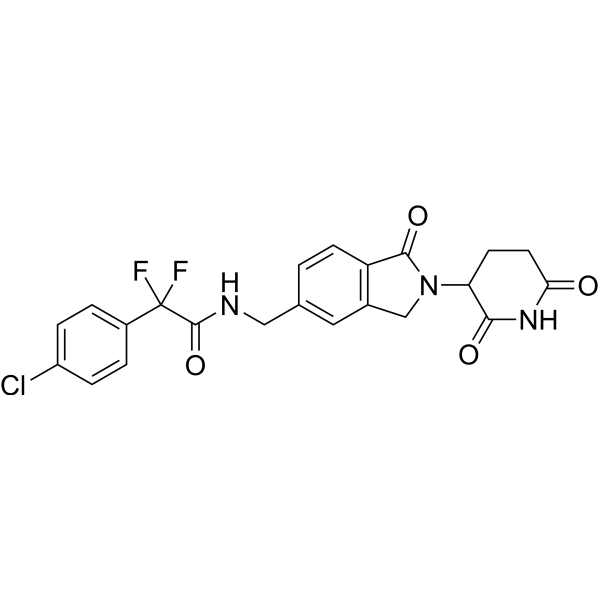
Frenlosirsen is an antisense oligonucleotide targeted to IRF4. It is used for study of relapsed/refractory multiple myeloma (RRMM).
|
-
-
- HY-175741
-
|
|
Parasite
Topoisomerase
|
Infection
|
|
IID432 is a Trypanosoma cruzi Topoisomerase II inhibitor with an EC50 of 8 nM for Trypanosoma cruzi. IID432, a single dose of 25 mg/kg, can achieve relapse-free parasite clearance in mouse models of chronic Chagas disease. IID432 can be used for Chagas disease research .
|
-
- HY-10224R
-
|
LBH589 (Standard); NVP-LBH589 (Standard)
|
Reference Standards
HDAC
Autophagy
HIV
Apoptosis
|
Infection
Cancer
|
|
Panobinostat (Standard) (LBH589 (Standard)) is the analytical standard of Panobinostat (HY-10224). This product is intended for research and analytical applications. Panobinostat is a potent and orally active non-selective HDAC inhibitor, and has antineoplastic activities . Panobinostat induces HIV-1 virus production even at low concentration range 8-31 nM, stimulates HIV-1 expression in latently infected cells . Panobinostat induces cell apoptosis and autophagy. Panobinostat can be used for the study of refractory or relapsed multiple myeloma .
|
-
- HY-P991176
-
|
RO7443904
|
CD19
CD28
|
Cancer
|
|
RG-6333 is a bispecific agonist targeting CD19 and CD28. RG-6333 specifically recognizes and binds to the CD19 antigen on the surface of B-cell malignancies to locate tumor cells. RG-6333 activates T cells by binding to CD28, overcoming activation barriers to enhance anti-tumor immunity. RG-6333 can be used in the study of relapsed/refractory non-Hodgkin's lymphoma. The recommended isotype control is human IgG1 kappa, isotype control (HY-P99001) .
|
-
- HY-125726
-
|
(3'-sulfo)Galβ-Cer(d18:1/24:1); N-Nervonoyl Sulfatide; C24:1 Sulfatide
|
Nuclear Factor of activated T Cells (NFAT)
|
Inflammation/Immunology
|
|
Sulfo galactosylceramide (N-Nervonoyl Sulfatide; C24:1 Sulfatide) is a glycolipid and the major sulfolipid species in mature myelin. Sulfo galactosylceramide interacts with C-type lectins and immunoglobulin-like receptors, with the highest affinity for LMIR5. Sulfo galactosylceramide induces MCP-1 production by basophils but not mast cells, and increases NFAT activation via LMIR5. Sulfo galactosylceramide alleviates symptoms and improves survival in a mouse model of chronic relapsing-remitting experimental autoimmune encephalomyelitis (EAE), and reduces inflammatory lesions and the number of infiltrating mononuclear cells in the lumbar spinal cord of EAE mice.
|
-
- HY-12651R
-
|
Primaquine phosphate (Standard); Primaquine bisphosphate (Standard)
|
Reference Standards
Parasite
|
Infection
Cancer
|
|
Primaquine (diphosphate) (Standard) is the analytical standard of Primaquine (diphosphate). This product is intended for research and analytical applications. Primaquine diphosphate is a potent antimalaria agent and a potent gametocytocide in falciparum malaria. Primaquine diphosphate prevents relapse in vivax and ovale malaria .
|
-
- HY-171754
-
|
|
Antibody-Drug Conjugates (ADCs)
|
Cancer
|
|
LM-305 is an anti-G protein-coupled receptor class 5 member D (GPRC5D) antibody-drug conjugate (ADC). LM-305 consists of Anti-GPRC5D Antibody (HY-P991197) and VcMMAE (HY-15575). LM-305 exhibits potent cytotoxicity against multiple myeloma cells (NCI-H929 and MM.1R) with IC50 values ranging from 0.1 to 0.3 nM. LM-305 can be used in the study of GPRC5D-related relapsed and refractory multiple myeloma (RRMM) .
|
-
- HY-150403
-
|
|
PROTACs
WDR5
|
Cancer
|
|
XF067-68 (example 132) is a PROTAC for targeted degradation of WD40 repeat domain protein 5 (WDR5). XF067-68 can be usde for the study of WDR5-mediated diseases. (Pink: target protein ligand (HY-141799); Blue: E3 ligase ligand (HY-173627); Black: linker (HY-Y0966); E3 ligase ligand + linker: HY-176517) .
|
-
- HY-156645
-
|
|
Drug Metabolite
|
Inflammation/Immunology
|
|
Tegomil fumarate is a derivative of Monomethyl fumarate (HY-103252) and an immunomodulator. Tegomil fumarate can be used for the study of relapsing remitting multiple sclerosis .
|
-
- HY-124766
-
|
|
Aldehyde Dehydrogenase (ALDH)
|
Cancer
|
|
ABD-3001 is an inhibitor of ALDH1. ABD-3001 can be studied in research on refractory/relapsed acute myeloid leukemia and high-risk myelodysplastic syndrome .
|
-
- HY-109068A
-
|
INCB050465 hydrochloride; IBI-376 hydrochloride
|
PI3K
|
Cancer
|
|
Parsaclisib hydrochloride (INCB050465 hydrochloride) is a potent, selective and orally active inhibitor of PI3Kδ, with an IC50 of 1 nM at 1 mM ATP. Parsaclisib hydrochloride shows approximately 20000-fold selectivity over other PI3K class I isoforms. Parsaclisib hydrochloride can be used for the research of relapsed or refractory B-cell malignancies .
|
-
- HY-177632A
-
|
ION-935918 sodium; ION251 sodium
|
IFNAR
|
Cancer
|
|
Frenlosirsen sodium is an antisense oligonucleotide targeted to IRF4. It is used for study of relapsed/refractory multiple myeloma (RRMM).
|
-
- HY-153939S
-
|
RG7388-d3-1
|
Isotope-Labeled Compounds
|
Cancer
|
|
Idasanutlin-d3-1 (RG7388-d3-1) is the deuterium labeled Idasanutlin. Idasanutlin is a potent antagonist of MDM2/p53. Idasanutlin inhibits relapsed or refractory acute myeloid leukemia .
|
-
- HY-168983
-
|
|
Bcl-2 Family
|
Cancer
|
|
Lonitoclax is a B-cell lymphoma 2 (Bcl-2) inhibitor. Lonitoclax has comparable anti-tumor efficacy to Venetoclax (HY-15531) in both B cell and myeloid malignancy models. Lonitoclax is promising for research of relapsed or refractory chronic lymphocytic leukemia (CLL), small lymphocytic lymphoma, and certain low-grade lymphomas .
|
-
- HY-160215A
-
|
|
TGF-β Receptor
p38 MAPK
TGF-beta/Smad
Interleukin Related
|
Cancer
|
|
GFH018 is an orally active, selective and ATP-competitive TGF-βR1 inhibitor with an IC50 of 40 nM. GFH018 reactivates the immune system by blocking the immunosuppression mediated by regulatory T cells and M2 macrophages. GFH018 inhibits tumor angiogenesis. GFH018 suppresses tumor growth in mouse tumor models. GFH018 can be used for the research of solid tumors, hepatocellular carcinoma, colorectal cancer, breast cancer, and relapsed/metastatic nasopharyngeal carcinoma .
|
-
- HY-P99100A
-
|
CLT-002 (Powder)
|
TGF-beta/Smad
PD-1/PD-L1
|
Cancer
|
|
Visugromab (CTL-002) (Powder) is a GDF-15 neutralizing IgG4 mAb. Visugromab (Powder) has synergistic anticancer activity with the anti-PD1 antibody Nivolumab (HY-P9903) and can effectively act on PD-1/PD-L1 relapsed/refractory metastatic solid tumors. Recommend Isotype Controls: Human IgG4 (S228P) kappa, Isotype Control (HY-P99003) .
|
-
- HY-10224S
-
|
LBH589-d4; NVP-LBH589-d4
|
HDAC
Autophagy
HIV
Apoptosis
|
Cancer
|
|
Panobinostat-d4 is the deuterium labeled Panobinostat. Panobinostat (LBH589; NVP-LBH589) is a potent and orally active non-selective HDAC inhibitor, and has antineoplastic activities[1][2]. Panobinostat induces HIV-1 virus production even at low concentration range 8-31 nM, stimulates HIV-1 expression in latently infected cells[4]. Panobinostat induces cell apoptosis and autophagy. Panobinostat can be used for the study of refractory or relapsed multiple myeloma[3].
|
-
- HY-10224S1
-
|
LBH589-d4 hydrochloride; NVP-LBH589-d4 hydrochloride
|
Isotope-Labeled Compounds
HDAC
Autophagy
HIV
Apoptosis
|
Cancer
|
|
Panobinostat-d4 (hydrochloride) is deuterium labeled Panobinostat. Panobinostat (LBH589; NVP-LBH589) is a potent and orally active non-selective HDAC inhibitor, and has antineoplastic activities[1][2]. Panobinostat induces HIV-1 virus production even at low concentration range 8-31 nM, stimulates HIV-1 expression in latently infected cells[4]. Panobinostat induces cell apoptosis and autophagy. Panobinostat can be used for the study of refractory or relapsed multiple myeloma[3].
|
-
- HY-12288R
-
|
RPC-1063 (Standard)
|
Reference Standards
LPL Receptor
|
Neurological Disease
Inflammation/Immunology
|
|
Ozanimod (Standard) is the analytical standard of Ozanimod. This product is intended for research and analytical applications. Ozanimod (RPC-1063), a sphingosine 1-phosphate (S1P) receptor modulator that binds with high affinity selectively to S1P receptor subtypes 1 (S1P1) and 5 (S1P5). Ozanimod has modulate effect for hS1P1 and hS1P5 receptor with EC50s of 1.03 nM and 8.6 nM, respectively. Ozanimod can be used for the research of relapsing multiple sclerosis (MS) .
|
-
- HY-P990905
-
|
SAR-443579
|
Interleukin Related
|
Cancer
|
|
Bexatamig (SAR-443579) is a trifunctional natural killer cell engager targeting IL-3R α/CD123, NKp46/NCR1/CD335 and Fc gamma RIIIA/CD16a. Bexatamig forms a cytolytic synapse between natural killer cells and CD123-positive tumor cells. By activating natural killer cells to induce tumor cell death, Bexatamig effectively reduces the burden of CD123-positive acute myeloid leukemia (AML) blasts. Bexatamig has been granted FDA Fast Track designation, and is primarily investigated for relapsed or refractory acute myeloid leukemia, B-cell acute lymphoblastic leukemia, and high-risk myelodysplastic syndromes .
|
-
- HY-12651AR
-
|
|
Parasite
Reference Standards
|
Infection
Cancer
|
|
Primaquine (Standard) is the analytical standard of Primaquine. This product is intended for research and analytical applications. Primaquine is a potent antimalaria agent and a potent gametocytocide in falciparum malaria. Primaquine prevents relapse in vivax and ovale malaria .
|
-
- HY-W062904
-
|
ABR-215062 sodium
|
NF-κB
Apoptosis
|
Neurological Disease
Inflammation/Immunology
|
|
Laquinimod (ABR-215062) sodium, an orally available carboxamide derivative, is a potent immunomodulator which prevents neurodegeneration and inflammation in the central nervous system. Laquinimod sodium reduces astrocytic NF-κB activation to protect from Cuprizone-induced demyelination. Laquinimod sodium has the potential for relapsing remitting (RR) and chronic progressive (CP) forms of multiple sclerosis (MS; RRMS or CPMS) as well as neurodegenerative diseases research .
|
-
- HY-13010R
-
|
ABR-215062 (Standard)
|
Reference Standards
NF-κB
Apoptosis
|
Inflammation/Immunology
|
|
Laquinimod (Standard) is the analytical standard of Laquinimod. This product is intended for research and analytical applications. Laquinimod (ABR-215062), an orally available carboxamide derivative, is a potent immunomodulator which prevents neurodegeneration and inflammation in the central nervous system. Laquinimod reduces astrocytic NF-κB activation to protect from Cuprizone-induced demyelination. Laquinimod has the potential for relapsing remitting (RR) and chronic progressive (CP) forms of multiple sclerosis (MS; RRMS or CPMS) as well as neurodegenerative diseases research .
|
-
- HY-13052
-
-
- HY-107094
-
|
W-212393 hydrochloride
|
Opioid Receptor
|
Neurological Disease
|
|
MT-7716 hydrochloride (W-212393 hydrochloride) is a selective non-peptide nociceptin receptor (NOP) agonist and promising potential treatment drug for alcohol abuse and relapse prevention .
|
-
- HY-107094A
-
|
W-212393
|
Opioid Receptor
|
Neurological Disease
|
|
MT-7716 free base (W-212393) is a selective non-peptide nociceptin receptor (NOP) agonist and promising potential treatment drug for alcohol abuse and relapse prevention .
|
-
- HY-109198A
-
|
ME-401 hydrochloride; PWT-143 hydrochloride
|
PI3K
Akt
|
Cancer
|
|
Zandelisib (ME-401) hydrochloride is a selective, orally active, non-covalent inhibitor of PI3Kδ. Zandelisib hydrochloride can sustainably inhibit AKT phosphorylation and downstream signaling pathways. Zandelisib hydrochloride can be used in the study of malignancies such as relapsed/refractory B-cell lymphoma .
|
-
- HY-155188
-
|
|
Bcl-2 Family
|
Neurological Disease
|
|
NWP-0476 is BCL-2/BCL-xL inhibitor. NWP-0476 has a modified structure with fine-tuned BCL-xL activity. NWP-0476 can be used for relapsed T-acute lymphoblastic leukemia (T-ALL) research .
|
-
- HY-P991545
-
|
|
CD20
|
Cancer
|
|
BVX20 is a human monoclonal antibody that binds to CD20. BVX20 can kill B-cells through recruiting the immune system. BVX20 can be studied in research for relapsed or chemotherapy-resistant follicular B-cell NHL and CD20-positive diffuse large B-cell NHL .
|
-
- HY-P991173
-
|
|
Notch
|
Cancer
|
|
AMG-119 is a humanized IgG1 monoclonal antibody that targets delta-like ligand 3 (DLL3). AMG-119 can be used for the study of relapsed/refractory (R/R) small cell lung cancer (SCLC). Recommend Isotype Controls: Human IgG1 kappa, Isotype Control (HY-P99001) .
|
-
- HY-W041019R
-
|
|
Reference Standards
Endogenous Metabolite
|
Metabolic Disease
|
|
5-Hydroxytryptophol is a mammalian serotonin metabolite that can be used as a sensitive biomarker for recent alcohol intake. 5-Hydroxytryptophol is formed by alcohol-induced changes in the serotonin metabolic pathway and is excreted in the urine as a glucuronic acid conjugate. 5-Hydroxytryptophol is elevated in urine excretion and can be used clinically to monitor alcohol intake in scenarios such as alcohol relapse .
|
-
- HY-13010S
-
|
ABR-215062-d5
|
Isotope-Labeled Compounds
Apoptosis
NF-κB
|
Inflammation/Immunology
|
|
Laquinimod-d5 (ABR-215062-d5) is deuterium labeled Laquinimod. Laquinimod (ABR-215062), an orally available carboxamide derivative, is a potent immunomodulator that prevents neurodegeneration and inflammation in the central nervous system. Laquinimod reduces astrocytic NF-κB activation to protect from Cuprizone-induced demyelination. Laquinimod has the potential for relapsing-remitting (RR) and chronic progressive (CP) forms of multiple sclerosis (MS; RRMS or CPMS) as well as neurodegenerative diseases research .
|
-
- HY-10446R
-
|
|
Reference Standards
Antifolate
Apoptosis
|
Cancer
|
|
Pralatrexate (Standard) is the analytical standard of Pralatrexate. This product is intended for research and analytical applications. Pralatrexate is an antifolate and is a potent dihydrofolate reductasean (DHFR) inhibitor with a Ki of 13.4 pM. Pralatrexate is a substrate for folylpolyglutamate synthetase with improved cellular uptake and retention. Pralatrexate has antitumor activities and has the potential for relapsed/refractory T-cell lymphoma treatment . Pralatrexate is a click chemistry reagent, it contains an Alkyne group and can undergo copper-catalyzed azide-alkyne cycloaddition (CuAAc) with molecules containing Azide groups.
|
-
- HY-120144
-
|
|
Opioid Receptor
|
Neurological Disease
|
|
SR-8993 is a highly selective nociceptin receptor agonist that can penetrate the blood-brain barrier and has the activity of reducing alcohol intake and relieving withdrawal anxiety. SR-8993 has shown mild anxiolytic effects in animal models and can effectively reverse anxiety caused by acute alcohol withdrawal. SR-8993 further reduces restricted drinking, operant responses for alcohol, and increased drinking induced by long-term intermittent exposure to alcohol. SR-8993 also reduces stress- and cue-related alcohol-seeking relapse .
|
-
- HY-118084
-
|
Tyrene CR-4
|
JAK
Bcr-Abl
FLT3
Apoptosis
|
Cardiovascular Disease
Inflammation/Immunology
Cancer
|
|
LS-104 (Tyrene CR-4) is a non-ATP-competitive kinase inhibitor against JAK2, Bcr-Abl and FLT3. LS-104 potently induces apoptosis in JAK2V617F-positive cells and inhibits JAK2 autophosphorylation and downstream signal transduction. LS-104 also inhibits proliferation and induces potent cytotoxic effects in FLT3 expressing leukemic cells. LS-104 is a hydroxystyryl-acrylonitrile compound, which is promising for research of myeloproliferative disorders and refractory/relapsed hematologic malignancies .
|
-
- HY-162872
-
|
|
CRFR
|
Neurological Disease
|
|
NBI-35965 is an antagonist of corticotropin-releasing factor receptor 1 (CRF-R1). NBI-35965 can be used in nervous system related research .
|
-
- HY-109068AR
-
|
INCB050465 hydrochloride (Standard); IBI-376 hydrochloride (Standard)
|
Reference Standards
PI3K
|
Cancer
|
|
Parsaclisib hydrochloride (Standard) is the analytical standard of Parsaclisib (hydrochloride) (HY-109068A). This product is intended for research and analytical applications. Parsaclisib hydrochloride (INCB050465 hydrochloride) is a potent, selective and orally active inhibitor of PI3Kδ, with an IC50 of 1 nM at 1 mM ATP. Parsaclisib hydrochloride shows approximately 20000-fold selectivity over other PI3K class I isoforms. Parsaclisib hydrochloride can be used for the research of relapsed or refractory B-cell malignancies .
|
-
- HY-109068R
-
|
INCB050465 (Standard); IBI-376 (Standard)
|
Reference Standards
PI3K
|
Cancer
|
|
Parsaclisib (Standard) is the analytical standard of Parsaclisib (HY-109068). This product is intended for research and analytical applications. Parsaclisib (INCB050465) is a potent, selective and orally active inhibitor of PI3Kδ, with an IC50 of 1 nM at 1 mM ATP. Parsaclisib shows approximately 20000-fold selectivity over other PI3K class I isoforms. Parsaclisib can be used for the research of relapsed or refractory B-cell malignancies .
|
-
- HY-P992445
-
|
|
CD20
|
Cancer
|
|
PRO131921 is a humanized IgG1 anti-CD20 antibody, with antibody-dependent cellular cytotoxicity and complement-dependent cytotoxicity activities. PRO131921 acts as an anti-tumor agent. PRO131921 can be used for the research of indolent non-Hodgkin lymphoma and relapsed and refractory indolent lymphoma .
|
-
- HY-P992120
-
|
|
CCR
|
Inflammation/Immunology
|
|
Minokitug is a humanized monoclonal antibody targeting the CCR2 protein. Minokitug can be used for the research of refractory/relapsed ulcerative colitis .
|
-
- HY-P992074
-
|
IPH6501
|
CD20
Interleukin Related
|
Cancer
|
|
Zemlikafusp alfa (IPH6501) is a tetra-specific NK cell engager that targets CD20, CD16a, NKp46 and carries an IL-2 variant. Zemlikafusp alfa (IPH6501) is used in research for the treatment of relapsed/refractory B-cell non-Hodgkin lymphoma .
|
-
- HY-107094R
-
|
W-212393 hydrochloride (Standard)
|
Reference Standards
Opioid Receptor
|
Neurological Disease
|
|
MT-7716 hydrochloride (Standard) (W-212393 hydrochloride (Standard)) is the analytical standard of MT-7716 hydrochloride (HY-107094). This product is intended for research and analytical applications. MT-7716 hydrochloride (W-212393 hydrochloride) is a selective non-peptide nociceptin receptor (NOP) agonist and promising potential treatment drug for alcohol abuse and relapse prevention .
|
-
- HY-10224AR
-
|
LBH589 lactate (Standard); NVP-LBH589 lactate (Standard)
|
Reference Standards
HDAC
HIV
Autophagy
Apoptosis
|
Infection
Cancer
|
|
Panobinostat lactate (Standard) is the analytical standard of Panobinostat lactate (HY-10224A). This product is intended for research and analytical applications. Panobinostat lactate is a potent and orally active non-selective HDAC inhibitor. Panobinostat lactate has antineoplastic activities. Panobinostat lactate effectively disrupts HIV latency. Panobinostat lactate induces cell apoptosis and autophagy. Panobinostat lactate can be used for the study of refractory or relapsed multiple myeloma .
|
-
- HY-185484
-
|
BMS-936561
|
Antibody-Drug Conjugates (ADCs)
Transmembrane Glycoprotein
|
Cancer
|
|
MDX-1203 (BMS-936561) is an antibody-drug conjugate targeting CD70. MDX-1203 binds to CD70 and mediates the specific delivery of its conjugated cytotoxic payload to tumors. MDX-1203 delivers a DNA alkylating payload into cells. MDX-1203 can be used in research related to advanced clear cell renal cell carcinoma and relapsed/refractory B-cell non-Hodgkin lymphoma .
|
-
- HY-P992417
-
|
|
CD20
Apoptosis
|
Cancer
|
|
MT-3724 is a CD20-targeted endotoxin B. MT-3724 binds to CD20, triggers receptor internalization, traffics to the endoplasmic reticulum, and induces permanent ribosomal inactivation to mediate cell killing. MT-3724 can inhibit protein synthesis and promote tumor cell apoptosis. MT-3724 can be used for the research of relapsed or refractory B-cell non-Hodgkin’s lymphomas and diffuse large B-cell lymphoma .
|
-
- HY-101563R
-
|
EPZ015938 (Standard)
|
Histone Methyltransferase
Reference Standards
SARS-CoV
MDM-2/p53
CDK
Apoptosis
|
Infection
Cancer
|
|
GSK3326595 (Standard) is the analytical standard of GSK3326595 (HY-101563). This product is intended for research and analytical applications. GSK3326595 is a protein arginine methyltransferase 5 (PRMT5) inhibitor. GSK3326595 decreases SARS-CoV-2 infection, inhibits cancer cell proliferation and induces pro-inflammatory macrophage polarization and increases hepatic triglyceride levels without affecting atherosclerosis. GSK3326595 can be used for research of relapsed/refractory mantle cell lymphoma .
|
-
- HY-185428
-
|
|
Antibody-Drug Conjugates (ADCs)
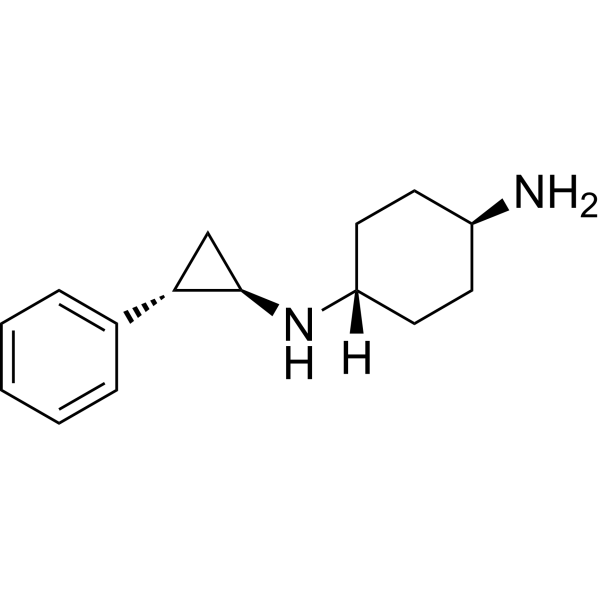
CD20
|
Cancer
|
|
TRS-005 is an anti-CD20 ADC, formed by conjugating an anti-CD20 monoclonal antibody to MMAE (HY-15162) via a Val-Cit (HY-140014) linker. TRS-005 targets CD20-positive tumor cells and delivers MMAE into cells through receptor-mediated endocytosis. TRS-005 can be used for research on relapsed/refractory B-cell non-Hodgkin lymphoma (specifically diffuse large B-cell lymphoma) .
|
-
- HY-185483
-
|
|
Antibody-Drug Conjugates (ADCs)
Transmembrane Glycoprotein
Microtubule/Tubulin
|
Cancer
|
|
AMG-172 is an antibody-drug conjugate (ADC) composed of a fully human IgG1 monoclonal anti-CD27L antibody conjugated to DM1 (HY-19792) via the non-cleavable linker MCC. AMG-172 releases the intracellular active component Lysine-MCC-DM through catabolism. Lysine-MCC-DM inhibits the assembly and disassembly dynamics of Microtubule and induces cell arrest at metaphase. AMG-172 can be used for research on relapsed/refractory clear cell renal cell carcinoma .
|
-
- HY-181960
-
|
|
Histamine Receptor
|
Neurological Disease
|
|
BP1.3656B is a selective, orally active, blood-brain barrier-permeable histamine H3 receptor (histamine H3 receptor) inverse agonist/antagonist, with a KB value of 0.08 nM for antagonizing agonist-induced activity and an IC50 value of 0.38 nM for directly inhibiting the basal activity of the receptor. BP1.3656B reduces alcohol consumption, alcohol-seeking behavior, alcohol self-administration, motivation to drink, alcohol relapse, alcohol-induced hyperlocomotion, and binge alcohol intake. BP1.3656B is applicable for the research of alcohol use disorder .
|
-
- HY-183596
-
|
|
Drug Intermediate
|
Cancer
|
|
L-His-BPA is a prodrug of L-p-Boronophenylalanine (L-BPA) (HY-W087830), formed by the peptide bond linkage of L-histidine (L-His) (HY-N0832) and L-BPA. L-His-BPA is rapidly cleaved by endogenous proteases to de novo release L-BPA in the systemic circulation. When used in combination with neutron irradiation, L-His-BPA induces complete and durable tumor regression, elicits cancer vaccine responses, and produces abscopal inhibitory effects on unirradiated distant tumors. L-His-BPA can be used in studies of boron neutron capture therapy (BNCT) for relapsed/advanced solid tumors .
|
-
- HY-156794A
-
|
DSP-5336 enantiomer
|
Drug Isomer
FLT3
Epigenetic Reader Domain
|
Cardiovascular Disease
Cancer
|
Enzomenib enantiomer (DSP-5336 enantiomer) is an enantiomer of Enzomenib (HY-156794). Enzomenib (DSP-5336) is an orally active Menin inhibitor (IC50=1.4 nM, Kd=6.0 nM). Enzomenib disrupts the interaction between Menin and KMT2A/MLL fusion proteins, specifically inhibits the expression of leukemia driver genes such as HOX/MEIS1, and upregulates ITGAM. Enzomenib effectively induces cell differentiation, inhibits tumor cell proliferation, and suppresses primitive cell colony formation. Enzomenib reduces disease burden and prolongs survival, but causes adverse reactions including differentiation syndrome and QTc interval prolongation. Enzomenib is used for research on relapsed/refractory acute myeloid leukemia, acute lymphoblastic leukemia, and other hematologic malignancies with mixed lineage leukemia (MLL) rearrangements or NPM1 mutations .
|
-
- HY-182091
-
|
|
5-HT Receptor
Dopamine Receptor
Dopamine Transporter
Adrenergic Receptor
Calcium Channel
|
Neurological Disease
|
|
CYD-1-79 is a selective positive allosteric modulator of 5-HT2C receptor. CYD-1-79 potentiates 5-HT-evoked intracellular calcium release via a topographically distinct allosteric site. CYD-1-79 shows significant inhibition of binding at dopamine D3 receptor, DAT, and α2A/α2B adrenergic receptors. CYD-1-79 modulates 5-HT2C receptor-mediated spontaneous ambulation in rodents and synergizes with a low dose of a 5-HT2C receptor agonist. CYD-1-79 attenuates relapse vulnerability of psychoactive substance in a rodent self-administration model. CYD-1-79 can be used for the research of neurological disease .
|
-
- HY-172581
-
|
|
FLT3
Apoptosis
Ras
p38 MAPK
PI3K
Akt
JAK
STAT
|
Cancer
|
|
Clifutinib is an orally active and selective internal tandem duplication mutation of FMS-like tyrosine kinase 3 (FLT3-ITD) inhibitor with an IC50 value of 15.1 nM. Clifutinib exerts strong antiproliferative effects on FLT3-ITD acute myeloid leukemia (AML) cell lines (MV-4-11: IC50 = 1.5 nM; MOLM-13: IC50 = 1.4 nM). Clifutinib inhibits the activity of FLT3-ITD kinase and blocks the downstream RAS/MAPK, PI3K/AKT, and JAK/STAT5 signaling pathways of FLT3. Clifutinib induces apoptosis of acute myeloid leukemia (AML) cells with FLT3-ITD mutations. Clifutinib demonstrates significant antitumor efficacy in mice bearing MV-4-11 or MOLM-13 xenografts. Clifutinib is promising for research of relapsed/refractory FLT3-ITD-positive acute myeloid leukemia .
|
-
- HY-P991112
-
|
|
Transmembrane Glycoprotein
|
Infection
|
|
Anti-Mouse CD8α Antibody (YTS169.4) is an IgG2 monoclonal antibody targeting mouse CD8α. Anti-Mouse CD8α Antibody (YTS169.4) rapidly depletes or downregulates CD8 + T cells in the spleens of Biozzi AB/H mice. Anti-Mouse CD8α Antibody (YTS169.4) is applicable to research related to hepatitis B virus infection . Recommended isotype control: Rat IgG2b kappa, Isotype Control (HY-P990682).
|
-
- HY-P99524
-
-
| Cat. No. |
Product Name |
Target |
Research Area |
-
- HY-P1240
-
|
Myelin Oligodendrocyte Glycoprotein Peptide (35-55), mouse, rat
|
Endogenous Metabolite
|
Neurological Disease
Inflammation/Immunology
|
|
MOG (35-55) mouse, rat (Myelin Oligodendrocyte Glycoprotein Peptide (35-55), mouse, rat) is a minor component of CNS myelin. MOG (35-55) mouse, rat has encephalitogenic activity and induces T cell proliferative. MOG (35-55) mouse, rat induces Th1 cytokine response as well as relatively high levels of IgG antibodies. MOG (35-55) mouse, rat produces a relapsing-remitting neurological disease with extensive plaque-like demyelination. MOG (35-55) mouse, rat (MOG (35-55)) can be used for experimental autoimmune encephalomyelitis (EAE) modeling .
|
-
- HY-P1240A
-
|
Myelin Oligodendrocyte Glycoprotein Peptide (35-55), mouse, rat TFA
|
Endogenous Metabolite
|
Neurological Disease
Inflammation/Immunology
|
|
MOG (35-55) (MOG (35-55)) TFA is a minor component of CNS myelin. MOG (35-55) (TFA) has encephalitogenic activity and induces T cell proliferative. MOG (35-55) (TFA) induces Th1 cytokine response as well as relatively high levels of IgG antibodies. MOG (35-55) (TFA) produces a relapsing-remitting neurological disease with extensive plaque-like demyelination. MOG (35-55) (MOG (35-55)) TFA can be used for experimental autoimmune encephalomyelitis (EAE) modeling .
|
-
- HY-P1240B
-
|
Myelin Oligodendrocyte Glycoprotein Peptide (35-55), mouse, rat acetate
|
Peptides
|
Neurological Disease
Inflammation/Immunology
|
|
MOG (35-55) (Myelin Oligodendrocyte Glycoprotein Peptide (35-55), mouse, rat) acetate is a minor component of CNS myelin. MOG (35-55) (acetate) has encephalitogenic activity and induces T cell proliferative. MOG (35-55) (acetate) induces Th1 cytokine response as well as relatively high levels of IgG antibodies. MOG (35-55) (acetate) produces a relapsing-remitting neurological disease with extensive plaque-like demyelination. MOG (35-55) (Myelin Oligodendrocyte Glycoprotein Peptide (35-55), mouse, rat) acetate can be used for experimental autoimmune encephalomyelitis (EAE) modeling .
|
| Cat. No. |
Product Name |
Target |
Research Area |
Image |
-
- HY-P99033
-
|
BTCT-4465A; RG-7828; RO7030816
|
CD20
CD3
|
Inflammation/Immunology
Cancer
|
|
Mosunetuzumab (BTCT-4465A) is a full-length, fully humanized immunoglobulin G1 (IgG1) T-cell-dependent bispecific (TDB) antibody targeting CD20 (B cells) and CD3 (T cells). Mosunetuzumab redirects T cells to engage and eliminate malignant B cells and can be used for the research of relapsed or refractory (R/R) B-cell non-Hodgkin lymphomas (B-NHLs) .
|
-
(5)
-
- HY-P99024
-
|
RO7082859; RG-6026
|
CD20
CD3
|
Inflammation/Immunology
Cancer
|
|
Glofitamab (RO7082859) is a T-cell-engaging bispecific antibody possessing a novel 2:1 structure with bivalency for CD20 on B cells and monovalency for CD3 on T cells. Glofitamab leads to T-cell activation, proliferation, and tumor cell killing upon binding to CD20 on malignant cells. Glofitamab induces durable complete remissions in relapsed or refractory B-Cell non-Hodgkin lymphoma (B-NHL) .
|
-
(5)
-
- HY-P9980
-
|
GSK2857914
|
ADC Antibody
TNF Receptor
|
Cancer
|
|
Belantamab (GSK2857916) is a humanized IgG1 anti-BCMA/TNFRSF17 monoclonal antibody. Belantamab is linked to MMAF (HY-15579) through a non-cleavable ADC linker to synthesize the antibody-active molecule conjugate (ADC) Belantamab mafodotin (HY-P3239). After binding to BCMA on the surface of tumor cells, Belantamab mafodotin enters the cell through receptor-mediated endocytosis. After entering the cell, Belantamab mafodotin releases MMAF, blocks cell division by inhibiting tubulin polymerization, arrests the cell cycle and induces cell apoptosis. Belantamab can be used for the study of multiple myeloma, especially relapsed/refractory multiple myeloma .
|
-
(5)
-
- HY-P99909
-
|
PF-06863135; RN-613
|
TNF Receptor
|
Inflammation/Immunology
|
|
Elranatamab (PF-06863135) is an anti-CD3E/TNFRSF17 human IgG2κ monoclonal antibody . Recommend Isotype Controls: Human IgG2 kappa, Isotype Control (HY-P99002).
|
-
(5)
-
- HY-P99100
-
|
CTL-002
|
TGF-beta/Smad
PD-1/PD-L1
|
Cancer
|
|
Visugromab (CTL-002) is a GDF-15 neutralizing IgG4 mAb. Visugromab has synergistic anticancer activity with the anti-PD1 antibody Nivolumab (HY-P9903) and can effectively act on PD-1/PD-L1 relapsed/refractory metastatic solid tumors. Recommend Isotype Controls: Human IgG4 (S228P) kappa, Isotype Control (HY-P99003) .
|
-
(5)
-
- HY-108831A
-
|
AN100226; BG00002
|
Integrin
|
Inflammation/Immunology
Cancer
|
|
Natalizumab (Anti-CD49d) (AN100226; BG00002) Solution is a humanized monoclonal IgG4 antibody inhibitor that selectively targets α4 integrin (CD49d), blocking the interaction of integrins such as α4β1 (VLA-4) with vascular cell adhesion molecule VCAM-1, intercellular adhesion molecule ICAM-1, and fibronectin by competitively binding to the α4 subunit. Natalizumab solution inhibits the adhesion, retention, and transendothelial migration of immune cells (such as CD4 + T cells), reducing the infiltration of inflammatory cells into the central nervous system or lesion sites, thereby exerting anti-inflammatory and immunomodulatory activity. Natalizumab (Anti-CD49d) solution is used in the study of relapsing-remitting multiple sclerosis (RRMS) and is also applied in the research of autoimmune or inflammation-related diseases such as Crohn's disease, B-cell lymphoma, and non-infectious uveitis. Natalizumab (Anti-CD49d) can also prevent lymphocytes from entering the central nervous system, thus preventing acute demyelinating relapses .
|
-
(5)
-
- HY-P990980
-
|
CND-106; EMB-06
|
CD3
|
Inflammation/Immunology
Cancer
|
|
Cizutamig (CND-106) is a bispecific T-cell engager targeting BCMA and CD3. Cizutamig exhibits immunostimulatory and anti-tumor activities. Cizutamig can be used in research related to relapsed or refractory multiple myeloma and systemic lupus erythematosus .
|
-
(5)
-
- HY-P991490
-
|
|
CD38
CD3
TNF Receptor
|
Cancer
|
|
ISB2001 is a trispecific antibody targeting CD38, CD3 and BCMA. ISB2001 effectively counteracts tumor immune escape mechanisms caused by antigen downregulation, antigen loss, soluble factor competition and other factors. ISB2001 is applicable to relevant research on multiple myeloma and relapsed/refractory multiple myeloma .
|
-
(5)
-
- HY-P9989
-
|
REGN5458
|
CD3
TNF Receptor
|
Cancer
|
|
Linvoseltamab (REGN5458) is a bispecific T-cell engager (BiTE) antibody that specifically binds to B cell maturation antigen (BCMA) and CD3 of T cells, thereby directing T cells to multiple myeloma (MM) cells expressing BCMA and activating T cells to kill tumor cells. Linvoseltamab can be used in research of relapsed/refractory multiple myeloma (RRMM) .
|
-
(5)
-
- HY-P991537
-
|
HS-20093 Antibody; GSK5764227 Antibody
|
ADC Antibody
CD276/B7-H3
|
Cancer
|
|
HS-20093 Antibody (GSK5764227 Antibody) is an antibody targeting B7-H3, which can be used to synthesize the ADC HS-20093. HS-20093 Antibody exhibits anti-tumor activity. HS-20093 Antibody can be studied in research for small cell lung cancer, relapsed or refractory osteosarcoma, and advanced solid tumors .
|
-
(5)
-
- HY-P99613
-
|
MK-4280; Mavezelimab
|
LAG-3
|
Cancer
|
Favezelimab (MK-4280) is a humanized monoclonal antibody targeting LAG-3. Favezelimab blocks the interaction between LAG-3 and its ligand, MHC class II molecules. Favezelimab is applicable to research on relapsed/refractory classical Hodgkin lymphoma, relapsed/refractory diffuse large B-cell lymphoma, and relapsed/refractory indolent B-cell lymphoma . For the isotype control of Favezelimab, refer to Human IgG4 (S228P) kappa, Isotype Control (HY-P99003).
|
-
(5)
-
- HY-P99910
-
|
AMG-330
|
CD3
Transmembrane Glycoprotein
|
Inflammation/Immunology
Cancer
|
|
Eluvixtamab (AMG-330) is a bispecific T-cell engager. Eluvixtamab binds to CD33 and CD3 on T cells, thereby promoting T cell-mediated cytotoxicity against CD33+ cells. Eluvixtamab can be used in the research of tumors such as relapsed/refractory acute myeloid leukemia .
|
-
(5)
-
- HY-108831
-
|
|
Integrin
|
Inflammation/Immunology
Cancer
|
|
Natalizumab (AN100226; BG00002) is a humanized monoclonal IgG4 antibody inhibitor that selectively targets α4 integrin (CD49d). It blocks the interaction of integrins such as α4β1 (VLA-4) with vascular cell adhesion molecule VCAM-1, intercellular adhesion molecule ICAM-1, and fibronectin by competitively binding to the α4 subunit. Natalizumab inhibits the adhesion, retention, and transendothelial migration of immune cells (such as CD4 + T cells), reducing the infiltration of inflammatory cells into the central nervous system or lesion sites, thus exerting anti-inflammatory and immunomodulatory activity. Natalizumab is used in the study of relapsing-remitting multiple sclerosis (RRMS) and also has applications in the study of autoimmune or inflammation-related diseases such as Crohn's disease, B-cell lymphoma, and non-infectious uveitis. Natalizumab can also prevent lymphocytes from entering the central nervous system, thereby preventing acute demyelinating relapses .
|
-
(5)
-
- HY-P99740
-
|
|
CD276/B7-H3
ADC Antibody
|
Cancer
|
|
Mirzotamab is an IgG1κ monoclonal antibody targeting to CD276/B7-H3 with anti-tumor activity. Mirzotamab conjugates with Clezutoclax (HY-137774), a BCL inhibitor to form Mirzotamab clezutoclax (HY-P99741), involving in research with taxane research in relapsed/refractory solid tumors. Mirzotamab clezutoclax (ABBV-155) is a targeted antibody drug conjugate (ADC) .
|
-
(5)
-
- HY-P99524
-
-
(5)
-
- HY-P99730
-
|
TAK-079
|
CD38
Apoptosis
|
Inflammation/Immunology
Cancer
|
|
Mezagitamab (TAK-079) is a IgG1λ anti-CD38 monoclonal antibody. Mezagitamab depletes tumor cells expressing CD38 through antibody and complement dependent cytotoxicity. Mezagitamab has potential application in relapsed/refractory multiple myeloma (RRMM) and idiopathic thrombocytopenic purpura (ITP) .
|
-
(5)
-
- HY-P99293
-
|
IDEC 114; Anti-Human CD80 Recombinant Antibody
|
CD28
Apoptosis
|
Cancer
|
|
Galiximab (IDEC-114) is a primatized monoclonal IgG1 antibody targeting CD80. Galiximab variable regions are primatized, and the constant regions are humanized. Galiximab induces antibody-dependent cellular cytotoxicity by blocking CD80-CD28 binding. Galiximab has antitumor activity and can induce apoptosis in tumor cells. Galiximab can be used in the research of relapsed Hodgkin lymphoma and solid tumors .
|
-
(5)
-
- HY-P99916
-
|
AMG-427
|
FLT3
CD3
TNF Receptor
|
Inflammation/Immunology
Cancer
|
Emirodatamab (AMG-427) is a bispecific T-cell engager (BiTE). Emirodatamab simultaneously binds FLT3 on the surface of acute myeloid leukemia (AML) cells and CD3 on the surface of T cells, thereby precisely recruiting immune effector cells to tumor sites. Emirodatamab potently induces T cell activation, secretion of proinflammatory cytokines (such as IFNγ, TNFα), and specific cytotoxicity, effectively lysing FLT3-positive tumor cells and inhibiting their growth. Emirodatamab not only significantly prolongs survival in mouse xenograft models and eliminates diseased cells in primates, but also exhibits a synergistic enhancement effect when combined with PD-1 blockade therapy. Emirodatamab is used in studies of acute myeloid leukemia, especially relapsed or refractory cases .
|
-
(5)
-
- HY-P991176
-
|
RO7443904
|
CD19
CD28
|
Cancer
|
|
RG-6333 is a bispecific agonist targeting CD19 and CD28. RG-6333 specifically recognizes and binds to the CD19 antigen on the surface of B-cell malignancies to locate tumor cells. RG-6333 activates T cells by binding to CD28, overcoming activation barriers to enhance anti-tumor immunity. RG-6333 can be used in the study of relapsed/refractory non-Hodgkin's lymphoma. The recommended isotype control is human IgG1 kappa, isotype control (HY-P99001) .
|
-
(5)
-
- HY-P991112
-
|
|
Transmembrane Glycoprotein
|
Infection
|
|
Anti-Mouse CD8α Antibody (YTS169.4) is an IgG2 monoclonal antibody targeting mouse CD8α. Anti-Mouse CD8α Antibody (YTS169.4) rapidly depletes or downregulates CD8 + T cells in the spleens of Biozzi AB/H mice. Anti-Mouse CD8α Antibody (YTS169.4) is applicable to research related to hepatitis B virus infection . Recommended isotype control: Rat IgG2b kappa, Isotype Control (HY-P990682).
|
-
(5)
-
- HY-P99100A
-
|
CLT-002 (Powder)
|
TGF-beta/Smad
PD-1/PD-L1
|
Cancer
|
|
Visugromab (CTL-002) (Powder) is a GDF-15 neutralizing IgG4 mAb. Visugromab (Powder) has synergistic anticancer activity with the anti-PD1 antibody Nivolumab (HY-P9903) and can effectively act on PD-1/PD-L1 relapsed/refractory metastatic solid tumors. Recommend Isotype Controls: Human IgG4 (S228P) kappa, Isotype Control (HY-P99003) .
|
-
(5)
-
- HY-P990905
-
|
SAR-443579
|
Interleukin Related
|
Cancer
|
|
Bexatamig (SAR-443579) is a trifunctional natural killer cell engager targeting IL-3R α/CD123, NKp46/NCR1/CD335 and Fc gamma RIIIA/CD16a. Bexatamig forms a cytolytic synapse between natural killer cells and CD123-positive tumor cells. By activating natural killer cells to induce tumor cell death, Bexatamig effectively reduces the burden of CD123-positive acute myeloid leukemia (AML) blasts. Bexatamig has been granted FDA Fast Track designation, and is primarily investigated for relapsed or refractory acute myeloid leukemia, B-cell acute lymphoblastic leukemia, and high-risk myelodysplastic syndromes .
|
-
(5)
-
- HY-P991545
-
|
|
CD20
|
Cancer
|
|
BVX20 is a human monoclonal antibody that binds to CD20. BVX20 can kill B-cells through recruiting the immune system. BVX20 can be studied in research for relapsed or chemotherapy-resistant follicular B-cell NHL and CD20-positive diffuse large B-cell NHL .
|
-
(5)
-
- HY-P991173
-
|
|
Notch
|
Cancer
|
|
AMG-119 is a humanized IgG1 monoclonal antibody that targets delta-like ligand 3 (DLL3). AMG-119 can be used for the study of relapsed/refractory (R/R) small cell lung cancer (SCLC). Recommend Isotype Controls: Human IgG1 kappa, Isotype Control (HY-P99001) .
|
-
(5)
-
- HY-P992445
-
|
|
CD20
|
Cancer
|
|
PRO131921 is a humanized IgG1 anti-CD20 antibody, with antibody-dependent cellular cytotoxicity and complement-dependent cytotoxicity activities. PRO131921 acts as an anti-tumor agent. PRO131921 can be used for the research of indolent non-Hodgkin lymphoma and relapsed and refractory indolent lymphoma .
|
-
(5)
-
- HY-P992120
-
|
|
CCR
|
Inflammation/Immunology
|
|
Minokitug is a humanized monoclonal antibody targeting the CCR2 protein. Minokitug can be used for the research of refractory/relapsed ulcerative colitis .
|
-
(5)
-
- HY-P992074
-
|
IPH6501
|
CD20
Interleukin Related
|
Cancer
|
|
Zemlikafusp alfa (IPH6501) is a tetra-specific NK cell engager that targets CD20, CD16a, NKp46 and carries an IL-2 variant. Zemlikafusp alfa (IPH6501) is used in research for the treatment of relapsed/refractory B-cell non-Hodgkin lymphoma .
|
-
(5)
-
- HY-P992417
-
|
|
CD20
Apoptosis
|
Cancer
|
|
MT-3724 is a CD20-targeted endotoxin B. MT-3724 binds to CD20, triggers receptor internalization, traffics to the endoplasmic reticulum, and induces permanent ribosomal inactivation to mediate cell killing. MT-3724 can inhibit protein synthesis and promote tumor cell apoptosis. MT-3724 can be used for the research of relapsed or refractory B-cell non-Hodgkin’s lymphomas and diffuse large B-cell lymphoma .
|
-
(5)
| Cat. No. |
Product Name |
Category |
Target |
Chemical Structure |
| Cat. No. |
Product Name |
Chemical Structure |
-
- HY-153939S
-
|
|
|
Idasanutlin-d3-1 (RG7388-d3-1) is the deuterium labeled Idasanutlin. Idasanutlin is a potent antagonist of MDM2/p53. Idasanutlin inhibits relapsed or refractory acute myeloid leukemia .
|
-
-
- HY-10224S
-
|
|
|
Panobinostat-d4 is the deuterium labeled Panobinostat. Panobinostat (LBH589; NVP-LBH589) is a potent and orally active non-selective HDAC inhibitor, and has antineoplastic activities[1][2]. Panobinostat induces HIV-1 virus production even at low concentration range 8-31 nM, stimulates HIV-1 expression in latently infected cells[4]. Panobinostat induces cell apoptosis and autophagy. Panobinostat can be used for the study of refractory or relapsed multiple myeloma[3].
|
-
-
- HY-10224S1
-
|
|
|
Panobinostat-d4 (hydrochloride) is deuterium labeled Panobinostat. Panobinostat (LBH589; NVP-LBH589) is a potent and orally active non-selective HDAC inhibitor, and has antineoplastic activities[1][2]. Panobinostat induces HIV-1 virus production even at low concentration range 8-31 nM, stimulates HIV-1 expression in latently infected cells[4]. Panobinostat induces cell apoptosis and autophagy. Panobinostat can be used for the study of refractory or relapsed multiple myeloma[3].
|
-
-
- HY-13010S
-
|
|
|
Laquinimod-d5 (ABR-215062-d5) is deuterium labeled Laquinimod. Laquinimod (ABR-215062), an orally available carboxamide derivative, is a potent immunomodulator that prevents neurodegeneration and inflammation in the central nervous system. Laquinimod reduces astrocytic NF-κB activation to protect from Cuprizone-induced demyelination. Laquinimod has the potential for relapsing-remitting (RR) and chronic progressive (CP) forms of multiple sclerosis (MS; RRMS or CPMS) as well as neurodegenerative diseases research .
|
-
| Cat. No. |
Product Name |
|
Classification |
-
- HY-10446
-
|
|
|
Alkynes
|
|
Pralatrexate is an antifolate and is a potent dihydrofolate reductasean (DHFR) inhibitor with a Ki of 13.4 pM. Pralatrexate is a substrate for folylpolyglutamate synthetase with improved cellular uptake and retention. Pralatrexate has antitumor activities and has the potential for relapsed/refractory T-cell lymphoma treatment . Pralatrexate is a click chemistry reagent, it contains an Alkyne group and can undergo copper-catalyzed azide-alkyne cycloaddition (CuAAc) with molecules containing Azide groups.
|
| Cat. No. |
Product Name |
|
Classification |
-
- HY-177632
-
|
ION-935918; ION251
|
|
Antisense Oligonucleotides
|
|
Frenlosirsen is an antisense oligonucleotide targeted to IRF4. It is used for study of relapsed/refractory multiple myeloma (RRMM).
|
-
- HY-177632A
-
|
ION-935918 sodium; ION251 sodium
|
|
Antisense Oligonucleotides
|
|
Frenlosirsen sodium is an antisense oligonucleotide targeted to IRF4. It is used for study of relapsed/refractory multiple myeloma (RRMM).
|
Your information is safe with us. * Required Fields.
Inquiry Information
- Product Name:
- Cat. No.:
- Quantity:
- MCE Japan Authorized Agent:

