47 Results for "

Rho/ROCK

" in MedChemExpress (MCE) Product Catalog:
Products (47)

47 Results for "Rho/ROCK" in MCE Product Catalog:

  • Targets Recommended:
584
584 Publications Verification
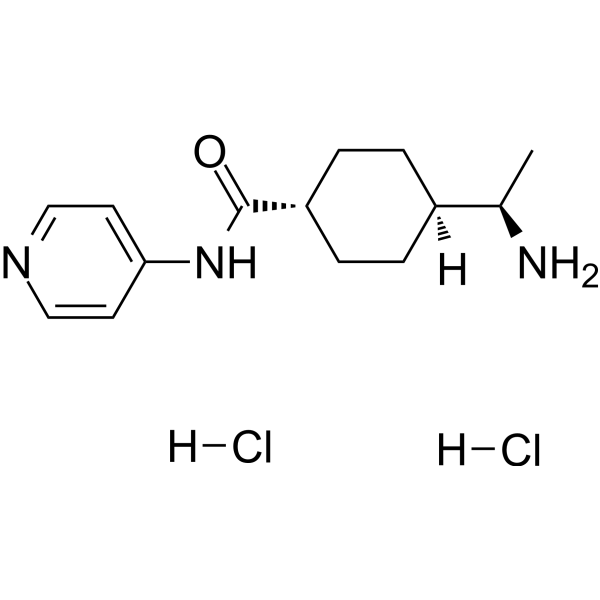
Cat. No.: HY-10583
CAS No.: 129830-38-2
Purity:  99.94%
Target:  

Organoid ROCK

Research Areas:  

Neurological Disease Cancer

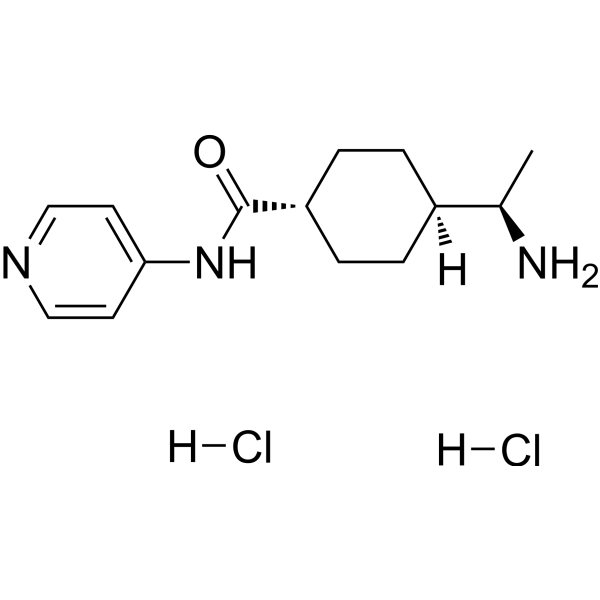
Y-27632 dihydrochloride is an orally active and ATP-competitive ROCK (Rho-kinase) inhibitor (ROCK-I Ki=220 nM; ROCK-II Ki=300 nM). Y-27632 dihydrochloride shows antiepileptic effects .
loading...
    loading...
428
428 Cited Publications
Cat. No.: HY-10583R
CAS No.: 129830-38-2
Research Areas:  

Cancer

Y-27632 dihydrochloride (Standard) is the analytical standard of Y-27632 dihydrochloride. Y-27632 dihydrochloride is an orally active and ATP-competitive ROCK (Rho-kinase) inhibitor (ROCK-I Ki=220 nM; ROCK-II Ki=300 nM). Y-27632 dihydrochloride shows antiepileptic effects .
loading...
    loading...
70
70 Cited Publications
Cat. No.: HY-15392
CAS No.: 1273579-40-0
Purity:  99.42%
Target:  

ROCK

Research Areas:  

Cardiovascular Disease

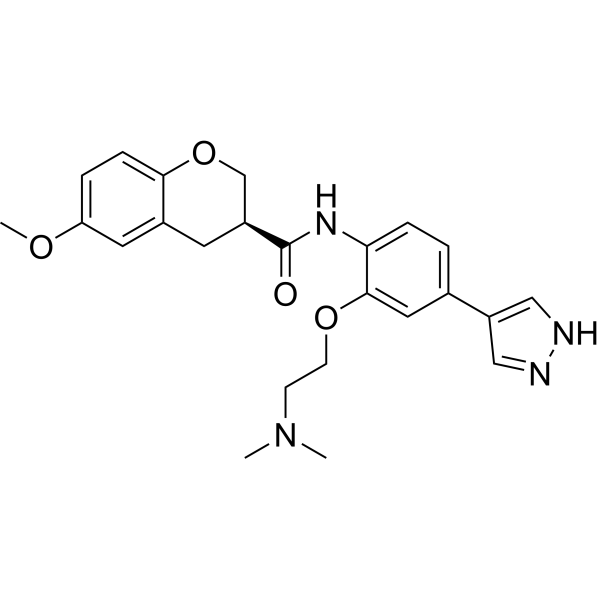
Chroman 1 is a highly potent and selective ROCK inhibitor. Chroman 1 is more potent against ROCK2 (IC50=1 pM) than ROCK1 (IC50=52 pM). Chroman 1 also has inhibitory activity against MRCK, with an IC50 of 150 nM .
loading...
    loading...
70
70 Cited Publications
Cat. No.: HY-15392A
Purity:  99.11%
Target:  

ROCK

Research Areas:  

Cardiovascular Disease

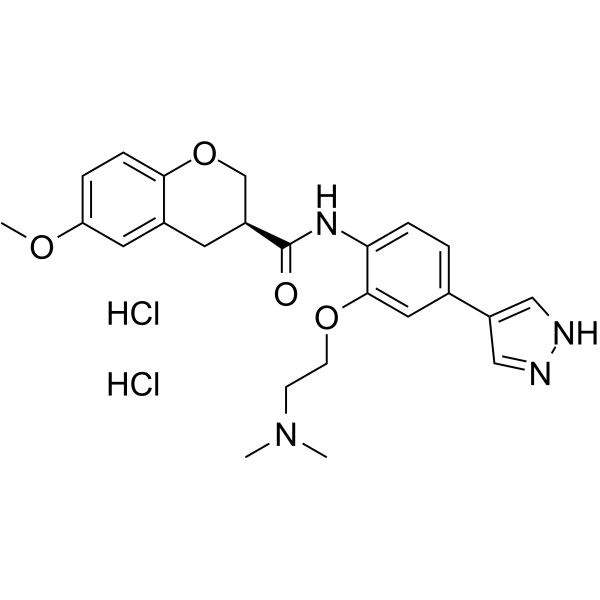
Chroman 1 dihydrochloride is a highly potent and selective ROCK inhibitor. Chroman 1 dihydrochloride is more potent against ROCK2 (IC50=1 pM) than ROCK1 (IC50=52 pM). Chroman 1 dihydrochloride also has inhibitory activity against MRCK, with an IC50 of 150 nM .
loading...
    loading...
6
6 Cited Publications
Cat. No.: HY-18990
CAS No.: 817194-38-0
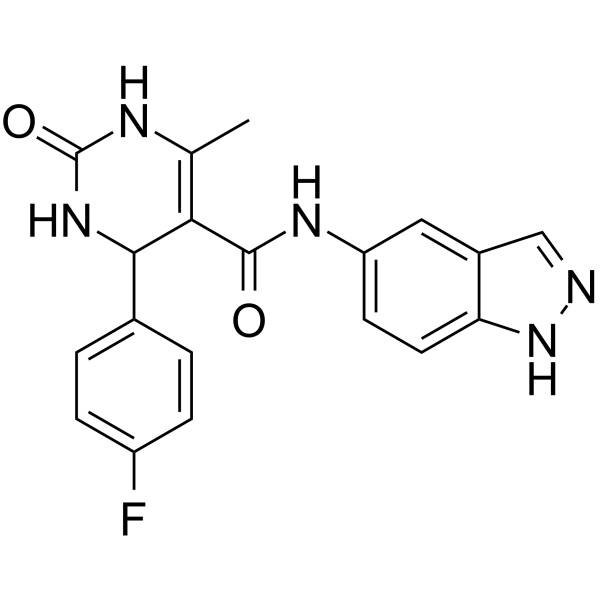
GSK180736A is potent Rho-associated coiled-coil kinase 1 (ROCK1) inhibitor with an IC50 of 100 nM. GSK180736A is also a selective and ATP-competitive G protein-coupled receptor kinase 2 (GRK2) inhibitor with an IC50 of 0.77 μM.
loading...
    loading...
5
5 Cited Publications
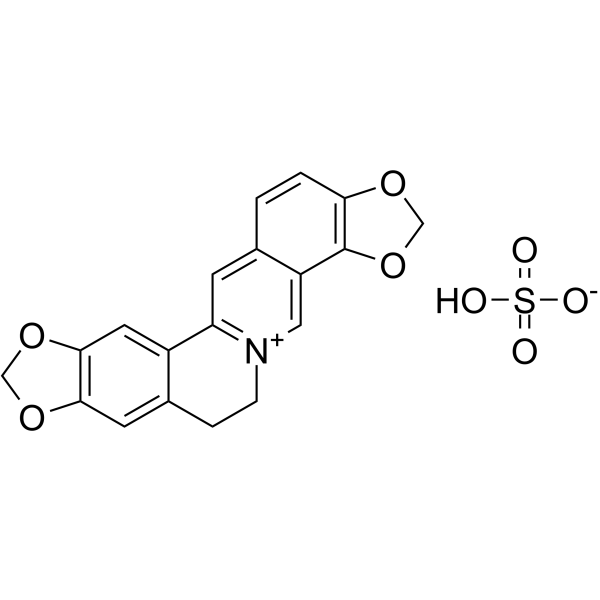
Cat. No.: HY-N0430A
CAS No.: 1198398-71-8
Coptisine Sulfate is an orally active and brain-penetrant alkaloid found in Coptis chinensis. Coptisine Sulfate is a reversible, uncompetitive IDO inhibitor with a Ki of 5.8 μM and an IC50 of 6.3 μM. Coptisine Sulfate suppresses neuroinflammation, reduces Aβ plaque burden and shows neuroprotective activity. Coptisine Sulfate shows anti-inflammation activity by blocking NF-κB, MAPK, and PI3K/Akt activation. Coptisine Sulfate inhibits cancer cells proliferation, induces DNA damage, G2/M phase cell cycle arrest, apoptosis, ROS production and mitochondrial dysfunction. Coptisine Sulfate inhibits Rho/ROCK pathway activation, reduces arrhythmia, limits cardiac injury marker release, reduces infarct size, and preserves cardiac function in rat myocardial ischemia/reperfusion models. Coptisine Sulfate downregulates HMGCR and upregulates LDLR and CYP7A1 to modulate cholesterol metabolism, reduces abnormal serum lipid levels, and promotes fecal bile acid excretion. Coptisine Sulfate be used for the research of cancer, hypercholesterolemia, Alzheimer’s disease, inflammatory disorders and cardiovascular disease .
loading...
    loading...
1
1 Cited Publications
Cat. No.: HY-10583G
CAS No.: 129830-38-2
Y-27632 dihydrochloride (GMP) is the GMP level of Y-27632 dihydrochloride (HY-10583). GMP guidelines are used to produce Y-27632 dihydrochloride (GMP). GMP small molecules works appropriately as an auxiliary reagent for cell research manufacture. Y-27632 dihydrochloride is an orally active and ATP-competitive ROCK (Rho-kinase) inhibitor with antiepileptic effect .
loading...
    loading...
1
1 Cited Publications
Cat. No.: HY-12798
CAS No.: 1254032-66-0
Purity:  99.94%
Synonyms: AR-13324
Netarsudil (AR-13324) is a competitive inhibitor of Rho-associated protein kinases (ROCK I and ROCK II) and a reversible inhibitor of the norepinephrine transporter (NET). Netarsudil reduces intraocular pressure by inhibiting ROCK, causing relaxation of trabecular meshwork cells and dilation of episcleral veins, thereby increasing the ease of aqueous humor outflow, while inhibiting NET to reduce aqueous humor production. Netarsudil is mainly used in the study of ocular hypertension and primary open-angle glaucoma .
loading...
    loading...
1
1 Cited Publications
Cat. No.: HY-12798B
CAS No.: 1253952-02-1
Purity:  99.90%
Synonyms: AR-13324 hydrochloride
Target:  

ROCK

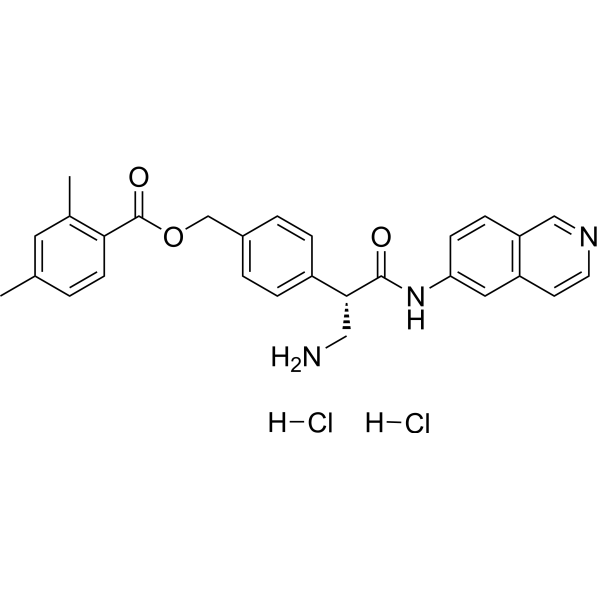
Netarsudil (AR-13324) hydrochloride is a competitive inhibitor of Rho-associated protein kinases (ROCK I and ROCK II) and a reversible inhibitor of the norepinephrine transporter (NET). Netarsudil hydrochloride reduces intraocular pressure by inhibiting ROCK, causing relaxation of trabecular meshwork cells and dilation of episcleral veins, thereby increasing the ease of aqueous humor outflow, while inhibiting NET to reduce aqueous humor production. Netarsudil hydrochloride is mainly used in the study of ocular hypertension and primary open-angle glaucoma .
loading...
    loading...
1
1 Cited Publications
Cat. No.: HY-12798A
CAS No.: 1422144-42-0
Purity:  99.90%
Synonyms: AR-13324 dimesylate
Target:  

ROCK

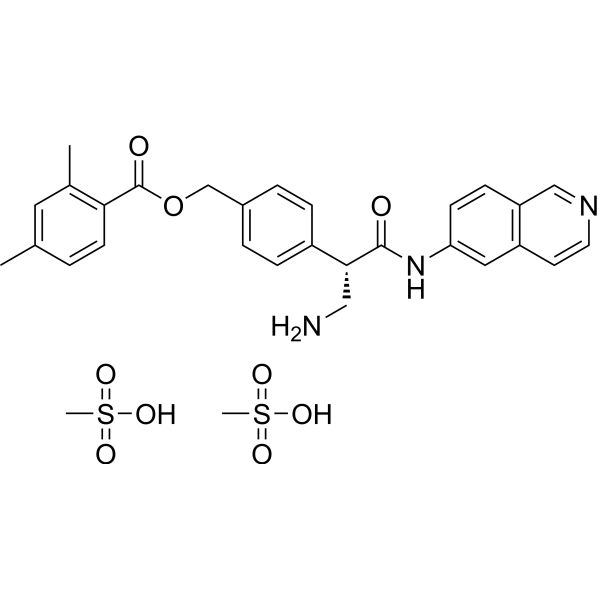
Netarsudil (AR-13324) dimesylate is a competitive inhibitor of Rho-associated protein kinases (ROCK I and ROCK II) and a reversible inhibitor of the norepinephrine transporter (NET). Netarsudil dimesylate reduces intraocular pressure by inhibiting ROCK, causing relaxation of trabecular meshwork cells and dilation of episcleral veins, thereby increasing the ease of aqueous humor outflow, while inhibiting NET to reduce aqueous humor production. Netarsudil dimesylate is mainly used in the study of ocular hypertension and primary open-angle glaucoma .
loading...
    loading...
1
1 Cited Publications
Cat. No.: HY-139170
CAS No.: 2247240-76-0
Purity:  99.77%
Target:  

ROCK

Research Areas:  

Metabolic Disease

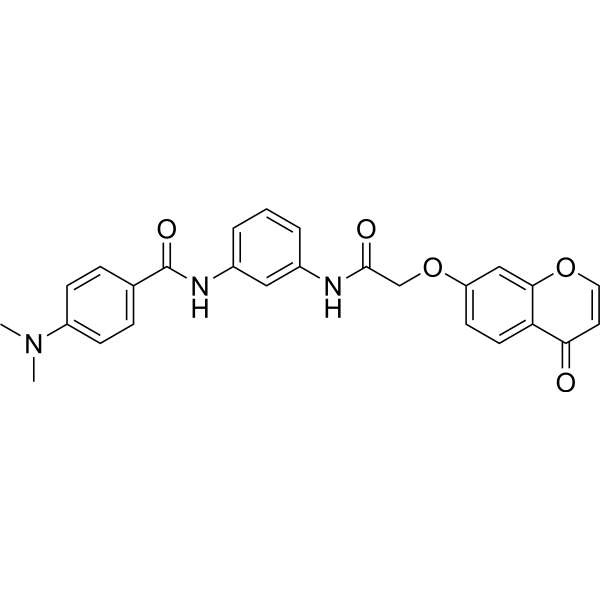
CAY10746 is a selective Rho kinase (ROCK) inhibitor. CAY10746 has inhibitory activity for ROCK I, ROCK II with IC50 values of 0.014 μM and 0.003 μM, respectively. CAY10746 can be used for the research of diabetic retinopathy (DR) .
loading...
    loading...
1
1 Cited Publications
Cat. No.: HY-P80314
Synonyms: Rho-associated protein kinase 1, Renal carcinoma antigen NY-REN-35, p160 ROCK-1, ROCK-I, p160ROCK, ROCK1

Host:  

Rabbit

Application:  

WB, ICC/IF, IHC-P, IP

Reactivity:  

Human, Mouse

loading...
    loading...
Cat. No.: HY-148808
CAS No.: 2365193-22-0
Purity:  99.33%
Synonyms: RXC007
Target:  

ROCK

Research Areas:  

Cancer

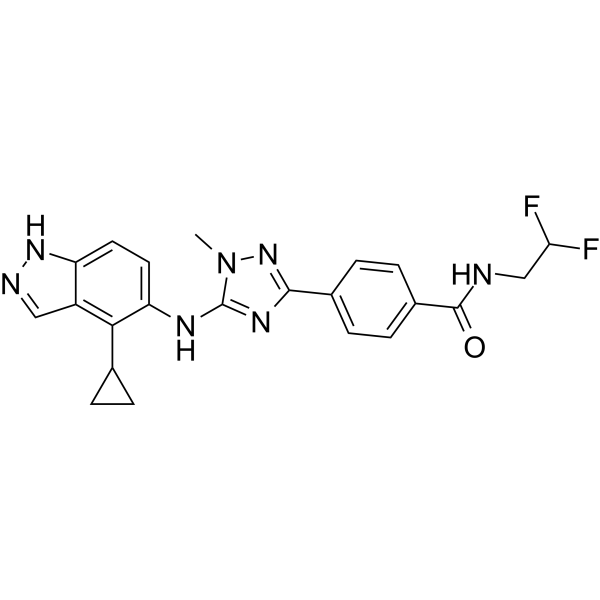
Zelasudil (RXC007) is an orally active, highly selective small molecule Rho-associated coiled-coil containing protein kinase 2 (ROCK2) inhibitor with anti-fibrotic efficacy. Zelasudil elicits positive immunomodulatory effects in metastatic pancreatic tumors with increase of CD8+ and CD4+ T cell infiltrate into the tumor cortex and reduction in immunosuppressive FOXP3+ regulatory T cells at the tumor border. Zelasudil is promising for research of pancreatic ductal adenocarcinoma .
loading...
    loading...
Cat. No.: HY-108518
CAS No.: 607373-46-6
Purity:  99.33%
Target:  

ROCK

SB-772077B dihydrochloride is an orally active aminofuran-based Rho kinase ((ROCK)) inhibitor with IC50 values of 5.6 nM and 6 nM for ROCK1 and ROCK2, respectively. SB-772077B dihydrochloride reduces inflammatory cytokines (TNF-α and IL-6). SB-772077B dihydrochloride relaxes aortic rings and lowers blood pressure. SB-772077B dihydrochloride can be used in the research of inflammatory diseases .
loading...
    loading...
Cat. No.: HY-32951
CAS No.: 401815-98-3
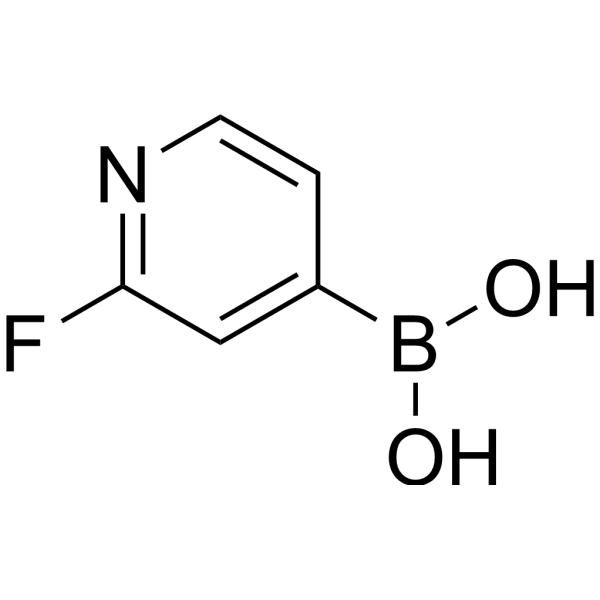
2-Fluoropyridine-4-boronic acid is a coupling reagent and chemical intermediate. 2-Fluoropyridine-4-boronic acid facilitates the synthesis of Rho kinase (ROCK) inhibitor Compound 37 .
loading...
    loading...
Cat. No.: HY-N0430
CAS No.: 3486-66-6
Synonyms: Coptisin
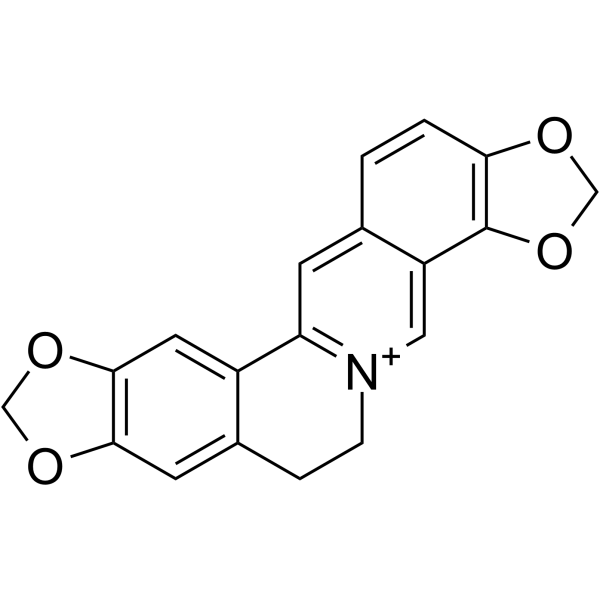
Coptisine is an orally active and brain-penetrant alkaloid found in Coptis chinensis. Coptisine is a reversible, uncompetitive IDO inhibitor with a Ki of 5.8 μM and an IC50 of 6.3 μM. Coptisine suppresses neuroinflammation, reduces Aβ plaque burden and shows neuroprotective activity. Coptisine shows anti-inflammation activity by blocking NF-κB, MAPK, and PI3K/Akt activation. Coptisine inhibits cancer cells proliferation, induces DNA damage, G2/M phase cell cycle arrest, apoptosis, ROS production and mitochondrial dysfunction. Coptisine inhibits Rho/ROCK pathway activation, reduces arrhythmia, limits cardiac injury marker release, reduces infarct size, and preserves cardiac function in rat myocardial ischemia/reperfusion models. Coptisine downregulates HMGCR and upregulates LDLR and CYP7A1 to modulate cholesterol metabolism, reduces abnormal serum lipid levels, and promotes fecal bile acid excretion. Coptisine can be used for the research of cancer, hypercholesterolemia, Alzheimer’s disease, inflammatory disorders and cardiovascular disease .
loading...
    loading...
Cat. No.: HY-100270
CAS No.: 1035094-83-7
Purity:  99.91%
Target:  

ROCK

Research Areas:  

Cancer

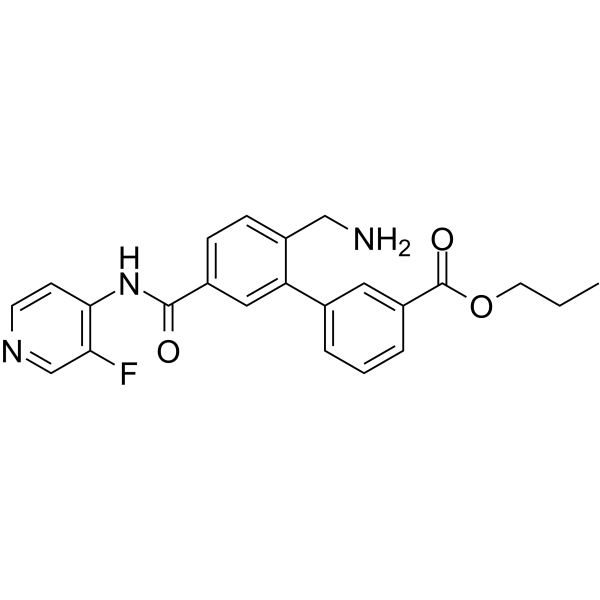
Rho-Kinase-IN-1 is a Rho kinase (ROCK) inhibitor (Ki values of 30.5 and 3.9 nM for ROCK1 and ROCK2, respectively) extracted from US20090325960A1, compound 1.008 .
loading...
    loading...
Cat. No.: HY-109191
CAS No.: 1333400-14-8
Purity:  99.91%
Synonyms: PHP-201; AMA0076
Target:  

ROCK

Research Areas:  

Others

Sovesudil (PHP-201) is a potent, ATP-competitive, locally acting Rho kinase (ROCK) inhibitor with IC50s of 3.7 and 2.3 nM for ROCK-I and ROCK-II, respectively. Sovesudil lowers intraocular pressure (IOP) without inducing hyperemia .
loading...
    loading...
Cat. No.: HY-112362
CAS No.: 7272-84-6
Purity:  ≥99.0%
Synonyms: ROCKout; 3-(4-Pyridinyl)-1H-indole; Rho Kinase Inhibitor III, ROCKout
Target:  

ROCK

Research Areas:  

Inflammation/Immunology

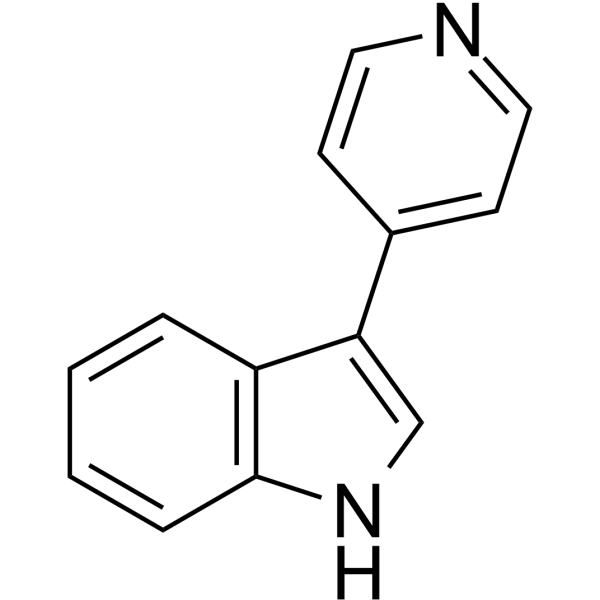
3-(4-Pyridyl)indole (Rockout) is a Rho-kinase (ROCK) inhibitor, with an IC50 of 25 μM. 3-(4-Pyridyl)indole can inhibit blebbing and cause dissolution of actin stress fibers in a wound healing assay .
loading...
    loading...
Cat. No.: HY-150640
CAS No.: 2573071-18-6
Purity:  99.29%
Target:  

ROCK

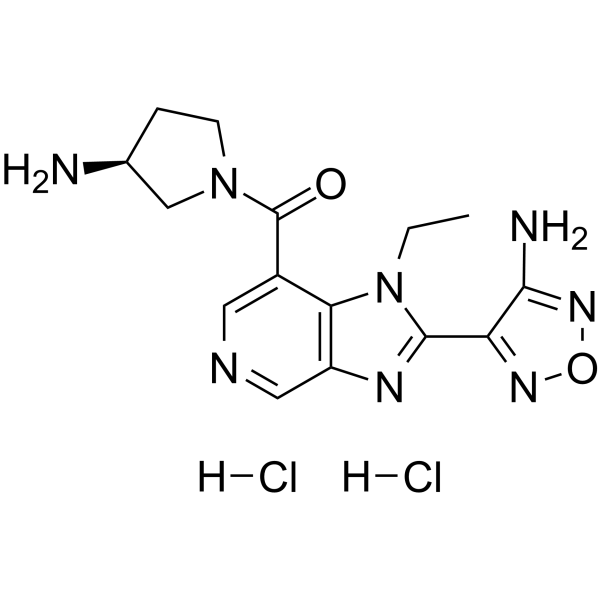
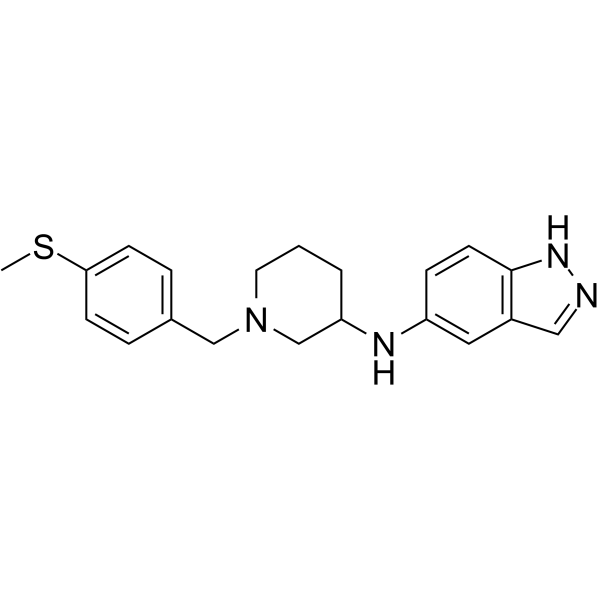
Rho-Kinase-IN-2 (Compound 23) is an orally active, selective, and CNS-penetrant Rho Kinase (ROCK) inhibitor (ROCK2 IC50 = 3 nM). Rho-Kinase-IN-2 can be used in Huntington’s research .
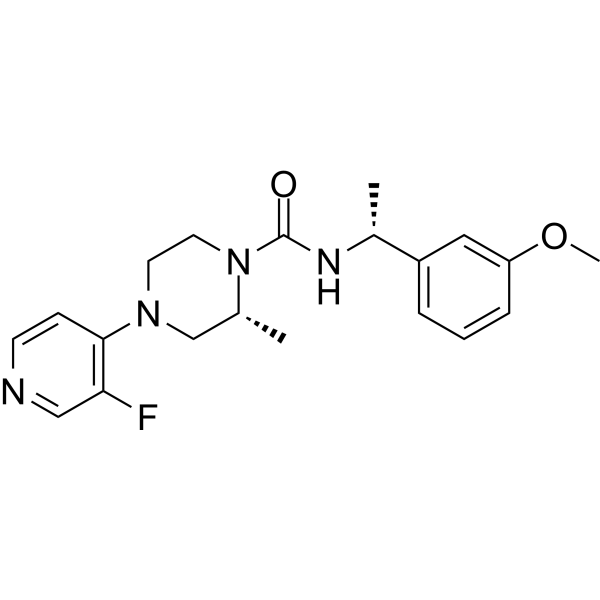
loading...
    loading...

