
Search Result
Results for "
S. epidermidis
" in MedChemExpress (MCE) Product Catalog:
6
Isotope-Labeled Compounds
| Cat. No. |
Product Name |
Target |
Research Areas |
Chemical Structure |
-
- HY-Y0366
-
-
-
- HY-D1872
-
|
|
Fluorescent Dye
|
Others
|
|
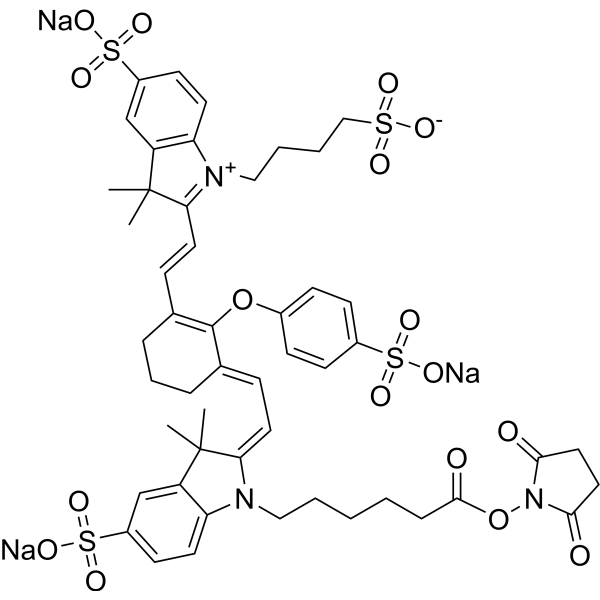
800CW NHS ester is a near-infrared fluorescent dye active ester that can conjugate with amine-containing small molecules, antibodies, peptides, and other substances to form fluorescent conjugates. 800CW NHS ester exhibits high fluorescence quantum yield and low non-specific binding properties. 800CW NHS ester can be used in biomedical research such as microbial infection imaging, tumor imaging, and biochemical detection .
|
-
-
- HY-Y0366S
-
|
|
Endogenous Metabolite
Bacterial
|
Infection
|
|
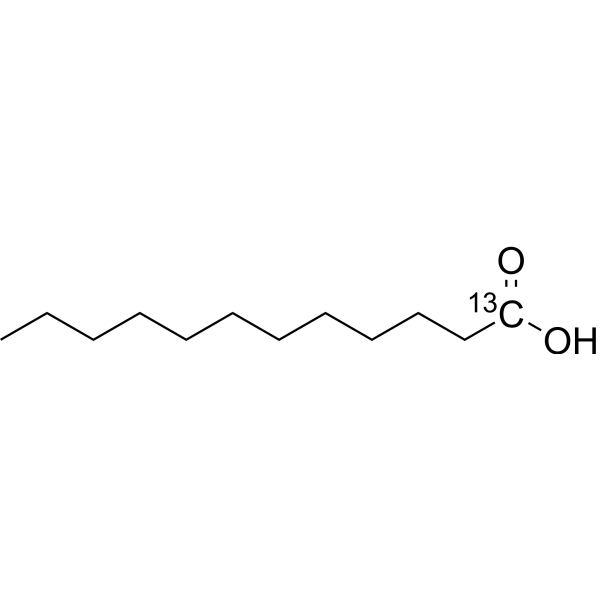
Lauric acid- 13C is the 13C labeled Lauric acid. Lauric acid is a middle chain-free fatty acid with strong bactericidal properties. The EC50s for P. acnes, S.aureus, S. epidermidis, are 2, 6, 4 μg/mL, respectively.
|
-
-
- HY-P10233A
-
|
|
Bacterial
|
Infection
|
|
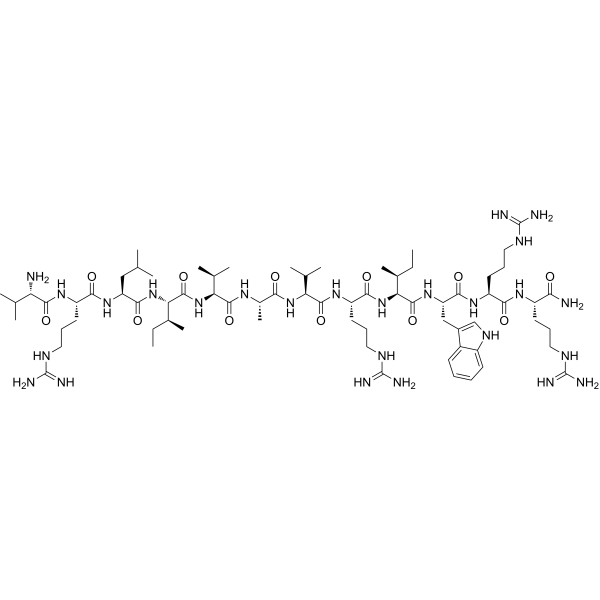
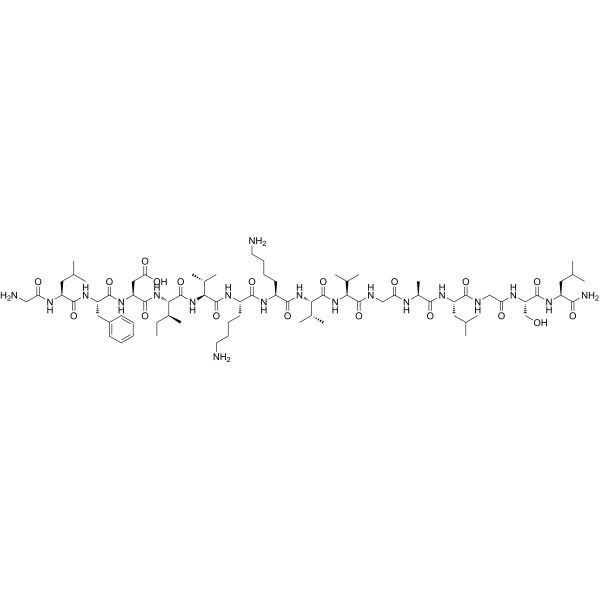
SAAP 148 TFA is a synthetic antimicrobial peptide (bacteria) that interacts with and disrupts the lipid bilayer of bacterial cytoplasmic membranes, thereby inducing changes in membrane permeability and bacterial death. SAAP 148 TFA kills drug-resistant, multidrug-resistant and persister bacterial strains, inhibits biofilm formation, eliminates established biofilms, and blocks bacterial colonization on implant surfaces. SAAP 148 TFA retains its activity after modification or immobilization, exhibits variable cytotoxicity in different human cell models, and shows reduced efficacy in protein-rich environments. SAAP 148 TFA can be used in infection-related research .
|
-
-
- HY-Y0366R
-
|
|
Reference Standards
Endogenous Metabolite
Bacterial
|
Infection
|
|
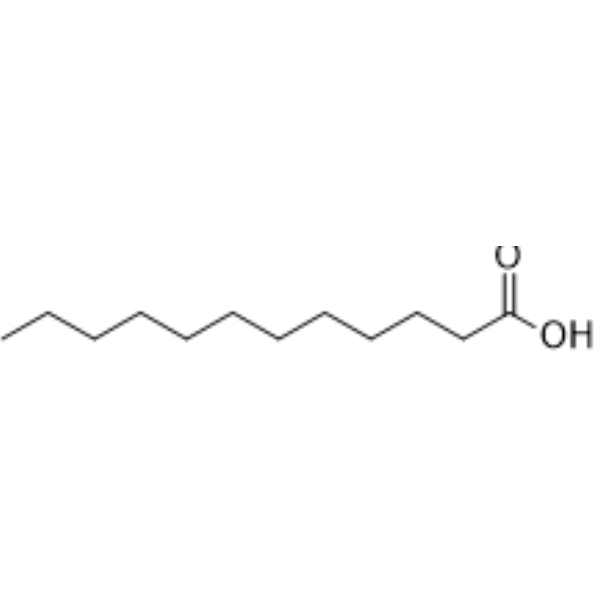
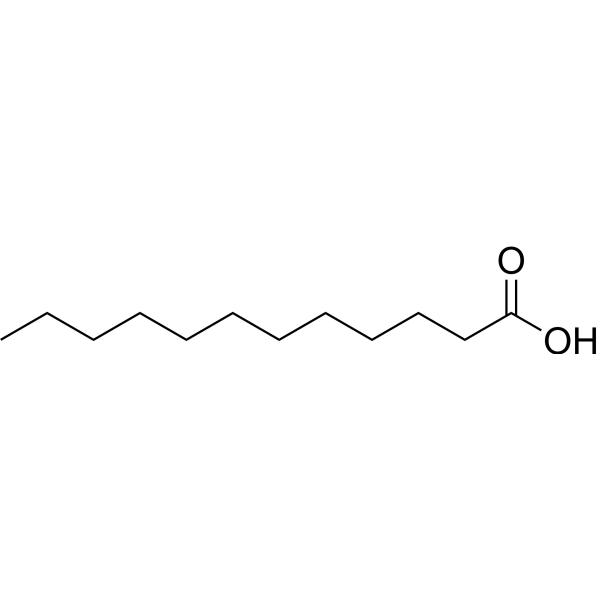
Lauric acid (Standard) is the analytical standard of Lauric acid. This product is intended for research and analytical applications. Lauric acid is a middle chain-free fatty acid with strong bactericidal properties. The EC50s for P. acnes, S.aureus, S. epidermidis, are 2, 6, 4 μg/mL, respectively.
|
-
-
- HY-P99309
-
|
BSYX-A 110; Anti-S. epidermidis LTA Recombinant Antibody
|
Bacterial
|
Infection
|
|
Pagibaximab is a chimeric IgG1 antibody recognizing the surface component lipoteichoic acid of S. aureus and S. epidermidis. Pagibaximab can be used to prevent staphylococcal sepsis .
|
-
-
- HY-N13150A
-
|
N-Demethylvancomycin hydrochloride; NVCM hydrochloride
|
Antibiotic
Bacterial
|
Infection
|
|
Norvancomycin hydrochloride is a glycopeptide antibiotic which can be found in Nocardia orientalis and active against several strains of S. aureus and S. epidermidis. Norvancomycin hydrochloride can be used for infection research .
|
-
-
- HY-10979
-
|
|
Bacterial
|
Infection
Inflammation/Immunology
|
|
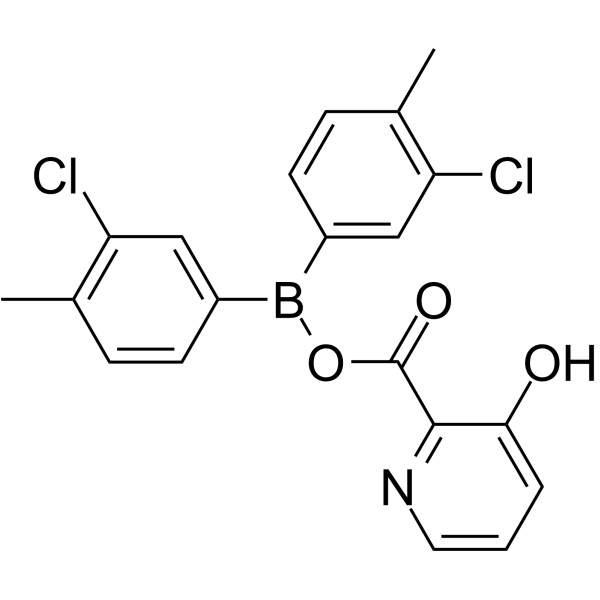
AN0128 is a boron-containing antibacterial and anti-inflammatory agent. AN0128 against S. aureus, S. epidermidis, P. acnes, B. subtilis with minimum inhibitory concentration (MIC) values of 1, 0.5, 0.3, 1 μg/mL. AN0128 can be used for the research of periodontal disease and cutaneous diseases .
|
-
-
- HY-P3361A
-
|
|
Parasite
Bacterial
Antibiotic
|
Infection
Inflammation/Immunology
|
|
IDR-1018 acetate is an innate defense regulator conjugate, with MICs of 16 μg/mL for MRSA USA300 LAC, MRSA SAP 0017 and S. epidermidis ATCC14990. IDR-1018 acetate can be used to synthesis V-IDR1018 (vancomycin-innate defense regulator conjugate) .
|
-
-
- HY-Y0366S3
-
-
-
- HY-Y0366S1
-
|
|
Endogenous Metabolite
Bacterial
|
Infection
|
|
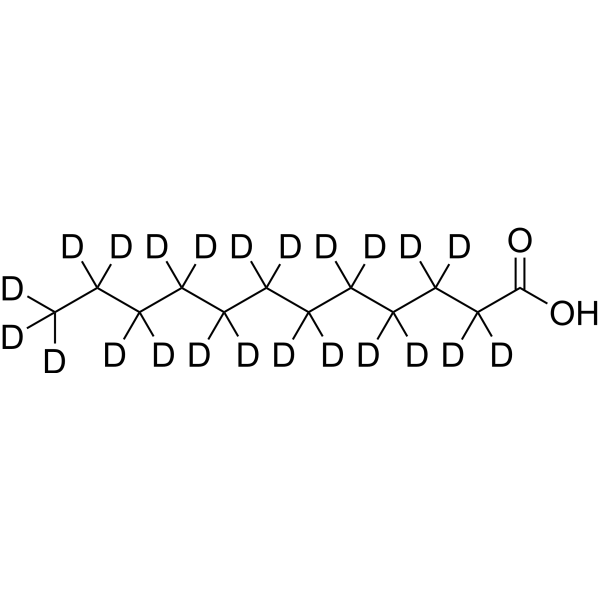
Lauric acid-d233 is the deuterium labeled Lauric acid. Lauric acid is a middle chain-free fatty acid with strong bactericidal properties. The EC50s for P. acnes, S.aureus, S. epidermidis, are 2, 6, 4 μg/mL, respectively.
|
-
-
- HY-146133
-
|
|
Bacterial
Antibiotic
|
Infection
|
|
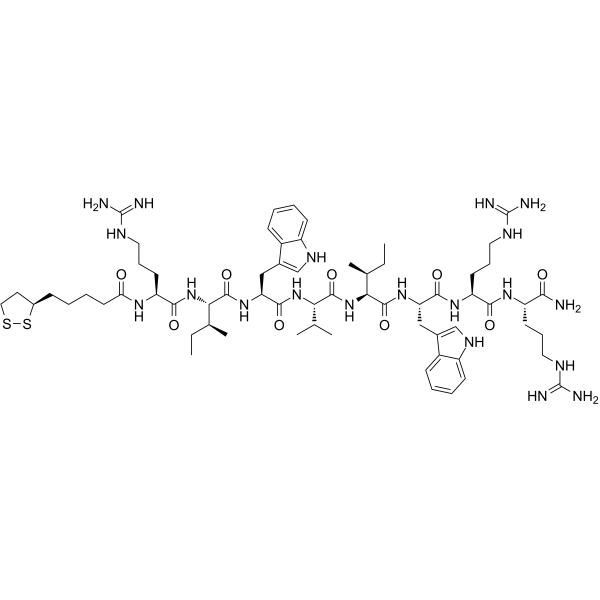
LA-Bac8c is a Lipoic acid modified antimicrobial peptide with enhanced antimicrobial properties. LA-Bac8c inhibits S. aureus, MRSA, S. epidermidis, E. coli, and P. aeruginosa with MICs of 1, 4, 8, 8, and 8 μg/mL .
|
-
-
- HY-N7090
-
|
|
Environmental Pollutants
|
Others
|
|
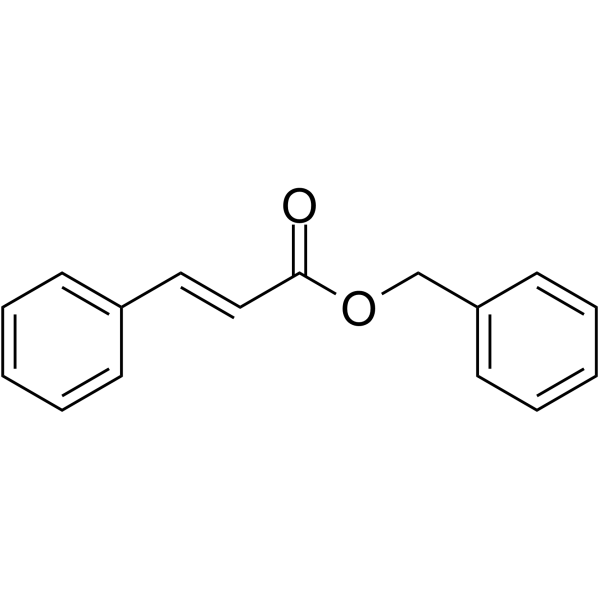
Benzyl cinnamate, occurs in Balsam of Peru and Tolu balsam, in Sumatra and Penang benzoin, and as the main constituent of copaiba balsam, is used in heavy oriental perfumes and as a fixative. Benzyl cinnamate has antibacterial activity against S. aureus and S. epidermidis (MIC = 537.81 μM). Benzyl cinnamate can induce acute toxixity, depression, and skin irritation in vivo .
|
-
-
- HY-P3361
-
|
|
Parasite
Bacterial
Antibiotic
|
Infection
Inflammation/Immunology
|
|
IDR-1018 is an innate defense regulator conjugate, with MICs of 16 μg/mL for MRSA USA300 LAC, MRSA SAP 0017 and S. epidermidis ATCC14990. IDR-1018 can be used to synthesis V-IDR1018 (vancomycin-innate defense regulator conjugate) .
|
-
-
- HY-P5640
-
|
|
Bacterial
Parasite
|
Infection
|
|
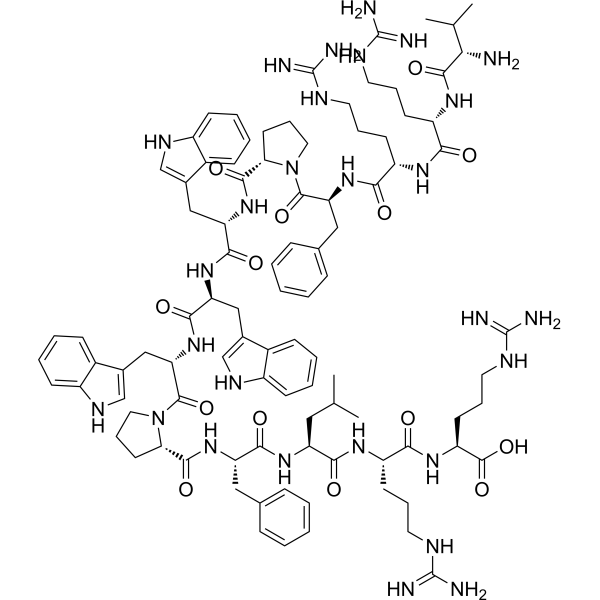
Tritrpticin is a porcine-derived antimicrobial peptide with properties such as membrane disruption and hemolysis. Tritrpticin disrupts the cell membranes of bacteria, fungi and Jurkat T cell leukemia cells and induces their death. Tritrpticin also enhances the efficacy of Metronidazole (HY-B0318) against *Trichomonas vaginalis*, reduces plasma endotoxin and inflammatory cytokine levels, restricts bacterial growth in blood and visceral tissues, decreases the mortality rate of septic shock in rats and enhances the therapeutic effect of ertapenem. Tritrpticin exhibits selective cytotoxicity against Jurkat T cell leukemia cells, while showing low toxicity to normal peripheral blood mononuclear cells and red blood cells, and can serve as a template for antimicrobial peptide design. Tritrpticin can be applied to research related to bacterial infections, fungal infections, trichomoniasis, septic shock and leukemia .
|
-
-
- HY-P1978
-
|
|
Bacterial
|
Infection
|
|
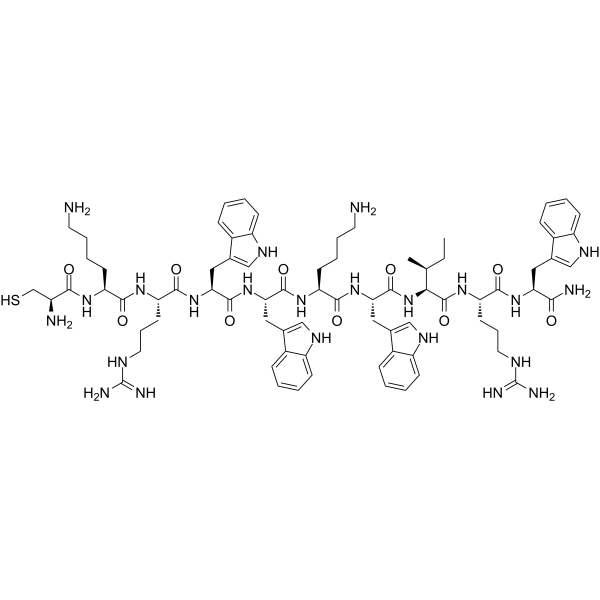
CysHHC10 is a synthetic antimicrobial peptide (AMP), and exhibits strong anti-microbial properties against both Gram-positive and Gram-negative bacteria. The MIC values of CysHHC10 against E. coli, P. aeruginosa, S. aureus and S. epidermidis are 10.1 mM, 20.2 mM, 2.5 mM and 1.3 mM, respectively .
|
-
-
- HY-N13150
-
|
N-Demethylvancomycin; NVCM
|
Antibiotic
Bacterial
|
Infection
|
|
N-Demethylvancomycin is a glycopeptide antibiotic which can be extracted from Nocardia orientalis and active against several strains of S. aureus and S. epidermidis. N-Demethylvancomycin can be used for infection research .
|
-
-
- HY-P5561
-
|
|
Antibiotic
Bacterial
|
Infection
|
|
Aurein 2.2 is a major component of the skin secretion of L.aurea. Aurein 2.2 is an antibiotic with broad-spectrum antibacterial activity against Gram positive bacteria such as Staphylococcus aureus and S. epidermidis .
|
-
-
- HY-P10695
-
|
|
Bacterial
Antibiotic
|
Infection
|
|
Bac8c is an antimicrobial peptide with strong antibacterial activity against Gram-negative and Gram-positive bacteria. The MIC of Bac8c against S. aureus, MRSA, S. epidermidis, E. coli, and P. aeruginosa are 2, 8, 4, 4, and 4 μg/mL, respectively .
|
-
-
- HY-19428A
-
|
RBx-7644
|
Antibiotic
Bacterial
|
Infection
Cardiovascular Disease
|
|
Ranbezolid (RBx7644 free base) is an orally active, oxazolidinone antibiotic against Gram-positive and Gram-negative anaerobes including Staphylococcus aureus, Staphylococcus epidermidis and Bacteroides fragilis. Ranbezolid can inhibit the 50s ribosomal subunit with an IC50 of 17 μM for bacterial ribosomes. Ranbezolid interferes cell wall and lipid synthesis. Ranbezolid can rapidly kill bacteria, significantly reduce bacterial load, and has better cardiovascular safety. Ranbezolid can be used for the study of antibiotics for anaerobic bacteria .
|
-
-
- HY-19428
-
|
RBx7644 free base
|
Antibiotic
Bacterial
|
Infection
Cardiovascular Disease
|
|
Ranbezolid (RBx7644 free base) is an orally active, oxazolidinone antibiotic against Gram-positive and Gram-negative anaerobes including Staphylococcus aureus, Staphylococcus epidermidis and Bacteroides fragilis. Ranbezolid can inhibit the 50s ribosomal subunit with an IC50 of 17 μM for bacterial ribosomes. Ranbezolid interferes cell wall and lipid synthesis. Ranbezolid can rapidly kill bacteria, significantly reduce bacterial load, and has better cardiovascular safety. Ranbezolid can be used for the study of antibiotics for anaerobic bacteria .
|
-
-
- HY-156416
-
|
|
Bacterial
|
Infection
|
|
LtaS-IN-2 (compound 13) is a inhibitor of LTA synthesis, and shows antibacterial activity against S. aureus and S. epidermidis, with the MIC90 of 0.5 μg/mL and 1 μg/mL, respectively. LtaS-IN-2 is a derivative of LtaS-IN-1 (HY-135813) .
|
-
-
- HY-131049
-
|
|
Bacterial
|
Infection
|
|
Antimicrobial agent-30 (Compound T10) is an antimicrobial agent, with MIC values of 18.7-21.0 µg/mL for S. aureus, S. epidermidis, E. coli, P. aeruginosa, A. niger, and A. fumigatus .
|
-
-
- HY-171005
-
|
|
Bacterial
|
Infection
|
|
VPC162134 is an antibacterial agent, that inhibits H. pylori, C. jejuni, MRSA and S. epidermidis with MIC of 2.9, 17.5, 93.3 and 93.3 μM. VPC162134 is an inhibitor for pyruvate ferredoxin oxidoreductase (PFOR) .
|
-
-
- HY-W399439
-
|
|
Antibiotic
Bacterial
|
Infection
|
|
Aurantiogliocladin is a weak antibiotic which was active against Staphylococcus epidermidis but not S. aureus. Aurantiogliocladin could inhibit biofilm formation .
|
-
-
- HY-P3119
-
|
Desotamide A
|
Bacterial
Antibiotic
|
Infection
|
|
Desotamide is a cyclic hexapeptide antibiotic originally isolated from Streptomyces. It is active against S. aureus, S. pneumoniae, and methicillin-resistant S. epidermidis (MRSE; MICs=16, 12.5, and 32 μg/mL, respectively).
|
-
-
- HY-126407
-
|
|
Bacterial
|
Infection
|
|
Secologanin dimethyl acetal (Compound Ⅱ) is an iridoid glucoside that can be isolated from Pterocephalus perennis. Secologanin dimethyl acetal shows antimicrobial activity against S.aureus and S.epidermidi .
|
-
-
- HY-Y0366S2
-
-
-
- HY-Y0366S5
-
-
-
- HY-151403
-
|
|
Bacterial
|
Infection
|
|
Antimicrobial agent-9 (Compound 16) is an antimicrobial agent with an MIC range of 4-8 μg/mL against gram-positive and gram-negative bacteria. Antimicrobial agent-9 also shows anti-inflammatory activity .
|
-
-
- HY-151400
-
|
|
Bacterial
|
Infection
|
|
Antimicrobial agent-6 (Compound 11) is an antimicrobial agent with a MIC range of 4-8 μg/mL against gram-positive and gram-negative bacteria. Antimicrobial agent-6 also shows anti-inflammatory activity .
|
-
-
- HY-Y0366S4
-
-
-
- HY-N10130
-
|
|
Bacterial
|
Infection
|
|
A mixture of uvaretin (HY-N10129) and isouvaretin exhibits significant antibacterial activity against B. subtilis (EC50 8.7 μM) and S. epidermidis (IC50 7.9 μM).
|
-
-
- HY-W793613
-
|
|
Bacterial
|
Infection
|
|
Drimendiol (compound 1) is an active product that can be isolated from leaves and twigs of D. winterii. Drimendiol shows inhibition for C. albicans, S. aureus, and S. epidermidis biofilm formation with 50% biofilm inhibitory concentration values (BIC50s) of 25.5, 65.1, and 67.1 µg/ml, respectively .
|
-
-
- HY-P5551
-
|
|
Bacterial
|
Infection
Inflammation/Immunology
|
|
TLN-58 is an antimicrobial peptide. TLN-58 has antibacterial activity against S. aureus, S. epidermidis, and group A Streptococcus. TLN-58 also induces inflammatory cytokine mRNAs upregulation in normal human keratinocytes and NCL-SG3 cells .
|
-
-
- HY-119894
-
|
NSC 102809
|
Antibiotic
|
Infection
|
|
Althiomycin is a polyketide synthase-derived thiazole antibiotic originally isolated from S. althioticus. It is active against Gram-positive bacteria, including S. aureus, S. epidermidis, and S. pyogenes (MICs=25, 25, and 3.1 μg/mL, respectively).2 Althiomycin inhibits protein synthesis in E. coli when used at concentrations of 1 and 10 μg/mL but not in isolated rabbit reticulocytes at 100 μg/mL.
|
-
-
- HY-P1978A
-
|
|
Bacterial
|
Infection
|
|
CysHHC10 TFA is a synthetic antimicrobial peptide (AMP), and exhibits strong anti-microbial properties against both Gram-positive and Gram-negative bacteria. The MIC values of CysHHC10 TFA against E. coli, P. aeruginosa, S. aureus and S. epidermidis are 10.1 mM, 20.2 mM, 2.5 mM and 1.3 mM, respectively .
|
-
-
- HY-161803
-
|
|
Antibiotic
Bacterial
|
Infection
|
|
Anti-MRSA agent 12 (Compound SM-5) is an antibiotic, which exhibits antibacterial activity against Staphylococcus aureus, S. epidermidis and Escherichia coli with MIC of 7.81, 7.81 and 62.5 μM. Anti-MRSA agent 12 inhibits the methicillin-resistant S. aureus (MRSA) through inhibition of biofilm formation .
|
-
-
- HY-N7090R
-
|
|
Others
Reference Standards
|
Others
|
|
Benzyl cinnamate (Standard) is the analytical standard of Benzyl cinnamate. This product is intended for research and analytical applications. Benzyl cinnamate, occurs in Balsam of Peru and Tolu balsam, in Sumatra and Penang benzoin, and as the main constituent of copaiba balsam, is used in heavy oriental perfumes and as a fixative. Benzyl cinnamate has antibacterial activity against S. aureus and S. epidermidis (MIC = 537.81 μM). Benzyl cinnamate can induce acute toxixity, depression, and skin irritation in vivo .
|
-
-
- HY-161827
-
|
|
Bacterial
|
Infection
|
|
Anti-MRSA agent 14 (Compound C17) has antibacterial agent against MRSA and MRSA-infected skin murine model. Anti-MRSA agent 14 is more potential than Norfloxacin (HY-B0132) against MRSA. Anti-MRSA agent 14 disrupts cell membrane and restrains metabolism. Anti-MRSA agent 14 shows antibacterial effects against S. aureus ATCC 6538, S. aureus ATCC 29213, S. epidermidis ATCC 12228, and MRSA with MIC values of 1, 2, 2, 1 μM respectively .
|
-
-
- HY-P11109
-
|
|
Antibiotic
Bacterial
|
Infection
|
|
RL-37 is an alpha-helical antimicrobial peptide. RL-37 can be isolated for rhesus monkey bone marrow. RL-37 rapidly permeabilizes the membranes of Escherichia coli ML-35p and lysed liposomes. RL-37 has effective antibacterial activity against staphylococci, such as wild-type and Methicillin (HY-121544)-resistant S. aureus strains and S. epidermidis ATCC 49741. RL-37 can be used for human skin infections research .
|
-
-
- HY-P11132
-
|
|
Bacterial
|
Infection
|
|
RFQF4 is a nanonet-forming peptide and antibacterial agent. RFQF4 exhibits excellent bacterial capture capability coupled with moderate antibacterial activity. RFQF4 shows bactericidal activity against E. coli, S. typhimurium, S. aureus, L. monocytogenes, and S. epidermidis (IC50: 4.89-21.85 μM) .
|
-
-
- HY-180273
-
|
|
Bacterial
|
Infection
|
|
Antibacterial agent 309 (Compound C9) is an antibacterial agent, substrate of AcrB efflux pump. Antibacterial agent 309 promotes FtsZ polymerization. Antibacterial agent 309 demonstrates antibacterial activity against Erythromycin (HY-B0220)-resistant S. pyogenes 2 (MIC = 0.25 μg/mL), Penicillin-resistant S. aureus CI (MIC = 0.125 μg/mL), Penicillin-resistant S. epidermidis (MIC = 2 μg/mL). Antibacterial agent 309 exhibits weak antibacterial activity against the wild-type E. coli BW25113 MIC = 256 μg/mL) .
|
-
-
- HY-182022
-
|
|
Bacterial
Reactive Oxygen Species (ROS)
Drug Derivative
DNA/RNA Synthesis
|
Infection
|
|
ZLWH-67 is a β-Carboline derivative and Antibacterial agent. ZLWH-67 inhibits DNA synthesis, suppresses biofilm formation, and increases reactive oxygen species (ROS) levels. ZLWH-67 exhibits potent in vitro antibacterial activity against MRSA (MIC = 0.5-4 μg/mL), S. epidermidis (MIC = 4 μg/mL), E. faecalis (MIC = 4-8 μg/mL), and S. pneumoniae (MIC = 16 μg/mL). ZLWH-67 displays anti-MRSA effects in murine skin and pneumonia infection models .
|
-
-
- HY-P11659
-
|
|
Antibiotic
Bacterial
|
Infection
|
|
B26 peptoid is a ptoid antibiotic. B26 peptoid exhibits excellent broad-spectrum activity and high selectivity toward a panel of Gram-positive and Gram-negative bacterial strains. B26 peptoid disrupts bacterial membranes and has bactericidal activity. B26 peptoid shows low propensity for bacterial drug resistance. B26 peptoid can be used for the research of bacterial infection .
|
-
-
- HY-P11583
-
|
|
Bacterial
|
Infection
|
|
N2W2 is a tryptophan- and lysine-rich β-hairpin antimicrobial peptide. N2W2 exhibits potent antimicrobial activity but also high toxicity. N2W2 is highly susceptible to trypsin or chymotrypsin. N2W2 can be used for the research of bacterial infection .
|
-
| Cat. No. |
Product Name |
Type |
-
- HY-D1872
-
|
|
Fluorescent Dyes
|
|
800CW NHS ester is a near-infrared fluorescent dye active ester that can conjugate with amine-containing small molecules, antibodies, peptides, and other substances to form fluorescent conjugates. 800CW NHS ester exhibits high fluorescence quantum yield and low non-specific binding properties. 800CW NHS ester can be used in biomedical research such as microbial infection imaging, tumor imaging, and biochemical detection .
|
| Cat. No. |
Product Name |
Target |
Research Area |
-
- HY-P10233A
-
|
|
Bacterial
|
Infection
|
|
SAAP 148 TFA is a synthetic antimicrobial peptide (bacteria) that interacts with and disrupts the lipid bilayer of bacterial cytoplasmic membranes, thereby inducing changes in membrane permeability and bacterial death. SAAP 148 TFA kills drug-resistant, multidrug-resistant and persister bacterial strains, inhibits biofilm formation, eliminates established biofilms, and blocks bacterial colonization on implant surfaces. SAAP 148 TFA retains its activity after modification or immobilization, exhibits variable cytotoxicity in different human cell models, and shows reduced efficacy in protein-rich environments. SAAP 148 TFA can be used in infection-related research .
|
-
- HY-P3361A
-
|
|
Parasite
Bacterial
Antibiotic
|
Infection
Inflammation/Immunology
|
|
IDR-1018 acetate is an innate defense regulator conjugate, with MICs of 16 μg/mL for MRSA USA300 LAC, MRSA SAP 0017 and S. epidermidis ATCC14990. IDR-1018 acetate can be used to synthesis V-IDR1018 (vancomycin-innate defense regulator conjugate) .
|
-
- HY-146133
-
|
|
Bacterial
Antibiotic
|
Infection
|
|
LA-Bac8c is a Lipoic acid modified antimicrobial peptide with enhanced antimicrobial properties. LA-Bac8c inhibits S. aureus, MRSA, S. epidermidis, E. coli, and P. aeruginosa with MICs of 1, 4, 8, 8, and 8 μg/mL .
|
-
- HY-P3361
-
|
|
Parasite
Bacterial
Antibiotic
|
Infection
Inflammation/Immunology
|
|
IDR-1018 is an innate defense regulator conjugate, with MICs of 16 μg/mL for MRSA USA300 LAC, MRSA SAP 0017 and S. epidermidis ATCC14990. IDR-1018 can be used to synthesis V-IDR1018 (vancomycin-innate defense regulator conjugate) .
|
-
- HY-P5640
-
|
|
Bacterial
Parasite
|
Infection
|
|
Tritrpticin is a porcine-derived antimicrobial peptide with properties such as membrane disruption and hemolysis. Tritrpticin disrupts the cell membranes of bacteria, fungi and Jurkat T cell leukemia cells and induces their death. Tritrpticin also enhances the efficacy of Metronidazole (HY-B0318) against *Trichomonas vaginalis*, reduces plasma endotoxin and inflammatory cytokine levels, restricts bacterial growth in blood and visceral tissues, decreases the mortality rate of septic shock in rats and enhances the therapeutic effect of ertapenem. Tritrpticin exhibits selective cytotoxicity against Jurkat T cell leukemia cells, while showing low toxicity to normal peripheral blood mononuclear cells and red blood cells, and can serve as a template for antimicrobial peptide design. Tritrpticin can be applied to research related to bacterial infections, fungal infections, trichomoniasis, septic shock and leukemia .
|
-
- HY-P1978
-
|
|
Bacterial
|
Infection
|
|
CysHHC10 is a synthetic antimicrobial peptide (AMP), and exhibits strong anti-microbial properties against both Gram-positive and Gram-negative bacteria. The MIC values of CysHHC10 against E. coli, P. aeruginosa, S. aureus and S. epidermidis are 10.1 mM, 20.2 mM, 2.5 mM and 1.3 mM, respectively .
|
-
- HY-P5561
-
|
|
Antibiotic
Bacterial
|
Infection
|
|
Aurein 2.2 is a major component of the skin secretion of L.aurea. Aurein 2.2 is an antibiotic with broad-spectrum antibacterial activity against Gram positive bacteria such as Staphylococcus aureus and S. epidermidis .
|
-
- HY-P10695
-
|
|
Bacterial
Antibiotic
|
Infection
|
|
Bac8c is an antimicrobial peptide with strong antibacterial activity against Gram-negative and Gram-positive bacteria. The MIC of Bac8c against S. aureus, MRSA, S. epidermidis, E. coli, and P. aeruginosa are 2, 8, 4, 4, and 4 μg/mL, respectively .
|
-
- HY-P3119
-
|
Desotamide A
|
Bacterial
Antibiotic
|
Infection
|
|
Desotamide is a cyclic hexapeptide antibiotic originally isolated from Streptomyces. It is active against S. aureus, S. pneumoniae, and methicillin-resistant S. epidermidis (MRSE; MICs=16, 12.5, and 32 μg/mL, respectively).
|
-
- HY-P5551
-
|
|
Bacterial
|
Infection
Inflammation/Immunology
|
|
TLN-58 is an antimicrobial peptide. TLN-58 has antibacterial activity against S. aureus, S. epidermidis, and group A Streptococcus. TLN-58 also induces inflammatory cytokine mRNAs upregulation in normal human keratinocytes and NCL-SG3 cells .
|
-
- HY-P1978A
-
|
|
Bacterial
|
Infection
|
|
CysHHC10 TFA is a synthetic antimicrobial peptide (AMP), and exhibits strong anti-microbial properties against both Gram-positive and Gram-negative bacteria. The MIC values of CysHHC10 TFA against E. coli, P. aeruginosa, S. aureus and S. epidermidis are 10.1 mM, 20.2 mM, 2.5 mM and 1.3 mM, respectively .
|
-
- HY-P11109
-
|
|
Antibiotic
Bacterial
|
Infection
|
|
RL-37 is an alpha-helical antimicrobial peptide. RL-37 can be isolated for rhesus monkey bone marrow. RL-37 rapidly permeabilizes the membranes of Escherichia coli ML-35p and lysed liposomes. RL-37 has effective antibacterial activity against staphylococci, such as wild-type and Methicillin (HY-121544)-resistant S. aureus strains and S. epidermidis ATCC 49741. RL-37 can be used for human skin infections research .
|
-
- HY-P11132
-
|
|
Bacterial
|
Infection
|
|
RFQF4 is a nanonet-forming peptide and antibacterial agent. RFQF4 exhibits excellent bacterial capture capability coupled with moderate antibacterial activity. RFQF4 shows bactericidal activity against E. coli, S. typhimurium, S. aureus, L. monocytogenes, and S. epidermidis (IC50: 4.89-21.85 μM) .
|
-
- HY-P11659
-
|
|
Antibiotic
Bacterial
|
Infection
|
|
B26 peptoid is a ptoid antibiotic. B26 peptoid exhibits excellent broad-spectrum activity and high selectivity toward a panel of Gram-positive and Gram-negative bacterial strains. B26 peptoid disrupts bacterial membranes and has bactericidal activity. B26 peptoid shows low propensity for bacterial drug resistance. B26 peptoid can be used for the research of bacterial infection .
|
-
- HY-P11583
-
|
|
Bacterial
|
Infection
|
|
N2W2 is a tryptophan- and lysine-rich β-hairpin antimicrobial peptide. N2W2 exhibits potent antimicrobial activity but also high toxicity. N2W2 is highly susceptible to trypsin or chymotrypsin. N2W2 can be used for the research of bacterial infection .
|
| Cat. No. |
Product Name |
Target |
Research Area |
Image |
-
- HY-P99309
-
|
BSYX-A 110; Anti-S. epidermidis LTA Recombinant Antibody
|
Bacterial
|
Infection
|
|
Pagibaximab is a chimeric IgG1 antibody recognizing the surface component lipoteichoic acid of S. aureus and S. epidermidis. Pagibaximab can be used to prevent staphylococcal sepsis .
|
-
(5)
| Cat. No. |
Product Name |
Category |
Target |
Chemical Structure |
| Cat. No. |
Product Name |
Chemical Structure |
-
- HY-Y0366S
-
|
|
|
Lauric acid- 13C is the 13C labeled Lauric acid. Lauric acid is a middle chain-free fatty acid with strong bactericidal properties. The EC50s for P. acnes, S.aureus, S. epidermidis, are 2, 6, 4 μg/mL, respectively.
|
-
-
- HY-Y0366S3
-
|
|
|
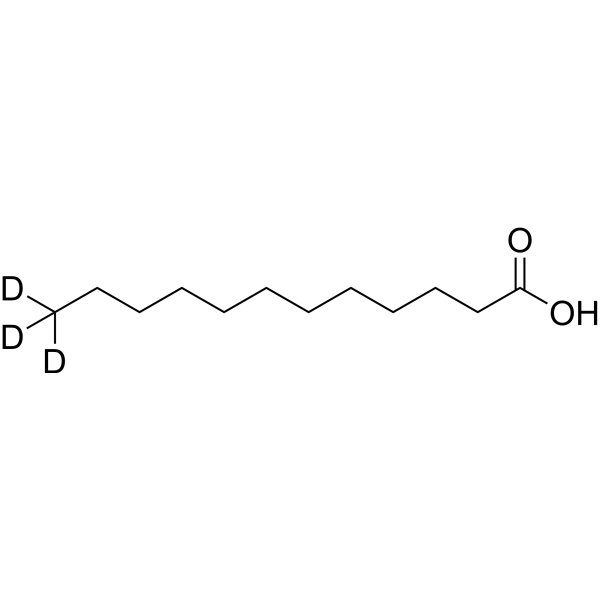
Lauric acid-d33 is the deuterium labeled Lauric acid. Lauric acid is a middle chain-free fatty acid with strong bactericidal properties. The EC50s for P. acnes, S.aureus, S. epidermidis, are 2, 6, 4 μg/mL, respectively.
|
-
-
- HY-Y0366S1
-
|
|
|
Lauric acid-d233 is the deuterium labeled Lauric acid. Lauric acid is a middle chain-free fatty acid with strong bactericidal properties. The EC50s for P. acnes, S.aureus, S. epidermidis, are 2, 6, 4 μg/mL, respectively.
|
-
-
- HY-Y0366S2
-
|
|
|
Lauric acid-d2 is the deuterium labeled Lauric acid. Lauric acid is a middle chain-free fatty acid with strong bactericidal properties. The EC50s for P. acnes, S.aureus, S. epidermidis, are 2, 6, 4 μg/mL, respectively.
|
-
-
- HY-Y0366S5
-
|
|
|
Lauric acid-d5 is the deuterium labeled Lauric acid. Lauric acid is a middle chain-free fatty acid with strong bactericidal properties. The EC50s for P. acnes, S.aureus, S. epidermidis, are 2, 6, 4 μg/mL, respectively.
|
-
-
- HY-Y0366S4
-
|
|
|
Lauric acid- 13C-1 is the deuterium labeled Lauric acid. Lauric acid is a middle chain-free fatty acid with strong bactericidal properties. The EC50s for P. acnes, S.aureus, S. epidermidis, are 2, 6, 4 μg/mL, respectively .
|
-
Your information is safe with us. * Required Fields.
Inquiry Information
- Product Name:
- Cat. No.:
- Quantity:
- MCE Japan Authorized Agent:

