
Search Result
Results for "
Skin irritation
" in MedChemExpress (MCE) Product Catalog:
8
Biochemical Assay Reagents
1
Isotope-Labeled Compounds
| Cat. No. |
Product Name |
Target |
Research Areas |
Chemical Structure |
-
- HY-B1183
-
-
-
- HY-125920
-
|
Sarkosyl NL sodium
|
Environmental Pollutants
Biochemical Assay Reagents
|
Others
|
|
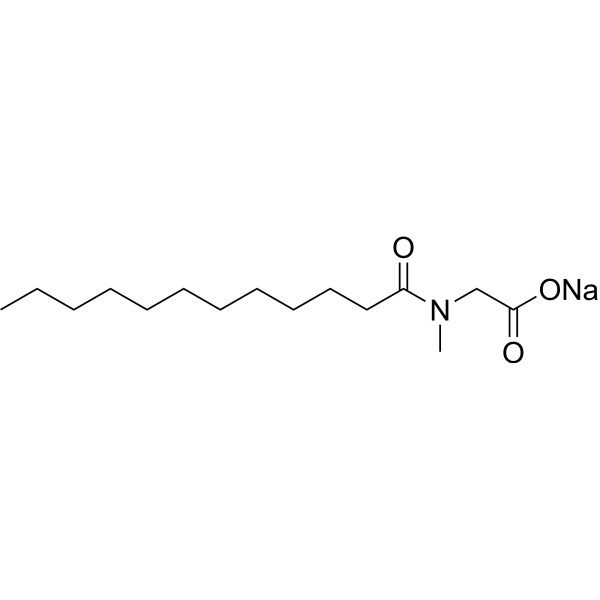
Lauroylsarcosine sodium is a surfactant commonly used in personal care and cosmetics such as shampoos, facial cleansers and toothpaste. It works by lowering the surface tension of water, allowing it to better penetrate and clean surfaces. Lauroylsarcosine sodium is considered safe for cosmetic use and is approved for use in several countries. However, it can cause skin irritation in high concentrations or with prolonged exposure.
|
-
-
- HY-Y0695
-
|
Naphthol Blue Black
|
Environmental Pollutants
Fluorescent Dye
|
Others
|
|
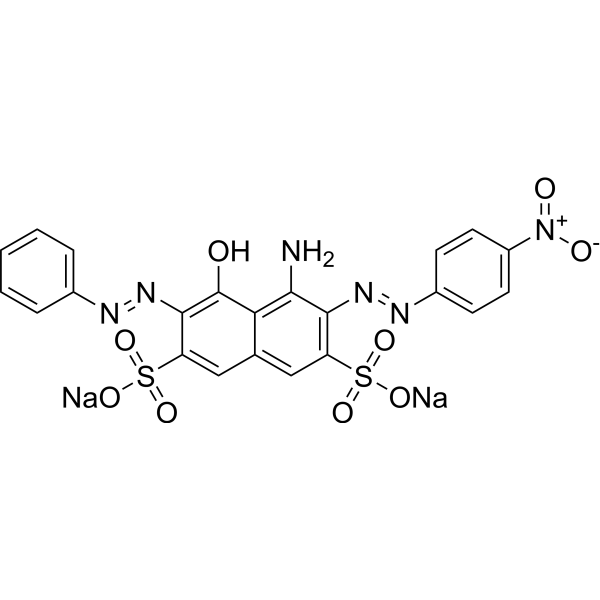
Amido Black 10B (Naphthol Blue Black) is a highly toxic azo dye. Amido Black 10B is genotoxic and mutagenic. Amido Black 10B can cause respiratory problems. Amido Black 10B is used for amino acid dyeing .
|
-
-
- HY-W088065
-
|
|
Environmental Pollutants
DNA/RNA Synthesis
|
Others
|
Sodium formate acts as a key promoter for heterogeneous nucleation of ZIF crystals and thin film synthesis. It is also recognized as a GRAS substance by the FDA, and serves as a cosmetic preservative and food additive. Sodium formate has low acute oral toxicity (acute oral LD50=7410 mg/kg and acute intravenous LD50=807 mg/kg in mice), with no heritable or carcinogenic effects, but exhibits embryonic developmental toxicity and teratogenicity at high concentrations. Sodium formate may cause moderate irritation to rabbit eyes, is relatively safe to the skin, and does not induce tumor formation in rats in vivo. Sodium formate is rapidly absorbed and oxidized to carbon dioxide in vivo, and forms DNA adducts in specific metabolic deficiency models or upon high-dose exposure .
|
-
-
- HY-14744A
-
|
(S)-Amlodipine besylate; Levoamlodipine besylate
|
Calcium Channel
MMP
|
Cardiovascular Disease
|
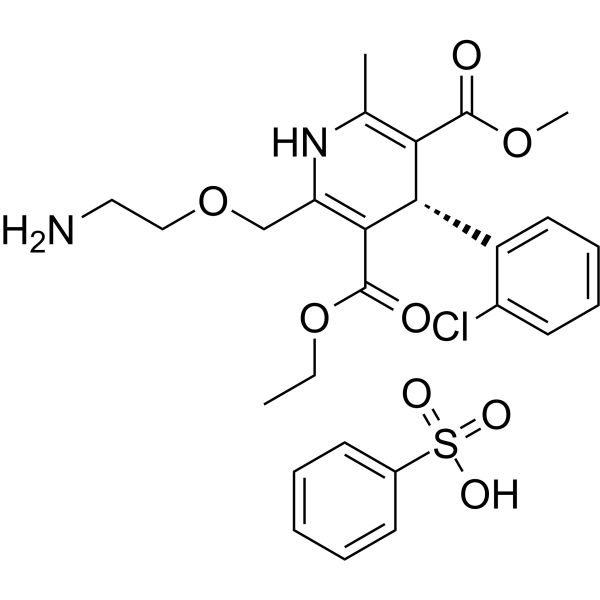
Levamlodipine ((S)-Amlodipine; Levoamlodipin) besylate is an orally active L-type calcium channel blocker and MMP-9 modulator with high permeability and retention properties. Levamlodipine besylate significantly enhances plaque stability and improves lipid profiles by reducing blood pressure, decreasing systolic blood pressure variability, and inhibiting MMP-9 expression in atherosclerotic plaques. Levamlodipine besylate not only alleviates cardiac and aortic hypertrophy and prevents renal atrophy, but also produces synergistic effects in blood pressure reduction and organ protection when combined with bisoprolol (HY-129029). Levamlodipine besylate exerts no significant inhibitory effect on abdominal aortic intimal hyperplasia. When excessively accumulated in the epidermis, Levamlodipine besylate may induce changes in keratin structure, impair the skin barrier and trigger inflammation; long-term use further exacerbates skin irritation caused by local administration. Levamlodipine besylate can be used in research related to hypertension and atherosclerosis .
|
-
-
- HY-W099594
-
|
Benzyldimethyldodecylammonium bromide
|
Environmental Pollutants
Biochemical Assay Reagents
|
Others
|
|
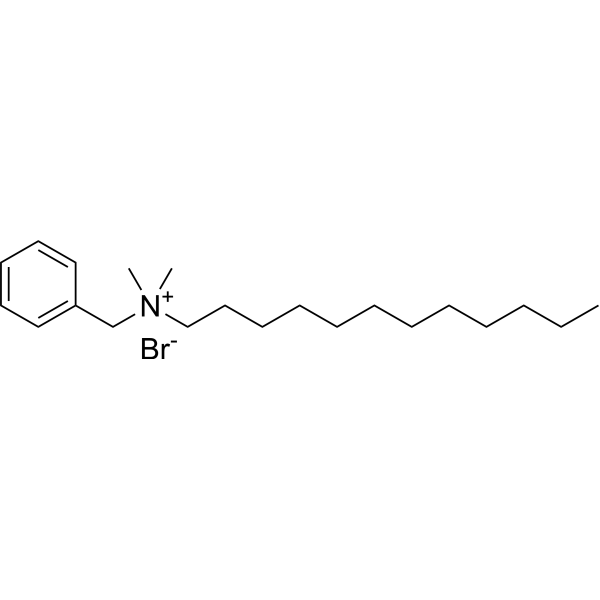
N-Benzyl-N, N-dimethyldodecan-1-aminium bromide, also known as Benzalkonium Chloride (BAC), is a quaternary ammonium compound widely used as an antimicrobial and surfactant in various industries. BAC is commonly used as a disinfectant and antiseptic in a variety of products including hand sanitizers, disinfectant wipes and eye drops. Its ability to kill bacteria, viruses and fungi makes it an effective tool in preventing the spread of infection. BAC is also used as a preservative and disinfectant in the food industry. It is added to food packaging and processing equipment to prevent the growth of microorganisms and increase the shelf life of foods. Additionally, BACs are found in many household products such as cleaning solutions, fabric softeners and personal care products. Its surfactant properties allow it to be used to reduce surface tension and increase the effectiveness of cleaning agents. Although BAC has many uses, ingestion or exposure to high concentrations of BAC can cause skin irritation and other adverse effects.
|
-
-
- HY-W103183
-
Ferron
1 Publications Verification
8-Hydroxy-7-iodo-5-quinolinesulfonic acid
|
Fungal
Parasite
|
Infection
|
|
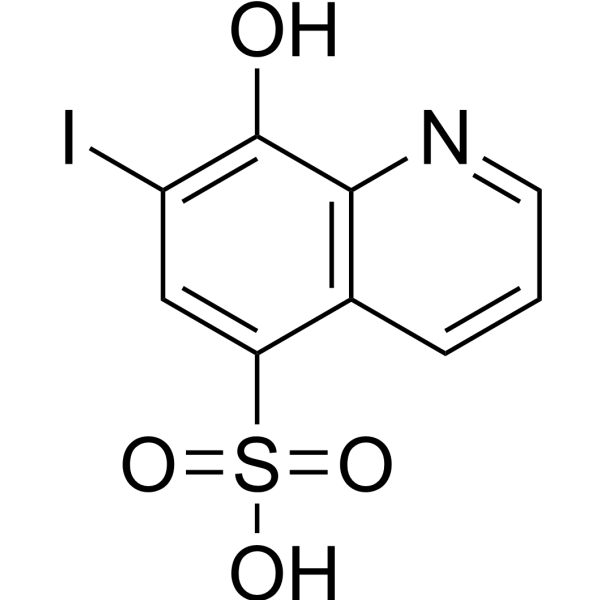
Ferron (8-Hydroxy-7-iodo-5-quinolinesulfonic acid) has antiseptic and antifungal activity. Ferron can prevent skin and mucosa bacterial irritations and inflammations .
|
-
-
- HY-Y0850U3
-
|
Polyvinyl alcohol (Mw 125000, 98-99% hydrolyzed, ~2800 polymerization); Poly(Ethenol) (Mw 125000, 98-99% hydrolyzed, ~2800 polymerization)
|
Biochemical Assay Reagents
|
Others
|
|
PVA (Polyvinyl alcohol) (Mw 125000, 98-99% hydrolyzed, ~2800 polymerization) is a water-soluble, biodegradable, biocompatible and non-immunogenic polymer. PVA (Mw 125000, 98-99% hydrolyzed, ~2800 polymerization) causes no irritation to rabbit eyes, no skin sensitization in guinea pigs, promotes the proliferation of human skin keratinocytes, and reduces the loss of corneal endothelial cells. The LD50 of PVA (Mw 125000, 98-99% hydrolyzed, ~2800 polymerization) in rats and dogs is greater than 10 g/kg. PVA (Mw 125000, 98-99% hydrolyzed, ~2800 polymerization) is hardly absorbed by the digestive system, causes no adverse effects upon long-term oral administration, and shows no mutagenicity or carcinogenicity. However, repeated intravenous or portal vein injection of PVA (Mw 125000, 98-99% hydrolyzed, ~2800 polymerization) may induce pathological changes such as glomerular lesions, anemia, hypertension or liver fibrosis in rats or dogs. Crosslinked nanofibers prepared by modifying PVA (Mw 125000, 98-99% hydrolyzed, ~2800 polymerization) can be used in studies related to wound dressings and other applications .
|
-
-
- HY-W002199
-
|
6:2 FTOH; 1H,1H,2H,2H-Perfluoro-1-octanol; 2-(Perfluorohexyl)ethanol
|
Bacterial
Apoptosis
ERK
TNF Receptor
|
Infection
Neurological Disease
|
|
6:2 Fluorotelomer alcohol (6:2 FTOH) is an orally active, blood-brain barrier-permeable modulator of cyclin D1 and ETS1. 6:2 Fluorotelomer alcohol downregulates cyclin D1 expression, upregulates ETS1 via the TNF-α/ERK 1/2 pathway, impairs mitochondrial membrane potential and respiratory function, increases reactive oxygen species levels, disrupts calcium homeostasis and activates endoplasmic reticulum stress markers, and induces cell proliferation inhibition and endothelial-mesenchymal transition. Furthermore, 6:2 Fluorotelomer alcohol induces morphological abnormalities in zebrafish embryos and liver developmental damage, while disrupting the brain immune microenvironment in mice, causing systemic toxicity and delayed pup maturation in CD-1 mice. 6:2 Fluorotelomer alcohol also induces cortical neuron apoptosis, glial cell activation, synaptic abnormalities, colonic barrier damage, intestinal dysbiosis and autism spectrum disorder-like symptoms in mice. 6:2 Fluorotelomer alcohol shows no mutagenic, clastogenic, primary skin/eye irritation or skin sensitizing effects, exhibits no selective reproductive toxicity in CD-1 mice, and is classified as GHS Category 4 for acute oral toxicity. 6:2 Fluorotelomer alcohol can be used in studies of neurodevelopmental disorders and autism spectrum disorders .
|
-
-
- HY-B1013
-
-
-
- HY-W019321
-
|
|
Biochemical Assay Reagents
|
Others
|
|
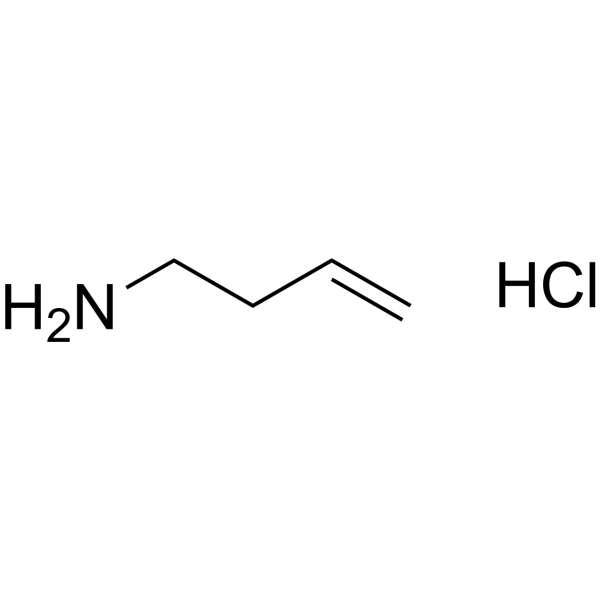
3-Butenylamine hydrochloride can be used as an intermediate in the production of polymers, adhesives, resins and other chemicals. 3-Butenylamine hydrochloride may cause skin and eye irritation or burns, severe eye damage, and breathing problems .
|
-
-
- HY-W010807
-
|
|
Environmental Pollutants
Biochemical Assay Reagents
|
Others
|
|
Hexadecyl palmitate is an organic compound commonly used in the cosmetic industry as an emollient, thickener and skin conditioning agent. Cetyl palmitate is derived from a mixture of cetyl alcohol (a fatty alcohol) and palmitic acid (a saturated fatty acid). It is often used in skin care products such as moisturizers, lotions, and creams to improve their texture and Helps them glide smoothly on the skin. In addition to its use in cosmetics, cetyl palmitate is used in other industries including pharmaceuticals, food additives and lubricants. Overall, it's considered safe for use in personal care products, but like any other ingredient, it may cause irritation or an allergic reaction in some people.
|
-
-
- HY-14744
-
|
(S)-Amlodipine; Levoamlodipine
|
Calcium Channel
MMP
|
Cardiovascular Disease
Neurological Disease
|
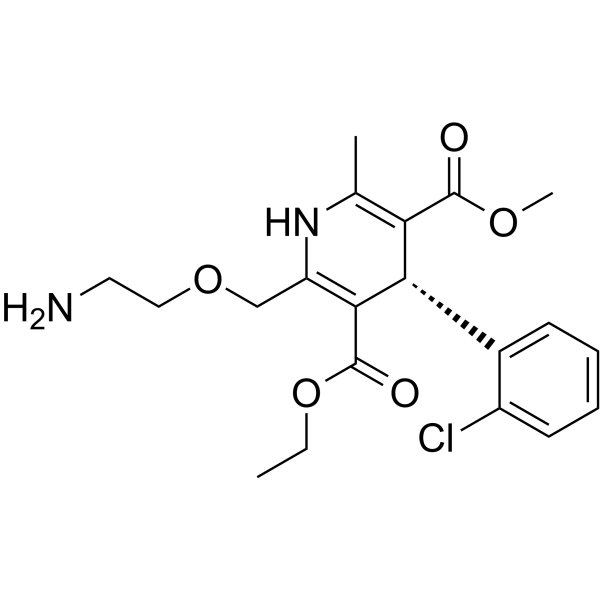
Levamlodipine ((S)-Amlodipine; Levoamlodipin) is an orally active L-type calcium channel blocker and MMP-9 modulator with high permeability and retention properties. Levamlodipine significantly enhances plaque stability and improves lipid profiles by reducing blood pressure, decreasing systolic blood pressure variability, and inhibiting MMP-9 expression in atherosclerotic plaques. Levamlodipine not only alleviates cardiac and aortic hypertrophy and prevents renal atrophy, but also produces synergistic effects in blood pressure reduction and organ protection when combined with bisoprolol (HY-129029). Levamlodipine exerts no significant inhibitory effect on abdominal aortic intimal hyperplasia. When excessively accumulated in the epidermis, Levamlodipine may induce changes in keratin structure, impair the skin barrier and trigger inflammation; long-term use further exacerbates skin irritation caused by local administration. Levamlodipine can be used in research related to hypertension and atherosclerosis .
|
-
-
- HY-W013521
-
|
|
Environmental Pollutants
|
Others
|
|
Hexyl Salicylate is a commonly used fragrance component, widely applied in cosmetics, perfumes, cleaning products, etc. Hexyl Salicylate has low acute toxicity, no irritation to human skin, no phototoxicity and no photosensitization .
|
-
-
- HY-D0348
-
|
Disperse Blue 7; 1,4-DiOH-5,8-bis(2-OHethyl)aminoanthraquinone
|
Biochemical Assay Reagents
|
Others
|
|
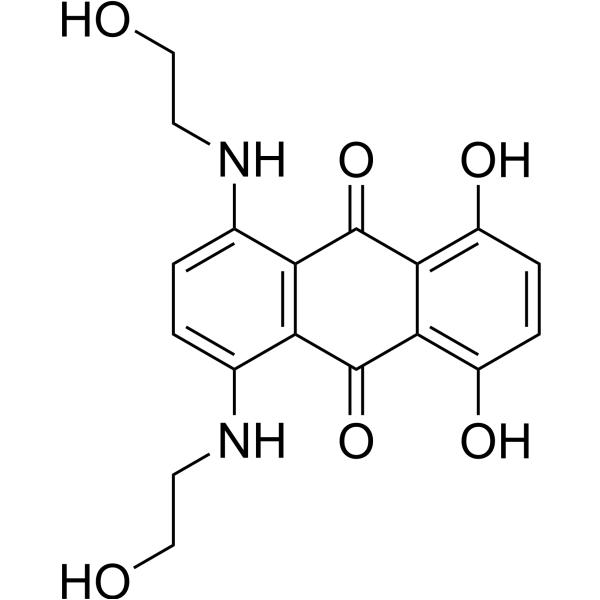
Celliton Fast Blue Green B (Disperse Blue 7), a blue-green dye used in textiles. The aqueous extract of Celliton Fast Blue Green B causes no signs of skin irritation and sensitization in laboratory animals. Celliton Fast Blue Green B colored textiles with no irritation in human .
|
-
-
- HY-N7090
-
|
|
Environmental Pollutants
|
Others
|
|
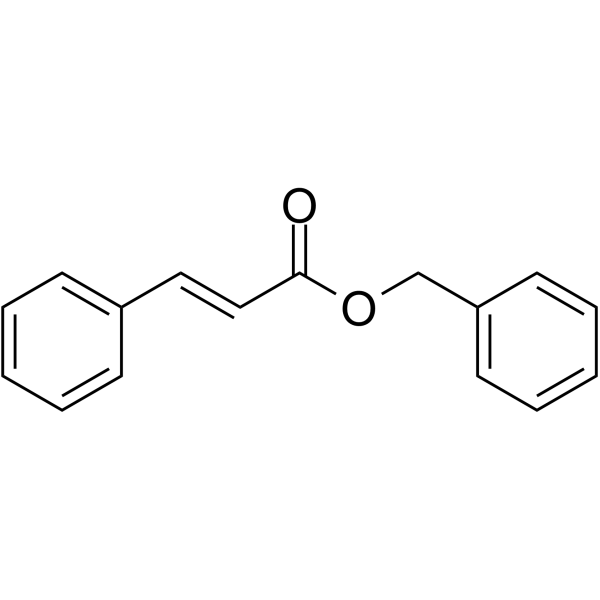
Benzyl cinnamate, occurs in Balsam of Peru and Tolu balsam, in Sumatra and Penang benzoin, and as the main constituent of copaiba balsam, is used in heavy oriental perfumes and as a fixative. Benzyl cinnamate has antibacterial activity against S. aureus and S. epidermidis (MIC = 537.81 μM). Benzyl cinnamate can induce acute toxixity, depression, and skin irritation in vivo .
|
-
-
- HY-141436
-
|
Sucrose octasulfate potassium
|
MMP
Biochemical Assay Reagents
|
Cardiovascular Disease
Metabolic Disease
|
|
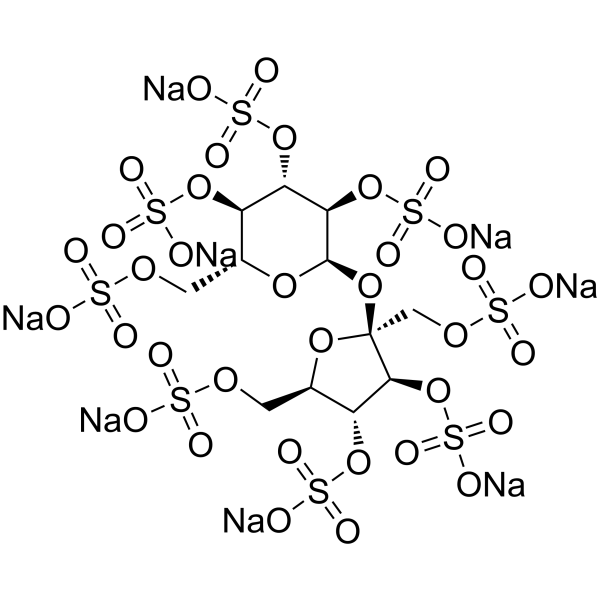
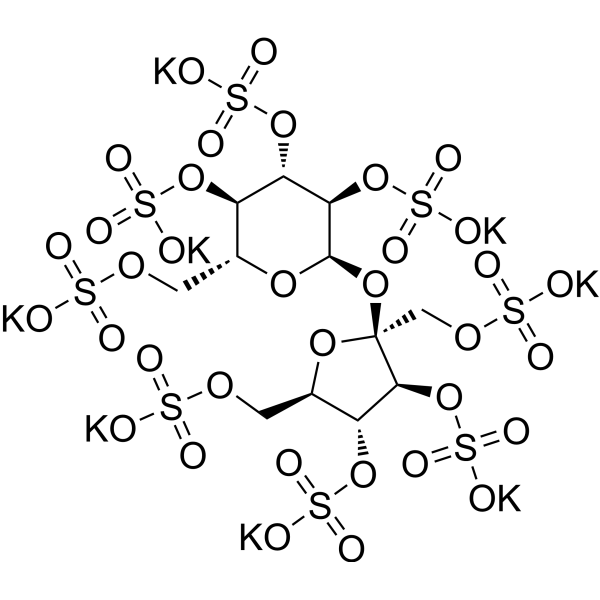
Sucrosofate potassium (Sucrose octasulfate potassium) is a wound healing promoter. Sucrosofate potassium inhibits MMP, promotes angiogenesis and improves microcirculation. Sucrosofate potassium causes mild skin irritation. Sucrosofate potassium can be used to prepare p (MMA-co-AM)/PVA@PSO hydrogels. Sucrosofate potassium is applicable to research related to diabetic wounds .
|
-
-
- HY-125920R
-
|
Sarkosyl NL sodium (Standard)
|
Biochemical Assay Reagents
Reference Standards
|
Others
|
|
Lauroylsarcosine (sodium) (Standard) is the analytical standard of Lauroylsarcosine (sodium). This product is intended for research and analytical applications. Lauroylsarcosine sodium is a surfactant commonly used in personal care and cosmetics such as shampoos, facial cleansers and toothpaste. It works by lowering the surface tension of water, allowing it to better penetrate and clean surfaces. Lauroylsarcosine sodium is considered safe for cosmetic use and is approved for use in several countries. However, it can cause skin irritation in high concentrations or with prolonged exposure.
|
-
-
- HY-14744D
-
|
|
Calcium Channel
MMP
|
Cardiovascular Disease
Neurological Disease
|
Levamlodipine besylate Hemipentahydrate is an orally active L-type calcium channel blocker and MMP-9 modulator with high permeability and retention properties. Levamlodipine besylate Hemipentahydrate significantly enhances plaque stability and improves lipid profiles by reducing blood pressure, decreasing systolic blood pressure variability, and inhibiting MMP-9 expression in atherosclerotic plaques. Levamlodipine besylate Hemipentahydrate not only alleviates cardiac and aortic hypertrophy and prevents renal atrophy, but also produces synergistic effects in blood pressure reduction and organ protection when combined with bisoprolol (HY-129029). Levamlodipine besylate Hemipentahydrate exerts no significant inhibitory effect on abdominal aortic intimal hyperplasia. When excessively accumulated in the epidermis, Levamlodipine besylate Hemipentahydrate may induce changes in keratin structure, impair the skin barrier and trigger inflammation; long-term use further exacerbates skin irritation caused by local administration. Levamlodipine besylate Hemipentahydrate can be used in research related to hypertension and atherosclerosis .
|
-
-
- HY-159134
-
|
|
TRP Channel
|
Others
|
|
TRPA1-IN-3 (commound 1) is a TRPA1 inhibitor. TRPA1-IN-3 can be used in skin and respiratory tract related research .
|
-
-
- HY-W103183R
-
|
8-Hydroxy-7-iodo-5-quinolinesulfonic acid (Standard)
|
Fungal
Reference Standards
Parasite
|
Infection
|
|
Ferron (Standard) is the analytical standard of Ferron. This product is intended for research and analytical applications. Ferron (8-Hydroxy-7-iodo-5-quinolinesulfonic acid) has antiseptic and antifungal activity. Ferron can prevent skin and mucosa bacterial irritations and inflammations .
|
-
-
- HY-135186
-
|
|
Biochemical Assay Reagents
|
Others
|
|
L-Monomenthyl glutarate is a menthol coolant. L-Monomenthyl glutarate has a strong volatility and permeability, high concentration of menthol vapor has a strong irritation and erosion effect on human skin and mucosa. L-Monomenthyl glutarate can be used in food, tobacco and other daily chemical products .
|
-
-
- HY-W392548
-
|
|
Bacterial
Fungal
|
Infection
|
|
1-O-4-Hydroxybenzoyl-glycerol is an antimicrobial agent against Staphylococcus aureus, Escherichia coli, Saccharomyces cerevisiae, and Fusarium culmorum (20 mM, maximum inhibition rate: 70%). 1-O-(4-Hydroxybenzoyl)-glycerol stimulates low skin irritation .
|
-
-
- HY-W010807R
-
|
|
Biochemical Assay Reagents
Reference Standards
|
Others
|
|
Hexadecyl palmitate (Standard) is the analytical standard of Hexadecyl palmitate. This product is intended for research and analytical applications. Hexadecyl palmitate is an organic compound commonly used in the cosmetic industry as an emollient, thickener and skin conditioning agent. Cetyl palmitate is derived from a mixture of cetyl alcohol (a fatty alcohol) and palmitic acid (a saturated fatty acid). It is often used in skin care products such as moisturizers, lotions, and creams to improve their texture and Helps them glide smoothly on the skin. In addition to its use in cosmetics, cetyl palmitate is used in other industries including pharmaceuticals, food additives and lubricants. Overall, it's considered safe for use in personal care products, but like any other ingredient, it may cause irritation or an allergic reaction in some people.
|
-
-
- HY-N7090R
-
|
|
Others
Reference Standards
|
Others
|
|
Benzyl cinnamate (Standard) is the analytical standard of Benzyl cinnamate. This product is intended for research and analytical applications. Benzyl cinnamate, occurs in Balsam of Peru and Tolu balsam, in Sumatra and Penang benzoin, and as the main constituent of copaiba balsam, is used in heavy oriental perfumes and as a fixative. Benzyl cinnamate has antibacterial activity against S. aureus and S. epidermidis (MIC = 537.81 μM). Benzyl cinnamate can induce acute toxixity, depression, and skin irritation in vivo .
|
-
-
- HY-14744B
-
|
(S)-Amlodipine hydrochloride; Levoamlodipine hydrochloride
|
Calcium Channel
MMP
|
Cardiovascular Disease
|
Levamlodipine ((S)-Amlodipine; Levoamlodipin) hydrochloride is an orally active L-type calcium channel blocker and MMP-9 modulator with high permeability and retention properties. Levamlodipine hydrochloride significantly enhances plaque stability and improves lipid profiles by reducing blood pressure, decreasing systolic blood pressure variability, and inhibiting MMP-9 expression in atherosclerotic plaques. Levamlodipine hydrochloride not only alleviates cardiac and aortic hypertrophy and prevents renal atrophy, but also produces synergistic effects in blood pressure reduction and organ protection when combined with bisoprolol (HY-129029). Levamlodipine hydrochloride exerts no significant inhibitory effect on abdominal aortic intimal hyperplasia. When excessively accumulated in the epidermis, Levamlodipine hydrochloride may induce changes in keratin structure, impair the skin barrier and trigger inflammation; long-term use further exacerbates skin irritation caused by local administration. Levamlodipine hydrochloride can be used in research related to hypertension and atherosclerosis .
|
-
-
- HY-14744S
-
|
(S)-Amlodipine-d4; Levoamlodipine-d4
|
Isotope-Labeled Compounds
Calcium Channel
MMP
|
Others
|
|
Levamlodipine-d4 is the deuterium labeled Levamlodipine. Levamlodipine ((S)-Amlodipine; Levoamlodipin) is an orally active L-type calcium channel blocker and MMP-9 modulator with high permeability and retention properties. Levamlodipine significantly enhances plaque stability and improves lipid profiles by reducing blood pressure, decreasing systolic blood pressure variability, and inhibiting MMP-9 expression in atherosclerotic plaques. Levamlodipine not only alleviates cardiac and aortic hypertrophy and prevents renal atrophy, but also produces synergistic effects in blood pressure reduction and organ protection when combined with bisoprolol (HY-129029). Levamlodipine exerts no significant inhibitory effect on abdominal aortic intimal hyperplasia. When excessively accumulated in the epidermis, Levamlodipine may induce changes in keratin structure, impair the skin barrier and trigger inflammation; long-term use further exacerbates skin irritation caused by local administration. Levamlodipine can be used in research related to hypertension and atherosclerosis .
|
-
-
- HY-14744C
-
|
(S)-Amlodipine hydrobromide; Levoamlodipine hydrobromide
|
Calcium Channel
MMP
|
Cardiovascular Disease
Others
|
Levamlodipine ((S)-Amlodipine; Levoamlodipin) hydrobromide is an orally active L-type calcium channel blocker and MMP-9 modulator with high permeability and retention properties. Levamlodipine hydrobromide significantly enhances plaque stability and improves lipid profiles by reducing blood pressure, decreasing systolic blood pressure variability, and inhibiting MMP-9 expression in atherosclerotic plaques. Levamlodipine hydrobromide not only alleviates cardiac and aortic hypertrophy and prevents renal atrophy, but also produces synergistic effects in blood pressure reduction and organ protection when combined with bisoprolol (HY-129029). Levamlodipine hydrobromide exerts no significant inhibitory effect on abdominal aortic intimal hyperplasia. When excessively accumulated in the epidermis, Levamlodipine hydrobromide may induce changes in keratin structure, impair the skin barrier and trigger inflammation; long-term use further exacerbates skin irritation caused by local administration. Levamlodipine hydrobromide can be used in research related to hypertension and atherosclerosis .
|
-
-
- HY-W353842
-
|
|
Bacterial
Interleukin Related
|
Infection
|
|
Octyl decyldimethyl ammonium chloride, a quaternary ammonium salt, is an antibacterial agent. Octyl decyldimethyl ammonium chloride disrupts cell membranes, leading to cytotoxicity. Octyl decyldimethyl ammonium chloride has risk of skin irritation and increases pro-inflammatory IL-1α secretion .
|
-
-
- HY-W072994
-
|
|
Fungal
Insecticide
|
Infection
|
|
Copper naphthenate is an organocopper compound with the properties of a fungicide, preservative, oil-borne protectant, and toxicant. Copper naphthenate increases serum and urine copper levels in exposed populations, causes skin irritation, and induces intraperitoneal toxicity in rats. Copper naphthenate inhibits the growth of decay fungi and molds on moso bamboo, kills the free-living stages of Ichthyophthirius multifiliis, and controls wood-boring insects and termites .
|
-
-
- HY-W342261
-
|
Isodurene
|
Drug Isomer
Drug Intermediate
|
Others
|
|
1,2,3,5-Tetramethylbenzene (Isodurene) is an aromatic hydrocarbon isomer of tetramethylbenzene. 1,2,3,5-Tetramethylbenzene serves as an important component of industrial organic solvents. 1,2,3,5-Tetramethylbenzene can be used in the organic synthesis of plastics and resins. 1,2,3,5-Tetramethylbenzene exhibits potential neurotoxicity, acute oral toxicity and mild skin irritation activity .
|
-
-
- HY-W142457
-
|
|
Biochemical Assay Reagents
Fungal
|
Infection
Inflammation/Immunology
|
|
Dihydromyrcenol is an orally active flavor ingredient and Antifungal agent. Dihydromyrcenol acts as a toxicant. Dihydromyrcenol induces phototoxicity-related growth inhibition in Bakers' Yeast. In pregnant rats, Dihydromyrcenol causes threshold maternal toxicity by reducing feed consumption and body weight gain, and also induces threshold developmental toxicity by decreasing fetal body weight, inhibiting ossification of metatarsal bones in the hind paws, increasing the number of extra thoracic vertebrae ribs, and altering vertebral counts .
|
-
-
- HY-N18070
-
|
|
Drug Derivative
PKC
Fungal
|
Cardiovascular Disease
Infection
Inflammation/Immunology
Cancer
|
|
12-Deoxyphorbol-13-isobutyrate-20-acetate is a 12-deoxy-phorbol diterpene ester. 12-Deoxyphorbol-13-isobutyrate-20-acetate is a protein kinase C (PKC) agonist that activates protein kinase C to phosphorylate troponin I and troponin T. 12-Deoxyphorbol-13-isobutyrate-20-acetate induces skin irritation and necrosis in mice without cocarcinogenic activity. 12-Deoxyphorbol-13-isobutyrate-20-acetate inhibits Aspergillus carbonarius growth. 12-Deoxyphorbol-13-isobutyrate-20-acetate supports research on heart failure, cardiomyopathies and fungal infection .
|
-
| Cat. No. |
Product Name |
Type |
-
- HY-Y0695
-
|
Naphthol Blue Black
|
Fluorescent Dyes
|
|
Amido Black 10B (Naphthol Blue Black) is a highly toxic azo dye. Amido Black 10B is genotoxic and mutagenic. Amido Black 10B can cause respiratory problems. Amido Black 10B is used for amino acid dyeing .
|
| Cat. No. |
Product Name |
Type |
-
- HY-125920
-
|
Sarkosyl NL sodium
|
Biochemical Assay Reagents
|
|
Lauroylsarcosine sodium is a surfactant commonly used in personal care and cosmetics such as shampoos, facial cleansers and toothpaste. It works by lowering the surface tension of water, allowing it to better penetrate and clean surfaces. Lauroylsarcosine sodium is considered safe for cosmetic use and is approved for use in several countries. However, it can cause skin irritation in high concentrations or with prolonged exposure.
|
-
- HY-W088065
-
|
|
Biochemical Assay Reagents
|
Sodium formate acts as a key promoter for heterogeneous nucleation of ZIF crystals and thin film synthesis. It is also recognized as a GRAS substance by the FDA, and serves as a cosmetic preservative and food additive. Sodium formate has low acute oral toxicity (acute oral LD50=7410 mg/kg and acute intravenous LD50=807 mg/kg in mice), with no heritable or carcinogenic effects, but exhibits embryonic developmental toxicity and teratogenicity at high concentrations. Sodium formate may cause moderate irritation to rabbit eyes, is relatively safe to the skin, and does not induce tumor formation in rats in vivo. Sodium formate is rapidly absorbed and oxidized to carbon dioxide in vivo, and forms DNA adducts in specific metabolic deficiency models or upon high-dose exposure .
|
-
- HY-W099594
-
|
Benzyldimethyldodecylammonium bromide
|
Biochemical Assay Reagents
|
|
N-Benzyl-N, N-dimethyldodecan-1-aminium bromide, also known as Benzalkonium Chloride (BAC), is a quaternary ammonium compound widely used as an antimicrobial and surfactant in various industries. BAC is commonly used as a disinfectant and antiseptic in a variety of products including hand sanitizers, disinfectant wipes and eye drops. Its ability to kill bacteria, viruses and fungi makes it an effective tool in preventing the spread of infection. BAC is also used as a preservative and disinfectant in the food industry. It is added to food packaging and processing equipment to prevent the growth of microorganisms and increase the shelf life of foods. Additionally, BACs are found in many household products such as cleaning solutions, fabric softeners and personal care products. Its surfactant properties allow it to be used to reduce surface tension and increase the effectiveness of cleaning agents. Although BAC has many uses, ingestion or exposure to high concentrations of BAC can cause skin irritation and other adverse effects.
|
-
- HY-Y0850U3
-
|
Polyvinyl alcohol (Mw 125000, 98-99% hydrolyzed, ~2800 polymerization); Poly(Ethenol) (Mw 125000, 98-99% hydrolyzed, ~2800 polymerization)
|
Biochemical Assay Reagents
|
|
PVA (Polyvinyl alcohol) (Mw 125000, 98-99% hydrolyzed, ~2800 polymerization) is a water-soluble, biodegradable, biocompatible and non-immunogenic polymer. PVA (Mw 125000, 98-99% hydrolyzed, ~2800 polymerization) causes no irritation to rabbit eyes, no skin sensitization in guinea pigs, promotes the proliferation of human skin keratinocytes, and reduces the loss of corneal endothelial cells. The LD50 of PVA (Mw 125000, 98-99% hydrolyzed, ~2800 polymerization) in rats and dogs is greater than 10 g/kg. PVA (Mw 125000, 98-99% hydrolyzed, ~2800 polymerization) is hardly absorbed by the digestive system, causes no adverse effects upon long-term oral administration, and shows no mutagenicity or carcinogenicity. However, repeated intravenous or portal vein injection of PVA (Mw 125000, 98-99% hydrolyzed, ~2800 polymerization) may induce pathological changes such as glomerular lesions, anemia, hypertension or liver fibrosis in rats or dogs. Crosslinked nanofibers prepared by modifying PVA (Mw 125000, 98-99% hydrolyzed, ~2800 polymerization) can be used in studies related to wound dressings and other applications .
|
-
- HY-W019321
-
|
|
Biochemical Assay Reagents
|
|
3-Butenylamine hydrochloride can be used as an intermediate in the production of polymers, adhesives, resins and other chemicals. 3-Butenylamine hydrochloride may cause skin and eye irritation or burns, severe eye damage, and breathing problems .
|
-
- HY-W010807
-
|
|
Biochemical Assay Reagents
|
|
Hexadecyl palmitate is an organic compound commonly used in the cosmetic industry as an emollient, thickener and skin conditioning agent. Cetyl palmitate is derived from a mixture of cetyl alcohol (a fatty alcohol) and palmitic acid (a saturated fatty acid). It is often used in skin care products such as moisturizers, lotions, and creams to improve their texture and Helps them glide smoothly on the skin. In addition to its use in cosmetics, cetyl palmitate is used in other industries including pharmaceuticals, food additives and lubricants. Overall, it's considered safe for use in personal care products, but like any other ingredient, it may cause irritation or an allergic reaction in some people.
|
-
- HY-125920R
-
|
Sarkosyl NL sodium (Standard)
|
Biochemical Assay Reagents
|
|
Lauroylsarcosine (sodium) (Standard) is the analytical standard of Lauroylsarcosine (sodium). This product is intended for research and analytical applications. Lauroylsarcosine sodium is a surfactant commonly used in personal care and cosmetics such as shampoos, facial cleansers and toothpaste. It works by lowering the surface tension of water, allowing it to better penetrate and clean surfaces. Lauroylsarcosine sodium is considered safe for cosmetic use and is approved for use in several countries. However, it can cause skin irritation in high concentrations or with prolonged exposure.
|
-
- HY-W010807R
-
|
|
Biochemical Assay Reagents
|
|
Hexadecyl palmitate (Standard) is the analytical standard of Hexadecyl palmitate. This product is intended for research and analytical applications. Hexadecyl palmitate is an organic compound commonly used in the cosmetic industry as an emollient, thickener and skin conditioning agent. Cetyl palmitate is derived from a mixture of cetyl alcohol (a fatty alcohol) and palmitic acid (a saturated fatty acid). It is often used in skin care products such as moisturizers, lotions, and creams to improve their texture and Helps them glide smoothly on the skin. In addition to its use in cosmetics, cetyl palmitate is used in other industries including pharmaceuticals, food additives and lubricants. Overall, it's considered safe for use in personal care products, but like any other ingredient, it may cause irritation or an allergic reaction in some people.
|
| Cat. No. |
Product Name |
Category |
Target |
Chemical Structure |
| Cat. No. |
Product Name |
Chemical Structure |
-
- HY-14744S
-
|
|
|
Levamlodipine-d4 is the deuterium labeled Levamlodipine. Levamlodipine ((S)-Amlodipine; Levoamlodipin) is an orally active L-type calcium channel blocker and MMP-9 modulator with high permeability and retention properties. Levamlodipine significantly enhances plaque stability and improves lipid profiles by reducing blood pressure, decreasing systolic blood pressure variability, and inhibiting MMP-9 expression in atherosclerotic plaques. Levamlodipine not only alleviates cardiac and aortic hypertrophy and prevents renal atrophy, but also produces synergistic effects in blood pressure reduction and organ protection when combined with bisoprolol (HY-129029). Levamlodipine exerts no significant inhibitory effect on abdominal aortic intimal hyperplasia. When excessively accumulated in the epidermis, Levamlodipine may induce changes in keratin structure, impair the skin barrier and trigger inflammation; long-term use further exacerbates skin irritation caused by local administration. Levamlodipine can be used in research related to hypertension and atherosclerosis .
|
-
| Cat. No. |
Product Name |
|
Classification |
-
- HY-B1183
-
|
Hydrocortisone 21-acetate; Cortisol 21-acetate
|
|
Cholesterol
|
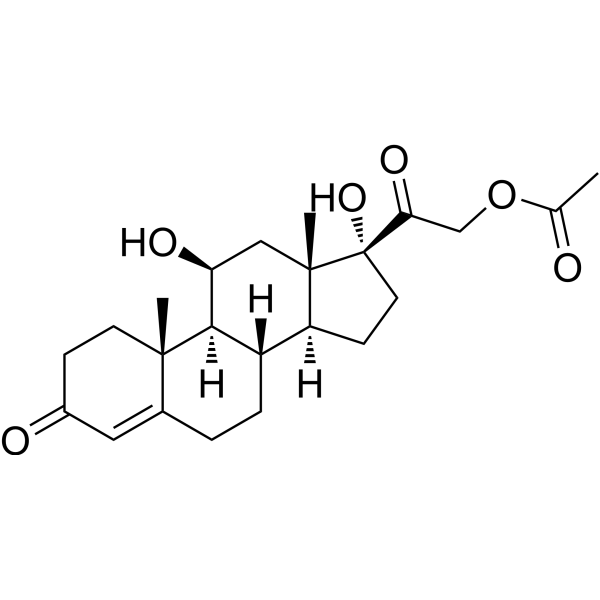
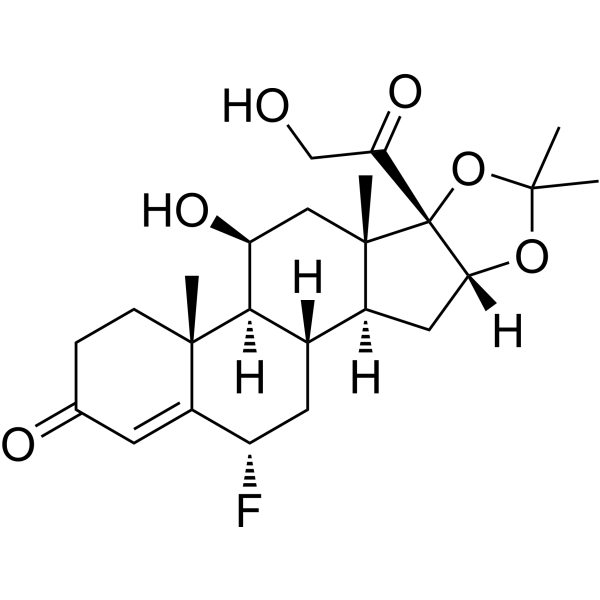
Hydrocortisone acetate (Hydrocortisone 21-acetate) is a corticosteroid used to reduce swelling, itching and pain caused by minor skin irritations or hemorrhoids .
|
-
- HY-W010807
-
|
|
|
Emulsifiers
|
|
Hexadecyl palmitate is an organic compound commonly used in the cosmetic industry as an emollient, thickener and skin conditioning agent. Cetyl palmitate is derived from a mixture of cetyl alcohol (a fatty alcohol) and palmitic acid (a saturated fatty acid). It is often used in skin care products such as moisturizers, lotions, and creams to improve their texture and Helps them glide smoothly on the skin. In addition to its use in cosmetics, cetyl palmitate is used in other industries including pharmaceuticals, food additives and lubricants. Overall, it's considered safe for use in personal care products, but like any other ingredient, it may cause irritation or an allergic reaction in some people.
|
Your information is safe with us. * Required Fields.
Inquiry Information
- Product Name:
- Cat. No.:
- Quantity:
- MCE Japan Authorized Agent:

