Search Result
Results for "
Staphylococci
" in MedChemExpress (MCE) Product Catalog:
9
Isotope-Labeled Compounds
| Cat. No. |
Product Name |
Target |
Research Areas |
Chemical Structure |
-
- HY-B0925
-
|
|
Bacterial
Antibiotic
|
Infection
|
|
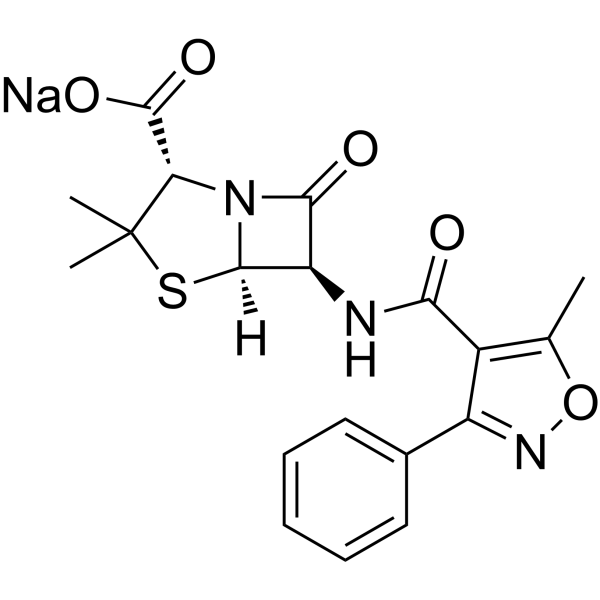
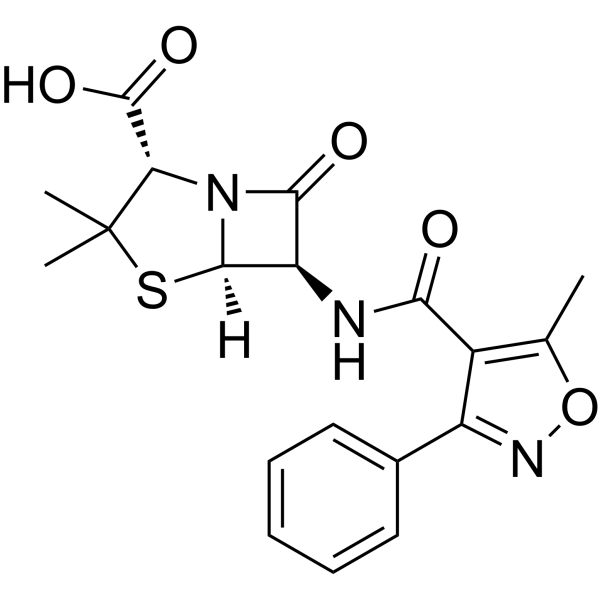
Oxacillin sodium salt is an orally active synthetic penicillin with good bactericidal activity against staphylococci and other gram-positive pathogens .
|
-
-
- HY-112579
-
|
Ro 63-9141; BAL 9141
|
Bacterial
Antibiotic
|
Infection
Inflammation/Immunology
|
|
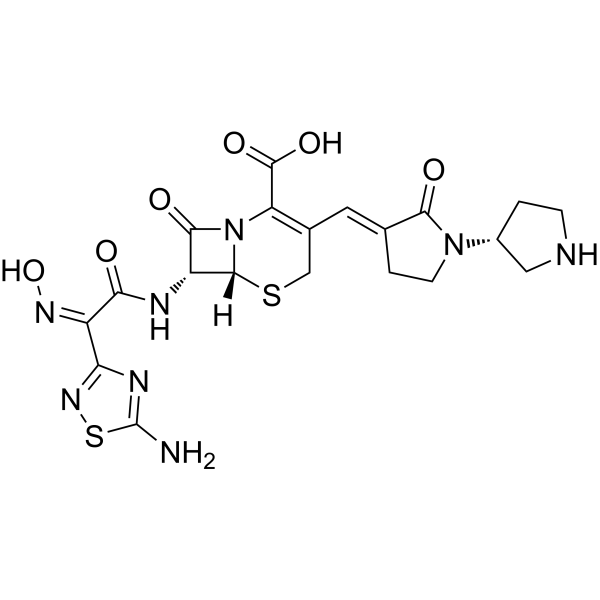
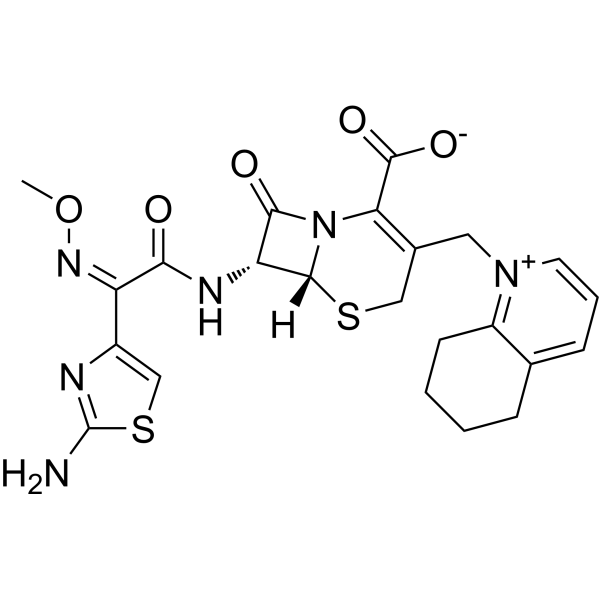
Ceftobiprole (Ro 63-9141) is a broad-spectrum cephalosporin with high levels of in vitro activity against methicillin- (MRSA) and vancomycin-resistant staphylococci (VRSA) and penicillin-resistant streptococci with a MIC90 value of 2 μg/mL for MRSA. Ceftobiprole also inhibits gram-positive and gram-negative pathogens. Ceftobiprole can be used for the study of hospital-acquired pneumonia (excluding ventilator-associated pneumonia) and community-acquired pneumonia .
|
-
-
- HY-B0269
-
-
-
- HY-B1050
-
|
SB-265805S; LB-20304a
|
Bacterial
Antibiotic
DNA/RNA Synthesis
Topoisomerase
|
Infection
|
|
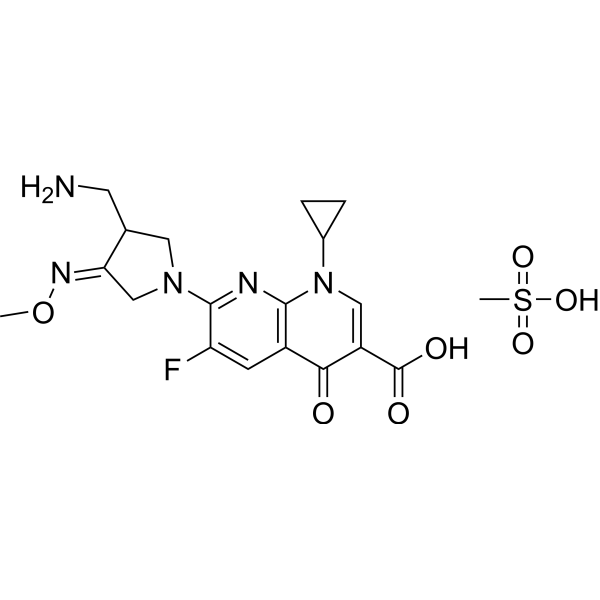
Gemifloxacin mesylate (SB-265805S; LB-20304a) is an orally active broad-spectrum quinolone antibacterial antibiotic. Gemifloxacin mesylate inhibits DNA synthesis by inhibiting DNA gyrase and Topoisomerase IV activities. Gemifloxacin mesylate has potent antibacterial activities against gram-positive bacteria in vitro efficacy study, particularly Streptococci and Staphylococci. Gemifloxacin mesylate has been used in the research of respiratory tract infections .
|
-
-
- HY-146331
-
|
|
Bacterial
|
Infection
|
|
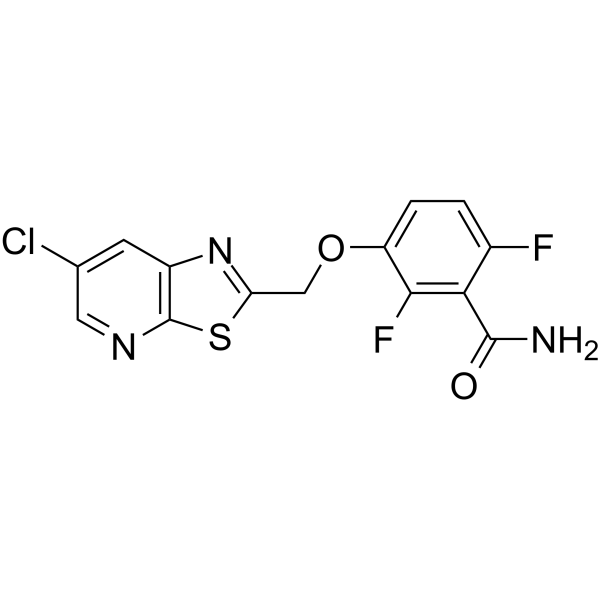
PC190723 is a bacterial cell division protein FtsZ inhibitor (IC50 = 55 nM). PC 190723 prevents cell division. PC190723 has potent and selective bactericidal activity against staphylococci, including methicillin- and multi-drug-resistant Staphylococcus aureus. PC190723 induces nucleated assembly of Bs-FtsZ into single-stranded coiled protofilaments and polymorphic condensates. PC190723 can be studied in anti-bacterial infection research .
|
-
-
- HY-106574A
-
|
BAL5788 sodium
|
Bacterial
|
Infection
Inflammation/Immunology
|
|
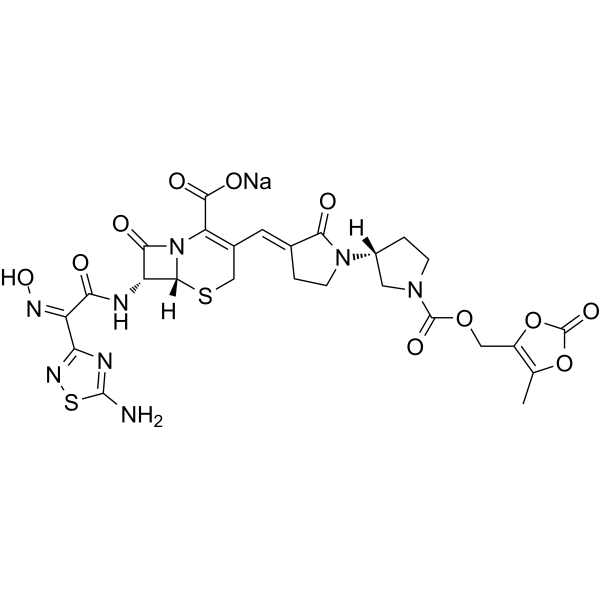
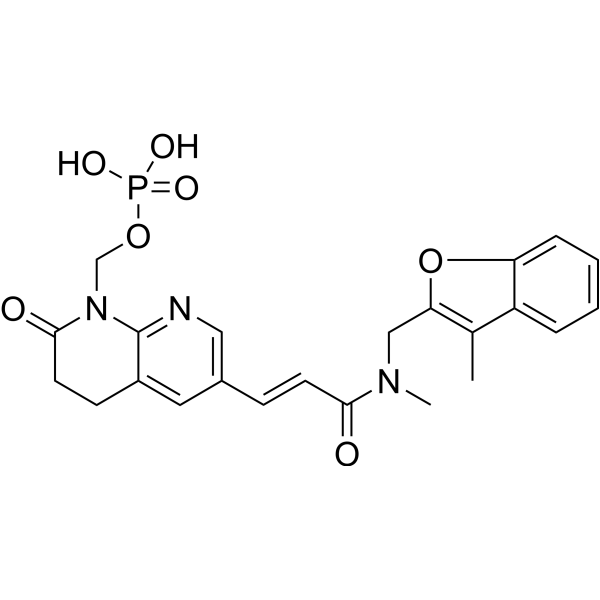
Ceftobiprole medocaril (BAL5788) sodium is the parenteral proagent of Ceftobiprole (HY-112579). Ceftobiprole is a parenteral pyrrolidinone cephalosporin. Ceftobiprole is a broad-spectrum cephalosporin with high levels of in vitro activity against methicillin- (MRSA) and vancomycin-resistant staphylococci (VRSA) and penicillin-resistant streptococci. Ceftobiprole also inhibits gram-positive and gram-negative pathogens .
|
-
-
- HY-B0465
-
|
|
Bacterial
Antibiotic
|
Infection
|
|
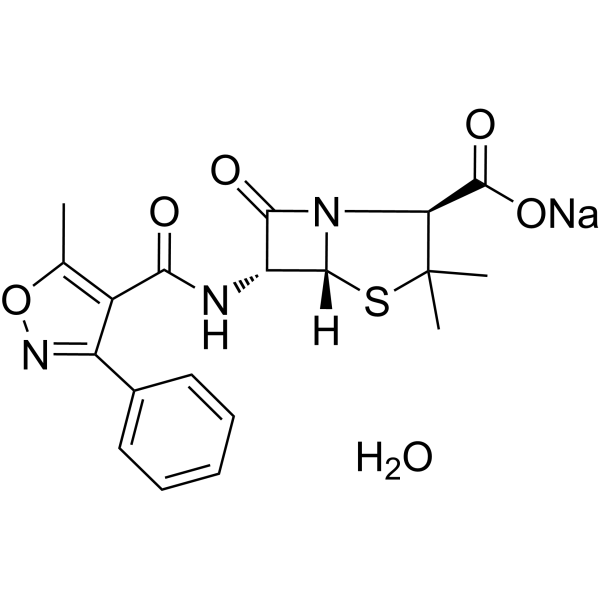
Oxacillin sodium monohydrate is an antibiotic similar to Flucloxacillin used in resistant staphylococci infections study .
|
-
-
- HY-B1407
-
|
N4-Phthalylsulfathiazole
|
Antibiotic
Bacterial
|
Infection
|
|
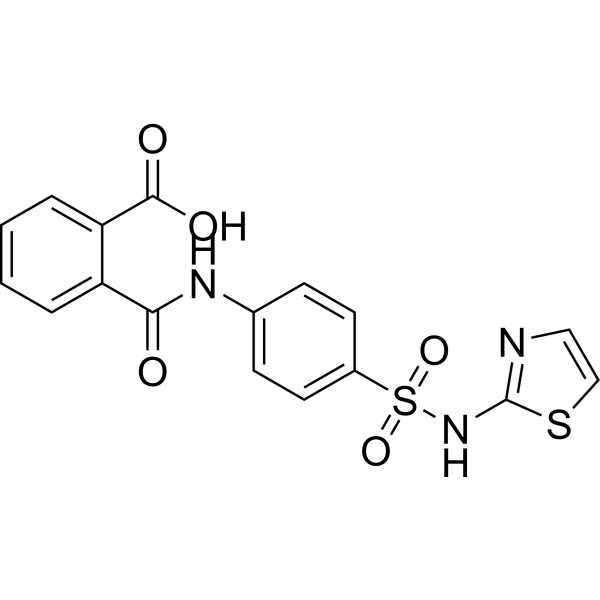
Phthalylsulfathiazole (N4-Phthalylsulfathiazole) is an orally active sulfonamide intestinal antibacterial agent. Phthalylsulfathiazole has low toxicity and excellent bacteriostatic efficacy. Phthalylsulfathiazole inhibits E. coli, streptococci, staphylococci, and total fecal bacteria. Phthalylsulfathiazole can be used in research related to intestinal infections such as colon infection, bacillary dysentery, and ulcerative colitis .
|
-
-
- HY-109000
-
|
Debio 1450; AFN-1720
|
Bacterial
|
Infection
|
|
Afabicin (Debio 1450) is the proagent of Debio1452, specifically targeting staphylococci without significant activity against other Gram-positive or Gram-negative species. Debio1452 is an inhibitor FabI, an enzyme critical to fatty acid biosynthesis in staphylococci.
|
-
-
- HY-N6665
-
|
|
Antibiotic
Bacterial
|
Infection
|
|
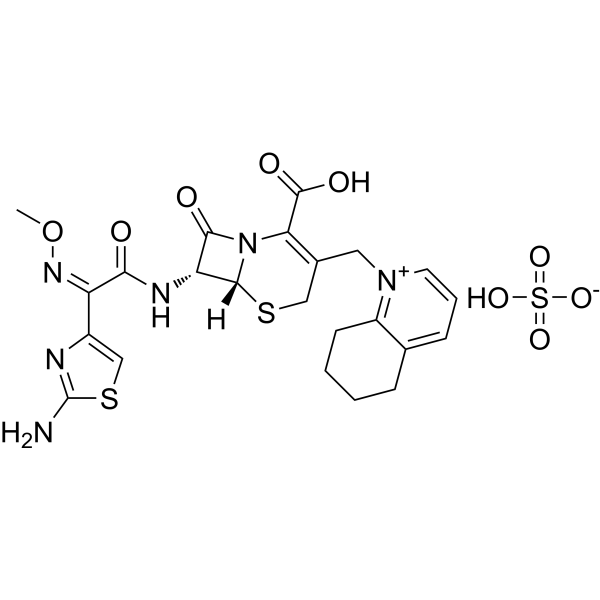
Cefquinome sulfate is a broad-spectrum cephem antibiotic that has inhibitory effects on a variety of Gram-positive and Gram-negative bacteria, including Staphylococci, Streptococci, Pseudomonas, and Enterobacteriaceae .
|
-
-
- HY-N7101
-
|
U-76,252; CS-807
|
Bacterial
Antibiotic
Penicillin-binding protein (PBP)
|
Infection
|
|
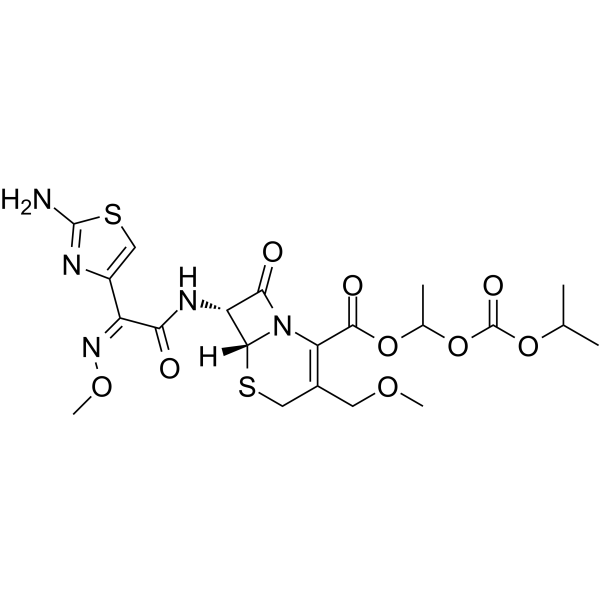
Cefpodoxime Proxetil is an orally active broad spectrum third-generation cephalosporin with potent antibacterial activity against both Gram-positive and Gram-negative bacteria including staphylococci, streptococci, Haemophilus influenzae, Neisseria gonorrhoeae, Escherichia coli, Klebsiella pnuemoniae, Citrobacter spp, and Proteus spp. Cefpodoxime Proxetil binds to penicillin binding proteins (PBPs), which inhibits peptidoglycan synthesis, finally results in interfering bacterial cell wall biosynthesis. Cefpodoxime Proxetil can be used against skin structure infections, acute otitis media, pharyngitis, tonsillitis, upper respiratory tract infection, urinary tract infections and sexually transmitted diseases .
|
-
-
- HY-10393
-
|
PNU-100592
|
Bacterial
Antibiotic
|
Infection
|
|
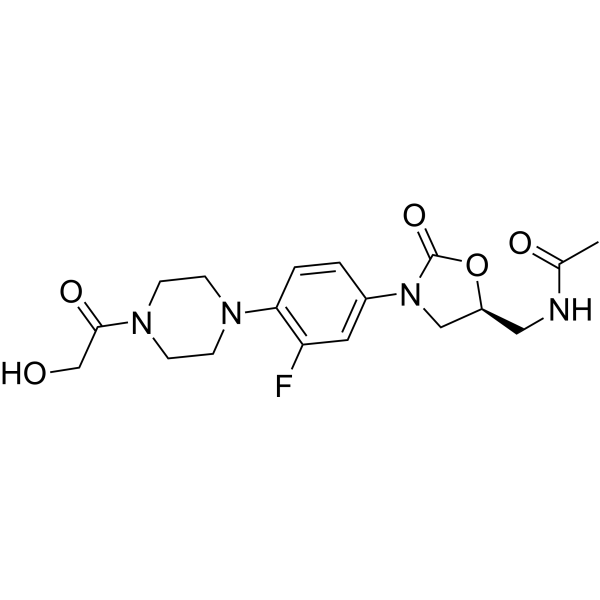
Eperezolid (PNU-100592) is an orally active protein synthesis inhibitor that targets the bacterial 50S ribosomal subunit. Eperezolid competitively binds to a specific site on the ribosomal 50S subunit (overlapping with the binding sites of chloramphenicol (HY-B0239) and lincomycin (HY-117660)) to inhibit the translation initiation stage and exert antibacterial activity. Eperezolid can induce host cell autophagy to enhance the clearance of intracellular mycobacteria, and its MIC90 for Staphylococcus aureus and Enterococcus is 1-4 μg/mL. Eperezolid is mainly used for antibacterial research on infections with Gram-positive bacteria such as methicillin-resistant (HY-121544) Staphylococci and vancomycin-resistant (HY-B0671) Enterococci, as well as infections with intracellular bacteria such as Mycobacterium tuberculosis .
|
-
-
- HY-B1252
-
-
-
- HY-14956
-
|
TG-873870
|
Antibiotic
Bacterial
|
Infection
Inflammation/Immunology
|
|
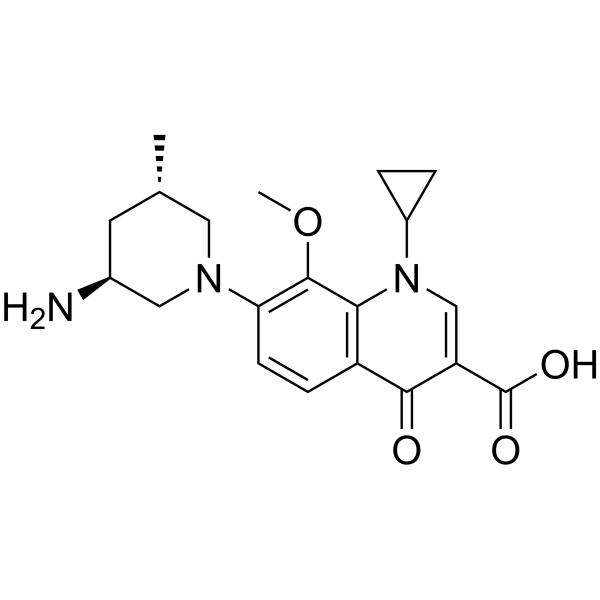
Nemonoxacin (TG-873870) is an orally active and potent broad-spectrum antibiotic. Nemonoxacin shows good inhibitory activity against different species of staphylococci, streptococci, and enterococci, Neisseria gonorrhoeae, and Haemophilus influenza. Nemonoxacin can be used in the study of bacterial infections and community-acquired pneumonia .
|
-
-
- HY-B1043
-
|
|
Bacterial
Antibiotic
|
Infection
|
|
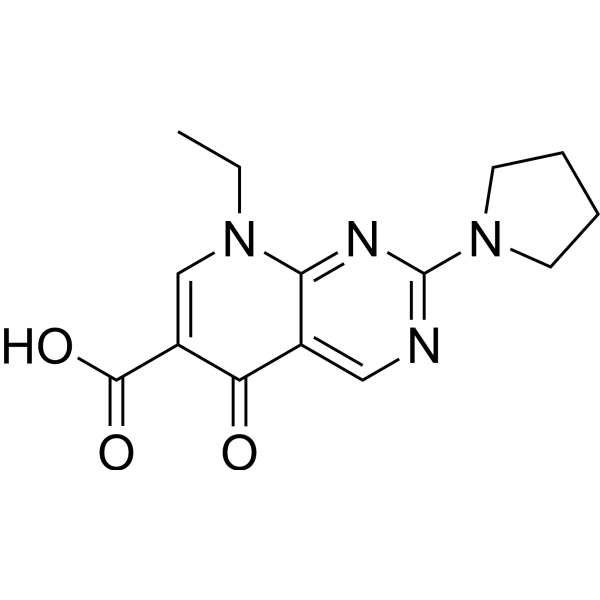
Piromidic acid is an antibacterial agent. Piromidic acid is active against gramnegative bacteria and staphylococci and can be used for the research of intestinal, urinary, and biliary tract infections .
|
-
-
- HY-W141916
-
|
Tetraglycylglycine; Gly-Gly-Gly-Gly-Gly; NSC 96353
|
Amino Acid Derivatives
Bacterial
|
Infection
|
|
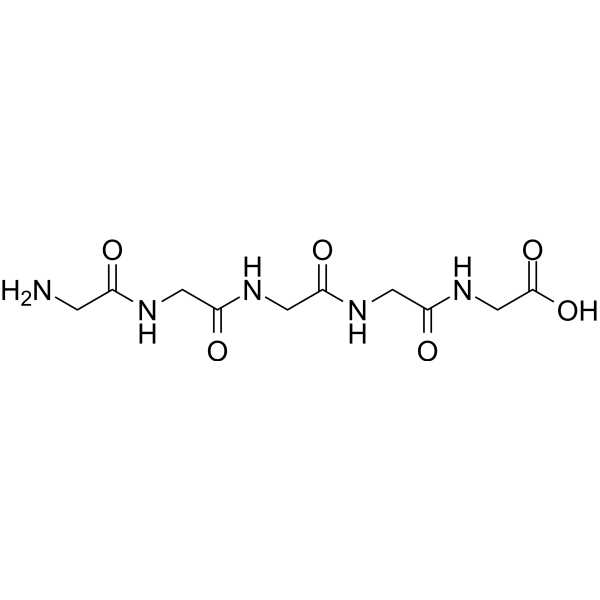
Pentaglycine (Tetraglycylglycine; NSC 96353) is a bridging structure composed of five glycine residues. Pentaglycine serves as a characteristic peptidoglycan cross-bridge component of staphylococci and a specific substrate for lysostaphin. Pentaglycine maintains the integrity of the peptidoglycan cell wall of Staphylococcus aureus via peptide chain cross-linking and regulates bacterial growth. Pentaglycine expression is downregulated in high-glucose environments, inhibiting bacterial proliferation. Pentaglycine can be applied to studies related to Staphylococcus aureus infection .
|
-
-
- HY-B0925A
-
|
|
Bacterial
Antibiotic
|
Infection
|
|
Oxacillin is an orally active synthetic penicillin with good bactericidal activity against staphylococci and other gram-positive pathogens .
|
-
-
- HY-125919
-
-
-
- HY-121473
-
|
|
Antibiotic
Bacterial
Fungal
Parasite
|
Infection
|
|
Aklavin is a structural analog of Aclacinomycin A (HY-N2306) produced by Streptomyces strain A 1165. Aklavin possesses Z-DNA-inducing and stabilizing activities, along with antibiotic, anti-phage and broad-spectrum antimicrobial activities. Aklavin inhibits the proliferation of various viruses (such as influenza virus and poliovirus) and interferes with their nucleoprotein synthesis, while also exhibiting inhibitory effects on staphylococci, mycobacteria and specific fungi. Aklavin blocks phage-induced bacterial lysis by regulating host-parasite interactions. Aklavin shows specific toxicity to fertilized eggs and mice, and does not alter the splicing of the SMN2 gene .
|
-
-
- HY-N6665A
-
|
|
Antibiotic
Bacterial
|
Infection
|
|
Cefquinome is a broad-spectrum cephem antibiotic that has inhibitory effects on a variety of Gram-positive and Gram-negative bacteria, including Staphylococci, Streptococci, Pseudomonas, and Enterobacteriaceae .
|
-
-
- HY-B0269R
-
|
DL 473 (Standard); Cyclopentylrifampicin (Standard)
|
Reference Standards
Antibiotic
Bacterial
|
Infection
|
|
Rifapentine (Standard) is the analytical standard of Rifapentine. This product is intended for research and analytical applications. Rifapentine (DL 473) is an antibiotic used in tuberculosis research .
|
-
-
- HY-131989
-
|
Deacetylcephapirin sodium
|
Bacterial
|
Infection
|
|
Desacetylcephapirin (Deacetylcephapirin) sodium is an active metabolite of Cephapirin (HY-A0153A). Desacetylcephapirin sodium has antimicrobial against S. aureus and coagulase-negative staphylococci mastitis pathogen .
|
-
-
- HY-135184
-
|
CBR-2092; TNP-2092
|
Antibiotic
Bacterial
DNA/RNA Synthesis
|
Infection
|
|
Rifaquizinone (CBR-2092) is a Rifamycin-Quinolone Hybrid Antibiotic. Rifaquizinone inhibits wild-type S. aureus RNA polymerase with an IC50 of 34 nM. Rifaquizinone is effective against S. aureus infections, with MICs ranged from 0.008 to 0.5 μg/mL for 300 clinical isolates of staphylococci and streptococci .
|
-
-
- HY-14956S
-
|
TG-873870-d3
|
Bacterial
|
Inflammation/Immunology
|
|
Nemonoxacin-d3 is the deuterium labeled Nemonoxacin. Nemonoxacin (TG-873870) is an orally active and potent broad-spectrum antibiotic. Nemonoxacin shows good inhibitory activity against different species of staphylococci, streptococci, and enterococci, Neisseria gonorrhoeae, and Haemophilus influenza. Nemonoxacin can be used in the study of bacterial infections and community-acquired pneumonia .
|
-
-
- HY-139805
-
|
|
Antibiotic
Bacterial
|
Infection
|
|
Ticarcillin is a semisynthetic, extended-spectrum, carboxypenicillin antibacterial agent, and is active against gram-positive cocci, including streptococci and staphylococci. Ticarcillin is also effective against most gram-negative organisms, including Pseudomonas aeruginosa. Ticarcillin can be used in lower respiratory tract infections, skin and skin structure infections, urinary tract infections, and intraabdominal infections research .
|
-
-
- HY-148209
-
|
|
Antibiotic
Bacterial
|
Infection
|
|
Balhimycin is a glycopeptide antibiotic, found from the fermentation broth of a Amycolatopsis sp. Balhimycin shows anti-bacterial activity against staphylococci and anaerobes .
|
-
-
- HY-116039
-
|
Ro11-8958
|
Dihydrofolate reductase (DHFR)
Bacterial
|
Infection
|
|
Epiroprim (Ro11-8958) is a selective dihydrofolate reductase (DHFR) inhibitor. Epiroprim displays excellent activity against staphylococci, enterococci, pneumococci, and streptococci .
|
-
-
- HY-B1252A
-
-
-
- HY-106574
-
|
BAL5788
|
Bacterial
|
Infection
Inflammation/Immunology
|
|
Ceftobiprole medocaril (BAL5788) is the parenteral proagent of Ceftobiprole (HY-112579). Ceftobiprole is a parenteral pyrrolidinone cephalosporin. Ceftobiprole is a broad-spectrum cephalosporin with high levels of in vitro activity against methicillin- (MRSA) and vancomycin-resistant staphylococci (VRSA) and penicillin-resistant streptococci. Ceftobiprole also inhibits gram-positive and gram-negative pathogens .
|
-
-
- HY-135196
-
|
MDL 62873
|
Bacterial
Drug Derivative
|
Infection
|
|
Mideplanin (MDL 62873) is an antimicrobial agent, semisynthetic amide derivative of Teicoplanin (HY-A0097). Mideplanin is highly active in vitro against staphylococci .
|
-
-
- HY-100997R
-
|
A82846B (Standard); LY 264826 (Standard); PA 45052A (Standard)
|
Reference Standards
Antibiotic
Bacterial
|
Infection
|
|
Chloroorienticin A (Standard) is the analytical standard of Chloroorienticin A (HY-100997). This product is intended for research and analytical applications. Chloroorienticin A (A82846B) is a glycopeptide antibiotic. Chloroorienticin A exhibits excellent activity against staphylococci and streptococci .
|
-
-
- HY-N6665R
-
|
|
Reference Standards
Antibiotic
Bacterial
|
Infection
|
|
Cefquinome (sulfate) (Standard) is the analytical standard of Cefquinome (sulfate). This product is intended for research and analytical applications. Cefquinome sulfate is a broad-spectrum cephem antibiotic that has inhibitory effects on a variety of Gram-positive and Gram-negative bacteria, including Staphylococci, Streptococci, Pseudomonas, and Enterobacteriaceae .
|
-
-
- HY-117845
-
|
LL-E19085α
|
Antibiotic
Bacterial
|
Infection
|
|
Citreamicin alpha (LL-E 19085-alpha) is an antibiotic whose in vitro antimicrobial activity against 429 clinical isolates of Gram-positive cocci has been tested by the agar dilution method. These microorganisms included 313 strains of Staphylococci and 116 strains of Streptococci. The in vitro activity of Citreamicin alpha was compared with that of ampicillin, amoxicillin, ceftriaxone, erythromycin, and vancomycin. For Staphylococci, the MIC values of Citreamicin alpha ranged from 0.12-4.0 μg/ml, and for Streptococcus pyogenes of the genus Streptococcus, it was 0.03-0.12 μg/ml. However, enterococci were relatively resistant, requiring 2.0 μg/ml of the agent to inhibit 64% of the 62 tested strains. The in vitro activity of this antibiotic was much better than that of ampicillin, amoxicillin, ceftriaxone, and erythromycin, but comparable or slightly inferior to that of vancomycin.
|
-
-
- HY-130337
-
|
|
Antibiotic
Bacterial
|
Infection
|
|
Teicoplanin A2-2 is a glycopeptide antibiotic. Teicoplanin A2-2 exhibits antibacterial activity, particularly against coagulase-negative staphylococci (CNS). Teicoplanin A2-2 inhibits bacterial cell wall synthesis by competitively binding to the terminal D-Ala-D-Ala peptide bonds in the cell wall synthesis process, leading to bacterial death. Teicoplanin A2-2 can be used for research into bacterial resistance mechanisms and the development of new antibiotics .
|
-
-
- HY-121195
-
|
PC-904
|
Bacterial
|
Infection
|
|
Apalcillin (PC-904) in combination with Ro 48-1220, a penam sulfone β-lactamase inhibitor, demonstrated broad-spectrum activity against gram-negative aerobic and anaerobic bacteria, excluding Klebsiella oxytoca. It exhibited potent activity against β-lactamase-producing Moraxella catarrhalis, Haemophilus influenzae, and Neisseria gonorrhoeae, with effective MICs (11 μg/mL). The combination also inhibited Pseudomonas aeruginosa, Stenotrophomonas maltophilia, and Acinetobacter species at low MICs (0.25 to 4 μg/mL). However, its efficacy against oxacillin-resistant staphylococci and certain gram-positive organisms was limited. Apalcillin/Ro 48-1220 showed comparable efficacy to piperacillin/tazobactam against some extended-spectrum β-lactamase-producing Escherichia coli but was less effective against SHV-type β-lactamases .
|
-
-
- HY-100997
-
|
A82846B; LY 264826; PA 45052A
|
Antibiotic
Bacterial
|
Infection
|
|
Chloroorienticin A (A82846B) is a glycopeptide antibiotic. Chloroorienticin A exhibits excellent activity against staphylococci and streptococci .
|
-
-
- HY-129435
-
|
|
Antibiotic
Bacterial
|
Infection
Cancer
|
|
Altromycin E is an antibiotic, that exhibits antibacterial against Streptococci and Staphylococci with MIC of 0.2-3.12 μg/mL. Altromycin E can be used in anti-tumor research .
|
-
-
- HY-109000A
-
|
Debio 1450 disodium; AFN-1720 disodium
|
Bacterial
|
Infection
|
|
Afabicin (Debio 1450) is the proagent of Debio1452, specifically targeting staphylococci without significant activity against other Gram-positive or Gram-negative species. Debio1452 is an inhibitor FabI, an enzyme critical to fatty acid biosynthesis in staphylococci .
|
-
-
- HY-113602
-
|
Antibiotic 273 A1-beta
|
Antibiotic
Bacterial
|
Infection
|
|
Paldimycin B (Antibiotic 273 A1-beta) is a powerful semi-synthetic antibiotic with antibacterial activity against S. aureus and coagulase-negative staphylococci .
|
-
-
- HY-B0925R
-
|
|
Reference Standards
Bacterial
Antibiotic
|
Infection
|
|
Oxacillin (sodium salt) (Standard) is the analytical standard of Oxacillin (sodium salt). This product is intended for research and analytical applications. Oxacillin sodium salt is an orally active synthetic penicillin with good bactericidal activity against staphylococci and other gram-positive pathogens .
|
-
-
- HY-121474
-
|
SF-2052
|
Antibiotic
Bacterial
|
Infection
|
|
Dactimicin is a pseudodisaccharide aminoglycoside. Dactimicin is an antibiotic that can inhibit the growth of methicillin-susceptible S. aureus isolates and coagulase-negative staphylococci with MIC50s of 2 μg/mL. Dactimicin is active against organisms possessing aminoglycoside-modifying enzymes .
|
-
-
- HY-B1252R
-
|
|
Reference Standards
Antibiotic
Bacterial
|
Infection
Inflammation/Immunology
|
|
Cefalonium (Standard) is the analytical standard of Cefalonium. This product is intended for research and analytical applications. Cefalonium is the first-generation β-lactam cephalosporin antibiotic that is widely used to research bovine mastitis caused by Gram-positive bacteria including staphylococci .
|
-
-
- HY-B1252AS
-
|
|
Isotope-Labeled Compounds
|
Infection
|
|
Cefalonium-d4 (hydrate) is the deuterium labeled Cefalonium (hydrate)(HY-B1252A).Cefalonium hydrate is the first-generation β-lactam cephalosporin antibiotic that is widely used to research bovine mastitis caused by Gram-positive bacteria including staphylococci .
|
-
-
- HY-B1050R
-
|
SB-265805S (Standard); LB-20304a (Standard)
|
Reference Standards
Bacterial
Antibiotic
DNA/RNA Synthesis
Topoisomerase
|
Infection
|
|
Gemifloxacin (mesylate) (Standard) is the analytical standard of Gemifloxacin (mesylate). This product is intended for research and analytical applications. Gemifloxacin mesylate (SB-265805S; LB-20304a) is an orally active broad-spectrum quinolone antibacterial antibiotic. Gemifloxacin mesylate inhibits DNA synthesis by inhibiting DNA gyrase and Topoisomerase IV activities. Gemifloxacin mesylate has potent antibacterial activities against gram-positive bacteria in vitro efficacy study, particularly Streptococci and Staphylococci. Gemifloxacin mesylate has been used in the research of respiratory tract infections .
|
-
-
- HY-107075A
-
|
|
Bacterial
|
Infection
|
|
WCK-1152 is a fluoroquinolone antibacterial agent. WCK-1152 is active against resistant pathogens bearing mutations of DNA gyrase and/or topoisomerase IV which also express efflux pumps. WCK-1152 can be used for the research of infection, such as respiratory infections caused by resistant pneumococci and staphylococci .
|
-
-
- HY-B1148A
-
|
Altafur
|
Bacterial
|
Infection
|
|
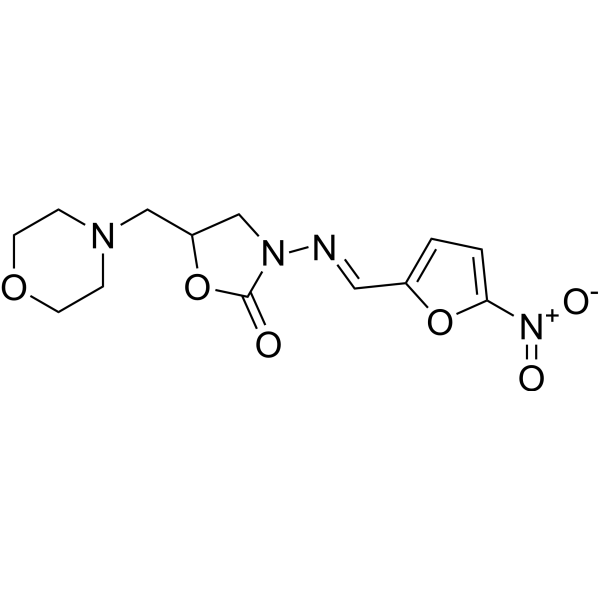
Furaltadone, a nitrofuran agent, has the potential for the study in infections of chickens with salmonella enteritidis. Furaltadone is inhibitory and bactericidal in vitro for staphylococci .
|
-
-
- HY-U00255
-
|
|
Bacterial
|
Infection
|
|
BO3482 has Antimicrobial activity and can inhibit the growth of methicillin-resistant Staphylococci (MRS) with an MIC90 of 6.25 mg/mL.
|
-
-
- HY-B0465R
-
|
|
Reference Standards
Bacterial
Antibiotic
|
Infection
|
|
Oxacillin (sodium monohydrate) (Standard) is the analytical standard of Oxacillin (sodium monohydrate). This product is intended for research and analytical applications. Oxacillin sodium monohydrate is an antibiotic similar to Flucloxacillin used in resistant staphylococci infections study .
|
-
-
- HY-B1148B
-
|
Altafur L-tartrate
|
Bacterial
|
Infection
Inflammation/Immunology
|
|
Furaltadone L-tartrate (Altafur L-tartrate), a nitrofuran agent, has the potential for the study in infections of chickens with salmonella enteritidis. Furaltadone is inhibitory and bactericidal in vitro for staphylococci .
|
-
-
- HY-B0925AS
-
|
|
Bacterial
Antibiotic
|
Infection
|
|
Oxacillin-d5 is the deuterium labeled Oxacillin . Oxacillin is an orally active synthetic penicillin with good bactericidal activity against staphylococci and other gram-positive pathogens .
|
-
- HY-W745714
-
|
|
Isotope-Labeled Compounds
Antibiotic
Bacterial
|
Infection
|
|
Oxacillin-d5 sodium salt (HY-B0925) is the deuterium labeled Oxacillin sodium salt. Oxacillin sodium salt is an orally active synthetic penicillin with good bactericidal activity against staphylococci and other gram-positive pathogens .
|
-
- HY-B1148AR
-
|
Altafur (Standard)
|
Reference Standards
Bacterial
|
Infection
|
|
Furaltadone (Standard) is the analytical standard of Furaltadone. This product is intended for research and analytical applications. Furaltadone, a nitrofuran agent, has the potential for the study in infections of chickens with salmonella enteritidis. Furaltadone is inhibitory and bactericidal in vitro for staphylococci .
|
-
- HY-B1148R
-
|
Altafur hydrochloride (Standard)
|
Reference Standards
Bacterial
|
Inflammation/Immunology
|
|
Furaltadone (hydrochloride) (Standard) is the analytical standard of Furaltadone (hydrochloride). This product is intended for research and analytical applications. Furaltadone hydrochloride, a nitrofuran agent, has the potential for the study in infections of chickens with salmonella enteritidis. Furaltadone is inhibitory and bactericidal in vitro for staphylococci .
|
-
- HY-B1148AS
-
|
Altafur-d5
|
Bacterial
Isotope-Labeled Compounds
|
Others
|
|
Furaltadone-d5 is the deuterium labeled Furaltadone (HY-B1148A). Furaltadone, a nitrofuran agent, has the potential for the study in infections of chickens with salmonella enteritidis. Furaltadone is inhibitory and bactericidal in vitro for staphylococci .
|
-
- HY-B1043R
-
|
|
Reference Standards
Bacterial
Antibiotic
|
Infection
|
|
Piromidic acid (Standard) is the analytical standard of Piromidic acid. This product is intended for research and analytical applications. Piromidic acid is an antibacterial agent. Piromidic acid is active against gramnegative bacteria and staphylococci and can be used for the research of intestinal, urinary, and biliary tract infections .
|
-
- HY-W744633
-
|
|
Drug Metabolite
Bacterial
|
Infection
|
|
Cefdaloxime is an orally active cephalosporin and HR-916 ester metabolite. Cefdaloxime has a broad spectrum of activity against pathogens such as the majority of members of the family Enterobacteriaceae, staphylococci, Streptococcus spp., Neisseria gonorrhoeae, Moraxella catarrhalis, Haemophilus influenzae .
|
-
- HY-121182
-
|
|
Antibiotic
Bacterial
|
Infection
|
|
Chalcomycin is a macrolide antibiotic, which exhibits antimicrobial activities against gram-positive Staphylococcus aureus and Streptococcus pyogenes. Chalcomycin protects mice from infection with a variety of staphylococci and streptococc, without significant toxicity (LD50 >2500 mg/kg) .
|
-
- HY-19289
-
|
RWJ 54428
|
Bacterial
|
Infection
|
|
MC-02479 is a novel cephalosporin. RWJ-54428 has good activity against most of the organisms tested, including methicillin-resistant staphylococci, E. faecalis, and penicillin-resistant pneumococci, and has moderate activity against E. faecium .
|
-
- HY-W741748
-
|
Deacetylcephapirin-d6 sodium
|
Isotope-Labeled Compounds
Bacterial
|
Infection
|
|
Desacetylcephapirin-d6 sodium (Deacetylcephapirin-d6 sodium) is the deuterium labeled Desacetylcephapirin sodium (HY-131989). Desacetylcephapirin (Deacetylcephapirin) sodium is an active metabolite of Cephapirin (HY-A0153A). Desacetylcephapirin sodium has antimicrobial against S. aureus and coagulase-negative staphylococci mastitis pathogen .
|
-
- HY-106668
-
|
Sch 21420
|
Antibiotic
Bacterial
|
Infection
|
|
Isepamicin (Sch 21420) is an aminoglycoside antibacterial. Isepamicin has better activity against strains producing type I 6'-acetyltransferase. Isepamicin’s antibacterial spectrum includes Enterobacteriaceae and staphylococci. Anaerobes, Neisseriaceae and streptococci are resistant. Isepamicin exhibits a strong concentration-dependent bactericidal effect, a long post-antibiotic effect (several hours) and induces adaptive resistance .
|
-
- HY-14956S1
-
|
TG-873870-d3-1
|
Bacterial
|
Inflammation/Immunology
|
|
Nemonoxacin-d3-1 is the deuterium labeled Nemonoxacin. Nemonoxacin (TG-873870) is an orally active and potent broad-spectrum antibiotic. Nemonoxacin shows good inhibitory activity against different species of staphylococci, streptococci, and enterococci, Neisseria gonorrhoeae, and Haemophilus influenza. Nemonoxacin can be used in the study of bacterial infections and community-acquired pneumonia .
|
-
- HY-N14699
-
|
Ancillin free acid; 2-Biphenylyl penicillin free acid; SKF-12141 free acid
|
Penicillin-binding protein (PBP)
Bacterial
|
Infection
|
|
Diphenicillin (Ancillin (free acid); 2-Biphenylyl penicillin (free acid); SKF-12141 (free acid)) is a Penicillinase (HY-E70012)-
resistant penicillin with antibacterial activity. Diphenicillin shows good antibacterial effects against Gram-positive cocci. Diphenicillin is promising for research of infectious diseases caused by Gram-positive cocci such as staphylococci, pneumococci, and group A streptococci .
|
-
- HY-14956S2
-
|
TG-873870-d4
|
Bacterial
|
Inflammation/Immunology
|
|
Nemonoxacin-d4 is the deuterium labeled Nemonoxacin. Nemonoxacin (TG-873870) is an orally active and potent broad-spectrum antibiotic. Nemonoxacin shows good inhibitory activity against different species of staphylococci, streptococci, and enterococci, Neisseria gonorrhoeae, and Haemophilus influenza. Nemonoxacin can be used in the study of bacterial infections and community-acquired pneumonia .
|
-
- HY-139805A
-
|
|
Bacterial
Antibiotic
|
Cancer
|
|
Ticarcillin monosodium is a semisynthetic, extended-spectrum, carboxypenicillin antibacterial agent, and is active against gram-positive cocci, including streptococci and staphylococci. Ticarcillin monosodium is also effective against most gram-negative organisms, including Pseudomonas aeruginosa. Ticarcillin monosodium can be used in lower respiratory tract infections, skin and skin structure infections, urinary tract infections, and intraabdominal infections research .
|
-
- HY-B1407R
-
|
N4-Phthalylsulfathiazole (Standard)
|
Reference Standards
Antibiotic
Bacterial
|
Infection
|
|
Phthalylsulfathiazole (N4-Phthalylsulfathiazole) Standard is the analytical standard of Phthalylsulfathiazole (HY-B1407). This product is intended for research and analytical applications. Phthalylsulfathiazole (N4-Phthalylsulfathiazole) is an orally active sulfonamide intestinal antibacterial agent. Phthalylsulfathiazole has low toxicity and excellent bacteriostatic efficacy. Phthalylsulfathiazole inhibits E. coli, streptococci, staphylococci, and total fecal bacteria. Phthalylsulfathiazole can be used in research related to intestinal infections such as colon infection, bacillary dysentery, and ulcerative colitis.
|
-
- HY-125579
-
|
|
Bacterial
|
Infection
|
|
Ro 25-0534 is an antimicrobial compound against Pseudomonas. Ro 25-0534 is active against Enterobacteriaceae (MIC90: 0.06-2 μg/mL), Oxacillin (HY-B0465)-susceptible staphylococci, β-hemolytic streptococci, and penicillin-susceptible pneumococci (MIC90: 1-2 μg/mL), Haemophilus influenzae (MIC90: 0.25-0.5 μg/mL), Moraxella catarrhalis (MIC90: 0.5 μg/mL), and most nonenteric Gram-negative bacilli (MIC90: 2-4 μg/mL) .
|
-
- HY-P11109
-
|
|
Antibiotic
Bacterial
|
Infection
|
|
RL-37 is an alpha-helical antimicrobial peptide. RL-37 can be isolated for rhesus monkey bone marrow. RL-37 rapidly permeabilizes the membranes of Escherichia coli ML-35p and lysed liposomes. RL-37 has effective antibacterial activity against staphylococci, such as wild-type and Methicillin (HY-121544)-resistant S. aureus strains and S. epidermidis ATCC 49741. RL-37 can be used for human skin infections research .
|
-
- HY-113703
-
|
|
Antibiotic
|
Cancer
|
|
PD117588 is a quinolone antibacterial agent with a broad range of antibacterial activity. PD117588 exhibits excellent activity against a variety of Gram-positive and Gram-negative bacteria from cancer patients, especially against all Gram-positive strains, including methicillin-resistant Staphylococcus aureus, coagulase-negative Staphylococci, and Enterococci. PD117588 is also very effective against most Gram-negative bacilli, although ciprofloxacin shows stronger activity against Pseudomonas aeruginosa. Compared with other quinolone antibiotics, the minimum inhibitory concentration of PD117588 outperforms most of the tested microorganisms, including imipenem and ceftazidime .
|
-
- HY-117736
-
|
|
Penicillin-binding protein (PBP)
Bacterial
|
Infection
Inflammation/Immunology
|
|
Ro 09-1428 is a broad-spectrum parenteral cephalosporin. Ro 09-1428 has potent antibacterial activities against Pseudomonas aeruginosa and Acinetobacter caloaceticus, with MIC90s of 0.39 and 6.25 μg/mL, respectively, better than Ceftazidime (HY-B0593). Additionally, Ro 09-1428 shows high activity against Escherichia coli, Kkbsielia pneumoniae, Proteus mirabilis, P. aeruginosa, staphylococci, and more. Ro 09-1428 preferentially attacks PBP 3 for target in E. coli and P. aeruginosa, which is promising for research of septicemias and serious P. aeruginosa infections .
|
-
- HY-N7101R
-
|
U-76,252 (Standard); CS-807 (Standard)
|
Reference Standards
Bacterial
Antibiotic
Penicillin-binding protein (PBP)
|
Infection
|
|
Cefpodoxime Proxetil (Standard) is the analytical standard of Cefpodoxime Proxetil. This product is intended for research and analytical applications. Cefpodoxime Proxetil is an orally active broad spectrum third-generation cephalosporin with potent antibacterial activity against both Gram-positive and Gram-negative bacteria including staphylococci, streptococci, Haemophilus influenzae, Neisseria gonorrhoeae, Escherichia coli, Klebsiella pnuemoniae, Citrobacter spp, and Proteus spp. Cefpodoxime Proxetil binds to penicillin binding proteins (PBPs), which inhibits peptidoglycan synthesis, finally results in interfering bacterial cell wall biosynthesis. Cefpodoxime Proxetil can be used against skin structure infections, acute otitis media, pharyngitis, tonsillitis, upper respiratory tract infection, urinary tract infections and sexually transmitted diseases .
|
-
- HY-12770R
-
|
Mebeverine metabolite Mebeverine alcohol (Standard)
|
Reference Standards
Drug Metabolite
|
Neurological Disease
|
|
Mebeverine alcohol (Standard) is an analytical standard for Mebeverine alcohol. This product is intended for research and analytical applications. Eperezolid (PNU-100592) is an orally active protein synthesis inhibitor that targets the bacterial 50S ribosomal subunit. Eperezolid competitively binds to a specific site on the ribosomal 50S subunit (overlapping with the binding sites of Chloramphenicol (HY-B0239) and Lincomycin (HY-117660)) to inhibit the translation initiation stage and exert antibacterial activity. Eperezolid can induce host cell autophagy to enhance the clearance of intracellular mycobacteria, and its MIC90 for Staphylococcus aureus and Enterococcus is 1-4 μg/mL. Eperezolid is mainly used for antibacterial research on infections with Gram-positive bacteria such as methicillin-resistant (HY-121544) Staphylococci and vancomycin-resistant (HY-B0671) Enterococci, as well as infections with intracellular bacteria such as Mycobacterium tuberculosis .
|
-
- HY-N7101S
-
|
U-76-d7,252-d7; CS-807-d7
|
Isotope-Labeled Compounds
Bacterial
Antibiotic
Penicillin-binding protein (PBP)
|
Infection
|
|
Cefpodoxime proxetil-d7 (U-76-d7,252-d7; CS-807-d7) is the deuterium labeled Cefpodoxime Proxetil (HY-N7101). Cefpodoxime Proxetil is an orally active broad spectrum third-generation cephalosporin with potent antibacterial activity against both Gram-positive and Gram-negative bacteria including staphylococci, streptococci, Haemophilus influenzae, Neisseria gonorrhoeae, Escherichia coli, Klebsiella pnuemoniae, Citrobacter spp, and Proteus spp. Cefpodoxime Proxetil binds to penicillin binding proteins (PBPs), which inhibits peptidoglycan synthesis, finally results in interfering bacterial cell wall biosynthesis. Cefpodoxime Proxetil can be used against skin structure infections, acute otitis media, pharyngitis, tonsillitis, upper respiratory tract infection, urinary tract infections and sexually transmitted diseases .
|
-
- HY-109000B
-
|
Debio 1450 diolamine; AFN-1720 diolamine
|
Bacterial
|
Infection
|
|
Afabicin diolamine (Debio 1450 diolamine) is the proagent of Debio1452 (HY-16911), specifically targeting staphylococci without significant activity against other Gram-positive or Gram-negative species. Debio1452 is an inhibitor FabI, an enzyme critical to fatty acid biosynthesis in staphylococci .
|
-
- HY-105401
-
|
|
Bacterial
|
Infection
|
|
J-114870 is a bacterial penicillin-binding protein (PBPs) inhibitor. J-114870 is effective against methicillin-resistant Staphylococcus aureus (MRSA) and methicillin-resistant coagulase-negative staphylococci (MRCoNS). J-114870 can be used for research on bacterial infections .
|
-
- HY-106026
-
|
IMC-XV
|
Antibiotic
Bacterial
|
Infection
|
|
YM 133 (IMC-XV) is a semisynthetic macrolide antibiotic with potent bactericidal activity. YM 133 shows activity against Erythromycin (HY-B0220)-, Josamycin (HY-B1920)-, and rokitamycin-resistant (MIC ≥ 100 μg/mL) strains of staphylococci, streptococci, Bacteroides spp., and Clostridium spp. YM 133 exhibits excellent activity against macrolide-resistant strains and against anaerobes. YM 133 can be used for antibacterial research .
|
-
- HY-165460
-
|
|
Antibiotic
Beta-lactamase
Bacterial
Penicillin-binding protein (PBP)
|
Infection
|
|
AM-112 is a β-lactamase (β-lactamase) inhibitor and antibacterial agent, with IC50 values ranging from 0.0002 μg/mL to 0.67 μg/mL against class A, C, and D β-lactamase. By inhibiting PBP2, the penicillin-binding protein of E. coli, and protecting Ceftazidime (HY-B0593) from enzymatic hydrolysis, AM-112 significantly enhances the antibacterial efficacy of Ceftazidime against Gram-negative bacteria, enterococci, and staphylococci. AM-112 exhibits favorable pharmacokinetic properties and acid-base stability. AM-112 can be used for the research of bacterial infections .
|
-
- HY-182823
-
|
|
Drug Derivative
Bacterial
|
Infection
|
|
N-Nitrosovancomycin is an antibacterial agent and an N-terminal nitrosated derivative of vancomycin. N-Nitrosovancomycin exhibits antibacterial activity against Gram-positive bacteria in vitro, but shows no activity against Gram-negative E. coli. The modified N-terminal amino group of N-Nitrosovancomycin cannot be protonated, yet the compound still retains in vitro antibacterial activity. N-Nitrosovancomycin can be used in studies related to Gram-positive bacterial infections .
|
-
| Cat. No. |
Product Name |
Target |
Research Area |
-
- HY-W141916
-
|
Tetraglycylglycine; Gly-Gly-Gly-Gly-Gly; NSC 96353
|
Amino Acid Derivatives
Bacterial
|
Infection
|
|
Pentaglycine (Tetraglycylglycine; NSC 96353) is a bridging structure composed of five glycine residues. Pentaglycine serves as a characteristic peptidoglycan cross-bridge component of staphylococci and a specific substrate for lysostaphin. Pentaglycine maintains the integrity of the peptidoglycan cell wall of Staphylococcus aureus via peptide chain cross-linking and regulates bacterial growth. Pentaglycine expression is downregulated in high-glucose environments, inhibiting bacterial proliferation. Pentaglycine can be applied to studies related to Staphylococcus aureus infection .
|
-
- HY-148209
-
|
|
Antibiotic
Bacterial
|
Infection
|
|
Balhimycin is a glycopeptide antibiotic, found from the fermentation broth of a Amycolatopsis sp. Balhimycin shows anti-bacterial activity against staphylococci and anaerobes .
|
-
- HY-P11109
-
|
|
Antibiotic
Bacterial
|
Infection
|
|
RL-37 is an alpha-helical antimicrobial peptide. RL-37 can be isolated for rhesus monkey bone marrow. RL-37 rapidly permeabilizes the membranes of Escherichia coli ML-35p and lysed liposomes. RL-37 has effective antibacterial activity against staphylococci, such as wild-type and Methicillin (HY-121544)-resistant S. aureus strains and S. epidermidis ATCC 49741. RL-37 can be used for human skin infections research .
|
| Cat. No. |
Product Name |
Category |
Target |
Chemical Structure |
-
- HY-B1043
-
-
-
- HY-125919
-
-
-
- HY-117845
-
|
LL-E19085α
|
Structural Classification
Microorganisms
Antibiotics
Source Classification
|
Antibiotic
Bacterial
|
|
Citreamicin alpha (LL-E 19085-alpha) is an antibiotic whose in vitro antimicrobial activity against 429 clinical isolates of Gram-positive cocci has been tested by the agar dilution method. These microorganisms included 313 strains of Staphylococci and 116 strains of Streptococci. The in vitro activity of Citreamicin alpha was compared with that of ampicillin, amoxicillin, ceftriaxone, erythromycin, and vancomycin. For Staphylococci, the MIC values of Citreamicin alpha ranged from 0.12-4.0 μg/ml, and for Streptococcus pyogenes of the genus Streptococcus, it was 0.03-0.12 μg/ml. However, enterococci were relatively resistant, requiring 2.0 μg/ml of the agent to inhibit 64% of the 62 tested strains. The in vitro activity of this antibiotic was much better than that of ampicillin, amoxicillin, ceftriaxone, and erythromycin, but comparable or slightly inferior to that of vancomycin.
|
-
-
- HY-129435
-
-
-
- HY-121474
-
-
-
- HY-B1043R
-
-
-
- HY-121182
-
-
-
- HY-N14699
-
|
Ancillin free acid; 2-Biphenylyl penicillin free acid; SKF-12141 free acid
|
Natural Products
Microorganisms
Source Classification
|
Penicillin-binding protein (PBP)
Bacterial
|
|
Diphenicillin (Ancillin (free acid); 2-Biphenylyl penicillin (free acid); SKF-12141 (free acid)) is a Penicillinase (HY-E70012)-
resistant penicillin with antibacterial activity. Diphenicillin shows good antibacterial effects against Gram-positive cocci. Diphenicillin is promising for research of infectious diseases caused by Gram-positive cocci such as staphylococci, pneumococci, and group A streptococci .
|
-
| Cat. No. |
Product Name |
Chemical Structure |
-
- HY-14956S
-
|
|
|
Nemonoxacin-d3 is the deuterium labeled Nemonoxacin. Nemonoxacin (TG-873870) is an orally active and potent broad-spectrum antibiotic. Nemonoxacin shows good inhibitory activity against different species of staphylococci, streptococci, and enterococci, Neisseria gonorrhoeae, and Haemophilus influenza. Nemonoxacin can be used in the study of bacterial infections and community-acquired pneumonia .
|
-
-
- HY-B1252AS
-
|
|
|
Cefalonium-d4 (hydrate) is the deuterium labeled Cefalonium (hydrate)(HY-B1252A).Cefalonium hydrate is the first-generation β-lactam cephalosporin antibiotic that is widely used to research bovine mastitis caused by Gram-positive bacteria including staphylococci .
|
-
-
- HY-B0925AS
-
|
|
|
Oxacillin-d5 is the deuterium labeled Oxacillin . Oxacillin is an orally active synthetic penicillin with good bactericidal activity against staphylococci and other gram-positive pathogens .
|
-
-
- HY-W745714
-
|
|
|
Oxacillin-d5 sodium salt (HY-B0925) is the deuterium labeled Oxacillin sodium salt. Oxacillin sodium salt is an orally active synthetic penicillin with good bactericidal activity against staphylococci and other gram-positive pathogens .
|
-
-
- HY-B1148AS
-
|
|
|
Furaltadone-d5 is the deuterium labeled Furaltadone (HY-B1148A). Furaltadone, a nitrofuran agent, has the potential for the study in infections of chickens with salmonella enteritidis. Furaltadone is inhibitory and bactericidal in vitro for staphylococci .
|
-
-
- HY-W741748
-
|
|
|
Desacetylcephapirin-d6 sodium (Deacetylcephapirin-d6 sodium) is the deuterium labeled Desacetylcephapirin sodium (HY-131989). Desacetylcephapirin (Deacetylcephapirin) sodium is an active metabolite of Cephapirin (HY-A0153A). Desacetylcephapirin sodium has antimicrobial against S. aureus and coagulase-negative staphylococci mastitis pathogen .
|
-
-
- HY-14956S1
-
|
|
|
Nemonoxacin-d3-1 is the deuterium labeled Nemonoxacin. Nemonoxacin (TG-873870) is an orally active and potent broad-spectrum antibiotic. Nemonoxacin shows good inhibitory activity against different species of staphylococci, streptococci, and enterococci, Neisseria gonorrhoeae, and Haemophilus influenza. Nemonoxacin can be used in the study of bacterial infections and community-acquired pneumonia .
|
-
-
- HY-14956S2
-
|
|
|
Nemonoxacin-d4 is the deuterium labeled Nemonoxacin. Nemonoxacin (TG-873870) is an orally active and potent broad-spectrum antibiotic. Nemonoxacin shows good inhibitory activity against different species of staphylococci, streptococci, and enterococci, Neisseria gonorrhoeae, and Haemophilus influenza. Nemonoxacin can be used in the study of bacterial infections and community-acquired pneumonia .
|
-
-
- HY-N7101S
-
|
|
|
Cefpodoxime proxetil-d7 (U-76-d7,252-d7; CS-807-d7) is the deuterium labeled Cefpodoxime Proxetil (HY-N7101). Cefpodoxime Proxetil is an orally active broad spectrum third-generation cephalosporin with potent antibacterial activity against both Gram-positive and Gram-negative bacteria including staphylococci, streptococci, Haemophilus influenzae, Neisseria gonorrhoeae, Escherichia coli, Klebsiella pnuemoniae, Citrobacter spp, and Proteus spp. Cefpodoxime Proxetil binds to penicillin binding proteins (PBPs), which inhibits peptidoglycan synthesis, finally results in interfering bacterial cell wall biosynthesis. Cefpodoxime Proxetil can be used against skin structure infections, acute otitis media, pharyngitis, tonsillitis, upper respiratory tract infection, urinary tract infections and sexually transmitted diseases .
|
-
Your information is safe with us. * Required Fields.
Inquiry Information
- Product Name:
- Cat. No.:
- Quantity:
- MCE Japan Authorized Agent:

