

Search Result
Results for "
Sulfur-containing
" in MedChemExpress (MCE) Product Catalog:
6
Biochemical Assay Reagents
5
Isotope-Labeled Compounds
| Cat. No. |
Product Name |
Target |
Research Areas |
Chemical Structure |
-
- HY-W009749
-
|
|
Endogenous Metabolite
Apoptosis
|
Cardiovascular Disease
|
|
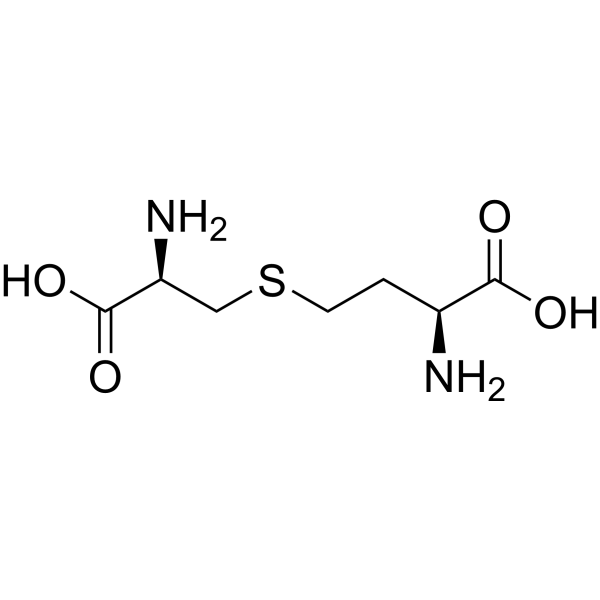
L-Cystathionine is a nonprotein thioether and is a key amino acid associated with the metabolic state of sulfur-containing amino acids. L-Cystathionine protects against Homocysteine-induced mitochondria-dependent apoptosis of vascular endothelial cells (HUVECs). L-Cystathionine plays an important role in cardiovascular protection .
|
-
-
- HY-50730
-
|
|
Parasite
Endogenous Metabolite
|
Infection
|
|
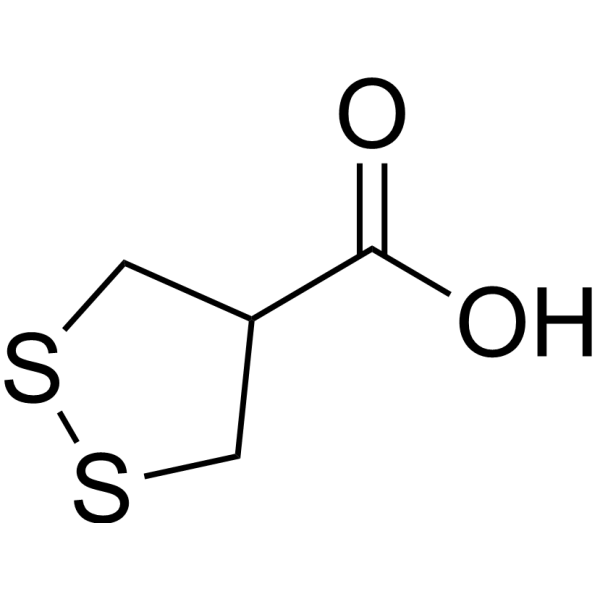
Asparagusic acid is a sulfur-containing flavor component produced by Asparagus officinalis Linn., with anti-parasitic effect. Asparagusic acid is a plant growth inhibitor .
|
-
-
- HY-15916
-
DTE
2 Publications Verification
Dithioerythritol; Cleland’s reagent
|
Biochemical Assay Reagents
|
Others
|
|
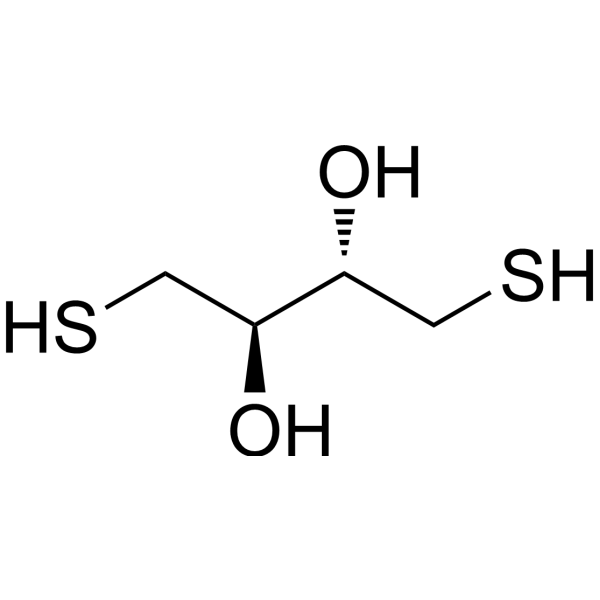
DTE (Dithioerythritol) is a sulfur-containing sugar derived from the corresponding 4-carbon monosaccharide erythrose. DTE is an epimer of Dithiothreitol (DTT) (HY-15917). DTE is a thiol reducing agent .
|
-
-
- HY-N6712
-
|
Acetopyrrothin
|
Antibiotic
Bacterial
Deubiquitinase
NOD-like Receptor (NLR)
DNA/RNA Synthesis
Pyroptosis
HMG-CoA Reductase (HMGCR)
|
Infection
Cardiovascular Disease
Cancer
|
|
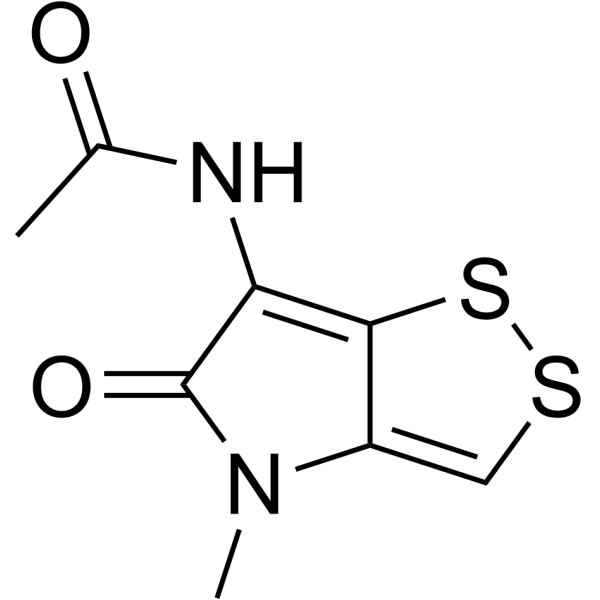
Thiolutin (Acetopyrrothin) is a sulfur-containing antibiotic, which is a potent inhibitor of bacterial and yeast RNA polymerases. Thiolutin can be produced by Streptomyces. Thiolutin inhibits AMSH (IC50 = 4 μM) and Rpn11 (IC50 = 0.53 μM). Thiolutin is a dual inhibitor of BRCC36 and the NLRP3 inflammasome, exhibiting anti-inflammatory effects. Thiolutin effectively suppresses the interaction between BRCC36 and HMGCR, leading to the inhibition of HCC growth. Thiolutin attenuates pyroptosis and NLRP3 inflammasome activation. Thiolutin markedly alleviates renal injury and inflammatory process in IgAN. Thiolutin is an anti-angiogenic compound which can ease Doxorubicin-induced cardiotoxicity (DOXIC) [1][2][3][4][5].
|
-
-
- HY-W004461
-
|
MMTS
|
Endogenous Metabolite
Bacterial
|
Infection
|
|
S-Methyl thiomethanesulfonate (MMTS) is a sulfur-containing volatile organic compound produced by plants and bacteria and is an effective anti-oomycete agent .
|
-
-
- HY-W010104
-
|
H-Met(O)-OH
|
Endogenous Metabolite
|
Metabolic Disease
|
|
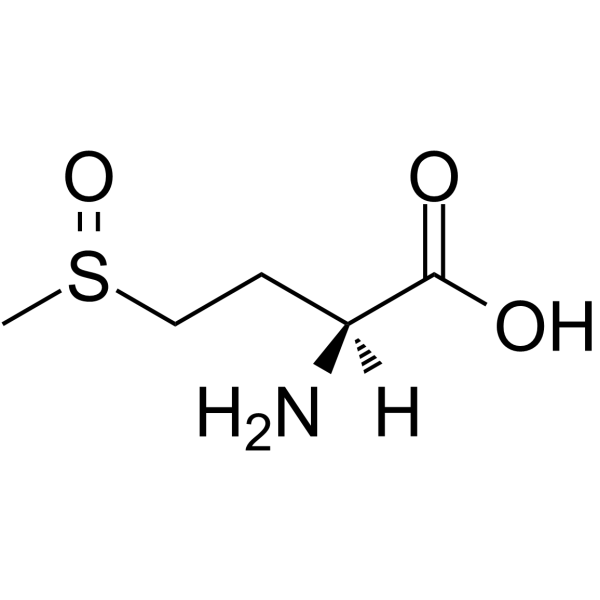
L-Methionine sulfoxide is an orally active oxidation product of Methionine (HY-N0326). L-Methionine sulfoxide can be partially converted into Methionine in the body and participate in the synthesis of glutathione in the liver. L-Methionine sulfoxide provides the body with sulfur activity and can participate in the synthesis of proteins and sulfur-containing compounds .
|
-
-
- HY-W015695
-
|
|
Drug Intermediate
|
Others
|
|
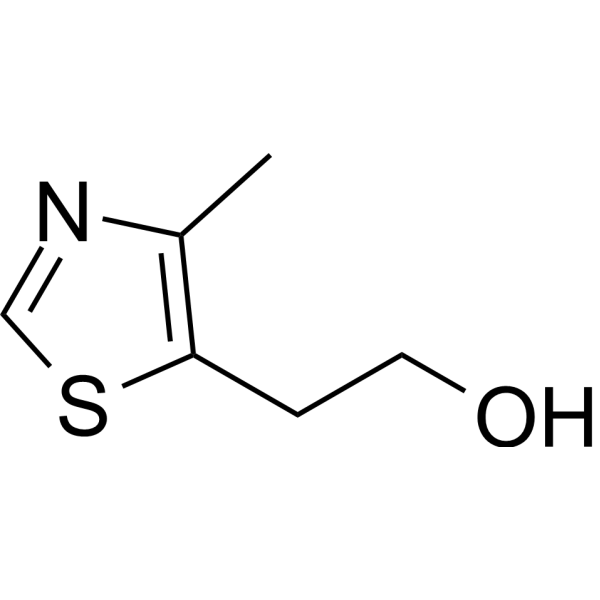
4-Methyl-5-thiazoleethanol is a natural sulfur-containing flavor compound with the aroma of beef and nuts. In addition, the composite material prepared by modifying graphene oxide with 4-Methyl-5-thiazoleethanol through a one-step esterification reaction can selectively adsorb copper ions (Cu 2+) in aqueous solutions .
|
-
-
- HY-139015
-
|
5-Aza-T-dCyd; NTX-301
|
DNA Methyltransferase
|
Cancer
|
|
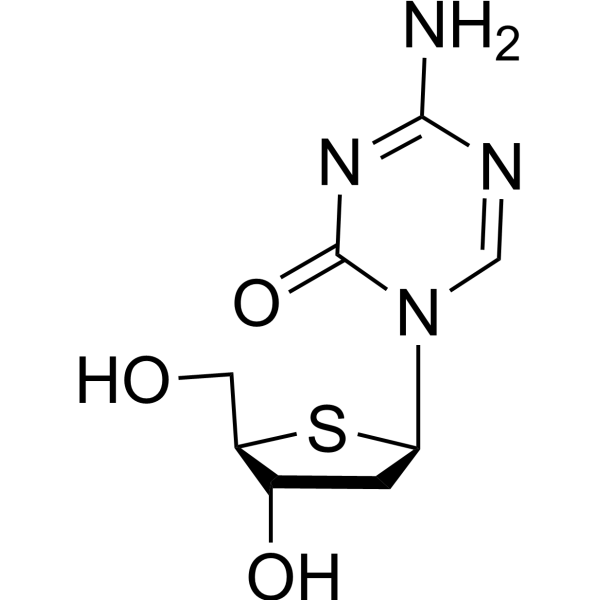
5-Aza-4'-thio-2'-deoxycytidine (5-Aza-T-dCyd) is an orally active DNA methyltransferase I (DNMT1) inhibitor. 5-Aza-4'-thio-2'-deoxycytidine, a sulfur-containing deoxy-cytidine analog, has the potential for DNA hypomethylating and has antitumor effects .
|
-
-
- HY-W037619
-
|
|
Biochemical Assay Reagents
|
Neurological Disease
Cancer
|
|
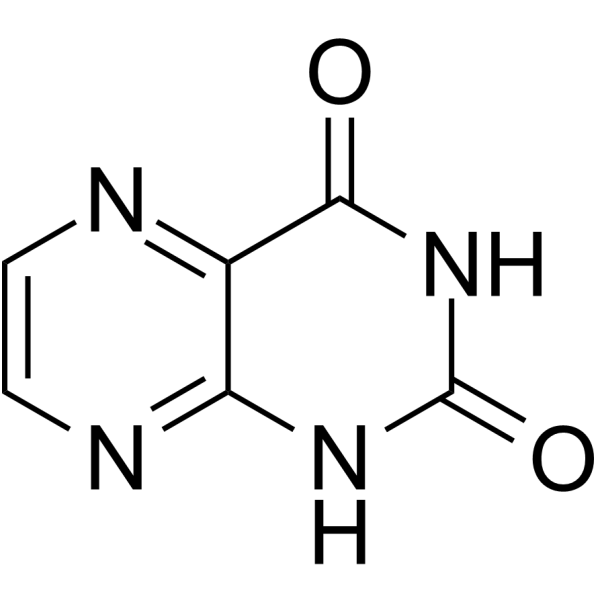
Pteridine-2,4 (1H,3H)-dione is a pteridine derivative (xanthopterin) and a sulfur-containing pteridine compound (2,4-dimercaptopyrimidine). Pteridine-2,4 (1H,3H)-dione possesses metal-binding ability, and forms closed-shell (ionic) interactions with palladium via sulfur and nitrogen atoms. Pteridine-2,4 (1H,3H)-dione derivates can be used in studies related to neuroblastoma, glioma and breast cancer .
|
-
-
- HY-125923
-
|
|
Bacterial
|
Infection
Endocrinology
|
|
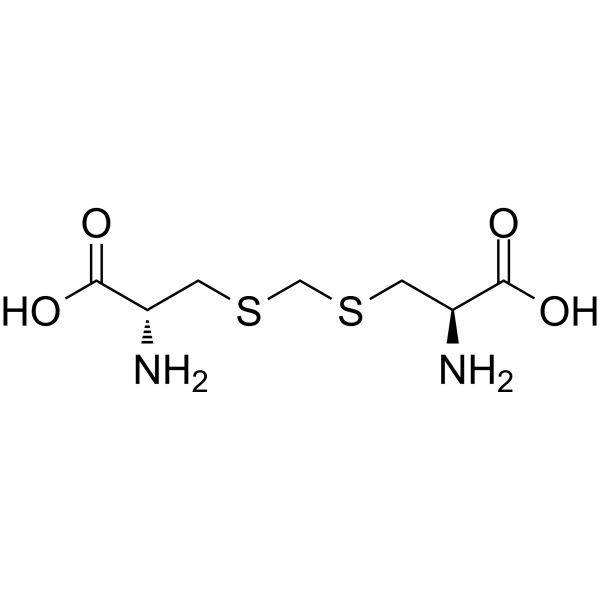
Djenkolic acid is a sulfur-containing amino acid. Djenkolic acid can be isolated from the djenkol beans of the Southeast Asian plant Archidendron jiringa. Djenkolic acid de-inhibits the SO4 2- uptake system in Pseudomonas fluorescens. Djenkolic acid causes supersaturation of the urinary system with djenkolic acid crystals, leading to urinary tract obstruction and acute kidney injury .
|
-
-
- HY-N10348
-
|
|
Others
Drug Derivative
|
Endocrinology
|
|
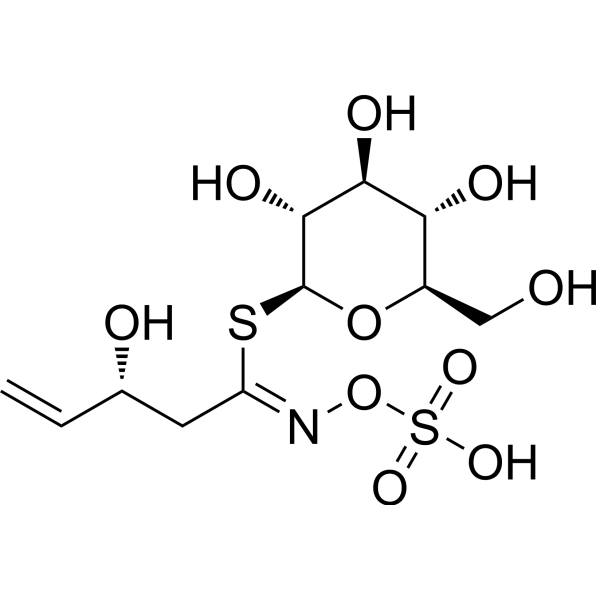
Progoitrin is a sulfur-containing glucosinolate, as well as a naturally occurring orally active thioglycoside. Progoitrin acts as a hepatotoxin and antithyroid agent. Progoitrin is quantitatively converted to goitrin in vivo, including via a gastrointestinal hydrolysis pathway that does not require exogenous myrosinase, thereby blocking the organification of iodine in the thyroid gland and inhibiting the uptake and accumulation of radioactive iodine. Progoitrin can be used in studies related to Graves' disease .
|
-
-
- HY-W099538
-
|
Dilauryl 3,3'-Thiodipropionate
|
Environmental Pollutants
Biochemical Assay Reagents
|
Others
|
|
Dilauryl thiodipropionate (DLTDP), which is a sulfur-containing antioxidant commonly used to stabilize polymers and plastics against degradation caused by heat, oxygen, and UV light, acts to scavenge free radicals and others that may cause polymer chain scission and cross-linked active substances, in addition, DLTDP has been used as an additive to lubricants, oils and other industrial fluids to improve their oxidation stability, the long hydrocarbon chain in DLTDP makes it low volatility and compatible with many materials and Good compatibility with substrates.
|
-
-
- HY-W001189
-
|
|
Bacterial
|
Infection
|
|
1,3-Dithiane is a protected formaldehyde anion equivalent and a sulfur-containing Maillard reaction product. 1,3-Dithiane is found in cooked beef extracts. 1,3-Dithiane is a potent mutagenic agent against S. typhimurium TA98 and TA100. 1,3-Dithiane can be used as a useful marker synthon .
|
-
-
- HY-W014120
-
|
|
Biochemical Assay Reagents
Parasite
|
Infection
|
|
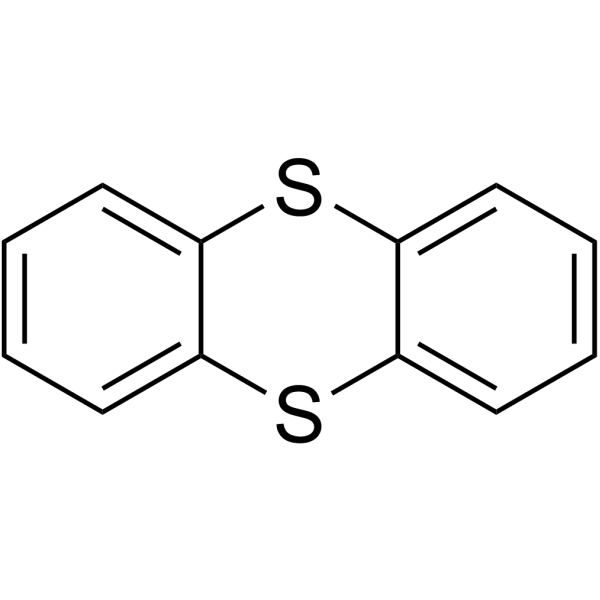
Thianthrene is a potent and orally active inhibitor of Leishmania donovani pteridine reductase 1 (PTR1). Thianthrene is a sulfur-containing tricyclic molecule distributed widely within the macro-structure of hydrocarbon fossil fuels. Thianthrene inhibits the intracellular amastigotes of Leishmania donovani (IC50 = 23 μM). Thianthrene has a moderate anthelmintic activity. Thianthrene appears to inhibit RNA function and subsequent protein production. Thianthrene can stimulate liver regeneration in vivo .
|
-
-
- HY-W010488
-
|
|
Biochemical Assay Reagents
|
Others
|
|
Dithiooxamide (Rubeanic Acid) is a selective chelating agent and sulfur-containing analog of Oxamide. Dithiooxamide forms stable chelates with various metal ions (such as lead, iron, cadmium, manganese, and aluminum), which can be separated, enriched, and detected by adsorption on solid adsorbents or electrode surfaces .
|
-
-
- HY-W009749C
-
|
|
Endogenous Metabolite
Apoptosis
|
Cardiovascular Disease
|
|
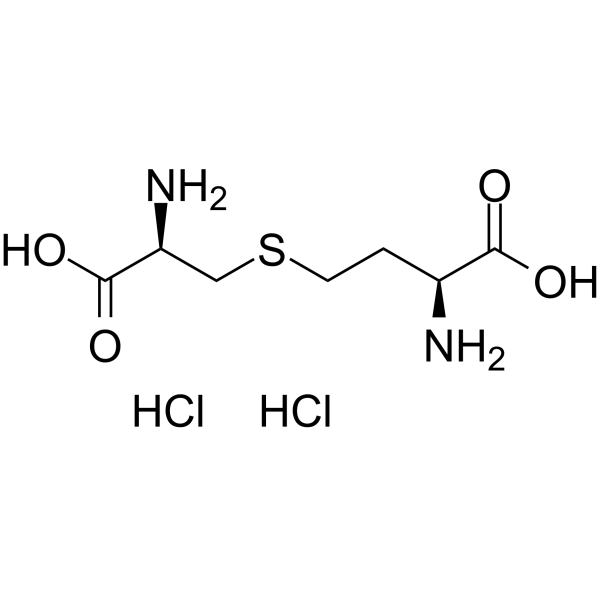
L-Cystathionine (dihydrochloride) is a nonprotein thioether and is a key amino acid associated with the metabolic state of sulfur-containing amino acids. L-Cystathionine (dihydrochloride) protects against Homocysteine-induced mitochondria-dependent apoptosis of vascular endothelial cells (HUVECs). L-Cystathionine (dihydrochloride) plays an important role in cardiovascular protection .
|
-
-
- HY-W010104R
-
|
H-Met(O)-OH (Standard)
|
Reference Standards
Endogenous Metabolite
|
Metabolic Disease
|
|
L-Methionine sulfoxide is an orally active oxidation product of Methionine (HY-N0326). L-Methionine sulfoxide can be partially converted into Methionine in the body and participate in the synthesis of glutathione in the liver. L-Methionine sulfoxide provides the body with sulfur activity and can participate in the synthesis of proteins and sulfur-containing compounds .
|
-
-
- HY-N0394R
-
|
|
Reference Standards
Endogenous Metabolite
Ferroptosis
ROS Kinase
Keap1-Nrf2
|
Metabolic Disease
Inflammation/Immunology
Cancer
|
|
L-Cystine (Standard) is the analytical standard of L-Cystine. This product is intended for research and analytical applications. L-Cystine, the extracellular form of L-Cysteine (HY-Y0337), is a nutritionally dispensable semiessential sulfur-containing amino acid, occurring in proteins of plants and animals. L-Cystine induces Nrf2 protein elevation in a Keap1 (HY-P75897)-dependent manner and activates Nrf2 transcription factor. L-cystine can elicit cytoprotection by reducing ROS generation and protecting against oxidant- or doxorubicin-induced apoptosis. The reduced reabsorption of L-Cystine in renal tubules and its poor solubility in urine are the important causes of cystine precipitation and cystine crystal formation eventually leading to kidney stones. L-Cystine combined with L-theanine (HY-15121) enhances the production of antigen-specific IgG by increasing glutathione (GSH) levels and T helper 2 (Th2) mediated responses in mice. L-Cystine is promising for research of cystinuria and cystinosis
|
-
-
- HY-W017850
-
|
|
Biochemical Assay Reagents
|
Others
|
|
1,5,2,4-Dioxadithiane 2,2,4,4-tetraoxide is a sulfur-containing electrolyte additive that can be used to prepare graphite/NMC111 lithium-ion cells .
|
-
-
- HY-N6705
-
|
|
Bacterial
Antibiotic
|
Infection
|
|
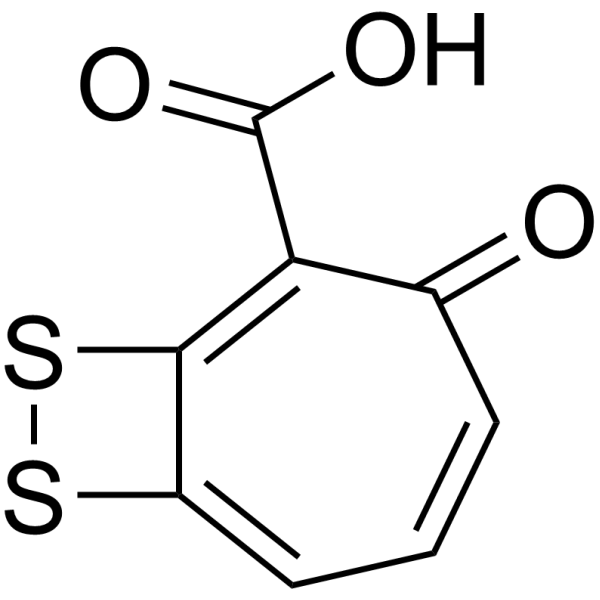
Tropodithietic acid is a sulfur-containing antibiotic produced by the marine bacterium Phaeobacter inhibens. Tropodithietic acid exhibits a strong antibiotic activity against a broad spectrum of bacteria including alpha- and gammaproteobacteria, flavobacteria and actinobacteria .
|
-
-
- HY-115773
-
|
NMTPRO; N-Nitroso-2-methylthiazolidine 4-carboxylic acid; N-nitrosomethylthioproline
|
Endogenous Metabolite
|
Metabolic Disease
|
|
NMTCA (NMTPRO) is a sulfur-containing N-nitrosamino acid. NMTCA can be used as an indicator of endogenous nitrosation by gas chromatography-thermalenergyanalysis .
|
-
-
- HY-W273281
-
|
|
MOFs
|
Others
|
|
6,6′-Dithiodinicotinic acid is a sulfur-containing organic compound belonging to nicotinic acid derivatives, which can be used as a specific sulfhydryl blocker .
|
-
-
- HY-P1512
-
|
|
SOD
|
Cancer
|
|
Antioxidant peptide A is a short peptide, which contains alternative aromatic or sulfur-containing amino acid. The side chains of Antioxidant peptide A are believed to contribute to strong radical scavenging activities of peptides in the cancer cell.
|
-
-
- HY-50730R
-
|
|
Parasite
Endogenous Metabolite
Reference Standards
|
Infection
|
|
Asparagusic acid (Standard) is the analytical standard of Asparagusic acid. This product is intended for research and analytical applications. Asparagusic acid is a sulfur-containing flavor component produced by Asparagus officinalis Linn., with anti-parasitic effect. Asparagusic acid is a plant growth inhibitor .
|
-
-
- HY-W145053
-
|
Sodium chloro(4-methylbenzenesulfonyl)azanide hydrate
|
Factor Xa
Bacterial
|
Infection
|
|
ChloraMine-T hydrate (Sodium chloro(4-methylbenzenesulfonyl)azanide (hydrate)) is a common reagent in various synthetic processes. It has been used as a reagent in aminohydroxylation and allylic amination reactions, a nitrogen source in aziridination reactions of alkenes and alkenes, and deprotection of sulfur groups in sulfur-containing compounds. It has been used as a reagent in the synthesis of factor Xa inhibitors. ChloraMine-T hydrate (Sodium chloro(4-methylbenzenesulfonyl)azanide (hydrate)) (0.2% w/v) is also an antimicrobial agent that kills Staphylococcus epidermidis, Staphylococcus aureus, Enterococcus faecalis, Escherichia coli, Proteus mirabilis, and Enterococcus cloacae.
|
-
-
- HY-129756
-
|
N-Phenylthioacetamide
|
Biochemical Assay Reagents
|
Metabolic Disease
|
|
Thioacetanilide (N-Phenylthioacetamide) is a sulfur-containing thioamide derivative of acetanilide. Thioacetanilide displays a solvent‑dependent Z/E isomeric distribution, preferring the E conformation in polar hydrogen‑bonding solvents and the Z conformation in halogenated solvents. Thioacetanilide serves as a substrate for metabolic desulfurization and aromatic hydroxylation. Thioacetanilide is mainly metabolized via desulfurization and 4‑hydroxylation of the aromatic ring in Rattus norvegicus, and the released sulfur integrates into the total body sulfur pool. Thioacetanilide is well absorbed in rats, and more than 90% of the dose is excreted in urine as conjugated metabolites after oral administration .
|
-
-
- HY-N7436R
-
|
|
Reference Standards
Others
|
Cancer
|
|
Methyl propyl disulfide (Standard) is the analytical standard of Methyl propyl disulfide. This product is intended for research and analytical applications. Methyl propyl disulfide is an volatile sulfur-containing compound produced in garlic and onions with anticaner effect[1][2].
|
-
-
- HY-W009749R
-
|
|
Reference Standards
Endogenous Metabolite
Apoptosis
|
Cardiovascular Disease
|
|
L-Cystathionine is a nonprotein thioether and is a key amino acid associated with the metabolic state of sulfur-containing amino acids. L-Cystathionine protects against Homocysteine-induced mitochondria-dependent apoptosis of vascular endothelial cells (HUVECs). L-Cystathionine plays an important role in cardiovascular protection .
|
-
-
- HY-137616A
-
-
-
- HY-W014120R
-
|
|
Biochemical Assay Reagents
Reference Standards
Parasite
|
Infection
|
|
Thianthrene (Standard) is the analytical standard of Thianthrene. This product is intended for research and analytical applications. Thianthrene is a potent and orally active inhibitor of Leishmania donovani pteridine reductase 1 (PTR1). Thianthrene is a sulfur-containing tricyclic molecule distributed widely within the macro-structure of hydrocarbon fossil fuels. Thianthrene inhibits the intracellular amastigotes of Leishmania donovani (IC50 = 23 μM). Thianthrene has a moderate anthelmintic activity. Thianthrene appears to inhibit RNA function and subsequent protein production. Thianthrene can stimulate liver regeneration in vivo .
|
-
-
- HY-W001189S
-
|
|
Isotope-Labeled Compounds
Bacterial
|
Infection
|
|
1,3-Dithiane-d2 is the deuterium labeled 1,3-Dithiane (HY-W001189). 1,3-Dithiane is a protected formaldehyde anion equivalent and a sulfur-containing Maillard reaction product. 1,3-Dithiane is found in cooked beef extracts. 1,3-Dithiane is a potent mutagenic agent against S. typhimurium TA98 and TA100. 1,3-Dithiane can be used as a useful marker synthon .
|
-
-
- HY-125923R
-
|
|
Reference Standards
Bacterial
|
Infection
Endocrinology
|
|
Djenkolic acid (Standard) is the analytical standard of Djenkolic acid (HY-125923). This product is intended for research and analytical applications. Djenkolic acid is a sulfur-containing amino acid. Djenkolic acid can be isolated from the djenkol beans of the Southeast Asian plant Archidendron jiringa. Djenkolic acid de-inhibits the SO4 2- uptake system in Pseudomonas fluorescens. Djenkolic acid causes supersaturation of the urinary system with djenkolic acid crystals, leading to urinary tract obstruction and acute kidney injury .
|
-
-
- HY-W001189R
-
|
|
Reference Standards
Bacterial
|
Infection
|
|
1,3-Dithiane (Standard) is an analytical standard of 1,3-Dithiane (HY-W001189). This product is intended for research and analytical applications. 1,3-Dithiane is a protected formaldehyde anion equivalent and a sulfur-containing Maillard reaction product. 1,3-Dithiane is found in cooked beef extracts. 1,3-Dithiane is a potent mutagenic agent against S. typhimurium TA98 and TA100. 1,3-Dithiane can be used as a useful marker synthon .
|
-
-
- HY-137693
-
-
-
- HY-176006
-
|
Diheptanoyl thio-PE
|
Lipase
|
Others
|
|
1,2-Bis(heptanoylthio)-sn-glycero-3-PE (Diheptanoyl thio-PE) is a sulfur-containing phosphoethanolamine.
|
-
-
- HY-137693A
-
-
-
- HY-137618A
-
-
-
- HY-137619A
-
-
-
- HY-N7436S
-
|
|
Isotope-Labeled Compounds
|
Cancer
|
|
Methyl propyl disulfide-d3 is deuterated labeled Methyl propyl disulfide (HY-N7436). Methyl propyl disulfide is an volatile sulfur-containing compound produced in garlic and onions with anticaner effect .
|
-
-
- HY-W015695R
-
|
|
Reference Standards
Drug Intermediate
|
Infection
|
|
4-Methyl-5-thiazoleethanol (Standard) is the analytical standard of 4-Methyl-5-thiazoleethanol. This product is intended for research and analytical applications. 4-Methyl-5-thiazoleethanol, a natural sulfur-containing flavor compound, is a thiazole precursor .
|
-
-
- HY-137616C
-
|
|
P2Y Receptor
|
Cancer
|
|
Rp-dUTPαS (tetrasodium) is an isomer of the sulfur-containing nucleoride dUTP-α-S and an agonist of the purinergic P2Y2 receptor. Rp-dUTPαS (tetrasodium) selectively induces inositol phosphate accumulation in P2Y2-expressing 1321N1 cells with an EC50 of 12.5 μM .
|
-
-
- HY-W158160
-
|
|
Bacterial
|
Infection
|
|
AGS1286 (sodium 3-amino-4,6-dimethylthieno[2,3-b]pyridine-2-carboxylate) is an organosulfur compound that serves as a model for investigating the impact of sulfur-containing compounds on enzymatic activities and metabolic pathways. Additionally, it has been employed to explore the regulatory effects of these compounds on bacterial growth and gene expression.
|
-
-
- HY-75920
-
|
|
Biochemical Assay Reagents
|
Others
|
|
Inhoffen Lythgoe diol is an organic molecule commonly used in chiral selective reactions in organic synthesis. It can be used as a catalyst and a ligand, and has a wide range of applications in the preparation of nitrogen- and sulfur-containing natural products, pharmaceuticals, and material science. Inhoffen Lythgoe diol plays a very important role in the field of asymmetric synthesis. Although it has no direct medical application, it plays an important role in the production and research of many important chemicals.
|
-
-
- HY-W750959
-
|
H-Met(O)-OH-13C
|
Isotope-Labeled Compounds
Endogenous Metabolite
|
Metabolic Disease
|
|
L-Methionine sulfoxide- 13C (H-Met(O)-OH- 13C) is the 13C-labeled L-Methionine sulfoxide (HY-W010104). L-Methionine sulfoxide is an orally active oxidation product of Methionine (HY-N0326). L-Methionine sulfoxide can be partially converted into Methionine in the body and participate in the synthesis of glutathione in the liver. L-Methionine sulfoxide provides the body with sulfur activity and can participate in the synthesis of proteins and sulfur-containing compounds .
|
-
-
- HY-W099538R
-
|
Dilauryl 3,3'-Thiodipropionate (Standard)
|
Biochemical Assay Reagents
Reference Standards
|
Others
|
|
Dilauryl thiodipropionate (Standard) is the analytical standard of Dilauryl thiodipropionate. This product is intended for research and analytical applications. Dilauryl thiodipropionate (DLTDP), which is a sulfur-containing antioxidant commonly used to stabilize polymers and plastics against degradation caused by heat, oxygen, and UV light, acts to scavenge free radicals and others that may cause polymer chain scission and cross-linked active substances, in addition, DLTDP has been used as an additive to lubricants, oils and other industrial fluids to improve their oxidation stability, the long hydrocarbon chain in DLTDP makes it low volatility and compatible with many materials and Good compatibility with substrates.
|
-
-
- HY-N2889
-
|
|
Others
|
|
|
Arctinol B is a sulfur-containing acetylenic compound that can be isolated from the roots of Arctium lappa L .
|
-
-
- HY-N6712R
-
|
Acetopyrrothin (Standard)
|
Reference Standards
Antibiotic
Bacterial
Deubiquitinase
NOD-like Receptor (NLR)
DNA/RNA Synthesis
Pyroptosis
HMG-CoA Reductase (HMGCR)
|
Cardiovascular Disease
Inflammation/Immunology
Cancer
|
|
Thromycin (Standard) is the analytical standard of thromycin (Acetopyrrothin) (HY-N6712). Thiolutin is a sulfur-containing antibiotic, which is a potent inhibitor of bacterial and yeast RNA polymerases. Thiolutin can be produced by Streptomyces. Thiolutin inhibits AMSH (IC50 = 4 μM) and Rpn11 (IC50 = 0.53 μM). Thiolutin is a dual inhibitor of BRCC36 and the NLRP3 inflammasome, exhibiting anti-inflammatory effects. Thiolutin effectively suppresses the interaction between BRCC36 and HMGCR, leading to the inhibition of HCC growth. Thiolutin attenuates pyroptosis and NLRP3 inflammasome activation. Thiolutin markedly alleviates renal injury and inflammatory process in IgAN. Thiolutin is an anti-angiogenic compound which can ease Doxorubicin (HY-15142A)-induced cardiotoxicity (DOXIC) [1][2][3][4][5].
|
-
-
- HY-N8016S1
-
-
-
- HY-133950
-
-
-
- HY-180751
-
-
- HY-137619C
-
-
- HY-137615C
-
-
- HY-137692A
-
-
- HY-175135
-
|
|
Biochemical Assay Reagents
|
Others
|
|
Rp-2'-Deoxy-2'-fluoroadenosine-5'-O-(1-thiotriphosphate) (sodium) is an isomer of the sulfur-containing nucleoide derivative 2’-F-dATP-α-S.
|
-
- HY-W009749CR
-
|
|
Reference Standards
Endogenous Metabolite
Apoptosis
|
Cardiovascular Disease
|
|
L-Cystathionine dihydrochloride (Standard) is the analytical standard of L-Cystathionine dihydrochloride (HY-W009749C). This product is intended for research and analytical applications. L-Cystathionine dihydrochloride is a nonprotein thioether and is a key amino acid associated with the metabolic state of sulfur-containing amino acids. L-Cystathionine dihydrochloride protects against Homocysteine-induced mitochondria-dependent apoptosis of vascular endothelial cells (HUVECs). L-Cystathionine dihydrochloride plays an important role in cardiovascular protection.
|
-
- HY-W251393R
-
|
β-Isobuteine (Standard)
|
Reference Standards
Endogenous Metabolite
|
Metabolic Disease
|
|
S-(2-Carboxypropyl)-L-cysteine (β-Isobuteine) (Standard) is the analytical standard of S-(2-Carboxypropyl)-L-cysteine (HY-W251393). This product is intended for research and analytical applications. S-(2-Carboxypropyl)-L-cysteine is a sulfur-containing amino acid derivative. S-(2-Carboxypropyl)-L-cysteine is excreted in urine within 24 hours after acute ingestion of black garlic by humans.
|
-
- HY-106304
-
|
|
Bacterial
Drug Derivative
|
Infection
|
|
ME-1228 is an antibacterial agent and sulfur-containing analogue of OCP 9-176. ME 1228 is generally twofold more active than OCP 9-176 against Escherichia coli, Klebsiella pneumoniae, Klebsiella oxytoca, Providencia stuartii, Proteus vulgaris, and Serratia marcescens. ME-1228 has antibacterial activity against E. coli UB 1005, P. aeruginosa K779K, and P. aeruginosa E4, with MICs of 0.25, 0.25, and 1 μg/mL, respectively .
|
-
- HY-W749394
-
|
|
Isotope-Labeled Compounds
Drug Intermediate
|
Others
|
|
4-Methyl-5-thiazoleethanol- 13C3 is the 13C-labeled 4-Methyl-5-thiazoleethanol (HY-W015695). 4-Methyl-5-thiazoleethanol is a natural sulfur-containing flavor compound with the aroma of beef and nuts. In addition, the composite material prepared by modifying graphene oxide with 4-Methyl-5-thiazoleethanol through a one-step esterification reaction can selectively adsorb copper ions (Cu2+) in aqueous solutions .
|
-
| Cat. No. |
Product Name |
Type |
-
- HY-15916
-
DTE
2 Publications Verification
Dithioerythritol; Cleland’s reagent
|
Biochemical Assay Reagents
|
|
DTE (Dithioerythritol) is a sulfur-containing sugar derived from the corresponding 4-carbon monosaccharide erythrose. DTE is an epimer of Dithiothreitol (DTT) (HY-15917). DTE is a thiol reducing agent .
|
-
- HY-W099538
-
|
Dilauryl 3,3'-Thiodipropionate
|
Biochemical Assay Reagents
|
|
Dilauryl thiodipropionate (DLTDP), which is a sulfur-containing antioxidant commonly used to stabilize polymers and plastics against degradation caused by heat, oxygen, and UV light, acts to scavenge free radicals and others that may cause polymer chain scission and cross-linked active substances, in addition, DLTDP has been used as an additive to lubricants, oils and other industrial fluids to improve their oxidation stability, the long hydrocarbon chain in DLTDP makes it low volatility and compatible with many materials and Good compatibility with substrates.
|
-
- HY-W010488
-
|
|
Biochemical Assay Reagents
|
|
Dithiooxamide (Rubeanic Acid) is a selective chelating agent and sulfur-containing analog of Oxamide. Dithiooxamide forms stable chelates with various metal ions (such as lead, iron, cadmium, manganese, and aluminum), which can be separated, enriched, and detected by adsorption on solid adsorbents or electrode surfaces .
|
-
- HY-W017850
-
|
|
Biochemical Assay Reagents
|
|
1,5,2,4-Dioxadithiane 2,2,4,4-tetraoxide is a sulfur-containing electrolyte additive that can be used to prepare graphite/NMC111 lithium-ion cells .
|
-
- HY-75920
-
|
|
Biochemical Assay Reagents
|
|
Inhoffen Lythgoe diol is an organic molecule commonly used in chiral selective reactions in organic synthesis. It can be used as a catalyst and a ligand, and has a wide range of applications in the preparation of nitrogen- and sulfur-containing natural products, pharmaceuticals, and material science. Inhoffen Lythgoe diol plays a very important role in the field of asymmetric synthesis. Although it has no direct medical application, it plays an important role in the production and research of many important chemicals.
|
-
- HY-W099538R
-
|
Dilauryl 3,3'-Thiodipropionate (Standard)
|
Biochemical Assay Reagents
|
|
Dilauryl thiodipropionate (Standard) is the analytical standard of Dilauryl thiodipropionate. This product is intended for research and analytical applications. Dilauryl thiodipropionate (DLTDP), which is a sulfur-containing antioxidant commonly used to stabilize polymers and plastics against degradation caused by heat, oxygen, and UV light, acts to scavenge free radicals and others that may cause polymer chain scission and cross-linked active substances, in addition, DLTDP has been used as an additive to lubricants, oils and other industrial fluids to improve their oxidation stability, the long hydrocarbon chain in DLTDP makes it low volatility and compatible with many materials and Good compatibility with substrates.
|
| Cat. No. |
Product Name |
Target |
Research Area |
-
- HY-P1512A
-
|
|
Peptides
|
Cancer
|
|
Antioxidant peptide A TFA is a short peptide, which contains alternative aromatic or sulfur-containing amino acid. The side chains of Antioxidant peptide A are believed to contribute to strong radical scavenging activities of peptides in the cancer cell .
|
-
- HY-P1512
-
|
|
SOD
|
Cancer
|
|
Antioxidant peptide A is a short peptide, which contains alternative aromatic or sulfur-containing amino acid. The side chains of Antioxidant peptide A are believed to contribute to strong radical scavenging activities of peptides in the cancer cell.
|
| Cat. No. |
Product Name |
Category |
Target |
Chemical Structure |
| Cat. No. |
Product Name |
Chemical Structure |
-
- HY-W001189S
-
|
|
|
1,3-Dithiane-d2 is the deuterium labeled 1,3-Dithiane (HY-W001189). 1,3-Dithiane is a protected formaldehyde anion equivalent and a sulfur-containing Maillard reaction product. 1,3-Dithiane is found in cooked beef extracts. 1,3-Dithiane is a potent mutagenic agent against S. typhimurium TA98 and TA100. 1,3-Dithiane can be used as a useful marker synthon .
|
-
-
- HY-N7436S
-
|
|
|
Methyl propyl disulfide-d3 is deuterated labeled Methyl propyl disulfide (HY-N7436). Methyl propyl disulfide is an volatile sulfur-containing compound produced in garlic and onions with anticaner effect .
|
-
-
- HY-W750959
-
|
|
|
L-Methionine sulfoxide- 13C (H-Met(O)-OH- 13C) is the 13C-labeled L-Methionine sulfoxide (HY-W010104). L-Methionine sulfoxide is an orally active oxidation product of Methionine (HY-N0326). L-Methionine sulfoxide can be partially converted into Methionine in the body and participate in the synthesis of glutathione in the liver. L-Methionine sulfoxide provides the body with sulfur activity and can participate in the synthesis of proteins and sulfur-containing compounds .
|
-
-
- HY-N8016S1
-
|
|
|
Nonanal-d4 is deuterated labeled Nonanal (HY-N8016). Nonanal is a saturated fatty aldehyde with antidiarrhoeal activity .
|
-
-
- HY-W749394
-
|
|
|
4-Methyl-5-thiazoleethanol- 13C3 is the 13C-labeled 4-Methyl-5-thiazoleethanol (HY-W015695). 4-Methyl-5-thiazoleethanol is a natural sulfur-containing flavor compound with the aroma of beef and nuts. In addition, the composite material prepared by modifying graphene oxide with 4-Methyl-5-thiazoleethanol through a one-step esterification reaction can selectively adsorb copper ions (Cu2+) in aqueous solutions .
|
-
Your information is safe with us. * Required Fields.
Inquiry Information
- Product Name:
- Cat. No.:
- Quantity:
- MCE Japan Authorized Agent:

