



Search Result
Results for "
TNF-R
" in MedChemExpress (MCE) Product Catalog:
| Cat. No. |
Product Name |
Target |
Research Areas |
Chemical Structure |
-
- HY-11109
-
-
-
- HY-P9970
-
Infliximab
Maximum Cited Publications
27 Publications Verification
Avakine; CT-P13; SB2; TA-650
|
TNF Receptor
|
Neurological Disease
Metabolic Disease
Inflammation/Immunology
Cancer
|
Infliximab (Avakine) is a chimeric monoclonal IgG1 antibody that specifically binds to TNF-α. Infliximab prevents the interaction of TNF-α with TNF-α receptor (TNFR1 and TNFR2). Infliximab has the potential for autoimmune, chronic inflammatory diseases and diabetic neuropathy research . The component ratio of this product is Active ingredient : Excipients = 9 : 47.
|
-
-
- HY-110203
-
|
TNF-α Antagonist III
|
TNF Receptor
|
Cancer
|
|
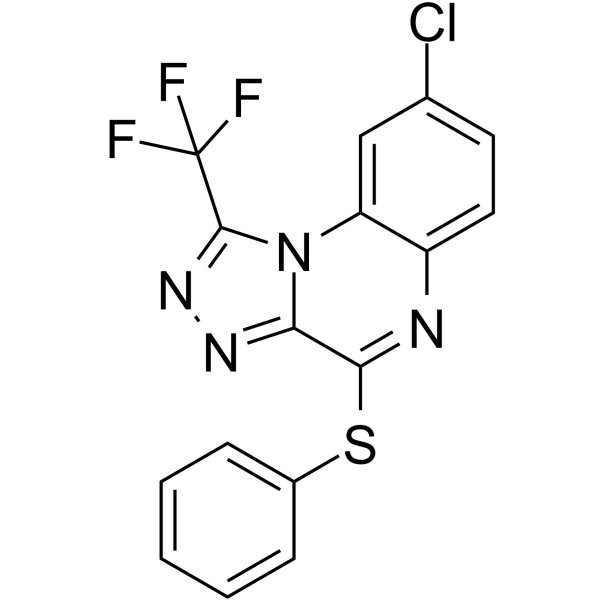
R-7050 (TNF-α Antagonist III) is a tumor necrosis factor receptor (TNFR) antagonist with greater selectivity toward TNFα.
|
-
-
- HY-160412
-
|
SAR-441566; TNFα activity modulator 3
|
TNF Receptor
|
Inflammation/Immunology
|
|
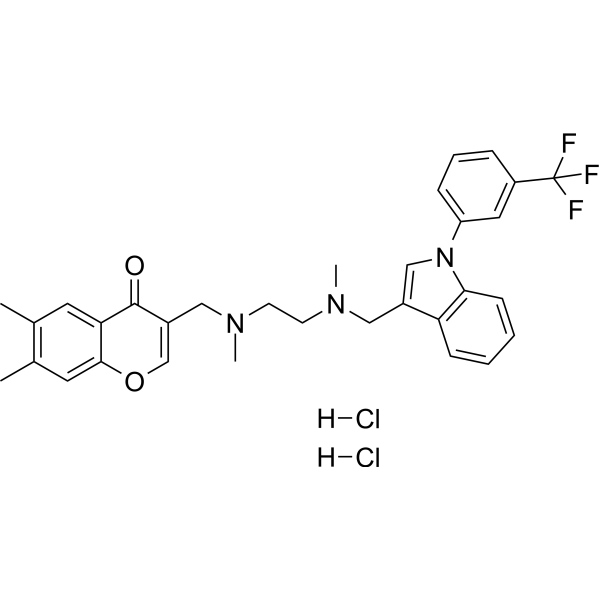
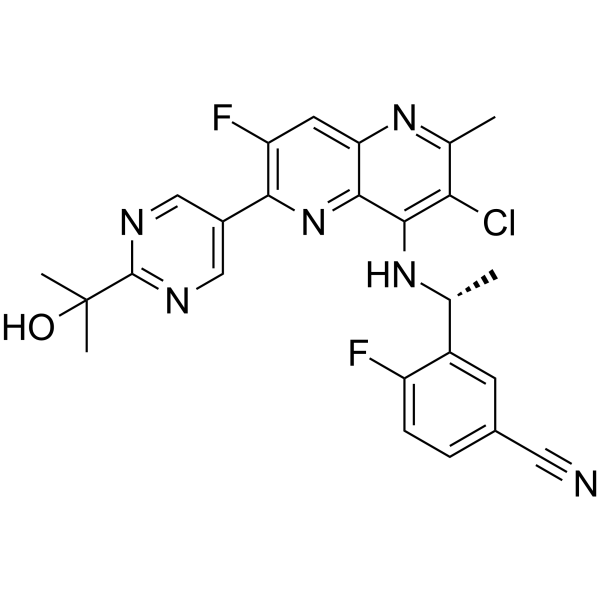
Balinatunfib (SAR-441566) is an orally active inhibitor of TNFR1 signaling. By binding to the central pocket of the soluble TNFα (sTNFα) trimer, Balinatunfib stabilizes an asymmetric conformation, blocking its binding to TNFR1 (without affecting TNFR2) and thus inhibiting downstream pathways. Balinatunfib has anti-inflammatory activity, and can be used in the study of autoimmune diseases .
|
-
-
- HY-B0190A
-
|
FUT-175
|
Flavivirus
TNF Receptor
NF-κB
Apoptosis
Ser/Thr Protease
|
Infection
Cancer
|
|
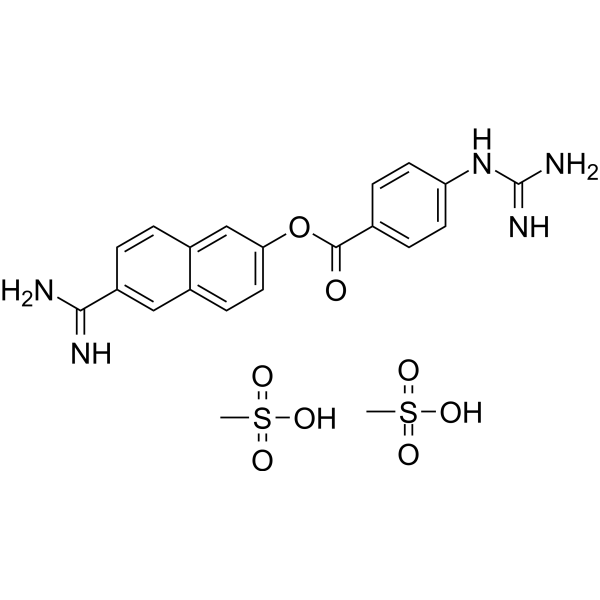
Nafamostat mesylate (FUT-175), an anticoagulant, is a synthetic serine protease inhibitor. Nafamostat mesylate has anticancer and antivirus effect. Nafamostat mesylate induce apoptosis by up-regulating the expression of tumor necrosis factor receptor-1 (TNFR1). Nafamostat mesylate can be used in the development of the pathological thickening of the arterial wall .
|
-
-
- HY-126741
-
|
|
Environmental Pollutants
Parasite
Caspase
NF-κB
Apoptosis
Bcl-2 Family
|
Infection
Inflammation/Immunology
Cancer
|
|
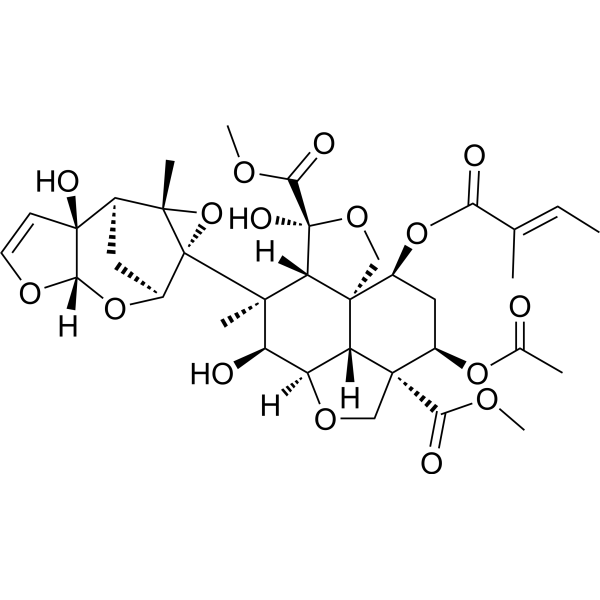
Azadirachtin is an oral active triterpenoid compound with anticancer, antimalarial, anti-inflammatory, and insecticidal activities. Azadirachtin induces cell apoptosis through the mitochondrial pathway (by inhibiting Bcl-2/Bax ratio or activating Apaf-1 and caspase-3) or through death receptors (by inhibiting TNFR activation). Additionally, Azadirachtin exerts its anti-inflammatory effects by inhibiting NF-кB signaling pathway activation, and it exhibits insecticidal activity by inducing apoptosis in insect cells .
|
-
-
- HY-P9970A
-
|
Avakine (Anti-TNF-α); CT-P13 (Anti-TNF-α)
|
TNF Receptor
|
Neurological Disease
Metabolic Disease
Inflammation/Immunology
Cancer
|
|
Infliximab (Anti-TNF-α) (Avakine (Anti-TNF-α)) is a chimeric monoclonal IgG1 antibody that specifically binds to TNF-α. Infliximab (Anti-TNF-α) prevents the interaction of TNF-α with TNF-α receptor (TNFR1 and TNFR2). Infliximab (Anti-TNF-α) has the potential for autoimmune, chronic inflammatory diseases and diabetic neuropathy research .
|
-
-
- HY-P1860
-
|
|
TNF Receptor
NF-κB
Apoptosis
|
Inflammation/Immunology
Cancer
|
|
TNF-α (31-45), human is a potent NF-kB pathway activator. TNF-αis a proinflammatory cytokine that induces necrosis or apoptosis. TNF alpha stimulates NF-κB pathway via TNFR2 promotes cancer growth, invasion, and metastasis .
|
-
-
- HY-111255
-
|
|
TNF Receptor
|
Cancer
|
|
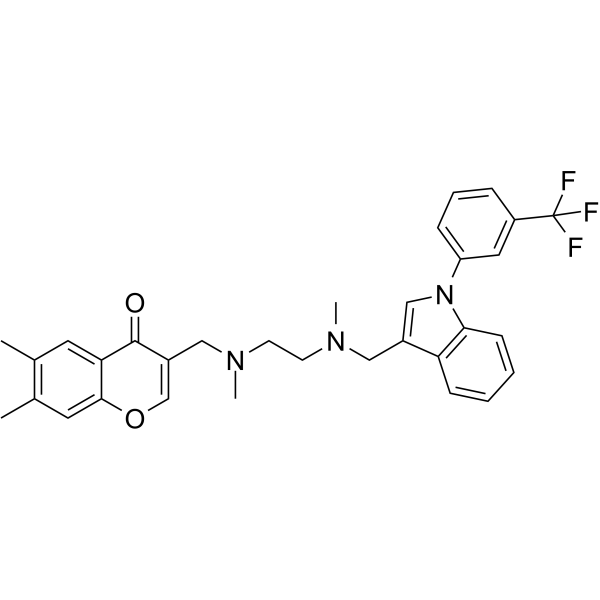
SPD304 is a selective TNF-α inhibitor, which promotes dissociation of TNF trimers and therefore blocks the interaction of TNF and its receptor. SPD304 has an IC50 of 22 μM for inhibiting in vitro TNF receptor 1 (TNFR1) binding to TNF-α .
|
-
-
- HY-134471
-
|
|
TNF Receptor
|
Inflammation/Immunology
Cancer
|
|
TNF-α-IN-2 is a potent and orally active inhibitor of tumor necrosis factor alpha (TNFα), with an IC50 of 25 nM in the HTRF assay. TNF-α-IN-2 distorts the TNFα trimer upon binding, leading to aberrant signaling when the trimer binds to TNFR1. TNF-α-IN-2 can be used for the research of rheumatoid arthritis .
|
-
-
- HY-N0481
-
|
|
COX
TNF Receptor
NO Synthase
Interleukin Related
NF-κB
Apoptosis
p38 MAPK
JNK
ERK
Keap1-Nrf2
RANKL/RANK
|
Neurological Disease
Inflammation/Immunology
Cancer
|
|
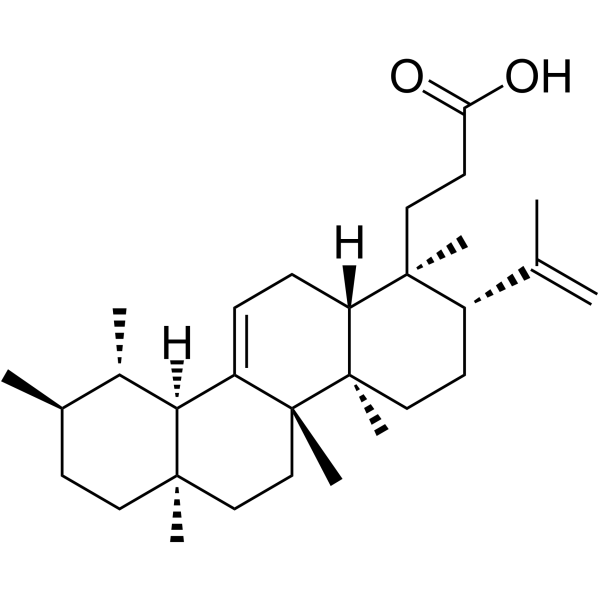
Roburic acid acts as an anti-inflammatory, anti-tumor and osteoclastogenesis inhibitor, with a Ki of 7.066 μM against human TNF, an IC50 of 9 μM against human COX-2, and an IC50 of 5 μM against ovine COX-1. Roburic acid reduces the production of inflammatory mediators such as NO and IL-6 in macrophages by inhibiting the NF-κB and MAPK (p38/JNK) pathways. By competitively inhibiting the TNF-TNF-R1 interaction, Roburic acid blocks the downstream NF-κB signaling pathway, thereby inducing cell cycle arrest and apoptosis in cancer cells. Roburic acid specifically inhibits osteoclastogenesis and bone resorption by suppressing the RANKL/TRAF6/NF-κB/NFATc1 axis. Roburic acid can be used in research related to osteolytic diseases such as osteoporosis, colorectal cancer and inflammatory diseases .
|
-
-
- HY-P991049
-
|
ATM-001
|
TNF Receptor
|
Metabolic Disease
Inflammation/Immunology
|
|
Atrosimab is an Fv-Fc1K fusion protein with an EC50 value of 0.37 nM against humans. Atrosimab inhibits TNF-induced TNFR1 activation, release of IL-6 and IL-8, and cell death, and alleviates neuroinflammation. Atrosimab is applicable to research related to inflammatory diseases, neurodegenerative diseases, acute and chronic inflammation, experimental arthritis, non-alcoholic steatohepatitis, and experimental autoimmune encephalomyelitis .
|
-
-
- HY-171658
-
|
|
PROTACs
Ser/Thr Kinase
TNF Receptor
Toll-like Receptor (TLR)
NF-κB
p38 MAPK
|
Inflammation/Immunology
Cancer
|
|
R1-ICR-5 is a highly selective RIPK1 PROTAC degrader. Mediated by VHL, R1-ICR-5 induces the degradation of RIPK1, which in turn dysregulates the TNFR1 and TLR3/4 signaling hubs, enhances the signaling outputs of NF-κB, MAPK and IFN, and simultaneously promotes RIPK3 activation and necroptosis (necroptosis). R1-ICR-5 can be used in the research of triple-negative breast cancer and skin inflammation .
|
-
-
- HY-P991400
-
|
|
TNF Receptor
Apoptosis
Interleukin Related
NF-κB
JNK
p38 MAPK
|
Inflammation/Immunology
|
|
GSK1995057 is a human monoclonal antibody (mAb) targeting TNFRSF1A. GSK1995057 selectively binds to TNFR1, blocks the binding of TNF-α and LT-α, and does not interfere with TNFR2 signaling. GSK1995057 inhibits the activation of NF-κB, JNK and MAPK pathways, alleviates apoptosis (apoptosis) and inflammatory responses (inhibiting IL-1β, IL-6, IL-10, TNF-α), and prevents viability loss of human nucleus pulposus cells. GSK1995057 inhibits the expression of cytokines and neutrophil adhesion molecules in human pulmonary microvascular endothelial cell monolayers, and reduces inflammatory responses and lung injury symptoms in non-human primates. GSK1995057 forms complexes with HAVH autoantibodies, thereby activating TNFR1 and triggering the release of cytokines and IL-8 in human cells. GSK1995057 can be used in research related to intervertebral disc degeneration and acute lung injury .
|
-
-
- HY-P990008
-
Atrosab
1 Publications Verification
|
TNF Receptor
Apoptosis
|
Inflammation/Immunology
|
|
Atrosab is a humanized IgG1 antagonistic anti-TNFR1 antibody. Atrosab inhibits TNF-mediated Apoptosis induction and IL-6 and IL-8 production. Atrosab reduces neurological deficits. Atrosab can be used for research of inflammatory disease. The recommend isotype control is Human IgG1 kappa, Isotype Control (HY-P99001) .
|
-
-
- HY-111255A
-
|
|
TNF Receptor
|
Inflammation/Immunology
Cancer
|
|
SPD304 dihydrochloride is a selective TNF-α inhibitor, which promotes dissociation of TNF trimers and therefore blocks the interaction of TNF and its receptor. SPD304 has an IC50 of 22 μM for inhibiting in vitro TNF receptor 1 (TNFR1) binding to TNF-α .
|
-
-
- HY-133807
-
|
|
TNF Receptor
|
Inflammation/Immunology
|
|
Benpyrine is a highly specific and orally active TNF-α inhibitor with a KD value of 82.1 μM. Benpyrine tightly binds to TNF-α and blocks its interaction with TNFR1, with an IC50 value of 0.109 µM. Benpyrine has the potential for TNF-α mediated inflammatory and autoimmune disease research .
|
-
-
- HY-P11108
-
|
|
NF-κB
Apoptosis
TNF Receptor
Caspase
|
Inflammation/Immunology
Cancer
|
|
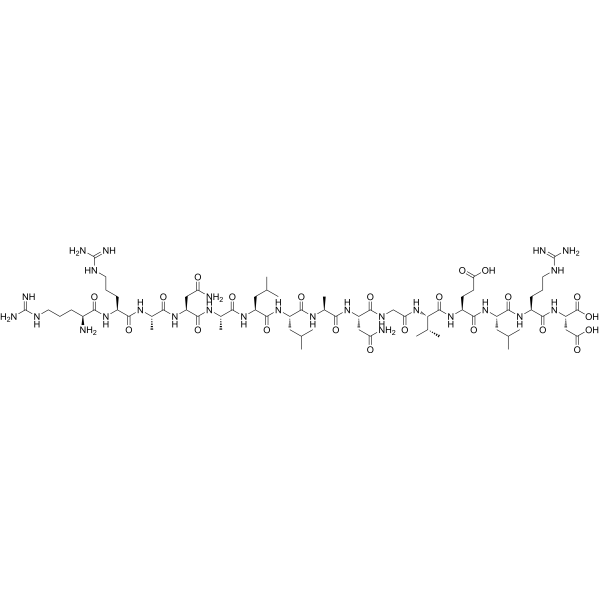
RP-182 is a synthetic immunomodulatory peptide that exerts anti-tumor effects by targeting the mannose receptor CD206 (Kd = 8 μM) on the surface of tumor-associated macrophages (TAMs). RP-182 induces a conformational switch of the CD206 receptor, which activates NF-κB signaling and phagocytosis in CD206 high TAMs. RP-182 has dual function: activation of canonical NF-κB signaling, triggering TNFα secretion and autocrine activation of the TNF receptor 1 (TNFR1), leading to activation of caspase 8, apoptosis, and cell death. RP-182 is used in pancreatic cancer and melanoma research .
|
-
-
- HY-P991192
-
|
|
TNF Receptor
|
Cancer
|
|
BI-1808 is a human IgG1 monoclonal antibody that targets TNFR2by blocking interaction of TNFR2 with ligand TNF-α, confers FcγR-dependent depletion of Treg and mediates expansion of intratumoral CD8 + T cells .
|
-
-
- HY-P99812
-
|
INCAGN-1876
|
TNF Receptor
|
Inflammation/Immunology
Cancer
|
|
Ragifilimab (INCAGN-1876) is an agonist monoclonal antibody targeting the glucocorticoid-induced TNFR-related protein (GITR). Ragifilimab binds to and activates GITR on T cells, which stimulates the immune system to enhance its anti-tumor activity. Ragifilimab can be used for advanced or metastatic solid tumors research .
|
-
-
- HY-118922
-
|
|
TNF Receptor
|
Neurological Disease
Inflammation/Immunology
Cancer
|
|
IW927 is a photochemically enhanced TNF-α-TNFR1 interaction inhibitor that blocks the binding of TNF-α to TNFRc1 with an IC50 value of 50 nM. IW927 binds reversibly to the TNFRc1 with weak affinity (Kd = 40-100 μM), covalently modifies the receptor via a photochemical reaction, and does not bind the related cytokine receptors TNFRc2 or CD40. IW927 disrupts TNFα-induced IκB phosphorylation with an IC50 value of 600 nM. IW927 can be used to develop light-independent inhibitors .
|
-
-
- HY-P2612
-
|
|
TNF Receptor
RANKL/RANK
Apoptosis
|
Inflammation/Immunology
|
|
WP9QY is an inhibitor targeting TNFα and RANKL, which blocks the TNFα-TNFR1 interaction and inhibits TNFα-mediated apoptosis, cytotoxicity and bone destruction. WP9QY inhibits osteoclastogenesis and promotes osteoblast differentiation, induces chondrocyte proliferation and glycosaminoglycan production, and synergizes with TGF-β3 to promote chondrogenesis. WP9QY effectively repairs full-thickness articular cartilage defects in rabbits via intra-articular injection, and inhibits methylmercury-induced reduction of NeuN-positive cells in mouse brain slices. WP9QY can be applied to the research of diseases related to methylmercury-induced neuronal death, cartilage injury, osteoarthritis and bone loss .
|
-
-
- HY-P99149
-
|
|
TNF Receptor
|
Inflammation/Immunology
Cancer
|
|
Anti-Mouse TNFR2 Antibody (TR75-54.7) is an anti-mouse TNFR2 IgG monoclonal antibody. Anti-Mouse TNFR2 Antibody (TR75-54.7) can reduce white blood cell count (WBC) and decrease the expression of some pro-inflammatory cytokines such as CCL2 and CXCL5. Anti-Mouse TNFR2 Antibody (TR75-54.7) can be used for researches on inflammation conditions and cancer such as breast cancer .
|
-
-
- HY-124339
-
|
|
TNF Receptor
|
Neurological Disease
Inflammation/Immunology
Cancer
|
|
JNJ525 is a TNFα inhibitor with IC50 values of 1.2 μM and 1.1 μM against TNFR1 and TNFR2, respectively. JNJ525 forms ordered aggregates and induces quaternary structural transition of TNFα, thereby blocking the protein-protein interaction between TNFα and its receptors. The inhibitory activity of JNJ525 is completely lost in the presence of 0.1% Triton X-100 .
|
-
-
- HY-P1860A
-
|
|
TNF Receptor
NF-κB
Apoptosis
|
Inflammation/Immunology
|
|
TNF-α (31-45), human TFA is a potent NF-kB pathway activator. TNF-αis a proinflammatory cytokine that induces necrosis or apoptosis. TNF alpha stimulates NF-κB pathway via TNFR2 promotes cancer growth, invasion, and metastasis .
|
-
-
- HY-B0190
-
|
|
Flavivirus
TNF Receptor
NF-κB
Apoptosis
Ser/Thr Protease
|
Infection
Cancer
|
|
Nafamostat, an anticoagulant, is a synthetic serine protease inhibitor. Nafamostat has anticancer and antivirus effect. Nafamostat induce apoptosis by up-regulating the expression of tumor necrosis factor receptor-1 (TNFR1). Nafamostat can be used in the development of the pathological thickening of the arterial wall .
|
-
-
- HY-B0190AR
-
|
FUT-175 (Standard)
|
Flavivirus
TNF Receptor
NF-κB
Apoptosis
Ser/Thr Protease
Reference Standards
|
Infection
Cancer
|
|
Nafamostat (mesylate) (Standard) is the analytical standard of Nafamostat (mesylate). This product is intended for research and analytical applications. Nafamostat mesylate (FUT-175), an anticoagulant, is a synthetic serine protease inhibitor. Nafamostat mesylate has anticancer and antivirus effect. Nafamostat mesylate induce apoptosis by up-regulating the expression of tumor necrosis factor receptor-1 (TNFR1). Nafamostat mesylate can be used in the development of the pathological thickening of the arterial wall .
|
-
-
- HY-P99692
-
|
p55TNF-R:Ig; Ro 45-2081; TNFR55-IgG1
|
TNF Receptor
|
Inflammation/Immunology
|
|
Lenercept (Ro 45-2081) is a recombinant fusion protein that consists of the soluble TNF-receptor (p55) linked to the Fc portion of human IgG1 .
|
-
-
- HY-119420
-
|
|
Antibiotic
Apoptosis
Caspase
JNK
p38 MAPK
TNF Receptor
ERK
NF-κB
Mitochondrial Metabolism
|
Inflammation/Immunology
Cancer
|
|
Acetoxycycloheximide is an antibiotic with antitumor activity. Acetoxycycloheximide a protein synthesis inhibitor. Acetoxycycloheximide significantly induces activation of procaspase-3 and subsequent apoptosis mediated by the Cytochrome c from mitochondria via activation of JNK pathway. Acetoxycycloheximide triggers the downregulation of cell surface TNF-R1 via the activation of ERK and p38 MAPK, thereby preventing activation of the NF-κB signaling pathway by TNF-α. Acetoxycycloheximide is much more toxic to female rats than to males. Acetoxycycloheximide can be used for inflammatory and immune diseases and cancers research .
|
-
-
- HY-P99543
-
|
OPRX-106; PRX-106; TNFR-Fc
|
TNF Receptor
|
Cancer
|
|
Tulinercept (OPRX-106) is a recombinant TNF receptor fusion protein fused to an IgG1 Fc domain .
|
-
-
- HY-P991195
-
|
SIM1811-03
|
TNF Receptor
|
Cancer
|
|
SIM-0235 is humanized immunoglobulin G1 (IgG1) monoclonal antibody that targets and inhibits TNFR2, the recommed isotype control is Human IgG1 kappa, Isotype Control (HY-P99001) [1].
|
-
-
- HY-P11214
-
|
H-TL1
|
TNF Receptor
Integrin
NF-κB
ERK
p38 MAPK
JNK
Interleukin Related
|
Inflammation/Immunology
|
|
Hydrostatin-TL1 (H-TL1), a nine-amino-acid peptide, is a TNF-α antagonist. Hydrostatin-TL1 can be isolated from the venom gland of sea snake Hydrophis cyanocinctus. H-TL1 competitively inhibits the interaction between TNF-α/TNFR1 and attenuates the cytotoxicity and inflammation of TNF-α. Hydrostatin-TL1 can be used for TNF-α-associated inflammatory diseases, such as rheumatoid arthritis, osteoporosis and inflammatory bowel disease (IBD) research .
|
-
-
- HY-P11108A
-
|
|
NF-κB
Apoptosis
TNF Receptor
Caspase
|
Inflammation/Immunology
Cancer
|
|
RP-182 acetate is a synthetic immunomodulatory peptide that exerts anti-tumor effects by targeting the mannose receptor CD206 (Kd = 8 μM) on the surface of tumor-associated macrophages (TAMs). RP-182 acetate induces a conformational switch of the CD206 receptor, which activates NF-κB signaling and phagocytosis in CD206 high TAMs. RP-182 acetate has dual function: activation of canonical NF-κB signaling, triggering TNFα secretion and autocrine activation of the TNF receptor 1 (TNFR1), leading to activation of caspase 8, apoptosis, and cell death. RP-182 acetate is used in pancreatic cancer and melanoma research .
|
-
-
- HY-178053
-
|
|
Aryl Hydrocarbon Receptor
Cytochrome P450
Interleukin Related
|
Inflammation/Immunology
|
|
AHR agonist 10 is a potent AHR agonist (EC50 = 2.01 nM). AHR agonist 10 can elevate the transcript levels of key AHR downstream pathway target genes, including CYP1A1 and CYP1B1. AHR agonist 10 can downregulate the expression levels of CD36, IL-18 and shows low cytotoxicity (>40 μM) to normal cells. AHR agonist 10 can suppress the expression of CCL5, CCL20, IL-6, IL-8, S100A9, TLR4, TNF-α, and TNFR1, demonstrating that AHR agonist 10 effectively modulate inflammatory responses through AHR dependent signaling pathways. AHR agonist 10 can be used for psoriasis research .
|
-
-
- HY-124954
-
|
|
Cannabinoid Receptor
TNF Receptor
|
Neurological Disease
Inflammation/Immunology
|
|
MN-25 (compound 4a) is an orally active indolpyridone that serves as a novel cannabinoid ligand. MN-25 has Ki of 245 nM and 11 nM for CB1 and CB2. MN-25 has CB2 agonist activity and inhibits TNF-R release in human peripheral blood mononuclear cells in vitro with an IC50 of 33 μM. MN-25 shows efficacy in a mouse acute inflammation model at oral doses up to 50 mg/kg >[1].
|
-
-
- HY-B0190B
-
|
|
Flavivirus
TNF Receptor
NF-κB
Apoptosis
Ser/Thr Protease
|
Infection
Cancer
|
|
Nafamostat hydrochloride, an anticoagulant, is a synthetic serine protease inhibitor. Nafamostat hydrochloride has anticancer and antivirus effect. Nafamostat hydrochloride induces apoptosis by up-regulating the expression of tumor necrosis factor receptor-1 (TNFR1). Nafamostat hydrochloride can be used in the development of the pathological thickening of the arterial wall .
|
-
-
- HY-133807B
-
|
|
TNF Receptor
|
Inflammation/Immunology
|
|
(R)-Benpyrine is the isomer of Benpyrine (HY-133807), and can be used as an experimental control. Benpyrine is a highly specific and orally active TNF-α inhibitor with a KD value of 82.1 μM. Benpyrine tightly binds to TNF-α and blocks its interaction with TNFR1, with an IC50 value of 0.109 μM. Benpyrine has the potential for TNF-α mediated inflammatory and autoimmune disease research .
|
-
-
- HY-RS14810
-
|
|
Small Interfering RNA (siRNA)
|
Others
|
|
TNFRSF1A Human Pre-designed siRNA Set A contains three designed siRNAs for TNFRSF1A gene (Human), as well as a negative control, a positive control, and a FAM-labeled negative control.
|
-
TNFRSF1A Human Pre-designed siRNA Set A
-
- HY-145492
-
|
N-(3-Oxo-7Z-tetradecenoyl)-L-homoserine lactone
|
Drug Derivative
|
Inflammation/Immunology
|
|
Δ7(Z)-C14-HSL (Compound 12) is an immunosuppressive agent that can inhibit the proliferation of mouse splenic cells with an IC50 of 17 μM. Δ7(Z)-C14-HSL can be used for further studying its potential as a molecular mechanism in TNF-R-driven immune diseases, especially autoimmune diseases such as psoriasis, rheumatoid arthritis, and type 1 diabetes .
|
-
-
- HY-N0481R
-
|
|
Reference Standards
COX
TNF Receptor
NO Synthase
Interleukin Related
NF-κB
Apoptosis
p38 MAPK
JNK
ERK
Keap1-Nrf2
RANKL/RANK
|
Inflammation/Immunology
|
|
Roburic acid (Standard) is the analytical standard of Roburic acid. This product is intended for research and analytical applications. Roburic acid acts as an anti-inflammatory, anti-tumor and osteoclastogenesis inhibitor, with a Ki of 7.066 μM against human TNF, an IC50 of 9 μM against human COX-2, and an IC50 of 5 μM against ovine COX-1. Roburic acid reduces the production of inflammatory mediators such as NO and IL-6 in macrophages by inhibiting the NF-κB and MAPK (p38/JNK) pathways. By competitively inhibiting the TNF-TNF-R1 interaction, Roburic acid blocks the downstream NF-κB signaling pathway, thereby inducing cell cycle arrest and apoptosis in cancer cells. Roburic acid specifically inhibits osteoclastogenesis and bone resorption by suppressing the RANKL/TRAF6/NF-κB/NFATc1 axis. Roburic acid can be used in research related to osteolytic diseases such as osteoporosis, colorectal cancer and inflammatory diseases.
|
-
-
- HY-P992399
-
|
|
TNF Receptor
NF-κB
|
Cancer
|
|
LBL-019 is a humanized IgG1 monoclonal antibody targeting TNFR2. LBL-019 costimulates TNFR2 and activates the NF-κB signaling pathway in an Fc crosslinking-dependent manner. LBL-019 can be used for the research of advanced malignant tumors, including hepatocellular carcinoma and melanoma. The recommended isotype control is human IgG1 kappa (HY-P99001) .
|
-
-
- HY-182884
-
|
|
TNF Receptor
|
Inflammation/Immunology
|
|
TNF-α-IN-29 is an orally active and selective TNF-α inhibitor, with IC50 values of 123.0 nM against human targets, and a human Kd of 45.9 nM. TNF-α-IN-29 blocks TNF-α-TNFR1 protein-protein interactions and inhibits TNF-α-mediated inflammatory signaling pathways. TNF-α-IN-29 exhibits anti-inflammatory effects in a mouse model of collagen-induced arthritis and promotes articular cartilage repair. TNF-α-IN-29 can be used for the research of rheumatoid arthritis .
|
-
-
- HY-RS17012
-
|
|
Small Interfering RNA (siRNA)
|
Others
|
|
Tnfrsf1a Mouse Pre-designed siRNA Set A contains three designed siRNAs for Tnfrsf1a gene (Mouse), as well as a negative control, a positive control, and a FAM-labeled negative control.
|
-
Tnfrsf1a Mouse Pre-designed siRNA Set A
| Cat. No. |
Product Name |
Target |
Research Area |
-
- HY-P1860
-
|
|
TNF Receptor
NF-κB
Apoptosis
|
Inflammation/Immunology
Cancer
|
|
TNF-α (31-45), human is a potent NF-kB pathway activator. TNF-αis a proinflammatory cytokine that induces necrosis or apoptosis. TNF alpha stimulates NF-κB pathway via TNFR2 promotes cancer growth, invasion, and metastasis .
|
-
- HY-P11108
-
|
|
NF-κB
Apoptosis
TNF Receptor
Caspase
|
Inflammation/Immunology
Cancer
|
|
RP-182 is a synthetic immunomodulatory peptide that exerts anti-tumor effects by targeting the mannose receptor CD206 (Kd = 8 μM) on the surface of tumor-associated macrophages (TAMs). RP-182 induces a conformational switch of the CD206 receptor, which activates NF-κB signaling and phagocytosis in CD206 high TAMs. RP-182 has dual function: activation of canonical NF-κB signaling, triggering TNFα secretion and autocrine activation of the TNF receptor 1 (TNFR1), leading to activation of caspase 8, apoptosis, and cell death. RP-182 is used in pancreatic cancer and melanoma research .
|
-
- HY-P2612
-
|
|
TNF Receptor
RANKL/RANK
Apoptosis
|
Inflammation/Immunology
|
|
WP9QY is an inhibitor targeting TNFα and RANKL, which blocks the TNFα-TNFR1 interaction and inhibits TNFα-mediated apoptosis, cytotoxicity and bone destruction. WP9QY inhibits osteoclastogenesis and promotes osteoblast differentiation, induces chondrocyte proliferation and glycosaminoglycan production, and synergizes with TGF-β3 to promote chondrogenesis. WP9QY effectively repairs full-thickness articular cartilage defects in rabbits via intra-articular injection, and inhibits methylmercury-induced reduction of NeuN-positive cells in mouse brain slices. WP9QY can be applied to the research of diseases related to methylmercury-induced neuronal death, cartilage injury, osteoarthritis and bone loss .
|
-
- HY-P1860A
-
|
|
TNF Receptor
NF-κB
Apoptosis
|
Inflammation/Immunology
|
|
TNF-α (31-45), human TFA is a potent NF-kB pathway activator. TNF-αis a proinflammatory cytokine that induces necrosis or apoptosis. TNF alpha stimulates NF-κB pathway via TNFR2 promotes cancer growth, invasion, and metastasis .
|
-
- HY-P11214
-
|
H-TL1
|
TNF Receptor
Integrin
NF-κB
ERK
p38 MAPK
JNK
Interleukin Related
|
Inflammation/Immunology
|
|
Hydrostatin-TL1 (H-TL1), a nine-amino-acid peptide, is a TNF-α antagonist. Hydrostatin-TL1 can be isolated from the venom gland of sea snake Hydrophis cyanocinctus. H-TL1 competitively inhibits the interaction between TNF-α/TNFR1 and attenuates the cytotoxicity and inflammation of TNF-α. Hydrostatin-TL1 can be used for TNF-α-associated inflammatory diseases, such as rheumatoid arthritis, osteoporosis and inflammatory bowel disease (IBD) research .
|
-
- HY-P11108A
-
|
|
NF-κB
Apoptosis
TNF Receptor
Caspase
|
Inflammation/Immunology
Cancer
|
|
RP-182 acetate is a synthetic immunomodulatory peptide that exerts anti-tumor effects by targeting the mannose receptor CD206 (Kd = 8 μM) on the surface of tumor-associated macrophages (TAMs). RP-182 acetate induces a conformational switch of the CD206 receptor, which activates NF-κB signaling and phagocytosis in CD206 high TAMs. RP-182 acetate has dual function: activation of canonical NF-κB signaling, triggering TNFα secretion and autocrine activation of the TNF receptor 1 (TNFR1), leading to activation of caspase 8, apoptosis, and cell death. RP-182 acetate is used in pancreatic cancer and melanoma research .
|
| Cat. No. |
Product Name |
Target |
Research Area |
Image |
-
- HY-P9970
-
Infliximab
Maximum Cited Publications
27 Publications Verification
Avakine; CT-P13; SB2; TA-650
|
TNF Receptor
|
Neurological Disease
Metabolic Disease
Inflammation/Immunology
Cancer
|
Infliximab (Avakine) is a chimeric monoclonal IgG1 antibody that specifically binds to TNF-α. Infliximab prevents the interaction of TNF-α with TNF-α receptor (TNFR1 and TNFR2). Infliximab has the potential for autoimmune, chronic inflammatory diseases and diabetic neuropathy research . The component ratio of this product is Active ingredient : Excipients = 9 : 47.
|
-
(5)
-
- HY-P9970A
-
|
Avakine (Anti-TNF-α); CT-P13 (Anti-TNF-α)
|
TNF Receptor
|
Neurological Disease
Metabolic Disease
Inflammation/Immunology
Cancer
|
|
Infliximab (Anti-TNF-α) (Avakine (Anti-TNF-α)) is a chimeric monoclonal IgG1 antibody that specifically binds to TNF-α. Infliximab (Anti-TNF-α) prevents the interaction of TNF-α with TNF-α receptor (TNFR1 and TNFR2). Infliximab (Anti-TNF-α) has the potential for autoimmune, chronic inflammatory diseases and diabetic neuropathy research .
|
-
(5)
-
- HY-P991049
-
|
ATM-001
|
TNF Receptor
|
Metabolic Disease
Inflammation/Immunology
|
|
Atrosimab is an Fv-Fc1K fusion protein with an EC50 value of 0.37 nM against humans. Atrosimab inhibits TNF-induced TNFR1 activation, release of IL-6 and IL-8, and cell death, and alleviates neuroinflammation. Atrosimab is applicable to research related to inflammatory diseases, neurodegenerative diseases, acute and chronic inflammation, experimental arthritis, non-alcoholic steatohepatitis, and experimental autoimmune encephalomyelitis .
|
-
(5)
-
- HY-P991400
-
|
|
TNF Receptor
Apoptosis
Interleukin Related
NF-κB
JNK
p38 MAPK
|
Inflammation/Immunology
|
|
GSK1995057 is a human monoclonal antibody (mAb) targeting TNFRSF1A. GSK1995057 selectively binds to TNFR1, blocks the binding of TNF-α and LT-α, and does not interfere with TNFR2 signaling. GSK1995057 inhibits the activation of NF-κB, JNK and MAPK pathways, alleviates apoptosis (apoptosis) and inflammatory responses (inhibiting IL-1β, IL-6, IL-10, TNF-α), and prevents viability loss of human nucleus pulposus cells. GSK1995057 inhibits the expression of cytokines and neutrophil adhesion molecules in human pulmonary microvascular endothelial cell monolayers, and reduces inflammatory responses and lung injury symptoms in non-human primates. GSK1995057 forms complexes with HAVH autoantibodies, thereby activating TNFR1 and triggering the release of cytokines and IL-8 in human cells. GSK1995057 can be used in research related to intervertebral disc degeneration and acute lung injury .
|
-
(5)
-
- HY-P990008
-
Atrosab
1 Publications Verification
|
TNF Receptor
Apoptosis
|
Inflammation/Immunology
|
|
Atrosab is a humanized IgG1 antagonistic anti-TNFR1 antibody. Atrosab inhibits TNF-mediated Apoptosis induction and IL-6 and IL-8 production. Atrosab reduces neurological deficits. Atrosab can be used for research of inflammatory disease. The recommend isotype control is Human IgG1 kappa, Isotype Control (HY-P99001) .
|
-
(5)
-
- HY-P991192
-
|
|
TNF Receptor
|
Cancer
|
|
BI-1808 is a human IgG1 monoclonal antibody that targets TNFR2by blocking interaction of TNFR2 with ligand TNF-α, confers FcγR-dependent depletion of Treg and mediates expansion of intratumoral CD8 + T cells .
|
-
(5)
-
- HY-P99812
-
|
INCAGN-1876
|
TNF Receptor
|
Inflammation/Immunology
Cancer
|
|
Ragifilimab (INCAGN-1876) is an agonist monoclonal antibody targeting the glucocorticoid-induced TNFR-related protein (GITR). Ragifilimab binds to and activates GITR on T cells, which stimulates the immune system to enhance its anti-tumor activity. Ragifilimab can be used for advanced or metastatic solid tumors research .
|
-
(5)
-
- HY-P99149
-
|
|
TNF Receptor
|
Inflammation/Immunology
Cancer
|
|
Anti-Mouse TNFR2 Antibody (TR75-54.7) is an anti-mouse TNFR2 IgG monoclonal antibody. Anti-Mouse TNFR2 Antibody (TR75-54.7) can reduce white blood cell count (WBC) and decrease the expression of some pro-inflammatory cytokines such as CCL2 and CXCL5. Anti-Mouse TNFR2 Antibody (TR75-54.7) can be used for researches on inflammation conditions and cancer such as breast cancer .
|
-
(5)
-
- HY-P99692
-
|
p55TNF-R:Ig; Ro 45-2081; TNFR55-IgG1
|
TNF Receptor
|
Inflammation/Immunology
|
|
Lenercept (Ro 45-2081) is a recombinant fusion protein that consists of the soluble TNF-receptor (p55) linked to the Fc portion of human IgG1 .
|
-
(5)
-
- HY-P99543
-
|
OPRX-106; PRX-106; TNFR-Fc
|
TNF Receptor
|
Cancer
|
|
Tulinercept (OPRX-106) is a recombinant TNF receptor fusion protein fused to an IgG1 Fc domain .
|
-
(5)
-
- HY-P991195
-
|
SIM1811-03
|
TNF Receptor
|
Cancer
|
|
SIM-0235 is humanized immunoglobulin G1 (IgG1) monoclonal antibody that targets and inhibits TNFR2, the recommed isotype control is Human IgG1 kappa, Isotype Control (HY-P99001) [1].
|
-
(5)
-
- HY-P992399
-
|
|
TNF Receptor
NF-κB
|
Cancer
|
|
LBL-019 is a humanized IgG1 monoclonal antibody targeting TNFR2. LBL-019 costimulates TNFR2 and activates the NF-κB signaling pathway in an Fc crosslinking-dependent manner. LBL-019 can be used for the research of advanced malignant tumors, including hepatocellular carcinoma and melanoma. The recommended isotype control is human IgG1 kappa (HY-P99001) .
|
-
(5)
| Cat. No. |
Product Name |
Category |
Target |
Chemical Structure |
| Cat. No. |
Product Name |
|
Classification |
-
- HY-RS14810
-
|
|
|
siRNAs
Human Pre-designed siRNA Sets
|
|
TNFRSF1A Human Pre-designed siRNA Set A contains three designed siRNAs for TNFRSF1A gene (Human), as well as a negative control, a positive control, and a FAM-labeled negative control.
|
-
- HY-RS17012
-
|
|
|
siRNAs
Mouse Pre-designed siRNA Sets
|
|
Tnfrsf1a Mouse Pre-designed siRNA Set A contains three designed siRNAs for Tnfrsf1a gene (Mouse), as well as a negative control, a positive control, and a FAM-labeled negative control.
|
Your information is safe with us. * Required Fields.
Inquiry Information
- Product Name:
- Cat. No.:
- Quantity:
- MCE Japan Authorized Agent:

