
1. Search Result
Search Result
Results for "

abscisic

" in MedChemExpress (MCE) Product Catalog:

31

Inhibitors & Agonists

1

Screening Libraries

1

Biochemical Assay Reagents

4

Peptides

10

Natural
Products

1

Isotope-Labeled Compounds

1

Antibodies

Targets Recommended:
Cat. No. Product Name Target Research Areas Chemical Structure
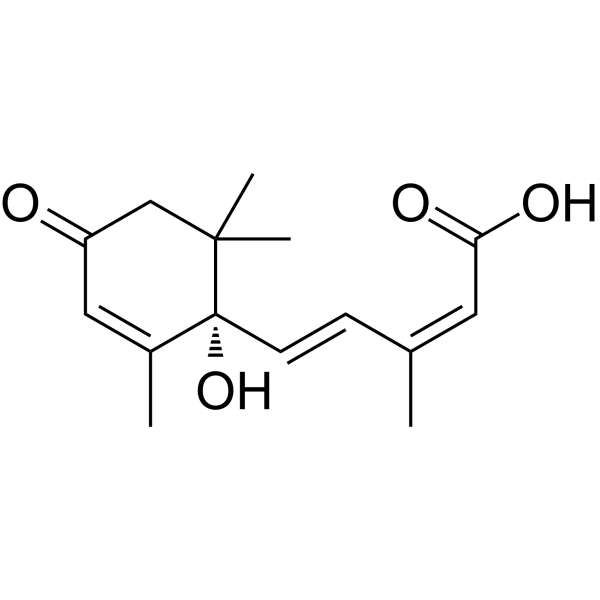
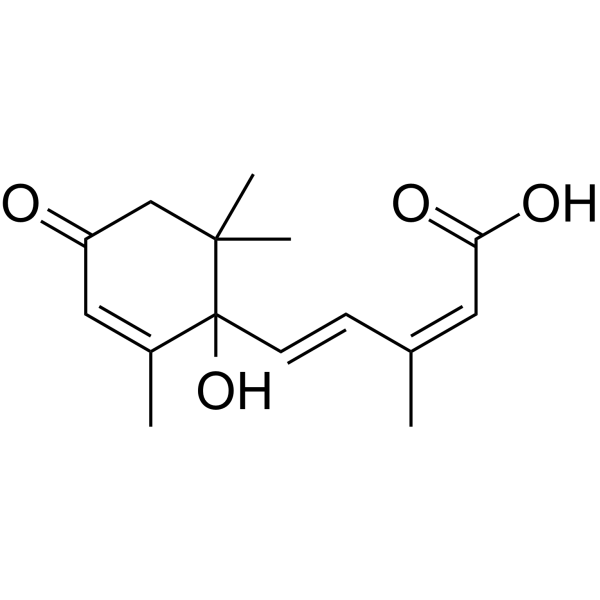
  • HY-100560
    Abscisic acid
    3 Publications Verification

    (S)​-​(+)​-​abscisic acid; ABA

    Environmental Pollutants Endogenous Metabolite ABA Receptor Proton Pump Metabolic Disease
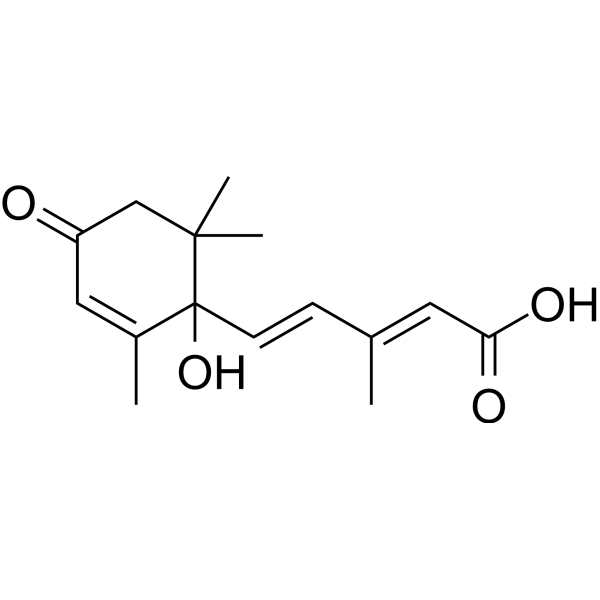
    Abscisic acid ((S)-(+)-Abscisic acid), an orally active phytohormone in fruits and vegetables, is an endogenously produced mammalian hormone. Abscisic acid is a growth inhibitor and can regulate many aspects of plant growth and development. Abscisic acid inhibits proton pump (H +-ATPase) and leads to the plasma membrane depolarization in a Ca 2+-dependent manner. Abscisic acid, a LANCL2 natural ligand, is a potent insulin-sensitizing compound and has the potential for pre-diabetes, type 2 diabetes and metabolic syndrome .
    Abscisic acid
  • HY-N2549

    (±)-ABA

    Calcium Channel Metabolic Disease Inflammation/Immunology
    (±)-Abscisic acid is an orally active plant hormone that is present also in animals. (±)-Abscisic acid (ABA) contributes to the regulation of glycemia in mammals .
    (±)-Abscisic acid
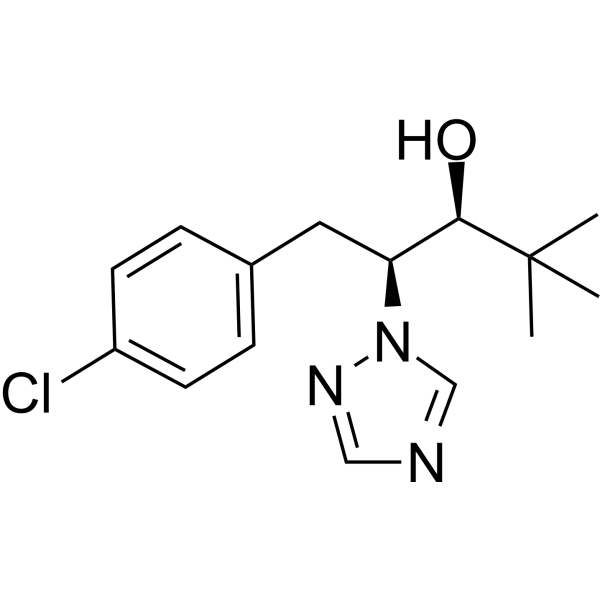
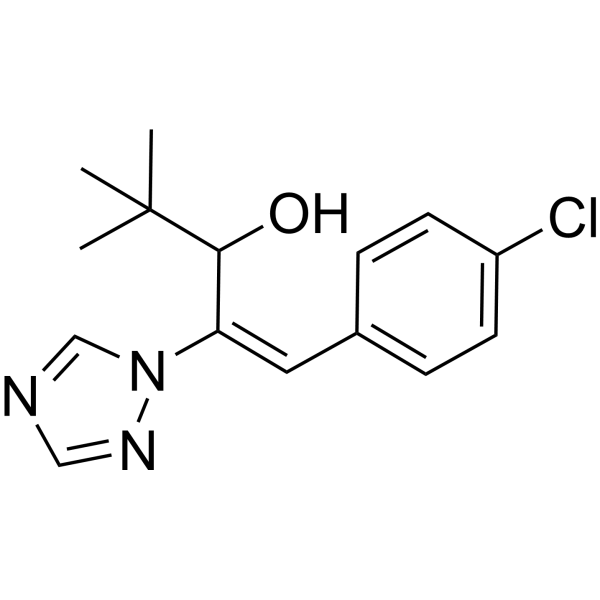
  • HY-B0853
    Paclobutrazol
    2 Publications Verification

    Environmental Pollutants Fungal Infection
    Paclobutrazol is a triazole-containing plant growth retardant that is known to inhibit the biosynthesis of gibberellins. Paclobutrazol also has antifungal activities. Paclobutrazol, transported acropetally in plants, can also suppress the synthesis of abscisic acid and induce chilling tolerance in plants. Paclobutrazol is typically used to support research on the role of gibberellins in plant biology .
    Paclobutrazol
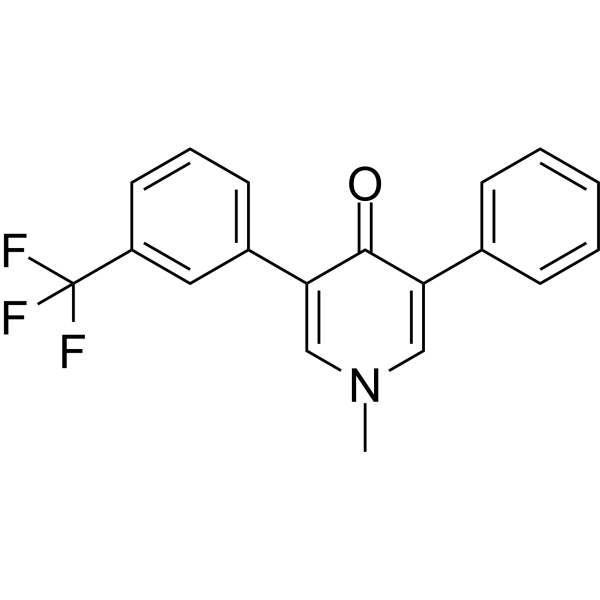
  • HY-134094
    Fluridone
    2 Publications Verification

    Environmental Pollutants Herbicide Inflammation/Immunology
    Fluridone is a herbicide, particularly to eliminate aquatic plant growth in water reservoirs and irrigation channels. Fluridone is a potent Abscisic acid (ABA) biosynthesis inhibitor, and has anti-inflammatory effects .
    Fluridone
  • HY-B0873

    Environmental Pollutants Cytochrome P450 ROS Kinase Others
    Uniconazole, a plant growth retardant, is a potent inhibitor of abscisic acid (ABA) catabolism with an IC50 of 68 nM against ABA 8’-hydroxylase. Uniconazole is a potent competitive inhibitor of CYP707A3 activity with a Ki of 8 nM. Uniconazole evidently inhibits gibberellin biosynthesis, and brassinosteroid biosynthesis is also inhibited to some extent .
    Uniconazole
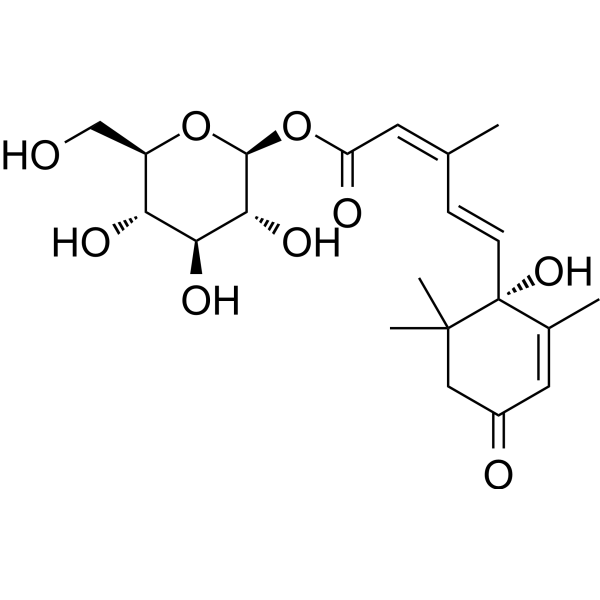
  • HY-111974

    ABA-GE; (S)-cis,trans-abscisic acid glucosyl ester

    Proton Pump Endocrinology
    β-D-Glucopyranosyl abscisate (ABA-GE) is a hydrolyzable abscisic acid (ABA) conjugate that accumulates in the vacuole and presumably also in the endoplasmic reticulum. The deconjugation of β-D-Glucopyranosyl abscisate allows the rapid formation of free ABA in response to abiotic stress conditions such as dehydration and salt stress. β-D-Glucopyranosyl abscisate contributes to the maintenance of ABA homeostasis .
    β-D-Glucopyranosyl abscisate
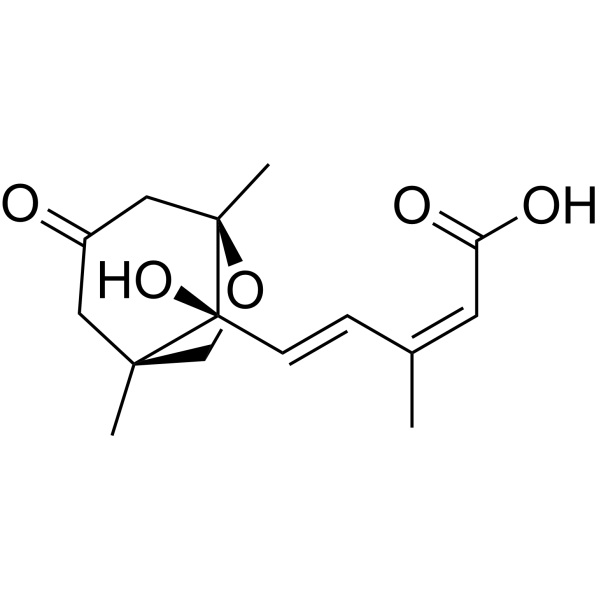
  • HY-111973

    Phytohormone iGluR Neurological Disease
    Phaseic acid is a Abscisic acid terpenoid catabolite that can able to activate a subset of Abscisic acid repectors. Phaseic acid is a plant hormone associated with photosynthesis arrest and abscission. Phaseic acid is the antagonist for NMDA-type glutamate receptor (NMDAR) that inhibits NMDAR currents with an IC50 of 34.37 μM. Phaseic acid reduces intracellular calcium influx, and exhibits neuroprotective effect .
    Phaseic acid
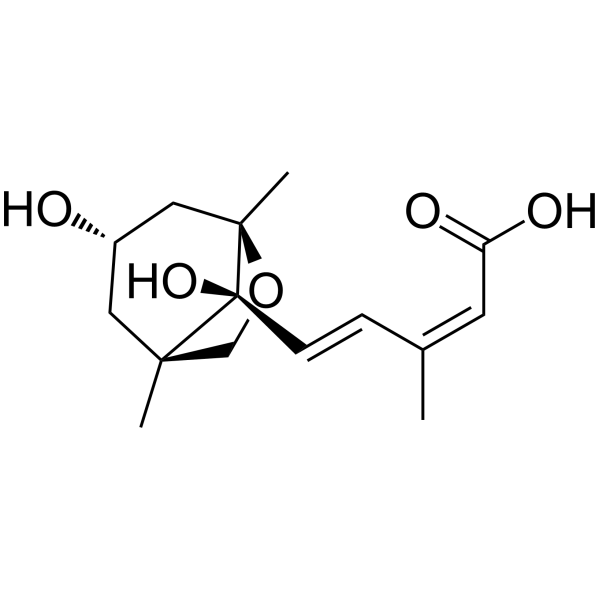
  • HY-116831

    Drug Metabolite Others
    4′-Dihydrophaseic acid is a metabolite of the plant hormone abscisic acid and is present in legume seeds .
    4′-Dihydrophaseic acid
  • HY-100560R

    (S)​-​(+)​-​abscisic acid (Standard); ABA (Standard)

    Reference Standards Endogenous Metabolite Proton Pump ABA Receptor Metabolic Disease
    Abscisic acid (Standard) is the analytical standard of Abscisic acid. This product is intended for research and analytical applications. Abscisic acid ((S)-(+)-Abscisic acid), an orally active phytohormone in fruits and vegetables, is an endogenously produced mammalian hormone. Abscisic acid is a growth inhibitor and can regulate many aspects of plant growth and development. Abscisic acid inhibits proton pump (H+-ATPase) and leads to the plasma membrane depolarization in a Ca2+-dependent manner. Abscisic acid, a LANCL2 natural ligand, is a potent insulin-sensitizing compound and has the potential for pre-diabetes, type 2 diabetes and metabolic syndrome .
    Abscisic acid (Standard)
  • HY-100560S

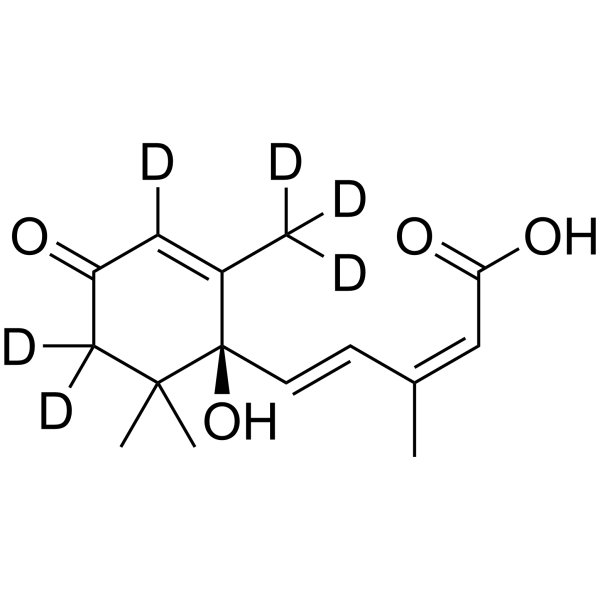
    (S)​-​(+)​-​abscisic acid-d6; ABA-d6

    Proton Pump Isotope-Labeled Compounds ABA Receptor Metabolic Disease
    Abscisic acid-d6 is deuterium labeled Abscisic acid. Abscisic acid inhibits proton pump (H +-ATPase) .
    Abscisic acid-d6
  • HY-B0853R

    Reference Standards Fungal Infection
    Paclobutrazol (Standard) is the analytical standard of Paclobutrazol. This product is intended for research and analytical applications. Paclobutrazol is a triazole-containing plant growth retardant that is known to inhibit the biosynthesis of gibberellins. Paclobutrazol also has antifungal activities. Paclobutrazol, transported acropetally in plants, can also suppress the synthesis of abscisic acid and induce chilling tolerance in plants. Paclobutrazol is typically used to support research on the role of gibberellins in plant biology .
    Paclobutrazol (Standard)
  • HY-124504

    Endogenous Metabolite Others
    Lunularic acid is a dihydrostilbene compound with anti-hyaluronidase activity (IC50: 0.13 nM). Lunularic acid can be used as an endogenous growth inhibitor in liverworts, replacing the function of abscisic acid in higher plants .
    Lunularic acid
  • HY-N7523

    DNA/RNA Synthesis Apoptosis Cancer
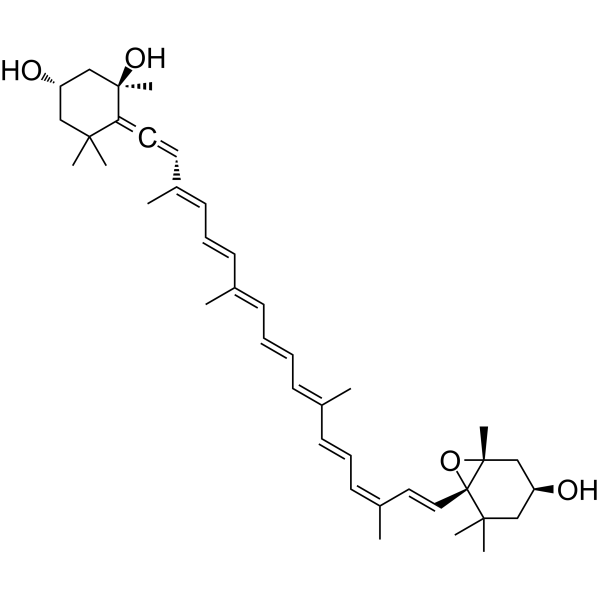
    Neoxanthin is a major xanthophyll carotenoid and a precursor of the plant hormone abscisic acid in dark green leafy vegetables. Neoxanthin is a potent antioxidant and light-harvesting pigment. Neoxanthin induces apoptosis and has anticancer actions .
    Neoxanthin
  • HY-P0271A
    Syntide 2 TFA
    2 Publications Verification

    CaMK Neurological Disease
    Syntide 2 (TFA), a Ca 2+- and calmodulin (CaM)-dependent protein kinase II (CaMKII) substrate peptide, selectively inhibits the gibberellin (GA) response, leaving constitutive and abscisic acid-regulated events unaffected .
    Syntide 2 TFA
  • HY-134094R

    Herbicide Reference Standards Inflammation/Immunology
    Fluridone (Standard) is the analytical standard of Fluridone. This product is intended for research and analytical applications. Fluridone is a herbicide, particularly to eliminate aquatic plant growth in water reservoirs and irrigation channels. Fluridone is a potent Abscisic acid (ABA) biosynthesis inhibitor, and has anti-inflammatory effects .
    Fluridone (Standard)
  • HY-162467

    Proton Pump Others
    Opabactin is an agonist for abscisic acid (ABA) receptor, which regulates the water use of plants by mimicking the effects of ABA with an IC50 of 7 nM. Opabactin inhibits the seed germination of Arabidopsis with an IC50 of 62 nM. Opabactin induces anti-transpiration response in plant tissue, and improves crop drought tolerance .
    Opabactin
  • HY-N2549A

    (±)-trans-ABA

    Others Others
    (±)-trans-Abscisic acid ((±)-trans-ABA) is an acid. (±)-trans-Abscisic acid can be isolated from strawberry tree (Arbutus unedo L.) honeys .
    (±)-trans-Abscisic acid
  • HY-P10670

    ABA Receptor Others
    CLE25 peptide moves from the roots to the leaves and modulates NCED3 expression in leaves in association with the receptor-like kinases BAM1 and BAM3. CLE25 peptide induces stomatal closure by modulating abscisic acid accumulation and thereby enhances resistance to dehydration stress .
    CLE25 Peptide
  • HY-W653739

    abscisic aldehyde

    Drug Intermediate Others
    (+)-Abscisic Aldehyde (ABAld) is an intermediate in the biosynthesis of the plant hormone abscisic acid (ABA). (+)-Abscisic Aldehyde is produced by the dehydrogenation of xanthoxin by xanthoxin dehydrogenases, followed by selective oxidation by abscisic aldehyde oxygenase. (+)-Abscisic Aldehyde has an oxidizing PsAOγ activity and it correlates with ABA accumulation in the old leaves of pea plants with long exposure of salinity, ammonium or nitrogen deficiency. (+)-Abscisic Aldehyde can be used for plant growth and development research .
    (+)-Abscisic aldehyde
  • HY-126478

    Proton Pump Others
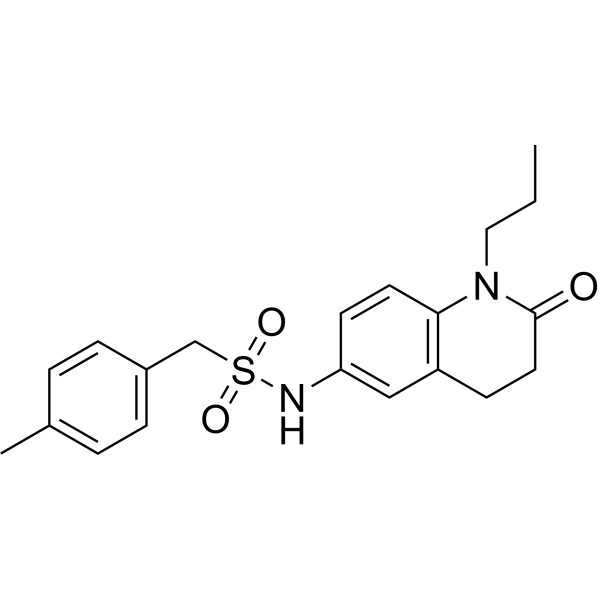
    Quinabactin is a sulfonamide Abscisic acid (ABA) agonist. Quinabactin promotes guard cell closure, inhibits water loss, and promotes drought tolerance in adult Arabidopsis and soybean plants .
    Quinabactin
  • HY-118115

    Proton Pump Others
    Pyrabactin is a seed-selective abscisic acid (ABA) agonist that acts through Pyrabactin Resistance 1 (PYR1) and PYL1. Pyrabactin is used as a synthetic plant growth inhibitor .
    Pyrabactin
  • HY-P0271

    CaMK Autophagy Neurological Disease
    Syntide 2, a Ca 2+- and calmodulin (CaM)-dependent protein kinase II (CaMKII) substrate peptide, selectively inhibits the gibberellin (GA) response, leaving constitutive and abscisic acid-regulated events unaffected .
    Syntide 2
  • HY-B0868

    Herbicide Others
    2,4-D isooctyl ester, a synthetic auxin herbicide, is a TIR1 protein transport inhibitor. 2,4-D isooctyl ester interacts with TIR1 to facilitate auxin signal transduction, activating auxin-mediated growth responses. 2,4-D isooctyl ester functions as a pro-herbicide bio-transformed into phytotoxic 2,4-D post-plant absorption, disrupting normal plant growth. 2,4-D isooctyl ester can be used to control broadleaf weeds .
    2,4-D isooctyl ester
  • HY-162466

    Proton Pump Others
    ABA receptor agonist 1 (compound 4c) is a receptor agonist for abscisic acid (ABA). ABA receptor agonist 1 can inhibit seed germination and seedling growth of Arabidopsis and rice, stomatal closure and drought resistance of wheat and soybean .
    ABA receptor agonist 1
  • HY-B0873R

    Reference Standards Cytochrome P450 ROS Kinase Others
    Uniconazole (Standard) is the analytical standard of Uniconazole. This product is intended for research and analytical applications. Uniconazole, a plant growth retardant, is a potent inhibitor of abscisic acid (ABA) catabolism with an IC50 of 68 nM against ABA 8’-hydroxylase. Uniconazole is a potent competitive inhibitor of CYP707A3 activity with a Ki of 8 nM. Uniconazole evidently inhibits gibberellin biosynthesis, and brassinosteroid biosynthesis is also inhibited to some extent .
    Uniconazole (Standard)
  • HY-159110

    Drug Derivative Others
    ABA-DMNB is a photo-caged chemically induced proximity (CIP) inducer. ABA-DMNB is a photo-caged ABA (Abscisic acid (HY-100560)). ABA-DMNB can be uncaged under light irradiation and generate active ABA .
    ABA-DMNB
  • HY-100560A

    Biochemical Assay Reagents Others
    Abscisic acid Sterile Solution (1 mg/mL) is a ready-to-use sterile solution of Abscisic acid (HY-100560) with a concentration of 1 mg/mL. Abscisic acid Sterile Solution (1 mg/mL) can be used for plant culture and is generally diluted 1:1000-1:2000 before use.
    Abscisic acid Sterile Solution (1 mg/ml)
  • HY-29160

    Drug Derivative Metabolic Disease
    4-Hydroxyisophorone is a derivative of Abscisic acid (HY-100560). 4-Hydroxyisophorone a weak inhibitory effect on plant growth .
    4-Hydroxyisophorone
  • HY-E71288

    Biochemical Assay Reagents Others
    β-D-Glucopyranosyl abscisate β-glucosidase (EC 3.2.1.175) hydrolzes the biologically inactive β-D-Glucopyranosyl ester of abscisic acid to produce active abscisate. Abscisate is a phytohormone critical for plant growth, development and adaption to various stress conditions. The enzyme does not hydrolyse β-D-Glucopyranosyl zeatin.
    β-D-Glucopyranosyl abscisate β-glucosidase
  • HY-N18041

    Drug Derivative Others
    Pseudostellarin E is a proline-rich, caryophyllaceous cyclopeptide present in the roots of Pseudostellaria heterophylla. Pseudostellarin E can be synthesized by overexpressing its precursor gene prePhPE in the leaves of Nicotiana benthamiana .
    Pseudostellarin E
  • HY-W547534

    2,4-Dichlorophenoxyacetic acid ammonium

    Herbicide DNA/RNA Synthesis Apoptosis Cancer
    2,4-D (2, 4-dichlorophenoxyacetic acid) ammonium is a selective herbicide that can be used for the control of broad-leaved weeds. 2,4-D ammonium can induce apoptosis. 2,4-D ammonium inhibits DNA and protein synthesis, thereby preventing normal plant growth and development .
    2,4-D ammonium

Inquiry Online

Your information is safe with us. * Required Fields.

Salutation


Country or Region *

Applicant Name *


Organization Name *

Department *


Email Address *


Product Name *

Cat. No.


Requested quantity *

Phone Number *


Remarks

Inquiry Online

Inquiry Information

Product Name:
Cat. No.:
Quantity:
MCE Japan Authorized Agent:

